
India
HYDERABAD, — May 11, 2026 : The Indian Army has inducted two indigenous combat systems — the UAV-Launched Precision Guided Munition (ULPGM) and the AGNIKAA VTOL-1 First-Person View (FPV) Kamikaze Drone — under the Emergency Procurement (EP-6) framework following a series of operational validation trials conducted in challenging combat conditions. The formal handover ceremony took place in Hyderabad in the presence of officials from the Army’s Western Command. Prior to induction, both systems completed high-altitude testing, electronic warfare (EW) evaluations, and precision-guided munition firing trials to confirm operational readiness for deployment in difficult terrains and contested environments. Both platforms were designed, developed, and manufactured in India, supporting the Army’s ongoing effort to expand indigenous precision-strike and loitering munition capabilities for frontline operations. ULPGM Loitering Munition The ULPGM, co-developed by the Defence Research and Development Organisation (DRDO) and Adani Defence & Aerospace, is classified as India’s first indigenous loitering munition in its category. The system is integrated with retractable UAV launch platforms, providing greater operational flexibility during missions in contested areas. The launch UAV has an operational range of up to 20 kilometres, while the precision-guided munition itself is capable of engaging targets at a direct strike range of 2.5 kilometres. The system is equipped with an Imaging Infrared (IIR) seeker that enables engagement of both stationary and moving targets during day and night operations. The munition carries a two-kilogram warhead intended for use against soft and hard targets and is reported to achieve an accuracy of one metre Circular Error Probable (CEP). The ULPGM also incorporates anti-jamming and anti-spoofing capabilities to maintain operational reliability in GPS-denied and communication-jammed environments. AGNIKAA VTOL-1 FPV Kamikaze Drone The second inducted system, the AGNIKAA VTOL-1, has been designated as India’s first FPV kamikaze drone in its class. Built with a vertical take-off and landing (VTOL) configuration, the platform is designed for rapid deployment during urban warfare operations, confined-space engagements, and open battlefield missions. The drone has an operational range of up to five kilometres, a flight endurance of 30 minutes, and a maximum speed of 60 kilometres per hour. Its payload is designed with a lethality radius of five metres against personnel and soft-skinned vehicles. To improve operational safety and mission reliability, the AGNIKAA VTOL-1 is equipped with a three-layered trigger mechanism and a four-layer trigger safety system. Similar to the ULPGM, the drone is designed to remain operational in GPS-denied settings and complex electronic warfare environments. Indigenous Capability Expansion The induction of both systems under the EP-6 emergency procurement route reflects the Indian Army’s increasing focus on rapidly deployable indigenous unmanned combat systems for precision-strike operations. The platforms are expected to strengthen operational capabilities in high-risk sectors while supporting wider integration of domestically developed defence technologies into frontline formations.
Read More → Posted on 2026-05-11 14:29:06
India
HYDERABAD, — May 9, 2026 : The Defence Research and Development Laboratory (DRDL) in Hyderabad has successfully completed the second long-duration ground test of its Actively Cooled Full Scale Scramjet Combustor, marking a significant step in India’s ongoing hypersonic missile development programme. The test was conducted on May 9 at DRDL’s Scramjet Connect Pipe Test (SCPT) Facility, where the combustor operated continuously for more than 1,200 seconds. The test represents the longest duration achieved by India in a full-scale scramjet combustor ground trial. DRDL, a laboratory under the Defence Research and Development Organisation, designed and developed both the combustor and the SCPT facility with support from domestic industry partners. The SCPT facility was developed to simulate the high-temperature and high-speed operating conditions required for hypersonic air-breathing propulsion systems. The latest trial follows an earlier full-scale test conducted on January 9, 2026, during which the combustor sustained operation for 12 minutes at the same facility. Before the full-scale programme, DRDL had also completed a successful ground test of an actively cooled subscale scramjet combustor for more than 1,000 seconds in April 2025. Scramjet engines are designed for sustained hypersonic flight at speeds above Mach 5. Unlike conventional rocket systems, scramjets use atmospheric oxygen for combustion and therefore do not require onboard oxidisers. The technology depends on maintaining stable supersonic combustion under extreme aerodynamic and thermal conditions. At speeds approaching Mach 7, the external surface temperature of hypersonic vehicles can exceed 1,000 degrees Celsius because of atmospheric friction. To manage these temperatures, DRDL has incorporated an active cooling mechanism in which the missile fuel absorbs heat from the combustor walls before entering the combustion chamber. According to officials associated with the programme, the repeated long-duration tests at the SCPT facility validated both the combustor design and the associated thermal management systems required for sustained hypersonic operation. A scramjet-powered cruise missile operating at Mach 6 to Mach 7 can travel at speeds of around 7,400 kilometres per hour. Sustained engine operation for approximately 20 minutes significantly increases the potential powered flight range of such systems when combined with an initial booster stage. Unlike ballistic missiles that follow predictable high-altitude trajectories, hypersonic cruise missiles powered by scramjet engines remain within the atmosphere throughout flight. Their ability to maneuver at high speeds and lower altitudes makes interception by existing radar and air defence systems more difficult. The successful test advances India’s Hypersonic Missile Programme by demonstrating the maturity of the full-scale actively cooled combustor configuration. DRDL is continuing work on related technologies, including high-temperature materials, flame stabilisation systems and integration of the combustor into complete propulsion systems for future hypersonic platforms. With the latest long-duration validation, India joins a limited group of countries that have demonstrated sustained hypersonic scramjet propulsion capabilities for potential operational applications.
Read More → Posted on 2026-05-09 17:04:48
India
BENGALURU, INDIA — May 9, 2026 : Bengaluru-based defence technology startup Zulu Defence Systems has unveiled a new multi-barrel launcher designed for the rapid deployment of loitering munitions, expanding the company’s tactical unmanned systems portfolio for modern battlefield operations. The launcher is intended to support simultaneous or sequential launches of multiple loitering munitions, enabling coordinated swarm operations and multi-target engagement. The system is designed to provide armed forces with rapid-response strike capability while reducing the need for heavy deployment infrastructure. Founded in October 2023 by Rajagopal Sethauram and Chief Executive Officer Nagendran Kandasamy, Zulu Defence Systems develops tactical air defence drone systems and weaponised unmanned aerial vehicles for intelligence, surveillance, reconnaissance (ISR) and precision strike missions. The company’s flagship platform, the HOVERBEE, is a palm-launched vertical take-off and landing (VTOL) micro drone that can be configured either for ISR operations or as a loitering munition. In its strike configuration, the platform replaces its surveillance payload with a 400-gram explosive warhead. The drone is designed with a low acoustic signature and supports rapid field deployment without requiring dedicated launch infrastructure. The newly introduced multi-barrel launcher is designed to integrate with the company’s existing loitering munition platforms, including HOVERBEE and the DRAP loitering munition system. DRAP is a larger VTOL platform equipped with edge computer vision capabilities and can carry warheads weighing up to 1.5 kilograms with multiple fuse configurations for varying mission requirements. Zulu Defence Systems also manufactures the Volume 35 weaponised unmanned aerial system, which is capable of deploying six 81-millimetre mortar shells while maintaining operational performance at higher altitudes and in varying weather conditions. According to the company, the launcher operates in conjunction with its Advanced Air Defence Aerial Systems (AADAS), an artificial intelligence-driven software architecture that integrates ISR and precision strike data into a unified operational framework. The platform supports swarm-capable missions through autonomous flight functions, real-time collaboration, and data integration between multiple airborne assets. The company has recently expanded production capacity at its Bengaluru manufacturing facility as it transitions several unmanned systems from prototype development to mass production. Zulu Defence stated that its tactical drone platforms have undergone field evaluations with units of the Indian Army and the Indian Navy’s Marine Commando Force (MARCOS), where the systems reportedly demonstrated favourable operational performance and were recommended for service acceptance. To support manufacturing expansion and continued hardware development, Zulu Defence has raised approximately $987,000 through two seed funding rounds, with participation from investment firms including Finvolve. In addition to domestic deployments, the company has also initiated exports of its tactical defence systems to select markets in Europe and the Middle East.
Read More → Posted on 2026-05-09 15:46:16
India
CHANDIPUR, Balasore, Odisha — May 8, 2026 : India has successfully conducted the test-firing of an advanced variant of the nuclear-capable Agni-5 Intercontinental Ballistic Missile (ICBM), unofficially referred to by defence analysts as the Agni-5 Mk2, from the Integrated Test Range (ITR) at Chandipur off the coast of Odisha. The launch was carried out under the joint supervision of the Defence Research and Development Organisation (DRDO) and the Strategic Forces Command (SFC). The test marked another major development in India’s long-range strategic missile programme and its ongoing efforts to modernise nuclear deterrence capabilities. Advanced Variant and HGV Payload According to officials and analysts monitoring the programme, the advanced Agni-5 variant tested during the launch incorporated a Hypersonic Glide Vehicle (HGV) payload along with technologies associated with Multiple Independently Targetable Re-entry Vehicles (MIRVs). The launch involved a nuclear-capable intercontinental-range ballistic missile from a defence facility located off the Odisha coast. The system tested is understood to include upgraded post-boost vehicle functions, maneuvering capability and advanced guidance systems intended to improve survivability and penetration capability against ballistic missile defence networks. Hypersonic Glide Vehicles are designed to travel at extremely high speeds while retaining the ability to maneuver unpredictably within the atmosphere after separation from the ballistic missile booster. Such systems reduce interception probability by avoiding predictable ballistic flight paths. Agni-5 Missile Specifications The Agni-5 is a road-mobile, canisterised, three-stage solid-fuelled ballistic missile and remains one of the longest-range systems in India’s strategic arsenal. The missile has an operational range exceeding 5,000 kilometres, allowing it to reach targets across nearly the entire Asian continent and parts of Europe. The platform is designed for rapid deployment and long-term storage within sealed launch canisters, improving operational readiness and mobility. The missile also incorporates high-precision navigation systems and a maneuverable re-entry vehicle architecture intended to enhance targeting accuracy and survivability during terminal flight. MIRV Capability and Mission Divyastra The advanced variant tested during the launch further develops India’s MIRV capability first publicly demonstrated during the “Mission Divyastra” flight test conducted in March 2024. MIRV technology allows a single ballistic missile to carry multiple nuclear warheads capable of independently targeting separate locations. The warheads can be released at varying speeds, trajectories and directions during the post-boost phase of flight. Defence analysts note that MIRV-equipped missiles significantly complicate interception efforts by ballistic missile defence systems, as they can deploy multiple warheads, decoys or penetration aids simultaneously. Subsequent tests conducted after Mission Divyastra, including user trials overseen by the Strategic Forces Command, reportedly focused on validating payload deployment sequences, guidance corrections, post-boost maneuvering and operational reliability under varying flight conditions. Unusual Plume Geometry Observed During Launch Observers monitoring the launch reported unusual plume geometry and distinct atmospheric signatures during the missile’s ascent phase. Video footage of the test showed an expanding illuminated exhaust cloud accompanied by a distorted corkscrew-shaped pattern and possible staging or divert signatures at high altitude. Analysts reviewing the visuals stated that the observed plume behaviour differed from the cleaner ascent arcs commonly associated with conventional ballistic missile trajectories. The visual profile instead suggested a complex high-altitude event involving maneuvering activity, stage separation operations or post-boost vehicle adjustments during flight. According to analysts studying the imagery, the atmospheric interaction resembled patterns typically observed during interceptor tests, ballistic missile defence trials, quasi-ballistic flight profiles or upper-stage events interacting with upper atmospheric winds during twilight conditions. The observed flight characteristics have led some defence specialists to assess that the launch may have included validation of advanced maneuvering systems or hypersonic glide vehicle deployment behaviour during the missile’s midcourse phase. Strategic Significance The successful deployment and continued testing of MIRV-related technologies places India among a limited group of countries possessing such capabilities, including the United States, Russia, China, France and the United Kingdom. Strategic analysts state that MIRV-equipped systems strengthen nuclear deterrence by enabling a single missile platform to engage multiple targets while increasing survivability against layered missile defence systems. The Agni-5 programme remains a key component of India’s long-range strategic deterrence posture and reflects the country’s broader investment in advanced missile systems, hypersonic technologies and strategic delivery platforms. International Monitoring and Response International organisations monitoring global strategic weapons developments closely tracked the latest launch. The Federation of American Scientists (FAS), which has followed India’s missile programme for several years, stated that India developed MIRV capability significantly faster than previously anticipated. The organisation has previously noted that the growing proliferation of MIRV technology reflects a wider trend toward the modernisation and diversification of strategic nuclear arsenals worldwide. Awaiting Official Confirmation No official details were immediately released regarding the exact payload configuration, glide vehicle specifications, flight altitude, impact coordinates or the complete mission objectives associated with the launch. Government authorities and the DRDO are expected to issue a formal statement following the completion of telemetry analysis and post-flight evaluation procedures. The latest test comes amid continued expansion of India’s strategic missile infrastructure and ongoing efforts to enhance operational deterrence capabilities across land-based long-range missile systems.
Read More → Posted on 2026-05-08 17:44:56
India
NEW DELHI, — May 8, 2026 : India has officially begun receiving the seventh and eighth battalions of the Russian-made S-400 Triumf long-range air defence system, marking another major step in the Indian Air Force’s (IAF) ongoing expansion of its strategic air defence network. The deliveries commenced on May 7, according to Indian defence officials, coinciding with the one-year anniversary of the May 2025 India-Pakistan conflict known as Operation Sindoor. The brief but intense confrontation was notable for becoming the first high-intensity combat deployment of the S-400 system outside Russian territory. Deputy Chief of Air Staff Air Marshal Awadhesh Kumar Bharti confirmed that the systems had already been dispatched from Russia and are expected to arrive in India within a month. “We should be having [it] with us within a month,” Bharti stated, adding that the final two battalions under the original contract are scheduled for delivery before the end of 2026. Original Contract and Delivery Delays India signed the original $5.43 billion contract with Russia in October 2018 for the procurement of ten S-400 battalions. The deliveries were initially expected to be completed by 2025, but the programme faced repeated delays due to complications arising from the Russia-Ukraine war. The disruptions affected production schedules, logistics, transportation routes, and financial arrangements linked to Russian defence exports. In response to the delays, Indian Defence Minister Rajnath Singh and Russian Defence Minister Andrey Belousov held dedicated discussions in June 2025 aimed at accelerating the remaining deliveries. The arrival of the seventh and eighth battalions now places the programme back on an accelerated delivery timeline. Combat Experience During Operation Sindoor The May 2025 conflict with Pakistan significantly increased the strategic importance of the S-400 within Indian military planning. During the conflict, the system was used in a high-intensity operational environment for the first time outside Russia. Indian military and civilian leadership publicly praised the system’s performance during the hostilities. Air Marshal Bharti recently stated that Indian forces destroyed 13 Pakistani aircraft and struck 11 Pakistani airfields during the conflict. At the same time, Pakistan claimed its air force had downed several Indian combat aircraft, including four Rafale fighters. The claims from both sides remain independently unverified. The operational outcomes of the conflict strengthened India’s emphasis on long-range ground-based air defence systems. Defence analysts note that the S-400 provides extensive engagement ranges, multi-target interception capability, and broad-area surveillance through integrated radar systems. The platform is also regarded as more cost-effective over time compared to maintaining continuous fighter patrols for defensive coverage. Deployment Along Pakistan and China Frontiers The Indian Air Force plans to deploy the seventh and eighth S-400 battalions near the border with Pakistan. Once operational, the western sector will host six S-400 battalions in total. The remaining two battalions from the original order are expected to be positioned near the border with China, increasing the number of units deployed in the northern and eastern sectors to four. The deployments reflect India’s broader effort to strengthen layered air defence coverage across both major strategic fronts simultaneously. Approval for Additional Ten Battalions India is also preparing for a major expansion of its S-400 inventory beyond the original order. In March 2026, the Defence Acquisition Council approved the procurement of an additional ten S-400 battalions as part of a wider ₹2.38 lakh crore defence modernization package. The approval will increase the Indian Air Force’s planned S-400 inventory to a total of 20 battalions. The expanded network is expected to provide additional layers of air defence coverage deeper inside Indian territory beyond frontline operational zones. Indian defence officials are also studying the possibility of acquiring a navalized version of the S-400 system for future destroyer classes currently under development for the Indian Navy. Integration With Wider Russian Aerospace Systems The S-400 expansion is progressing alongside several other major Russian-linked air combat modernization programmes being pursued by India. The Indian Defence Ministry has approved procurement of the R-37M long-range air-to-air missile for the Su-30MKI fighter fleet. The missile is capable of speeds approaching Mach 6 and can reportedly engage aerial targets at ranges of up to 400 kilometres. Simultaneously, negotiations are at an advanced stage for a large-scale Russian-backed modernization programme for India’s Su-30MKI fleet. The proposed upgrades are expected to include improvements to radar systems, avionics, electronic warfare capabilities, and weapons integration. Speculation has also intensified regarding a potential Indian acquisition of the Russian Su-57 fifth-generation stealth fighter. In January 2026, the Indian Defence Ministry confirmed that technical discussions regarding the aircraft had reached an advanced stage. Subsequent statements from Russian officials indicating that new export agreements for the Su-57 had been finalized further increased speculation that India could become one of the aircraft’s future operators. Toward an Integrated Air Defence Architecture Military analysts assess that the various programmes are designed to operate as part of an integrated aerial warfare and air defence network centered largely on Russian-origin systems. The combination of upgraded Su-30MKI fighters, R-37M long-range missiles, potential Su-57 stealth aircraft, and an expanded S-400 missile shield is expected to significantly strengthen India’s long-range aerial surveillance, interception, and layered air defence capabilities. Indian defence planners view the expanding network as a central component of long-term efforts to enhance protection of Indian airspace while improving operational readiness across both western and northern theatres.
Read More → Posted on 2026-05-08 17:16:23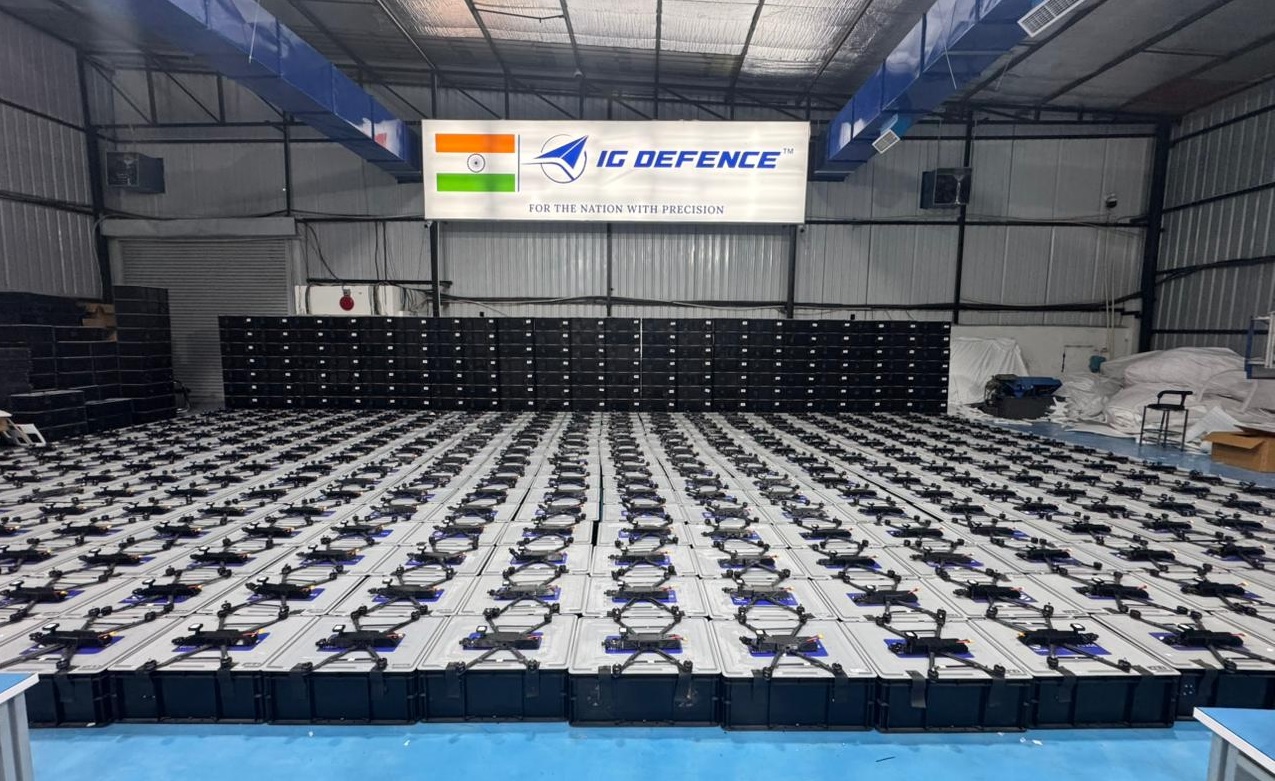
India
NEW DELHI — May 7, 2026 : India’s transition toward large-scale unmanned warfare capabilities is accelerating as indigenous defence technology company IG Defence increases production of First-Person View (FPV) kamikaze drones to 200 units per day, amid growing military emphasis on volume-led combat preparedness and rapid deployment capabilities. The expansion reflects a broader shift within the Indian armed forces toward high-volume unmanned systems designed for precision strike, surveillance, and tactical battlefield operations across sensitive theatres including the Line of Actual Control (LAC) and the Line of Control (LoC). Military Leadership Highlights Need for Large-Scale Drone Capacity Senior military leadership has repeatedly underscored the importance of industrial-scale drone manufacturing in future warfare scenarios. Former Chief of Army Staff General Manoj Mukund Naravane recently stated that India must develop the capability to manufacture as many as 40,000 drones per month during future contingencies. He noted that modern conflicts increasingly depend on industrial adaptability and rapid production scalability rather than solely on conventional platforms. Army Chief General Upendra Dwivedi has similarly outlined operational requirements for unmanned systems, stating that each Army corps may require between 8,000 and 10,000 UAVs, including FPV drones, to maintain tactical dominance in contested airspace and support frontline operations. The Indian Army has subsequently accelerated efforts to integrate indigenous FPV and loitering munition platforms into operational formations, while also restructuring units to incorporate dedicated unmanned aerial vehicle (UAV) capabilities. Operation Sindoor Accelerated Indigenous Drone Deployment IG Defence’s manufacturing expansion follows the operational deployment of its FPV kamikaze drones during Operation Sindoor in May 2025. The operation was launched following the Pahalgam terror attack and involved the use of multiple indigenous systems for surveillance, reconnaissance, mapping, and precision strike missions. FPV kamikaze drones supplied by IG Defence were deployed alongside other domestically developed platforms during the operation. Following Operation Sindoor, the Government of India acknowledged the company’s contribution through an official Press Information Bureau (PIB) release recognising the operational role played by indigenous drone systems. Over the past financial year, IG Defence has supplied thousands of FPV kamikaze drones to the Indian Army as part of the military’s expanding unmanned warfare inventory. IG FPV Striker Designed for Precision Strike Operations The company’s primary platform, the IG FPV Striker, is an indigenous loitering munition designed for precision engagement missions in contested environments. The system combines real-time targeting capability, high manoeuvrability, rapid-response deployment, and cost-efficient strike functionality. FPV kamikaze drones are increasingly being viewed as critical battlefield tools in asymmetric and dynamic combat environments where low-cost precision systems can provide tactical advantages. Modern FPV drones are capable of high-speed manoeuvres and can reportedly reach speeds of up to 180 kilometres per hour. The systems are also being integrated with modular warhead configurations and emerging AI-enabled swarm capabilities intended to support coordinated multi-target operations. Military planners increasingly regard FPV strike systems as cost-effective alternatives for tactical missions against fortified positions, logistical infrastructure, and moving battlefield targets. Production Expansion Linked to UP Defence Corridor To support long-term production requirements, IG Defence has expanded its industrial infrastructure through a memorandum of understanding signed with the Government of Uttar Pradesh. The agreement covers the establishment of an advanced drone manufacturing and research and development facility within the Uttar Pradesh Defence Corridor. The facility is intended to support mass production of FPV striker drones and related unmanned systems. The company stated that scaling domestic manufacturing capacity remains essential to meeting the Indian armed forces’ future operational requirements. Warfare Transitioning Toward Systems-Driven Operations Maj. Gen. R.C. Padhi (Retd.), Senior Vice President at IG Defence, said modern warfare is rapidly shifting from traditional platform-centric models toward systems-driven and volume-led operations. “The character of warfare is changing faster than ever before. We are witnessing a transition from platform-centric warfare to systems-driven, volume-led engagements. FPV Kamikaze Drones enable tactical dominance at a fraction of traditional costs, and their large-scale deployment will be central to future combat readiness,” he said. He added that indigenous production capability and rapid scalability are becoming increasingly important components of national security preparedness. Indigenous Drone Ecosystem Expanding Under Atmanirbhar Bharat Alongside FPV strike systems, IG Defence is also developing counter-UAS platforms, intelligence, surveillance and reconnaissance (ISR) systems, logistics drone swarms, and combat training solutions aligned with the armed forces’ growing unmanned operational requirements. The broader expansion of domestic drone production aligns with the Government of India’s Atmanirbhar Bharat initiative, which aims to reduce dependence on foreign defence imports while strengthening indigenous defence manufacturing capabilities. Increased participation from private industry, defence start-ups, and MSMEs has contributed to the rapid growth of India’s unmanned systems sector, particularly following operational lessons drawn from Operation Sindoor and recent international conflicts where loitering munitions and drone swarms have played a significant tactical role. As global militaries continue adapting to drone-centric operational models, India’s emphasis on scalable indigenous production reflects an evolving defence doctrine in which the ability to rapidly manufacture and deploy large numbers of unmanned systems is becoming a core operational requirement.
Read More → Posted on 2026-05-07 14:23:55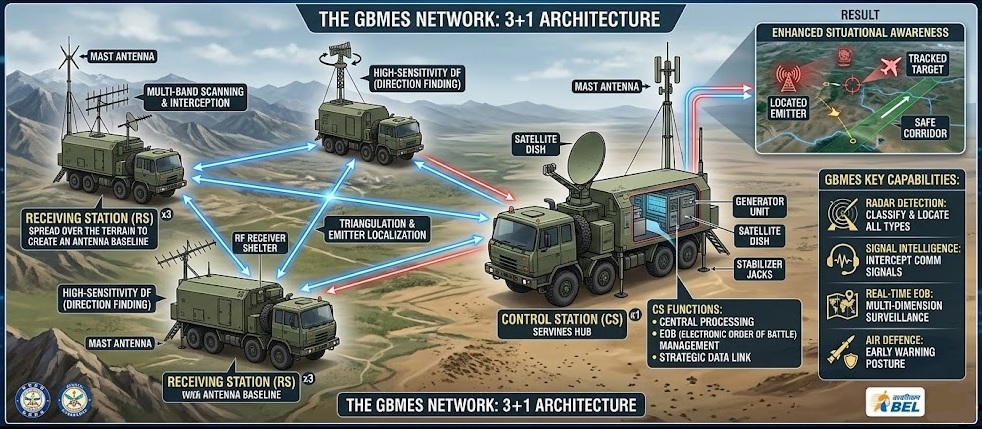
India
BENGALURU — May 6, 2026 : On May 5, 2026 Bharat Electronics Limited (BEL) has signed a ₹1,251 crore contract, excluding taxes, with the Ministry of Defence for the supply of Ground Based Mobile Electronic Intelligence Systems (GBMES) to the Indian Army. The programme is intended to strengthen the Army’s electronic warfare and battlefield surveillance capabilities while expanding India’s indigenous defence manufacturing base. The GBMES is a fully indigenous electronic intelligence platform designed and developed by the Defence Electronics Research Laboratory (DLRL), a specialised laboratory under the Defence Research and Development Organisation (DRDO). BEL will serve as the primary manufacturing and system integration agency for the project. Indigenous Electronic Warfare Platform The Ground Based Mobile ELINT System is a vehicle-mounted electronic intelligence platform developed for deployment in operational and forward battlefield environments. The system architecture consists of multiple receiving stations and a central control station mounted on high-mobility vehicles, enabling rapid deployment and relocation across varied terrain. The configuration includes Receiving Stations (RxS-1 and RxS-2), a Receiving Station with Communication Support Base (RxS-CSB), and a Control Station (CS), all linked through secure communication networks. The system is designed to operate in a distributed manner, allowing multiple mobile nodes to work together during intelligence-gathering operations. According to available technical details, the GBMES is capable of detection, monitoring, location fixing and complete analysis of radio frequency signals across a frequency range of 70 MHz to 40 GHz. The platform uses indigenously developed antenna systems, direction-finding equipment and advanced receiver technologies. Passive Electronic Intelligence Operations Electronic Intelligence (ELINT) involves gathering intelligence through the interception and analysis of electromagnetic emissions generated by military systems such as radars, communication equipment and air defence networks. Unlike conventional radar systems that emit radio waves and expose their own location, the GBMES functions as a passive surveillance system. The platform does not transmit signals of its own, allowing it to operate covertly while continuously monitoring the electromagnetic spectrum. The system uses highly sensitive antennas, advanced digital receivers and signal processing units to detect hostile electromagnetic emissions in real time. Once a signal is intercepted, the system analyses multiple parameters including operating frequency, pulse width, pulse repetition interval, modulation patterns and waveform characteristics. This analysis allows operators to identify the type of hostile equipment generating the signal, including surveillance radars, fire-control radars, surface-to-air missile guidance systems, artillery tracking radars and battlefield communication nodes. Detection and Geolocation Capabilities One of the key operational features of the GBMES is its ability to accurately locate hostile emitters. The system uses multiple receiving stations operating together in a networked configuration to determine the geographical coordinates of enemy radar and communication systems. The platform uses triangulation and phase-difference measurement techniques to establish precise emitter locations. This capability allows military formations to map hostile radar sites, command centres and communication infrastructure without alerting the adversary. In addition to radar intelligence gathering, the GBMES can intercept voice and data communication signals for further classification and operational analysis. The collected information contributes to the development of a comprehensive electronic intelligence picture of the battlefield environment. Technical Specifications Technical information associated with the system indicates that the GBMES is fully automated and software-intensive, while also retaining manual override capability when required during operations. The system is capable of intercepting radar emitters across the 70 MHz to 40 GHz spectrum and can simultaneously monitor at least 200 emitters during operational deployment. The platform is designed to support continuous monitoring, signal analysis and electronic threat identification under battlefield conditions. Its mobile configuration enables rapid deployment to operational sectors, including remote border regions and high-threat environments. The ability to reposition quickly also improves survivability against enemy artillery and counter-electronic warfare measures. Operational Role in Wartime The GBMES is expected to play an important role in modern battlefield operations where control of the electromagnetic spectrum is increasingly critical. The system can support the creation of an Electronic Order of Battle (EOB), which involves mapping enemy radar systems, air defence assets, artillery radars and communication networks before and during combat operations. By passively identifying hostile electronic assets, the Indian Army can improve situational awareness without exposing its own position. The intelligence generated by the system can support suppression of enemy air defence operations by identifying hostile radar locations and missile guidance systems. The information can also assist the Indian Air Force and other formations in planning safer operational routes for aircraft, helicopters and unmanned aerial systems operating near contested airspace. The platform additionally supports electronic warfare operations by enabling selective jamming of hostile radar and communication frequencies. Once enemy systems are identified and classified, electronic warfare units can deploy targeted countermeasures to disrupt adversary surveillance, targeting and command networks. Strategic and Industrial Significance The ₹1,251 crore contract further strengthens BEL’s defence production pipeline and supports the government’s broader objective of increasing indigenous defence manufacturing capabilities. The programme reduces dependence on foreign original equipment manufacturers by retaining system design, production and integration capabilities within India. The development and deployment of the GBMES also contributes to long-term strategic autonomy in advanced electronic warfare technologies. The induction of the Ground Based Mobile ELINT Systems is expected to enhance the Indian Army’s electronic surveillance, electromagnetic spectrum monitoring and battlefield intelligence capabilities as part of ongoing force modernisation efforts across multiple operational theatres.
Read More → Posted on 2026-05-06 14:50:49
India
New Delhi / Prayagraj, — May 4, 2026 : Private strategic systems manufacturer IG Defence presented a comprehensive portfolio of indigenous strike and autonomous platforms at the North Tech Symposium 2026, underscoring the expanding role of India’s private sector in advanced military technology development. The symposium, being held from May 4 to 6 in Prayagraj, is jointly organised by the Indian Army Northern Command, Indian Army Central Command, and the Society of Indian Defence Manufacturers under the theme “Raksha Triveni Sangam – Where Technology, Industry & Soldiering Converge.” The event was inaugurated by Rajnath Singh and has brought together more than 284 companies and over 1,500 delegates from industry, startups, academia, and the armed forces. Flagship Strike and Missile Platforms At the center of IG Defence’s showcase were its flagship systems: the KAL long-range strike drone and the JWALA missile system, both developed to meet evolving battlefield requirements shaped by recent global conflicts and the increasing use of loitering munitions and precision-strike technologies. KAL is designed as a long-range, one-way attack drone capable of deep-penetration missions. It offers an operational strike range of up to 1,000 kilometres and an endurance window of three to six hours. The system integrates GNSS-aided navigation, autonomous waypoint flight, and optical targeting, enabling precision engagement of high-value targets in contested environments with electronic resilience. Complementing this capability is JWALA, a short-range missile system configured for both surface-to-air and surface-to-surface roles. The system incorporates inertial navigation with terminal precision guidance and features a modular launch architecture, allowing flexible deployment across varied and challenging terrains. Its design supports rapid-response engagement scenarios requiring accuracy and mobility. Broader Autonomous and Multi-Domain Systems In addition to KAL and JWALA, IG Defence presented a wider ecosystem of platforms addressing multiple operational domains, including strike, surveillance, logistics, and counter-drone warfare. Among these systems is the FPV STRIKER, a low-cost tactical precision strike platform that has seen deployment during Operation Sindoor. The company also showcased the GAJA Logistics Drone, a heavy-lift unmanned aerial system capable of carrying payloads between 100 and 200 kilograms, designed to support troop sustainment in remote and high-altitude areas. Ground-based capabilities were represented by the UGV NANDI, an unmanned ground vehicle developed for automated logistics and forward reconnaissance missions. For aerial surveillance, IG Defence introduced the SKYHAWK VTOL platform, built for long-endurance intelligence, surveillance, and reconnaissance (ISR) operations. The ASTRA Swarm System, another key component of the portfolio, enables coordinated multi-drone autonomous operations, reflecting the growing emphasis on swarm intelligence in modern warfare. Counter-Drone Capabilities Addressing the increasing threat posed by hostile unmanned aerial systems, IG Defence also unveiled its counter-UAS solutions. These systems combine electronic warfare tools, radio-frequency detection mechanisms, and kinetic countermeasures to detect, track, and neutralize drone threats across operational environments. Strategic Context and Industry Role The systems showcased align with India’s broader push toward self-reliance in defence manufacturing and the development of scalable, electronically resilient warfare capabilities. The symposium itself serves as a platform linking operational military requirements with private-sector innovation, reflecting a shift from import substitution toward indigenous design and development. Bodhisattwa Sanghapriya, Founder and CEO of IG Defence, stated that the company’s focus is on building systems aligned with current operational realities while ensuring long-term adaptability and sustainability within the domestic ecosystem. Major General R.C. Padhi (Retd.), Senior Vice President for Research and Development at IG Defence, highlighted the importance of interoperability, noting that modern conflict scenarios increasingly require integrated systems combining strike capabilities, surveillance, swarm coordination, and counter-drone measures. Expanding Defence Ecosystem IG Defence’s participation at the symposium reflects its broader expansion into high-demand defence segments, including unmanned systems, rapid-response strike platforms, and counter-UAS technologies. The company’s integrated approach aims to deliver complementary systems that enhance operational effectiveness across multiple domains. The North Tech Symposium 2026 is expected to continue serving as a key platform for engagement between defence stakeholders, highlighting the growing contribution of private industry in strengthening India’s defence preparedness and advancing next-generation military capabilities.
Read More → Posted on 2026-05-04 16:00:33
India
NEW DELHI — May 4, 2026 : India’s Defence Research and Development Organisation (DRDO), in collaboration with Astra Microwave Products Limited, is developing a next-generation Long Range Multi-Function Radar (LRMFR) for the Indian Navy’s upcoming Project-18 (P-18) Next-Generation Destroyers. The radar, featuring a 6-metre antenna array, represents one of the largest naval Active Electronically Scanned Array (AESA) systems currently under development. System Design and Technical Specifications The LRMFR is an S-band AESA radar designed for long-range surveillance, tracking, and fire control roles. Each radar face incorporates an Active Antenna Array Unit (AAAU) with a diameter of 6 metres, providing an effective aperture of approximately 36 square metres. The system integrates around 2,400 gallium nitride (GaN)-based transmit/receive modules (TRMs) per array face. The larger antenna aperture allows for higher transmit power and improved sensitivity, enabling detection of a broad spectrum of threats including fighter aircraft, helicopters, unmanned aerial vehicles, cruise missiles, and anti-ship ballistic missiles. Detection ranges are expected to exceed 400 kilometres, with some assessments indicating capabilities beyond 500 kilometres. The radar is configured with four fixed AESA panels mounted on the ship’s superstructure, ensuring full 360-degree coverage. In addition to volume search, the system supports precision tracking, missile guidance, and ballistic missile defence (BMD) roles. It is also designed to provide electronic warfare support and target illumination for surface-to-air missile systems. Comparative Scale with Global Naval Radars The 6-metre LRMFR array exceeds the size of comparable systems deployed by major naval powers. The U.S. Navy’s AN/SPY-6(V)1 radar, developed by Raytheon for the Arleigh Burke-class Flight III destroyers, features array faces measuring approximately 4.27 metres in diameter. Each array uses 37 Radar Modular Assemblies, operates in the S-band, and offers detection ranges exceeding 300 nautical miles, with the ability to track over 600 targets simultaneously. U.S. Navy assessments have indicated that integrating radar arrays approaching 6 metres would require a larger hull than the current Arleigh Burke design. Similarly, China’s Type 346B “Dragon Eye” radar, deployed on Type 055 destroyers of the People’s Liberation Army Navy, incorporates four AESA panels that are larger than the earlier Type 346A but remain smaller than the 6-metre configuration of the Indian LRMFR. The Type 346B is estimated to provide a 60 percent increase in detection range over its predecessor. Integration with Project-18 Destroyers The LRMFR is a central component of the Project-18 (P-18) program, which aims to develop a new class of stealth guided-missile destroyers with a displacement of approximately 11,000 to 13,000 tonnes. These vessels are intended to replace the aging Rajput-class destroyers and will be larger than the existing 7,400-tonne Visakhapatnam-class (Project 15B) ships. The size and power requirements of the 6-metre radar indicate that the P-18 destroyers will incorporate enhanced power generation and internal volume to support high-energy sensor systems. The ships are expected to feature integrated full electric propulsion, advanced electronic warfare suites, and a high degree of stealth design. The radar will serve as the primary sensor for fleet air defence, enabling long-range detection and engagement of aerial and missile threats. It is also designed to replace the Israeli-origin MF-STAR radars currently deployed on Kolkata-class and Visakhapatnam-class destroyers. Weapon Systems and Combat Integration Project-18 destroyers are expected to be equipped with 120 to 144 vertical launch system (VLS) cells. These will support a mix of indigenous and advanced missile systems, including BrahMos cruise missiles, extended-range BrahMos variants, the BrahMos-2 hypersonic missile under development, as well as VL-SRSAM and MR-SAM air defence systems. The LRMFR’s multi-function capability allows it to perform simultaneous search, track, and fire control operations, ensuring seamless integration with these weapon systems. Its open architecture design supports future upgrades and aligns with India’s objective of increasing indigenous defence content. Development and Testing Roadmap The LRMFR has been designed by DRDO, with manufacturing led by Astra Microwave Products Limited. The system is scheduled for integration and testing aboard INS Anvesh, the Indian Navy’s technology demonstration vessel. Development of the radar forms part of a broader effort involving collaboration with domestic industry partners, including Bharat Electronics Limited, to establish a fully indigenous radar ecosystem for naval platforms. Strategic Context The Project-18 program represents the next phase in the Indian Navy’s surface fleet modernization, complementing other initiatives such as next-generation frigates and corvettes. With its larger aperture and enhanced performance characteristics, the LRMFR is expected to improve detection capability, tracking precision, and operational effectiveness in complex maritime environments. The program is projected to play a significant role in strengthening India’s blue-water naval capabilities in the Indian Ocean Region through the 2030s and beyond.
Read More → Posted on 2026-05-04 15:31:16
India
NEW DELHI — May 4, 2026: India has issued a Notice to Airmen (NOTAM) along with corresponding maritime advisories for a series of missile tests scheduled across multiple dates in May, identifying a large restricted zone stretching over the Bay of Bengal and into the Indian Ocean. According to the notification, testing activities are planned for May 6, May 8, and May 9, 2026, with operational windows between 6:00 p.m. and 9:00 p.m. Indian Standard Time (IST). An additional time-specific notice highlights testing on May 6 and May 9 between 6:30 p.m. and 9:00 p.m. IST. These alerts have been issued to ensure civilian air traffic and maritime routes avoid the designated hazard zone during the specified periods. The NOTAM defines a triangular or wedge-shaped restricted area extending approximately 3,560 kilometers from India’s eastern coastline. The corridor originates near the Odisha coast and projects southeastward across the Bay of Bengal, running parallel to the Andaman and Nicobar Islands before continuing into international waters of the Indian Ocean, including regions east of Sri Lanka. Visual representations of the notification, widely circulated on platforms such as X, label the central trajectory as “RANGE–3,560 KMS” and clearly outline the restricted airspace. Such NOTAMs are standard procedure ahead of missile trials, providing advance warning to aviation and shipping operators. The size and extent of the notified zone are consistent with previous long-range ballistic missile tests conducted from the Integrated Test Range (ITR) at Dr. APJ Abdul Kalam Island off the Odisha coast, or from naval platforms operating in nearby waters. While no official confirmation has been issued regarding the specific missile system tied to the 3,560-km NOTAM, the declared range aligns most closely with several existing and emerging platforms in India’s strategic arsenal. It comfortably falls within the operational envelope of the K-4 submarine-launched ballistic missile (SLBM), which is estimated to have a strike range of around 3,500 kilometers and has recently undergone user validation trials from India’s nuclear-powered ballistic missile submarine (SSBN) fleet. Speculation has also emerged around whether the test could involve an advanced configuration of Agni-V, potentially an upgraded Mk-2 variant, or a reduced-range validation of Multiple Independently Targetable Reentry Vehicle (MIRV) or hypersonic glide vehicle (HGV) technologies. However, no official evidence currently confirms such a designation. Reports surrounding DRDO’s Project Dhvani, believed to be a hypersonic glide vehicle concept potentially launched via an Agni-series booster, have fueled additional discussion. Nevertheless, Dhvani remains largely developmental and unverified in open official sources. Based on the published range profile, analysts currently assess that a K-4 SLBM validation or an experimental Agni-V derivative remains more plausible than a full-scale operational hypersonic deployment. Defense analysts note that such exercises are conducted to validate system performance, assess tracking and telemetry networks, and maintain strategic operational readiness. These trials also support the continued maturation of India’s sea-based nuclear deterrent and reinforce the broader framework of its nuclear triad. Authorities have advised all civilian aircraft and maritime operators to avoid the specified corridor during the designated testing windows. As of now, no further details regarding the launch platform or missile configuration have been released by the Ministry of Defence or the Defence Research and Development Organisation (DRDO).
Read More → Posted on 2026-05-04 14:51:08
India
New Delhi, — May 3, 2026 : The Ministry of Finance has notified the Foreign Exchange Management (Non-debt Instruments) (Amendment) Rules, 2026, bringing into force a revised regulatory framework for foreign direct investment (FDI) effective May 1. The amendment marks a structural shift in how India evaluates foreign capital inflows by prioritising ultimate beneficial ownership and control over the immediate country of investment. The changes operationalise policy decisions cleared by the Union Cabinet (March 2026) and provide legal backing to earlier policy guidance issued by the Department for Promotion of Industry and Internal Trade (DPIIT). The revised rules are designed to close gaps that previously allowed indirect investments from restricted jurisdictions through intermediary countries. Focus on Ultimate Beneficial Ownership A central element of the amendment is the formal adoption of the concept of Ultimate Beneficial Ownership (UBO) as the basis for regulatory scrutiny. Under earlier norms, investments routed through third countries such as Singapore, the Netherlands, or the United Arab Emirates could qualify under the automatic route even if underlying ownership traced back to restricted jurisdictions. The updated rules align the definition of “beneficial owner” with the Prevention of Money Laundering Act, 2002 (PMLA) and the associated Maintenance of Records Rules, 2005. This alignment requires authorities to examine ownership structures across all layers of holding entities to determine the individual or entity exercising ultimate control. To introduce operational clarity, the government has set a 10 per cent threshold for non-controlling beneficial ownership. Investments where ownership from land-bordering countries remains below this threshold and does not confer control may proceed under the automatic route. However, any investment exceeding this threshold, or any structure that results in control by such entities, requires prior government approval. Mandatory Government Route for Border-Linked Investments The amendment reiterates and strengthens the requirement that entities incorporated in countries sharing a land border with India—or investments where the beneficial owner is situated in such countries—must route investments through the Government approval pathway. The countries covered include Afghanistan, Bangladesh, Bhutan, China, Myanmar, Nepal, and Pakistan. This provision builds on earlier safeguards introduced to prevent opportunistic acquisitions and ensures that indirect investment structures cannot bypass regulatory oversight. Scrutiny of Indirect Investments and Ownership Layers The revised framework explicitly targets indirect investment routes. Authorities are now mandated to assess multi-layered corporate structures, including cross-border holding companies and investment vehicles, to establish the origin of control. This provision closes a key regulatory gap under the earlier regime, where layered ownership structures could obscure the actual source of funds and control. By linking the definition of ownership to anti-money laundering standards, the amendment integrates financial transparency requirements into FDI regulation. Prior Approval for Future Ownership Changes The rules extend scrutiny beyond initial investment. Any subsequent transfer of equity—direct or indirect—that results in beneficial ownership shifting to a restricted jurisdiction will require prior approval from the Government of India before execution. This applies to mergers, acquisitions, share transfers, and internal restructuring within corporate groups. The provision ensures that compliance is maintained throughout the lifecycle of an investment, not just at the entry stage. Reporting Requirements and RBI Oversight The amendment introduces enhanced reporting obligations to the Reserve Bank of India (RBI). Investments with any direct or indirect linkage to land-border countries must be reported, creating a continuous regulatory trail even in cases where prior approval is not immediately triggered. Standard compliance requirements remain in force, including filing of Form FC-GPR within 30 days of share allotment and reporting through the FIRMS portal. The strengthened reporting framework is intended to improve monitoring and enforcement without altering existing procedural systems. Multilateral development banks and certain international financial institutions are exempt from these country-attribution rules and are not classified based on the nationality of their shareholders. Specific Restrictions on Pakistan The amended rules retain and clarify stricter provisions for Pakistan-linked investments. Citizens of Pakistan or entities incorporated in Pakistan may invest in India only through the Government route. Such investments are prohibited in sensitive sectors, including defence, space, atomic energy, and other activities where foreign investment is restricted. These sectoral exclusions remain unchanged but are now explicitly integrated into the updated framework. Background: From Press Notes to Legal Enforcement The amendment builds on a sequence of policy developments beginning with Press Note 3 (2020 Series), which introduced government approval requirements for investments from land-bordering countries. In March 2026, Press Note 2 (2026 Series) further clarified the definition of beneficial ownership and introduced the 10 per cent threshold. The May 2026 FEMA notification gives statutory effect to these policy measures, ensuring enforceability under foreign exchange law. It does not alter sectoral FDI caps or entry routes applicable to investments from non-restricted jurisdictions. Processing Timelines and Sectoral Facilitation Alongside tighter scrutiny, the government has introduced a defined 60-day timeline for processing FDI proposals in specified sectors. Investments in electronics manufacturing, capital goods, and solar cell production are to be prioritised within this timeframe. This measure is intended to maintain investment momentum in key industrial sectors while applying stricter ownership checks. The approach reflects an attempt to balance regulatory oversight with the need for timely approvals in sectors linked to supply chain development and technology access. Impact of the Amendment The May 2026 amendment introduces several structural changes to India’s FDI regime. It shifts regulatory focus from the immediate investing entity to the ultimate controlling interest, expands oversight to indirect and layered investments, and ensures that future ownership changes remain subject to review. At the same time, it preserves existing sectoral policies and introduces timelines to facilitate investment in priority industries. The framework integrates financial transparency standards with investment regulation, aiming to strengthen monitoring without introducing new sectoral restrictions. Officials have indicated that the revised rules are intended to enhance clarity and consistency in FDI evaluation while addressing concerns related to ownership opacity and strategic control.
Read More → Posted on 2026-05-03 09:47:53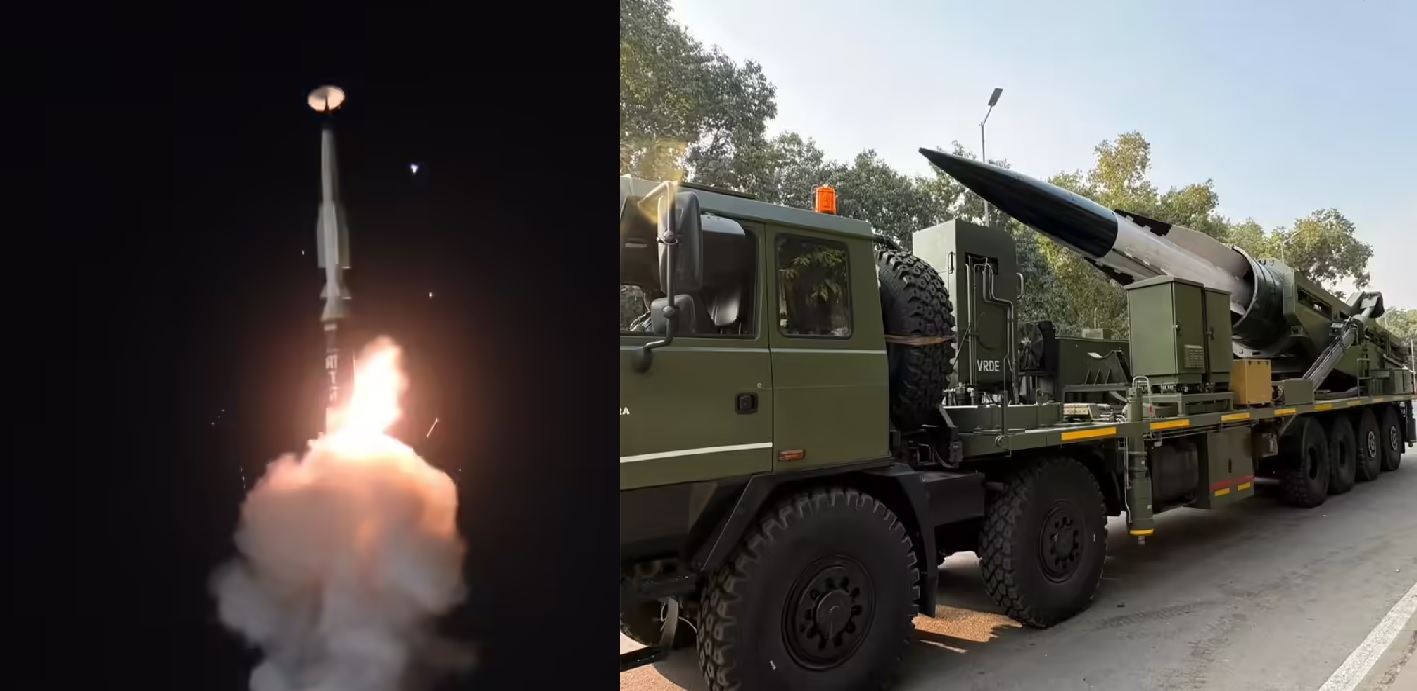
India
NEW DELHI, — May 2, 2026 : India has reportedly conducted a Phase-II trial of its Long Range Anti-Ship Hypersonic Missile (LR-AShM) from a defence testing facility off the Odisha coast in the Bay of Bengal on May 1, 2026, according to multiple defence sources, local reports, and open-source tracking accounts monitoring the region. The reported launch aligns with a Notice to Airmen (NOTAM) issued earlier for missile activity between May 1 and May 3, establishing a restricted maritime and airspace zone extending approximately 1,680 kilometres over the Bay of Bengal. Observers tracking the NOTAM window indicated that the test activity occurred within the designated timeframe. As of the evening of May 1, there has been no official confirmation or detailed statement from the Defence Research and Development Organisation (DRDO), the Ministry of Defence, or the Press Information Bureau. The absence of immediate official disclosures continues a broader pattern in which detailed confirmations of certain strategic weapons tests are delayed or not publicly released. Test Overview and Reported Performance The May 1 activity is described as a Phase-II trial of a hypersonic glide vehicle (HGV) system designed for long-range anti-ship roles. Preliminary information from defence observers indicates that the missile demonstrated a range of approximately 1,500 kilometres, within its estimated operational envelope of 1,500–1,680 kilometres. The trial reportedly evaluated multiple mission parameters, including launch sequence validation, mid-course trajectory corrections, and terminal-phase targeting. The system is designed to deliver a direct kinetic strike while maintaining sustained hypersonic velocity. Technical Characteristics The LR-AShM is an indigenously developed boost-glide hypersonic missile system intended primarily for the Indian Navy’s coastal defence requirements. It is designed to engage both moving naval targets and fixed land-based assets. The missile uses a two-stage solid propulsion system and is launched from a shore-based transporter erector launcher. After boost phase acceleration, the vehicle transitions into a hypersonic glide phase, travelling at speeds of Mach 5 or higher, with initial boost speeds reportedly reaching up to Mach 10. The glide vehicle follows a low-altitude quasi-ballistic trajectory and is capable of manoeuvring during flight, including atmospheric skipping, to reduce detection and interception probability. It is equipped with an inertial navigation system (INS) integrated with satellite navigation for mid-course guidance, and an advanced radar-based seeker for terminal homing. Thermal protection is provided by a carbon-based heat shield designed to withstand temperatures exceeding 2,000°C during sustained hypersonic flight. Development Background If confirmed, the May 1 trial would represent the third known test of the LR-AShM programme. The first developmental test was conducted in 2023, followed by a second test on November 16, 2024, from Dr APJ Abdul Kalam Island. The system was publicly displayed for the first time during the Republic Day parade 2026 on January 26, 2026, indicating its transition from developmental testing toward early operational visibility. The programme is associated with DRDO laboratories, including the Advanced Systems Laboratory (Hyderabad), with production support from Bharat Dynamics Limited. Operational Role and Future Variants The LR-AShM is designed as part of India’s broader effort to develop long-range hypersonic strike capabilities and enhance anti-access/area-denial (A2/AD) capacity in the Indian Ocean Region (IOR). The current configuration is deployed as a land-based coastal battery system. Future variants under development include ship-launched versions for naval platforms, as well as potential land-attack and air-launched configurations for other branches of the armed forces. The missile is capable of carrying different payload configurations depending on mission requirements. Strategic Context The reported test comes amid ongoing regional security developments, including increased maritime activity in the Indian Ocean Region and continued tensions with Pakistan. At sustained hypersonic speeds, the missile’s range profile suggests the capability to reach deep inland targets within a short time frame; estimates indicate that distances such as Rawalpindi could be covered in approximately 120 seconds. According to defence analysts, there are currently no operational systems in the region capable of reliably intercepting highly manoeuvrable hypersonic glide vehicles of this class. Information Status Despite multiple independent reports and tracking observations, no official technical data, including detailed flight trajectory, telemetry, or performance validation metrics, has been released by Indian authorities as of May 2, 2026. Separately, the Bharatiya Janata Party acknowledged the test in a social media statement, describing it as a significant development in indigenous defence capability. Further details are expected only if formal confirmation is issued by relevant government agencies.
Read More → Posted on 2026-05-02 16:36:27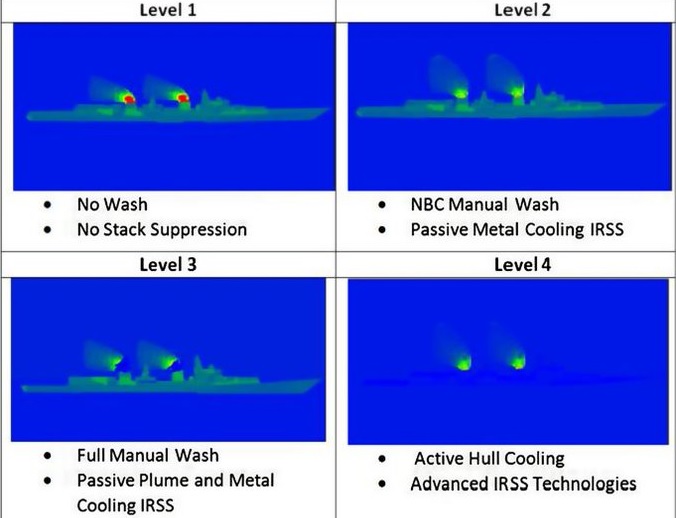
India
NEW DELHI — April 30, 2026 : Bharat Heavy Electricals Limited has signed a Licensing Agreement for Transfer of Technology (LAToT) with the Defence Research and Development Organisation’s Naval Science and Technological Laboratory to manufacture and deploy advanced infrared suppression systems for Indian naval platforms. The agreement, disclosed through a regulatory filing dated April 28, 2026, covers the Gas Turbine-Infrared Suppression System (GT-IRSS) designed for LM2500 gas turbine. Under the terms of the agreement, BHEL will undertake end-to-end execution of the system, including fabrication of components based on DRDO-NSTL designs, installation within the exhaust architecture of naval vessels, and final commissioning involving testing and validation for operational readiness. The company confirmed that the arrangement is a domestic technology transfer with no involvement of related-party transactions or promoter group interests. Financial details remain undisclosed. The GT-IRSS is an indigenously developed naval stealth technology engineered to reduce infrared (IR) signatures generated by gas turbine exhaust. The LM2500 gas turbine, widely used across Indian Navy warships including destroyers, frigates, and aircraft carriers, produces high-temperature exhaust gases that can be detected by infrared-guided anti-ship missiles. The suppression system addresses this vulnerability through a combination of thermal management techniques. The system integrates ambient air intake mechanisms that draw cooler atmospheric air through engineered louvers and mix it with hot exhaust gases using an eductor-diffuser arrangement. This process reduces plume temperature before discharge. In addition, seawater mist injection is used to further cool the exhaust stream. The GT-IRSS also minimizes heat radiation from exposed exhaust structures by isolating and cooling metal surfaces, thereby lowering both plume and surface thermal signatures without significantly affecting turbine performance. By reducing detectability from thermal imaging sensors and infrared-homing weapons, the system enhances survivability and operational effectiveness of naval platforms. The technology has already been incorporated into select Indian Navy vessels and is expected to see wider deployment through domestic production. The agreement aligns with India’s ‘Make in India’ and ‘Aatmanirbhar Bharat’ initiatives by enabling indigenous manufacturing of critical stealth systems that were previously dependent on foreign suppliers. It is expected to strengthen supply chain independence, improve lifecycle support capabilities, and allow faster deployment across the Navy’s expanding fleet. For BHEL, the development marks a continued expansion into defence manufacturing and naval systems integration. While traditionally focused on power generation equipment, the company has maintained a three-decade association with the Indian Navy, supplying systems such as Super Rapid Gun Mounts (SRGM) and Integrated Platform Management Systems (IPMS). The defence and aerospace segment currently contributes approximately 5–8% of BHEL’s revenue and recorded around 20% year-on-year growth in FY25. With the addition of GT-IRSS to its portfolio, BHEL strengthens its position in naval systems integration and aligns alongside other major domestic defence manufacturers, including Larsen & Toubro, Mazagon Dock Shipbuilders Limited, and Cochin Shipyard Limited. No specific production timelines or delivery schedules were disclosed as part of the filing.
Read More → Posted on 2026-04-30 18:18:07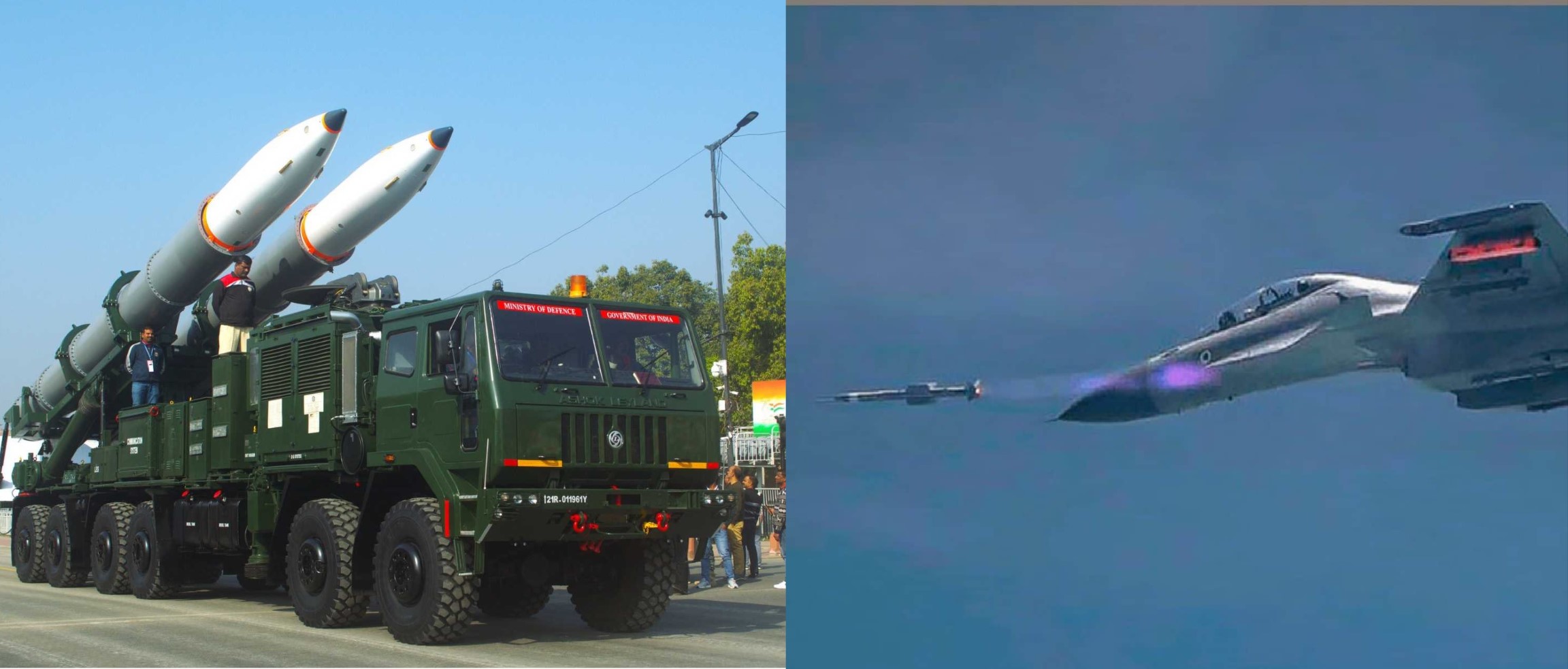
India
NEW DELHI / YEREVAN — April 30, 2026 : India and Armenia have entered advanced stages of defense negotiations covering the potential export of high-end Indian military systems, including the Pralay quasi-ballistic missile, the Astra MK1 beyond-visual-range (BVR) air-to-air missile, and upgrade packages for Armenia’s Su-30SM fighter fleet. The discussions reflect a steady expansion of bilateral defense cooperation into more advanced operational domains. Pralay Missile Cost Negotiations Armenia’s defense ministry is currently engaged in detailed cost negotiations for the acquisition of the Pralay tactical surface-to-surface missile, developed by the Defence Research and Development Organisation. The Pralay is a canister-based, road-mobile system powered by solid propellant, designed for rapid-response strike missions. The missile has an operational range of 150 to 500 kilometers, though export configurations are expected to comply with Missile Technology Control Regime thresholds, typically limiting range to around 290 kilometers. It carries a conventional warhead weighing between 350 and 1,000 kilograms and achieves terminal speeds of approximately Mach 6 to 6.1. Pralay follows a quasi-ballistic trajectory with mid-course maneuverability, enhancing its survivability against modern air defense systems. Its guidance suite combines inertial navigation with advanced terminal seekers, including millimeter-wave radar and imaging-based systems, enabling accuracy within approximately 10 meters. Armenia’s interest in the system is linked to its requirement for credible long-range strike capability, particularly in response to Azerbaijan’s deployment of Israeli-origin LORA ballistic missiles during the Nagorno-Karabakh conflict. Any agreement would be governed by India’s SCOMET export control framework guidelines. Astra MK1 and Su-30SM Modernization Parallel discussions are underway regarding the integration of the Astra MK1 BVR air-to-air missile into Armenia’s air force inventory. Also developed by DRDO, the Astra MK1 currently has an engagement range of about 110 kilometers, with ongoing upgrades expected to extend this to approximately 160 kilometers. Armenia operates a limited fleet of Russian-origin Su-30SM fighters, which were initially procured without a full precision-strike weapons package. The proposed integration of Astra MK1 is considered technically feasible due to similarities with India’s Su-30MKI platform. The upgrade package under discussion may include enhancements to onboard radar, avionics, and electronic warfare systems. These improvements are intended to enable long-range engagement capability and enhance overall combat effectiveness without requiring new aircraft procurement. Expanding Strategic Cooperation The negotiations follow recent high-level engagements between the two countries. Armenia’s First Deputy Minister of Defence and Chief of the General Staff, Lt Gen Edvard Asryan, held discussions in New Delhi with India’s Chief of Defence Staff Gen Anil Chauhan and Air Chief Marshal A.P. Singh. The talks addressed layered air defense systems, joint development initiatives, and opportunities for localized production. Armenia has become a significant importer of Indian defense equipment, with cumulative contracts estimated to exceed $1.5 billion. Previous acquisitions include the Pinaka multi-barrel rocket launcher, Akash surface-to-air missile system, Swathi weapon-locating radar, as well as anti-drone systems and various munitions. India and Armenia formalized a defense cooperation program in October 2025, focusing on expanding joint training, technical collaboration, and long-term industrial partnerships. The current negotiations represent a continuation of that framework, with an emphasis on advanced strike and air combat capabilities. No final agreements have been signed for the Pralay system, Astra MK1 missiles, or Su-30SM upgrades. Discussions remain ongoing under standard procurement procedures, aligned with Armenia’s broader force modernization requirements in the South Caucasus region.
Read More → Posted on 2026-04-30 17:33:24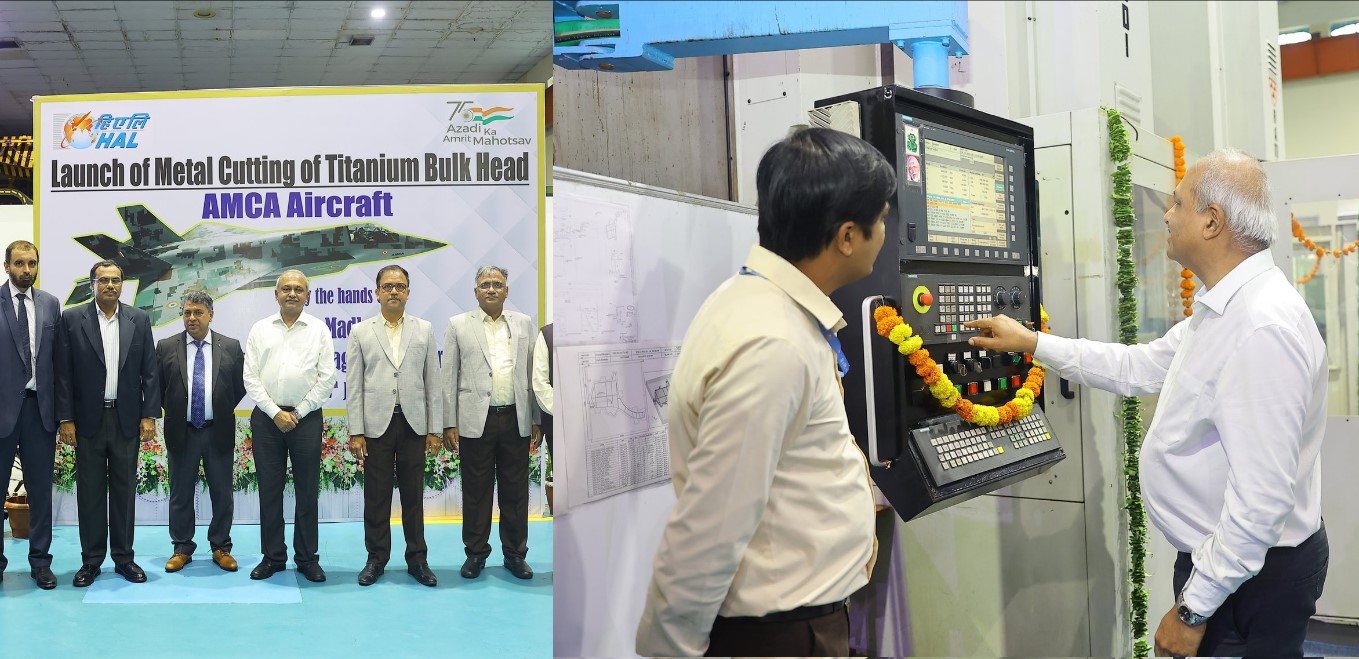
India
NASHIK, Maharashtra — April 30, 2026 : Hindustan Aeronautics Limited (HAL) has initiated the metal cutting process for the titanium bulkhead of India’s Advanced Medium Combat Aircraft (AMCA) at its Aircraft Manufacturing Division in Nashik, formally transitioning the program from design to early-stage component fabrication. The inauguration ceremony was attended by senior officials from the Aeronautical Development Agency (ADA), the Defence Metallurgical Research Laboratory (DMRL), and other government defense stakeholders, reflecting coordination across multiple agencies involved in the fifth-generation fighter effort. Structural Component Enters Manufacturing Phase The titanium bulkhead is a core structural element of the aircraft’s fuselage. It functions as a pressure-sealing barrier at key sections of the airframe while also absorbing significant aerodynamic and structural loads encountered during high-speed and supersonic flight. Bulkheads in combat aircraft are typically designed as high-strength, precision-engineered components. In the AMCA, the use of titanium alloys is intended to provide a balance between structural strength, reduced weight, corrosion resistance, and thermal stability—particularly in areas exposed to elevated temperatures during sustained operations. The current metal cutting stage involves machining a titanium billet to begin forming the bulkhead geometry. Following this, the component will undergo multi-axis CNC machining for final shaping, heat treatment to optimize material properties, and a series of non-destructive testing procedures to validate structural integrity. Surface finishing and dimensional inspections will precede integration into the prototype airframe. Testing and Validation Pipeline After fabrication, the titanium bulkheads will be subjected to extensive ground-based testing. These evaluations are intended to confirm load-bearing capacity, fatigue characteristics, and lifecycle durability. The results will also inform weight optimization and maintenance planning parameters before the aircraft enters assembly and subsequent flight trials. Production Model Still Under Evaluation While HAL has commenced manufacturing of critical structural elements, the final industrial partner responsible for full-scale AMCA production has not yet been formally selected. The Ministry of Defence, in coordination with ADA, has adopted a broader industry participation model for the program. An Expression of Interest (EoI) has been issued to establish either a Special Purpose Vehicle (SPV) or a joint venture involving public and private sector entities. Shortlisted bidders progressing toward the commercial stage include consortia led by Tata Advanced Systems Limited, Larsen & Toubro (with Bharat Electronics Limited and partners), and Bharat Forge (with BEML and Data Patterns). The selected entity will be required to establish dedicated infrastructure capable of handling the full development cycle, including prototyping, flight testing, and serial production. Engine Development Strategy The AMCA program is structured in two phases with distinct propulsion solutions. The initial AMCA Mark 1 variant will be powered by the General Electric F414-INS6 engines, supporting early prototypes and initial operational squadrons. For the more advanced AMCA Mark 2, India has partnered with Safran to co-develop a higher-thrust engine in the 120-kilonewton class. This collaboration is expected to include technology transfer and the establishment of a domestic manufacturing ecosystem for advanced jet engines. Program Timeline and Development Stages The AMCA development is currently funded under a ₹15,000 crore Full-Scale Engineering Development (FSED) program approved by the Cabinet Committee on Security in March 2024. The program is presently in the Systems Installation Detail Design (SIDD) phase, a 24-month engineering process focused on finalizing a comprehensive digital twin of the aircraft. This includes precise placement of avionics, internal weapons bays, stealth-aligned structures, and Line Replaceable Units. ADA plans to build five flying prototypes along with one structural test specimen. The first prototype rollout is scheduled between 2028 and 2029, followed by the maiden flight targeted for 2029. The initial three prototypes will support aerodynamic and systems validation, while the remaining prototypes will be used for weapons integration and payload testing. Certification and operational clearance activities are expected to conclude by around 2032, with induction into the Indian Air Force projected between 2034 and 2035. HAL’s Role in the AMCA Program HAL’s involvement in the AMCA program is centered on manufacturing development, industrial capability demonstration, and support for prototype realization. The Nashik division, which has prior experience in producing aircraft structures and assemblies, is contributing specialized expertise in machining high-performance materials such as titanium. Through activities such as bulkhead fabrication, HAL is generating manufacturing data, refining production processes, and validating tooling approaches that will be relevant for eventual large-scale production. Although HAL has not been designated as the final production agency, its current work supports the broader ecosystem by reducing technical risk, advancing fabrication readiness, and providing baseline manufacturing insights that can be utilized by the selected development-cum-production partner. Transition Toward Prototype Assembly The initiation of titanium bulkhead manufacturing represents an early but tangible step in the AMCA’s progression toward hardware realization. As component-level fabrication advances alongside detailed design work, the program is moving incrementally toward prototype assembly, structural testing, and eventual flight validation within the defined development timeline.
Read More → Posted on 2026-04-30 16:07:27Search
Top Trending in 24 Hours
-
 Pentagon Inspector General Report Finds Iran War Caused U.S. Ammunition Shortfalls and Industrial Bottlenecks
-
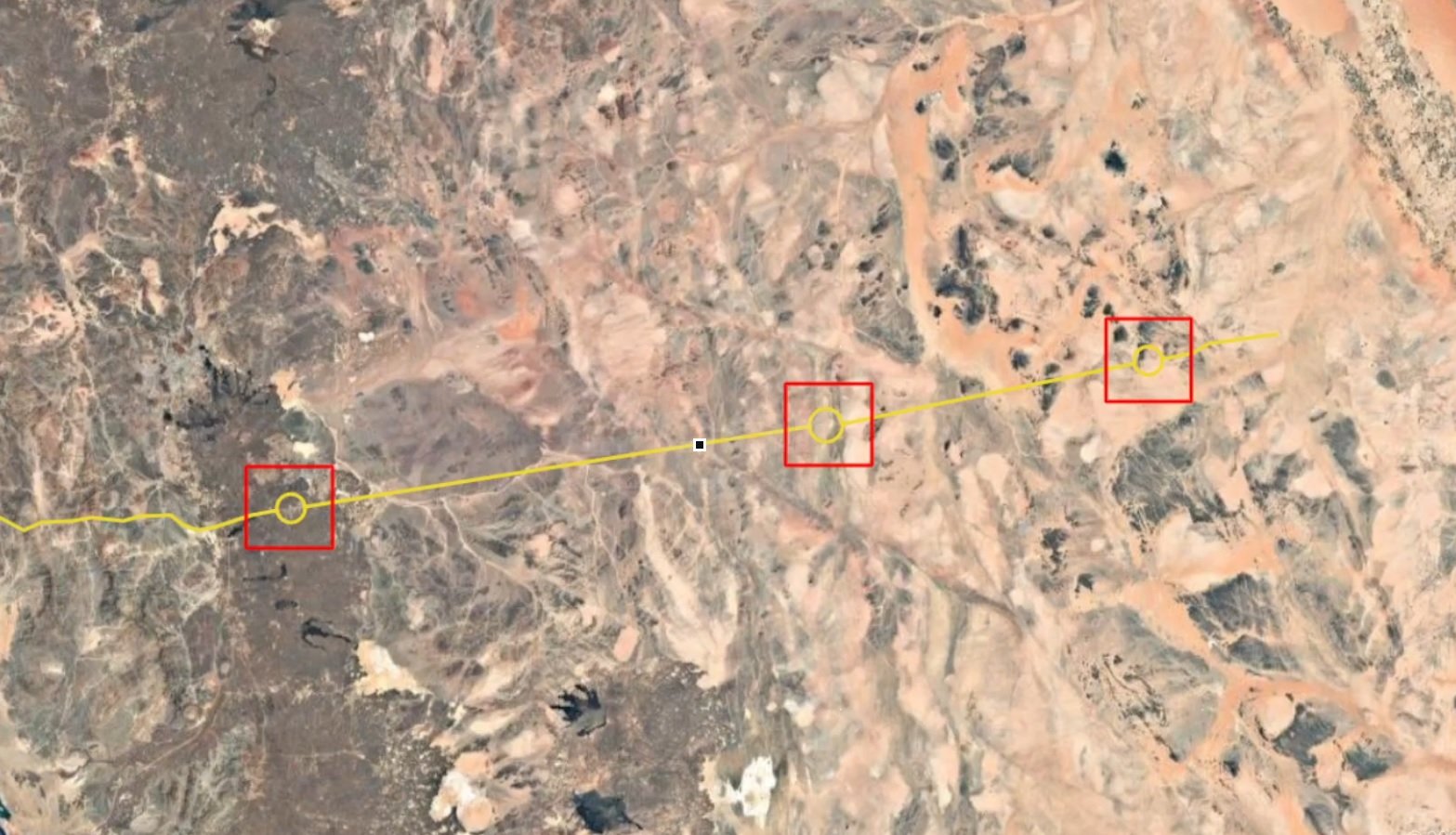 Satellite Imagery Shows Extensive Damage to Saudi Arabia’s East-West Oil Pipeline, Indicating More Than a Single Strike
-
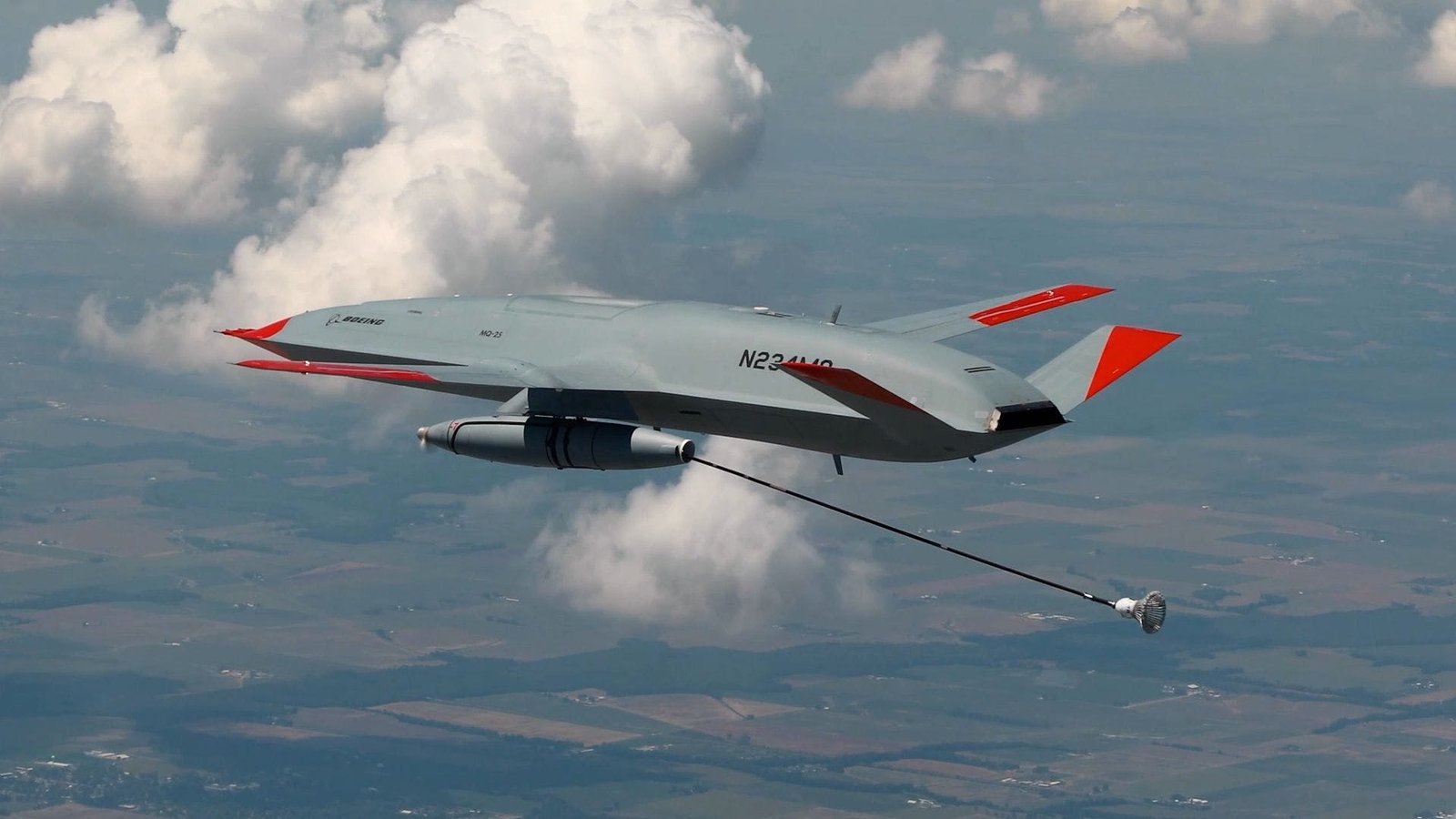 U.S. Navy Awards Boeing $562 Million Contract for First Production MQ-25A Stingray Tanker Drones
-
 Pentagon and Honeywell Complete Four-Hour Pacific Flight Using Quantum Magnetic Navigation Without GPS
-
 U.S. Air Force Special Operations Command Clears AGM-190A Havoc Spear for Wider Service After Combat Evaluation in Africa
-
 U.S. Confirms Deployment of On-Orbit Space Control Weapons for First Time
-
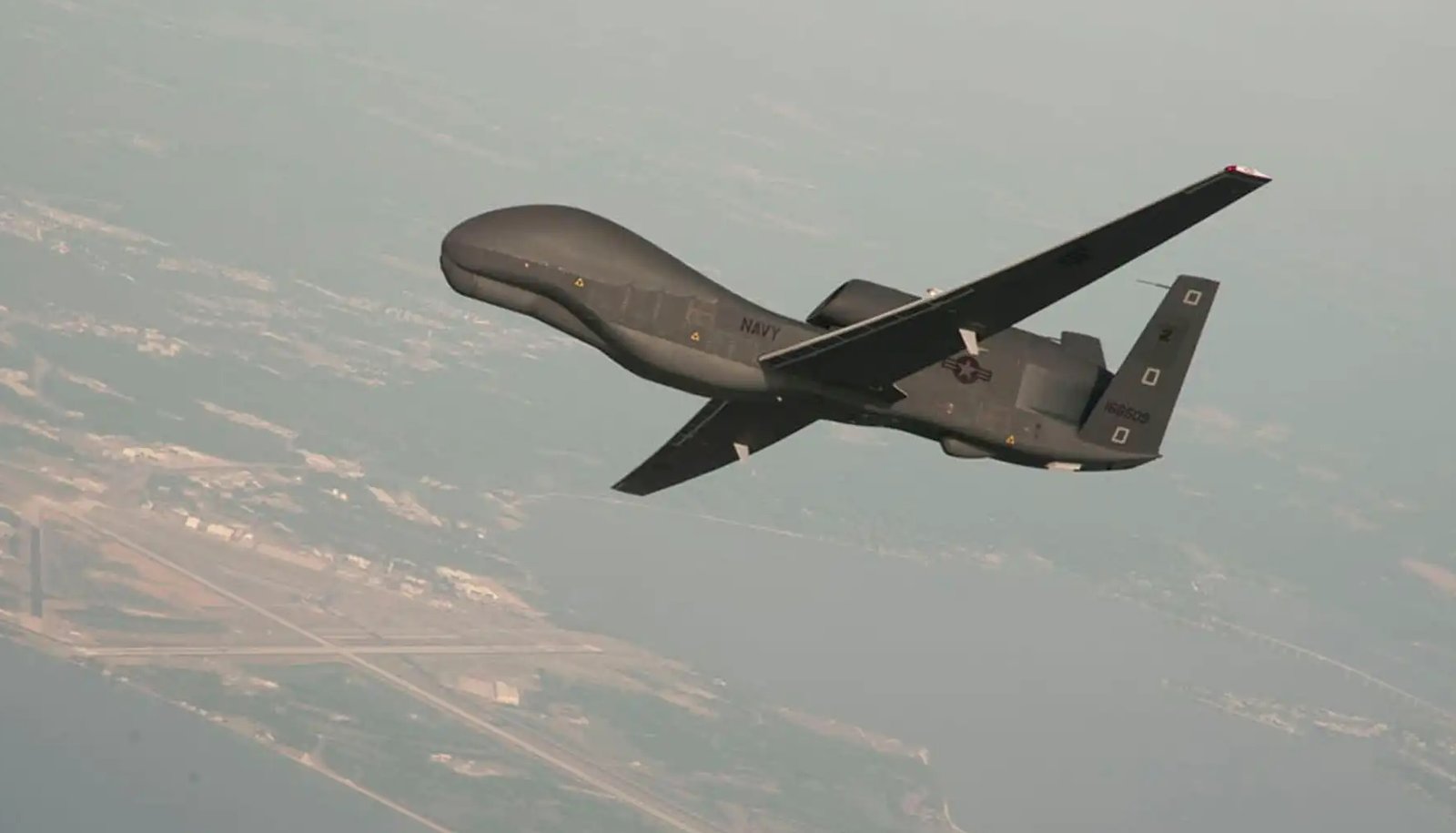 Japan Air Self-Defense Force Loses Contact With Global Hawk Surveillance Drone Off Tottori Coast; Aircraft Presumed Crashed
-
 China Builds New Shanghai Vessel to Serve as Mothership for Large Uncrewed Submarines
Top Trending in 4 Days
-
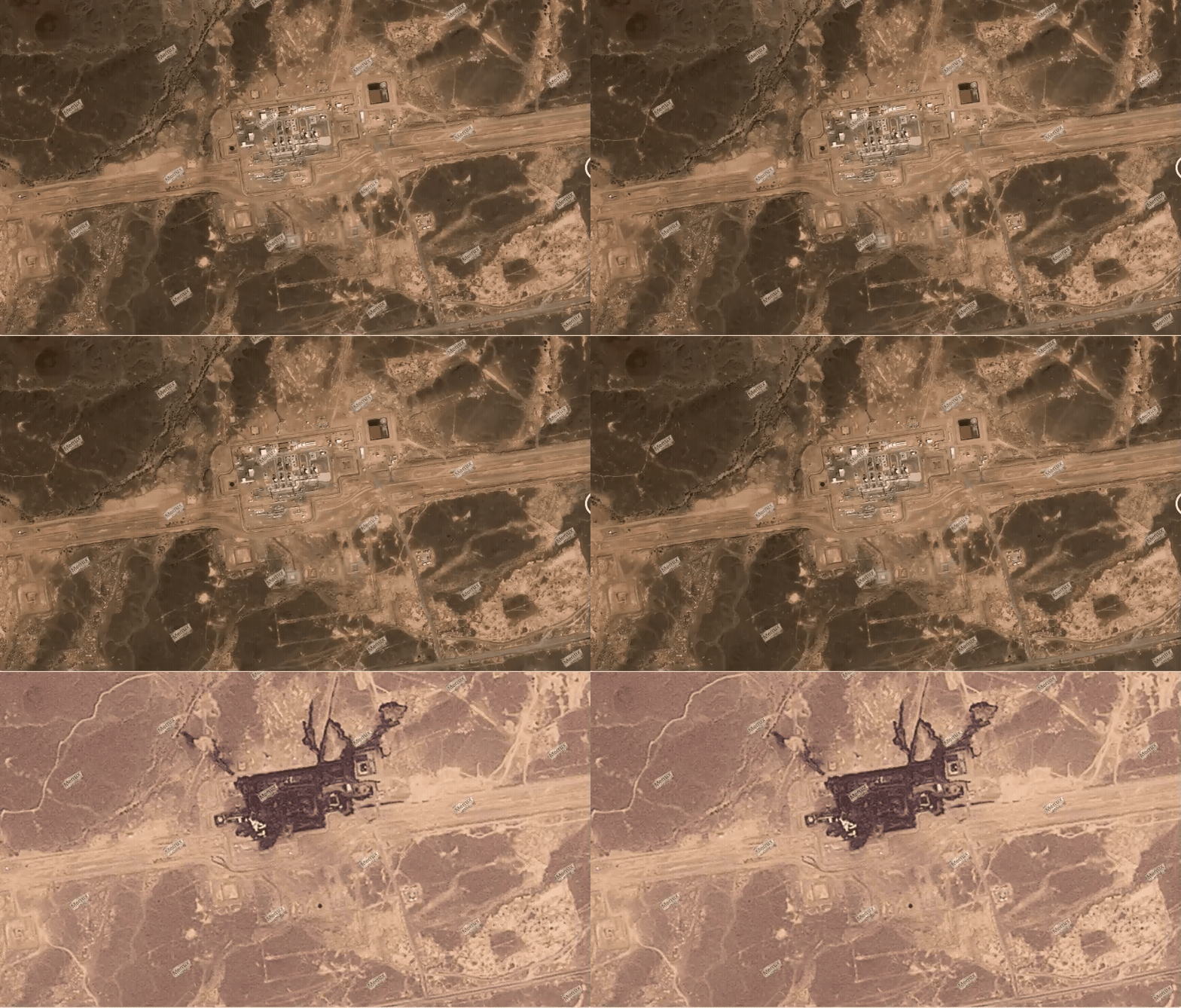 Satellite Imagery Shows Heavy Damage to Saudi East–West Oil Pipeline Pumping Stations
-
 U.S. Air Force Awards Antares $161 Million to Develop Nuclear Reactor for Spacecraft
-
 Pentagon Awards BlueHalo Up to $99.8 Million Contract for Orbital Battlespace R&D Program
-
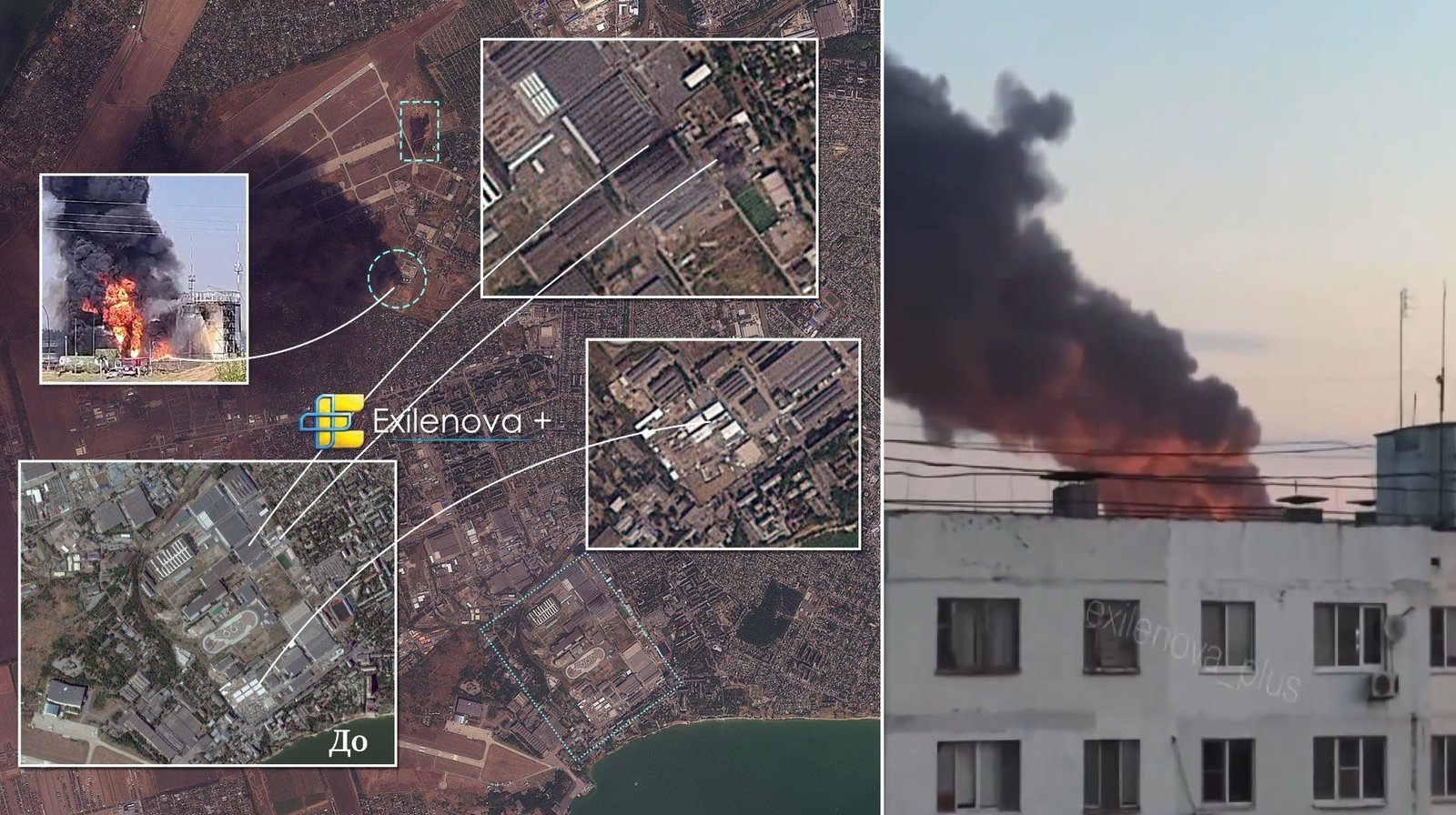 Ukrainian Drones Strike Russian UAV Manufacturer and Chemical Plants in Taganrog and Tolyatti
-
 U.S. Officials Link Chinese Satellite Imagery to Iranian Strike That Killed Three American Soldiers in Jordan
-
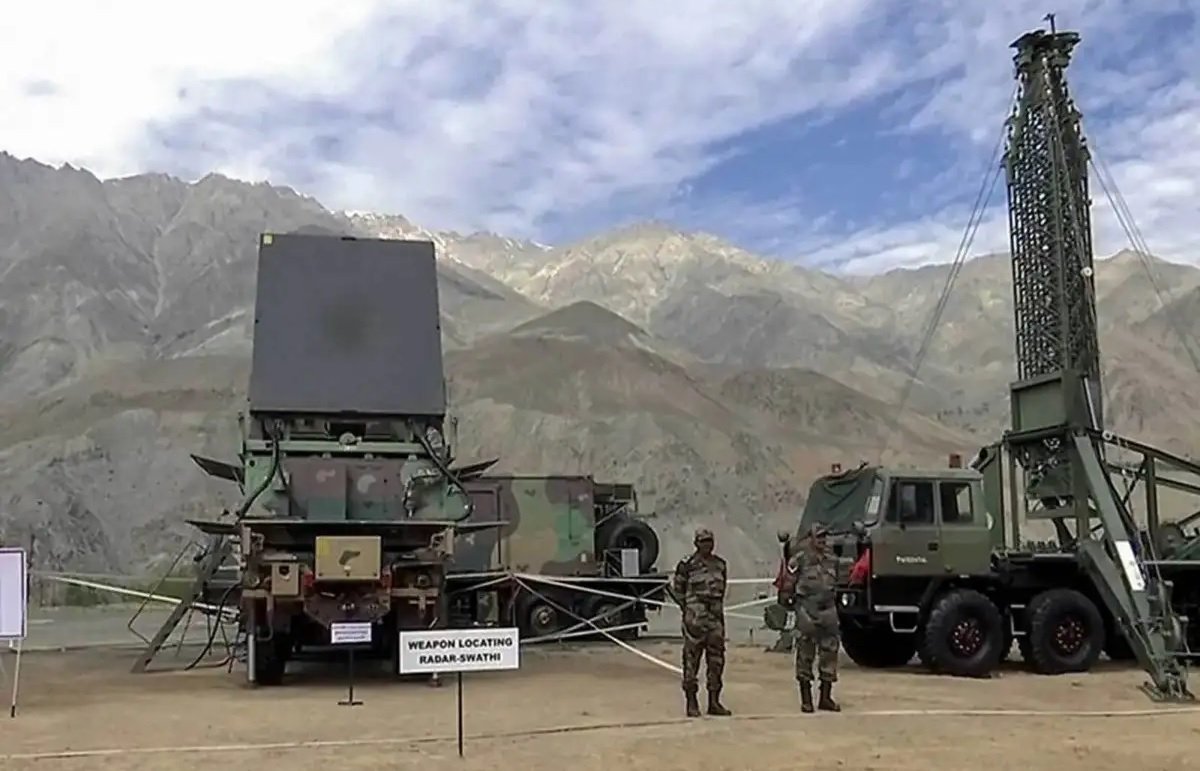 DRDO Demonstrates Indigenous 3.5×3 mm GaN Chip Delivering 30 Watts for Next-Generation Radars and Electronic Warfare
-
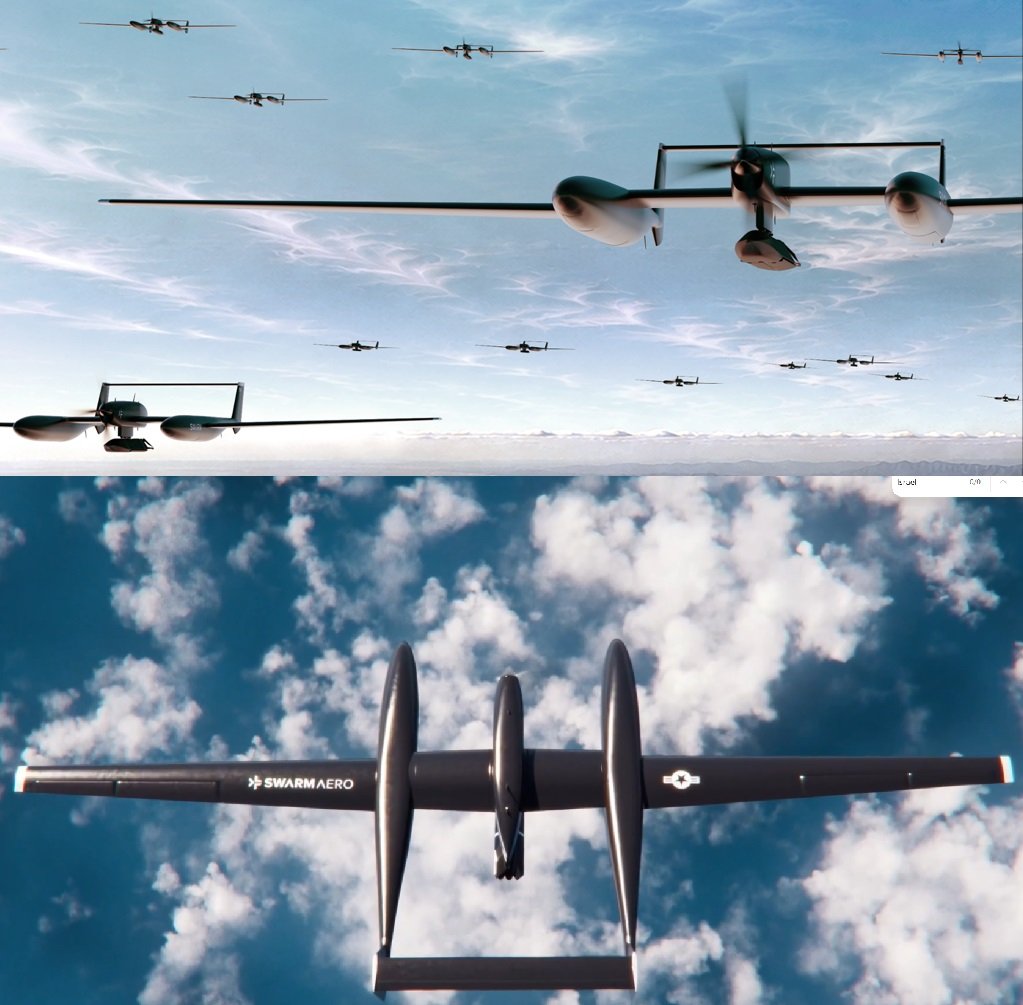 U.S. Firm Swarm Aero Unveils Gamera Group 5 UAS With 9,000-Nautical-Mile Range and Heavy Strike Payload
-
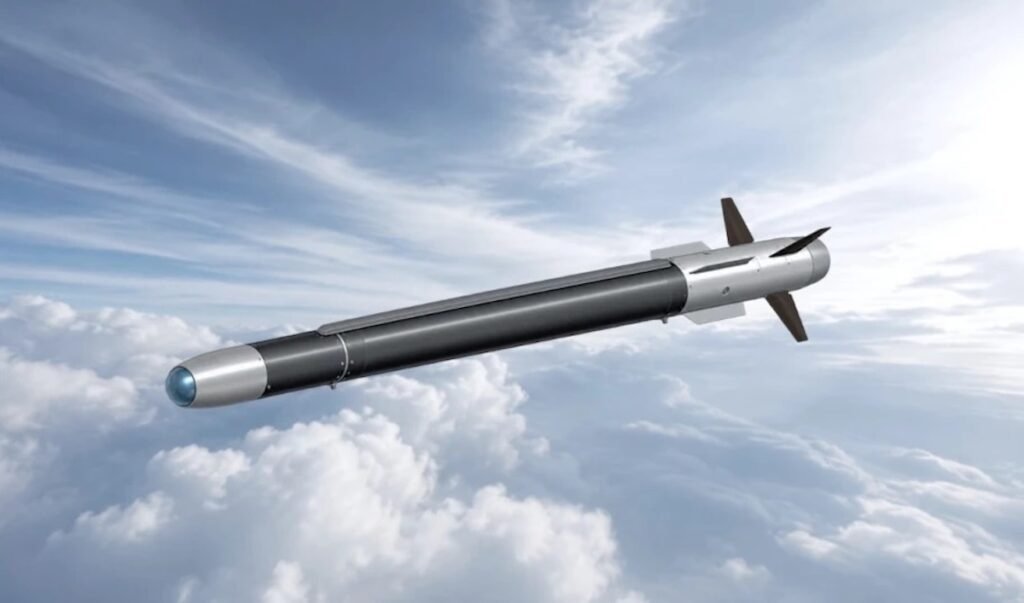 MBDA and Poland’s WITU Advance Low-Cost Supersonic Interceptor Against Swarm Attacks, Seeker Trials Successfully Completed