India
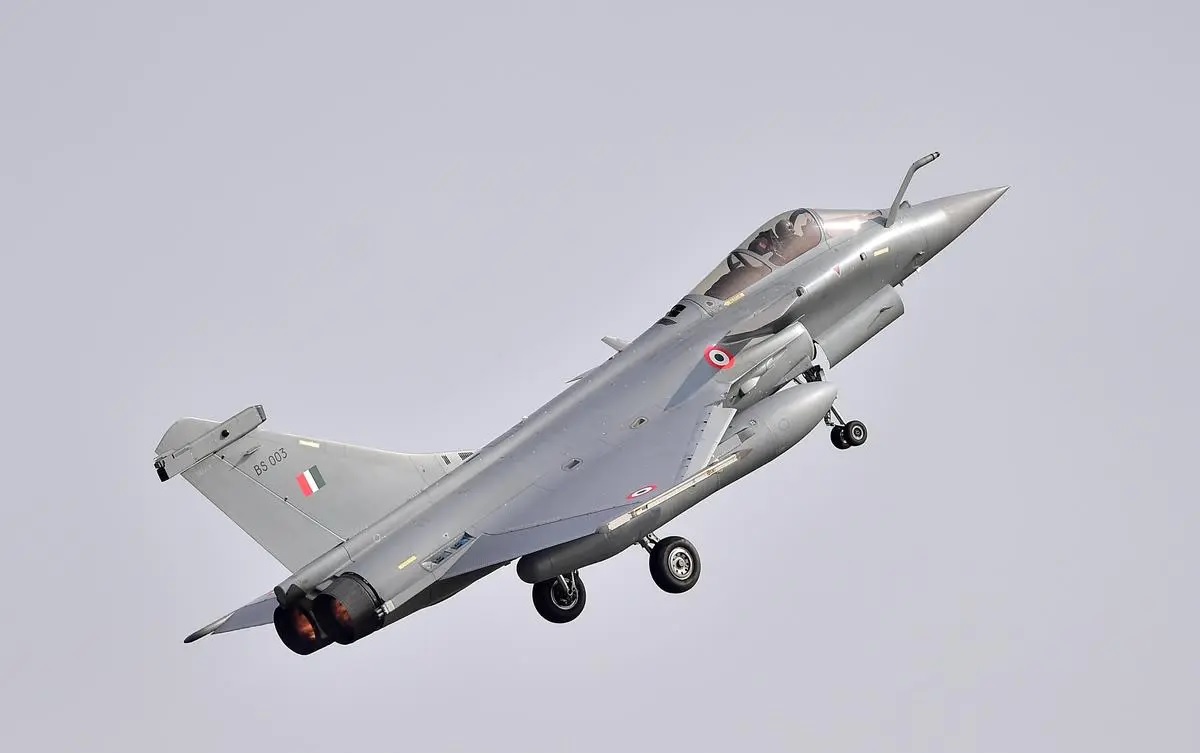
NEW DELHI, — June 01, 2026 : India has formally issued a Letter of Request (LoR) to France for the acquisition of 114 Rafale fighter aircraft for the Indian Air Force (IAF), advancing one of the country’s largest military aviation procurement programmes. According to Defence Ministry sources, the request was sent by the Ministry of Defence’s Acquisition Wing following clearance from the Defence Acquisition Council (DAC). The proposed government-to-government deal is estimated at approximately ₹3.25 lakh crore and is aimed at strengthening the Indian Air Force’s combat capabilities while addressing its fighter squadron shortage. France is expected to respond to India’s request within the next two to three months with details related to pricing, availability, logistics support, technology transfer, and manufacturing arrangements. Formal negotiations are expected to begin after the response, with officials anticipating completion within the next year. Under the proposed programme, 94 of the 114 Rafale jets are planned to be manufactured in India through a partnership between Dassault Aviation and an Indian defence company, while the remaining aircraft will be delivered directly from France in fly-away condition. The programme would mark the first time Rafale fighter jets are manufactured outside France. Defence Ministry sources said the project is expected to achieve nearly 50 percent localisation and support domestic aerospace manufacturing under the Make in India initiative. A key feature of the proposal is India receiving authority and technical access to integrate indigenous weapon systems onto the aircraft. This would allow future integration of Indian-made systems such as the Astra and BrahMos-NG missiles. The acquisition comes as the Indian Air Force continues to face a shortage of fighter squadrons. The IAF is currently operating around 29 fighter squadrons against a sanctioned requirement of 42.5 squadrons, making additional fighter inductions important for maintaining operational capability. The Indian Air Force currently operates 36 Rafale aircraft acquired under a 2016 agreement with France. India has also ordered 26 Rafale Marine aircraft for the Indian Navy, with deliveries expected to begin in 2028 for carrier operations. If the proposed acquisition is finalised, the total number of Rafale aircraft in Indian military service would increase to 176. Defence officials have also indicated that the Navy has expressed interest in acquiring an additional 31 Rafale Marine aircraft in the future, which could raise India’s Rafale fleet to more than 200 aircraft. Officials believe operating a larger standardised Rafale fleet across the armed forces could improve logistics, maintenance, training, and operational support efficiency over the long term. The Rafale is a 4.5-generation multirole fighter aircraft capable of conducting air superiority, strike, reconnaissance, and maritime missions. Indian Rafales currently operate with weapons including Meteor, SCALP, and MICA missile systems. Officials said deliveries under the new programme could begin around three-and-a-half years after the contract is finalised. The development comes during a period of high-level India-France defence engagement. Air Chief Marshal AP Singh is currently visiting France for discussions with French defence officials and visits to facilities operated by Dassault Aviation and missile manufacturer MBDA. The Rafale programme is also expected to feature prominently during Prime Minister Narendra Modi’s scheduled visit to France in mid-June as both countries continue to expand defence and industrial cooperation.
Read More → Posted on 2026-06-01 17:54:42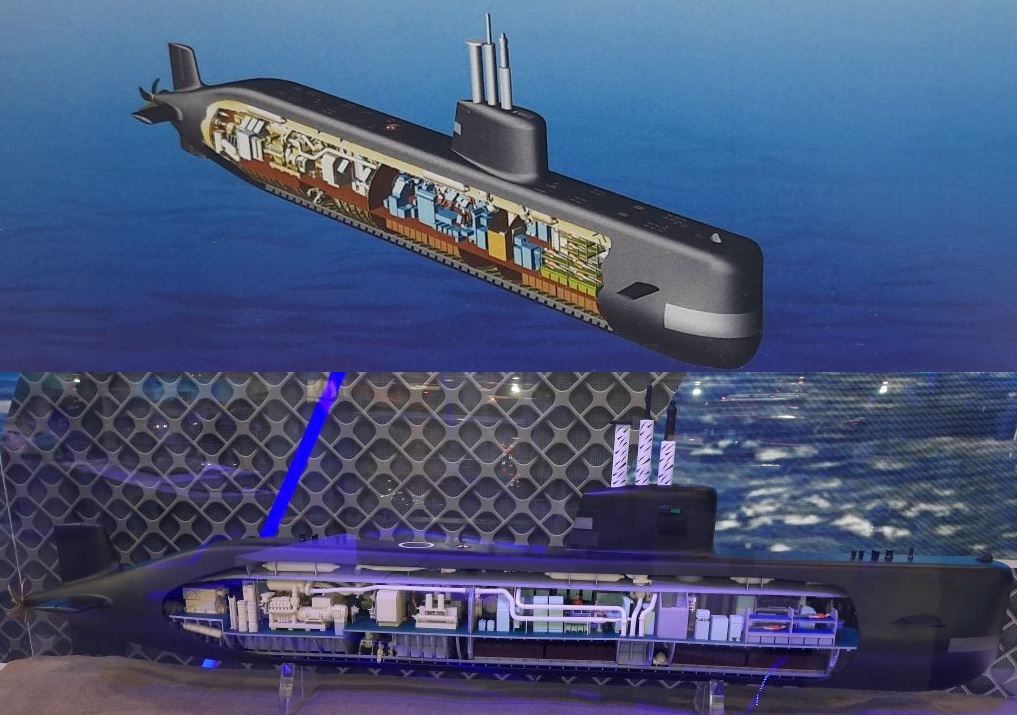
India
NEW DELHI — 01 June 2026 : The Indian Navy is advancing plans to acquire Special Operations Vessels (SOVs) and Swimmer Delivery Vehicles (SDVs) to strengthen the covert underwater operational capabilities of its elite Marine Commandos (MARCOS), reviving a long-pending requirement for specialised platforms designed for stealth missions in coastal and littoral waters. Commonly referred to as midget submarines, these specialised vessels are intended to support covert operations including reconnaissance, underwater infiltration, and the insertion and extraction of MARCOS personnel in areas where larger submarines and surface ships may face operational constraints. As part of the procurement process, the Navy has initiated discussions with Indian shipbuilders Mazagon Dock Shipbuilders Limited (MDL) and Larsen & Toubro (L&T), alongside two European manufacturers. The requirement outlines a platform of approximately 500 tonnes displacement capable of carrying around 20 personnel, including crew members and special forces operators. The programme reflects a distinct operational requirement within the Indian Navy. While India’s conventional and nuclear submarine fleets are designed for long-range maritime operations and strategic deterrence, midget submarines are intended for stealth-focused missions closer to shore, particularly in shallow and confined waters where covert access and rapid deployment of special forces are essential. In addition to SOVs, the Navy plans to acquire Swimmer Delivery Vehicles, smaller underwater platforms designed specifically to transport combat divers and MARCOS teams during covert missions. Together, the systems are expected to improve the Navy’s ability to conduct underwater special operations, intelligence gathering, and maritime reconnaissance in contested coastal environments. A Requirement Shaped by Operational Needs Unlike larger submarine platforms used for blue-water missions, midget submarines are optimised for shallow-water operations, coastal defence, and stealthy deployment of special operations forces. Their smaller size and lower acoustic signature make them suitable for missions requiring secrecy and flexibility near hostile coastlines. Globally, these platforms occupy a specialised niche. Countries including Iran, North Korea, and Pakistan have relied on midget submarines for asymmetric maritime operations and covert coastal defence roles. Iran, for instance, operates the domestically built Ghadir-class midget submarines, which are designed for operations in the shallow waters of the Persian Gulf. Major conventional submarine manufacturers such as Germany’s TKMS, France’s Naval Group, South Korea’s Hanwha Ocean, and Spain’s Navantia largely focus on full-sized conventional or nuclear submarine programmes and do not currently offer dedicated midget submarine platforms for special operations. A Programme Nearly Two Decades in Development The Indian Navy’s interest in midget submarines dates back almost 20 years. The original programme began in 2006 and led to a formal tender in 2009, attracting participation from several Indian shipyards working with foreign partners. During that process, Larsen & Toubro partnered with Russia’s Rubin Design Bureau, while Mazagon Dock Shipbuilders Limited and Hindustan Shipyard Limited (HSL) worked with Italy’s Fincantieri. Other participants included ABG Shipyard and Pipavav Shipyard in collaboration with overseas firms. Despite early momentum, the programme was eventually scrapped. A second effort to revive the project emerged during 2016–17 when Hindustan Shipyard Limited (HSL) was nominated for the programme. However, progress slowed as the shipyard struggled to finalise either an indigenous design or a suitable foreign partner. South Korea’s Hyundai Heavy Industries showed interest in the project, but its proposed all-electric platform reportedly failed to meet operational requirements laid down by the Navy. Attempts to transfer the programme to other shipyards also did not move forward, causing the project to lose momentum once again. The requirement resurfaced in late 2022, when the Navy issued a fresh Request for Information (RFI) for Special Operations Vessels. Responses were received from MDL, L&T, and HSL, reopening the competition for a capability that has remained under consideration for years. Indian Shipyards Present Indigenous Designs Among domestic contenders, Larsen & Toubro and Mazagon Dock Shipbuilders Limited are positioning themselves as key candidates for the programme. L&T has developed an indigenous mini-submarine concept drawing on industrial expertise gained through the Arihant-class nuclear submarine programme. The company has showcased various designs at defence exhibitions and is promoting its proposal under the Defence Acquisition Procedure’s Buy (Indian-IDDM — Indigenously Designed, Developed, and Manufactured) category. Its concept has evolved toward the 500-tonne category sought by the Navy and is expected to incorporate systems such as torpedo tubes, sonar arrays, and accommodation for both crew and MARCOS operators during extended covert operations. Mazagon Dock Shipbuilders Limited publicly unveiled a scaled model of its ‘Arowana’ midget submarine in May 2024. Although the display model generated online criticism regarding its appearance, officials associated with the programme maintain that the submarine remains under active development and that the final design continues to evolve. The Arowana concept is expected to incorporate indigenous systems including sonar, inertial navigation, GPS, and secure communication equipment to support stealthy underwater missions. Foreign Designs Also Under Evaluation Alongside indigenous proposals, the Navy is examining European platforms, particularly from Italian defence firms Fincantieri and Drass, both of which are established players in the small submarine segment. Fincantieri’s S800A is based on concepts derived from the larger U212 submarine programme. The platform measures approximately 51 metres and has a displacement of around 750 to 850 tonnes. Equipped with Air Independent Propulsion (AIP), the submarine is designed to remain submerged for extended durations and accommodate a crew of 18 in addition to eight special operations personnel. Drass is offering its DGK-class submarine, a modular platform designed for covert operations and operational flexibility. The submarine can reportedly be transported discreetly by road without compromising structural integrity, deploy swimmer delivery vehicles, and carry up to four heavyweight torpedoes. The company has previously supplied midget submarines to Pakistan and countries in West Asia and signed a framework agreement in February to provide DGK-class submarines and SDVs to the Indonesian Navy. However, despite their detailed designs and projected capabilities, the latest Italian platforms remain conceptual at present and have not yet entered operational service with any navy in their current form. Procurement Decision Ahead The final direction of the programme will depend on decisions taken by the Ministry of Defence regarding procurement priorities, timelines, and budget allocations. If the government chooses an indigenous route, Indian shipyards such as L&T and MDL are expected to lead development under domestic manufacturing categories. Alternatively, the Navy could proceed with a direct foreign acquisition if operational timelines favour an off-the-shelf solution. Given the limited number of vessels planned and the specialised nature of the requirement, local production through a transfer of technology arrangement is generally viewed as economically less practical. For the Indian Navy, the programme represents an effort to strengthen underwater special operations capability and provide MARCOS with dedicated platforms suited for covert maritime missions in shallow and contested waters.
Read More → Posted on 2026-06-01 14:05:45
India
NEW DELHI — May 31, 2026 : New technical details have emerged regarding the indigenous Active Electronically Scanned Array (AESA) radar being developed for India’s Advanced Medium Combat Aircraft (AMCA), indicating that the system will feature a 10.5 kW cooling capacity and approximately 1,540 Gallium Nitride (GaN)-based Transmit/Receive Modules (TRMs) designed to support the stealth fighter’s performance, thermal management, and operational efficiency requirements. The radar is being developed by the Defence Research and Development Organisation (DRDO)’s Electronics and Radar Development Establishment (LRDE) as part of India’s wider effort to equip the AMCA with domestically developed mission systems and sensors. During Aero India 2025, LRDE displayed a 1:2 scale model of the radar, highlighting a GaN-based AESA configuration integrated with DRDO’s newly developed Vivaldi antenna technology. Cooling Capacity and TRM Configuration According to technical details now in circulation, the AMCA radar will incorporate a cooling capacity of 10.5 kW, equivalent to the Vapour Compression Machine developed for the Virupaksha AESA radar currently being designed for the Indian Air Force’s Su-30MKI upgrade programme. However, while the Virupaksha radar is reported to feature around 2,400 TRMs, the AMCA radar is expected to integrate approximately 1,540 modules. The reduced TRM count is understood to reflect the stealth fighter’s design requirements, where compactness, thermal efficiency, and optimized integration within a fifth-generation airframe are prioritized. The radar is expected to maintain high operational efficiency within the same thermal envelope due to the use of GaN semiconductor technology. Compared to older Gallium Arsenide (GaAs)-based systems, GaN TRMs provide higher power density and improved efficiency per module, enabling stronger performance with a comparatively smaller module count. Vapour Compression Cooling System Thermal management for the AMCA radar will rely on a closed-loop Vapour Compression System engineered to absorb and dissipate up to 10.5 kW of continuous heat load. The cooling system is intended to maintain stable thermal conditions for radar electronics, power supplies, and signal-processing units, particularly during prolonged missions and sustained high-power radar operation. Maintaining thermal efficiency is considered particularly important for stealth aircraft because excessive localized heating can affect system performance and increase infrared detectability. By regulating temperatures across radar components, the system is intended to support both operational reliability and sustained mission effectiveness. Tile-Based Radar Architecture For the AMCA platform, LRDE is developing a tile-based radar array architecture in which GaN TRMs are arranged in a circular layout compatible with the aircraft’s stealth-oriented nose cone design. Unlike conventional approaches focused primarily on maximizing TRM numbers, the AMCA radar emphasizes efficiency, compactness, bandwidth, and integration within a limited internal volume. The tile-based configuration is also modular in design. Individual tiles can be replaced independently in the event of failure, reducing maintenance complexity without requiring the complete radar array to be dismantled. In parallel, LRDE is also developing phased-array and tile-array configurations for different aircraft categories. Available details indicate a tiered radar architecture strategy in which plank-based radar designs are intended for lighter fighter aircraft such as the Tejas family, while tile-based systems are being developed for larger and more advanced platforms, including the upgraded Su-30MKI and the AMCA, where bandwidth, range, and electronic resilience are operational priorities. Vivaldi Antenna for Wideband Performance A key feature of the AMCA radar is the incorporation of DRDO’s Vivaldi antenna, also known as a Tapered Slot Antenna (TSA). The antenna was selected to meet operational requirements involving bandwidth greater than 50 percent of the centre frequency and dual-polarisation capability. According to available technical information, commonly used antenna types such as microstrip patches and printed dipoles were not suitable for these requirements. The Vivaldi antenna provides a symmetrical radiation pattern, high gain, and broad bandwidth, enabling transmission across a wide frequency range. Its low-profile design and wideband characteristics are expected to support efficient signal transmission while improving resistance to interference and electronic countermeasures. Combined with GaN-based TRMs, the radar is expected to deliver a higher power beam than the Uttam AESA radar for Tejas Mk1A platform. L-Band Antenna for Identification Friend or Foe The AMCA radar suite will also incorporate a dedicated L-band TRM antenna for Identification Friend or Foe (IFF) functions. L-band frequencies operate at longer wavelengths, making them suitable for reliable identification and communication tasks in contested environments. The dedicated IFF antenna is intended to complement the radar’s primary fire-control functions by supporting secure and efficient identification of friendly airborne and ground assets during operations. Parallel Development with Virupaksha Radar The AMCA AESA radar programme is progressing simultaneously with the development of the Virupaksha radar for the Su-30MKI upgrade programme. Both systems are being undertaken by DRDO’s LRDE and reflect a broader effort to establish an indigenous airborne radar ecosystem for India’s present and future combat aircraft fleet. By advancing technologies such as GaN-based TRMs, tile-array radar architectures, Vivaldi antennas, L-band IFF integration, and high-efficiency thermal management systems, India is working toward a domestically developed radar capability tailored to both current-generation and fifth-generation combat platforms.
Read More → Posted on 2026-05-31 17:51:57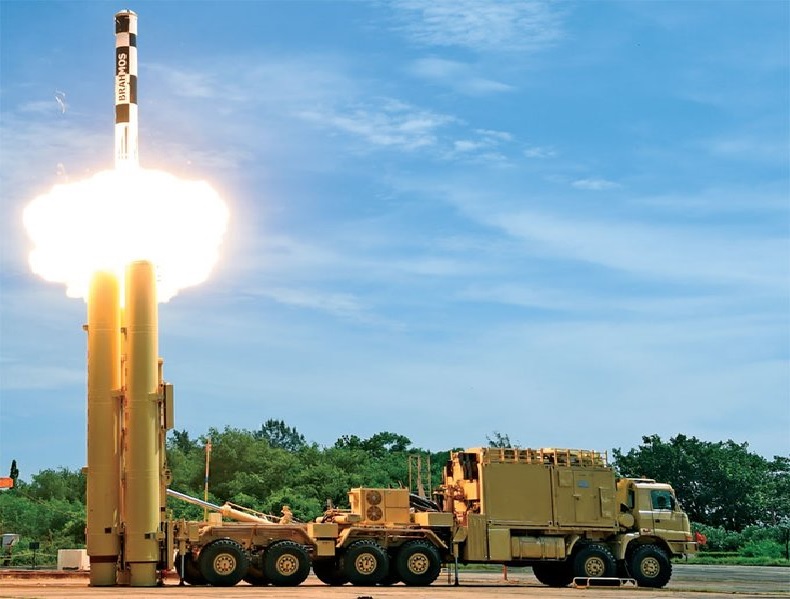
India
SINGAPORE, — May 30, 2026 : India has officially finalized an agreement to export the BrahMos supersonic cruise missile system to Vietnam in a deal valued at approximately ₹60 billion ($629 million), marking a major development in defence cooperation between the two countries and strengthening India’s growing role as a military exporter in Southeast Asia. The agreement was publicly confirmed by Defence Secretary Rajesh Kumar Singh during the Shangri-La Dialogue in Singapore, Asia’s leading defence and security summit. Speaking during a session on “Building Defence Industrial Resilience,” Singh said the agreement with Vietnam had already been signed, although it had not been formally announced earlier. “My understanding is that with both Indonesia and Vietnam, the deal is in the final stages. In fact, for Vietnam, I understand that it has already been signed — probably not publicly announced, but it's already been signed,” Singh said while responding to a question from a Vietnamese delegate. Under the agreement, Vietnam will procure the BrahMos Block 3 land-based coastal defence variant, designed primarily for shore-based anti-ship operations to strengthen maritime border security. The package includes an Integrated Logistics Support (ILS) framework, operator training, and technical instruction for Vietnamese maintenance personnel to ensure long-term operational readiness and sustainment capability. The BrahMos missile, jointly developed by India’s Defence Research and Development Organisation (DRDO) and Russia’s NPO Mashinostroyeniya, is capable of speeds between Mach 2.8 and Mach 3.0. The Block 3 variant has a strike range of up to 290–300 kilometres, can carry a 300-kilogram warhead, and is equipped with sea-skimming flight capability as low as 10 metres above sea level along with steep-dive terminal attack capability. The missile can be launched from land, naval vessels, submarines, and aircraft, although Vietnam’s current acquisition is focused on land-based coastal batteries. Reports also indicate Hanoi has shown long-term interest in air-launched variants. The deal makes Vietnam the second Southeast Asian country to acquire the BrahMos missile system after the Philippines, which signed a $375 million agreement in January 2022 for three shore-based anti-ship batteries, becoming India’s first BrahMos export customer. Deliveries to the Philippines began in April 2024, followed by the arrival of a second battery in April 2025, while training programs for Philippine personnel were conducted in India. The agreement also places Vietnam among confirmed international BrahMos operators as India continues expanding defence exports to regional partners. Singh stated that negotiations with Indonesia for a similar BrahMos procurement agreement are in the final stages. Indonesia reportedly signed a $300 million contract in December 2025 for three coastal defence batteries with a projected 36-month delivery schedule, in a configuration similar to the Philippine package. The BrahMos export agreement aligns with India’s broader objective to expand domestic defence manufacturing and raise defence exports to ₹50,000 crore by 2030, with BrahMos positioned as a flagship export platform. To support increasing domestic and overseas demand, India established a dedicated BrahMos production facility in Lucknow, Uttar Pradesh. The missile agreement also reflects expanding defence and strategic engagement between New Delhi and Hanoi. Earlier this month, Defence Minister Rajnath Singh held talks in Hanoi with Vietnamese Defence Minister General Phan Van Giang focused on maritime security, defence industry cooperation, and regional stability. The discussions coincided with the 10th anniversary of the India–Vietnam Comprehensive Strategic Partnership, recently elevated to an Enhanced Comprehensive Strategic Partnership during Vietnamese President To Lam’s state visit to India. During the Shangri-La Dialogue, Singh emphasized that India considers ASEAN member states trusted partners for defence cooperation and advanced military technology sharing, highlighting New Delhi’s continued focus on strengthening defence ties across Southeast Asia.
Read More → Posted on 2026-05-30 15:28:30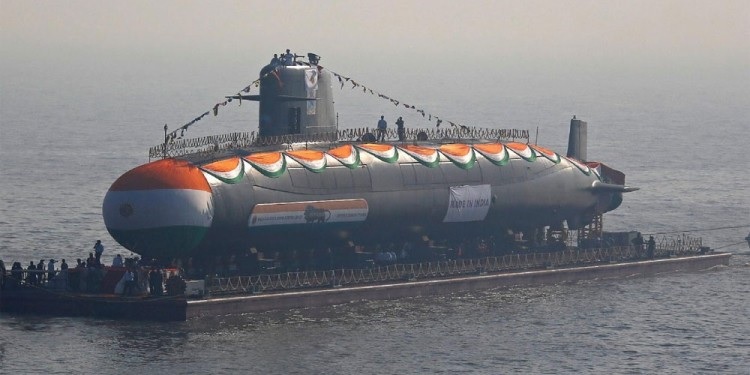
Finance Ministry Approves ₹70,000-Crore Project-75I Submarine Programme; Final CCS Clearance Pending
India
NEW DELHI — May 29, 2026 : The Union Finance Ministry has approved the ₹70,000-crore Project-75I (P-75I) submarine programme, moving one of India’s largest naval acquisition efforts to its final stage before contract signing. The proposal now awaits approval from the Cabinet Committee on Security (CCS), chaired by the Prime Minister, which will provide the final clearance required for implementation. Project-75I involves the construction of six advanced conventional diesel-electric submarines for the Indian Navy under the Strategic Partnership Model. State-owned Mazagon Dock Shipbuilders Limited (MDL) will manufacture the submarines at its Mumbai facility in partnership with Germany’s thyssenkrupp Marine Systems (tkMS). The MDL-tkMS consortium was selected after successfully meeting technical requirements and prevailing over the competing bid submitted by Larsen & Toubro (L&T) and Spain’s Navantia. Design, Technology Transfer and Capabilities The six submarines will be based on a variant of Germany’s HDW Class 214 design, also referred to as the Type 214 Next Generation platform. As part of the agreement, tkMS will undertake a comprehensive transfer of submarine design and manufacturing technology to India, strengthening domestic industrial expertise and long-term maintenance capabilities. A key operational requirement of Project-75I is the integration of a sea-proven Air-Independent Propulsion (AIP) system. The technology uses polymer electrolyte membrane hydrogen fuel cells to generate electricity, enabling submarines to remain submerged for extended periods—often up to two weeks—without surfacing or snorkeling for oxygen. This capability significantly lowers acoustic and thermal signatures, reducing the likelihood of detection by hostile sensors during underwater operations. In addition to AIP capability, the submarines are expected to incorporate advanced underwater warfare systems, including modern sensors, heavyweight torpedoes, missile-launch capability, enhanced stealth features, and improved survivability. The vessels are projected to have a submerged displacement of approximately 3,400 to 3,500 tonnes, making them among the largest conventional submarines planned for service with the Indian Navy. Delivery Timeline and Indigenisation According to the planned delivery schedule, the first submarine will be delivered to the Indian Navy seven years after contract finalization. The remaining five vessels are scheduled to be delivered at a rate of one submarine per year. Production activities are expected to begin in the third year after the contract is signed, following detailed design work and infrastructure preparations. The programme also includes phased indigenous manufacturing requirements aimed at supporting India’s long-term defence self-reliance goals. Under contractual provisions, the first submarine must incorporate at least 45 percent indigenous content. This figure will progressively rise across the programme, reaching 60 percent by the sixth and final submarine through greater domestic manufacturing and supply-chain participation. Programme Background and Strategic Context Project-75I succeeds the earlier Project-75 programme, under which MDL constructed six Kalvari-class (Scorpene) diesel-electric submarines with technology transfer from France’s Naval Group. The final vessel of the class, INS Vaghsheer, entered service in January 2025, marking the completion of the first phase of India’s modern conventional submarine-building effort. The programme forms part of India’s 30-year submarine-building plan approved in 1999 to modernize the Navy’s underwater fleet and replace aging submarines amid expanding maritime security requirements in the Indian Ocean Region. Project-75I also aligns with broader India-Germany defence industrial cooperation, following the signing of a defence industrial roadmap in Berlin to support joint development, co-production, and technology partnerships in military systems. Project-75I received approval from the Defence Acquisition Council in 2014, while a Request for Proposal (RFP) was issued in July 2021. Negotiations involving the Ministry of Defence, MDL, and tkMS—including cost discussions and programme structuring—have since been completed. With Finance Ministry approval now secured, CCS clearance remains the final administrative step before formal contract signing, release of initial funding, and commencement of detailed design and construction activities.
Read More → Posted on 2026-05-29 15:30:19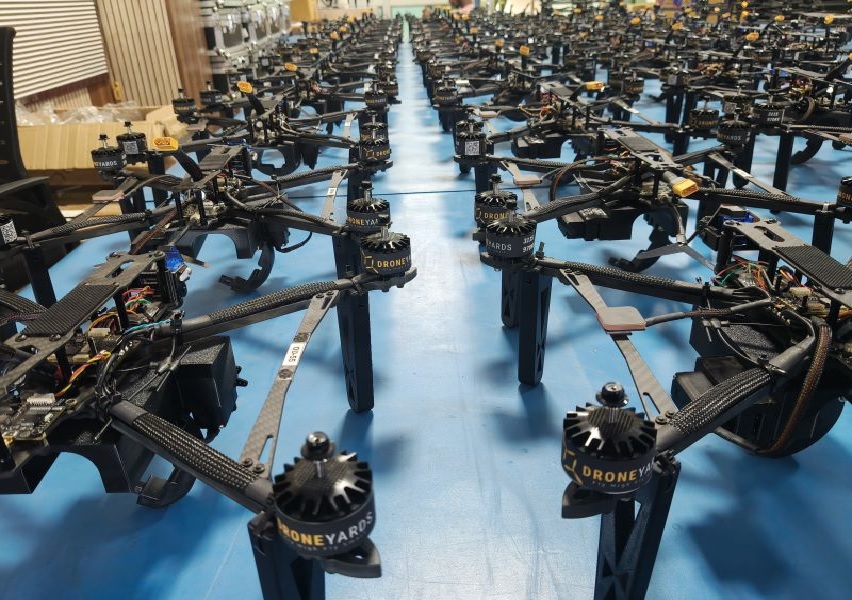
India
GHAZIABAD, India — May 27, 2026 : Ghaziabad-based aerospace startup DroneYards Aerial Solutions Pvt. Ltd. has delivered 300 ordnance-dropping drones capable of deploying 51 mm mortar payloads to the Northern Command of the Indian Army, marking a notable addition to India’s expanding indigenous tactical drone inventory. The company announced the delivery in late May 2026 as part of its growing defense-focused manufacturing portfolio. The unmanned aerial vehicles (UAVs) are specifically engineered to carry and precisely deploy 51 mm mortar shells, a lightweight infantry munition widely used by the Indian Army for close-range engagements and suppressing enemy positions. By integrating mortar-dropping mechanisms into tactical drones, frontline troops gain the ability to conduct localized precision strikes against enemy trenches, bunkers, fortified positions, and concealed hideouts while maintaining stand-off distance from direct hostile fire. According to the company, the drones supplied to the Northern Command are equipped with advanced electronic warfare (EW) capabilities intended to improve survivability and mission continuity in contested operational environments. The systems feature secure telemetry, triple radio redundancy, enhanced flight stability, and mission adaptability designed to maintain battlefield reliability during tactical operations where signal interference or electronic disruption may occur. Military observers view the capability as particularly relevant for operations in mountainous and high-altitude sectors along the Line of Control (LoC) and the Line of Actual Control (LAC), where difficult terrain and obstructed lines of sight can limit conventional targeting methods. In such conditions, small ordnance-dropping drones offer infantry units the ability to strike localized targets using aerial deployment while reducing troop exposure in forward areas. The newly delivered platforms also support real-time reconnaissance missions, enabling troops to gather battlefield intelligence while retaining the option for precision ordnance deployment using existing 51 mm mortar ammunition already in operational use by infantry formations. This dual-role capability strengthens lower-echelon tactical flexibility during frontline operations. Headquartered in Kaushambi, Ghaziabad, DroneYards focuses on indigenous defense-grade unmanned systems, including customized combat UAVs, first-person view (FPV) drones, surveillance systems, and rapid deployment aerial platforms. The company states that its platforms are designed without foreign components in critical subsystems as part of efforts to strengthen domestic defense manufacturing capability. The ordnance-dropping drone delivery follows DroneYards’ earlier supply of more than 200 FPV drones to the Indian Army in early 2026. That deployment included operator training for over 350 soldiers at forward locations, including areas near the Manipur–Assam border, aimed at improving tactical drone integration and field-level operational readiness. In addition to the newly delivered 51 mm mortar-dropping systems, the company’s defense portfolio includes the VINASH kamikaze FPV drone, developed for precision-strike tactical missions, and the Dhanush night surveillance drone equipped for low-light monitoring and long-range aerial observation. The procurement aligns with the Indian Ministry of Defence’s broader push under the “Aatmanirbhar Bharat” initiative to expand domestic sourcing of military equipment and reduce reliance on foreign defense imports. In recent years, the Indian Armed Forces have increasingly procured tactical drones, loitering munitions, logistics UAVs, and surveillance systems from Indian startups and MSMEs to
Read More → Posted on 2026-05-27 16:06:34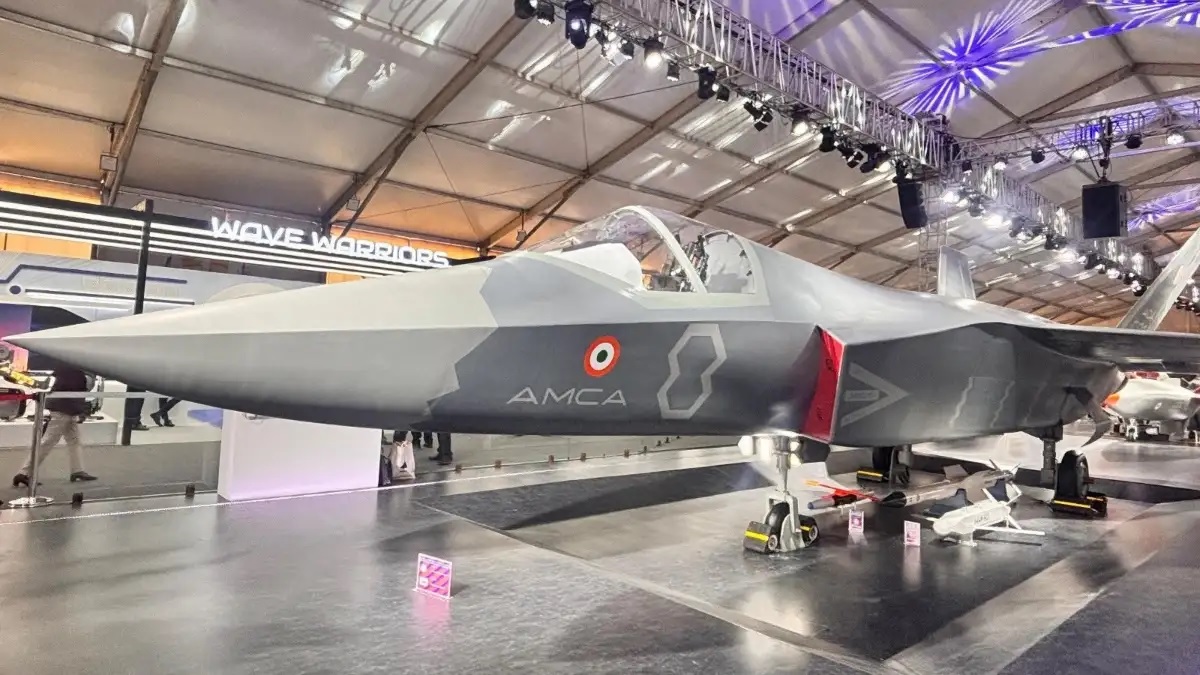
India
NEW DELHI — May 27, 2026 : India’s Ministry of Defence has issued a Request for Proposal (RFP) for the prototype development phase of the indigenous fifth-generation Advanced Medium Combat Aircraft (AMCA) programme, marking a significant step in the country’s effort to establish an advanced domestic combat aircraft manufacturing ecosystem. The RFP, administered through the Defence Research and Development Organisation (DRDO)’s Aeronautical Development Agency (ADA), has been issued to three shortlisted private-sector-led bidders following technical and commercial evaluations completed earlier in 2026. Defence officials confirmed the development on May 27, 2026, according to reports by ANI. The shortlisted contenders include Tata Advanced Systems, bidding independently; a consortium led by Larsen & Toubro (L&T) in partnership with Bharat Electronics Limited (BEL) and Dynamatic Technologies; and a Bharat Forge-led consortium that includes BEML and Data Patterns. These firms emerged after an assessment process involving seven original competitors. The RFP covers the development and manufacture of five flying AMCA prototypes, one structural test specimen, and the supporting testing ecosystem required for full-scale engineering development. The selected industry partner will work in collaboration with the ADA, which remains the nodal agency responsible for programme design, technical oversight and execution under DRDO. The prototype and engineering development phase is valued at approximately ₹15,000 crore and received approval from the Cabinet Committee on Security in 2024. Under the execution model approved by Defence Minister Rajnath Singh in May 2025, both public and private sector entities were allowed to compete on equal terms for participation in the programme. The three shortlisted entities are expected to submit detailed techno-commercial proposals within approximately two months. Following technical and financial evaluation, the government is expected to select the lowest qualifying bidder (L1), with contract negotiations projected to conclude by early 2027. Under the current execution framework, the selected consortium will be required to establish a dedicated special purpose company exclusively for the AMCA programme within three months of selection. A notable aspect of the process is the exclusion of state-run Hindustan Aeronautics Limited (HAL), which was not shortlisted for the production partner role. Defence officials indicated that concerns regarding HAL’s manufacturing bandwidth contributed to the decision, as the company is currently engaged in major programmes including Tejas Mk-1A production, Su-30MKI upgrades, Light Combat Helicopter manufacturing and the Indian Multi Role Helicopter (IMRH) project. The AMCA is planned as a 25-tonne, twin-engine, multirole fifth-generation stealth fighter intended for the Indian Air Force’s future combat fleet. The aircraft is designed to incorporate low observable shaping, radar-absorbent materials, internal weapons bays, advanced sensor fusion, artificial intelligence-enabled decision support systems, network-centric warfare capability and an Active Electronically Scanned Array (AESA) radar. The platform is also expected to feature supercruise capability and a combat radius of around 1,000 kilometres. Under current plans, initial prototypes and early production variants will be powered by American GE-F414 engines. Future versions are expected to transition to a customised 120-kN-class powerplant being explored through international cooperation, including discussions with France’s Safran. To support prototype development and flight testing, dedicated infrastructure is also being developed. On May 15, 2026, Defence Minister Rajnath Singh and Andhra Pradesh Chief Minister N. Chandrababu Naidu laid the foundation stone for the ADA’s Core Integration & Flight Testing Centre in Puttaparthi, Sri Sathya Sai district. The facility, being built at an estimated cost of around ₹2,000 crore, is expected to support prototype integration, testing and future programme requirements. Programme officials currently target the first prototype rollout in the 2028–29 timeframe, followed by extensive stealth validation, engine integration and weapons testing. Full-scale serial production and induction into Indian Air Force service are projected around the mid-2030s, with current planning aimed at operational induction by approximately 2035.
Read More → Posted on 2026-05-27 15:54:40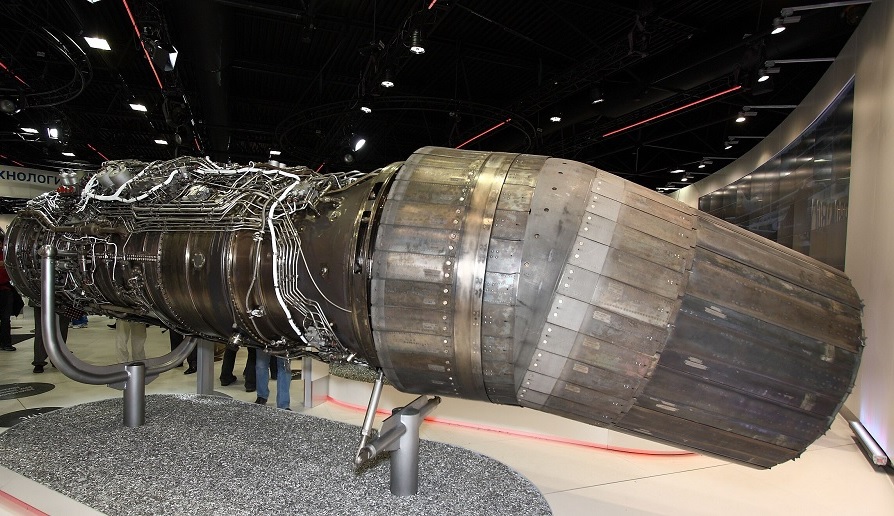
India
BENGALURU — May 26, 2026 : Hindustan Aeronautics Limited (HAL) is developing a digital twin of the GTDE-117 gas turbine starter, a critical subsystem used to initiate the AL-31FP engines powering every Su-30MKI fighter aircraft operated by the Indian Air Force (IAF). The initiative is intended to support the gradual replacement of Russian-origin components with Indian alternatives as indigenisation efforts for the country’s frontline combat aircraft continue to expand. The GTDE-117 functions as a gas turbine drive engine responsible for starting the AL-31FP thrust-vectoring turbofan engine installed on the Su-30MKI. Produced originally by Russian manufacturers, including Klimov Corporation and Krasny Octyabr, the GTDE-117 is a compact turboshaft engine with a free turbine that acts as an auxiliary power unit during engine start-up. It provides the mechanical shaft power necessary to rotate the AL-31FP engine to self-sustaining revolutions per minute (RPM) required for ignition and stable operation. Since each Su-30MKI is powered by two AL-31FP engines, the reliability of the starter system remains directly linked to aircraft availability and operational readiness. Digital Twin to Support Testing, Maintenance and Indigenous Manufacturing A digital twin is a virtual replica of a physical system that reproduces its performance, operational behaviour and mechanical characteristics in a simulated environment. HAL’s digital model of the GTDE-117 is expected to replicate thermodynamic properties, fluid dynamics, structural loads and operating parameters in real time, allowing engineers to assess system performance without repeated physical testing. The platform will enable HAL to simulate engine start-up sequences, analyse performance under different operational and environmental conditions and monitor component behaviour during stress cycles. Engineers will also be able to evaluate wear patterns, identify possible failure points and forecast maintenance requirements before degradation occurs in physical hardware. The use of a digital twin is expected to reduce dependence on repeated prototype development and shorten validation timelines for subsystem modifications. It will also provide HAL with the capability to conduct virtual testing of replacement parts, allowing performance and compatibility checks before physical integration into the engine system. Entry Point for Replacing Russian-Origin Components The GTDE-117 project is being viewed as a practical entry point for reducing dependence on Russian supply chains supporting the Su-30MKI fleet. By digitally replicating the starter engine’s specifications, performance limits and operating tolerances, HAL can support the design, validation and certification of Indian-manufactured replacement parts for components currently imported from Russia. The capability is expected to assist HAL in addressing spare-part availability challenges, improving overhaul planning and ensuring long-term sustainment of the Su-30MKI fleet. Virtual validation of components through simulation may also reduce maintenance downtime and improve lifecycle support efficiency. HAL’s Expanding AL-31FP Manufacturing Base The AL-31FP engine, developed by Saturn (Lyulka) in Russia, has been licence-produced by HAL at its Engine Division in Koraput, Odisha, since the early 2000s. The facility currently undertakes assembly, manufacturing, testing and overhaul of the engine and its modular systems for the IAF’s Su-30MKI fleet. As of 2026, HAL has manufactured nearly 1,000 AL-31FP engines at Koraput, reflecting a steady increase in indigenous production capability over the past two decades. In September 2024, the Ministry of Defence signed a contract valued at approximately ₹26,000 crore with HAL for the production of 240 additional AL-31FP engines to sustain the Su-30MKI fleet. The programme began with an indigenous content level of about 54 per cent and is targeted to reach 63 per cent by the end of the eight-year delivery schedule, under which HAL is expected to manufacture around 30 engines annually. Wider Su-30MKI Indigenisation Programme The digital twin initiative aligns with HAL’s broader effort to increase self-reliance in aero-engine technologies and critical aircraft subsystems. HAL has also established partnerships, including a Centre of Excellence in Digital Twin Technology with the University of Hyderabad, to advance simulation-based engineering, predictive maintenance and lifecycle management technologies across aerospace platforms. The effort forms part of India’s larger Su-30MKI modernisation and localisation programme, which includes upgrades to avionics, radar systems, weapons integration and structural improvements. Officials associated with the programme have stated that increasing indigenous content in propulsion systems and accessories is expected to improve fleet availability, reduce supply-chain dependence and lower long-term maintenance costs. For HAL, the GTDE-117 digital twin represents a focused technical effort aimed at improving the reliability, maintainability and domestic support ecosystem of a critical subsystem directly tied to Su-30MKI engine start-up and aircraft readiness.
Read More → Posted on 2026-05-26 17:37:18
India
NEW DELHI, INDIA — May 25, 2026 : The Indian Air Force (IAF) has issued a Request for Proposal (RFP) for the procurement and integration of anti-jamming navigation systems for 258 Su-30MKI fighter aircraft, as part of a broader effort to improve survivability and navigation reliability in electronically contested combat environments. Issued under tender reference AIRHQ/D PROJ/26-27/01, the procurement seeks the acquisition, installation, testing, certification, and operational integration of Anti-Jamming Navigation System (Antenna) Electronic Units across the IAF’s frontline Sukhoi fleet. The programme is being managed by the Wing Commander Projects (SU-30) at Air Headquarters, Vayu Bhawan, New Delhi, and has been classified as a limited tender under the “Services” category using a buy form of contract. The tender has been opened exclusively to technically and financially capable indigenous Indian companies, reflecting the government’s emphasis on domestic defence manufacturing and electronic systems development. Participating vendors are required to submit an Earnest Money Deposit (EMD) of ₹6,00,00,000, payable to the Principal Controller of Defence Accounts (PCDA), Air Force. Multi-Constellation Navigation Upgrade for Electronic Warfare Conditions The primary objective of the RFP is to replace or upgrade existing navigation antennas on the Su-30MKI with anti-jamming, anti-spoofing multi-constellation GPS Antenna Electronic Units, intended to improve navigation resilience in contested electromagnetic environments. Modern combat aircraft increasingly operate in conditions where adversaries attempt to disrupt navigation systems through Global Navigation Satellite System (GNSS) jamming and spoofing, making conventional positioning systems vulnerable to interference. The proposed system is intended to allow uninterrupted navigation and operational continuity even in GPS-degraded or electronically denied environments. According to the technical requirements outlined in the RFP, the upgraded system will support multiple satellite navigation constellations, including NavIC, GPS, GLONASS, BeiDou, Galileo, and the GAGAN augmentation system. By receiving navigation data from multiple global and regional sources, the system is intended to maintain positioning accuracy and mission continuity during electronic disruption. The antenna unit is required to deliver jamming rejection capability of up to 85 dB against a single interference source and 80 dB against multiple interference sources, enabling resistance against hostile electronic attacks. The system must also remain operational at altitudes up to 21 kilometres, at speeds up to Mach 1.5, and under aircraft acceleration forces ranging from -2g to +9g, reflecting the demanding flight profile of the Su-30MKI platform. Procurement Scope and Integration Requirements Under the procurement plan, selected vendors will be required to supply and integrate 300 antenna systems, exceeding the aircraft requirement to support reserves, testing, and maintenance needs. The contract additionally includes the delivery of 50 field-level testers and 10 base-level testers for diagnostics and sustainment support. The RFP mandates certification trials on two Su-30MKI aircraft prior to broader fleet integration. In addition, training for Indian Air Force personnel will be conducted at the 9 TETTRA School, ensuring operational and maintenance readiness following system induction. The upgraded navigation systems are expected to enhance aircraft survivability and operational continuity during long-range missions, precision targeting operations, and standoff strike profiles in heavily contested electromagnetic environments. Part of the Broader “Super Sukhoi” Modernisation Programme The anti-jamming navigation initiative forms part of the Indian Air Force’s wider Su-30MKI modernisation roadmap, commonly referred to in defence circles as the “Super Sukhoi” or “Super-30” programme. India currently operates a Sukhoi fleet of approximately 272 aircraft, with around 260 aircraft in active service, forming the backbone of the Indian Air Force’s combat aviation inventory. The wider modernisation effort seeks to improve avionics, mission survivability, sensor performance, and electronic warfare capability. Parallel upgrades under consideration include the replacement of the aircraft’s legacy 32-bit mission computer architecture with a 64-bit Digital Flight Control Computer developed by the Defence Avionics Research Establishment (DARE), enabling faster processing of mission and sensor data. The IAF is also pursuing plans to replace the N011M Bars Passive Electronically Scanned Array (PESA) radar with the indigenous Virupaksha Active Electronically Scanned Array (AESA) radar, intended to improve tracking, target engagement, and detection capability. Separately, the Air Force has issued a Request for Information (RFI) for 100 Advanced Self-Protection Jammer (ASPJ) pods incorporating Digital Radio Frequency Memory (DRFM) and Gallium Nitride (GaN) technologies to strengthen aircraft self-protection against hostile airborne and ground-based radar systems. The anti-jamming navigation system is expected to interface with these future electronic warfare systems to ensure navigation continuity under electronic suppression conditions. Tender Timeline and Administrative Framework The RFP was officially e-published on May 20, 2026, with the clarification period remaining open until May 29, 2026. A pre-bid meeting is scheduled for May 26, 2026, at Air Headquarters, Vayu Bhawan, where participating firms will be able to seek technical and procedural clarifications. The bid submission window will open on June 1, 2026, and close on June 22, 2026, while technical bids are scheduled to be opened on June 23, 2026. Submitted bids will remain valid for 180 days. Under contract conditions, the selected vendor will be required to complete procurement, installation, certification, and aircraft integration activities within a 730-day (24-month) performance period from contract signing. The Ministry of Defence has not disclosed the estimated value of the programme or specific vendor shortlisting criteria in the RFP documentation.
Read More → Posted on 2026-05-25 15:45:06
India
PRAYAGRAJ, India — May 24, 2026 : Bharat Electronics Limited (BEL) has unveiled the BE-VAHAN 50, an indigenously developed high-altitude logistics drone designed to support military supply operations in extreme and mountainous terrain. The platform was showcased during the North Tech Symposium 2026 (Raksha Triveni Sangam) in Prayagraj, a three-day defence technology event inaugurated by Defence Minister Rajnath Singh under India’s “Atmanirbhar Bharat” (self-reliant India) initiative. The BE-VAHAN 50 is engineered as a high-reliability autonomous logistics platform aimed at solving operational supply chain challenges faced by armed forces deployed in remote and high-altitude areas, particularly along mountainous regions such as the Himalayas. BEL stated that the drone is intended to provide a cost-effective alternative to conventional helicopter supply missions and mule-based transport, enabling reliable last-mile delivery where terrain, weather, and altitude make traditional mobility slow, risky, or impractical. Designed as a variable-pitch propulsion-based electric quad-rotor unmanned aerial vehicle (UAV), the BE-VAHAN 50 uses a Vertical Take-Off and Landing (VTOL) configuration, allowing deployment without runways and enabling operations from confined spaces and Forward Operating Bases (FOBs). The platform is optimized for rapid logistics support in difficult operational environments while maintaining resilience in extreme weather conditions. According to BEL’s technical specifications, the drone features a payload capacity of up to 50 kilograms, a range of approximately 10 kilometres, and a service ceiling of around 5,000 metres, making it suitable for high-altitude sustainment missions. The system also demonstrates high payload efficiency, carrying cargo equivalent to nearly 33 percent of its Maximum Take-Off Weight (MTOW). To improve reliability and survivability in contested or demanding operational conditions, BEL has integrated multiple mission-critical systems into the BE-VAHAN 50. The platform supports fully autonomous logistics operations, including resilience for GPS-denied environments, enabling continued functioning in areas where satellite signals may be jammed or unavailable. Its internal redundancy architecture includes a dual GPS system and a parachute fail-safe mechanism designed to reduce the risk of losing the aircraft or payload during emergencies. The drone is also equipped with an Electro-Optical/Infrared (EO/IR) camera for real-time surveillance, navigation assistance, and precise payload targeting during supply-drop operations. In addition, BEL has incorporated a low aural signature design, utilizing low-RPM propulsion to reduce acoustic detectability during missions and lower the likelihood of exposing supply operations in sensitive areas. A demonstration of the BE-VAHAN 50 was organised for Defence Minister Rajnath Singh during the symposium, where BEL displayed the platform alongside advanced communication systems, radars, and electro-optic solutions. Senior officers of the Indian Army, including personnel from Northern Command, also visited the BEL exhibition area and received technical briefings on the drone and its intended operational role. The unveiling of the BE-VAHAN 50 reflects India’s broader effort to strengthen indigenous unmanned systems for defence logistics and operational sustainment in high-altitude regions. BEL has also established a dedicated unmanned systems business vertical focused on payloads, data links, and ground control systems in collaboration with the Defence Research and Development Organisation (DRDO), Indian academic institutions, and startups. BEL has not released additional details regarding production schedules, procurement timelines, unit costs, or induction plans for the BE-VAHAN 50. However, the platform is positioned as a potential addition to the Indian Army’s future unmanned logistics capability for difficult and inaccessible operational zones.
Read More → Posted on 2026-05-24 17:06:27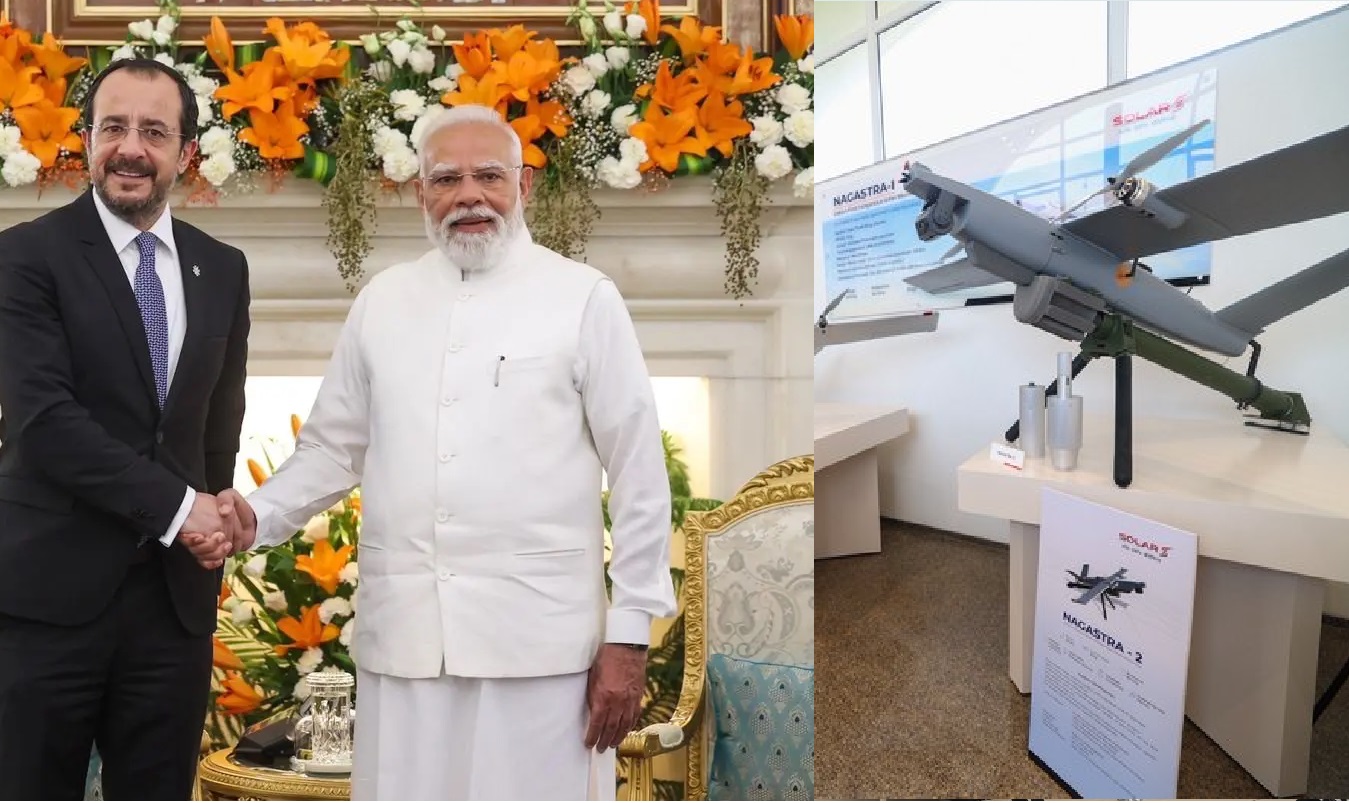
India
NEW DELHI, — May 24, 2026 : India and Cyprus have elevated bilateral ties to a Strategic Partnership, with defence cooperation emerging as a key area of engagement during Cypriot President Nikos Christodoulides’s state visit to India. A major outcome of discussions in New Delhi was Cyprus expressing interest in acquiring India-made drones used during Operation Sindoor, with officials specifically seeking details regarding the Nagastra-1 loitering munition drone developed by Solar Group. According to officials familiar with the discussions, Cypriot representatives specifically asked for information on the Nagastra-1 drone, which was deployed during Operation Sindoor, India’s May 2025 military operation targeting terrorist infrastructure in Pakistan. Officials stated that Cyprus showed interest in systems that demonstrated operational effectiveness under real combat conditions, with the Nagastra-1 emerging as the primary system of identified interest during bilateral discussions. Focus on Nagastra-1 Drone The Nagastra-1, manufactured by Solar Group, is an indigenous loitering munition drone designed for surveillance and precision strike missions. The system is capable of remaining airborne over an operational area before engaging designated targets, providing armed forces with rapid-response strike capability while reducing direct risks to personnel. Officials indicated that Cyprus views such systems as relevant to its broader military modernization efforts, particularly in strengthening aerial surveillance, precision strike capability, and deterrence planning amid evolving security concerns in the Eastern Mediterranean. Cyprus has allocated approximately €1.2 billion for defence modernization, with efforts focused on improving military readiness and operational capabilities. Cypriot officials emphasized that no procurement decision has been finalized, and discussions remain at an exploratory stage. However, officials acknowledged that the operational performance of Indian defence systems during Operation Sindoor increased confidence in India’s defence manufacturing capabilities and the reliability of indigenous platforms tested under operational conditions. While broader India-Cyprus defence cooperation was discussed during the visit, officials indicated that the Nagastra-1 drone was the specifically identified platform requested during discussions. Any broader evaluation of additional Indian defence systems remains part of wider exploratory cooperation and has not been formally identified by officials. Defence Cooperation and Strategic Partnership To strengthen engagement, India and Cyprus announced a five-year defence cooperation roadmap for 2026–2031, aimed at expanding collaboration in defence manufacturing, maritime security, cyber security, counter-terrorism coordination, and strategic dialogue. A business-to-business Memorandum of Understanding (MoU) was also signed between the Society of Indian Defence Manufacturers (SIDM) and the Cyprus Defence and Space Industries Cluster, intended to support industrial partnerships, supply chain cooperation, and future co-development opportunities. Beyond defence, the newly announced Strategic Partnership expanded cooperation in trade, connectivity, higher education, and institutional coordination. Cyprus also reiterated support for India’s bid for permanent membership in a reformed United Nations Security Council (UNSC). No formal defence acquisition agreement has been concluded so far. However, officials from both countries described the discussions as an important step toward expanding long-term strategic and defence cooperation between New Delhi and Nicosia, with the Nagastra-1 drone emerging as the clearest and specifically identified area of Cypriot interest during the visit.
Read More → Posted on 2026-05-24 14:18:44
India
TAMPA, Florida, — May 23, 2026 : A viral image emerging from the recently concluded joint capability demonstrations at Special Operations Forces (SOF) Week 2026 has sparked discussion among defence analysts and military observers regarding soldier-level tactical equipment used by Indian Special Forces, particularly the apparent absence of visible tactical hearing protection during helicopter operations. India made a significant appearance at the event, held in Tampa, Florida, from May 18 to 21, where a high-level Indian Armed Forces delegation participated in multinational engagements and showcased operational capabilities alongside partner nations during the “Battle in the Bay” capability demonstration. The exercise highlighted interoperability, tactical coordination, and special operations readiness among participating forces. However, attention shifted to a widely circulated photograph showing a mixed team of Indian and US Special Forces personnel seated on the edge of a helicopter flying low over water during an operational demonstration. In the image, US personnel, including a visible door gunner, appear equipped with advanced tactical communication headsets widely recognized as 3M PELTOR ComTac systems, while one Indian Special Forces operative is clearly seen covering both ears with his hands to shield himself from helicopter rotor noise. The image has triggered questions among defence analysts and social media users over why Indian Special Forces personnel visible during the helicopter demonstration were not wearing tactical hearing protection systems in an environment known for extreme noise exposure. Several defence observers have questioned whether the absence of visible headsets reflected equipment availability, mission-specific loadout decisions, interoperability limitations, or differing operational practices. Many analysts have particularly questioned why an Indian Special Forces operative, participating in a multinational special operations event, was seen manually covering his ears from rotor noise while US Special Forces personnel in the same helicopter were visibly equipped with integrated hearing protection and communication systems. The viral image has intensified discussion around whether Indian Special Forces units possess standardized access to advanced hearing-protection headsets, such as PELTOR ComTac systems, or equivalent tactical equipment. Role of Tactical Hearing Protection in Helicopter Operations In modern special operations environments, tactical communication headsets such as PELTOR ComTac and equivalent systems are generally regarded as standard mission equipment, particularly during helicopter-based operations. Military helicopters generate sustained high-decibel noise levels capable of causing discomfort, temporary hearing disruption, and long-term auditory damage during prolonged exposure. Tactical hearing protection systems are designed to reduce harmful noise while allowing operators to remain operationally aware and connected during missions. These systems generally perform two key operational functions: Active Hearing Protection Electronic suppression or compression of dangerous sound levels, including rotor noise, aircraft engines, explosions, and gunfire, while amplifying low-level environmental sounds required for situational awareness. Integrated Tactical Communication Connection to squad radios and helicopter intercom systems, enabling operators to receive instructions, coordinate movement, and maintain communication during high-risk operations, including air insertion, maritime assault missions, and fast-roping exercises. The viral image has drawn wider attention because the Indian operative appears to be physically covering his ears rather than using visible electronic hearing protection, while US Special Forces personnel in the same aircraft are seen wearing integrated tactical communication headsets. Procurement and Modernization Questions The incident has also renewed questions regarding equipment standardization and modernization priorities for elite Indian units. Currently, 3M PELTOR ComTac and SWAT-TAC tactical communication headsets are commercially available in India, and specialized Indian military formations are known to operate different secure communication systems during missions. The Indian defence establishment has also accelerated modernization efforts through programmes such as Innovations for Defence Excellence (iDEX), supporting tactical communication systems, secure battlefield networking, tactical LAN radios, and indigenous soldier modernization initiatives. However, there is no publicly known record of a recent large-scale standardized procurement specifically involving advanced active hearing protection systems, such as PELTOR ComTac headsets, for widespread issue across Indian Special Forces battalions. The viral photograph has therefore raised a broader operational question among defence observers: why Indian Special Forces personnel at SOF Week 2026 were not visibly wearing tactical hearing protection during helicopter operations while US counterparts in the same operational environment appeared equipped with integrated headset systems. Military analysts continue to note that Indian Special Forces are globally recognized for combat effectiveness, operational capability, and performance in high-risk and demanding environments. At the same time, the incident has highlighted continued discussion surrounding modernization of individual soldier equipment, particularly systems linked to hearing protection, communication, mission safety, and interoperability during multinational special operations exercises.
Read More → Posted on 2026-05-23 16:50:17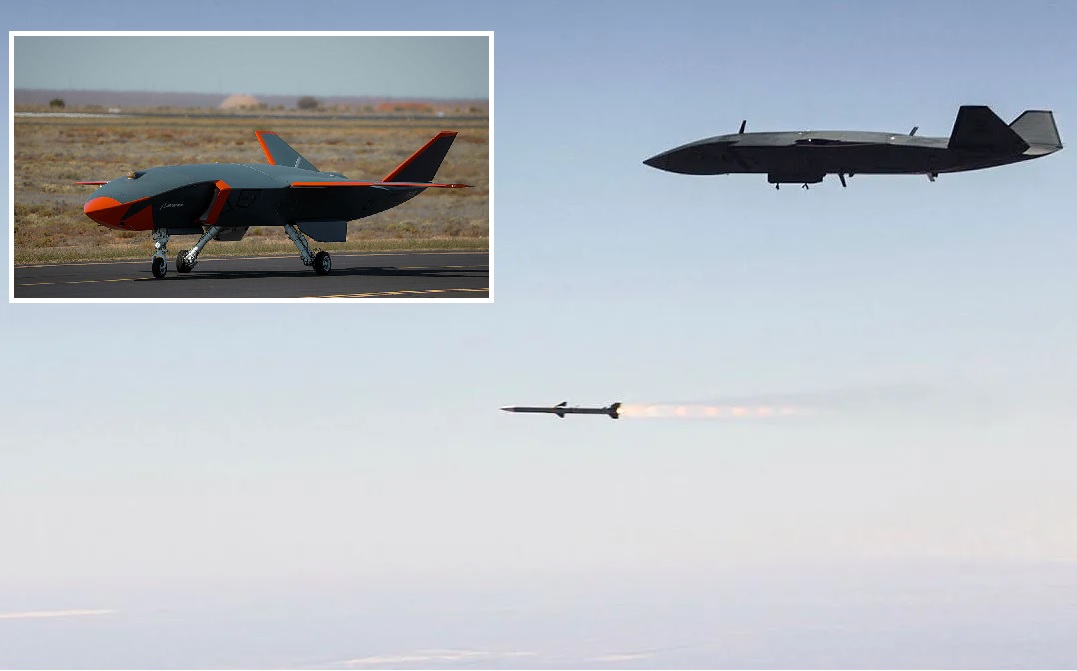
India
NEW DELHI, — May 23, 2026 : India is considering the acquisition of 50 Australian-developed MQ-28 Ghost Bat unmanned combat aerial vehicles (UCAVs) amid reports of Turkey’s potential transfer of Bayraktar Kizilelma unmanned fighter aircraft to Pakistan, as New Delhi evaluates options to strengthen autonomous air combat capabilities and maintain operational balance in the region. The proposed procurement is being examined as part of the Indian Air Force’s (IAF) broader push toward manned-unmanned teaming (MUM-T), an operational concept that enables crewed fighter aircraft to operate alongside autonomous systems. The MQ-28 Ghost Bat is designed to function as a collaborative combat aircraft capable of supporting frontline fighters such as the Su-30MKI and Rafale in high-risk operational environments through artificial intelligence, sensor sharing, electronic warfare, and long-range mission support. India is understood to be in discussions regarding the possible acquisition of 50 MQ-28 Ghost Bat platforms, developed by Boeing Defence Australia in partnership with the Royal Australian Air Force (RAAF). The aircraft is the first military platform designed, manufactured, and flown in Australia in more than five decades and has been developed specifically to operate as a “loyal wingman” supporting crewed combat aircraft. Regional Context Behind the Consideration The reported interest in the MQ-28 Ghost Bat comes amid expanding defence interactions between Turkey and Pakistan concerning the Bayraktar Kizilelma, a jet-powered stealth UCAV developed by Turkish defence company Baykar. Recent defence engagements, including the Pakistan Air Force Chief’s visit to Turkey and briefings on advanced Turkish aerospace systems, have increased attention around a possible Kizilelma sale or co-production arrangement between Islamabad and Ankara. The Bayraktar Kizilelma is designed for operations in contested airspace and incorporates low-observable characteristics, artificial intelligence-assisted autonomy, and beyond-visual-range air combat capability. The platform has reportedly demonstrated air-to-air missile functionality during recent tests and is scheduled for initial deliveries to the Turkish Armed Forces during the first quarter of 2026. Indian defence planners are assessing developments in autonomous combat aviation as part of wider military modernisation efforts, with emphasis on expanding electronic warfare, intelligence, surveillance and reconnaissance (ISR), and force-multiplying capabilities without increasing operational risk to pilots. Technical Profile of the MQ-28 Ghost Bat The MQ-28 Ghost Bat has been designed as a stealth-enabled collaborative combat aircraft capable of supporting crewed fighter jets through independent mission execution and coordinated network operations. The platform measures approximately 11.7 metres in length, features a 7.3-metre wingspan, and has a maximum take-off weight of around 3,175 kilograms. Powered by a Williams FJ44 turbofan engine, the aircraft can operate at high subsonic speeds reaching up to Mach 0.9 and altitudes exceeding 40,000 feet. It possesses an operational range of more than 3,700 kilometres, making it suitable for long-range operations across the Indo-Pacific and South Asian theatres. The platform incorporates a modular mission architecture that enables rapid payload reconfiguration according to operational requirements. Ground crews can modify mission systems through a configurable nose section designed to accommodate ISR payloads, electronic warfare systems, communications support equipment, tactical sensors, and other mission-specific technologies. Combat and Operational Capabilities The MQ-28 Ghost Bat is intended to perform a broad mission set, including intelligence gathering, surveillance, tactical early warning, electronic warfare, combat support operations, and autonomous mission coordination with manned aircraft. In December 2025, the platform successfully demonstrated an autonomous air-to-air combat engagement by firing an AIM-120 AMRAAM missile against a target drone while operating in coordination with crewed Royal Australian Air Force aircraft. The demonstration highlighted the aircraft’s intended role in collaborative combat operations, where autonomous platforms provide additional combat mass, persistence, and survivability during high-risk missions. The aircraft is also designed to integrate with existing command-and-control systems, allowing seamless coordination with fighter aircraft while extending sensor reach and reducing exposure of pilots to contested environments. In operational scenarios, the Ghost Bat could support electronic suppression missions, ISR collection, tactical targeting, stand-off strike support, and reconnaissance activities while crewed platforms operate from safer distances. Growing India–Australia Defence Cooperation The discussions surrounding the MQ-28 Ghost Bat acquisition are taking place alongside expanding defence cooperation between India and Australia in advanced aerospace and autonomous systems. During the 12th India-Australia Air Staff Talks held earlier in May 2026, Australian officials showcased the MQ-28 Ghost Bat to representatives of the Indian Air Force as part of discussions focused on interoperability, autonomous warfare systems, air power cooperation, and future aerospace technologies. The engagement reflected growing strategic coordination between New Delhi and Canberra in emerging defence sectors, including unmanned systems, network-centric warfare, and advanced combat aviation technologies. No Official Confirmation Yet India has not issued an official statement regarding the reported talks or a formal procurement timeline for the acquisition of 50 MQ-28 Ghost Bat UCAVs. However, the reported discussions indicate continued evaluation of advanced autonomous combat systems as regional air forces expand investments in next-generation unmanned aerial combat platforms.
Read More → Posted on 2026-05-23 12:09:53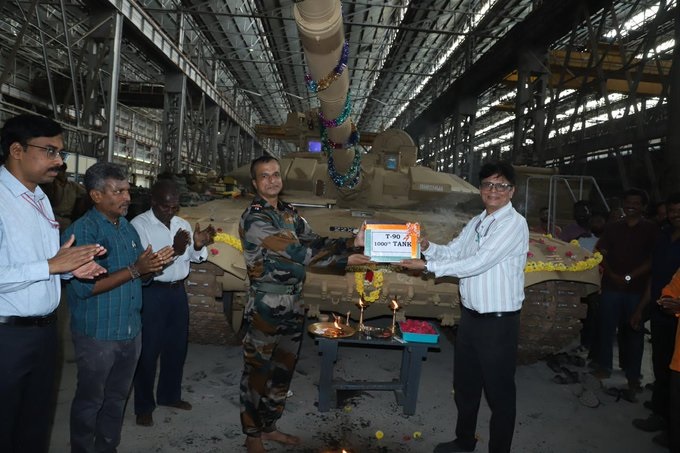
India
AVADI, — May 23, 2026 : Armoured Vehicles Nigam Limited (AVNL) delivered the 1000th T-90(IM) tank to the Indian Army on May 22, 2026 . The tank was produced at the Heavy Vehicles Factory (HVF) of AVNL in Avadi, near Chennai. The T-90(IM), also designated as the T-90 Bhishma in Indian service, is a main battle tank manufactured under licence from Russia. Production at HVF began with the assembly of tanks supplied in semi-knocked-down and completely-knocked-down kits following a 2001 contract for 310 tanks, of which 124 were completed in Russia and the remainder assembled in India. A subsequent 2006 agreement provided for the licensed production of 1,000 T-90S/SK tanks at HVF. The first fully indigenous T-90S tanks rolled out from the facility in 2009. In November 2019, the Indian Army contracted for an additional 464 tanks of an upgraded configuration, designated T-90 Mk III (Bhishma Mk III). Deliveries of the first batch of 10 such tanks took place in May 2024, with the remainder scheduled over the following five years. The 1000th T-90(IM) delivered today forms part of this ongoing licensed production programme. AVNL, established in 2021 as a public sector undertaking following the restructuring of the Ordnance Factory Board, oversees tank production at HVF. The factory, located in Avadi and operational since 1965, has manufactured a range of armoured vehicles including the T-72 Ajeya, Arjun MBT, and Vijayanta tanks, in addition to the T-90 series. Production has progressed from initial assembly of imported components to deep indigenisation of major systems. AVNL has achieved full localisation of the V-92S2 engine used in the T-90 Bhishma, along with engines for the T-72 and BMP-2 platforms. Overall indigenisation levels for the T-90 have reached high percentages, with continued efforts on subsystems such as electromagnetic turret traverse systems to replace older hydraulic drives. These developments have reduced reliance on imported parts. The T-90 Bhishma is equipped with a 125 mm smooth-bore main gun capable of firing guided missiles, APFSDS, HEAT, and HE rounds at a rate of eight rounds per minute. It has a crew of three, weighs 46.5 tonnes, and is powered by a 1,000 hp engine providing a power-to-weight ratio of 21.5 hp per tonne. Maximum road speed is 60 km/h. Additional features include explosive reactive armour, CBR protection, smoke grenade launchers, and fording capability up to 5 metres with a snorkel. The Indian Army operates the T-90 Bhishma as a key element of its armoured formations, alongside the T-72 fleet. The delivery brings the total number of T-90 tanks produced under the programme to 1,000 units at HVF/AVNL. AVNL continues production and upgrade work on armoured vehicles to support army requirements.
Read More → Posted on 2026-05-23 11:34:33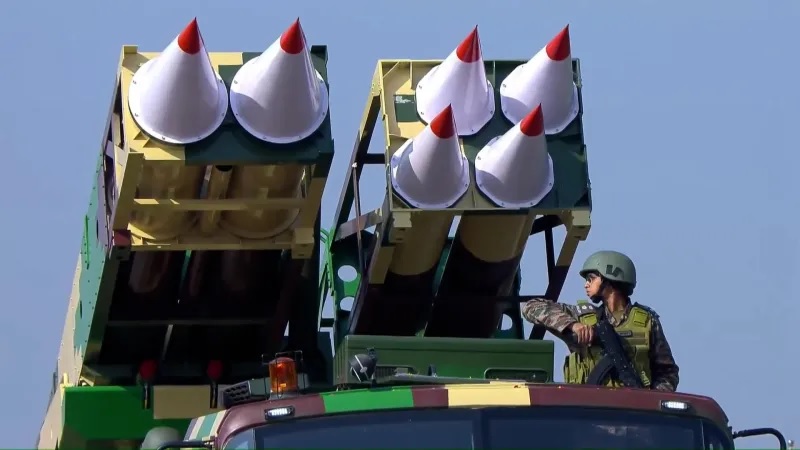
India
NEW DELHI, — May 20, 2026 : Pune-based private defence manufacturer Nibe Limited has successfully conducted firing trials of its indigenous Suryastra long-range rocket system for the Indian Army at the Integrated Test Range (ITR) in Chandipur, Balasore, Odisha. The consecutive trials were carried out on May 18 and 19 under an emergency procurement programme initiated by the Indian Army. The trials evaluated the system’s long-range strike capability, precision, operational reliability, and readiness for deployment. According to official trial data, the 150-kilometre range variant achieved a Circular Error Probable (CEP) of 1.5 metres, while the 300-kilometre range variant achieved a CEP of 2 metres. Both rocket variants successfully met all required operational and performance parameters during the demonstrations. CEP is a standard military metric used to measure the accuracy of guided weapons, indicating the radius within which 50 percent of fired munitions are expected to land. Defence analysts note that achieving a CEP of two metres or below at ranges extending up to 300 kilometres reflects a high degree of precision for long-range artillery systems. Indigenous Universal Rocket Launcher System The Suryastra is described as India’s first indigenous universal multi-caliber rocket launcher system. It has been developed by Nibe Limited under a technology collaboration agreement with Israeli defence company Elbit Systems and is based on the Precise and Universal Launching System (PULS) platform. The launcher is designed with modular architecture, enabling it to fire multiple categories of rockets and missiles from interchangeable launch pods without requiring hardware modifications. The system can integrate precision-guided rockets of different calibres, allowing operational flexibility across varying mission requirements. In addition to guided rockets, the Suryastra system is capable of launching loitering munitions and kamikaze drones with operational ranges of up to 100 kilometres. The integration of loitering munitions provides real-time reconnaissance and strike capability, allowing battlefield surveillance alongside precision engagement of targets. Mobility and Operational Capability The Suryastra launcher is mounted on a high-mobility all-terrain vehicle platform and incorporates “shoot-and-scoot” capability. This allows the launcher to rapidly relocate after firing, reducing vulnerability to enemy counter-battery strikes and improving survivability during combat operations. Military experts state that such highly mobile rocket systems are increasingly important in modern warfare environments where rapid deployment, mobility, and precision engagement are critical operational requirements. Indian Army Procurement Programme The firing demonstrations were conducted under a procurement contract signed between the Indian Army and Nibe Limited in January 2026 under the Army’s Emergency Procurement framework. The contract is valued at approximately ₹292.69 crore, equivalent to around $31 million. The agreement includes the supply of: Two Suryastra Universal Rocket Launcher systems Replenishment-cum-loader vehicles 150 km and 300 km range rockets and ammunition Ground support equipment and accessories Spare parts and engineering support packages Comprehensive technical and maintenance support Deliveries under the contract are scheduled to be completed in phased tranches within a 12-month period. Strategic and Industrial Significance The Suryastra programme is being manufactured in India under technology transfer arrangements and is intended to strengthen the Indian Army’s long-range precision strike capability. Defence experts note that the system bridges an operational gap between conventional artillery platforms and more expensive ballistic missile systems by providing rapid-response stand-off strike capability at extended ranges. The successful trials also represent a significant development under the government’s Aatmanirbhar Bharat initiative aimed at expanding indigenous defence manufacturing capacity. The programme marks one of the first instances of an Indian private-sector defence company successfully manufacturing and demonstrating a long-range guided rocket system of this category for the Indian Armed Forces. Nibe Limited stated that the successful demonstrations validated the performance, precision, and operational readiness of the Suryastra system for future induction into Indian Army artillery formations following completion of deliveries and additional evaluations.
Read More → Posted on 2026-05-21 14:23:09Search
Top Trending in 24 Hours
-
 Pentagon Inspector General Report Finds Iran War Caused U.S. Ammunition Shortfalls and Industrial Bottlenecks
-
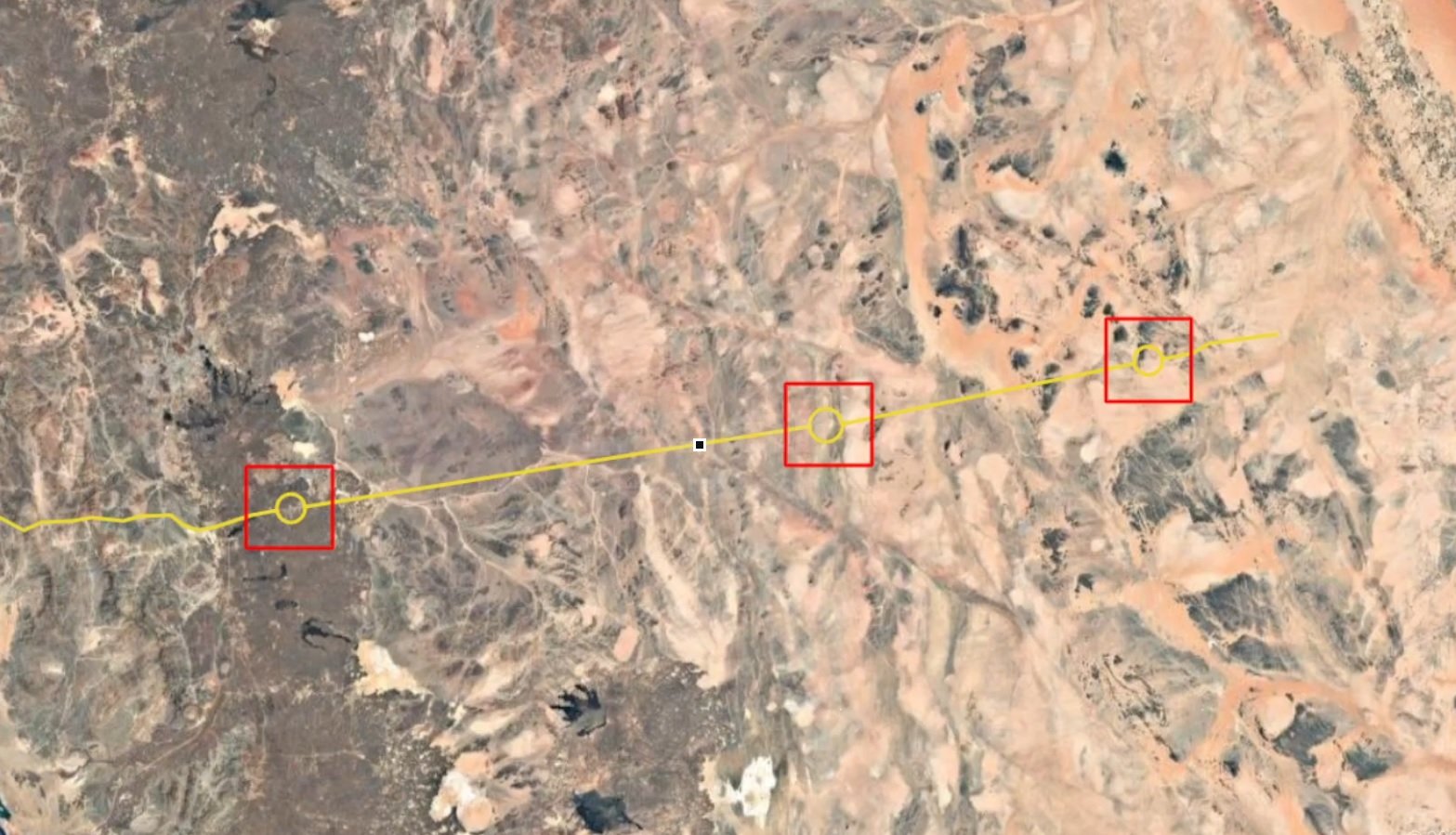 Satellite Imagery Shows Extensive Damage to Saudi Arabia’s East-West Oil Pipeline, Indicating More Than a Single Strike
-
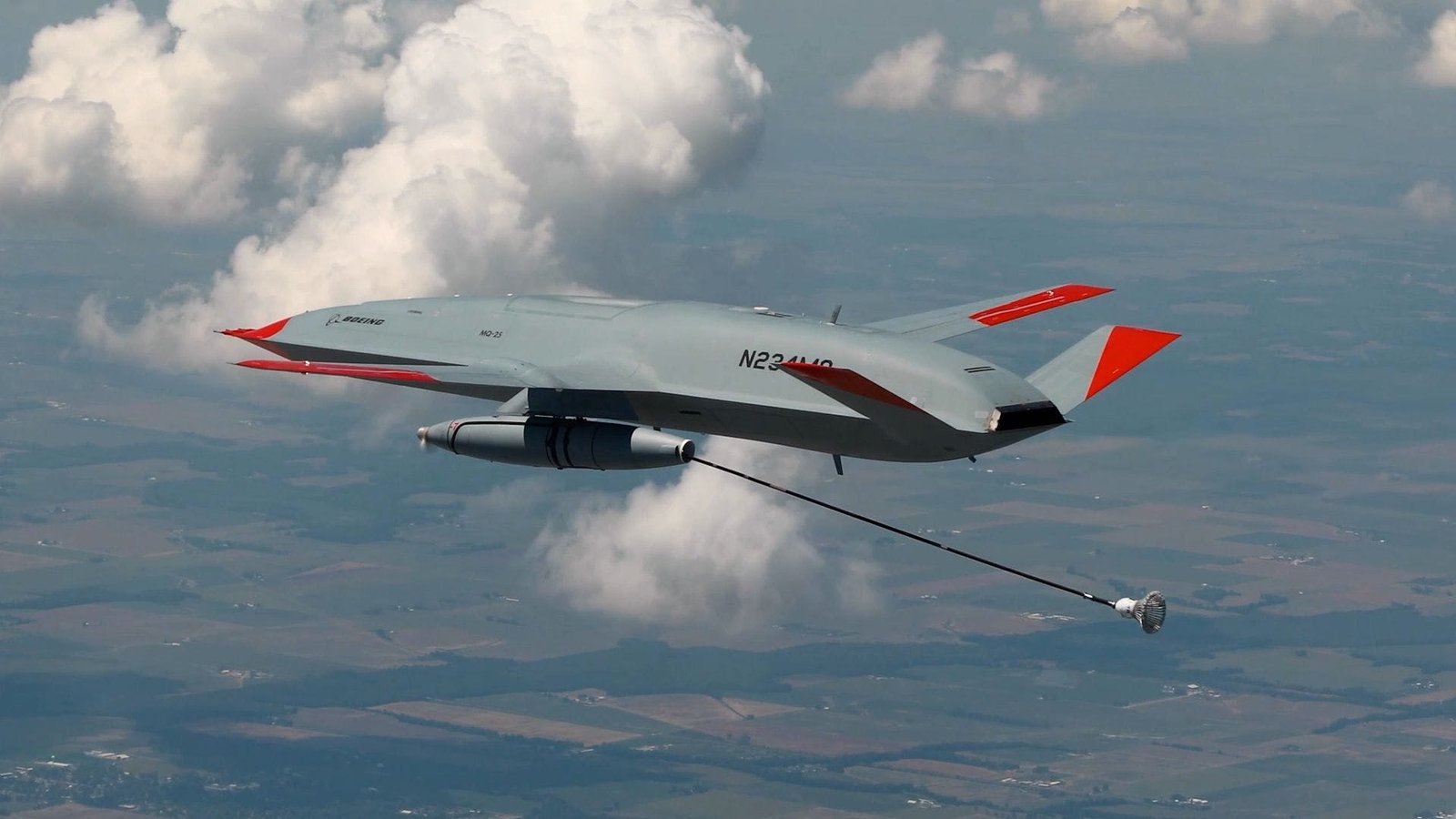 U.S. Navy Awards Boeing $562 Million Contract for First Production MQ-25A Stingray Tanker Drones
-
 Pentagon and Honeywell Complete Four-Hour Pacific Flight Using Quantum Magnetic Navigation Without GPS
-
 U.S. Air Force Special Operations Command Clears AGM-190A Havoc Spear for Wider Service After Combat Evaluation in Africa
-
 U.S. Confirms Deployment of On-Orbit Space Control Weapons for First Time
-
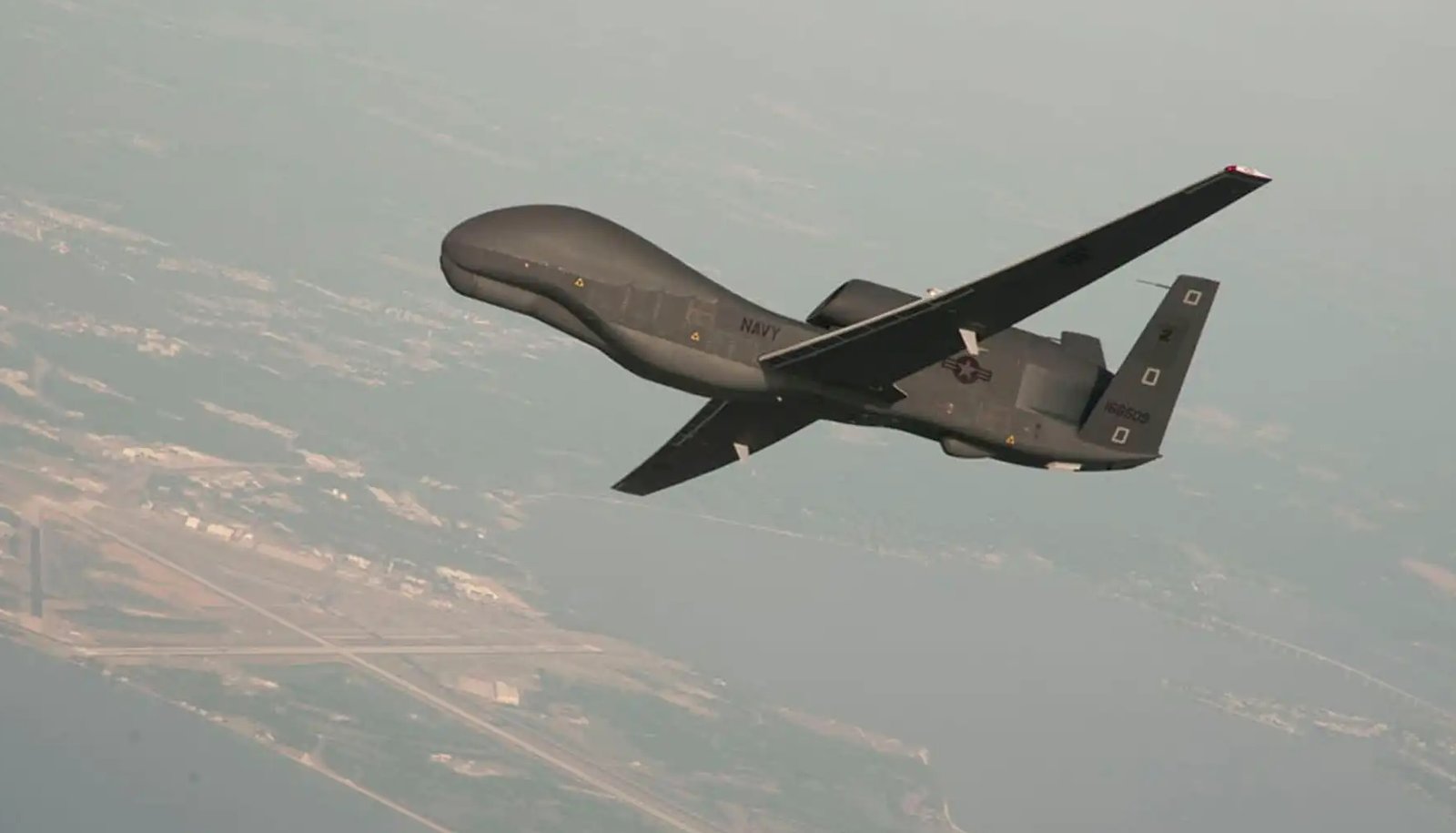 Japan Air Self-Defense Force Loses Contact With Global Hawk Surveillance Drone Off Tottori Coast; Aircraft Presumed Crashed
-
 China Builds New Shanghai Vessel to Serve as Mothership for Large Uncrewed Submarines
Top Trending in 4 Days
-
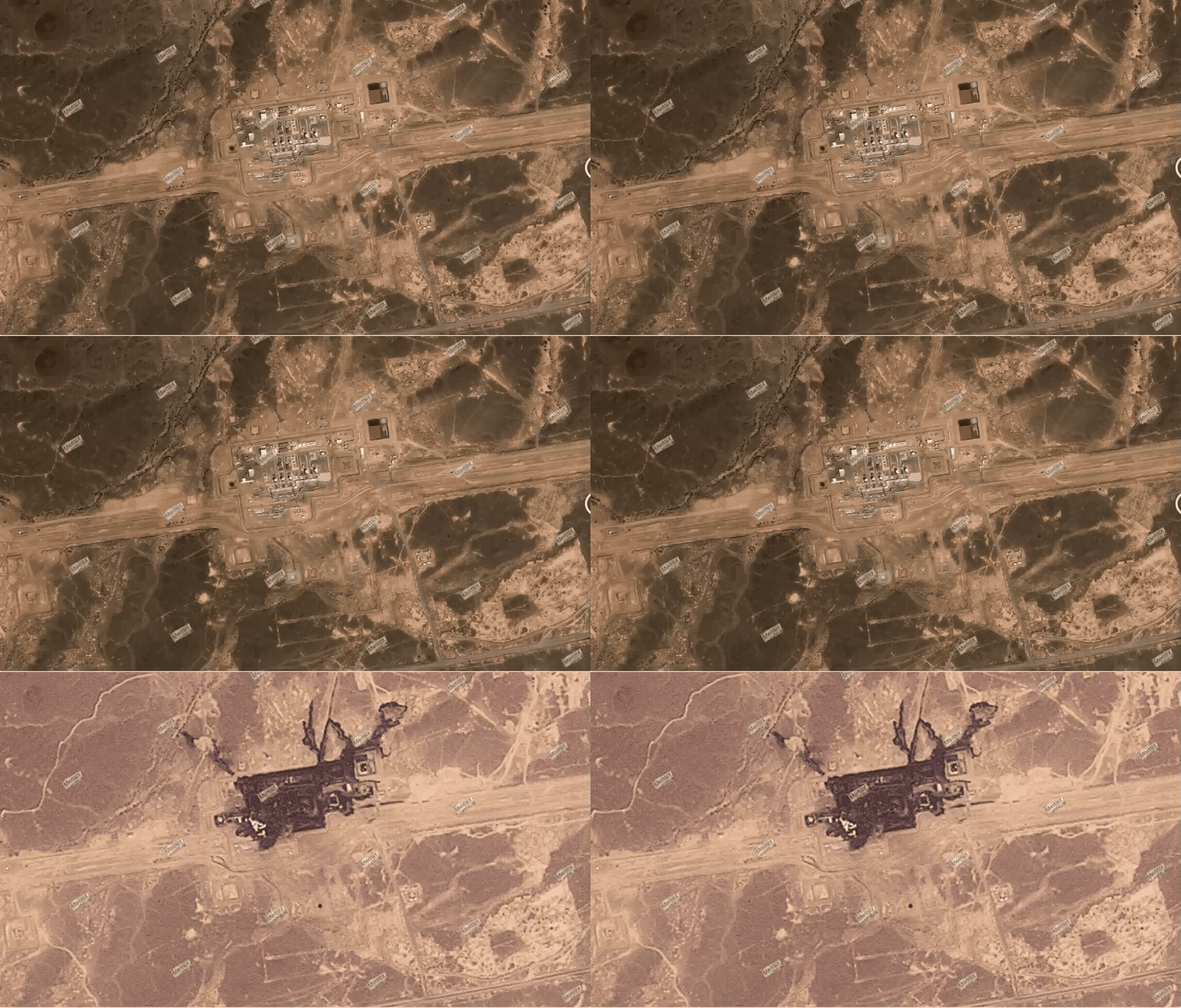 Satellite Imagery Shows Heavy Damage to Saudi East–West Oil Pipeline Pumping Stations
-
 U.S. Air Force Awards Antares $161 Million to Develop Nuclear Reactor for Spacecraft
-
 Pentagon Awards BlueHalo Up to $99.8 Million Contract for Orbital Battlespace R&D Program
-
 Ukrainian Drones Strike Russian UAV Manufacturer and Chemical Plants in Taganrog and Tolyatti
-
 U.S. Officials Link Chinese Satellite Imagery to Iranian Strike That Killed Three American Soldiers in Jordan
-
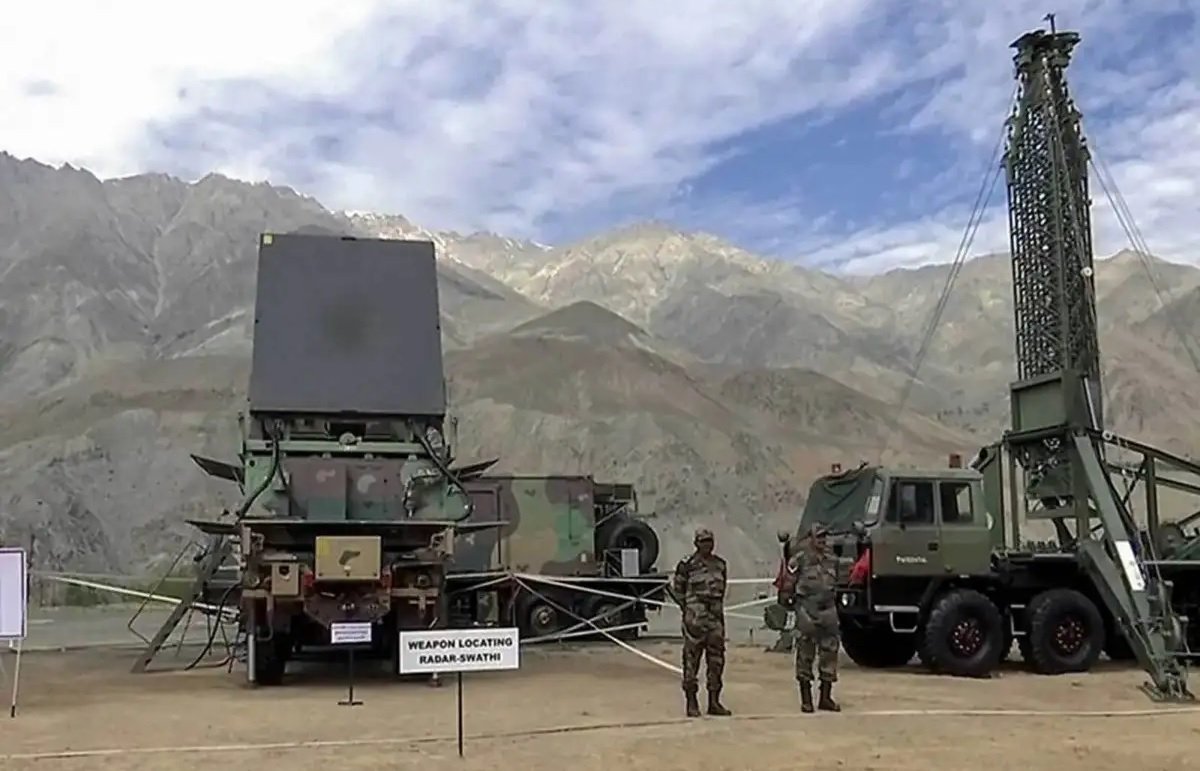 DRDO Demonstrates Indigenous 3.5×3 mm GaN Chip Delivering 30 Watts for Next-Generation Radars and Electronic Warfare
-
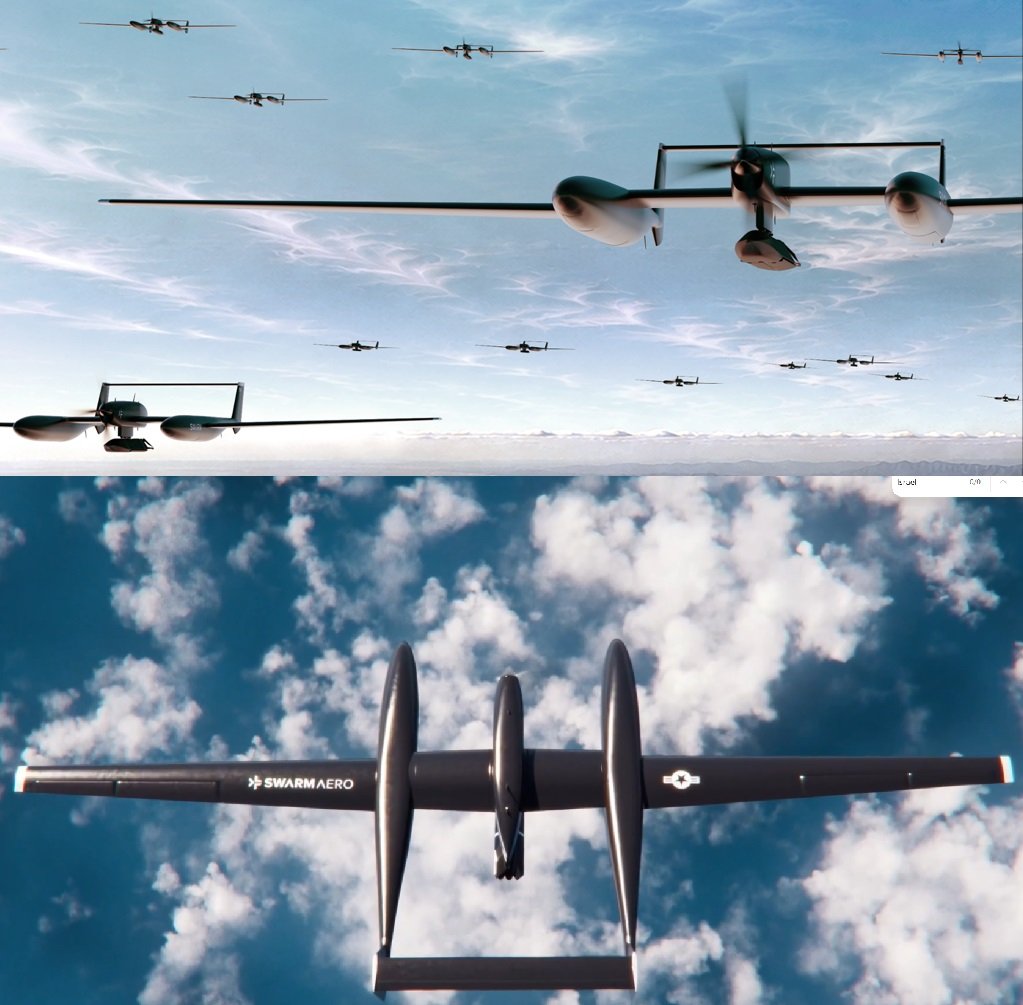 U.S. Firm Swarm Aero Unveils Gamera Group 5 UAS With 9,000-Nautical-Mile Range and Heavy Strike Payload
-
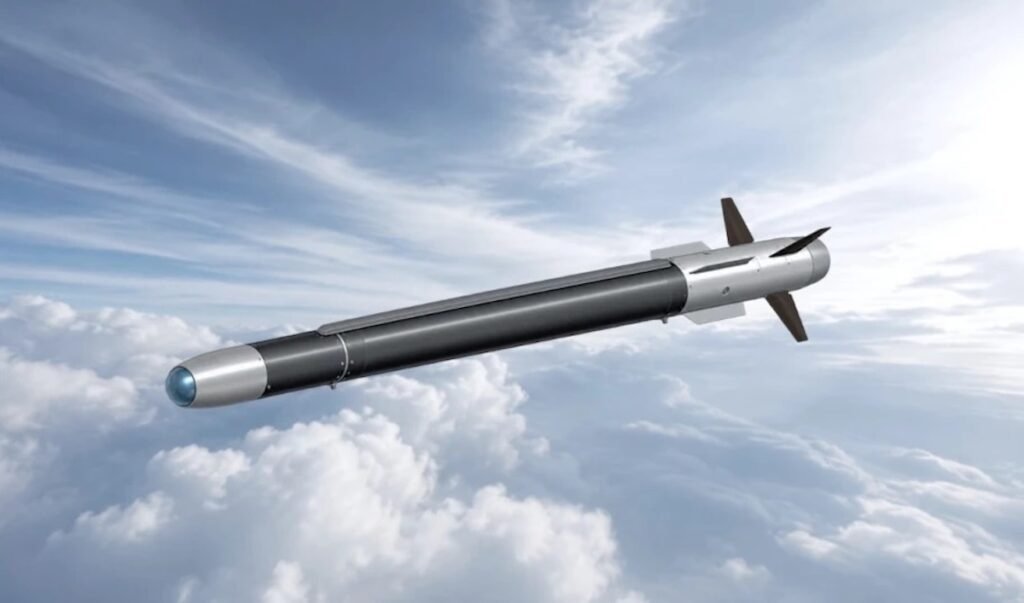 MBDA and Poland’s WITU Advance Low-Cost Supersonic Interceptor Against Swarm Attacks, Seeker Trials Successfully Completed