India
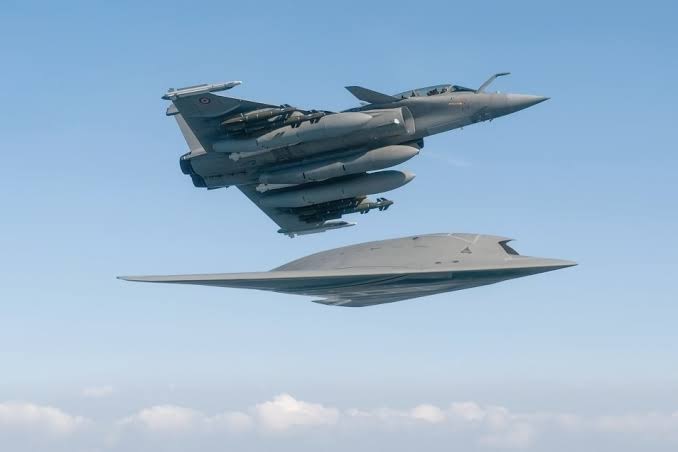
NEW DELHI, — June 14, 2026 : France has agreed to integrate advanced artificial intelligence (AI) capabilities and upgraded secure satellite communication systems into future Rafale fighter jets destined for India, marking a significant step in the modernization of the Indian Air Force (IAF) combat aviation fleet. The enhancements form part of the upcoming Rafale F5 standard, which is being developed as the next major evolution of the multirole fighter. The agreement comes as India and France continue negotiations for the Indian Air Force's proposed acquisition of 114 Multi-Role Fighter Aircraft (MRFA), a deal estimated to be worth up to $40 billion. The future aircraft are expected to incorporate a range of advanced technologies designed to improve operational effectiveness, connectivity, and pilot decision-making in modern combat environments. Advanced AI and Secure Connectivity A central feature of the Rafale F5 standard is the introduction of onboard AI-powered decision-support systems. The technology is designed to process and fuse large volumes of information collected from the aircraft's sensors, automatically identifying threats, filtering unnecessary data, and presenting pilots with a clear and prioritized operational picture. By automating routine tasks and assisting with threat analysis, the AI system is expected to reduce pilot workload and enable faster decision-making during high-intensity missions. The technology will support human operators while maintaining pilot control over mission execution. The upgraded Rafales will also receive secure, high-bandwidth satellite communication links, allowing continuous encrypted data exchange with ground-based radars, naval assets, airborne platforms, and command-and-control centers. The enhanced connectivity will strengthen the aircraft's role within a network-centric warfare environment and improve real-time battlefield awareness. Manned-Unmanned Teaming Capability The Rafale F5 will introduce advanced Manned-Unmanned Teaming (MUM-T) capabilities, enabling pilots to operate alongside autonomous or semi-autonomous unmanned systems. Supporting this effort, Dassault Aviation recently invested $200 million in Harmattan AI, a company specializing in autonomous combat technologies. The investment is linked to the Rafale F5 program and the development of a future "loyal wingman" unmanned combat aerial vehicle (UCAV). Under this concept, a single Rafale pilot will be able to direct stealth drones to conduct reconnaissance missions, suppress enemy air defenses, gather intelligence, or carry out strike operations. The capability is intended to extend the aircraft's operational reach while reducing risk to the manned platform. Technology Transfer and Indigenous Integration French diplomatic sources have indicated that the proposed 114-aircraft package is being structured to meet India's "Make in India" requirements. France has agreed to substantial technology transfers covering key areas including engines, airframes, avionics, and maintenance support. The proposal also includes the integration of Indian-developed weapons, missiles, and ammunition across the future Rafale fleet. Aircraft manufacturer Dassault Aviation, together with partners Thales and Safran, will work to ensure seamless compatibility between indigenous weapon systems and the Rafale's upgraded mission computers and sensor suite. The integration effort will allow Indian weapons to operate effectively with the aircraft's modernized Active Electronically Scanned Array (AESA) radar, advanced electronic warfare systems, and future mission-management architecture. Future F5 Enhancements Beyond AI and satellite communications, the Rafale F5 standard is expected to introduce several additional upgrades aimed at maintaining the fighter's operational relevance for decades. Planned improvements include an enhanced RBE2 XG Gallium Nitride AESA radar with improved detection capabilities, particularly against low-observable targets, as well as upgrades to the SPECTRA electronic warfare suite for improved survivability and self-protection. The aircraft may also receive powerplant improvements through the proposed Safran M88 T-REX engine upgrade program, which is expected to provide increased performance and growth potential for future systems. Expanding India's Rafale Fleet The Indian Air Force currently operates 36 Rafale fighters in the F3R configuration, acquired under a government-to-government agreement signed with France in 2016. Separately, the Indian Navy has ordered 26 Rafale-M carrier-capable fighters for deployment aboard its aircraft carriers. If the MRFA procurement is finalized, India could acquire a combination of Rafale F4 and future F5 variants, increasing the country's total Rafale fleet to more than 150 aircraft across the Air Force and Navy. India has already established dedicated Maintenance, Repair, and Overhaul (MRO) infrastructure at Ambala Air Force Station, while future manufacturing and assembly activities are expected to involve joint ventures between Dassault and Indian aerospace companies. Strengthening India-France Defence Cooperation The planned integration of Rafale F5 technologies highlights the expanding strategic defence partnership between India and France. By combining advanced French aerospace technologies with local manufacturing, technology transfer, and indigenous weapons integration, the proposed program is expected to support both India's military modernization goals and the growth of its domestic defence industry. Further details regarding aircraft numbers, production arrangements, and delivery timelines are expected as negotiations between the two countries continue.
Read More → Posted on 2026-06-14 17:47:09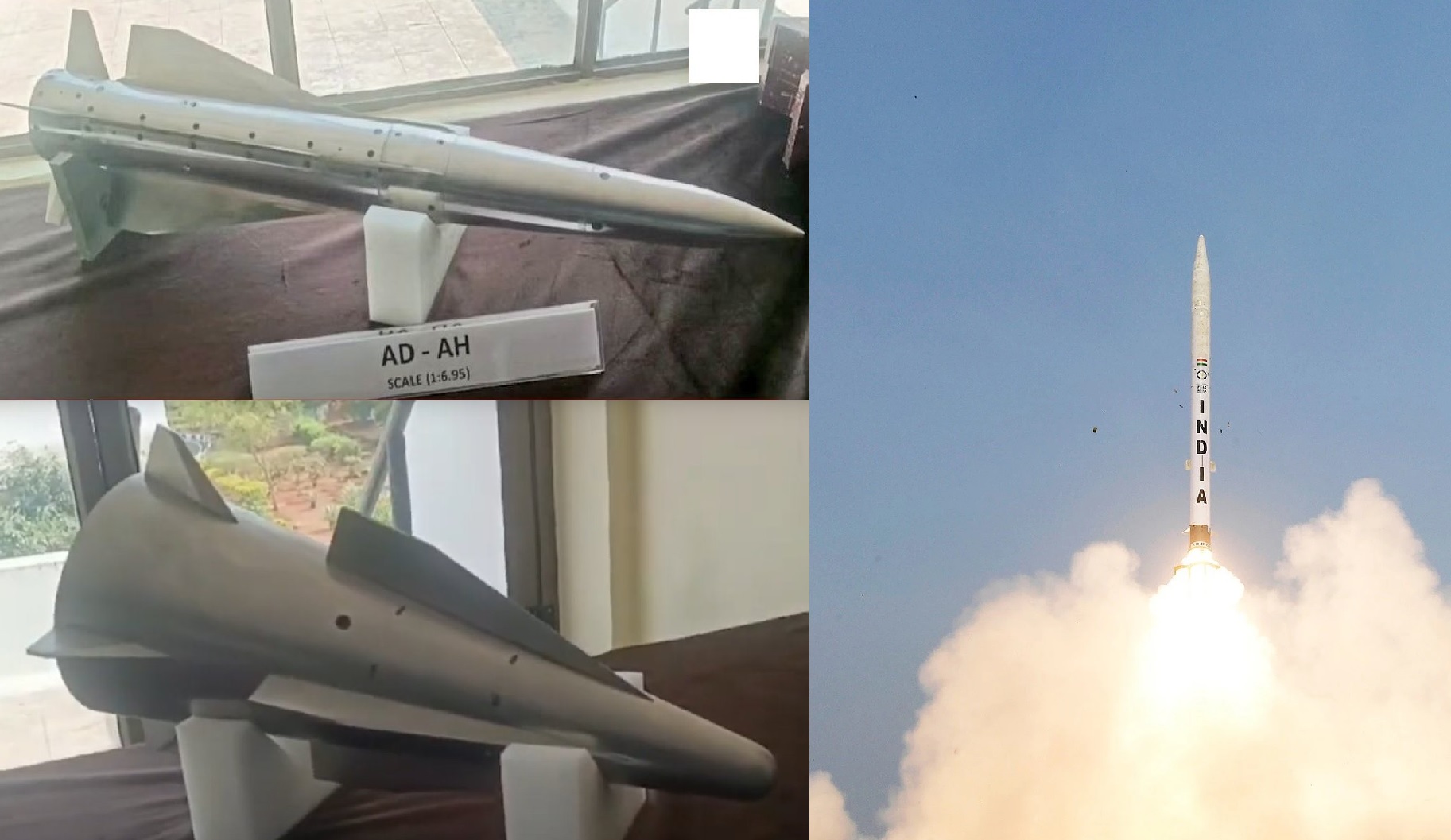
India
NEW DELHI, — June 14, 2026 : India’s Defence Research and Development Organisation (DRDO) has accelerated development of Phase 3 of its Ballistic Missile Defence (BMD) programme following the successful completion of Phase 2 testing. The new phase is designed to counter some of the most advanced missile threats expected to emerge over the coming decades, including hypersonic weapons and missiles equipped with Multiple Independently Targetable Re-entry Vehicles (MIRVs). The programme will introduce two new interceptor systems—Advanced Defence Anti-Hypersonic (AD-AH) and Advanced Defence Anti-Missile (AD-AM)—which are intended to expand India’s missile defence envelope beyond conventional ballistic missile threats and provide protection against highly manoeuvrable targets operating at extreme speeds. Phase 3 Designed for Next-Generation Missile Threats Unlike earlier phases of India’s missile defence programme, which focused primarily on ballistic missiles, Phase 3 is being developed specifically to address threats that are significantly more difficult to track and intercept. The AD-AH interceptor is intended to engage hypersonic glide vehicles (HGVs). These weapons travel at speeds exceeding Mach 5 and can manoeuvre extensively during flight, making their trajectories far less predictable than those of traditional ballistic missiles. The AD-AM interceptor is being developed to counter hypersonic cruise missiles, which remain powered throughout their flight and operate at high speeds within the atmosphere. Such missiles can fly at lower altitudes and change course during flight, reducing reaction times for defensive systems. Both interceptors are expected to employ hit-to-kill kinetic warheads, destroying incoming threats through direct impact rather than explosive blast effects. This approach is considered more effective against high-speed manoeuvring targets. MOKV Technology Makes Phase 3 Globally Unique One of the most significant aspects of India’s Phase 3 BMD architecture is the planned integration of Multiple Object Kill Vehicle (MOKV) technology, also referred to as Multiple Kill Vehicle (MKV) capability. Modern MIRV-equipped ballistic missiles can carry multiple warheads, each capable of striking separate targets. In addition, these missiles often deploy decoys and penetration aids designed to confuse missile defence systems. To counter this challenge, the AD-AM interceptor is expected to carry multiple independently guided kill vehicles on a single booster. After reaching the engagement zone, the interceptor can release several smaller kill vehicles, each capable of tracking and destroying a separate warhead or decoy. This means a single interceptor could potentially engage multiple objects simultaneously, significantly improving interception efficiency against complex missile attacks. Only India and the United States Are Pursuing the Capability According to publicly available information, India and the United States are the only countries actively developing missile defence interceptors capable of carrying MOKV/MKV payloads on a single booster. The United States began researching the concept through its Multiple Kill Vehicle (MKV) Programme, launched by the Missile Defense Agency (MDA) to improve the ability of ground-based interceptors to defeat missiles carrying multiple warheads and decoys. Although the original programme underwent restructuring, research into multi-object interception technologies continued through subsequent initiatives. More recently, MOKV-related technologies have been associated with the Next Generation Interceptor (NGI) programme, which is being developed to strengthen homeland missile defence against advanced ballistic missile threats. India is now pursuing a similar capability through the AD-AM interceptor, but within a broader missile defence architecture specifically designed to counter both MIRV-equipped ballistic missiles and emerging hypersonic threats. If DRDO successfully demonstrates operational MOKV capability before a comparable U.S. system enters testing, India could become the first country in the world to flight-test and demonstrate a missile defence interceptor capable of independently engaging multiple targets from a single launch vehicle. Built on the Success of Phase 2 The acceleration of Phase 3 development follows the successful completion of India’s Phase 2 BMD trials, which validated the country's ability to intercept long-range ballistic missile threats. Phase 2 relied on the AD-1 and AD-2 interceptors, both developed by DRDO to engage advanced ballistic missile targets. The system demonstrated interception capabilities against missiles with ranges of up to approximately 5,000 kilometres, including engagements both inside and outside the Earth's atmosphere. These tests expanded India’s missile defence capabilities beyond the objectives of Phase 1 and placed the country among a small group of nations possessing advanced long-range ballistic missile interception technology. A Major Expansion of India’s Missile Shield India’s missile defence programme has evolved through a phased approach. Phase 1 was designed to defend against ballistic missiles with ranges of up to 2,000 kilometres and is approaching operational deployment around key strategic locations. Phase 2 extended protection against longer-range threats through the introduction of AD-1 and AD-2 interceptors. Phase 3 is expected to represent the most technologically advanced stage of the programme. In addition to expanding interception ranges and engagement altitudes, it aims to provide the capability to defeat hypersonic glide vehicles, hypersonic cruise missiles, MIRV-equipped ballistic missiles, and sophisticated decoys. Development Timeline DRDO has already initiated early development work on both the AD-AH and AD-AM interceptors. Initial flight testing is expected in the early 2030s as the programme moves from the design and technology maturation stage toward system validation. With the integration of dedicated hypersonic interceptors and MOKV technology, Phase 3 is expected to become one of the most advanced missile defence programmes currently under development. The combination of capabilities under a single architecture is what makes India’s Phase 3 BMD effort distinct, positioning it among the few programmes worldwide specifically designed to counter both hypersonic and MIRV-based missile threats simultaneously.
Read More → Posted on 2026-06-14 16:40:35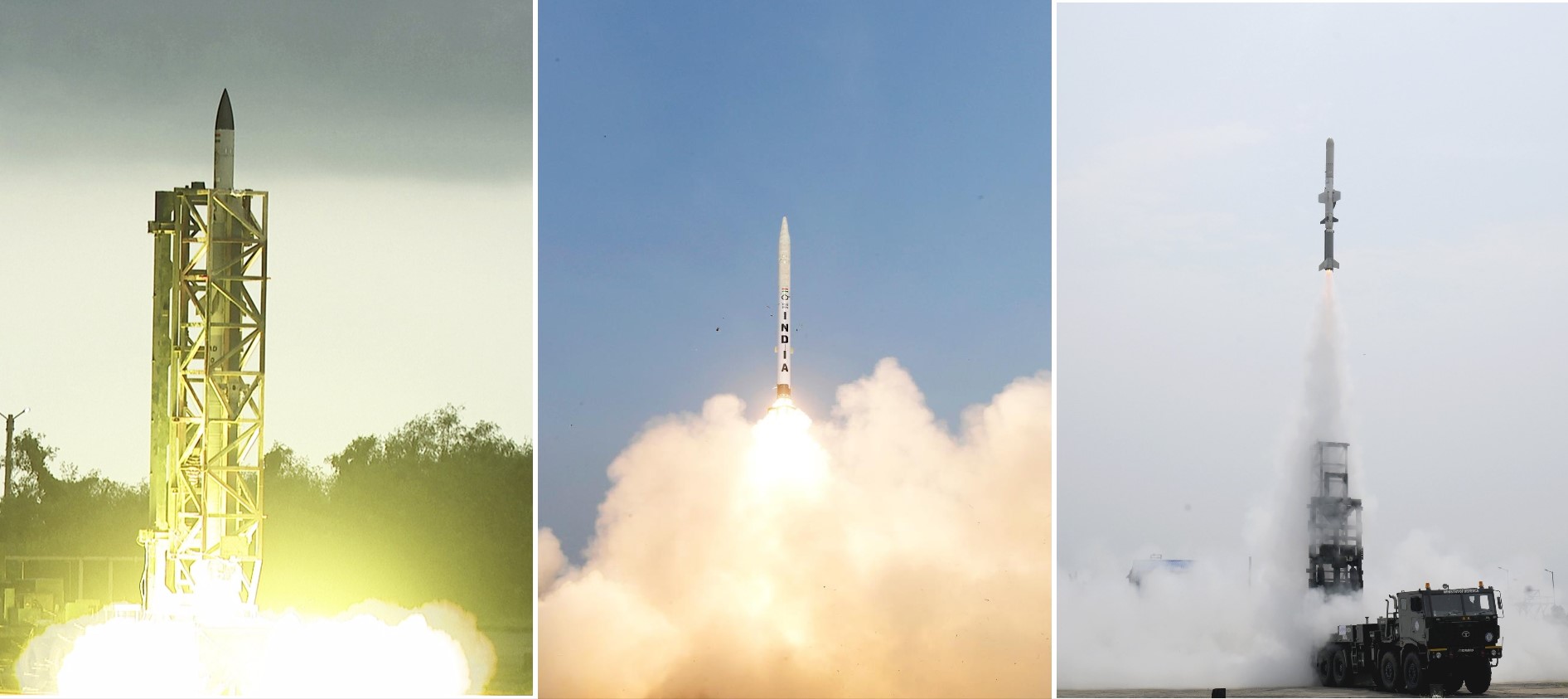
India
NEW DELHI, — June 13, 2026 : The Defence Research and Development Organisation (DRDO) has successfully conducted a series of three flight tests that validated key technologies aimed at strengthening India's strategic defence capabilities against advanced ballistic missile and maritime threats. The tests, carried out on June 10 and 11, 2026, from the Integrated Test Range (ITR), Chandipur, Odisha, demonstrated the effectiveness of India's next-generation multi-layered Ballistic Missile Defence (BMD) system and marked the maiden flight test of the Naval Anti-Ship Missile-Medium Range (NASM-MR). The trials were witnessed by senior officials from DRDO and the Indian Armed Forces and are considered an important milestone in the country's ongoing efforts to enhance indigenous defence technologies and strategic deterrence capabilities. Multi-Layered Ballistic Missile Defence Demonstrated A major focus of the flight trials was the validation of India's Phase-II Ballistic Missile Defence programme through successful interceptions by the advanced AD-1 and AD-2 interceptor missiles. The tests confirmed the capability of the BMD architecture to detect, track and engage ballistic missile threats ranging from Medium-Range Ballistic Missiles (MRBMs) to Intermediate-Range Ballistic Missiles (IRBMs) with operational ranges between 2,000 km and 5,000 km. The layered defence network integrates advanced radars, communication systems, command-and-control infrastructure, and interceptor missiles to provide protection against incoming ballistic threats at multiple stages of flight. AD-1 Interceptor The AD-1 interceptor is a long-range, two-stage solid-fuel missile designed to engage targets in both endo-atmospheric and low exo-atmospheric environments. Equipped with indigenous navigation, guidance and control systems, the interceptor is capable of neutralizing long-range ballistic missiles as well as certain aerial threats. During the flight tests, the AD-1 successfully intercepted its designated target, validating its operational performance and integration within the broader BMD network. AD-2 Interceptor The AD-2 interceptor represents the next level of India's missile defence capability. Designed for high exo-atmospheric interception, it is intended to engage ballistic missile threats outside the Earth's atmosphere at significant altitudes. The successful demonstration of the AD-2 validated its capability to intercept Intercontinental Ballistic Missile (ICBM)-class threats, including missiles comparable to China's DF-41. The interceptor is designed to provide a crucial outer layer of defence against long-range strategic missiles and potentially complex threats such as Multiple Independently Targetable Re-entry Vehicle (MIRV) warheads. Together, the AD-1 and AD-2 interceptors form a multi-tiered defence architecture capable of engaging hostile missiles in different phases of their flight path, significantly improving interception probability. The system is capable of conducting interceptions in both endo-atmospheric and exo-atmospheric regions, creating layered protection against a wide range of ballistic missile threats. Maiden Flight Test of NASM-MR Alongside the BMD demonstrations, DRDO successfully conducted the maiden flight test of the Naval Anti-Ship Missile-Medium Range (NASM-MR), marking a significant advancement in India's indigenous naval strike capabilities. Developed for the Indian Navy, the NASM-MR is an all-weather, over-the-horizon anti-ship missile designed to engage small and medium-sized surface combatants, including frigates, corvettes, and destroyers. The missile is being developed in multiple variants for deployment from aircraft, warships, and submarines, providing flexibility across different operational scenarios. According to available programme details, the air-launched version of the missile is expected to have a strike range of approximately 290 kilometres, while the ship-launched variant, equipped with an additional booster, is expected to achieve a range of up to 350 kilometres. A submarine-launched version is also under development and is expected to have a range exceeding 100 kilometres. During the trial, the missile was launched from a ground-based platform at the Integrated Test Range and successfully demonstrated several critical operational capabilities, including pinpoint navigation, low-altitude sea-skimming flight, and accurate terminal engagement of a maritime target. The successful maiden flight validated the missile's guidance, propulsion, and control systems, while demonstrating its ability to strike maritime targets under all-weather conditions. Once operational, NASM-MR is expected to complement existing anti-ship weapons and provide the Indian Navy with an additional indigenous precision-strike option for anti-surface warfare missions. India Joins an Exclusive Group of Nations The successful validation of the AD-series interceptors marks another significant step in the development of India's multi-layered missile shield. India's BMD programme consists of a two-phase architecture, with Phase-I focused on shorter-range threats and Phase-II aimed at defending against ballistic missiles with ranges up to 5,000 kilometres and beyond. The latest trials demonstrated the seamless integration of sensors, interceptor missiles, communication networks, and command systems within a network-centric defence environment. Such capabilities are increasingly important as ballistic missile technologies continue to evolve globally. With the successful demonstration of high exo-atmospheric interception capability through the AD-2 interceptor, India joins a small group of nations possessing advanced ballistic missile defence technologies capable of countering long-range missile threats. Countries with comparable operational ballistic missile defence capabilities include the United States, Russia, and Israel, while NATO also operates layered missile defence architectures. The capability to engage long-range ballistic and potential ICBM-class threats significantly strengthens India's strategic defence posture and enhances protection against emerging missile threats in the region. Official Response Defence Minister Rajnath Singh congratulated the DRDO and participating teams on the successful demonstrations, stating that the achievement reflects India's growing self-reliance in critical defence technologies and will significantly strengthen the nation's security preparedness. The successful completion of the three flight tests highlights India's continued progress in indigenous missile development, advanced guidance systems, propulsion technologies, and integrated air and missile defence capabilities. Further developmental and user trials are expected as the systems move closer toward operational deployment. The demonstrations underscore India's focus on maintaining a credible and layered defence architecture capable of addressing evolving aerial and maritime security challenges while enhancing the operational capabilities of the Indian Armed Forces.
Read More → Posted on 2026-06-13 04:38:24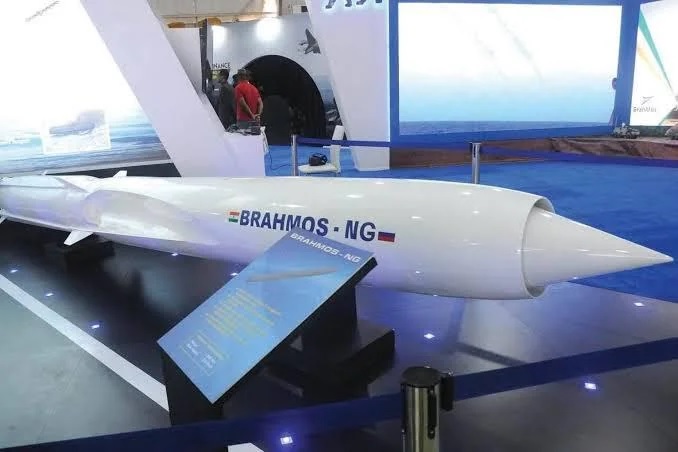
India
New Delhi, — June 11, 2026 : Development trials of the BrahMos-NG (Next Generation) supersonic cruise missile have been delayed by approximately one year after the customer introduced revised and more demanding requirements, according to BrahMos Aerospace Joint Venture Co-Managing Director Alexander Maksichev. Speaking to Russian news agency TASS on June 10 during the International Maritime Defense Show Fleet 2026, Maksichev said flight testing of the missile has not yet begun because changes were made to the customer's requirements. "Flight tests of the new-generation BrahMos-NG missile have not yet begun due to the fact that the customer has slightly changed its requirements. Therefore, we still have to make some improvements," Maksichev said. He added that the requirements have become stricter, requiring additional work to ensure the missile meets the updated specifications. According to Maksichev, the redesign effort is expected to take about one year. The latest timeline represents a shift from earlier plans. In September 2025, he had stated that the working design stage would be completed in 2026, followed by autonomous testing. However, reports in April 2026 indicated that the project was still awaiting final government clearance. BrahMos-NG Program First announced in 2011, the BrahMos-NG is a new missile design developed by BrahMos Aerospace, the joint venture between India's DRDO and Russia's NPO Mashinostroyenia. Unlike the existing BrahMos missile, the NG variant is being developed as a lighter, smaller, and lower-observable platform while retaining supersonic performance. The missile is expected to weigh around 1.29 tonnes, compared to approximately 2.9 tonnes for the current BrahMos. It will measure about 5 meters in length with a 0.5-meter diameter. Despite its reduced size, the missile is expected to achieve speeds between Mach 2.8 and Mach 3.5, carry a 200–300 kg warhead, and offer a range of approximately 290 to 350 kilometers. Its reduced weight is intended to expand compatibility across multiple platforms, including the HAL Tejas Mk.1A, MiG-29UPG, Su-30MKI, surface warships, and submarines. The missile's length was reduced from an earlier six-meter design to five meters to enable launch from standard submarine torpedo tubes. Focus on Indigenous Ramjet Engine Defence analysts believe the revised requirements are linked to the missile's propulsion system. Because the BrahMos-NG is significantly smaller than the original missile, it requires a newly designed compact ramjet engine. Earlier plans called for development of the engine by Russia's NPO Mashinostroyenia. However, India has increasingly focused on indigenous defence technologies, and the Ministry of Defence is believed to be seeking integration of an Indian-developed Liquid-Fuelled Ramjet (LFRJ) engine. India has gradually increased indigenous content within the BrahMos program. Domestic industry now manufactures major ramjet-related components, including fuel tanks and pneumatic supply systems, through technology-transfer agreements. DRDO's Ramjet Development Efforts The Defence Research and Development Laboratory (DRDL), a laboratory under DRDO, has been developing indigenous liquid-fuelled ramjet technology for future missile programs. DRDL has developed a 350 mm diameter LFRJ technology demonstrator, which currently powers the Supersonic TARget (STAR) project. The STAR system uses a booster-ramjet configuration and can operate at speeds of up to Mach 2.5 and altitudes of up to 10 kilometers. In November 2025, DRDO issued a Request for Information (RFI) seeking a development-cum-production partner for an LFRJ engine, indicating progress toward production of an indigenous propulsion system. Impact on Development Timeline Differences between the originally planned Russian-designed engine and the indigenous Indian ramjet are believed to require modifications to the missile's internal layout and airframe design. These changes are likely responsible for the additional development period before flight testing can begin. While the delay is expected to push the start of flight trials toward late 2027 or beyond, the move reflects India's continued effort to increase self-reliance in advanced missile technologies and critical propulsion systems.
Read More → Posted on 2026-06-11 17:49:27
India
NEW DELHI, — June 11, 2026 : The Indian Navy has successfully recovered an unexploded missile warhead from the Marshall Islands-flagged crude oil tanker MT Olympic Life after a complex explosive ordnance disposal (EOD) operation conducted off the coast of Kerala. The incident began on May 26, 2026, when the tanker experienced an external explosion on its aft port side near the waterline while sailing approximately 60 nautical miles east of Muscat, Oman, as it exited the Gulf of Oman. The vessel was en route from Fujairah, United Arab Emirates, to Kochi, India. The explosion damaged one of the ship’s bunker fuel tanks, causing a minor bunker fuel discharge into the sea, which was quickly contained. No injuries were reported among the crew, and the vessel continued its voyage toward Kochi. During the transit, the crew reported the suspected presence of unexploded ordnance embedded in the vessel’s structure. The alert was received through the Information Fusion Centre – Indian Ocean Region (IFC-IOR), prompting an immediate response from the Indian Navy. The Southern Naval Command in Kochi deployed a specialist Explosive Ordnance Disposal (EOD) team to assess the vessel. Following an inspection, the team determined that an unidentified projectile had penetrated the ship’s hull, passed through multiple structural compartments, and become lodged inside a fuel storage tank. Given the risks associated with handling unexploded ordnance inside a fuel compartment, the EOD team carried out a carefully planned extraction operation. Using advanced diagnostic methods, naval specialists identified and isolated the warhead’s detonation mechanism before safely removing the ordnance along with associated structural debris. The recovered missile warhead was subsequently transported to a secure naval facility for safe stowage and detailed forensic examination. MT Olympic Life is a Very Large Crude Carrier (VLCC) operated by Olympic Shipping & Management of Athens, with technical management provided by Springfield Shipping. The vessel had no Indian nationals onboard at the time of the incident. According to the Ministry of Defence, the successful operation demonstrated the Indian Navy’s expertise in explosive ordnance disposal and maritime emergency response. Authorities confirmed that no threat remains to the vessel, its crew, or surrounding maritime traffic, and no injuries were reported during the operation. The Indian Navy said it remains committed to ensuring the safety of international commercial shipping in the Indian Ocean Region, regardless of a vessel’s flag or crew nationality.
Read More → Posted on 2026-06-11 16:30:20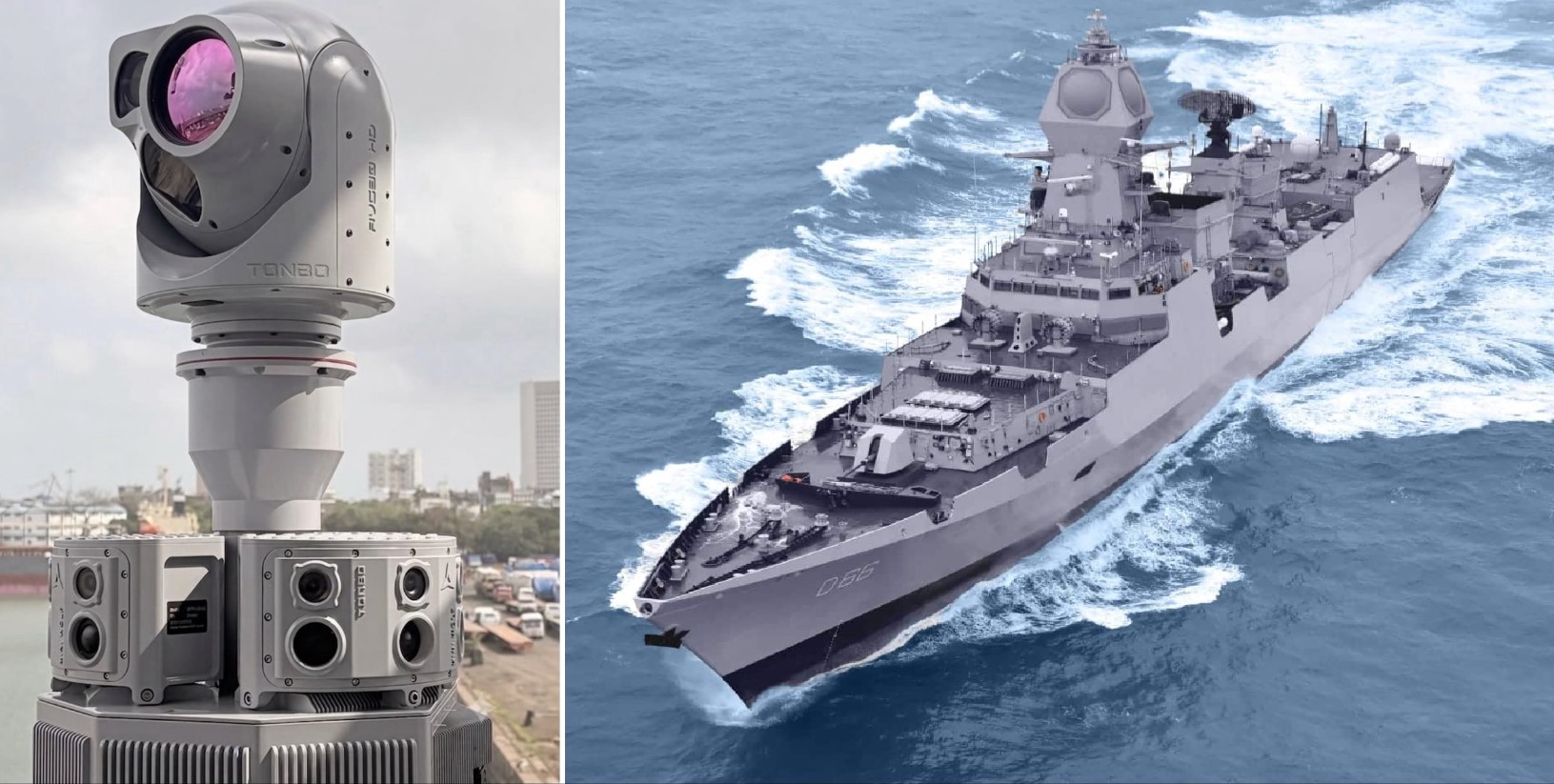
India
BENGALURU, — June 10, 2026 : Indian defence technology company Tonbo Imaging has expanded its role in naval modernization with the introduction of the Avenger AVG-30HD, an indigenous stabilized electro-optical/infrared (EO/IR) gimbal, and the award of an Indian Navy High Power Microwave (HPM) system contract under the ADITI 3.0 innovation framework. The developments highlight the company's growing focus on advanced maritime surveillance, sensor integration, and directed-energy technologies. Avenger AVG-30HD Developed for Naval Platforms The Avenger AVG-30HD has been designed for deployment on Indian naval vessels to enhance maritime surveillance, target tracking, and situational awareness in demanding sea conditions. The system features a Fiber Optic Gyroscope (FOG)-based gyro-mechanical stabilization system, enabling stable imagery despite ship movement caused by waves and rough weather. It is equipped with a high-definition thermal imaging sensor for long-range detection, recognition, and identification of surface and aerial targets during day and night operations. Weighing less than 10 kilograms, the gimbal can be integrated on a variety of platforms, including patrol vessels, fast attack craft, unmanned systems, and larger warships. A key capability of the system is its integrated staring-array panoramic imager, which provides continuous 360-degree situational awareness. The gimbal also incorporates Artificial Intelligence-enabled processing and Electro-Optical/Infrared Search and Track (EO/IRST) functionality, allowing passive detection and tracking of potential threats without emitting radar signals. Indian Navy Awards HPM System Contract In addition to the new EO/IR system, Tonbo Imaging has been selected by the Indian Navy to integrate and commission a High Power Microwave (HPM) system under the Ministry of Defence's iDEX initiative and the Defence Innovation Organisation (DIO) through the ADITI (Advanced Defence Technology Incubation) 3.0 framework. HPM systems are classified as directed-energy weapons that use concentrated electromagnetic pulses to disrupt, degrade, or disable electronic systems, sensors, and unmanned platforms. The technology is increasingly viewed as an effective countermeasure against drone swarm threats in modern naval warfare. Under the contract, Tonbo Imaging will be responsible for full system integration and commissioning, with multiple production units planned following successful validation and operational acceptance by the Indian Navy. Vacuum Tube-Based Technology According to Arvind Lakshmikumar, Managing Director and CEO of Tonbo Imaging, the company is leveraging its expertise in vacuum tube technologies to achieve the high peak power levels required for HPM applications. The company stated that vacuum tube-based sources are capable of generating the power and pulse energy needed to effectively disable electronic targets, while current solid-state radio frequency systems cannot achieve similar performance within operational military size, weight, and efficiency requirements. Expanding Defence Technology Capabilities The launch of the Avenger AVG-30HD and the HPM contract reflect Tonbo Imaging's broader expansion beyond electro-optical systems into advanced defence technologies, including system integration, embedded software, artificial intelligence, and directed-energy solutions. The developments also support India's ongoing efforts to strengthen indigenous defence manufacturing and enhance maritime security through domestically developed technologies.
Read More → Posted on 2026-06-10 18:21:18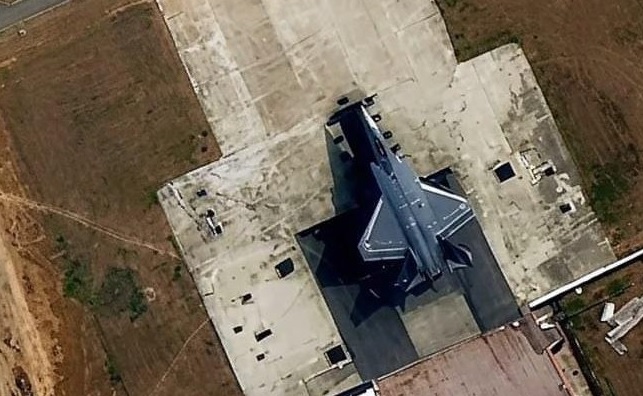
India
HYDERABAD, — June 10, 2026 : An airframe associated with India’s Advanced Medium Combat Aircraft (AMCA) program has been spotted at the Outdoor Radar Cross Section Test Measurement (ORANGE) facility in Dundigal, Hyderabad, indicating continued progress in the development of India’s indigenous fifth-generation stealth fighter aircraft. The ORANGE facility, operated by the Defence Research and Development Organisation (DRDO) through its Research Centre Imarat (RCI), is a specialized test site used to evaluate the radar cross-section (RCS) characteristics of military platforms. Located near the Air Force Academy in Dundigal, the facility plays a key role in validating stealth features and electromagnetic signatures before aircraft designs move into advanced development stages. Defence analysts indicate that the airframe currently at the facility is a full-scale engineering test model rather than a flyable prototype. Such models are used for radar signature assessments, allowing engineers to study how radar waves interact with the aircraft’s shape, structural features, and radar-absorbent materials. The testing helps verify whether the platform meets low-observability requirements. Developed by the Aeronautical Development Agency (ADA) in partnership with DRDO, the AMCA is a twin-engine, multirole stealth fighter being designed primarily for the Indian Air Force. The aircraft is expected to incorporate advanced stealth technologies, internal weapons bays, sensor fusion, electronic warfare systems, and next-generation avionics. The AMCA’s low-observable design includes extensive use of composite materials, accounting for approximately 38–40 percent of the airframe. The aircraft also features diverterless supersonic intakes with S-shaped ducts to conceal engine fan blades from radar, while internal weapons bays help maintain both stealth characteristics and aerodynamic performance. Its twin-tail configuration and carefully aligned structural edges are designed to reduce radar reflections. The radar cross-section testing in Hyderabad is taking place alongside broader infrastructure development for the AMCA program. On May 15, 2026, the Ministry of Defence laid the foundation stone for a ₹16,000-crore Aircraft Integration and Flight Testing Complex at Puttaparthi in Andhra Pradesh. The facility is expected to become the primary center for assembly, integration, validation, and flight testing of future AMCA prototypes. The AMCA program received approval from the Cabinet Committee on Security in March 2024, while the government approved the programme execution model in 2025, enabling participation from both public and private sector companies. According to current timelines, the first AMCA prototype is expected to roll out in 2028, followed by flight testing and certification activities. Induction into the Indian Air Force is currently targeted for 2034–35. The sighting of the AMCA airframe at the ORANGE facility marks another development milestone as India continues to validate critical stealth technologies for its first indigenous fifth-generation fighter aircraft.
Read More → Posted on 2026-06-10 17:47:15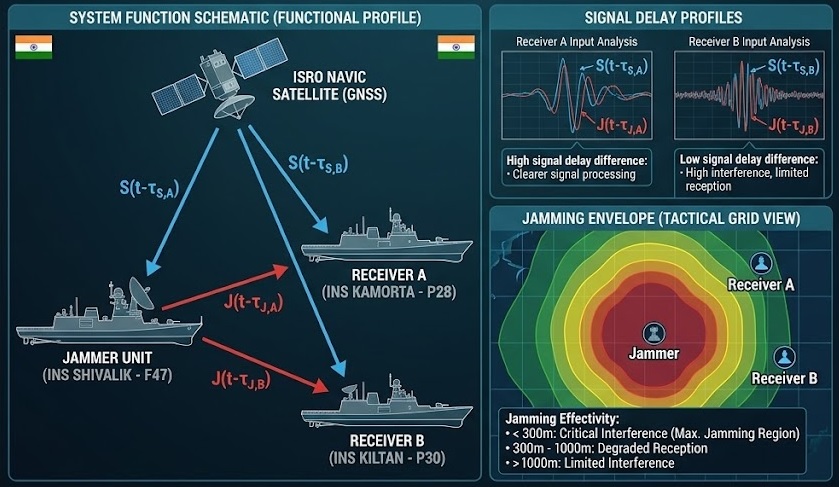
India
New Delhi, — June 10, 2026 : The Ministry of Defence (MoD) has signed a ₹449 crore contract with Bengaluru-based Accord Software and Systems Private Limited (ASSPL) for the procurement of 20 Enhanced Capability Global Navigation Satellite System (ECGNSS) Jammers for the Indian Navy. The agreement was signed on June 10 in the presence of Defence Secretary Rajesh Kumar Singh and has been awarded under the Buy (Indian–Indigenously Designed, Developed and Manufactured) category. According to the Ministry of Defence, the project will be executed with a minimum indigenous content of 75 percent, supporting India's efforts to strengthen domestic defence manufacturing under the Aatmanirbhar Bharat initiative. The ECGNSS Jammers are designed to enhance the Indian Navy's electronic warfare capabilities by disrupting and deceiving adversary satellite navigation systems. Modern military platforms, including warships, aircraft, drones, and precision-guided weapons, rely heavily on Global Navigation Satellite System (GNSS) networks such as GPS, GLONASS, Galileo, and BeiDou for navigation, positioning, and targeting. According to the Ministry, the new systems will be capable of degrading the signal acquisition and tracking performance of enemy GNSS receivers. The jammers can also conduct signal spoofing operations, transmitting false navigation data to mislead hostile platforms and reduce the effectiveness of satellite-based navigation and targeting systems. By denying or manipulating access to accurate positioning information, the ECGNSS Jammers will help Indian Navy warships operate more effectively in contested electromagnetic environments. The systems are expected to improve the survivability and operational effectiveness of naval platforms during both routine deployments and potential conflict situations. The acquisition forms part of the Indian Navy's broader modernization efforts in electronic warfare and network-centric operations. It also supports the government's objective of increasing indigenous participation in advanced defence technology programmes while reducing dependence on foreign suppliers. The Ministry of Defence stated that the induction of the 20 ECGNSS Jammers will strengthen maritime security capabilities and provide the Indian Navy with enhanced protection against emerging electronic and navigation-based threats in the maritime domain.
Read More → Posted on 2026-06-10 16:44:10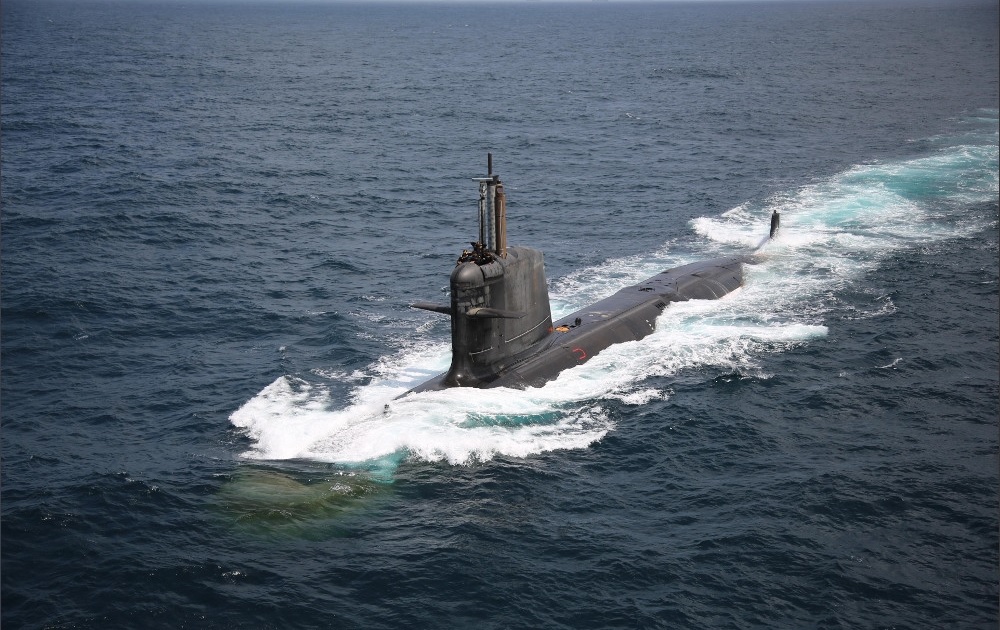
India
NEW DELHI — June 05, 2026 : The Government of India is moving ahead with plans to strengthen the Indian Navy’s underwater fleet by expanding Project 75(I) from the originally planned six submarines to a total of nine diesel-electric submarines. The move is aimed at addressing future fleet shortages, enhancing maritime security, and increasing indigenous defence production. The contract for the first six submarines under Project 75(I) is in the final stages and is expected to be signed later this year. MDL-TKMS Partnership for Project 75(I) Under the programme, Mazagon Dock Shipbuilders Limited (MDL) will build six advanced conventional submarines in partnership with Germany’s Thyssenkrupp Marine Systems (TKMS). The submarines will be equipped with hydrogen fuel cell-based Air Independent Propulsion (AIP) systems, enabling them to remain submerged and operate silently for up to 14 days without surfacing. The first submarine is expected to be delivered seven years after contract signing, with indigenous content beginning at 45 percent and increasing to 60 percent by the sixth submarine. Subsequent vessels are planned to be delivered annually. Following the signing of the main contract, the government intends to proceed with the acquisition of three additional submarines. A final decision has not yet been made on whether these will be follow-on TKMS submarines or upgraded Scorpene-class submarines built by the MDL-Naval Group partnership. Debate Over Additional Submarines The Indian Navy had earlier proposed acquiring three additional Scorpene-class submarines to address near-term force requirements. The proposal underwent lengthy negotiations, with the estimated cost reportedly reduced from over ₹50,000 crore to approximately ₹36,000 crore. France and Naval Group have argued that expanding the Scorpene fleet to nine boats would simplify logistics and maintenance. The proposed upgraded submarines would feature 60 percent indigenous content, increased endurance, larger fuel and sanitary reserves, and more than double the weapon-carrying capacity of the existing fleet. However, defence planners have raised concerns that the current six Scorpene submarines contain less than 20 percent indigenous content and continue to depend on France for critical spare parts. As a result, the TKMS-MDL partnership currently holds an advantage, as the technology transfer and industrial ecosystem created under Project 75(I) are expected to support India's future indigenous submarine programmes. Project 76 to Focus on Indigenous Design Following Project 75(I), India plans to launch Project 76, which will involve the construction of at least six next-generation conventional submarines designed entirely in India by the Indian Navy’s Warship Design Bureau and the Defence Research and Development Organisation (DRDO). The submarines, expected to displace around 3,000 tonnes, will incorporate indigenous weapon control systems, lithium-ion batteries, and an upgraded domestic AIP system. Indigenous content is projected to range between 70 and 90 percent, with imports limited to select specialised components. Driven by Regional Maritime Developments India’s submarine expansion plans come as regional naval competition continues to grow. The Indian Navy currently operates 19 conventional and nuclear submarines, but several ageing vessels are expected to begin retiring from the late 2030s. In comparison, China operates an estimated 65 submarines and continues to expand its fleet. Pakistan is also strengthening its underwater capabilities and is expected to induct eight Chinese-origin Hangor-class submarines in the coming years. To maintain operational capability in the Indian Ocean Region, the government plans to build nearly two dozen new submarines over the next two decades, including conventional attack submarines, nuclear-powered attack submarines (SSNs), and ballistic missile submarines (SSBNs). The expansion of Project 75(I) and the development of Project 76 are expected to play a central role in modernising the Indian Navy’s submarine force while advancing India's long-term goal of defence self-reliance.
Read More → Posted on 2026-06-05 13:27:14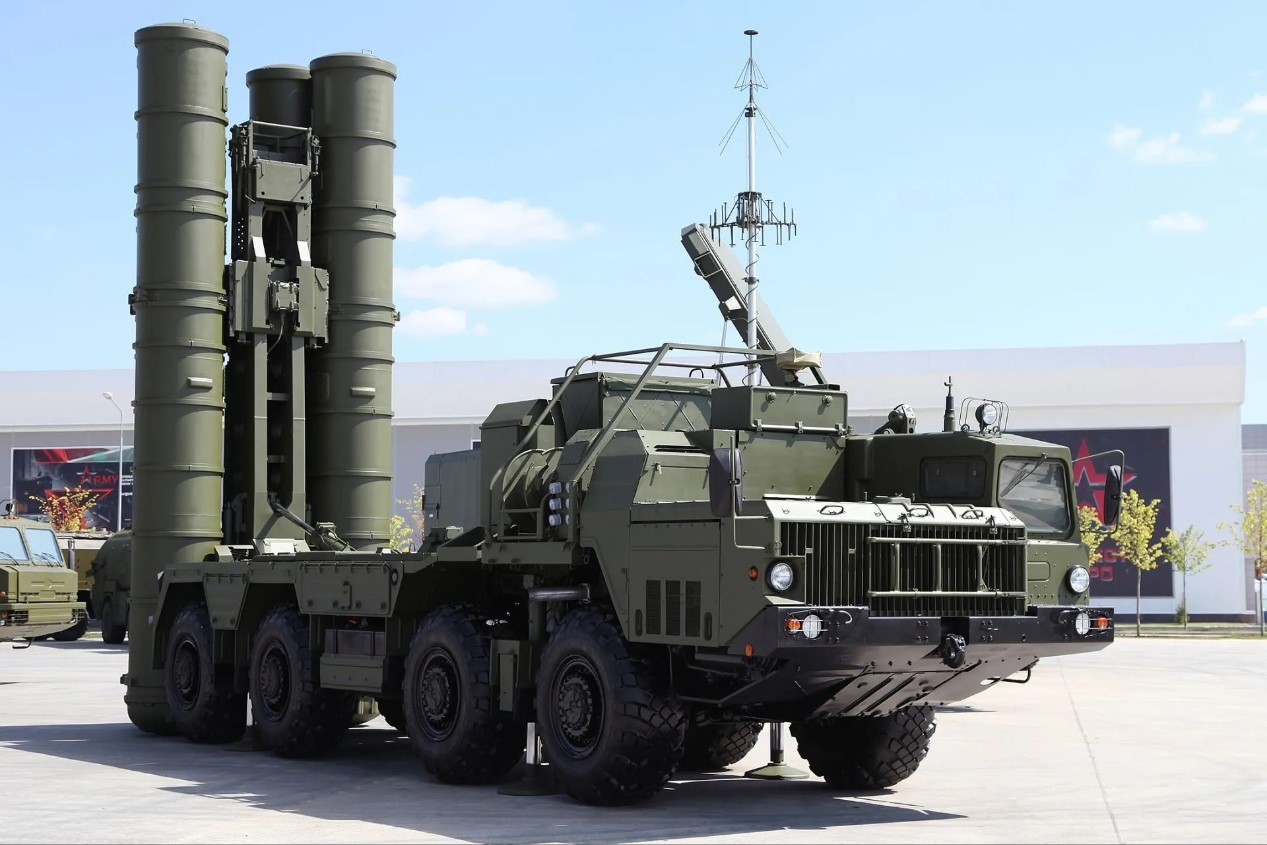
India
NEW DELHI — June 03, 2026 : India has received the fourth squadron of the Russian-made S-400 Triumf air defence system, known in Indian Air Force (IAF) service as Sudarshan, marking another significant step in enhancing the country's long-range air defence capabilities. The system arrived in India by ship recently and is expected to be deployed in an operational sector soon. The delivery is part of the $5.43 billion agreement signed between India and Russia in 2018 for the procurement of five S-400 squadrons. Three squadrons had already been inducted into service, while deliveries of the fourth and fifth units were delayed due to disruptions caused by the Russia-Ukraine conflict. Defence sources indicate that the fifth and final squadron under the contract is expected to arrive in the coming months. The S-400 is one of the world's most advanced long-range surface-to-air missile systems, capable of engaging aircraft, drones, cruise missiles, and ballistic missile threats at ranges of up to 400 kilometres, depending on the missile variant. Equipped with advanced radar systems and multiple launchers, it provides layered air defence coverage and strengthens India's ability to detect and respond to aerial threats. According to defence sources, the fourth squadron is likely to be deployed in the western sector, potentially covering areas in Rajasthan and Punjab, further enhancing air defence along the western frontier. The system integrates with India's existing air defence architecture and improves overall situational awareness and operational readiness. The S-400 system played an important role during Operation Sindoor, where it supported India's air defence operations. Defence officials stated that the system was involved in a long-range engagement against a Pakistani surveillance aircraft, highlighting its capability to engage aerial targets at extended distances. India is also pursuing the expansion of its air defence network. The Defence Acquisition Council (DAC) has cleared a proposal for the procurement of five additional S-400 squadrons, with discussions reportedly continuing with Russia. Alongside these acquisitions, India is developing an indigenous long-range air defence system under Project Kusha, also known as the Extended Range Air Defence System (ERADS). Led by the Defence Research and Development Organisation (DRDO), the programme aims to develop a domestic system with engagement ranges of up to 400 kilometres against aircraft, drones, cruise missiles, and other aerial threats. Defence manufacturer Solar Industries is participating as a development and production partner. Project Kusha is expected to enter service around 2028 and will form part of India's broader effort to establish a self-reliant and multi-layered air defence network. The combination of imported S-400 systems and indigenous programmes is expected to strengthen India's long-term air defence capabilities across multiple operational sectors.
Read More → Posted on 2026-06-03 14:59:41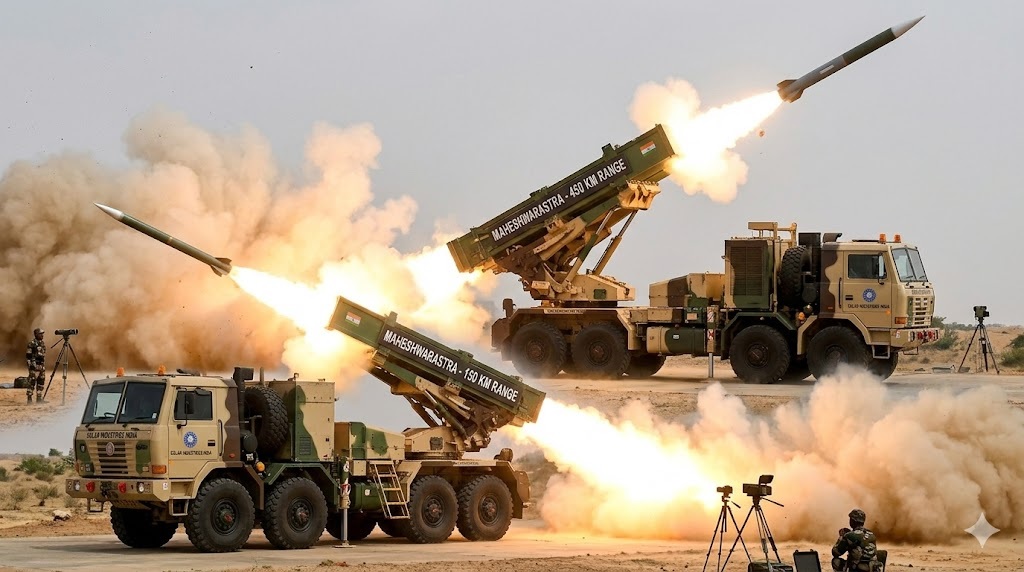
India
NAGPUR — Solar Industries India Limited is awaiting approval from the Indian Army for its proposed Maheshwarastra long-range precision-guided rocket programme, an indigenous initiative submitted under the Ministry of Defence’s Make-II acquisition framework. The programme is aimed at providing the Army with a cost-effective precision strike capability while supporting India’s ongoing push for self-reliance in advanced defence technologies. If approved, the Maheshwarastra programme would add a new category of indigenous long-range guided rocket systems to India’s expanding precision strike arsenal and strengthen the role of private sector firms in defence manufacturing. Maheshwarastra Programme and Proposed Capabilities Solar Industries has proposed the Maheshwarastra family as a high-mobility, precision-guided rocket system capable of conducting long-range strikes against battlefield and operational targets. The programme will initially include two variants. The Maheshwarastra-1 is proposed to deliver precision strikes at a range of approximately 150 kilometres, providing a medium-to-long-range engagement capability for tactical and operational missions. The Maheshwarastra-2 is being designed as a longer-range precision strike system with a planned baseline range of approximately 300 kilometres. According to Solar Industries, the system has been designed with future growth potential and can be adapted to meet evolving operational requirements. The company has indicated that if the Indian Army requires extended strike capability, the Maheshwarastra-2 platform could potentially achieve a range between 400 and 450 kilometres. Such an expansion would place it among the longest-range precision-guided rocket systems currently under development in India. Complementary Role Alongside BrahMos Solar Industries has positioned Maheshwarastra as a complementary capability rather than a replacement for existing strategic strike platforms. The system is expected to operate alongside the BrahMos supersonic cruise missile by offering a comparatively lower-cost precision strike option for a wider set of operational scenarios. While BrahMos is primarily intended for high-value strategic targets requiring high-speed engagement, Maheshwarastra is designed to provide precision strike capability against broader battlefield objectives at lower operational cost. This approach could provide the Indian military with greater flexibility in employing long-range precision strikes in larger numbers across multiple tactical environments. India’s Expanding Long-Range Strike Capability The proposal comes as India continues to expand indigenous long-range artillery and stand-off precision strike capabilities. Alongside the Guided Pinaka programme, the Defence Research and Development Organisation (DRDO) is also working on Extended Range Pinaka variants and other long-range indigenous systems aimed at increasing strike range, accuracy, and operational flexibility for the armed forces. Solar Industries has already established itself as an important contributor to these efforts through its role in the Pinaka Multi-Barrel Rocket Launching System. The company has developed composite propellants and manufactured rockets used for the Pinaka programme, supporting India’s domestic production of guided artillery systems. Further highlighting its growing role in defence manufacturing, Solar Industries recently flagged off its first tranche of Guided Pinaka rockets for export to Armenia, reflecting India’s expanding footprint in the global defence export market. Growing Role of the Private Sector in Defence The Maheshwarastra programme also reflects the increasing role of private companies in India’s defence research, development, and manufacturing ecosystem. Under the leadership of Chairman Satyanarayan Nuwal, Solar Industries has expanded from an industrial explosives manufacturer into a major defence company with capabilities across rockets, loitering munitions, and counter-drone technologies. The company’s Nagastra series of loitering munitions has completed user trials with the Indian Army and was recently used during Operation Sindoor, demonstrating Solar Industries’ growing participation in operational military systems. In parallel, the company is developing Bhargavastra, a counter-drone platform integrating missile and laser-based technologies intended to neutralise unmanned aerial vehicle (UAV) swarm threats. Government Push for Defence Self-Reliance The Indian government has continued to place emphasis on stronger public-private cooperation in defence production as part of the broader Atmanirbhar Bharat initiative. Defence Minister Rajnath Singh has recently reiterated the government’s objective of increasing private sector participation in defence manufacturing to 50 percent or more, with the long-term goal of reducing dependence on imports and positioning India as a major defence exporter. The Maheshwarastra programme currently remains under evaluation within the Make-II framework. A final approval from the Indian Army would allow the project to move forward and could further strengthen India’s indigenous long-range rocket and missile manufacturing capability.
Read More → Posted on 2026-06-02 17:53:25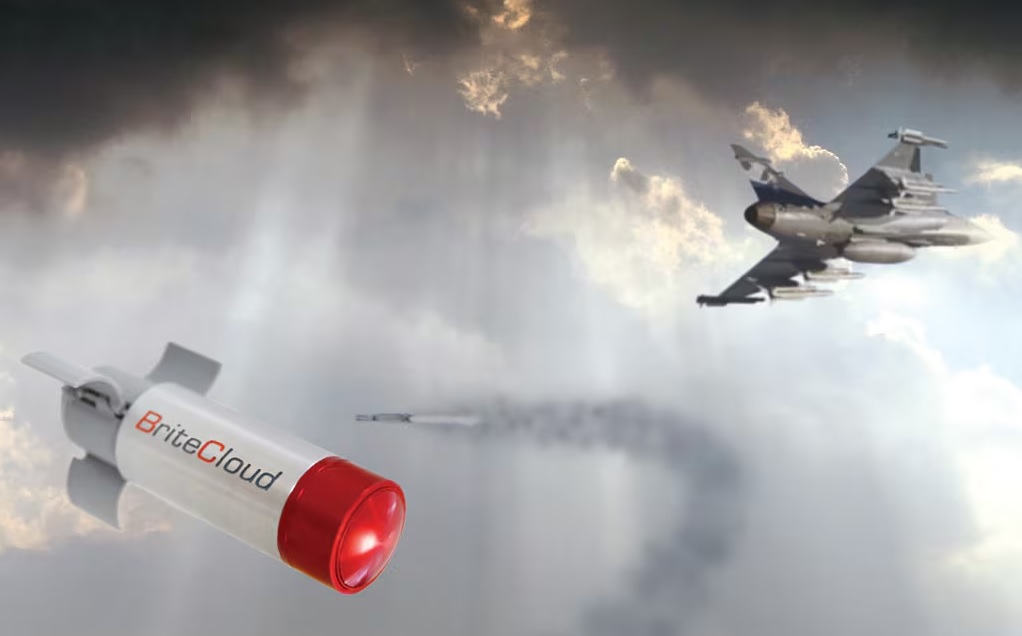
India
NEW DELHI — June 02, 2026 : The Indian Air Force (IAF) is reportedly planning to equip its future fleet of Rafale fighter aircraft with advanced self-contained expendable Digital Radio Frequency Memory (DRFM) jammers, a next-generation electronic warfare capability designed to improve survivability against modern radar-guided missile threats. According to recent defence industry reports, the proposed system is expected to function in a manner similar to Leonardo’s BriteCloud expendable active decoy, providing Rafale fighters with an additional defensive layer against sophisticated surface-to-air and air-to-air missile systems operating in contested environments. The move reflects the IAF’s continuing focus on strengthening electronic warfare capabilities as modern air defence systems increasingly rely on advanced radar technologies capable of identifying, tracking, and engaging aircraft with greater accuracy than legacy systems. Advanced Countermeasure Against Radar-Guided Threats Traditional aircraft countermeasures such as chaff—small metallic strips dispersed in the air to confuse enemy radar—have long been used to counter radar-guided missiles. However, improvements in missile seeker technology and fire-control radars have reduced the effectiveness of conventional countermeasures against modern threats. To address this challenge, air forces worldwide are increasingly adopting expendable active decoys based on DRFM technology. These systems are designed to deceive enemy radars by generating realistic electronic signatures rather than relying solely on reflected radar energy. A DRFM jammer captures incoming radar signals, digitally stores and processes them, modifies their characteristics, and retransmits them back toward hostile radar systems with precise timing. Because the transmitted signal closely resembles the radar return from the actual aircraft, hostile systems may struggle to distinguish the false target from the fighter aircraft. Unlike traditional onboard electronic warfare systems, expendable DRFM jammers function as independent off-board decoys once deployed. Self-Contained and Expendable Design Expendable DRFM jammers, also known as Expendable Active Decoys (EADs), are compact, battery-powered systems contained within a small cartridge. The system integrates a receiver, processor, transmitter, antenna, and power source into a single expendable package. Typically designed to match standard flare cartridges, including 55mm countermeasure formats, these jammers can be launched through existing aircraft chaff and flare dispensers without requiring major structural modifications. Once ejected, the decoy physically separates from the aircraft and independently emits electronic signals intended to mislead enemy radar systems. The “active” nature of the system refers to its ability to transmit off-board jamming signals rather than passively reflecting radar energy. How the System Operates The functioning of a self-contained DRFM jammer involves automated electronic responses triggered by incoming threats. When the aircraft’s Radar Warning Receiver (RWR) detects an incoming radar-guided missile or hostile tracking radar, the onboard defensive suite can initiate deployment of the decoy. After ejection, the jammer activates and scans for radar emissions considered the highest operational priority. Using a pre-programmed digital threat library, the system identifies and classifies incoming radar signals before employing DRFM technology to generate deceptive responses. The jammer receives the enemy radar signal, digitizes and alters it in real time to imitate the aircraft’s radar cross-section and electronic signature, then retransmits a modified signal back toward the threat. As the decoy physically moves away from the aircraft, enemy radar systems and missile seekers may begin tracking the false electronic target instead of the fighter aircraft, increasing separation from the missile’s projected intercept point and improving survivability. Operational Benefits for Future Rafale Aircraft If integrated into future IAF Rafales, expendable DRFM jammers could provide multiple operational advantages. One key benefit is enhanced protection against modern radar-guided missile systems, particularly those capable of rejecting traditional chaff countermeasures. The system could also help counter missiles equipped with “home-on-jam” capability, which are designed to target the source of jamming emissions. Because expendable DRFM decoys separate physically from the aircraft, they may divert these missiles toward empty airspace instead of the fighter. Another advantage lies in simplified aircraft integration. Since these decoys can fit within standard countermeasure dispensers, they require minimal airframe modification and can complement existing defensive systems. The autonomous operation of the jammer may also reduce pilot workload during high-threat engagements. Once released, the system independently manages threat detection and electronic deception, allowing pilots to focus on aircraft maneuvering and mission execution. Integration With Rafale’s Existing SPECTRA Suite The Rafale already operates with the integrated SPECTRA (Self-Protection Equipment Countering Threats to Rafale Aircraft) electronic warfare suite, which combines radar warning receivers, missile warning systems, electronic support measures, and onboard jamming functions. Any future expendable DRFM jammer would likely complement rather than replace the existing system. In a combat environment, SPECTRA could detect, classify, and assess an incoming threat while the expendable decoy acts as a separate off-board electronic target intended to draw radar-guided missiles away from the aircraft. Broader Evolution of IAF Electronic Decoys The reported interest in expendable DRFM jammers comes as the IAF continues efforts to strengthen its electronic warfare capabilities against increasingly sophisticated surface-to-air and air-to-air missile threats. The IAF has also been linked with plans to acquire advanced decoy systems such as the X-Guard Fibre-Optic Towed Decoy (FOTD), intended to improve aircraft survivability against radar-guided threats. Unlike expendable decoys, a fibre-optic towed decoy remains connected to the aircraft through a retractable cable and is designed to replicate the aircraft’s electronic and Doppler signature to mislead hostile radars and missile seekers. If introduced in the future alongside self-contained expendable DRFM jammers, such systems could contribute to a multi-layered electronic warfare architecture aimed at improving the survivability of frontline combat aircraft operating in contested environments and against advanced air defence networks.
Read More → Posted on 2026-06-02 16:31:24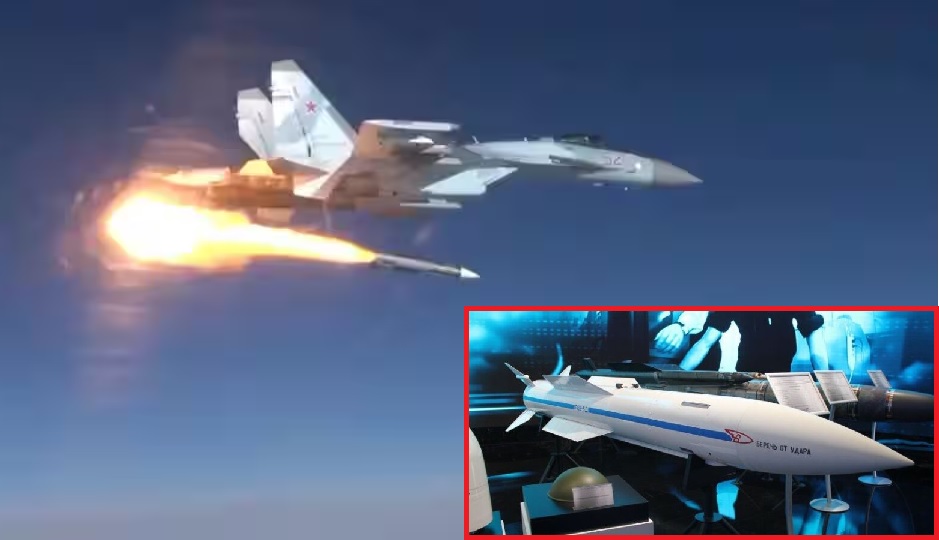
India
NEW DELHI — June 02, 2026 : India has finalized a contract worth approximately $1.2 billion with Russia for the acquisition of around 300 R-37M ultra-long-range air-to-air missiles to strengthen the Indian Air Force (IAF) beyond-visual-range combat capabilities. The missiles will be integrated into the IAF’s Su-30MKI fighter fleet, significantly expanding long-range interception and targeting capabilities against high-value airborne assets. The agreement, concluded by the Indian Ministry of Defence, is intended to provide an immediate enhancement in long-range air combat capability while complementing India’s ongoing indigenous missile development efforts. Deliveries are expected to begin within 12 to 18 months. R-37M Designed to Engage High-Value Airborne Targets The R-37M, also known by its export designation RVV-BD and NATO reporting name AA-13 Axehead, is among the longest-range air-to-air missiles currently in operational service. It has been developed to target force multipliers such as Airborne Warning and Control System (AWACS) aircraft, airborne command centers, aerial refueling tankers, and airborne surveillance platforms operating at stand-off distances. These aircraft are considered critical to modern combat operations because they support battlefield coordination, aerial refueling, surveillance, command, and long-range targeting functions. Missile Specifications and Performance The missile has a reported operational range of 300 to 400 kilometers, depending on launch conditions such as altitude, speed, and engagement profile. It is capable of reaching speeds approaching Mach 6 and carries a 60-kilogram high-explosive fragmentation warhead intended to neutralize large airborne support aircraft. The R-37M measures approximately 4.2 meters in length, has a body diameter of around 0.38 meters, and weighs nearly 600 kilograms at launch. It is optimized for high-speed, long-range intercept missions and can engage aerial targets flying at speeds of up to 2,500 kilometers per hour. The missile uses a guidance system consisting of inertial navigation, mid-course radio corrections, and an active radar seeker during the terminal engagement phase. It also employs lofted trajectories to maximize range and preserve energy during long-distance engagements. Seamless Integration With the Su-30MKI Fleet A key operational advantage of the procurement is the missile’s compatibility with India’s existing Su-30MKI fleet. Integration is expected to require mainly software upgrades to the aircraft’s N011M Bars radar system rather than extensive hardware modifications. The Su-30MKI, which forms the backbone of the Indian Air Force with more than 260 aircraft in service, is expected to gain a substantial increase in beyond-visual-range engagement capability, allowing it to target hostile aircraft from significantly greater distances. Reports indicate that each aircraft may be capable of carrying multiple R-37M missiles, improving mission flexibility during long-range air superiority and interception operations. Passive Engagement Capability Through External Sensor Networks Another operational feature of the missile is its ability to support passive or semi-passive engagement tactics. Indian Air Force pilots will be able to launch the R-37M using targeting information supplied by external sensor systems without activating the aircraft’s onboard radar. Through data links connected to the Netra Airborne Early Warning and Control (AEW&C) platform and ground-based radar systems, Su-30MKI aircraft can engage hostile targets from distances exceeding 300 kilometers while remaining electromagnetically silent. This capability reduces the likelihood of early detection by enemy sensors and improves survivability during contested air operations. Lessons From Operation Sindoor Shaped the Procurement Decision The decision to fast-track the missile acquisition follows strategic assessments conducted after Operation Sindoor in May 2025. During the short border conflict, Indian military planners reportedly identified the requirement for longer-range beyond-visual-range engagement capability. Although India used indigenous systems, precision-guided strikes, and drone-based warfare, the presence of adversarial aircraft equipped with long-range missiles highlighted the need to expand interception distances away from frontline areas. The R-37M is expected to provide an immediate capability to threaten adversary airborne support assets at extended ranges and potentially disrupt networked combat operations. Indigenous Missile Programs Continue Alongside Imports While the R-37M acquisition addresses immediate operational requirements, the Indian Air Force is simultaneously pursuing indigenous missile development to strengthen long-term defence self-reliance. Astra Mk2 India’s Astra Mk2 beyond-visual-range missile is expected to enter operational service between 2026 and 2027. The missile uses an indigenous dual-pulse solid rocket motor designed to maintain high terminal energy during engagements. The Astra Mk2 is projected to have an engagement range between 160 and 240 kilometers and is expected to become a primary medium-to-long-range air-to-air missile for platforms including the Su-30MKI, Tejas Mk1A, and future fighter aircraft. Gandiva (Astra Mk3) The Astra Mk3, also known as Gandiva, is under development and testing as India’s next-generation long-range air-to-air missile. The system uses Solid Fuel Ducted Ramjet (SFDR) propulsion technology, enabling sustained speed during long-range flight. It is expected to achieve engagement ranges of up to 340 kilometers at high altitude and is targeted to become operational by the end of the decade. Successful SFDR testing has demonstrated progress toward sustained high-speed missile technology for future Indian combat aircraft. Building a Layered Air Combat Architecture By integrating the R-37M while advancing indigenous systems such as Astra Mk2 and Gandiva, the Indian Air Force is establishing a layered beyond-visual-range engagement framework. The approach is designed to address immediate operational requirements for extreme long-range interception while gradually transitioning India’s air combat missile inventory toward domestically developed systems, supporting greater self-reliance in defence manufacturing and long-term operational flexibility.
Read More → Posted on 2026-06-02 16:03:23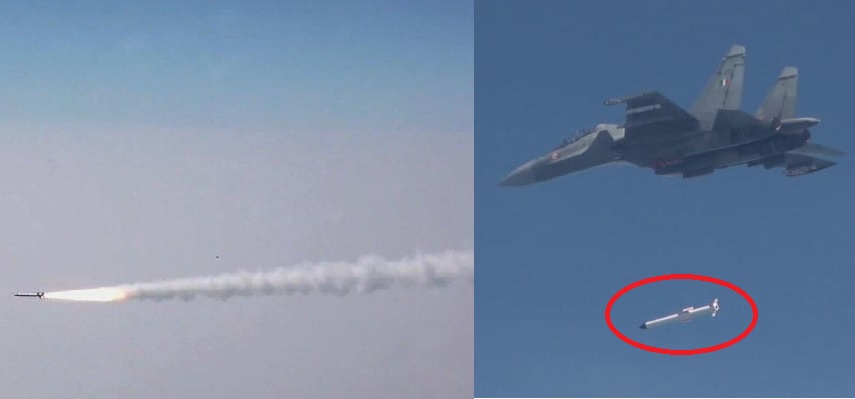
India
NEW DELHI — June 02, 2026 : The Defence Research and Development Organisation (DRDO) and the Indian Air Force (IAF) have successfully conducted a flight test of the indigenous RudraM-II air-to-surface missile, strengthening India’s efforts to expand domestically developed precision-strike capabilities. The missile was test-fired on May 29, 2024, from a Su-30MKI fighter aircraft under challenging release conditions off the coast of Odisha. According to official information, the missile achieved a direct hit on its intended target, while all mission objectives were completed successfully. Flight Test Conducted Under Extreme Release Conditions The flight trial was carried out at the Integrated Test Range (ITR) in Chandipur, Odisha, where the missile’s performance was continuously monitored through a network of electro-optical systems, radars, telemetry stations, and down-range tracking ships. Officials stated that the collected flight data confirmed the missile’s operational performance under demanding release conditions from the Su-30MKI platform. The test validated the RudraM-II’s solid-propulsion system along with its control mechanisms, navigation systems, and guidance algorithms. The successful trial also demonstrated the missile’s ability to maintain accuracy and operational reliability during long-range precision strike missions. RudraM-II Designed for Suppression of Enemy Air Defences RudraM-II is an indigenously developed next-generation anti-radiation missile designed to detect, track, and destroy enemy radar systems, communication nodes, and air-defence assets that emit radio-frequency signals. The missile is intended to strengthen the IAF’s Suppression of Enemy Air Defenses (SEAD) capability by targeting hostile tracking and targeting systems from long stand-off distances. By neutralising radar and communication infrastructure, RudraM-II enables friendly aircraft to operate with reduced exposure in contested airspace. The missile can also engage targets even if enemy radar systems are switched off after detection, improving operational effectiveness against modern air-defence tactics. Technical Specifications and Operational Features RudraM-II is powered by a solid-propellant motor and is capable of reaching speeds of up to Mach 5.5, enabling rapid engagement of high-priority targets. The missile has an estimated strike range of approximately 300–350 kilometres and can reportedly detect hostile radio-frequency emissions from distances exceeding 100 kilometres. Weighing around 800 kilograms, RudraM-II carries a 200-kilogram warhead designed to deliver penetration and fragmentation effects against reinforced radar shelters, communication systems, and soft-skinned antenna infrastructure. To improve engagement flexibility, the missile incorporates advanced multi-mode guidance systems supporting both Lock-On-Before-Launch (LOBL) and Lock-On-After-Launch (LOAL) modes. These capabilities allow pilots to engage targets either before launch or after missile deployment depending on operational requirements. The missile is additionally equipped with a passive homing head and an Imaging Infrared (IIR) seeker, enabling continued target engagement even if hostile radar emissions are discontinued to avoid detection. Potential Replacement for Kh-31 Missile Fleet RudraM-II is expected to gradually replace the Russian-origin Kh-31 anti-radiation missile currently integrated into the IAF’s Su-30MKI fleet. While the missile has been primarily developed for deployment from the Su-30MKI fighter platform, future integration with aircraft such as the Mirage 2000 remains a possibility. The missile can reportedly be launched from altitudes ranging between 3 and 15 kilometres, increasing mission flexibility across different operational conditions. Part of India’s Broader Indigenous Missile Programme The RudraM-II programme forms part of India’s wider effort to expand indigenous air-launched precision weapon systems. Earlier variants in the RudraM family, including RudraM-I, have undergone testing and entered service, while development efforts continue on RudraM-III, which is expected to provide extended strike range and enhanced operational capability. The successful test of RudraM-II represents an important step toward operational readiness and future induction into service. Officials Congratulate DRDO and IAF Defence Minister Rajnath Singh congratulated the DRDO, the IAF, and industry partners involved in the programme following the successful test. DRDO Chairman Dr. Samir V. Kamat also acknowledged the achievement and highlighted its contribution to India’s efforts to strengthen indigenous defence technologies. With successful validation of its propulsion, guidance, and targeting systems, RudraM-II is expected to contribute to the IAF’s long-range precision strike capability while supporting India’s objective of reducing dependence on imported defence systems.
Read More → Posted on 2026-06-02 14:16:08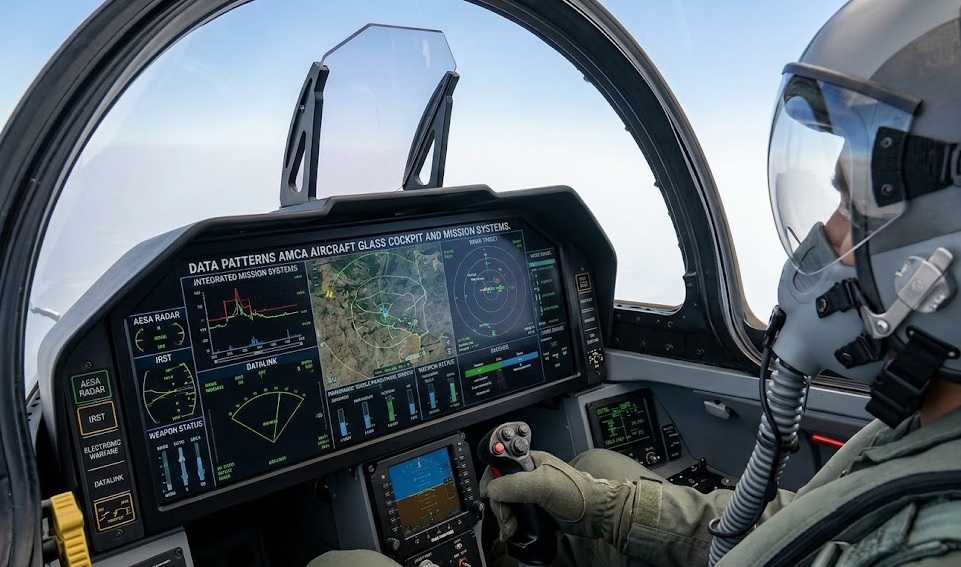
India
CHENNAI — June 01, 2026 : Data Patterns (India) Limited has confirmed that cockpit and mission-system technologies being developed for the Light Combat Aircraft (LCA) Tejas Mk2 programme will directly support India’s fifth-generation Advanced Medium Combat Aircraft (AMCA), creating a technological link between the two indigenous fighter programmes. The company is developing advanced avionics, smart cockpit systems, mission computers, display technologies, and sensor-fusion architecture for the Tejas Mk2. According to industry reports, several of these systems are being designed for future scalability, allowing them to be adapted for the AMCA as development progresses. For the Tejas Mk2 programme, Data Patterns is working on a next-generation glass cockpit architecture featuring high-brightness rugged multifunction displays (MFDs), digital mission-management systems, pilot-machine interfaces, and integrated sensor-fusion capabilities intended to improve pilot situational awareness during operations. The cockpit systems include custom LED backlights, compatibility with Night Vision Imaging Systems (NVIS), and compliance with military standards such as MIL-STD-810 and DO-178B. The company is also integrating digital flight-control infrastructure and multi-sensor data fusion technologies for the aircraft. The avionics and cockpit architecture developed for the Tejas Mk2 are expected to provide the foundation for the AMCA’s cockpit environment, mission-management systems, and sensor-processing framework. By adapting tested technologies from the Tejas Mk2, the Aeronautical Development Agency (ADA) and industry partners aim to reduce development risks, shorten integration timelines, and support the AMCA’s network-centric warfare and stealth requirements. The Tejas Mk2 is considered an important technology bridge toward the AMCA programme. The aircraft is a larger and more capable evolution of the Tejas Mk1A, featuring increased payload capacity, greater combat radius, enhanced electronic warfare systems, and more advanced sensors. The AMCA is being developed as a twin-engine, stealth-capable multirole fighter designed for air-superiority, deep-strike, suppression of enemy air-defence, and electronic warfare missions. The aircraft is expected to feature internal weapon bays, sensor fusion, indigenous mission avionics, advanced mission computers, and integrated data-link systems. The cockpit and mission-system development forms part of the broader ₹15,000 crore AMCA prototype programme. Data Patterns, along with other private-sector defence firms, will work with the Aeronautical Development Agency (ADA) and the Defence Research and Development Organisation (DRDO) to support the construction of five flying prototypes and one structural test aircraft. A new greenfield manufacturing facility is being established in Puttaparthi, Andhra Pradesh, to support integration and testing activities for the AMCA programme. The Defence Ministry has issued a Request for Proposal (RFP) for AMCA prototype development and manufacturing, with multiple Indian private defence firms participating under the programme managed by ADA within the DRDO framework. The Tejas Mk2 is expected to make its first flight in 2026, while the AMCA programme aims for prototype rollout by late 2026 or early 2027, followed by a maiden flight in 2028. Serial production of the aircraft is targeted for the mid-2030s. The use of common technologies across the Tejas Mk2 and AMCA programmes is expected to standardise key avionics systems, simplify testing and certification, and improve long-term maintenance and operational logistics for future Indian Air Force fighter fleets.
Read More → Posted on 2026-06-01 18:14:42Search
Top Trending in 24 Hours
-
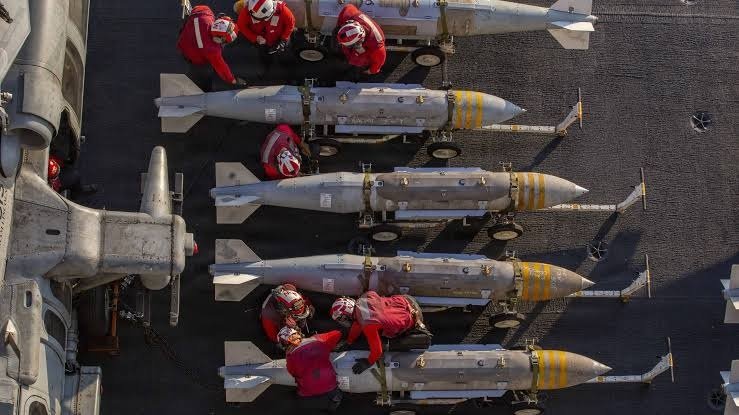 Pentagon Inspector General Report Finds Iran War Caused U.S. Ammunition Shortfalls and Industrial Bottlenecks
-
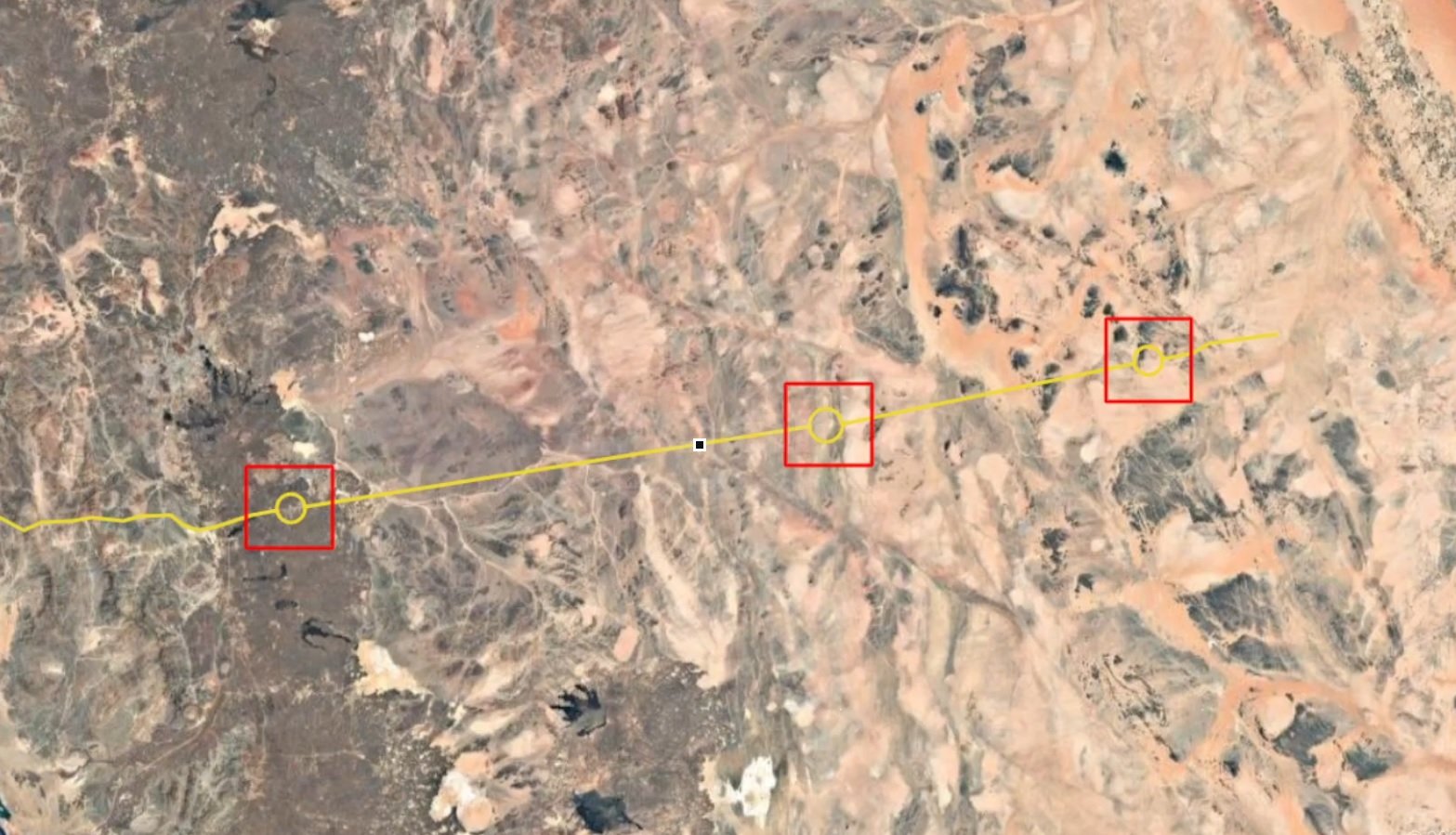 Satellite Imagery Shows Extensive Damage to Saudi Arabia’s East-West Oil Pipeline, Indicating More Than a Single Strike
-
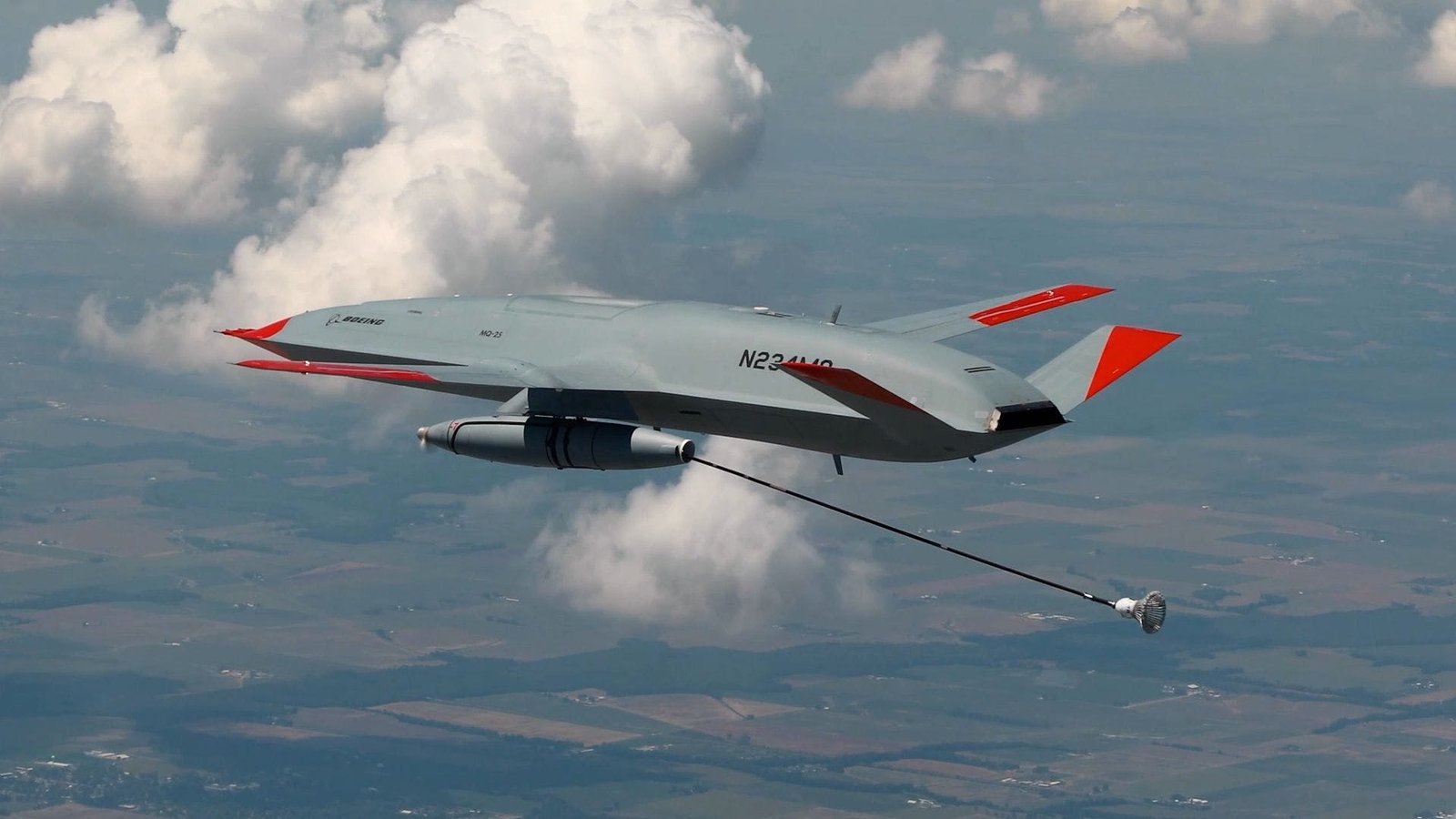 U.S. Navy Awards Boeing $562 Million Contract for First Production MQ-25A Stingray Tanker Drones
-
 Pentagon and Honeywell Complete Four-Hour Pacific Flight Using Quantum Magnetic Navigation Without GPS
-
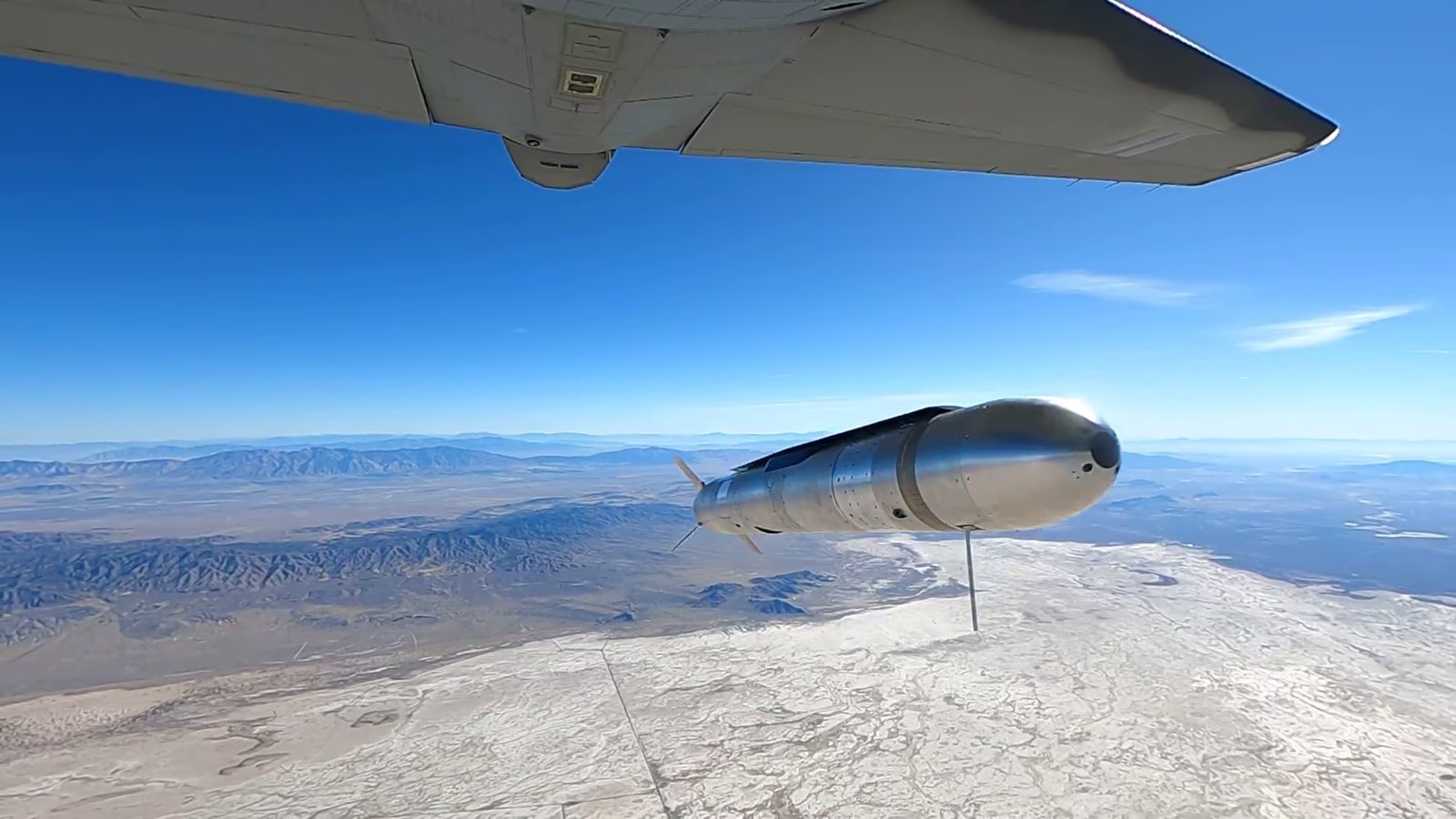 U.S. Air Force Special Operations Command Clears AGM-190A Havoc Spear for Wider Service After Combat Evaluation in Africa
-
 U.S. Confirms Deployment of On-Orbit Space Control Weapons for First Time
-
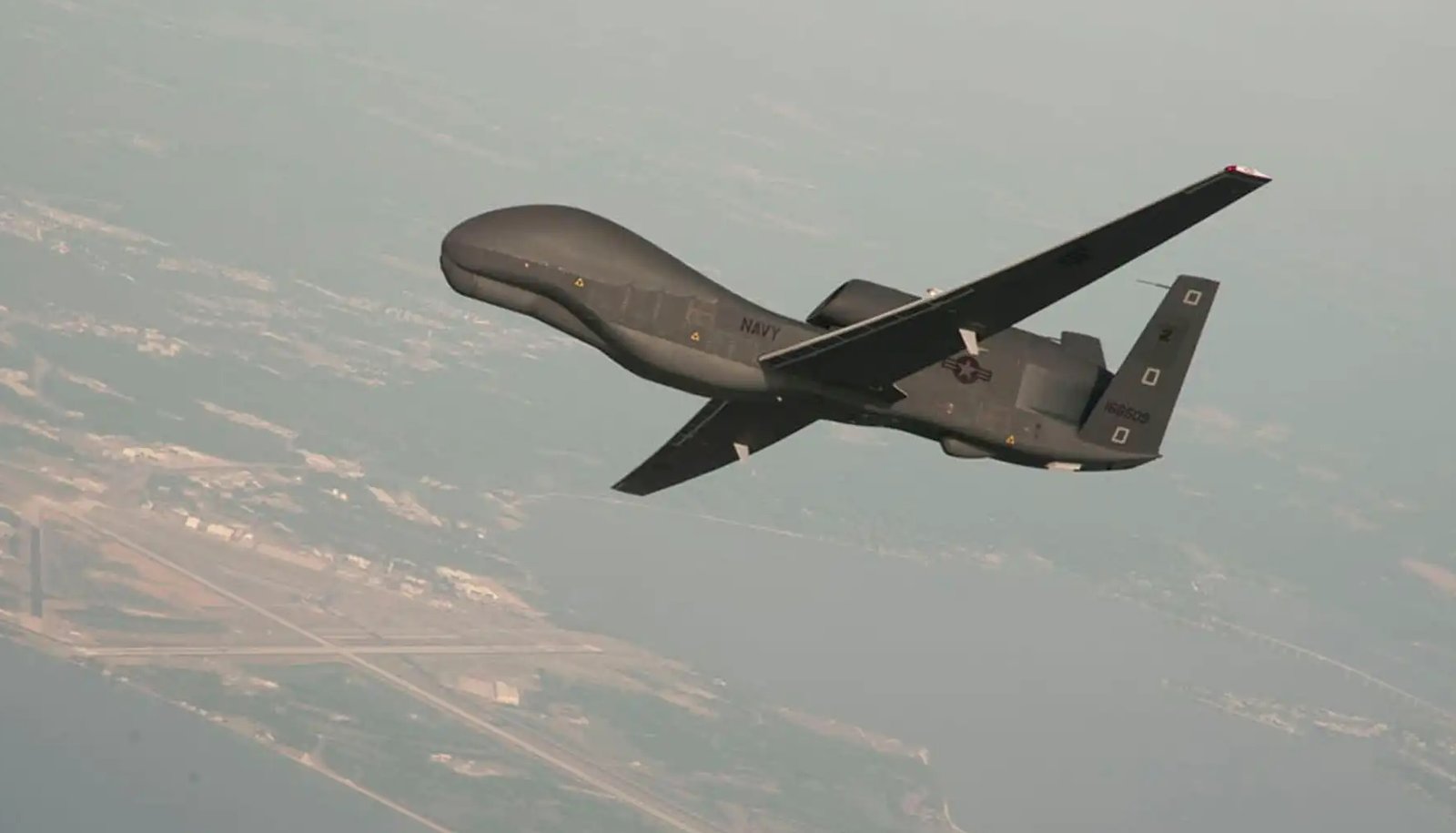 Japan Air Self-Defense Force Loses Contact With Global Hawk Surveillance Drone Off Tottori Coast; Aircraft Presumed Crashed
-
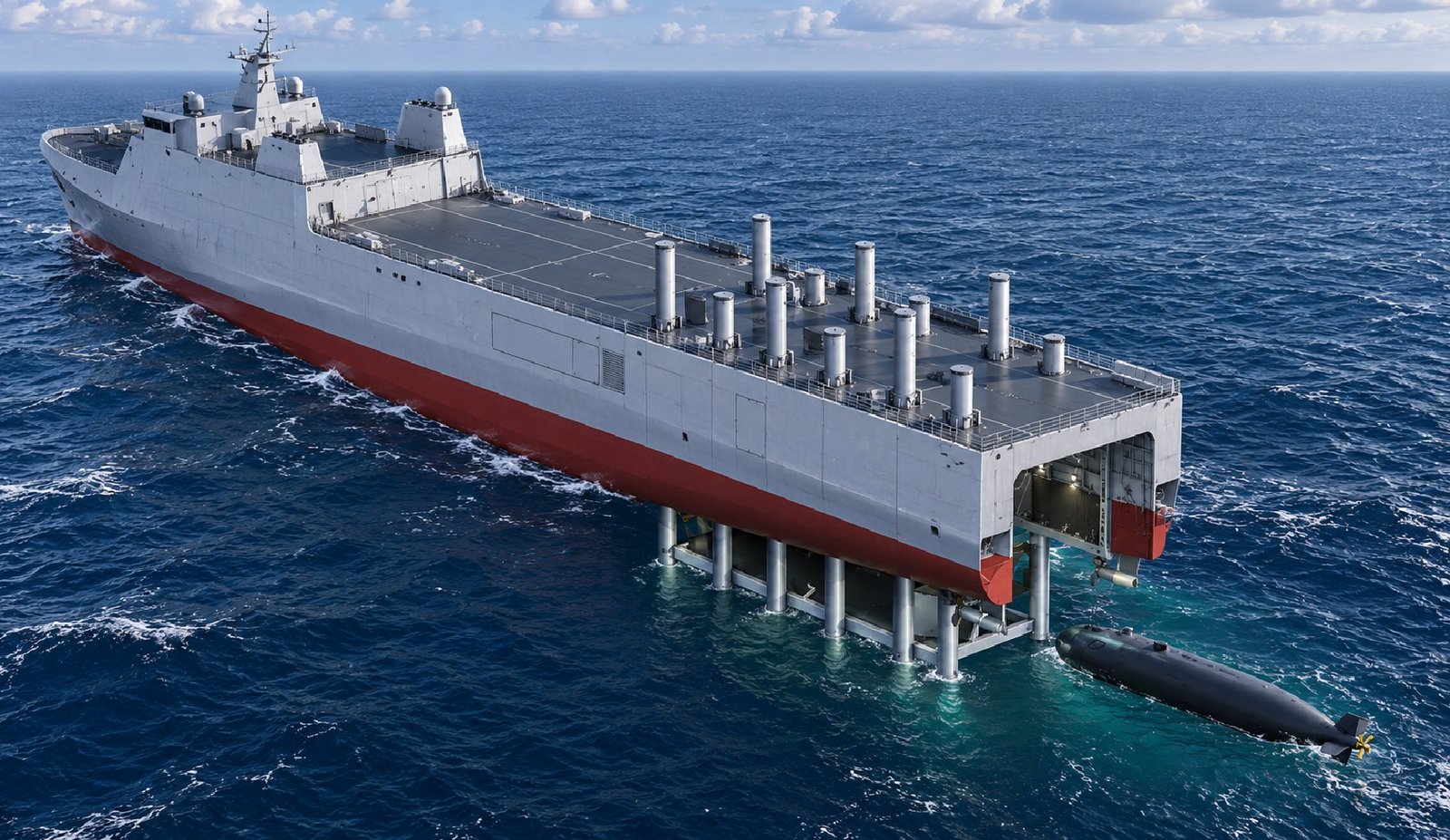 China Builds New Shanghai Vessel to Serve as Mothership for Large Uncrewed Submarines
Top Trending in 4 Days
-
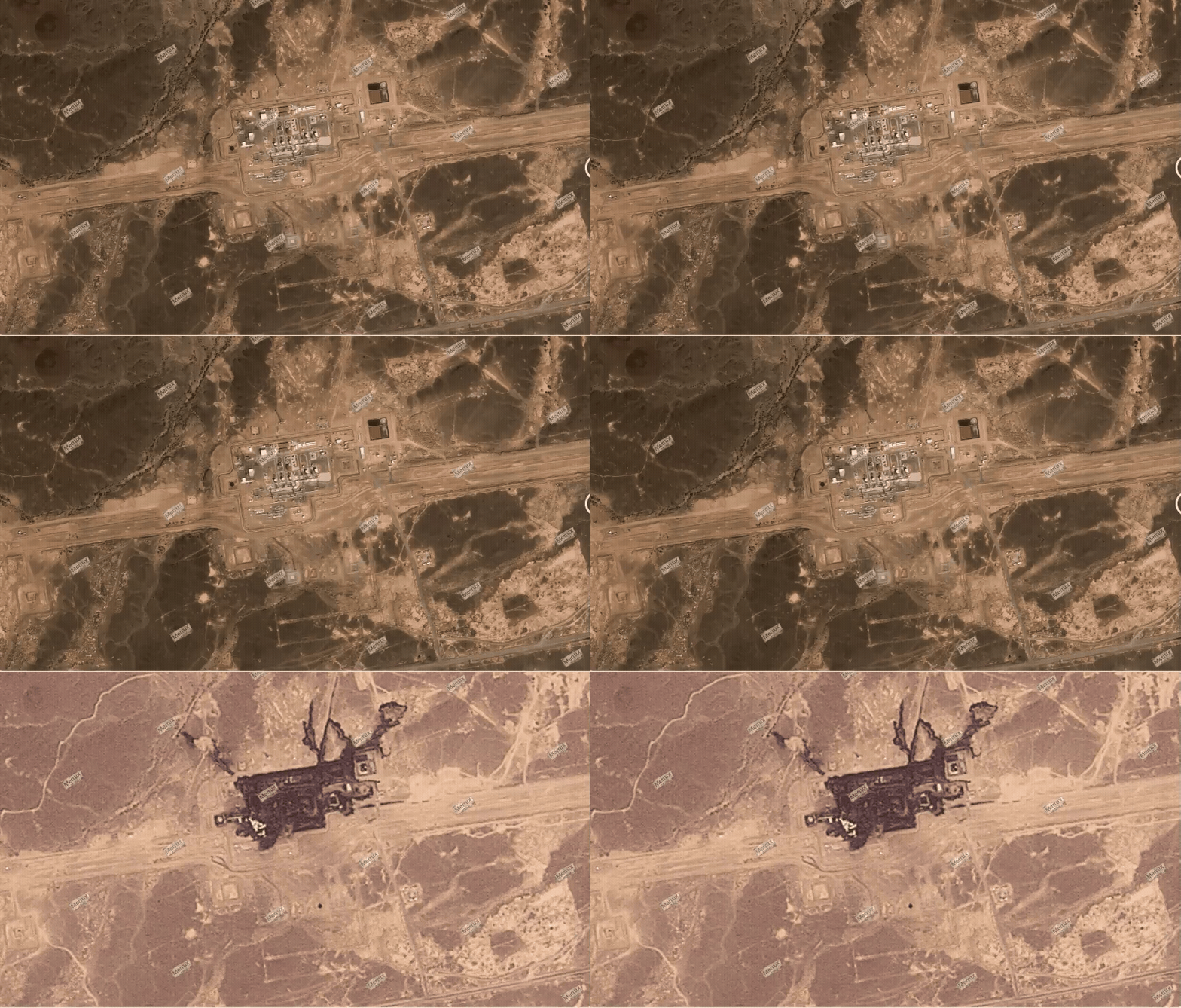 Satellite Imagery Shows Heavy Damage to Saudi East–West Oil Pipeline Pumping Stations
-
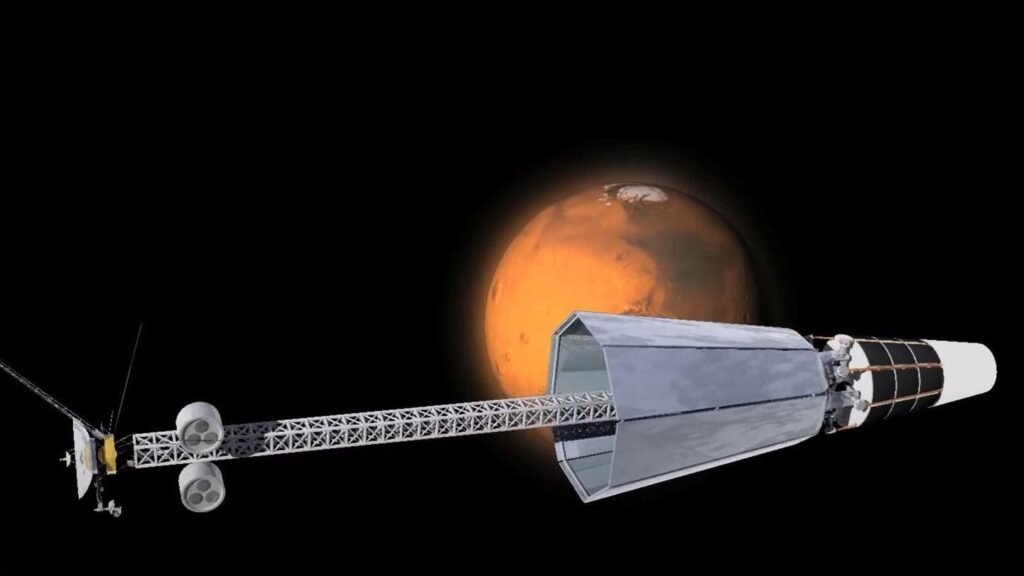 U.S. Air Force Awards Antares $161 Million to Develop Nuclear Reactor for Spacecraft
-
 Pentagon Awards BlueHalo Up to $99.8 Million Contract for Orbital Battlespace R&D Program
-
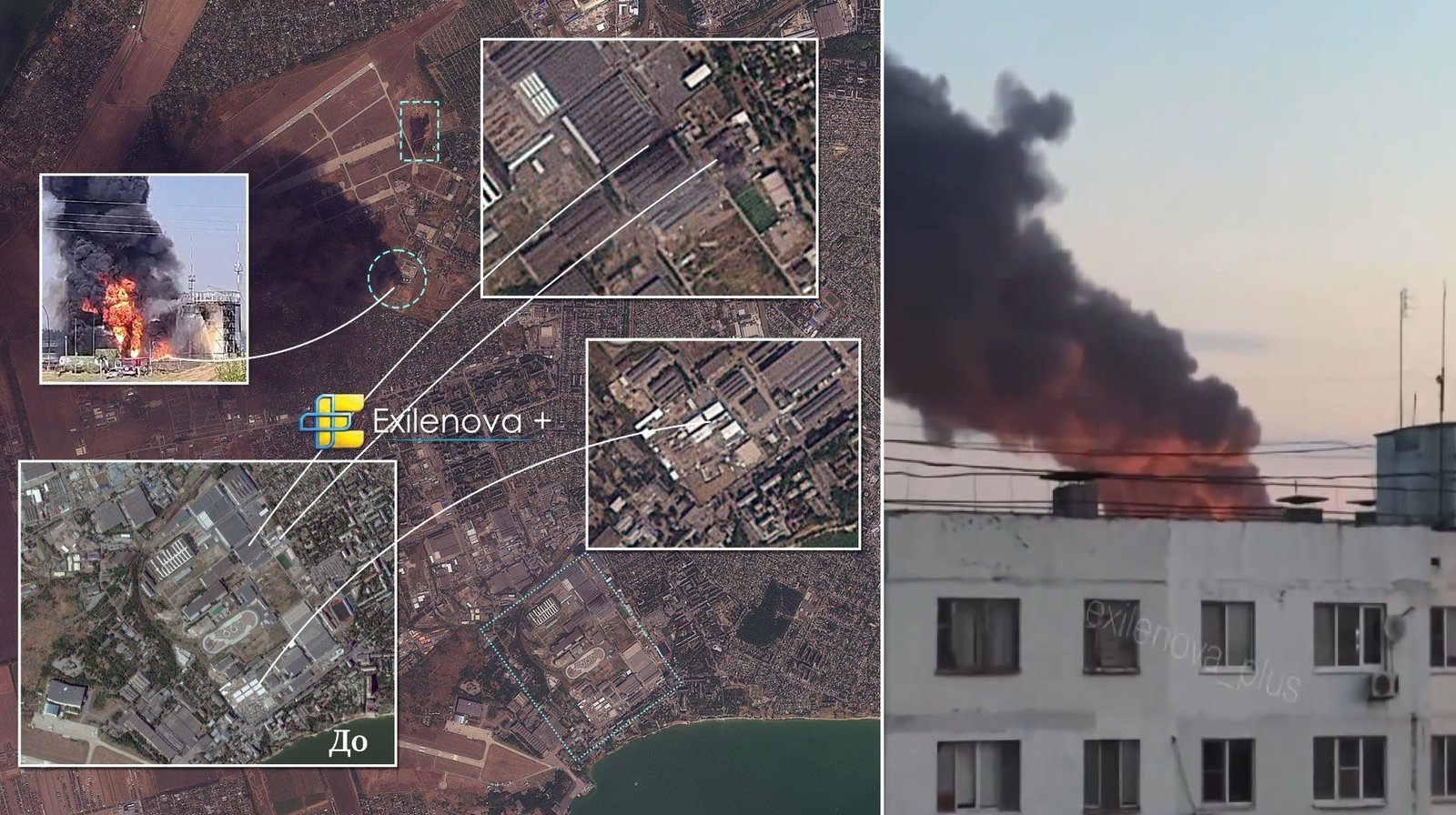 Ukrainian Drones Strike Russian UAV Manufacturer and Chemical Plants in Taganrog and Tolyatti
-
 U.S. Officials Link Chinese Satellite Imagery to Iranian Strike That Killed Three American Soldiers in Jordan
-
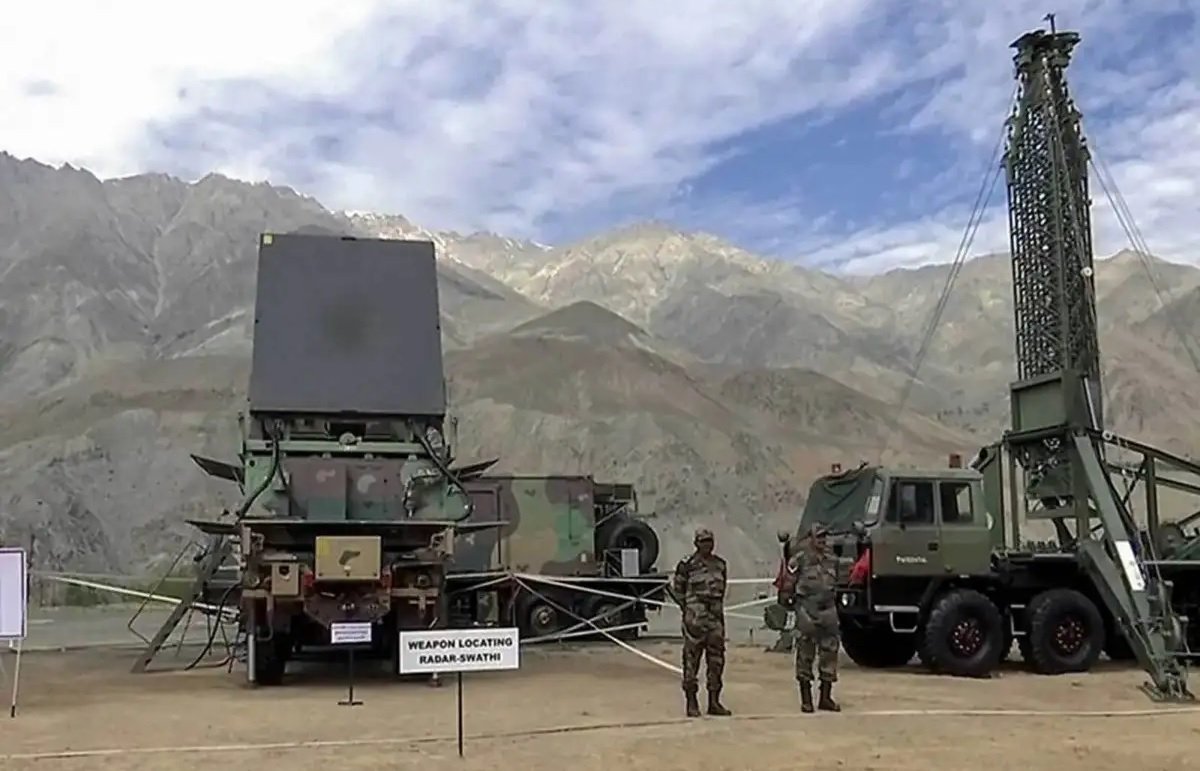 DRDO Demonstrates Indigenous 3.5×3 mm GaN Chip Delivering 30 Watts for Next-Generation Radars and Electronic Warfare
-
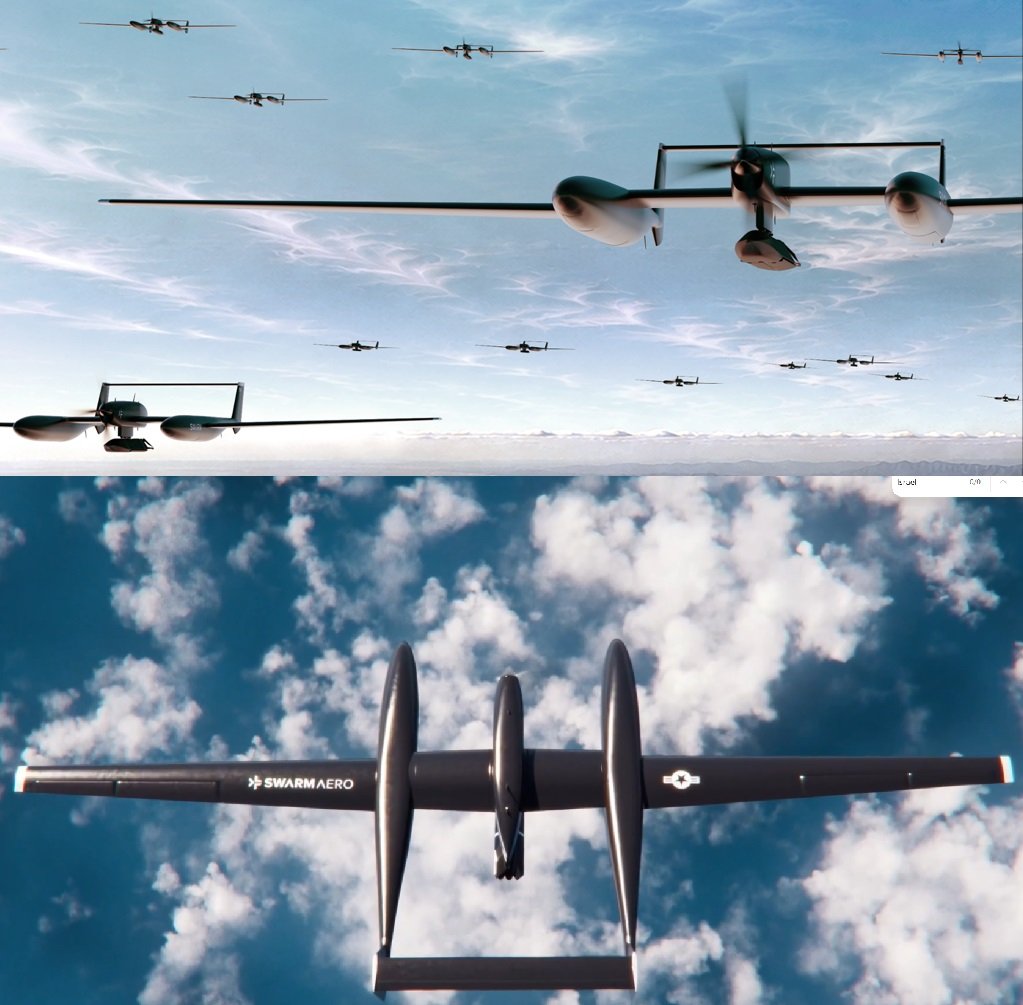 U.S. Firm Swarm Aero Unveils Gamera Group 5 UAS With 9,000-Nautical-Mile Range and Heavy Strike Payload
-
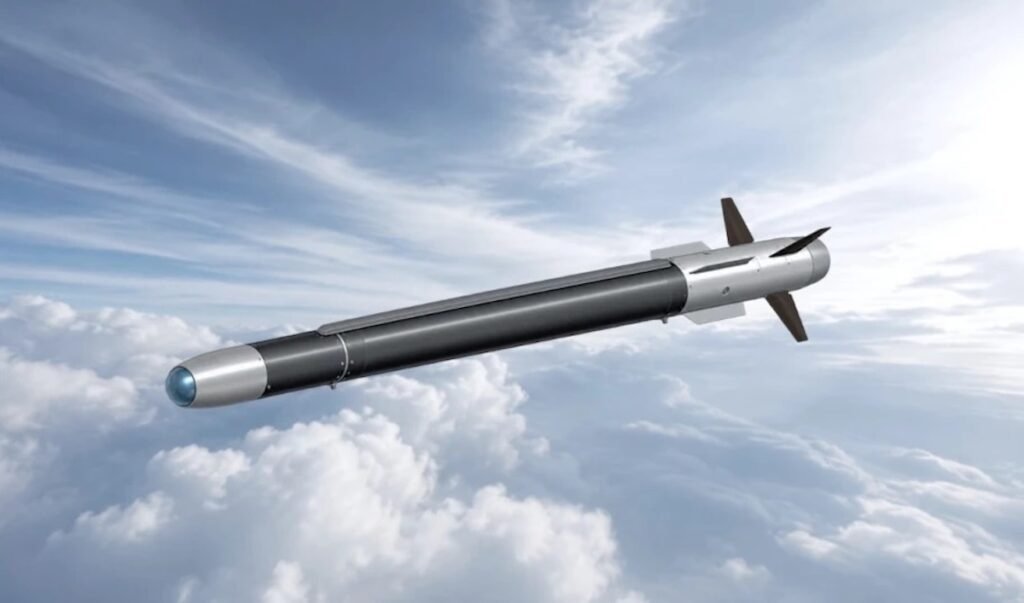 MBDA and Poland’s WITU Advance Low-Cost Supersonic Interceptor Against Swarm Attacks, Seeker Trials Successfully Completed