World
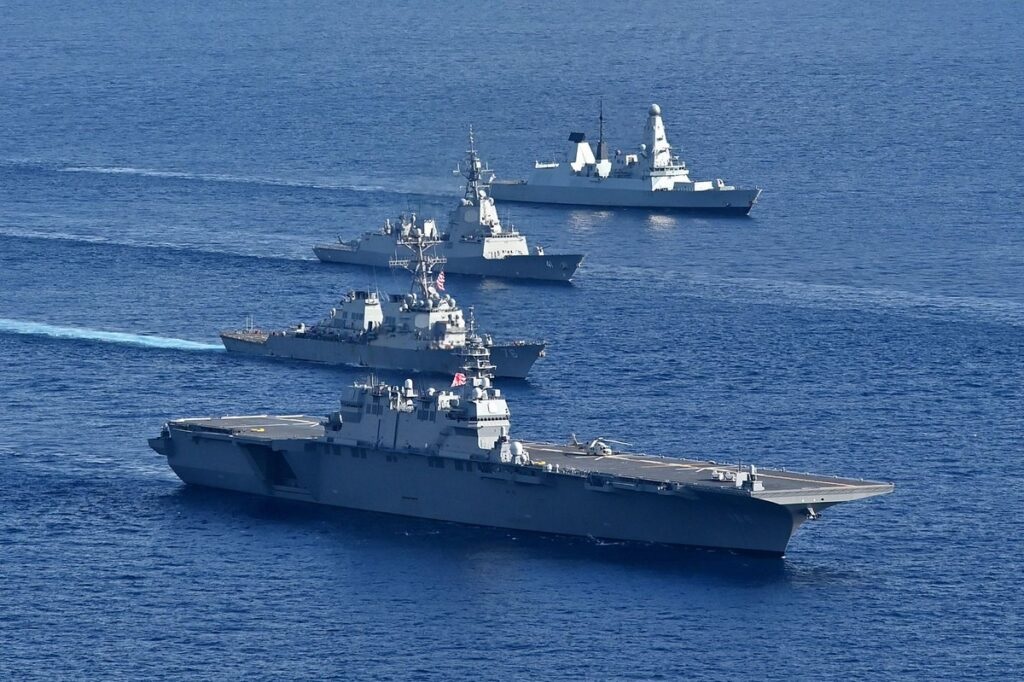
TOKYO — March 23, 2026 : The Japan Maritime Self-Defense Force (JMSDF) has implemented its most extensive organizational restructuring since its establishment in 1954, formally disbanding the long-standing Fleet Escort Force and Mine Warfare Force and replacing them with a unified Fleet Surface Force. The reform also includes the creation of a new Information Warfare/Operations Command, reflecting a broader shift toward integrated, multi-domain operations. The changes, which took effect on March 23, consolidate surface combatants and mine countermeasure units under a single command structure while introducing a centralized framework for intelligence, cyber, and communications functions. Transition to the Fleet Surface Force The Fleet Escort Force, established in 1961, served as the primary operational component of Japan’s surface fleet for more than six decades. Its disbandment, alongside the Mine Warfare Force, marks the end of a long-standing organizational model. Under the previous structure, the JMSDF operated four Escort Flotillas, each composed of one helicopter destroyer (DDH), two Aegis-equipped destroyers (DDG), and five general-purpose destroyers (DD). The new framework reorganizes these into three Surface Warfare Groups while maintaining approximately the same number of ships and personnel. Surface Warfare Group 1 is headquartered in Yokosuka and operates with the helicopter carrier JS Izumo (DDH 183) as its flagship. Surface Warfare Group 2 is based in Kure with JS Kaga (DDH 184) as its flagship. Surface Warfare Group 3 is headquartered in Maizuru with JS Hyuga (DDH 181) serving as flagship. Under the revised structure, the Fleet Surface Force functions primarily as a “force provider,” responsible for training, maintenance, and readiness. Operational commanders act as “force users,” drawing from these groups to support mission-specific requirements. JMSDF Chief of Staff Adm. Akira Saito stated that the reform represents a redesign rather than a reduction in capability, noting that “the only number decreasing is the number of groups,” while fleet size and personnel levels remain largely unchanged. Organizational Adjustments and Operational Considerations The consolidation from four flotillas to three surface warfare groups has prompted analysis from defense observers and retired officers. Some have raised concerns that a reduced number of maneuver units could affect redundancy and sustainability during prolonged operations or simultaneous contingencies. Adm. Saito addressed these concerns by emphasizing that operational resilience should be measured through “force density” rather than the number of command units, adding that the fundamental framework for operational command remains intact. The restructuring also simplifies command relationships by integrating escort and mine warfare elements into a single organizational entity, while maintaining established operational roles. Amphibious and Mine Warfare Integration As part of the broader restructuring, the JMSDF has established a new Amphibious and Mine Warfare Group headquartered in Sasebo, Nagasaki Prefecture, on Kyushu Island. This group combines mine countermeasure vessels, transport ships, and amphibious capabilities under one command. It operates with the Hyuga-class helicopter destroyer JS Ise (DDH 182) as its flagship. The unit is designed to operate in coordination with the Japan Ground Self-Defense Force’s Amphibious Rapid Deployment Brigade, also based in Sasebo. The integration reflects a strategic focus on the defense of Japan’s southwestern Nansei Islands, where rapid deployment, mine clearance, and amphibious operations may be required in potential contingency scenarios. Establishment of Information Warfare/Operations Command In parallel with the fleet restructuring, the JMSDF has launched the Information Warfare/Operations Command, consolidating intelligence, cyber, communications, and oceanographic functions into a single operational hub. The command is intended to support Command, Control, Communications, Computers, Intelligence, Surveillance, and Reconnaissance (C4ISR) activities and enhance coordination across operational domains. While it does not directly command ships or aircraft, it provides centralized support for decision-making and operational planning. According to Adm. Saito, the establishment of this command addresses several institutional requirements, including the need to resolve organizational fragmentation, improve cross-domain integration, and create a senior information command structure aligned with those of allied navies, particularly the United States Navy. Strategic Context and Implications The restructuring reflects a shift in how the JMSDF organizes and employs its naval capabilities, with greater emphasis on flexibility, integration, and multi-domain coordination. By consolidating surface and mine warfare elements and establishing a dedicated information command, the JMSDF aims to enhance readiness without increasing overall fleet size. Ministry of Defense materials indicate that the new structure is designed to enable more efficient allocation of resources and improved responsiveness to evolving security conditions in the Indo-Pacific region. The effectiveness of the new framework will be assessed over time through operational performance, particularly in scenarios involving complex or simultaneous contingencies.
Read More → Posted on 2026-03-23 15:10:21
World
TOKYO — March 23, 2026 : Japan is considering the possibility of deploying its Maritime Self-Defense Force (MSDF) for minesweeping operations in the Strait of Hormuz, contingent on a complete ceasefire in the ongoing conflict involving the United States, Israel, and Iran, according to statements by Foreign Minister Toshimitsu Motegi. Speaking during a Fuji TV program on March 22, Motegi outlined that any such deployment remains conditional and hypothetical. “If there were to be a complete ceasefire, hypothetically speaking, then things like minesweeping could come up,” he said, adding that the presence of naval mines obstructing maritime traffic would be a key factor in any decision. He emphasized that Japan is not considering military deployment during active hostilities. Conditional Role Linked to Ceasefire Scenario Japanese officials clarified that any involvement by the MSDF would be limited strictly to post-conflict conditions. The government has not outlined any timeline, operational plan, or specific assets for deployment, and the proposal remains under consideration rather than an active policy decision. Motegi stated that minesweeping would only be considered if navigation in the Strait of Hormuz is obstructed following a ceasefire. The approach reflects Japan’s legal and political constraints on overseas military operations, particularly in active conflict zones. Strategic Importance of the Strait of Hormuz The Strait of Hormuz remains a critical maritime chokepoint, handling nearly 20 percent of global oil shipments. Japan, which imports more than 90 percent of its crude oil from the Middle East, is particularly dependent on uninterrupted access through the waterway. Approximately 45 Japan-linked vessels are currently affected by restrictions and disruptions in the strait, highlighting the economic and logistical implications for Tokyo. Ensuring safe and open navigation remains a central concern for Japanese policymakers. Engagement with Iran and Navigation Issues Iran has indicated a willingness to allow vessels linked to Japan to transit the strait. The issue was discussed during a recent phone call between Iranian Foreign Minister Abbas Araghchi and Motegi. Despite this, Japanese officials have stated that Tokyo is not pursuing unilateral arrangements with Iran to secure passage for its ships. Instead, Japan’s position focuses on maintaining freedom of navigation for all international shipping, rather than negotiating country-specific exemptions. Motegi confirmed that discussions with Iran have begun, but reiterated that Japan’s policy remains aligned with broader international maritime principles. U.S. Pressure and Allied Coordination The potential role of Japan comes amid continued calls from the United States for allied contributions to securing maritime routes in the Gulf region. U.S. President Donald Trump recently met with Japanese Prime Minister Sanae Takaichi and indicated that Japan was “stepping up.” However, Motegi clarified that no formal request for minesweeping deployment was made during these discussions. A U.S. envoy separately suggested that Japan had committed naval assets, but Japanese authorities have emphasized that any such involvement would be strictly limited to post-ceasefire conditions. Minesweeping Capabilities and Operational Context Japan possesses advanced minesweeping capabilities, which are considered among the most capable globally. These capabilities are viewed as potentially significant given the limited number of dedicated U.S. Navy minesweeping vessels. The U.S. Navy currently operates four minesweeping ships, all stationed in Japan, following the retirement of approximately half of its fleet in 2025. This has increased reliance on allied capabilities for mine countermeasure operations in key maritime regions. The current conflict has included Iranian threats to deploy naval mines in the Strait of Hormuz, as well as U.S. operations targeting suspected mine-laying vessels. These developments have raised concerns about the long-term safety of maritime navigation in the area. International Coordination Efforts Several European countries, along with Japan and Canada, have issued a joint statement supporting the potential formation of a coalition to ensure the reopening and security of the strait. However, no specific operational commitments or timelines have been announced. The concept of a coordinated post-conflict minesweeping effort remains under discussion among allied nations, with Japan’s potential participation tied to developments on the ground. Safety of Nationals and Domestic Considerations Motegi also addressed the situation of Japanese nationals in the region. He confirmed that one Japanese citizen has been released from Iranian custody, while efforts continue to secure the release of another individual. The Japanese government has stated that it will take responsibility for the safety of its nationals and vessels but has no plans to seek special arrangements for passage through the strait. Domestic public opinion remains a significant factor in policy considerations. Recent polls indicate that a majority of the Japanese public—ranging from 52 to 67 percent—oppose the deployment of military assets to the Middle East.
Read More → Posted on 2026-03-23 15:01:16
World
JERUSALEM — March 23, 2026 : Iran has reduced the scale of its military strikes against Saudi Arabia and Qatar while continuing operations against other Gulf states, according to sources cited by The Jerusalem Post, as regional assessments indicate that Tehran is seeking to avoid escalation into a broader conflict involving ground forces. The reported adjustment follows weeks of Iranian missile and drone operations targeting energy infrastructure and military facilities across the Gulf. While strikes on Saudi Arabia and Qatar have been limited, operations against Kuwait, Bahrain, and the United Arab Emirates (UAE) are continuing without change. Shift in Targeting Priorities Two sources familiar with the matter stated that Iran’s decision is linked to concerns that continued attacks on Saudi Arabia could provoke a direct and potentially large-scale military response from Riyadh. Saudi officials have indicated that sustained strikes could trigger retaliation, a step the kingdom has not yet taken. The limitation applies specifically to Saudi Arabia and Qatar. Iranian strikes on Kuwait, Bahrain, and the UAE are expected to “continue as usual,” maintaining pressure on other regional targets. Recent Iranian operations have included attacks on refineries in Saudi Arabia, the Ras Laffan industrial gas facility in Qatar, and key refining infrastructure in Kuwait, including Mina Al Ahmadi and Abdullah Port. In Bahrain and the UAE, strikes have targeted facilities linked to military operations and allied presence. Broader Regional Operations Continue Iranian strikes have also been directed at U.S.-linked military installations and infrastructure in the region, including bases in Kuwait and the UAE, as well as facilities in Bahrain. In response, Gulf states have activated air defence systems, managed fires at affected facilities, and taken diplomatic measures, including the expulsion of Iranian officials in some instances. Regional energy infrastructure has been affected, although key export routes remain operational. Saudi Arabia has continued oil shipments through its East-West pipeline, while Kuwait and other states have restored operations at impacted refineries. Diplomatic Coordination and Gulf Response Foreign ministers from Saudi Arabia, the UAE, Qatar, Kuwait, Bahrain, and other regional states convened in Riyadh to coordinate responses. The meeting reaffirmed the principle of sovereignty and emphasized that continued violations could lead to consequences. Officials referenced the right to self-defense under Article 51 of the United Nations Charter. Saudi Foreign Minister Prince Faisal bin Farhan stated that the kingdom has not ruled out military action if attacks continue. Influence of the Saudi–Pakistan Defence Agreement Analysts assess that Iran’s recalibration is influenced by the Saudi–Pakistan Strategic Mutual Defence Agreement, signed on September 17, 2025. The agreement includes provisions under which an attack on one party may be treated as an attack on both, introducing the possibility of coordinated military action. According to regional observers, Tehran is acting to avoid triggering the agreement’s mutual defense clauses. A sustained Iranian campaign against Saudi territory could create conditions for activation of the pact. Analysts further note that such attacks could provide the United States and Israel with an opportunity to leverage this agreement against Iran in a broader conflict scenario. Pakistani officials have raised the issue in diplomatic engagements with Iran. Foreign Minister Ishaq Dar confirmed discussions with Iranian Foreign Minister Abbas Araghchi, who sought assurances that Saudi territory would not be used as a platform for operations against Iran. Pakistan has also engaged in diplomatic outreach, with Prime Minister Shehbaz Sharif, Foreign Minister Ishaq Dar, and Army Chief General Asim Munir visiting Riyadh and emphasizing restraint to prevent escalation. Defense analyst Ayesha Siddiqa noted that Pakistan’s current role is focused on communication and de-escalation, reflecting the broader interest of regional actors in avoiding a widening conflict. Ground Conflict Considerations Military assessments indicate that Iran’s concerns extend beyond immediate air and missile exchanges to the potential for a broader conflict that could include ground operations. Analysts highlight that the activation of the Saudi–Pakistan defense framework could introduce a new axis of pressure along Iran’s eastern border. In such a scenario, external support from partners including the United States and allied countries could provide financial, logistical, and intelligence backing to participating forces. While the extent and likelihood of such involvement remain uncertain, the possibility is considered in regional strategic calculations. Iran’s defense posture relies in part on dispersed missile forces, underground storage and launch facilities, and hardened infrastructure. While these systems are designed to withstand aerial attacks, analysts note that ground operations targeting logistical nodes, launch sites, and command infrastructure would present a different operational challenge. At the same time, experts emphasize that any large-scale ground campaign against Iran would face significant constraints, including geography, terrain, and the scale of Iranian military capabilities. Strategic Implications for Iran The prospect of a multi-front conflict—combining continued air and missile exchanges with potential ground pressure—represents a complex risk environment for Tehran. By limiting attacks on Saudi Arabia and Qatar, Iran appears to be seeking to reduce the likelihood of triggering broader alliance mechanisms while maintaining its operational posture elsewhere in the Gulf. Analysts indicate that this approach allows Iran to sustain regional pressure while attempting to manage escalation risks linked to larger coalition responses. Ongoing Developments The reported adjustment has not been officially confirmed by Iranian authorities, and the information remains based on sources familiar with the situation. The regional security environment remains fluid, with continued military activity, diplomatic engagement, and coordination among Gulf states. Air defence systems remain active across the region, and military readiness levels are elevated. Further developments will depend on the trajectory of Iranian operations, responses from Gulf states, and the role of external actors as the situation continues to evolve.
Read More → Posted on 2026-03-23 14:52:55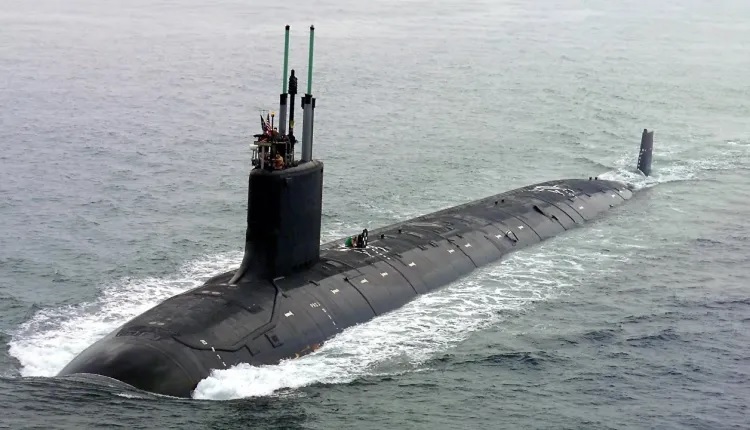
World
WASHINGTON — March 23, 2026 : The United States has formally notified Congress of a potential $1 billion Foreign Military Sale (FMS) to the United Kingdom, covering combat system integration and weapon-system support for the next-generation SSN-AUKUS nuclear-powered attack submarines under the trilateral AUKUS security partnership. The notification, issued by the U.S. State Department on March 20, 2026, represents a substantial expansion of an earlier $50 million non-Major Defense Equipment (non-MDE) case. While the original package focused on non-recurring engineering, liaison support, and early integration work, the revised proposal establishes a comprehensive design, integration, and support framework for the combat and weapon systems of future British submarines. Expansion from Initial Support to Full Integration Framework The earlier $50 million case included non-recurring engineering, integration of U.S. equipment into UK submarine designs, delivery of software and technical publications, and administrative support for a UK liaison office at U.S. Naval Sea Systems Command (NAVSEA). The updated $1 billion package significantly broadens this scope into a full-scale integration effort. The expanded package provides technical assistance and system components necessary to build the physical and digital architecture governing how submarines detect threats, process tactical data, and deploy weapons. It includes support for AUKUS-specific vertical deployment tubes, common weapon launchers, and multiple all-up-round canister support modules. Additional elements include simulation systems, engineering demonstration models, testing and installation equipment, and a wide range of information technology hardware such as network input/output units, servers, switches, and custom electronics. The package also covers software, source code, technical documentation, and publications required for system operation and lifecycle management. Embedded U.S. and UK personnel will be stationed across facilities in both countries to support design, integration, and training activities. The agreement further includes U.S. government and contractor engineering services, logistics support, testing and trials assistance, and program management support. Integration with Submarine Warfare Federated Tactical System The systems covered under the sale are closely tied to the Submarine Warfare Federated Tactical System (SWFTS), a modular combat system architecture used by the U.S. Navy. SWFTS integrates multiple independent subsystems into a unified combat network, enabling coordinated detection, decision-making, and weapon control. The integration environment is associated with interfaces such as the AN/BYG-1 combat system, including the Weapon Launch Console, Payload Support Electronic System, and Tube Control Panel. Through access to software, hardware, and source code, the United Kingdom will gain the ability to independently integrate, test, troubleshoot, train, and upgrade its submarine combat systems over time. This level of access supports the development of a sovereign capability to manage evolving undersea warfare requirements while maintaining compatibility with allied systems. System Functionality and “Kill Chain” Architecture The package does not include the procurement of specific munitions. Instead, it provides the enabling infrastructure required for safe storage, handling, launch, and rearming of weapons. In operational terms, the systems form the complete “kill chain,” linking detection and targeting processes to weapon release and control. Core components such as networked electronics, control systems, and launch interfaces are designed to ensure secure and reliable operation of submarine weapon systems in complex operational environments. Transition to Vertical Launch Capability The inclusion of AUKUS-specific vertical deployment tubes marks a significant evolution in the Royal Navy’s submarine design approach. Current Astute-class submarines rely exclusively on a torpedo-room configuration, featuring six 21-inch (533 mm) tubes and a capacity of up to 38 weapons. These submarines are equipped with Tomahawk Block IV land-attack missiles, offering a range of approximately 1,000 miles and mid-flight retargeting capability, as well as Spearfish heavyweight torpedoes, which have engagement ranges between 14 and 30 miles depending on operational conditions. The upgraded Spearfish includes a new warhead, improved electronics, a safer fuel system, and fiber-optic guidance. The introduction of vertical deployment tubes, comparable in concept to those used in the U.S. Navy’s Virginia-class submarines, enables the carriage of additional payloads such as land-attack missiles in dedicated launch modules. Each vertical tube can accommodate multiple all-up-round canisters, increasing overall payload capacity. This configuration allows torpedo tubes to remain dedicated to anti-submarine and anti-surface warfare, while vertical systems handle strike missions and other payloads. The result is improved magazine depth, greater flexibility in mission planning, enhanced first-salvo capability, and extended operational endurance. Standardization and Interoperability The adoption of a common weapon launcher standard ensures uniformity in interfaces, safety mechanisms, control logic, and testing procedures across different submarine platforms. This reduces the complexity associated with platform-specific integration and supports more efficient certification and upgrade processes. Standardization also enhances interoperability among AUKUS partners—the United States, United Kingdom, and Australia—allowing for closer operational coordination and shared technological development. Industrial Participation and Contractors The principal contractors identified for the program include Huntington Ingalls Industries (Newport News, Virginia), General Dynamics Electric Boat (Groton, Connecticut), General Dynamics Mission Systems (Fairfax, Virginia), Progeny Systems (Manassas, Virginia), Lockheed Martin (Bethesda, Maryland), and Systems Planning and Analysis (Alexandria, Virginia). These companies will provide engineering, integration, and technical support services as part of the broader system development and implementation effort. SSN-AUKUS Programme Context The SSN-AUKUS program is a trilateral initiative involving the United States, United Kingdom, and Australia under AUKUS Pillar 1, focused on nuclear-powered submarine capabilities. The program will deliver a new class of submarines for both the Royal Navy and the Royal Australian Navy. The submarine design is led by the United Kingdom, incorporating technologies from all three partner nations and drawing on elements aligned with U.S. Virginia-class systems. Construction for the UK fleet will take place at BAE Systems facilities in Barrow-in-Furness, while Australia will build its submarines in Adelaide. The United Kingdom plans to acquire up to 12 submarines to replace its Astute-class fleet. Entry into service is expected in the late 2030s for the UK and the early 2040s for Australia. Strategic Rationale and Next Steps According to the U.S. State Department, the proposed sale supports U.S. foreign policy and national security objectives by strengthening a NATO ally and enhancing maritime security in northwestern Europe. It is also intended to improve the United Kingdom’s capability to address current and future threats through a modernized undersea deterrent. The department stated that the United Kingdom is capable of absorbing the systems and that the sale will not alter the basic military balance in the region or negatively impact U.S. defense readiness. The notification marks the beginning of the congressional review process required for Foreign Military Sales. No contracts have been finalized, and no implementation timeline or confirmed final value beyond the $1 billion estimate has been disclosed. Further updates are expected as the program progresses through subsequent approval and contracting stages.
Read More → Posted on 2026-03-23 13:37:20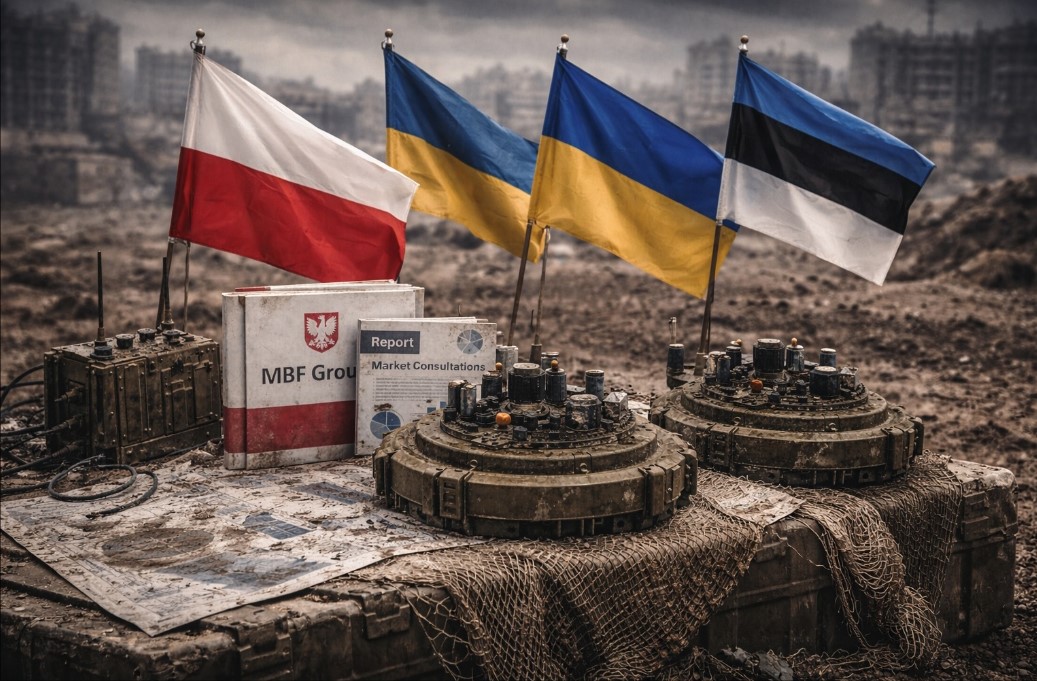
World
WARSAW — March 23, 2026 : MBF Group S.A., a company listed on the Warsaw Stock Exchange’s NewConnect market since 2012, has established a multinational defense consortium to participate in Poland’s ongoing efforts to modernize battlefield protection systems and border security infrastructure. The initiative brings together partners from Estonia and Ukraine and focuses on deployment-ready, electronically enhanced anti-personnel mine systems and dual-use defense technologies. Consortium Formation and Structure The consortium was formed through a multi-stage legal and organizational process completed in March 2026. A Non-Disclosure Agreement (NDA) was signed on March 17, followed by a Memorandum of Understanding (MoU) on March 19, disclosed in Current Report No. 14/2026. A formal consortium agreement was subsequently concluded on March 20 and disclosed in Current Report No. 15/2026. The partnership integrates MBF Group S.A. as the lead entity, a technology partner headquartered in Tallinn, Estonia, and an affiliated engineering and production base in Kharkiv, Ukraine. The identity of the Estonian partner has not been publicly disclosed due to confidentiality requirements and the protection of commercial interests. Under the agreed structure, MBF Group serves as the domestic consortium leader, responsible for project coordination, regulatory compliance, and direct engagement with Polish defense institutions. This arrangement satisfies national procurement requirements mandating the participation and leadership of a Polish-based entity in defense tenders. Submission to the Armament Agency On March 20, 2026, the consortium submitted an application to participate in preliminary market consultations conducted by the Polish Armament Agency (Agencja Uzbrojenia), the central procurement body of the Ministry of National Defence. The submission, disclosed in Current Report No. 16/2026, relates specifically to the potential procurement of anti-personnel mine systems. These consultations represent an initial stage in the procurement process, during which the agency evaluates available technologies, gathers technical input, and assesses market readiness for future tenders. MBF Group indicated that further disclosures will follow if the project progresses to formal tender participation or contract award phases. No financial commitments or contract values have been announced. Technical Concept and System Design The consortium’s proposal focuses on upgrading conventional battlefield denial systems through the integration of advanced electronic control, sensing, and communication technologies. The systems under consideration include directional, pop-up, and omnidirectional surface-deployed configurations. Core technical features outlined in the submission include integrated seismic and acoustic sensors designed to detect and classify approaching targets, remote initiation capabilities enabling controlled activation from a distance, and distributed control systems operating over encrypted radio frequency (RF) mesh networks. This architecture enables decentralized, self-organizing communication between system components. Each node within the network can relay data independently, allowing the system to maintain functionality even if individual elements are disrupted or destroyed. The design is intended to improve resilience and operational continuity in environments affected by electronic warfare and signal interference. Role of Mesh Networking in Operational Environments The use of RF mesh networking is central to the system’s operational concept. Unlike traditional centralized communication systems, mesh networks function without reliance on fixed infrastructure. This allows battlefield protection systems to adapt dynamically, rerouting data through alternative nodes in the event of jamming, signal degradation, or physical damage. Such configurations enhance situational awareness and provide operators with sustained control over distributed assets in contested environments. The approach aligns with broader trends in modern military systems, where decentralization and redundancy are increasingly prioritized. Production Readiness and Industrial Capacity According to information provided by the consortium’s technology partner, the proposed solutions have achieved at least Technology Readiness Level 7 (TRL 7), indicating that prototypes have been demonstrated and validated in operational conditions. The partner has also demonstrated established production capabilities, including the manufacture and delivery of more than 30,000 electronic components currently in use within active systems. This level of industrial maturity positions the consortium to offer systems that are largely deployment-ready, rather than requiring extended development timelines. By focusing on scalable production and proven technologies, the consortium aims to reduce the time required for field deployment compared to traditional defense acquisition programs, which often span multiple years. Strategic and Regional Context The consortium’s proposal reflects evolving defense priorities across Central and Eastern Europe. Countries including Poland, Estonia, Latvia, Lithuania, and Finland are increasingly emphasizing rapidly deployable, scalable solutions for border security and battlefield protection. This shift is influenced by changing regional security dynamics and ongoing discussions around policy frameworks such as the Ottawa Convention. Several countries in the region have taken steps to reassess or expand their capabilities related to area-denial systems and integrated defensive technologies. Parameters outlined in the Armament Agency’s consultations suggest that any future procurement program could involve substantial multi-year supply volumes, potentially reaching several million units of core systems and hundreds of thousands of training units. MBF Group’s Expanding Role in Defense MBF Group S.A., headquartered at ul. Bysławska 82 in Warsaw, has historically focused on wholesale distribution across multiple sectors, including food products, agricultural commodities, chemicals, technical equipment, and fuels. In recent years, the company has expanded its activities into defense and security technologies. It was also recognized with the Forbes Diamonds 2026 award, reflecting growth in market value. Participation in the Armament Agency’s preliminary consultations marks a formal step in MBF Group’s entry into the defense procurement sector. The company has stated that it will continue to provide updates through official disclosures as the project advances through subsequent stages of evaluation and potential procurement.
Read More → Posted on 2026-03-23 13:26:26
World
MANAMA — March 22, 2026 : Satellite imagery has confirmed that an Iranian strike targeted and destroyed multiple components of a U.S.-supplied MIM-104 Patriot air defense system at Riffa Air Base in Bahrain, with additional damage recorded to two reinforced shelters at the facility. The strike took place amid the ongoing U.S.-led military campaign against Iran, which began on February 28, 2026. Bahrain is among several Gulf states supporting allied operations by providing access to military bases for regional force projection. Damage Assessment and Strike Details Analysis of post-strike satellite imagery indicates that key elements of the Patriot system deployed at Riffa Air Base were destroyed. The attack also caused structural damage to hardened shelters located within the installation. The Patriot system, produced by Raytheon Technologies, serves as a primary high-to-medium altitude air and missile defense platform for U.S. and allied forces. Bahrain acquired its own Patriot batteries in 2024, while U.S. units continue to operate systems in the country in support of the U.S. Navy’s Fifth Fleet headquarters. Operational Adjustments and Interception Challenges Recent operational data and battlefield footage from the region indicate that Patriot systems have faced challenges in intercepting Iranian ballistic missile threats during the current conflict. In response, Gulf operators have reportedly adjusted engagement protocols, increasing interceptor usage from two to three missiles per incoming target in an effort to improve interception probability. Local Bahraini sources have also reported incidents involving interceptor malfunctions, including cases where Patriot missiles failed mid-flight and fell into civilian areas. A separate incident on March 9, 2026, in the Mahazza neighborhood on Sitra island resulted in injuries to 32 individuals. Initial statements attributed the explosion to an Iranian drone strike. However, subsequent analysis by the Middlebury Institute of International Studies assessed with moderate-to-high confidence that the blast was caused by a Patriot interceptor launched from Riffa, which detonated mid-air approximately seven kilometers from the battery site. Bahraini authorities later acknowledged the involvement of the interceptor, stating it had engaged an aerial target. Broader Regional Strike Pattern The strike on Riffa Air Base aligns with a broader pattern of Iranian attacks targeting air defense systems and military infrastructure across the Gulf region: United Arab Emirates: Iranian ballistic missiles struck oil infrastructure at the Port of Fujairah after reported Patriot interception failures. A separate strike on March 16 damaged high-value military aircraft at a major UAE airbase. Qatar: Footage has shown Patriot systems failing to intercept incoming threats. Earlier coordinated strikes on February 28 destroyed missile defense radars in both Qatar and Bahrain. U.S. Assets: On March 7, an Iranian drone strike reportedly disabled a radar associated with the THAAD system. These developments follow earlier incidents, including the June 23, 2025 Iranian strike on Al Udeid Air Base in Qatar, where Fateh-313 ballistic missiles penetrated defenses despite advance warning and the presence of multiple Patriot batteries. Historical Performance and System Assessment The operational performance of the Patriot system has been subject to evaluation across multiple conflicts: 1991 Gulf War: Post-conflict assessments indicated low interception effectiveness against Iraqi Scud missiles. 2003 Iraq War: The system was involved in multiple friendly fire incidents affecting U.S. aircraft. 2017–2019 Saudi Arabia Deployments: Investigations challenged reported interception success rates against Yemeni ballistic missiles, and Patriot systems failed to prevent drone strikes on Saudi oil infrastructure in 2019. In the context of the Ukraine conflict, Ukrainian Air Force officials, including spokesperson Igor Ignat and communications chief Yuri Ignat, reported increasing difficulty in intercepting advanced ballistic missile threats. Strategic Context and Market Position Despite operational challenges observed in multiple theatres, the Patriot system remains widely deployed and continues to be a major export platform for the United States. Historically, the U.S. has supported international sales of the system through diplomatic and economic channels. One notable example includes efforts in the 1990s that influenced South Korea’s decision to procure Patriot systems instead of the Russian S-300 platform. Ongoing Developments The confirmed damage at Riffa Air Base reflects the continued targeting of air defense infrastructure as part of Iran’s response to ongoing military operations in the region. Multiple Gulf states, including Bahrain, Kuwait, Qatar, and the United Arab Emirates, have experienced missile and drone strikes since late February, placing sustained pressure on regional air defense networks. Officials have indicated that assessments of system performance, deployment strategies, and engagement protocols are ongoing as the operational environment continues to evolve.
Read More → Posted on 2026-03-22 17:42:37
World
DOHA — March 22, 2026 : Global helium supply has been significantly disrupted following missile and drone strikes on Qatar’s Ras Laffan Industrial City, halting production at one of the world’s largest helium processing hubs since March 2, 2026. According to statements from QatarEnergy and industry data, the outage has removed approximately 33 percent of global helium supply, creating immediate constraints across semiconductor manufacturing, healthcare, and industrial gas markets. The company has declared force majeure on associated products, with no confirmed timeline for full restoration of operations. Damage and Production Impact Ras Laffan Industrial City serves as the world’s largest liquefied natural gas (LNG) processing and helium extraction complex, where helium is produced as a byproduct of natural gas refining. QatarEnergy CEO Saad al-Kaabi confirmed that the strikes caused extensive structural damage to critical infrastructure, including LNG processing trains and associated facilities. Approximately 14 percent of Qatar’s helium production capacity is assessed to be permanently damaged, with reconstruction expected to take up to five years. The shutdown has halted not only helium output but also associated products such as condensate, LPG, naphtha, and sulphur. In addition to production losses, logistics have been affected by the closure of the Strait of Hormuz to Western commercial shipping, preventing the export of pre-filled helium containers and further tightening global supply. Market Reaction and Pricing The disruption has triggered immediate market responses, with helium spot prices doubling within days of the incident. Industrial gas distributors have begun implementing allocation measures to manage limited inventories. Major global suppliers, including Linde and Air Liquide, have initiated rationing protocols across Europe and Asia to prioritise critical sectors. Impact on Semiconductor Industry Helium is a critical input in semiconductor manufacturing, particularly in processes such as wafer cooling, plasma etching, and extreme ultraviolet (EUV) lithography. It is also used in leak detection and high-precision manufacturing environments, with no direct substitutes available. South Korea, which sourced approximately 64.7 percent of its helium imports from Qatar in 2025 (valued at $226.9 million), faces significant exposure. Major manufacturers such as Samsung Electronics and SK Hynix are currently operating on limited inventories and have begun reviewing supply strategies. Taiwan-based TSMC, responsible for approximately 18 percent of global chip production, has stated it is monitoring helium reserves closely, though no immediate disruption has been confirmed. Japan, a major hub for semiconductor fabrication and MRI manufacturing, is expected to face operational constraints if the outage persists beyond 60 days, given its reliance on Qatari helium imports supplemented by U.S. supply. Singapore, a regional semiconductor centre, has also identified high dependency on Qatari helium in previous industry assessments, raising concerns about supply chain stability. Impact on Healthcare and Industrial Use Helium is essential for cooling superconducting magnets in magnetic resonance imaging (MRI) systems, which operate at temperatures near -269°C. In India, where hospitals depend heavily on imported helium, diagnostic providers have reported rising operational costs, leading to delays in MRI services and increased costs for patients. The National Health Service in the United Kingdom, which lacks domestic helium production, is facing supply constraints affecting maintenance and operation of MRI equipment. European markets are also experiencing pressure, with Germany and France implementing allocation measures through industrial gas distributors to manage reduced supply. United States and Industrial Impact The United States, while a major helium producer, has limited short-term capacity to offset the global deficit. The U.S. federal helium reserve has been declining over recent years, increasing reliance on international supply. Enterprise hardware manufacturers, including HP, Dell, and Lenovo, have issued notices indicating potential price increases of 15 to 20 percent for enterprise systems, particularly those relying on helium-filled high-capacity hard drives. Global Supply Constraints and Alternatives No single country currently has the capacity to replace the supply shortfall created by the shutdown in Qatar. The United States accounts for approximately 35 percent of global helium production, with output concentrated in Texas and Oklahoma, but cannot rapidly scale production. Algeria and Russia also maintain significant reserves, though geopolitical and logistical factors limit immediate expansion. Australia, with production from the Amadeus Basin, remains a net exporter but lacks sufficient volume to offset the deficit. Canada and emerging projects in Tanzania contribute smaller volumes. China, which relies entirely on imports, has indicated plans to accelerate domestic helium exploration and extraction efforts, including potential development linked to natural gas fields. Outlook The disruption at Ras Laffan highlights the concentration of global helium supply and the absence of viable substitutes in critical applications. Recycling systems in advanced manufacturing facilities can recover 80–90 percent of helium, but continued operations depend on stable external supply. With no confirmed timeline for restoration and ongoing logistical constraints, the shortage is expected to continue affecting semiconductor production, medical services, and industrial applications across multiple regions.
Read More → Posted on 2026-03-22 17:03:36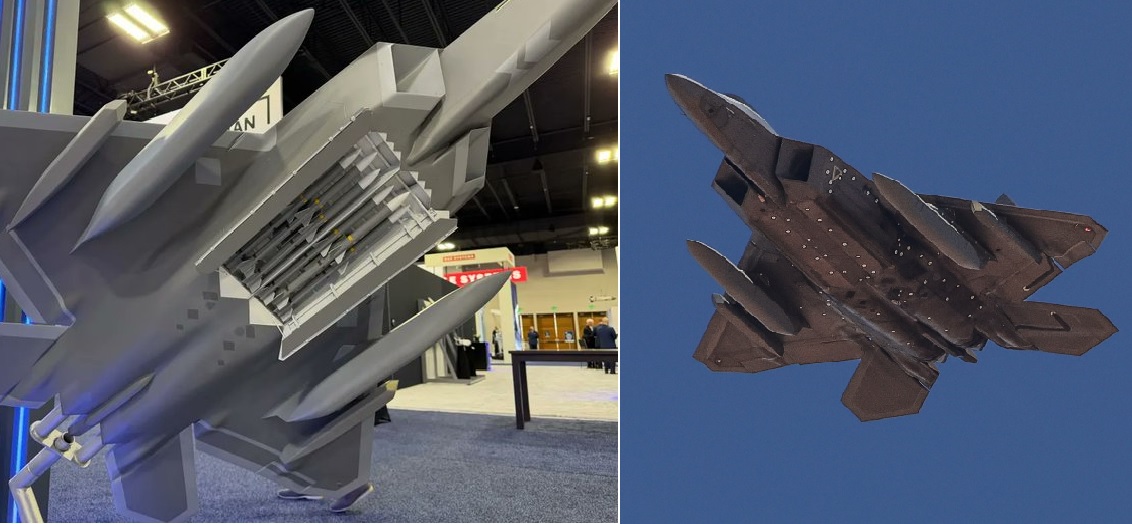
World
EDWARDS AIR FORCE BASE, Calif. — March 22, 2026 : New imagery captured on March 21, 2026, shows a F-22 Raptor operating with low-observable external fuel tanks and faceted mission pods during a test flight, marking a significant step in ongoing modernization efforts for the U.S. Air Force’s air-superiority platform. The photographs, taken by aviation photographer Jarod Hamilton, provide the clearest public view to date of the configuration previously observed only in concept models presented by Lockheed Martin in February 2026. The aircraft was also observed refueling mid-air from an NKC-135R Stratotanker, a specialized tanker used in developmental flight testing. Reference markings visible on the aircraft indicate that the platform is actively engaged in test and evaluation activities. Low-Observable External Fuel Tanks The newly observed configuration includes redesigned stealth-shaped external fuel tanks, intended to address one of the F-22’s longstanding operational constraints—limited combat persistence. Traditional external drop tanks used by the F-22 increase radar signature and are typically reserved for transit or lower-threat environments. Even when jettisoned, the mounting pylons can contribute to residual radar visibility. The new low-observable tanks are designed to remain attached during combat operations, allowing the aircraft to maintain its low observable profile while carrying additional fuel. The tanks provide extended range—estimated at approximately 850 nautical miles of additional reach—while preserving aerodynamic performance and enabling full manoeuvrability. The extended fuel capacity supports longer time on station, increased mission endurance, and greater flexibility in route planning. This is particularly relevant in operational environments where tanker aircraft must remain at extended distances due to threats from long-range air defence systems. Faceted Sensor and Mission Pods In addition to the fuel tanks, the aircraft was observed carrying two faceted external pods, mounted under the wings. One of the pods features a forward transparent section consistent with an infrared search and track (IRST) or electro-optical sensor aperture. The F-22 originally lacked an integrated IRST system due to earlier budget constraints, relying instead on radar and data-linked targeting. The addition of external sensor pods provides a passive detection capability, allowing the aircraft to identify and track targets without emitting radar signals. This capability enhances survivability in contested environments where electronic warfare and emission control are critical considerations. The pods are designed to preserve the aircraft’s radar signature and may also support additional functions, including electronic warfare payloads or networking capabilities for integration with emerging systems such as collaborative combat aircraft. Testing Background and Development Progress The configuration was first publicly displayed as a scale model during the Air & Space Forces Association Warfare Symposium in Denver in February 2026. Earlier sightings of similar components were reported in 2024 near the Mojave Air and Space Port during early development stages. Development of the stealth fuel tanks began following ground and wind tunnel testing completed in 2023, with initial flight evaluations conducted in early 2024. The current imagery indicates that testing has progressed into a more advanced phase, involving integrated flight operations and aerial refuelling. The sensor pods continue to undergo evaluation, with further testing phases expected to lead into operational assessment during the 2026 fiscal cycle. Operational Role and Capability Enhancements The combined use of stealth fuel tanks and sensor pods is intended to enhance two key aspects of the F-22’s operational profile: range and passive sensing capability. Extended endurance enables the aircraft to sustain offensive and defensive counter-air missions, including long-duration patrols and escort operations. The passive sensing capability provided by IRST-type systems allows detection of targets without compromising the aircraft’s stealth characteristics. These enhancements are particularly relevant in environments involving long-range surface-to-air missile threats, contested airspace, and dispersed basing requirements. In maritime theatres such as the Pacific, the increased range supports operations across extended distances without continuous reliance on aerial refuelling. Integration with Broader Modernization Efforts The new configuration aligns with ongoing modernization initiatives led by Lockheed Martin and the U.S. Air Force to extend the operational relevance of the F-22. These efforts include integration with distributed sensor networks and the development of the Infrared Defensive System, a programme aimed at improving survivability and situational awareness through advanced infrared sensing technologies. The combination of enhanced range, passive detection, and networked capabilities is intended to support the F-22’s role in high-end conflict scenarios, particularly in the early phases of operations where air superiority is critical. Current Status The latest imagery confirms that the stealth tank and sensor pod configuration has moved beyond conceptual design into active flight testing, with continued evaluation expected before any potential operational deployment. No official timeline has been announced for full integration across the F-22 fleet, though the progression of testing indicates ongoing efforts to refine the aircraft’s capabilities in response to evolving operational requirements.
Read More → Posted on 2026-03-22 16:16:09
World
WASHINGTON — March 22, 2026 : U.S. forces have employed advanced bunker-buster munitions in strikes against fortified Iranian missile positions along the coastline near the Strait of Hormuz, according to statements from the Pentagon and U.S. Central Command. The strikes form part of ongoing operations under Operation Epic Fury, now entering its third week. U.S. officials stated that the targeted sites contained anti-ship cruise missiles assessed to pose a direct threat to international shipping in the region. In a statement issued on March 17, CENTCOM confirmed: “U.S. forces successfully employed multiple 5,000-pound deep penetrator munitions on hardened Iranian missile sites along Iran’s coastline near the Strait of Hormuz. The Iranian anti-ship cruise missiles in these sites posed a risk to international shipping in the strait.” Use of GBU-72 Advanced Penetrator The munitions used in the strikes have been identified as the GBU-72 Advanced 5K Penetrator, a precision-guided bunker-buster that entered operational service in 2021. Weighing approximately 2,300 kilograms (5,000 pounds), the GBU-72 combines a hardened penetrator warhead with a Joint Direct Attack Munition (JDAM) guidance kit, integrating GPS and inertial navigation systems to enable accurate targeting in all-weather conditions. The weapon was developed to destroy deeply buried or reinforced targets, including underground facilities protected by soil, rock, or reinforced concrete. Earlier penetrator-class weapons in this category have demonstrated the ability to penetrate up to 45 metres of earth or 4.5 metres of reinforced concrete before detonation. The GBU-72 incorporates enhancements in survivability, fuzing, and lethality compared to earlier systems. Operational Role and Platform Integration The GBU-72 is designed to be deployed from a range of aircraft, including the F-15E Strike Eagle and the B-1B Lancer, allowing for flexible and sustained operational use without relying exclusively on strategic stealth bombers. The system fills a capability gap between lighter penetrator munitions such as the GBU-28 and the larger GBU-57 Massive Ordnance Penetrator (MOP), which is significantly heavier and limited to deployment by the B-2 Spirit bomber. The GBU-57, weighing approximately 14,000 kilograms, is capable of penetrating deeper hardened targets but is less adaptable due to platform constraints. In contrast, the GBU-72 provides intermediate deep-strike capability with broader deployment options across tactical and conventional bomber fleets. Target Profile and Iranian Missile Infrastructure The strikes focused on hardened coastal and subterranean missile sites, including facilities embedded in mountainous terrain and fortified bunkers. These locations are used by Iran to store and launch anti-ship cruise missiles, including systems such as Noor, Qader, and Abu Mahdi, which are designed to target vessels transiting the Strait of Hormuz. Such systems are often deployed in protected launch positions, including tunnels and reinforced structures, to reduce vulnerability to conventional air strikes. Strategic Importance of the Strait of Hormuz The Strait of Hormuz remains a critical maritime chokepoint, accounting for approximately 20 percent of global seaborne oil trade. Ensuring the security of this route has been identified as a primary objective of ongoing U.S. operations in the region. Since the start of Operation Epic Fury in early March 2026, there have been multiple reported incidents affecting maritime traffic, including disruptions and security alerts involving commercial vessels. U.S. military operations have focused on neutralising missile launch infrastructure and reducing Iran’s capacity to threaten shipping lanes through the use of both kinetic strikes and precision-guided munitions. Development and Testing Background The GBU-72 was developed beginning in 2017 as part of efforts to modernise U.S. bunker-penetration capabilities. It underwent testing and validation at Eglin Air Force Base and was cleared for operational use in October 2021. The weapon was designed to address the increasing use of underground and hardened military infrastructure by potential adversaries, including missile storage facilities, command centres, and launch sites. Operational Context Operation Epic Fury includes broader objectives such as targeting ballistic missile production, reducing naval and coastal defence capabilities, and disrupting Iran’s ability to project military force in the region. The use of GBU-72 munitions reflects an emphasis on targeting fortified infrastructure that cannot be effectively neutralised using standard air-delivered weapons. No detailed battle damage assessments have been released beyond confirmation of successful weapon deployment. U.S. officials have indicated that operations targeting Iranian missile infrastructure near the Strait of Hormuz are ongoing, with the stated objective of maintaining secure maritime transit routes for international commerce.
Read More → Posted on 2026-03-22 16:02:46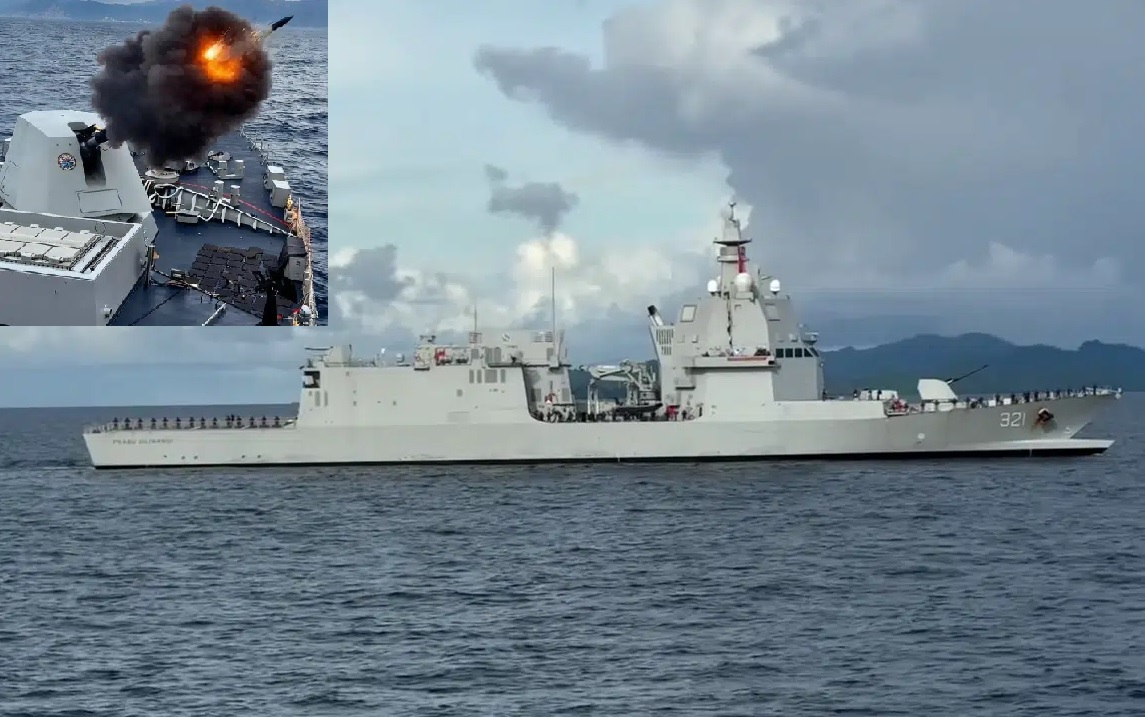
World
LAMPUNG — March 22, 2026 : The Indonesian Navy has officially received its second Multipurpose Combat Ship (PPA), KRI Prabu Siliwangi (321), following its arrival at the Lampung Naval Base on the southern tip of Sumatra after completing a transcontinental voyage from Italy. The vessel entered Indonesian waters via the Sunda Strait, where it was formally welcomed by the domestically built corvette KRI Bung Karno (369) before proceeding to its berth. The arrival marks the completion of Indonesia’s two-ship PPA acquisition programme. Transit Route and Voyage Details KRI Prabu Siliwangi departed from La Spezia Naval Base in Italy on February 11, 2026, beginning a journey of approximately several thousand nautical miles to Southeast Asia. Unlike its sister ship, KRI Brawijaya (320), which transited through the Suez Canal, the second vessel followed an alternate route around the African continent via the Cape of Good Hope. During the transit, the ship conducted scheduled port calls in Morocco, Nigeria, South Africa, and Mauritius. While the Indonesian Navy has not formally detailed the rationale for the route selection, defence observers indicate that security considerations and regional instability in the Red Sea and Gulf of Aden influenced the decision to avoid the traditional Suez route. Vessel Background and Procurement KRI Prabu Siliwangi is part of a €1.18 billion (approximately $1.3 billion) procurement contract signed on March 28, 2024, between Indonesia’s Ministry of Defence and Italian shipbuilder Fincantieri. The ship was originally constructed for the Italian Navy under the name Ruggiero di Lauria (P435) before being reassigned to Indonesia to meet urgent requirements for large surface combatants. Its sister ship, KRI Brawijaya, was also reallocated under the same agreement. The acquisition was supported by financing arrangements involving European institutions, including BNP Paribas, Credit Agricole, and SACE. Design and Technical Specifications The vessel is a Pattugliatore Polivalente d’Altura (PPA), measuring approximately 143 metres in length and displacing over 6,200 tonnes at full load. It is equipped with a Combined Diesel and Gas (CODAG) propulsion system, enabling speeds exceeding 31 knots. Designed for multi-role operations, the PPA platform supports missions including frontline combat, maritime patrol, surveillance, search and rescue, and civil protection. The ship has a crew complement of approximately 171 personnel and incorporates modern combat management systems and sensor suites. Commissioning, Trials, and Command KRI Prabu Siliwangi was commissioned on December 22, 2025, at Fincantieri’s shipyard in Muggiano, La Spezia, before undergoing extensive sea trials in the Mediterranean. The trials included live-fire evaluations of its primary armament systems, notably the Oto Melara 127 mm main gun and the 76 mm Sovraponte secondary gun. The vessel is commanded by Colonel Kurniawan Koes Atmadja, an experienced officer who has previously commanded KRI Sultan Iskandar Muda (365) and KRI John Lie (358). Configuration and Planned Upgrades The ship has been delivered in a “Light Plus” configuration, which includes core combat systems but does not yet incorporate its full missile armament. The Indonesian Navy has confirmed plans to upgrade both PPA vessels—KRI Prabu Siliwangi and KRI Brawijaya—to a full combat configuration. This upgrade phase is expected to include the domestic installation of missile systems, with the Aster 30 surface-to-air missile identified as the preferred option for vertical launch integration. Fincantieri has indicated that the vessels were delivered with provisions to support such upgrades, allowing integration work to be carried out within Indonesian shipyards. Strategic Context The induction of KRI Prabu Siliwangi enhances Indonesia’s blue-water naval capabilities, providing increased operational reach and flexibility across the Indo-Pacific region. As part of a broader naval modernisation programme, the acquisition supports Indonesia’s objective of strengthening maritime security, safeguarding sea lines of communication, and expanding its capacity to conduct multi-domain operations. The arrival of the second PPA vessel completes the initial phase of the programme and represents a step forward in the Indonesian Navy’s ongoing efforts to modernise its surface fleet with advanced, multi-role platforms.
Read More → Posted on 2026-03-22 15:47:31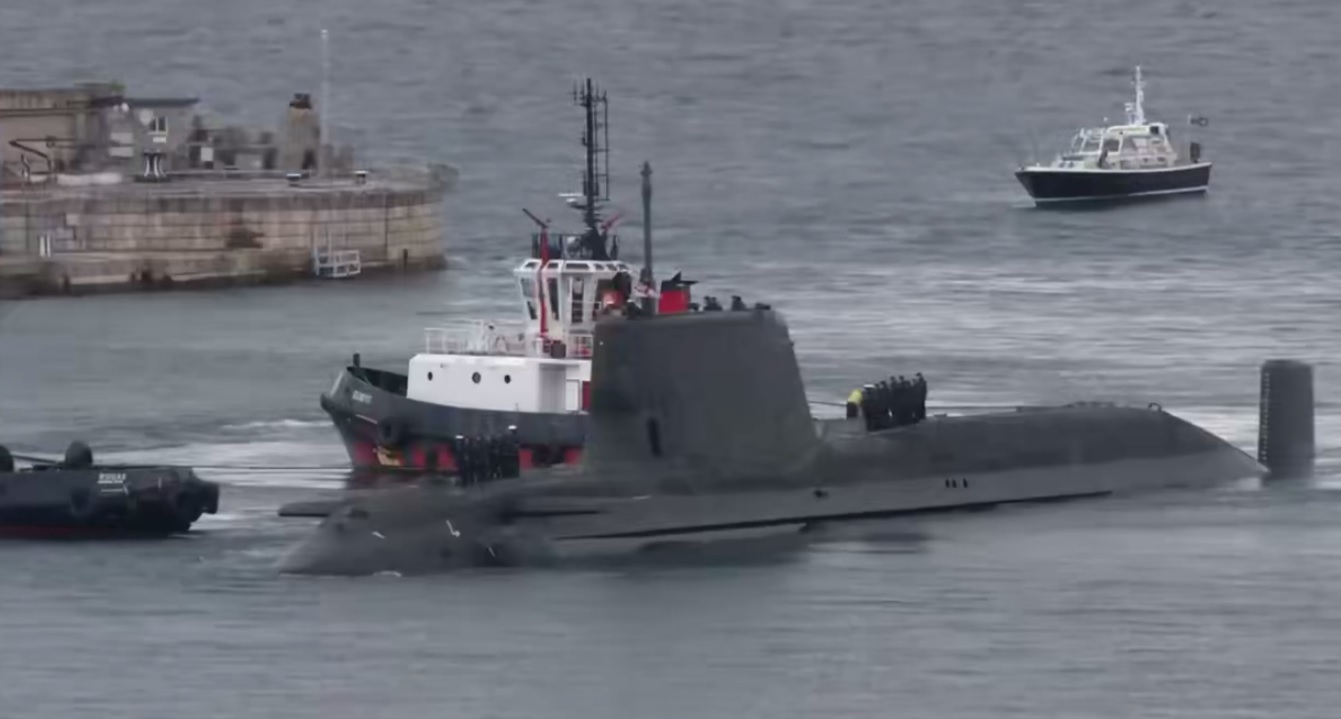
World
LONDON — March 22, 2026 : The United Kingdom has deployed a nuclear-powered Royal Navy submarine, HMS Anson, to the northern Arabian Sea, positioning British naval assets within operational range of Iran as regional tensions continue to evolve. The deployment, first reported by the Daily Mail and supported by defence sources, provides the UK with the capability to conduct long-range precision strikes if required. The UK Ministry of Defence has not confirmed the submarine’s precise location, stating that operational deployments in the region are subject to continuous review. Deployment and Transit Details HMS Anson, an Astute-class submarine attack submarine, departed from Perth, Australia, on March 6 following its involvement in activities linked to the AUKUS security partnership. The vessel travelled approximately 5,500 miles from the western coast of Australia to the northern Arabian Sea, where it is currently operating near key maritime routes, including areas in proximity to the Strait of Hormuz. Capabilities and Armament HMS Anson is equipped with Tomahawk Block IV land-attack cruise missiles, which have a reported range of approximately 1,600 kilometres (1,000 miles), enabling precision strikes against land-based targets at significant distances. In addition to its strike capability, the submarine carries Spearfish heavyweight torpedoes designed for engagements against both surface vessels and other submarines. Powered by a nuclear reactor, the submarine does not require refuelling over its estimated 25-year service life. The onboard systems are capable of generating breathable air and potable water independently, allowing for extended submerged operations. Operational endurance is practically limited by onboard provisions, typically supporting missions of up to three months for a crew of approximately 98 personnel. The platform utilises advanced sensor systems and does not rely on a traditional periscope, instead employing digital imaging systems that project external views onto internal displays. Command and Control Structure To maintain covert operations, HMS Anson reportedly communicates with the UK’s Permanent Joint Headquarters in Northwood, London, at regular intervals, typically once every 24 hours. Any decision to launch cruise missiles would require authorisation from UK Prime Minister Keir Starmer. Following approval, operational orders would be transmitted through the chain of command, including Nick Perry, before execution by the submarine. Regional and Strategic Context The deployment coincides with broader UK policy decisions related to the ongoing conflict involving Iran. The British government has authorised the United States to utilise UK-controlled facilities, including RAF Fairford and the joint UK-US facility at Diego Garcia, for operations targeting Iranian missile infrastructure linked to threats against commercial shipping in the Strait of Hormuz. Recent Security Developments The policy shift follows a recent Iranian missile launch directed toward Diego Garcia. According to defence reports, two ballistic missiles were fired toward the island, located approximately 4,000 kilometres from Iran. One missile failed during flight, while the second was intercepted by a U.S. naval air defence system before impact. The incident highlighted an extended operational range of Iranian missile capabilities not previously demonstrated in combat conditions. Iranian Response Iranian Foreign Minister Seyyed Abbas Araghchi criticised the UK’s decision to allow U.S. forces to operate from British bases, stating that such actions constitute participation in ongoing hostilities. He added that Iran reserves the right to respond under the principle of self-defence. Ongoing Monitoring The UK Ministry of Defence has reiterated that it does not comment on specific submarine operations or deployments. Officials stated that the UK’s military posture in the region is under continuous assessment, in line with evolving security conditions. The presence of HMS Anson reflects a broader effort by the United Kingdom to maintain operational readiness and support allied activities in a region experiencing sustained geopolitical tension.
Read More → Posted on 2026-03-22 15:22:31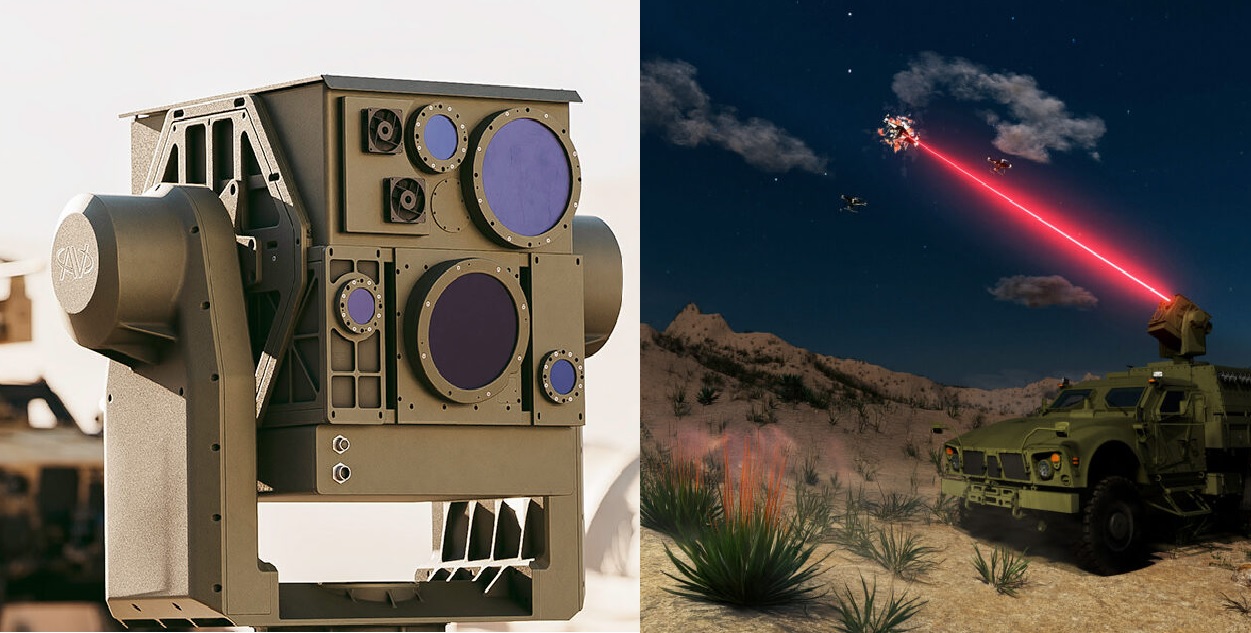
World
ARLINGTON, Va. — March 22, 2026 : AeroVironment is preparing to submit its LOCUST X3 directed-energy system in response to the U.S. Army’s Enduring High Energy Laser (E-HEL) requirement, which calls for the production and fielding of an initial batch of 24 systems designed to counter unmanned aerial threats. The requirement follows a Request for Information issued by the Army’s Rapid Capabilities and Critical Technologies Office and its Directed Energy Project Office, as part of broader efforts to transition laser-based air defence systems from prototype to operational deployment. U.S. Army E-HEL Requirement and Operational Scope The E-HEL programme is intended to provide scalable and mobile protection against Group 1 to Group 3 unmanned aircraft systems (UAS), ranging from small commercial quadcopters to larger fixed-wing drones weighing up to approximately 1,320 pounds. Under the Army’s outlined parameters, candidate systems must demonstrate the ability to: Detect, track, and defeat Group 1–3 UAS across varied operational environments Achieve a hard kill effect against Group 1 and 2 drones, rendering them incapable of flight Neutralise Group 3 one-way attack drones, including loitering munitions Operate in both semi-fixed and manoeuvre configurations, including palletised deployment or integration onto platforms such as the Joint Light Tactical Vehicle Integrate within a Modular Open Systems Approach (MOSA) framework and accept external targeting cues from systems such as Forward Area Air Defense (FAAD) radars The Army’s objective is to field a system capable of operating in complex airspace conditions, including cluttered environments, while maintaining compatibility with existing command-and-control networks. LOCUST X3 System Capabilities AeroVironment’s LOCUST X3 is described as a third-generation 20–35+ kilowatt class directed-energy laser weapon system, designed to address both current and emerging aerial threats. The system incorporates advanced electro-optical/infrared (EO/IR) sensors and the company’s AV_Halo™ Pinpoint fire control software, enabling precise targeting and stable energy delivery against fast-moving and manoeuvring aerial targets. Key technical features include: Precision tracking and targeting, supported by high-bandwidth sensor fusion and real-time engagement overlays Artificial intelligence-enabled detection and engagement, allowing prioritisation of threats in high-density swarm scenarios Sensor-agnostic architecture, enabling integration with multiple radar and sensor inputs, including FAAD cueing Automated engagement workflows, reducing operator workload and response times The system is also designed for logistical efficiency, using electrical power rather than interceptor missiles. This allows engagements at a marginal cost estimated at approximately $0.18 per shot, significantly reducing the supply chain burden associated with traditional kinetic air defence systems. Integration, Mobility, and Deployment Options LOCUST X3 is built to support both fixed-site and mobile operations. It can be deployed in a 463L-compliant palletised configuration or mounted on tactical vehicles, including JLTV platforms. Previous system variants have demonstrated integration across multiple mobility platforms. Under the Army’s Multi-Purpose High Energy Laser (AMP-HEL) programme, AeroVironment delivered 20 kW-class LOCUST systems mounted on Infantry Squad Vehicles and later on JLTVs with upgraded beam director apertures to improve engagement effectiveness. The system’s architecture supports plug-and-play integration, allowing it to be incorporated into existing air defence networks without extensive redesign. Development Background and Operational Experience The LOCUST X3 builds directly on earlier generations of the LOCUST high-energy laser systems, including the 10–20 kW class systems developed under the Army’s Palletized High Energy Laser (P-HEL) programme. These earlier systems have been operationally deployed in overseas environments since at least 2023, where they have demonstrated high availability rates and conducted real-world engagements against unmanned aerial threats. AeroVironment has stated that the development of the X3 variant incorporates operational data and lessons learned from these deployments, with the aim of improving performance, scalability, and reliability. In 2025, AeroVironment expanded its directed-energy portfolio through the acquisition of BlueHalo, the original developer of the LOCUST system family. Programme Timeline and Industry Context The E-HEL initiative follows an RFI issued in October 2025 and a draft Request for Proposal released in January 2026. The programme is intended to transition directed-energy systems from limited prototypes to full-scale production and rapid fielding. The initial requirement for 24 systems represents a key step in integrating laser weapons into frontline operations, particularly for counter-UAS missions. No official timeline has been announced for contract awards under the programme. Strategic Context The U.S. Army’s investment in directed-energy systems reflects a broader shift toward cost-effective and scalable air defence solutions capable of countering the increasing use of unmanned systems in modern conflicts. Laser-based systems such as LOCUST X3 are being developed to complement traditional missile-based defences, offering sustained engagement capability without reliance on expendable munitions. The outcome of the E-HEL competition is expected to play a significant role in shaping future U.S. Army air defence architecture, particularly in environments characterised by high-volume drone threats.
Read More → Posted on 2026-03-22 15:01:54
World
WASHINGTON — March 22, 2026 : The United States has outlined a set of six conditions for Iran as part of a proposed ceasefire and broader peace agreement framework, according to information reported by Axios and supported by officials familiar with the discussions. The proposal has been communicated indirectly through diplomatic intermediaries, including Egypt, Qatar, and the United Kingdom, due to the absence of direct contact between Washington and Tehran in recent days. Indirect Negotiations and Initial Positions Officials involved in the discussions indicated that Egypt and Qatar have conveyed messages suggesting that Iran is open to negotiations, though under specific conditions. Tehran’s reported position includes an immediate ceasefire, guarantees against the resumption of hostilities, and financial compensation for damages sustained during the conflict. U.S. officials assess that recent military operations have affected Iran’s capabilities and created conditions for potential diplomatic engagement. The current exchanges are described as preliminary, with no formal negotiations underway. Six U.S. Conditions for Agreement According to the reported framework, the United States has made any ceasefire and long-term settlement contingent on Iran agreeing to six key commitments: A five-year halt to Iran’s missile program Complete cessation of uranium enrichment, with enrichment levels reduced to zero Decommissioning of nuclear facilities at Natanz, Isfahan, and Fordow Implementation of strict external monitoring and verification over centrifuges and nuclear infrastructure Participation in regional arms control agreements, including a cap limiting Iran’s missile inventory to no more than 1,000 units Termination of financial and material support to regional groups, including Hezbollah, the Houthis, and Hamas These conditions collectively target Iran’s nuclear programme, ballistic missile capabilities, and regional influence networks. Nuclear and Military Context The nuclear facilities at Natanz, Isfahan, and Fordow referenced in the proposal were previously targeted during U.S. and Israeli strikes earlier in the conflict. The decommissioning requirement applies specifically to these sites, with an emphasis on preventing their future use for nuclear-related activities. The requirement for external supervision would extend to all centrifuge production and usage, as well as associated infrastructure, to ensure compliance with non-proliferation objectives. On missile capabilities, the proposed cap of 1,000 units would represent a significant reduction from pre-conflict estimates, which placed Iran’s ballistic missile inventory at over 3,000 units. Officials note that recent military actions have already impacted production and storage capacity. Broader Diplomatic Framework Beyond the six primary conditions, U.S. officials have indicated that any comprehensive agreement would need to address additional strategic issues. These include ensuring the reopening and continued operation of the Strait of Hormuz, resolving the status of Iran’s existing stockpiles of highly enriched uranium, and establishing a long-term framework governing Iran’s nuclear and missile programmes. The proposals are part of internal planning within the current U.S. administration to define parameters for a potential diplomatic settlement following several weeks of conflict. Officials involved in the process include U.S. Special Envoy Steve Witkoff and senior adviser Jared Kushner, who are engaged in shaping the negotiation framework. Mediation Channels and Diplomatic Dynamics Qatar is viewed by U.S. officials as a key intermediary for future negotiations, based on its role in prior diplomatic engagements. Egypt has also played a central role in relaying messages between the parties. Oman, which has previously facilitated nuclear discussions, is not currently considered a primary channel due to existing trust concerns between stakeholders. At this stage, no official response from Iranian authorities to the six-point proposal has been publicly reported. Outlook The proposed conditions reflect the U.S. position that a sustainable ceasefire requires verifiable constraints on Iran’s nuclear activities, missile development, and regional partnerships. While indirect communication channels remain active, the progression toward formal negotiations will depend on Iran’s response to the outlined terms and the broader strategic environment in the region.
Read More → Posted on 2026-03-22 14:41:46
World
JERUSALEM / WASHINGTON — March 22, 2026 : Updated intelligence assessments from Israeli and United States officials indicate that Iran’s Supreme Leader, Mojtaba Khamenei, does not exercise full administrative or military control over the country, with effective authority assessed to be concentrated within the Islamic Revolutionary Guard Corps (IRGC). The evaluations, supported by multiple intelligence sources, suggest that the IRGC is directing key strategic and operational decisions, while the formal leadership structure remains in place for continuity. Shift in Internal Power Structure According to officials familiar with the assessments, Mojtaba Khamenei’s authority is considered limited and does not match the level of control exercised by his predecessor, Ali Khamenei. Analysts assess that the IRGC has consolidated its influence during the ongoing conflict, effectively shaping Iran’s military posture and internal security decisions. The rapid endorsement of Mojtaba Khamenei by IRGC-linked factions following his appointment on March 9, 2026, is viewed as an indication of this shift. Intelligence sources describe the current structure as one in which the military-security establishment plays a dominant role, while the clerical leadership provides institutional continuity. Condition and Public Absence Intelligence assessments indicate that Mojtaba Khamenei was injured during the initial phase of U.S. and Israeli airstrikes on February 28, 2026, which also resulted in the death of his predecessor. Reports suggest he sustained injuries to his legs during the operation, referred to in some accounts as Operation “Roaring Lion.” While current evaluations confirm that he is alive, conscious, and capable of carrying out official duties, his physical condition has limited his public presence. Since assuming office, Mojtaba Khamenei has not made any public appearances. Earlier unverified reports had suggested more severe injuries, including the possibility of a coma, but these have not been supported by current intelligence assessments. Officials in Washington and Jerusalem state that he remains operational, though likely recovering in a secure location. Nowruz Statement and Communication Patterns The absence of direct public engagement was highlighted during Nowruz on March 20, 2026. Intelligence agencies, including the Central Intelligence Agency (CIA) and Mossad, monitored the occasion expecting a video or audio address from the new Supreme Leader. Instead, Iranian state media released a written statement attributed to Mojtaba Khamenei, which was read aloud on television and accompanied by still images of unverified timing. In the message, he described the coming year as one of a “resistance economy under national unity and national security,” praised public resilience, and asserted that U.S. and Israeli operations had been countered. The statement also denied Iranian involvement in recent incidents in Turkey and Oman, attributing them to what was described as false-flag actions by adversaries. Command and Control Uncertainty The reliance on written communication and the continued absence of visual confirmation have contributed to uncertainty among foreign intelligence agencies regarding the exact command structure in Tehran. Officials involved in the assessments state that, at present, the IRGC is likely directing Iran’s military operations, including missile deployments and internal security measures. One source familiar with the intelligence evaluations indicated that “the Revolutionary Guards control him more than he controls them,” reflecting the current balance of authority. Background and Succession Context Mojtaba Khamenei, the second son of Ali Khamenei, had long been regarded as a potential successor due to his influence within conservative clerical networks and his established ties with IRGC leadership. His appointment followed the escalation of hostilities on February 28, when U.S. and Israeli strikes targeted Iranian leadership and military infrastructure. Iranian state media confirmed his appointment on March 9, 2026, with support from hardline factions. Since then, all official communications attributed to him have been delivered in written form through state channels. Strategic Implications Officials in Jerusalem and Washington assess that the current power arrangement in Tehran remains fluid. While Mojtaba Khamenei holds the formal position of Supreme Leader, operational authority over military and security matters appears to rest primarily with the IRGC. The assessments do not rule out changes in internal dynamics as the conflict evolves, but current evaluations indicate that decision-making within Iran is being shaped predominantly by the military-security apparatus rather than the traditional clerical leadership structure.
Read More → Posted on 2026-03-22 14:25:07
World
JERUSALEM — March 22, 2026 : A preliminary investigation has identified operational failures in the Terminal High Altitude Area Defense (THAAD) system during recent ballistic missile attacks on southern Israel, according to a report by the Israeli newspaper Maariv. The system, deployed to strengthen Israel’s missile defence coverage, reportedly failed to intercept incoming missiles targeting the cities of Arad and Dimona. The incidents occurred amid the ongoing conflict between Israel and Iran, which escalated on February 28, 2026. Iranian ballistic missiles struck populated areas in Dimona and subsequently Arad within a short timeframe, resulting in injuries to nearly 200 people and triggering emergency response operations across both locations. Details of Interception Failures According to the Maariv report, the THAAD system, supplied by the United States and deployed to protect strategic sites in southern Israel, did not successfully engage the incoming ballistic missiles during the attacks. The findings are part of an initial investigation, with further technical analysis still underway. The report also noted that Israel’s Arrow missile defence system, designed for high-altitude interception, failed to neutralise the same incoming threats in these specific incidents. In addition, the Patriot surface-to-air missile system has recorded repeated interception failures in similar engagements during the current conflict. Sources cited in the investigation indicated that the missiles used in the strikes were of the same type as those previously launched toward Beit Shemesh, suggesting consistent threat characteristics across multiple attacks. Operational Context and System Limitations Defence officials and analysts have emphasised that ballistic missile defence remains inherently complex. Even advanced, multi-layered systems combining radar tracking, interceptor missiles, and networked command structures cannot ensure complete interception success. Factors such as high missile velocities, manoeuvrability, decoys, and saturation tactics—where multiple projectiles are launched simultaneously—place significant strain on interception systems. These challenges are amplified in high-intensity conflict environments involving repeated launches over short durations. The THAAD system is specifically designed to intercept short- and medium-range ballistic missiles at high altitudes, including outside the atmosphere. It was deployed by the United States to Israel in late 2024 to augment the country’s layered air defence network. Structure of Israel’s Air Defence Network Israel operates a multi-tiered missile defence architecture integrating several systems with distinct roles. The Arrow-2 and Arrow-3 systems provide exo-atmospheric interception of long-range ballistic threats, while David’s Sling is designed to counter medium-range missiles. The Iron Dome system focuses on short-range rockets and artillery threats. Patriot batteries, operated by both Israeli and U.S. forces, provide an additional defensive layer for lower-altitude engagements. THAAD was integrated into this framework to strengthen high-altitude interception capabilities, particularly for strategic locations in southern Israel, including areas near the Dimona nuclear research facility. According to official data from the Israel Defense Forces, the overall interception success rate during the current conflict remains above 92% across more than 400 ballistic missiles launched toward Israel. However, a limited number of missiles have penetrated defences and caused direct impacts, including in the recent Arad and Dimona incidents. Ongoing Investigations The Israel Defense Forces and the Israeli Air Force have initiated parallel investigations to determine the precise causes of the interception failures. Preliminary assessments point to possible technical or operational issues affecting system performance during specific engagements, though no definitive conclusions have been released. The findings are expected to inform adjustments in deployment strategies, system coordination, and engagement protocols within Israel’s integrated air defence network. Implications for Missile Defence Strategy The reported limitations of interception systems have renewed attention on broader missile defence strategies. Military planners note that no existing system globally can guarantee a 100% interception rate, particularly against advanced or high-volume missile attacks. These operational realities have influenced defence planning in multiple countries facing complex threat environments. India’s Mission Sudarshan Chakra Approach In response to evolving missile threats from regional adversaries, including Pakistan and China, India has initiated Mission Sudarshan Chakra, a long-term programme aimed at establishing an integrated, multi-layered air and missile defence architecture. The initiative combines defensive interception systems with offensive counter-strike capabilities. It integrates assets such as the S-400 air defence system (locally referred to as Sudarshan Chakra), Akash missile system, Barak-8, and components of India’s ballistic missile defence programme, including Project Kusha. Mission Sudarshan Chakra is structured around a dual framework that incorporates both interception and response. The system is designed to track incoming threats, identify launch origins, and enable rapid countermeasures through integrated strike capabilities, including coordination with India’s Integrated Rocket Force (IRF). The architecture also includes space-based surveillance, airborne early warning systems, and ground-based radar networks, supported by artificial intelligence for real-time data processing and decision-making. Phase I of the programme focuses on integrating existing systems to counter regional missile threats, while Phase II is expected to address emerging challenges such as hypersonic glide vehicles and advanced manoeuvring missiles. Broader Strategic Context The developments highlighted by the preliminary investigation reinforce the evolving nature of missile warfare, where layered defence systems are increasingly complemented by offensive deterrence measures. As investigations into the THAAD system’s performance continue, defence authorities are expected to assess both technical factors and broader operational coordination within integrated air defence networks.
Read More → Posted on 2026-03-22 14:02:54Search
Top Trending in 24 Hours
-
 President Trump Pauses Plans to Expand U.S. Strikes on Iran Amid Concerns Over Air Defense Missile Stocks
-
 Russia Builds 500-Ton Unmanned Warship For Anti-Submarine Warfare, Plans New 9,500-Ton Warship, Navy Chief Says
-
 U.S. Awards Bell Textron $33.64 Million Contract for Next Phase of Marine Corps AH-1Z and UH-1Y Helicopter Upgrades
-
 DRDO Developing Long-Range Air-Launched Ballistic Missile for Su-30MKI, Rudram-4 Seen as Likely Candidate
-
 U.S. Military Selectively Intercepts Iranian Missiles to Preserve Shrinking Air Defense Stocks : Report
-
 Unreleased Footage Reveals Why Lindsey Graham Dropped Plan to Push Trump on Hezbollah Strikes
-
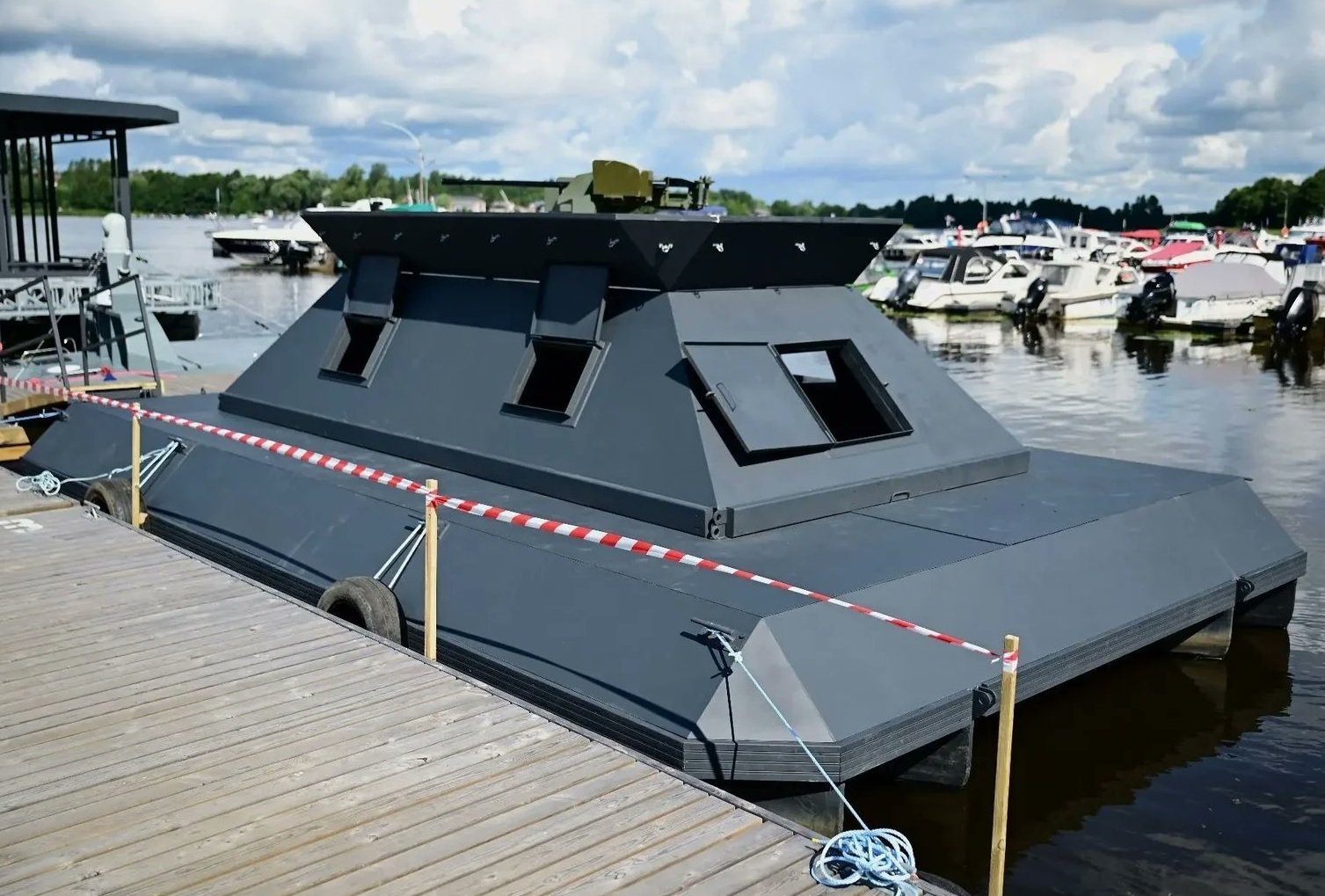 Russia Unveils Experimental Plot-40 Floating Defense Platform to Counter Drone and USV Threats
-
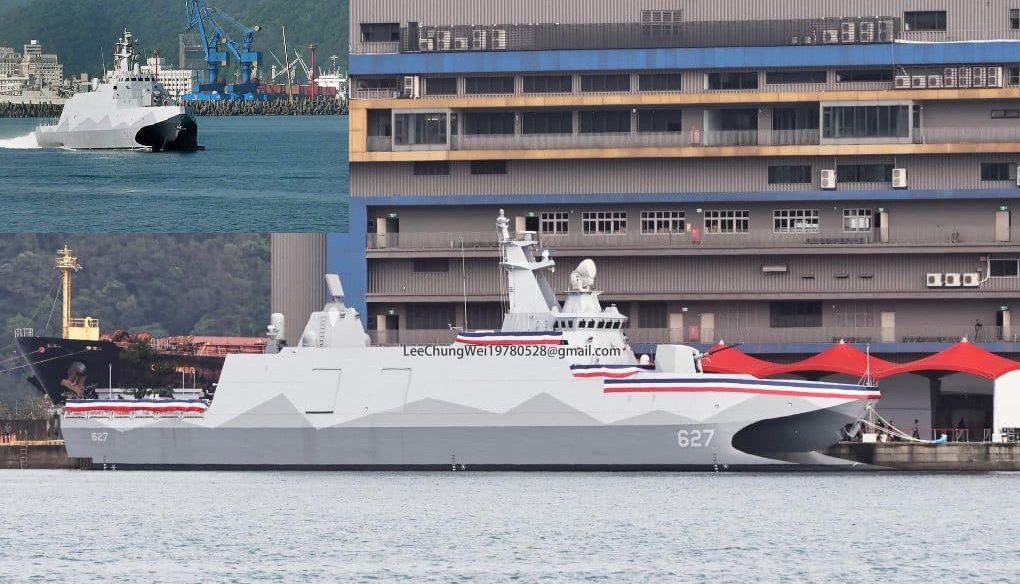 Taiwan Commissions First Batch 2 Tuo Chiang-Class Corvette with New Leonardo Radar
Top Trending in 4 Days
-
 U.S. Navy Awards Northrop Grumman $1.2 Billion Deal for Three New E-2D Advanced Hawkeyes
-
 U.S. Airstrikes Target IRGC Missile Base Near Taft as Overnight Strikes Hit Central Iran
-
 Kuwait and Bahrain Reportedly Launch First Joint Direct Airstrikes on Iran Since War Began : Report
-
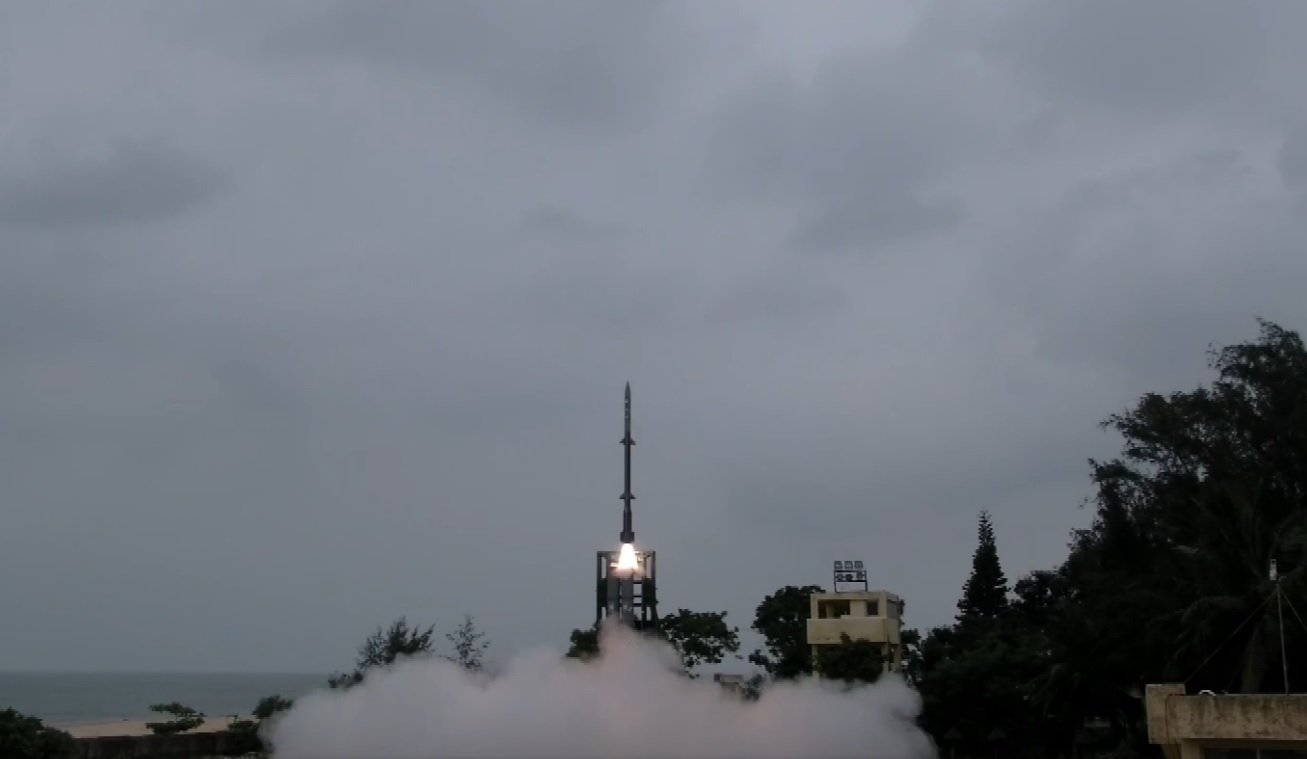 DRDO Successfully Conducts Maiden Flight Test of 150-km-Range Kusha M1 Air Defence Missile
-
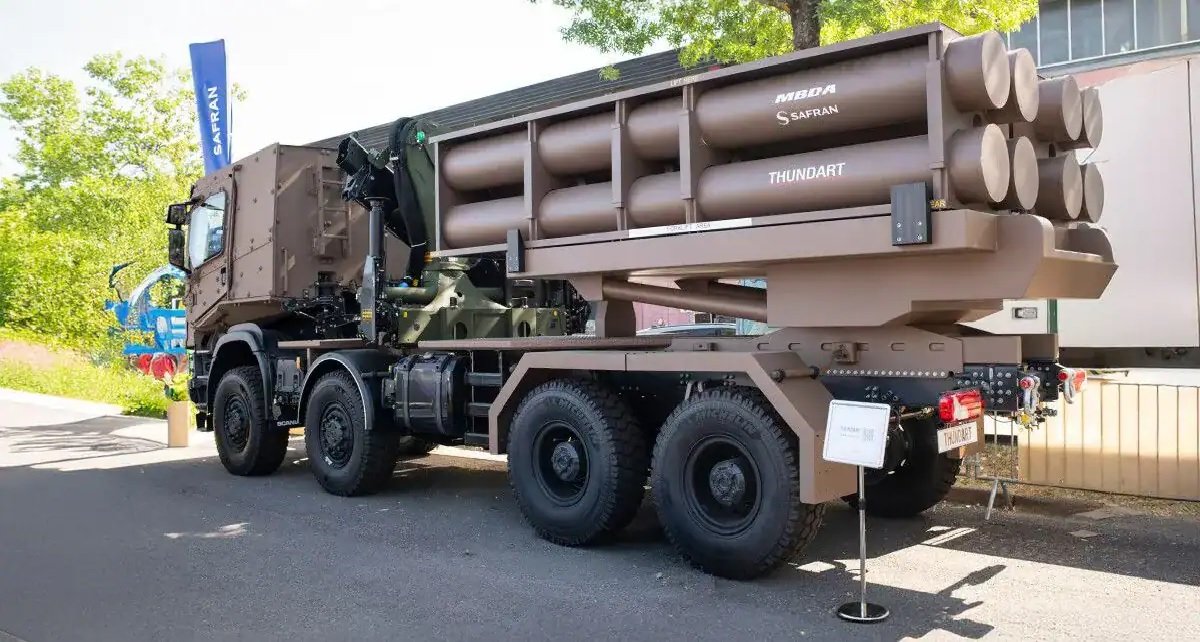 France's THUNDART Long-Range Rocket System May Undergo Prototype Combat Testing in Ukraine
-
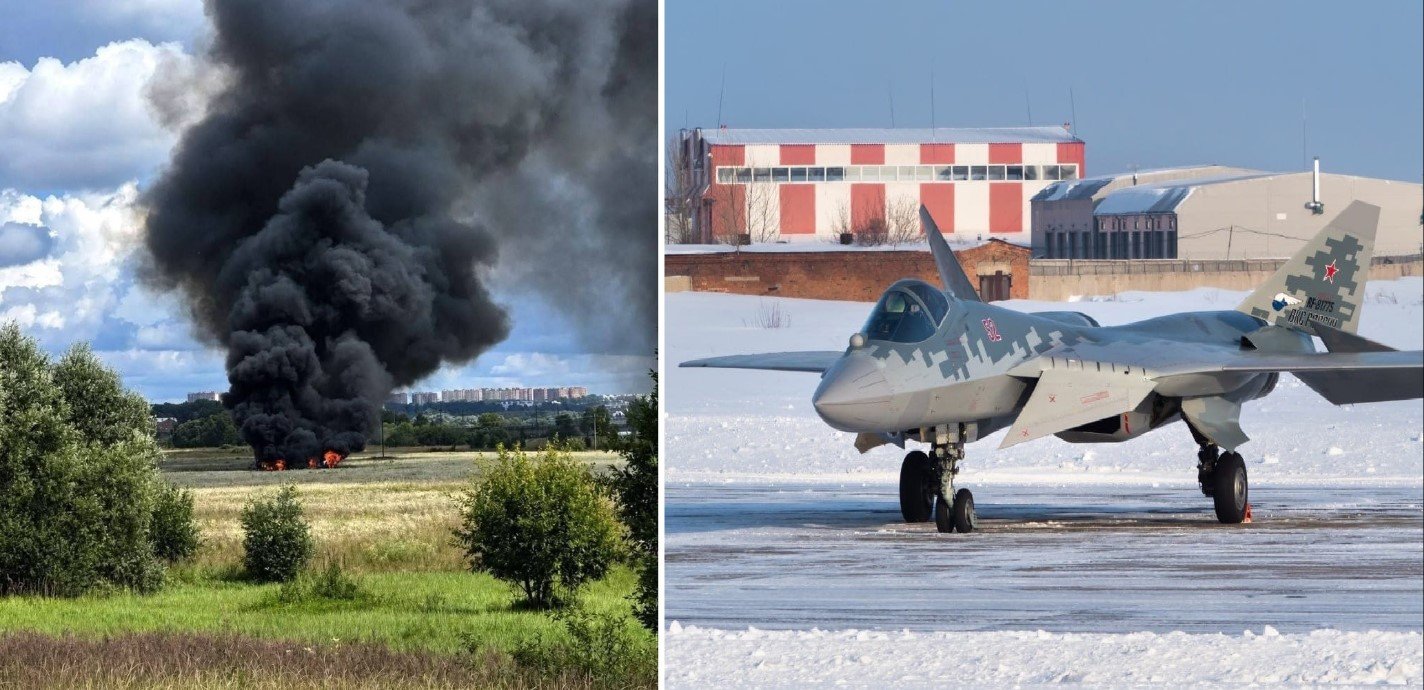 Russian Su-57 Stealth Fighter Crashes During Training Flight Near Moscow, Pilot Ejects Safely
-
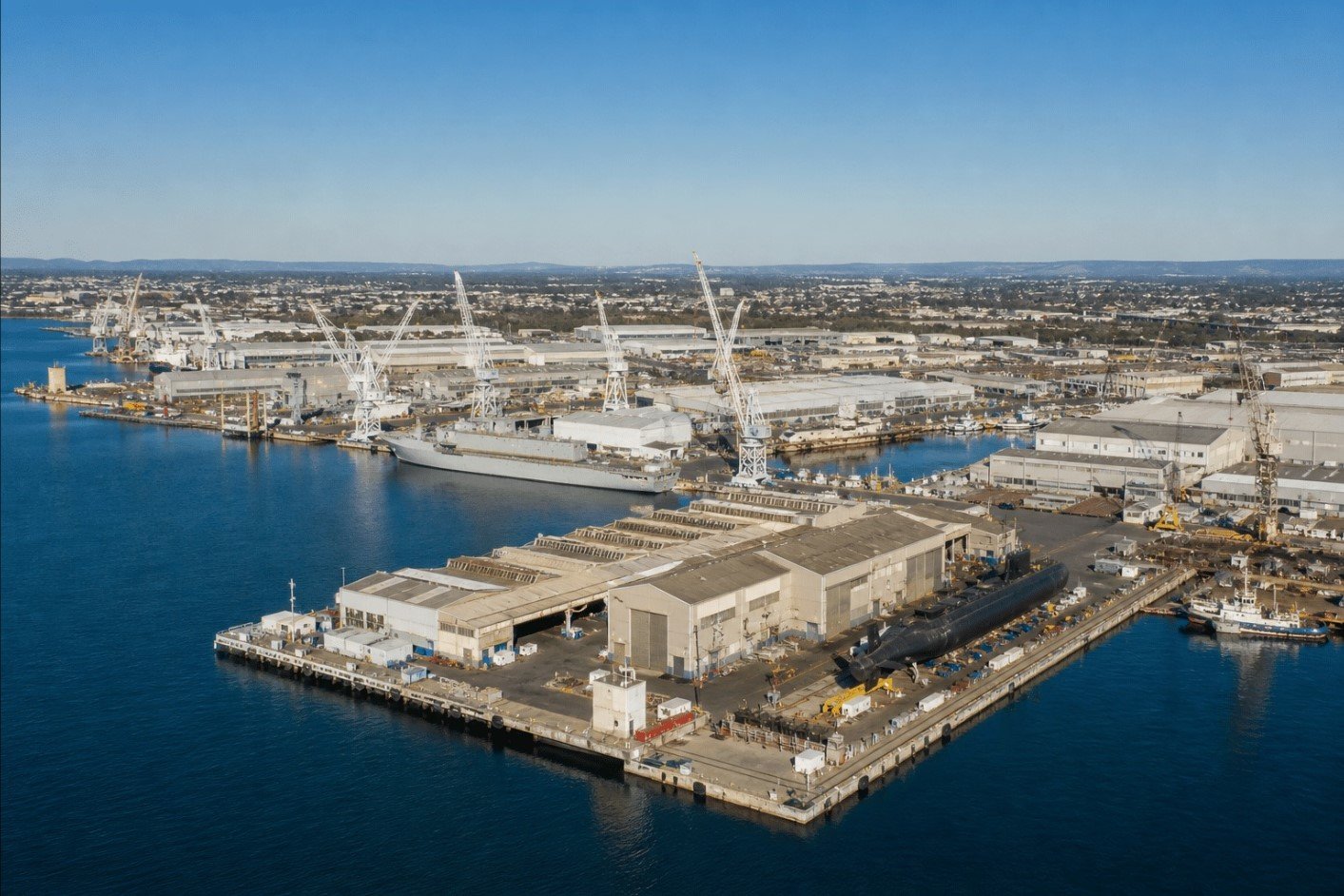 Australia Commits Additional AUD 4.6 Billion to Expand Osborne Shipyard for AUKUS Submarines
-
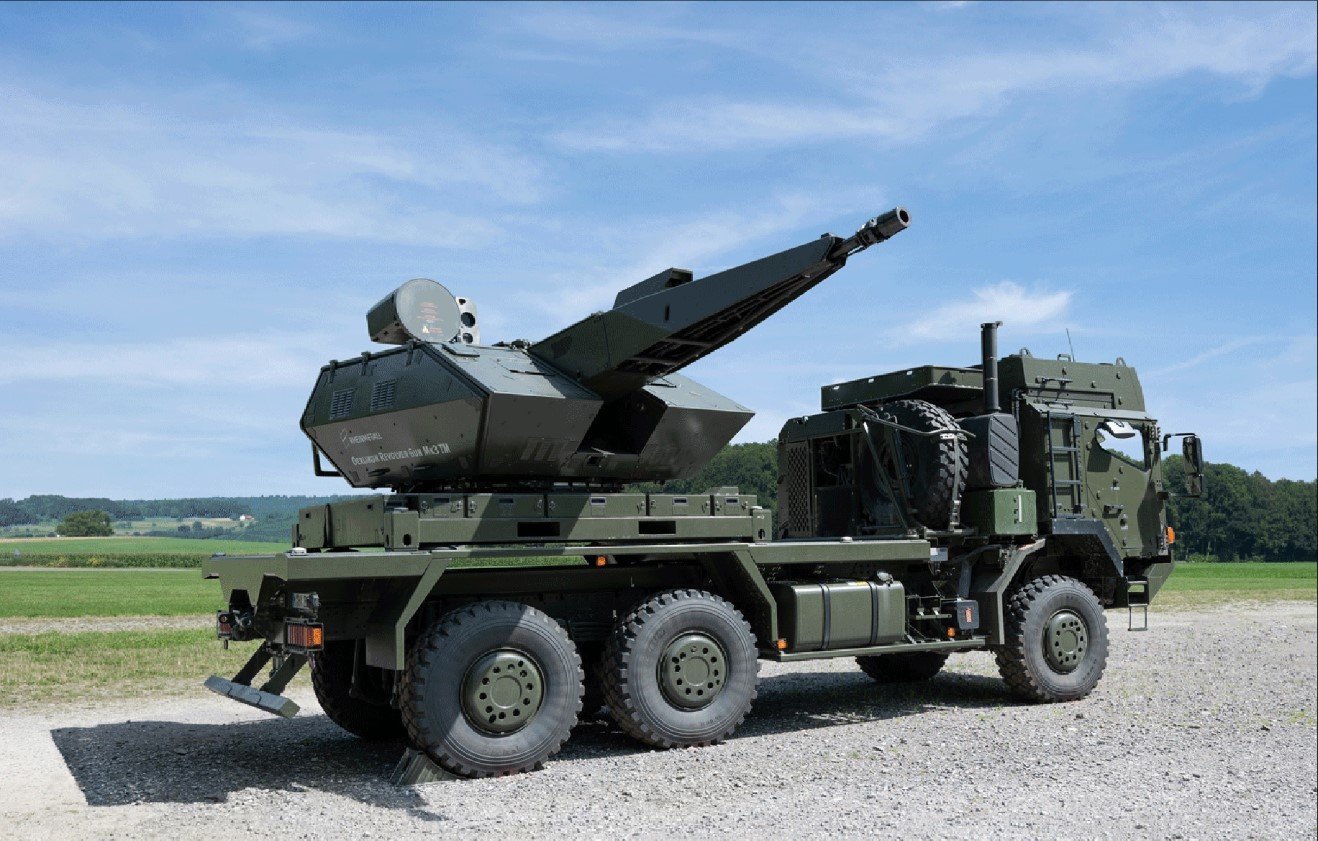 China Imposes Dual-Use Export Ban on 14 European Entities After EU's Russia Sanctions