WASHINGTON — March 22, 2026 : U.S. forces have employed advanced bunker-buster munitions in strikes against fortified Iranian missile positions along the coastline near the Strait of Hormuz, according to statements from the Pentagon and U.S. Central Command. The strikes form part of ongoing operations under Operation Epic Fury, now entering its third week.
U.S. officials stated that the targeted sites contained anti-ship cruise missiles assessed to pose a direct threat to international shipping in the region.
In a statement issued on March 17, CENTCOM confirmed: “U.S. forces successfully employed multiple 5,000-pound deep penetrator munitions on hardened Iranian missile sites along Iran’s coastline near the Strait of Hormuz. The Iranian anti-ship cruise missiles in these sites posed a risk to international shipping in the strait.”
Use of GBU-72 Advanced Penetrator
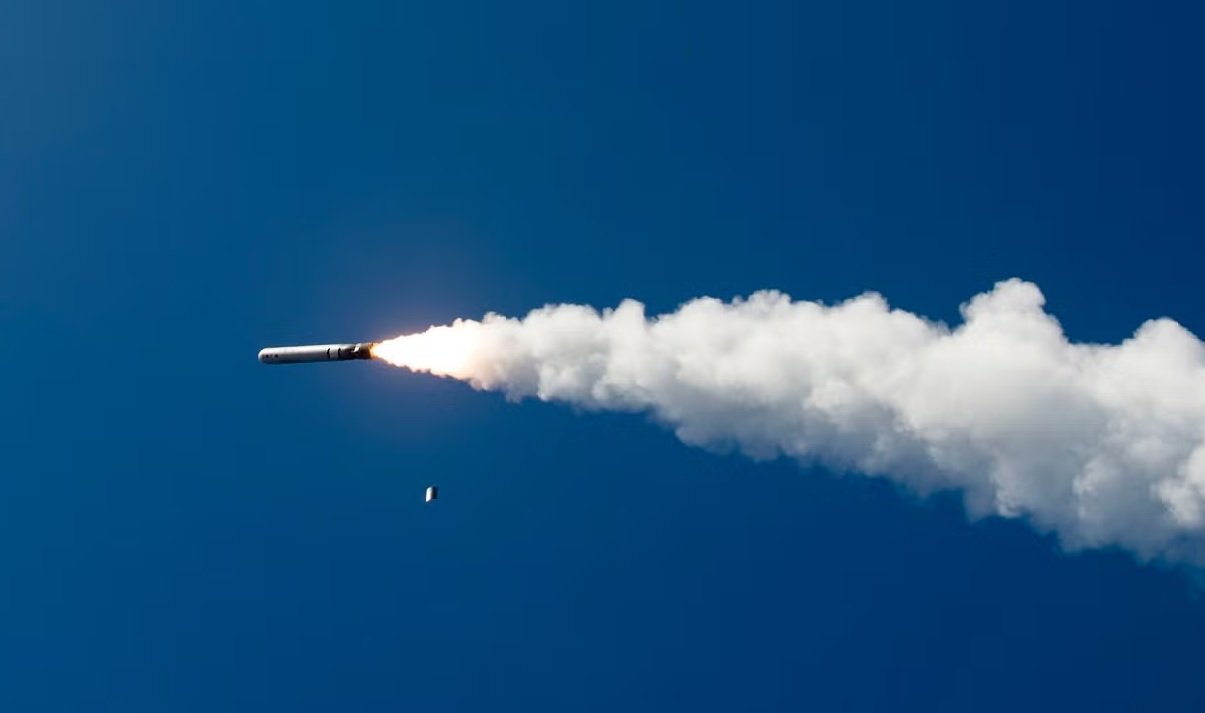
The munitions used in the strikes have been identified as the GBU-72 Advanced 5K Penetrator, a precision-guided bunker-buster that entered operational service in 2021.
Weighing approximately 2,300 kilograms (5,000 pounds), the GBU-72 combines a hardened penetrator warhead with a Joint Direct Attack Munition (JDAM) guidance kit, integrating GPS and inertial navigation systems to enable accurate targeting in all-weather conditions.
The weapon was developed to destroy deeply buried or reinforced targets, including underground facilities protected by soil, rock, or reinforced concrete. Earlier penetrator-class weapons in this category have demonstrated the ability to penetrate up to 45 metres of earth or 4.5 metres of reinforced concrete before detonation. The GBU-72 incorporates enhancements in survivability, fuzing, and lethality compared to earlier systems.
Operational Role and Platform Integration
The GBU-72 is designed to be deployed from a range of aircraft, including the F-15E Strike Eagle and the B-1B Lancer, allowing for flexible and sustained operational use without relying exclusively on strategic stealth bombers.
The system fills a capability gap between lighter penetrator munitions such as the GBU-28 and the larger GBU-57 Massive Ordnance Penetrator (MOP), which is significantly heavier and limited to deployment by the B-2 Spirit bomber.
The GBU-57, weighing approximately 14,000 kilograms, is capable of penetrating deeper hardened targets but is less adaptable due to platform constraints. In contrast, the GBU-72 provides intermediate deep-strike capability with broader deployment options across tactical and conventional bomber fleets.
Target Profile and Iranian Missile Infrastructure
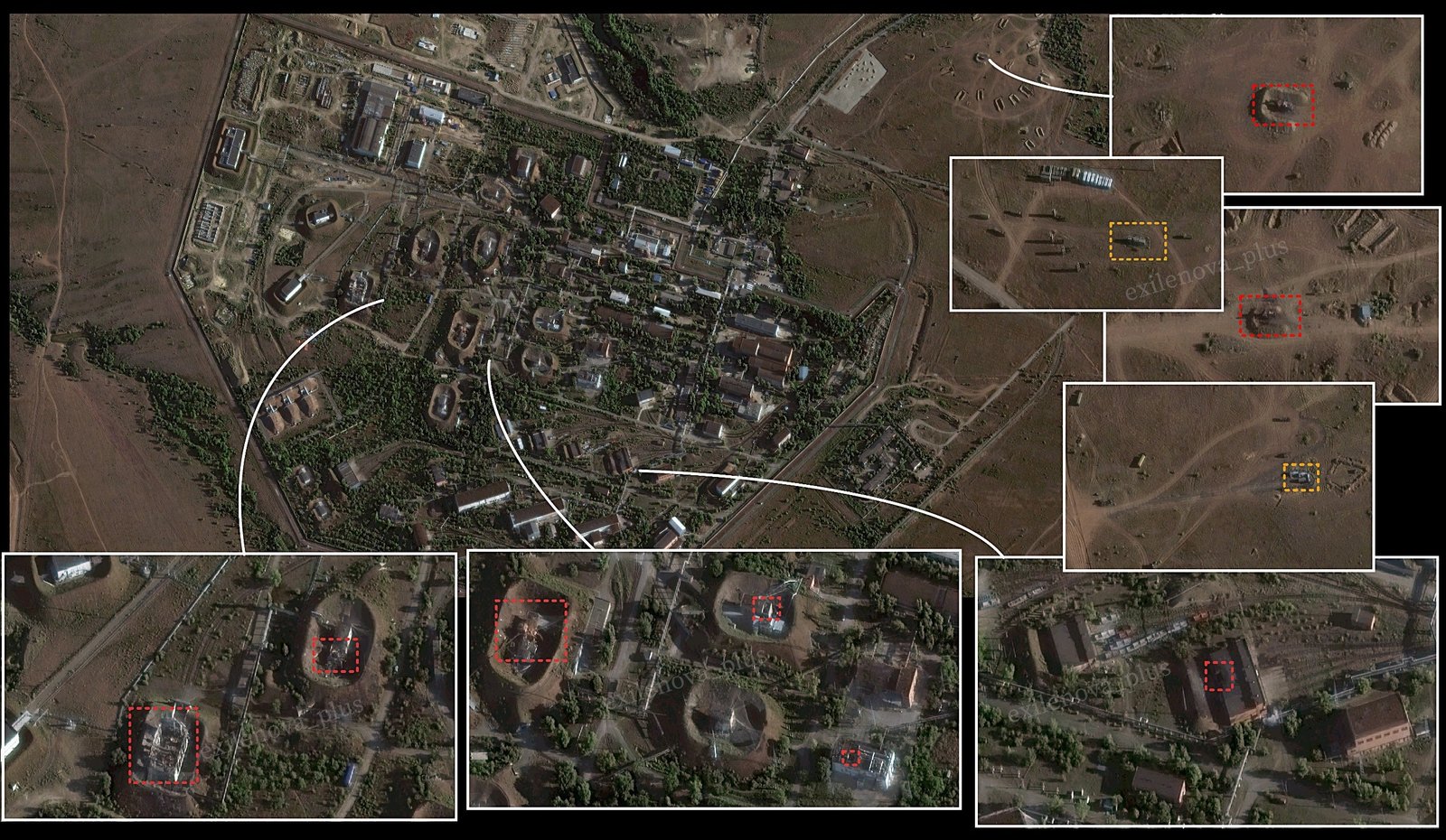
The strikes focused on hardened coastal and subterranean missile sites, including facilities embedded in mountainous terrain and fortified bunkers. These locations are used by Iran to store and launch anti-ship cruise missiles, including systems such as Noor, Qader, and Abu Mahdi, which are designed to target vessels transiting the Strait of Hormuz.
Such systems are often deployed in protected launch positions, including tunnels and reinforced structures, to reduce vulnerability to conventional air strikes.
Strategic Importance of the Strait of Hormuz
The Strait of Hormuz remains a critical maritime chokepoint, accounting for approximately 20 percent of global seaborne oil trade. Ensuring the security of this route has been identified as a primary objective of ongoing U.S. operations in the region.
Since the start of Operation Epic Fury in early March 2026, there have been multiple reported incidents affecting maritime traffic, including disruptions and security alerts involving commercial vessels.
U.S. military operations have focused on neutralising missile launch infrastructure and reducing Iran’s capacity to threaten shipping lanes through the use of both kinetic strikes and precision-guided munitions.
Development and Testing Background
The GBU-72 was developed beginning in 2017 as part of efforts to modernise U.S. bunker-penetration capabilities. It underwent testing and validation at Eglin Air Force Base and was cleared for operational use in October 2021.
The weapon was designed to address the increasing use of underground and hardened military infrastructure by potential adversaries, including missile storage facilities, command centres, and launch sites.
Operational Context
Operation Epic Fury includes broader objectives such as targeting ballistic missile production, reducing naval and coastal defence capabilities, and disrupting Iran’s ability to project military force in the region.
The use of GBU-72 munitions reflects an emphasis on targeting fortified infrastructure that cannot be effectively neutralised using standard air-delivered weapons.
No detailed battle damage assessments have been released beyond confirmation of successful weapon deployment. U.S. officials have indicated that operations targeting Iranian missile infrastructure near the Strait of Hormuz are ongoing, with the stated objective of maintaining secure maritime transit routes for international commerce.
——— End of Article ———