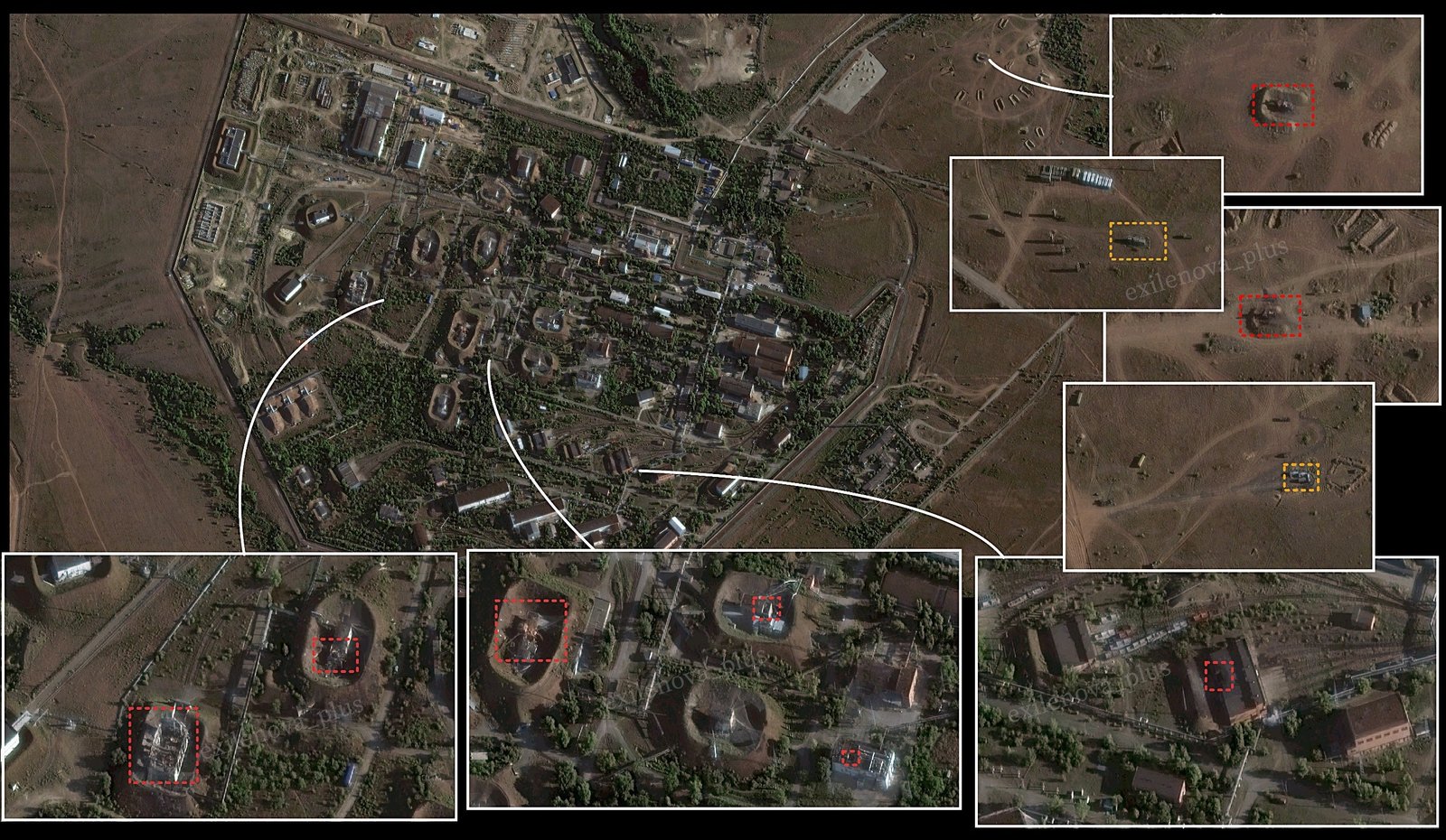
MANAMA — March 22, 2026 : Satellite imagery has confirmed that an Iranian strike targeted and destroyed multiple components of a U.S.-supplied MIM-104 Patriot air defense system at Riffa Air Base in Bahrain, with additional damage recorded to two reinforced shelters at the facility.
The strike took place amid the ongoing U.S.-led military campaign against Iran, which began on February 28, 2026. Bahrain is among several Gulf states supporting allied operations by providing access to military bases for regional force projection.
Damage Assessment and Strike Details
Analysis of post-strike satellite imagery indicates that key elements of the Patriot system deployed at Riffa Air Base were destroyed. The attack also caused structural damage to hardened shelters located within the installation.
The Patriot system, produced by Raytheon Technologies, serves as a primary high-to-medium altitude air and missile defense platform for U.S. and allied forces. Bahrain acquired its own Patriot batteries in 2024, while U.S. units continue to operate systems in the country in support of the U.S. Navy’s Fifth Fleet headquarters.
Operational Adjustments and Interception Challenges
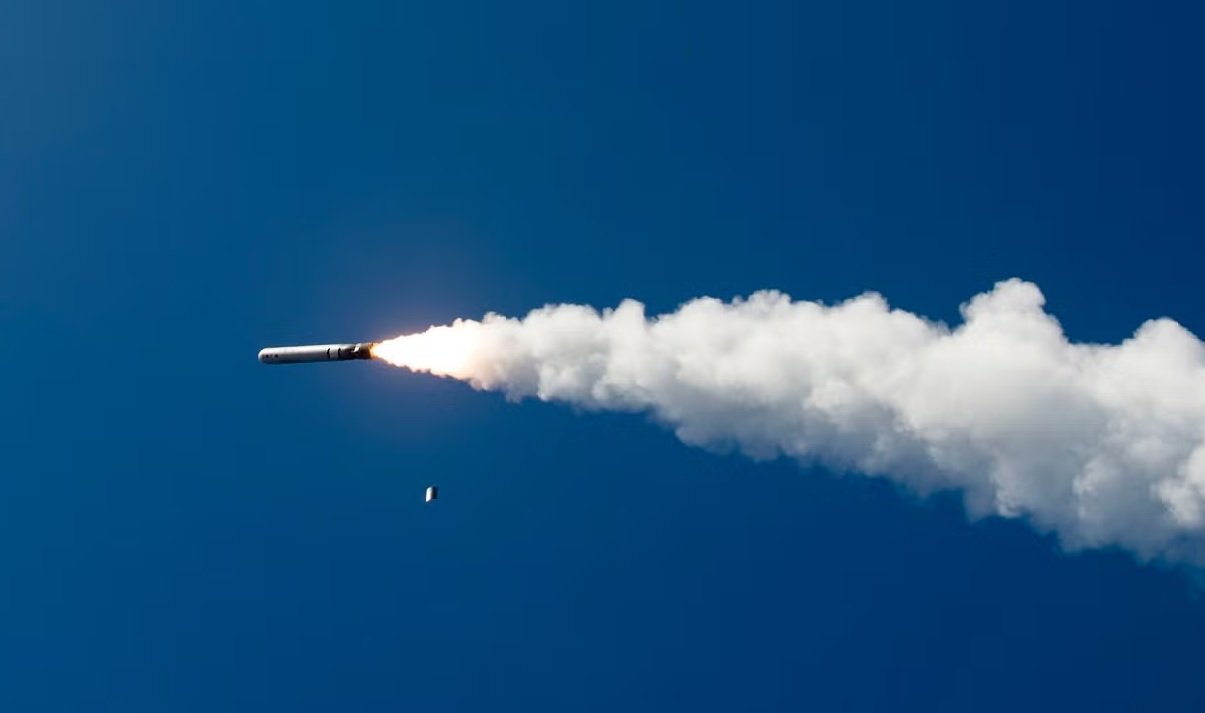
Recent operational data and battlefield footage from the region indicate that Patriot systems have faced challenges in intercepting Iranian ballistic missile threats during the current conflict.
In response, Gulf operators have reportedly adjusted engagement protocols, increasing interceptor usage from two to three missiles per incoming target in an effort to improve interception probability.
Local Bahraini sources have also reported incidents involving interceptor malfunctions, including cases where Patriot missiles failed mid-flight and fell into civilian areas.
A separate incident on March 9, 2026, in the Mahazza neighborhood on Sitra island resulted in injuries to 32 individuals. Initial statements attributed the explosion to an Iranian drone strike. However, subsequent analysis by the Middlebury Institute of International Studies assessed with moderate-to-high confidence that the blast was caused by a Patriot interceptor launched from Riffa, which detonated mid-air approximately seven kilometers from the battery site. Bahraini authorities later acknowledged the involvement of the interceptor, stating it had engaged an aerial target.
Broader Regional Strike Pattern
The strike on Riffa Air Base aligns with a broader pattern of Iranian attacks targeting air defense systems and military infrastructure across the Gulf region:
-
United Arab Emirates: Iranian ballistic missiles struck oil infrastructure at the Port of Fujairah after reported Patriot interception failures. A separate strike on March 16 damaged high-value military aircraft at a major UAE airbase.
-
Qatar: Footage has shown Patriot systems failing to intercept incoming threats. Earlier coordinated strikes on February 28 destroyed missile defense radars in both Qatar and Bahrain.
-
U.S. Assets: On March 7, an Iranian drone strike reportedly disabled a radar associated with the THAAD system.
These developments follow earlier incidents, including the June 23, 2025 Iranian strike on Al Udeid Air Base in Qatar, where Fateh-313 ballistic missiles penetrated defenses despite advance warning and the presence of multiple Patriot batteries.
Historical Performance and System Assessment
The operational performance of the Patriot system has been subject to evaluation across multiple conflicts:
- 1991 Gulf War: Post-conflict assessments indicated low interception effectiveness against Iraqi Scud missiles.
- 2003 Iraq War: The system was involved in multiple friendly fire incidents affecting U.S. aircraft.
- 2017–2019 Saudi Arabia Deployments: Investigations challenged reported interception success rates against Yemeni ballistic missiles, and Patriot systems failed to prevent drone strikes on Saudi oil infrastructure in 2019.
In the context of the Ukraine conflict, Ukrainian Air Force officials, including spokesperson Igor Ignat and communications chief Yuri Ignat, reported increasing difficulty in intercepting advanced ballistic missile threats.
Strategic Context and Market Position
Despite operational challenges observed in multiple theatres, the Patriot system remains widely deployed and continues to be a major export platform for the United States.
Historically, the U.S. has supported international sales of the system through diplomatic and economic channels. One notable example includes efforts in the 1990s that influenced South Korea’s decision to procure Patriot systems instead of the Russian S-300 platform.
Ongoing Developments
The confirmed damage at Riffa Air Base reflects the continued targeting of air defense infrastructure as part of Iran’s response to ongoing military operations in the region.
Multiple Gulf states, including Bahrain, Kuwait, Qatar, and the United Arab Emirates, have experienced missile and drone strikes since late February, placing sustained pressure on regional air defense networks.
Officials have indicated that assessments of system performance, deployment strategies, and engagement protocols are ongoing as the operational environment continues to evolve.
——— End of Article ———