DOHA — March 22, 2026 : Global helium supply has been significantly disrupted following missile and drone strikes on Qatar’s Ras Laffan Industrial City, halting production at one of the world’s largest helium processing hubs since March 2, 2026.
According to statements from QatarEnergy and industry data, the outage has removed approximately 33 percent of global helium supply, creating immediate constraints across semiconductor manufacturing, healthcare, and industrial gas markets. The company has declared force majeure on associated products, with no confirmed timeline for full restoration of operations.
Damage and Production Impact
Ras Laffan Industrial City serves as the world’s largest liquefied natural gas (LNG) processing and helium extraction complex, where helium is produced as a byproduct of natural gas refining.
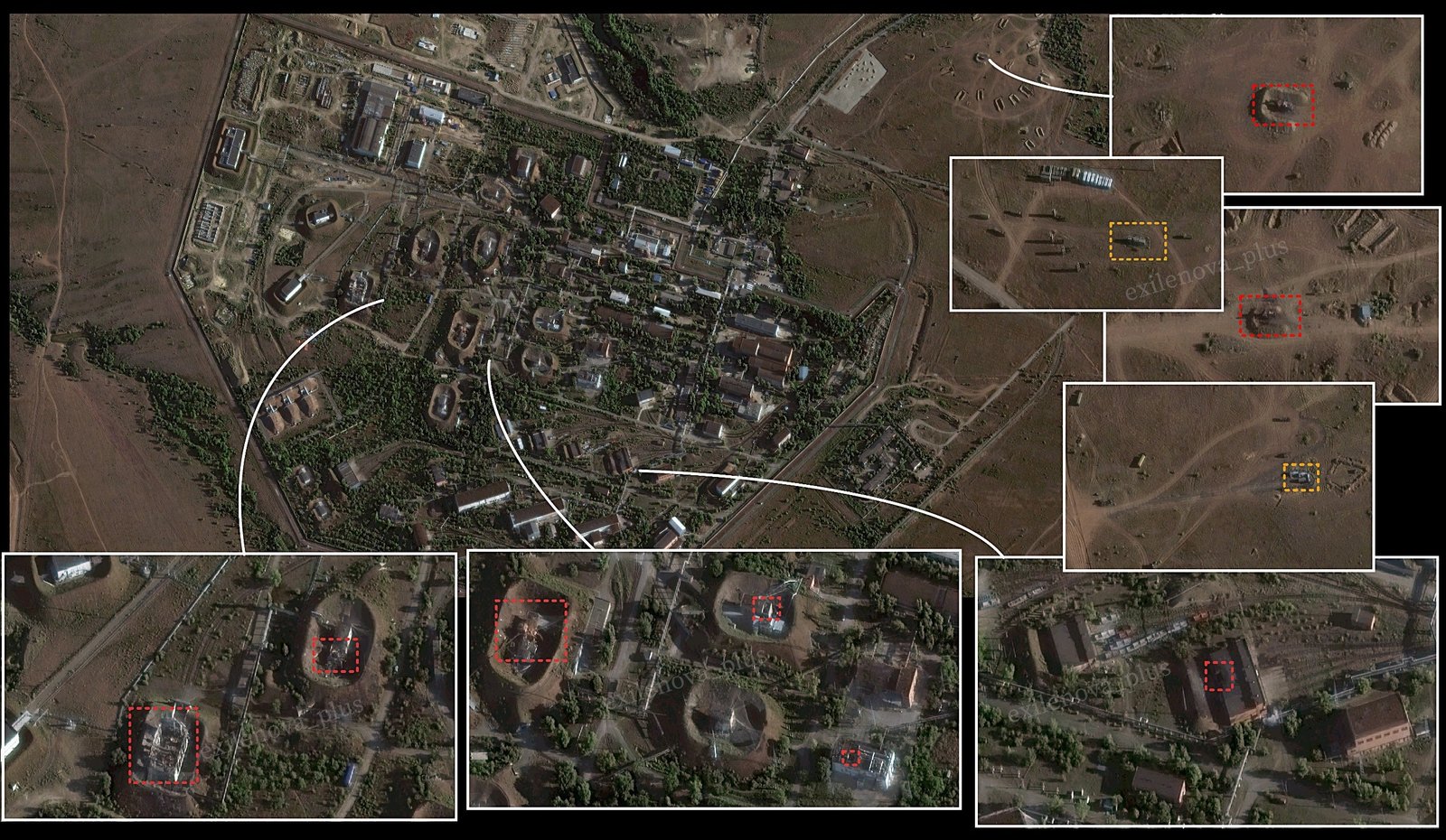
QatarEnergy CEO Saad al-Kaabi confirmed that the strikes caused extensive structural damage to critical infrastructure, including LNG processing trains and associated facilities.
Approximately 14 percent of Qatar’s helium production capacity is assessed to be permanently damaged, with reconstruction expected to take up to five years. The shutdown has halted not only helium output but also associated products such as condensate, LPG, naphtha, and sulphur.
In addition to production losses, logistics have been affected by the closure of the Strait of Hormuz to Western commercial shipping, preventing the export of pre-filled helium containers and further tightening global supply.
Market Reaction and Pricing
The disruption has triggered immediate market responses, with helium spot prices doubling within days of the incident. Industrial gas distributors have begun implementing allocation measures to manage limited inventories.
Major global suppliers, including Linde and Air Liquide, have initiated rationing protocols across Europe and Asia to prioritise critical sectors.
Impact on Semiconductor Industry
Helium is a critical input in semiconductor manufacturing, particularly in processes such as wafer cooling, plasma etching, and extreme ultraviolet (EUV) lithography. It is also used in leak detection and high-precision manufacturing environments, with no direct substitutes available.
South Korea, which sourced approximately 64.7 percent of its helium imports from Qatar in 2025 (valued at $226.9 million), faces significant exposure. Major manufacturers such as Samsung Electronics and SK Hynix are currently operating on limited inventories and have begun reviewing supply strategies.
Taiwan-based TSMC, responsible for approximately 18 percent of global chip production, has stated it is monitoring helium reserves closely, though no immediate disruption has been confirmed.
Japan, a major hub for semiconductor fabrication and MRI manufacturing, is expected to face operational constraints if the outage persists beyond 60 days, given its reliance on Qatari helium imports supplemented by U.S. supply.
Singapore, a regional semiconductor centre, has also identified high dependency on Qatari helium in previous industry assessments, raising concerns about supply chain stability.
Impact on Healthcare and Industrial Use
Helium is essential for cooling superconducting magnets in magnetic resonance imaging (MRI) systems, which operate at temperatures near -269°C.
In India, where hospitals depend heavily on imported helium, diagnostic providers have reported rising operational costs, leading to delays in MRI services and increased costs for patients.
The National Health Service in the United Kingdom, which lacks domestic helium production, is facing supply constraints affecting maintenance and operation of MRI equipment.
European markets are also experiencing pressure, with Germany and France implementing allocation measures through industrial gas distributors to manage reduced supply.
United States and Industrial Impact
The United States, while a major helium producer, has limited short-term capacity to offset the global deficit. The U.S. federal helium reserve has been declining over recent years, increasing reliance on international supply.
Enterprise hardware manufacturers, including HP, Dell, and Lenovo, have issued notices indicating potential price increases of 15 to 20 percent for enterprise systems, particularly those relying on helium-filled high-capacity hard drives.
Global Supply Constraints and Alternatives
No single country currently has the capacity to replace the supply shortfall created by the shutdown in Qatar.
The United States accounts for approximately 35 percent of global helium production, with output concentrated in Texas and Oklahoma, but cannot rapidly scale production. Algeria and Russia also maintain significant reserves, though geopolitical and logistical factors limit immediate expansion.
Australia, with production from the Amadeus Basin, remains a net exporter but lacks sufficient volume to offset the deficit. Canada and emerging projects in Tanzania contribute smaller volumes.
China, which relies entirely on imports, has indicated plans to accelerate domestic helium exploration and extraction efforts, including potential development linked to natural gas fields.
Outlook
The disruption at Ras Laffan highlights the concentration of global helium supply and the absence of viable substitutes in critical applications. Recycling systems in advanced manufacturing facilities can recover 80–90 percent of helium, but continued operations depend on stable external supply.
With no confirmed timeline for restoration and ongoing logistical constraints, the shortage is expected to continue affecting semiconductor production, medical services, and industrial applications across multiple regions.
——— End of Article ———