World
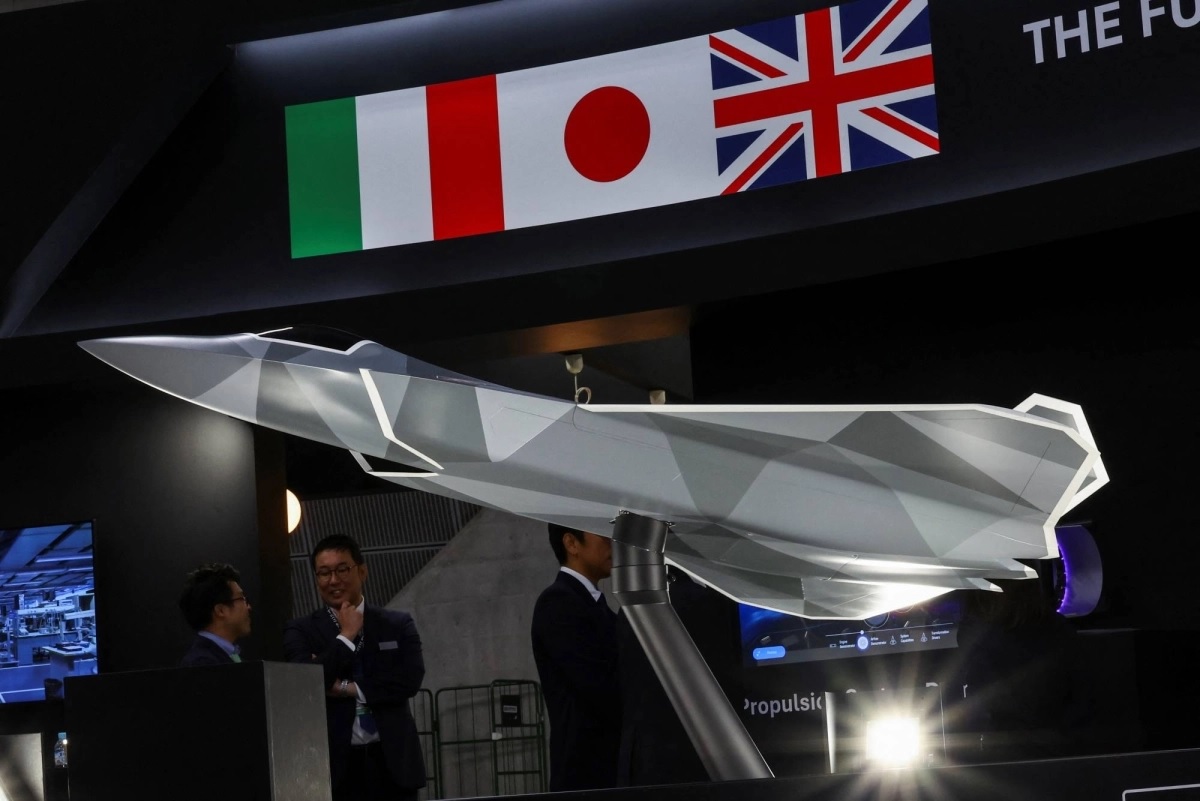
LONDON / READING, — April 2, 2026 : The Global Combat Air Programme (GCAP) Agency has awarded a £686 million ($905 million) contract to Edgewing to lead the design and development of a sixth-generation combat aircraft for the United Kingdom, Italy, and Japan. The agreement, announced on April 1 and running through June 30, 2026, represents the first joint international contract under the programme and formally establishes a unified trinational development structure. The contract positions Edgewing as the central authority for engineering, integration, airworthiness, and certification of the future combat aircraft. It marks a transition from parallel national development efforts into a consolidated framework managed under the GCAP International Government Organisation (GIGO). Governance Structure and Industrial Framework Edgewing was formally launched on June 20, 2025, as a United Kingdom–headquartered joint venture between BAE Systems, Leonardo, and Japan Aircraft Industrial Enhancement Co. Ltd. (JAIEC), with each partner holding an equal 33.3 percent stake. The company is designated as the design authority for the aircraft throughout its projected service life beyond 2070. Under the new governance model, Edgewing is responsible for centralized design, configuration control, and certification activities. Manufacturing and final assembly will be subcontracted to BAE Systems (UK), Leonardo (Italy), Mitsubishi Heavy Industries (Japan), and associated supply chains across the partner nations. The structure is intended to preserve national industrial capabilities while avoiding the fragmented management approaches that have affected earlier multinational defence programmes. Industry observers note that this centralized framework contrasts with ongoing industrial disagreements impacting the Franco-German-Spanish Future Combat Air System (FCAS/SCAF). Masami Oka, Chief Executive of the GCAP Agency, stated that the contract represents a key transition point, bringing activities previously conducted under separate national contracts into a single international programme. Marco Zoff, Chief Executive Officer of Edgewing, highlighted that the pace of current development reflects coordinated collaboration among the partner organisations. Programme Scope and Technical Architecture GCAP is structured as a “system of systems” designed to operate across air, land, sea, space, and cyber domains. The core crewed aircraft will function as a central command node, coordinating with uncrewed systems, including collaborative combat aircraft (drone wingmen). The programme maintains a target in-service date of 2035. The aircraft is intended to replace the Eurofighter Typhoon in the UK and Italy, and Japan’s F-2 multi-role fighter. The sensor and mission system architecture is centred on the Integrated Sensing and Non-Kinetic Effects and Integrated Communications Systems (ISANKE & ICS). This framework is being developed by the GCAP Electronics Evolution (G2E) consortium, established in September 2025 and comprising Leonardo UK, Leonardo’s Electronics Division (Italy), ELT Group, and Mitsubishi Electric. The aircraft’s radar is designed to process approximately 10,000 times more data than current systems, enabling advanced targeting, electronic warfare, and self-protection capabilities in contested environments. Weapons integration is being developed jointly by MBDA and Mitsubishi Electric under an “Effects Domain” concept, focusing on seamless management of current and future weapon systems. Propulsion and Power Systems The propulsion system is being developed through collaboration between Rolls-Royce, IHI Corporation, and Avio Aero. The design is intended to provide both conventional thrust and significantly increased electrical power output to support advanced sensors, onboard processing, and thermal management systems. The demonstrator engine programme currently involves approximately 40,000 individual components, reflecting the scale and complexity of next-generation propulsion requirements. Financial Commitments and Programme Funding The £686 million contract serves as a bridge arrangement to sustain design and engineering activities while partner governments finalise longer-term funding frameworks, particularly in the United Kingdom. Italy has approved €8.77 billion in funding for programme phases extending through 2037. Total early-phase costs are estimated at €18.6 billion. The programme is positioned as a long-term strategic investment aimed at maintaining sovereign design and engineering capabilities and ensuring supply chain resilience across participating nations. Design Characteristics and Development Progress Design imagery released by the programme indicates a broad-delta wing configuration with twin engines and canted vertical stabilisers. The configuration prioritises internal volume, reduced radar cross-section, and accommodation for large-aperture sensors. These design characteristics align with the aircraft’s intended role in contested airspace, where it will function as both a sensor platform and a command node within a distributed combat network. International Participation and Expansion Prospects Participation in GCAP may expand beyond the three core partner nations. According to reports published on April 2, 2026, Canada has entered ministerial-level discussions regarding potential observer status in the programme. If formalised at a multilateral meeting scheduled for July, such participation would provide access to selected technical data and represent a shift from exclusive reliance on United States-developed fighter platforms. Programme Integration and Location The GCAP Agency, operating under GIGO, awarded the contract on behalf of the partner governments. Edgewing’s headquarters and the GCAP international organisation are co-located in Reading, United Kingdom, to support coordination between industrial and governmental stakeholders. The contract reflects the maturity of the programme’s governance and industrial structures, following the establishment of Edgewing in 2025 and the alignment of national and international programme management frameworks.
Read More → Posted on 2026-04-02 16:24:08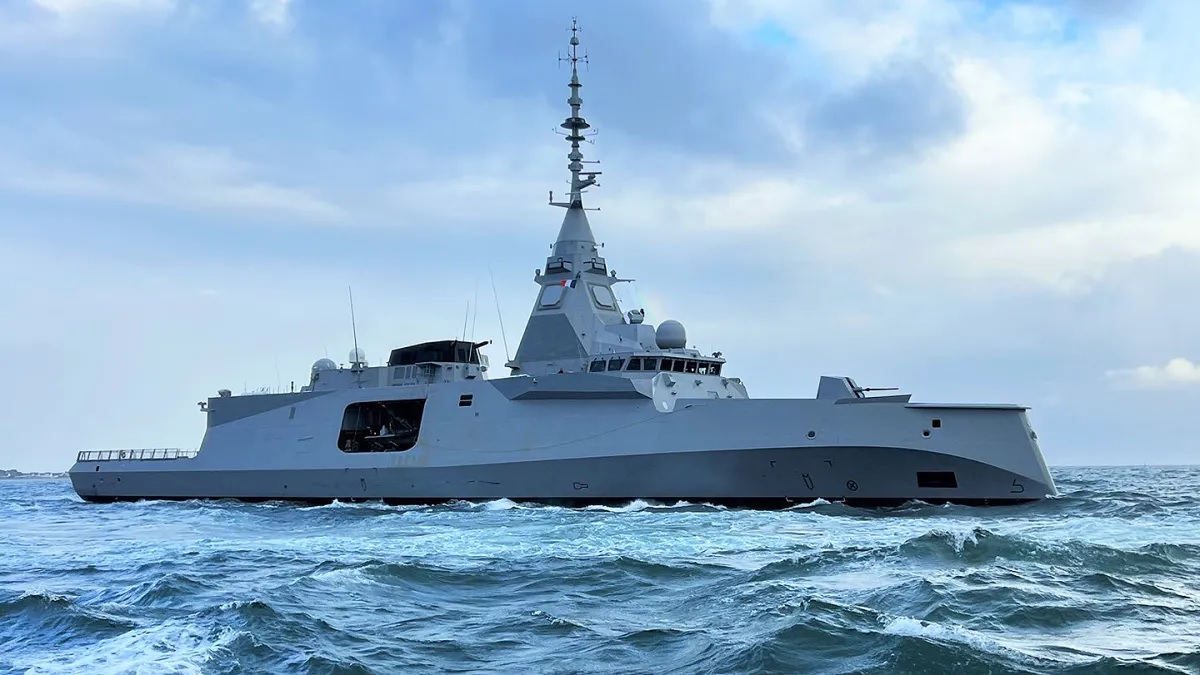
World
LORIENT / PARIS, — April 2, 2026 : France has formally placed an order for its fifth and final Frégate de Défense et d’Intervention (FDI), marking the completion of a key surface combatant program under the country’s 2024–2030 military planning law. The order was issued by the Direction Générale de l’Armement (DGA) to Naval Group, with construction to take place at the company’s upgraded shipyard in Lorient. The vessel, to be named Amiral Cabanier (hull number D664), is scheduled for delivery in 2032 and will join the French Navy (Marine Nationale) as part of the Amiral Ronarc’h-class frigates, intended to replace the aging La Fayette-class fleet. Fleet Completion and Production Status With the latest order, France confirms a five-ship FDI fleet. The program timeline reflects a phased production approach: D660 Amiral Ronarc’h — ordered April 2017; delivered October 17, 2025; currently on long-term operational deployment D661 Amiral Louzeau — ordered March 2021; launch expected in Q2 2026 D662 Amiral Castex — ordered March 2021; under construction D663 Amiral Nomy — ordered December 2025; construction pending D664 Amiral Cabanier — ordered April 2026; delivery planned for 2032 The lead ship, Amiral Ronarc’h, is presently conducting a long-duration deployment across the North Sea, North Atlantic, and Mediterranean. This deployment, often referred to as a check-down or long cruise, is designed to validate systems and operational readiness. According to its commanding officer, full operational entry is expected between summer and the end of 2026. All vessels are being built at Naval Group’s Lorient facility, which has undergone modernization to support parallel construction. The yard is now capable of producing up to two frigates per year simultaneously, as demonstrated by concurrent assembly of French and export units. Design, Displacement, and Operational Scope The FDI is a 4,500-ton, 122-meter-long first-rank frigate designed for multi-domain, high-intensity naval warfare. Its mission set includes: Anti-air warfare (AAW) Anti-surface warfare (ASuW) Anti-submarine warfare (ASW) Cyber defense and electronic resilience Asymmetric threat countermeasures Special forces deployment The platform integrates Exocet MM40 Block 3c anti-ship missiles, MBDA Aster 15 and Aster 30 surface-to-air missiles, MU90 torpedoes, and naval artillery systems including 76 mm and 20 mm guns. It is capable of simultaneously operating an NH90 NFH helicopter, an unmanned aerial vehicle (UAV), and a special forces detachment equipped with two commando boats. Digital Architecture and Sensor Suite A defining feature of the FDI class is its fully digital, cyber-secured architecture. Each vessel incorporates two redundant onboard data centers hosting combat and platform systems, ensuring operational continuity even under cyber attack conditions. The class is the first in the French Navy to deploy the Thales SEAFIRE radar, an all-digital, fixed-panel active electronically scanned array (AESA) system. Installed on a single integrated mast, the radar uses four fixed panels to provide continuous 360-degree coverage. The ships also employ advanced sonar systems, including a compact variant of the CAPTAS-4 towed-array sonar, enhancing anti-submarine detection capabilities. In addition, the FDI introduces a dedicated station for managing asymmetric threats such as unmanned systems and fast attack craft. This station operates independently from the main Combat Information Center (CIC), allowing simultaneous handling of conventional and unconventional threats. Expanded Air Defense Capability A key evolution in the FDI program is the increase in vertical launch system (VLS) capacity. The first three ships—Amiral Ronarc’h, Amiral Louzeau, and Amiral Castex—are equipped with two Sylver A50 VLS modules, providing 16 missile cells for Aster 15 and Aster 30 interceptors. Following approval by the French National Assembly’s Defense Commission, the fourth and fifth ships—Amiral Nomy and Amiral Cabanier—will be constructed with four Sylver A50 modules, doubling capacity to 32 cells. This enhancement increases the vessels’ ability to counter saturation attacks and moves the class closer to an area air-defense role. Discussions are ongoing between the DGA, the French Navy, and industry partners to retrofit the first three ships to the 32-cell configuration. Industrial Output and Delivery Schedule The first FDI hull was laid down in December 2021 and launched in November 2022, before delivery in October 2025. Under the current schedule, multiple ships for both France and export customers are expected to be delivered before 2030. The remaining French vessels—Amiral Louzeau, Amiral Castex, Amiral Nomy, and Amiral Cabanier—will enter service progressively between 2027 and 2032. Export Program and International Interest The FDI design has secured export success with the Hellenic Navy. Greece has ordered four vessels, known as the Kimon class. The first ship, HS Kimon, was delivered in December 2025, and construction of subsequent units—including Themistocles—is ongoing at Lorient alongside French vessels. The enhanced 32-cell VLS configuration aligns the French Navy’s later ships with the export standard. Naval Group continues to promote the FDI design to several international customers, including Sweden, Denmark, Saudi Arabia, and Indonesia. Program Significance The completion of the five-ship FDI program represents a central component of France’s naval modernization strategy. By combining digital architecture, advanced sensors, and expanded air-defense capacity, the FDI class is positioned to replace legacy frigates while supporting both national and allied maritime operations over the coming decades.
Read More → Posted on 2026-04-02 16:13:23
World
STOCKHOLM, — April 2, 2026 : Swedish defense company Saab AB has been awarded a contract valued at approximately SEK 2.6 billion (around $275 million) by the Swedish Defence Materiel Administration (FMV) to deliver a mobile and modular counter-unmanned aerial system (C-UAS). Deliveries are scheduled between 2027 and 2028. The contract forms part of Sweden’s broader GUTE II air defense procurement program, which has a total value of SEK 8.7 billion. Saab’s role within the program focuses on providing detection and electronic warfare capabilities to counter drone threats, alongside contributions from BAE Systems Bofors, Nammo, and SISU Auto. System Design and Operational Role The C-UAS platform has been developed in cooperation with the Swedish Armed Forces and FMV as a fully operational, deployment-ready system. It is designed to provide layered, adaptable, and cost-efficient protection against the growing threat posed by small- to medium-sized unmanned aerial vehicles (UAVs). The system is capable of detecting, tracking, and neutralizing low-flying drones. It combines Saab’s field-proven sensors and effectors with selected third-party technologies into a single interoperable solution that integrates with existing Swedish defense infrastructure. A key feature of the platform is its modular and mobile architecture, allowing deployment across varied terrains and operational scenarios. The system supports both vehicle-mounted and stationary configurations, enabling flexible use for territorial defense and infrastructure protection. Core Components and Capabilities The system incorporates several established Saab technologies: Giraffe 1X radar: A compact 3D multi-mission radar weighing under 150 kg, providing 360-degree air surveillance, drone detection, and engagement-quality targeting data. Trackfire weapon station: Equipped with a 30 mm cannon for kinetic engagement of aerial threats. Electronic warfare systems: Designed to disrupt or neutralize drone operations through non-kinetic means. Together, these components form a system-of-systems architecture based on military off-the-shelf solutions. This approach allows rapid integration of additional sensors or effectors depending on mission requirements and threat levels. Strategic Purpose and Deployment The C-UAS systems are intended to protect both military units and critical civilian infrastructure, including power plants, railway networks, and population centers. The procurement supports Sweden’s plan to establish territorial air defense companies tasked with area protection. The program also aligns with previously announced Swedish investments in air defense and counter-drone capabilities. It follows earlier FMV contracts, including orders for additional Giraffe 1X radar systems in December 2025 and Trackfire systems in January 2026. Carl-Johan Bergholm, head of Saab’s Surveillance business area, stated that the system enhances airspace security by enabling detection, tracking, and mitigation of unmanned aerial threats, while maintaining compatibility with other defense systems. Program Significance The acquisition reflects Sweden’s effort to address evolving aerial threats, particularly the increased use of drones in modern conflicts. By integrating mobile and modular counter-drone systems into its defense structure, Sweden aims to strengthen its layered air defense posture and improve protection of both military operations and national infrastructure.
Read More → Posted on 2026-04-02 16:09:08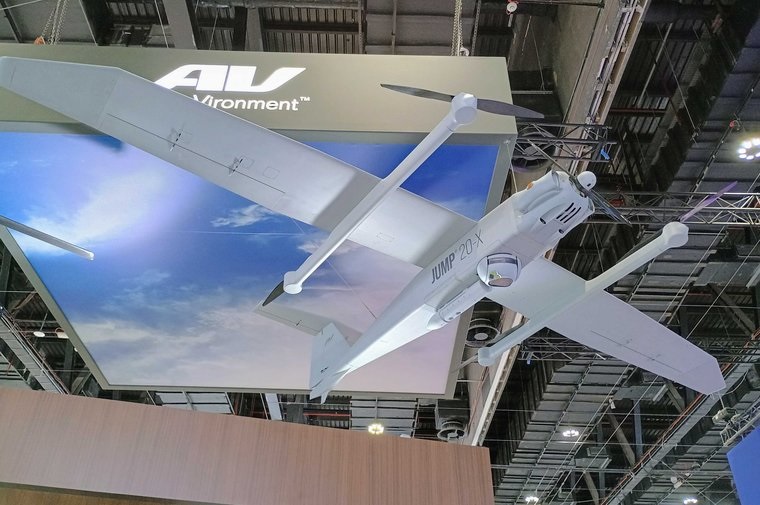
World
ARLINGTON, Va., — April 2, 2026 : AeroVironment, Inc. has been selected by the United States Navy to provide Contractor-Owned, Contractor-Operated (COCO) Intelligence, Surveillance, and Reconnaissance (ISR) services as part of an effort to expand persistent, multi-domain surveillance capabilities across maritime and land environments. The selection, announced on April 1, places AeroVironment among several industry participants competing for delivery orders under four basic ordering agreements issued by the Navy. Other competitors include Insitu, Textron Systems, and potentially Shield AI. Individual task orders are expected to range between $10 million and $50 million. Shift Toward Maritime ISR Operations The contract reflects a broader strategic transition within the U.S. Department of Defense, where ISR demand has shifted from land-based theaters such as Afghanistan to maritime environments. The COCO model enables the Navy to obtain continuous ISR coverage and multi-domain sensor support for multiple combatant commands without assuming ownership or lifecycle maintenance responsibilities for the systems. Under this framework, contractors are responsible for providing platforms, personnel, and operational support, while revenue is recognized progressively as delivery orders are awarded and executed. The structure also includes performance-based conditions, where failure to meet operational standards may result in financial deductions. JUMP 20-X Platform Deployment AeroVironment will deploy its Group 3 JUMP 20-X vertical take-off and landing (VTOL) uncrewed aircraft system to support the Navy’s ISR requirements. The system is designed for both maritime and land-based missions and incorporates a modular open systems approach (MOSA), enabling payload-agnostic integration and compliance with STANAG-4586 standards. The JUMP 20-X provides more than 13 hours of flight endurance and an operational range of 115 miles (185 kilometers), with beyond-line-of-sight (BLOS) communication capability. It supports a payload capacity of up to 30 pounds (13.6 kilograms) and can integrate more than 70 different payload configurations depending on mission requirements. The platform is engineered for rapid deployment, requiring less than 30 minutes to become operational. Its vertical launch and recovery capability eliminates the need for traditional runway or launch equipment, reducing logistical footprint and enabling operations in constrained environments. Technical Specifications and Design Features The JUMP 20-X is a fully marinized aircraft equipped with a multi-fuel 230 cc heavy-fuel engine compatible with JP-5, JP-8, Jet A, and MoGas. It has a maximum gross takeoff weight of 215 pounds, a wingspan of 18.8 feet, and a length of 9.5 feet. The system is capable of operating at altitudes up to 17,000 feet density altitude and supports extended missions through BLOS connectivity. Its open architecture allows integration with a variety of sensors and communication systems, supporting multi-sensor intelligence gathering. Advanced onboard autonomy includes fully hands-free operation and artificial intelligence-enabled predictive algorithms designed for precision landings on moving vessels, including in high sea states. The platform incorporates AeroVironment’s SPOTR-Edge onboard computer vision system, which enables detection, classification, and tracking of targets in real time. The aircraft is also configured for contested operational environments, featuring anti-jamming capabilities, configurable Global Navigation Satellite System (GNSS) options, and alternative navigation solutions. Operational Experience and Previous Deployments The JUMP 20-X builds on the operational track record of the earlier JUMP 20 system, which has been deployed under COCO frameworks for U.S. Navy missions. Notably, it supported operations with U.S. Naval Forces Southern Command / US 4th Fleet during Operation Southern Spear in 2025. AeroVironment has also delivered ISR support services to the U.S. Marine Corps 22nd Marine Expeditionary Unit and the Republic of Korea Navy, demonstrating the system’s applicability across joint and international operations. Industry and Program Context The Navy’s ISR services initiative is intended to provide scalable, contractor-operated intelligence capabilities that can be rapidly deployed across global theaters. The inclusion of multiple vendors under basic ordering agreements is designed to maintain competition while ensuring access to a range of technological solutions. AeroVironment’s participation provides access to a growing segment of the maritime ISR market, though execution under the COCO model requires consistent operational performance to secure and retain delivery orders. The company’s revenue from the program will depend on successfully competing for and fulfilling task orders over the contract period. Company Statement Shane Hastings, Vice President of Medium Uncrewed Systems at AeroVironment, stated that the company is prepared to support the Navy’s ISR requirements with its existing technology and operational capabilities. He noted that the system is already deployed and mature, and that the company aims to provide scalable ISR services across multiple domains.
Read More → Posted on 2026-04-02 16:06:04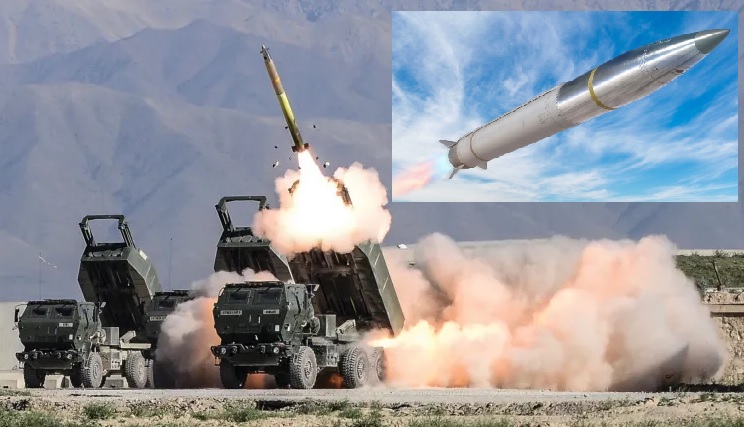
World
WASHINGTON, — April 2, 2026 : The U.S. Department of State has approved a possible Foreign Military Sale (FMS) to the Government of Singapore involving Guided Multiple Launch Rocket System (GMLRS) Alternative Warhead munitions and associated support equipment, with an estimated value of $83.14 million. The approval was formally notified to Congress on April 1. The proposed package includes forty-five (45) M30A2 GMLRS Alternative Warhead pods, each containing six rockets, bringing the total number of munitions to 270. In addition to the rockets, the sale covers telemetry kits, engineering services, technical assistance, and other elements of logistics and program support. The principal contractor for the program is Lockheed Martin, based in Bethesda, Maryland. Procurement Scope and Structure The acquisition is focused on expanding Singapore’s existing inventory of precision-guided rockets without increasing the number of launch platforms. The Singapore Armed Forces will integrate the new munitions into their current High Mobility Artillery Rocket System (HIMARS) fleet, maintaining the same operational structure while enhancing firepower. The procurement consists of: 45 M30A2 Alternative Warhead rocket pods 270 total rockets ready for deployment Supporting systems including telemetry, logistics, and technical services This approach allows Singapore to increase its strike capacity without requiring new launcher procurement, infrastructure expansion, or additional personnel training. Technical Characteristics of the M30A2 The M30A2 represents the current production configuration of the GMLRS Alternative Warhead (AW), which entered production in 2019 with the integration of the Insensitive Munitions Propulsion System (IMPS). The rocket has a range exceeding 70 kilometers and is designed to engage area targets or imprecisely located threats. The munition uses a combination of inertial measurement unit (IMU) and GPS guidance, sharing the same rocket motor, control systems, and guidance architecture as the unitary GMLRS family, including the M31 series. Unlike earlier cluster munition variants, the M30A2 employs a 200-pound high-explosive warhead containing approximately 160,000 to 182,000 preformed tungsten fragments. Upon detonation, the fragments produce a wide-area effect suitable for targeting dispersed formations such as troop concentrations, light vehicles, air-defense systems, and command posts. The design eliminates the risk of unexploded ordnance (UXO) associated with legacy Dual-Purpose Improved Conventional Munition (DPICM) systems. Accuracy and Operational Testing Testing data from U.S. military evaluations indicates that the M30A2 significantly exceeds required accuracy thresholds. Contractor specifications set a circular error probable (CEP) of less than 15 meters. Production qualification testing recorded a median miss distance of 2.1 meters Developmental and operational testing recorded a median miss distance of 2.7 meters The system maintained mission effectiveness under GPS-jamming conditions These results confirm the munition’s precision and resilience in electronically contested environments. Integration with Singapore’s HIMARS Fleet Singapore currently operates 24 M142 HIMARS launchers under the 23rd Battalion, Singapore Artillery. The systems were acquired through a 2007 Foreign Military Sale, with deliveries beginning around 2010 and full operational capability achieved by 2011. The HIMARS platform is a mobile, networked artillery system capable of firing the full family of MLRS munitions. Operational characteristics include: Readiness to fire in under 20 seconds Launch of a full six-rocket pod within 45 seconds Road mobility with speeds up to 94 km/h The system’s “shoot-and-scoot” capability enables rapid engagement and repositioning, enhancing survivability and responsiveness. Integration with Singapore’s digital battlefield management systems allows coordinated targeting and rapid execution of fire missions. Capability Expansion and Operational Role The introduction of the M30A2 provides Singapore with a precision area-effects capability that complements its existing inventory of M31 unitary GMLRS rounds, which are optimized for point targets. With both munition types available, a single HIMARS battery can engage a broader target set, including: Dispersed troop formations Artillery positions Air-defense detachments Staging and logistics areas Command and control nodes This layered capability aligns with Singapore’s operational doctrine, which emphasizes rapid, networked fires and decisive engagement due to limited strategic depth. Acquisition History and Context Singapore has developed its GMLRS capability incrementally over the past two decades. Key milestones include: 2007: Initial FMS approval for HIMARS launchers and early acquisitions of unitary rockets 2011–2012: Additional purchases of unitary GMLRS munitions 2013: Official notification for 88 M31 unitary high-explosive pods 2021: U.S. Selected Acquisition Reports (SAR) indicated production contracts supporting Singapore following the introduction of M30A2 and M31A2 variants While earlier reports suggested Singapore may have been included in broader production batches, the April 2026 notification represents the first clearly documented public acquisition of the M30A2 Alternative Warhead variant. Strategic and Program Implications The proposed sale enhances Singapore’s defensive capabilities and supports its ability to address current and future threats. It also strengthens interoperability with U.S. forces by aligning munitions, logistics, and operational frameworks. The transaction does not include the Extended-Range GMLRS (ER-GMLRS), which offers a range of approximately 150 kilometers and remains under a separate development and procurement track. By focusing on the standard GMLRS-AW variant, the acquisition maintains the existing range profile and avoids transitioning into longer-range missile categories such as the Army Tactical Missile System (ATACMS) or the Precision Strike Missile (PrSM). The sale is structured to ensure seamless integration into Singapore’s existing HIMARS and GMLRS infrastructure. No additional basing, training, or system modifications are required, allowing for immediate operational utility upon delivery. According to the U.S. government, Singapore is expected to have no difficulty absorbing the equipment and services into its armed forces. The transaction is also assessed as contributing to regional stability while maintaining the current balance of launcher capabilities in the region.
Read More → Posted on 2026-04-02 15:58:41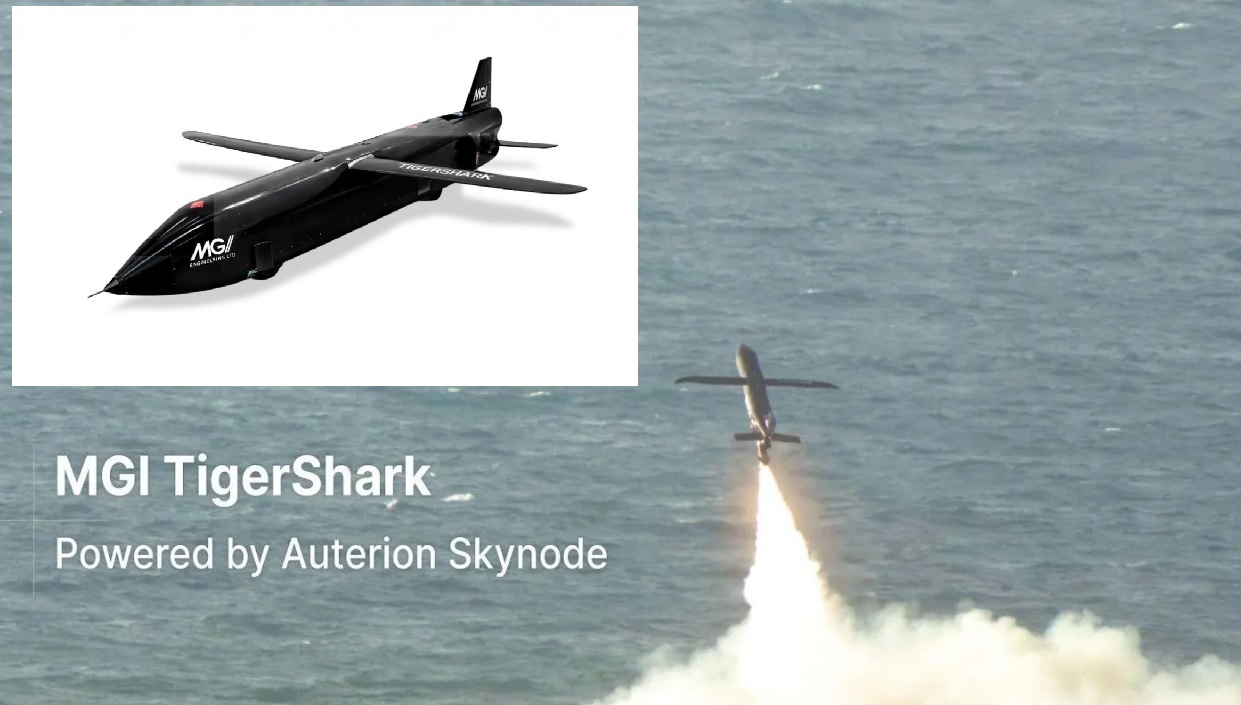
World
OXFORDSHIRE, UK — April 2, 2026 : MGI Engineering Ltd, in partnership with autonomous systems developer Auterion, has completed the first successful flight tests of the TigerShark uncrewed deep-strike platform. According to the companies, this marks the first successful European test of a newly developed autonomous system in this range and class in more than a decade. The TigerShark was first presented publicly at the DSEI 2025 defence exhibition in London. It is positioned as a scalable, software-defined alternative to traditional high-end cruise missiles, combining MGI’s expertise in rapid prototyping and advanced systems engineering with Auterion’s open, vendor-agnostic software architecture. Platform Design and Technical Characteristics TigerShark is designed as a long-range, one-way attack uncrewed aerial vehicle (UAV) intended for deep-strike missions against high-value targets in high-intensity operational environments. Technical specifications released by the companies indicate that the platform has an operational range exceeding 1,000 kilometres and a maximum cruising speed of up to 750 km/h. It can carry a payload of up to 300 kilograms, with compatibility for modular configurations including conventional warheads, electronic warfare payloads, or decoy packages. The system has a maximum take-off weight of approximately 800 kilograms and an empty mass of 170 kilograms. Payload configurations are modular within the 200–300 kilogram range, enabling mission-specific adaptability. TigerShark is designed to operate in contested environments, including scenarios where Global Navigation Satellite Systems (GNSS) are unavailable. It uses inertial navigation and terrain-mapping systems supported by onboard edge computing for guidance and targeting. Launch options include ground-based deployment using Rocket-Assisted Take-Off (RATO) as well as vehicle-mounted launch systems. The platform is engineered for salvo operations, allowing multiple units to be launched in coordinated sequences to saturate air defence systems. The estimated unit cost is approximately $549,000, placing it competitively within the category of compact cruise missile systems while offering a comparatively higher payload capacity. Software Architecture and System Integration The TigerShark platform integrates Auterion’s Skynode-N flight controller and software stack, forming the basis of a software-defined architecture. This enables continuous updates, rapid deployment cycles and interoperability across different mission profiles. The open systems design allows compatibility with third-party sensors, payloads and software, supporting integration into a wide range of operational frameworks. The architecture is intended to support long-term scalability and adaptability without requiring major hardware redesigns. MGI Engineering applied a “spiral development” methodology to the platform, drawing on its background in motorsport engineering to accelerate iteration cycles and system refinement. Statements from Company Officials Mike Gascoyne, Chief Executive Officer of MGI Engineering, stated that the program reflects the company’s engineering approach focused on rapid development and operational requirements. He said the collaboration with Auterion enabled the integration of autonomous capabilities into a flexible system designed for future upgrades and evolving mission demands. James East, UK General Manager at Auterion, stated that the project demonstrates the role of software-driven development in advancing autonomous systems. He noted that combining platform design with open architecture enables systems to evolve through software updates, improving capability and interoperability over time. Development Context and Related Systems The TigerShark builds on MGI’s earlier SkyShark platform, a tactical mid-range strike UAV with a range of approximately 250 kilometres and a payload capacity of 20 kilograms. While SkyShark is designed for shorter-range missions, TigerShark extends the same modular and scalable design principles into long-range strike operations. The platform is manufactured in the United Kingdom and is export-licensable, according to MGI Engineering. Operational Role and Strategic Relevance Systems such as TigerShark are intended to complement traditional cruise missiles by providing a lower-cost option capable of being deployed in larger numbers. Defence analysts assess that such platforms can play a role in anti-access and area denial (A2/AD) environments by increasing strike mass and complicating air defence responses. The ability to conduct operations in GNSS-denied and communications-contested environments aligns with current operational requirements observed in modern conflicts. Future Development Plans MGI Engineering and Auterion indicated that the successful flight tests mark the beginning of a broader development roadmap. The partnership is expected to expand into additional autonomous systems and capabilities aimed at defence, security and complex mission applications. Auterion’s technology is currently used by multiple defence organisations, including the United States Department of Defense, the United Kingdom Ministry of Defence, the German Bundeswehr and the Armed Forces of Ukraine. The companies stated that ongoing collaboration will focus on delivering operational flexibility through continued software and system development.
Read More → Posted on 2026-04-02 15:49:20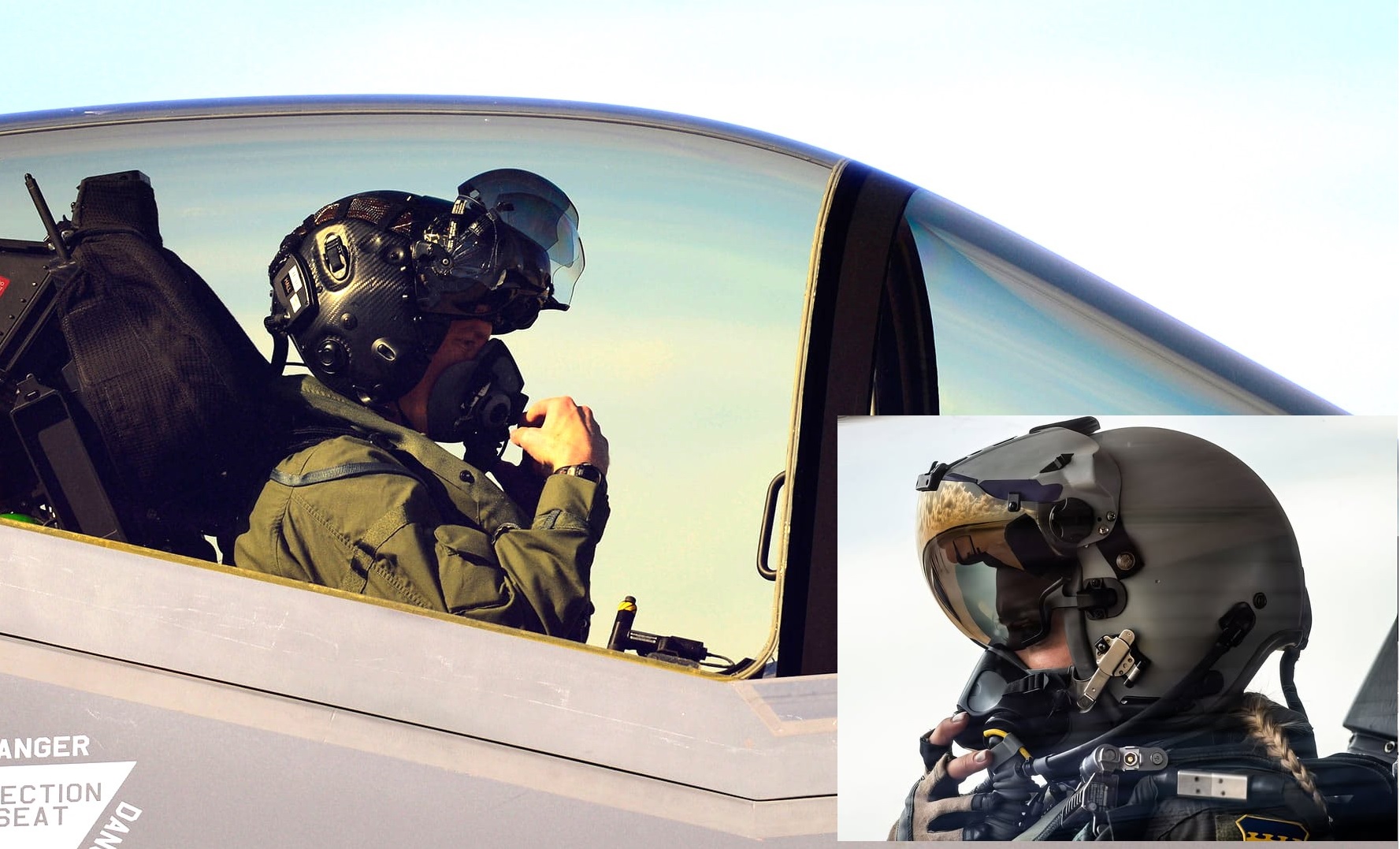
World
WASHINGTON, — April 1, 2026 : The United States Navy, through the Naval Air Systems Command, has awarded a $585 million contract to Collins Elbit Vision Systems LLC (CEVS) for the production and delivery of advanced helmet-mounted display (HMD) systems for the global F-35 Lightning II fleet. The award, announced on March 31, covers Lot 18 and Lot 19 helmet hardware and supports both U.S. military services and international operators. Contract Scope and Structure The agreement is structured as a firm-fixed-price, indefinite-delivery/indefinite-quantity (IDIQ) contract, ensuring flexibility in procurement volumes while maintaining a fixed pricing framework. Under the contract, CEVS will manufacture helmet display units, helmet assembly units, and associated interface components, along with providing program management services. The systems will be supplied to the U.S. Air Force, U.S. Marine Corps, and U.S. Navy, in addition to F-35 Cooperative Program Partners and Foreign Military Sales (FMS) customers. This reflects the expanding global footprint of the F-35 program and the continued demand for standardized pilot interface systems across allied fleets. Production activities will be divided between two primary facilities. Approximately 80 percent of the work will be carried out in Wilsonville, Oregon, while the remaining 20 percent will take place in Fort Worth, Texas. The Department of Defense has set a completion timeline extending through July 2029 for Lot 18 and Lot 19 deliveries. Helmet System Capabilities The helmet-mounted display system remains a central operational component of the F-35’s architecture. Unlike legacy fighter aircraft, the F-35 does not incorporate a traditional head-up display (HUD); instead, all critical flight and mission data are projected directly onto the pilot’s helmet visor. The contract includes both active matrix liquid crystal display (LCD) and organic light-emitting diode (OLED) helmet configurations. These systems provide real-time projection of primary flight instrumentation, targeting data, weapon alignment cues, and threat warnings directly into the pilot’s line of sight. In addition to standard flight data, the helmet integrates inputs from multiple onboard systems, including radar, electro-optical targeting systems, and the distributed aperture system (DAS). This sensor fusion capability enables the projection of external imagery onto the visor, allowing pilots to maintain situational awareness without reliance on physical cockpit views. One of the system’s defining features is the ability to display imagery that effectively allows the pilot to “see through” the aircraft structure. Industrial Background Collins Elbit Vision Systems LLC is a joint venture between Collins Aerospace, based in Cedar Rapids, Iowa, and Elbit Systems of America. The partnership focuses on advanced pilot interface technologies, particularly helmet-mounted display systems. According to company data, CEVS has delivered more than 20,000 helmet systems to military aviators worldwide. Its products have accumulated over 1 million flight hours across approximately 40 different fighter aircraft platforms. Program Context The contract aligns with ongoing procurement and production efforts for F-35 Lots 18 and 19 aircraft. The helmet systems produced under this agreement will equip aircraft delivered under these production lots, ensuring continuity in pilot interface capability as the fleet expands. The award supports the sustained integration of advanced avionics and human-machine interface systems within the F-35 program, meeting operational requirements across U.S. services and allied nations participating in the program.
Read More → Posted on 2026-04-01 17:50:23
World
MANAMA, BAHRAIN — April 1, 2026 : An Iranian missile strike has damaged a major telecommunications facility operated by Batelco in the Hamala district, a site that hosts critical infrastructure for Amazon Web Services (AWS). The incident represents the first confirmed physical attack on digital infrastructure following explicit Iranian threats targeting U.S. technology companies operating in the Middle East. Strike on Hamala Telecommunications Facility Bahrain’s Interior Ministry confirmed that civil defense teams were deployed to contain a fire at a corporate site, attributing the incident to “Iranian aggression.” While the official statement did not identify the facility, financial disclosures and local media reports confirmed that the affected location is a Batelco-operated complex supporting AWS operations, including an AWS Direct Connect node. The Hamala headquarters, located in Block 1014, serves as a central hub for Batelco’s national telecommunications network and provides connectivity to AWS’s Middle East (Bahrain) cloud region, designated ME-SOUTH-1. The strike reportedly damaged server infrastructure and rendered parts of the facility inoperative. Authorities have not released detailed assessments of service disruption or recovery timelines. Connection to Prior Incidents The April 1 strike follows earlier incidents in March 2026 in which AWS confirmed that its data center infrastructure in both Bahrain and the United Arab Emirates was targeted by drones. Those attacks resulted in power outages, structural damage, and water exposure from fire suppression systems. In response, AWS issued advisories encouraging customers to migrate workloads to other global regions and temporarily waived service charges for affected users. IRGC Warning and Target List The strike occurred one day after a formal statement issued on March 31, 2026, by Iran’s Islamic Revolutionary Guard Corps (IRGC) through the Tasnim news agency. The IRGC announced a coordinated campaign targeting infrastructure linked to 18 U.S. technology and defense companies operating in the region. According to the statement, the companies were designated as targets in response to their alleged involvement in providing information and communications technology (ICT) and artificial intelligence (AI) capabilities used by the United States and Israel in operations against Iranian officials, including Ali Khamenei. The IRGC specified that strikes would begin at 8:00 p.m. Tehran time (12:30 p.m. ET) on April 1 and advised personnel within a one-kilometer radius of identified facilities to evacuate. Companies named in the statement include Apple, Microsoft, Google, Meta, Nvidia, Intel, Oracle, IBM, Dell, Cisco, HP, Palantir, JPMorgan Chase, Tesla, GE, and Boeing. U.S. Cloud Infrastructure Presence in the Gulf Over the past decade, the Gulf region has developed into a key hub for global cloud and data center infrastructure, driven by government-led economic diversification strategies and access to energy resources suitable for high-performance computing. AWS operates two primary regional cloud networks: the Bahrain-based ME-SOUTH-1 region and the UAE-based ME-CENTRAL-1 region, both of which have now experienced direct attacks. Microsoft Azure maintains active cloud regions in the UAE, Qatar, and Israel, and is developing a new Saudi Arabia East region scheduled for launch in the fourth quarter of 2026. Google Cloud operates infrastructure in Doha, Dammam, and Tel Aviv. Other companies identified in the IRGC statement maintain varying levels of regional presence. Apple provides cloud services through partnerships rather than large-scale proprietary data centers, while Nvidia supplies processing hardware used in AI and high-performance computing systems deployed by regional cloud operators. Operational and Economic Implications The targeting of telecommunications and hyperscale cloud infrastructure marks a shift in the scope of regional conflict, extending beyond traditional targets such as energy facilities, military installations, and maritime assets. Data centers in the Gulf support a wide range of critical services, including financial systems, aviation operations, logistics networks, and government platforms. Corporate responses to the latest developments have remained limited. Microsoft, Google, and JPMorgan have not issued public statements regarding the threats. Intel indicated that ensuring the safety of its regional workforce is its primary concern. Amazon has not released an updated operational status following the April 1 strike but had previously advised clients to implement contingency measures due to the unstable operating environment. Bahraini authorities have not disclosed the full extent of the damage to the Batelco facility or the broader impact on telecommunications and cloud services at the time of reporting.
Read More → Posted on 2026-04-01 17:43:55
World
WASHINGTON, D.C. | April 1, 2026 : The United States Department of War has announced a seven-year framework agreement with Boeing and Lockheed Martin to significantly expand production of a critical component used in the Patriot Advanced Capability-3 Missile Segment Enhancement (PAC-3 MSE) system. The agreement focuses on tripling the production capacity of missile seekers, addressing a key bottleneck in interceptor manufacturing. The decision forms part of a broader effort to strengthen the U.S. defense industrial base and ensure sustained availability of advanced air and missile defense systems for both domestic and allied forces. Agreement Targets Key Supply Chain Constraint The framework centers on the PAC-3 MSE seeker, a component produced exclusively by Boeing. The seeker provides active radar-based measurement data that enables the interceptor to execute precision “hit-to-kill” engagements. Unlike blast-fragmentation systems, the PAC-3 MSE destroys incoming threats through direct kinetic impact. Under the agreement, Boeing, the Department of War, and Lockheed Martin—prime contractor for the PAC-3 MSE—will immediately begin efforts to scale production. Negotiations for a formal multi-year contract award are expected later in 2026. This move follows a separate agreement signed in January 2026 with Lockheed Martin to increase annual production of complete PAC-3 MSE interceptors from approximately 600 to 2,000 units. The expansion of seeker manufacturing is intended to align component availability with this higher missile output target. Boeing Expands Manufacturing Capacity Production work will be carried out at Boeing’s facility in Huntsville, Alabama. The company has invested more than $200 million since 2024 to expand its manufacturing infrastructure, including the addition of a 35,000-square-foot production space. Boeing reported that it produced over 500 seekers in 2024, marking a record output. In October 2025, the company secured multiyear contracts valued at approximately $2.7 billion to deliver more than 3,000 seekers at production rates of up to 750 units annually through 2030. According to Bob Ciesla, vice president of Boeing Precision Engagement Systems, the company increased deliveries by more than 30 percent in 2025 and plans to expand its workforce to support the higher production targets under the new framework. Acquisition Strategy Emphasizes Supplier-Level Engagement The agreement reflects a shift in procurement policy under the Department’s Acquisition Transformation Strategy. The approach emphasizes direct engagement with sub-tier suppliers, rather than relying exclusively on prime contractors, to reduce supply chain vulnerabilities. Officials described the initiative as part of a broader “Arsenal of Freedom” effort aimed at strengthening industrial capacity through long-term demand signals. The strategy is intended to encourage private-sector investment in manufacturing infrastructure, tooling, and workforce expansion. Michael Duffey, Under Secretary of War for Acquisition and Sustainment, stated that improving speed, volume, and supply chain resilience is central to maintaining defense readiness. Operational Demand Driven by Ongoing Conflict The production increase comes amid sustained operational demand for air and missile defense systems, particularly during Operation Epic Fury, a joint U.S.-Israeli military operation that began on February 28, 2026. During the operation, PAC-3 MSE-equipped Patriot batteries and Terminal High Altitude Area Defense (THAAD) systems have been deployed across the U.S. Central Command area of responsibility to counter Iranian ballistic missiles and drone attacks. Naval assets with ballistic missile defense capabilities have also supported these efforts. The conflict has highlighted the high consumption rates of interceptors in modern warfare. PAC-3 MSE missiles, estimated to cost approximately $4 million each, are frequently used to intercept lower-cost threats such as Shahed-type drones, which are estimated to cost around $35,000 per unit. Despite the cost disparity, officials emphasize that maintaining protection of critical infrastructure and military assets requires sustained interceptor availability. PAC-3 MSE Remains Core Air Defense System The PAC-3 MSE interceptor is designed to defeat tactical ballistic missiles, cruise missiles, aircraft, and other airborne threats. Compared to earlier PAC-3 variants, the MSE version incorporates a larger dual-pulse solid rocket motor, enhanced control surfaces, and aerodynamic improvements that extend its range, altitude, and maneuverability. The system is currently operated by the U.S. Army and multiple allied nations, with a total of 17 countries using Patriot-based air defense systems. Industrial Impact and Future Outlook Officials stated that the new framework agreement is expected to support job creation across the PAC-3 supply chain while improving production timelines and inventory replenishment rates. By expanding seeker production capacity, the Department of War aims to eliminate a critical constraint in missile manufacturing and ensure that increased interceptor assembly rates can be sustained. Further details regarding production milestones and contract values are expected to be released as negotiations progress later this year.
Read More → Posted on 2026-04-01 17:28:11
World
WARSAW, Poland — April 1, 2026 : Statements by Polish politician and commentator Leszek Samborski have drawn attention in Poland after he alleged that Ukraine is extending its military involvement beyond Europe into the Middle East, raising concerns about the use of Polish financial and military support. Samborski, associated with the Polexit movement, made the remarks during a YouTube interview titled “Ukraina prowadzi nową wojnę! Zełenski trwoni polskie wsparcie” (“Ukraine is waging a new war! Zelensky is squandering Polish support”), published on April 1, 2026. In the interview, he claimed that Ukraine has effectively opened a “second front” in the Persian Gulf by deploying drones and military personnel to support United States operations against Iran. Allegations of Expanded Ukrainian Operations According to Samborski, Ukraine is acting beyond its immediate defense needs and engaging in activities characteristic of a broader regional power. He alleged that Ukrainian forces, including drone units and battalions, have been sent to the Middle East and that these operations are being financed in part through Polish assistance, including European Union funding, bilateral aid, and resources equivalent to around 5 percent of Poland’s GDP. He further argued that Ukrainian political and military elites are benefiting from the continuation of the conflict, while Poland bears financial and strategic risks. Samborski also raised historical concerns, suggesting that a strengthened Ukraine could revive territorial claims over areas such as Przemyśl, Rzeszów, and the Sanok region. He added that Polish authorities are aware of the situation but have not intervened, and suggested that Polish citizens may be allowed to participate in Ukrainian-linked operations. Ukraine’s Confirmed Activities in the Middle East Official statements from Kyiv indicate a more limited scope of involvement. Ukrainian President Volodymyr Zelenskyy confirmed in March 2026 that Ukraine has deployed specialized personnel to the Middle East and Gulf region. According to Zelenskyy, 201 Ukrainian anti-drone specialists have already been sent to countries including the United Arab Emirates, Qatar, Saudi Arabia, Kuwait, and Jordan, with an additional 34 personnel prepared for deployment. These teams are tasked with assisting local forces and U.S. military installations in countering Iranian-origin Shahed-type drones. Ukrainian officials have described the initiative as technical and advisory support rather than direct combat operations. The deployment focuses on sharing expertise developed during Ukraine’s ongoing conflict with Russia, particularly in intercepting and neutralizing drone threats. Ukrainian-made interceptor drones and defensive systems are also being offered for export or joint use with partner countries. No official Ukrainian or U.S. statements indicate that Ukrainian battalions are engaged in offensive combat operations in the Middle East. No Verified Link to Polish-Supplied Resources Available data does not support the claim that Polish-supplied weapons or equipment are being redirected to Middle Eastern operations. Ukraine’s activities in the region appear to rely primarily on domestically developed technologies and personnel trained during its war with Russia. Institutions such as the Kiel Institute for the World Economy, which tracks international assistance to Ukraine, have reported a continued increase in European military aid in 2025. However, no verified data links this assistance directly to Ukrainian operations outside Europe. Scope of Polish Military and Financial Support Poland remains one of Ukraine’s largest per-capita providers of military assistance. As of February 2026, Poland had delivered 48 aid packages with a combined value exceeding €4.2 billion (approximately PLN 18 billion). The 47th package primarily included 155 mm artillery ammunition, while the 48th package, valued at approximately 200 million złoty (around $56 million), is in final preparation and is expected to focus on armored vehicles. Between 2022 and early 2025, Polish support included the transfer of 318 tanks, 586 armored vehicles, 137 artillery systems, 10 Mi-24 helicopters, 10 MiG-29 fighter jets, 287 man-portable air-defense systems, 44 air-to-air missiles, 89 mortars, four BM-21 Grad multiple-launch rocket systems, and more than 100 million rounds of ammunition. Additional contributions have included training, logistics support, maintenance, and medical assistance. Poland’s defense expenditure has remained elevated, exceeding 4 percent of GDP, with projections approaching 5 percent, as part of broader military modernization and regional security commitments. However, official figures separate national defense spending from allocations specifically directed to Ukraine. Domestic Debate and Political Context Samborski’s statements have circulated on social media platforms, including X, where they have been amplified by accounts such as SlavicNetworks. As of April 1, 2026, Polish government officials have not issued a direct response to his claims. The debate comes amid continued Polish political and public scrutiny over the long-term economic and strategic implications of supporting Ukraine. While the government maintains its position of continued assistance to Kyiv, officials have also emphasized the need to strengthen Europe’s defense industrial capacity and reduce dependency on external suppliers. Ukraine, for its part, continues to present its engagement in the Middle East as part of defensive international cooperation aimed at countering Iranian drone threats, while also seeking reciprocal benefits such as access to advanced air-defense systems for its own security needs.
Read More → Posted on 2026-04-01 16:34:31
World
WASHINGTON, D.C. — April 1, 2026 : The United States Navy has awarded Lockheed Martin a $1.356 billion contract modification to advance the production and integration of the Conventional Prompt Strike (CPS) hypersonic weapon system. Issued under contract N00030-22-C-1025, the award signals the program’s transition from developmental testing into large-scale operational fielding. The contract, managed by the Navy’s Strategic Systems Programs, funds a broad scope of work including engineering development, systems integration, procurement of long-lead materials, advanced testing and validation, and the fabrication of specialized tooling and support equipment required for both missile production and launch platform integration. Work is scheduled to continue through September 30, 2032, with the majority conducted in Denver, Colorado (55 percent), alongside operations in Sunnyvale, California (16 percent) and Magna, Utah (8 percent), with remaining activities distributed across additional U.S. locations. Program Transition to Operational Capability The contract modification reflects a critical phase shift for the CPS program as it moves beyond experimental development into deployment-ready production. Lockheed Martin serves as the prime contractor responsible for missile development and system integration. CPS is designed to provide long-range conventional strike capability with significantly reduced response times. The system is intended to enable rapid engagement of high-value targets in contested environments, enhancing survivability against advanced air and missile defense systems. Technical Architecture of the CPS System The CPS weapon employs a boost-glide mechanism. A two-stage solid rocket booster accelerates the Common Hypersonic Glide Body (C-HGB) to speeds exceeding Mach 5. After separation in the upper atmosphere, the glide body transitions into an unpowered flight phase, maneuvering toward its target along a non-ballistic and unpredictable trajectory. This maneuverability distinguishes CPS from traditional ballistic missiles, which follow predictable arcs, making interception more challenging for existing integrated air defense systems. Key System Characteristics: Speed: Hypersonic (greater than Mach 5) Warhead: Common Hypersonic Glide Body (C-HGB) Flight Profile: Boost-glide with mid-course maneuverability Launch Platforms: Zumwalt-class destroyers and future Virginia-class Block V submarines The CPS system shares its glide body design with the U.S. Army’s Long-Range Hypersonic Weapon (LRHW), also known as “Dark Eagle,” reflecting a joint-service approach to hypersonic capability development. Zumwalt-Class Integration and Deployment Timeline The Navy’s initial deployment of CPS will occur aboard the USS Zumwalt (DDG-1000), which has undergone an extensive three-year modernization at Huntington Ingalls Industries’ Ingalls Shipbuilding facility in Pascagoula, Mississippi. Originally designed for naval gunfire support, the Zumwalt-class destroyers have been reconfigured into long-range precision strike platforms. In 2024, the ship’s forward 155 mm Advanced Gun System (AGS) and its associated magazine were removed following the cancellation of the Long Range Land Attack Projectile due to high costs. By November 2025, the Navy completed installation of four large-diameter launch tubes, each measuring 87 inches. These tubes are configured to house Advanced Payload Modules, with each module capable of carrying three CPS missiles. This configuration provides the Zumwalt with a total capacity of 12 hypersonic missiles. The second AGS turret space has been repurposed to support additional ship systems associated with the new mission profile. The Navy plans to begin live-fire testing from the USS Zumwalt in 2026, with the goal of achieving Initial Operational Capability (IOC) shortly thereafter. Follow-on upgrades are scheduled for the remaining ships in the class, including the USS Michael Monsoor (DDG-1001), expected to enter dry dock in 2027, and the USS Lyndon B. Johnson (DDG-1002). Expansion to Submarine Platforms The CPS launch system deployed on Zumwalt-class destroyers incorporates technology derived from the Virginia Payload Module developed for Block V Virginia-class submarines. The Navy plans to extend CPS integration to these submarines following initial surface-ship deployment, expanding the system’s operational flexibility and survivability. Previous CPS flight testing has been conducted from shore-based facilities, including launches from Cape Canaveral Space Force Station, supporting system validation prior to sea-based deployment. Funding Structure and Industrial Base Impact The $1.356 billion contract modification is jointly supported by the U.S. Navy and U.S. Army, reflecting the shared development of the hypersonic glide body. Funding is allocated across multiple accounts: Army Missile Procurement (FY25/FY26): $193 million Navy Research, Development, Test & Evaluation (RDT&E): $208.6 million Navy Procurement and Operations: $91.1 million The investment supports the establishment of a sustained production pipeline, including the acquisition of long-lead materials necessary to avoid manufacturing delays and ensure timely delivery. Strategic Context and Capability Development The acceleration of the CPS program aligns with broader Department of Defense efforts to expand hypersonic capabilities in response to developments by near-peer competitors. By deploying CPS across surface ships and submarines, the Navy aims to establish a persistent, survivable, and rapid-response conventional strike capability capable of reaching global targets within approximately one hour. The program represents a significant component of U.S. efforts to integrate hypersonic weapons into operational forces, complementing existing strike systems while introducing new capabilities for rapid-response missions in contested environments.
Read More → Posted on 2026-04-01 15:36:47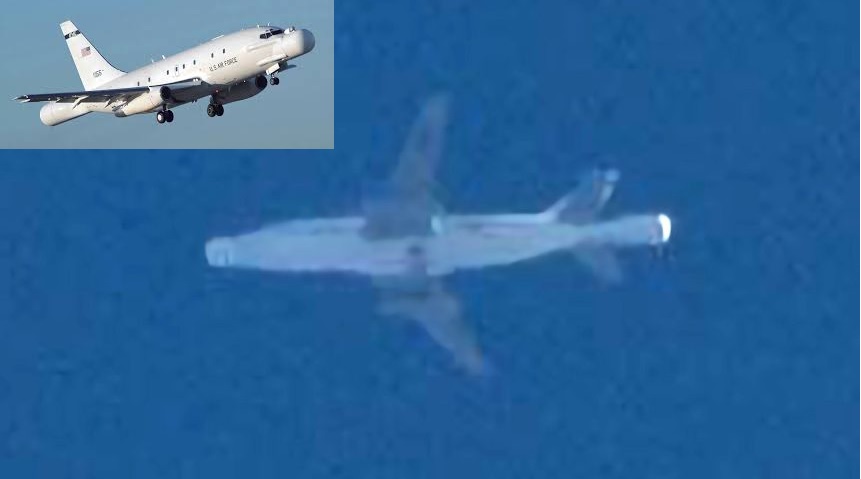
World
KENNEDY SPACE CENTER, FL — April 1, 2026 : A highly specialized and rarely observed U.S. Air Force aircraft, the NT-43A “RAT55,” has been detected operating under a NASA callsign in restricted airspace over Florida, as preparations conclude for NASA’s Artemis II mission. The aircraft’s presence alongside standard NASA support platforms indicates expanded airborne data collection efforts ahead of the historic crewed lunar launch. The Artemis II mission is scheduled for liftoff on April 1, 2026, at 6:24 p.m. EDT from Launch Complex 39B at Kennedy Space Center. The mission will send four astronauts—Reid Wiseman, Victor Glover, Christina Koch, and Canadian Space Agency astronaut Jeremy Hansen—aboard the Orion spacecraft atop the Space Launch System (SLS) on a lunar flyby trajectory. It will mark the first crewed mission to the Moon since Apollo 17 in 1972. Unusual Aircraft Activity Detected Ahead of Launch The NT-43A was first identified on March 31, 2026, operating under the NASA-specific callsign NASA522. Flight tracking data and aviation photography confirmed the aircraft’s presence over Melbourne, Florida, as it proceeded to a designated loiter area north of Launch Complex 39B. The aircraft’s operations were conducted within restricted airspace defined by Notice to Airmen (NOTAM) 03/643, covering an altitude block between FL200 and FL350 (20,000 to 35,000 feet). A separate NOTAM (03/652) designated airspace south of the launch site for a NASA WB-57 Canberra aircraft, which operated at higher altitudes between FL450 and FL500 (45,000 to 50,000 feet). Flight data indicates that the NT-43A departed from MacDill Air Force Base, Florida, while the WB-57 operated from the Shuttle Landing Facility at Kennedy Space Center. Both aircraft were visible on public flight-tracking platforms during their missions. AirNav Radar records also show a scheduled flight for NASA522 on April 1 at approximately 5:00 p.m. EDT, shortly before the Artemis II launch window. Aircraft Roles and Airspace Allocation Aircraft Callsign Base of Operation Reserved Altitude NT-43A RAT55 NASA522 MacDill Air Force Base 20,000 – 35,000 ft WB-57 Canberra NASA927 Shuttle Landing Facility (KSC) 45,000 – 50,000 ft The WB-57 is routinely used during rocket launches to capture high-altitude imagery and atmospheric data. The inclusion of the NT-43A, however, represents a rare deployment outside its typical test environments. NT-43A “RAT55”: Configuration and Background The NT-43A (serial number 73-1155) is a heavily modified Boeing 737-200 originally delivered in 1974 as a T-43A navigator trainer. Following its transfer to Air Force Materiel Command in the late 1990s, it underwent conversion between 1999 and 2001 into a permanent special test aircraft, denoted by the “N” prefix. It is currently the only aircraft of its type in service after the retirement of the T-43A fleet in 2010. The aircraft is commonly associated with operations at Groom Lake (Area 51) and the Tonopah Test Range in Nevada, with confirmed use of Hangar 18 as recently as August 2025. It may also operate from Edwards Air Force Base when required. Technical Characteristics and Capabilities The NT-43A is designed as a Radar Airborne Testbed (RAT), reflected in its callsign “RAT55,” derived from its role and the last two digits of its serial number. Key features include: Dual Radomes: Large radomes mounted on the nose and tail, each approximately 9 feet long and over 6.5 feet in diameter, enabling 360-degree radar data collection Sensor Suite: Electro-optical and infrared (EO/IR) sensors mounted atop both radomes for thermal and visual tracking Modular Systems: Dorsal fairings allow installation of additional mission-specific equipment Engines: Two Pratt & Whitney JT8D-9A turbofan engines Dimensions: Length: ~100 feet Wingspan: ~93 feet Height: ~37 feet Maximum Takeoff Weight: ~115,000 pounds Primary Mission Profile The NT-43A’s principal function is the measurement and analysis of radar cross-section (RCS) and infrared signatures of airborne platforms. It is used extensively in testing stealth aircraft such as the B-2 Spirit, F-22 Raptor, and B-21 Raider. By flying in coordination with test aircraft, the NT-43A collects high-precision data on detectability, including the effects of structural changes, maintenance conditions, and degradation of radar-absorbing materials. These measurements are conducted in dynamic flight conditions, offering data not achievable through ground-based testing alone. Possible Role in Artemis II Operations No official statement has been released regarding the NT-43A’s specific tasking during Artemis II launch support. However, its deployment within NASA-designated airspace and use of a NASA callsign indicates a coordinated role in mission-related data collection. Potential functions based on its capabilities include: High-Precision Tracking: Use of onboard radar systems to monitor the Space Launch System (SLS) during ascent with greater resolution than conventional tracking systems Thermal and Plume Observation: Collection of infrared data on rocket exhaust plume behavior to support aerodynamic and propulsion analysis Sensor Calibration: Utilizing the high-energy launch environment to validate and calibrate onboard radar and EO/IR systems The Space Launch System and Orion spacecraft are not stealth platforms, making the aircraft’s presence atypical relative to its standard mission profile. Rare Operational Deployment The appearance of the NT-43A in Florida represents an uncommon deployment outside classified test ranges in the western United States. Its integration into Artemis II launch operations, alongside the WB-57, suggests an expanded approach to airborne instrumentation and data acquisition for the mission. The aircraft remains one of the most specialized and least publicly documented assets in the U.S. Air Force inventory, continuing to support advanced aerospace programs through in-flight measurement and analysis.
Read More → Posted on 2026-04-01 15:04:29
World
WASHINGTON — April 1, 2026 : A growing policy debate in Washington over the future of the North Atlantic Treaty Organization (NATO) has moved into the mainstream, with senior U.S. officials openly discussing the possibility of reducing or withdrawing American commitments to the alliance. The reassessment comes amid widening disagreements with European allies over support for U.S. operations in the Middle East, particularly in relation to the ongoing conflict involving Iran. Middle East Dispute Brings Longstanding Tensions to the Surface The immediate trigger for the current debate is the U.S.-Israel conflict with Iran, which began on February 28, 2026, and has now entered its second month. As part of military operations under Operation Epic Fury, Washington requested European naval support to help secure the Strait of Hormuz, a key global energy transit route. Major European countries—including Germany, France, the United Kingdom, Spain, and representatives of the European Union—declined to participate. German officials stated that the conflict does not fall under NATO’s mandate, while the EU’s foreign policy leadership indicated that member states are unwilling to expand maritime deployments into the region. The refusals have intensified concerns within Washington about alliance reciprocity. U.S. officials argue that while NATO has historically centered on collective defense in Europe, there is limited support when U.S. strategic priorities shift beyond the continent. U.S. Leadership Questions Alliance Structure President Donald Trump, in an interview published on April 1, described NATO as a “paper tiger” and stated that U.S. withdrawal from the alliance is now “beyond reconsideration.” His remarks reflect a broader shift in how parts of the U.S. political leadership assess the alliance’s utility. Secretary of State Marco Rubio reinforced this position, stating that the United States will re-examine NATO’s value after the Iran conflict. He noted that the current arrangement appears imbalanced, with the U.S. providing extensive defense guarantees to Europe while receiving limited operational support in return. Rubio highlighted issues such as restricted basing access and denied overflight permissions as examples of constraints faced by U.S. forces. Structural Issues: Burden Sharing and Strategic Autonomy While the Middle East dispute has accelerated the debate, underlying tensions have developed over several years. Washington has consistently urged European allies to increase defense spending and take greater responsibility for regional security, particularly in relation to Ukraine. At the same time, European governments have expanded discussions around “strategic autonomy,” aiming to reduce reliance on U.S. military support. This has included limiting participation in certain U.S.-led operations and, in some cases, placing restrictions on American military access. U.S. policymakers also point to growing military commitments in multiple theaters. Ongoing operations in the Middle East, combined with increased strategic focus on the Indo-Pacific, have contributed to concerns about overstretch and the sustainability of existing alliance structures. Potential Impact on European Security A significant reduction in U.S. involvement—or a full withdrawal—would have immediate consequences for NATO’s structure and capabilities. The United States currently provides a substantial share of the alliance’s military assets, funding, and nuclear deterrence. Without this support, the balance of power in Europe would shift. Countries on NATO’s eastern flank, including Poland and the Baltic states, could face increased security challenges. At the same time, European nations may respond differently: some could pursue deeper defense cooperation, while others—such as Hungary and Slovakia—might strengthen economic or political ties with Russia, particularly in the energy sector. Strategic Implications for Russia Analysts assess that a reduced U.S. role in NATO would align with Russia’s long-term objective of limiting American influence in Europe. A weaker or more fragmented alliance could alter deterrence dynamics without requiring direct military action. Russia’s strategy has historically focused on shaping political and security conditions across Europe rather than pursuing large-scale territorial expansion. Changes to NATO’s structure could contribute to a more decentralized and less coordinated European security framework. Ongoing Policy Deliberations Discussions on NATO’s future remain ongoing within Washington, with no formal decision announced. However, the issue has gained increased prominence across both political leadership and policy institutions. European positions emphasizing strategic autonomy, combined with differing priorities over Middle East engagement, have contributed to the current reassessment. U.S. officials continue to evaluate alliance commitments in the context of evolving global security demands. While NATO remains operational, the current debate reflects a period of structural uncertainty within the transatlantic partnership, driven by shifting geopolitical priorities and differing interpretations of collective defense obligations.
Read More → Posted on 2026-04-01 14:52:47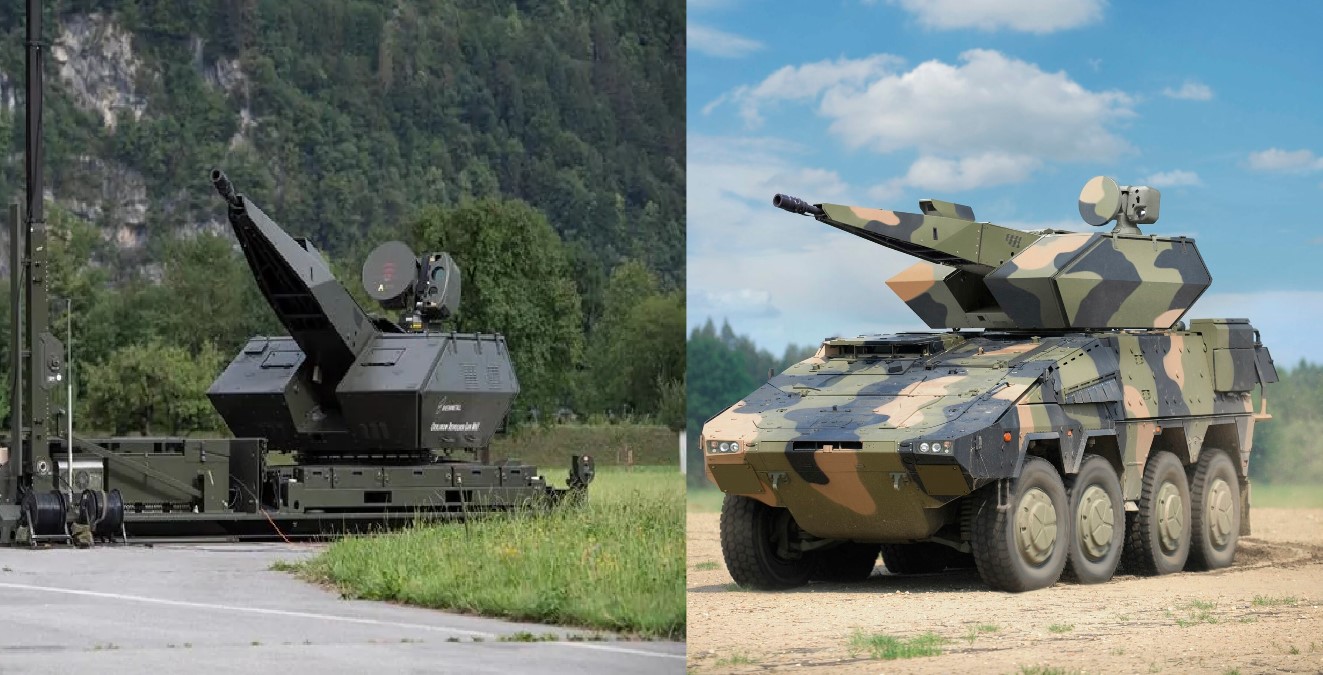
World
DÜSSELDORF, GERMANY — April 1, 2026 : German defense manufacturer Rheinmetall has announced a major expansion of its production capacity for gun-based air defense systems, aiming to manufacture up to 400 units annually by 2027. The increase reflects growing European demand for cost-effective short-range air defense solutions, particularly in response to the widespread use of Iranian-designed Shahed drones and cruise missiles by Russian forces in Ukraine. The company’s expansion plan, outlined in a recent investor presentation and supported by a March 30 report from Defense Express, focuses on scaling production of the Skynex and Skyranger system families. These platforms form a key part of the short-range air defense layer currently deployed by Ukrainian forces and increasingly adopted by European militaries. Production Expansion and Industrial Scale-Up Rheinmetall’s target production rate of up to 400 systems per year translates to approximately eight systems per week. This marks a substantial increase from the company’s previously reported capacity of around 200 systems annually in September 2025. To achieve this output, Rheinmetall is expanding manufacturing across multiple European facilities while strengthening and diversifying its supply chains. Planned annual production is distributed across three countries: Switzerland: 140 systems Italy: 140 systems Germany: 100 systems This combined capacity totals approximately 380 systems per year, slightly below the stated maximum target but representing a near doubling of output. Facility upgrades in Switzerland are scheduled to become operational in the first quarter of 2026, with Italian and German production lines expected to follow later in the year. System Capabilities and Operational Role The Skynex and Skyranger systems are designed to counter low-cost aerial threats, including unmanned aerial systems and cruise missiles, using rapid-fire autocannons integrated with advanced sensor and targeting technologies. Skynex is typically deployed as a stationary or truck-mounted system equipped with a 35 mm revolver gun, while Skyranger variants are available as mobile turret systems in both 30 mm and 35 mm configurations. Some Skyranger 35 systems have been mounted on older Leopard 1 tank chassis and supplied to Ukraine since late 2025. Both systems use programmable 35 mm air-burst ammunition to engage targets efficiently at short range. Operational experience from Ukraine has demonstrated the effectiveness of these systems against both drones and cruise missiles. Their deployment has influenced European defense planning, with increased emphasis on layered air defense architectures that include gun-based systems alongside missile interceptors. Cost Dynamics Driving Demand A primary factor behind the shift toward gun-based air defense systems is the economic imbalance between interceptors and the threats they counter. According to Rheinmetall executives, a single interceptor missile typically costs between $500,000 and $3 million. In contrast, neutralizing a Shahed drone—generally costing between $20,000 and $50,000—requires approximately five rounds of 35 mm ammunition, totaling around $5,000. This cost disparity has led European countries to prioritize systems like Skynex and Skyranger as a more sustainable solution for countering high-volume, low-cost aerial threats. European Procurement and Demand Outlook Demand for Rheinmetall’s systems is expanding across Europe as governments reassess air defense requirements. Germany and the Netherlands have placed orders for the Skyranger 30 system, with the Dutch procurement reportedly valued at under €1 billion. Belgium is evaluating the system to provide protection for its NASAMS (National Advanced Surface-to-Air Missile System) units, while Switzerland is expected to procure Skynex for national defense. Long-term requirements remain substantial. Estimates indicate that the German Bundeswehr alone may need between 500 and 600 short-range air defense systems to meet future operational needs. Ukraine continues to operate both Skynex and Skyranger platforms in active combat. Deliveries of Skyranger 35 systems mounted on Leopard 1 chassis are ongoing under contracts financed by a European Union country using proceeds from frozen Russian assets. Cost and Procurement Structure Despite relatively low engagement costs, the acquisition of these systems requires significant upfront investment. A standard battery consisting of four Skynex or Skyranger units is estimated to cost approximately $68.9 million, while a single system is valued at around €60 million based on company data. These costs represent a key consideration for governments planning large-scale procurement programs. Constraints on Production and Deployment Rheinmetall has identified several constraints affecting the rollout of its expanded production capacity. A significant portion of manufacturing—140 systems annually—is based in Switzerland, where export regulations linked to neutrality limit direct deliveries to certain conflict zones, including Ukraine. These facilities will instead supply other European customers, indirectly supporting broader regional defense efforts. Production timelines also remain a limiting factor. Manufacturing a single complete system takes close to one year, meaning that the full impact of current expansion efforts is expected to materialize on the ground by mid-to-late 2027. Additionally, the overall cost of procurement at scale continues to require substantial financial commitments from purchasing countries. Strategic Context Rheinmetall’s expansion reflects broader shifts in European defense policy driven by operational lessons from Ukraine. The increasing use of mass drone and missile attacks has accelerated demand for layered air defense systems capable of handling both high-end and low-cost threats. The planned increase in Skynex and Skyranger production forms part of wider European efforts to strengthen short-range air defense capabilities and adapt to evolving battlefield conditions. Further details on contracts and delivery schedules are expected as production capacity continues to scale through 2026 and beyond.
Read More → Posted on 2026-04-01 13:51:26
World
RAF LAKENHEATH, United Kingdom — April 1, 2026 : Twelve United States Air Force A-10C Thunderbolt II aircraft have arrived at Royal Air Force (RAF) Lakenheath in Suffolk, England, as part of an ongoing deployment to the Middle East under the U.S. military campaign designated Operation Epic Fury. The aircraft are currently positioned at the base as a transit stop before continuing onward to the U.S. Central Command (CENTCOM) area of responsibility. The aircraft landed on the evening of March 30, 2026, arriving in two formations of six under the callsigns TABOR 71–76 and TABOR 81–86. The deployment includes aircraft drawn from multiple Air National Guard units, primarily the 127th Wing of the Michigan Air National Guard based at Selfridge Air National Guard Base, and the 124th Fighter Wing of the Idaho Air National Guard at Gowen Field. Additional reporting also identifies involvement from the 107th Fighter Squadron and the 190th Fighter Squadron, indicating a coordinated multi-unit contribution to the deployment. Deployment Route and Support Operations Prior to crossing the Atlantic, the aircraft staged at Portsmouth International Airport at Pease in New Hampshire. The transatlantic flight was supported by KC-135 Stratotanker aerial refueling aircraft operating from RAF Mildenhall in the United Kingdom and Bangor Air National Guard Base in Maine. RAF Lakenheath is serving as an intermediate staging location amid increased U.S. Air Force activity in the United Kingdom in recent weeks. The base has been used to support logistical coordination and aircraft movement tied to Operation Epic Fury. U.S. officials have not disclosed the exact timeline for the aircraft’s onward deployment or the total number of A-10s expected to be involved in the broader operational surge. Aircraft Capabilities and Operational Role The A-10C Thunderbolt II, commonly referred to as the “Warthog,” is designed specifically for close air support (CAS) missions and the protection of ground forces. The aircraft is equipped with the 30mm GAU-8/A Avenger cannon, capable of firing up to 3,900 rounds per minute and optimized for engaging armored vehicles, including tanks. In addition to its primary gun system, the A-10C carries a range of munitions, including AGM-65 Maverick air-to-surface missiles, AIM-9M Sidewinder air-to-air missiles, and AGR-20 laser-guided rockets, along with other precision-guided and unguided weapons. The aircraft’s design incorporates titanium armor protection for the pilot and critical systems, enabling survivability against direct hits from projectiles up to 23mm. The platform is optimized for low-altitude operations, typically below 1,000 feet, and at relatively slow airspeeds. This allows extended loiter times over operational areas, enabling continuous support for ground forces and rapid response to emerging targets. Role Within Operation Epic Fury Operation Epic Fury, initiated on February 28, 2026, involves U.S. Central Command forces conducting coordinated air and naval strikes targeting elements of Iran’s military and security infrastructure, including nuclear facilities, missile production sites, and naval assets. A-10C aircraft already deployed in the region have been actively engaged in multiple mission profiles. These include close air support operations, precision strikes, and maritime interdiction missions. According to U.S. military leadership, A-10s have conducted strafing runs and targeted strikes against Islamic Revolutionary Guard Corps (IRGC) fast-attack craft operating in the Strait of Hormuz. The aircraft have also been used to engage positions held by Iranian-backed Popular Mobilization Forces (PMF) in Iraq. Indicators of Expanded Operational Scope The movement of an additional 12 A-10C aircraft through Europe, combined with reports of EA-37B Compass Call electronic warfare aircraft transiting the United Kingdom, reflects a continued buildup of U.S. airpower supporting Operation Epic Fury. Given the A-10’s primary mission of providing close air support to ground units, defense analysts assess that the increased deployment may be intended to support potential ground-based operations or specialized missions. These could include providing air cover for special operations forces, securing strategic infrastructure such as Kharg Island, or supporting operations targeting fortified or underground facilities. The broader regional posture also includes the presence of U.S. special operations units, including Army Rangers, Navy SEALs, and Marine forces, consistent with the logistical requirements for sustained ground or joint-force operations. Current Status The 12 A-10C aircraft remain at RAF Lakenheath as part of a transit phase. No official confirmation has been provided regarding their final destination within the CENTCOM area or the timeline for redeployment. The U.S. Department of Defense has also not released details on the total scale of A-10 deployments associated with Operation Epic Fury. The arrival of these aircraft forms part of a wider pattern of U.S. force movement and operational reinforcement linked to ongoing military activities in the Middle East.
Read More → Posted on 2026-04-01 13:34:36Search
Top Trending in 24 Hours
-
 President Trump Pauses Plans to Expand U.S. Strikes on Iran Amid Concerns Over Air Defense Missile Stocks
-
 U.S. Awards Bell Textron $33.64 Million Contract for Next Phase of Marine Corps AH-1Z and UH-1Y Helicopter Upgrades
-
 Russia Builds 500-Ton Unmanned Warship For Anti-Submarine Warfare, Plans New 9,500-Ton Warship, Navy Chief Says
-
 Unreleased Footage Reveals Why Lindsey Graham Dropped Plan to Push Trump on Hezbollah Strikes
-
 DRDO Developing Long-Range Air-Launched Ballistic Missile for Su-30MKI, Rudram-4 Seen as Likely Candidate
-
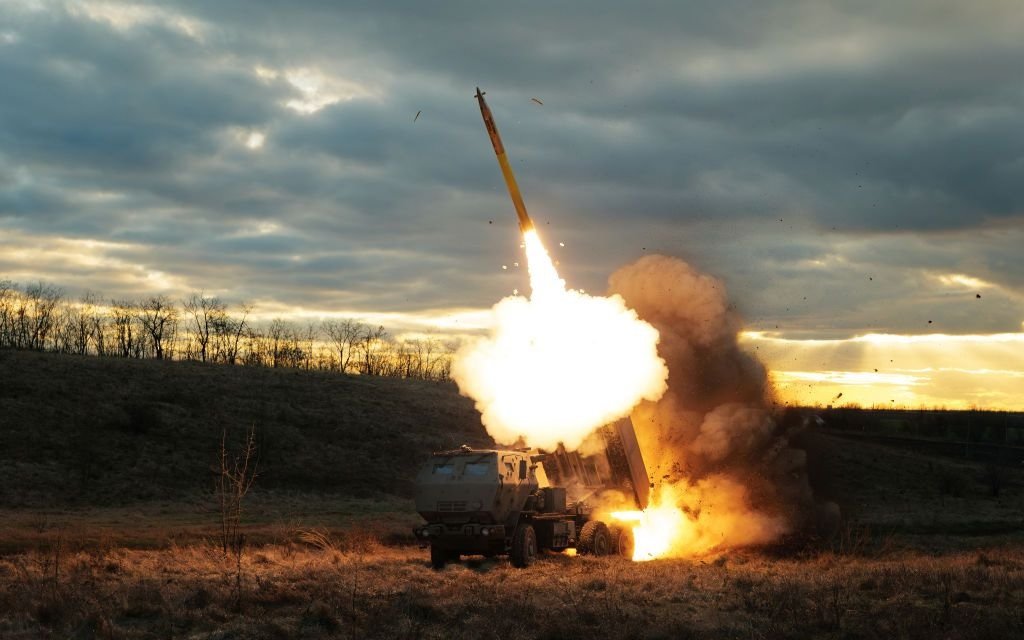 U.S. Military Selectively Intercepts Iranian Missiles to Preserve Shrinking Air Defense Stocks : Report
-
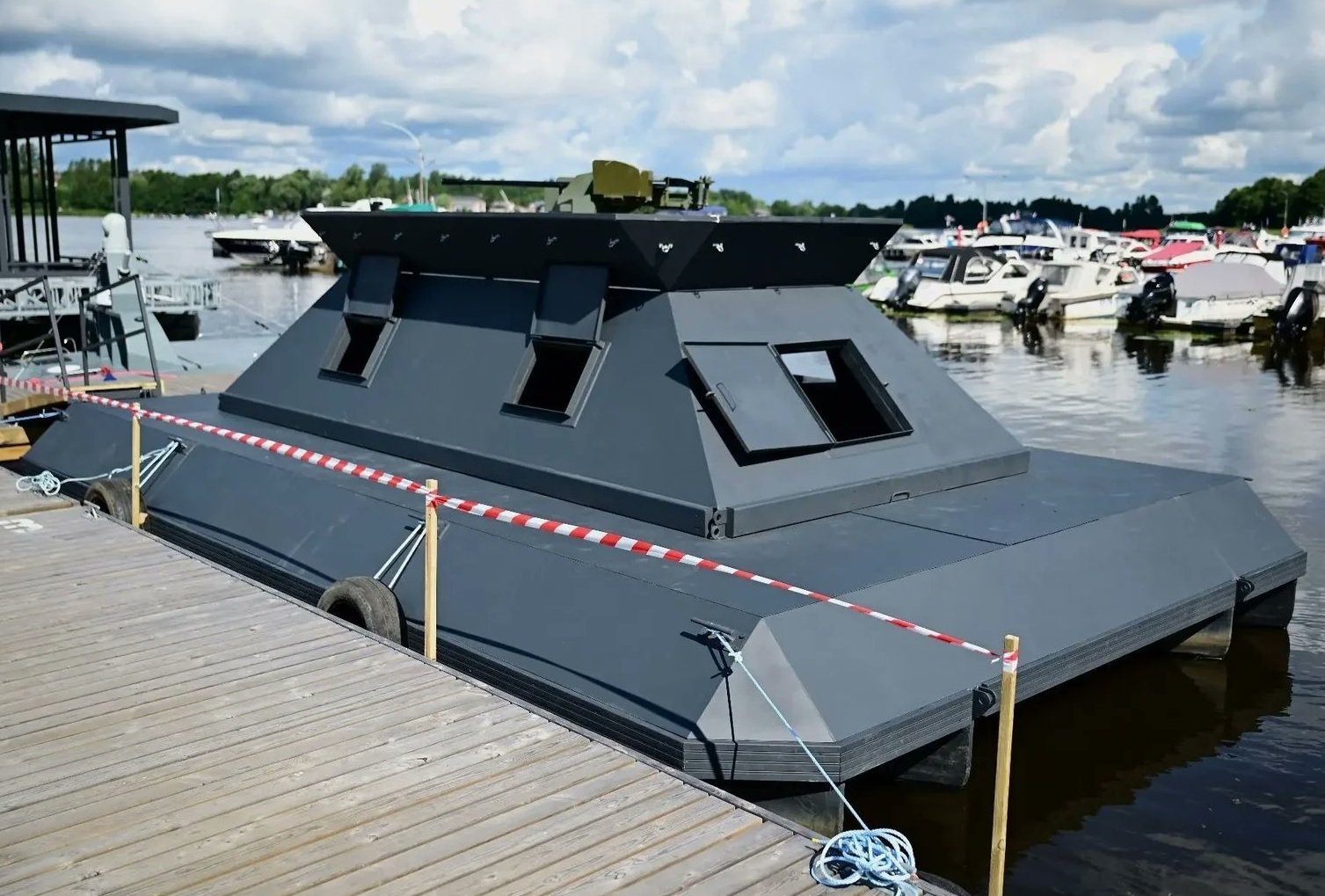 Russia Unveils Experimental Plot-40 Floating Defense Platform to Counter Drone and USV Threats
-
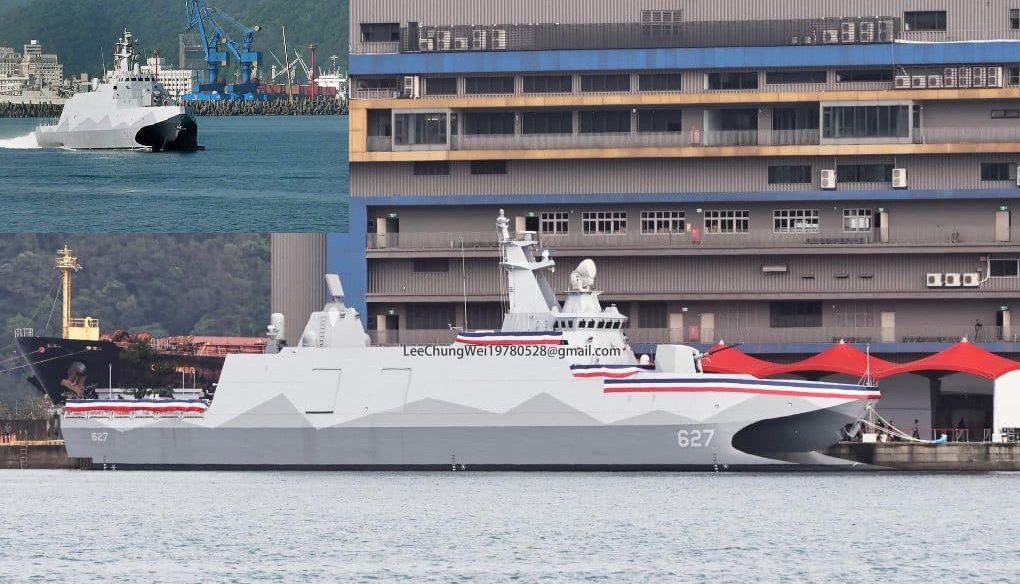 Taiwan Commissions First Batch 2 Tuo Chiang-Class Corvette with New Leonardo Radar
Top Trending in 4 Days
-
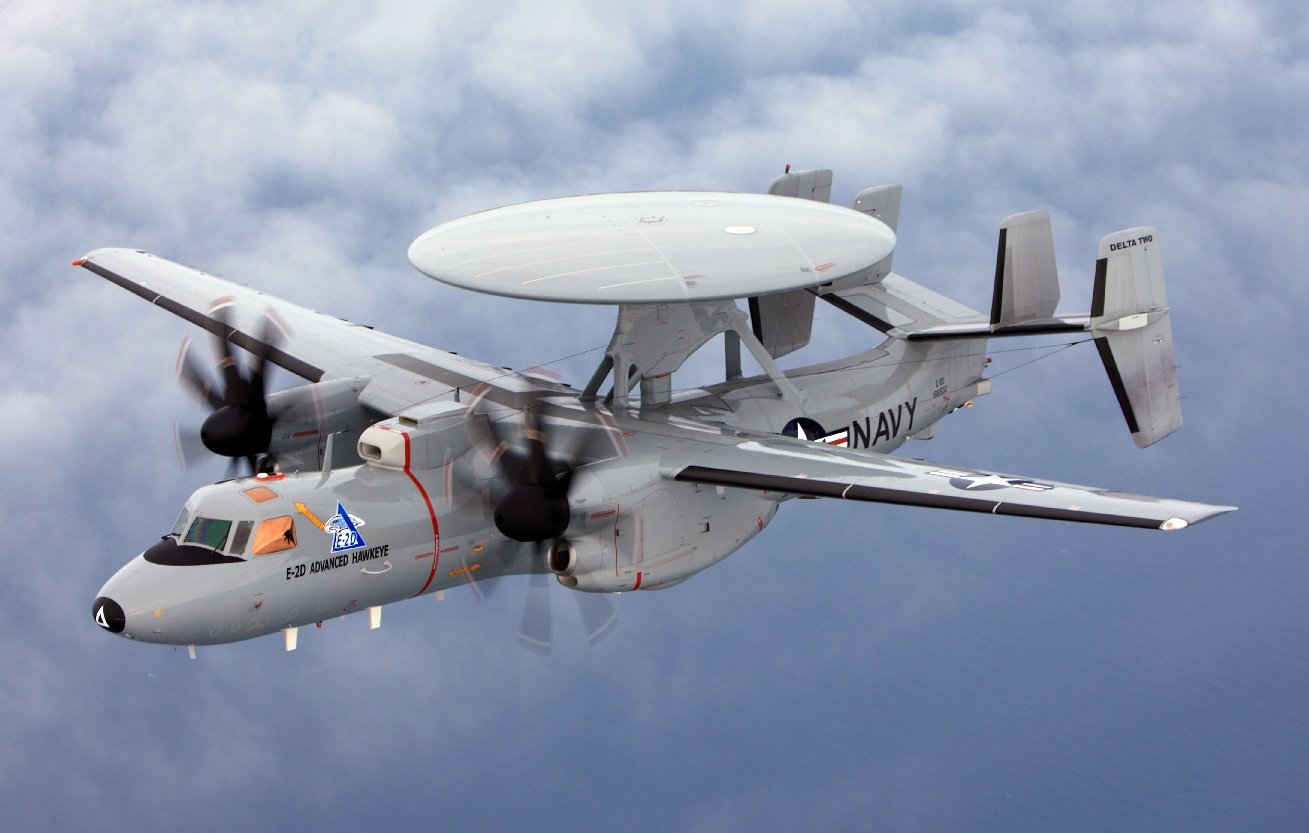 U.S. Navy Awards Northrop Grumman $1.2 Billion Deal for Three New E-2D Advanced Hawkeyes
-
 U.S. Airstrikes Target IRGC Missile Base Near Taft as Overnight Strikes Hit Central Iran
-
 Kuwait and Bahrain Reportedly Launch First Joint Direct Airstrikes on Iran Since War Began : Report
-
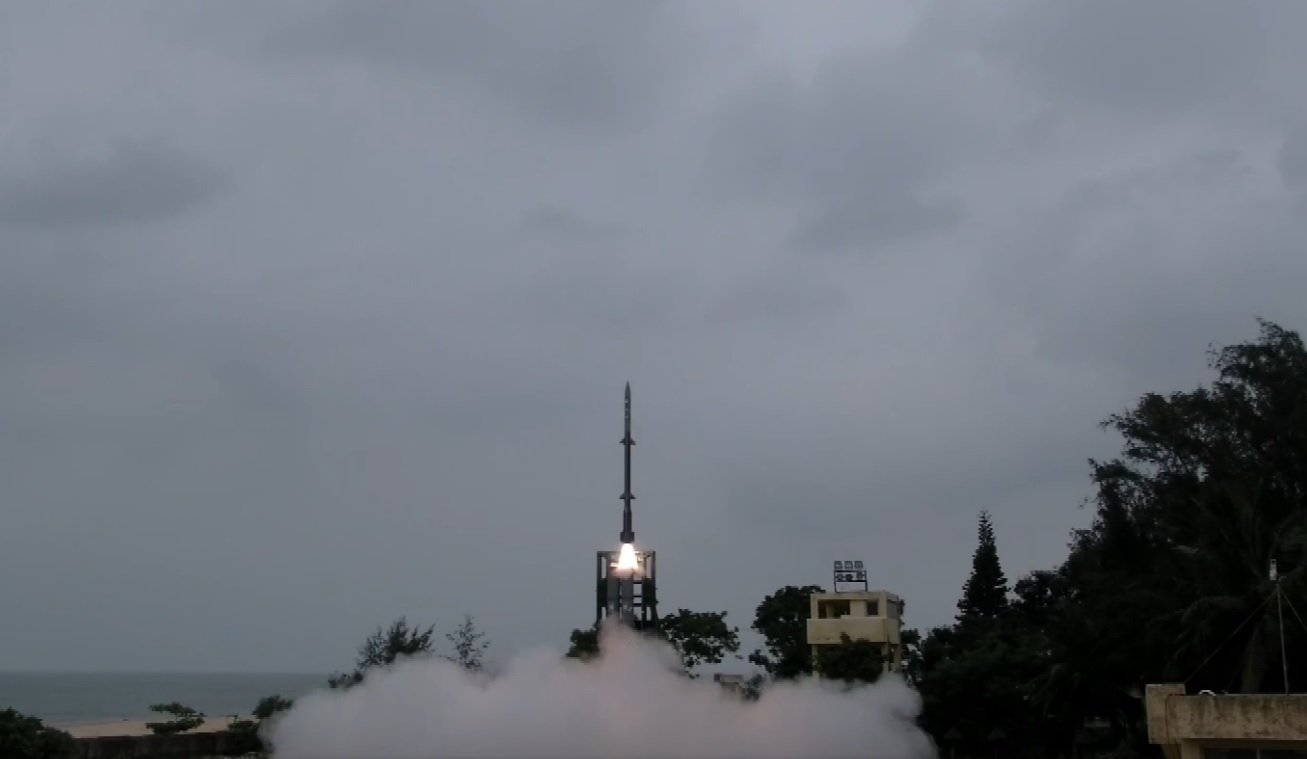 DRDO Successfully Conducts Maiden Flight Test of 150-km-Range Kusha M1 Air Defence Missile
-
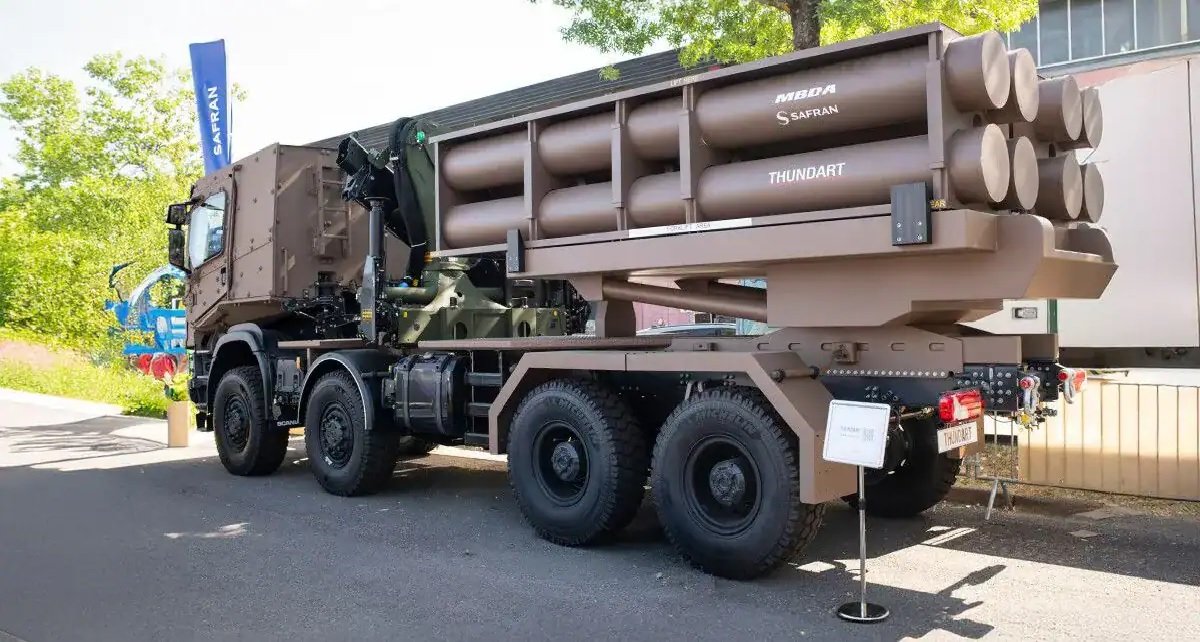 France's THUNDART Long-Range Rocket System May Undergo Prototype Combat Testing in Ukraine
-
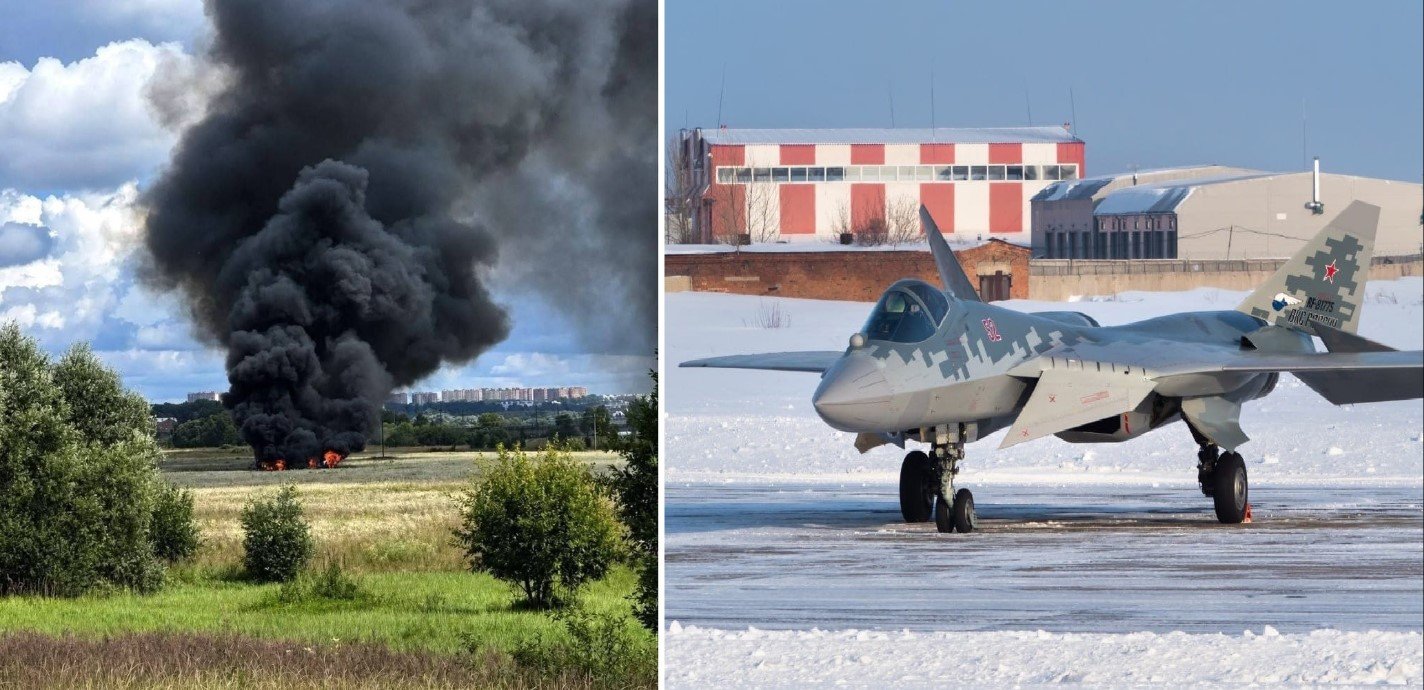 Russian Su-57 Stealth Fighter Crashes During Training Flight Near Moscow, Pilot Ejects Safely
-
 Australia Commits Additional AUD 4.6 Billion to Expand Osborne Shipyard for AUKUS Submarines
-
 Destinus Unveils Vorexon Interceptor Concept to Defend Critical Sites from Artillery Threats