World
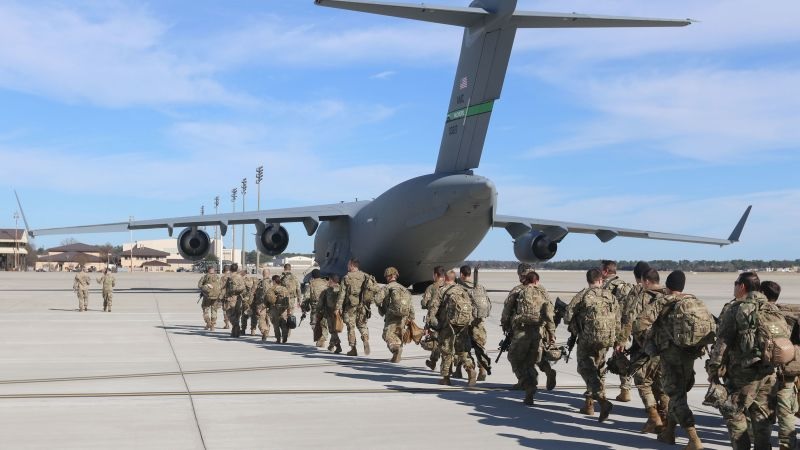
BERLIN / WASHINGTON — March 29, 2026 : The future of the United States military presence in Germany is under renewed scrutiny following parallel developments in Washington and Berlin, where both the administration of President Donald Trump and Germany’s opposition Alternative for Germany (AfD) party have raised calls for reducing or ending the long-standing deployment of American forces on German soil. According to reports published on March 28, President Trump is considering a permanent withdrawal of US troops from Germany, including from key installations such as Ramstein Air Base, as part of broader efforts to reduce defense expenditures and advance the administration’s “America First” policy framework. The move is also linked to continued US pressure on NATO allies to significantly increase their defense spending contributions. At present, approximately 35,000 US active-duty troops are stationed in Germany, representing the largest American military footprint in Europe. When including civilian personnel and contractors, total US presence is estimated to exceed 50,000 personnel. These forces are distributed across multiple bases that support NATO operations and broader US strategic interests. Strategic Role of US Bases in Germany Ramstein Air Base, located in the state of Rhineland-Palatinate, serves as a central hub for US Air Force operations in Europe, hosting around 9,000 military personnel. The base plays a critical role in logistics, airlift, command, and coordination functions that extend beyond Europe into regions such as the Middle East and Africa. The United States maintains several additional military facilities across Germany as part of its NATO commitments. These installations collectively support training, deterrence, and rapid deployment capabilities under the alliance’s collective defense framework. From a financial perspective, US overseas military operations in Europe have been regularly cited in discussions involving annual costs exceeding tens of billions of dollars. Estimates referenced in policy debates indicate that maintaining the broader European posture may cost over $30 billion annually. Germany contributes to these arrangements through financial and infrastructure support, with previous figures indicating annual contributions in the hundreds of millions of euros. President Trump has repeatedly emphasized that NATO members are not meeting agreed defense spending targets, particularly the benchmark of allocating 2% of GDP to defense, established in 2014. Reports suggest the administration is now considering pushing allies toward a 5% GDP target, alongside proposals that could potentially limit voting rights within NATO structures for members failing to meet spending thresholds. AfD Advocates Full Withdrawal of Allied Forces On the same day, Tino Chrupalla, co-leader of the AfD, addressed a party congress in the German state of Saxony, calling for a complete withdrawal of all foreign military forces from Germany, beginning with US troops. Chrupalla stated that Germany should pursue a more independent foreign policy, arguing that the continued presence of foreign troops is incompatible with full national sovereignty more than eight decades after the end of World War II. He further proposed that the withdrawal process should include all allied forces and associated nuclear weapons stationed in Germany. Under NATO’s nuclear-sharing arrangement, the United States is estimated to store approximately 20 B61 nuclear gravity bombs at Büchel Air Base. AfD representatives have characterized these deployments as limiting Germany’s strategic autonomy and exposing the country to external conflicts. The AfD’s position extends beyond the US-focused discussions in Washington. The party has incorporated the removal of all foreign military elements into its broader political platform, with Chrupalla outlining a goal of achieving greater policy independence by 2029. However, the AfD remains an opposition party and does not currently hold federal government authority to implement such policies. Diverging Motivations Behind Similar Outcomes While both the US administration and the AfD are advocating reductions in the American military presence, their motivations differ significantly. The Trump administration’s approach is driven primarily by financial considerations and burden-sharing concerns, aiming to reduce costs for US taxpayers and encourage European allies to assume greater responsibility for regional defense. In contrast, the AfD frames the issue as one of national sovereignty and strategic independence, arguing that foreign troop deployments constrain Germany’s decision-making and increase the risk of involvement in international conflicts. Party officials have also pointed to examples such as Spain’s historical restrictions on foreign base usage as a potential model. Implications for NATO and European Security Germany hosts the largest concentration of US forces in Europe, making any potential withdrawal a matter of significant importance for NATO’s operational structure. US bases in Germany serve not only European defense needs but also function as forward-operating hubs for global missions, including logistics and command support across multiple theaters. Analysts note that any substantial change in troop levels would require extensive coordination within NATO, potentially affecting command structures, logistics networks, and deterrence posture across the alliance. Discussions regarding US force posture in Europe have occurred periodically in recent years, including earlier proposals to reduce or redeploy troops, though large-scale permanent withdrawals have not yet been implemented in the current cycle. The Pentagon has conducted multiple posture reviews, but no final decision has been confirmed regarding the latest reports. Meanwhile, European NATO members, including Germany, have in recent years increased defense spending commitments, reflecting ongoing debates over burden-sharing within the alliance. No Final Decision Yet As of March 29, 2026, no official confirmation has been issued regarding a finalized US decision to withdraw troops from Germany. The developments reflect separate national policy discussions rather than a coordinated initiative between Washington and Berlin. The convergence of these positions has nevertheless intensified debate over the future of NATO’s structure, transatlantic defense responsibilities, and the long-term presence of foreign forces in Germany, which has remained a cornerstone of European security architecture for decades.
Read More → Posted on 2026-03-29 18:09:48
World
ANKARA — March 29, 2026 : Turkey has formally warned the United States, the Iraqi government, and Kurdish factions that any participation by Kurdish armed groups in military operations against Iran would trigger an immediate Turkish military response, according to multiple official statements and regional reports. The warning comes amid ongoing hostilities involving the United States, Israel, and Iran, and follows reported discussions within Western and allied intelligence circles about the possible use of Kurdish forces to open a western front inside Iranian territory. US–Israel Planning and Turkish Objections According to reports published by the Turkish daily Türkiye and corroborated by regional security analysts, US and Israeli planners had explored the option of supporting Kurdish armed groups in western Iran. The reported objective was to increase pressure on Tehran by stretching its security resources and potentially encouraging internal unrest. The discussions allegedly involved contacts between Israeli intelligence agency Mossad and Kurdish factions, including the Kurdistan Workers’ Party (PKK) and its Iranian affiliate, the Kurdistan Free Life Party (PJAK). Turkish authorities state that they intercepted or became aware of these developments and responded through direct diplomatic and political channels. During a telephone conversation in early March, Turkish President Recep Tayyip Erdoğan conveyed Ankara’s opposition to US President Donald Trump, explicitly rejecting any plan involving Kurdish armed groups near Turkey’s borders. Direct Warnings to Kurdish Groups and Regional Authorities Following these developments, Ankara issued direct warnings to Kurdish factions operating in northern Iraq and to officials within the Kurdistan Regional Government (KRG) in Erbil. Turkish officials stated that any Kurdish participation in operations against Iran would cross a defined “red line.” According to Turkish positions conveyed through diplomatic channels, such involvement would result in immediate cross-border military action by the Turkish Armed Forces. The warning reflects Turkey’s prior military operations in northern Syria and Iraq targeting PKK-linked elements. Turkey also communicated similar concerns to the Iraqi central government in Baghdad, emphasizing the need to prevent the mobilization of Kurdish armed groups for operations that could destabilize the region. Security Concerns Driving Turkey’s Position Turkish officials have outlined several core concerns underpinning their position. Central among them is the long-standing issue of Kurdish separatism. Ankara considers the PKK and affiliated groups, including PJAK in Iran and the YPG in Syria, as direct threats to its national security. Turkish authorities assess that expanded military capabilities for these groups in western Iran could strengthen transnational networks and impact Turkey’s territorial integrity. Another concern relates to the potential collapse of state structures in Iran. Despite complex bilateral relations, Turkish policymakers have indicated that they do not support scenarios that could lead to a sudden breakdown of governance, citing risks of instability along Turkey’s eastern border. Turkey is also assessing the humanitarian implications of escalation. Officials note that a large-scale conflict or internal fragmentation in Iran could generate significant refugee flows toward Turkey, which already hosts millions of displaced persons from neighboring conflicts. Additionally, Ankara has expressed concern over the possibility of new geopolitical arrangements emerging from the conflict that could enable the formation of autonomous or independent Kurdish-controlled regions spanning parts of Iraq, Syria, and Iran. Intelligence and Diplomatic Measures To reinforce its position, Turkey has activated both diplomatic and intelligence mechanisms. Officials from Turkey’s National Intelligence Organization (MİT) have engaged with counterparts in Erbil and Baghdad to communicate Ankara’s red lines and seek coordination. Turkish Foreign Minister Hakan Fidan described efforts to involve Kurdish groups in operations against Iran as a “dangerous” approach that could trigger internal conflict along ethnic and sectarian lines. Turkish defense authorities have also confirmed that they are closely monitoring the activities of PJAK, which Ankara links to the PKK. The defense ministry stated that such groups pose risks not only to Iran’s security but also to broader regional stability. In parallel, reports in Turkish media indicated that Abdullah Öcalan, the imprisoned founder of the PKK, conveyed a message to Kurdish leadership in northern Iraq advising against participation in operations against Iran and cautioning against alignment with external intelligence initiatives. Impact on Proposed Kurdish Role The combined effect of Turkish opposition, regional diplomatic pressure, and internal Kurdish reservations appears to have stalled the reported US–Israeli initiative. Kurdish factions themselves have expressed caution, particularly in light of recent developments in Syria, where US support for Kurdish-led forces was adjusted in favor of engagement with the central government in Damascus. Kurdish leaders have reportedly sought clear political guarantees before considering involvement in new military operations. US officials have, in some instances, clarified that discussions regarding Kurdish participation in Iran-related operations were not finalized. Ongoing Monitoring and Regional Context Turkey has maintained elevated military readiness along its borders and continues to monitor developments involving Kurdish groups in Iraq, Syria, and Iran. While no specific operational plans have been publicly disclosed, Turkish authorities have indicated that all relevant institutions are tracking the situation closely. The issue reflects broader dynamics in which Turkey balances its NATO commitments and relations with the United States while prioritizing its internal security concerns related to Kurdish militant groups. Analysts note that Turkey and Iran have historically found areas of coordination when addressing Kurdish armed movements, despite differences in other aspects of their bilateral relationship. As of now, the situation remains under close observation, with diplomatic engagements ongoing and military contingencies in place.
Read More → Posted on 2026-03-29 18:02:27
World
TEHRAN — March 29, 2026 : Iranian President Masoud Pezeshkian has cautioned senior leadership of the Islamic Revolutionary Guard Corps (IRGC) that Iran’s economy could face total collapse within three to four weeks if a regional ceasefire is not achieved, according to informed sources cited by Iran International. The warning reflects growing internal divisions between Iran’s civilian administration and military leadership as the ongoing conflict enters its fifth week, intensifying both economic strain and governance disputes. Internal Tensions Over War Strategy The reported disagreement centers on the direction and management of military operations. President Pezeshkian is said to have directly criticized IRGC Chief Commander Ahmad Vahidi over continued escalation, including cross-border strikes that have contributed to mounting regional tensions and domestic economic pressure. The divide became publicly visible on March 7, when Pezeshkian issued a video message apologizing for what he described as “fire at will” attacks by Iranian forces on neighboring countries. He instructed that such operations cease unless directly provoked. However, military activity reportedly resumed shortly after the broadcast. Sources indicate that Pezeshkian has since demanded that executive and operational control over conflict-related decisions be returned to the civilian government. This request has been rejected by Vahidi, who instead attributed the country’s economic vulnerability to the administration’s failure to implement structural reforms prior to the conflict. Further complicating the power balance, the IRGC has reportedly expanded its influence within Iran’s security institutions. The Guards are said to have pressured the president into appointing Mohammad Bagher Zolghadr, an IRGC-affiliated figure, as secretary of the Supreme National Security Council—effectively reducing civilian oversight in strategic decision-making. Economic Indicators Show Widespread Strain The political dispute is unfolding against a backdrop of severe and accelerating economic distress. Iran’s economy, already weakened by sanctions and structural inefficiencies, is showing signs of systemic disruption under wartime conditions. Banking infrastructure across major cities has been significantly affected. Many ATMs are either out of cash, inaccessible, or non-functional, while digital banking platforms—including those of major institutions such as Bank Melli—are experiencing repeated outages. Public sector finances are also under pressure. Reports indicate that government employees have not received regular salaries or benefits for up to three months, affecting a large segment of the workforce. Inflation, which had already reached between 105% and 115% for basic goods in February, has continued to rise since the onset of the conflict. Shortages of raw materials have disrupted factory operations, further constraining supply and pushing up prices of essential commodities. Poverty levels have increased sharply. Data cited by economists and state-affiliated institutions suggest that more than 40% of the population now lives below the absolute poverty line, with the figure exceeding 50% in Tehran. Currency Devaluation and Shift Toward Dollarization The Iranian rial has undergone a significant loss of value, accelerating a shift toward informal dollarization in domestic markets. By late 2025, the exchange rate had weakened to approximately 1,430,000 rials per US dollar, compared to around 800,000 earlier in the year. The sharp depreciation has eroded purchasing power and undermined confidence in the national currency. As a result, key sectors of the economy—including real estate, rental markets, and automotive transactions—are increasingly being conducted in US dollars rather than rials, reflecting a structural shift in pricing practices. Fiscal Pressures and Budget Adjustments To manage wartime financial demands, the government’s 2026–2027 budget relies heavily on inflationary financing and increased taxation. Oil revenue, historically a central component of Iran’s fiscal framework, has declined sharply. Its share in the national budget has fallen to approximately 5%, down from 32% in the previous year. To compensate, authorities have raised taxes by more than 60%, placing additional strain on businesses and households. The conflict has also disrupted energy infrastructure and oil and gas operations, further limiting revenue streams and affecting supply chains. In several regions, food prices have risen by at least 50% compared to pre-war levels. Broader Economic Context and Outlook Iran entered the current conflict period with pre-existing economic vulnerabilities, including high inflation, currency instability, and the ongoing impact of international sanctions. The continuation of hostilities is now compounding these challenges. According to sources, President Pezeshkian has emphasized that a ceasefire is essential within weeks to prevent further deterioration and maintain basic economic functionality. The warning underscores concerns among policymakers about the limited timeframe available for stabilization under current conditions. No official confirmation of the reported warning has been issued by Iranian state media or government spokespersons. However, analysts note that prolonged conflict could deepen budget deficits, banking system imbalances, and supply disruptions, reducing the government’s ability to respond effectively. The situation reflects a convergence of economic stress, institutional friction, and strategic disagreement, with implications for both domestic stability and regional dynamics.
Read More → Posted on 2026-03-29 17:55:01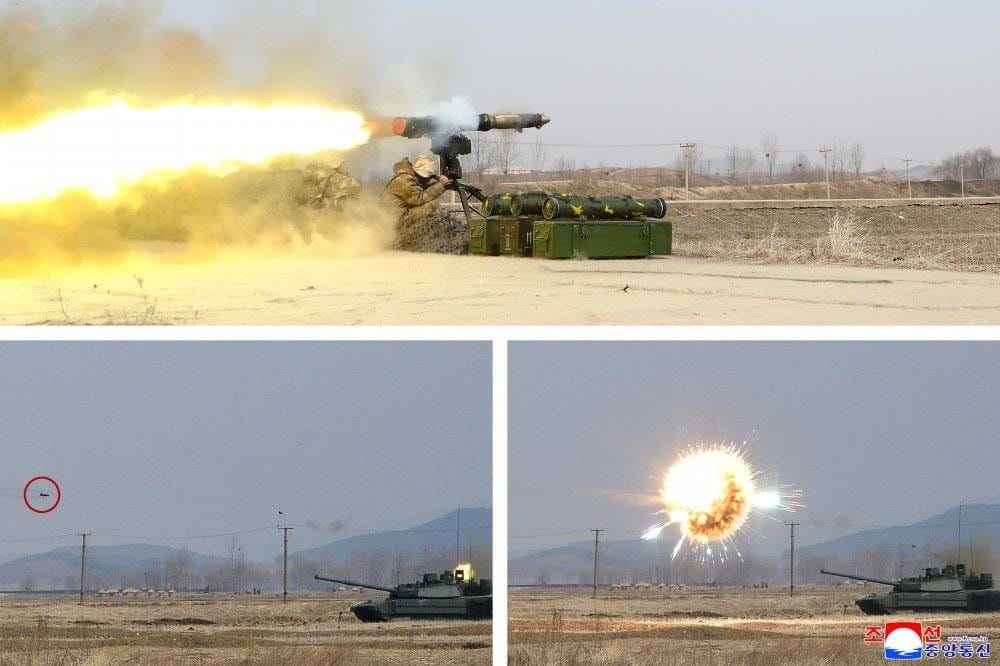
World
PYONGYANG — March 29, 2026 : North Korea has conducted a coordinated series of military evaluations involving a next-generation main battle tank, an upgraded solid-fuel missile engine, and special operations forces, underscoring Pyongyang’s continued focus on advancing both conventional and strategic capabilities under its current five-year defense development plan. The developments were confirmed by the Korean Central News Agency (KCNA), which reported that leader Kim Jong Un personally supervised the activities at multiple defense facilities, including the Armored Weapons Institute of the Academy of Defense Sciences in Pyongyang. Tank Evaluation Focuses on Active Protection System Performance The primary component of the March 29 activities was a performance evaluation of a “new-type” main battle tank equipped with an advanced Active Protection System (APS). The test was designed to assess the vehicle’s survivability against modern anti-armor threats approaching simultaneously from multiple directions and elevations. According to KCNA, the APS demonstrated what it described as a “perfect defensive function,” achieving a claimed 100 percent interception probability under simulated combat conditions. The system was tested against a wide range of threats, reflecting current battlefield environments where armored platforms face layered and multi-domain attacks. State media imagery showed the tank intercepting: Vehicle-launched loitering munitions Shoulder-fired rocket-propelled grenades (RPGs) Top-attack anti-tank missiles Tripod-mounted anti-tank guided missiles resembling Kornet-class systems Small unmanned aerial vehicles, including FPV and kamikaze-style drones The engagement sequences emphasized interception in the final moments before impact, indicating a hard-kill APS configuration designed to neutralize incoming threats at close range. Following the demonstration, Kim Jong Un stated that the system is capable of destroying “almost all existing anti-tank means” and said the test validated the tank’s performance through practical evaluation. He also reiterated that the platform is unmatched globally in its class, according to KCNA. Platform Identified as Chonma-2 Series by Analysts While North Korean authorities did not disclose the official designation of the tank, external defense analysts assess that the vehicle corresponds to the Chonma-2 series, also referred to as M2020 or M2024 variants. The platform represents a departure from earlier North Korean armored designs, incorporating features associated with contemporary third-generation main battle tanks. Visible characteristics include: Integrated APS architecture: Four turret-mounted radar antennas paired with two interceptor launcher units, each carrying multiple ready-to-fire countermeasures Supplemental protection: Explosive reactive armor (ERA) modules installed on hull sides and the turret roof Rear defense measures: Anti-cumulative bar or cage armor protecting the engine compartment and turret rear against tandem warheads and drone attacks The inclusion of roof protection and APS coverage against top-attack threats reflects adaptation to evolving battlefield risks, particularly from loitering munitions and elevated attack profiles observed in recent conflicts. The March 29 evaluation follows an earlier live-fire combined arms exercise conducted on March 19, 2026, at Pyongyang Training Base No. 60 under the Capital Defense Corps. That drill involved coordinated infantry and tank operations, including simulated drone attack scenarios and assessments of both offensive and defensive capabilities of the same tank family. Solid-Fuel Engine Test Signals Strategic Missile Progress In parallel with the armored vehicle evaluation, KCNA reported that Kim Jong Un supervised a ground jet test of a newly developed high-thrust solid-fuel missile engine, highlighting continued investment in strategic weapons systems. The engine, constructed using carbon-fiber composite materials, produced a maximum thrust of approximately 2,500 kilonewtons (kN). This marks a 26 percent increase over the 1,971 kN engine tested in September 2025. Defense analysts assess that the engine is likely intended for integration into the Hwasong-20 intercontinental ballistic missile (ICBM), which remains under development. Solid-fuel propulsion systems are considered a priority for North Korea due to their operational advantages, including reduced launch preparation time and improved survivability compared to liquid-fueled systems. Special Operations Forces Inspection and Reorganization Directive Alongside equipment testing, Kim Jong Un also visited a special operations training base, where he observed small-unit tactical exercises. According to KCNA, he issued directives to accelerate the reorganization of North Korea’s special operations forces to align with modern combat requirements. The inspection formed part of a broader review of military readiness, linking force structure adjustments with advancements in both conventional and strategic systems. Integrated Modernization Across Conventional and Strategic Domains The March 29 activities collectively illustrate North Korea’s parallel development approach, combining upgrades to armored ground forces with continued progress in missile technology and force readiness. KCNA described the tank evaluation as a multi-aspect assessment aimed at verifying operational dependability in environments characterized by overlapping threats from guided missiles, drones, and loitering munitions. However, detailed technical specifications of the APS—such as sensor capabilities, interceptor types, and production status—were not disclosed, and the reported interception performance has not been independently verified. Together with the earlier March 19 exercise, the latest tests indicate an ongoing effort by Pyongyang to refine the Chonma-2 tank platform while simultaneously advancing next-generation strategic systems, reflecting a structured implementation of its current defense modernization plan.
Read More → Posted on 2026-03-29 17:47:53
World
LONDON — March 28, 2026 : The United Kingdom has overturned 884 previously rejected resettlement applications from former members of elite Afghan special forces units known as the “Triples,” allowing them to relocate under the Afghan Relocations and Assistance Policy (ARAP), following the completion of a comprehensive government review. The decision, confirmed on March 26, 2026, applies to personnel from Commando Force 333 (CF333) and Afghan Task Force 444 (ATF444). These individuals, whose earlier applications had been denied, will now proceed through standard visa, biometric, and security checks before resettlement in the UK is finalized. Review of Triples Applications The reversal follows a multi-phase review process initiated after the UK government acknowledged shortcomings in earlier decision-making. In February 2024, the then-Conservative government stated that a number of refusals concerning Triples personnel had been “not robust” and required reassessment. The review ultimately examined approximately 3,100 to 3,300 applications submitted by former members of the Triples. Initially, many applications were rejected due to a lack of documented evidence demonstrating direct employment by the UK government. During the reassessment, officials identified additional records, including salary payments, top-up allowances, and financial links provided through the Ministry of Defence and the Foreign, Commonwealth and Development Office up until 2021. These findings supported eligibility under multiple ARAP categories, specifically those covering direct employment, substantive support roles, and contributions to UK national security objectives. Role and Structure of the Triples Units The Triples units—CF333 and ATF444—were specialized Afghan counter-terrorism forces closely partnered with British special forces over nearly two decades of operations in Afghanistan. CF333 was established in 2002 as a counter-narcotics and counter-terrorism unit, while ATF444 was formed in 2007 with a focus on reconnaissance and targeted operations. Although formally under the Afghan Ministry of Interior, both units operated in coordination with UK special forces, including the Special Air Service (SAS) and Special Boat Service (SBS). These units conducted high-risk missions against Taliban and insurgent targets, often alongside British personnel. Some members were killed during joint operations. ARAP Framework and Eligibility The Afghan Relocations and Assistance Policy (ARAP) was launched in April 2021, prior to the Taliban’s takeover of Afghanistan in August 2021. The program was designed to provide relocation support to individuals whose safety was threatened due to their work with UK Armed Forces or government departments. Former Triples personnel were considered eligible under ARAP due to their operational integration with British forces. However, inconsistencies in documentation and classification contributed to initial refusals. The review process addressed these gaps by incorporating broader evidentiary standards, including financial records and operational links, leading to the reversal of 884 decisions across both review phases. Government Statement and Process Improvements Minister for Defence Procurement and Industry Luke Pollard, in a written update to Parliament on March 26, confirmed the conclusion of the review and outlined the outcomes. He stated that all affected applicants have been or will be contacted regarding their updated status. Pollard also noted that the review process led to improvements in ARAP case handling, including enhanced staff training, revised guidance, increased resources, and better digital record management systems. The minister acknowledged that delays in resolving the cases had been a matter of concern and regret for the government, while emphasizing that the review fulfilled a commitment to reassess the applications thoroughly. Post-2021 Developments and Military Assessment Following the UK-led evacuation from Kabul in August 2021 under Operation Pitting, British military officials assessed that members of the Triples units were among the most capable elements of the former Afghan security forces. At the time, the Ministry of Defence considered proposals to form a dedicated regiment within the British Army composed of evacuated Afghan commandos. These personnel were regarded as highly trained, operationally experienced, and familiar with British military standards due to their long-standing collaboration. Next Steps for Approved Applicants With the reversal of their application decisions, the **884 individuals—along with eligible family members—**will now move forward in the ARAP process. This includes completion of visa processing, biometric verification, and security screening prior to relocation. All updated decisions retain the option for further review if required. The completion of the Triples review forms part of the UK government’s broader objective to conclude the Afghan resettlement program within the current parliamentary term. The outcome addresses earlier concerns regarding the consistency of ARAP assessments, particularly for personnel who served in units closely integrated with UK special forces operations.
Read More → Posted on 2026-03-28 15:55:49
World
GROTON, Connecticut — March 28, 2026: The U.S. Navy has completed a key milestone in the maintenance cycle of the USS Albany (SSN 753), as Portsmouth Naval Shipyard successfully undocked the Los Angeles-class attack submarine on March 26 from the Auxiliary Repair Dry Dock (ARDM-4) at Naval Submarine Base New London. The docking period concluded ahead of schedule, marking the completion of a major phase in the submarine’s modernization and repair availability. The nuclear-powered fast-attack submarine, which arrived in Groton during the summer of 2025, underwent an extensive package of maintenance, structural inspection, and system upgrades intended to restore and enhance its operational capability. The availability included detailed structural assessments, targeted hull and infrastructure repairs, and the replacement as well as modernization of critical mechanical and electrical systems to align the platform with current U.S. Navy fleet requirements. Maintenance Conducted Through Off-Yard Availability Unlike standard shipyard overhauls conducted at its primary facility in Kittery, Maine, the work on USS Albany was executed as an off-yard availability. This required Portsmouth Naval Shipyard to deploy a forward-based workforce and coordinate closely with personnel at Naval Submarine Base New London throughout 2025 to establish the necessary infrastructure and logistical support. At peak levels, more than 400 shipyard personnel were temporarily assigned to Groton to carry out specialized repair and modernization tasks. The coordination effort ensured that the submarine could undergo a full maintenance cycle without returning to the shipyard’s homeport, reflecting the Navy’s approach to distributed maintenance operations. Project Execution Amid Weather Disruptions The maintenance period continued through winter conditions that included multiple storms affecting the region. Despite these disruptions, the project remained on schedule and was ultimately completed ahead of its planned timeline. Captain Jesse Nice, commander of Portsmouth Naval Shipyard, stated that the combined efforts of the shipyard workforce and the submarine’s crew enabled consistent progress throughout the availability period. He noted that the execution of an off-yard availability under challenging environmental conditions required sustained coordination and workforce adaptability. Transition to Testing and Certification Phase With undocking complete, USS Albany will now enter the next stage of its return-to-service process. This phase includes system testing, certification procedures, and crew readiness evaluations before the submarine can resume operational deployments. Commander Adam Nebenzahl, the submarine’s commanding officer, said the early completion of the docking period allows the vessel to move forward more quickly into operational preparation. He indicated that the crew will focus on readiness activities necessary to rejoin the fleet. Role in Fleet Operations USS Albany (SSN 753) is a Los Angeles-class nuclear-powered fast-attack submarine designed for a range of missions, including anti-submarine warfare, anti-surface operations, intelligence gathering, and strike missions using cruise missiles. Maintenance availabilities of this scale are part of routine lifecycle management aimed at sustaining operational readiness across the submarine force. The undocking operation itself involved tugboats maneuvering the submarine out of ARDM-4 and into the Thames River, marking the physical completion of the dry dock phase. Contribution to Industrial Base and Readiness Portsmouth Naval Shipyard plays a central role in maintaining the U.S. Navy’s attack submarine fleet through repair, overhaul, and modernization work. Activities such as the USS Albany availability contribute to the broader maritime industrial base and support ongoing efforts to maintain a combat-ready submarine force amid increasing operational demand. The completion of this availability represents one of several ongoing Navy initiatives focused on ensuring that undersea platforms remain deployable, capable, and aligned with current mission requirements.
Read More → Posted on 2026-03-28 15:46:00
World
HELSINKI / LONDON — March 28, 2026 : The United Kingdom has approved an additional £100 million in military funding to reinforce Ukraine’s air defence network, bringing its total air defence commitment over the past two months to £600 million. The funding is intended to enhance protection for frontline forces, civilian populations, and critical infrastructure against continued aerial threats. The announcement was made following the Joint Expeditionary Force (JEF) leaders’ summit held in Helsinki on March 26, where Northern European partner nations discussed accelerating coordinated military assistance to Ukraine. Expansion of Existing £500 Million Air Defence Package The newly announced £100 million allocation builds directly on a previously confirmed £500 million package announced in February 2026 during a meeting of the Ukraine Defence Contact Group (UDCG) at NATO headquarters in Brussels. That earlier package included £150 million dedicated to NATO’s Prioritised Ukraine Requirements List (PURL) initiative, a mechanism designed to fast-track procurement and delivery of critical air defence interceptors. In addition, the February package supported the transfer of more than 1,000 Lightweight Multirole Missiles (LMM), also known as Martlet missiles. These systems are manufactured by Thales in Belfast, Northern Ireland, and are designed for high-precision engagement of uncrewed aerial vehicles (UAVs) and low-flying aerial threats. The same package also backed a £390 million agreement aimed at strengthening industrial cooperation between the United Kingdom and Ukraine’s defence sector. Missile Deliveries and Joint Production Initiatives The UK’s broader support framework includes ongoing and planned deliveries of additional air defence systems and munitions. Through an international Air Defence Consortium, the UK is supplying a further 1,200 air defence missiles along with 200,000 rounds of artillery ammunition. Separately, a joint UK-Ukraine production initiative launched last year предусматривает the delivery of 5,000 LMM anti-aircraft missiles. The programme also includes technology transfer provisions intended to enable future localized production within Ukraine. Ukrainian forces are already operating British-supplied RapidRanger air defence systems. These lightweight, vehicle-mounted launch platforms are integrated with LMM missiles and deployed on URO VAMTAC vehicles, enabling short-range engagements against drones and other aerial targets. Strategic Context and Government Statements The funding announcement follows Ukrainian President Volodymyr Zelenskyy’s visit to London in the previous week, where he held discussions with UK Prime Minister Keir Starmer regarding battlefield conditions and immediate defence requirements. Prime Minister Keir Starmer stated that the additional funding underscores the UK’s continued commitment to Ukraine’s defence, noting that the support is aimed at safeguarding civilian populations while enabling Ukrainian forces to sustain operations. UK Defence Secretary John Healey highlighted the growing military cooperation between Russia and Iran as a contributing factor behind the reinforcement of Ukraine’s air defence systems. He also emphasized the importance of expanding collaboration between British industry and Ukrainian defence capabilities, with an objective of strengthening Ukraine’s long-term resilience. Healey further indicated a strategic goal of bringing the conflict to a conclusion in 2026 under conditions favourable to Ukraine. Maritime Enforcement and “Shadow Fleet” Measures Alongside the air defence funding, the UK government has introduced additional maritime enforcement measures targeting Russia’s so-called “shadow fleet”—a network of vessels used to circumvent international oil sanctions. British authorities have authorized military forces to board such vessels while transiting through UK territorial waters. The move is intended to increase enforcement pressure on sanction evasion activities linked to Russian energy exports. Broader International Coordination and Long-Term Support The United Kingdom continues to play a central coordinating role in international military assistance efforts. Alongside Germany, it co-chairs the Ukraine Defence Contact Group, working closely with NATO allies and partner nations. The £600 million air defence funding announced over the past two months forms part of a wider UK commitment to provide £3 billion annually in military support to Ukraine. At the Helsinki summit, JEF member states issued a joint statement reaffirming their commitment to European security and expanded support for Ukraine through the JEF-Ukraine Enhanced Partnership framework. The statement also confirmed that Ukrainian units are expected to participate in Joint Expeditionary Force military exercises later in 2026. Implementation Timeline The UK government has stated that the newly allocated £100 million will be deployed rapidly to address urgent operational requirements. However, no additional details have been released regarding specific procurement timelines or systems to be funded under this latest tranche. Officials indicated that the assistance will be implemented in coordination with existing supply frameworks to ensure continuity and immediate impact on Ukraine’s air defence capabilities.
Read More → Posted on 2026-03-28 15:13:17
World
JERUSALEM / WASHINGTON — March 28, 2026 : A new assessment reported by the Israeli newspaper Haaretz indicates that approximately 80 percent of Iranian ballistic missiles launched toward Israeli targets are successfully reaching their intended impact areas, highlighting growing stress on the combined U.S.–Israeli missile defense architecture amid the ongoing regional conflict. The reported interception shortfall reflects a convergence of operational, technical, and logistical challenges that have intensified since the escalation of hostilities on February 28, 2026, when large-scale U.S. and Israeli military operations against Iran began. Rising Penetration Rates Linked to Systemic Strain According to the Haaretz report, based on accumulated operational data and verified strike footage, the effectiveness of Iran’s missile campaign has increased over time. Israeli defense analysts attribute this trend primarily to the gradual exhaustion of interceptor inventories, the loss of forward-deployed radar coverage, and the multi-front nature of ongoing engagements. Sustained Iranian missile launches have placed continuous pressure on Israel’s multi-layered air defense network, while simultaneous mass rocket and missile barrages from Hezbollah positions in Lebanon have forced the diversion of defensive resources. On several occasions, Hezbollah has launched more than 200 rockets in a single day, further complicating interception priorities across northern Israel. Destruction of Key U.S. Radar Systems A central factor in declining interception success has been the degradation of the early-warning and tracking network supporting U.S. and allied missile defenses. Iranian strikes have targeted high-value radar installations across the Middle East, significantly reducing the availability of real-time targeting and cueing data. Confirmed losses, with an estimated total value of $2.7 billion, include: The AN/FPS-132 phased-array early-warning radar at Al Udeid Air Base in Qatar, valued at approximately $1.1 billion, capable of detecting ballistic missile launches at ranges up to 5,000 kilometers. Multiple AN/TPY-2 X-band radar systems (approximately $300 million each), which serve as fire-control and tracking sensors for the U.S. Terminal High Altitude Area Defense (THAAD) system. These include: A U.S.-operated AN/TPY-2 radar at Muwaffaq Salti Air Base in Jordan, confirmed destroyed in the initial phase of the conflict. Additional AN/TPY-2 systems located at Prince Sultan Air Base in Saudi Arabia and Al-Ruwais Air Base in the United Arab Emirates, reported destroyed or rendered inoperable. Strikes on communications infrastructure, including AN/GSC-52B satellite communication terminals at the U.S. Navy’s Fifth Fleet headquarters in Bahrain. The loss of these forward-deployed sensors has significantly reduced early-warning coverage, forcing U.S. and Israeli defenses to rely more heavily on ship-based radar systems aboard Aegis-equipped destroyers and the remaining AN/TPY-2 radar installation in Turkey. Advanced Iranian Missile Capabilities Iran has introduced increasingly sophisticated missile systems designed to challenge existing interception technologies. Among them: Fattah ballistic missile, equipped with a maneuvering re-entry vehicle (MaRV) capable of altering its trajectory during terminal descent. Fattah-2, incorporating a hypersonic glide vehicle (HGV) that enables high-speed maneuverability and reduces predictability for interception systems. Operational footage from multiple strikes shows Iranian missiles evading successive layers of interceptors before impact, indicating difficulties in tracking and engagement timelines. Additionally, some Iranian systems are reported to carry multiple warheads, increasing the complexity of interception and placing additional strain on interceptor inventories. U.S. and Allied Reinforcements and Limitations In anticipation of escalation, the United States had reinforced regional missile defense capabilities prior to February 28. Deployments included: Three U.S. Army THAAD batteries positioned across Israel and Jordan. Integration of U.S. Navy Aegis destroyers, equipped with SM-2, SM-3, and SM-6 interceptors, into the regional defense network. To support these deployments, interceptor stocks and launch assets were drawn from multiple global locations, including the U.S. mainland, Hawaii, Guam, and South Korea, with some THAAD launchers specifically redeployed from the Korean Peninsula. However, the effectiveness of these reinforcements has been constrained by both sensor degradation and inventory depletion. The destruction of AN/TPY-2 radars has reduced the operational efficiency of THAAD systems, increasing reliance on MIM-104 Patriot systems using PAC-3 interceptors, which are themselves in limited supply. Interceptor Depletion Following Prior Conflict Current shortages are compounded by the fact that U.S. and Israeli interceptor stockpiles had not fully recovered from heavy expenditure during 12 days of direct hostilities with Iran in June 2025. The ongoing rate of engagements has accelerated depletion, prompting the Pentagon to initiate urgent global redeployments of missile defense assets and interceptor reserves. Despite these measures, available inventories remain under sustained pressure due to the scale and frequency of incoming threats. Multi-Axis Threat Environment The operational environment is further complicated by simultaneous threats across multiple axes, requiring constant allocation of limited defensive resources. Iranian ballistic missile launches, combined with Hezbollah’s continued rocket fire, have created a layered saturation scenario that challenges even advanced integrated defense systems. No Official Update on Stockpiles or Doctrine As of March 28, neither U.S. nor Israeli authorities have released updated figures regarding remaining interceptor inventories or any revisions to engagement doctrines in response to the evolving threat environment. The reported interception rates and infrastructure losses underscore the growing difficulty of maintaining effective layered missile defense against coordinated saturation attacks involving maneuverable, multi-warhead ballistic systems and sustained multi-front engagements.
Read More → Posted on 2026-03-28 15:00:02
World
LONDON — March 28, 2026: According to The Telegraph, The Royal Navy has transferred flagship responsibilities for NATO’s Standing Maritime Group 1 (SNMG1) to the German Navy frigate FGS Sachsen (F219) following the redeployment of the British destroyer HMS Dragon to the eastern Mediterranean. The decision reflects ongoing operational pressures on the United Kingdom’s surface fleet, particularly within its Type 45 destroyer force. Command Transition to German Warship HMS Dragon had originally been scheduled to serve as the flagship of SNMG1 during its North Atlantic deployment. However, after the vessel was reassigned, a Royal Navy Commodore along with British battle staff embarked aboard FGS Sachsen, a German Type 124 air-defence frigate, to maintain United Kingdom command of the NATO task group. The German Embassy in London described the arrangement as an example of close bilateral defence cooperation. NATO officials have also indicated that such command-sharing practices are standard within allied maritime operations. Despite this, the development has prompted political reactions in the United Kingdom. Conservative MP Ben Obese-Jecty stated that the Royal Navy has “officially run out of ships,” while Tan Dhesi, Chairman of the House of Commons Defence Committee, said the situation highlights concerns regarding the overall scale and capability of the UK’s naval forces. Germany’s navy has also faced constraints, including personnel shortages that have required support from the Luftwaffe to meet operational commitments. Redeployment of HMS Dragon to Cyprus The reassignment of HMS Dragon followed a drone attack on the British sovereign air base at RAF Akrotiri in Cyprus on March 1, 2026. The drone involved in the strike was assessed to be of Iranian design. At the time of the incident, HMS Dragon was undergoing a planned six-week maintenance period in Portsmouth. Naval engineering teams accelerated the work, completing required preparations in six days, allowing the destroyer to depart on March 10. The vessel arrived in Cyprus on March 23–24, approximately three weeks after the initial attack, and was integrated into regional defence operations alongside United States, French, and Greek forces. The UK had initially relied on France’s Charles de Gaulle carrier strike group, which had been rerouted to the eastern Mediterranean, to provide immediate coverage before British assets arrived. HMS Dragon is equipped with the Sea Viper air-defence system and the SAMPSON multi-function radar. The ship is operating in a point-defence role to protect military infrastructure and surrounding airspace against drone and ballistic missile threats. Two Royal Navy Wildcat helicopters equipped with Martlet missiles for counter-drone operations were also deployed with the vessel. Availability of Type 45 Destroyers The redeployment reduced the number of operational Type 45 destroyers available to the Royal Navy to two. The six-ship class has faced long-standing propulsion reliability issues, particularly when operating in high-temperature environments. Three vessels—HMS Daring, HMS Diamond, and HMS Defender—are currently undergoing upgrades under the Power Improvement Project (PIP). The programme, valued at approximately £160 million, involves installing new diesel generators to address earlier power system failures. The scale of the refit work, which includes cutting into the hull to replace key machinery, has contributed to extended maintenance timelines. The lead ship, HMS Daring, has spent more than 3,000 days out of active service due to refit and capability upgrades. The PIP programme is scheduled for completion across all six destroyers by 2028. NATO Mission Continuity With FGS Sachsen serving as flagship, SNMG1 continues its North Atlantic operations under UK command. The German frigate is equipped with the SMART-L radar system and a 32-cell Mk 41 vertical launch system, providing area air-defence capabilities compatible with NATO requirements. No changes have been announced to the command structure of the task group beyond the reassignment of the flagship platform. Broader Defence Context The situation has drawn attention to wider defence planning and funding considerations in the United Kingdom. The government is currently managing an estimated £28 billion funding gap projected over the next four years. Prime Minister Sir Keir Starmer has committed to increasing defence spending to 2.5% of GDP by 2027, with a longer-term objective of 3.5% by 2035. However, a detailed defence investment plan outlining expenditure over the next decade remains under discussion between the Treasury and the Ministry of Defence. The Royal Navy continues to meet its NATO commitments through allied cooperation while managing fleet availability constraints linked to maintenance cycles and ongoing modernization programmes.
Read More → Posted on 2026-03-28 14:19:23
World
PRINCE SULTAN AIR BASE, Saudi Arabia — March 27, 2026 : A coordinated ballistic missile and drone strike carried out on March 27, 2026 by Iran’s Islamic Revolutionary Guard Corps (IRGC) Aerospace Force has resulted in the destruction and damage of multiple high-value United States Air Force assets at Prince Sultan Air Base, according to post-strike satellite imagery and defense assessments. The attack, conducted as part of the ongoing regional conflict linked to Operation Epic Fury, targeted critical airborne command and refueling platforms, including E-3G Sentry Airborne Warning and Control System (AWACS) aircraft and KC-135R Stratotanker aerial refueling aircraft. Strike Details and Impact on Personnel According to preliminary defense reports, the IRGC Aerospace Force launched approximately six ballistic missiles along with 29 uncrewed aerial vehicles (UAVs) in a coordinated assault on the base. While U.S. and allied air defense systems intercepted a portion of the incoming threats, several projectiles penetrated defenses and struck the aircraft parking ramp and operational flight line. The attack resulted in injuries to between 10 and 15 U.S. service members. At least two to five personnel were reported to be in serious condition. A significant number of those injured were aircrew and maintenance personnel positioned near KC-135R aircraft that were being prepared for operational missions at the time of impact. This strike follows earlier attacks in March 27, 2026 on the same installation, indicating a sustained pattern of targeting U.S. logistics and support infrastructure in the region. Satellite Imagery Confirms Aircraft Losses Post-strike analysis using medium-resolution thermal and multispectral imagery from Landsat 8 and Landsat 9 satellites shows extensive burn scars, debris fields, and localized structural damage concentrated along the flight line. Imagery comparison with pre-strike data indicates that the damage footprint aligns with positions previously occupied by E-3G Sentry and KC-135R aircraft. Analysts assess that at least one, and possibly two, E-3G AWACS aircraft were destroyed or rendered inoperable. The E-3G Sentry, a modified Boeing 707 platform, functions as an airborne command and control center, providing long-range radar surveillance, target tracking, and battle management across operational theaters. In addition to the AWACS losses, several KC-135R Stratotankers were either destroyed or severely damaged. These aircraft are central to aerial refueling operations that enable sustained deployment of fighter and bomber aircraft over extended ranges. Base Infrastructure and Pre-Strike Deployment Prince Sultan Air Base, located near Al Kharj, serves as a key hub for U.S. Air Force operations within the U.S. Central Command area of responsibility. High-resolution satellite imagery from February 2026 showed a concentration of U.S. assets at the base, including six E-3 Sentry aircraft and 13 KC-135 Stratotankers among a total of 43 aircraft deployed in support of operations against Iran. The March 27 strike specifically targeted the flight line, where aircraft were parked in the open, increasing their vulnerability to missile and drone impacts. Earlier Iranian strikes in mid-March had already damaged five KC-135R aircraft at the same base; those aircraft were subsequently repaired and returned to operational status prior to the latest attack. Strategic and Operational Implications The loss of E-3G Sentry aircraft represents a reduction in airborne command, control, and surveillance capabilities. These platforms act as central nodes in coordinating complex air operations, including tracking airborne threats, directing intercept missions, and managing battlespace awareness. A reduction in AWACS availability compresses radar coverage and complicates the coordination of multi-domain operations across the region. Simultaneously, the damage to KC-135R Stratotankers affects aerial refueling capacity, a critical component of U.S. force projection. Tanker aircraft enable long-range strike missions and continuous combat air patrols by extending the operational range and endurance of combat aircraft. The combined targeting of AWACS and tanker platforms suggests a deliberate operational approach aimed at degrading enabling capabilities rather than directly targeting combat aircraft. Fleet Status and Ongoing Assessments The United States Air Force operates a fleet of 16 E-3 Sentry aircraft globally, with approximately 40 percent deployed in the Middle East prior to the strike. The KC-135R remains the primary aerial refueling platform for U.S. and coalition operations in the region. No official U.S. statement has confirmed the exact number of aircraft losses from the March 27 attack. Current assessments are based on open-source satellite imagery and independent analysis. The IRGC has previously acknowledged responsibility for strikes targeting Prince Sultan Air Base as part of its broader response to U.S. and Israeli military operations. Meanwhile, development and integration of the E-7 Wedgetail aircraft, intended to replace the aging E-3 fleet, continues separately, though no immediate replacement timeline for the damaged aircraft has been announced. Further updates on operational adjustments, asset replacement, and force posture in the region are expected as assessments continue.
Read More → Posted on 2026-03-28 14:02:12
World
WASHINGTON — March 28, 2026 : The United States has initiated the deployment of the Nimitz-class nuclear-powered aircraft carrier USS George H.W. Bush (CVN-77) and its Carrier Strike Group (CSG) to the U.S. Central Command (CENTCOM) area of responsibility, according to a report by CBS News citing multiple U.S. officials. The carrier departed from its homeport at Naval Station Norfolk earlier this week and is currently en route toward the Middle East. Officials indicated that the strike group could join ongoing combat operations against Iran upon arrival in the CENTCOM theater, depending on operational requirements. The deployment is being carried out under the authority of United States Central Command, which oversees U.S. military operations across the Middle East and surrounding regions. Strike Group Composition and Training Certification The USS George H.W. Bush Carrier Strike Group recently completed its Composite Training Unit Exercise (COMPTUEX) on March 5, 2026. This exercise certified the entire formation for sustained, high-intensity combat operations following integrated training across air, surface, and command elements. Carrier Air Wing 7 (CVW-7), assigned to the carrier, includes nine squadrons comprising approximately 2,400 personnel. During COMPTUEX, the air wing conducted 1,586 flight sorties, validating readiness for operational deployment. The strike group includes multiple surface combatants that have already begun deployment: USS Ross (DDG-71): Departed Norfolk, Virginia, on March 25 USS Donald Cook (DDG-75): Departed from Florida earlier this week USS Mason (DDG-87): Also departed from Florida to integrate with the group These Arleigh Burke-class guided-missile destroyers provide air defense, missile strike capability, and escort functions for the carrier. Air Wing Capabilities and Operational Role USS George H.W. Bush is capable of carrying 70 to 90 aircraft, significantly enhancing U.S. aerial and strike capacity in the region. Carrier Air Wing 7 typically includes: F/A-18E/F Super Hornet multirole fighters EA-18G Growler electronic warfare aircraft E-2D Hawkeye airborne early warning and command aircraft MH-60 Seahawk helicopters for anti-submarine and utility missions This mix enables the strike group to conduct air superiority, precision strike, intelligence, surveillance, reconnaissance (ISR), and electronic warfare operations. Naval Positioning and Ongoing Operations Existing U.S. Carrier Presence in the Region Prior to this deployment, two U.S. carrier strike groups were already operating in the CENTCOM area: USS Abraham Lincoln (CVN-72) USS Gerald R. Ford (CVN-78) The USS Gerald R. Ford recently sustained an onboard fire that caused damage to ventilation systems and living quarters. The vessel is currently undergoing repairs at a naval facility in Souda Bay. U.S. defense officials have not confirmed whether USS George H.W. Bush will replace the Ford during its repair period or operate alongside existing carriers. If all groups remain active, it would result in a three-carrier presence in the region, supporting ongoing operations under Operation Epic Fury. Transit time for the Bush Carrier Strike Group to reach the operational theater is estimated at 10 to 12 days once fully underway. Strategic Context and Regional Developments The deployment comes amid continued military exchanges involving the United States, Israel, and Iran. Coalition operations led by the U.S. and Israel have focused on Iranian military infrastructure, nuclear facilities, and industrial sites. In response, Iran has conducted retaliatory drone and ballistic missile strikes targeting U.S. and allied assets. Recent reports indicate an Iranian missile strike on Prince Sultan Air Base, resulting in injuries to U.S. personnel and damage to refueling aircraft. In parallel, the U.S. Navy’s increased presence is aimed at maintaining maritime security in critical waterways, particularly the Strait of Hormuz, where disruptions to shipping traffic have been reported during the ongoing conflict. Command Structure and Operational Scope The USS George H.W. Bush is commanded by Capt. Robert Bibeau, while Rear Adm. Alexis Walker leads Carrier Strike Group 10. This deployment marks the strike group’s first major operational mission since returning from its previous deployment cycle in August 2023. U.S. officials stated that the movement aligns with existing CENTCOM operational requirements and does not represent a change in broader military strategy. The carrier strike group remains prepared for a full spectrum of missions, including air operations, maritime security, and multi-domain combat support, while maintaining continuous forward presence in the region.
Read More → Posted on 2026-03-28 13:45:20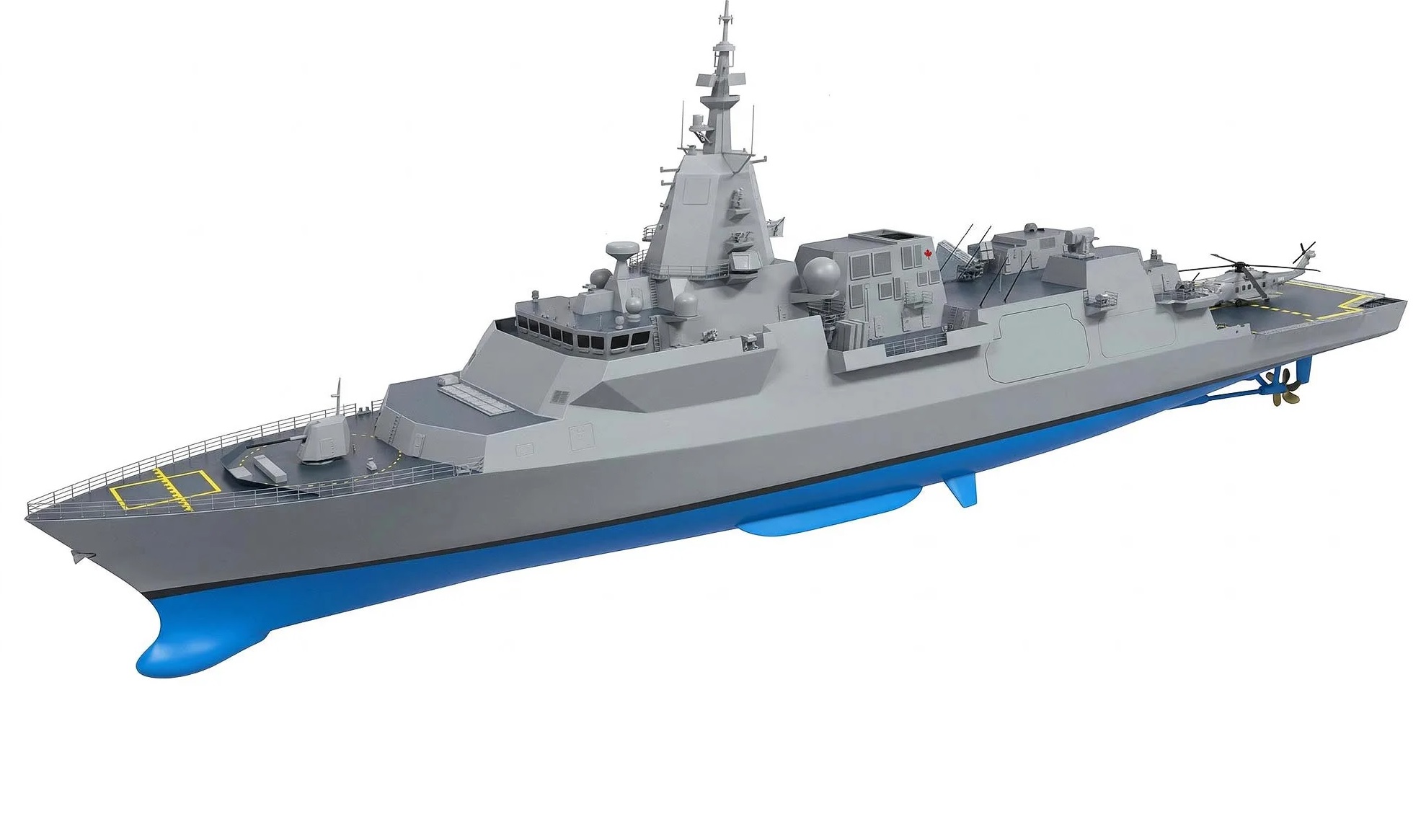
World
OTTAWA — March 28, 2026 : The Royal Canadian Navy (RCN) has presented a refined design for its future River-class destroyers, incorporating a series of targeted updates to the ships’ sensor suite, combat systems, and overall configuration. The updated scale model was unveiled at National Defence Headquarters on March 23–24, 2026, by senior naval leadership, reflecting design adjustments made since the initial concept was revealed in June 2024. Presentation Highlights and Design Approach The presentation was led by Rear Admiral Dan Charlebois, Deputy Commander of the Royal Canadian Navy, alongside Captain Luc Joseph Pierre Tremblay, Director of Naval Major Crown Projects (Combatant). Officials emphasized that the revised configuration represents incremental refinements rather than structural redesign. The River-class destroyers continue to be based on the British Type 26 frigate platform. Core aspects of the naval architecture—including hull geometry, propulsion system, and overall platform design—remain unchanged. The updates primarily address system integration, topweight distribution, electromagnetic compatibility, and alignment with allied naval standards. Sensor Suite and Mast Redesign One of the most visible changes is the redesign of the ship’s main mast and sensor arrangement. The primary mast has been streamlined and now integrates the AN/SPY-7(V)3 active electronically scanned array (AESA) radar, operating in the E/F band. This solid-state 3D radar is intended to enhance detection range and tracking capability while improving system integration within the ship’s structure. A secondary radar system featuring a disc-enclosed rotating antenna has been installed atop the navigation bridge. This replaces a previously planned fire-control antenna and is intended to improve surface and navigation radar coverage while reducing electromagnetic interference across onboard systems. Changes to Main Gun and Close-In Weapons The updated design includes a revision to the ship’s primary naval gun. The originally selected Leonardo 127 mm/64 LW gun has been replaced by the BAE Systems Mk 45 Mod 4 127 mm gun. The Mk 45 Mod 4 is lighter—approximately 22–24 tonnes compared to the estimated 30–35 tonnes of the Leonardo system—supporting improved topweight balance and stability. The change also aligns Canada’s configuration with the United Kingdom’s Type 26 and Australia’s Hunter-class programs, contributing to interoperability and shared logistics. The Mk 45 Mod 4 features an automated ammunition handling system. For close-in defense, the design replaces previously considered Italian systems with MSI-DS Mk 38 Mod 4 30 mm stabilized naval gun systems. These provide short-range engagement capability against surface and asymmetric threats. Vertical Launch System and Air Defense Configuration Adjustments have been made to the ship’s vertical launch system (VLS) layout. Two Mk 41 ExLS modules that were initially planned aft of the funnel have been removed. The forward VLS configuration now consists of three eight-cell Mk 41 strike-length modules, totaling 24 cells. These cells are capable of deploying a range of munitions, including Evolved Sea Sparrow Missile (ESSM) Block II, Standard Missile 2 (SM-2), and Tomahawk land-attack cruise missiles. The design also retains reserved space for a potential future expansion with an additional eight-cell module. To strengthen point air defense, a 24-cell launcher for the RIM-116 Rolling Airframe Missile (RAM) system has been added on the starboard side of the hangar roof. This provides a dedicated close-in missile defense layer against incoming threats such as anti-ship missiles and aircraft. Anti-Ship Missiles and Countermeasure Enhancements The Naval Strike Missile (NSM) launchers have been repositioned to the starboard side in an athwartships (perpendicular) configuration. This adjustment ensures that missile exhaust does not interfere with the operation of the RAM system. Electronic warfare and decoy capabilities have also been enhanced. The number of BAE Systems Mk 53 Nulka decoy launchers has been increased and positioned amidships to improve defense against incoming guided threats. The ships will also be equipped with the AN/SLQ-32(V)6 electronic warfare suite and expendable acoustic countermeasures. Hull, Propulsion, and General Characteristics The River-class destroyers will have a standard displacement of approximately 7,800 tonnes, a length of 151.4 meters, a beam of 20.75 meters, and a maximum navigational draught of around 8 meters. The ships are designed for a maximum speed of 27 knots and a range of approximately 7,000 nautical miles. Propulsion is based on a combined diesel-electric or gas (CODLOG) system. This includes one Rolls-Royce MT30 gas turbine, two General Electric electric motors, and four Rolls-Royce MTU diesel generators, providing both efficiency and quiet operation for anti-submarine warfare missions. Combat Systems and Mission Capabilities The ships will be equipped with the Aegis combat management system, integrated with a Canadian-developed tactical interface. Anti-submarine warfare capabilities include the Ultra Electronics S2150 hull-mounted sonar and a towed low-frequency active and passive sonar system. Each vessel will feature a reconfigurable mission bay capable of handling boats, containers, and mission-specific equipment. Aviation facilities include a flight deck and hangar designed to support one CH-148 Cyclone helicopter, along with remotely piloted systems. The crew complement is expected to be approximately 210 personnel. Program Status and Timeline The River-class destroyer program is part of Canada’s National Shipbuilding Strategy and represents the country’s largest naval procurement initiative. The fleet is intended to replace both the retired Iroquois-class destroyers and the aging Halifax-class frigates. An implementation contract for the first three ships—HMCS Fraser, HMCS Saint-Laurent, and HMCS Mackenzie—was awarded to Irving Shipbuilding on March 8, 2025. Construction of the lead vessel, HMCS Fraser, began in April 2025 at the Halifax shipyard, with full-rate production currently underway following the initial steel cutting. The first ship is scheduled for delivery in the early 2030s. A total of up to 15 River-class destroyers are planned, with the final vessel expected to be delivered by 2050. Ongoing Design Work According to officials, the current refinements account for less than one percent of total displacement and reflect accumulated configuration decisions over the past two years. The updates address integration challenges, deck space optimization, system compatibility, and long-term sustainment considerations. Further design work will continue in parallel with construction as the program progresses toward final review milestones.
Read More → Posted on 2026-03-28 13:35:25
World
JERUSALEM / TEHRAN — March 27, 2026 : The Israel Defense Forces (IDF) confirmed on Friday that the Israeli Air Force carried out a new round of targeted airstrikes against key components of Iran’s nuclear infrastructure, including the Khondab Heavy Water Research Reactor (IR-40) at the Arak Nuclear Complex and the Ardakan Yellowcake Production Plant in Yazd province. The IDF described the Khondab reactor as critical infrastructure associated with plutonium production for nuclear weapons and said the strike was intended to prevent the restoration of capabilities at the site following earlier damage. Strike on Arak Reactor and Operational Context According to Israeli military officials, the operation targeted the Khondab Heavy Water Research Reactor located within the Arak Nuclear Complex, approximately 250 kilometers southwest of Tehran. The facility, originally designed as a 40-megawatt thermal (MWt) heavy water-moderated reactor using natural uranium fuel, has long been a focal point in assessments of Iran’s potential plutonium production pathway. The IDF stated that the decision to conduct a second strike on the facility followed intelligence indicating that Iran had resumed efforts to rebuild and restore operational capability at the site. “Repeated reconstruction attempts by the Iranian regime at the site were identified. Therefore, the IDF has struck the facility once again,” the military said in an official statement. This marks the second Israeli strike on the Arak facility, following an earlier operation in June 2025 during the Twelve-Day War (Operation Rising Lion). That earlier strike targeted the reactor’s core seal and containment structure, components assessed to be linked to plutonium production. At the time, the reactor was not operational and contained no nuclear material. Evacuation Measures and Civilian Risk Mitigation Prior to the strikes, the Israeli military issued evacuation warnings in Farsi via social media platforms. Residents in northwestern areas of Arak city and the nearby Khairabad Industrial Area were instructed to leave the vicinity to reduce the risk of civilian casualties. No casualties have been reported by Israeli officials in connection with the latest strikes. Additional Target: Ardakan Yellowcake Production Plant In the same operational wave, Israeli forces also struck the Ardakan Yellowcake Production Plant in Yazd province. The facility is responsible for converting raw mined uranium ore into yellowcake, a concentrated uranium compound used in the early stages of the nuclear fuel cycle prior to enrichment. Israeli officials identified the plant as part of the broader nuclear supply chain, linking upstream uranium processing with downstream enrichment and potential weapons-related activities. Iranian Confirmation and Official Response Iranian state media, including the IRNA news agency, confirmed that both the Shahid Khondab Heavy Water Complex and the Ardakan facility were hit. Officials from the Atomic Energy Organization of Iran (AEOI) and provincial authorities reported that the Arak strikes occurred in two distinct phases. Iranian authorities stated that there were no casualties resulting from the attacks. The AEOI also confirmed that the Khondab reactor was inactive at the time of the strike, and as a result, there was no release of radioactive material or risk of contamination to surrounding areas. Technical Significance of the Arak Reactor The Khondab Heavy Water Research Reactor is central to concerns regarding plutonium production due to its design. Heavy water reactors use deuterium oxide as a neutron moderator and can produce plutonium as a byproduct during normal operation. Under its original configuration, the IR-40 reactor was assessed to be capable of producing approximately 8 to 12 kilograms of plutonium annually in its spent fuel. Analysis indicated that around 8 to 10 kilograms of weapons-grade plutonium-239 could potentially be extracted each year, sufficient for one to two nuclear weapons if reprocessed. This plutonium pathway provides an alternative route to nuclear weapons development that does not rely on uranium enrichment, making it a distinct proliferation concern. JCPOA Commitments and Reactor Redesign Under the 2015 Joint Comprehensive Plan of Action (JCPOA), Iran agreed to redesign the Arak reactor to significantly reduce its plutonium output. The original reactor core, or calandria, was to be removed and filled with concrete to render it unusable, and all spent fuel was to be exported from the country. Following these commitments, the facility was renamed the Khondab Heavy Water Research Reactor, and construction under the original design was halted. The redesigned reactor was intended for peaceful purposes, including research and medical isotope production, with commissioning projected for 2023–2024 under a lower-power configuration. The Arak complex also includes a heavy water production plant with an estimated capacity of up to 16 metric tons annually, supporting reactor operations. Israel has maintained that Iran retained the underlying infrastructure necessary to revert to weapons-grade plutonium production, alleging incomplete compliance with JCPOA provisions. Strategic Assessment and Ongoing Monitoring Israeli defense officials have stated that the Arak reactor represents a key element of Iran’s nuclear program, both from a technical and economic perspective. The IDF described the facility as a significant financial asset for the Atomic Energy Organization of Iran (AEOI), reportedly generating tens of millions of dollars annually. The repeated strikes are aligned with Israel’s broader objective of disrupting both plutonium-based and uranium-based pathways to nuclear weapons development. The Arak Nuclear Complex remains subject to monitoring by the International Atomic Energy Agency (IAEA), where access is maintained under existing safeguard arrangements. Iran continues to assert that its nuclear activities at the site are intended for civilian and peaceful applications. No further details have been released regarding the extent of damage from the latest strikes or the timeline for any potential reconstruction efforts at the affected facilities.
Read More → Posted on 2026-03-27 18:20:20
World
ABU DHABI — March 27, 2026 : The United Arab Emirates has announced plans to deploy its naval forces to help secure and reopen the Strait of Hormuz, while simultaneously pushing for the creation of a multinational “Hormuz Security Force” to safeguard commercial shipping in one of the world’s most critical energy corridors. The initiative marks a shift in regional security dynamics, with Abu Dhabi stepping forward after weeks of limited response from Western allies. Emirati officials have confirmed that the proposal has been communicated to the United States and other partner nations, alongside an active diplomatic campaign to recruit broad international participation. Diplomatic Initiative and UN Efforts As part of its strategy to formalize the mission, the UAE is working closely with Bahrain to draft a United Nations Security Council resolution that would provide legal authorization for maritime operations in the strait. The proposed resolution includes language permitting the use of “all necessary means” to protect commercial shipping under Chapter VII of the UN Charter. Diplomatic sources indicate that the resolution faces significant obstacles. Russia and China, both permanent members of the Security Council with veto power and established ties with Iran, are expected to oppose the measure. Despite this, Gulf states are continuing parallel efforts to build a coalition framework outside the UN process if required. A joint statement issued by 22 countries, including the UAE, Bahrain, and several NATO members, has already expressed readiness to contribute to maritime security efforts in the region, although specific commitments remain limited. Limited NATO Response and UAE Position The UAE’s decision follows repeated requests by U.S. President Donald Trump for NATO and allied nations to deploy naval assets to ensure the continued operation of the strait. Responses from key partners have varied. Germany and Japan declined to participate in naval deployments. France indicated it had consulted with approximately 35 countries regarding a potential demining and escort mission but has not committed forces, linking any action to the status of ongoing U.S.-Israeli military operations against Iran. The United Kingdom has offered surveillance drones but has not committed surface combatants. In the absence of a coordinated Western deployment, the UAE has moved forward with plans to utilize its own naval capabilities to support maritime security operations and restore commercial transit through the waterway. Escalation and Domestic Impact The UAE’s decision comes amid sustained attacks linked to the ongoing conflict involving Iran. Since February 28, 2026, following U.S. and Israeli strikes on Iranian targets, the UAE has faced more than 2,000 aerial threats. According to the UAE Ministry of Defence, air defense systems have intercepted approximately 378 ballistic missiles, 15 cruise missiles, and over 1,835 unmanned aerial vehicles (UAVs). Targets have included civilian infrastructure, energy facilities, and port installations, including the Shah gas field and the port of Fujairah. The attacks have resulted in eight fatalities and more than 160 injuries, affecting both civilians and military personnel, including members of the expatriate workforce. Economic Impact and Global Energy Concerns Disruptions in the Strait of Hormuz have significantly reduced maritime traffic, raising concerns about global energy supply chains. The strait is a key transit route for nearly one-fifth of the world’s oil and liquefied natural gas shipments. During recent discussions in Washington with U.S. Vice President JD Vance, UAE Minister of Industry and Advanced Technology Sultan al-Jaber addressed the economic implications of the situation. Al-Jaber, who also serves as CEO of the Abu Dhabi National Oil Company (ADNOC), stated that restrictions on maritime traffic in the strait are affecting global markets and consumer prices. He described the situation as one in which the disruption of shipping routes is directly influencing fuel costs and broader economic conditions worldwide. UAE Naval Capabilities and Operational Considerations The UAE Navy is expected to play a central role in any Hormuz Security Force deployment. Its fleet includes six Baynunah-class corvettes equipped with MM40 Exocet Block 3 anti-ship missiles, with an approximate range of 180 kilometers, and RIM-162 Evolved SeaSparrow Missiles (ESSM) for air defense. Additional assets include Abu Dhabi-class corvettes, Falaj 2-class stealth patrol vessels, and newer Falaj 3-class missile boats, including the lead ship Al Taf, commissioned in 2025. These vessels are configured for operations in coastal and contested maritime environments and are equipped for both surface warfare and escort missions. The UAE has also entered into agreements to procure Brazilian MANSUP extended-range anti-ship missiles, further expanding its naval strike capabilities. Strategic Environment in the Strait Any deployment in the Strait of Hormuz will involve operating in a complex threat environment. The primary maritime challenge is posed by Iran’s Islamic Revolutionary Guard Corps Navy (IRGCN), which relies on a large number of fast-attack craft, estimated at over 1,500 vessels. These units are typically equipped with short-range missiles, naval mines, and unmanned systems, and are designed to conduct asymmetric operations in confined waterways. The narrow width of the strait—approximately 33 kilometers at its narrowest point—adds to the operational complexity for escort missions and maritime security patrols. The UAE’s approach is expected to focus on convoy protection, surveillance, and deterrence, utilizing onboard radar systems, missile defenses, and rapid-response capabilities to counter potential threats.
Read More → Posted on 2026-03-27 18:10:38
World
YUMA PROVING GROUND, Arizona — March 27, 2026 : The U.S. Army has successfully conducted a flight test of the Altius-700 (A-700) Medium-Range Launched Effect (MR-LE), a loitering munition developed by Anduril Industries, demonstrating its deployment from an AH-64E Apache attack helicopter. The test, carried out on February 26, 2026, marks a key step in integrating uncrewed aerial effects with manned aviation platforms. The demonstration took place during the Cross Domain Fires Concept Focused Warfighting Experiment (CDF CFWE) 26 at Yuma Proving Ground and was led by the Army’s Aviation Future Capability Directorate (A-FCD). The event formed part of a broader evaluation of multi-domain operational concepts, focusing on the coordination of crewed and uncrewed systems in contested environments. Apache-Based Launch Demonstration During the test, the AH-64E Apache deployed the Altius-700 from its pylon in multiple flight conditions, including both stationary hover and forward motion. These launch profiles were designed to assess operational flexibility and validate deployment procedures under varying mission scenarios. The integration effort progressed from an initial requirement to a demonstrated capability in under six months, despite a 43-day U.S. government shutdown that occurred during the fabrication and installation phases. According to the Army, the test included engagements against a range of target sets to evaluate the system’s ability to extend sensing and strike capabilities beyond the immediate battlespace. The Yuma demonstration was part of a distributed testing campaign that also involved activities at Fort Sill, Oklahoma, and White Sands Missile Range. Personnel from the 1st Armored Division and multiple defense industry partners participated in the evaluations. System Design and Capabilities The Altius-700 is a modular, tube-launched, seven-inch-class autonomous aerial system designed for multi-mission roles. It can operate independently or in coordination with its launch platform, functioning as an extension of manned systems. The system supports a range of mission configurations, including intelligence, surveillance, and reconnaissance (ISR), signals intelligence (SIGINT), electronic warfare (EW), and communications relay. Its modular architecture allows for rapid reconfiguration depending on mission requirements. In its baseline MR-LE configuration, the Altius-700 offers an operational range of up to 460 kilometers and an endurance of approximately four hours. These characteristics enable extended loitering and persistent surveillance over large operational areas. A related kinetic variant, the Altius-700M, incorporates a warhead payload of up to 33 pounds (approximately 15 kilograms), comparable in effect to the AGM-114 Hellfire missile. This version provides a range of up to 160 kilometers and an endurance of around 75 minutes, supporting precision engagement of armored vehicles, vessels, and fortified infrastructure. Development and Testing Background The Altius family, originally developed using Area-I technologies and later integrated into Anduril’s portfolio, has been designed for launch from a wide range of platforms, including ground vehicles, maritime vessels, fixed-wing aircraft, and rotary-wing systems operating at varying altitudes. Earlier prototypes combined the Altius-700 air vehicle with mission systems from Collins Aerospace and incorporated non-kinetic payloads such as radio frequency detection and decoy technologies supplied by companies including Northrop Grumman. Testing of the Medium-Range Launched Effects (LE-MR) prototype began with initial flight trials in early 2024 at Dugway Proving Ground, Utah. These trials included the first medium-range flights and air-launch demonstrations from platforms such as the UH-60 Black Hawk helicopter. Subsequent live-fire testing in September 2024 validated the kinetic variant, with fully integrated Altius-700M systems achieving direct target hits across six missions using live warheads. Operational Role and Modernization Context The Launched Effects program is a central component of the U.S. Army’s modernization strategy aimed at enhancing survivability and operational reach in multi-domain environments. By deploying loitering munitions such as the Altius-700 from standoff distances, manned platforms like the Apache can conduct reconnaissance and strike missions while remaining outside the engagement envelope of adversary air defense systems. The February 2026 test represents the first confirmed launch of the Altius-700 MR-LE from an AH-64E Apache, building on earlier demonstrations conducted with the UH-60 Black Hawk. Development of the Apache-launched capability began in late summer 2025 and achieved operational demonstration within a compressed timeline. Data collected from the Yuma Proving Ground tests will be used to refine operational concepts, validate tactics, and support future rapid fielding decisions. While the Army confirmed successful launches and system performance, no additional details regarding specific warhead effects or engagement outcomes were disclosed. The continued development of the Altius series reflects ongoing efforts to integrate autonomous systems across air, land, and maritime domains, with an emphasis on extended endurance, modular payloads, and coordinated multi-platform operations.
Read More → Posted on 2026-03-27 17:46:15Search
Top Trending in 24 Hours
-
 President Trump Pauses Plans to Expand U.S. Strikes on Iran Amid Concerns Over Air Defense Missile Stocks
-
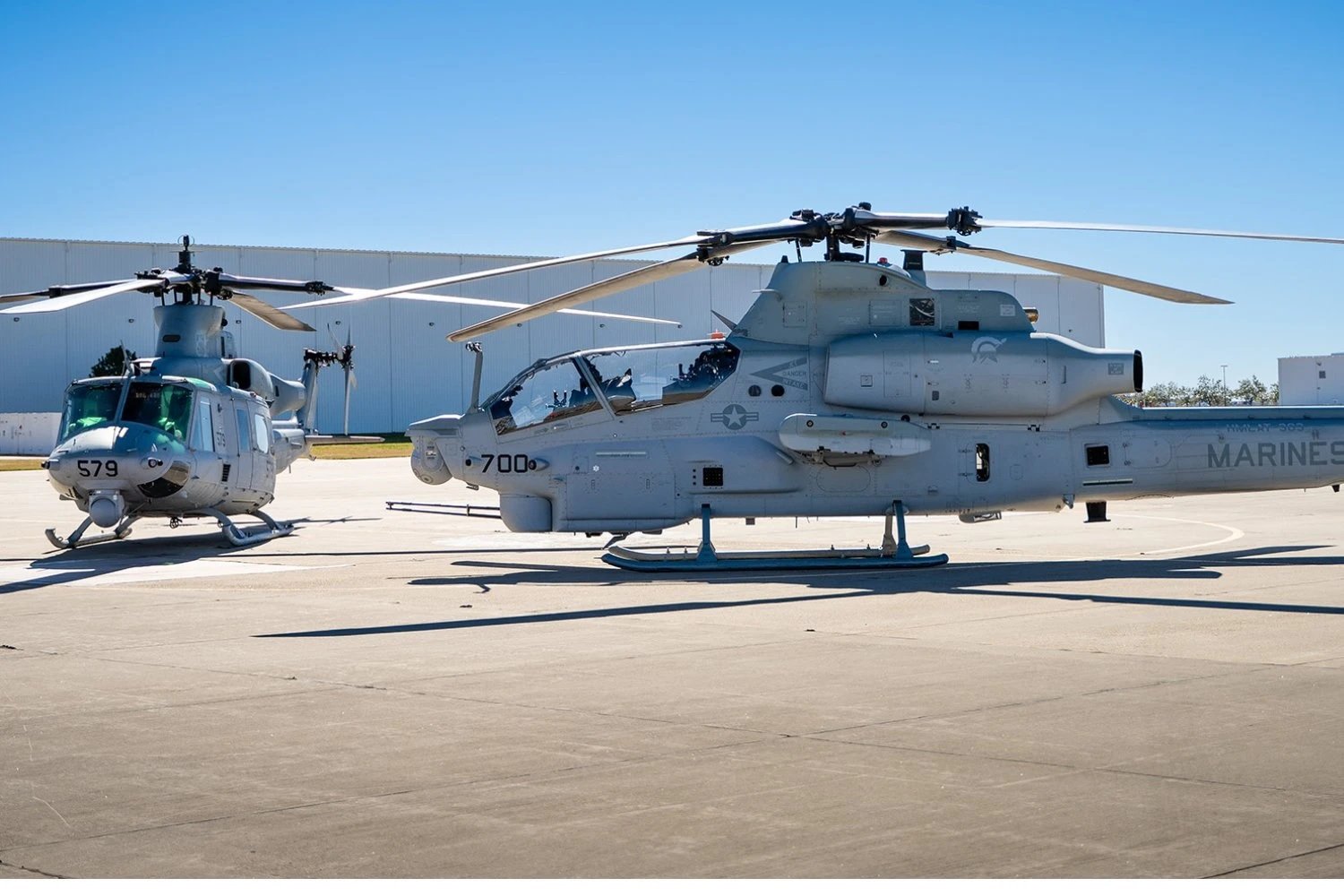 U.S. Awards Bell Textron $33.64 Million Contract for Next Phase of Marine Corps AH-1Z and UH-1Y Helicopter Upgrades
-
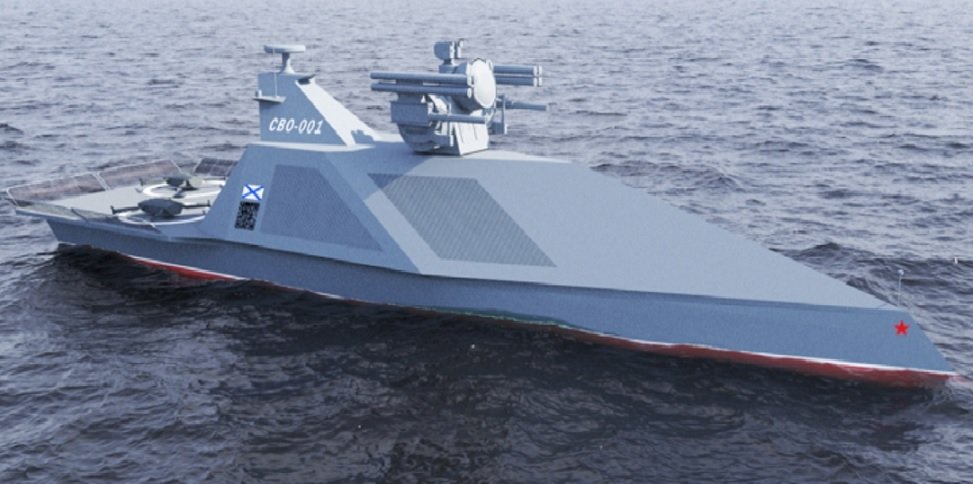 Russia Builds 500-Ton Unmanned Warship For Anti-Submarine Warfare, Plans New 9,500-Ton Warship, Navy Chief Says
-
 Unreleased Footage Reveals Why Lindsey Graham Dropped Plan to Push Trump on Hezbollah Strikes
-
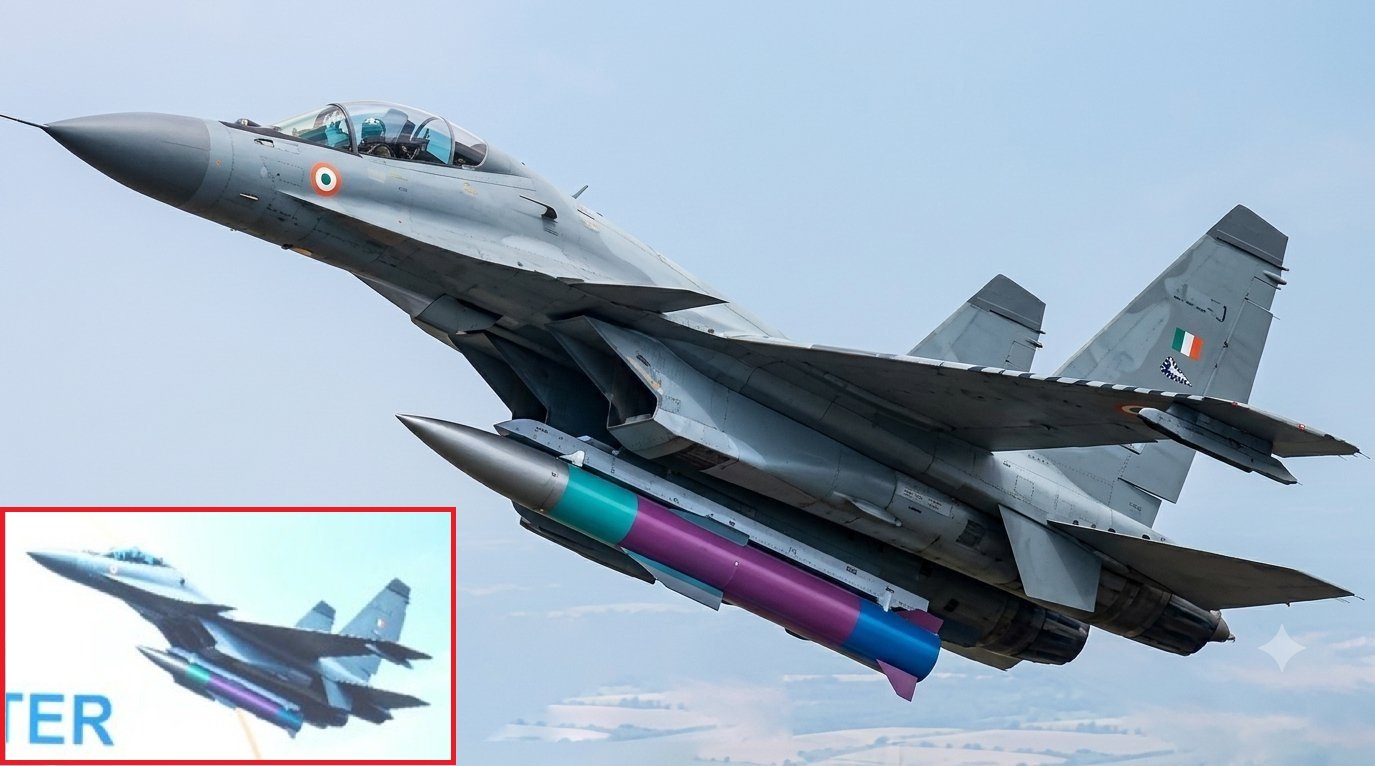 DRDO Developing Long-Range Air-Launched Ballistic Missile for Su-30MKI, Rudram-4 Seen as Likely Candidate
-
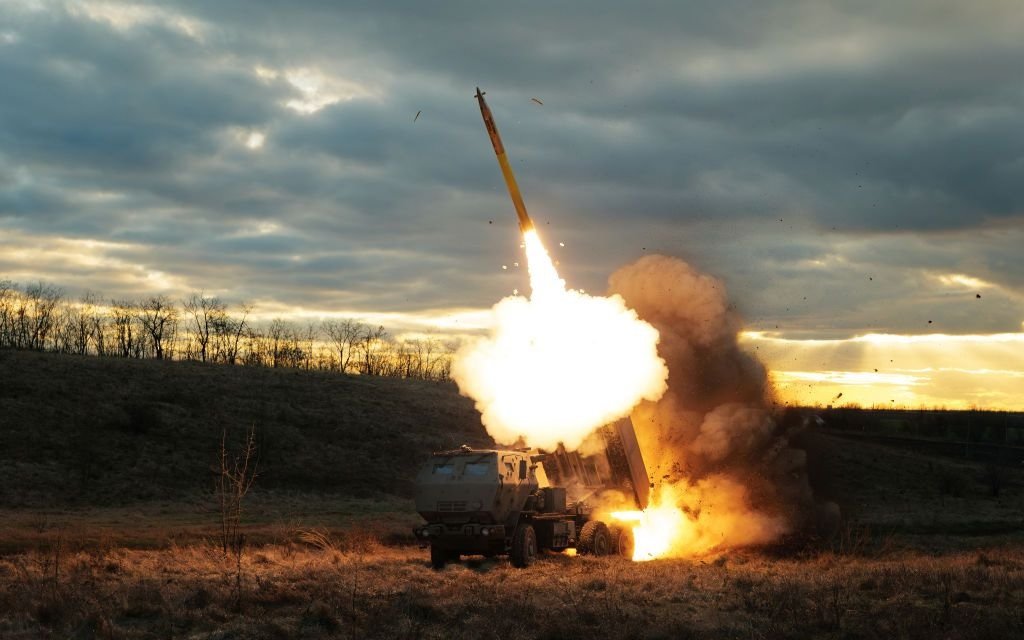 U.S. Military Selectively Intercepts Iranian Missiles to Preserve Shrinking Air Defense Stocks : Report
-
 Russia Unveils Experimental Plot-40 Floating Defense Platform to Counter Drone and USV Threats
-
 Taiwan Commissions First Batch 2 Tuo Chiang-Class Corvette with New Leonardo Radar
Top Trending in 4 Days
-
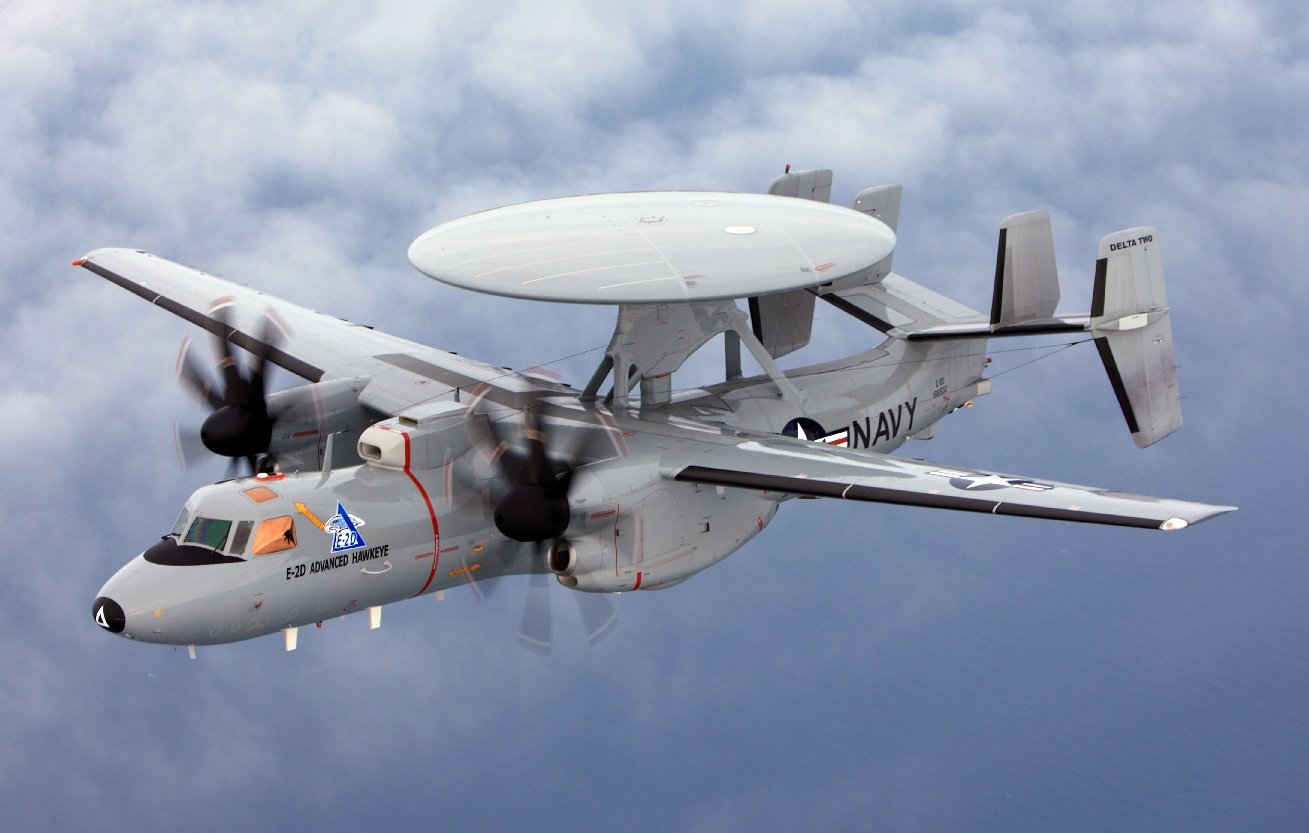 U.S. Navy Awards Northrop Grumman $1.2 Billion Deal for Three New E-2D Advanced Hawkeyes
-
 U.S. Airstrikes Target IRGC Missile Base Near Taft as Overnight Strikes Hit Central Iran
-
 Kuwait and Bahrain Reportedly Launch First Joint Direct Airstrikes on Iran Since War Began : Report
-
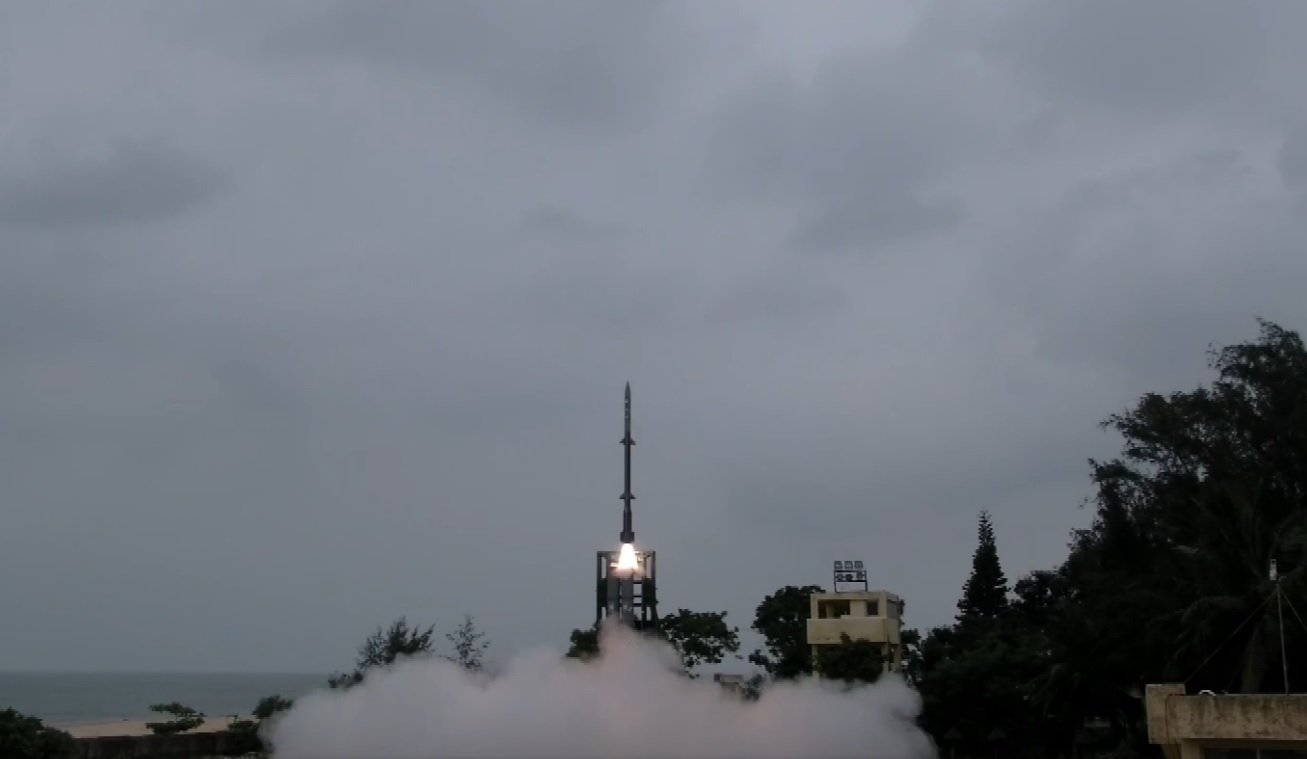 DRDO Successfully Conducts Maiden Flight Test of 150-km-Range Kusha M1 Air Defence Missile
-
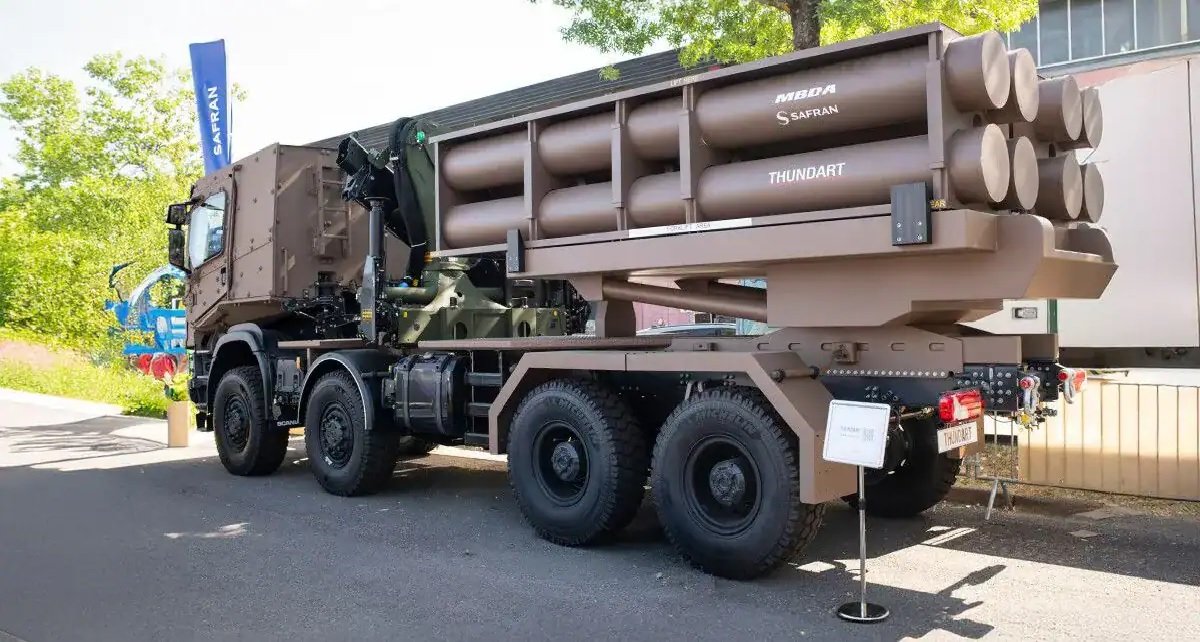 France's THUNDART Long-Range Rocket System May Undergo Prototype Combat Testing in Ukraine
-
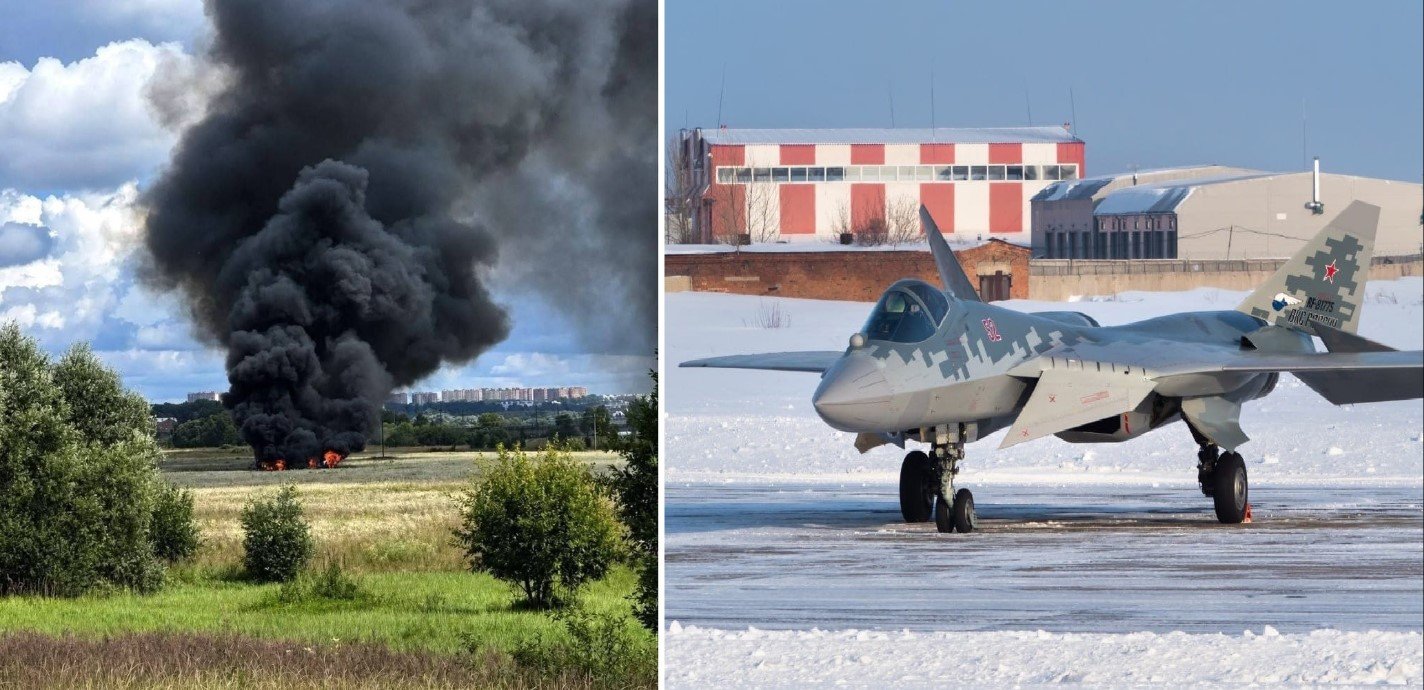 Russian Su-57 Stealth Fighter Crashes During Training Flight Near Moscow, Pilot Ejects Safely
-
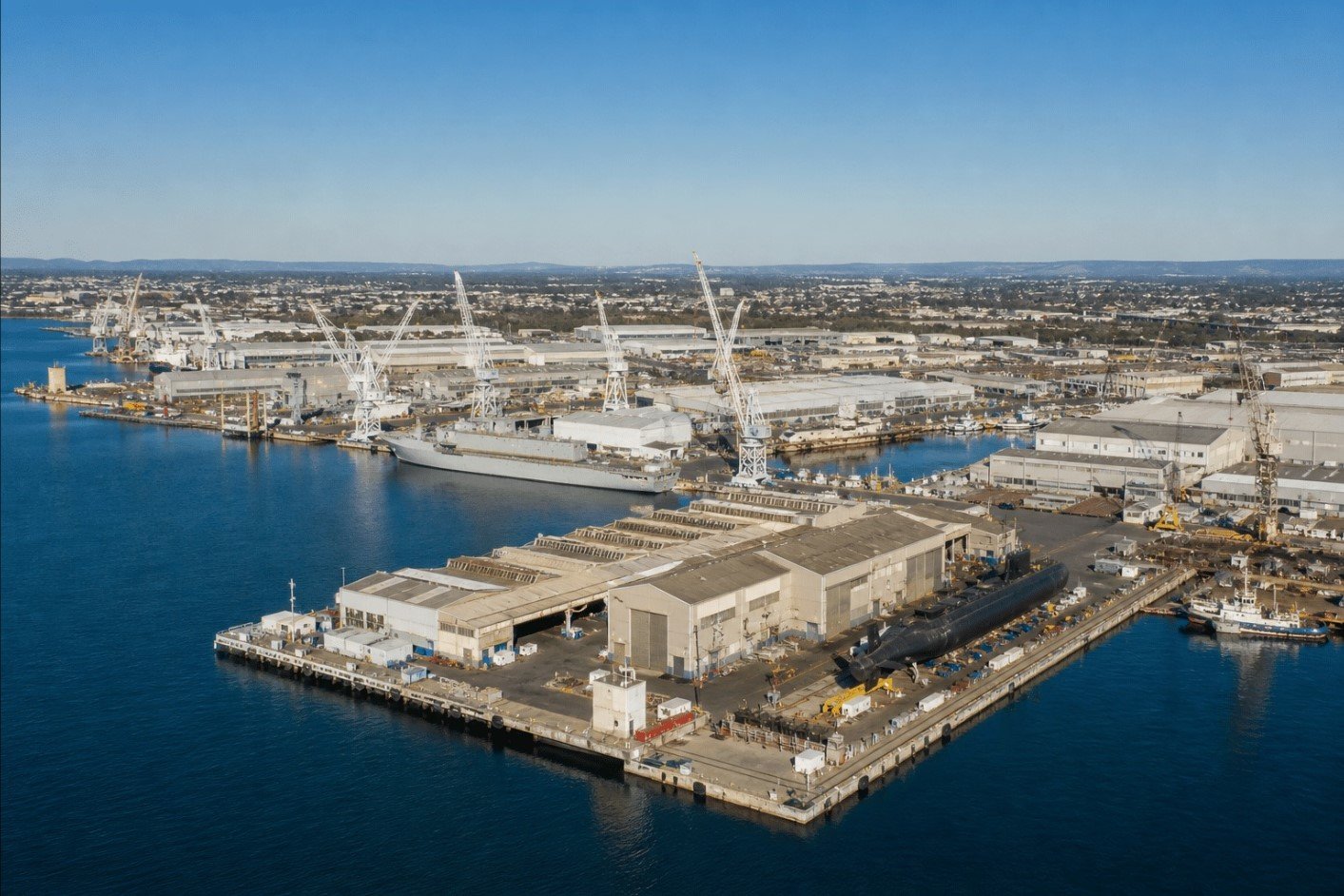 Australia Commits Additional AUD 4.6 Billion to Expand Osborne Shipyard for AUKUS Submarines
-
 Destinus Unveils Vorexon Interceptor Concept to Defend Critical Sites from Artillery Threats