
World
Split, Croatia — April 3, 2026 : The United States Navy’s aircraft carrier USS Gerald R. Ford (CVN-78) has departed the Croatian port of Split after completing a five-day maintenance and repair period, restoring the vessel to full operational status following a non-combat onboard fire. Navy officials confirmed that the carrier has resumed its deployment schedule and is available for full mission tasking. Maintenance Period Following Onboard Fire The port visit, conducted from March 28 to April 2, followed a fire that broke out on March 12, 2026, while the carrier was operating in the Red Sea as part of Operation Epic Fury. The incident originated in the aft main laundry facility and spread through the ship’s ventilation system into adjacent compartments. Damage control teams required more than 30 hours to fully extinguish the fire. While propulsion systems and combat capabilities remained unaffected, the blaze caused extensive smoke damage, disabled laundry operations, and impacted nearby berthing areas. Approximately 100 sleeping berths were damaged, and between 200 and 600 sailors were temporarily displaced due to habitability issues. Medical evaluations reported two to three sailors sustained non-life-threatening injuries, while nearly 200 personnel were treated for smoke inhalation. Repair and Recovery Operations Initial damage control, inspection, and resupply operations were conducted at Souda Bay, Greece, between March 23 and March 26. The carrier subsequently transited to Split for further repairs and replenishment. During the Croatia port call, U.S. Navy personnel, alongside local contractors and specialized maintenance teams, carried out interior restoration work, repaired affected compartments, and replenished critical supplies. Habitability conditions, including damaged berthing spaces, were restored, and essential equipment was replaced. The stop also allowed crew members a period of shore leave. This visit marked the second time USS Gerald R. Ford has docked in Split during its current deployment, following a previous port call between October 21 and October 26, 2025. Vessel Capabilities and Design USS Gerald R. Ford is the lead ship of the Ford-class nuclear-powered aircraft carriers and represents a significant technological advancement over the Nimitz-class. The vessel measures approximately 1,106 feet in length, with a full-load displacement exceeding 100,000 tons, making it the largest warship in the U.S. Navy. The program cost is estimated at $13.3 billion. The carrier is powered by two Bechtel A1B nuclear reactors, generating nearly three times the electrical output of earlier carrier designs. This enables speeds exceeding 30 knots (approximately 56 km/h) and provides effectively unlimited operational range, constrained primarily by logistical support and maintenance cycles. The ship is designed to operate with a reduced crew size compared to previous carrier classes due to increased automation across onboard systems. Air Wing and Flight Operations The carrier supports an embarked air wing of more than 75 aircraft. This includes F-35C Lightning II stealth fighters, F/A-18E/F Super Hornets, EA-18G Growlers for electronic warfare, E-2D Advanced Hawkeye airborne early warning aircraft, and MH-60 helicopters. Its flight deck, measuring approximately 1,092 by 256 feet, incorporates the Electromagnetic Aircraft Launch System (EMALS), replacing traditional steam catapults. EMALS uses linear induction motors to provide smoother aircraft launches, reduce stress on airframes, and support a wider range of aircraft, including unmanned systems. The ship also employs the Advanced Arresting Gear (AAG) system for aircraft recovery operations. Combined with an optimized deck layout and advanced weapons elevators, the carrier is capable of generating approximately 160 sorties per 12-hour day, with a surge capacity of up to 270 sorties in a 24-hour period. Sensors and Defensive Systems USS Gerald R. Ford is equipped with the Dual Band Radar (DBR), integrating S-band and X-band radar functions for enhanced tracking and targeting capabilities. Its defensive systems include RIM-162 Evolved Sea Sparrow Missiles (ESSM), Rolling Airframe Missiles (RAM), and Phalanx Close-In Weapon Systems (CIWS), providing layered protection against aerial and missile threats. Ongoing Deployment The carrier departed Naval Station Norfolk on June 24, 2025, as the flagship of Carrier Strike Group 12. As of early April 2026, the deployment has extended to approximately 281 days and is projected to continue into an 11th month, making it the longest U.S. aircraft carrier deployment since the Vietnam War era. Throughout the deployment, USS Gerald R. Ford has conducted operations in multiple regions, including the Caribbean, Mediterranean, and Middle East, with sustained strike missions carried out in the Red Sea. Return to Operations Following completion of repairs and system checks in Split, Navy officials confirmed that the carrier has returned to full mission capability. The ship is expected to continue operations in the Mediterranean or Red Sea region, supporting U.S. strategic and security objectives. An investigation into the cause of the March 12 laundry facility fire remains ongoing.
Read More → Posted on 2026-04-03 17:09:26
World
Seoul, South Korea — April 3, 2026 : South Korean technology firm DAON I&C has formally entered the defense sector with the unveiling of its SWARM-X series of military-grade unmanned aerial vehicles (UAVs), expanding beyond its established role in civilian drone swarm light show operations. The company’s new platforms are designed for high-speed, swarm-enabled combat and reconnaissance missions, incorporating artificial intelligence and domestically developed systems. The announcement follows recent demonstrations conducted by Defense Advancement, during which DAON’s UAVs successfully executed payload delivery operations, including the release of mines and grenades. These trials highlighted the company’s transition toward deployable military applications and validated its strike drone capabilities under controlled conditions. SWARM-X Platform Overview The SWARM-X brand represents DAON’s next-generation swarm drone portfolio, centered on two primary systems: the XV600 and XV1200. Both platforms employ quad tailsitter vertical takeoff and landing (VTOL) configurations, allowing them to operate without conventional runway infrastructure while transitioning to fixed-wing flight for extended range and speed. The XV600 is a 600-class UAV designed for deployment at the squad or platoon level. It is engineered for high-speed operations and precision strike missions, carrying combat payloads for targeted engagements. The platform also supports day-and-night reconnaissance through electro-optical and infrared (EO/IR) sensors and is capable of conducting deception missions by altering visual signatures such as color and operational patterns. The larger XV1200 is a 1200-class VTOL fixed-wing UAV built for heavier payload operations and longer-range missions. It is specifically configured to deploy munitions equivalent to 60 mm mortar rounds. The system integrates onboard artificial intelligence for target recognition and supports direct collision or terminal dive strike profiles, enabling both operational and training applications. In addition to strike roles, both UAVs have demonstrated the ability to operate in coordinated autonomous formations, conducting real-time multi-mapping and surveying missions. Integration of Edge AI and Autonomous Targeting DAON I&C is developing a networked combat mission system that integrates reconnaissance drones with loitering munition platforms using Edge Artificial Intelligence. The system is designed to enable autonomous collaboration between multiple UAVs during combat operations. In this architecture, reconnaissance swarm drones independently identify and track targets such as enemy personnel, tanks, and armored vehicles. The collected data is processed onboard using AI-enabled image recognition and then transmitted to strike drones, which execute attacks based on the provided coordinates. According to CEO Yang Chang-yol, the company is working toward a unified AI-driven framework that combines image processing, flight control, mission execution, and communication. This system will incorporate neural processor-based Edge AI semiconductors to support onboard decision-making and reduce reliance on external control. Traffic Management and Cybersecurity Architecture To support large-scale swarm deployments, DAON is also developing the DAON Traffic Management System (D-TMS), an autonomous air traffic control framework tailored for unmanned swarm operations. The system integrates blockchain technology with AI-based flight control to manage communication between drones and ensure safe operation in dense environments. The D-TMS enables real-time coordination between UAVs to prevent mid-air collisions through autonomous communication protocols. The use of blockchain technology is intended to enhance cybersecurity, protecting against electronic warfare threats, unauthorized access, and data manipulation. Localization of Core Technologies A key aspect of DAON’s strategy is the full localization of critical drone components to mitigate supply chain risks and improve system security. The SWARM-X platforms incorporate the company’s proprietary D-FC (Flight Controller) v2.0, which operates on dedicated firmware and communication protocols to enhance flight stability and resilience. The company has also developed indigenous ground control station software (DGCS), along with localized EO/IR cameras, video transmission systems, and cryptographic modules. These components are integrated into what DAON describes as its “SWARM AI” full-stack system, consolidating over a decade of experience in swarm flight control technologies. Background and Industrial Collaboration DAON I&C has accumulated technical expertise in swarm drone operations since launching South Korea’s first drone light show platform in 2015. The company has conducted large-scale civilian projects, including Hyundai Motor Group’s “Sing Your Wish” drone show and permanent drone display installations at Nokdong Port in Goheung and Lake Sapkyo in Dangjin. In support of its defense expansion, DAON was selected for the 2025 AI Semiconductor Application Demonstration Support Project by the Ministry of Science and ICT and the National IT Industry Promotion Agency. The company is also collaborating with the Electronics and Telecommunications Research Institute on multi-drone autonomous flight systems for search-and-rescue missions. Additionally, DAON has signed a memorandum of understanding (MOU) with Indonesian UAV manufacturer BETA-UAS to develop swarm VTOL solutions for international markets. Product Portfolio and Future Plans Alongside the XV600 and XV1200, DAON’s broader UAV portfolio includes platforms such as the X450 training drone, the X850N reconnaissance drone with onboard AI capabilities, and the X500E designed for public safety applications. The company has also showcased supporting technologies, including the DCam Onix FPV camera and DGCS swarm control software, at industry exhibitions such as Drone Show Korea (DSK). Headquartered in Gwangmyeong-si, Gyeonggi-do, DAON I&C plans to establish manufacturing infrastructure and expand into defense, military, and educational technology markets by 2027. The company aims to provide integrated solutions for long-range surveillance, reconnaissance, detection, and autonomous strike missions to both domestic and international clients. While the operational roles and system architecture of the XV600 and XV1200 have been disclosed, the company has not released detailed technical specifications such as dimensions, weight, propulsion systems, or maximum speed.
Read More → Posted on 2026-04-03 16:58:36
World
WASHINGTON, — April 3, 2026 : A recent United States intelligence assessment indicates that Iran continues to retain a substantial portion of its military strike capabilities despite more than five weeks of sustained air operations conducted by the United States and Israel under Operation Epic Fury. The findings, first reported on April 2, present a detailed evaluation of Iran’s remaining missile, drone, and naval assets, offering a more nuanced picture than recent public statements from US officials. Missile and Drone Capabilities Remain Substantial According to multiple sources familiar with the assessment, approximately half of Iran’s ballistic missile launchers remain intact. Prior to the conflict, Iran was estimated to possess around 470 launch systems. Current intelligence suggests that roughly 200 launchers have been destroyed in airstrikes, while an additional 80 are assessed to be non-operational. The remaining systems include both active launchers and those rendered temporarily inaccessible. A key factor in the assessment is the classification of assets that are “intact but inaccessible.” Many missile launchers have been stored in deeply buried underground facilities. Airstrikes have collapsed tunnel entrances and restricted access to these systems, but the equipment itself has not been fully destroyed. In parallel, Iran is assessed to retain approximately 50 percent of its unmanned aerial vehicle (UAV) inventory. This includes thousands of one-way attack drones that remain stockpiled and available for deployment. Intelligence sources indicate that Iran also maintains a large number of missiles beyond the launch systems currently accounted for. Underground Infrastructure Complicates Damage Assessment Iran’s longstanding investment in underground military infrastructure continues to affect the overall assessment of damage. The country has developed extensive tunnel networks, often referred to as “missile cities,” built into mountainous terrain over several decades. Some of these facilities are located at depths of up to 500 meters. US and Israeli strikes have targeted tunnel entrances and supporting equipment, including machinery used to reopen blocked access points. However, the depth and scale of these facilities make it difficult to fully eliminate stored weapons systems. Mobile launch platforms and “shoot-and-move” tactics have further complicated efforts to track and destroy remaining assets. Coastal Defense Systems Largely Intact The intelligence assessment also highlights the continued operational status of a large percentage of Iran’s coastal defense cruise missiles. These systems have not been the primary focus of the US-led air campaign, which has concentrated on inland infrastructure, weapons production facilities, and leadership targets. The remaining coastal missile systems enable Iran to maintain a threat to maritime traffic in the Strait of Hormuz, a critical global shipping route. Intelligence sources indicate that many of these assets have either remained in or been relocated to underground storage sites. IRGC Naval Capabilities Persist While Iran’s regular navy has sustained significant damage, the naval branch of the Islamic Revolutionary Guard Corps (IRGC) is assessed to retain approximately half of its operational capacity. This includes hundreds to thousands of fast-attack small boats as well as unmanned surface vessels (USVs). US Central Command has reported that more than 155 Iranian vessels have been damaged or destroyed since the start of operations. However, public data does not consistently distinguish between losses in the regular navy and IRGC naval forces. The IRGC Navy has historically been responsible for operations targeting or harassing commercial shipping in the Strait of Hormuz. Scale of the Air Campaign Since the launch of Operation Epic Fury on February 28, 2026, US Central Command reports that more than 12,300 targets have been struck across Iranian territory. These operations have focused on missile production facilities, storage sites, command centers, and senior leadership nodes. Strikes on key production facilities, including sites at Khojir, Shahroud, Parchin, and Hakimiyeh, are assessed to have severely damaged or halted Iran’s ability to manufacture certain short- and medium-range ballistic missiles. Despite this, existing stockpiles and surviving launch infrastructure continue to support ongoing operational capability. The campaign has also resulted in the deaths of senior Iranian leaders, including Supreme Leader Ali Khamenei and Ali Larijani, head of Iran’s National Security Council. Differences in US and Israeli Assessments The US intelligence assessment differs in part from Israeli military estimates. Israeli officials assess that approximately 20 to 25 percent of Iranian missile launchers remain operational. This discrepancy is attributed to differing methodologies, as Israeli assessments typically exclude launchers that are buried or inaccessible, while US intelligence includes such systems in its overall count. Official Responses and Public Statements The intelligence findings contrast with recent public statements from the US administration. On April 1, President Donald Trump stated that Iran’s ability to launch missiles and drones had been “dramatically curtailed,” adding that very few launchers remained. On April 3, he indicated that US operations could be completed within two to three weeks. Secretary of Defense Pete Hegseth reported on March 19 that ballistic missile and UAV attacks against US forces had decreased by approximately 90 percent since the start of the conflict. He later noted that the number of launches in a 24-hour period had reached its lowest level, while acknowledging that Iran would continue limited launches and attempts to operate from underground positions. White House spokesperson Anna Kelly stated that Iranian missile and drone attacks are down 90 percent, that the Iranian navy has been largely neutralized, and that two-thirds of production facilities have been damaged or destroyed. She also emphasized continued US and Israeli air dominance. Pentagon spokesman Sean Parnell described the military campaign as delivering a “crippling series of blows” and stated that operations are progressing ahead of schedule. Ongoing Assessment and Operational Outlook One source familiar with the intelligence assessment described the projected two-to-three-week timeline for completing operations as unrealistic given the scale of remaining Iranian capabilities. The persistence of underground storage, surviving launch systems, and mobile operational tactics continues to present challenges for achieving complete neutralization. Unclassified intelligence summaries have not provided detailed figures on remaining missile inventories or specific UAV models. However, the current assessment continues to inform US and Israeli military planning as operations proceed.
Read More → Posted on 2026-04-03 16:39:45
World
Washington, D.C. — April 3, 2026 : U.S. President Donald Trump has designated Vice President JD Vance to lead a nationwide initiative targeting fraud in federal benefit programs, formally assigning him the role informally described as “Fraud Czar.” The announcement was made on April 3 via the president’s Truth Social platform and coincided with ongoing federal enforcement actions in California. Appointment and Scope of Responsibility According to the president’s statement, Vance will oversee efforts to identify and address fraud across federal programs, working alongside multiple agencies within the administration. Trump described fraud in government spending as “massive and pervasive,” adding that the initiative would operate nationwide but with a particular focus on states led by Democratic administrations. In his statement, Trump said the initiative would concentrate “everywhere,” while emphasizing states such as California, Illinois, Minnesota, Maine, and New York as priority areas. He also asserted that the scale of alleged financial losses is significant enough that successful recovery efforts could impact the federal budget balance. Task Force Structure and Mandate The appointment builds on an executive order signed on March 16, 2026, establishing the Task Force to Eliminate Fraud within the Executive Office of the President. The task force is chaired by Vice President JD Vance, with Federal Trade Commission Chairman Andrew Ferguson serving as vice chairman. The interagency body includes cabinet secretaries and heads of relevant federal agencies. Its mandate covers auditing, investigating, and preventing fraud, waste, and abuse in federal benefit programs, including Medicaid, Medicare, housing assistance, food assistance, and cash-based welfare programs administered in coordination with state and local governments. The executive order directs participating agencies to strengthen eligibility verification systems, introduce pre-payment safeguards, identify high-risk fraud patterns, and dismantle organized fraud networks. Agencies were instructed to submit measurable implementation plans within 90 days. The task force convened its first meeting in late March 2026. California Enforcement Actions Federal enforcement activity tied to the initiative was carried out on April 2, 2026, in the Los Angeles area under an operation identified as “Operation Never Say Die.” Federal agents executed search warrants and arrests targeting alleged hospice and healthcare fraud schemes. Authorities charged 11 defendants and arrested eight individuals across multiple locations, including Covina, Anaheim, and Glendale. Prosecutors allege that the schemes involved fraudulent hospice providers billing Medicare for services rendered to patients who were not terminally ill. The total alleged fraud amount exceeds $50 million. The cases were announced by the U.S. Attorney’s Office for the Central District of California. First Assistant U.S. Attorney Bill Essayli stated that the enforcement actions were conducted in coordination with the Task Force to Eliminate Fraud. In addition to the arrests, authorities reported that 221 hospice and healthcare providers in Los Angeles County were suspended due to suspected fraudulent activity. Officials noted that this represents an increase of more than 200 percent within a one-week period. Coordination and Early Operations Administration officials indicated that the California cases are among the first enforcement actions linked to the newly established task force. Vice President JD Vance commented following the arrests that the initiative had begun operations without delay and would continue to pursue fraud cases nationwide. Trump also referenced the California activity in his public remarks, stating that federal “raids have already started” in Los Angeles as part of the broader effort. Broader Geographic Focus Prior to the California actions, the task force had examined fraud-related concerns in Minnesota, particularly involving Medicaid and public assistance programs. A White House fact sheet issued alongside the March executive order identified California, Illinois, New York, Maine, and Colorado as states where federal officials believe vulnerabilities in oversight mechanisms may exist. The California enforcement actions represent an expansion into large-scale healthcare fraud investigations. Political Response The initiative has prompted criticism from political opponents, including members of the Democratic Party, who argue that the stated focus on “Blue States” suggests a politically targeted approach. Critics have raised concerns that federal law enforcement resources could be used in a manner that disproportionately targets political jurisdictions. Some lawmakers have also accused the administration of attempting to shift attention away from ongoing scrutiny of financial activities associated with Trump-linked businesses and foreign investments during his current term. Current Status As of April 3, 2026, federal authorities have not released additional details regarding the full scope of ongoing investigations or potential enforcement actions in other states. The Task Force to Eliminate Fraud continues to operate under the leadership of Vice President JD Vance, coordinating with federal prosecutors, the Department of Justice, and other agencies on active and future cases.
Read More → Posted on 2026-04-03 16:10:07
World
KYIV — April 3, 2026 : Ukraine’s 1st Separate Assault Regiment has begun systematically upgrading its fleet of M1A1 Abrams main battle tanks with additional protection measures designed to counter evolving battlefield threats, particularly first-person view (FPV) drones and shaped-charge munitions. The regiment disclosed on April 1 that it is fitting the tanks with a combination of overhead protective grilles, anti-drone standoff structures, and Kontakt-1 explosive reactive armor (ERA). Footage released from a workshop shows installation work being carried out on both the hull and turret sections of the vehicles, indicating an organized and repeatable modification process rather than isolated field improvisations. Physical Protection Measures Adapted to Drone Threats The upgrades focus on mitigating vulnerabilities that have emerged in an operational environment dominated by persistent aerial surveillance and precision drone strikes. FPV drones frequently target exposed areas such as the turret roof and engine deck—zones not originally optimized for overhead protection in the Abrams design. To address this, Ukrainian engineers have installed overhead grilles and metal standoff frameworks. These structures are designed to alter the attack geometry of incoming drones, forcing premature detonation of their warheads at a distance from the vehicle’s main armor. The spacing effect reduces the penetration capability of shaped-charge munitions before impact with the hull. In parallel, Kontakt-1 ERA blocks have been mounted across the turret and hull. This Soviet-era system uses explosive-filled elements, identified as 4S20, which detonate outward upon impact. The resulting counter-explosion disrupts the focused jet of high-explosive anti-tank (HEAT) warheads, including those used in anti-tank guided missiles (ATGMs) and infantry-launched systems. Integration of Mixed-Origin Systems The application of Kontakt-1 on US-supplied Abrams tanks reflects a mixed-origin approach to survivability enhancements. The M1A1 platform, originally designed for high-intensity direct-fire engagements, relies on composite armor and advanced targeting systems. Export variants delivered to Ukraine are configured without depleted uranium armor and instead use alternative materials such as tungsten-based protection. The addition of external ERA and anti-drone structures is intended to compensate for both evolving threats and differences in baseline protection levels. Ukrainian units are implementing these upgrades using available systems regardless of origin, indicating a flexible integration strategy at the unit level. Fleet Growth Enables Standardization The ability to scale these modifications is linked to the expansion of Ukraine’s Abrams inventory. The United States initially committed 31 M1A1 Abrams tanks in January 2023. This number increased following Australia’s October 17, 2024 decision to transfer 49 M1A1 SA (Situational Awareness) tanks from its retiring fleet. By early 2026, Ukraine’s total Abrams inventory had reached approximately 80 vehicles from these two sources. The increased fleet size has allowed Ukrainian forces to transition from ad hoc modifications applied to individual tanks toward more standardized configurations implemented across units. Crew Interface Localization and Training Efficiency In addition to physical protection measures, some of the Australian-supplied Abrams tanks have been equipped with localized internal control panels. These modifications involve translating and adapting system interfaces from English to Ukrainian. The localization effort is intended to reduce the cognitive burden on crews transitioning to a foreign platform. By improving usability and comprehension, the changes are expected to shorten training timelines and reduce the likelihood of operational errors during high-pressure combat situations. Sustainment and Rear-Area Support Infrastructure Sustaining the Abrams fleet under combat conditions requires an established maintenance and repair framework. Poland’s Wojskowe Zakłady Motoryzacyjne (WZM) facility in Poznań has expanded its capacity to support heavy armored vehicles, including those of US origin. The facility has developed a 20,000-square-meter maintenance site and confirmed in early 2026 that it is preparing to begin servicing Abrams tanks. Initial capabilities include depot-level repairs, with engine maintenance for the Honeywell AGT1500 gas turbine planned for subsequent phases. This rear-area infrastructure is intended to support rapid recovery, repair, and redeployment of damaged vehicles, ensuring continued operational availability despite high attrition rates. Operational Context and Ongoing Adaptation The 1st Separate Assault Regiment has previously deployed its Abrams tanks in combat operations, including engagements near Pokrovsk in December 2025. The current modifications reflect ongoing adaptation to battlefield conditions characterized by rapid target acquisition and persistent aerial threats. Similar protective measures have been observed on Abrams tanks operated by other Ukrainian units, indicating a broader pattern of field-driven upgrades across armored formations. No official figures have been released regarding the number of tanks modified under the current effort or the quantified impact of the added protection systems. The upgrades continue to be implemented as vehicles are integrated into active operations, with further adjustments expected as threat conditions evolve.
Read More → Posted on 2026-04-03 15:58:50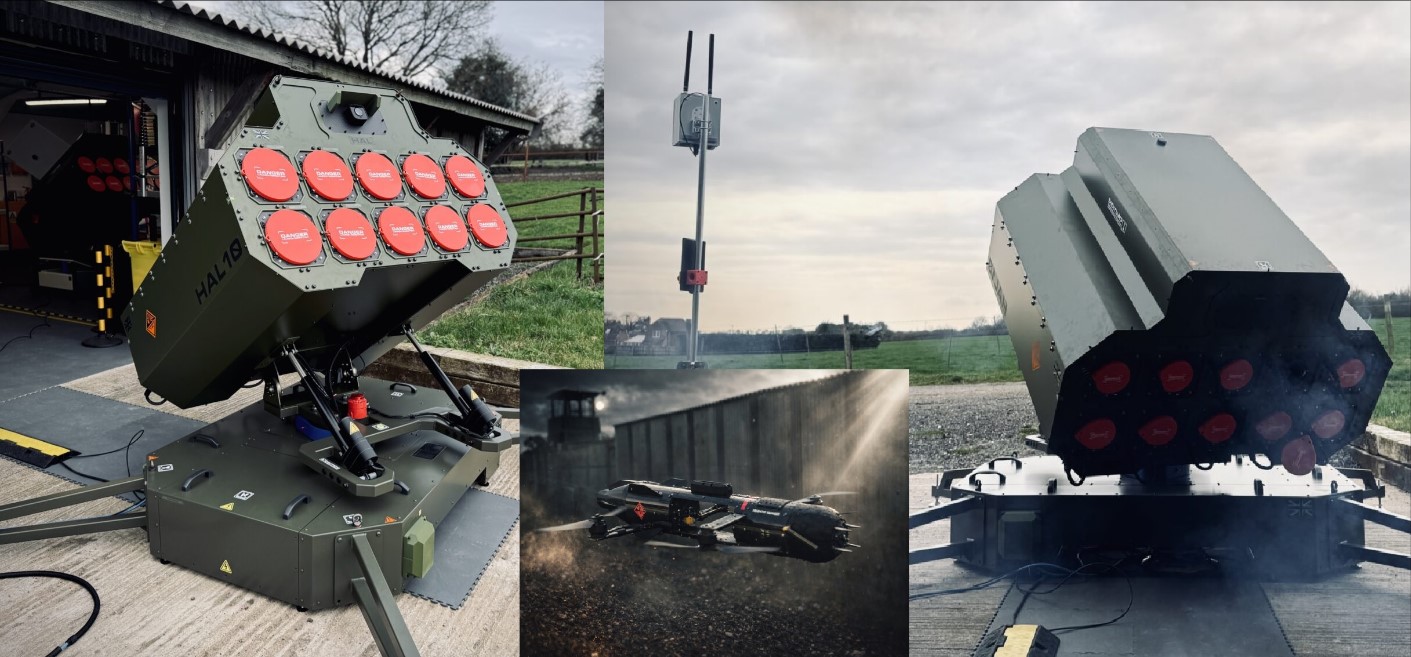
World
CHIEVELEY, UNITED KINGDOM — April 3, 2026 : UK-based uncrewed systems developer ISS Aerospace has introduced the HAL10 Hybrid Air-Systems Launcher, a modular cassette-based launch system designed to store, manage, and autonomously deploy multiple small uncrewed aerial systems (UAS) in operational environments. System Architecture and Design The HAL10 is configured as a 10-bay cassette launcher arranged in a 5 × 2 structure. It is engineered to securely house and deploy UAS platforms while operating across a wide temperature range from −32°C to +45°C. The system has a reported net weight of 555 kg and a gross weight of 350 kg. Designed as a platform-agnostic solution, the launcher is compatible with various small UAS platforms, enabling integration into fixed installations, mobile units, or forward-operating environments. It supports both standalone and networked mission profiles. A central feature of the HAL10 is its autonomous launch sequencing capability. The integrated system allows operators to deploy individual drones or multiple air vehicles with minimal manual input. This enables three primary operational modes: rapid saturation through simultaneous launches, staggered deployment at pre-programmed intervals, and sustained operations through continuous, overlapping sorties. Operational Roles and Mission Applications The HAL10 is intended to support a range of tactical and operational missions. These include multi-UAS deployment for expanded surveillance and operational reach, counter-UAS (C-UAS) missions involving interceptor or effector launches, and distributed strike operations such as precision engagement, decoy deployment, or suppression tasks in contested environments. The system is designed to provide centralized and repeatable launch capabilities, reducing manpower requirements while enabling rapid-response operations. Integration with WASP Tactical UAS The HAL10 is optimized for integration with the WASP tactical UAS, developed under the ISSOS Technologies joint venture between ISS Aerospace and OSL Technology. The WASP is a tube-launched, rocket-assisted drone designed for rapid deployment in time-sensitive missions. It can be launched in under three seconds and transitions autonomously from rocket-assisted flight into conventional multi-rotor operation. WASP Specifications and Performance The platform has a maximum take-off weight (MTOW) of 5 kg, with tube dimensions of 146 × 760 mm. It supports a modular payload capacity of up to 1.5 kg, with standard configurations including a gimbal-mounted electro-optical/infrared (EO/IR) camera and a laser rangefinder. In terms of performance, the WASP can reach speeds of up to 35 m/s (approximately 126 km/h) and operate in wind conditions of up to 18 m/s. It offers an endurance of up to 30 minutes without payload and approximately 22 minutes when fully loaded. The system has an operational range between 40 and 45 kilometers, with tested accuracy for effector payload delivery at distances of up to 24 kilometers. Network Integration and Partnerships In February 2026, ISS Aerospace announced a partnership with Anduril UK to integrate the WASP as a launched effect within Anduril’s Lattice command-and-control platform. The integration was completed within a single day and validated through a flight test conducted at the company’s Oxford facility. The WASP is positioned as a shorter-range, attritable system complementing platforms such as Anduril’s Altius, with an open-architecture flight system supporting ISR, counter-UAS, and strike missions. Company Background and Capabilities Founded in 2015, ISS Aerospace specializes in the development of autonomous UAV systems for defense, security, and commercial applications, including oil and gas, construction, and agriculture. The company focuses on resilient navigation capabilities in RF- and GPS-denied environments, integrating onboard edge computing, modular open architectures, and multi-modal sensor systems. Its portfolio includes the Sensus series of multi-mission UAV platforms. ISS Aerospace conducts in-house prototyping, field testing, and command-and-control system development within the United Kingdom. System Positioning The HAL10 launcher is positioned as a scalable and flexible solution for modern unmanned operations, enabling coordinated multi-UAS deployment from a single system. While detailed information on power requirements, exact external dimensions, and specific launch mechanisms has not been disclosed, the system emphasizes autonomous operation, modularity, and compatibility across a range of mission scenarios.
Read More → Posted on 2026-04-03 15:39:52
World
Abu Dhabi, United Arab Emirates — April 3, 2026 : Iran has issued a warning that it may target the Stargate artificial intelligence (AI) data center project under development in Abu Dhabi, marking a further escalation in tensions involving critical digital infrastructure across the Gulf region. The warning, delivered by Iran’s Islamic Revolutionary Guard Corps (IRGC), follows a series of reported drone and missile strikes over the past 48 hours on commercial data centers linked to major U.S. technology firms in Bahrain and the United Arab Emirates. The developments indicate a shift in targeting priorities, with cloud computing and AI infrastructure increasingly viewed as strategic assets in regional conflicts. Iranian Warning and Strategic Messaging In a recently released video, an IRGC spokesman stated that Iran would retaliate against energy and technology infrastructure hosting U.S. interests if Washington proceeds with threats to strike Iranian power facilities. The broadcast included satellite imagery focusing on the desert site of the Stargate project in Abu Dhabi, accompanied by messaging asserting visibility over the facility despite efforts to conceal it. The video also displayed images of chief executives from companies involved in the project, reinforcing the linkage drawn by Iranian officials between private-sector technology firms and U.S. strategic capabilities. Iranian military channels had earlier circulated a list of 18 U.S. technology and financial companies—among them Apple, Google, Meta, Microsoft, Intel, Amazon, Oracle, Nvidia, Cisco, and OpenAI—designating them as potential targets. The IRGC advised employees of these firms to evacuate facilities in the region and urged civilians residing within a one-kilometer radius of such sites to relocate. Stargate UAE Project Overview The Stargate AI data center in Abu Dhabi is a major international component of a broader global AI infrastructure initiative. The project involves an estimated investment of more than $30 billion and is designed to form part of a larger AI campus with a planned capacity of up to 5 gigawatts. The UAE-specific deployment, referred to as Stargate UAE, is structured as a 1-gigawatt compute cluster within a 5-gigawatt campus spanning approximately 19.2 square kilometers. Initial phases are expected to bring 200 megawatts of capacity online in 2026, with gradual expansion toward full operational scale. The facility is being developed by G42 and will be operated by OpenAI and Oracle. Key partners include Nvidia, which is supplying Grace Blackwell GB300 systems, and Cisco, responsible for networking and security infrastructure. Japan’s SoftBank Group and additional South Korean entities are also involved in the project. Stargate UAE represents the first international deployment of the broader Stargate Project, a global initiative announced in January 2025 with projected investments of up to $500 billion over four years. The Abu Dhabi campus is designed to deliver AI compute capacity across an estimated 2,000-mile radius, potentially serving a large portion of the global population. The project forms part of the UAE’s strategy to build sovereign AI capabilities and strengthen its role in global digital infrastructure. It was formally announced in May 2025 following diplomatic engagements that included adjustments to U.S. export policies on advanced technologies. The initiative also received public backing during a regional visit by U.S. President Donald Trump. Reported Strikes on Gulf Data Centers The Iranian warning follows reported kinetic actions against operational data centers in the region. In Bahrain, an Amazon Web Services (AWS) facility located in Hamala sustained physical damage from a reported drone or missile strike. The incident reportedly caused disruptions to cloud-based services affecting banking systems, enterprise software, and other digital operations. In Dubai, Iranian state media claimed that an Oracle data center had been successfully targeted. However, authorities in Dubai have denied these reports, describing them as unsubstantiated. No independent verification of damage in Dubai has been released. Earlier in March 2026, Iranian drone strikes targeting AWS facilities in both the UAE and Bahrain had already caused service interruptions across multiple sectors, underscoring the operational impact of such attacks on regional digital infrastructure. Amazon has acknowledged prior disruptions to its cloud services in the region linked to ongoing conflict conditions. Expanding Scope of Targeting Iran has publicly justified its actions by stating that major technology companies provide critical cloud, data, and AI infrastructure supporting U.S. and Israeli military and intelligence operations. This framing has been used to classify commercial data centers as legitimate targets. Defense analysts assess that the targeting of such facilities reflects an effort to impose economic and technological costs on U.S.-aligned states, particularly Gulf countries hosting large-scale digital infrastructure. The physical characteristics of hyperscale data centers—large, fixed installations with limited dedicated air defense—are viewed as increasing their vulnerability. The designation of commercial infrastructure as a target category represents a notable development in the conduct of regional conflict, with potential implications for the security of global digital networks. Current Status and Outlook As of April 3, 2026, UAE authorities have not issued a direct public response to the specific threat against the Stargate AI project. The facility remains under development and is not yet operating at full capacity. No independent confirmation has been released regarding the full extent of damage from the most recent reported strikes in Bahrain or the claimed incident in Dubai beyond statements from involved parties and local authorities. The Stargate UAE project continues to be part of a wider network of planned AI infrastructure sites across multiple countries, including the United States, the United Kingdom, and Norway, incorporating advanced cooling technologies and renewable energy integration where feasible. The situation remains under close observation by regional governments and industry stakeholders as tensions continue to affect both physical and digital infrastructure across the Gulf.
Read More → Posted on 2026-04-03 15:30:53
World
WASHINGTON, D.C., — April 3, 2026 : The U.S. Navy has awarded Northrop Grumman a $334.4 million sole-source contract modification for the production of up to nine additional Surface Electronic Warfare Improvement Program (SEWIP) Block 3 electronic attack systems, marking a continued expansion of the Navy’s next-generation electronic warfare capabilities across its surface fleet. The modification increases the total number of SEWIP Block 3 systems under contract to a maximum of 24 units. If all contract options are exercised, the cumulative value of the award could reach $783 million. The contract action, announced on March 30, 2026, also includes the first SEWIP Block 3 shipset designated for installation on a nuclear-powered aircraft carrier (CVN), representing a significant step in extending advanced electronic attack capabilities beyond destroyer platforms. Program Overview and System Evolution SEWIP Block 3 is the latest upgrade to the Navy’s AN/SLQ-32(V) electronic warfare suite. The system integrates a non-kinetic electronic attack subsystem with the AN/SLQ-32(V)6 configuration developed under SEWIP Block 2, forming the AN/SLQ-32(V)7 system. The AN/SLQ-32(V)7 provides wideband onboard electronic attack capability designed to counter anti-ship missiles and disrupt targeting systems operating across air, sea, and land domains. The system focuses on electronic warfare techniques such as jamming, deception, and emitter management, reducing reliance on kinetic interceptors and improving the cost-efficiency of fleet defense. The architecture incorporates Active Electronically Scanned Arrays (AESA) enabled by Gallium Nitride (GaN) transmit and receive modules. These technologies were matured through earlier research and risk-reduction efforts conducted under the Office of Naval Research’s Integrated Topside program. Platform Integration and Configuration Variants The physical integration of SEWIP Block 3 varies depending on the host platform due to size, weight, power, and cooling (SWaP-C) constraints. Destroyer Integration — Hemisphere Configuration Initial deployments are being carried out under the DDG MOD 2.0 modernization program for DDG-51 Flight IIA guided-missile destroyers. These ships utilize a “Hemisphere” configuration, where antennas and associated electronic systems are grouped into large enclosures mounted on the port and starboard sides of the main deckhouse. On these platforms, SEWIP Block 3 integrates with the Aegis Baseline 10.M combat system. The USS Pinckney (DDG-91) is the first destroyer to receive the AN/SLQ-32(V)7 system. Installed in 2023, the system is currently operational, with the vessel deployed to the Middle East in support of ongoing missions. Aircraft Carrier Integration — Quadrant Configuration The current contract modification initiates the adaptation of SEWIP Block 3 for aircraft carrier platforms. Due to the distinct structural layout of carriers, the system will employ a “Quadrant” configuration, redistributing hardware modules around the ship’s superstructure. Unlike destroyers, carrier-based systems will integrate with the Ship Self-Defense System (SSDS) MK 2 Baseline 12. U.S. Navy budget documents for fiscal years 2025 and 2026 indicate that the USS Harry S. Truman (CVN 75) is scheduled to receive the first carrier installation of SEWIP Block 3. The installation is expected to coincide with the carrier’s planned Refueling and Complex Overhaul (RCOH) at Newport News Shipbuilding, beginning in mid-2026, aligning system integration with major lifecycle maintenance. Scaled Onboard Electronic Attack (SOEA) Development In parallel with full-scale SEWIP Block 3 deployment, the Navy is advancing the Scaled Onboard Electronic Attack (SOEA) program to equip smaller surface combatants that cannot support the full system’s SWaP-C requirements. SOEA is being developed under a Middle Tier of Acquisition framework and is designed to integrate with the existing AN/SLQ-32(V)6 architecture while delivering a reduced-size electronic attack capability. In 2025, the Navy awarded two Phase 1 rapid prototyping contracts to Northrop Grumman and Lockheed Martin. Northrop Grumman’s approach leverages the core GaN and AESA technologies from SEWIP Block 3, scaled down for smaller platforms. Lockheed Martin’s solution builds on its prior SEWIP Block 2 work and incorporates technology derived from the canceled AN/ALQ-248 Advanced Offboard Electronic Warfare (AOEW) pod program. The Phase 1 effort focuses on validating performance, architecture, and system functionality, with prototype systems planned for at-sea demonstrations. Program Management and Production Outlook The SEWIP Block 3 program is managed by the Navy’s Program Executive Office Integrated Warfare Systems. Production and integration activities under the March 2026 contract modification are ongoing, supporting continued fielding of advanced electronic warfare systems across the surface fleet. The expansion of SEWIP Block 3, alongside the parallel SOEA effort, reflects a broader Navy strategy to enhance non-kinetic defensive capabilities and improve survivability against increasingly complex missile and targeting threats.
Read More → Posted on 2026-04-03 15:16:54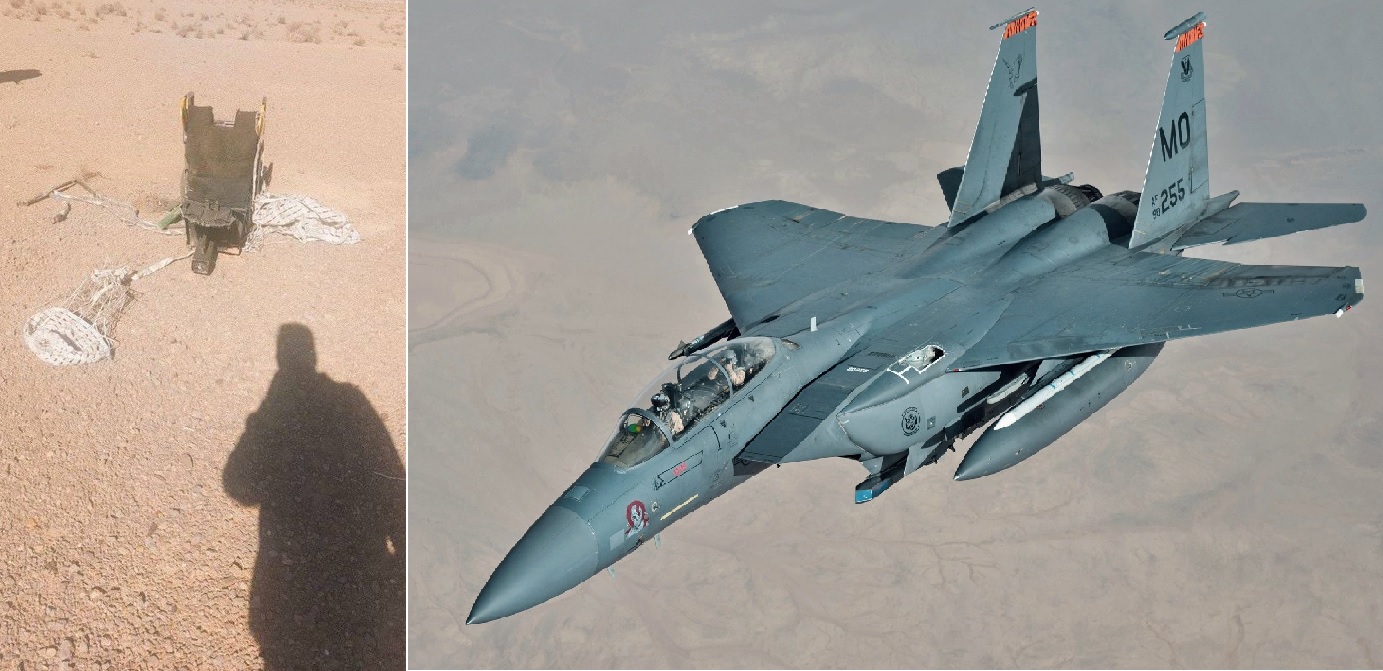
World
Washington, — April 3, 2026 : A United States Air Force F-15E Strike Eagle assigned to the 494th Fighter Squadron has been shot down over Iranian territory during ongoing military operations linked to the broader regional conflict. Both the pilot and the Weapons Systems Officer (WSO) ejected from the aircraft, while Iranian state media claims that the two crew members have been captured by the Islamic Revolutionary Guard Corps (IRGC). The United States has not officially confirmed the capture. Incident Location and Aircraft Identification The aircraft was reportedly operating over western Iran at the time of the incident. However, Iranian military statements have provided differing accounts of the exact location. Iran’s Khatam al-Anbiya Air Defense Headquarters initially claimed the shootdown occurred over Markazi Province in central Iran, while other unverified reports suggested a possible incident near Qeshm Island in southern Iran. Iranian media initially identified the aircraft as an F-35 stealth fighter. Subsequent analysis of wreckage images published by state-affiliated outlets indicated components consistent with an F-15E Strike Eagle, including a vertical stabilizer and an ACES II ejection seat. Open-source intelligence further identified the aircraft as serial number 96-204, bearing the tail code “LN,” associated with RAF Lakenheath in the United Kingdom. Status of the Aircrew The status of the two U.S. aircrew remains unclear and is the primary focus of ongoing operations. Iran’s Tasnim news agency reported that Iranian forces had apprehended both individuals. Iranian state television also broadcast public messages urging civilians to assist in locating the crew. One message offered a reward for capturing the pilots alive and handing them over to authorities, while another instructed civilians to shoot them if encountered. If confirmed, the capture would mark the first instance of American personnel being held as prisoners of war (POWs) in the current phase of the conflict. No official confirmation has been issued by the U.S. Department of Defense or U.S. Central Command (CENTCOM) regarding the crew’s status. U.S. Combat Search and Rescue Operations The United States has initiated a Combat Search and Rescue (CSAR) operation involving multiple air and ground assets. Aircraft observed in the operational area include an HC-130J Combat King II and an MC-130J Commando II, which are providing command, control, and refueling support. Rescue efforts include the deployment of at least two HH-60W Jolly Green II helicopters and additional UH-60 Black Hawk helicopters for potential extraction missions. Open-source reports and visual evidence indicate that these aircraft have been operating at low altitudes over southern and western Iran, including regions such as Kohgiluyeh and Boyer-Ahmad province and areas near Khuzestan. Reports also indicate that U.S. Special Forces and heliborne units have entered Iranian territory to conduct localized search operations for the downed crew. These operations are considered high-risk due to the contested environment. ISR and Air Cover Support The rescue mission is supported by intelligence, surveillance, and reconnaissance (ISR) assets, including at least one MQ-9A Reaper drone. The MQ-9A is equipped with advanced sensors and strike capabilities and is being used to scan terrain and provide real-time intelligence to CSAR units. Additional overwatch is being maintained by F-35 fighter aircraft and other unmanned systems to monitor the suspected ejection zones and deter hostile ground forces. Operational Background The F-15E Strike Eagle involved in the incident was part of the 494th Fighter Squadron, which has previously conducted operations in the region, including missions related to drone defense in support of Israel. The aircraft type is a two-seat, dual-role strike fighter commonly deployed under U.S. Central Command operations. The incident occurred in the context of “Operation Epic Fury,” an ongoing campaign involving U.S. and Israeli strikes on Iranian-linked targets. The loss of the aircraft and the uncertain status of its crew represent a significant development in the current conflict. Ongoing Developments The situation remains fluid, with continued search operations and conflicting reports regarding the fate of the aircrew. U.S. authorities have not issued a formal statement confirming either the loss of the aircraft or the reported capture of personnel. Iranian media continues to report that its forces have secured the crew. Further updates are expected as additional information becomes available from official sources and operational assessments.
Read More → Posted on 2026-04-03 14:07:55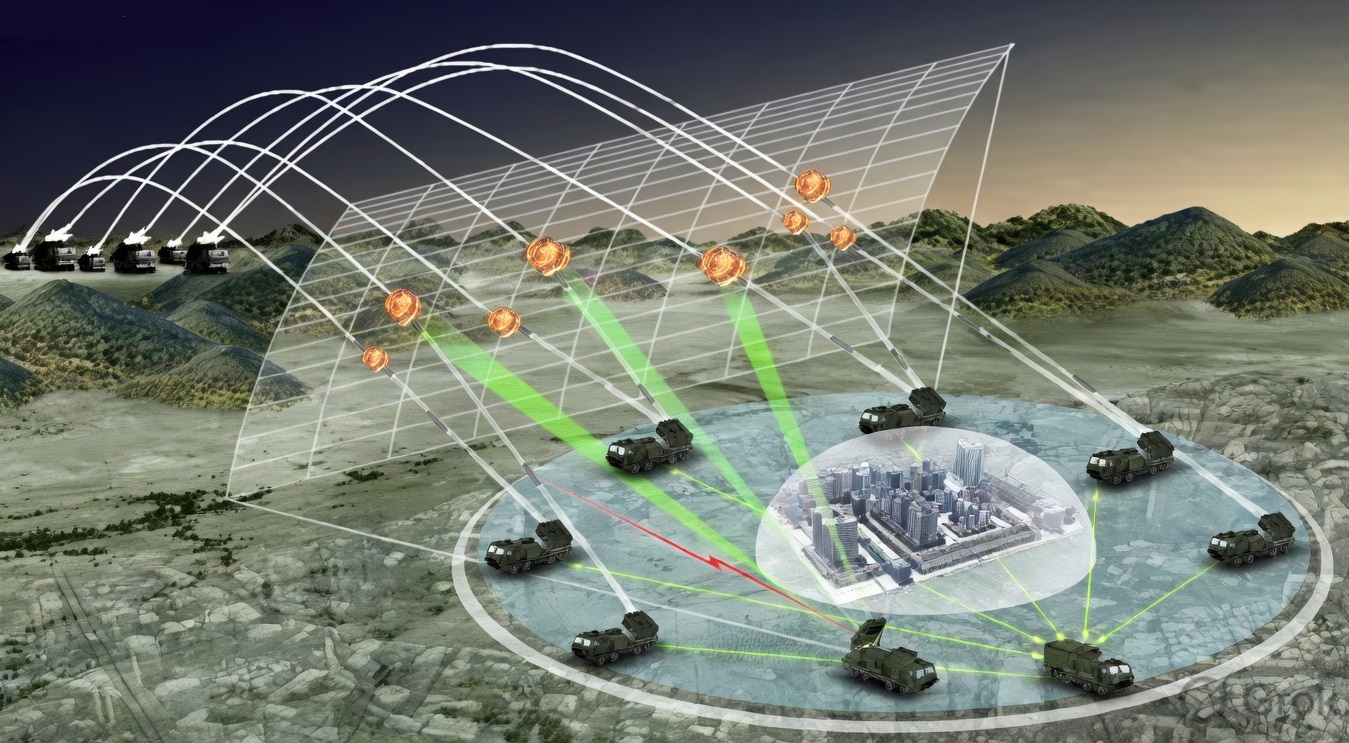
World
SEOUL, — April 3, 2026 : South Korea has approved an accelerated timeline for deploying its Low-Altitude Missile Defense (LAMD) system, moving the planned fielding of prototype batteries from 2031 to 2029, according to an announcement by the Defense Acquisition Program Administration (DAPA) following the 174th Defense Acquisition Program Promotion Committee meeting. The decision endorses revisions to the project’s basic strategy and system development master plan, with the aim of reducing capability gaps against large-scale, short-warning artillery and rocket threats. The LAMD system, widely referred to as the “Korean Iron Dome,” is designed to intercept dense, simultaneous barrages of low-altitude projectiles, including artillery shells, multiple rocket launcher rounds, and hybrid systems. Program Funding and Development Structure The updated plan allocates a total program budget of 842 billion won (approximately $620 million) through 2030. The increase reflects expanded interceptor testing requirements as well as additional investments in infrastructure, sustainment, and maintenance capabilities. Formal development of LAMD began in January 2025 under the leadership of the Agency for Defense Development (ADD). The program is being executed in partnership with domestic defense firms LIG Nex1, Hanwha Aerospace, and Hanwha Systems. Hanwha Systems is responsible for the system’s core sensor, having secured a 131.5 billion won contract in 2025 to develop the multifunction radar. The radar is scheduled for completion by November 2028 and is designed to detect, identify, and track hundreds of incoming targets simultaneously in dense engagement environments. The LAMD engagement sequence integrates multiple processes within seconds, including target discrimination, fire-control-quality tracking, interceptor allocation, and intercept confirmation. The system employs proximity-fuze fragmentation warheads optimized for intercepts at altitudes of up to approximately 10 kilometers. Operational Requirement and Threat Environment The acceleration decision reflects the scale and complexity of North Korea’s artillery and rocket capabilities, which continue to pose a persistent threat to the Seoul metropolitan area and surrounding military infrastructure. North Korea fields a range of long-range systems, including 170 mm self-propelled guns, 240 mm multiple rocket launchers, and the 600 mm KN-25 system. The KN-25 has a demonstrated range of approximately 380 kilometers and is assessed to bridge the operational gap between heavy rocket artillery and short-range ballistic missiles. These systems are capable of launching large volumes of projectiles in rapid succession, creating dense salvos that travel at low altitudes typically between 5 and 10 kilometers. Such trajectories reduce the effectiveness of higher-tier missile defense systems and necessitate a dedicated lower-tier interceptor layer. Recent activity has reinforced these requirements. During the allied Freedom Shield exercise in March 2026, North Korea launched approximately 10 ballistic missiles, alongside prior demonstrations of large-caliber multiple rocket launcher systems. LAMD is specifically designed to operate in this mixed-threat environment, engaging artillery, rockets, and missile-like projectiles simultaneously. Integration Within Layered Missile Defense LAMD will function as the innermost layer of South Korea’s Korea Air and Missile Defense (KAMD) architecture. It is intended to intercept targets at altitudes up to 10 kilometers, complementing existing and planned systems across higher engagement layers. The middle tier includes Patriot PAC-3 and the domestically developed Cheongung-II (M-SAM II), both capable of intercepting targets at altitudes of approximately 40 kilometers or below. The upper tier is provided by the L-SAM system, which operates in the 50–60 kilometer range, with L-SAM II and M-SAM Block III currently under development to address higher-altitude and higher-density threats. LAMD will be connected to the broader KAMD network through tactical communications and centralized engagement management. This integration is intended to ensure prioritization of defended assets and prevent inefficient interceptor expenditure on non-critical targets during high-volume attacks. Each LAMD battery is expected to include six launchers, with each launcher capable of engaging up to 32 targets simultaneously. This configuration would allow a single battery to address nearly 200 incoming projectiles in a single engagement cycle. Strategic Context and Allied Considerations The need for a domestically developed lower-tier defense layer has gained additional importance following reported shifts in allied missile defense deployments. In March 2026, elements of United States Forces Korea (USFK) Patriot systems and components of the Terminal High Altitude Area Defense (THAAD) system were reportedly repositioned toward the Middle East. While LAMD is not designed to replace upper-tier systems such as THAAD, officials assess that its accelerated deployment will strengthen the resilience of South Korea’s layered defense architecture from the lowest tier upward. DAPA has stated that LAMD is intended to provide a sovereign counter-artillery capability, reducing reliance on external systems while enhancing operational continuity during the early stages of a conflict. Additional Defense Initiatives Approved During the same committee meeting, DAPA approved several complementary defense programs aimed at reinforcing multi-layered defense and allied interoperability. A 753 billion won (approximately $555 million) program was authorized for the acquisition of Standard Missile-3 (SM-3) interceptors through the U.S. Foreign Military Sales (FMS) framework. These ship-based interceptors will be deployed on ROKS King Jeongjo the Great-class Aegis destroyers (KDX-III Batch-II), enabling interception of ballistic missiles during midcourse and terminal phases. The committee also approved a 592 billion won (approximately $436 million) initiative to replace the existing Link-11 maritime tactical data link with the more advanced Link-22 system. The upgrade is expected to enhance transmission speed, network capacity, and resistance to electronic jamming in combined maritime operations. In parallel, the “2026–2030 Defense Industry Development Master Plan” was adopted, outlining structured support and funding mechanisms for South Korea’s domestic defense sector over the next five years. Operational Role and Deployment Objective Once deployed in 2029, LAMD prototype batteries are expected to play a critical role in protecting high-value assets during the initial phase of a conflict. These include air bases, command and control centers, logistics hubs, ammunition storage facilities, and key transportation and mobilization routes. By mitigating the effects of massed artillery and rocket strikes, the system is intended to preserve operational decision-making time for military commanders while enabling counterbattery operations and precision strikes to neutralize enemy launch systems. DAPA officials stated that development and coordination efforts will continue to meet the revised deployment timeline, with a focus on ensuring system performance under high-density engagement conditions and integration within the broader national missile defense framework.
Read More → Posted on 2026-04-03 13:39:18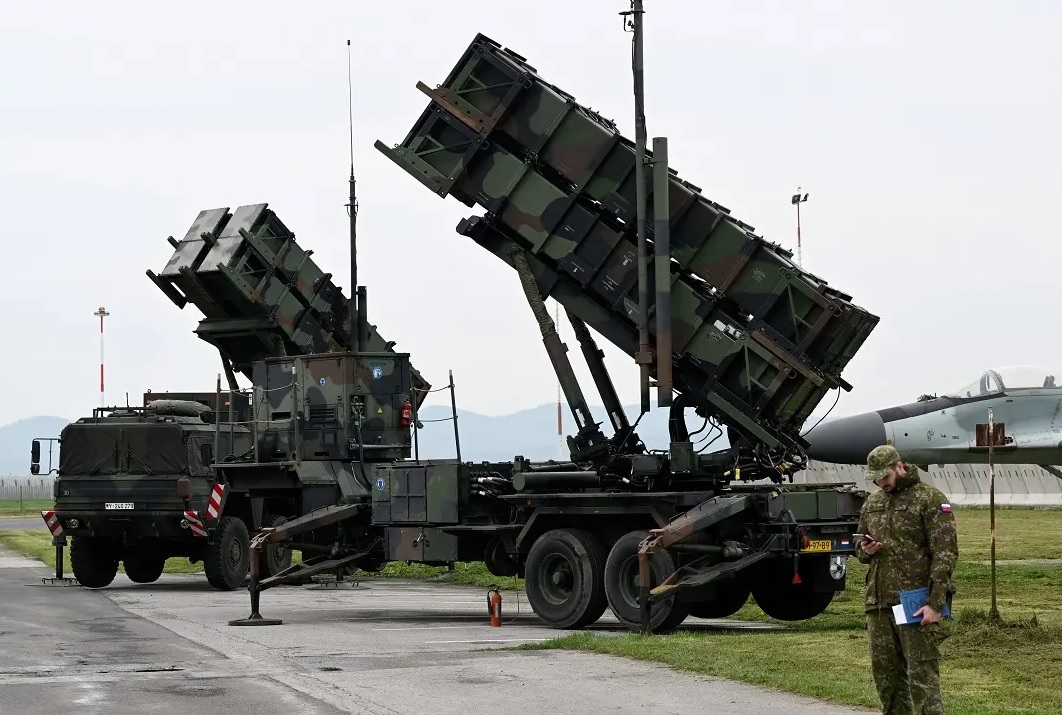
World
BERN, — April 3, 2026 : The Swiss government is reassessing its planned acquisition of the U.S.-made Patriot air defence system following significant delivery delays, financial complications, and changes in U.S. strategic priorities that have altered the original contractual framework. The review was confirmed by Defence Minister Martin Pfister, who stated that cancellation of the programme remains under consideration as Switzerland continues negotiations with the United States. The Patriot system forms a central component of Switzerland’s broader Air 2030 air defence modernisation plan. Delivery Delays Following U.S. Reprioritisation Switzerland signed an agreement in 2022 to procure five Patriot systems, with deliveries originally scheduled between 2026 and 2028. However, in July 2025, the United States reprioritised production and deliveries to support Ukraine, resulting in an estimated delay of four to five years for the Swiss order. The Swiss Federal Council has stated that this shift has “profoundly altered the contractual basis” of the agreement. Current projections suggest that initial operational capability could be pushed well into the next decade, significantly beyond the originally planned timeline. Suspension of Payments and Trust Fund Dispute In response to the delays, Switzerland suspended its payments to the Patriot System Trust Fund in autumn 2025. The government has since confirmed that no further payments will be made until the United States provides firm and updated delivery schedules along with revised payment deadlines. The financial dispute has been complicated by the structure of the U.S. Foreign Military Sales (FMS) programme. Under this system, Swiss payments for multiple defence procurements are held within a central trust fund managed by the United States. U.S. authorities redirected Swiss funds originally allocated for the F-35 fighter jet programme to the Patriot account. The redirected amount is described as a low three-digit million figure in Swiss francs—exceeding CHF 100 million and amounting to several hundred million francs in total. Urs Loher, Director General of Armaments at armasuisse, described the reallocation as “highly unsatisfactory” and “very unsatisfactory.” To mitigate the impact on the F-35 programme, Switzerland transferred additional funds at the end of 2025 and advanced a scheduled F-35-related payment to the end of March 2026. Government Position and Ongoing Negotiations Speaking on the sidelines of a press conference on April 1, 2026, Pfister said the government is exploring all available options with U.S. counterparts, including the possibility of terminating the contract. “A waiver is always an option in the event of a delay,” Pfister stated. “We are still working on the assumption that it will be delivered, but we don’t know when. A possible abandonment is part of that, but we don’t know the conditions.” The minister noted that the implications for funds already paid remain unclear and are part of ongoing discussions. A formal recommendation on the future of the Patriot procurement is expected to be submitted to the Federal Council by the end of June 2026. Broader Impact on Swiss Defence Planning The uncertainty surrounding the Patriot programme has prompted Switzerland to reassess its wider air defence strategy. In early March 2026, the Federal Council announced plans to procure a second ground-based air defence system to ensure coverage in the event of further delays. Authorities have indicated a preference for a European-produced system. At the same time, Switzerland has reduced its planned purchase of F-35 aircraft from 36 to 30 units, citing cost increases linked to broader procurement pressures. The Patriot programme is closely tied to other U.S. defence agreements under the FMS framework, including the F-35 acquisition and sustainment of the existing F/A-18 fleet. The Swiss Department of Defence has emphasized that decisions regarding the Patriot system must not disrupt access to spare parts for current aircraft or affect ongoing programmes. Officials have warned that the dispute could have wider implications for Switzerland’s overall portfolio of Foreign Military Sales agreements with the United States if not resolved. Long-Term Procurement Strategy The Federal Council has outlined a long-term objective of sourcing up to 90 percent of future armaments from domestic or European suppliers. However, limited production capacity within Europe for certain long-range air defence systems remains a constraint. Negotiations with the United States are ongoing as Switzerland evaluates whether to proceed with, modify, or terminate the Patriot acquisition while maintaining stability across its broader defence procurement programmes.
Read More → Posted on 2026-04-03 13:25:51
World
BUCHAREST, Romania — April 2, 2026 : Romania’s Ministry of National Defence is assessing whether to terminate its contract with Israel’s Elbit Systems for the procurement of Watchkeeper X unmanned aerial systems, following prolonged delivery delays, accumulated penalties, and concerns over operational relevance. The framework agreement, signed in December 2022 through state-owned CN Romtehnica, is valued at up to 1.89 billion lei (approximately $427.2 million). It предусматриes the acquisition of up to seven Watchkeeper X systems, equivalent to 21 unmanned aircraft. In June 2023, Elbit Systems received an initial purchase order worth approximately $180 million covering three systems, with deliveries originally scheduled to begin by mid-2025. As of April 2026, no units have been delivered. Program Delays and Contractual Issues The Watchkeeper X is an export variant of a system developed by U-TacS, a joint venture between Elbit Systems and Thales, and is derived from the Hermes 450 platform. It is designed for surveillance, reconnaissance, and target engagement missions and was intended to enhance the Romanian Land Forces’ intelligence and strike capabilities. The program also included provisions for partial production and assembly within Romania, involving local defense firms. However, the program has experienced repeated delays. Romanian Defence Minister Radu Miruta stated on April 2, 2026, that Elbit Systems has requested three separate postponements, invoking force majeure clauses linked to ongoing conflicts in the Middle East. While the Ministry accepted the first two extensions, continued delays have led to financial penalties. According to the Ministry, Elbit Systems has accrued approximately €60 million in delay penalties. By November 2025, delivery timelines had already exceeded five months beyond the agreed extension period. Independent investigations in the United Kingdom further indicated that key components produced by U-TacS were exported to Israel under conditions requiring re-export to Romania, but have remained in Israel, contributing to the delays cited under force majeure. Minister Miruta noted that prolonged delays could also affect the operational relevance of the system, given the rapid pace of technological development in unmanned warfare. He confirmed that the Ministry is analyzing whether to proceed with contract termination or continue enforcement under existing penalty provisions. Potential Shift Toward Bayraktar TB2 Systems The uncertainty surrounding the Watchkeeper X program comes as Romania continues to expand its existing unmanned capabilities through Turkish-made Bayraktar TB2 systems. In April 2023, Romania signed a $321 million contract with Baykar Technology for 18 TB2 drones, organized into three systems. Each system includes six aerial platforms, along with ground control stations, training, and logistical support. Deliveries of the Bayraktar TB2 systems began in mid-2024, with operations based in Timisoara. The program is currently active and progressing as scheduled. Defense analysts indicate that if the Watchkeeper X contract is terminated, Romania could reallocate the associated budget toward additional TB2 procurement. Estimates suggest that more than 20 additional drones could be acquired, potentially increasing the total fleet to around 40 units. Such a move would standardize the Romanian Land Forces’ UAV inventory and reduce deployment timelines by relying on an already operational platform. Comparison of UAV Programs The Watchkeeper X program, managed by Elbit Systems and Thales, carries a higher contract ceiling at $427.2 million for up to seven systems (21 drones), but remains stalled with no deliveries. In contrast, the Bayraktar TB2 program, valued at $321 million for three systems (18 drones), is actively being delivered and integrated into service. Strategic and Security Context Romania’s urgency in advancing its UAV capabilities is influenced by its security environment. The country shares a 650-kilometer border with Ukraine and has reported multiple incidents involving drones entering its airspace, as well as debris from Russian strikes on Ukrainian port infrastructure along the Danube River falling onto Romanian territory. In response, Romania has committed to increasing defense spending to 2.45 percent of its economic output in 2026. This effort is supported by the European Union’s SAFE initiative, which has allocated €16.6 billion (approximately $19.2 billion) for Romania’s defense modernization programs. In parallel, the government is pursuing measures to strengthen domestic defense production. Approximately €200 million has been allocated for local drone manufacturing initiatives. Following recent meetings between Romanian defense companies and 15 Ukrainian firms, the Ministry of Defence plans to shortlist Ukrainian drone manufacturers for potential joint production projects within Romania. These efforts aim to reduce reliance on external supply chains and mitigate risks associated with international disruptions. No final decision has been announced regarding the Watchkeeper X contract. The Ministry retains the option to terminate the agreement, continue applying penalties, or pursue alternative procurement strategies to meet its unmanned aerial system requirements.
Read More → Posted on 2026-04-02 17:59:46
World
London / Paris, — April 2, 2026 : The United Kingdom and France have formally signed a Memorandum of Understanding (MoU) to undertake a joint 12-month feasibility and concept study for the development of a next-generation beyond-visual-range (BVR) air-to-air missile. The future system is intended to replace the Meteor missile and sustain long-term air combat capability for both nations and their allies. The agreement, announced on April 1 by the UK’s Defence Equipment & Support organisation, represents a key step in advancing bilateral defence cooperation. It aligns with broader efforts to standardize future combat systems, strengthen interoperability, and modernize the defence industrial base across both countries. Framework Under Lancaster House 2.0 The missile study is a direct outcome of the Lancaster House 2.0 treaty signed in July 2025, which renewed and expanded UK-France defence and security cooperation. The treaty focuses on enhancing joint expeditionary capabilities and increasing collaboration in advanced military technologies. The initiative is also being implemented under a renewed “Entente Industrielle,” designed to improve industrial coordination and efficiency. As part of this framework, the UK and France will establish a joint Complex Weapons Portfolio Office. The office will oversee coordination of missile programmes, align national defence priorities, reduce duplication in research and development, and improve efficiency in complex weapons manufacturing. Scope of the 12-Month Study Under the MoU, both countries will conduct a comprehensive assessment of future air warfare requirements and the evolving threat environment. The study will define the operational and technological parameters needed for air combat in the coming decades. Key areas of work include the generation of concepts for next-generation missile designs capable of meeting future BVR engagement requirements. The study will also evaluate advanced propulsion technologies, including dual-pulse rocket motors and advanced ramjet systems, alongside improvements in data-link capabilities, stealth characteristics, and multi-mode seeker technologies. Another major focus will be platform integration. The study will examine how the future missile can be designed to fit within the internal weapons bays of fifth-generation stealth aircraft such as the F-35, while also maintaining compatibility with existing platforms in service. Additionally, the programme will outline a development roadmap, including timelines and potential pathways for collaborative production. The study will also consider integration requirements for future sixth-generation combat aircraft being developed by both nations under separate but related programmes. Building on the Meteor Programme The current Meteor missile, which entered operational service in 2016, is widely regarded as a leading BVR air-to-air weapon. Developed through a six-nation European partnership led by MBDA, it is currently deployed by the Royal Air Force on Eurofighter Typhoon aircraft and by the French Air Force on Dassault Rafale aircraft, among other operators. Meteor’s multinational development model demonstrated the effectiveness of European collaboration in complex weapons programmes. The new UK-France initiative is expected to build on this approach, with the potential to expand into a broader multinational effort involving additional partner nations. Strategic and Industrial Implications The agreement reflects a shared objective to maintain a technological edge against evolving peer-adversary capabilities and to reinforce NATO’s deterrence posture. By coordinating development efforts, both countries aim to ensure continued air superiority while optimizing industrial resources. Luke Pollard, UK Minister for Defence Readiness and Industry, stated that the agreement represents a continuation of closer defence cooperation in response to emerging threats. He noted that the initiative supports commitments made under the Lancaster House 2.0 framework and contributes to strengthening European security through joint capability development. Pollard also emphasized that collaboration with France on next-generation missile systems is intended to enhance NATO capabilities and improve collective deterrence. Next Steps The joint study and the establishment of the Complex Weapons Portfolio Office will begin immediately. Initial findings, including a conceptual roadmap for the successor missile, are expected within the 12-month study period. No further details regarding programme costs or timelines beyond the study phase have been disclosed. The initiative is intended as a foundational step toward a future collaborative development programme that builds on the Meteor’s established framework while addressing emerging operational requirements.
Read More → Posted on 2026-04-02 17:49:03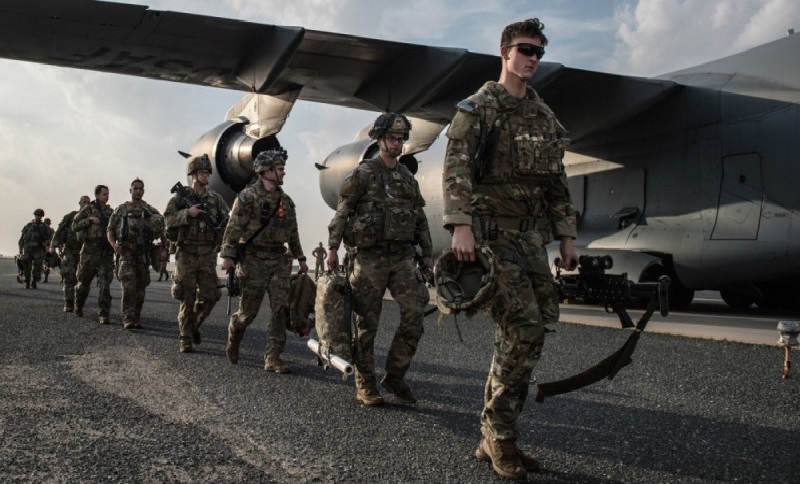
World
WASHINGTON, — April 2, 2026 : The U.S. Department of Defense has briefed President Donald Trump on a comprehensive military plan to deploy ground forces into Iran to recover approximately 1,000 pounds (about 450 kilograms) of highly enriched uranium currently buried beneath damaged nuclear facilities near Isfahan and Natanz. The material, enriched to roughly 60 percent purity—just below weapons-grade, was previously stored in fortified underground tunnel complexes. According to data from the International Atomic Energy Agency (IAEA), Iran possessed about 440.9 kilograms (972 pounds) of such uranium prior to the 2025 U.S. and Israeli airstrikes conducted under Operation Epic Fury. While those strikes caused extensive structural damage, the uranium stockpile is believed to remain intact beneath layers of rubble and reinforced underground infrastructure, in some areas more than 300 feet deep. Operational Framework and Deployment Plan According to defense officials familiar with the briefing, the proposed mission would involve a large-scale, multi-phase ground operation requiring sustained presence inside Iranian territory. The initial phase would involve parachute insertion of elements from the 82nd Airborne Division and the 75th Ranger Regiment to secure a perimeter around the target sites and establish a forward operating base. This force would be responsible for maintaining security in a potentially hostile environment while enabling follow-on operations. Once the area is secured, U.S. forces would airlift heavy excavation equipment into the zone. Engineers would begin clearing debris and constructing a temporary, purpose-built runway capable of supporting large cargo aircraft आवश्यक for transporting equipment and, eventually, the recovered material out of Iran. Specialized units, including Delta Force and Navy SEAL teams, would then conduct tunnel-breaching operations. These teams would use cutting tools, blowtorches, and other equipment to penetrate collapsed structures and access underground chambers. Personnel involved in this phase would operate in hazardous conditions, navigating confined spaces, unstable debris, and potential defensive measures such as booby traps or decoys. Handling, Decontamination, and Extraction The recovery of the uranium would require coordination between military personnel and civilian nuclear experts, likely from the U.S. Department of Energy. Teams trained in radiological handling would identify and secure the material, expected to be stored in sealed cylinders. Strict decontamination procedures would be implemented during and after retrieval to ensure safe handling and transport. Troops would operate in protective suits designed for hazardous environments, and specialized protocols would be followed to prevent contamination of personnel and equipment. Following recovery, the uranium would be transported via cargo aircraft departing from the temporary runway. These flights would operate through contested airspace, where U.S. forces could face threats from Iranian missile systems and unmanned aerial vehicles. Timeline and Logistical Scope Defense planners estimate that the operation could take several weeks to months to complete, depending on site conditions and resistance encountered. Unlike a limited-duration raid, the mission would require a temporary occupation of the operational area, with sustained logistical support and force protection. Officials emphasized that the scale of the operation goes beyond typical special operations missions. It involves complex coordination across multiple military branches, engineering units, and nuclear specialists, along with the establishment of temporary infrastructure in hostile territory. Strategic Risks and Expert Assessment Military analysts and former officials have described the mission as highly complex, citing challenges related to radiation safety, engineering requirements, and exposure to enemy fire. Retired U.S. General Joseph Votel noted that while U.S. Special Operations Forces have the capability to execute such a mission, it would carry significant risk. He stated that only a limited number of personnel are specifically trained in nuclear material retrieval and emphasized the likelihood of casualties. Some experts have suggested that personnel from the International Atomic Energy Agency (IAEA) would be better suited to manage the material under a ceasefire or negotiated arrangement, rather than during an active military operation. A former defense official compared the scale of the mission to establishing an entire operational system, rather than executing a single objective, highlighting the extensive resources required. Policy Context and Administration Position The briefing reflects one of several options under consideration by the administration to prevent Iran from retaining enriched uranium that could potentially be further processed for weapons use. However, President Trump has recently indicated that the uranium stockpile may not be an immediate priority. In an April 1 interview with Reuters, he stated that the material is located so deep underground that accessing it would take months, and suggested that U.S. forces could withdraw from Iran relatively quickly after achieving broader objectives. Despite these remarks, the Pentagon continues to prepare multiple operational scenarios. Defense Secretary Pete Hegseth stated earlier this week that the United States retains a wide range of potential ground options, indicating ongoing military planning flexibility. White House spokesperson Karoline Leavitt clarified that the existence of the Pentagon briefing does not indicate a final decision by the President.
Read More → Posted on 2026-04-02 17:35:28
World
BEIJING/TOKYO, — April 2, 2026 : A recent full-page report published by the People’s Liberation Army’s official newspaper, PLA Daily, has drawn attention to Japan’s separated plutonium reserves, stating that the country held approximately 44.4 metric tonnes of unirradiated plutonium as of the end of 2024. The publication assessed that this quantity could theoretically support the production of around 5,500 nuclear warheads, based on international standards for fissile material requirements. The report has contributed to renewed discussion regarding nuclear latency and strategic stability in East Asia, particularly as regional security dynamics continue to evolve. Verified Stockpile and Storage Distribution Official data published by the Japanese government and monitored under the safeguards of the International Atomic Energy Agency (IAEA) confirms that Japan’s total separated plutonium inventory stood at approximately 44.4 metric tonnes at the end of 2024. This represents a slight decrease from 44.5 tonnes recorded a year earlier and marks the fourth consecutive annual decline. The stockpile is geographically divided between domestic and overseas facilities. Approximately 8.6 tonnes are stored within Japan under strict security and regulatory oversight. The remaining 35.8 tonnes are held in Europe, reflecting earlier arrangements under which spent nuclear fuel from Japanese reactors was reprocessed abroad. Of this overseas inventory, around 21.7 tonnes are located in the United Kingdom and approximately 14.1 tonnes in France. Civilian Nuclear Program and Safeguards Japan’s plutonium originates entirely from its civilian nuclear fuel cycle programme. The country reprocesses spent nuclear fuel to extract plutonium for use in Mixed Oxide (MOX) fuel, a practice commonly referred to as “pluthermal” generation. This fuel is intended for use in selected commercial nuclear reactors. The material remains under comprehensive IAEA safeguards and is declared for exclusively peaceful purposes. Japan is also a signatory to the Nuclear Non-Proliferation Treaty (NPT) as a non-nuclear-weapon state and adheres to its long-standing “Three Non-Nuclear Principles,” which prohibit the possession, production, or introduction of nuclear weapons on its territory. To ensure transparency, Japan submits annual reports detailing its plutonium management and utilisation plans under international guidelines. Quantitative Assessment and Technical Context Under IAEA definitions, approximately eight kilograms of plutonium constitutes a “significant quantity” sufficient for a basic nuclear explosive device. Based on this benchmark, Japan’s total stockpile of 44.4 tonnes corresponds to a theoretical capacity of roughly 5,500 such devices. Independent assessments, including those by the Japan Atomic Energy Commission and the International Panel on Fissile Materials, confirm both the scale and composition of the stockpile. The plutonium is classified as reactor-grade material, which, while less optimal than weapons-grade material, is still considered technically usable in a nuclear explosive device. For comparison, estimates from the Stockholm International Peace Research Institute (SIPRI) indicate that Russia, which maintains the world’s largest nuclear arsenal, possesses approximately 5,400 warheads. Capability Versus Policy Position Japan does not possess nuclear weapons and maintains that its nuclear activities are strictly civilian. However, analysts note that the country’s advanced technological base, industrial capacity, and scientific expertise place it in a position of “nuclear latency,” meaning it has the capability to develop nuclear weapons within a relatively short timeframe if a political decision were made. Multiple expert evaluations suggest that Japan could assemble a basic nuclear device within six to twelve months under such circumstances. Some analyses indicate that a limited operational arsenal could be developed within three to five years, depending on factors such as fissile material utilisation and delivery system integration. This distinction between technical capability and political intent continues to shape international assessments of Japan’s nuclear posture. PLA Daily Assessment and Chinese Position The PLA Daily report characterizes Japan’s plutonium accumulation as a matter of international concern, arguing that the scale of the stockpile, combined with evolving defense policies, could have implications for regional security. The publication asserts that Japan’s expanding defense initiatives—including increased investment in advanced technologies and recent policy adjustments allowing for enhanced long-range strike capabilities—should be evaluated alongside its latent nuclear potential. It also referenced Japan’s allocation of 17.5 billion yen (approximately $109.6 million) in 2025 for research programs focused on adapting advanced civilian technologies for potential military applications, representing a significant increase compared to 2022 levels. Chinese officials have previously called for greater international scrutiny of Japan’s plutonium reserves, emphasizing the potential for rapid nuclear armament under changing policy conditions. Industrial Constraints and Stockpile Trends The accumulation of Japan’s plutonium stockpile is primarily attributed to structural and operational challenges within its nuclear energy sector rather than weapons-related objectives. Following the Fukushima Daiichi nuclear disaster in 2011, the majority of Japan’s nuclear reactors were shut down, significantly reducing the consumption of MOX fuel. At the same time, long-standing technical delays at the Rokkasho Reprocessing Plant have limited the country’s ability to process and utilize plutonium domestically. Despite these constraints, Japan has continued efforts to reduce its stockpile through MOX fuel usage in operational reactors, including Takahama Units 3 and 4, Ikata Unit 3, and Genkai Unit 3. The gradual consumption of plutonium in these facilities has contributed to the recent downward trend in total holdings. However, no significant increase in plutonium consumption or new large-scale reprocessing activity is expected in the immediate fiscal year, and the stockpile is projected to remain broadly stable at approximately 44.5 tonnes through the end of fiscal year 2025. Regional Security Context Japan’s plutonium reserves are situated within a broader regional environment in which neighboring countries—including China, Russia, and North Korea—possess operational nuclear arsenals. Japan, in contrast, relies on the United States’ extended deterrence framework, often referred to as the “nuclear umbrella,” for its strategic security. As regional tensions and defense policy debates continue to evolve, Japan’s civilian plutonium stockpile remains a subject of international attention. While the country maintains strict compliance with international safeguards and nonproliferation commitments, the scale of its fissile material reserves continues to be assessed in the context of both energy policy and regional strategic balance.
Read More → Posted on 2026-04-02 17:21:26Search
Top Trending in 24 Hours
-
 President Trump Pauses Plans to Expand U.S. Strikes on Iran Amid Concerns Over Air Defense Missile Stocks
-
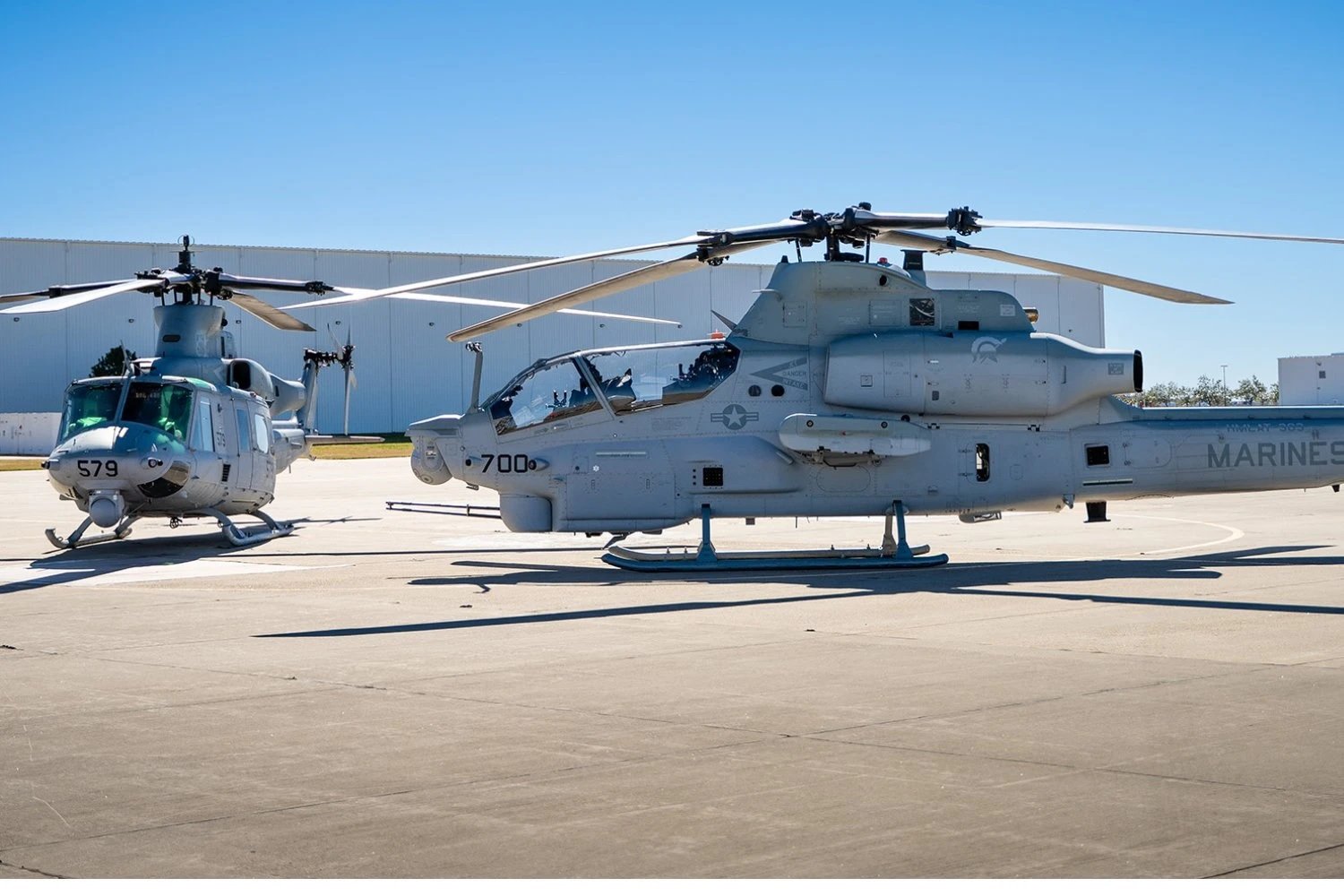 U.S. Awards Bell Textron $33.64 Million Contract for Next Phase of Marine Corps AH-1Z and UH-1Y Helicopter Upgrades
-
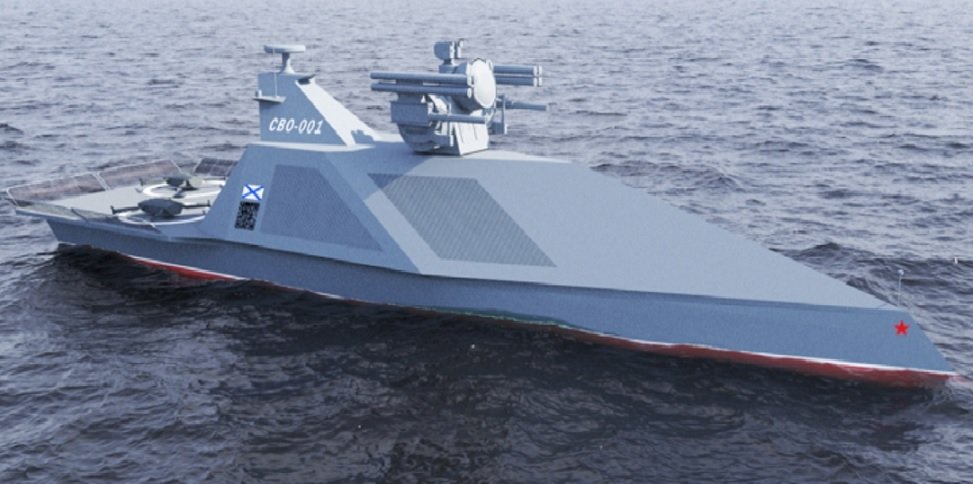 Russia Builds 500-Ton Unmanned Warship For Anti-Submarine Warfare, Plans New 9,500-Ton Warship, Navy Chief Says
-
 Unreleased Footage Reveals Why Lindsey Graham Dropped Plan to Push Trump on Hezbollah Strikes
-
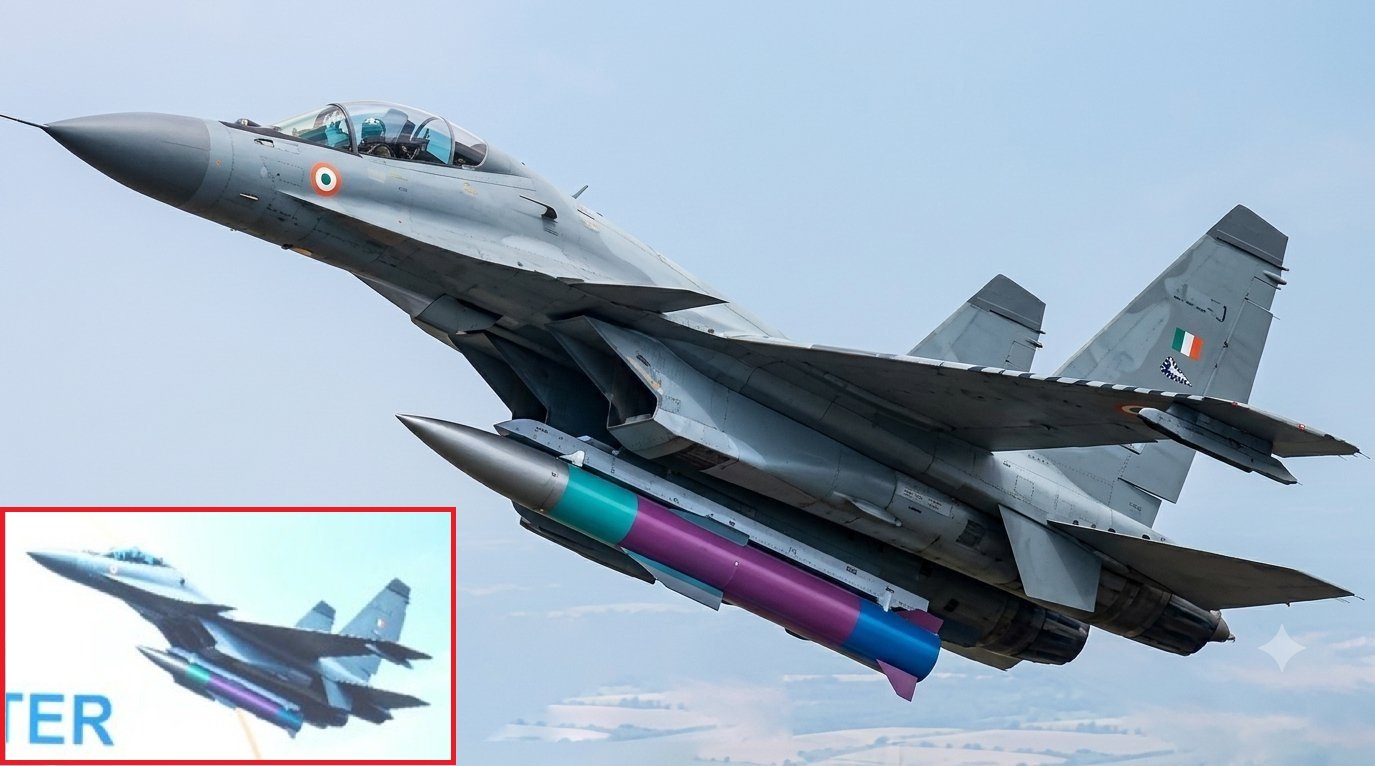 DRDO Developing Long-Range Air-Launched Ballistic Missile for Su-30MKI, Rudram-4 Seen as Likely Candidate
-
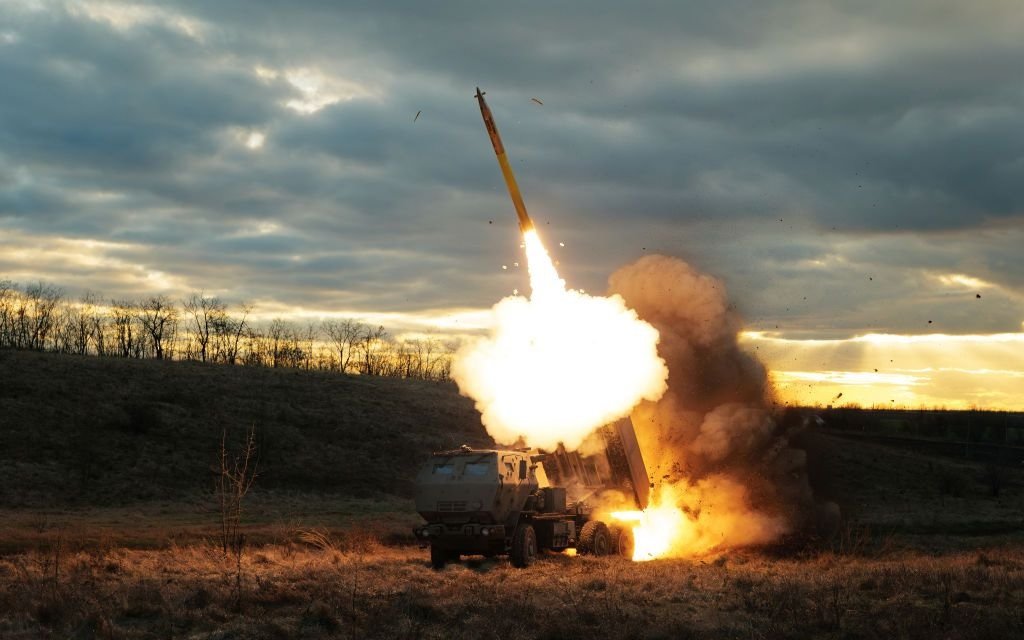 U.S. Military Selectively Intercepts Iranian Missiles to Preserve Shrinking Air Defense Stocks : Report
-
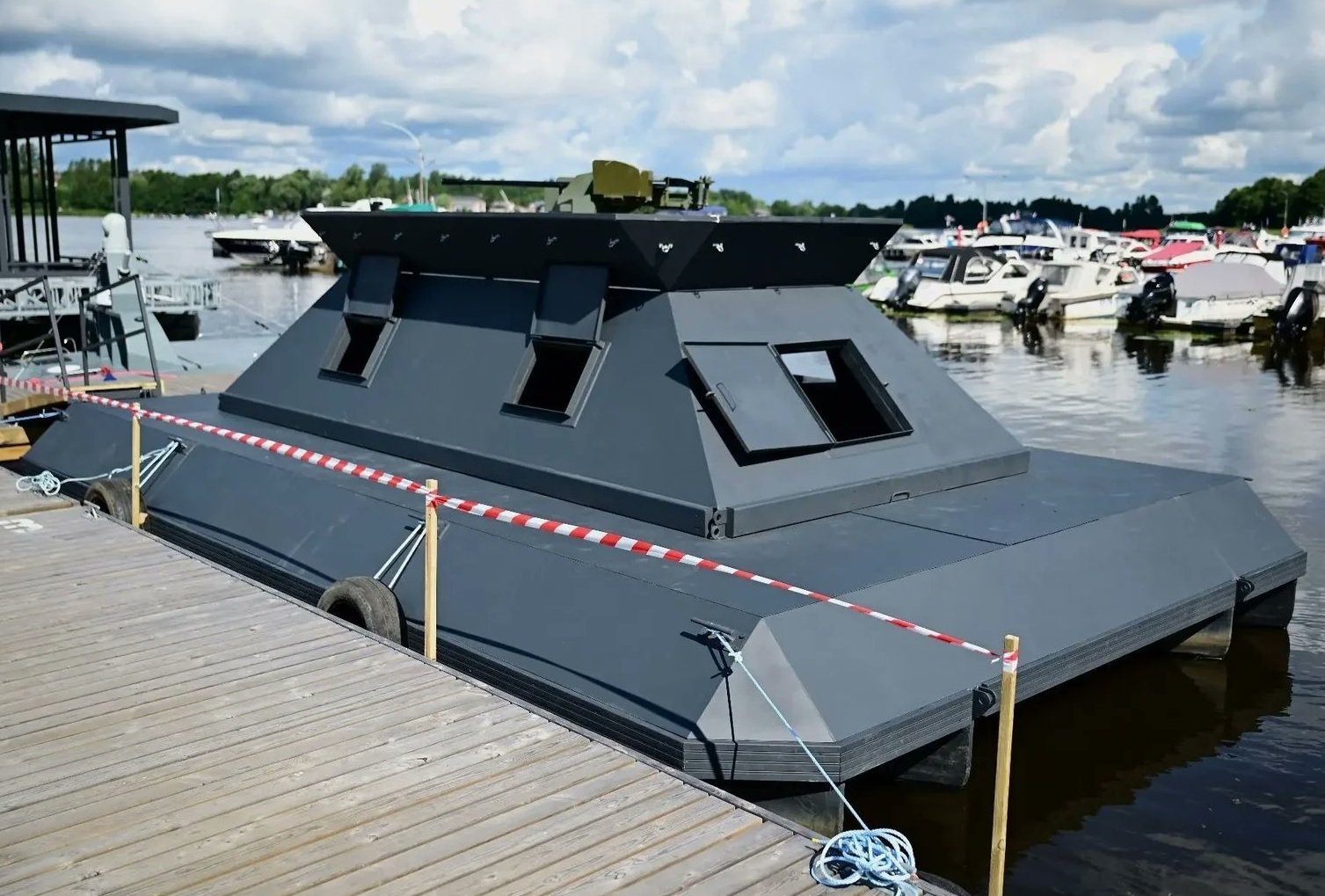 Russia Unveils Experimental Plot-40 Floating Defense Platform to Counter Drone and USV Threats
-
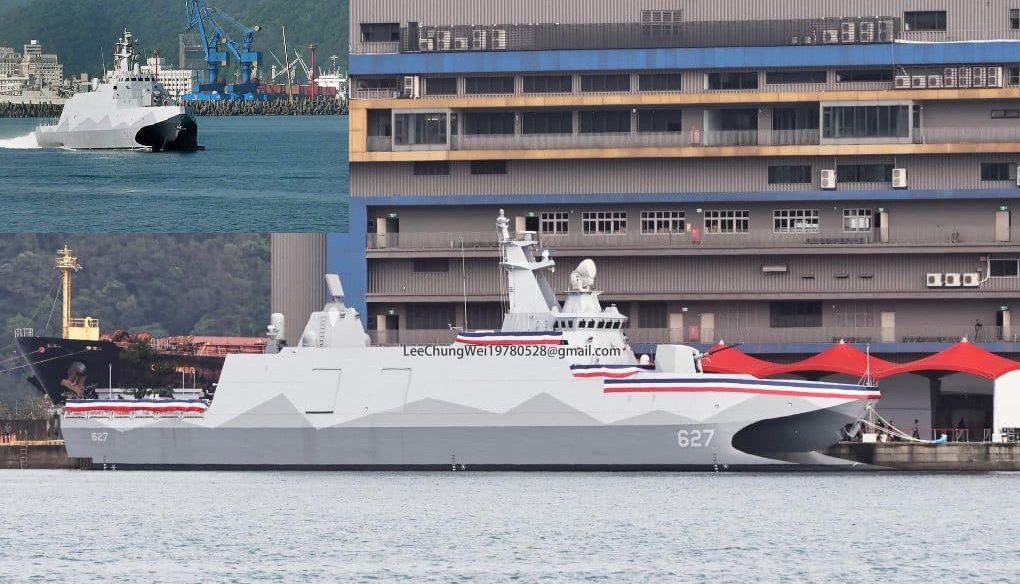 Taiwan Commissions First Batch 2 Tuo Chiang-Class Corvette with New Leonardo Radar
Top Trending in 4 Days
-
 U.S. Navy Awards Northrop Grumman $1.2 Billion Deal for Three New E-2D Advanced Hawkeyes
-
 U.S. Airstrikes Target IRGC Missile Base Near Taft as Overnight Strikes Hit Central Iran
-
 Kuwait and Bahrain Reportedly Launch First Joint Direct Airstrikes on Iran Since War Began : Report
-
 DRDO Successfully Conducts Maiden Flight Test of 150-km-Range Kusha M1 Air Defence Missile
-
 France's THUNDART Long-Range Rocket System May Undergo Prototype Combat Testing in Ukraine
-
 Russian Su-57 Stealth Fighter Crashes During Training Flight Near Moscow, Pilot Ejects Safely
-
 Australia Commits Additional AUD 4.6 Billion to Expand Osborne Shipyard for AUKUS Submarines
-
 Destinus Unveils Vorexon Interceptor Concept to Defend Critical Sites from Artillery Threats