
World
AHMEDABAD, INDIA — May 3, 2026 : Ahmedabad-based space technology startup SatLeo Labs is developing a 15-satellite thermal observation constellation designed to detect missile launches in near real time using infrared sensing. The system, planned for deployment in Low Earth Orbit (LEO), is aimed at strengthening India’s indigenous early warning and space-based surveillance capabilities. Founded in 2023 by Shravan Bhati, Ranendu Ghosh, and Urmil Bakhai, the company is working at the intersection of commercial space infrastructure and defense-focused intelligence systems. The initiative is supported by Indian Space Research Organisation and IN-SPACe, and has secured between $2.2 million and $3.3 million in seed and pre-seed funding to accelerate hardware development, payload validation, and launch readiness. Thermal Sensing Architecture for Missile Detection The SatLeo constellation is engineered to identify high-temperature events such as missile launch plumes exceeding 1,000 degrees Celsius at ignition. These extreme heat signatures create strong radiative contrast against surrounding terrain, enabling rapid detection. Each satellite is equipped with a multi-sensor payload combining Medium-Wave Infrared (MWIR) and Long-Wave Infrared (LWIR) sensors, along with a visible-band imaging system. This dual-band thermal configuration enables continuous monitoring under both day and night conditions while improving detection reliability through multi-source data correlation. The system is designed to deliver near real-time geolocation of launch events across its coverage area. Its sensors are capable of detecting temperature variations with an accuracy of approximately one degree Kelvin and generating high-resolution thermal imagery at around 5-metre spatial resolution. Expanded Strategic Intelligence Capabilities Beyond missile detection, the constellation is structured to support broader military intelligence functions. The thermal payload can monitor nuclear reactor heat output, allowing analysts to assess operational activity and status remotely without direct access. In battlefield environments, the system can classify and track ground combat vehicles by analyzing distinct thermal signatures associated with engines, materials, and operational states. This capability remains effective under camouflage and in low-visibility or nighttime conditions, supported by existing thermal signature datasets. Space Edge Computing and AI Integration To reduce latency typically associated with satellite data transmission, SatLeo Labs is integrating space-based edge computing into its microsatellites. Onboard processing systems use artificial intelligence (AI) and machine learning algorithms to analyze brightness temperature data directly in orbit. Instead of transmitting large volumes of raw imagery to ground stations, the satellites filter and process thermal data, apply pattern recognition models, and transmit only actionable intelligence outputs. This architecture is designed to enable faster response times and more efficient bandwidth usage. Development Status and Deployment Plan The company is currently in the engineering and payload validation phase and has developed its proprietary TAPAS-1 thermal imaging payload. The satellites and sensor systems are being built entirely in India using a modular design and open architecture approach, allowing for scalability and future upgrades. SatLeo Labs plans to launch its first microsatellites by the end of 2026, with the full 15-satellite constellation expected to provide persistent and continuous global thermal monitoring. The deployment is intended to utilize launch services from Indian Space Research Organisation. According to CEO Shravan Bhati, recent global conflicts have underscored the operational importance of space-based infrared sensing for early missile detection, reinforcing the relevance of such systems in modern defense infrastructure. Dual-Use Civil and Environmental Applications In addition to defense applications, the thermal observation network is designed to support civilian and environmental use cases. These include urban heat island monitoring, climate research, renewable energy optimization, agricultural analysis, and drought forecasting. The system can also provide early warning for natural hazards such as forest fires and volcanic activity by detecting abnormal thermal patterns over time. Its ability to perform temporal analysis supports anomaly detection across both natural and man-made environments. Positioning in India’s Commercial Space Sector The SatLeo Labs project represents a commercial effort within India to develop specialized Earth observation capabilities focused on the thermal infrared spectrum. By combining indigenous satellite manufacturing, AI-driven analytics, and scalable system design, the company aims to deliver persistent monitoring solutions for both strategic and civilian requirements. The constellation is structured to enable continuous coverage and data-driven analysis, contributing to India’s evolving ecosystem of private space technology providers aligned with national space and defense objectives.
Read More → Posted on 2026-05-03 16:25:21
World
CANBERRA, Australia — May 3, 2026 : Australia’s debate over how to manage a projected defence capability gap before the arrival of nuclear-powered submarines under the AUKUS partnership has intensified, after Shadow Defence Minister James Paterson proposed examining the acquisition of U.S.-built B-21 Raider stealth bombers as an interim solution. Speaking at the National Press Club of Australia on April 28, Paterson clarified that the proposal is not formal Coalition policy but said it reflects broader concern about Australia’s strategic readiness in the late 2020s and early 2030s. He argued that the government should assess whether the Royal Australian Air Force is positioned to operate such aircraft or consider alternative long-range strike options. Capability Gap and Strategic Concerns Australia is preparing to receive Virginia-class submarines as part of AUKUS, but delivery timelines have raised concerns about a temporary shortfall in deterrence capability. Defence analysts and policymakers have repeatedly pointed to this transition period as a potential vulnerability. Paterson said the government is best placed to determine whether the B-21 is suitable but stressed the importance of ensuring that Australia does not enter what he described as a period of elevated strategic risk without credible long-range strike capability. He added that if the B-21 is not viable, comparable systems should be actively evaluated. Australia has not operated a dedicated bomber aircraft since retiring the General Dynamics F-111C fleet in 2010. A 2023 Defence Strategic Review advised against pursuing the B-21, citing cost considerations and broader strategic priorities, though discussion of the platform has continued among U.S. and Australian policy communities. B-21 Raider Program and Capabilities The B-21 Raider is being developed by Northrop Grumman for the United States Air Force as a next-generation stealth bomber designed to operate in highly contested environments. The aircraft is described as a sixth-generation platform capable of penetrating advanced anti-access and area-denial (A2/AD) defence systems. It is designed to deliver both conventional and nuclear payloads over long distances with reduced reliance on aerial refuelling. Its open-systems architecture allows for ongoing upgrades to address evolving threats. The United States plans to acquire approximately 100 aircraft to replace ageing B-2 Spirit and B-1 Lancer fleets. Unit costs are estimated at around $700 million to $1 billion depending on configuration and production scale. The B-21 conducted its first flight in November 2023 at Palmdale, California, and multiple aircraft are now undergoing testing at Edwards Air Force Base. A second test aircraft flew in September 2025, and the program has entered low-rate initial production. U.S. officials have indicated that testing performance is exceeding expectations, with initial operational capability targeted for 2027 at Ellsworth Air Force Base. AUKUS, Supply Chains, and Defence Spending Paterson reiterated support for the AUKUS submarine program, describing it as central to Australia’s long-term maritime security despite implementation challenges, particularly within U.S. shipbuilding capacity. He rejected alternative submarine pathways and framed Australia’s primary security concern as economic coercion rather than territorial invasion. He pointed to vulnerabilities in global maritime trade routes, including the Strait of Hormuz and the Strait of Malacca, as examples of how disruptions could affect Australia’s economy and security. The Opposition has renewed calls to increase defence spending to at least 3 percent of gross domestic product (GDP). Paterson argued that without higher funding levels, delivering AUKUS capabilities could require reductions in other areas of the defence force. He cited warnings from Angus Houston that insufficient funding could strain existing military services. Alliance Considerations in the Indo-Pacific Paterson also emphasized the continued importance of the United States as Australia’s principal strategic partner in maintaining stability across the Indo-Pacific. He said that no alternative coalition could match the role played by the U.S. in supporting Australia’s core national interests. While acknowledging debate around U.S. domestic politics, including policies associated with Donald Trump, Paterson stated that reliance on the U.S. alliance remains essential to Australia’s defence posture. Policy Context and Expert Input Paterson noted that the B-21 has been discussed by analysts including Peter Jennings, Marcus Hellyer and Michael Shoebridge in a 2024 paper for the Institute of Public Affairs. He described the aircraft as a maturing system with a smaller crew requirement than submarines, significant payload capacity, and extended operational range. His remarks formed part of a broader response to the government’s 2026 National Defence Strategy and Integrated Investment Program. While reaffirming his support for AUKUS, Paterson called for contingency planning and a reassessment of investment levels to address near-term capability risks. The proposal adds to an ongoing policy discussion over how Australia should balance long-term submarine acquisition with immediate deterrence requirements during a period of evolving regional security dynamics.
Read More → Posted on 2026-05-03 16:02:31
World
WASHINGTON, D.C., — May 3, 2026 : The U.S. Navy has awarded a $325.9 million multi-vendor contract for the procurement of up to 474 composite rigid-hull inflatable boats (RHIBs), with a total potential value of $650.1 million over a ten-year period if all options are exercised. The award, issued on April 30, 2026, was formally announced by the U.S. Department of Defense the following day. The contract is managed by the Naval Sea Systems Command (NAVSEA) and structured as an indefinite-delivery/indefinite-quantity (IDIQ) agreement. This framework allows the Navy to issue orders incrementally based on operational demand, budget allocations, and evolving mission requirements. Contract Scope and Procurement Details The procurement was conducted through the Procurement Integrated Enterprise Environment, attracting a total of 15 competitive offers. Eight U.S.-based shipbuilders were selected under the multiple-award structure, each receiving a minimum contract guarantee of $1,000 to formally activate participation. At the time of award, the Navy obligated $8,000 from fiscal year 2024 “Other Procurement (Navy)” funds. The remaining contract value will be distributed through future delivery orders tied to specific acquisition needs. Initial production deliveries are expected to begin by July 2026. The selected contractors and their respective locations include: ASIS Boats USA LLC (Ocean Craft Marine), Annapolis, Maryland Brig USA LLC (Fluid Marine Response), Franklinton, North Carolina Ghostworks Marine Inc., Holland, Michigan Ribcraft USA LLC, Marblehead, Massachusetts St. Johns Ship Building Inc., Palatka, Florida Structural Composites Inc., Melbourne, Florida United States Marine Inc., Gulfport, Mississippi The Whiskey Project Group USA LLC, Edenton, North Carolina Work under the contract will be carried out at each company’s primary facilities, supporting a geographically distributed industrial base across multiple U.S. states. Vessel Design and Technical Characteristics The contract covers RHIB platforms in 7-meter, 9-meter, and 11-meter variants. These vessels feature a composite rigid hull paired with inflatable tubes, combining structural strength, buoyancy, and shock absorption. The hull design incorporates a deep-V configuration, enabling improved hydrodynamic efficiency, high-speed stability, and maneuverability in rough sea conditions. Composite materials reduce overall weight while increasing durability and lowering long-term maintenance requirements. RHIBs under this program are designed to exceed speeds of 40 knots, depending on configuration and payload. They can be powered by high-output outboard or inboard propulsion systems and support modular mission packages, including navigation radar systems, encrypted communications equipment, weapon mounts, and mission-specific integrations. The inflatable collar enhances survivability during close-quarters operations by providing additional flotation and impact protection, particularly during boarding procedures or alongside larger vessels. Operational Roles and Mission Applications These vessels are intended for use by Navy expeditionary units, coastal riverine forces, and special warfare teams. Their shallow draft enables access to confined waterways, river systems, and complex coastal terrain where larger naval platforms cannot operate effectively. Primary mission roles include: Visit, board, search, and seizure (VBSS) operations Troop insertion and extraction Maritime interdiction missions Search and rescue (SAR) operations Harbor and critical infrastructure protection The RHIBs are also deployable from larger naval vessels, supporting rapid launch and recovery operations in dynamic maritime environments. Strategic Context and Deployment Focus The acquisition aligns with the Navy’s broader transition toward distributed maritime operations. This operational concept emphasizes the deployment of smaller, agile, and networked platforms to enhance flexibility, survivability, and targeting complexity for adversaries. The expanded RHIB fleet is expected to play a key role in contested littoral zones, particularly in regions such as the Indo-Pacific. These environments require persistent presence, rapid response capabilities, and operational effectiveness in congested maritime spaces. Additionally, the contract includes provisions for Foreign Military Sales (FMS), allowing allied and partner nations to procure similar platforms, thereby enhancing interoperability and regional maritime security cooperation. Industrial and Long-Term Procurement Impact By distributing production across eight manufacturers, the Navy aims to sustain and strengthen the domestic defense industrial base while ensuring consistent output capacity over the contract’s duration. The IDIQ structure provides flexibility to scale procurement based on mission demand without committing full funding upfront. This investment reflects a continued emphasis on high-mobility, modular maritime capabilities designed to support a wide range of operations in both conventional and hybrid threat environments.
Read More → Posted on 2026-05-03 15:50:34
World
BRUSSELS — May 3, 2026 : The Belgian Air Force has conducted a series of trials integrating precision-guided 70 mm rockets onto its F-16 Fighting Falcon fleet, as part of a broader effort to develop a cost-effective response to the growing threat posed by unmanned aerial systems (UAS). The tests, carried out in cooperation with multiple defense components and industry partners, focus on evaluating the operational viability of laser-guided rockets against medium-sized drones. Test Campaign and Operational Setup On April 30, the Belgian Ministry of Defence released cockpit and infrared targeting footage from the trials conducted at the Lombardsijde firing range, located along the southern North Sea coast in northwestern Belgium. The test program was executed jointly with the Belgian Land Component, the Navy, and Thales Belgium, which produces the FZ275 rocket system. The footage shows F-16 aircraft engaging aerial drone targets using 70 mm FZ275 laser-guided rockets. For safety and evaluation purposes, the rockets deployed during these tests were fitted with inert warheads, meaning they contained no explosive payload. Infrared targeting imagery confirmed successful engagements against designated drone targets. The aircraft were equipped with LAU-131A/A seven-shot rocket pods mounted on the port wing. Video sequences indicate that rockets were loaded into different tubes across multiple sorties, suggesting a structured and repeated testing campaign rather than a single demonstration event. Weapon System and Technical Characteristics The FZ275 is a semi-active laser-guided version of the standard 70 mm rocket originally developed by Forges de Zeebrugge, now part of Thales Group. The system is designed to convert conventional unguided rocket systems into precision-guided munitions. Key specifications include a length of approximately 1.8 meters, a total weight of 12.7 kilograms, and compatibility with a 4.1-kilogram warhead configuration. The rocket has an operational range between 1.5 and 7 kilometers and achieves a circular error probable of less than one meter at 6 kilometers. Earlier integration testing was reported on March 11, 2026, by Belgium’s Directorate General of Material Resources (DGMR). Ground and flight checks were conducted at Kleine Brogel Air Base, where an F-16AM was configured with six LAU-131A/A rocket pods mounted on triple ejector racks, enabling a maximum loadout of 42 rockets per aircraft. In parallel with the domestic FZ275 system, the Belgian Air Force is also evaluating the AGR-20F FALCO rocket developed by BAE Systems for the same counter-UAS mission profile. Strategic Context and Fleet Modernization The counter-drone rocket integration effort coincides with Belgium’s broader transition from legacy fourth-generation aircraft to fifth-generation platforms. The Belgian Air Force currently operates between 43 and 44 F-16AM/BM Fighting Falcon aircraft. At the same time, Belgium is inducting the F-35A Lightning II into service. Of the 34 aircraft initially ordered, 11 have been delivered, with eight currently stationed at Luke Air Force Base for pilot training. The Ministry of Defence has also outlined plans to procure an additional 11 F-35A aircraft to complete fleet modernization objectives. Cost Considerations and Air Defense Adaptation The adoption of laser-guided rockets for counter-UAS operations reflects a broader shift toward addressing cost asymmetry in modern air defense. Conventional air-to-air missiles used by fighter aircraft can exceed $1 million per unit, while many one-way attack drones are estimated to cost between $5,000 and $50,000. By contrast, systems such as the FZ275 offer a lower-cost interception method, allowing more sustainable engagement of high-volume drone threats. Thales Belgium has also been involved in international supply efforts, including agreements to support rocket production for Ukrainian forces. European defense firms are simultaneously exploring alternative approaches. One such concept is Airbus’ “Bird of Prey” interceptor drone, designed to deploy low-cost air-to-air munitions aligned with the economic scale of the target threat. Operational Lessons from the Ukraine War The emphasis on affordable counter-drone solutions is informed by operational data from the ongoing Russia-Ukraine war. Both sides have employed a wide range of cost-effective technologies to counter aerial threats. In February 2026, footage confirmed that Ukrainian F-16 aircraft successfully intercepted Shahed/Geran-type long-range drones using APKWS II laser-guided rockets. French-supplied Dassault Mirage 2000 jets have also been used for drone and cruise missile interception. At the same time, Ukrainian forces have demonstrated the reverse dynamic by using low-cost First-Person View (FPV) drones to target high-value assets. On March 20, 2026, an FPV drone was documented striking a Kamov Ka-52 Alligator helicopter in flight. Additional strikes in late April reportedly destroyed a Mil Mi-17 and a Mil Mi-28 Havoc at a base in Voronezh, approximately 150 kilometers from the frontline. Other countermeasures include airborne interception platforms such as the P1-Sun interceptor drone mounted on Antonov An-28 aircraft for nighttime operations, and smaller systems like the Sting interceptor drone capable of targeting advanced drone variants, including those equipped with air-to-air missiles. Program Outlook The Belgian trials represent an ongoing effort to integrate precision-guided rocket systems into existing fighter platforms for counter-UAS missions. The program combines domestic industrial capability with operational lessons drawn from contemporary conflicts. The Belgian Ministry of Defence has indicated that the tests are part of a joint-service initiative involving air, land, and naval components, with continued evaluation of multiple rocket systems to determine the most effective and sustainable solution for future deployment.
Read More → Posted on 2026-05-03 15:18:07
World
STOCKHOLM — May 3, 2026 : Sweden has formally entered the military space domain following the successful deployment of its first operational reconnaissance and surveillance satellite, a development that establishes an independent national capability for space-based intelligence gathering and threat monitoring. The satellite was launched at 09:00 Swedish time from Vandenberg Space Force Base aboard a Falcon 9 rocket operated by SpaceX. It was manufactured by Planet Labs under a commercial-military partnership and is designed to operate in Low Earth Orbit, delivering high-resolution optical imagery for defence applications. Launch and System Characteristics The newly deployed satellite represents Sweden’s first fully operational military reconnaissance platform. Operating in Low Earth Orbit, it provides high-resolution imaging capabilities intended for real-time monitoring and intelligence collection. The system is part of a broader procurement framework managed by Swedish Defence Materiel Administration, which includes both satellite acquisition and access to data services. The satellite complements additional capabilities being developed through agreements with ICEYE, which will supply synthetic aperture radar (SAR) data. Together, these systems are expected to provide Sweden with a combination of optical and radar-based observation, enabling all-weather, day-and-night surveillance coverage. Strategic Role and NATO Integration The deployment is intended to strengthen Sweden’s situational awareness, particularly in monitoring long-range threats and regions that have historically been difficult to observe, including the Arctic. The capability also contributes to collective defence under NATO by enhancing shared intelligence and operational awareness. Anders Sundeman, head of space for the Swedish Armed Forces, attended the launch and emphasized the operational significance of the system. He stated that the satellite enables improved monitoring of areas previously inaccessible and provides a clearer operational picture. He added that the capability supports both national defence requirements and NATO’s broader intelligence framework by contributing to long-range threat detection and analysis. Accelerated Programme Timeline The satellite forms part of Sweden’s long-term military space programme, which aims to deploy approximately ten satellites in the coming years. Initial launches under this programme are taking place in 2026, four years ahead of the original 2030 target set by defence planners. Officials attribute the accelerated timeline to coordinated efforts between the Swedish Defence Materiel Administration and the Swedish Defence Research Agency, the latter providing technical research and development support. The programme builds on earlier efforts, including the 2024 launch of Sweden’s first military communications satellite, which served as a precursor and test platform for subsequent operational systems. Institutional Framework and Space Operations To manage its expanding space assets, the Swedish Air Force has initiated the establishment of a dedicated Space Operations Center. This facility will oversee satellite command and control, as well as generate an integrated space situational picture to support military planning and operations. According to defence officials, the center will play a central role in assessing threats originating from space-based surveillance and reconnaissance activities, while ensuring coordinated responses through improved awareness of the space environment. International Cooperation and Future Development During his visit to the United States, Sundeman is scheduled to hold discussions with key American military space entities, including the United States Space Force and the United States Space Command. These engagements are expected to focus on strengthening interoperability and coordination in allied space operations. The Swedish programme also includes long-term plans for domestic launch capability. Under a separate agreement involving SSC Space and FMV, orbital launch operations from Esrange Space Center are expected to become operational by 2028. The Swedish government has allocated approximately SEK 1.3 billion (around USD 142 million) to support the development of these space-based defence capabilities. The programme is managed within the Swedish Air Force’s Space Division, which is responsible for coordinating military space activities, including satellite operations and space domain awareness. Operational Impact With the satellite now in orbit, Sweden has established an independent capability to monitor areas of strategic interest and support both national and alliance-level defence operations. The system is expected to enhance intelligence gathering, improve response times to emerging threats, and contribute to a broader understanding of activities in contested and remote regions. The deployment marks the first operational step in Sweden’s expanded military space initiative, with additional satellites planned to further strengthen its reconnaissance and surveillance network in the coming years.
Read More → Posted on 2026-05-03 15:03:49
World
BERLIN, — May 3, 2026 : The German government has approved the key parameters for its 2027 federal budget, outlining a substantial increase in defense and infrastructure-related expenditure alongside a broader restructuring of fiscal policy. The draft marks a continuation of Germany’s multi-year strategy to expand military capabilities and modernize critical national infrastructure. Budget Overview and Fiscal Structure The 2027 draft budget sets total federal expenditure at €543.3 billion, with planned new borrowing of €196.5 billion. This borrowing figure includes financing through the core budget, as well as allocations drawn from special defense and infrastructure funds. The financial framework builds on reforms to Germany’s constitutional debt brake mechanism approved in 2025. Under these changes, defense spending above a defined baseline is exempt from borrowing limits, enabling the federal government to mobilize additional funding. The reforms also established a €500 billion special fund dedicated to infrastructure development and climate neutrality projects, targeting sectors such as transport networks, digital systems, and hospital modernization. Defense Spending Breakdown Defense-related expenditure forms a central component of the 2027 budget. The core defense budget is set at €105.8 billion, an increase from €82.7 billion in 2026, reflecting a higher baseline allocation for military operations, personnel, and procurement. In addition to the core budget, €27.5 billion will be mobilized through a special defense fund made possible by the revised fiscal rules. A further €11 billion has been allocated for direct defense and budgetary assistance to Ukraine. Indirect defense spending, amounting to €58.2 billion, has been earmarked for logistics and infrastructure modernization. This includes upgrades to ports, airfields, highways, and bridges to support both civilian and military mobility requirements. When combined, core defense spending, special fund allocations, and Ukraine assistance total €144.9 billion in 2027. Including indirect defense-related infrastructure investment, overall defense and defense-related expenditure is projected to exceed €200 billion. Medium-Term Spending Projections Government planning indicates that defense expenditure will continue to increase annually beyond 2027. With the ability to mobilize up to €500 billion in loans for defense and infrastructure, projections suggest that total defense-related spending could reach between €300 billion and €350 billion per year within the next three to five years. As a share of economic output, defense spending is expected to reach 3.1 percent of gross domestic product in 2027, with projections rising further to approximately 3.7 percent by 2030. Infrastructure and Dual-Use Investment A significant portion of the budget focuses on dual-use infrastructure designed to serve both civilian and defense purposes. Investments under this category include transport corridors, logistics hubs, and critical connectivity systems. These upgrades are intended to improve national resilience, facilitate the movement of goods and military equipment, and strengthen Germany’s role within European logistical networks. The broader infrastructure fund also supports digitalisation initiatives and healthcare system modernization, particularly hospital upgrades, as part of long-term structural investment planning. Policy Context and Financing Approach The expanded fiscal scope reflects a shift in Germany’s budgetary priorities following the easing of traditional borrowing constraints. The revised debt brake framework allows for increased public spending in sectors identified as strategic, particularly defense and infrastructure. The financing strategy combines conventional borrowing with targeted special funds, enabling the government to pursue large-scale investments while maintaining a structured fiscal plan. Next Steps in the Budget Process The approved parameters serve as the foundation for the full draft budget, which will be finalized and submitted for parliamentary review. The Bundestag is expected to debate and refine the proposal in the coming months before final adoption. The 2027 budget forms part of Germany’s broader multi-year fiscal planning, aimed at addressing evolving security requirements while maintaining long-term investment in infrastructure and public systems.
Read More → Posted on 2026-05-03 10:41:40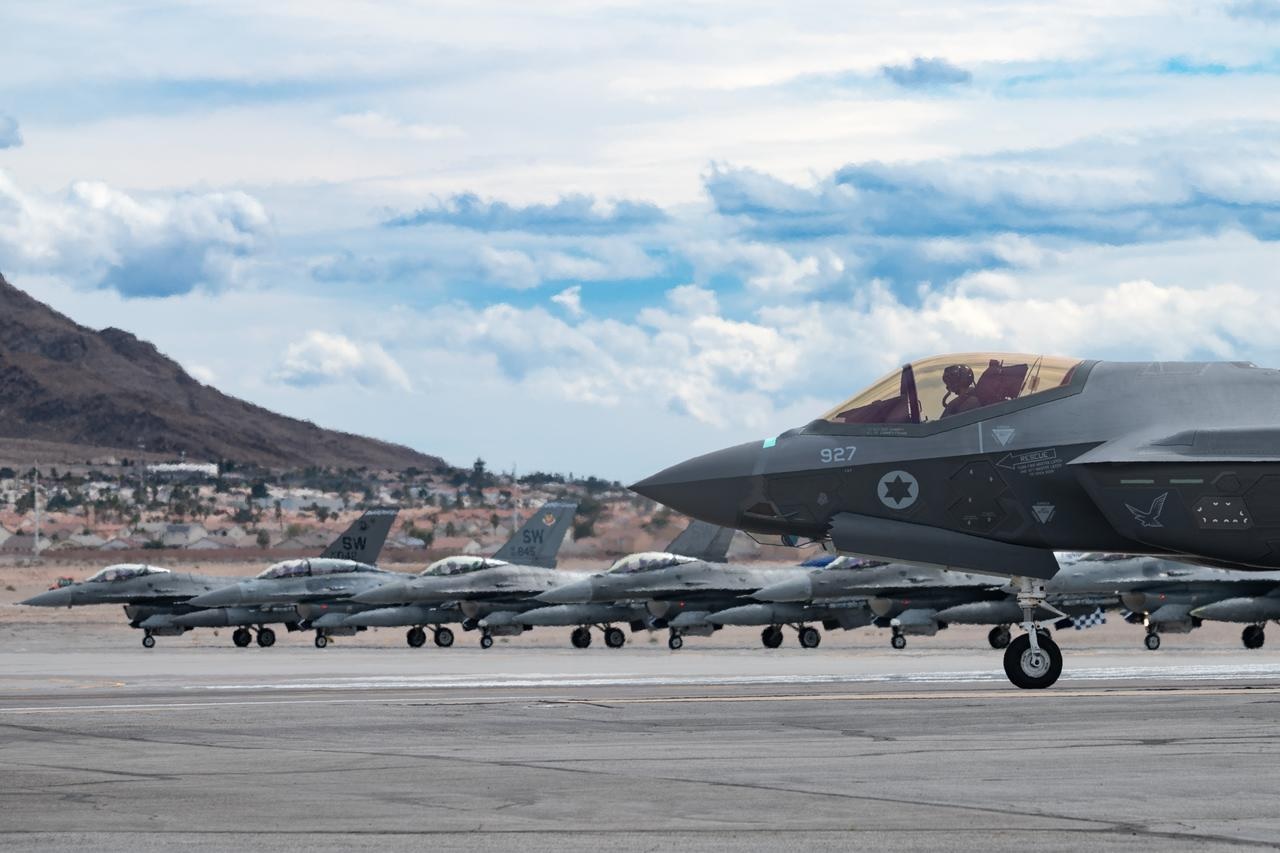
World
JERUSALEM, — May 3, 2026 : Israel has formally approved the acquisition of two additional squadrons of advanced combat aircraft, authorizing the purchase of new F-35I Adir stealth fighters and F-15IA aircraft as part of a long-term military modernization program. The decision was cleared by the Ministerial Committee on Procurement, enabling the Defense Ministry to move forward with negotiations for a fourth squadron of F-35I aircraft from Lockheed Martin and a second squadron of F-15IA jets from Boeing. Strategic Framework and Budget Allocation The procurement represents the first operational phase of a broader 350 billion shekel ($119 billion) defense buildup program approved by Prime Minister Benjamin Netanyahu and Defense Minister Israel Katz. The multi-year plan is structured to strengthen Israel’s long-term military readiness and preserve its qualitative air superiority in the Middle East over the next decade. Under the approved package, Israel will acquire: 25 additional F-35I stealth fighter jets 25 F-15IA advanced fighter aircraft Full operational integration into Israeli Air Force command, control, and networking systems Long-term sustainment support, including spare parts, maintenance frameworks, and regional logistics infrastructure The procurement will be financed through United States security assistance funds, continuing the established defense cooperation mechanism between Washington and Jerusalem. Expansion of Israeli Air Force Capabilities The acquisitions will significantly expand the operational strength of the Israeli Air Force over the coming decade. Israel currently operates 48 F-35I aircraft out of an initial order of 50, primarily based at Nevatim Airbase. A third squadron of 25 F-35I jets was approved in 2023, with deliveries expected to begin in 2028. The addition of the newly approved fourth squadron will bring the total planned fleet to 100 F-35I aircraft. For the F-15IA platform, Israel signed a contract with Boeing in 2024 for an initial 25 aircraft, with deliveries projected to begin in 2031. The approval of a second squadron will double the total number of F-15IA jets to 50. The dual-platform structure is designed to combine the operational characteristics of both aircraft types. The F-35I provides low observable capabilities, advanced sensor fusion, and network-centric warfare integration, while the F-15IA offers extended range and heavy payload capacity for long-range strike missions. Operational Context and Policy Direction Defense officials indicated that the procurement timeline and structure were influenced by recent regional security developments, including operational assessments from the conflict with Iran referred to by the Israel Defense Forces as Operation Roaring Lion. Defense Minister Israel Katz stated that future requirements will include expanded technological capabilities, particularly in autonomous aviation systems and space-based defense integration. He emphasized the need for continuous force development to ensure operational flexibility across multiple theaters. Defense Ministry Director General Amir Baram said the procurement balances immediate operational requirements with long-term planning. He also highlighted the role of U.S.-Israel defense coordination, noting that recent combat experience reinforced the importance of bilateral strategic cooperation. Procurement Process and Implementation Following the committee’s authorization, the Defense Ministry’s procurement delegation in the United States has been directed to finalize contractual agreements with U.S. government and defense counterparts. This includes completing administrative procedures, funding allocations, and delivery frameworks. While detailed delivery schedules for the newly approved squadrons have not been publicly disclosed, officials confirmed that the broader military buildup program is structured over an approximately ten-year timeline. The F-35I “Adir” is a customized configuration of the F-35 platform adapted for Israeli operational requirements, while the F-15IA is based on the latest F-15EX design with modifications tailored for long-range and high-payload missions. The approval aligns with Israel’s ongoing modernization of its air combat capabilities and reflects continued reliance on U.S. defense partnerships for advanced military technology procurement.
Read More → Posted on 2026-05-03 10:27:21
World
West Palm Beach, Florida — May 3, 2026 : Donald Trump has indicated that the United States may reposition the USS Abraham Lincoln (CVN-72) near Cuba after its current deployment in the Middle East, outlining a potential shift in U.S. military posture toward the Caribbean. The remarks were delivered on May 1 during an address to the Forum Club of the Palm Beaches in West Palm Beach, Florida. According to reporting by Fox News, the president described a scenario in which the aircraft carrier could be positioned approximately 100 yards from the Cuban coastline as it transits back from ongoing operations in the Persian Gulf. “We’ll bring it in, have it stop roughly 100 yards off the shore, and they’ll say, ‘Thank you very much, we surrender,’” Trump stated during the speech. He further added that the United States would be “taking over” the island “almost immediately” following the conclusion of current military operations elsewhere. As of May 3, neither the White House nor the United States Department of Defense has issued clarification on whether the comments represent a formal directive or a hypothetical scenario discussed in a political context. Current Deployment of USS Abraham Lincoln The USS Abraham Lincoln (CVN-72), a Nimitz-class nuclear-powered aircraft carrier, is currently deployed in the Arabian Sea and Persian Gulf. The vessel is part of a U.S.–Israel joint military mission targeting Iran, widely referred to as Operation “Epic Fury.” The carrier strike group includes advanced aviation capabilities. On February 12, 2026, U.S. Navy records confirmed that F-35C Lightning II aircraft assigned to Marine Fighter Attack Squadron 314 conducted flight operations from the carrier’s deck in the Arabian Sea. These operations highlight the vessel’s capacity for sustained air power projection in high-intensity environments. During his remarks, Trump noted that the carrier’s return route from the Middle East could allow for a diversion toward the Caribbean, making a deployment near Cuba logistically feasible without requiring a separate redeployment order. Escalation in U.S. Policy Toward Cuba The president’s statements follow a series of policy measures aimed at increasing pressure on Cuba since the start of his current term. On May 1, 2026, the administration signed a new executive order expanding sanctions against Cuba. The order targets individuals and entities associated with the Cuban government, including those operating in the energy, defense, mining, metals, financial services, and security sectors. It also authorizes the blocking of U.S.-based assets linked to entities conducting business with Havana. The latest measures build on earlier actions taken in January 2026, when the administration declared a national emergency concerning Cuba. That decision introduced a framework for secondary sanctions, including tariffs on foreign governments and companies supplying oil to the island. The policy has contributed to fuel shortages and power disruptions within Cuba. These actions were implemented under authorities granted by the International Emergency Economic Powers Act, which enables the U.S. government to regulate commerce in response to national security threats. Pentagon Planning and Strategic Considerations Reports indicate that the Pentagon has been developing contingency plans for a potential military intervention in Cuba amid rising tensions between Washington and Havana. Defense sources cited in international reporting suggest that planning efforts have accelerated in anticipation of possible executive direction. Trump had previously referenced the timeline for potential action during remarks at the White House on April 13, 2026. At that time, he stated that the United States could consider measures against Cuba following the conclusion of operations related to Iran, asserting that he holds executive authority to take necessary steps to establish control over the island. No official military orders related to Cuba have been publicly announced. Defense officials have not confirmed any deployment timelines or operational parameters beyond standard contingency planning processes. Response from Cuban Leadership Cuban officials have publicly rejected recent U.S. actions. Miguel Díaz-Canel described the May 1 sanctions as coercive, stating that they inflict significant economic harm due to what he characterized as aggressive U.S. policies. Bruno Rodríguez Parrilla criticized the measures as “illegal and abusive,” describing the sanctions and associated tariffs as a form of collective punishment affecting the Cuban population. Cuba continues to face economic challenges, including fuel shortages and electricity disruptions, which have intensified following the implementation of oil-related restrictions earlier in the year. Ongoing Developments The situation remains fluid, with no additional operational details released by U.S. authorities. The USS Abraham Lincoln continues its mission in the Middle East, and any decision regarding redeployment toward the Caribbean has not been formally confirmed. The administration’s recent statements and policy actions indicate a continued focus on Cuba as part of broader U.S. strategic considerations following ongoing military operations involving Iran.
Read More → Posted on 2026-05-03 10:12:02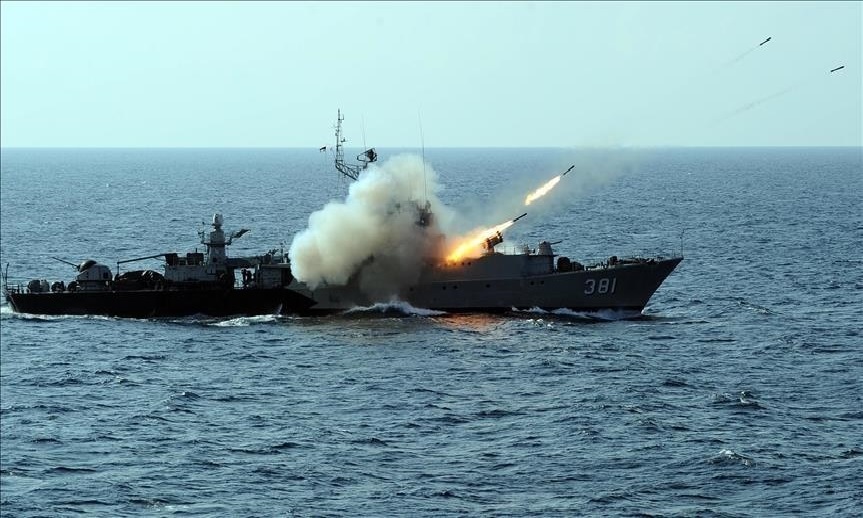
World
Tokyo, — May 3, 2026 : Japan’s top ground operational command will conduct its first training exercise focused exclusively on the country’s southwestern Nansei Islands from May 17 to 22, incorporating coordinated command-and-control activities with the United States Marine Corps. The exercise reflects ongoing efforts by Tokyo and Washington to strengthen operational coordination and logistical readiness along the First Island Chain. The drills will be led by the Japan Ground Self-Defense Force (JGSDF) Ground Component Command, which oversees nationwide land operations. Approximately 300 personnel drawn from all five regional armies will participate in the multi-day exercise spanning the islands of Miyakojima, Ishigaki, and Yonaguni—areas geographically positioned close to Taiwan. Scope of Operations Across Key Islands Activities will be distributed across three strategically located islands in the Nansei chain, which extends from Kyushu toward Taiwan. On Miyakojima, located approximately 350 kilometers east of Taiwan, around 300 JGSDF personnel will conduct operations from May 17 to May 20. They will be joined by 20 U.S. Marines from the 12th Marine Littoral Regiment’s Headquarters Battalion, based in Okinawa. During this phase, the two forces will establish and operate a bilateral communication and coordination center on the island. This marks the first instance of such a joint command post being set up on Miyakojima. Separate exercises will take place on Ishigaki and Yonaguni islands, both situated closer to Taiwan. Ishigaki lies roughly 240 kilometers from Taiwan, while Yonaguni—Japan’s westernmost inhabited island—is about 110 kilometers from the Taiwanese coast. U.S. personnel will not participate in the drills conducted on these two islands. Logistics and Deployment Focus The primary focus of the exercise is to improve Japan’s ability to deploy forces and sustain operations across remote island environments. Training will emphasize the movement of troops and transportation of essential supplies between dispersed locations. Logistical operations will include transporting food and water to simulate sustainment of deployed forces. No live ammunition will be used or transported during these drills. The exercise will utilize a network of nine ports across Japan, demonstrating long-range logistical coordination. These include ports on Miyakojima, Ishigaki, and Yonaguni, as well as Naha (Okinawa), Muroran and Tomakomai (Hokkaido), Sakade (Kagawa), Kitakyushu (Fukuoka), and Kagoshima. In addition to logistics training, specific equipment deployments are planned. The JGSDF will position a Type-88 surface-to-ship guided missile launcher on Ishigaki. On Yonaguni, two ScanEagle II unmanned aerial vehicles (UAVs) will be deployed for surveillance and operational training purposes. Bilateral Coordination with U.S. Forces The command post training on Miyakojima will focus on interoperability between Japanese and U.S. forces, particularly in communication systems and operational coordination. U.S. Marines will provide command-and-control and communications equipment necessary to establish the bilateral coordination center. According to military officials, the exercise is intended to enhance shared operational understanding and improve the effectiveness of joint responses in potential contingencies. The participation of the 12th Marine Littoral Regiment aligns with evolving U.S. force posture in the Indo-Pacific, which emphasizes distributed operations across island chains. Strategic and Defense Context The exercise forms part of Japan’s broader initiative to strengthen its defensive posture across the Nansei Islands. In recent years, Tokyo has expanded its military infrastructure in the region, reflecting increased attention to the security environment surrounding its southwestern territories. In 2023, Japan established a missile base on Ishigaki equipped with Type-12 surface-to-ship missiles and Type-03 air defense systems. Future plans include deploying upgraded Type-03 air defense missile systems to Yonaguni by fiscal year 2030. The upcoming drills also align with bilateral agreements (January 2026) between Japan and the United States to expand joint training activities along the First Island Chain. Officials state that the May exercise is designed to strengthen capabilities for rapid troop deployment, sustainment logistics, and coordinated command operations in geographically dispersed island settings. A Ground Staff spokesperson confirmed that this is the first time the Ground Component Command has conducted a training exercise specifically centered on the Nansei Islands, marking a shift toward more regionally focused operational planning. Military representatives from both countries have indicated that the exercise will contribute to improving readiness, logistical coordination, and interoperability in the southwestern island region.
Read More → Posted on 2026-05-03 09:57:56
World
BEIJING, — May 2, 2026 : A U.S. Air Force C-17 Globemaster III transport aircraft landed at Beijing Capital International Airport late on May 1, marking the start of logistical preparations for the upcoming state visit of Donald Trump to China. According to aviation tracking data, the aircraft—operating under callsign REACH 4599 with tail number 08-8204—departed from Joint Base Andrews in Maryland. The flight route included refueling stops in Anchorage, Alaska, and Misawa Air Base in Japan before arriving in Beijing in the early hours of May 2. A second C-17 aircraft, identified as REACH 4150, also arrived as part of the advance deployment. These transport missions are consistent with standard U.S. protocol for high-level diplomatic visits. The aircraft typically carry specialized equipment required to support presidential travel, including secure communications systems, armored vehicles for the official motorcade, and advance security personnel responsible for establishing operational readiness on the ground. Neither U.S. nor Chinese authorities have publicly disclosed the exact cargo of the flights. Visit Rescheduled Following Regional Developments The White House confirmed in March that President Trump will travel to Beijing on May 14 and 15 for a bilateral summit with Xi Jinping. The visit was initially planned for late March but was postponed after the U.S. administration redirected focus toward ongoing military operations related to the conflict with Iran. The revised schedule was formally communicated on March 25. The upcoming meetings will represent the first in-person engagement between Trump and Xi since their previous summit in South Korea in October, where both sides reached an initial agreement aimed at easing trade tensions. Key Issues on the Agenda Officials from both countries are preparing to address a range of strategic and economic issues during the Beijing summit. A primary topic is expected to be the ongoing conflict involving Iran and its broader impact on global energy markets. A U.S.-led maritime blockade in the Strait of Hormuz has disrupted key oil shipping routes. China, which relies significantly on crude oil imports passing through the waterway, has indicated interest in contributing to diplomatic efforts aimed at stabilizing the situation. Tensions have also increased over enforcement of U.S. sanctions targeting entities accused of trading Iranian oil. The Trump administration has imposed restrictions on several Chinese shipping firms and refineries. In a recent statement, President Trump claimed that U.S. forces intercepted a vessel allegedly assisting Iran and described it as linked to Beijing. China’s Foreign Ministry rejected the claim, stating that the ship was foreign-flagged and reiterating that Beijing maintains a neutral position regarding the conflict. Another issue expected to feature prominently is Taiwan. In advance of the visit, Chinese Foreign Minister Wang Yi held discussions with U.S. Secretary of State Marco Rubio, emphasizing that Taiwan remains a central concern in bilateral relations. Chinese officials have urged the United States to approach the issue cautiously to avoid destabilizing broader diplomatic ties. Economic and Strategic Discussions In addition to security concerns, the summit is expected to include discussions on trade tariffs, technology cooperation, rare earth mineral supply chains, and regional stability. These topics have remained central to U.S.-China relations in recent years, particularly amid efforts to balance economic competition with strategic engagement. The visit will be President Trump’s first trip to China during his current term and the first by a sitting U.S. president to Beijing in nearly a decade. U.S. officials have described the engagement as part of a broader evaluation of diplomatic and strategic priorities. Operational Preparations Continue The arrival of the C-17 aircraft signals the beginning of on-the-ground preparations for the presidential visit. Similar advance deployments have been used in previous overseas trips to ensure secure communications, transportation, and coordination infrastructure are in place prior to the arrival of Air Force One. Preparatory activities are expected to continue in the coming days as both U.S. and Chinese officials finalize arrangements for the May 14–15 summit.
Read More → Posted on 2026-05-02 18:31:41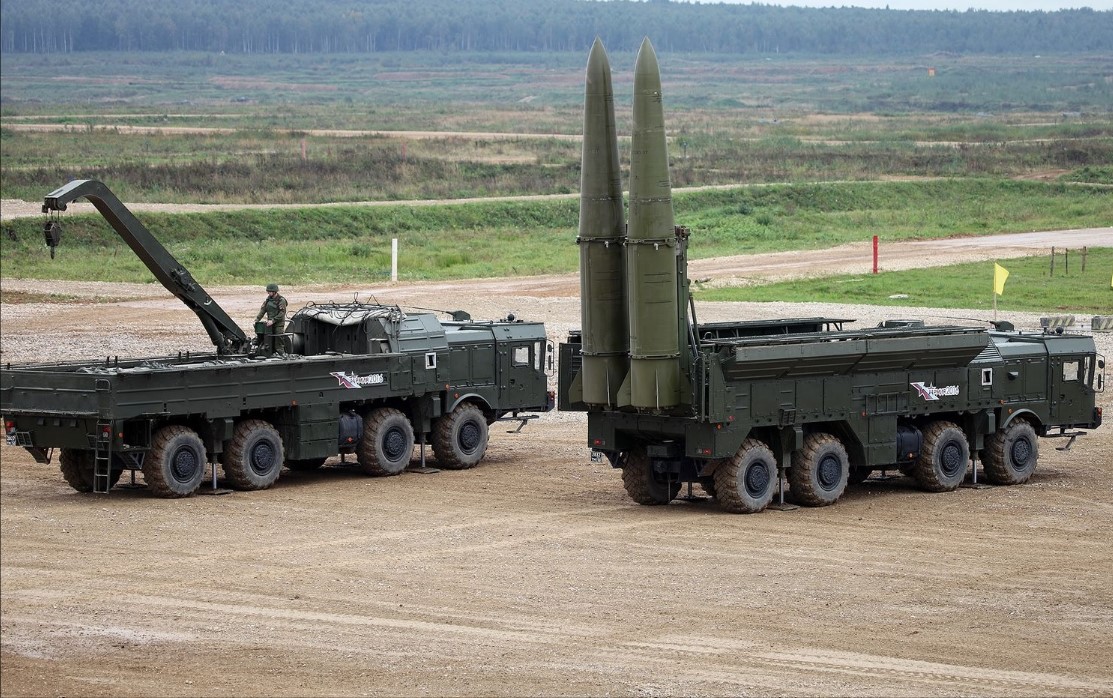
World
KYIV, Ukraine — May 2, 2026 : The General Staff of the Armed Forces of Ukraine reported that Ukrainian Defense Forces carried out a series of coordinated overnight strikes targeting Russian short-range ballistic missile (SRBM) units, radar installations, unmanned aerial vehicle (UAV) command points, and logistical facilities across multiple occupied regions. Strikes Target Missile and Radar Assets in Crimea The operation focused significantly on degrading Russian strike and surveillance capabilities in occupied Crimea. According to the General Staff, Ukrainian forces struck a tactical group base of Russian SRBM systems near the village of Druzhne. The systems are assessed to include elements of the 9K720 Iskander operational-tactical missile complex. Additional targets included the MIS-M1 coastal radar station near Maiak and the 48Ya6-K1 Podlet radar station near Yevpatoriia. These radar systems are designed to detect low-altitude aerial threats and contribute to integrated air defense networks by providing early warning and tracking data. The General Staff released a Google Earth map identifying the locations of the missile systems and radar installations struck during the operation in Crimea. UAV Infrastructure and Support Units Hit in Eastern and Southern Regions Simultaneous strikes were conducted against Russian UAV infrastructure and support elements across the eastern and southern fronts. In the Donetsk region, Ukrainian forces targeted three UAV command posts located in the village of Heorhiivka. A UAV storage and deployment facility in Novopetrikivka was also struck. These facilities are used to coordinate reconnaissance and strike drone operations in the area. In the Luhansk region, a repair and maintenance unit in the Kadiivka area was hit, affecting the servicing and restoration of Russian military equipment. In the Kherson region, an ammunition depot in the Ivanivka area was struck. The depot was assessed to support ongoing Russian operations in the southern theater. Context: Late-April Strike on Iskander Storage Facility The May 2 operation follows a Ukrainian drone strike conducted on April 28, 2026, targeting a storage base for Iskander missile systems near the village of Ovrazhki, approximately 40 kilometers east of occupied Simferopol. Russian forces had positioned missile systems within reinforced concrete shelters at a former Soviet missile base. The shelters, originally constructed for R-5 medium-range ballistic missiles, feature concrete walls estimated between 40 and 60 centimeters thick and are covered with layers of soil for additional protection. Ukrainian Special Operations Forces employed medium-strike drones, identified as FP-2 variants equipped with 105-kilogram warheads, to penetrate the shelters and strike the missile systems inside. Prior to the strike, the facility had been used for missile launches, as documented by the Ukrainian Resistance Movement. Due to its location, missiles launched from Ovrazhki were capable of reaching front-line positions and rear areas within minutes. Operational Objective According to the General Staff, the May 2 strikes were aimed at elements supporting missile launches, radar surveillance, and UAV operations. The operation forms part of ongoing Ukrainian efforts to disrupt Russian command, control, surveillance, and logistical infrastructure in occupied territories. No additional details regarding the methods used in the May 2 strikes or assessments of damage were provided in the official statement.
Read More → Posted on 2026-05-02 18:25:05
World
KYIV, Ukraine — May 2, 2026 : The Ukrainian Air Force has introduced a previously undisclosed short-range air defense system, designated STASH, into operational service, according to official footage released on May 1 by Air Command West. The system was shown actively intercepting a Russian Shahed-type loitering munition during a large-scale drone attack targeting western regions of the country. Combat Deployment During Mass Drone Strike The public debut of the STASH system coincided with a coordinated Russian offensive involving more than 400 strike unmanned aerial vehicles (UAVs). Ukrainian military reports indicate that air defense units operating in the western sector intercepted and destroyed at least 58 drones during the attack. The released footage confirms that STASH units were engaged as part of Ukraine’s layered air defense network, contributing to the interception of Shahed-type drones. The system employed AGM-114 Hellfire missiles to engage aerial targets during the operation. System Configuration and Technical Features Analysis of the published video material indicates that STASH is a trailer-mounted, short-range air defense platform designed for mobility and rapid deployment. The system integrates missile launch capability with a compact radar unit for target acquisition and tracking. The launcher is equipped with two AGM-114L Longbow Hellfire missiles. This missile variant uses an active millimeter-wave radar seeker, allowing engagement under “fire-and-forget” conditions without continuous operator guidance after launch. A radar system, identified as either an Israeli RADA radar or the Leonardo DRS RPS-42 Multi-Mission Hemispheric Radar, is mounted on the platform. The radar supports continuous surveillance, target tracking, and fire control functions required for engaging low-altitude aerial threats. The system is installed on a four-wheeled trailer, enabling it to be towed by light vehicles. This configuration allows rapid repositioning for the protection of critical infrastructure or adaptation to changing operational requirements. Development and Relation to Tempest System Defense analysts assess that STASH is a derivative of the Tempest air defense system developed by the U.S.-based company V2X. The Tempest system, also known as DASH (Denied Area Sprinter-Hellfire), was publicly unveiled in October 2025 at the Association of the United States Army (AUSA) Annual Meeting and Exposition. The original Tempest configuration is mounted on a mobile chassis based on the commercial Can-Am Maverick X3 platform and incorporates the Leonardo DRS Multi-Mission Hemispheric Radar. In contrast, the STASH variant replaces the self-propelled buggy platform with a towable trailer configuration, indicating a design adaptation for different deployment scenarios. Capabilities and Performance Parameters Available data suggests that both Tempest and STASH systems are designed to engage drones, helicopters, and low-flying aircraft under various weather conditions. Reported performance characteristics include an engagement range of approximately 8 to 11 kilometers and a maximum engagement altitude of up to 5 kilometers. The onboard radar system is assessed to have a detection range of around 10 kilometers. The platform supports “shoot-and-scoot” tactics, allowing operators to relocate quickly after firing to reduce vulnerability to counterfire. Operational Integration in Ukraine The presence of Tempest-family systems in Ukrainian service was first observed in late 2025. In January 2026, footage released by an Air Command Center showed a vehicle-mounted Tempest system engaging aerial threats during a nighttime operation. Neither U.S. nor Ukrainian authorities formally announced the transfer of these systems. The May 1 footage represents the first official confirmation of the STASH variant in combat use. The system is now integrated into Ukraine’s broader air defense architecture, providing short-range coverage against low-altitude and high-volume drone threats. The deployment of STASH reflects ongoing efforts to expand and adapt air defense capabilities in response to sustained use of loitering munitions in the conflict.
Read More → Posted on 2026-05-02 18:18:23
Taiwan Allocates US$66 Million for 451 VTOL UAVs to Expand Coast Guard Maritime Surveillance Network
World
TAIPEI — May 2, 2026 : The Taiwan Coast Guard Administration has approved a procurement program valued at US$66 million (approximately NT$2.1 billion) to acquire 451 vertical take-off and landing (VTOL) unmanned aerial vehicles (UAVs), as part of a broader initiative to strengthen maritime surveillance and operational capabilities. The program is funded under a national security resilience budget overseen by the Ocean Affairs Council and will run through 2027. Procurement Structure and Fleet Composition The acquisition is structured across four UAV categories designed to meet different operational requirements. The largest share consists of 412 short-range UAVs intended for deployment at coastal watchtowers and security checkpoints, where rapid-response monitoring is prioritized over endurance and altitude. An additional 18 medium-range UAVs will support extended patrol missions across wider maritime zones, enabling longer-duration surveillance operations. The CGA also plans to procure 12 shipborne UAVs, which will be distributed among regional units and configured for launch and recovery from vessels. These platforms will incorporate stabilization systems and reinforced designs to withstand strong winds and saltwater exposure. The remaining nine UAVs are designated for special task force operations requiring more advanced technical specifications, likely supporting complex or high-priority missions. Operational Role and Technical Features According to briefings presented to the Interior Committee of the Legislative Yuan, the UAV fleet will be dedicated to intelligence, surveillance, and reconnaissance (ISR) missions rather than combat roles. In addition to routine monitoring, the systems will support search and rescue operations, including the ability to deploy emergency equipment such as life rings and rescue buoys to individuals or vessels in distress. All 451 UAVs will feature VTOL capability, allowing operations without conventional runways. This enables deployment from confined coastal installations as well as from moving ships, improving response times and operational flexibility. To meet endurance requirements for maritime patrol, the CGA has indicated a preference for hybrid propulsion systems. These systems combine electric power for vertical take-off and landing with fuel-powered propulsion for sustained horizontal flight, extending range and flight duration while maintaining higher operational ceilings. Integration into Broader Security Framework The UAV procurement forms part of a larger NT$29.5 billion (approximately US$910 million) special budget allocated for national security resilience. The funding package is intended to enhance Taiwan’s maritime domain awareness and improve coordination across shore, sea, and air assets. Officials have stated that the expanded UAV fleet will help address increasing gray-zone activities in surrounding waters, including non-conventional maritime pressure. By improving surveillance coverage and response capabilities, the CGA aims to strengthen law enforcement, maritime safety, and humanitarian response operations. Policy Direction and Previous Programs Lai Ching-te has indicated that the Coast Guard will continue to receive upgraded surveillance tools, including drones, radar systems, and imaging technologies, as part of ongoing capability development. The current procurement builds on earlier UAV initiatives. In late 2025, Taiwan Color Optics, in partnership with Edge Autonomy, secured a contract valued at approximately US$7 million for a coastal surveillance pilot program using the Penguin C Mk2.5 VTOL platform. That effort represented a smaller-scale deployment, while the new 451-unit acquisition reflects a broader transition toward sustained use of VTOL UAVs for maritime ISR missions. No manufacturers have been formally identified for the current procurement. Authorities have indicated that the program includes full life-cycle costs, training, and operational integration, with provisions allowing a one-year carry-over of funds under applicable budget regulations. The initiative underscores Taiwan’s continued expansion of unmanned systems across both military and coast guard operations, with a focus on improving surveillance coverage, operational efficiency, and response capability in its surrounding maritime environment.
Read More → Posted on 2026-05-02 18:03:35
World
KEY WEST, Fla., — May 2, 2026 : Sierra Nevada Corporation presented its Battery Revolving Adaptive Weapons Launcher – Reconfigurable (BRAWLR) during Exercise FLEX 2026, demonstrating a compact, modular air defense capability designed to counter uncrewed aerial systems and other airborne threats in maritime environments. Demonstration Observed by Senior Leadership The live demonstration was attended by United States Southern Command commander Francis L. Donovan and United States 4th Fleet commander Carlos Sardiello. The system was deployed aboard a multi-mission uncrewed surface vessel developed by Textron Systems. Exercise FLEX 2026, conducted from April 24 to 30, focused on integrating unmanned systems and artificial intelligence into maritime operations across regions overseen by SOUTHCOM, including Latin America and the Caribbean. The demonstration emphasized localized air defense in distributed maritime environments, a key operational requirement for forward-deployed forces. System Architecture and Operational Role BRAWLR is part of SNC’s Rapidly Deployable Air Defense and Counter-Unmanned Systems (C-UxS) Family of Systems, also referred to as the Expeditionary Adaptive Air Defense (EAAD) portfolio. The system has reached Technology Readiness Level 9, indicating operational maturity, and has been in active service since 2023. Built on a hybrid, open-architecture framework, BRAWLR integrates commercially available components with military-grade sensors, communications, and effectors. It can function as a standalone air defense node or integrate with existing command-and-control networks to extend engagement range and capability. The launcher is designed to independently detect, track, identify, and defeat airborne threats, including Group 1–3 unmanned aerial systems, cruise missiles, and other aerial targets. It can also augment layered air defense architectures by providing additional kinetic options. Technical Specifications and Deployment Characteristics BRAWLR is engineered for expeditionary operations, prioritizing mobility and rapid deployment over larger fixed installations. The system measures approximately 5 feet in width and depth and stands 7 feet tall, with an empty weight of 2,300 pounds. It supports a payload capacity of up to 2,000 pounds distributed across four modular weapons stations. The launcher operates with a power requirement of 9 kilowatts and can be set up within 10 minutes, with a breakdown time of approximately 3 minutes. It requires only one operator for deployment and operation. A high-capacity turret enables ±180-degree traverse, providing continuous 360-degree rotation at a rate of 40 degrees per second, with an elevation range from 0 to 45 degrees. The system incorporates FLIR imaging sensors, tactical video systems, and communications through Silvus MANET radio networking. BRAWLR is transportable via standard 463L military pallets and can be mounted on naval vessels, light tactical vehicles, trailers, flatbed trucks, or ground emplacements, supporting flexible deployment across multiple domains. Munitions and Engagement Capabilities The launcher supports both rail- and tube-launched munitions and allows operators to configure mixed payloads across its four stations, enabling layered defense within a single system. In its maximum configuration, BRAWLR can carry up to 46 laser-guided Advanced Precision Kill Weapon System (APKWS) rockets, optimized for high-volume engagements against drone swarms at ranges up to 6 kilometers. The system is compatible with several short- to medium-range interceptors, including the AIM-9M Sidewinder (range approximately 12 kilometers), AIM-132 ASRAAM (up to 15 kilometers), and IRIS-T missiles. For extended engagements, it can integrate AIM-120 AMRAAM missiles to target larger or maneuvering airborne threats. The platform is munition-agnostic and can also incorporate less-lethal kinetic options depending on mission requirements. Operational Record and System Integration BRAWLR entered operational service in 2023 for a foreign military customer following a U.S. government request. According to SNC, the system has intercepted more than 400 aerial targets in operational deployments, although specific locations and customers have not been disclosed. The launcher is integrated with SNC’s TRAX Edge software for command and control, enabling interoperability with higher-echelon systems and supporting multi-domain operations. It is also related to the Mobile Anti-Air Weapons Launcher – Reconfigurable (MAAWLR), a vehicle-mounted variant within the same system family. Future Autonomy Development SNC has announced a partnership with Applied Intuition to expand automation across its Expeditionary Area Air Defense platforms, including BRAWLR. The collaboration aims to integrate dual-use autonomy software with SNC’s hardware systems. The effort focuses on enabling autonomous operation of localized air defense units, improving response times through real-time sensor fusion, and reducing personnel requirements in contested environments. Operational Significance The FLEX 2026 demonstration highlighted BRAWLR’s suitability for maritime security and force protection missions, particularly in regions facing threats from transnational organized crime and increasingly capable aerial systems. Its compact size, rapid deployment capability, and modular configuration are aligned with operational needs for distributed forces operating in austere or contested environments. SNC continues development of its Rapidly Deployable Air Defense and C-UxS systems to address evolving threats to military forces, infrastructure, and critical assets.
Read More → Posted on 2026-05-02 17:54:32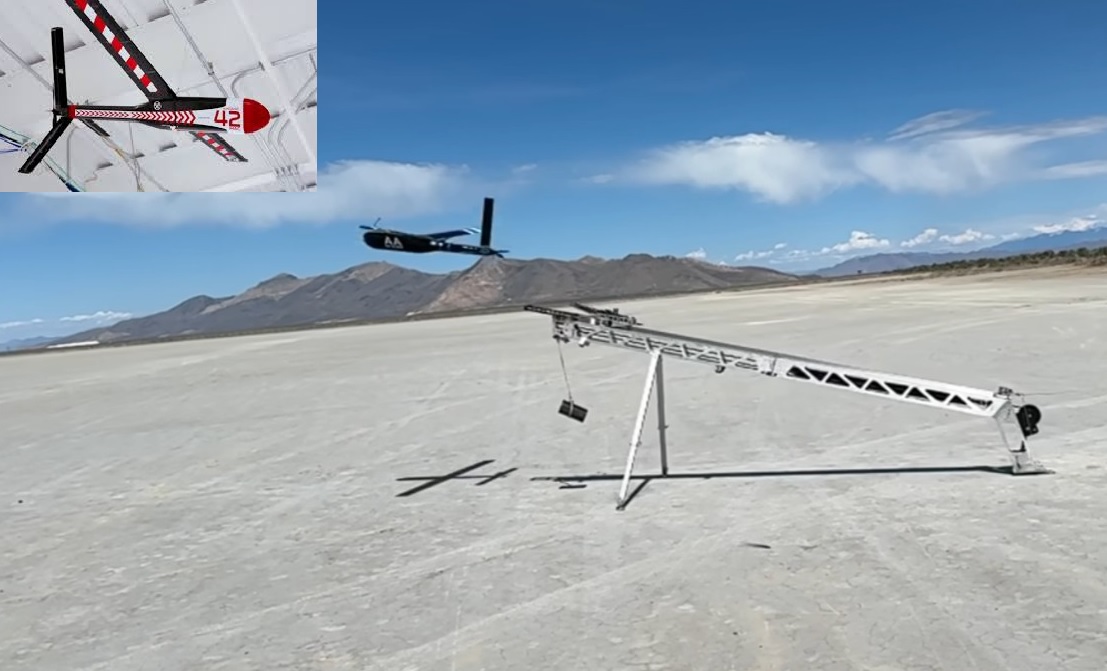
World
LAYTON, Utah — May 2, 2026 : KIHOMAC founder and chief executive officer Ki Ho Kang has released flight test footage of the company’s Agami fixed-wing unmanned aerial vehicle, outlining performance data and production goals tied to its internally developed Project Liberty program.The Agami platform has been designed to demonstrate that military-grade unmanned aerial systems can be produced at scale without the manufacturing constraints that have affected several U.S. drone programs in recent years. The initiative focuses on reducing production time while maintaining operational flexibility. Platform Design and Manufacturing Approach The Agami has a gross takeoff weight of 20 pounds (9 kilograms) and is capable of carrying more than 5 pounds (2.2 kilograms) of payload. Its airframe, including fuselage and wings, is constructed from carbon fiber materials.A central feature of the system is its open architecture design, described by the company as a “Bring Your Own Payload” configuration. This allows operators to integrate sensors, communication systems, or mission-specific effectors without requiring structural redesign of the aircraft.Under Project Liberty’s production model, KIHOMAC states that each airframe can be manufactured in under one hour. The company contrasts this with additively manufactured drones, which can require up to 100 hours per unit. The accelerated production timeline is intended to address high attrition rates observed in recent operational environments. Flight Testing and Performance Metrics Flight data released alongside the footage provides detailed performance benchmarks for the Agami system. On a single battery pack, the drone demonstrated an endurance of approximately one hour, covering more than 60 miles.With a dual-battery configuration, the platform achieved nearly 90 minutes of flight time over a distance of about 90 miles during testing conducted on what was described as a “very turn-intensive range.” The company indicated that a standard flight profile with fewer turns would likely extend both endurance and range.The Agami uses a catapult launch system, eliminating the requirement for a runway and enabling deployment in areas with limited infrastructure. Operational Context and Project Liberty Objectives Project Liberty has been developed with reference to recent operational trends, particularly the high-volume use of drones in the Ukraine conflict. According to the company, these conditions have demonstrated that manufacturing capacity—rather than technical complexity—has become a primary limiting factor in sustained drone operations.KIHOMAC’s approach prioritizes rapid, repeatable production of airframes to support continuous deployment requirements. The company positions the Agami as a system designed for scalability, where replacement and replenishment cycles can be maintained without extended delays. Deloitte Investment and Production Expansion in Utah In October 2025, Deloitte announced a direct investment in KIHOMAC to expand drone manufacturing capabilities in Utah. The financial terms of the investment were not disclosed.The partnership is focused on increasing domestic production capacity for unmanned systems intended for U.S. government agencies, commercial customers, and other organizations. Expansion efforts include scaling manufacturing operations and strengthening supply chain resilience.Oniel Cross, who leads hybrid cloud and edge infrastructure within Deloitte’s Government and Public Services division, stated that the investment supports the development of domestic production capacity for technologies considered important to national security and economic competitiveness.Ki Ho Kang said the collaboration enables faster scaling of production and delivery of unmanned systems while contributing to local economic activity through job creation and facility expansion. Company Background and Manufacturing Footprint KIHOMAC, founded in 2003, is a veteran-owned small business employing more than 350 personnel with multiple operational facilities across the United States. The company provides systems engineering, reverse manufacturing, custom fabrication, and sustainment services for the U.S. Department of Defense and commercial clients.The Utah expansion is intended to support increased production output for the Agami platform as well as other unmanned systems under development. Applications and Market Positioning The Agami platform is designed for multiple mission profiles, including infrastructure inspection, emergency response, and defense and security operations. Its modular payload architecture allows a single airframe to be reconfigured for different operational requirements.The program aligns with broader U.S. policy efforts to reduce dependence on foreign-manufactured drone components and to strengthen domestic supply chains. By focusing on rapid manufacturing and modular integration, KIHOMAC positions Project Liberty and the Agami system within ongoing efforts to expand secure, scalable unmanned system production in the United States.The company indicated that the Agami platform represents one component of a wider portfolio of scalable unmanned technologies being developed in coordination with its production expansion initiatives and partnership with Deloitte.
Read More → Posted on 2026-05-02 17:37:10Search
Top Trending in 24 Hours
-
 UK Air Force Hawk T2 Trainer Aircraft Crashes Near Valley After Takeoff, Both Pilots Eject Safely
-
 U.S. Space Force Awards Impulse Space $28 Million Contract for 2029 Orbital Surveillance Mission
-
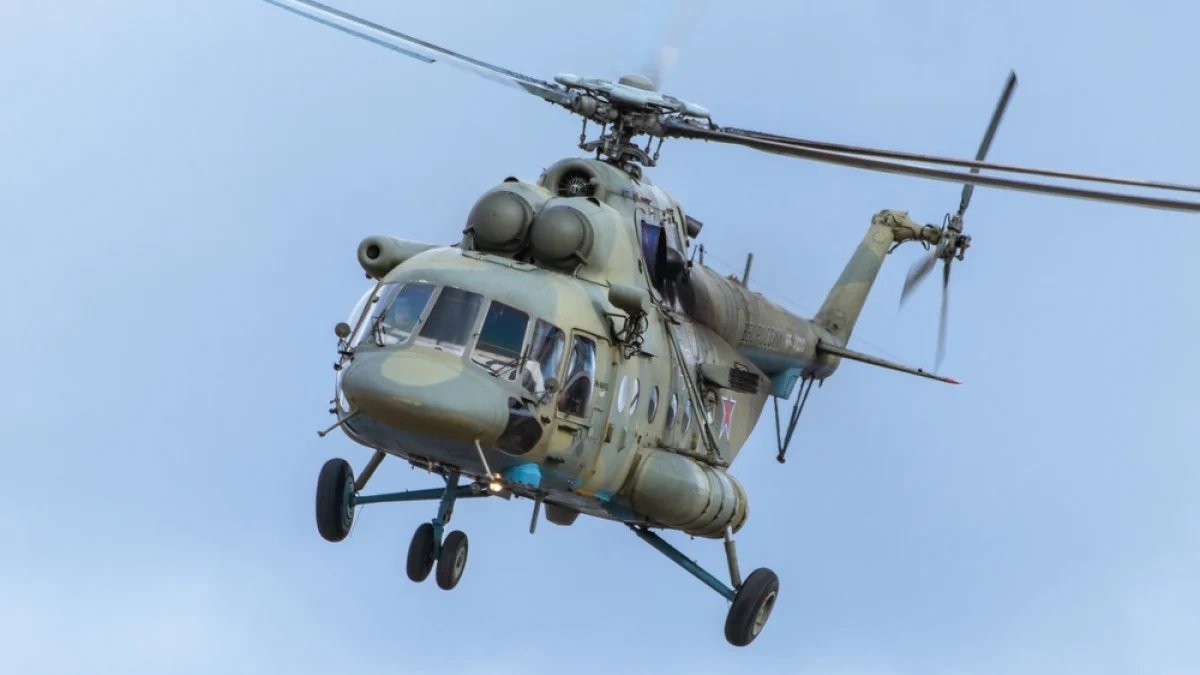 Russian Mi-8 Military Helicopter Crosses Into Polish Airspace for 42 Seconds Near Braniewo
-
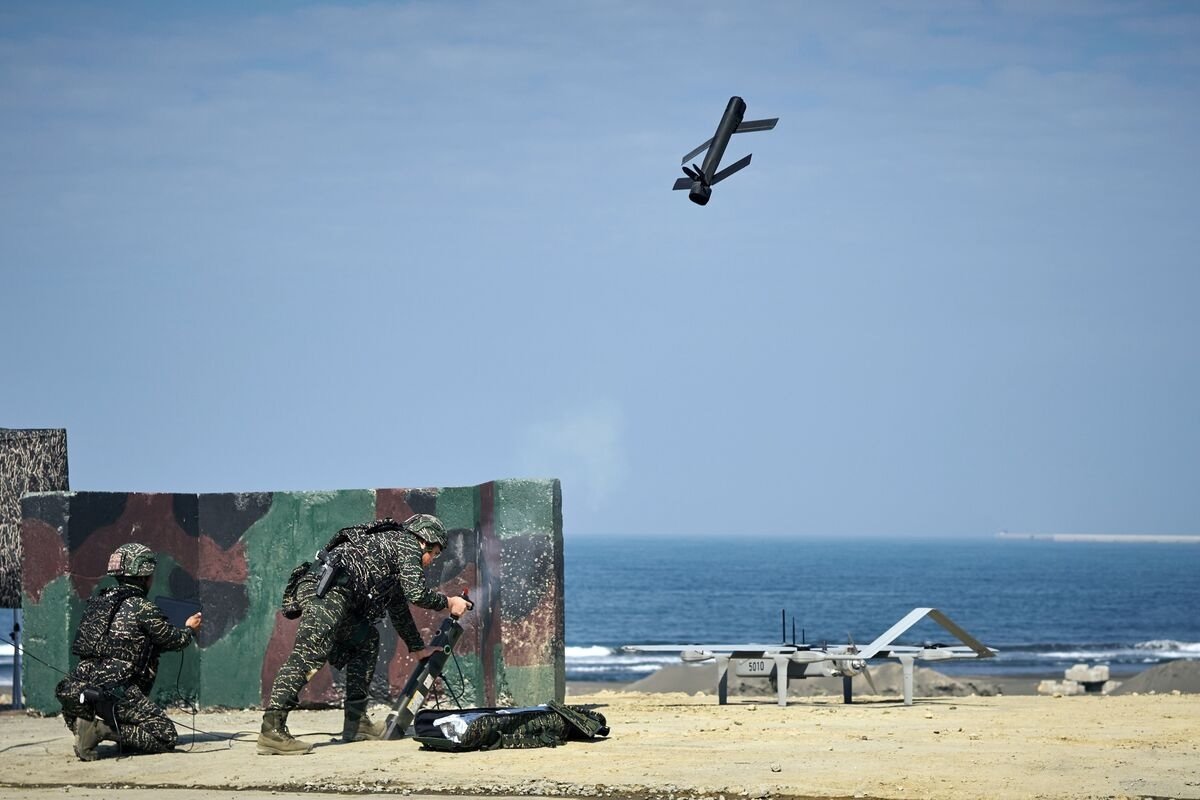 Taiwan Integrates Attack Drones Into Three-Service Live-Fire Exercise at Jiupeng for First Time
-
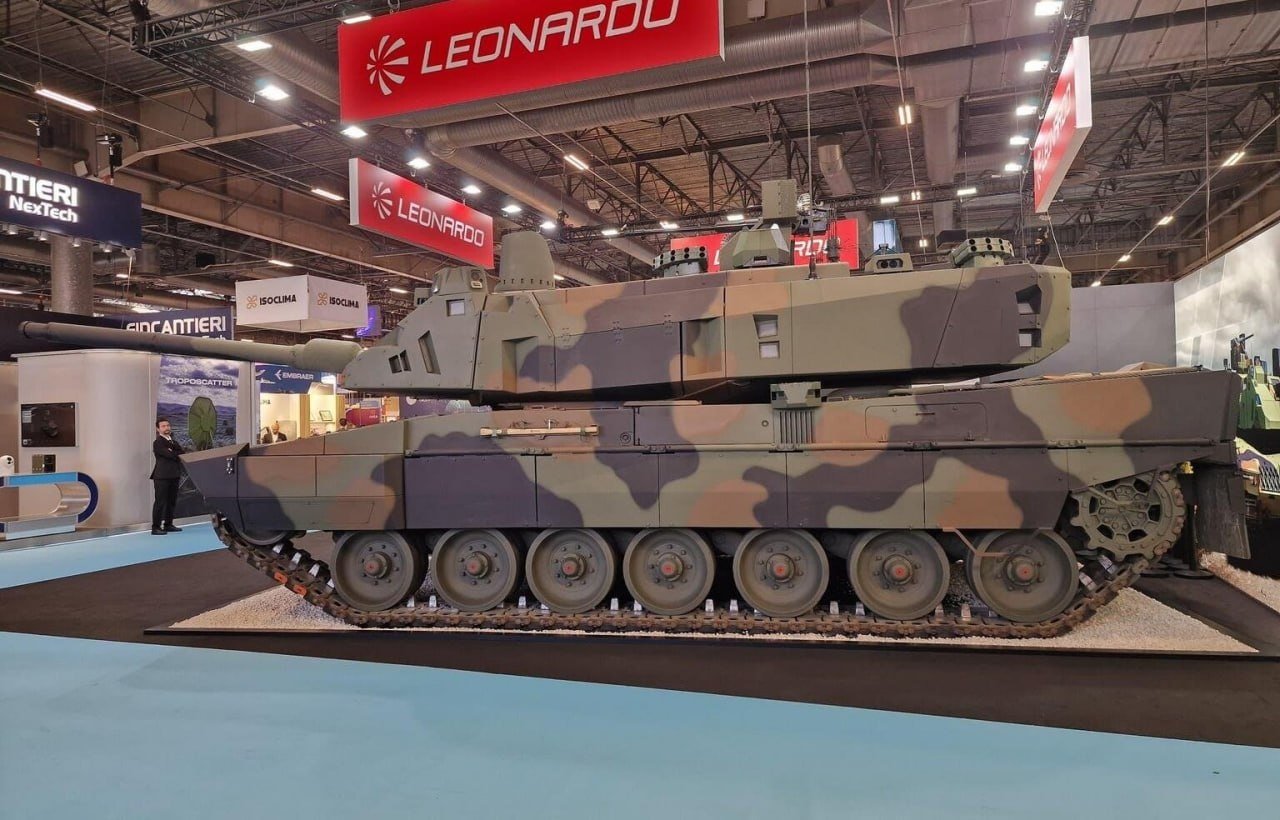 Italy Allocates Up to €5.14 Billion for Procurement of 132 New Main Battle Tanks
-
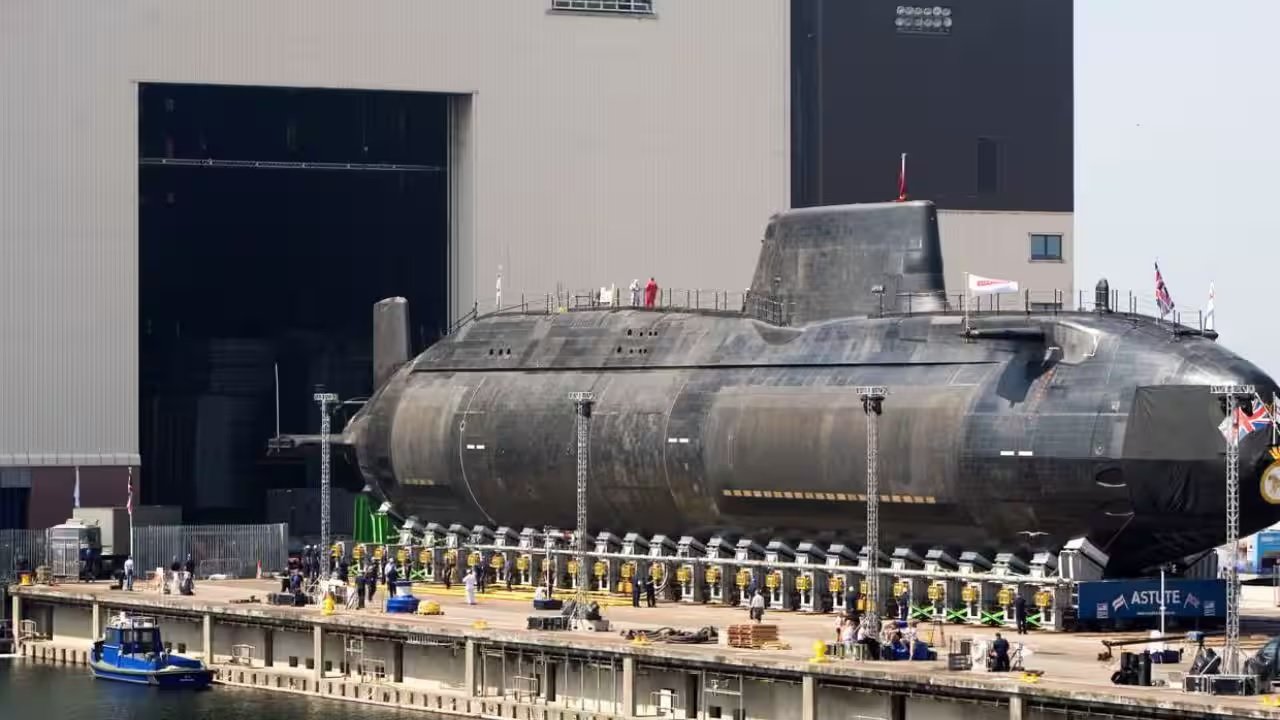 UK Announces £6 Billion Investment to Double Nuclear Submarine Production Rate
-
 Roketsan KARAOK Anti-Tank Missile Successfully Hits Aerial Target for First Time
-
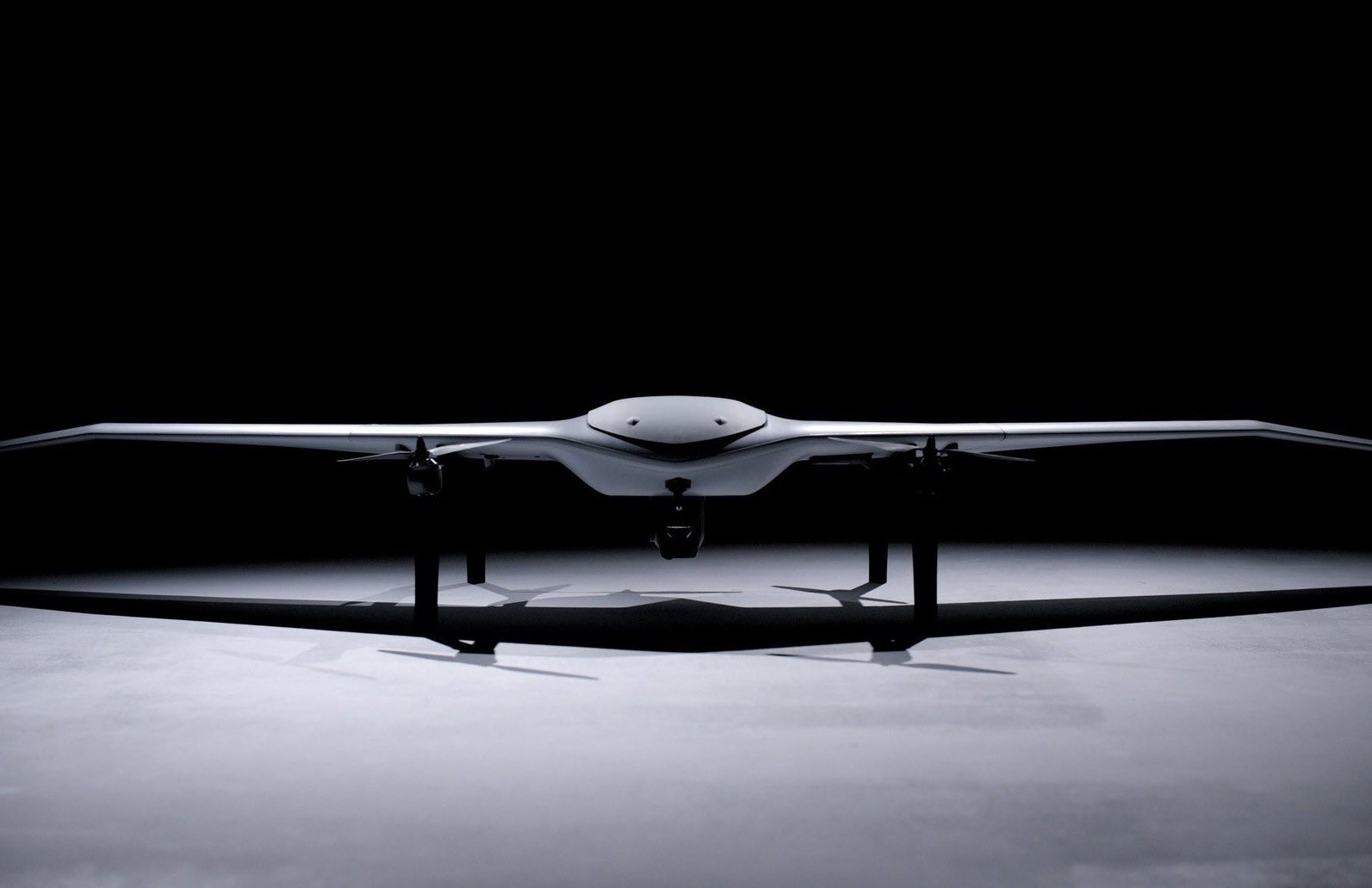 Dutch Firm DeltaQuad Launches Evo-LE VTOL UAV With Up to Eight-Hour Endurance
Top Trending in 4 Days
-
 U.S. Army Awards $10.64 Million Contract to Ukrainian Drone Maker Skyeton for Raybird Systems
-
 India’s xTerra Robotics Launches Indigenous DHAV-Hy Wheeled-Legged Quadruped for Industrial Inspection
-
 U.S. Space Force Seeks Rapid-Response Satellites for Close-Range Orbital Inspections
-
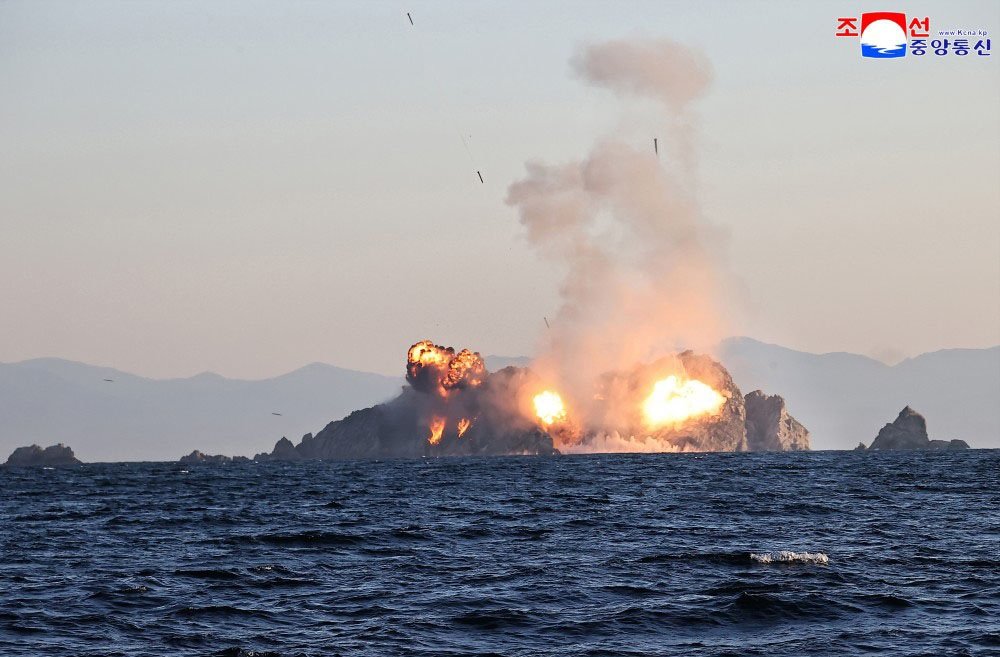 North Korea Fires Short-Range Ballistic Missile Toward Sea of Japan After Freedom Edge 26
-
 Ukraine Reports First Use of Fire Point’s FP-7 Tactical Ballistic Missile inMoscow-Region Strikes on Oil Refinery
-
 U.S. Government Seizes Almasirah.net, Houthi-Linked News Website
-
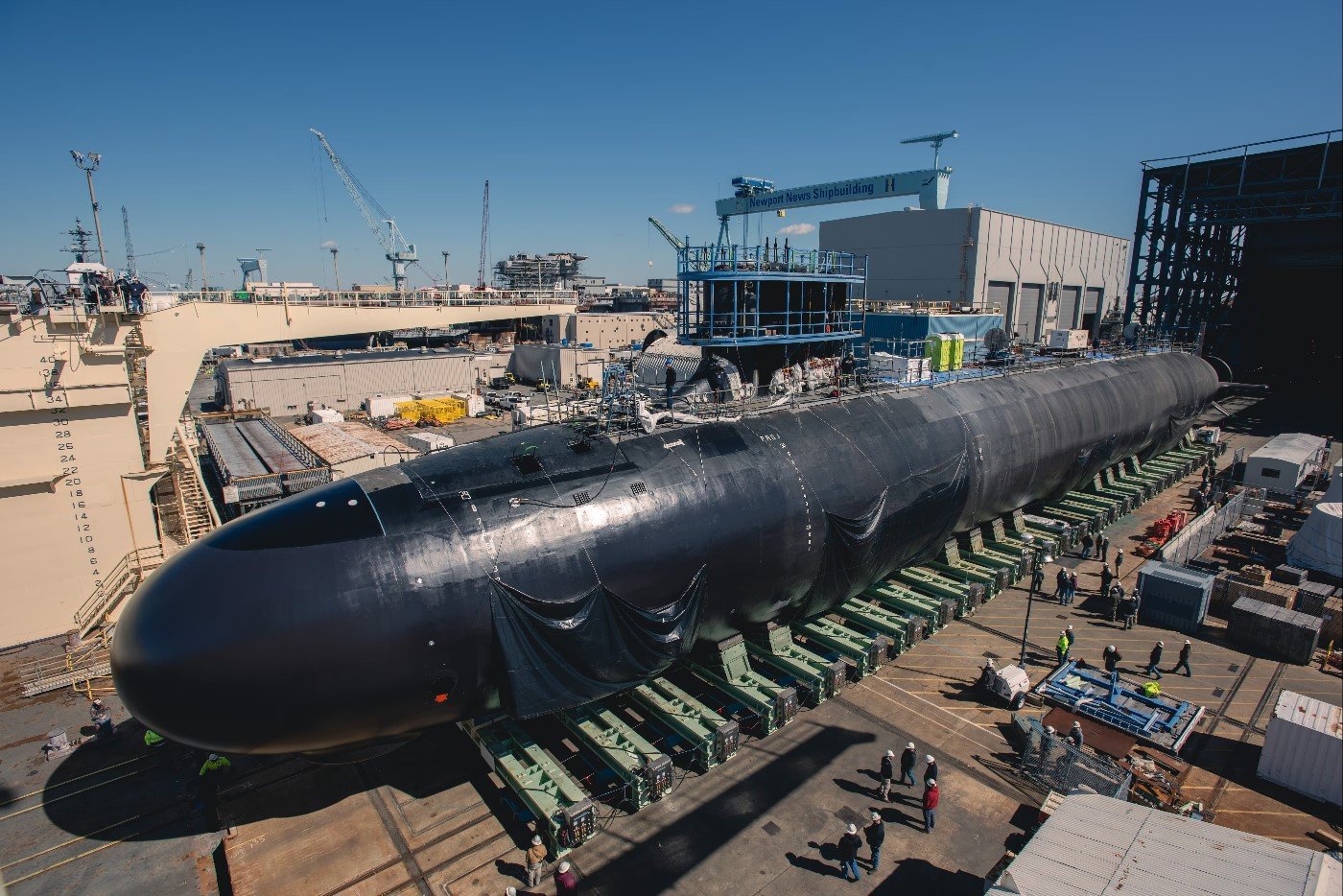 US Navy Submarine Director Outlines Four-Pillar Plan to Raise Build Rates
-
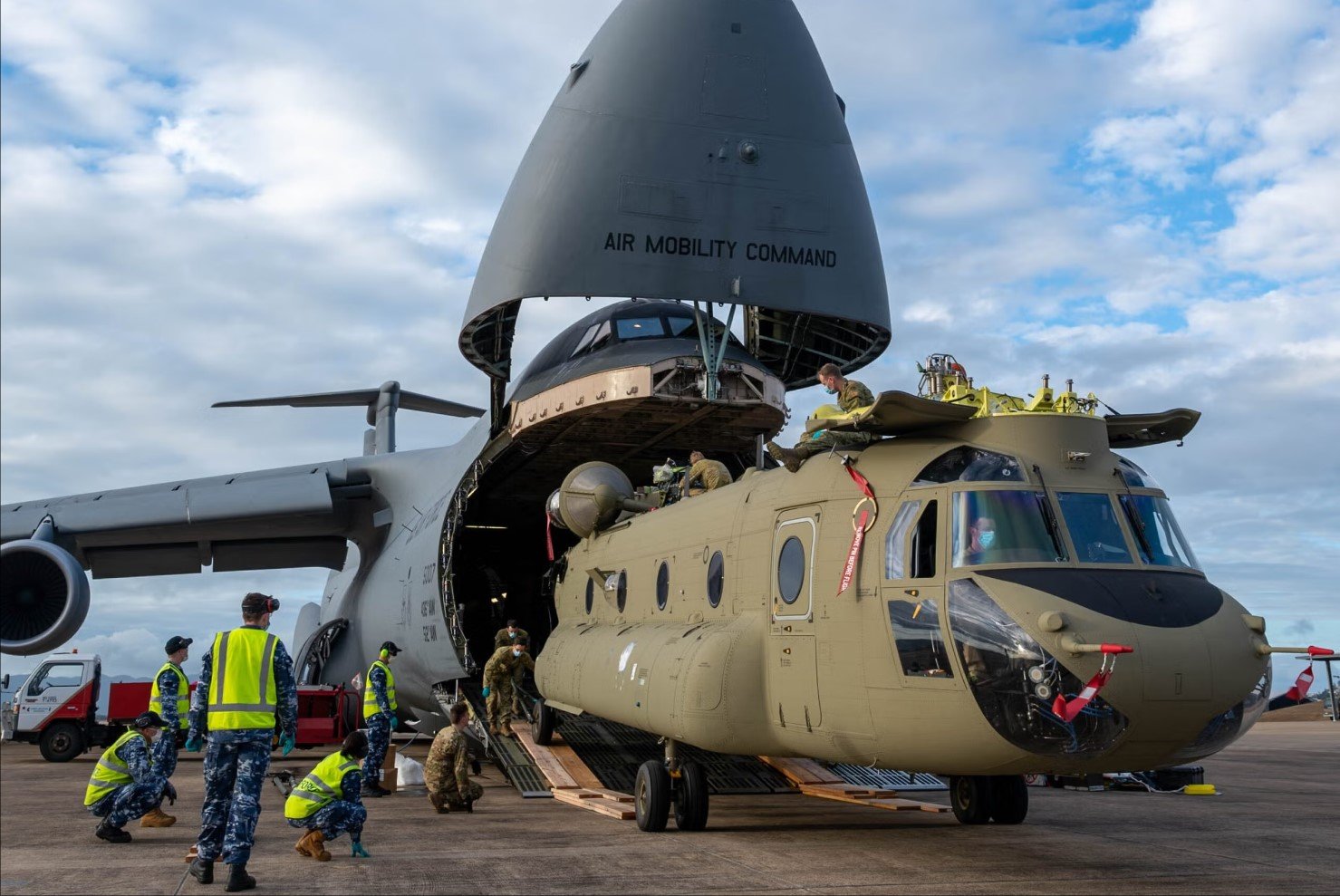 U.S. Delivers First CH-47F Chinook to Egypt Under 12-Helicopter Deal