World
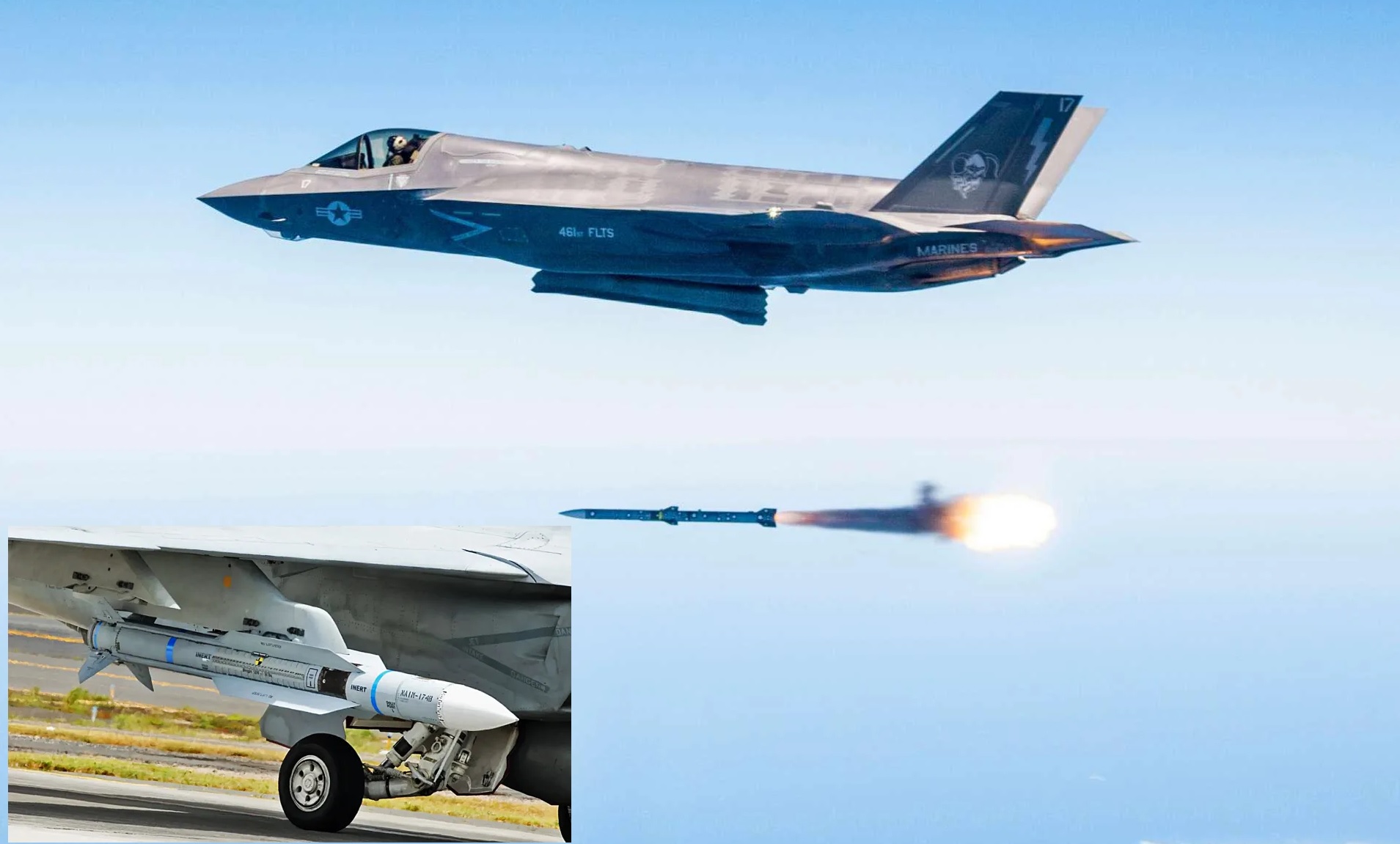
WASHINGTON, — March 31, 2026 : The United States government has approved a Foreign Military Sale (FMS) to Australia valued at $3.16 billion, authorizing the procurement of up to 450 AIM-260 Joint Advanced Tactical Missiles (JATM) along with associated equipment, testing assets, and long-term support infrastructure. The approval follows the expiration of the 15-day congressional review period, clearing the way for final negotiations between the two governments. Australia is set to become the first international operator of the AIM-260A variant, a next-generation beyond-visual-range air-to-air missile developed to replace the AIM-120 AMRAAM and enhance allied air combat capabilities in the Indo-Pacific region. Procurement Structure and Package Composition The total value of the proposed sale is divided into two primary categories. Major Defense Equipment, valued at $2.61 billion, includes up to 450 operational AIM-260A missiles. The remaining $550 million is allocated for non-major defense equipment and sustainment, covering a broad range of integration and operational support requirements. In addition to baseline munitions, the package incorporates specialized test systems that enable early participation by the Royal Australian Air Force (RAAF) in missile validation and tactics development. These include up to five Integration Test Vehicles (ITV), which are modified missiles used for captive carriage and flight testing, and up to 30 Guided Test Vehicles (GTV), which replace the warhead with telemetry systems to collect flight data during live-fire exercises. The support package also includes KGV-135A embedded communications security devices, which provide encrypted wideband data protection, as well as ammunition containers, spare parts, consumables, and repair support. Additional elements include classified and unclassified software delivery, technical documentation, training systems, site surveys, transportation, warranties, and engineering, logistics, and technical assistance from both U.S. government and contractor personnel. The principal contractor for the program is Lockheed Martin Missiles and Fire Control, based in Orlando, Florida. No offset agreements or sales commissions have been disclosed. Missile Capabilities and Technical Characteristics The AIM-260 JATM program was initiated in 2017 to address emerging long-range air-to-air threats, including advanced missile systems developed by potential adversaries. While many technical details remain classified, the system is designed to significantly exceed the performance of existing medium-range missiles. Publicly available information indicates that the AIM-260 offers substantially extended engagement range, with estimates suggesting it may exceed 200 kilometers, effectively doubling the reach of later variants of the AIM-120 AMRAAM. The missile is engineered to operate effectively in contested electromagnetic environments, with enhanced resistance to electronic warfare and jamming. The system uses GPS-aided guidance incorporating Precise Positioning Services (PPS) via Selective Availability Anti-Spoofing Module (SAASM) or M-Code, ensuring secure navigation and targeting. It also includes integrated anti-tamper mechanisms to prevent unauthorized access or reverse engineering. Additional reported features include an active electronically scanned array (AESA) radar seeker, a two-way data link for mid-course updates, and a dual-pulse rocket motor, supporting improved engagement flexibility and endgame performance. The highest classification level associated with the system remains SECRET. Integration with Australian Air Power The AIM-260 is expected to be integrated primarily with the RAAF’s fleet of 72 F-35A Lightning II stealth fighters, which are based at RAAF Base Williamtown and RAAF Base Tindal and operated across multiple squadrons, including the No. 2 Operational Conversion Unit. Australia’s F-35 fleet reached full delivery in December 2024, with the final nine aircraft configured under Technology Refresh 3 (TR-3), providing the necessary computing architecture to support future Block 4 weapon integrations, including the AIM-260. The missile is also expected to be compatible with Australia’s F/A-18F Super Hornet fleet. Initial deliveries of the AIM-260 to Australia are projected for the third quarter of 2033, aligning with U.S. production timelines that prioritize domestic requirements and phased operational fielding. Strategic Context and Indo-Pacific Role The acquisition supports Australia’s 2024 National Defence Strategy, which emphasizes a “deterrence by denial” approach. By extending the effective engagement range of Australian fighter aircraft, the AIM-260 enables earlier threat interception and strengthens both offensive and defensive counter-air operations across the Indo-Pacific. The strategy prioritizes defending Australia’s northern approaches, limiting adversary power projection, and enhancing interoperability with allied forces. The extended range and survivability of the AIM-260 are intended to support operations across the region’s large geographic distances and complex operational environments. The U.S. government stated that the sale aligns with its broader foreign policy and national security objectives, identifying Australia as a key ally in the Western Pacific. Officials assessed that the transfer would not alter the regional military balance and that Australia would be able to absorb and integrate the system effectively. Approval Process and Timeline The Defense Security Cooperation Agency (DSCA) formally notified the U.S. Congress of the proposed sale on January 23, 2026, under Transmittal No. 26-03. The notification was not publicly announced at the time but was later published in the Federal Register on March 17, 2026. As Australia qualifies for an expedited review process, the required 15-calendar-day congressional review period has now concluded without objection. The program will proceed to the negotiation phase, where both governments will finalize the Letter of Offer and Acceptance (LOA). This transaction represents the first export of the AIM-260 JATM, marking an early step in the international deployment of next-generation air-to-air missile capabilities among U.S. allies.
Read More → Posted on 2026-03-31 15:48:34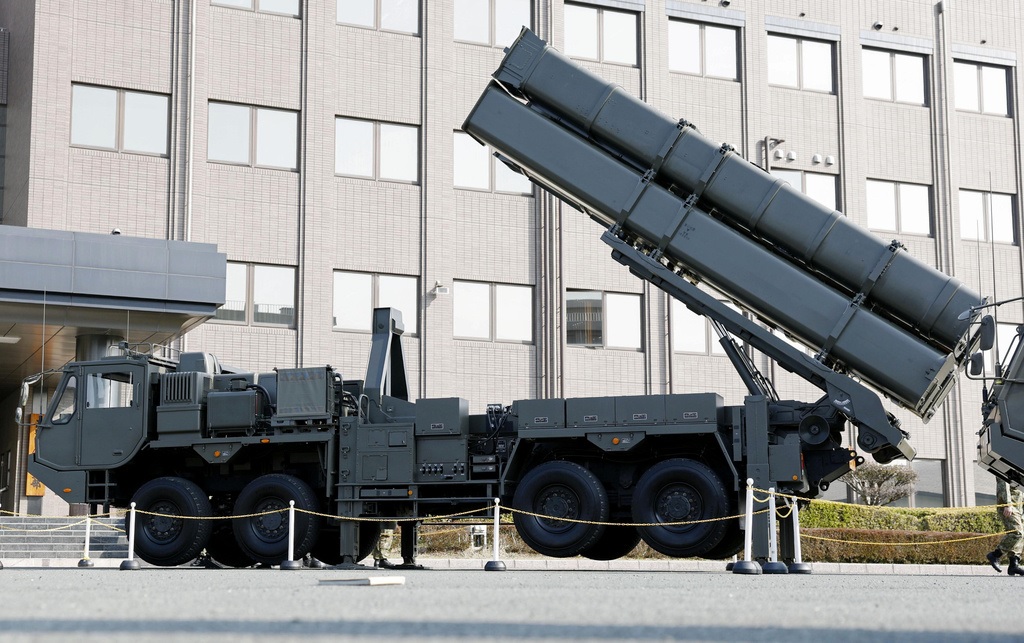
World
TOKYO, — March 31, 2026 : Japan has formally deployed its first domestically developed long-range stand-off missile systems, marking a major transition in its defense posture as the country moves toward operational counterstrike capabilities under its evolving national security strategy. The Japan Ground Self-Defense Force (JGSDF) confirmed on Tuesday the operational fielding of two advanced systems, now redesignated as the Type 25 Surface-to-Ship Guided Missile (25SSM) and the Type 25 Hyper Velocity Gliding Projectile (25HGP). The designation “25” corresponds to Japan’s fiscal year 2025, which concludes on March 31, 2026, in line with the Ministry of Defense’s equipment naming convention. Initial Deployments Across Key Strategic Locations The newly designated systems have been deployed to active operational units at two major installations. The Type 25 Surface-to-Ship Guided Missile (25SSM) has been stationed at Camp Kengun in Kumamoto Prefecture, where it is operated by the 5th Surface-to-Ship Missile Regiment. Equipment and launch systems for the missile were delivered earlier in March in preparation for its formal induction. The 25SSM represents a significantly upgraded version of the legacy Type 12 missile, developed and produced by Mitsubishi Heavy Industries. Its operational range has been extended from approximately 200 kilometers to around 1,000 kilometers. While originally designed for coastal defense, the upgraded system enables ground-based units to strike both maritime targets and fixed land-based objectives, including missile launch sites, at extended stand-off distances. From its deployment location in Kumamoto, the missile’s coverage extends across large parts of East Asia, including the East China Sea and portions of the Korean Peninsula. The Type 25 Hyper Velocity Gliding Projectile (25HGP) has been deployed at Camp Fuji in Shizuoka Prefecture, a training facility near Gotemba that is also used by the United States Marine Corps. This system introduces a new hypersonic capability into the JGSDF. Designed primarily for the defense of remote islands, the 25HGP is a ground-launched system that uses a glide vehicle after booster separation. It travels at speeds exceeding 6,000 kilometers per hour along maneuvering and irregular trajectories, making interception by conventional missile defense systems more difficult. The initial variant deployed has a range of several hundred kilometers and will primarily support training and the development of operational doctrine. Longer-range variants are currently under development. Transition Toward Counterstrike Capabilities The deployment of the Type 25 systems reflects a significant doctrinal shift in Japan’s defense policy. For decades, Japan maintained a strictly defensive posture under its post-war security framework, relying on interceptor systems such as the Patriot PAC-3 and Aegis-equipped destroyers. Offensive strike capabilities were largely dependent on United States forces. However, the rapid expansion of missile arsenals and advanced strike capabilities by regional actors, particularly China and North Korea, has exposed the limitations of a purely defensive strategy. In its 2022 National Security Strategy, Japan formally introduced the concept of “counterstrike capabilities,” defined as the ability to hold adversary missile launch sites and related infrastructure at risk from stand-off distances. The JGSDF stated that the deployment of the Type 25 systems was carried out in response to what it described as an increasingly severe security environment surrounding the country. Domestic Response and Local Developments The deployment has also generated domestic debate. Following the announcement, local citizen groups staged protests near the Kengun Garrison in Kumamoto City, reflecting ongoing public concerns over the expansion of Japan’s military capabilities and the implications of adopting counterstrike roles. Future Expansion and Layered Defense Architecture The Type 25 systems form a central component of Japan’s broader plan to establish a layered stand-off defense architecture integrating both domestic and foreign systems. Under current plans: Fiscal Year 2026: Additional deployments of the Type 25 HGP are scheduled for Camp Kamifurano in Hokkaido and Camp Ebino in Miyazaki Prefecture. An extended-range variant of the hypersonic system, with a projected range of approximately 2,000 kilometers, remains under development. Fiscal Year 2027: Ship-launched and air-launched variants of the Type 25 SSM are expected to be introduced on Japan Maritime Self-Defense Force (JMSDF) destroyers and Japan Air Self-Defense Force (JASDF) fighter aircraft. These indigenous systems will operate alongside foreign-sourced capabilities. Japan has already completed hardware modifications to the Aegis destroyer Chokai, enabling it to carry and launch U.S.-made Tomahawk cruise missiles, thereby expanding the country’s long-range strike options. Integration into Broader Defense Planning The current deployments represent the initial operational phase of Japan’s indigenous stand-off missile program. Additional surface-to-ship missile units are planned for deployment across southwestern islands in the coming years, further strengthening coverage of key maritime approaches. With the induction of the Type 25 series, Japan has taken a concrete step toward integrating long-range strike capabilities into its defense structure, aligning operational capabilities with the strategic objectives outlined in its national security framework.
Read More → Posted on 2026-03-31 15:34:55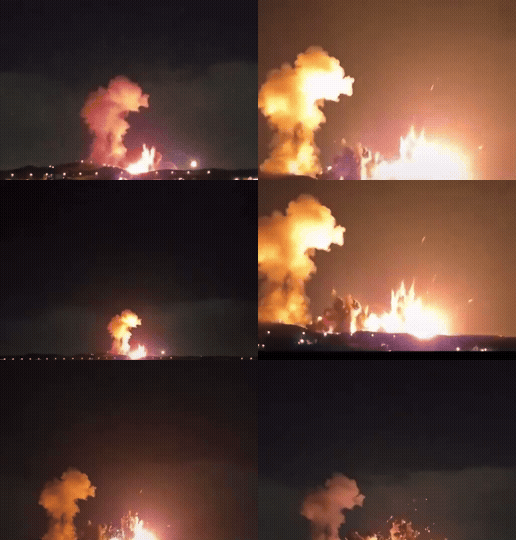
World
WASHINGTON / ISFAHAN, — March 31, 2026 : United States military forces carried out an overnight airstrike on a large Iranian ammunition depot located in the central city of Isfahan, employing 2,000-pound bunker-buster munitions designed to penetrate hardened structures before detonation. The strike resulted in a series of sustained secondary explosions, indicating the presence of significant stockpiles of missiles and conventional ammunition at the site. Target Identification and Strike Details According to a report by The Wall Street Journal, citing U.S. defense officials, the targeted location was a military ammunition and weapons storage depot situated near Mount Safa in Isfahan. Early speculation across social media had suggested that the strike may have hit one of Iran’s underground “missile cities,” but officials clarified that the facility was not part of a deeply buried missile complex. The strike involved a high volume of 2,000-pound (approximately 907-kilogram) penetrator munitions. These weapons are specifically designed to breach reinforced or partially underground structures before exploding, maximizing damage to stored military assets. Following the initial impact, the ignition of stored ordnance triggered continuous secondary explosions, consistent with the presence of missiles and ammunition inside the depot. Visual Evidence and Official Statements Video footage of the incident circulated widely across social media platforms shortly after the strike. The recordings showed a large initial explosion followed by repeated blasts and fires, with flames and smoke illuminating the night sky over the targeted area. U.S. President Donald Trump shared a 30-second video of the strike on his Truth Social platform late Monday. The footage, posted without any accompanying caption, appeared to be filmed from a distance and captured multiple explosions and sustained fires at the site. Independent verification by international media outlets, including AFP and NBC News, confirmed at least two major explosions and visible columns of smoke rising from the area. Strategic Significance of Isfahan Isfahan, with a population of approximately 2.3 million, is Iran’s third-largest city and a key center for military and industrial infrastructure. The region hosts several strategic facilities, including the Badr airbase, aerospace development installations, and nuclear research centers. Despite the presence of sensitive nuclear-related infrastructure in the region, available reports indicate that the overnight operation was specifically limited to a conventional weapons depot. No evidence has emerged to suggest that nuclear facilities were targeted in this strike. Regional Developments and Ongoing Conflict The airstrike forms part of a broader escalation in the Middle East conflict that has intensified since late February 2026, involving continued exchanges between U.S., Israeli, and Iranian forces. In developments following the Isfahan strike: Iranian authorities and the Islamic Revolutionary Guard Corps (IRGC) reported that they intercepted and shot down a U.S.-made MQ-9 Reaper drone over Isfahan shortly after the bombing. Missile launches originating from Iran were reported early Tuesday, triggering air defense alerts and interception activity over Jerusalem. At the same time, regional diplomatic efforts are ongoing, with countries including Saudi Arabia, Egypt, Turkey, and Pakistan engaged in discussions aimed at de-escalating tensions. Damage Assessment and Official Response Iranian government officials confirmed that military facilities in the central region were struck and stated that an initial investigation into the extent of the damage is underway. State media described the incident as attacks on unspecified military targets in Isfahan. No immediate details have been released regarding casualties or the full scale of damage at the site. However, the sustained secondary explosions observed in multiple videos suggest that the facility contained a substantial volume of stored munitions. The U.S. has not issued a detailed public statement beyond confirmations provided through officials cited in media reports. The sequence of events documented in the footage shared by President Trump aligns with the reported use of bunker-buster munitions and the resulting chain of explosions within the targeted depot.
Read More → Posted on 2026-03-31 15:18:02
World
RIYADH, Saudi Arabia — March 31, 2026 : The United States Air Force is deploying a replacement E-3G Sentry Airborne Warning and Control System (AWACS) aircraft to Prince Sultan Air Base in Saudi Arabia following the destruction of a previously stationed aircraft during a missile and drone strike on March 27. The incoming aircraft is expected to arrive on Friday, April 3, restoring a critical component of U.S. airborne command and control capabilities in the region. The replacement will take over for E-3G tail number 81-0005, which was assigned to the 552nd Air Control Wing based at Tinker Air Force Base, Oklahoma. The aircraft was destroyed in an attack conducted by Iran’s Islamic Revolutionary Guard Corps (IRGC) Aerospace Force as part of a coordinated strike targeting the base, a key logistics and operational hub supporting U.S. Central Command activities. Details of the March 27 Strike According to defense reports and verified open-source imagery, the March 27 attack involved a combination of ballistic missiles and unmanned aerial systems. The strike directly impacted Prince Sultan Air Base, resulting in the total loss of the E-3G Sentry (serial number 81-0005). Visual evidence indicates the aircraft suffered catastrophic structural damage, including a split fuselage and the detachment of its radar dome, rendering it beyond repair. In addition to the AWACS platform, several aerial refueling tanker aircraft positioned on the flight line sustained damage. Defense analysts have also indicated possible damage to two electronic warfare aircraft located within the base perimeter. The attack resulted in injuries to more than 10 U.S. service members, with two personnel reported to be in serious condition. The incident marks one of the most significant direct strikes on U.S. airborne command assets in the region in recent years. Operational Impact and Replacement Deployment Prior to the attack, Prince Sultan Air Base hosted six E-3 aircraft as part of its forward-deployed surveillance and battle management structure. Across the broader U.S. Air Force inventory, only approximately 16 to 17 E-3 aircraft remain operational, with a limited number available for immediate deployment due to maintenance cycles and platform age. The loss of a single E-3G created an immediate gap in airborne surveillance and command coverage, reducing the ability to coordinate air operations and monitor regional airspace. The rapid deployment of a replacement aircraft is intended to restore these capabilities and maintain operational continuity. The AWACS platform plays a central role in supporting Operation Epic Fury, the ongoing U.S.-designated regional mission. Without an operational E-3, commanders must rely on alternative systems that provide reduced coverage and coordination capacity. Capabilities of the E-3G Sentry The E-3G Sentry represents the latest Block 40/45 configuration of the Boeing E-3 platform, which is based on the Boeing 707-320B airframe. The aircraft is equipped with a 30-foot rotating radar dome mounted above the fuselage, providing continuous 360-degree surveillance coverage. Its radar and identification friend-or-foe (IFF) systems enable detection, identification, and tracking of airborne targets at ranges exceeding 250 miles (approximately 400 kilometers). This includes low-altitude aircraft and cruise missiles that may evade ground-based radar due to terrain limitations or the curvature of the Earth. The platform is capable of simultaneously tracking more than 600 targets while managing air battle operations in real time. It provides situational awareness across an operational area exceeding 120,000 square miles, relaying data directly to joint air operations centers, naval assets, and ground forces. The E-3G also performs airspace deconfliction, assigns targeting data, directs interceptor aircraft, and supports coordinated air-to-ground missions. It operates in all weather conditions and integrates with network-centric warfare systems, making it a key enabler for joint and coalition operations. Strategic Role of Prince Sultan Air Base Prince Sultan Air Base remains a central node for U.S. military operations within the U.S. Central Command area of responsibility. The installation supports logistics, surveillance, and combat coordination functions across multiple theaters in the Middle East. The presence of high-value enabler aircraft such as the E-3G AWACS is critical to maintaining continuous airspace monitoring, early warning of missile threats, and coordinated defensive and offensive air operations. The March 27 strike forms part of a broader pattern of retaliatory actions targeting U.S. military infrastructure and airborne assets in the region. The replacement deployment is intended to stabilize operational capabilities at the base and ensure continuity in surveillance and command functions. Fleet Constraints and Future Transition The E-3 fleet, originally introduced in the late 1970s, is operating under increasing strain due to aging airframes and limited numbers. The reduction in available aircraft has heightened the operational impact of any single loss, particularly in high-demand theaters such as the Middle East. The U.S. Air Force is in the early stages of transitioning to the E-7A Wedgetail as a next-generation airborne early warning platform. However, the program remains in development, with initial deliveries not expected before 2028. Until then, the E-3G Sentry will continue to serve as the primary airborne command and control platform. The arrival of the replacement aircraft at Prince Sultan Air Base is expected to restore full AWACS coverage and support ongoing U.S. and coalition operations in the region.
Read More → Posted on 2026-03-31 15:04:29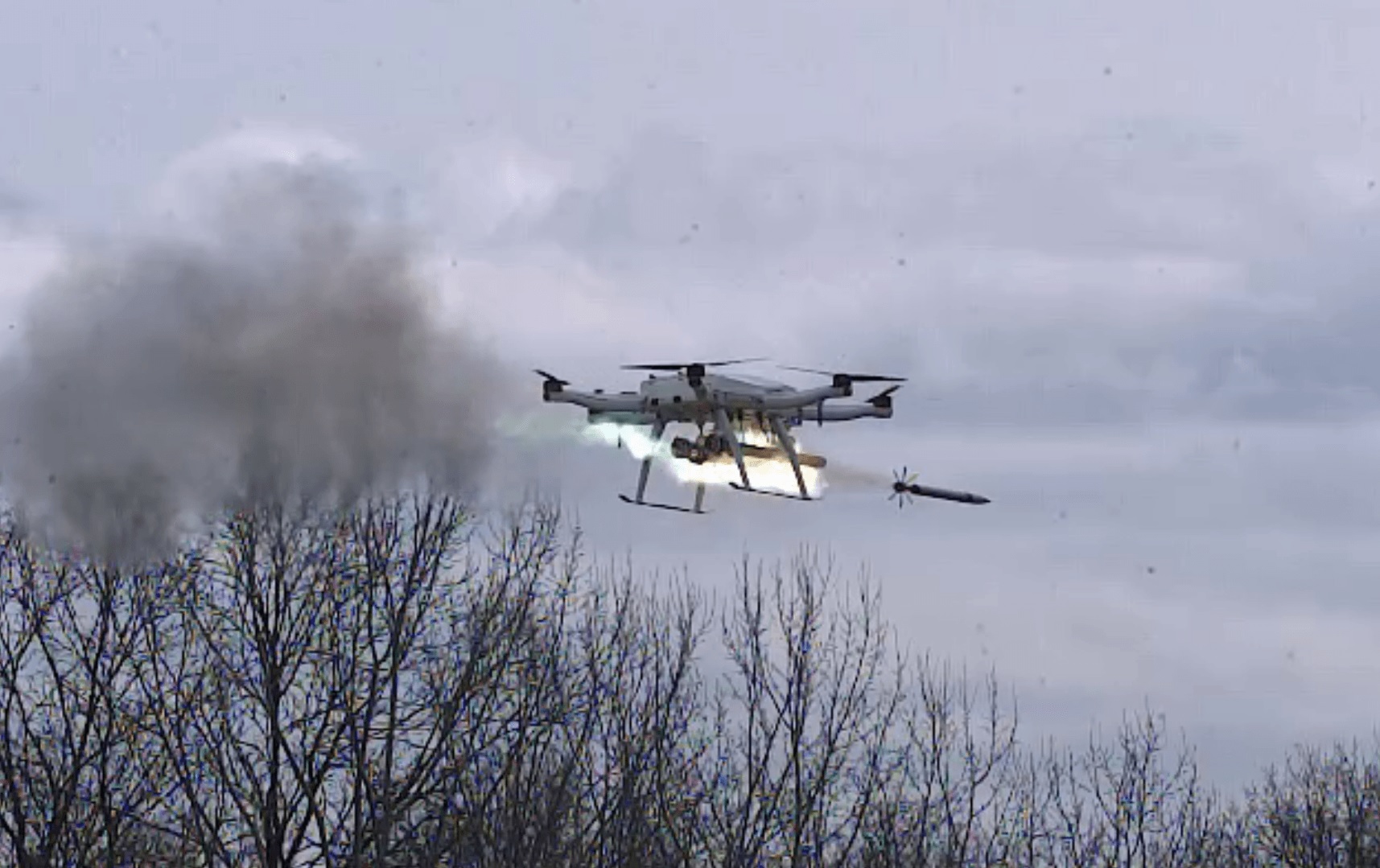
World
Šimanovci, Serbia — March 31, 2026 : Serbian aerospace firm Pink Research & Development Center (PR-DC) has announced the introduction of the IKA-ROCKET (designation: IKA-M-R57), a military-certified multicopter designed to launch three 57 mm aircraft rockets. The system follows a series of internal tests validating its structural integrity, flight stability, and operational capability during live rocket firing. The development represents an advancement in armed unmanned aerial systems, particularly in integrating rocket-based armament onto multicopter platforms while maintaining controlled flight performance. Testing Validation and Flight Stability According to PR-DC, the IKA-ROCKET successfully completed internal evaluation trials that included rocket launches from all three launch positions. The drone maintained stability during both stationary hover and forward flight conditions. Engineers attributed this performance to a specific structural configuration in which the rocket launcher tubes are aligned alongside the fuselage. This design ensures that the rockets remain close to the aircraft’s center of gravity, reducing destabilizing forces generated during launch. High-speed footage recorded at 2000 frames per second was used to verify stability and structural response during firing sequences. Platform Design and Base Architecture The IKA-ROCKET is built on the IKA-20-M platform, a certified military-grade hexacopter developed by PR-DC for autonomous operations in both day and night conditions. The platform supports a modular payload system, allowing configuration based on mission requirements. The IKA-20-M has previously been configured for multiple payload roles, including aerial bomb deployment and rocket-based systems. The rocket-launching configuration demonstrated with the IKA-ROCKET highlights the adaptability of this modular concept. The airframe is constructed using carbon-fiber-reinforced epoxy, combining structural strength with reduced weight. The platform features folding arms for transport and is designed for rapid deployment. Armament Configuration The IKA-ROCKET carries three 57 mm aircraft rockets, including compatible variants such as S-5, BR-1-57, BR-2-57, and BR-20-57, without requiring modifications. Each rocket has an approximate mass of 4 kg and a length of around 900 mm. The system is designed to fire rockets sequentially, enabling engagement of multiple targets within a single mission. Armament configurations can be adjusted based on user requirements. Payload integration includes the P-R-57-3 launcher system specifically developed for triple rocket deployment. Additional payload modules compatible with the IKA-20-M platform include aerial bomb carriers (P-AB-60-6), payload release systems (P-RM-15), and winch mechanisms (P-W-10 with 25-meter capacity). Further configurations remain under development. Technical Specifications The IKA-20-M platform has a maximum takeoff weight of 70 kg and an optimal payload capacity of 20 kg. It is powered by BLDC electric motors, each delivering up to 5.7 kW, supported by a 4.3 kWh replaceable lithium-based battery. The drone uses propellers measuring 812.8 mm in diameter with a pitch of 279.4 mm. Its dimensions are 2490 mm in length, 2400 mm in width, and 670 mm in height. Transport dimensions are reduced to 1200 mm × 1100 mm × 850 mm. Flight performance parameters include: Maximum range: up to 30 km Mission radius: 5–15 km Operating altitude: 150–500 meters Flight endurance: 20–40 minutes Maximum speed: 90 km/h Cruise speed: 60 km/h Climb rate: 10 m/s Wind resistance: up to 8 m/s Performance characteristics can be adjusted according to operational requirements. Operational Capabilities The IKA-ROCKET is designed for both autonomous missions and remote-controlled operations. The system supports simultaneous reconnaissance and combat functions through an integrated 3-axis electro-optical/infrared (EO/IR) gimbal camera with 10x optical zoom. Control is managed through the IKA-CTRL system, which allows multiple operators to simultaneously monitor and control different aspects of the drone, including flight and armament systems. The platform is designed for use in environments requiring close-range engagement, obstacle navigation, and rapid response. Additional operational features include fast battery replacement, quick armament reload, and compatibility with modular mission payloads. The system carries a NATO Stock Number (NSN) 1550-73-000-0672. Development Background The IKA-ROCKET is part of PR-DC’s broader development program focused on unmanned combat aerial systems. Earlier efforts included integrating anti-tank rocket launchers such as the 64 mm Zolja onto the IKA-20 platform. Based on those trials, PR-DC determined that a redesigned airframe was required to optimize performance for rocket-launching roles. This led to the development of a dedicated variant capable of supporting tube-based rocket systems more effectively. Manufacturer Profile PR-DC is a privately owned aerospace company based in Šimanovci, Republic of Serbia. The company operates under licenses issued by the Serbian Ministry of Defense for the research, development, and production of military unmanned aerial systems. It maintains in-house capabilities covering design, testing, verification, and manufacturing, using materials such as carbon composites, metals, plastics, and fiberglass. The company holds AS9100 certification for quality management in aviation, space, and defense production. The IKA series of drones, including the IKA-ROCKET and IKA-BOMBER (configured for twelve 60 mm aerial bombs), share common electronics and software architecture, enabling unified training and operational integration across the product line.
Read More → Posted on 2026-03-31 14:31:35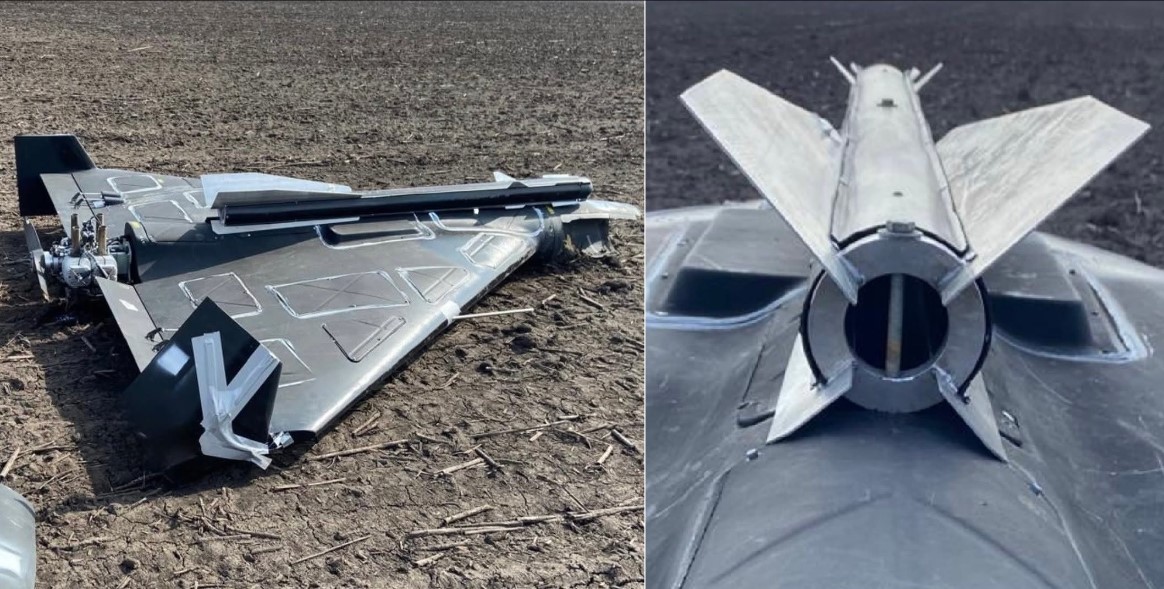
World
KYIV, — March 31, 2026 : Russian forces have begun deploying Shahed-type attack drones fitted with mock-ups of R-60 short-range air-to-air missiles, introducing a new layer of complexity to Ukraine’s air defense operations. Ukrainian officials state that the adaptation is intended to mislead interceptor units, divert defensive resources, and create uncertainty during aerial engagements. The development was disclosed by Serhii “Flash” Beskrestnov, an advisor to Ukraine’s Defense Minister, who said the replicas are designed to appear as high-value aerial threats. According to him, the visual similarity of these mock-ups to actual missile-equipped drones increases the likelihood that Ukrainian interceptor units will prioritize and engage them. Beskrestnov noted that Ukrainian army aviation units are familiar with such tactics, but emphasized that the presence of multiple interceptor units across different branches means that any drone perceived as carrying air-to-air weapons will likely be targeted. He added that identifying reliable criteria to distinguish between drones carrying real missiles and those equipped with replicas has become an operational priority. Recovered Drone Variant and Structural Modifications One of the recovered drones carrying a mock missile was identified as a Gerbera-2 variant, reportedly produced at Russia’s Alabuga facility in February 2026. Analysis of the wreckage showed that the replica missile included realistic aerodynamic control surfaces, closely resembling the Soviet-era R-60 design. However, the mock-up was not mounted using a standard functional pylon. Instead, the drone’s structure had been modified to accommodate the replica alongside its primary strike payload. These modifications included trimmed lower fins and adjusted mounting points, allowing the drone to retain its standard warhead while carrying the decoy. Evolution from Functional Missile Integration The use of mock missile configurations follows earlier deployments of functional R-60 missiles on Shahed-type drones. The first confirmed use of operational R-60 missiles in this role was recorded in early December 2025. Since then, Ukrainian forces have repeatedly recovered fragments of such missiles from downed drones, including newer variants equipped with jet propulsion. In operational configurations, the R-60 missile is mounted together with an APU-60-1MD launcher on a specialized bracket positioned at the upper forward section of the UAV fuselage. This arrangement enables the drone to carry out its primary strike mission while also presenting a potential threat to aircraft operating nearby. The R-60 itself is a Soviet-era infrared-guided, short-range air-to-air missile originally designed for fighter aircraft. Its recognizable shape and mounting configuration contribute to the effectiveness of the mock-up as a decoy. Onboard Systems and Targeting Mechanism According to Ukraine’s Defense Intelligence (HUR), missile-equipped variants of these drones incorporate several additional onboard systems. These include two cameras—one located in the nose and another positioned behind the missile launcher—to support visual targeting. Video transmission and control signals are handled through a Chinese-made mesh communication device, identified as the Xingkay Tech XK-F358 modem. This system enables real-time video streaming from the drone to a remote operator. The targeting process is believed to rely on manual operator input. Once a Ukrainian aircraft or helicopter is visually identified through the live video feed, the operator can issue a launch command. Navigation and flight control systems remain consistent with standard Shahed/Geran-2 configurations. However, satellite navigation is reinforced by a 12-channel anti-jamming module known as “Kometa”, which is designed to maintain operational capability in environments affected by electronic warfare. Some modified drones are assessed to retain their full strike payload, including warheads such as thermobaric charges, while simultaneously carrying air-to-air missiles or their replicas. Broader Pattern of UAV Adaptation The integration of both functional missiles and mock-ups reflects a broader pattern of ongoing modifications to Russian loitering munitions. Intelligence assessments indicate that Russian forces have also experimented with integrating other air defense-related systems into UAV platforms, including the 9K333 Verba man-portable air-defense system (MANPADS). Additionally, newer jet-powered variants, such as the Geran-5, are reported to have the capacity to carry heavier air-to-air missiles, including the R-73. These developments are aimed at complicating Ukraine’s layered air defense network, particularly during large-scale drone attacks where multiple targets must be assessed and prioritized in real time. Operational Implications for Ukrainian Defenses The introduction of missile mock-ups presents a specific challenge for Ukrainian air defense units. Operators must now evaluate not only the presence of external payloads but also mounting structures, symmetry, and in-flight behavior to determine whether a drone carries a functional weapon. This added layer of uncertainty increases the risk of expending interceptor resources on non-functional decoys while potentially allowing genuinely armed drones to pose a threat to aircraft. Ukrainian officials indicate that efforts are ongoing to refine identification methods and improve response protocols, as both real and mock-equipped drones continue to be intercepted and analyzed following engagements. The adaptation underscores the continuing evolution of unmanned aerial systems in the conflict, with both sides adjusting tactics and technologies to influence the effectiveness of air defense operations.
Read More → Posted on 2026-03-31 14:18:27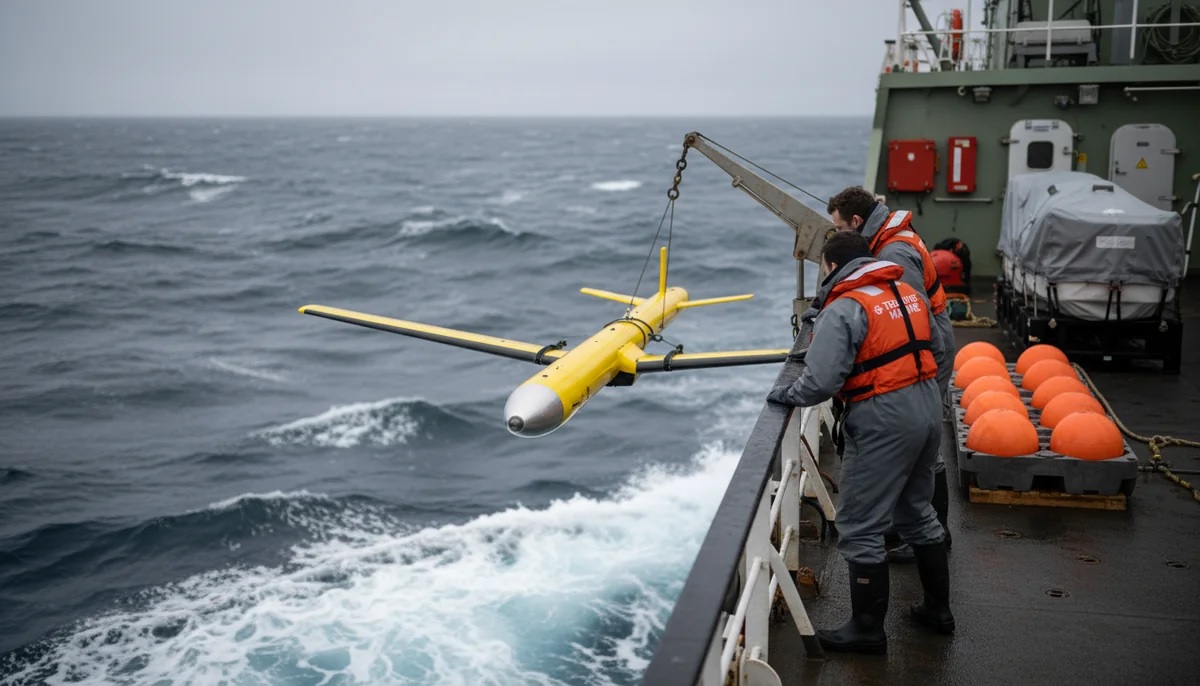
World
LONDON, — March 31, 2026 : The UK Ministry of Defence (MOD) has awarded a contract to Teledyne Marine, a division of Teledyne Technologies Incorporated, for the supply of autonomous oceanographic data collection systems to the Royal Navy. The procurement falls under the Future Maritime Data Gathering (FMDG) – Persistent Oceanographic Data Collect programme, aimed at strengthening the Navy’s long-endurance environmental monitoring and data-gathering capabilities. Contract Scope and Value The contract has been awarded to Teledyne Instruments Inc., operating as Teledyne Webb Research, through a direct-award process. It covers an initial two-year period from March 2026 to March 2028, with a base value of £8 million (including VAT). The agreement includes options to expand the total value to £12 million, with a potential extension of the programme timeline to 2030. Under the terms of the contract, Teledyne will deliver up to 15 oceanographic gliders, including Sentinel and Slocum models, along with APEX floats and associated support services. These uncrewed systems are designed for long-endurance missions in remote and complex maritime environments, providing continuous subsurface data collection. Technical Justification and Direct Award The MOD justified the direct award based on technical compatibility and operational continuity requirements. Teledyne is the original equipment manufacturer (OEM) for the Royal Navy’s existing fleet of nine Slocum gliders and maintains proprietary design frameworks and integration protocols required to interface with the MOD’s underwater battlespace architecture. According to the MOD, selecting an alternative supplier would require new safety certifications and system integration processes, potentially delaying operational deployment by 12 to 18 months. It would also introduce compatibility challenges with existing command-and-control systems and secure data exchange frameworks. Teledyne currently remains the only supplier with a verified safety case for Royal Navy glider operations. Operational Role and Strategic Context The systems acquired under the FMDG programme will be deployed to frontline Information Warfare Meteorological and Oceanographic (IW METOC) operators. The data collected will support maritime safety, operational planning, and broader defence activities by providing detailed environmental intelligence. Commander Mark Butcher, the Royal Navy’s Capability Sponsor, stated that the investment supports the First Sea Lord’s Hybrid Navy strategy and enhances the service’s ability to operate in contested maritime environments, particularly in the North Atlantic. He noted that persistent oceanographic data improves understanding of the underwater battlespace and enables tactical exploitation of environmental conditions, contributing to operational and informational advantages. The programme also directly supports the Royal Navy’s Atlantic Bastion strategy, which focuses on maintaining strategic awareness and operational readiness in the North Atlantic region. Existing Systems and Support Infrastructure The Royal Navy has operated Teledyne Slocum gliders since 2015 as part of its oceanographic and environmental monitoring framework. In addition to the new contract, Teledyne has secured In-Service Support (ISS) agreements covering Slocum gliders, APEX floats, and Gavia Autonomous Underwater Vehicles (AUVs). These agreements provide maintenance, repair, and operational support to multiple Royal Navy units, including the Plymouth-based METOC Information Warfare Group, the Hydrographic Exploitation Group, and the Portsmouth-based Mine Threat Exploitation Group. To support the expanding fleet, Teledyne has increased its UK-based infrastructure. The company has established a repair and support facility in Fareham, co-located with Raymarine, and is preparing to open an additional facility in Plymouth in the first quarter of 2026. The Plymouth site will support operations at His Majesty’s Naval Base Devonport and facilitate engagement with the National Centre for Marine Autonomy. Teledyne employs approximately 2,700 personnel across 18 principal sites in the United Kingdom, supporting both defence and commercial operations. Global Deployment and Industry Position Teledyne’s autonomous ocean systems are widely used by naval, scientific, and commercial organisations worldwide. The company has delivered more than 12,000 APEX floats and nearly 1,300 Slocum gliders to date, with over 600 systems currently in service with NATO naval users. In addition, Teledyne’s Gavia AUV platforms have been procured by 18 navies globally and remain operational across multiple NATO and AUKUS member states. The company’s systems are designed to operate in demanding conditions and support a range of missions, including environmental monitoring, underwater surveillance, and maritime domain awareness. Industry and Official Statements George Bobb, President and CEO of Teledyne, stated that the contract reflects continued confidence in the company’s autonomous underwater technologies and its long-standing partnership with the Royal Navy. He said the company remains focused on delivering mission-ready systems capable of generating high-quality ocean data for defence applications. The MOD indicated that the FMDG programme builds on more than a decade of operational experience with Teledyne systems and reflects the increasing role of uncrewed technologies in modern naval operations.
Read More → Posted on 2026-03-31 14:08:11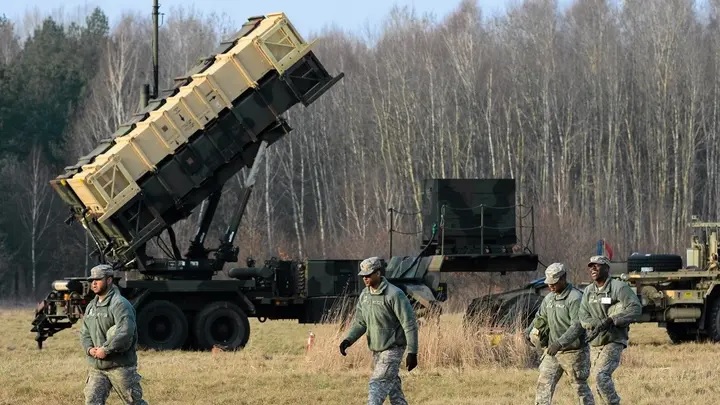
World
Warsaw, — March 31, 2026 : Poland has declined an informal request from the United States to deploy one of its Patriot PAC-3 long-range air defense batteries to Saudi Arabia, underscoring mounting pressure on global air defense resources as ongoing conflicts in the Middle East continue to strain interceptor inventories. The request, made informally by Washington, sought the temporary deployment of one of Poland’s two operational Patriot batteries, along with associated PAC-3 MSE interceptor missiles already delivered to the country. However, Polish Defense Minister Władysław Kosiniak-Kamysz confirmed that the systems will remain in Poland, emphasizing their role in safeguarding national airspace and NATO’s eastern flank. Poland, which shares borders with Russia, Belarus, and Ukraine, has consistently maintained that its limited air defense assets cannot be redeployed abroad without affecting domestic security. Currently operating only two fully functional Patriot batteries—comprising a total of 16 launchers—any transfer would effectively reduce the country’s medium-range air defense capability by half. Polish officials have reiterated that these systems are integral to national defense, with prior statements stressing that Polish Patriots are designated to protect domestic airspace. The Patriot systems in Polish service, integrated with the U.S. Integrated Air and Missile Defense Battle Command System (IBCS), achieved full operational capability in December 2025. They represent the first phase of Poland’s Wisła air defense modernization program, which ultimately aims to field eight batteries. Additional systems have been ordered but are scheduled for delivery through 2027 and later in the decade. Poland’s decision contrasts with that of Greece, which has maintained a Patriot battery deployment in Saudi Arabia since 2021. The Greek-operated system, staffed by its own personnel, reportedly intercepted two Iranian ballistic missiles targeting Saudi oil infrastructure on March 19, 2026. The U.S. request comes amid increasing demand for air and missile defense systems across the Middle East. Washington is working to reinforce protection for its forces and allied infrastructure in Saudi Arabia, the United Arab Emirates, Jordan, and Israel, as the region experiences sustained drone and ballistic missile attacks linked to escalating conflict involving Iran and its affiliated groups since late February 2026. This operational environment has significantly accelerated the consumption of interceptor missiles, particularly the Patriot PAC-3 MSE. U.S. and partner forces have relied heavily on these systems to counter a range of aerial threats, including drones and ballistic missiles. The high usage rate, combined with the **cost and production timelines of interceptors—often extending over multiple years—**has contributed to a growing shortage. Gulf countries, including Saudi Arabia and the UAE, have also reported rapid depletion of their interceptor stockpiles. In response, the United States approved a potential $9 billion arms sale to Saudi Arabia in February 2026, covering up to 730 PAC-3 MSE missiles and related equipment. However, current manufacturing capacity remains insufficient to meet immediate operational requirements. To manage the shortfall, the United States has explored redistributing available interceptors and requesting temporary deployments from allied nations. While Poland has declined to contribute a Patriot battery, it continues to pursue expansion of its own air defense capabilities under the Wisła program, including efforts to procure additional systems and approximately 800 PAC-2 GEM-T interceptor missiles. Poland’s Ministry of National Defense has stated that no formal request was submitted by the United States and that there has been no pressure from Washington regarding the matter. Officials confirmed that all currently deployed Patriot systems will remain dedicated to national and NATO defense commitments. The situation highlights broader constraints within the global air defense supply chain, where increasing operational demand, limited production capacity, and competing regional requirements continue to challenge the availability of advanced interceptor systems.
Read More → Posted on 2026-03-31 14:01:27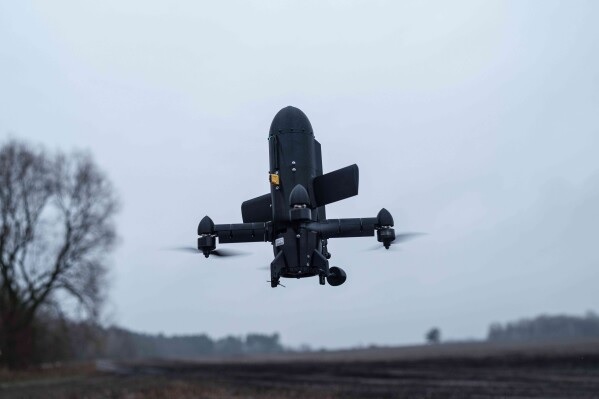
World
Kyiv, — March 31, 2026 : Ukraine’s defense technology sector is advancing the development of autonomous interceptor drones equipped with infrared seeker heads (IR SH), aiming to strengthen the country’s layered air defense against persistent threats from kamikaze drones and reconnaissance unmanned aerial vehicles (UAVs). The initiative focuses on reducing reliance on human operators during interception by integrating automated target acquisition and tracking systems. According to Denys Lohvynenko, head of the UAV division at the defense technology cluster Brave1, active research is underway to combine infrared homing with complementary sensor systems to streamline engagement processes. He noted that the primary technical challenge remains ensuring consistent reliability under combat conditions. Infrared Seeker Technology and Evolution Infrared seeker heads are widely used in modern missile systems due to their relatively compact size and lower cost compared to active radar seekers such as those deployed on the AIM-120 AMRAAM and the Russian R-77. These systems enable autonomous tracking after launch without requiring continuous external guidance. Recent advances in infrared technology have significantly improved detection and tracking capabilities. Modern sensors are capable of identifying temperature differences as small as 1°C between a target and its surroundings. Imaging infrared (IIR) arrays, which became widely adopted in the 2000s, generate full two-dimensional thermal images rather than focusing on a single heat source such as an engine exhaust. This development has increased targeting accuracy and reduced susceptibility to countermeasures like heat decoys. Earlier systems relied on linear photodetectors, which were easier to manufacture and commonly used in tank sights and early surface-to-air missiles. These systems employed mechanical scanning techniques, using oscillating or rotating mirrors to construct a two-dimensional image of the target. Addressing Low-Thermal Signature Targets One of the primary operational challenges for infrared-guided systems is detecting and tracking small UAVs with minimal heat signatures, including quadcopters and reconnaissance drones such as the Orlan-10. To address this limitation, developers are exploring hybrid guidance solutions that combine infrared sensors with visible-spectrum cameras. A comparable approach is used in Japan’s Type 91 MANPADS, which employs optical targeting during daytime operations before transitioning to infrared tracking. Similar configurations are being considered for Ukrainian interceptor drones to improve performance against low-signature aerial targets. Eclipse Interceptor Drone and Technical Specifications Ukrainian company Kolos Defense has introduced the “Eclipse”, a fixed-wing interceptor drone designed for autonomous engagement of enemy UAVs, including Shahed-type loitering munitions. The Eclipse is powered by an electric motor and carries a high-explosive warhead. It is capable of reaching speeds of up to 250 km/h, with an operational range of 40 kilometers and a service ceiling of 5,000 meters. The drone engages targets at distances of up to 7 meters and has demonstrated operational effectiveness in combat testing. In one recorded instance, it successfully destroyed a target at a distance of 33 kilometers while maintaining stable video transmission and control. The platform incorporates a terminal guidance system developed in cooperation with foreign specialists, enabling autonomous pursuit and engagement even in environments affected by electronic warfare and signal jamming. Its communication system automatically switches across frequencies ranging from 400 to 1200 MHz to maintain link stability. Some variants under testing utilize LTE-based communication. The drone also employs beacon-based positioning through triangulation, providing more precise location data compared to conventional radar-based systems regardless of terrain conditions. Pixel Lock Targeting System A key component of the Eclipse system is the “Pixel Lock” automatic detection and homing system, developed in partnership with the French company Alta Ares. The system operates in three modes. In search mode, the drone remains under manual control while automatically identifying potential targets and displaying detection probability on the operator’s interface. In lock mode, the operator selects a target, triggering a zoomed identification window for confirmation. Once verified, the system transitions to automatic guidance mode, in which the drone independently navigates toward the object. The operator retains final authority to detonate the warhead. Production and Strategic Impact The Eclipse drone currently consists of approximately 40 percent Ukrainian-produced components. This share can be increased to 70 percent domestic and 30 percent European components if required, reducing reliance on external supply chains. These developments are part of a broader effort by Ukraine to expand domestic production of interceptor drones and address shortages in air defense systems. By deploying autonomous drones that are significantly less expensive than traditional surface-to-air missiles, Ukraine is working to establish a scalable and cost-effective defense layer capable of countering large-scale drone attacks without depleting high-value missile inventories.
Read More → Posted on 2026-03-31 13:50:07
World
Kyiv, Ukraine — March 30, 2026 : Ukrainian President Volodymyr Zelenskyy has proposed deploying Ukraine’s combat-tested naval drone technology to support efforts aimed at securing and potentially unblocking the Strait of Hormuz, as part of newly negotiated long-term defense agreements with Gulf nations. The proposal follows Zelenskyy’s recent diplomatic visits to countries across the Middle East, including Saudi Arabia, the United Arab Emirates, and Qatar. Ukrainian officials confirmed that Kyiv is in active discussions with multiple Arab partners to export unmanned maritime systems, electronic warfare capabilities, and operational expertise developed during the ongoing war with Russia. Strategic Shift in Ukraine’s Defense Role The agreements, structured as 10-year partnerships and valued in the multi-billion-dollar range, represent a notable shift in Ukraine’s international role. Despite remaining heavily reliant on Western military and financial support, Ukraine is positioning itself as a defense technology supplier and strategic security partner in the Persian Gulf. Under the framework of these agreements, Ukraine and its Gulf counterparts will collaborate on joint weapons production. Plans include establishing manufacturing lines for naval drones, interceptor drones, and electronic warfare systems both within Ukraine and in partner countries across the region. Zelenskyy stated that while the United States continues to play a leading role in direct security operations in the Strait of Hormuz, Ukraine’s contribution would focus on providing operational concepts, hardware, and technical consultation. In return, Ukraine has secured commitments from Gulf nations for energy cooperation and support, which is considered critical as Russian strikes continue to target Ukraine’s domestic energy infrastructure. Strait of Hormuz and Ongoing Disruptions The Strait of Hormuz remains one of the most strategically significant maritime chokepoints globally, facilitating the transit of approximately 20 percent of the world’s daily oil supply under normal conditions. The narrow waterway, located between Iran and Oman, has recently experienced disruptions linked to Iranian actions in response to U.S. and Israeli military activities in the region. These disruptions have constrained commercial shipping, contributed to volatility in global energy markets, and raised concerns about a broader supply crisis. Addressing reporters in Kyiv, Zelenskyy linked the situation in the Gulf to Ukraine’s own experience in the Black Sea. “We raised this issue because it is painful and urgent for the whole world, due to the energy crisis,” he said. “The experience of unblocking sea trade routes with the help of, among other things, sea drones — could this experience help unblock the Strait of Hormuz?” Black Sea Operational Experience Ukraine’s proposal is based on its operational record in the Black Sea, where it has used unmanned surface vessels (USVs) to counter Russian naval forces despite lacking a traditional blue-water navy. Since 2023, Ukrainian forces have deployed domestically developed sea drones to strike Russian warships and infrastructure. According to Ukrainian officials, these operations have damaged or destroyed roughly one-third of Russia’s Black Sea Fleet. The campaign contributed to the relocation of Russian naval assets from bases in occupied Crimea to Novorossiysk on the Russian mainland. The drone operations also enabled Ukraine to establish and maintain a maritime corridor for grain exports, restoring the flow of agricultural shipments after earlier blockade attempts. Naval Drone Systems and Capabilities Ukraine’s unmanned maritime fleet includes several platforms with varying capabilities: MAGURA V5 — Developed by Ukraine’s Main Directorate of Intelligence (HUR), the MAGURA V5 is a 5.5-meter-long unmanned surface vessel with a range of up to 800 kilometers. It can carry a payload of approximately 300 kilograms, including explosives or modified surface-to-air missiles such as the R-73. The system has been used in attacks against high-value Russian naval targets, including the missile boat Ivanovets and the landing ship Caesar Kunikov. Advanced variants, including the MAGURA V7, incorporate air-to-air missile capabilities for engaging aerial targets. Sea Baby and Mamay — Operated by the Security Service of Ukraine (SBU), these larger platforms can carry payloads of up to 850 kilograms or more, including naval mines, rocket systems, and thermobaric munitions. Upgraded versions have an operational range of approximately 1,000 kilometers. These systems have undergone rapid development, with newer configurations integrating air defense features and serving as launch platforms for first-person-view (FPV) drones. In May 2025, Ukrainian officials reported a naval drone engagement in which a sea-based platform successfully targeted and destroyed a Russian Su-30 multirole fighter aircraft over the Black Sea, marking a notable expansion of drone capabilities into air defense roles. Expansion of Defense Cooperation Zelenskyy indicated that Gulf partners are actively studying Ukraine’s operational methods and technology. Ukrainian teams are already engaged in cooperation with countries including Saudi Arabia, the United Arab Emirates, Qatar, Kuwait, and Jordan, focusing on counter-drone systems and broader defense planning. “They understand that our Armed Forces were very effective in unblocking the Black Sea corridor. We are sharing these details,” Zelenskyy said. “They know that they can count on our expertise in this area.” The agreements also include provisions for software transfer, tactical training, and integration of Ukrainian systems into existing regional security frameworks. Outlook The proposed deployment of Ukrainian naval drone expertise in the Strait of Hormuz reflects Kyiv’s effort to expand its defense-industrial footprint while contributing to international maritime security. The initiative remains in the negotiation phase, with implementation dependent on final agreements with Gulf partners and coordination with existing security stakeholders in the region. Ukrainian officials emphasized that the technology and operational concepts being offered are adaptable to different maritime environments and could support efforts to stabilize shipping routes in one of the world’s most critical energy corridors.
Read More → Posted on 2026-03-30 16:56:59
World
Washington, D.C., — March 30, 2026 : The United States has approved the sale of F-35 Lightning II stealth fighter jets to Saudi Arabia as part of a newly formalized Strategic Defense Agreement (SDA), marking a significant development in bilateral defense relations and a shift in U.S. arms export policy in the Middle East. The announcement was made by U.S. President Donald Trump during a White House meeting with Saudi Crown Prince Mohammed bin Salman. During the Oval Office engagement, Trump confirmed that Washington would proceed with supplying the fifth-generation fighter aircraft, describing Saudi Arabia as a “great ally” and emphasizing the importance of the agreement in strengthening long-term strategic ties. Strategic Defense Agreement and MNNA Designation The F-35 approval forms a central component of the broader U.S.-Saudi Strategic Defense Agreement, a framework designed to expand cooperation across defense, technology, and economic sectors. As part of the agreement, the United States has formally designated Saudi Arabia as a Major Non-NATO Ally (MNNA), a status that enables closer military coordination, access to advanced defense technologies, and streamlined procurement processes. The SDA also integrates defense trade with broader strategic cooperation, aligning military modernization efforts with economic and technological partnerships between the two countries. Defense Package Details According to U.S. and defense industry reports, Saudi Arabia has requested up to 48 F-35 aircraft, equivalent to approximately two operational squadrons. The aircraft are expected to be of the F-35A variant, the conventional takeoff and landing model used by multiple U.S. allies. The F-35 Lightning II, manufactured by Lockheed Martin, is a fifth-generation multirole fighter designed for air superiority, precision strike missions, electronic warfare, and intelligence, surveillance, and reconnaissance (ISR). The platform incorporates stealth shaping, radar-absorbent materials, advanced sensor fusion, and secure data-link networking capabilities, enabling integrated battlefield operations. In addition to the fighter aircraft, the defense package includes the planned sale of nearly 300 M1 Abrams main battle tanks to the Saudi Armed Forces. The Abrams platform is a key component of U.S. armored warfare capability and has been previously exported to several allied nations. Industry discussions tied to the agreement also include potential procurement of advanced unmanned aerial systems such as the MQ-9B, which would expand Saudi Arabia’s ISR and long-endurance strike capabilities. Regulatory Process and Delivery Timeline The F-35 sale will proceed under the U.S. Foreign Military Sales (FMS) framework, which is administered by the Department of Defense in coordination with the Department of State. The process requires interagency review, compliance checks, and formal congressional notification before final authorization and contract execution. Only after completion of these steps can manufacturing schedules and delivery timelines be finalized. The F-35 program remains one of the most tightly controlled U.S. defense exports due to the sensitivity of its technologies. Regional Security Considerations The proposed transfer introduces several strategic and regulatory considerations for U.S. policymakers, particularly concerning Israel’s Qualitative Military Edge (QME). U.S. law mandates that American arms exports to the Middle East must not erode Israel’s military superiority in the region. Historically, this requirement has limited the export of advanced platforms such as the F-35 to Arab states. If the sale proceeds, Saudi Arabia would become the second country in the Middle East, after Israel, to operate the aircraft. President Trump stated that the systems provided would be “top of the line”, indicating no reduction in capability. Technology security remains another central concern. U.S. defense and intelligence officials are expected to impose strict safeguards to protect sensitive F-35 technologies, particularly in light of Saudi Arabia’s existing economic and technological ties with China. These measures are intended to prevent unauthorized access or transfer of classified systems and operational data. Economic and Technological Cooperation Alongside the defense agreement, both countries announced a series of economic and technological initiatives aimed at expanding bilateral investment and industrial collaboration. The White House stated that Saudi Arabia plans to increase its investment commitments in the United States to nearly $1 trillion over the coming years. Several memorandums of understanding (MoUs) were signed during the visit, covering key sectors: A Civil Nuclear Cooperation Agreement, enabling U.S. companies to participate in Saudi Arabia’s civilian nuclear energy program under established nonproliferation standards. An Artificial Intelligence cooperation framework, granting Saudi Arabia access to U.S. AI systems while incorporating safeguards to protect American technologies. A Critical Minerals initiative, focused on securing and diversifying supply chains essential for advanced manufacturing and defense production. Continuing Defense Partnership The F-35 sale builds on a long-standing defense relationship between the United States and Saudi Arabia, which has included previous transfers of advanced military systems such as the F-15 fighter aircraft. The current agreement represents an expansion of that partnership, integrating next-generation capabilities within a broader strategic framework. If fully approved and implemented, the deal will position Saudi Arabia among a limited group of countries operating fifth-generation stealth aircraft, while reinforcing U.S. defense industry engagement and strategic alignment in the region.
Read More → Posted on 2026-03-30 16:50:10
World
Tel Aviv, — March 30, 2026 : The Israel Defense Forces (IDF) have received a new shipment of thousands of X95 Micro-Tavor rifles from Israel Weapon Industries (IWI), a subsidiary of the SK Group, as part of an ongoing procurement program to sustain and modernize its small-arms inventory. The delivery supports the IDF’s broader effort to maintain operational readiness across active-duty and reserve units by ensuring continued access to standardized, combat-proven infantry weapons. The X95 platform remains a primary service rifle within the IDF and is actively deployed in current operations. Operational Role and Deployment The X95 was developed in close coordination with elite IDF units to meet evolving operational requirements across military, police, and special-forces roles. It has been in service since 2006 and was formally selected as the IDF’s standard infantry rifle in 2009. Defense officials indicate that the system is optimized for modern combat environments, particularly close-quarters battle (CQB), urban warfare, and subterranean operations. Its compact configuration enables effective maneuverability in confined spaces while maintaining combat effectiveness. The rifle continues to equip frontline formations, including infantry brigades such as Nahal, Golani, and Givati, and is also fielded across reserve components. Previous procurement cycles included a 2023 order of approximately 2,800 units. Design and Technical Characteristics The X95 is based on a bullpup configuration, placing the action and magazine behind the trigger group. This layout allows for a longer barrel within a shorter overall weapon length, improving handling without reducing ballistic performance. Depending on the configuration, overall length ranges from approximately 580 mm to 714 mm. The platform incorporates barrel options of 380 mm (15 inches) and 419 mm (16.5 inches), alongside refinements such as a lighter trigger pull introduced in later variants. It is primarily chambered in 5.56×45 mm NATO for IDF use. The rifle is designed with modularity in mind and can be converted to multiple calibers, including 9×19 mm, 5.45×39 mm, and .300 AAC Blackout, using dedicated conversion kits. This flexibility allows units to adapt the weapon to different mission profiles. Materials, Mechanism, and Maintenance The X95 features a high-strength, impact-modified polymer construction, reducing overall weight while maintaining durability under operational stress. The design is intended to minimize operator fatigue during extended use. It operates using a long-stroke gas piston system with a rotating bolt and closed-bolt firing mechanism, contributing to consistent reliability and stable firing performance across varying environmental conditions. The rifle includes fully interchangeable components to simplify field maintenance and logistical support. Its modular architecture allows rapid reconfiguration and ease of servicing in operational settings. Tactical Features and Ergonomics The X95 is fully ambidextrous, enabling operation by both left- and right-handed users without modification. Standard features include a last-round bolt catch, integrated folding backup iron sights, and a 360-degree modular Picatinny rail system. The rail interface supports the attachment of optics, illumination devices, laser aiming modules, and infrared systems, enabling customization based on mission requirements. Industry Statement Ronen Hamudot, Executive Vice President of Marketing and Sales at IWI and Vice Chairman of the SK Group, commented on the delivery, emphasizing the continued collaboration between the manufacturer and the Israeli military. He stated that the latest shipment reflects ongoing efforts to support IDF operational readiness with systems designed for current combat conditions and developed in coordination with end users. International Use and Standards In addition to its service within Israel, the X95 is in active use with military and law enforcement organizations in multiple countries. The platform is manufactured in compliance with NATO operational and environmental standards, supporting its adoption across a range of international users. Continued Role in IDF Inventory The X95 remains a central component of the IDF’s infantry weapons inventory. Its compact dimensions, modular design, and adaptability to various calibers and operational roles contribute to its continued deployment in active missions. The latest delivery ensures sustained availability of the platform across both regular and reserve forces, reinforcing the IDF’s standardized small-arms capability.
Read More → Posted on 2026-03-30 16:08:16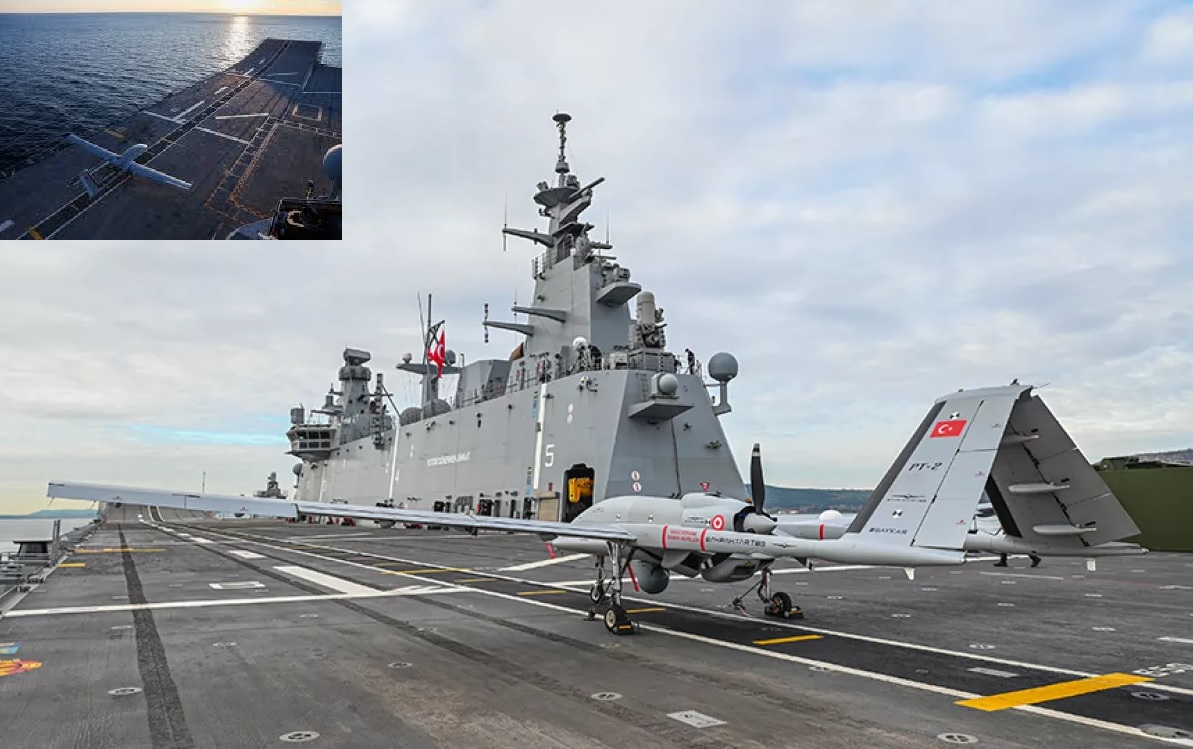
World
Rome, — March 30, 2026 : The Italian Navy is moving forward with plans to acquire the Bayraktar TB3 unmanned combat aerial vehicle (UCAV) for deployment aboard its aircraft carrier Cavour, marking a significant step in the service’s expansion of carrier-based unmanned aviation. The plan was confirmed by Admiral Giuseppe Berutti Bergotto, Chief of the Italian Navy, during testimony before the Italian Senate’s Foreign Affairs and Defence Committee on March 25, 2026. He stated that the acquisition would be executed through Italian defense company Leonardo, under its joint venture arrangement with Turkish drone manufacturer Baykar. Berutti Bergotto told lawmakers that Leonardo’s cooperation agreement with Baykar enables the procurement pathway, noting that the TB3 “can be integrated on board the Cavour,” providing both surveillance capabilities and the option to carry armament. Acquisition Framework Through LBA Systems The procurement will be handled via LBA Systems, a 50–50 joint venture established in June 2025 between Leonardo and Baykar and headquartered in Italy. The company is responsible for the design, development, production, and support of unmanned systems under the partnership. Production of the TB3 for Italy is planned at Leonardo’s facility in Ronchi dei Legionari in northern Italy, while certification of the system within Italy is scheduled for completion in 2026. The collaboration combines Baykar’s airframe and platform development with Leonardo’s expertise in sensors, electronic systems, and NATO-standard integration. First European Operator With this acquisition, Italy is set to become the first European operator of the Bayraktar TB3. Indonesia has previously been identified as the first export customer overall, with plans to procure both land-based and naval variants of the platform. Navalised UCAV Design and Capabilities The Bayraktar TB3 is a navalised development of the widely deployed TB2 platform, specifically engineered for operations from short-deck aircraft carriers and amphibious assault ships. Key design adaptations include folding wings to enable efficient deck handling and storage, reinforced landing gear for carrier operations, and maritime-optimized systems suited for harsh sea environments. The platform is powered by a TEI-PD170 turbo-diesel engine and has a maximum takeoff weight of approximately 1,450 kilograms. The TB3 offers an endurance exceeding 24 hours and supports a payload capacity of up to 280 kilograms. It is capable of carrying precision-guided munitions such as Roketsan’s MAM-L, as well as other modular payloads for intelligence, surveillance, and reconnaissance (ISR) missions. The system is also compatible with additional strike capabilities, including loitering munitions such as the Kemankeş series. Demonstrated Performance in NATO Exercise Operational performance of the TB3 was demonstrated during NATO’s Steadfast Dart 2026 exercise, conducted between January and March 2026 in the Baltic Sea. During the exercise, three TB3 UCAVs were deployed aboard the Turkish Navy’s amphibious assault ship TCG Anadolu. The aircraft completed a total of 232 sorties, conducting fully autonomous take-offs and landings in cold-weather conditions. Missions included ISR operations and live-fire strike scenarios using MAM-L precision-guided munitions, demonstrating the platform’s capability to operate in challenging maritime and environmental conditions. Integration with Carrier Air Wing The Italian Navy currently operates F-35B short take-off and vertical landing (STOVL) fighters from Cavour. The addition of the TB3 will introduce an organic fixed-wing unmanned capability alongside these manned aircraft. This integration is expected to support extended-duration ISR missions, improve situational awareness, and provide additional strike options while allowing high-end assets such as the F-35B to be reserved for more complex operational scenarios. Broader Unmanned Systems Portfolio The TB3 acquisition forms part of a wider effort by the Italian Navy to expand its unmanned systems capabilities across multiple platforms. The Navy currently operates the ScanEagle UAV aboard FREMM-class frigates for maritime surveillance and reconnaissance tasks. In addition, Admiral Berutti Bergotto confirmed the recent acquisition of a vertical take-off and landing (VTOL) unmanned system known as the “Revolution” drone, developed by Italian company General Defence. According to the Navy, the Revolution system is designed to extend surveillance capabilities from naval units and can deploy a secondary drone functioning as a loitering munition for strike missions. Program Status The integration of the TB3 is part of Italy’s broader strategy to develop a layered and distributed unmanned aviation capability within its naval forces. The system is expected to complement existing assets and enhance operational flexibility in maritime environments. No details have been released regarding the number of TB3 units to be procured or the delivery timeline for the Italian Navy.
Read More → Posted on 2026-03-30 15:58:41
World
YOKOHAMA, JAPAN — March 30, 2026 : Japan’s ENEOS Corporation has successfully produced synthetic fuel (e-fuel) at its demonstration facility using only atmospheric carbon dioxide (CO₂), water, and renewable electricity. The achievement marks a technical milestone in the development of carbon-neutral liquid fuels, though the company is reassessing plans for large-scale commercialization due to economic constraints. Demonstration Plant and Production Capacity The synthetic fuel is being produced at ENEOS’s Central Technical Research Laboratory in Yokohama, where Japan’s first integrated synthetic fuel demonstration plant was completed in 2024. Operations began in September 2024, and the facility has since generated its initial batches of fuel. The plant has a production capacity of approximately one barrel per day, equivalent to about 159 litres. While modest in scale, the facility is designed to validate core technologies required for future industrial deployment, including continuous operation, efficiency improvements, and yield optimization. The project was developed under Japan’s Green Innovation Fund, commissioned by the New Energy and Industrial Technology Development Organization (NEDO). Integrated Production Process The synthetic fuel production at the Yokohama plant follows a three-stage integrated chemical process: Feedstock Supply: Carbon dioxide (CO₂) is captured directly from the atmosphere using a Direct Air Capture (DAC) system supplied by Climeworks AG. Hydrogen is produced on-site through water electrolysis powered entirely by green electricity, marking the first such application in Japan for synthetic fuel production. Reverse Water Gas Shift Reaction: Captured CO₂ reacts with hydrogen to form carbon monoxide and water, producing synthesis gas (syngas). Fischer–Tropsch Synthesis and Refining: The syngas is converted into synthetic crude oil via Fischer–Tropsch synthesis. This intermediate product is then upgraded through hydrotreating and refining processes to produce finished fuels. Fuel Characteristics and Applications The resulting fuels include gasoline, jet fuel, diesel, and marine fuel, all of which are chemically equivalent to conventional petroleum products. The fuels contain no petroleum-derived components. Because the CO₂ used in production is captured from the atmosphere, the fuel is considered carbon-neutral across its life cycle. The CO₂ emitted during combustion is offset by the amount removed during production. In addition, the synthetic fuel has a cleaner composition, as it does not contain sulfur or heavy metals. This reduces emissions of pollutants such as sulfur oxides (SOx) and nitrogen oxides (NOx). A key advantage is full compatibility with existing systems. The fuel can be used in internal combustion engines, aircraft, and ships without modification, and it can be transported and stored using existing fuel infrastructure, including pipelines and storage facilities. Use Cases and Demonstrations Synthetic fuel produced at the facility has already been used in vehicle driving demonstrations. It has also been scheduled for use in shuttle buses and other transport systems at the 2025 Osaka-Kansai Expo. ENEOS is targeting sectors where electrification or direct hydrogen use remains technically challenging. These include: Long-haul aviation Marine shipping Heavy-duty road transport Industrial applications requiring high energy density The fuel’s high energy density, comparable to conventional petroleum, makes it suitable for these applications where battery-based systems are less viable. Cost and Efficiency Challenges Despite the successful demonstration, ENEOS has identified several challenges related to scaling the technology. The production process is energy-intensive, requiring substantial amounts of renewable electricity for water electrolysis, carbon capture, and fuel synthesis. As a result, the overall energy requirement per unit of fuel is significantly higher than that of battery-electric alternatives. The primary cost driver is the production of green hydrogen. Industry estimates indicate that synthetic fuel currently costs several times more than fossil-derived fuels, with operating costs for vehicles running on e-fuel estimated at $0.30 to $0.50 per kilometer, compared to $0.05 to $0.10 per kilometer for battery-electric vehicles. Revised Commercial Strategy ENEOS had previously outlined plans to scale production, including a 300-barrel-per-day pilot plant by 2028 and a long-term goal of 10,000 barrels per day by 2040. However, due to rising construction costs and persistently high hydrogen production expenses, the company has revised its strategy. ENEOS has informed Japan’s Ministry of Economy, Trade and Industry (METI) that it will pause commercial scale-up of CO₂-based synthetic fuel projects by March 2027. Instead, the company is shifting focus toward advanced biofuels, including those derived from gasified biomass such as wood chips, which currently present more favorable economic conditions. Role of the Demonstration Plant Although commercial expansion is temporarily halted, the Yokohama facility remains an important technical validation platform. It enables continued testing and optimization of synthetic fuel production processes and provides operational data for future development. The project demonstrates that liquid fuels can be synthesized entirely from atmospheric CO₂ and water using renewable energy, offering a potential pathway toward carbon-neutral fuels for sectors where alternatives remain limited. ENEOS has stated that it will continue evaluating improvements in efficiency and cost reduction, with the demonstration plant serving as a foundation for any future large-scale deployment.
Read More → Posted on 2026-03-30 15:46:25
World
MADRID, — March 30, 2026 : Spain has formally closed its airspace to all United States military aircraft involved in operations against Iran, extending an earlier decision that barred the use of Spanish military bases for such missions. The move marks a significant policy step by Madrid, reinforcing its position of non-participation in the ongoing U.S. and Israeli military campaign. The decision, confirmed on March 30 by Defence Minister Margarita Robles, applies broadly to aircraft directly or indirectly linked to the operation known as Operation Epic Fury. It includes not only aircraft stationed within Spain but also those operating from third countries such as the United Kingdom and France. Spanish authorities have rejected all related flight plans, allowing exceptions only in emergency situations. Expanded Restrictions on Bases and Overflights The airspace closure builds upon restrictions first outlined earlier in March, when Spain prohibited the use of jointly operated military facilities at Rota in Cádiz and Morón de la Frontera in Seville for operations connected to strikes on Iran. These bases, while used by U.S. forces, remain under Spanish sovereignty. Foreign Minister José Manuel Albares had stated on March 2 that the bases would not be used for any activity outside the scope of bilateral agreements or inconsistent with the Charter of the United Nations. He emphasized that Spain would not permit its territory to support actions lacking a clear international legal framework. Following that announcement, at least 15 U.S. aircraft—primarily KC-135 aerial refuelling tankers—departed from the affected bases. Flight tracking data indicated that several of these aircraft were subsequently relocated to installations in Germany. Government Position on International Law Prime Minister Pedro Sánchez reiterated the government’s stance before Congress, stating that Spain has neither provided nor will provide any form of support for the military operations against Iran. He stressed that Spain’s defence cooperation agreements with the United States must operate strictly within the framework of international law. The Spanish government has described the U.S. and Israeli actions as unilateral and outside the provisions of the United Nations Charter. Officials have maintained that both airspace and base access will not be granted for operations that do not align with these legal standards. Divergence Within NATO Spain’s position places it at variance with several NATO allies, including France, Germany, and the United Kingdom, which have taken different approaches regarding the operations. Madrid has sought to distance itself from these positions, underscoring its independent assessment of the legal and political dimensions of the conflict. Despite the disagreement, Spanish authorities have indicated that existing defence arrangements with NATO partners remain in place for activities not related to the Iran operations. Strait of Hormuz Developments In a related development, Iran has granted Spain free passage through the Strait of Hormuz, a critical maritime route for global energy shipments. The gesture comes amid heightened tensions in the region and follows Spain’s decision not to support the military campaign. The Spanish government has ruled out participation in any military missions in the Strait, reiterating its position that the ongoing operations against Iran are not consistent with international law. Operational Impact While Spanish officials have not provided detailed assessments of the operational consequences, the closure of both airspace and key logistical bases is expected to affect flight routing and support arrangements for U.S. forces operating in and around the Middle East. The government has maintained that its decisions are guided by adherence to international law and the established terms of its defence agreements. Authorities have emphasized that Spanish territory—including airspace and military installations—will not be used to facilitate operations that fall outside these parameters.
Read More → Posted on 2026-03-30 15:21:03Search
Top Trending in 24 Hours
-
 North Korea Preparing Largest Military Deployment Abroad With 30,000 Troops for Russia, Zelensky Says
-
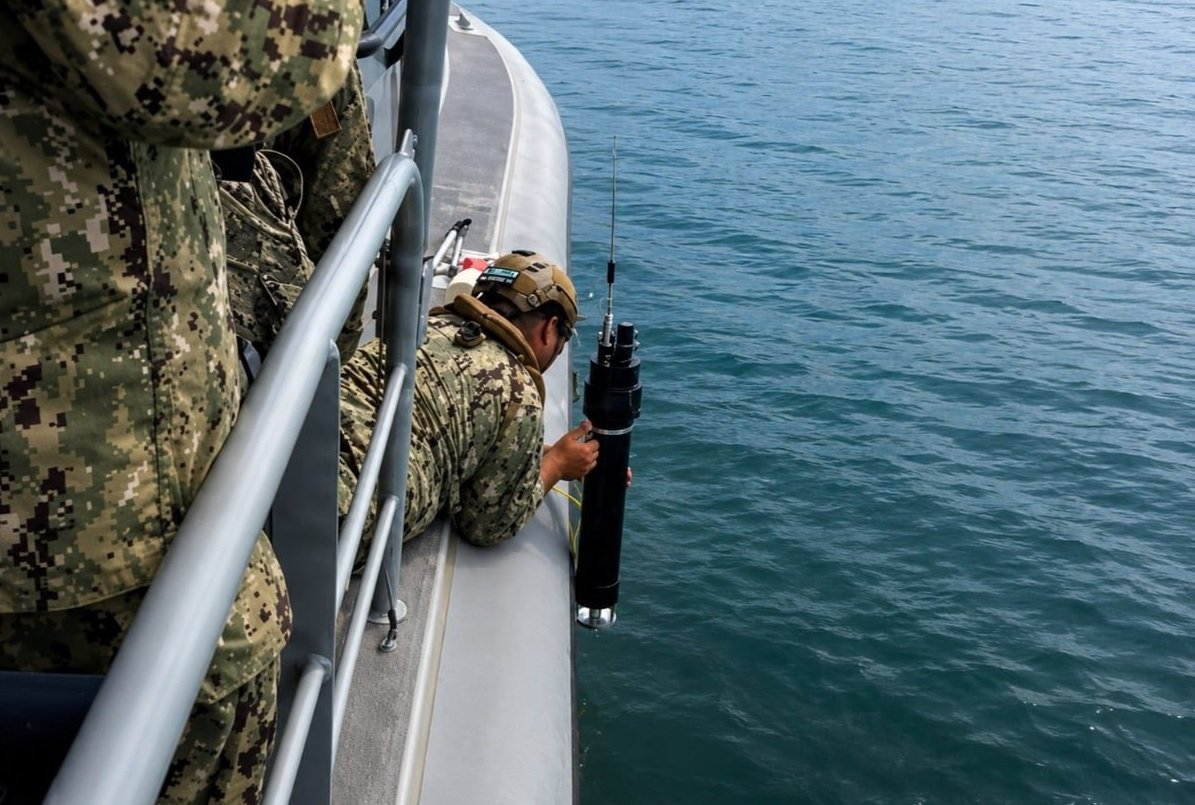 U.S. Army, Navy and Space Force Successfully Test Maritime Version of ‘Hammer of the Gods’ EW System During Project Convergence 2026
-
 Undisclosed Middle East Customer Orders Two Saab GlobalEye AEW&C Aircraft in $1.04 Billion Deal
-
 Unitree Unveils Super Athlete AS2-W Hybrid Wheeled-Legged Robot for Rugged Terrain Operations
-
 U.S. and France Clash Over U.N. Human Rights Leadership Vote
-
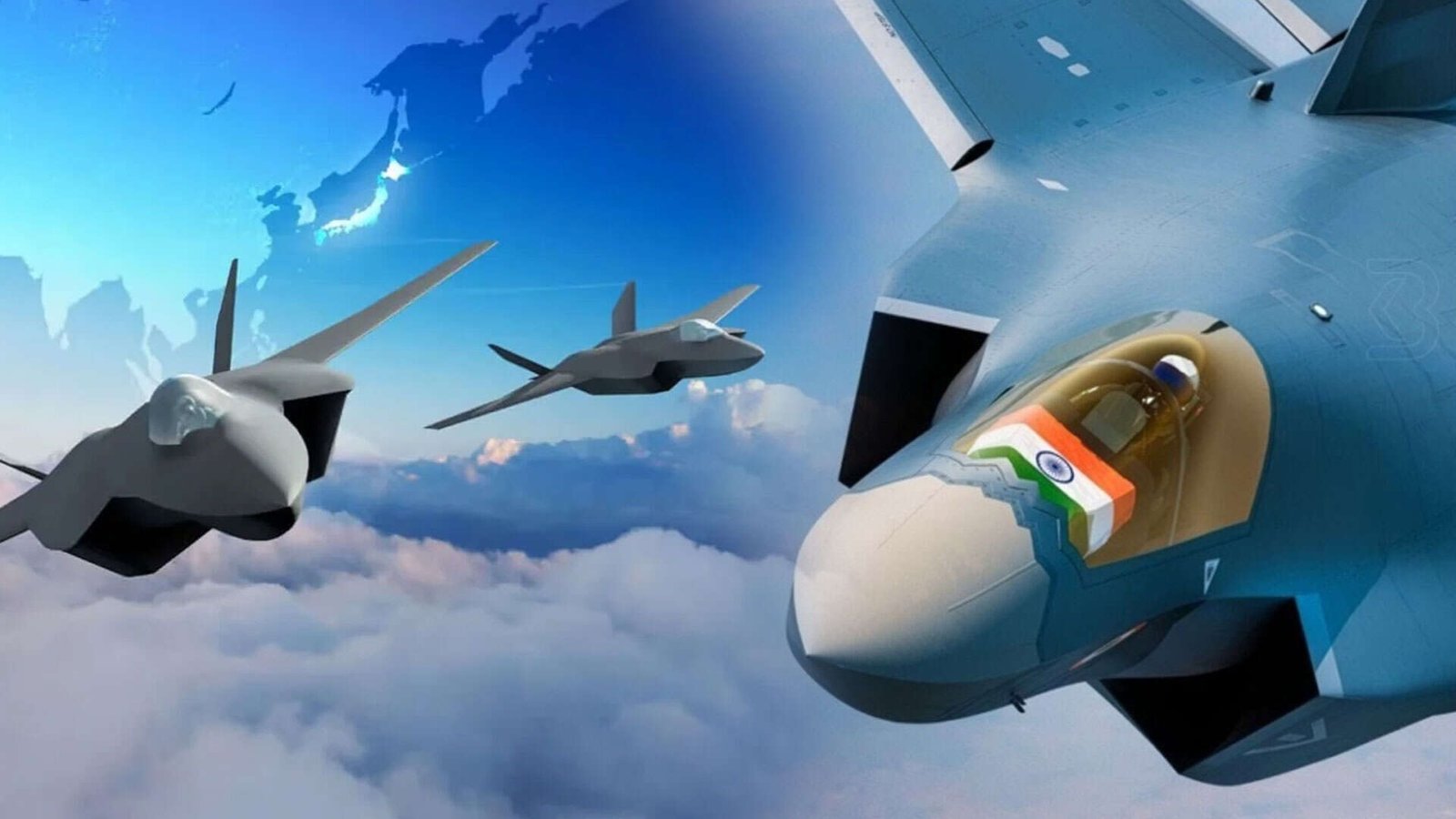 India Must Join GCAP by End-2026 or Risk Missing the Sixth-Generation Fighter Program, Leonardo CEO Signals
-
 Iran Connects First Geothermal Power Plant to National Grid, Sabalan Site Holds 250 MW Potential
-
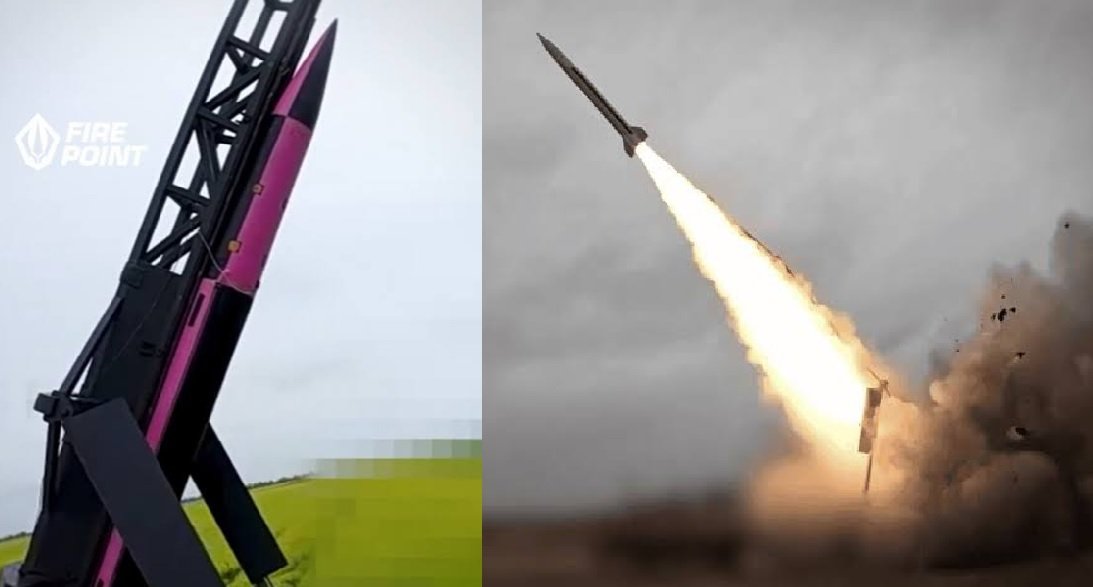 Ukraine, European Allies Target Mid-2027 Prototype for Freyja Missile Defense System
Top Trending in 4 Days
-
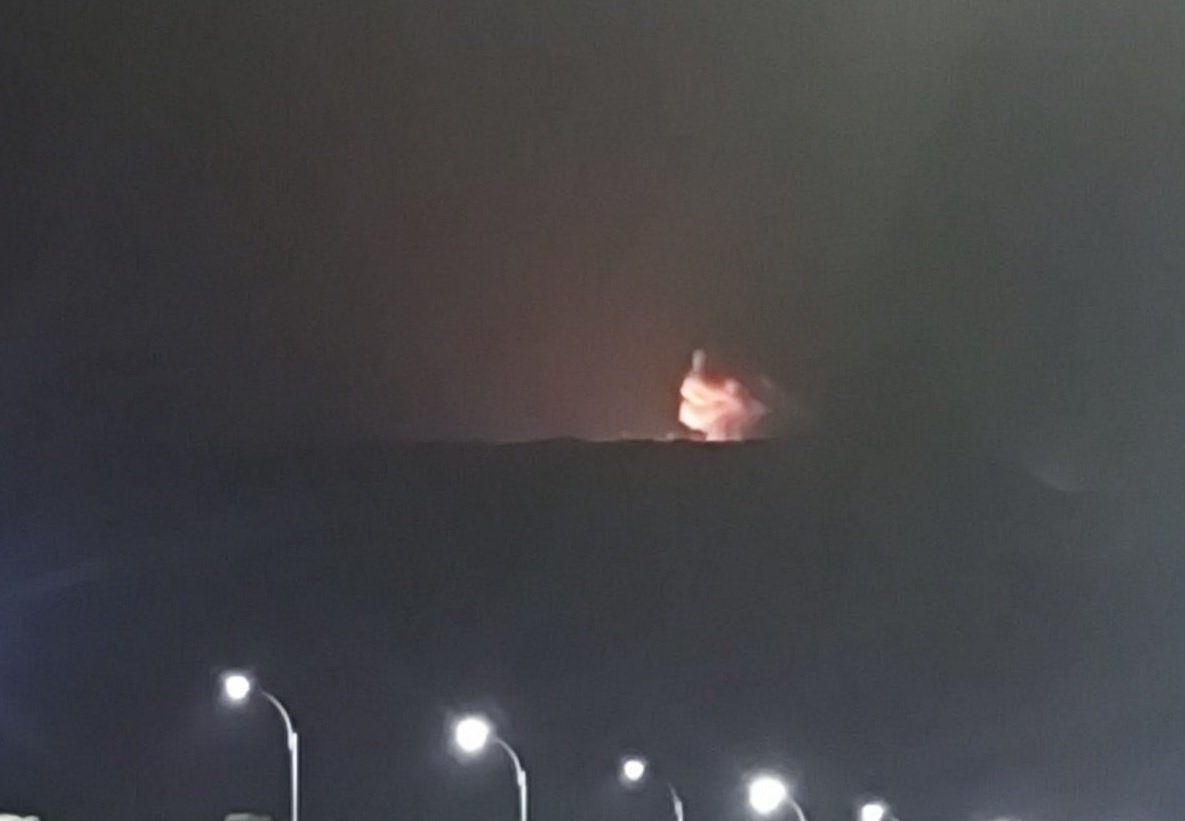 U.S. Airstrikes Target IRGC Missile Base Near Taft as Overnight Strikes Hit Central Iran
-
 Kuwait and Bahrain Reportedly Launch First Joint Direct Airstrikes on Iran Since War Began : Report
-
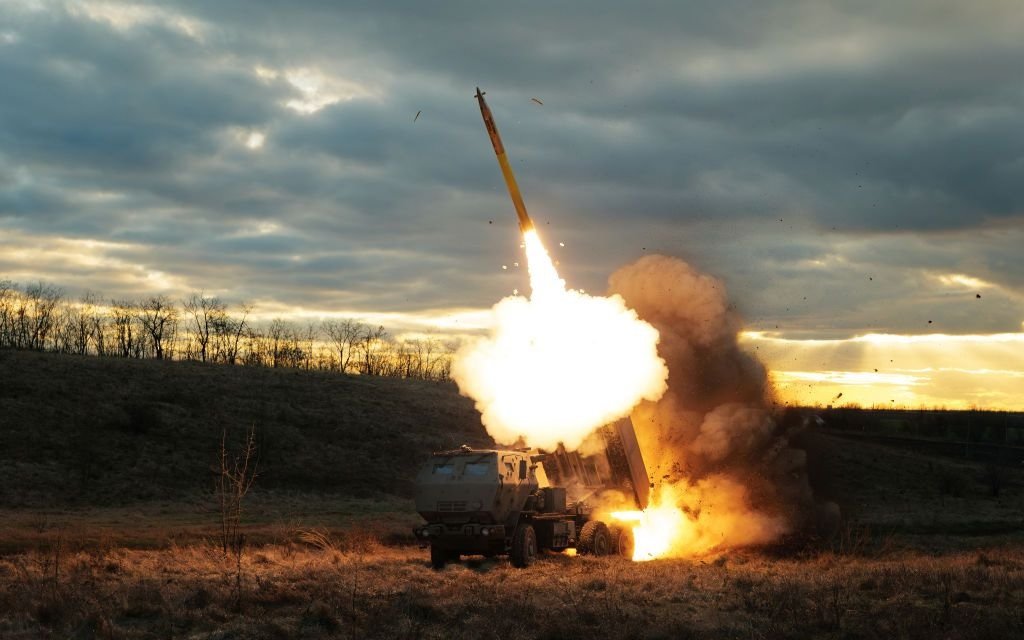 U.S. Military Selectively Intercepts Iranian Missiles to Preserve Shrinking Air Defense Stocks : Report
-
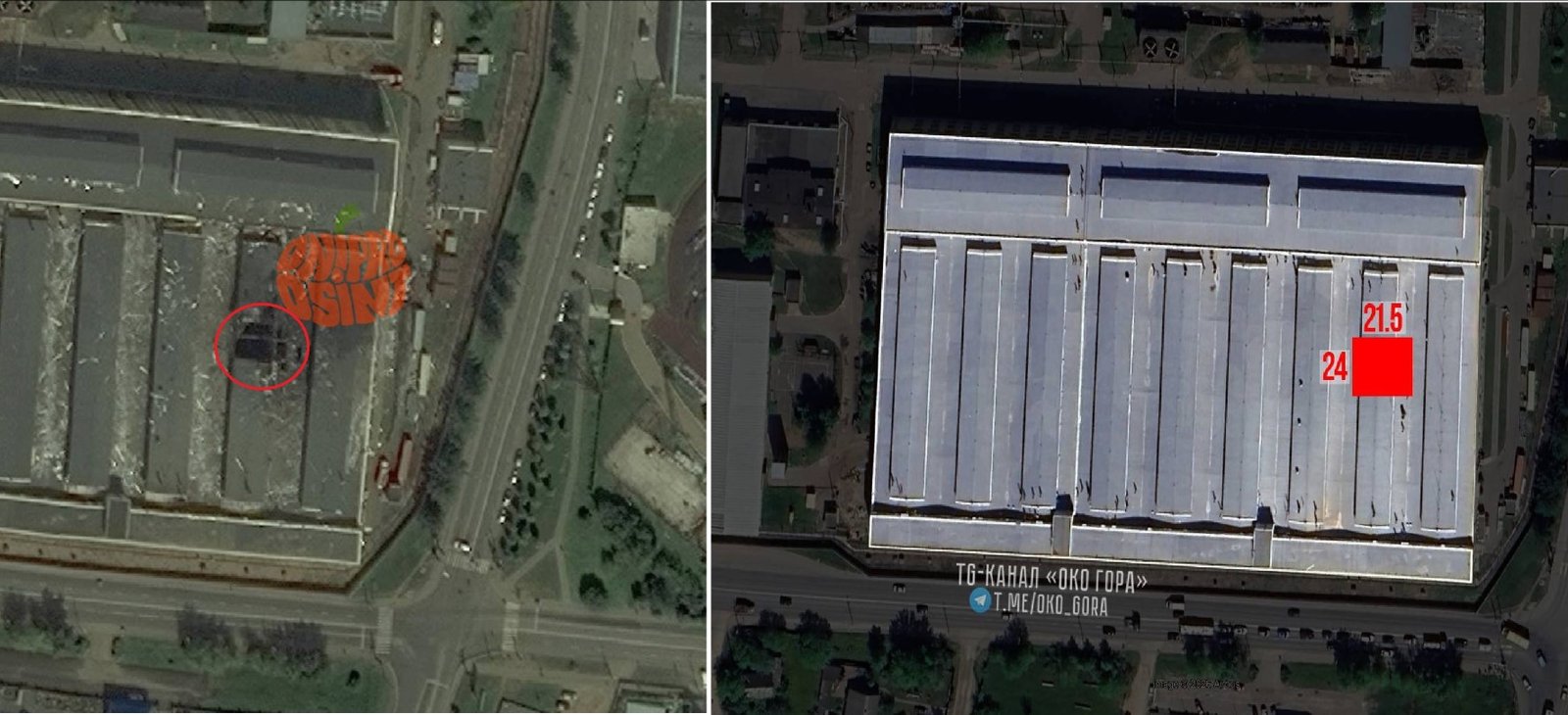 Satellite Images Confirm Damage to Russian Avitek Plant After Ukrainian FP-5 Flamingo Missile Strike
-
 U.S. Department of War Awards Oracle Up to $6.99 Billion Enterprise Software Deal
-
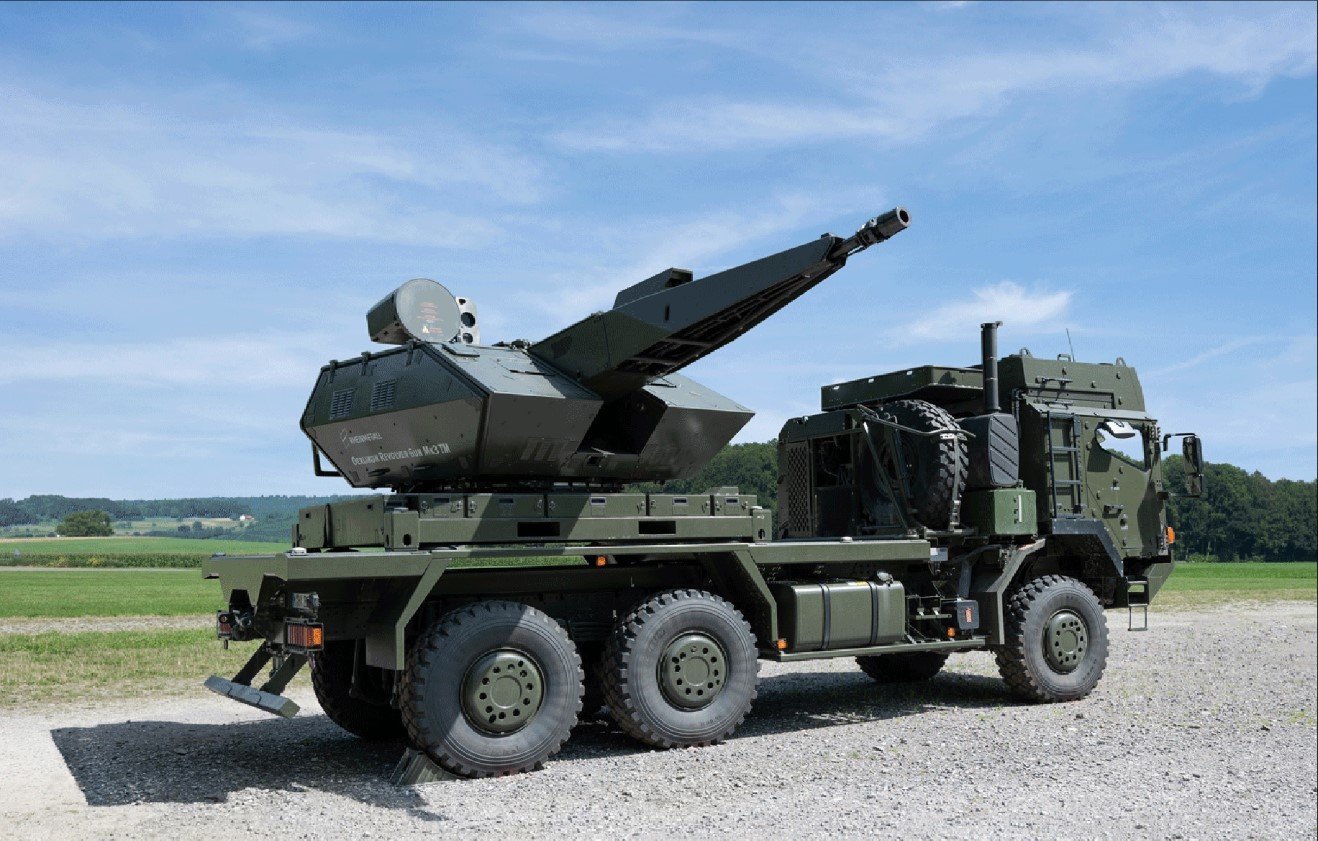 China Imposes Dual-Use Export Ban on 14 European Entities After EU's Russia Sanctions
-
 Australia Commits Additional AUD 4.6 Billion to Expand Osborne Shipyard for AUKUS Submarines
-
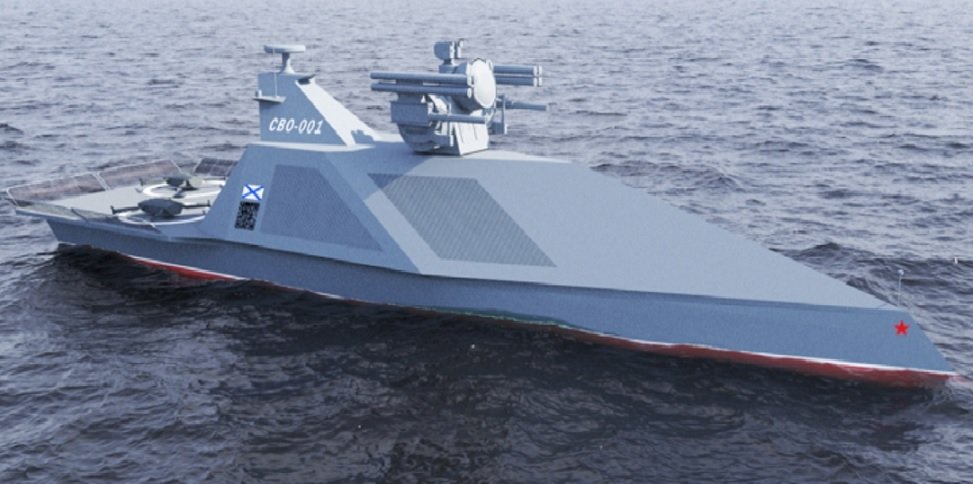 Russia Builds 500-Ton Unmanned Warship For Anti-Submarine Warfare, Plans New 9,500-Ton Warship, Navy Chief Says