World
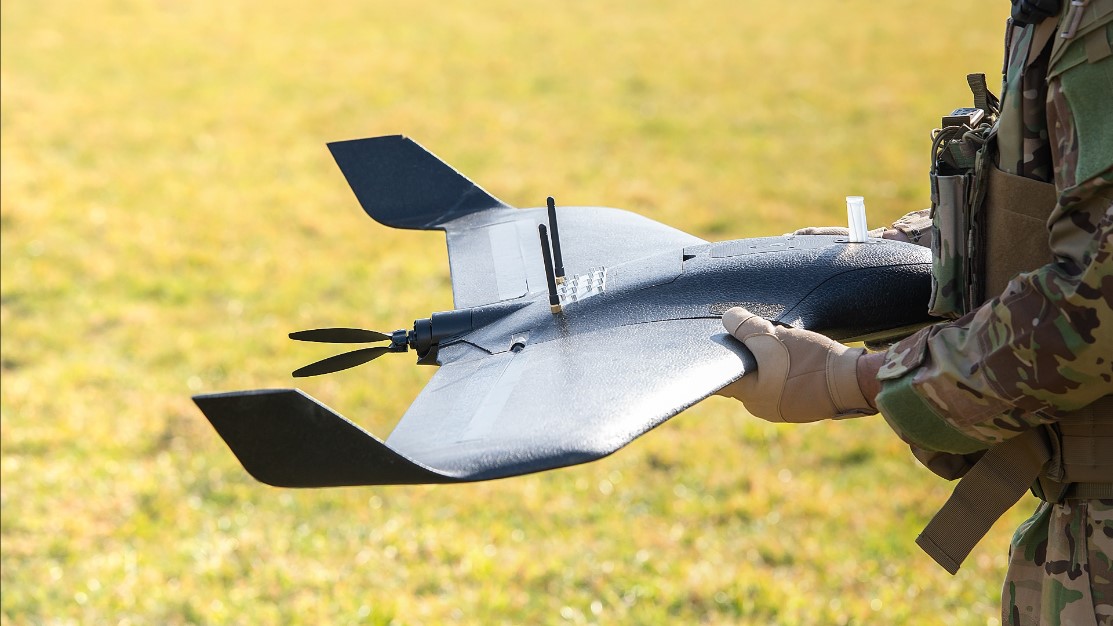
ALLEN, Texas — May 6, 2026 : EagleNXT has secured a new contract to supply three eBee VISION unmanned aircraft system (UAS) kits to the U.S. Army’s 7th Army Training Command (7ATC), further expanding the Army’s growing use of the company’s fixed-wing intelligence, surveillance, and reconnaissance (ISR) platform across Europe and the United States. The company announced on May 5 that the latest procurement increases total U.S. Army adoption of the eBee VISION platform to 34 systems distributed across six Army organizations. The systems are currently being fielded within forward-deployed formations in Europe as well as major combat training centers in the continental United States, reflecting increasing operational demand for lightweight ISR platforms capable of functioning in contested electronic warfare environments. The acquisition was facilitated by Dronivo, a German unmanned systems integrator specializing in defense and government programs. Dronivo provided regional acquisition support and will also oversee system integration and operator training for U.S. personnel operating the platforms in Europe. The arrangement is intended to streamline fielding and sustainment support for Army units participating in multinational exercises across the European theater. Systems to Support NATO-Focused Combat Training in Germany The three newly acquired systems will support operations at the Joint Multinational Readiness Center in Hohenfels, Germany, one of the U.S. Army’s primary combat training facilities in Europe. The center hosts rotational exercises involving U.S. and allied NATO forces and plays a central role in NATO’s eastern flank readiness posture. Army training requirements for ISR and counter-drone operations have evolved considerably following battlefield observations from the conflict in Ukraine, where persistent aerial surveillance has fundamentally changed battlefield movement, concealment, communication, and force protection practices. Under the new procurement, the 7th Army Training Command will employ the eBee VISION systems within opposing force (OPFOR) formations to replicate the continuous aerial observation capabilities expected from a near-peer adversary. The objective is to expose rotational units to sustained surveillance pressure during training operations, forcing adjustments in tactics, techniques, and operational procedures before deployment into real-world operational environments. The systems are also expected to support the development and validation of counter-unmanned aircraft system (C-UAS) procedures. By integrating realistic ISR threats into training rotations, Army units can refine camouflage, electromagnetic discipline, mobility, and anti-drone defense measures under simulated combat conditions. Fixed-Wing ISR Platform Designed for Contested Environments The eBee VISION was developed with operational input from special operations forces and is designed as a lightweight fixed-wing reconnaissance platform optimized for endurance and mobility. Unlike multirotor drones that prioritize hovering capability and vertical takeoff, the eBee VISION uses a fixed-wing configuration that provides substantially greater flight endurance, altitude efficiency, and operational range. The system is hand-launched and can be deployed by a single operator in under three minutes. It weighs approximately 4.1 pounds (1.85 kilograms) and features a 46.4-inch (118-centimeter) wingspan, allowing the complete system to be transported in a backpack configuration by dismounted personnel. For ISR operations, the platform carries a real-time high-definition imaging payload equipped with 32x optical zoom capability and optional thermal imaging systems for day and night reconnaissance missions. The aircraft can remain airborne for up to 90 minutes and supports beyond-visual-line-of-sight (BVLOS) operations with a wireless operating range of approximately 12 miles, or 20 kilometers. A key operational characteristic of the platform is its ability to function in GNSS-denied environments. The eBee VISION is capable of maintaining navigation and target tracking despite active GPS jamming or spoofing, a capability increasingly viewed as essential for modern ISR operations in electronically contested battlefields. The system also incorporates AES-256 encrypted communications to secure real-time data transmission during surveillance missions. NDAA-Compliant and Blue UAS Approved The eBee VISION platform is compliant with National Defense Authorization Act (NDAA) procurement requirements and has received approval under the Department of Defense’s Blue UAS cleared list. The Blue UAS framework identifies drone systems approved for procurement and operation by U.S. military and government organizations after cybersecurity and supply chain review processes. The platform’s compliance status has become increasingly significant as the Department of Defense moves to reduce reliance on foreign-manufactured unmanned systems for military and government operations. Army Procurement Expanding Across Multiple Training Commands The latest order represents the fourth consecutive multi-unit procurement of the eBee VISION platform by the U.S. Army. Recent Army acquisitions include 15 systems for a U.S. Army unit stationed in Europe, nine systems for the National Training Center at Fort Irwin, California, two systems previously allocated earlier this year to the Joint Multinational Readiness Center, and the latest three-unit order for the 7th Army Training Command. The units supplied to the National Training Center are among the first eBee VISION systems produced at EagleNXT’s newly established manufacturing facility in Allen, Texas. EagleNXT, formerly operating as AgEagle Aerial Systems, recently rebranded to reflect its broader strategic focus on defense, security, and government markets. The company continues to expand its portfolio of drone, sensor, and software solutions aimed at military and public sector customers. Company Highlights Growing Operational Demand Commenting on the contract, Bill Irby said the latest procurement reflects increasing demand for compact ISR systems capable of supporting operationally realistic military training environments. “We are proud to support the U.S. Army in Europe with advanced, mission-ready ISR technology,” Irby stated. “The eBee VISION’s portability, unique fixed-wing performance envelope, and secure real-time video capabilities make it an ideal tool for dynamic training environments.” The cumulative procurement pattern indicates that the platform has advanced beyond initial evaluation stages and is steadily establishing a defined operational role within the Army’s training and reconnaissance architecture. While the overall number of systems remains limited compared to larger Army aviation programs, the distribution of 34 systems across multiple commands in Europe and the United States suggests sustained institutional adoption driven by operational requirements rather than isolated procurement activity. Deliveries of the newly ordered systems are scheduled to begin in May 2026.
Read More → Posted on 2026-05-06 15:31:42
World
WASHINGTON — May 6, 2026 : The United States and Iran are nearing completion of a one-page memorandum of understanding (MoU) intended to formally halt ongoing hostilities and establish a framework for broader nuclear and security negotiations, according to multiple reports citing officials familiar with the discussions. The proposed memorandum, structured around a 14-point framework, is currently under review by Iranian authorities, with Tehran expected to provide an official response to the latest U.S. draft within the next 48 hours. The document is being negotiated through a combination of direct contacts and mediation channels involving regional and international intermediaries. Officials involved in the talks described the draft as the closest Washington and Tehran have come to a diplomatic breakthrough since the recent conflict began. While no final agreement has yet been reached, both sides are reportedly attempting to secure an interim arrangement capable of immediately reducing military tensions while allowing additional time for negotiations on a broader long-term accord. The proposed memorandum is designed as a temporary political understanding rather than a legally binding treaty. If approved, it would formally declare an end to active military operations between the two sides and trigger a 30-day negotiation process aimed at drafting a comprehensive follow-on agreement covering nuclear restrictions, sanctions relief, regional security issues, and maritime access. Under the current draft, Iran would agree to suspend uranium enrichment activities for a period of 12 years as part of the proposed nuclear framework. Tehran would also halt operational activity at underground nuclear facilities and permit expanded inspections and monitoring by United Nations nuclear inspectors to verify compliance with the agreement. In exchange, the United States would begin a phased rollback of economic sanctions imposed on Iran and authorize the release of billions of dollars in frozen Iranian assets currently held abroad. The sanctions relief mechanism is expected to be implemented gradually and linked to verification measures carried out by international inspectors. The memorandum also includes provisions related to maritime security and commercial shipping in the Persian Gulf region. Both countries would remove existing restrictions affecting passage through the Strait of Hormuz, one of the world’s most strategically important energy transit corridors. The waterway handles a substantial share of global oil and liquefied natural gas shipments, making uninterrupted navigation a major concern for international markets and regional governments. According to sources familiar with the discussions, recent diplomatic progress has already affected military positioning in the region. The United States has reportedly reduced certain naval escort activities linked to commercial shipping operations, while Iran is expected to ease recent limitations imposed on maritime traffic near the strait if the memorandum is finalized. The negotiations are reportedly being led on the U.S. side by envoys including Steve Witkoff and Jared Kushner, working alongside diplomatic intermediaries engaged with Iranian officials. Discussions have focused on developing a narrowly scoped interim document capable of rapid implementation while postponing more technically detailed issues to subsequent negotiations. Officials familiar with the talks stated that the one-page memorandum intentionally avoids extensive legal language or detailed implementation schedules. Instead, it is designed to create a short-term de-escalation mechanism that can stabilize the situation and provide political space for broader diplomacy. The proposed 30-day negotiation period following the signing of the memorandum would involve discussions on the sequencing of sanctions removal, nuclear restrictions, verification procedures, and regional security arrangements. Diplomatic sources indicated that future negotiations could take place in neutral or internationally mediated locations, including Geneva or Islamabad. The White House has not formally confirmed the final contents of the draft agreement but has acknowledged that discussions with Iran have made significant progress in recent days. Iranian officials have also confirmed that the proposal remains under active evaluation within Tehran. Despite the diplomatic momentum, U.S. officials have stated that the interim memorandum would not prevent Washington from restoring sanctions pressure or resuming military measures if the follow-on negotiations fail to produce a broader agreement within the designated timeframe. The coming 48-hour period is now viewed by diplomats and regional observers as a critical stage in determining whether the proposed framework can move from preliminary negotiations toward formal implementation.
Read More → Posted on 2026-05-06 15:21:37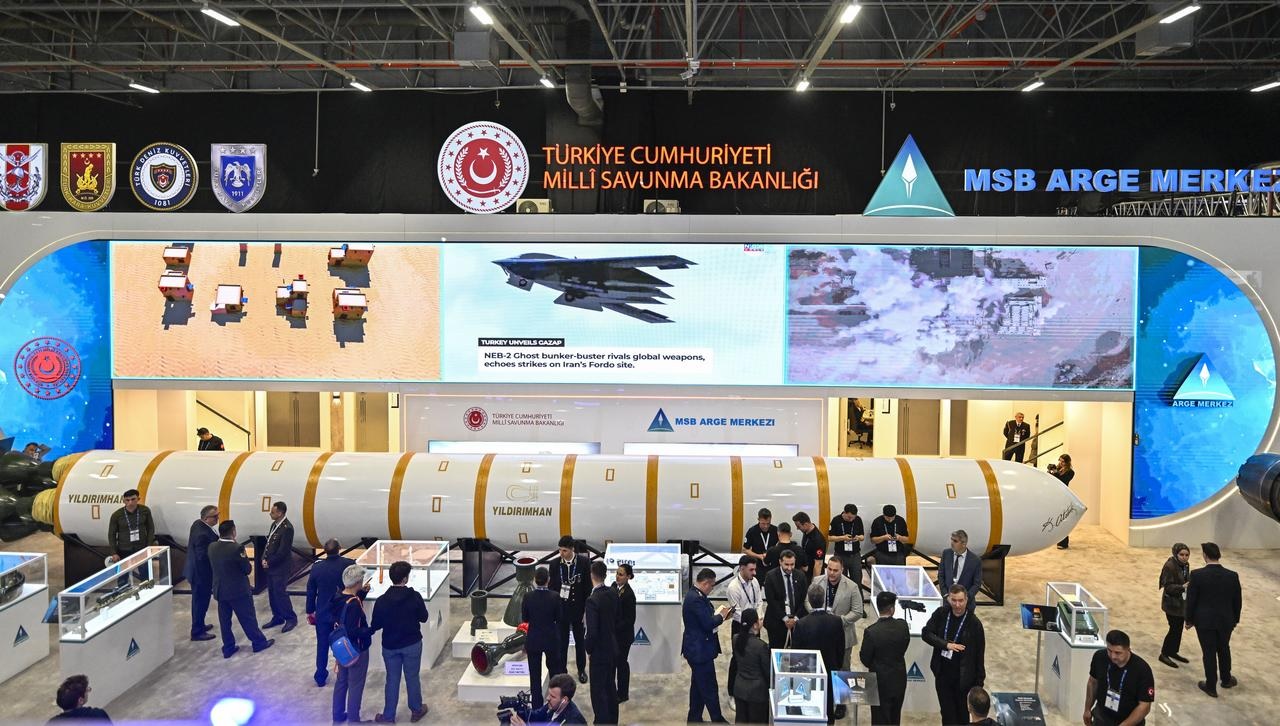
World
ISTANBUL, Turkey — May 6, 2026 : Turkey has publicly unveiled its first intercontinental ballistic missile (ICBM), named Yıldırımhan, during the SAHA 2026 International Defense, Aerospace and Space Industry Fair in Istanbul. Developed by the Research and Development Center of the Turkish Ministry of National Defense (MoND), the missile was displayed publicly for the first time on May 5. Turkish officials stated that the system has a range of approximately 6,000 kilometers and can reach speeds up to Mach 25. According to specifications presented at the exhibition, the Yıldırımhan uses liquid propulsion technology based on nitrogen tetroxide fuel and is powered by four liquid-fueled rocket engines. The missile is designed to carry a payload of approximately 3,000 kilograms. The Yıldırımhan is Turkey’s longest-range ballistic missile developed to date and its first publicly disclosed liquid-fueled ballistic missile capable of hypersonic-speed flight. Technical Error in Turkey’s Yıldırımhan Missile Display The official technical specification board released for Turkey’s Yıldırımhan missile contains a major propulsion terminology error by listing “Liquid Nitrogen Tetroxide (N₂O₄)” as the missile’s fuel type, when in reality nitrogen tetroxide is not a fuel but a powerful oxidizer used in liquid rocket propulsion systems. In established missile engineering, N₂O₄ must be paired with a separate fuel such as UDMH, hydrazine, or similar hypergolic propellants to generate thrust. By presenting N₂O₄ alone as fuel, the display demonstrates either poor technical translation, oversimplified public relations language, or a misunderstanding of basic rocket chemistry, raising questions about the accuracy of the publicly disclosed specifications. The likely intended meaning is that Yıldırımhan uses a storable liquid propellant combination based on nitrogen tetroxide as the oxidizer Program Development and Testing The Yıldırımhan program is the latest stage in Turkey’s domestic ballistic missile development effort, following earlier systems including the Yıldırım, Bora, and Tayfun missiles. Turkish defense officials stated that the project progressed through design, propulsion integration, structural assembly, guidance system development, and ground-based validation phases before its public unveiling. The missile is currently in the prototype and evaluation stage. Turkish authorities confirmed that subsystem and component-level testing has been conducted, though details regarding full-range flight trials and re-entry testing have not yet been released publicly. Officials indicated that additional flight-testing and operational validation phases are expected before the system could enter operational service. Technical Specifications According to Turkish defense officials, the Yıldırımhan features: Range: 6,000 kilometers Peak speed: Mach 25 Cruise speed: Mach 9 Propulsion: Four liquid-fuel rocket engines Fuel: Nitrogen tetroxide Payload capacity: Approximately 3,000 kilograms Based on its stated range, the missile would be capable of reaching targets across large parts of Europe, the Middle East, Asia, and Africa from Turkish territory. Turkish Government Statements Speaking at SAHA 2026, Turkish Defense Minister Yaşar Güler addressed recent Israeli statements suggesting Turkey could emerge as a future regional threat following tensions involving Iran. “We will use it in the best possible way to deter any enemy,” Güler stated during the exhibition. He described the missile as part of Turkey’s broader effort to strengthen strategic deterrence and expand its domestic defense industry. U.S., NATO and International Reaction The unveiling of the Yıldırımhan has drawn international attention, particularly within NATO and among regional security observers. As a NATO member, Turkey’s development of an indigenous ICBM is expected to be closely monitored by the United States in the context of alliance coordination, missile proliferation concerns, and regional security dynamics. Turkey and the United States continue to maintain defense-industrial cooperation in several sectors. During SAHA 2026, Turkish Aerospace Industries (TAI) also reaffirmed cooperation agreements with GE Aerospace related to propulsion and aerospace systems. Defense analysts stated that Turkey’s entry into the group of countries developing intercontinental-range ballistic missile systems could influence future regional missile competition and strategic deterrence policies. The Yıldırımhan remains under continued development following its public debut, with further testing and evaluation phases expected in the coming years.
Read More → Posted on 2026-05-06 14:29:58
World
WASHINGTON, — May 6, 2026 : Defense technology company Anduril Industries has announced that it is leading an industry consortium selected to support the United States Space Force Space-Based Interceptor (SBI) program, a major element of the Department of War’s broader “Golden Dome for America” missile defense initiative. The effort is intended to develop and demonstrate an orbital missile defense architecture capable of countering increasingly advanced ballistic, hypersonic, and cruise missile threats facing the United States homeland. The SBI program is focused on establishing a proliferated constellation of interceptors in low Earth orbit designed to engage threats during boost-phase, midcourse, and glide-phase flight. The initiative is intended to address operational challenges posed by next-generation missile systems developed by near-peer adversaries, including highly maneuverable delivery vehicles and hypersonic weapons that significantly reduce available reaction time for existing homeland defense systems. According to Anduril, the program aims to provide earlier detection, persistent tracking, and rapid engagement capabilities against missile threats before they can approach U.S. territory. The broader Golden Dome architecture is targeting an initial operational capability demonstration around 2028. Anduril stated that it is integrating its proprietary software-defined defense architecture with technologies and platforms from five partner organizations spanning the commercial space sector and government research institutions. The company emphasized that affordability, rapid manufacturing scalability, and accelerated deployment timelines are central requirements of the SBI effort. The consortium includes Impulse Space, which will provide highly maneuverable spacecraft systems intended to support rapid-response orbital operations. Eric Romo, President and Chief Operating Officer of Impulse Space, stated that the program requires advanced spacecraft solutions capable of executing technically demanding missions under accelerated timelines. Inversion Space is contributing operational deployment systems designed for large-scale implementation and rapid fielding. Co-Founder and CEO Justin Fiaschetti said the company’s focus is on developing systems optimized for speed, scalability, and operational deployment in support of next-generation defense missions. Satellite infrastructure support for the program will be provided by K2 Space. The company is supplying high-power satellite platforms intended to support the interceptor architecture’s operational requirements. K2 Space Co-Founder and CEO Karan Kunjur stated that the company’s satellites are designed to deliver significantly increased onboard power and payload capability for national security missions. Sandia National Laboratories is contributing weapons research expertise and advanced payload development capabilities to the consortium. Scott McEntire, Senior Manager for Hypersonics at Sandia National Laboratories, said the laboratory is applying decades of experience in advanced weapons development to support the creation of new defense systems for the program. Manufacturing scale and industrial infrastructure support will be provided by Voyager Technologies through its Voyager American Defense Complex. Matt Magaña, President of Space, Defense and National Security at Voyager Technologies, stated that space-based interceptors are intended to counter threats that allow little or no warning time, requiring persistent readiness and large-scale industrial production capabilities. Anduril noted that effective layered missile defense depends on close integration between interceptor hardware, onboard sensing systems, and command-and-control software capable of processing targeting data and coordinating engagements in real time. The company stated that development work under the SBI program is already underway, with the consortium working to deliver operationally relevant interceptor systems on timelines aligned with the evolving global missile threat environment. The company also confirmed that it is one of 12 firms awarded agreements under the SBI effort. The program forms part of a larger package of approximately 20 Other Transaction Authority (OTA) agreements with a combined potential value of up to $3.2 billion. Separately, Booz Allen Hamilton has also been awarded an OTA agreement by the U.S. Space Force through Space Systems Command to develop a prototype under the Space-Based Interceptor program. The award indicates that the Space Force is pursuing a multi-contractor development approach for the SBI initiative, with multiple industry teams working on different interceptor technologies, software architectures, mission systems, and operational concepts simultaneously. Under this framework, Anduril’s consortium represents one of several industry-led teams contributing to the broader Golden Dome missile defense architecture. The use of multiple OTA agreements allows the Space Force to accelerate technology development, evaluate competing solutions, reduce program risk, and expand participation across the U.S. defense and commercial space industrial base before future operational selections are made. The Space-Based Interceptor initiative represents a significant expansion of U.S. efforts to establish an integrated homeland missile defense architecture in space, combining commercial space industry capabilities with military and national laboratory expertise to accelerate deployment of orbital defense systems.
Read More → Posted on 2026-05-06 14:04:57
World
HAWTHORNE, California — May 6, 2026 : ThinKom Solutions, Inc., a California-based manufacturer of phased-array satellite communication systems, has been selected as the overall winner of the U.S. Space Force Space Systems Command (SSC) “Fight Tonight” competition for its newly developed Containerized Digital Array, a rapidly deployable and transportable satellite ground station designed for secure communications in contested operational environments. The award marks a significant step toward integrating the company’s mobile ground segment technology into broader U.S. Space Force and Department of the Air Force operational programs. The selection was made under the Tactical Funding Increase (TACFI) initiative, a transition pathway intended to accelerate the movement of operational technologies from development into fielded military capability. The “Fight Tonight” competition, now in its fourth consecutive year, supports military and civilian technologies that address operational vulnerabilities and improve the resilience of U.S. Space Force missions. This year’s program was conducted jointly by Space Systems Command, the acquisition arm of the U.S. Space Force, and SpaceWERX, the service’s innovation organization focused on accelerating advanced technology adoption. ThinKom’s Containerized Digital Array was selected for its approach to replacing traditional dish-based Ground Entry Points (GEPs), which are increasingly viewed as vulnerable due to their fixed locations, large signatures, and exposure in contested environments. The new system instead uses a compact, covert, and decentralized architecture intended to improve survivability and operational flexibility for mission-critical satellite communications. The system is built around ThinKom’s patented VICTS (Variable Inclination Continuous Transverse Stub) technology combined with the company’s digital beamforming architecture. Rather than relying on exposed parabolic antennas, the Containerized Digital Array integrates concealed phased-array antenna modules within a ruggedized standard shipping container. The modular containerized configuration enables transportation through established commercial and military logistics networks while minimizing deployment preparation requirements in forward operating environments. According to the company, the shipping container structure also allows rapid relocation and setup while reducing visual detectability compared to conventional satellite ground terminals. The system is designed with low visual, thermal, and wind signatures to improve survivability in operational theaters where ground infrastructure may be targeted. Internally, the containerized system features a customizable mission-oriented layout capable of supporting communications servers, networking hardware, power management systems, and other mission-specific equipment. Additional options include enhanced physical security systems and environmental control configurations tailored for deployment in harsh operational conditions. Operationally, the Containerized Digital Array uses a software-defined architecture capable of scalable and adaptable network integration. The system supports simultaneous multi-beam, multi-orbit, multi-band, and multi-network operations across Low Earth Orbit (LEO), Medium Earth Orbit (MEO), Geosynchronous Equatorial Orbit (GEO), and Highly Elliptical Orbit (HEO) satellite constellations. ThinKom stated that the platform is intended to support the development of a “proliferated ground segment,” a concept emphasizing distributed and resilient communications infrastructure rather than dependence on a limited number of centralized ground stations. The newly selected platform is part of ThinKom’s broader family of modular ground station systems designed for both defense and commercial applications. The systems can operate across S- through E-band frequencies and are available in both fixed and mobile configurations depending on mission requirements. The company said the Containerized Digital Array is currently available in C-band, Ku-band, K-band, Ka-band, and Q-band variants, including both commercial and military frequency configurations. Additional capability expansion programs are underway for L/S-band, X-band, EO Ka-band, and V-band operations. ThinKom’s systems are designed to meet customer-specific Size, Weight, and Power (SWaP) requirements as well as network and performance specifications for a range of communications missions. Headquartered in Hawthorne, California, ThinKom Solutions develops satellite communication antennas and phased-array systems for commercial aviation, government, and defense sectors. The company’s VICTS technology combines characteristics of mechanically steered antennas and electronically scanned arrays to provide low-profile and high-performance satellite connectivity in mobile environments. ThinKom has previously participated in SpaceWERX-supported development programs related to transportable ground stations and advanced satellite communications infrastructure. The latest SSC “Fight Tonight” selection provides the company with a potential pathway for expanded operational deployment within future U.S. military space communications architectures.
Read More → Posted on 2026-05-06 13:48:36
World
KYIV / YEREVAN, — May 3, 2026 : Volodymyr Zelensky and Petteri Orpo held bilateral discussions in Yerevan, Armenia, resulting in Finland pledging an additional $300 million in military assistance to Ukraine. The meeting, confirmed through official video releases on Ukrainian government channels, reflects continued expansion of Nordic support for Kyiv amid the ongoing war. Aid Package Focused on Air Defense Capabilities According to Ukrainian officials, the newly announced funding will be directed toward strengthening critical elements of Ukraine’s defense infrastructure, with a primary emphasis on air defense systems. The allocation aligns with Ukraine’s ongoing requirement to counter aerial threats, including missile and drone attacks. The focus on air defense also reflects broader regional cooperation trends among Nordic countries. Previous initiatives have included the deployment of the NASAMS (National Advanced Surface-to-Air Missile System), developed by Kongsberg Gruppen, which was formally integrated into Ukraine’s defense framework following documentation by the Verkhovna Rada in May 2023. While specific procurement details under the new $300 million package have not been publicly disclosed, Ukrainian authorities indicated that funding will support systems designed to improve interception capabilities against a range of airborne threats. Proposed “Drone Deal” to Expand Defense Collaboration During the meeting, President Zelensky introduced a proposal for a bilateral agreement referred to as the “Drone Deal.” The initiative is designed to deepen cooperation between Ukraine and Finland in the development, testing, and production of unmanned aerial and ground systems. Ukrainian officials stated that Kyiv is prepared to share operational battlefield experience related to drone deployment, including tactical usage and system optimization under combat conditions. This exchange is intended to support technological advancement in partner countries while strengthening Ukraine’s defense industrial collaboration with allied nations. The proposed framework represents a shift from traditional military aid toward joint development and co-production models, particularly in areas where Ukraine has gained extensive real-world operational experience since the escalation of the conflict. Unreported Deployment of Sisu GTP Armored Vehicles Parallel to the diplomatic engagement, Finnish-made Sisu GTP 4×4 armored vehicles have recently entered service with Ukraine’s Special Operations Forces. The vehicles are manufactured by Sisu Auto and are classified as mine-resistant ambush-protected (MRAP) infantry mobility platforms. The Sisu GTP platform features a modular chassis designed for adaptability across multiple mission roles and is optimized for high-mobility operations in challenging terrain. Built on a chassis derived from the Mercedes-Benz Unimog platform, the vehicle is engineered to withstand high-risk combat environments, including mine and improvised explosive device (IED) threats. The presence of these vehicles in Ukraine has drawn attention from defense analysts, as Finland had not previously announced their transfer in official military aid packages. Observers suggest that the vehicles may have been supplied indirectly through third-party channels rather than through direct bilateral delivery. Sweden Identified as Possible Transfer Channel One potential intermediary identified by analysts is Sweden, which maintains a joint procurement framework with Finland for ground mobility systems. Sweden has recently placed an order for more than 300 Sisu GTP vehicles to equip its own armed forces, raising the possibility that some units may have been redirected or transferred onward to Ukraine. Such indirect supply arrangements have been observed in previous defense transfers, particularly when donor countries seek to manage operational security or political sensitivities surrounding military aid disclosures. Expanding Scope of Finland’s Military Support The newly announced $300 million package adds to Finland’s ongoing military assistance to Ukraine, which has included multiple aid tranches addressing a range of operational requirements. The latest commitment further underscores Helsinki’s continued role in supporting Ukraine’s defense capabilities. In addition to financial aid and equipment transfers, the proposed Drone Deal indicates a growing emphasis on collaborative defense innovation. Ukrainian officials view such partnerships as critical to sustaining long-term military readiness and strengthening allied defense industries. No additional technical specifications or delivery timelines related to the latest aid package have been released at this stage.
Read More → Posted on 2026-05-04 15:49:39
World
ARLINGTON, Va., — May 4, 2026 : AeroVironment, Inc. announced it has been awarded a prototype agreement by the United States Army to develop, test, and deliver the Switchblade 400 loitering munition under the service’s Low-Altitude Stalking and Strike Ordnance (LASSO) program. The initiative is aimed at equipping Infantry Brigade Combat Teams (IBCTs) with organic, man-portable precision strike capabilities suited for modern contested environments. The agreement formally positions the newly introduced Switchblade 400 within the Army’s emerging next-generation loitering munition architecture. According to company officials, the award includes responsibilities spanning development, testing, delivery, and future scalability, aligning with broader Army modernization efforts. Trace Stevenson, President of Autonomous Systems at AeroVironment, stated that the award reflects the Army’s confidence both in the Switchblade 400 platform and the company’s ability to deliver systems at operational scale. He noted that participation in the LASSO program establishes AeroVironment as a long-term partner supporting lifecycle phases from development through fielding and ongoing capability upgrades. Bridging Capability Gaps in Loitering Munitions The Switchblade 400 was unveiled in October 2025 as a medium-range loitering munition designed to bridge the operational gap between the lightweight Switchblade 300 and the larger Switchblade 600. AeroVironment describes the system as a “Lightweight Tank Destroyer,” combining anti-armor lethality with portability suitable for dismounted soldiers. The system weighs approximately 39 pounds as a complete All-Up Round (AUR), with the munition itself weighing 27 pounds. It is capable of operating at ranges up to 65 kilometers (40 miles) and can loiter for approximately 35 minutes. The platform cruises at speeds near 70 mph and can execute a terminal sprint of up to 90 mph. Deployment is enabled through a rocket-assisted take-off (RATO) from a common launch tube, allowing a single operator to prepare and launch the system in under five minutes. This configuration supports a decentralized “sensor-to-shooter” model, enabling ground forces to independently detect, identify, and engage armored targets without reliance on external air or artillery support. Autonomous Operations in Contested Environments A defining feature of the Switchblade 400 is its integration within AV_Halo, AeroVironment’s modular command-and-control ecosystem. The system incorporates hybrid Aided Target Recognition (ATR) and edge computing technologies, enabling autonomous detection, classification, and tracking of targets using electro-optical and infrared (EO/IR) sensors. These capabilities are designed to maintain effectiveness in environments where GPS signals and communications are degraded or denied due to electronic warfare. By reducing reliance on continuous operator input during terminal engagement phases, the system enhances survivability and operational flexibility. The platform is built using a Modular Open Systems Approach (MOSA), allowing integration with tactical networks such as ATAK and Nett Warrior. This architecture enables future upgrades to sensors, payloads, and communication systems without requiring full system redesign, supporting long-term adaptability. Brian Young, Senior Vice President of Loitering Munitions at AeroVironment, stated that the system reflects ongoing feedback from operational users and is designed to reduce operational burden while enhancing performance in real-world conditions. Program Structure and Procurement Outlook The LASSO prototype agreement is structured under an Other Transaction Authority (OTA), providing a flexible framework for rapid development and testing. The U.S. Army is reportedly seeking approximately $110 million in procurement funding for the LASSO program in its fiscal year 2027 budget. This development track operates alongside existing production programs. In February 2026, AeroVironment received a $186 million delivery order for Switchblade 600 Block 2 and Switchblade 300 Block 20 systems, including variants equipped with explosively formed penetrator (EFP) payloads. That order was issued under a five-year, $990 million Indefinite Delivery, Indefinite Quantity (IDIQ) contract awarded in August 2024 for Lethal Unmanned Systems. The Switchblade 400 program is separate from these production efforts but complements the Army’s broader investment in loitering munitions as part of its tactical modernization strategy. Expanding Operational Role of the Switchblade Family AeroVironment executives attributed continued Army investment to the operational track record of the Switchblade family, which has been deployed extensively in multiple theaters, including Ukraine. Data and feedback from these deployments have informed iterative improvements across the product line. Jimmy Jenkins, Executive Vice President of Precision Strike and Defense Systems at AeroVironment, stated that the Army’s continued procurement reflects a sustained operational demand for precision, speed, and adaptability at the tactical level. The Switchblade 400, alongside earlier and next-generation variants, is intended to provide dismounted forces with immediate precision strike capability against armored threats. Its integration into the LASSO program underscores the Army’s emphasis on decentralizing firepower and reducing reliance on higher-echelon support systems in contested operational environments.
Read More → Posted on 2026-05-04 15:07:49
World
PROVO, Utah — May 4, 2026 : Hypercraft USA has formally unveiled the Razorback, a software-defined autonomous unmanned ground vehicle (UGV) designed for operations in high-risk and infrastructure-limited environments. The platform combines autonomous mobility, modular software architecture, and onboard power generation to support a range of military and tactical missions. Platform Architecture and Software Design A central feature of the Razorback is its Modular Open System Architecture (MOSA), built on a central-zonal computing framework. This approach separates hardware from software, enabling updates and capability changes without requiring physical modifications to the vehicle. According to the company, the open-architecture stack supports over-the-air updates and rapid mission reconfiguration. The system is designed to operate in environments where Global Navigation Satellite System (GNSS) signals may be unavailable, while also supporting complex distributed energy operations such as microgrid management. The onboard computing system supports high-performance edge processing and artificial intelligence integration, allowing the platform’s autonomous capabilities to evolve over time as new software is deployed. Mobility, Powertrain, and Performance The Razorback is powered by a diesel hybrid-electric drivetrain that includes a 50 kW range extender and delivers up to 95 kW peak output. The propulsion system is paired with a 300-horsepower, four-motor torque-vectoring drive configuration. The vehicle has a payload capacity of 2,400 pounds, a maximum range of approximately 280 miles, and a top speed of up to 60 miles per hour. Its 148-inch chassis is equipped with 37-inch tires, four-wheel hydraulic steering, and neutral steer capability for maneuverability in constrained or uneven terrain. The system incorporates redundancy across key propulsion components, allowing continued operation even if multiple motors, the range extender, or onboard energy storage systems are damaged. Tactical Microgrid Capability In addition to mobility and transport functions, the Razorback is designed to operate as a mobile tactical microgrid. The platform can export up to 38 kW of power, enabling it to support a variety of systems in forward operating environments. The company stated that interconnected Razorback units can form localized microgrids, reducing reliance on conventional fuel-based generator convoys. These distributed energy networks are intended to provide stable power in high-attrition scenarios. Exportable power can be used for directed energy systems, electronic warfare (EW) equipment, unmanned aerial system (UAS) charging stations, intelligence, surveillance, and reconnaissance (ISR) nodes, and forward command posts. Operational Roles and Mission Applications The autonomous design of the Razorback allows it to perform multiple mission roles without onboard personnel. These include: Contested logistics: Transporting supplies, ammunition, and equipment to forward positions while reducing risk to human operators. Casualty evacuation: Carrying injured personnel while simultaneously powering onboard medical equipment through its energy export system. Counter-UAS operations: Supporting sensors and interceptors for defense against small drone threats, including Group 1 and Group 2 systems. Communications and electronic warfare relay: Acting as a mobile node to maintain command and control (C2) links in obstructed terrain or to deploy EW capabilities. Company Background and Deployment Outlook Hypercraft, headquartered in Provo, Utah, focuses on advanced propulsion systems and software-defined vehicle platforms. The company is backed by Stalwart Ventures. The Razorback is intended to support logistics, reconnaissance, payload transport, and integration of modular sensor and unmanned systems. It is also positioned for roles in electronic warfare, counter-drone operations, and autonomous battlefield support. No information was provided regarding production timelines, pricing, or confirmed military procurement contracts at the time of the announcement.
Read More → Posted on 2026-05-04 14:20:01
World
TEHRAN / WASHINGTON / DUBAI — May 4, 2026 : Conflicting accounts emerged on Monday after Iranian state-affiliated media reported that missiles struck a United States naval vessel near the port of Jask, while U.S. officials denied that any such attack occurred. Iran’s Fars News Agency stated that two missiles hit a U.S. Navy ship operating near the southern Iranian coastline after it allegedly ignored navigation warnings issued by Iranian forces. According to the report, the vessel was sailing close to the entrance of the Strait of Hormuz and was forced to halt its movement and turn back. Iranian sources described the ship as a frigate or destroyer and claimed it had violated maritime safety protocols. In parallel statements, Iranian naval authorities said they blocked U.S. destroyers from entering the strait, issuing what officials described as a “swift and firm” warning. Ali Abdollahi, a senior military commander, said Iran maintains full control over the security of the waterway and warned that foreign military vessels attempting transit without coordination could face direct action. Some Iranian reports also indicated that cruise missiles, rockets, and drones were deployed as part of the warning measures, while a senior official later characterized the action as a warning shot. No independent confirmation of damage to any vessel was provided. The United States military rejected the claims. In a statement, United States Central Command (CENTCOM) said no U.S. Navy ships had been struck and that operations in the region continue without incident. U.S. officials further stated that naval forces remain active in ensuring maritime security and denied that any American vessels were prevented from entering the strait. According to U.S. officials, two guided-missile destroyers entered the Gulf region and two U.S.-flagged commercial vessels successfully transited the Strait of Hormuz on the first day of a new operation, known as Project Freedom. The initiative, announced by Donald Trump, aims to escort commercial shipping through the Gulf after vessels remained stranded for over two months amid ongoing tensions involving Iran and Israel. CENTCOM Commander Brad Cooper said the operation includes approximately 15,000 personnel, more than 100 aircraft, and multiple warships, along with unmanned systems supporting maritime security. The developments come amid heightened tensions in the Strait of Hormuz, a key global energy transit route responsible for roughly 20% of seaborne oil and liquefied natural gas shipments. Following the reports, Brent crude prices rose by more than 5.5%, approaching $115 per barrel as markets reacted to potential risks to shipping in the region. No independent verification of Iran’s claims has been reported, and both sides have maintained their respective positions regarding the incident.
Read More → Posted on 2026-05-04 14:08:46
World
TAMPA, Fla., — May 4, 2026 : The U.S. Central Command (CENTCOM) has initiated support for “Project Freedom,” a U.S.-directed operation aimed at restoring safe commercial navigation through the Strait of Hormuz, a critical global trade corridor. The mission, ordered by the U.S. President, is focused on assisting merchant vessels transiting the strait, which carries approximately one-quarter of the world’s seaborne oil trade along with significant volumes of fuel and fertilizer shipments. The operation comes amid ongoing disruptions linked to regional tensions and restrictions imposed by Iranian forces following military developments in late February. CENTCOM confirmed that U.S. military support for Project Freedom includes guided-missile destroyers, more than 100 land- and sea-based aircraft, multi-domain unmanned systems, and approximately 15,000 service members. However, officials did not disclose specific deployment configurations or timelines. “Our support for this defensive mission is essential to regional security and the global economy as we also maintain the naval blockade,” said Brad Cooper, commander of CENTCOM. The initiative follows the U.S. naval blockade of Iranian ports initiated on April 13, aimed at restricting Iranian oil revenues. Since then, compounded disruptions — including Iranian interception of vessels and demands for transit tolls — have left dozens of neutral commercial ships stranded, along with thousands of international seafarers. The situation has contributed to rising global energy and agricultural commodity prices. Under Project Freedom, U.S. forces are providing guidance to commercial vessels on safe maritime routes, particularly to avoid areas suspected of being mined. U.S. Navy assets are expected to operate near commercial shipping lanes to deter potential threats, though not all vessels will receive direct escorts. Separately, the U.S. Department of State announced the “Maritime Freedom Construct,” developed in coordination with the Department of War, to enhance international cooperation. The initiative is designed to improve intelligence sharing, support real-time maritime domain awareness, coordinate diplomatic responses, and assist in enforcing economic measures tied to stabilizing the strait. In parallel developments, according to Axios, the United States has authorized strikes against any naval units or missile positions of the Islamic Revolutionary Guard Corps (IRGC) deemed an immediate threat to vessels in transit. Analysts note this directive could increase the risk of escalation, particularly if Iranian forces respond to U.S. enforcement actions tied to the blockade. CENTCOM stated that no further operational details are being released at this stage.
Read More → Posted on 2026-05-04 14:01:19
World
TEL AVIV — May 4, 2026 : Israel has advanced a major phase of its long-term airpower modernization program, as the Israeli Ministry of Defense (MoD) confirmed the successful maiden flight of its first Boeing KC-46 Pegasus tanker in the United States. The aircraft, designated “Gideon” by the Israeli Air Force, is expected to be delivered within approximately one month. The announcement comes alongside government approval for additional fighter squadrons, including the F-35I Adir and F-15IA aircraft. KC-46 “Gideon” Completes First Flight The newly built KC-46 tanker completed its maiden flight in the United States as part of pre-delivery testing. During these trials, the aircraft conducted “buddy refueling” operations with a U.S. Air Force tanker, demonstrating aerial refueling capability prior to handover. The KC-46 “Gideon” is the first of six aircraft procured by Israel. It will replace the aging fleet of six Boeing 707 Re’em aircraft, which have remained in operational service for approximately six decades. The replacement is structured as a one-for-one transition to maintain existing long-range strike and support capacity. According to the MoD, the tanker will be equipped with Israeli-developed defense systems and mission-specific modifications. These adjustments are intended to align the aircraft with the operational requirements of the IAF, including extended range capabilities and sustained air superiority across multiple operational theaters. Procurement Background and Timeline The KC-46 acquisition originates from a U.S.-approved Foreign Military Sale (FMS) framework authorized in 2020, allowing Israel to purchase up to eight aircraft at an estimated value of $2.4 billion. The Israeli government formally approved the procurement in 2021. In 2022, Boeing received a contract valued at approximately $930 million for the first four KC-46 aircraft, with deliveries scheduled by 2026. In 2025, Israel exercised options to acquire two additional tankers, bringing the confirmed fleet size to six. It remains unconfirmed whether Israel will expand the order beyond this number. The tanker acquisition forms a central component of the Israeli Air Force’s modernization program, particularly for long-range operational planning. Approval of New Fighter Squadrons One day prior to the KC-46 announcement, the Ministerial Committee on Procurement approved the acquisition of two additional fighter squadrons. These include a fourth squadron of F-35I aircraft and a second squadron of F-15IA aircraft. The agreements, valued at tens of billions of New Israeli Shekels, include full integration into the Israeli Air Force, along with sustainment packages, spare parts, and logistical support. The MoD confirmed that this step represents the initial phase of a broader decade-long force development plan under the “Shield of Israel” (Magen Israel) program, backed by a dedicated budget of approximately 350 billion NIS. MoD Director General Amir Baram stated that the combined use of F-35I and F-15IA platforms is designed to enhance operational flexibility. The F-35I’s low-observable capabilities enable detection and mapping of air defense systems, while the F-15IA provides high payload capacity for strike missions. This operational concept reflects requirements identified during recent military operations, including Operation Roaring Lion. Expansion of the F-15IA Fleet Israel’s approval advances the procurement of an additional 25 F-15IA aircraft, bringing the planned fleet total to 50. The program traces back to 2020, when Israel first expressed interest in the F-15EX platform. In 2023, Israel submitted a formal Letter of Request for 25 aircraft. The United States approved a Foreign Military Sale in 2024 for up to 50 F-15IA aircraft, along with 25 Mid-Life Update (MLU) kits for the existing F-15I Ra’am fleet. A contract valued at $8.5 billion was signed in December 2025 for the initial 25 aircraft, with deliveries scheduled between 2031 and 2035. The newly approved squadron enables Israel to proceed with acquiring the remaining 25 aircraft under the existing framework. The status of the MLU kits remains unconfirmed, as they were not included in the December agreement. Growth of the F-35I “Adir” Program Israel’s approval of a fourth F-35 squadron will expand its fleet toward a total of 100 aircraft. Israel originally became the first foreign operator to sign an agreement for the F-35 program in 2010, initially procuring 50 aircraft that currently serve in two squadrons at Nevatim Air Base. In 2023, Israel approved the acquisition of a third squadron consisting of 25 aircraft, valued at approximately $3 billion. Deliveries for this batch are expected to begin between 2027 and 2028. Because the original FMS framework capped procurement at 75 aircraft, the fourth squadron will require a new approval process through the United States. Israel remains the only operator authorized to significantly modify the F-35 platform. The F-35I variant incorporates indigenous systems and an enhanced electronic warfare suite tailored to national operational requirements, though U.S. restrictions reportedly limit certain aspects of these modifications. Long-Term Force Development Framework The tanker acquisition and fighter squadron approvals form part of a broader strategic modernization initiative within the Israel Defense Forces. The “Shield of Israel” program outlines a decade-long effort to strengthen airpower capabilities, supported by a multi-year budget framework approved at the national level. Following committee approval, the Ministry of Defense will proceed with finalizing agreements through the U.S. Foreign Military Sales process. The acquisitions are intended to ensure sustained operational readiness, extended strike capability, and integration of advanced systems across the Israeli Air Force fleet. No additional technical details beyond those disclosed in official statements were released.
Read More → Posted on 2026-05-04 13:53:40
World
McLEAN, Va., — May 4, 2026 : Booz Allen Hamilton has been awarded an Other Transaction Authority (OTA) agreement by the U.S. Space Force through its Space Systems Command to develop a prototype for the Space-Based Interceptor (SBI) program. The effort supports the broader “Golden Dome for America” initiative, a space-based missile defense architecture designed to counter evolving global threats to the U.S. homeland. Contract Structure and Program Scope The agreement was issued under the OTA framework, a contracting mechanism that allows the Department of Defense to bypass traditional procurement processes in order to accelerate the development and delivery of advanced capabilities. This approach enables collaboration with both established defense contractors and newer entrants while maintaining flexibility and speed in acquisition. The Space-Based Interceptor program focuses on building a proliferated constellation of interceptors in Low Earth Orbit (LEO). These systems are intended to detect, track, and neutralize a range of missile threats, including ballistic, hypersonic, and cruise missiles. The interceptors are being designed to operate across multiple engagement phases—boost, midcourse, and glide—enhancing response time and coverage compared to existing ground- and sea-based systems. The program originates from policy direction outlined in Executive Order 14186, issued on January 27, 2025, which identified advanced missile threats as a major national security concern and called for expanded space-based defense capabilities. Technology Integration and Development Approach Booz Allen Hamilton is tasked with engineering a prototype that integrates advanced software, artificial intelligence, and command-and-control capabilities. The development of space-based interceptors requires rapid data processing, persistent situational awareness, and automated decision-making systems to respond effectively to high-speed and maneuverable threats. Angela Wallace, executive vice president at Booz Allen Hamilton, stated that the company has invested over the past decade in space-based missile defense technologies and is positioned to deliver capabilities aligned with the Golden Dome mission. She noted the company’s ongoing partnership with the U.S. government in advancing homeland defense systems. Katie Carr, an engineering director within the company’s national security division, highlighted the role of software and AI in shaping the prototype. She emphasized that combining command-and-control experience with advanced digital solutions allows for a performance-focused approach to the SBI mission. Booz Allen Hamilton has more than 60 years of experience supporting defense, intelligence, and civil space programs and is a major provider of artificial intelligence solutions to the U.S. federal government. Broader Industry Participation The contract awarded to Booz Allen Hamilton is part of a wider competitive effort led by the Space Systems Command to develop the Golden Dome architecture. Between late 2025 and early 2026, a total of 20 OTA agreements were issued to 12 companies, with a combined potential value of up to $3.2 billion. Participating organizations include Anduril Industries, General Dynamics, GITAI USA, Lockheed Martin, Northrop Grumman, Quindar, Raytheon, Sci-Tec, SpaceX, True Anomaly, and Turion Space. The OTA model is being used to maintain competition and accelerate innovation across both traditional defense primes and emerging aerospace firms. Timeline and Funding The U.S. Space Force aims to demonstrate an initial operational capability for the Space-Based Interceptor system integrated into the Golden Dome architecture by 2028. The program is managed within Space Systems Command, with its program office located at Redstone Arsenal in Huntsville, Alabama. According to defense planning documents, the Fiscal Year 2027 budget request includes approximately $17.5 billion for the Golden Dome initiative. Of this, $14.2 billion is allocated for research and development, with a significant portion directed toward the proliferated layer of space-based interceptors. Strategic Context and Challenges The Golden Dome initiative reflects a broader effort by the U.S. government to modernize missile defense systems through a layered architecture that incorporates space-based assets. The system is intended to improve detection, tracking, and interception capabilities against increasingly advanced missile technologies. Michael Guetlein, who has been designated to oversee the Golden Dome effort, has noted in congressional discussions that intercepting missiles during their boost phase remains a complex and resource-intensive challenge. Despite these technical hurdles, defense officials have indicated that the program is progressing under an accelerated timeline to address emerging threats. Bryon McClain, the space combat power program executive officer, has previously stated that rapid acquisition strategies are necessary to keep pace with the speed and sophistication of adversary missile systems.
Read More → Posted on 2026-05-04 13:44:19
World
KYIV, Ukraine — May 3, 2026 : Ukrainian forces carried out a coordinated overnight strike on Russian naval and energy assets at the Baltic Sea port of Primorsk in Leningrad Oblast, targeting a Karakurt-class missile ship along with additional vessels and critical oil-handling infrastructure. Ukrainian President Volodymyr Zelensky confirmed the operation after receiving a situational report from Major General Yevhen Khmara, head of the Special Operations Center “A” within the Security Service of Ukraine (SBU). Operation Overview and Targets According to Ukrainian officials, the strike involved multiple components of the country’s defense and security structure, including the SBU, Unmanned Systems Forces, Special Operations Forces (SOF), Defence Intelligence (GUR), and the State Border Guard Service. The coordinated attack focused on both maritime and energy infrastructure targets within the port. Ukrainian operational reports identified the following assets as struck: A Project 22800 Karakurt-class small missile ship A patrol boat An oil tanker associated with Russia’s shadow oil fleet In addition to these vessels, significant damage was reported at the oil-loading infrastructure of the port, which plays a central role in Russian crude exports via the Baltic Sea. Primorsk is Russia’s largest oil export terminal in the Baltic region and is operated through facilities linked to Transneft. The port has a handling capacity exceeding one million barrels per day. Satellite-based monitoring supported Ukrainian claims of damage. The NASA Fire Information for Resource Management System (FIRMS) recorded active fire signatures at the port following the strike, while pre-strike imagery from SkySat dated May 2, 2026, provided baseline visual data for the post-strike assessment. Russian Response and Damage Assessment Leningrad region governor Alexander Drozdenko stated that more than 60 drones were intercepted overnight. He confirmed that a fire at the port had been extinguished and reported no oil spill or casualties. The full extent of the damage to the targeted Karakurt-class vessel remains under evaluation. Ukrainian officials described the strike as part of broader efforts to reduce Russia’s operational military capabilities and disrupt energy export logistics. Karakurt-Class Missile Ship Capabilities The Project 22800 Karakurt-class ships are designed as compact but heavily armed missile platforms for the Russian Navy, primarily serving as cruise missile carriers. Key technical specifications include: Missile Systems: Eight-cell vertical launcher capable of deploying Kalibr cruise missiles and Oniks supersonic anti-ship missiles Artillery: One 76.2 mm AK-176MA automatic gun, two AK-630M 30 mm close-in weapon systems, and two 12.7 mm Kord machine guns Air Defense: Integration of the Pantsir-ME naval air defense system on later vessels, with compatibility for the Tor-M2KM module Dimensions: Approximately 800 tons displacement, 60 meters length, 9 meters beam, and 4 meters draft Performance: Maximum speed of 30 knots, operational range of 2,500 nautical miles, and endurance of up to 15 days Previous Incidents Involving the Class The strike at Primorsk follows earlier Ukrainian operations targeting vessels of the same class. In November 2023, the Askold, a Karakurt-class ship under construction at the Zaliv shipyard in Kerch, sustained critical damage in a strike involving Storm Shadow/SCALP cruise missiles. On May 19, 2024, the Tsiklon was destroyed in Sevastopol using ATACMS ballistic missiles. Following that incident, the Russian Navy withdrew remaining Karakurt-class ships from the Black Sea. The vessels Amur and Tucha were relocated to the Caspian Sea, with Amur later redeployed to the Baltic Sea in October 2025 via the Volga–Don Canal. Fleet Status and Strategic Context As of February 2026, Russia’s Project 22800 program includes plans for a total of 16 Karakurt-class ships. Of these, six are currently in service, six are in advanced stages of completion or transfer, and two remain under construction. The Primorsk strike forms part of Ukraine’s ongoing campaign targeting Russian naval assets and oil export infrastructure beyond the Black Sea region, extending operational reach into the Baltic theater. Ukrainian officials stated that such operations are intended to limit Russia’s military and logistical capabilities. Independent satellite data and fire detection systems continue to be used to verify strike outcomes and infrastructure impact.
Read More → Posted on 2026-05-03 17:37:49
World
REDSTONE ARSENAL, Ala., — May 3, 2026 : The United States Army has issued a formal solicitation for a precision closed-circuit wind tunnel to support its primary measurement standards laboratory, as part of efforts to enhance calibration accuracy across its testing infrastructure. The solicitation was released on May 1, 2026, by the Army Contracting Command at Redstone Arsenal. The procurement is being conducted on behalf of the U.S. Army Test, Measurement and Diagnostic Equipment Activity, which oversees calibration and measurement standards for Army systems. Vendors have been given until May 18, 2026, to submit proposals. The acquisition was formally authorized through a memorandum dated March 31, 2026, signed by contracting officer Portia R. Sampson. Laboratory Role and Installation Site The wind tunnel will be installed at the Army Primary Standards Laboratory (APSL), located in Building 5435 on Fowler Road within Redstone Arsenal. The APSL functions as the Army’s central facility for maintaining primary physical standards used to calibrate measurement instruments deployed across operational and testing environments. Personnel at the facility are responsible for ensuring that calibration benchmarks for devices such as pressure sensors, velocity gauges, and diagnostic equipment remain accurate. Any deviation at this level could propagate through multiple layers of testing systems, affecting reliability across Army programs. Integration with Laser-Based Measurement Systems The new wind tunnel will be designed to integrate with a Laser Doppler Velocimetry (LDV) system, a method used to measure airflow velocity by analyzing laser light scattered from microscopic particles suspended in moving air. This technique enables highly precise velocity measurements, particularly at low-speed ranges. By pairing the wind tunnel with LDV capabilities, USATA aims to extend its measurable velocity range downward while simultaneously reducing uncertainty in laboratory measurements. The system will use Bis(2-ethylhexyl) sebacate as the seeding material required for LDV operation. Closed-Circuit Design and Airflow Stability The Army has specified a closed-circuit configuration for the wind tunnel. This design allows air and seed particles to be continuously recirculated, maintaining a consistent concentration of particles within the airflow. In contrast, an open-circuit system would expel these particles after a single pass, reducing measurement stability. To support particle injection, the system must include a 3/8-inch Swagelok bulkhead fitting positioned upstream of the test and transitional sections. This ensures controlled introduction of the seeding substance into the airflow. Performance Specifications The requested wind tunnel must operate across a broad range of airspeeds for a compact laboratory system. The maximum airspeed requirement is approximately 50 meters per second (about 9,900 feet per minute), while the minimum speed must reach as low as 0.15 meters per second (around 30 feet per minute). To achieve stable low-speed airflow, the design incorporates specialized nozzle restriction plates. These plates are mounted into 6.85-millimeter-thick grooves that extend along roughly 75 percent of the test section length. A critical performance requirement is turbulence intensity, which must remain below 1 percent throughout the entire operational range. Maintaining low turbulence is essential for ensuring predictable airflow conditions and minimizing noise interference in precision measurements. Test Section Configuration and Optical Requirements The wind tunnel’s test section measures 101.6 by 101.6 millimeters, forming a compact square cross-section. Despite its size, the section must support high instrumentation flexibility and optical precision. Sidewalls must be constructed from optical-quality glass to allow distortion-free transmission of laser beams used in LDV measurements. The system will operate with an argon-ion continuous-wave laser, delivering up to 500 milliwatts of output at a wavelength of 532 nanometers. The test section must also include at least two sealable ports designed to accommodate standard calibration instruments, including Pitot-static tubes and hotwire anemometers. These ports must accept devices ranging from 4.3 millimeters to 15.9 millimeters in diameter. Port placement is precisely defined: one port must be centered 49.5 millimeters from the inlet, while the second must be positioned with a 37.5-millimeter offset. Control Systems and Security Requirements Airflow within the tunnel will be generated using a centrifugal fan connected to a motor through a variable-frequency drive (VFD). The fan assembly must be mechanically isolated from the tunnel structure to minimize vibration, which could otherwise affect measurement accuracy. The control system must support both manual operation and computer-based control. The Army has specified that all computer-to-VFD communication must be wired, explicitly prohibiting wireless technologies such as Bluetooth and Wi-Fi due to security requirements. Additionally, the system must be fully programmable using LabVIEW, ensuring compatibility with existing tools used by USATA personnel. Validation and Compliance Requirements To reduce the risk of post-delivery issues, the Army has placed responsibility for performance validation on prospective vendors. Bidders must demonstrate, through quantitative methods such as computational fluid dynamics (CFD) simulations, that their designs meet all specified velocity and turbulence criteria before acceptance. The procurement falls under NAICS code 541715 and PSC code 6636. Delivery is required at the U.S. Army TMDE Activity, Attention: Michael Tyler, Building 5435, Redstone Arsenal, Alabama 35898. Broader Context Redstone Arsenal serves as a key hub for Army missile, aviation, and weapons development programs. The precision calibration capabilities maintained at USATA support a wide range of defense activities by ensuring that measurement systems used in testing and operations produce accurate and consistent data. The acquisition of the new wind tunnel is part of ongoing efforts to maintain and enhance the Army’s measurement standards infrastructure, supporting both current and future testing requirements.
Read More → Posted on 2026-05-03 17:28:35
World
BUENOS AIRES, — May 3, 2026 : The Argentine Air Force has initiated a formal procurement process for up to two Boeing KC-135R Stratotanker aircraft, aiming to expand operational capability alongside its newly acquired F-16AM/BM Fighting Falcon fleet. The acquisition is designed to address aerial refueling compatibility, extend combat range, and restore elements of long-range transport capacity. Procurement Framework and Transfer Mechanism Brigadier General Gustavo Javier Valverde confirmed that a Letter of Request (LOR) has been submitted for the aircraft through the United States under the Foreign Military Sales framework. The process is being executed via a “Ramp-to-Ramp” transfer arrangement with the United States Air Force. Under this mechanism, the aircraft will be transferred directly from active U.S. Air Force service rather than through conventional surplus or refurbishment channels. As a result, the KC-135R units are expected to be delivered in operational condition, capable of immediate deployment upon arrival. Final approval and delivery timelines remain contingent on aircraft availability and completion of technical and logistical evaluations. The procurement announcement was made in early May 2026 during official events marking the anniversary of the Argentine Air Force’s baptism of fire. Integration with F-16 Fleet and Refueling Requirements The tanker acquisition is directly linked to Argentina’s ongoing induction of 24 F-16AM/BM aircraft sourced from Denmark. The first six jets were delivered in December 2025, with ferry operations supported by U.S. KC-135 aircraft. Deliveries are scheduled to continue through 2027. The F-16 platform relies on a rigid flying boom refueling system, which differs from the probe-and-drogue method currently used by Argentina’s KC-130H Hercules fleet. This incompatibility prevents existing tankers from supporting the new fighters in flight. The KC-135R, equipped with a boom refueling system standard across U.S. and NATO air forces, enables fuel transfer at altitude and operational speeds aligned with modern fighter aircraft. This capability is essential to overcoming the F-16’s range limitations when operating solely on internal fuel, particularly across Argentina’s extensive territory. Operational planning highlights the need for extended reach across long north–south distances, including the Patagonian region, Antarctic approaches, and airspace surrounding the Falkland Islands (Islas Malvinas). With aerial refueling support, the F-16 fleet can transition from a primarily localized interceptor role to a platform capable of sustained operations over broader areas. Strategic Airlift and Logistics Role In addition to its primary refueling mission, the KC-135R offers secondary utility as a strategic transport aircraft. The platform includes a cargo deck capable of carrying up to 37,000 kilograms of freight or a mixed configuration of cargo and personnel. This capability addresses a long-standing gap in Argentina’s airlift structure following the retirement of its Boeing 707 fleet approximately two decades ago. Current transport operations rely on a limited number of aircraft, including a Boeing 737 and multiple C-130 Hercules units, which are heavily tasked. The addition of KC-135R aircraft would reintroduce long-range, heavy-payload transport capacity, improving logistical flexibility for both military operations and support missions. Broader Modernisation and Support Infrastructure The tanker acquisition forms part of a wider restructuring effort within the Argentine Air Force. The F-16 procurement program—often referred to as the Peace Condor initiative—includes infrastructure upgrades, training programs, and logistics planning to support the transition to a modern fighter fleet. Air bases such as the VI Air Brigade in Tandil are undergoing upgrades to accommodate the new aircraft and associated systems. In parallel, Argentina is pursuing additional support platforms, including Embraer ERJ-140 aircraft, to strengthen internal transport and personnel movement capabilities. The integration of KC-135R tankers is also expected to improve interoperability with allied forces, particularly those operating U.S.-standard refueling systems. Operational Significance The introduction of aerial refueling capability compatible with the F-16 is considered a requirement for achieving full operational effectiveness of the new fleet. It enables extended mission endurance, reduces dependence on forward basing, and allows rapid redeployment of aircraft across the national territory. The timeline for KC-135R delivery will depend on U.S. Air Force fleet availability and the outcome of ongoing technical assessments. Once operational, the aircraft will support both combat aviation and strategic logistics roles within Argentina’s defense framework.
Read More → Posted on 2026-05-03 17:15:20Search
Top Trending in 24 Hours
-
 UK Air Force Hawk T2 Trainer Aircraft Crashes Near Valley After Takeoff, Both Pilots Eject Safely
-
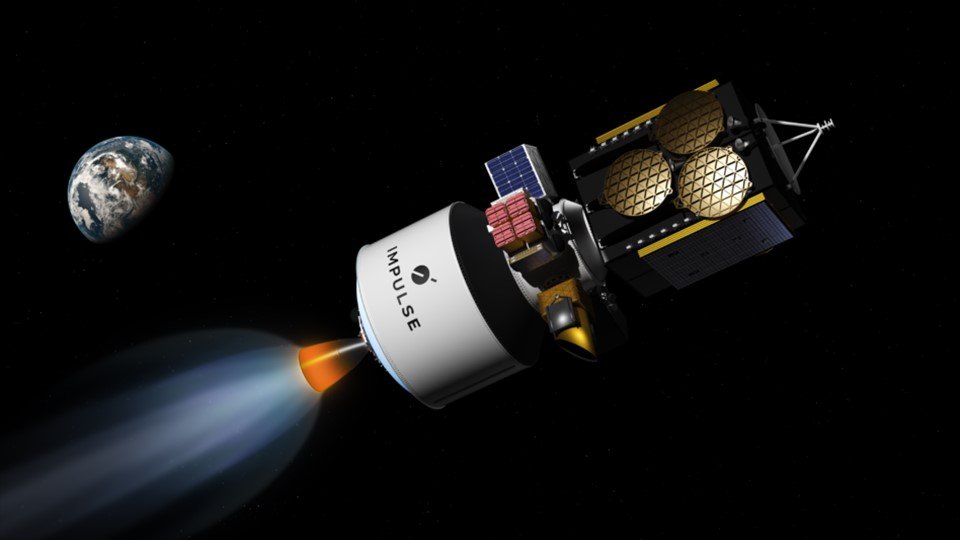 U.S. Space Force Awards Impulse Space $28 Million Contract for 2029 Orbital Surveillance Mission
-
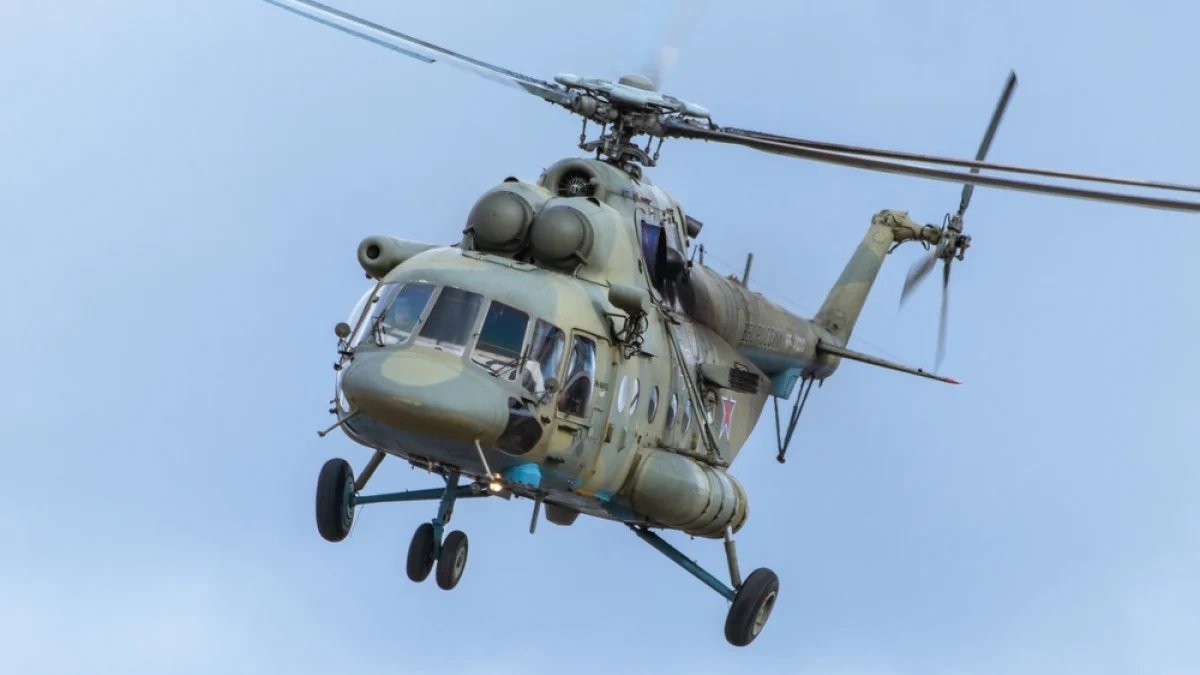 Russian Mi-8 Military Helicopter Crosses Into Polish Airspace for 42 Seconds Near Braniewo
-
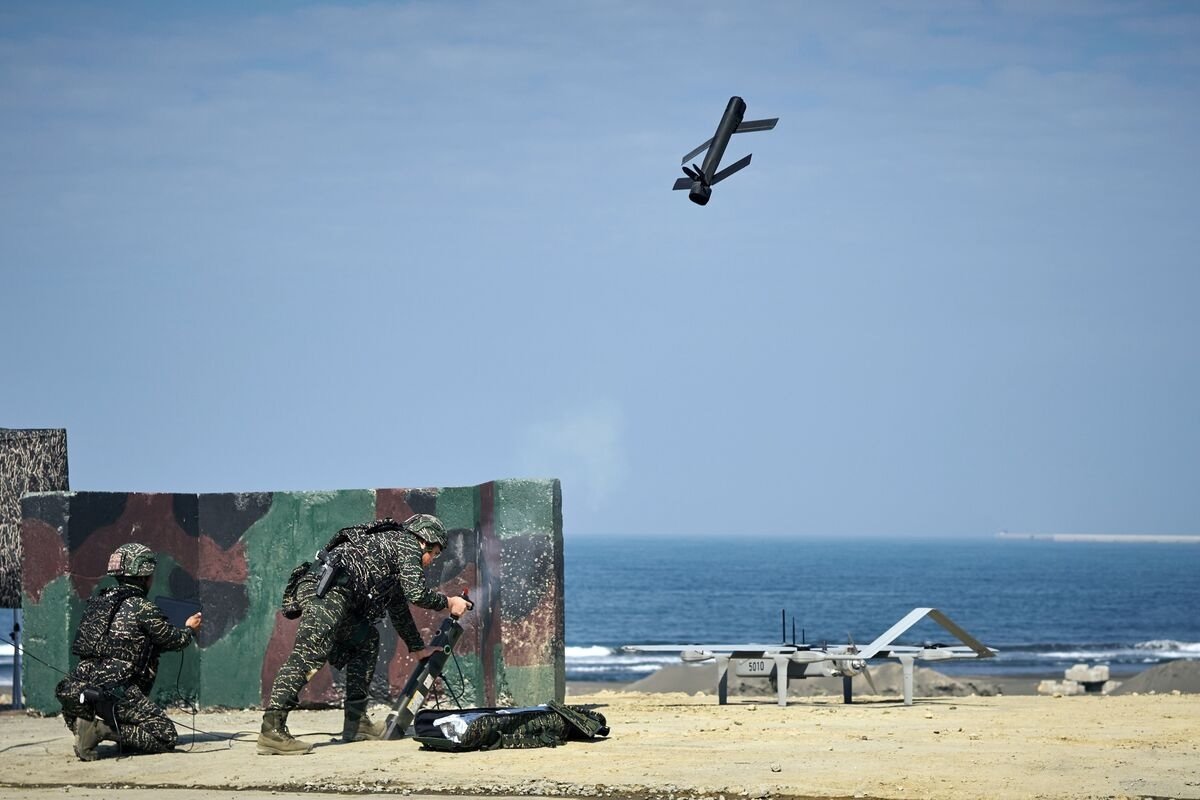 Taiwan Integrates Attack Drones Into Three-Service Live-Fire Exercise at Jiupeng for First Time
-
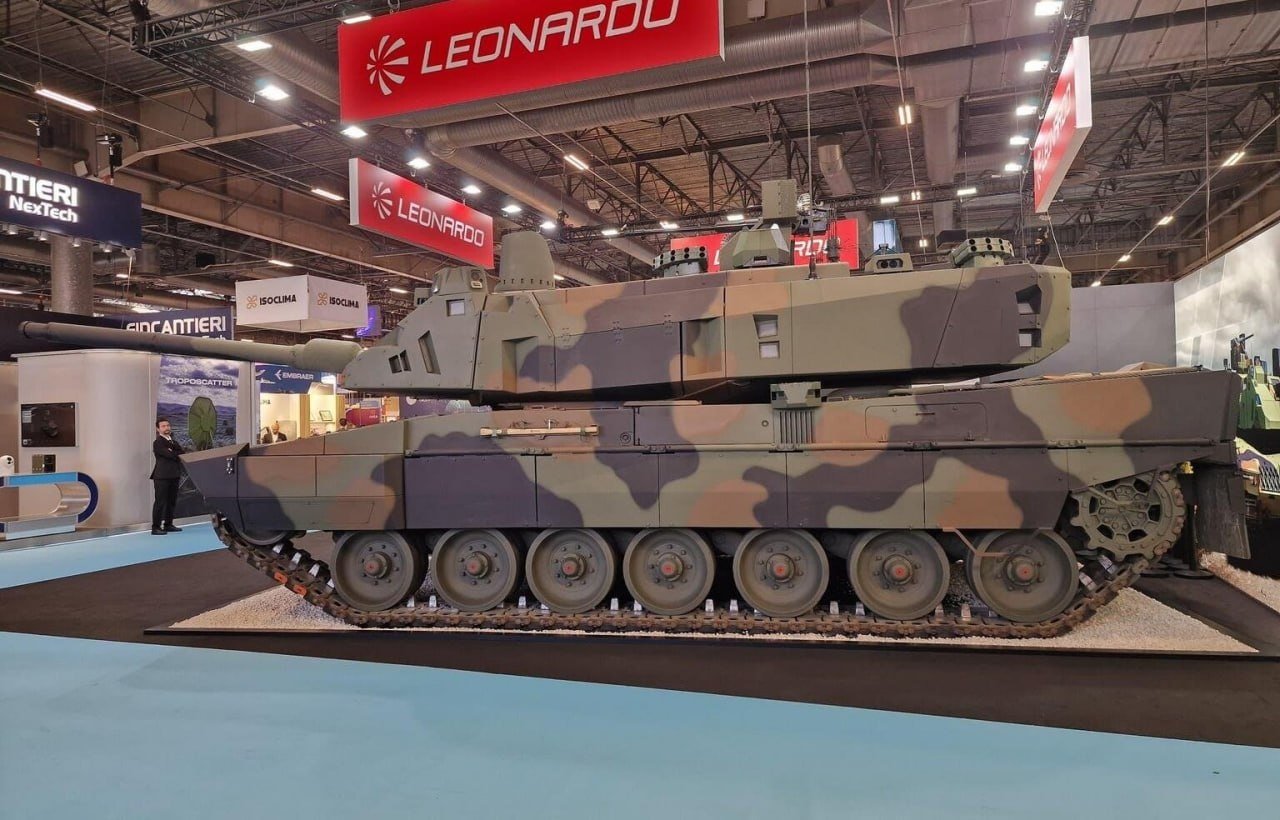 Italy Allocates Up to €5.14 Billion for Procurement of 132 New Main Battle Tanks
-
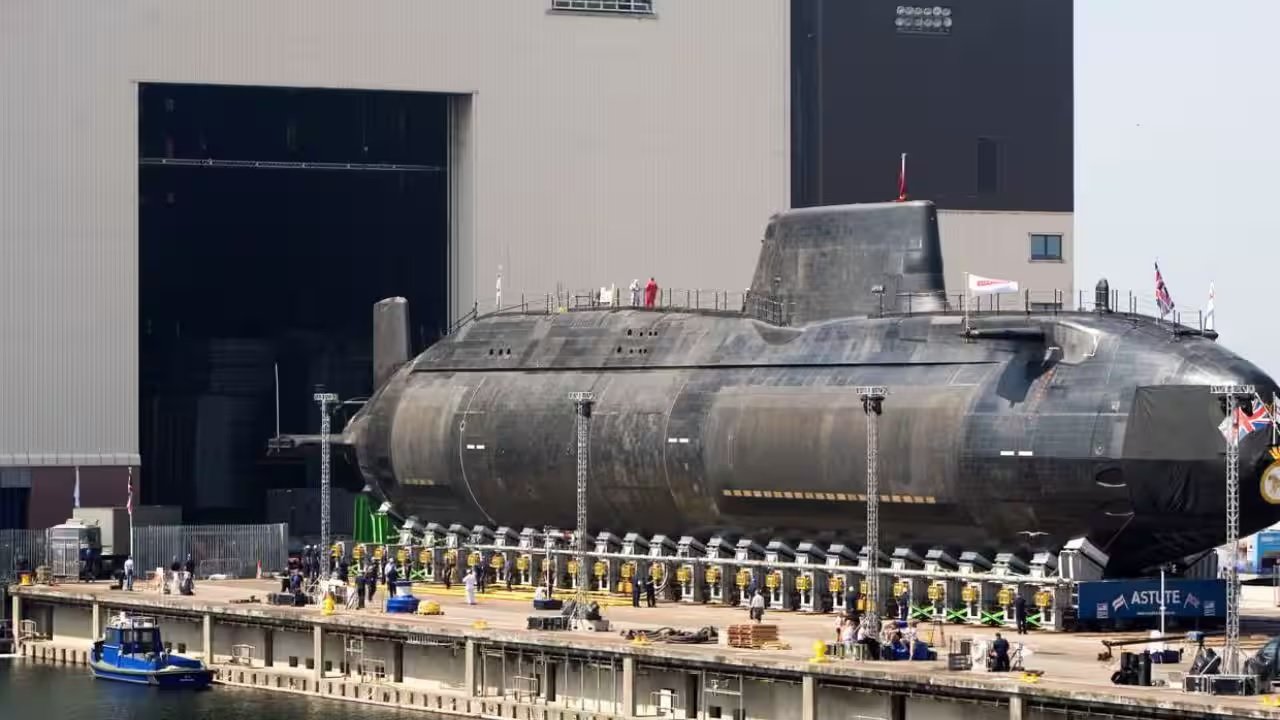 UK Announces £6 Billion Investment to Double Nuclear Submarine Production Rate
-
 Roketsan KARAOK Anti-Tank Missile Successfully Hits Aerial Target for First Time
-
 Dutch Firm DeltaQuad Launches Evo-LE VTOL UAV With Up to Eight-Hour Endurance
Top Trending in 4 Days
-
 U.S. Army Awards $10.64 Million Contract to Ukrainian Drone Maker Skyeton for Raybird Systems
-
 India’s xTerra Robotics Launches Indigenous DHAV-Hy Wheeled-Legged Quadruped for Industrial Inspection
-
 U.S. Space Force Seeks Rapid-Response Satellites for Close-Range Orbital Inspections
-
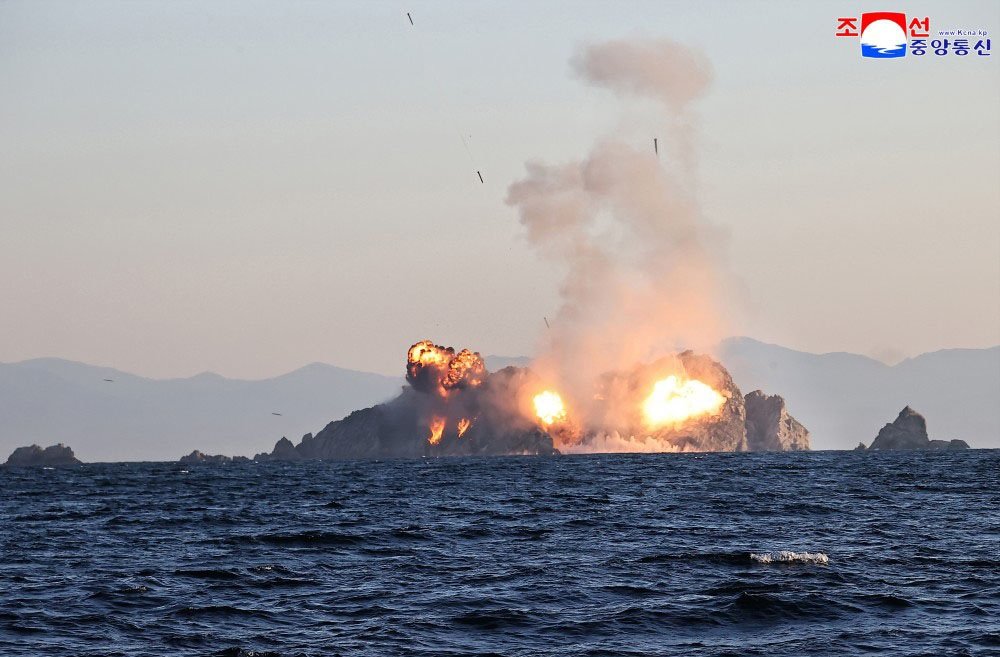 North Korea Fires Short-Range Ballistic Missile Toward Sea of Japan After Freedom Edge 26
-
 Ukraine Reports First Use of Fire Point’s FP-7 Tactical Ballistic Missile inMoscow-Region Strikes on Oil Refinery
-
 U.S. Government Seizes Almasirah.net, Houthi-Linked News Website
-
 US Navy Submarine Director Outlines Four-Pillar Plan to Raise Build Rates
-
 U.S. Delivers First CH-47F Chinook to Egypt Under 12-Helicopter Deal