
World
Researchers at the University of Southampton have developed a 5D glass disc capable of storing an astonishing 360 terabytes (TB) of data — roughly 100,000 times the capacity of a standard DVD. This breakthrough technology is designed to endure for billions of years, even under extreme conditions such as intense heat and radiation, making it one of the most durable and high-capacity storage solutions ever created. The disc uses ultrafast femtosecond lasers to inscribe nanoscale structures into fused silica glass, encoding data across five dimensions. These include the three spatial coordinates (x, y, z) along with two optical properties — light polarization and intensity. This multi-dimensional encoding allows an extraordinarily dense packing of information, enabling the storage of entire libraries, government archives, and scientific datasets in a device no larger than a standard disc. Scientists have tested the 5D disc under extreme conditions to assess its durability. It remained fully functional at temperatures as high as 1,000°C and under intense radiation, confirming that the information remains intact without any degradation. The technology promises to create permanent digital archives, potentially outlasting civilizations, and providing a unique solution for preserving humanity’s most important cultural, historical, and scientific records. The potential applications of this innovation are vast. In archival preservation, governments and institutions could store critical documents and cultural artifacts safely for millennia. In science and astronomy, massive datasets from climate research, space missions, and genomic studies could be preserved without fear of data loss. Researchers envision a future where knowledge and civilization’s collective achievements can be stored securely for billions of years, immune to the limitations of conventional magnetic or solid-state storage devices. This 5D glass disc represents a major leap in both materials science and data storage technology. By combining ultrafast laser writing with the durability of fused silica glass, the University of Southampton has created a storage medium that is not only enormous in capacity but also virtually indestructible. It opens the door to a new era of permanent, high-density storage, ensuring that critical knowledge can survive for the far future.
Read More → Posted on 2025-10-18 17:34:25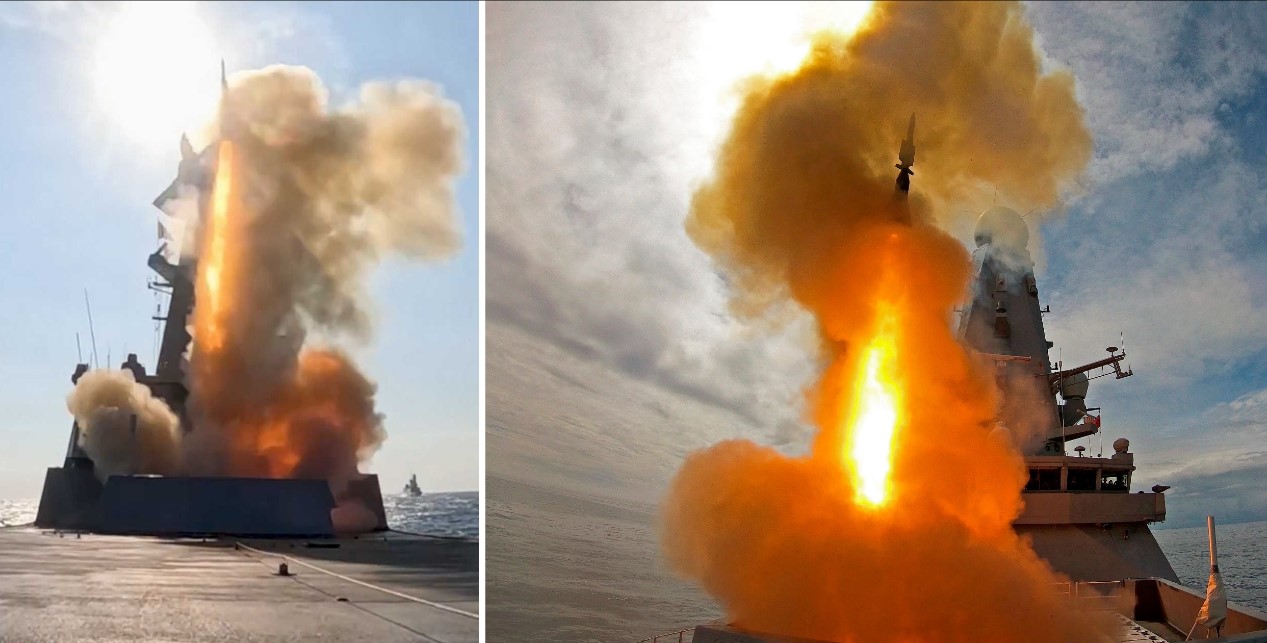
World
In a historic milestone for naval defense, the French Navy confirmed that its Horizon-class air-defense frigate Forbin successfully intercepted a guided bomb launched from a Rafale Marine fighter aircraft using an Aster 30 surface-to-air missile. The announcement, made on October 17, 2025, marks the first-ever real-world demonstration of a warship neutralizing an air-launched precision weapon before impact. The intercepted munition was a live AASM (Armement Air-Sol Modulaire) bomb, a highly accurate, modular air-to-ground weapon capable of striking targets at long ranges. The Forbin, equipped with the MBDA Aster 30 missile system and the SAMPSON multi-function radar, detected, tracked, and destroyed the incoming bomb. The Aster 30 missile system is a long-range, high-speed, radar-guided interceptor capable of engaging a wide variety of aerial threats, including aircraft, cruise missiles, tactical ballistic missiles, and precision-guided munitions. With its active radar seeker and vertical launch capability, Aster 30 can perform rapid, agile maneuvers to intercept targets at ranges up to 120 km and altitudes exceeding 20 km, making it a cornerstone of modern naval air defense. French defense officials highlighted the strategic significance of this event. Unlike previous demonstrations focused on drones or missiles, this test involved a live, air-launched guided bomb, simulating one of the most complex threats faced by modern navies. The successful interception proves that multi-layered naval defense systems, when integrated with advanced sensors and missiles like the Aster 30, can neutralize precision weapons well before they reach their target, enhancing the survivability of high-value ships in combat zones. The Forbin’s achievement represents both a technical breakthrough and a major morale boost for European naval defense. It demonstrates that European navies are capable of countering next-generation aerial threats, including guided bombs, loitering munitions, and potentially hypersonic glide vehicles, through sophisticated radar-guided missile systems and real-time threat processing. Experts also emphasize the integration of air and naval capabilities, where fighter aircraft like the Rafale Marine simulate real combat threats while warships defend themselves autonomously. The exercise validates decades of development in the Horizon-class frigates’ combat systems, including advanced radar tracking, automated threat prioritization, and rapid missile launch capabilities, ensuring that European fleets remain at the cutting edge of maritime defense technology. The interception of an air-launched guided bomb by the Forbin, using the Aster 30 missile system, sets a new global benchmark and is expected to influence naval defense strategies worldwide, as countries increasingly invest in multi-layered air defense shields to counter evolving precision-strike threats.
Read More → Posted on 2025-10-18 17:18:52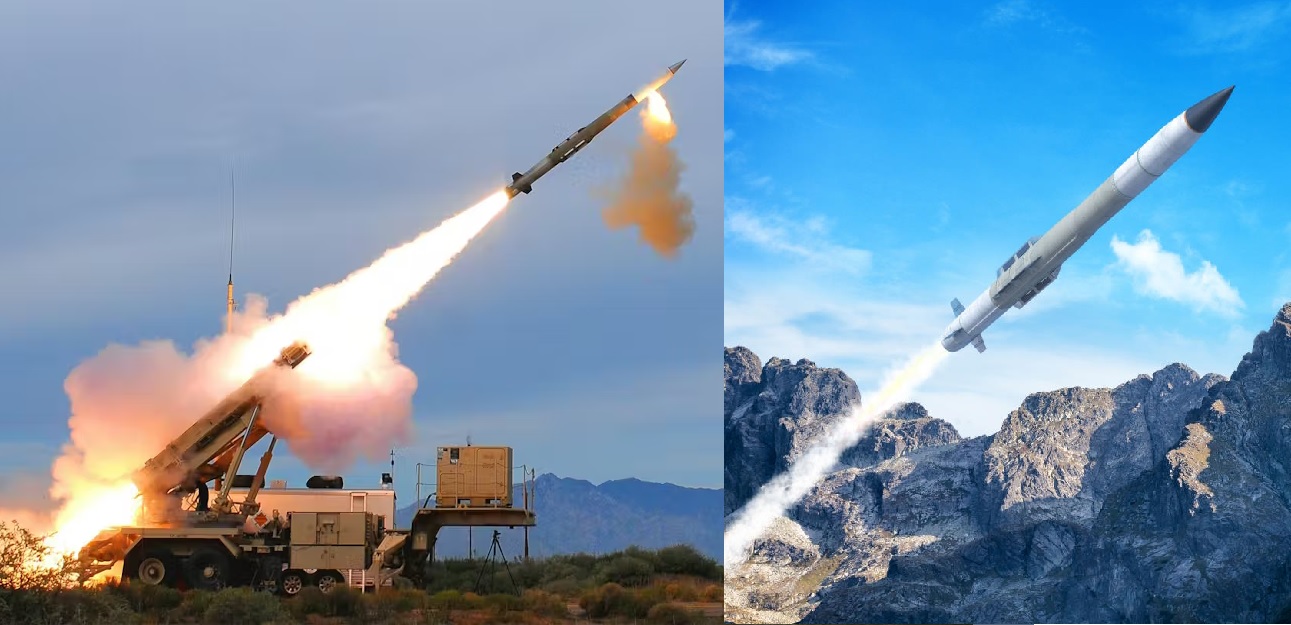
World
Lockheed Martin has announced the integration of artificial intelligence (AI) and machine learning (ML) technologies into its renowned PAC-3 Missile Segment Enhancement (MSE) interceptor system. The company stated that the upgrades will dramatically enhance the interceptor’s decision speed, precision, and adaptability against evolving air and missile threats, marking a significant leap in the modernization of missile defense capabilities. The PAC-3 MSE, known for its Hit-to-Kill technology, already features embedded AI software that has been part of the program’s framework since its inception. The latest advancements now expand the use of AI/ML across the entire kill chain, from detection and tracking to engagement and kill assessment. According to Lockheed Martin, these technologies “increase decision speed and improve decision quality to deliver a strategic advantage.” How the AI/ML Upgrade Works The integration of AI and ML allows the PAC-3 MSE system to process massive amounts of sensor data in real time. Using advanced algorithms, the system can detect, classify, and prioritize threats faster than before — even when dealing with multiple or maneuvering targets. At the detection stage, machine-learning models analyze radar and infrared data to differentiate genuine threats from decoys, drones, or clutter. Once identified, the AI-driven battle management system evaluates which interceptors to deploy and calculates the most efficient intercept path. During flight, AI-enabled guidance algorithms continually adapt to the target’s movement, adjusting the missile’s trajectory for a precise hit-to-kill outcome. These functions rely on upgraded processors and onboard computing modules capable of performing neural network inferences at high speed. Additionally, improved sensor fusion enables the system to combine radar and optical data for a more accurate, multi-dimensional understanding of the battlespace. Technical Enhancements To support these AI features, Lockheed Martin has implemented several key technical changes: Next-Generation Processors: Faster multicore processors and FPGA-based accelerators have been added to handle complex AI workloads with minimal latency. Seeker Algorithm Upgrades: The interceptor’s seeker software now employs ML-driven classifiers to improve target discrimination during terminal engagement. Enhanced Data Links: Secure, low-latency communication channels enable real-time data exchange between sensors, command centers, and interceptors. AI Verification Framework: Lockheed has introduced a model validation pipeline to ensure that AI algorithms perform safely and reliably under all combat conditions. These improvements ensure that the system not only reacts faster but also learns from each engagement, allowing continual refinement of its decision-making process over time. How It Improves the Kill Chain By embedding AI/ML into the fire control, command, and seeker systems, the PAC-3 MSE can perform nearly instantaneous threat assessments and engagement decisions. For instance, when a ballistic or cruise missile is detected: AI algorithms process sensor data to classify the type and trajectory of the target. The fire control system autonomously selects the best interceptor and computes intercept points. Mid-course updates use ML to refine targeting as the missile maneuvers. The onboard AI adjusts flight control for a precise kinetic intercept. This streamlined process reduces reaction time from seconds to milliseconds — a decisive advantage when confronting hypersonic or maneuverable reentry vehicles. Global Comparison While AI-driven battle management is gaining traction worldwide, Lockheed Martin’s approach is among the most integrated in an operational system. Israel’s Iron Dome and David’s Sling already utilize automated engagement management and radar data fusion. However, their AI integration focuses mainly on fire control rather than missile-level autonomy. Russia’s S-500 system is believed to include AI-assisted radar tracking, but detailed implementation remains classified. The U.S. THAAD system uses algorithmic threat prioritization but is now being updated with AI features inspired by PAC-3’s success. Thus, Lockheed Martin’s PAC-3 MSE stands out as one of the first fielded interceptors where AI operates across the full engagement cycle — from detection to destruction. Future Outlook As missile threats become more complex and numerous, especially with the rise of hypersonic and swarm attacks, AI integration will be crucial to maintaining an effective defense. Lockheed Martin’s AI-enabled PAC-3 MSE reflects a shift toward autonomous, adaptive defense systems capable of handling large-scale, high-speed engagements with minimal human input. The company continues to refine these capabilities under ongoing U.S. Army and allied modernization programs. With real-time learning and autonomous decision support, the PAC-3 MSE is evolving from a precision interceptor into a smart defensive weapon system — one capable of anticipating and countering tomorrow’s threats before they strike.
Read More → Posted on 2025-10-18 15:47:44
World
The United States spends hundreds of billions of dollars every year to defend countries that pose no direct threat to its borders. From maintaining troops and bases across Asia and Europe to deploying carrier strike groups in distant seas, Washington shoulders an immense financial burden to uphold what it calls the global security order. Nations such as Japan, South Korea, Taiwan, and Israel depend heavily on U.S. protection — a policy that blends deterrence, influence, and strategic dominance. But few Americans realize just how much this protection actually costs. A vast network of overseas bases The U.S. military maintains around 750 overseas bases in more than 80 countries, supporting about 200,000 active-duty troops stationed outside the continental United States. These facilities — from Okinawa and Yokosuka in Japan to Osan and Camp Humphreys in South Korea, Ramstein Air Base in Germany, and Diego Garcia in the Indian Ocean — serve as the backbone of U.S. global power projection. Operating and maintaining these installations costs U.S. taxpayers approximately $55–70 billion annually, according to estimates by the Department of Defense and the Costs of War Project at Brown University. While host nations like Japan and South Korea contribute to housing and infrastructure expenses, the majority of the logistical, training, and personnel costs still fall on Washington. For example: Japan: The U.S. spends about $5.5 billion per year on operations, personnel, and logistics, even though Tokyo contributes about $2 billion through its “host-nation support” program. South Korea: About $3.5–4 billion per year in U.S. military expenses, partially offset by Seoul’s contribution under the Special Measures Agreement. Germany: Roughly $4–5 billion annually to sustain troops and infrastructure, including bases like Ramstein and Grafenwoehr. These bases are not only costly but strategically positioned — allowing the U.S. to respond to crises in Asia, the Middle East, and Europe without delay. The floating fortresses: U.S. Navy fleets abroad Beyond land bases, a major part of the U.S. defense commitment comes from naval deployments. The U.S. Navy operates 11 aircraft carriers, most of which spend large portions of the year deployed in regions far from American waters. The Seventh Fleet, headquartered in Yokosuka, Japan, alone patrols an area stretching from the Western Pacific to the Indian Ocean. It includes about 70–80 ships and submarines, with 140 aircraft and 40,000 Navy and Marine personnel. Maintaining this fleet costs $6–7 billion per year, factoring in ship operations, fuel, maintenance, and rotational crew deployments. Similarly, the Fifth Fleet, based in Bahrain, ensures security in the Persian Gulf and Arabian Sea, while the Sixth Fleet, operating from Italy, covers Europe and the Mediterranean. Combined, these forward naval operations cost an estimated $20–25 billion annually, as they require continuous presence, refueling, and support missions. These deployments are intended to deter adversaries like China, Russia, Iran, and North Korea, reassure allies, and protect international trade routes. Yet they also represent one of the most expensive and enduring components of U.S. foreign defense commitments. Beyond deployments: security aid and arms financing The United States also channels large sums into direct military aid and arms financing. Through the Foreign Military Financing (FMF) program, Washington provides billions to help allies purchase U.S. defense equipment and maintain their arsenals. In fiscal year 2025, the U.S. allocated $6.1 billion for global FMF assistance. Major beneficiaries include: Israel: $3.8 billion annually under a long-term defense agreement. Egypt: $1.3 billion per year, primarily for modernization of its military. Taiwan: $500 million+ in new packages to bolster coastal and air defenses. Ukraine: Over $67 billion in direct military assistance since 2022, including missiles, drones, and armored vehicles. When adding humanitarian and logistical support, the total U.S. expenditure on Ukraine-related security surpasses $100 billion since the Russian invasion began. The real cost of being the world’s security provider When combining overseas base operations, naval deployments, and foreign military aid, the total U.S. spending on global defense easily exceeds $150–180 billion annually. That figure includes: $55–70 billion for overseas bases and troop maintenance $20–25 billion for deployed Navy fleets and carrier strike groups $6–10 billion in regular foreign military aid Up to $100 billion in crisis-related expenditures (such as Ukraine) These commitments account for roughly 20–25% of the Pentagon’s annual budget, excluding domestic operations and homeland defense. Strategic logic: deterrence and influence For Washington, this spending is justified as an investment in global deterrence and strategic influence. The idea is to prevent wars from reaching American soil by maintaining power projection overseas — a doctrine that dates back to the early Cold War. Forward-deployed bases enable the U.S. to respond within hours to potential conflicts, while naval fleets guarantee freedom of navigation and the security of vital trade routes. At the same time, military aid programs ensure that allied nations remain interoperable with U.S. systems, reinforcing long-term defense ties and arms sales. In Asia, this strategy is central to countering China’s growing military power. In Europe, it reassures NATO allies amid fears of Russian aggression. And in the Middle East, it maintains balance against Iran’s influence and secures energy transit routes. The criticism: America’s global security bill for others However, critics argue that the U.S. is effectively subsidizing the defense of wealthy nations, many of which could afford to increase their own military spending. Japan, Germany, and South Korea have large economies but rely heavily on U.S. forces for deterrence. Former U.S. defense officials have questioned whether maintaining 100,000 troops in East Asia and Europe is sustainable when the U.S. faces growing fiscal pressures at home. Others argue that these overseas deployments make America a global policeman, drawing it into conflicts that have little to do with its own security. Economists from the Stimson Center and Brown University estimate that if the U.S. reduced its global military presence by just 25%, it could save $30–40 billion per year without severely affecting its deterrence posture. Balancing cost, power, and commitment The United States remains unmatched in global reach. No other nation possesses the ability to deploy carriers, troops, and aircraft across every ocean simultaneously. This dominance, however, comes at a steep price — one that American taxpayers continue to bear for the sake of stability far beyond their own borders. For Washington, the choice is not merely financial. It’s about preserving a world order built on alliances, open seas, and deterrence. But as global tensions rise and domestic priorities compete for funding, the question grows louder: How long can the U.S. afford to be the world’s security provider for nations that are not its own?
Read More → Posted on 2025-10-18 15:44:27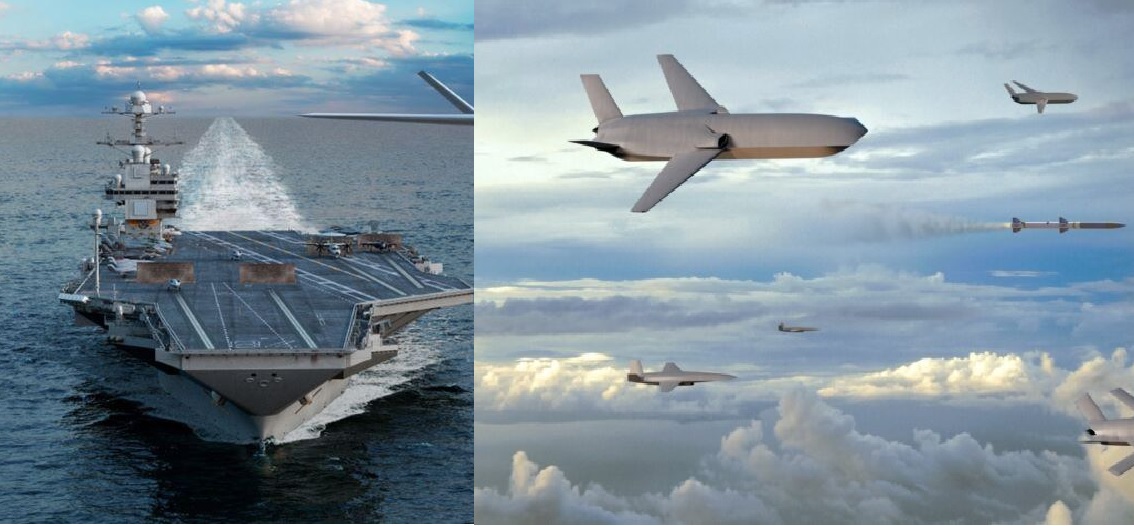
World
General Atomics Aeronautical Systems, Inc. (GA-ASI) has been chosen by the U.S. Navy to develop conceptual designs for a new Collaborative Combat Aircraft (CCA) that will operate alongside manned aircraft in the carrier air wing of the future. The company’s design will emphasize a modular approach, allowing rapid upgrades, reconfiguration, and mission adaptation — an essential feature for naval aviation, where mission requirements can change quickly depending on deployment and threat environment. The Navy’s CCA program is part of a larger push to bring uncrewed, semi-autonomous aircraft into carrier operations, working alongside fighters like the F/A-18E/F Super Hornet, EA-18G Growler, and F-35C Lightning II. These new CCAs will serve as loyal wingmen, extending the reach, sensor capability, and strike power of the carrier air wing while reducing risk to human pilots. GA-ASI’s concept will need to operate seamlessly from aircraft carriers, meaning it must feature folding wings, reinforced landing gear, and corrosion-resistant materials suitable for maritime environments. The Navy’s acquisition strategy for this project marks a major shift away from traditional long-cycle programs. Instead of large, decades-long procurement deals, the service plans to pursue smaller, more frequent purchases that allow faster technology insertion and lower overall cost. GA-ASI’s approach aligns perfectly with this model — focusing on affordability, modularity, and the ability to incorporate emerging technologies without a full redesign. This contract follows GA-ASI’s ongoing work with the U.S. Air Force, for which it developed and recently began flight testing the YFQ-42A, the Air Force’s first Collaborative Combat Aircraft. Lessons from the YFQ-42A and GA-ASI’s previous unmanned programs such as the MQ-20 Avenger and XQ-67A Off-Board Sensing Station will likely feed into the Navy’s CCA design. The company’s “Gambit” series, revealed earlier, could also serve as a technological foundation for the Navy’s variant, with carrier-capable modifications such as catapult launch and arrested recovery capability. According to industry reports, the U.S. Navy has set a target unit cost of around $15 million for each CCA, significantly less than a manned fighter. This relatively low cost suggests that the Navy envisions these aircraft as affordable and expendable assets capable of operating in high-threat environments. They are expected to perform both air-to-air and strike missions, complementing the Air Force’s CCA program, which initially focuses more on air-to-air roles. Budget documents indicate that the Navy’s CCA program remains in its early development stages. For fiscal year 2026, the Navy has requested roughly $58 million in research, development, testing, and evaluation (RDT&E) funding for the program. While this is a modest amount compared to the Air Force’s CCA budget of over $800 million, it highlights that the Navy’s focus is currently on conceptual and design work before committing to full-scale production. Officials have also expressed concern that ongoing budget constraints and continuing resolutions in Congress could delay the program’s progress. The Navy’s CCA will need to meet stringent performance and operational requirements, including autonomous coordination with manned aircraft, integration with carrier command and control systems, and rapid mission adaptability. It must be capable of conducting long-endurance missions while maintaining stealth and survivability against advanced adversary defenses. While detailed specifications remain classified, the emphasis on modularity means payloads such as sensors, electronic warfare suites, or precision weapons could be swapped based on mission needs. GA-ASI’s experience and success with autonomous systems give it a strong foundation to deliver a viable carrier-based CCA concept. If the program succeeds, it could reshape naval aviation by introducing a new generation of unmanned aircraft that combine flexibility, affordability, and combat capability. This development also aligns with the U.S. Navy’s broader vision of building a more distributed and resilient carrier air wing capable of confronting advanced threats from near-peer adversaries in contested environments such as the Indo-Pacific. The U.S. Navy’s Collaborative Combat Aircraft initiative, now joined by GA-ASI, represents one of the most transformative steps in modern carrier aviation. By integrating uncrewed systems that can fight alongside manned aircraft, the Navy aims to ensure its carrier strike groups remain dominant in the increasingly complex and high-risk battlespace of the future.
Read More → Posted on 2025-10-18 15:29:01
World
The Afghanistan Cricket Board (ACB) has confirmed that at least eight people, including several local cricket players, were killed in Pakistani airstrikes that struck the eastern Afghan province of Paktika on the night of October 17, 2025. The victims were attending a dinner gathering after playing in a local tournament when the strikes occurred, marking one of the deadliest cross-border incidents this year between the two countries. According to ACB officials who spoke to the BBC, the young players had participated in a friendly cricket match earlier in the day in Urgun district. After returning from the game, they joined friends and fellow athletes for dinner when multiple explosions ripped through the area. Local residents reported that the strikes hit residential homes, killing civilians who had no link to militant activity. Among the dead were at least three cricketers recognized in domestic circles — identified by Afghan media as Kabeer Agha, Sibghatullah Zirok, and Haroon. Provincial officials initially placed the total death toll at eight, though later reports suggested that up to ten civilians may have lost their lives, with several others injured. Eyewitnesses described a scene of devastation, with homes reduced to rubble and families searching through debris for survivors. “They had just finished dinner and were talking about their next match,” said one local resident quoted by Afghan media. “Then the explosions came — there was nothing left.” The Afghanistan Cricket Board released an official statement condemning the attack and expressing grief over the deaths of the players, calling it a “tragic loss for the nation’s sports community.” In solidarity with the victims, the board also announced the withdrawal of Afghanistan’s national cricket team from the upcoming Tri-Nation T20 Series in Pakistan, which was scheduled to include Pakistan and Sri Lanka. The ACB said this decision reflected “respect for the martyrs of Paktika and rejection of violence against innocent Afghans.” Prominent Afghan players, including national captain Rashid Khan, took to social media to express outrage and sorrow. “These were young men who dreamed of representing their country in cricket,” Rashid wrote. “They should have been preparing for tournaments, not losing their lives in airstrikes.” The loss has sent shockwaves through Afghanistan’s cricket community, which has been a rare source of national unity amid years of conflict. In contrast, the Pakistan military defended the strikes, claiming they targeted hideouts of anti-Pakistan militants believed to be responsible for recent attacks inside Pakistani territory. Islamabad stated that the operation was conducted in “self-defense” and denied that civilians were intentionally targeted. However, Afghan officials and eyewitnesses insist that no militant presence existed in the area and that the victims were all civilians. The incident immediately escalated diplomatic tensions between Kabul and Islamabad. The Taliban government strongly condemned what it called “an unprovoked act of aggression,” warning that Afghanistan “reserves the right to respond.” The Taliban’s spokesperson said Pakistan’s actions violated Afghan sovereignty and demanded an international investigation into the attack. International reactions were swift. The International Cricket Council (ICC) issued a statement expressing deep condolences to the families of the players and emphasizing the need to keep sports separate from conflict. Meanwhile, diplomatic sources reported that delegations from both countries were heading to Doha to hold emergency talks aimed at easing tensions following the strikes. Observers note that the timing of the attack is particularly sensitive, as relations between the two neighbors have deteriorated in recent months over militant movements along their shared border. Pakistan has repeatedly accused the Afghan Taliban of harboring the Tehrik-i-Taliban Pakistan (TTP), a claim Kabul denies. The latest strike, killing civilians and athletes, risks deepening public anger and further isolating Islamabad in regional opinion. The deaths of the young cricketers have sparked widespread mourning in Afghanistan, where sports—especially cricket—represent a symbol of hope and normalcy after decades of war. Candlelight vigils were held across several provinces, and fans shared photos of the players on social media with the caption: “They played for peace, not for war.” As both governments trade accusations, the tragedy in Paktika underscores the human cost of the unresolved conflict along the Afghanistan–Pakistan border. What was meant to be a night of celebration for local athletes ended in devastation, leaving a community grieving for its lost sons and a region once again on the brink of confrontation.
Read More → Posted on 2025-10-18 15:11:02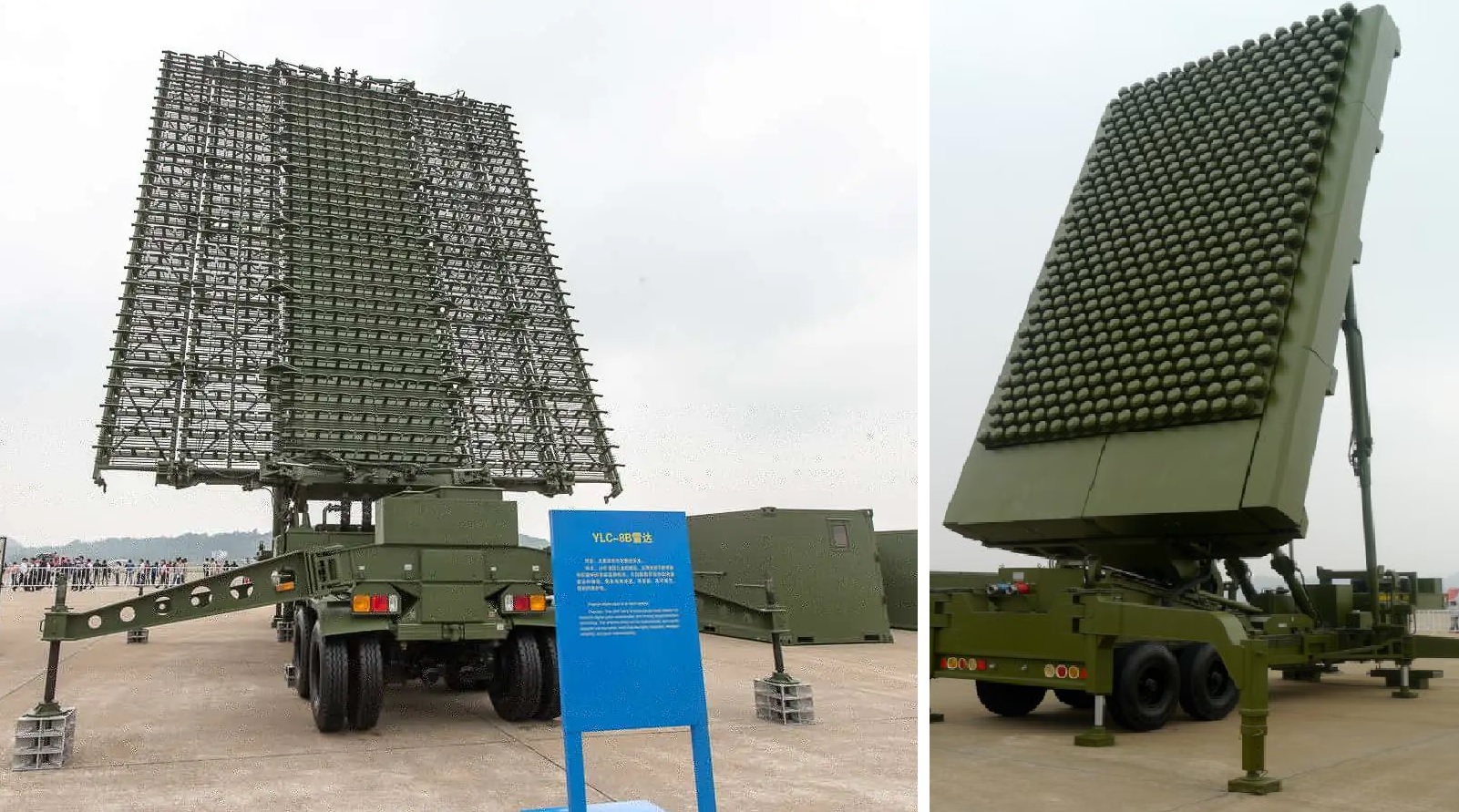
World
China has reportedly entered the mass production phase of a next-generation quantum radar component, which officials claim could eventually enable the detection of advanced stealth aircraft such as the US B-2 Spirit and F-35 Lightning II fighters. The breakthrough, announced by Chinese state media this week, centers on an ultra-sensitive single-photon detector — a critical building block for quantum radar and communication systems. Next-Generation “Photon Catcher” The device, often referred to by Chinese scientists as a “photon catcher”, was developed by researchers in Hefei, a hub for quantum technology in China. It is a four-channel ultra-low-noise single-photon detector capable of identifying individual photons — the smallest measurable units of light. This capability is essential for quantum illumination, a technique that forms the theoretical basis of quantum radar. According to Chinese reports, the mass-produced detector features extremely low background noise and high quantum efficiency, allowing it to identify weak return signals from distant, low-reflectivity targets that are typically invisible to conventional radar systems. The device will also be used for secure quantum communication and optical sensing, but its military implications have drawn the most global attention. How Quantum Radar Works Traditional radar systems emit radio waves that bounce off targets, but stealth aircraft like the B-2 and F-35 are designed with radar-absorbent materials and angular surfaces to scatter these signals away. Quantum radar, however, uses entangled photons — pairs of light particles whose quantum states are linked. In a quantum illumination radar, one photon from each entangled pair is transmitted toward the target while its twin is retained. When the transmitted photon reflects off an object and returns, its quantum correlation with the retained photon helps distinguish genuine returns from background noise. This process theoretically improves the signal-to-noise ratio and allows detection of low radar cross-section (RCS) targets, even in cluttered or jamming-heavy environments. Detection Range and Sensitivity While Chinese state outlets claim the new detector can identify “extremely weak echoes,” no verifiable data has been released on its detection range or minimum RCS capability. However, theoretical models suggest that such quantum detectors could, in ideal conditions, detect objects with RCS values below 0.001 m² — comparable to the radar signature of stealth aircraft — at distances of 50 to 100 kilometers. In comparison, current low-frequency radars can sometimes track stealth aircraft at similar ranges, but they lack precision and tracking accuracy. Quantum radar promises to merge sensitivity with precision, if engineering challenges like signal decoherence, atmospheric noise, and photon loss can be overcome. How It Differs from Conventional Anti-Stealth Radar Current radar systems designed to detect stealth aircraft rely on VHF or L-band frequencies, which interact differently with radar-absorbent materials. Others use passive detection methods, such as monitoring electromagnetic emissions or tracking infrared signatures. Quantum radar, on the other hand, represents a paradigm shift — it does not rely purely on frequency or power but on quantum-level measurement of returned photons. It theoretically enables detection even when the reflected signal is weaker than environmental noise, something impossible for classical radar systems. Moreover, the single-photon detector produced by China differs from traditional radar receivers by being capable of counting and distinguishing individual photons. This allows the system to recognize incredibly weak returns that would otherwise be lost in electronic noise. Global Implications and Skepticism If successful, a deployable quantum radar would dramatically alter modern aerial warfare. It could render stealth technology — a cornerstone of US and allied air power — far less effective. The B-2 Spirit, F-35, and upcoming B-21 Raider all depend on maintaining minimal radar visibility for survivability in contested airspace. However, experts outside China remain skeptical. Quantum illumination experiments so far have been limited to short-range laboratory tests, typically within a few meters. Extending these results to long-range, atmospheric conditions remains a significant challenge. Entangled photons are fragile and easily disturbed by environmental interference, reducing their effectiveness over distance. According to Western analysts, China’s announcement marks progress in quantum sensing hardware, not yet in field-deployable radar systems. Still, by moving to mass production, Beijing demonstrates confidence that the technology will mature within the next decade. A Step Toward Quantum Supremacy in Defense The new quantum detector fits into China’s broader push for quantum supremacy in both civilian and defense applications. Alongside its quantum communication satellite (Micius) and secure quantum networks, this radar component underscores China’s ambitions to lead in next-generation sensing technologies that could disrupt existing military doctrines. While practical, long-range quantum radar remains unproven, the current progress in photon detection and quantum electronics shows that the race toward defeating stealth is accelerating — and China is positioning itself at the forefront.
Read More → Posted on 2025-10-18 15:06:20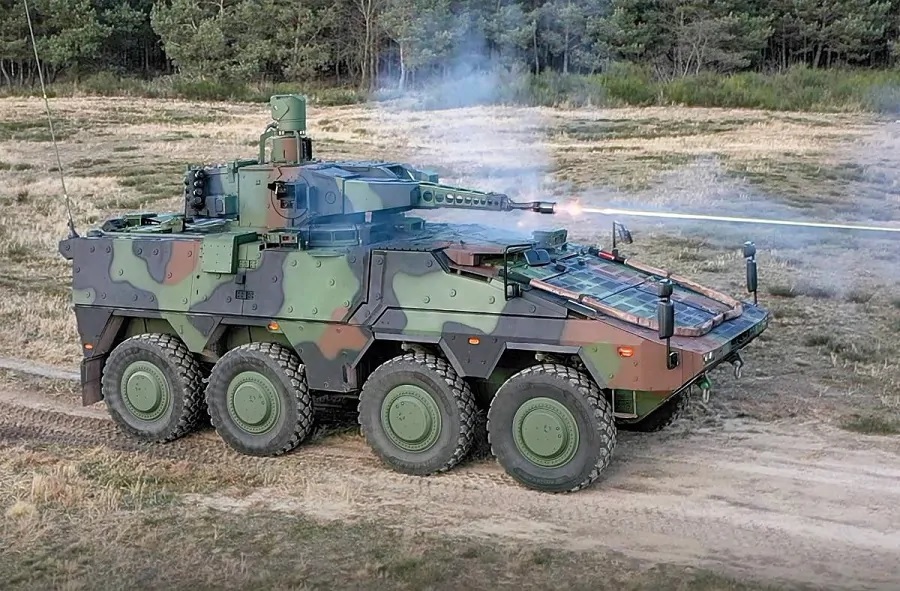
World
On 17 October 2025, Germany and the Netherlands officially signed a landmark €4.5 billion contract through the Organisation for Joint Armament Cooperation (OCCAR) to jointly procure 222 new SCHAKAL Infantry Fighting Vehicles (IFVs) — a cutting-edge variant of the proven Boxer modular armored vehicle family. The agreement marks one of the most significant European land systems investments in recent years and reinforces both nations’ commitment to deepening defense industrial cooperation and enhancing NATO’s protected mobility. A Milestone for European Defense Cooperation The contract, signed in Bonn, represents the latest phase in the evolving Boxer program, already in service with several NATO members including Germany, the Netherlands, the UK, and Lithuania. Managed by ARTEC GmbH, a joint venture between Krauss-Maffei Wegmann (KMW) and Rheinmetall Landsysteme, the Boxer family has become a cornerstone of Europe’s next-generation armored mobility. The new SCHAKAL variant, jointly developed by German and Dutch industries, will expand both nations’ Boxer fleets and provide a dedicated infantry fighting vehicle (IFV) configuration designed to deliver superior firepower, troop protection, and digital integration for high-intensity warfare. This expansion brings the total OCCAR-managed Boxer program value to over €10 billion, cementing it as one of Europe’s largest cooperative defense projects. SCHAKAL: The Next-Generation Infantry Fighting Vehicle The Boxer SCHAKAL (Schwerer Kampf- und Aufklärungswagen Leicht) is conceived as a highly modular, multi-role platform capable of adapting to diverse operational needs — from frontline combat to reconnaissance and medical evacuation. Key Specifications and Features: Combat Weight: Approximately 45 tonnes (depending on configuration) Crew: 3 (commander, gunner, driver) + up to 8 infantry troops Main Armament: Lance 2.0 Remote-Controlled Turret 30mm MK30-2/ABM automatic cannon with programmable airburst munitions Coaxial 7.62mm machine gun Optional Spike-LR2 or MELLS anti-tank guided missile launchers Armor Protection: STANAG 4569 Level 4+ ballistic and mine protection, with modular add-on armor kits Engine: MTU 8V199 TE21 diesel engine producing 720 hp, providing a top speed of 100 km/h Range: Over 700 kilometers on-road Digital Systems: Integrated battle management system, situational awareness sensors, and next-gen communication suite compatible with NATO networks The SCHAKAL variant emphasizes survivability, mobility, and firepower, giving German and Dutch mechanized infantry units the ability to fight alongside Leopard 2 main battle tanks and other modern assets. It also incorporates enhanced mine and IED protection, improved crew ergonomics, and greater autonomy-ready architecture to accommodate future unmanned systems integration. Industrial and Strategic Impact This new phase of the Boxer program significantly strengthens German-Dutch industrial cooperation, as both nations will share production, logistics, and system integration responsibilities. Rheinmetall, KMW, and Dutch industry partners such as Dutch Defence Vehicle Systems (DDVS) will collaborate closely, ensuring long-term sustainment and upgrade pathways. The contract also signals Europe’s intent to consolidate its defense supply chains amid global instability and rising demand for armored vehicles. The SCHAKAL’s modular nature allows it to evolve with emerging technologies, ensuring decades of service relevance. Enhancing NATO’s Battlefield Mobility For NATO, the SCHAKAL procurement represents a tangible step toward greater operational resilience and interoperability. The new IFVs will enhance the alliance’s protected mobility in Eastern Europe, support rapid deployment forces, and strengthen deterrence against evolving threats — particularly in hybrid and high-intensity combat environments. The inclusion of medical evacuation and command post variants in future orders will also improve battlefield sustainability, ensuring that the Boxer fleet forms a complete, networked family of vehicles for combat, logistics, and recovery missions. With deliveries expected to begin in the late 2020s, the SCHAKAL program will define the next decade of European armored warfare. Its combination of modular design, powerful weapon systems, and digital integration makes it a central pillar of the European Defence Industrial Strategy. In an era where mobility, protection, and interoperability define modern battlefields, the Germany–Netherlands SCHAKAL initiative stands as a model of effective multinational defense collaboration — one that both strengthens NATO’s frontlines and signals Europe’s growing determination to take collective responsibility for its security.
Read More → Posted on 2025-10-18 14:09:16
World
The International Criminal Court (ICC) has rejected Israel’s appeal against the arrest warrants issued for Prime Minister Benjamin Netanyahu and former Defense Minister Yoav Gallant, marking a major legal and diplomatic setback for Israel amid the ongoing conflict in Gaza. The decision affirms the ICC’s earlier determination that there are “reasonable grounds” to believe both leaders bear criminal responsibility for alleged war crimes and crimes against humanity committed during Israel’s military operations in Gaza. The arrest warrants were issued on November 21, 2024, by the ICC’s Pre-Trial Chamber I, following a formal request from ICC Chief Prosecutor Karim A.A. Khan KC. The charges against Netanyahu and Gallant include using starvation as a method of warfare, intentionally directing attacks against civilians, and crimes against humanity, including murder, persecution, and other inhumane acts. The Court concluded that from October 8, 2023, through May 2024, Israel’s leadership pursued policies that deliberately restricted food, water, and humanitarian access to Gaza’s civilian population. Israel strongly rejected the warrants, arguing that the ICC has no jurisdiction over its actions because Israel is not a signatory to the Rome Statute, the treaty establishing the Court. In May 2025, Israel submitted a formal request to dismiss the warrants, claiming that the ICC overstepped its authority. However, on July 16, 2025, the ICC ruled that there was “no legal basis” to revoke the warrants while questions over jurisdiction remain unresolved. Israel then attempted to appeal the ruling, but in a 13-page decision, the ICC judges declared that Israel’s appeal was inadmissible, stating, “The Chamber therefore rejects the request.” This latest judgment closes the door on Israel’s legal maneuvering to halt the case. The ICC’s Appeals Chamber had earlier instructed the Pre-Trial Chamber to reconsider certain elements of Israel’s jurisdictional objections in April 2025, keeping the broader legal question unresolved. This means that while the warrants remain active, the final ruling on whether the ICC has authority over Israeli officials has yet to be determined. As a result, the case continues to occupy a legally complex and politically charged space, with no clear end in sight. Reactions to the ICC’s decision have been fierce. Prime Minister Netanyahu denounced the warrants as “an anti-Semitic attack on the State of Israel,” comparing it to historic injustices against the Jewish people. The United States—also not a member of the ICC—strongly backed Israel. Then-President Joe Biden called the ruling “outrageous,” and Washington imposed sanctions on senior ICC officials, accusing the Court of politically motivated actions. The European Union, by contrast, maintained that its member states, as signatories to the Rome Statute, are legally obligated to execute ICC warrants, meaning they must arrest and transfer the accused if they enter EU territory. Under international law, all 123 member states of the ICC are required to comply with its orders. This means that if Netanyahu or Gallant travel to any country that is party to the Rome Statute, they could legally be detained and handed over to The Hague. However, many analysts note that the actual enforcement of such warrants often depends more on political will than on legal obligation. In practice, most Western and allied nations are unlikely to arrest sitting Israeli leaders, despite the formal legal framework. After the International Criminal Court (ICC) issued arrest warrants for Prime Minister Benjamin Netanyahu and former Defense Minister Yoav Gallant in November 2024, Netanyahu continued his international engagements, including a visit to an ICC member state. In early April 2025, he travelled to Hungary, a country that is a signatory to the Rome Statute and therefore legally obliged to enforce ICC arrest warrants. Despite this, the Hungarian government, under Prime Minister Viktor Orbán, publicly declared that it would not comply with the ICC order and would not arrest Netanyahu during his visit. The decision drew international criticism and underscored the tension between political alliances and legal obligations under international law. Earlier, in February 2025, Netanyahu had also visited the United States, which is not a member of the ICC and therefore not bound by the Court’s jurisdiction. His trip to Hungary, however, marked the first known instance of an Israeli leader visiting an ICC member state after the issuance of an active arrest warrant, highlighting both Israel’s defiance and the political divisions among ICC member countries regarding enforcement of the Court’s rulings. The case represents one of the most politically sensitive actions in the ICC’s history. It is unprecedented for a sitting prime minister of a major U.S.-backed democracy to face an international arrest warrant. The Court’s move underscores its stance that no political leader is immune from accountability for alleged war crimes, regardless of their country’s treaty status. Yet, the geopolitical implications are profound: the decision further strains ICC–U.S. relations and places European and Arab states in a delicate position regarding future dealings with Israel. The ICC’s rejection of Israel’s appeal highlights the growing tension between international law and global power politics. While the warrants remain in force, their enforcement is uncertain, hinging on the willingness of states to act. As the ICC continues to deliberate over its jurisdiction, Netanyahu and Gallant’s international travel will likely face new restrictions, and Israel’s diplomatic engagements may encounter unprecedented legal and political challenges. For now, the ICC’s message is clear: its pursuit of justice in the Gaza conflict will proceed despite opposition from some of the world’s most powerful governments. Whether the international community will uphold the Court’s authority—or sidestep it under political pressure—remains one of the most consequential questions in modern international law.
Read More → Posted on 2025-10-18 14:01:59
World
Less than an hour from Beijing, in Langfang, Hebei province, a cluster of experimental facilities is quietly shaping the future of global energy. At the heart of the ENN Group campus sits the EXL-50U, a compact spherical tokamak designed to mimic the processes that power the sun. Here, engineers are working to confine plasma at extreme temperatures and pressures, aiming to achieve nuclear fusion — a nearly limitless source of clean energy. On a recent visit, the ENN team was installing new neutral beam heating systems, designed to raise plasma temperatures to an astonishing 100 million degrees Celsius (180 million degrees Fahrenheit). At such conditions, light atomic nuclei like hydrogen can collide and fuse into heavier atoms, releasing tremendous amounts of energy. Unlike nuclear fission, the process used in conventional power plants, fusion produces minimal radioactive waste, making it a safer and more sustainable solution. Ambitious Targets and Advanced Technology ENN Group, historically focused on low-carbon solutions such as geothermal and bioenergy, pivoted to fusion in 2017, recognizing its potential as the “ultimate energy solution,” according to Chief Engineer Yang Yuanming. The company has since invested billions of yuan into developing its fusion program, building next-generation devices like the Helong-2 tokamak. Its R&D team of over 300 engineers includes specialists trained at leading international institutions. The compact, spherical design of ENN’s tokamak, combined with hydrogen-boron fuel, reflects a strategic choice for efficiency and sustainability. Magnetic confinement technology allows plasma to remain stable long enough to sustain fusion reactions, a critical challenge in bringing this experimental energy source closer to commercial viability. China is not alone in this pursuit. Across the globe, fusion startups and research institutions are targeting the early 2030s for commercial fusion power. In the U.S., companies like Commonwealth Fusion Systems and Helion Energy are pioneering alternative tokamak and field-reversed configuration designs, raising billions in private investment. Yet, experts acknowledge China’s unique advantages: state-backed funding, a vast talent pool, advanced manufacturing, and a robust supply chain capable of rapid prototyping and scaling. A Coordinated National Push China’s government and private sector are collaborating aggressively. Annual investment in fusion is estimated at US$1.5 billion, nearly double U.S. federal funding. The recent creation of China Fusion Energy, a state-backed company with US$2.1 billion in capital, signals Beijing’s intent to commercialize fusion by 2050. Supported by seven state-run giants across nuclear and petroleum sectors, it merges private innovation with public resources, echoing the country’s successful strategies in electric vehicles, solar panels, and battery technologies. China’s first-generation superconducting tokamak, EAST (Experimental Advanced Superconducting Tokamak), has been operational since 2006 in Hefei, proving the feasibility of sustained plasma confinement. Building on this, NeoFusion’s Burning Plasma Experimental Superconducting Tokamak (BEST) is under construction and expected to achieve net energy gain by 2027, a milestone toward commercially viable fusion power. The country’s edge lies not only in funding but also in materials science. High-temperature superconductors, developed with contributions from both domestic and international collaborations, allow smaller, more powerful magnetic fields, enabling more compact and efficient reactors. This breakthrough could be crucial for scaling up fusion from the laboratory to power plants capable of supplying electricity to cities. Global Competition and the Path Ahead While China makes rapid strides, the U.S. remains a formidable contender. Commonwealth Fusion Systems, with over 1,000 experts and nearly US$3 billion in capital, continues to innovate, alongside Helion Energy, which is constructing a fusion plant to power Microsoft by 2028. Other Chinese startups, such as NovaFusionX, Startorus Fusion, and Energy Singularity, are also joining the race, building on decades of experience from earlier projects like the HL-1 tokamak, operational since the 1980s. Industry observers suggest that the next five years will be decisive. Whether China or the U.S. reaches commercial fusion first, the competition has already accelerated global innovation, bringing humanity closer to the long-envisioned “artificial sun.” If successful, nuclear fusion could transform the world’s energy landscape, providing a clean, virtually unlimited power source that could power cities, industries, and economies for centuries — all without the greenhouse emissions that drive climate change. For scientists in Langfang and engineers across China, this vision is no longer a distant dream but an achievable target within the next decade.
Read More → Posted on 2025-10-17 17:55:53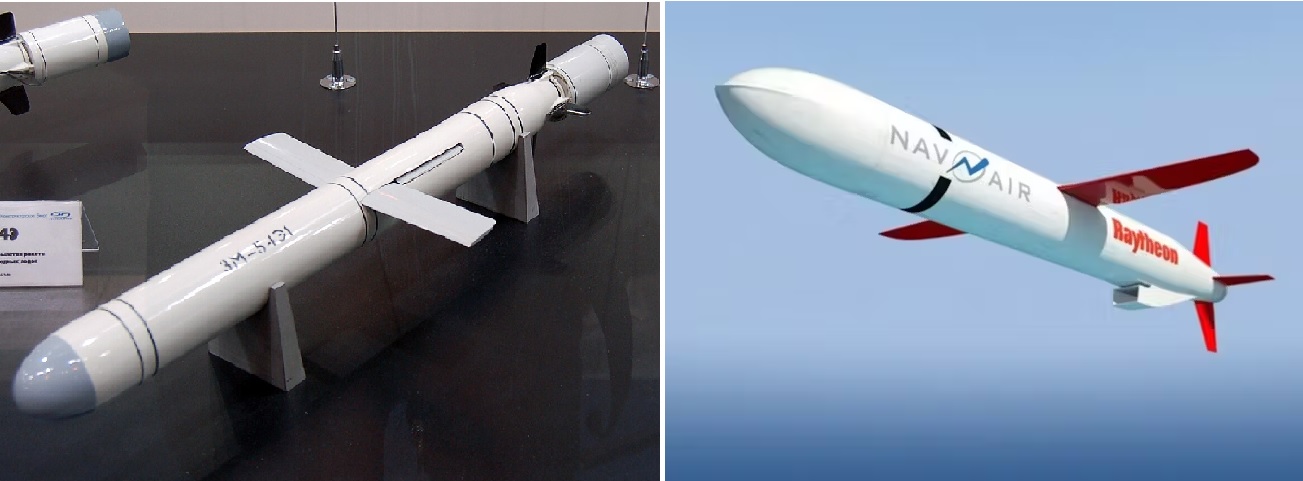
World
As the war in Ukraine continues, discussions over supplying U.S. Tomahawk cruise missiles to Kyiv have gained momentum. The Tomahawk’s long range and precision strike capabilities could allow Ukraine to target strategic sites deep inside Russian-held territory, potentially altering the dynamics of the conflict. However, whether the United States can produce and deliver enough Tomahawks to match Russia’s existing cruise missile firepower is a complex question, involving production capacity, cost, existing stockpiles, and strategic considerations. Russia’s Kalibr missile program has been a cornerstone of its long-range strike capability for more than a decade. Open-source analysis and intelligence reports suggest that Russia produces approximately 30 Kalibr missiles per month, which equates to about 360 per year. When factoring in other long-range cruise missile families, including Kh-series and Iskander-K variants, Russian annual cruise missile production could range from 700 to over 1,000 missiles, giving Moscow a significant stockpile to sustain operations in Ukraine. The domestic unit cost for a Kalibr missile is widely cited at roughly $980,000, although some analysts argue the marginal production cost could be lower, potentially in the range of $300,000 to $500,000 per missile. Historical export contracts, such as a 2006 deal with India, priced missiles as high as $6.5 million each, but that figure reflects bundled costs and margins rather than Russia’s internal production cost. By contrast, U.S. Tomahawk production is far more constrained. The Tomahawk program’s full production capability can reach approximately 530 missiles per year under optimal conditions, reflecting the maximum technical ceiling of the manufacturing line. Historically, older program targets cited 38 missiles per month → 456/year. However, recent procurement shows a much lower rate of actual deliveries, averaging around 45 missiles per year between FY2023 and FY2026. This means that while the U.S. has the industrial capacity to produce hundreds of Tomahawks annually, in practice only a small fraction of that capacity is being utilized, and most missiles are allocated to U.S. defense needs or allied commitments. The unit cost for a Tomahawk missile is significantly higher than a domestic Kalibr, falling in the range of $1.3 million to $2.4 million, with export deals sometimes pushing per-unit prices above $4 million when support, launchers, and training are included. If the U.S. were to approve Tomahawk deliveries to Ukraine, the initial shipments would be limited to the existing stockpile and recently purchased missiles, likely numbering in the tens to low hundreds. A modest production ramp could expand this number to a few hundred within a year, but reaching full-rate production of 400–530 missiles would take sustained political, financial, and industrial effort. Even at full production, the U.S. would still face a significant gap when compared to Russia’s ongoing cruise missile production and stockpiles. Beyond raw numbers, several strategic factors influence the potential impact of Tomahawk transfers. Ukraine would need compatible launch platforms; Tomahawks are usually launched from naval vessels or ground-based launchers that are still under development for the U.S. Army. The U.S. must also maintain sufficient stockpiles for its own defense needs and for allied nations that rely on Tomahawks for strategic deterrence. Finally, political considerations loom large, as providing hundreds of long-range missiles to Ukraine could escalate tensions with Russia and provoke international debate over the level of U.S. involvement in the conflict. In practical terms, Tomahawks offer Ukraine a qualitative advantage. Even a limited number of missiles could enable precision strikes on high-value targets, something Russia’s Kalibr missiles already provide in quantity. However, in terms of sheer numbers and sustained capability, the United States cannot currently match Russia’s cruise missile production. Any attempt to do so would require a major industrial ramp-up, careful coordination with allied defense needs, and substantial funding. In conclusion, while U.S. Tomahawks often make headlines as a potential game-changer for Ukraine, the reality is more restrained. In practice, the United States cannot deliver the quantity Ukraine would need to match Russia’s Kalibr missiles, and any supply would be limited by production capacity, stockpiles, and strategic priorities. The missiles may offer precision and tactical value, but the hype in the media does not reflect the practical constraints, and Tomahawks alone cannot close the gap against Russia’s broader cruise missile arsenal.
Read More → Posted on 2025-10-17 17:41:15
World
Lockheed Martin has been awarded a significant U.S. Army contract to develop the Integrated Fires Protection Capability (IFPC) 2nd Interceptor, a medium-range air defense system designed to fill the gap between short-range defenses and the Patriot missile system. The award, structured as an Other Transaction Authority (OTA) agreement, is a multi-year program extending over the next 15 years, under which Lockheed Martin will oversee development, production, and delivery of the system. The contract also involves collaboration with partners like AeroVironment, leveraging a combination of expertise in missile defense, command and control, and advanced technologies to ensure the system meets the Army's evolving operational needs. The IFPC 2nd Interceptor is intended to provide robust protection for critical assets such as forward operating bases and fixed installations against a wide range of threats, including subsonic and supersonic cruise missiles, unmanned aerial vehicles, and rocket, artillery, and mortar (RAM) attacks. By integrating seamlessly with the Army’s Integrated Air and Missile Defense Battle Command System (IBCS), it ensures coordinated defense across all layers, bridging the capability gap between short-range systems and the Patriot missile batteries. The interceptor is designed to operate from the Multi-Mission Launcher (MML), a mobile platform capable of deploying multiple types of interceptors, including the AIM-9X Sidewinder and Tamir missiles, with future flexibility for directed-energy systems such as high-energy lasers or high-power microwave weapons. This program not only strengthens the Army’s layered defense architecture but also represents a strategic investment in advanced, adaptable defense technologies. Lockheed Martin’s leadership role in the contract positions the company at the forefront of U.S. air and missile defense modernization, combining mobility, interoperability, and cutting-edge interceptor technology. The development timeline includes technology demonstrations planned in the coming fiscal years, with full-scale production and operational deployment to follow, ensuring that the Army maintains a strategic advantage against emerging aerial threats while enhancing its overall integrated defense posture.
Read More → Posted on 2025-10-17 15:53:15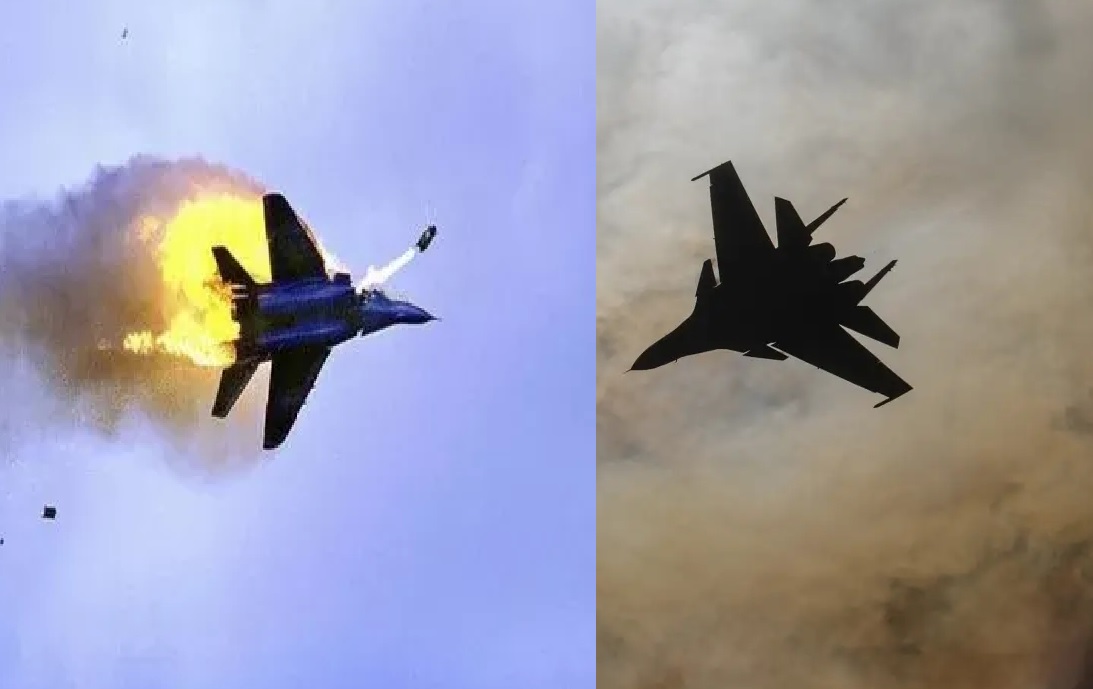
World
In a rare and significant incident, Russian air defenses reportedly downed one of their own Su-30SM fighter jets over Crimea during a Ukrainian drone strike on the night of October 16, 2025. The Ukrainian Navy's spokesperson, Dmytro Pletenchuk, confirmed the event, stating that Russian forces were so focused on repelling Ukrainian attacks that they inadvertently shot down their own aircraft. According to the General Staff of the Armed Forces of Ukraine, naval intelligence intercepted radio communications indicating the ignition of both engines and the ejection of the crew from the Russian Su-30SM aircraft. The incident occurred in the northwestern part of the temporarily occupied Autonomous Republic of Crimea. The Ukrainian Navy did not initially specify the model of the aircraft involved. However, subsequent reports and social media channels suggested that the downed aircraft was a Su-30SM fighter jet. This incident occurred amid heightened Russian air defense activity over occupied Crimea, as Ukrainian forces launched a wave of drone and missile strikes targeting military infrastructure across the peninsula. Explosions and fires were reported overnight near Simferopol, including at a Russian oil depot in Hvardiiske. Additionally, several areas in occupied Crimea lost power after drone strikes damaged multiple electrical substations. The accidental downing of a Russian fighter jet by its own air defenses highlights the complexities and risks associated with modern warfare, particularly in environments where multiple layers of defense systems are engaged simultaneously. It underscores the challenges faced by military forces in distinguishing between hostile and friendly assets, especially during intense combat situations. As the conflict continues, such incidents may have broader implications for military tactics and the effectiveness of air defense systems. Both sides are likely to reassess their strategies to mitigate the risks of friendly fire and enhance the precision of their defense operations. The situation remains fluid, and further developments are expected as both Ukrainian and Russian forces continue their operations in the region.
Read More → Posted on 2025-10-17 14:27:05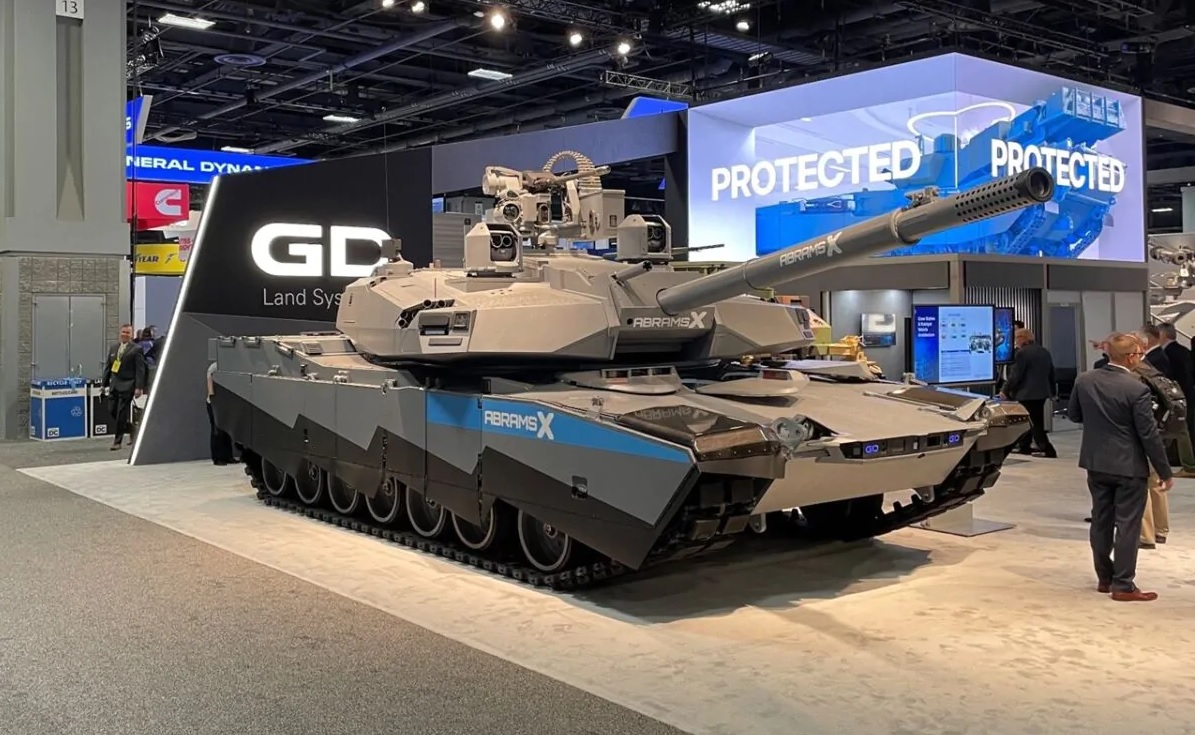
World
The U.S. Army is accelerating the development of its next-generation M1E3 Abrams tank, aiming to deliver a prototype by the end of 2025. This initiative represents a major shift in armored vehicle modernization, as the Army seeks to rapidly field advanced technologies to meet evolving battlefield threats. General Dynamics Land Systems (GDLS) received a $150 million contract in mid-2025 to develop the M1E3 Abrams. Originally, the Army had anticipated a seven-year development period, targeting the early 2030s for the tank’s initial operational capability. However, the Army has recognized the urgency of upgrading its armored forces and has compressed the timeline significantly. According to Colonel Ryan Howell, head of the Army’s Program Executive Office for Ground Combat Systems, the first pre-prototype is expected to be delivered for testing within an operational unit by December 2025, signaling a highly accelerated schedule. The M1E3 Abrams brings several technological improvements over its predecessors. One of the most notable advancements is its hybrid-electric powertrain, designed to enhance fuel efficiency while reducing the logistical burden of traditional fuel-heavy tanks. Additionally, the tank incorporates an autoloader system, which reduces the crew from four to three, allowing for a lower turret profile and improved survivability on the battlefield. The tank also features a modular open-systems architecture, which makes integrating future upgrades and new technologies far easier than in previous models. Defensive capabilities have been enhanced as well, with modular add-on armor and active protection systems designed to counter emerging threats, including top-down drone attacks. Following the delivery of the pre-prototype, the Army plans to conduct soldier touchpoint testing by the end of 2026. This phase will involve frontline soldiers operating the tank in realistic conditions, providing critical feedback that will shape the final production model. The Army aims for the M1E3 to reach initial operational capability in the early 2030s, with full-rate production and deployment expected to follow in subsequent years. The rapid development of the M1E3 Abrams reflects the Army’s strategic emphasis on maintaining armored dominance well into the 2040s. By integrating lessons learned from recent conflicts and leveraging cutting-edge technologies, the M1E3 is positioned to offer a more agile, survivable, and technologically sophisticated platform. As the tank moves through development and testing, it represents a significant step forward in ensuring that U.S. armored forces remain capable of addressing future battlefield challenges.
Read More → Posted on 2025-10-17 14:04:39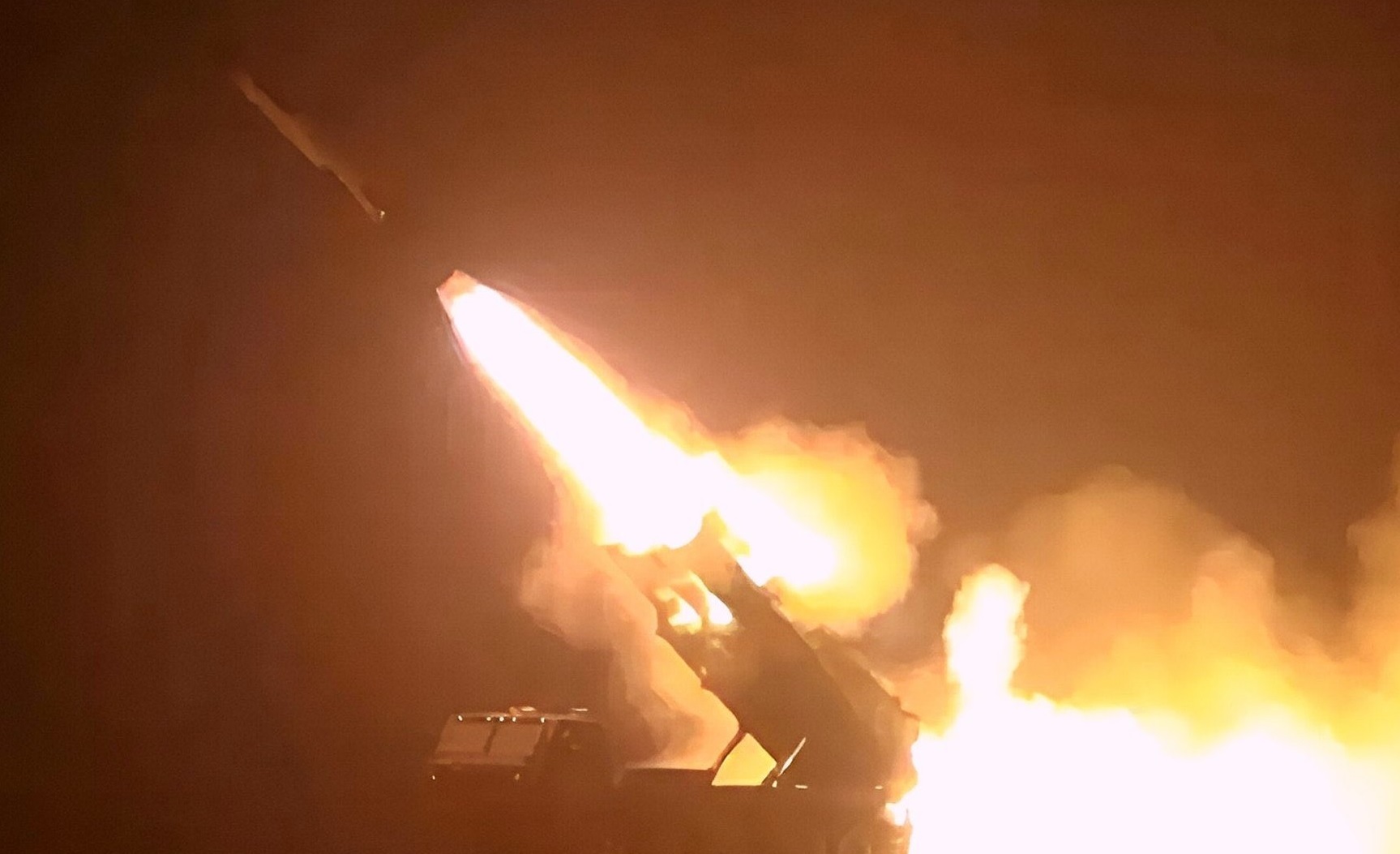
World
Afghanistan’s Defence Ministry has announced the successful testing of a missile capable of striking targets at a distance of 400 kilometres, a claim that has drawn regional attention and skepticism. The statement, shared through official channels in Kabul, described the launch as a significant step toward strengthening national defense capabilities, though it offered no details about the missile’s name, origin, or specifications. According to the ministry, the test was carried out within Afghanistan’s borders and achieved “all mission objectives.” However, so far there is no independent confirmation of the event through satellite imagery, radar tracking, or verification by foreign observers. Analysts note that no official video footage or technical documentation has been released to substantiate the claim, leading many to suspect the announcement may be more symbolic than operational. If true, a 400-kilometre range would represent a major leap for Afghanistan’s defense forces. Such a range places the weapon in the category of tactical ballistic or long-range surface-to-surface missiles, comparable to systems like the Soviet-era Scud or modern short-range ballistic missiles (SRBMs) developed by countries such as Iran or North Korea. Producing or operating such a missile requires not only a sophisticated industrial base but also precision guidance systems and specialized fuels—capabilities that Afghanistan is not currently known to possess. Following the U.S. withdrawal in 2021, the Taliban gained control over large caches of military equipment once belonging to the Afghan National Defense and Security Forces (ANDSF). These included aircraft, vehicles, drones, and artillery systems. However, the United States never supplied Afghanistan with long-range missile systems of this class. The equipment left behind consisted mainly of tactical assets such as Humvees, small arms, howitzers, and short-range rockets, none capable of striking targets hundreds of kilometers away. Some experts suggest that the missile tested could be a refurbished Soviet-era system from older Afghan stockpiles. During the 1980s and 1990s, Afghanistan possessed limited numbers of R-17 Elbrus (Scud-B) ballistic missiles, provided by the Soviet Union. These had an approximate range of 300 kilometers and were used sporadically during the civil conflicts of that era. If remnants of those systems survived and were restored, possibly with limited external technical assistance, it might explain the current claim—though the 400-kilometre figure may be an overstatement. If the missile’s existence is verified, it would alter the strategic balance in the region, giving Afghanistan a stand-off capability it has never possessed before. A weapon of that reach could, in theory, strike deep into neighboring territories, a prospect that would concern both Pakistan and Iran, given recent cross-border tensions. However, without clear evidence or confirmation from third-party sources, the claim remains unproven. Regional observers note that Afghanistan’s leadership has increasingly sought to project an image of military self-reliance amid limited international recognition. Publicly announcing missile developments can serve a political purpose, emphasizing sovereignty and deterrence, even if the underlying capability remains aspirational. For now, the details remain uncertain. What is known is that no long-range missile systems were left behind by U.S. forces in 2021, and Afghanistan has not been known to produce such weapons indigenously. Until independent evidence—such as verified launch imagery or satellite confirmation—emerges, the 400-kilometre missile claim should be treated with caution. Still, the announcement underscores a growing regional competition in missile development, with countries in South and Central Asia continuing to invest in long-range precision systems. Whether Afghanistan’s claim marks the revival of a genuine capability or simply a show of intent remains to be seen in the months ahead.
Read More → Posted on 2025-10-17 13:25:04Search
Top Trending in 24 Hours
-
 Tulsi Gabbard Releases Declassified Files Detailing U.S.-Backed Network of 120 Biolaboratories Across 30+ Countries
-
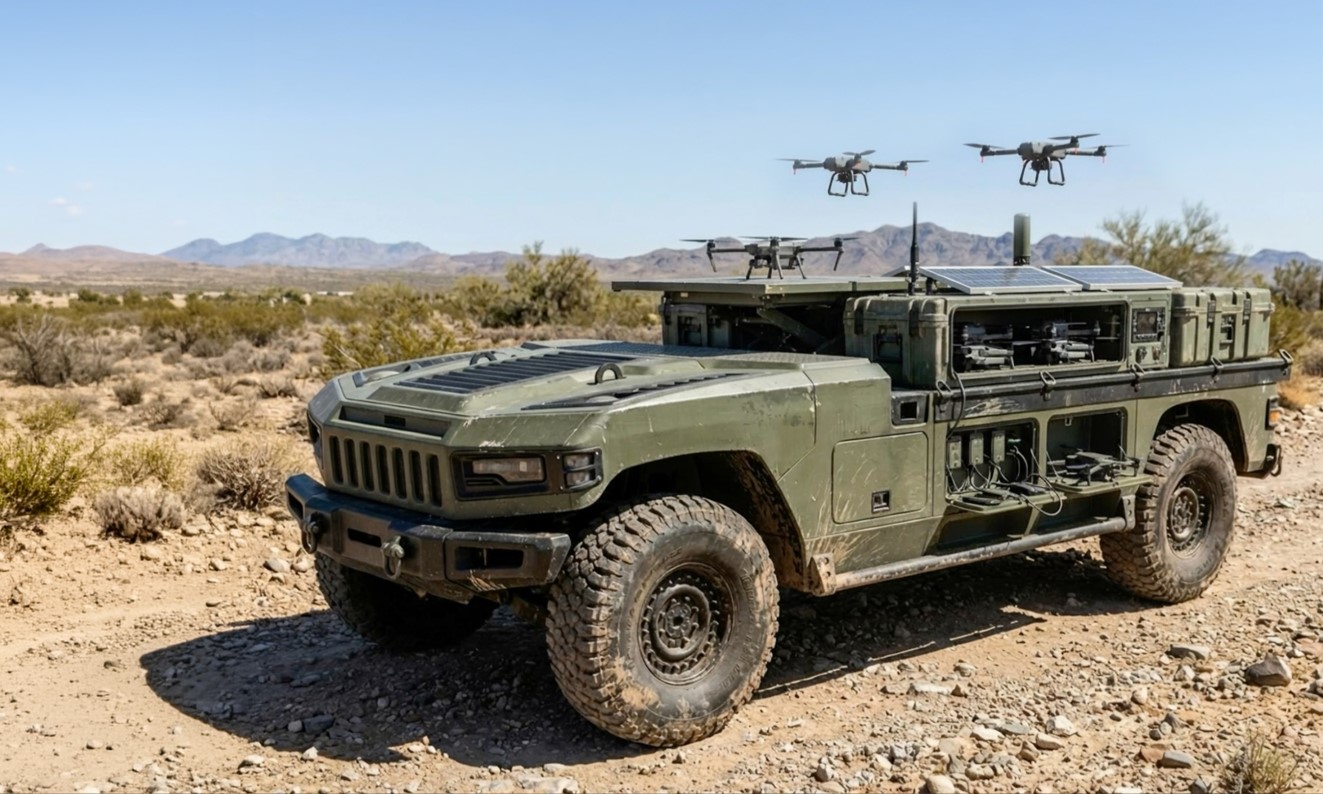 AM General Unveils Next-Generation UGV and JLTV A2 with Counter-Drone Systems at Eurosatory 2026
-
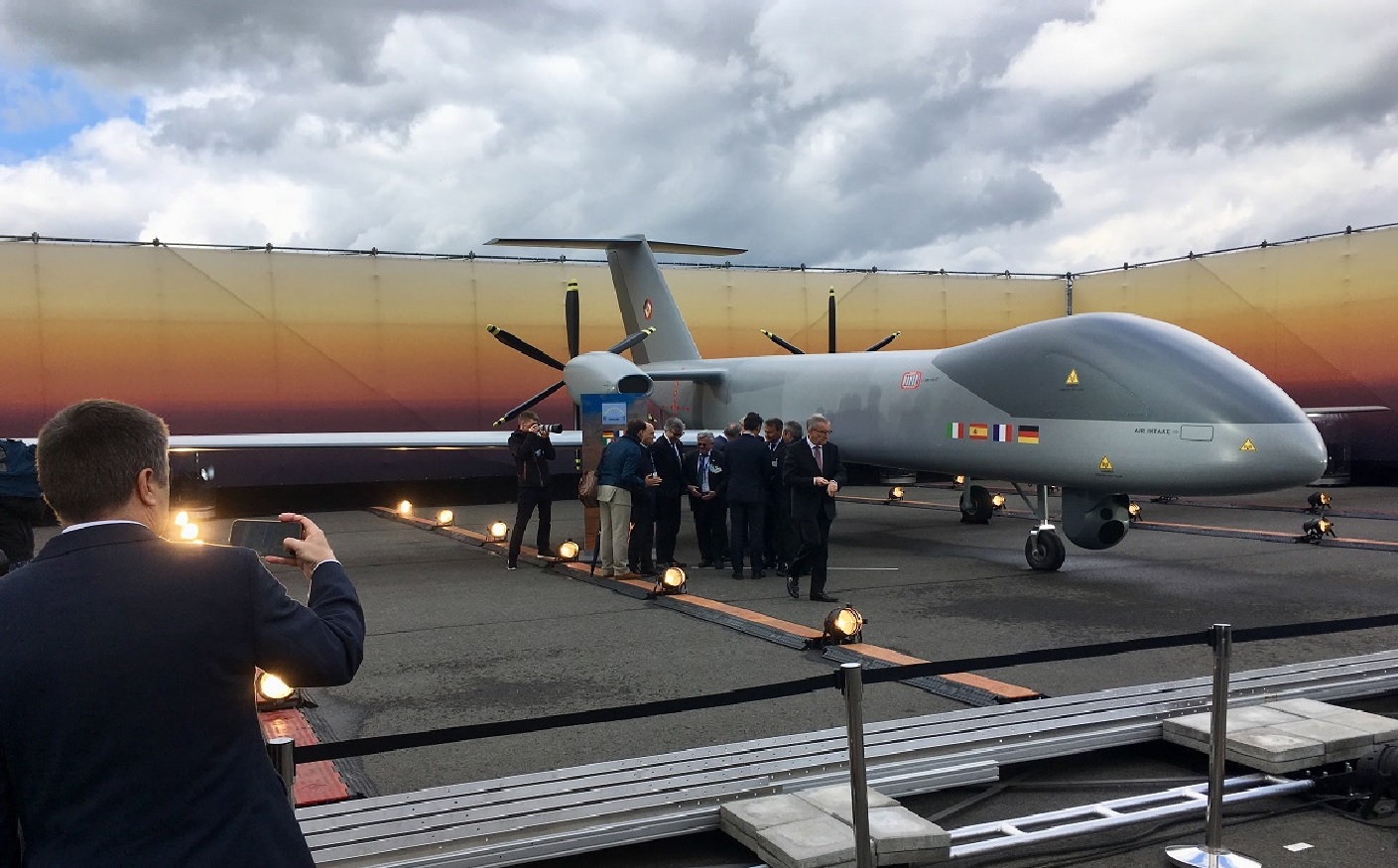 Dassault Seeks Compensation From Airbus as Eurodrone Dispute Erupts After FCAS Collapse
-
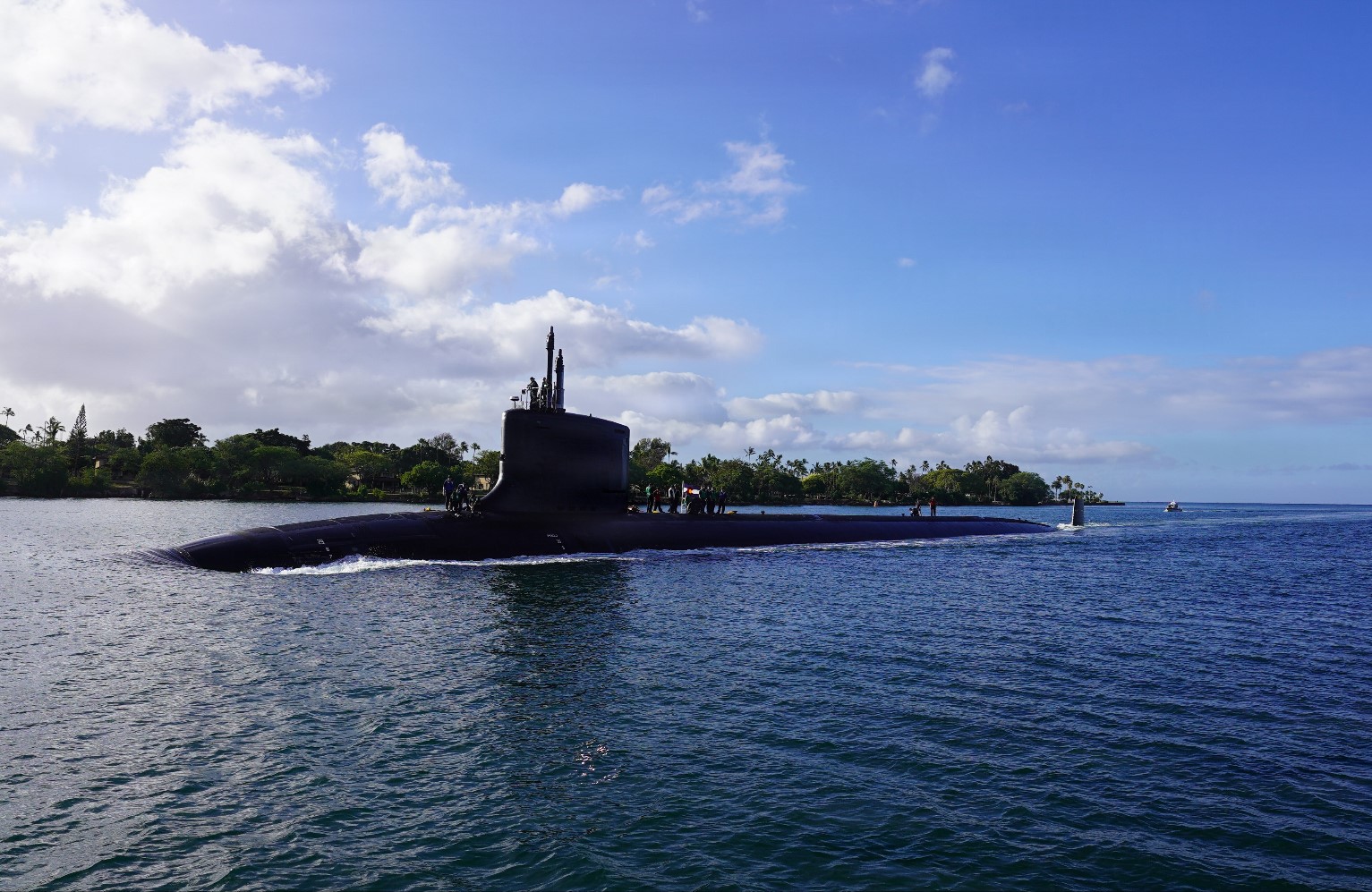 U.S. Navy's USS Colorado Submarine Returns to Pacific Fleet 29 Days Early After Major Pearl Harbor Overhaul
-
 Pakistan Raises Defence Budget from $9 Billion to $10.8 Billion as J-35 Fighter and Hangor Submarine Programs Advance
-
 Elbit Systems and Diehl Defence Partner to Offer SkyStriker Loitering Munition to German Armed Forces
-
 US Marine Corps F/A-18D Hornet Crashes During Training Flight in Washington Mountains; Pilot Ejects Safely
-
 U.S. Navy Reestablishes Submarine Squadron 3 at HMAS Stirling to Support AUKUS Rotational Force
Top Trending in 4 Days
-
 Iranian Media Leaks 14-Point U.S.-Iran Peace Framework Amid Ongoing Negotiations
-
 US Plans Significant Reduction of Fighter Jets and Warships for NATO Operations in Europe
-
 U.S. Air Force Faces Strategic Airlift Shortfall as C-17 Production Restart Remains Uncertain
-
 NATO Commander Says Russia Not Seeking Conflict With Alliance Despite U.S. Force Reductions
-
 Russian Defense Firm ZALA Unveils KAMA Unmanned Surface Vessel Family at FLOT-2026 Naval Exhibition
-
 U.S. Space Force Awards $437.7 Million Contracts for First PTS-G Swarm 1 Anti-Jam Satellites
-
 India Successfully Conducts AD-1, AD-2 Interceptor Tests and Maiden NASM-MR Flight Trial
-
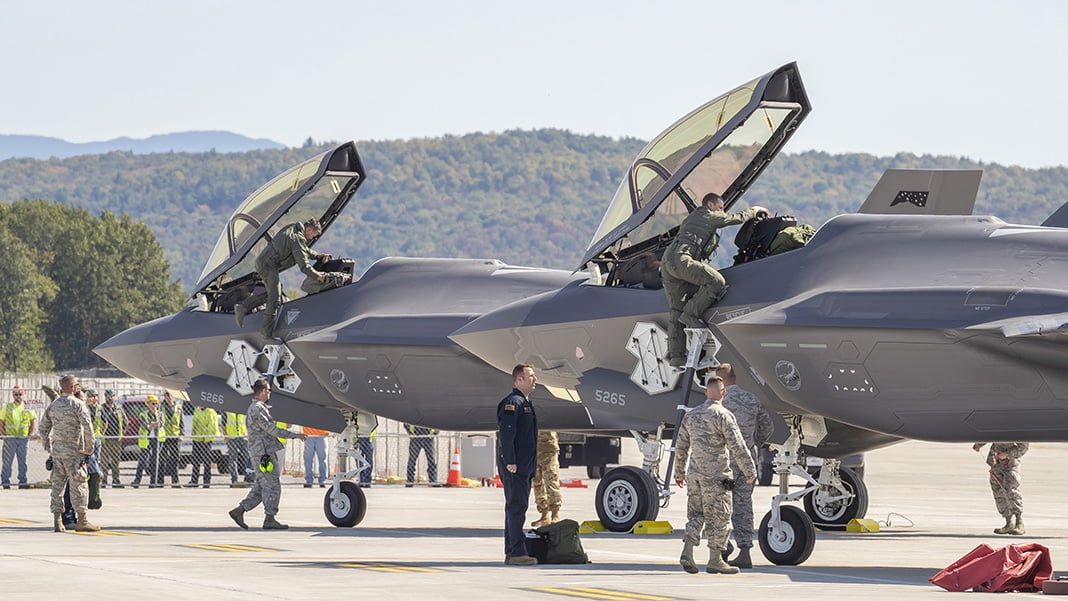 F-35 Fleet Readiness Falls to 25% Amid Parts Shortages and Software Delays: GAO Report