World
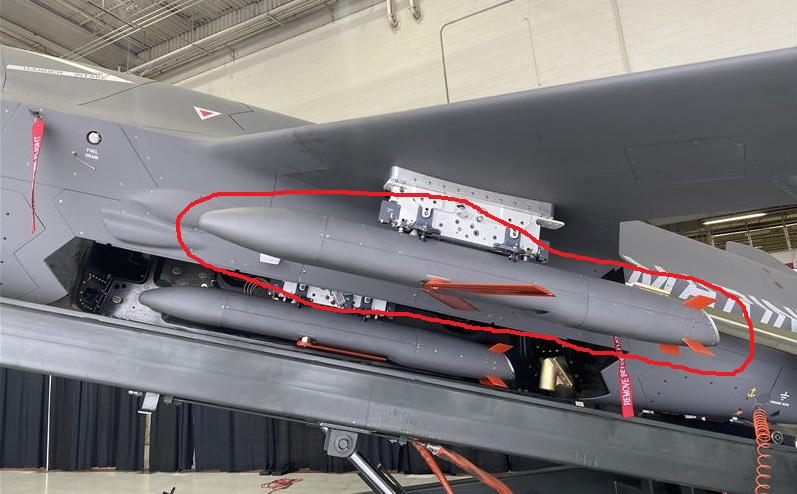
Kratos Defense & Security Solutions has introduced the Ragnarök Low‑Cost Cruise Missile (LCCM), a tactical strike weapon optimized for low unit cost and flexible carriage on both manned and unmanned platforms. The system was revealed at the Miramar Air Show in October 2025. What Kratos says the system offers According to Kratos, the Ragnarök is a purpose‑built strike LCCM combining a long operational range with a compact form factor and modular carriage options. The missile is compatible with standard 14‑inch rack interfaces and multiple carriage modes (internal bay, external under‑wing, or pallet carriage). It also features a wing‑folding mechanism for compact storage. Key specifications Estimated unit production cost: approximately $150,000 per missile at a 100-unit production scale. Range: ~500 nautical miles (~925 km). Payload capacity: ~80 pounds (~36 kg) for a warhead or mission-specific payload. Cruise speed: greater than Mach 0.7. Service ceiling: up to 35,000 ft. Structure and packaging: carbon-composite fuselage, folding wings, and design compatible with standard rack systems. Intended roles and platform compatibility Kratos describes Ragnarök as a strike-focused LCCM suitable for precision engagement missions. It can be carried internally or externally and is compatible with unmanned combat air vehicles (CCAs) and traditional manned platforms with 14-inch rack weapons. Kratos states that the Ragnarök has completed initial development phases and is ready for production. The $150,000 unit cost is an estimate at a 100-unit production lot. No firm procurement contracts or deliveries were announced. The Ragnarök LCCM is Kratos’ entry into lower-cost cruise-capable strike systems, with design choices aimed at affordable, repeatable production and simple integration with existing weapons racks and unmanned platforms. Further details on testing, qualification, and customer commitments are needed to fully assess operational performance.
Read More → Posted on 2025-10-15 12:59:22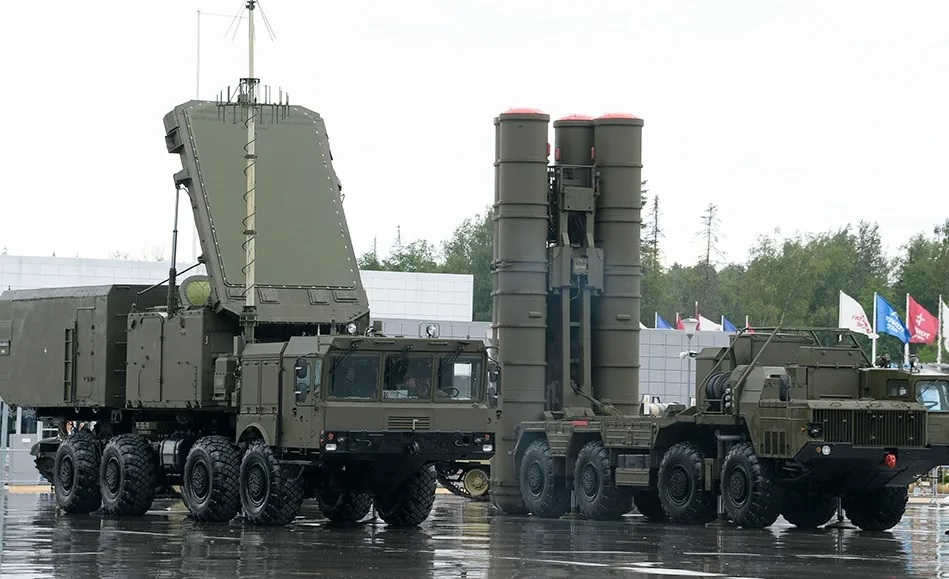
World
Russia has started deploying its S-400 Triumf long-range air defence systems in Belarus, in what Moscow describes as part of its plan to strengthen the joint air defence network with Minsk. The deployment adds to Russia’s layered defence structure in Eastern Europe and significantly expands its radar surveillance coverage toward NATO countries, particularly Poland, Lithuania, and parts of Germany. The S-400, developed by Almaz-Antey, is one of Russia’s most advanced surface-to-air missile (SAM) systems. It is capable of tracking and engaging a wide range of aerial threats, including aircraft, cruise missiles, and certain types of ballistic missiles. The system’s radar complex—especially the 91N6E Big Bird and 92N6E Grave Stone radars—can detect targets at ranges up to 600 kilometres, depending on target size and altitude. From Belarusian territory, this radar coverage effectively extends deep into NATO airspace. A 600 km detection range from central Belarus allows Russia to monitor air activity over most of Poland, the Baltic States, and portions of eastern Germany. The system can also track flight operations from NATO air bases such as Lask and Poznan in Poland, which are key hubs for U.S. and allied aircraft deployments. Military analysts note that one of the main implications of the S-400 deployment is enhanced early warning and situational awareness. The radar network can share real-time data with Russian command centres, giving the Russian military detailed information about air traffic patterns and potentially even the radar signatures of stealth aircraft, such as the F-35 Lightning II, which Poland is in the process of acquiring. While the S-400 may not be capable of fully detecting or targeting stealth aircraft at maximum range, its radar array can still gather valuable tracking and electronic intelligence on their operations and radar cross-section characteristics. Belarus already hosts several Russian military facilities, including radar stations and communication nodes. The addition of the S-400 strengthens the integrated regional air defence system of the Union State between Russia and Belarus, allowing for coordinated control and shared radar coverage across borders. For NATO, the deployment adds a new layer of complexity to air operations near the eastern flank. It effectively increases Russian radar visibility and missile engagement capability in the region, extending beyond the previous coverage provided by systems in Kaliningrad. Western defence officials have described it as part of a “gradual but deliberate” effort by Moscow to maintain military pressure and strategic depth in Europe. The new S-400 positions in Belarus underscore the deepening military alignment between Moscow and Minsk and the continuing militarization of the NATO-Russia border region, where both sides have increased deployments, patrols, and surveillance in recent years.
Read More → Posted on 2025-10-15 12:24:16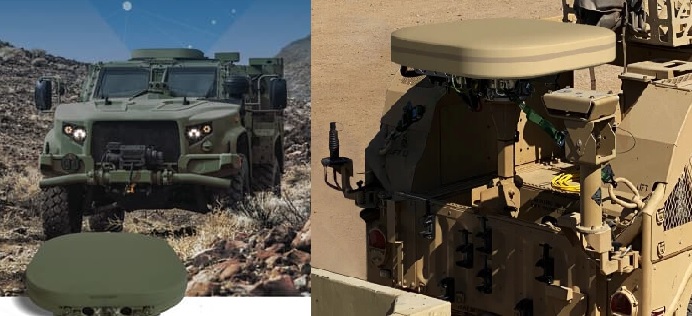
World
The U.S. Army has selected Kymeta’s Osprey u8 SATCOM terminal for its Next Generation Command and Control (NGC2) pilot program, marking an important step in modernizing the Army’s tactical communications network. The move reflects the Army’s increasing reliance on commercial satellite communication (SATCOM) systems to improve resilience, redundancy, and flexibility in contested operational environments. Understanding the Next Generation Command and Control Pilot The Next Generation Command and Control (NGC2) pilot is a U.S. Army initiative aimed at transforming how battlefield units communicate, share data, and maintain situational awareness under modern warfare conditions. It seeks to connect sensors, shooters, and decision-makers through a unified, secure, and resilient network. The pilot explores integration of multi-orbit satellite networks (LEO, MEO, GEO), 5G systems, and cloud-based data management to ensure continuous connectivity — even when traditional line-of-sight radio or terrestrial communications are disrupted. In essence, NGC2 is the Army’s effort to bridge tactical and strategic networks, creating a connected digital backbone for future operations. By selecting Kymeta’s Osprey u8 terminal, the Army aims to evaluate how commercial SATCOM technology can complement or substitute military systems in contested electromagnetic environments, where jamming and cyber threats are major challenges. Kymeta Osprey u8 The Osprey u8 is a flat-panel Ku-band SATCOM terminal designed for communications-on-the-move (COTM). It allows vehicles or mobile command units to maintain satellite links while moving, without requiring large dish antennas. Key Specifications: Frequency Band: Ku-band Antenna Type: Electronically steered flat-panel array (ESPA) Dimensions: Approx. 89.5 cm x 89.5 cm x 14.5 cm (35.25 in x 35.25 in x 5.7 in) Weight: Around 24 kg (53 lbs) including mounting hardware Power Consumption: 120–150 W (typical operational mode) Operational Modes: Stationary and on-the-move Network Compatibility: Supports geostationary (GEO) and low-earth orbit (LEO) constellations, including Intelsat, SES, and OneWeb Interface: Integrated modem with Ethernet and Wi-Fi connectivity options Ruggedization: MIL-STD-810H compliant, weather-resistant for field deployment The Osprey u8’s electronically steered antenna enables rapid satellite beam switching, supporting high data throughput with minimal latency — critical for command and control, video transmission, and sensor data sharing in real time. Role in Army Modernization Integration of the Osprey u8 within the NGC2 pilot demonstrates the Army’s commitment to leveraging commercial innovation for defense modernization. The terminal’s plug-and-play architecture allows it to be mounted on tactical vehicles, command posts, or unmanned platforms, offering flexible deployment options. The Army’s broader modernization plan includes building a multi-orbit, multi-path transport layer — combining terrestrial networks, military SATCOM, and commercial satellite services to ensure data survivability under combat conditions. The Osprey u8’s compatibility with multiple orbits and service providers makes it a suitable candidate for this approach. Broader Context Kymeta has previously collaborated with U.S. defense agencies to field-test its SATCOM systems in various military environments. The selection for the NGC2 pilot follows successful trials demonstrating reliable broadband connectivity on the move, even in austere conditions where traditional systems fail. As modern warfare increasingly depends on data-driven operations, the U.S. Army’s partnership with Kymeta represents a practical move toward ensuring uninterrupted communication and command capabilities across the battlefield. The U.S. Army’s adoption of Kymeta’s Osprey u8 SATCOM terminal for its Next Generation Command and Control pilot underscores a shift toward commercial-military integration in tactical communications. With its rugged, low-profile design and multi-orbit compatibility, the Osprey u8 is positioned to play a central role in the Army’s effort to establish a resilient, global, and mobile network for future operations.
Read More → Posted on 2025-10-15 11:37:39
World
Hanwha Aerospace has entered into a three-year framework agreement with the Swedish Defence Materiel Administration (FMV) to supply Modular Charge Systems (MCS) for artillery applications. The agreement, announced during the AUSA 2025 Annual Meeting in Washington, D.C., includes an initial order worth approximately $110 million. The Modular Charge System is a key component of modern artillery operations, designed to provide consistent performance, improved safety, and greater range flexibility for 155mm artillery systems. It allows forces to adjust firing power based on mission requirements, enhancing both efficiency and logistics in field operations. Under this agreement, Hanwha Aerospace will deliver MCS units to support Sweden’s artillery capabilities, which are undergoing steady modernization. Sweden operates several 155mm artillery systems, including the Archer self-propelled howitzer, which is compatible with modular charge systems used across NATO-standard platforms. The cooperation reflects growing defence-industrial ties between South Korea and Sweden, with Hanwha already supplying defence equipment to European countries through programs involving self-propelled howitzers, ammunition, and propulsion technologies. The deal also strengthens Hanwha’s position as a key global supplier of ammunition and artillery support systems, building on its ongoing contracts with Norway, Poland, and Australia. A spokesperson from Hanwha Aerospace noted that the company aims to ensure reliable supply and localized support for Sweden’s artillery units through this framework, while exploring further collaboration in advanced ammunition technologies. The agreement aligns with Sweden’s broader effort to secure long-term supply chains for key defence materials amid Europe’s increased focus on readiness and interoperability within NATO.
Read More → Posted on 2025-10-15 11:27:31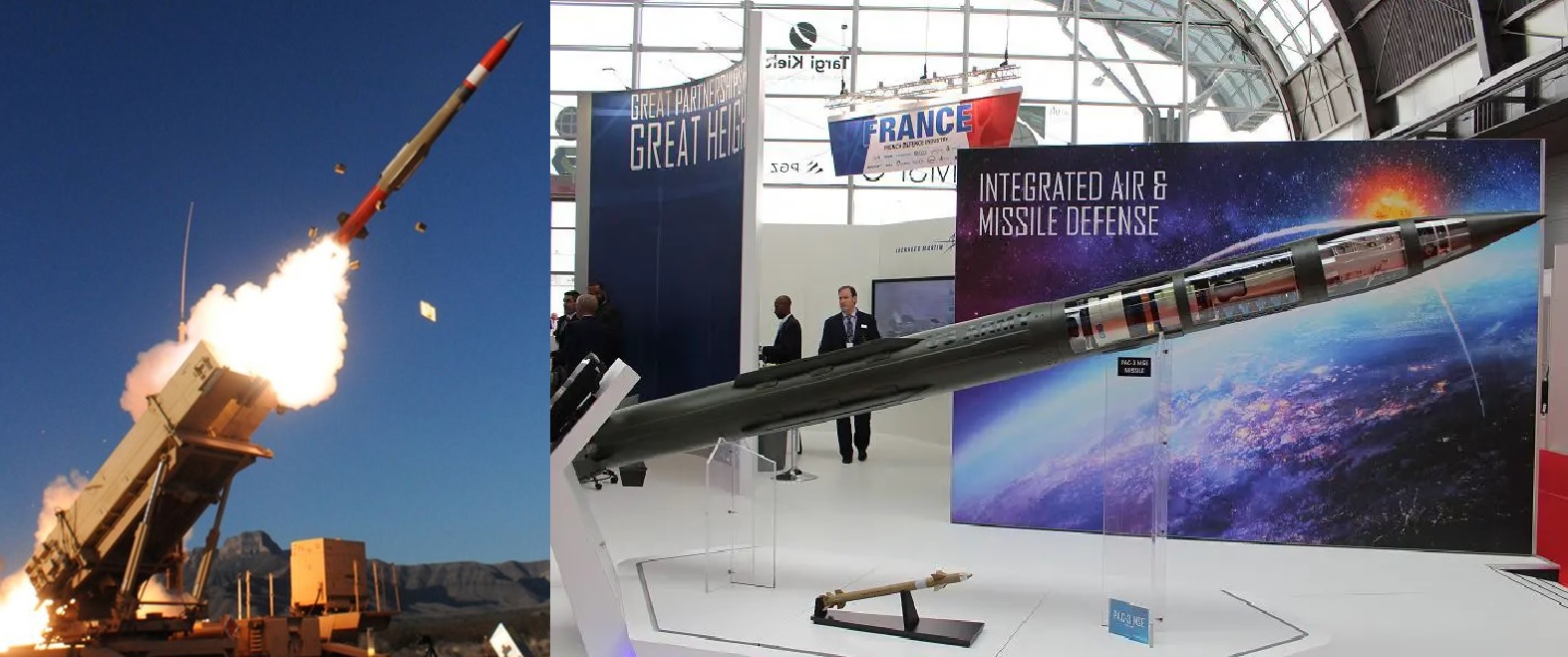
World
Boeing has been awarded a $2.7 billion contract by the U.S. Department of Defense to produce over 3,000 PAC-3 missile seekers through the year 2030. The new deal aims to maintain a stable production rate for the Patriot Advanced Capability-3 (PAC-3) interceptor system, which remains one of the key elements of the United States and allied air defense networks. Since 2000, Boeing has delivered more than 6,000 PAC-3 seekers, supporting both U.S. Army and foreign military users. Under the latest agreement, the company plans to expand its manufacturing capacity in Huntsville, Alabama, and increase annual production to around 750 units per year to meet growing demand. The expansion includes upgrades to testing and electronics assembly facilities to ensure consistent output and quality. The PAC-3 seeker is a compact radar-guided sensor located in the missile’s nose. It uses a Ka-band millimeter-wave radar to detect and track incoming ballistic or cruise missile threats during the final phase of flight. This guidance system provides range, speed, and directional data to the missile’s control unit, enabling it to steer precisely toward the target. The PAC-3 relies on a hit-to-kill interception method, which uses direct impact rather than explosives to destroy the target. This makes the seeker’s accuracy essential to the missile’s overall performance. The seeker’s electronics are designed to process data quickly and operate under high vibration and heat conditions. It can identify real threats even in environments with countermeasures or radar interference. In the PAC-3 MSE (Missile Segment Enhancement) version, the seeker has been upgraded with improved software and stronger materials, supporting the missile’s higher speed and range. These refinements help the PAC-3 system maintain reliability against modern and maneuverable threats. Boeing’s role focuses on supplying the seeker system, while Lockheed Martin remains the prime contractor responsible for the overall PAC-3 missile. Together, the two companies maintain one of the most widely deployed air defense systems in the world. The new production plan is designed to meet the requirements of both the U.S. military and international users, including NATO and Indo-Pacific partners. One reason for the production increase is the recent shortage of seekers in global supply chains. Japan’s plans to locally produce more PAC-3 interceptors faced delays due to limited seeker availability. The Huntsville expansion aims to address such challenges and maintain a steady flow of components for all partner nations. The PAC-3 missile itself has undergone multiple improvements since its introduction, including new propulsion systems, advanced actuators, and updated communication links. Its seeker technology continues to evolve alongside the missile’s range and maneuverability upgrades. These improvements help ensure that the PAC-3 remains effective against ballistic missiles, cruise missiles, and aerial threats. In Europe, a similar modernization effort is underway with MBDA’s Aster missile family, particularly the Aster 30 B1 NT upgrade. This European missile now features its own Ka-band radar seeker, which enhances target tracking and accuracy. The Aster 30 B1 NT can engage targets at distances of up to 150 kilometers and is being integrated into the SAMP/T NG land-based air defense system, as well as naval platforms operated by France, Italy, and the United Kingdom. While Boeing’s PAC-3 and MBDA’s Aster systems are developed under different defense ecosystems, both serve the same purpose: strengthening layered air defense against increasingly complex threats. The U.S. contract with Boeing ensures continued support for the Patriot system, while Europe’s Aster program provides an independent capability within NATO’s collective defense structure. With the new production deal, Boeing secures its place as a key supplier for global missile defense programs. The expansion in Huntsville reflects a practical approach to meeting rising defense requirements and supporting the long-term sustainment of one of the most trusted air defense systems in use today.
Read More → Posted on 2025-10-14 16:27:29World
Boeing has been awarded a $2.7 billion contract by the U.S. Department of Defense to produce over 3,000 PAC-3 missile seekers through the year 2030. The new deal aims to maintain a stable production rate for the Patriot Advanced Capability-3 (PAC-3) interceptor system, which remains one of the key elements of the United States and allied air defense networks. Since 2000, Boeing has delivered more than 6,000 PAC-3 seekers, supporting both U.S. Army and foreign military users. Under the latest agreement, the company plans to expand its manufacturing capacity in Huntsville, Alabama, and increase annual production to around 750 units per year to meet growing demand. The expansion includes upgrades to testing and electronics assembly facilities to ensure consistent output and quality. The PAC-3 seeker is a compact radar-guided sensor located in the missile’s nose. It uses a Ka-band millimeter-wave radar to detect and track incoming ballistic or cruise missile threats during the final phase of flight. This guidance system provides range, speed, and directional data to the missile’s control unit, enabling it to steer precisely toward the target. The PAC-3 relies on a hit-to-kill interception method, which uses direct impact rather than explosives to destroy the target. This makes the seeker’s accuracy essential to the missile’s overall performance. The seeker’s electronics are designed to process data quickly and operate under high vibration and heat conditions. It can identify real threats even in environments with countermeasures or radar interference. In the PAC-3 MSE (Missile Segment Enhancement) version, the seeker has been upgraded with improved software and stronger materials, supporting the missile’s higher speed and range. These refinements help the PAC-3 system maintain reliability against modern and maneuverable threats. Boeing’s role focuses on supplying the seeker system, while Lockheed Martin remains the prime contractor responsible for the overall PAC-3 missile. Together, the two companies maintain one of the most widely deployed air defense systems in the world. The new production plan is designed to meet the requirements of both the U.S. military and international users, including NATO and Indo-Pacific partners. One reason for the production increase is the recent shortage of seekers in global supply chains. Japan’s plans to locally produce more PAC-3 interceptors faced delays due to limited seeker availability. The Huntsville expansion aims to address such challenges and maintain a steady flow of components for all partner nations. The PAC-3 missile itself has undergone multiple improvements since its introduction, including new propulsion systems, advanced actuators, and updated communication links. Its seeker technology continues to evolve alongside the missile’s range and maneuverability upgrades. These improvements help ensure that the PAC-3 remains effective against ballistic missiles, cruise missiles, and aerial threats. In Europe, a similar modernization effort is underway with MBDA’s Aster missile family, particularly the Aster 30 B1 NT upgrade. This European missile now features its own Ka-band radar seeker, which enhances target tracking and accuracy. The Aster 30 B1 NT can engage targets at distances of up to 150 kilometers and is being integrated into the SAMP/T NG land-based air defense system, as well as naval platforms operated by France, Italy, and the United Kingdom. While Boeing’s PAC-3 and MBDA’s Aster systems are developed under different defense ecosystems, both serve the same purpose: strengthening layered air defense against increasingly complex threats. The U.S. contract with Boeing ensures continued support for the Patriot system, while Europe’s Aster program provides an independent capability within NATO’s collective defense structure. With the new production deal, Boeing secures its place as a key supplier for global missile defense programs. The expansion in Huntsville reflects a practical approach to meeting rising defense requirements and supporting the long-term sustainment of one of the most trusted air defense systems in use today.
Read More → Posted on 2025-10-14 16:27:28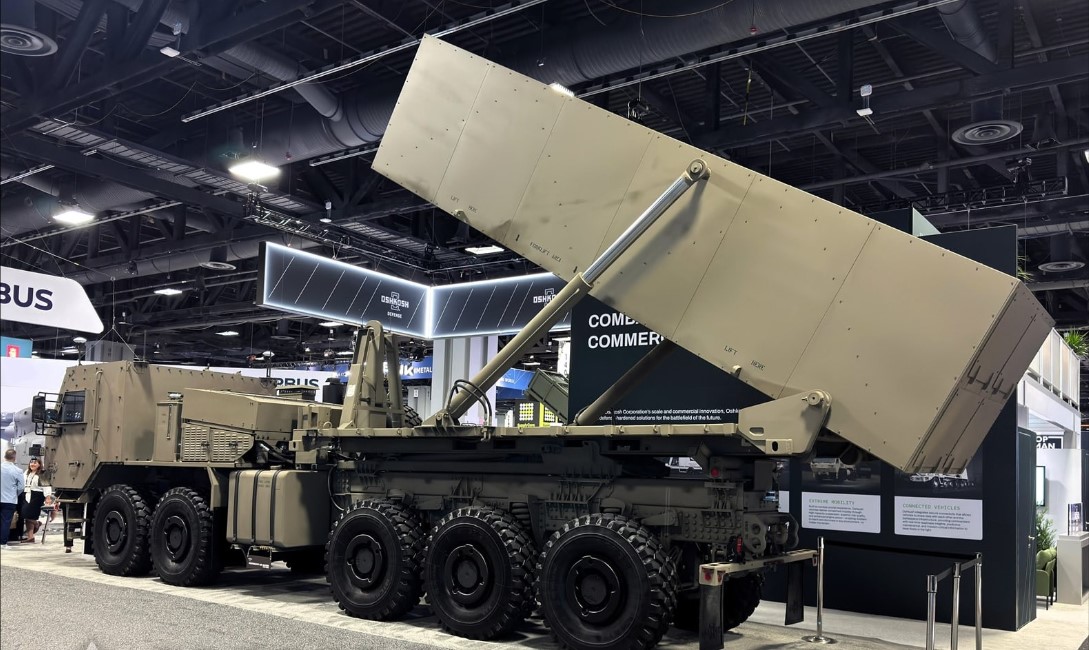
World
Oshkosh Defense revealed its Family of Multi-Mission Autonomous Vehicles (FMAV) at AUSA 2025, presenting a potential new mobile launch platform for Tomahawk cruise missiles, MLRS Family of Munitions (MFOM) such as GMLRS and PrSM, and Switchblade 600 loitering attack drones. The unveiling highlights a growing focus on mobility, modularity, and autonomy in long-range precision fires. FMAV: A Modular and Multi-Mission Vehicle Family The FMAV is designed as a family of vehicles ranging from light to extreme variants. The X-MAV heavy variant was showcased carrying a four-missile Tomahawk launch module, mounted on a hydraulically elevated platform. Smaller M-MAV and L-MAV variants are optimized for precision rockets like GMLRS, PrSM, and loitering munitions such as the Switchblade 600. The modular approach allows commanders to swap mission payloads rather than entire vehicles, enhancing operational flexibility. Ground-Based Tomahawk: Extending Deep Strike Traditionally sea- or air-launched, the Tomahawk cruise missile is a long-range precision strike weapon with ranges of hundreds to over a thousand kilometers, carrying a roughly 1,000 lb conventional warhead. Oshkosh’s FMAV demo showed four Tomahawks per vehicle, offering rapid mobility and the ability to operate in dispersed formations while reducing crew exposure. This land-based capability could redefine how long-range strike is deployed on modern battlefields. Compatibility with Other Munitions Oshkosh’s FMAV is not limited to Tomahawks. The medium and light variants can field: GMLRS: 227-mm guided rockets with ranges up to 70 km and unitary warheads (~90–100 kg). PrSM: The next-generation Precision Strike Missile, capable of targeting ranges in the low hundreds of kilometers. Switchblade 600: One-way loitering attack drones with 40+ minutes endurance, designed for precision anti-armor strikes. This flexibility allows the FMAV family to serve multiple operational roles using the same vehicle chassis. Technical considerations Adapting Tomahawk-class missiles to a road-mobile launcher requires more than mechanical mounting. Canisters must be ruggedized for vibration, shock, dust and moisture while maintaining environmental control and safe-storage conditions. Fire-control, mission planning and secure datalinks need rework to operate reliably in ground networks with different line-of-sight and contested communications environments. Equally important are certified safety and arming procedures, electrical and cooling interfaces, and comprehensive testing to validate launch sequencing, EMI resilience and mechanical durability before operational use. Tactical advantages FMAVs bring practical operational benefits by combining mobility, modularity and optional autonomy. Road-mobile launchers that can disperse, relocate quickly and operate with reduced crew exposure make targeting and interdiction harder for an opponent and allow commanders to present multiple, redundant strike options across a theatre. The approach supports faster tempo and flexible tasking — logistics or support vehicles could be reconfigured as temporary shooters — but it also requires new training, revisions to command-and-control practices, and investments in electronic-warfare and defensive measures to protect the nodes. Policy and export implications Putting long-range strike effects on wheeled platforms elevates policy and export considerations. Existing export controls, alliance rules and international agreements that govern long-range weapons would shape decisions on qualification, transfer and oversight. Deploying such capability on land changes strategic signaling in crises and raises questions about basing, authorization to fire and escalation management; governments will need clear legal and procedural safeguards before wider adoption or export. Oshkosh’s FMAV concept points to a practical path toward more distributed, reconfigurable strike capability: modular vehicles that can host cruise missiles, precision rockets or loitering munitions. The idea is technically achievable but depends on substantial integration work, rigorous testing, revised doctrine and deliberate policy choices. If implemented, it would make precision-strike forces more flexible and dispersed, while also requiring stronger protections, new training and careful international coordination.
Read More → Posted on 2025-10-14 16:15:34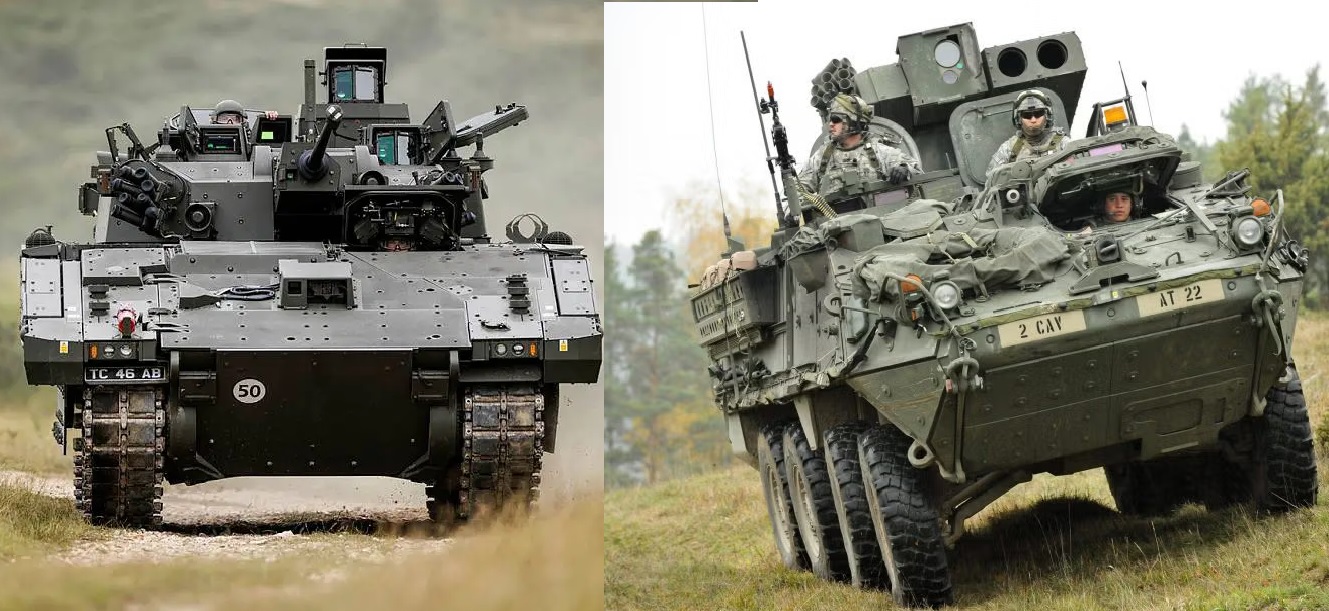
World
Germany is set to approve a significant procurement package valued at nearly €7 billion, aimed at bolstering the Bundeswehr's capabilities with 424 new wheeled armoured vehicles. This initiative underscores Germany's commitment to modernizing its military forces and enhancing operational readiness. Key Components of the Procurement The procurement encompasses two primary vehicle types: 274 Scout Vehicles from General Dynamics: These vehicles are designed for reconnaissance missions, providing enhanced situational awareness and intelligence gathering capabilities. General Dynamics, a renowned defense contractor, will supply these vehicles under a framework agreement valued at approximately €3.5 billion. Deliveries are anticipated to commence in 2028. 150 Schakal Infantry Fighting Vehicles (IFVs) from Artec GmbH: The Schakal IFVs are intended to transport infantry units while offering direct fire support. Artec GmbH, a joint venture between KNDS and Rheinmetall, will oversee production, with deliveries scheduled between 2027 and 2031. The contract is valued at around €3.4 billion. Expansion Options Both contracts include provisions for future expansion: Scout Vehicles: An option to procure an additional 82 vehicles, potentially increasing the total order to 356 units, with a revised value of up to €4.6 billion. Schakal IFVs: An option to acquire up to 200 more vehicles, allowing for future scalability based on operational requirements. Missile Capabilities and Specifications While specific missile systems for the Scout and Schakal vehicles have not been detailed, General Dynamics has developed the Sgt Stout vehicle, which is equipped with Hellfire and Stinger missiles, along with a 30mm cannon. This platform provides lethal, mobile, and survivable air defense against a range of aerial threats. The integration of such advanced missile systems enhances the vehicle's versatility and combat effectiveness. Strategic Implications This procurement is part of Germany's broader strategy to modernize its military forces, ensuring they are equipped to address contemporary security challenges. The integration of advanced wheeled armoured vehicles enhances the Bundeswehr's operational flexibility, mobility, and firepower. By investing in state-of-the-art technology, Germany aims to maintain a robust defense posture within the NATO alliance and respond effectively to emerging threats. Germany's planned acquisition of 424 wheeled armoured vehicles represents a significant investment in the modernization of its military capabilities. Through strategic partnerships with industry leaders like General Dynamics and Artec GmbH, Germany is poised to enhance its defense infrastructure, ensuring readiness and resilience in the face of evolving security dynamics.
Read More → Posted on 2025-10-14 15:59:17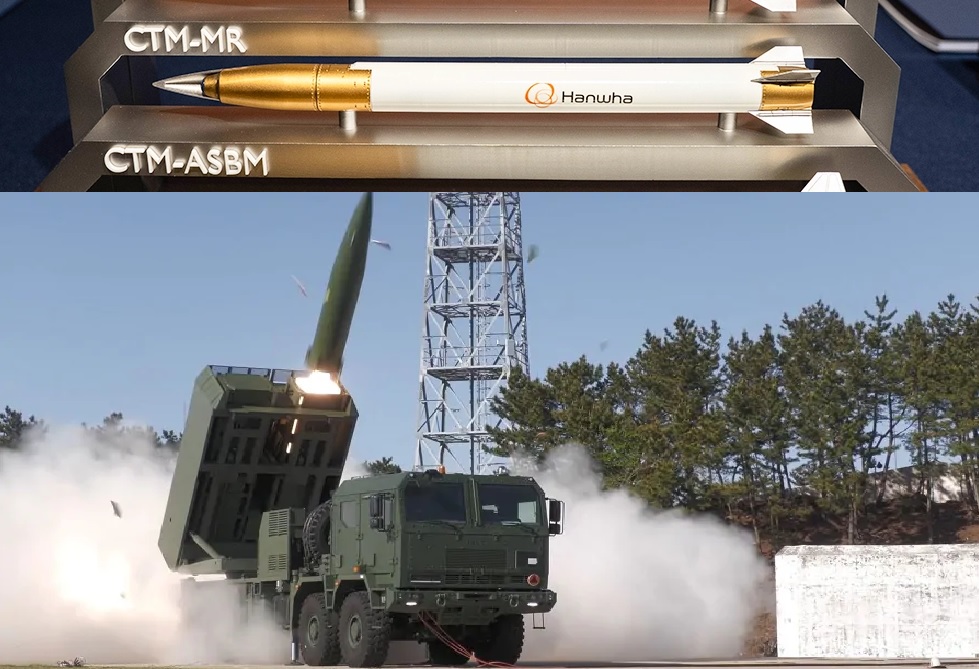
World
Hanwha Aerospace is actively seeking to expand its international footprint by offering its latest anti-ship ballistic missile, the CTM-ASBM, to the Philippines. The initiative comes as Manila intensifies efforts to modernize its military capabilities, particularly to counter potential maritime threats in the South China Sea. CTM-ASBM: Precision and Reach The CTM-ASBM is an evolution of Hanwha’s existing CTM missile, designed specifically for engaging naval targets with high accuracy. According to company representatives, the missile has a range of up to 160 kilometers and incorporates a proprietary integrated seeker capable of accurately locking onto ships at sea. Its design allows it to be quad-packed into pods on the K239 Chunmoo, a versatile multiple-launch rocket system (MLRS), giving each launcher the ability to carry a total of eight anti-ship missiles for rapid salvo attacks. Development of the CTM-ASBM is projected to conclude by 2028, with deployment anticipated shortly thereafter. The missile’s combination of mobility, precision, and integration with an established MLRS platform makes it a compelling option for countries with extensive coastlines and maritime interests. K239 Chunmoo: The Launch Platform The K239 Chunmoo serves as the launch vehicle for the CTM-ASBM. This highly mobile system is mounted on an 8×8 wheeled chassis, allowing for rapid repositioning across various terrains. Each launcher carries two pods, each capable of holding four CTM-ASBMs, but it can also accommodate a range of other munitions, from medium-range rockets to short-range ballistic missiles. The Chunmoo is specifically designed for flexibility and rapid response, essential for modern coastal defense operations. Compared to larger systems like the Philippine Army’s planned BrahMos supersonic cruise missiles, the Chunmoo offers enhanced mobility, allowing forces to quickly deploy missiles across islands and strategic chokepoints without reliance on major road networks. Philippine Military Modernization The Philippines has been steadily enhancing its maritime capabilities amid rising tensions in the South China Sea. The military has already incorporated advanced systems like the BrahMos supersonic missiles and is exploring a variety of long-range precision-fire solutions. The introduction of the CTM-ASBM would complement these capabilities by providing a mobile, land-based anti-ship option that can respond rapidly to naval threats. Recent military exercises, such as Balikatan, Salaknib, and Kamandag, have seen Philippine forces working alongside American counterparts to deploy and operate high-end missile systems across strategic waterways, including the Luzon Strait and Palawan province facing the South China Sea. These drills highlight the importance of mobile and precision strike systems in the archipelago’s defense strategy. Strategic Impact Integrating the CTM-ASBM into the Philippine Armed Forces would significantly enhance their anti-access and area-denial (A2/AD) capabilities, providing a robust deterrent to potential adversaries. The combination of the missile’s precision, range, and the Chunmoo’s mobility ensures that the Philippine military can respond swiftly to evolving maritime threats while maintaining operational flexibility across its scattered islands. By offering the CTM-ASBM, Hanwha Aerospace positions itself as a key partner in the Philippines’ ongoing military modernization, strengthening both the country’s maritime defenses and broader regional security posture in the Indo-Pacific. Missile Specifications (Hanwha CTM-ASBM) Range: 160 km Guidance: Integrated seeker for precise targeting at sea Payload per launcher: Up to 8 missiles (quad-packed into 2 pods) Deployment platform: K239 Chunmoo MLRS Development completion: Expected by 2028
Read More → Posted on 2025-10-14 15:48:21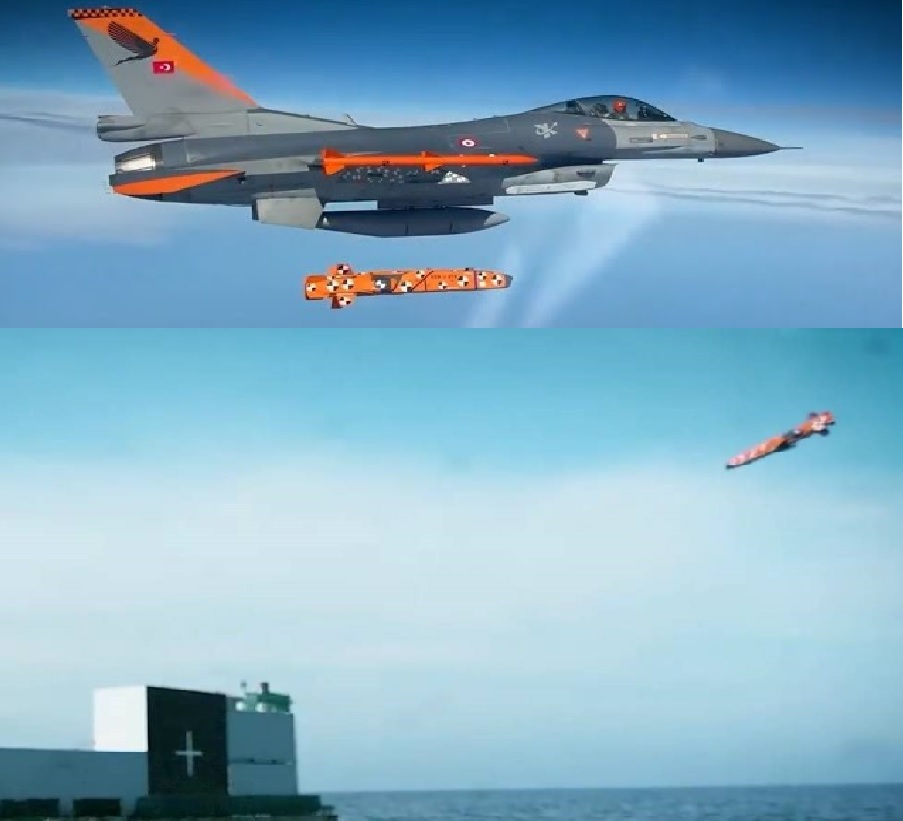
World
In a significant demonstration of Türkiye's advancing defense capabilities, Minister of Industry and Technology, Mehmet Fatih Kacır, shared a video showcasing the live test of the SOM-J cruise missile. The footage highlights the missile's launch, mid-course guidance, terminal phase, and successful engagement of a stationary sea target. This achievement underscores the nation's progress in developing advanced, domestically produced weapon systems. Missile Specifications The SOM-J is an air-launched cruise missile developed by TÜBİTAK SAGE in collaboration with Roketsan. Designed for precision strikes against heavily defended land and naval targets, it boasts the following specifications: Length: Approximately 3.9 meters Weight: Around 540 kilograms Range: Up to 275 kilometers (150 nautical miles) Warhead: High-explosive fragmentation or armor-piercing, weighing about 140 kilograms Guidance System: Inertial Navigation System (INS), GPS, Terrain Reference Navigation (TRN), Global Radar Navigation System (GRNS), and Automatic Target Acquisition (ATA) Seeker: Imaging Infrared (IIR) Speed: High subsonic Launch Platforms: F-35, F-16, and Unmanned Combat Aerial Vehicles (UCAVs) The missile's modular design enhances its operational flexibility, making it a cost-effective solution with reduced observability. Test Details and Performance The recent live-fire test, conducted in October 2025, involved launching the SOM-J missile at a stationary sea target. The missile demonstrated exceptional performance, executing demanding maneuvers to evade defense and radar systems while maintaining low-altitude flight close to the surface. Telemetry analysis confirmed its steady flight, precise target engagement, and adherence to mission parameters. Minister Kacır emphasized that the successful test reflects Türkiye's advanced engineering capabilities and the nation's commitment to enhancing its defense industry. He noted that the SOM-J missile exemplifies the progress made in reducing dependence on foreign defense technologies. Strategic Implications The successful deployment of the SOM-J missile marks a significant milestone in Türkiye's defense strategy. By integrating advanced indigenous technologies, Türkiye enhances its deterrence capabilities and operational autonomy. The missile's versatility across various launch platforms and its precision strike capability make it a formidable asset in modern warfare scenarios. This achievement not only bolsters Türkiye's defense posture but also positions the nation as a key player in the global defense industry, showcasing its ability to develop and deploy cutting-edge military technologies. As Türkiye continues to advance its defense capabilities, the SOM-J cruise missile stands as a testament to the nation's commitment to innovation, self-reliance, and strategic defense excellence.
Read More → Posted on 2025-10-14 15:38:32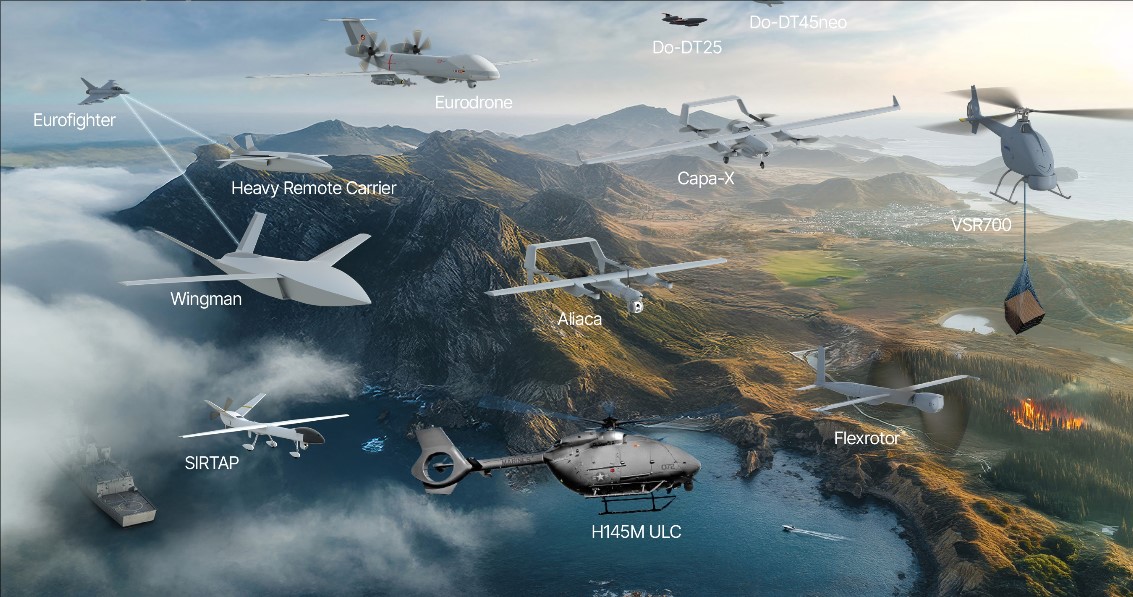
World
Airbus has unified its small and medium tactical uncrewed aerial systems (UAS) into a single portfolio under the management of Airbus Helicopters. This consolidation brings together Survey Copter’s systems, including Aliaca and Capa-X, to provide a streamlined offering for defence, security, and civil applications across both the Helicopters and Defence and Space divisions. Bruno Even, CEO of Airbus Helicopters, highlighted the strategic value of this integration: “By incorporating Aliaca and Capa-X into our UAS portfolio, we are building a cohesive family of products and consolidating Airbus’ position in the tactical drone segment. This initiative creates a centre of excellence that combines complementary UAS capabilities and encourages collaboration across teams. It also supports the integration of drones and helicopters through our HTeaming solution.” Expanding Tactical Capabilities Uncrewed aerial systems have become essential for real-time operations in both military and civilian contexts. They provide high-resolution sensing for intelligence, surveillance, target acquisition, and reconnaissance (ISTAR), as well as long-endurance ISR missions. Their applications extend to naval and expeditionary forces, battlefield reconnaissance, border security, firefighting, and law enforcement. Survey Copter, based in Pierrelatte, Southern France, has been developing light tactical drones since 1996 and has delivered over 300 systems to international and domestic clients. The company’s extensive experience in both civil and military drone operations now contributes to Airbus’ broader UAS capabilities. Types Of Drone The consolidated portfolio includes a range of drones designed for flexibility and operational efficiency: Aliaca: A 25 kg drone with six hours of flight endurance and a payload capacity of 3 kg, suitable for tactical reconnaissance missions. Flexrotor: Also 25 kg, this system can fly for 10–12 hours with an 8 kg payload, providing extended operational reach. Capa-X: A 120 kg drone capable of carrying up to 20 kg of equipment, designed for varied terrains and multi-purpose missions. VSR700: A 750 kg multi-role drone optimized for maritime, cargo, and combat operations, featuring a low-signature design and adaptable configuration. These systems offer a combination of endurance, payload flexibility, and operational adaptability, supporting a wide spectrum of mission requirements. Integration with Advanced Systems Beyond tactical drones, Airbus Defence and Space continues to develop large-scale and specialised UAS technologies. This includes the Eurodrone, designed for strategic European defence; SIRTAP, an ISR platform capable of day and night operations; and the Zephyr HAPS, a solar-electric high-altitude pseudo-satellite for long-duration surveillance. Airbus also provides aerial target drones for training and testing purposes. A key innovation in the portfolio is the crewed-uncrewed teaming (CU-T) capability, which allows helicopter and aircraft crews to control drones during missions. This approach extends sensor coverage, improves situational awareness, and enables manned platforms to focus on critical tasks, enhancing overall mission efficiency. By consolidating its tactical UAS portfolio under Airbus Helicopters, Airbus aims to provide a coherent and integrated range of drone solutions for military, security, and civil operators. The combination of small, medium, and large unmanned systems, along with crewed-uncrewed teaming, positions Airbus to meet evolving operational requirements with flexible and reliable solutions.
Read More → Posted on 2025-10-14 14:52:50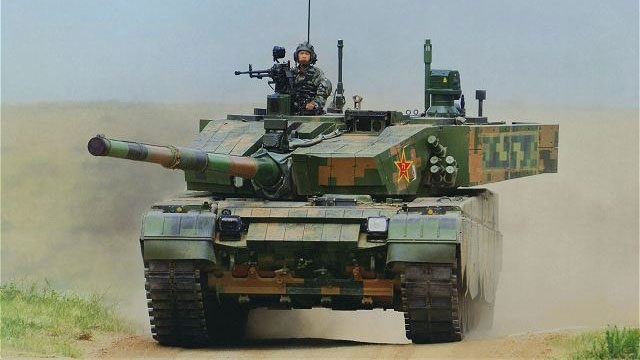
World
The People’s Liberation Army (PLA) of China has officially begun deploying the Type 100, a fourth-generation main battle tank (MBT) designed to operate in a networked, beyond-visual-range battlefield. This development represents a significant shift in China’s approach to ground warfare, emphasizing sensor integration, networked operations, and advanced active protection systems rather than traditional armor thickness. According to reports from the Global Times on October 13, 2025, the Type 100 has recently participated in combined-arms exercises, where crews engaged targets beyond visual range using advanced augmented reality interfaces and hybrid diesel-electric propulsion. These exercises highlight the tank’s capacity to detect, track, and strike threats without having a direct line of sight—a capability that marks it as one of the few modern tanks with beyond-visual-line-of-sight (BLOS) operational potential. BLOS Capability Explained A tank with beyond-visual-line-of-sight capabilities can engage targets that are obscured by terrain, structures, or environmental conditions by relying on integrated sensors, target data from drones, reconnaissance units, and networked command-and-control systems. For the Type 100, this means its optical, infrared, and radar sensors can feed targeting information to the fire control system, allowing the 105 mm autoloaded main gun to fire armor-piercing or guided rounds at distances up to several kilometers—reportedly similar to the engagement range of 120 mm and 125 mm Western and Russian smoothbore systems, potentially around 3–4 km for guided munitions. BVLOS engagements using networked munitions can extend into the 10–25+ km bracket, depending on the missile/loitering munition used and datalink capability — but this is mission‑ and loadout‑dependent, not a single Type‑100 attribute. While most traditional tanks rely on line-of-sight targeting, few tanks in the world possess true BLOS capabilities. Existing examples include Russia’s T-14 Armata, which integrates networked reconnaissance and fire control, and some Western prototypes experimenting with drone-guided targeting. The Type 100 places China among the leading nations exploring operational BLOS engagements in armored warfare. Design and Armament Developed by the 201st Research Institute and manufactured at the Baotou Tank Plant, the Type 100 was first unveiled during the Victory Day parade in Beijing on September 3, 2025. Key specifications include: Main Armament: 105 mm autoloaded smoothbore gun, firing armor-piercing rounds at ~1,706 m/s. Secondary Armament: Coaxial 7.62 mm machine gun and a 12.7 mm remote weapon station, capable of anti-drone and light air defense roles. Crew: Three, housed in a fully sealed armored capsule at the front of the hull. Propulsion: Hybrid diesel-electric engine for improved mobility, reduced thermal signature, and longer operational endurance. Protection: Unmanned turret design allows extra ammunition storage and thicker armor for the crew capsule. Active protection includes two GL-6 systems with four launch tubes each, managed by phased-array radar panels at turret corners, enabling 360-degree detection and interception of incoming missiles, rockets, and top-attack munitions. Networked Operations The Type 100 is designed for integration into the PLA’s broader network-centric warfare doctrine. Armored units equipped with the tank can communicate in real-time with aviation, artillery, and electronic warfare assets. This integration allows for rapid sharing of battlefield intelligence, coordinated strikes, and enhanced situational awareness, making the tank a force multiplier in modern combat scenarios. Global Context While the Type 100 is positioned as a fourth-generation MBT, its combination of networked systems, BLOS capabilities, and advanced active protection places it in a unique category among modern armored vehicles. Tanks such as the U.S. M1A2 SEPv4 Abrams and German Leopard 2A7 focus on survivability and firepower but lack fully integrated BLOS systems. Russia’s T-14 Armata has similar concepts, but Type 100’s early deployment highlights China’s rapid advancements in next-generation tank technology. Conclusion The Type 100 marks a pivotal step in modernizing China’s ground forces. By combining networked operations, beyond-visual-range engagement, and advanced active protection systems, the PLA is preparing for high-intensity, technologically sophisticated conflicts where situational awareness, precision strikes, and crew survivability are paramount. As global powers watch closely, the Type 100 exemplifies the evolving landscape of armored warfare in the 21st century.
Read More → Posted on 2025-10-14 14:38:18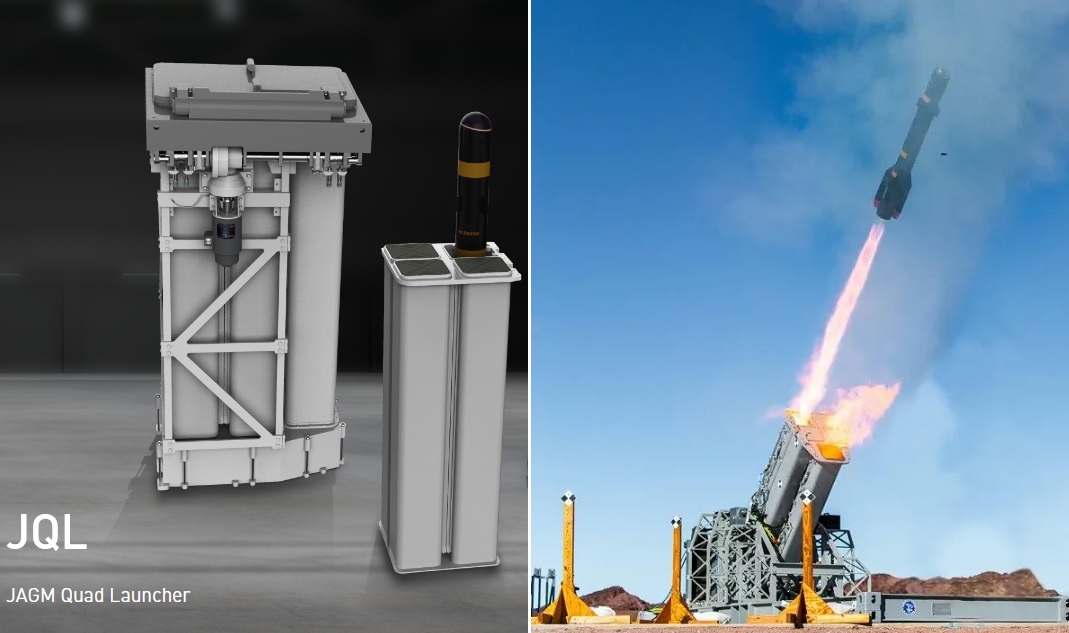
World
Lockheed Martin has completed a successful first demonstration of the Joint Air-to-Ground Missile (JAGM) launched from its newly developed JAGM Quad Launcher (JQL) system. The test, conducted on August 28, 2025, at the Yuma Proving Ground in Arizona, marked a key milestone in expanding the missile’s operational flexibility beyond its traditional air-launched role. The baseline JAGM has an effective engagement range commonly cited at roughly 5 miles (about 8 km) in its standard configuration; a medium-range variant and other development efforts have demonstrated extended reach of up to about 10 miles (around 16 km). JAGM combines a semi-active laser (SAL) seeker with a millimetre-wave (MMW) radar seeker in a dual-mode guidance package, providing both precision semi-active-laser targeting and a fire-and-forget radar mode for moving or obscured targets. The missile travels at roughly Mach 1.5, carries a shaped-charge/fragmentation family of warheads suited to defeating armor, light vehicles, bunkers and small surface vessels, and supports operations in adverse weather and degraded visual conditions. During the demonstration, a JAGM was launched from the JQL set at a 45-degree angle and achieved a direct hit on a stationary ground target. The test allowed engineers to capture real-time performance data from ignition through impact, validating the missile’s flight profile, launcher performance, and overall system integration. The result confirmed the system’s operational reliability and accuracy in a ground-based configuration. This demonstration is significant because it represents the first time the JAGM has been fired from a canister-based launcher rather than from an aircraft pylon or rail. The JQL’s modular design uses four independent composite canisters arranged in a compact “quad-pack” configuration. Each canister is self-contained and designed for quick reloads using existing JAGM loading procedures. The launcher includes a pivot fixture that supports angled and vertical launch orientations, while a self-contained exhaust gas management system ensures crew and platform safety during launch. The integration of JAGM with the JQL marks a major shift in how the missile can be deployed. Previously, JAGM was fielded primarily on helicopters and fixed-wing aircraft to replace older Hellfire and Maverick systems. It was designed for air-to-surface engagements against armored vehicles, bunkers, and fast-moving targets. With the new launcher, the same missile can now be fired from ground vehicles, ships, or fixed installations, giving it multi-domain capability. This approach enables commanders to use the same precision weapon across land, air, and maritime environments, simplifying logistics and expanding tactical options. The ability to fire JAGM from a canister launcher also opens the door to vertical launch operations. Unlike traditional forward-firing mounts, a vertical launch system allows a missile to be fired straight upward before maneuvering toward its target, providing 360-degree engagement capability. This is particularly valuable for naval vessels and expeditionary forces that require rapid response in all directions. The modular launcher can be scaled up or down depending on platform size, supporting everything from small vehicles and patrol craft to larger warships or coastal defense systems. Lockheed Martin’s Missile and Fire Control and Rotary and Mission Systems divisions jointly developed the JQL, drawing on more than five decades of experience in vertical launching systems. Company officials described the demonstration as an important step toward meeting future expeditionary and multi-domain requirements. The design aims to provide a lightweight, easily transportable launcher that maintains the reliability of existing ship and land-based missile systems. What makes this integration different from previous JAGM configurations is the shift from an air-only missile to a modular system. Earlier versions of JAGM were restricted by platform orientation—missiles were fired in the direction the aircraft was facing. The JQL introduces the ability to launch from multiple axes, including vertical, without the need to reposition the platform. The sealed composite canisters also extend missile shelf life, improve storage conditions, and simplify transport. The new launcher’s flexibility could make it a candidate for emerging missions such as Counter-Unmanned Aerial Systems (C-UAS). Its ability to store and launch multiple missiles in rapid succession makes it suitable for engaging drones, light vehicles, and other short-range threats. The upcoming vertical launch demonstration planned for November 2025 will further test this capability and gather performance data for full vertical engagements. This first integration of JAGM with the JQL represents a step toward unified missile architectures that can serve across multiple domains. By adapting a proven precision-guided weapon for new platforms, Lockheed Martin is positioning the JAGM system to meet evolving operational requirements for U.S. and allied forces. The move from an aircraft-based weapon to a flexible, canister-launched system could ultimately streamline logistics, reduce costs, and enhance response capability in complex mission environments.
Read More → Posted on 2025-10-14 13:40:19
World
Over the weekend, Gaza City descended into violence as fierce clashes erupted between Hamas security forces and the Doghmush clan, one of the most powerful and heavily armed families in the Gaza Strip. The confrontation, which left several people dead and many more wounded, highlights a deeper struggle for power and control within the besieged enclave—beyond the familiar conflict with Israel. According to reports from multiple sources, including eyewitnesses and Gaza-based officials, the violence began late last week, shortly after a ceasefire between Israel and Hamas took effect. What started as localized tension between the two sides quickly escalated into open gunfights in several neighborhoods, particularly the Sabra district of Gaza City, a densely populated area long known as a stronghold of the Doghmush family. By Sunday evening, witnesses described scenes of chaos as around 200 Hamas security officers stormed the area, engaging in prolonged firefights until the clan members were "completely subdued." Residents reported that both sides suffered casualties, with fatalities and injuries among Doghmush members and Hamas fighters alike. Calm reportedly returned only around 9:30 p.m., following hours of intense gunfire. A source in Hamas’ Interior Ministry later confirmed that there had been fatalities on both sides and that approximately 60 Doghmush family members were arrested. The ministry accused the clan of collaborating with Israeli forces and being responsible for multiple murders and criminal acts within Gaza. Officials further alleged that the Doghmush clan had been operating as a “criminal gang”, undermining Hamas’ authority during and after the recent war. The Doghmush family, however, rejected these accusations. In a public statement, clan representatives denied any collaboration with Israel but acknowledged that some family members might have committed “transgressions,” without elaborating on what they were. They also accused Hamas of carrying out a campaign of collective punishment, claiming that the security forces were indiscriminately targeting anyone linked to their family. “In recent days, it was enough to belong to the Doghmush family to be shot in the legs, killed, arrested, or have your house burned down,”wrote Abu al-Hassan Doghmush, one of the clan’s senior figures, on Facebook. Who Are the Doghmush Clan? The Doghmush clan is one of Gaza’s most influential and well-armed families, known for maintaining its own militia-style armed groups. Historically, the family has had a complex relationship with various factions, including Hamas, Islamic Jihad, and al-Qaeda-linked elements. During the 2000s, Doghmush fighters were accused of kidnapping foreign journalists and aid workers, including the 2007 abduction of BBC reporter Alan Johnston, who was later released following negotiations involving Hamas. The clan’s stronghold lies in Gaza City’s Sabra and al-Zaitoun neighborhoods, where it maintains significant local influence, often acting independently of Hamas authorities. While Hamas has attempted to integrate or dismantle such power structures since taking control of Gaza in 2007, families like the Doghmush have continued to resist full subordination, occasionally clashing with Hamas police and internal security forces. Why the Conflict Erupted The latest violence appears to have been triggered by renewed efforts by Hamas to assert control over Gaza’s armed clans after the Israel-Hamas ceasefire. With the truce halting Israeli airstrikes, Hamas turned inward, focusing on consolidating power and cracking down on what it calls “criminal elements” operating under the cover of war chaos. The Interior Ministry’s announcement on Sunday of a “general amnesty” for “members of criminal gangs” who had not committed murder during the conflict is widely seen as part of this campaign. However, in practice, the operation in Sabra suggests Hamas is using force to stamp out dissent and enforce its monopoly over security and arms in the territory. Analysts say the Doghmush clan may have resisted Hamas’ attempts to disarm or arrest its members, viewing such actions as an attack on their autonomy. The resulting firefights underscore the fragile internal dynamics of Gaza’s governance, where Hamas faces not only external threats from Israel but also domestic challenges from powerful families and militias that wield local loyalty and weaponry. Broader Implications These clashes reveal the growing tension within post-war Gaza, where the balance between law enforcement, clan power, and militant authority remains unstable. Hamas’ need to maintain internal control is more critical than ever, especially as it seeks to demonstrate governance stability following months of devastating conflict. Yet, the bloody confrontation with the Doghmush clan may also expose Hamas’ vulnerability—its struggle to control all armed factions under its rule. Such internal conflicts risk undermining public trust, worsening humanitarian suffering, and potentially inviting renewed chaos at a time when Gaza’s recovery is already precarious. As the ceasefire holds externally, Gaza faces a different kind of war within its walls—a war for dominance, loyalty, and control among those who claim to defend it.
Read More → Posted on 2025-10-14 13:18:17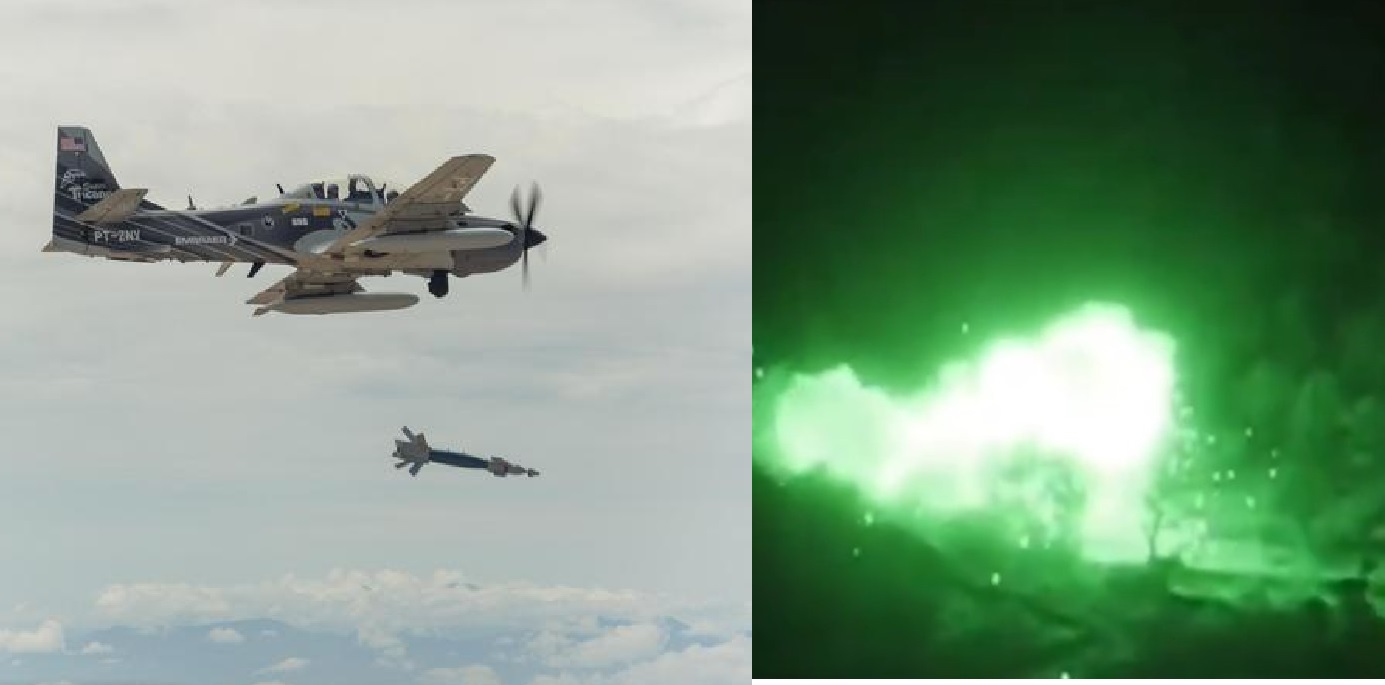
World
A sudden wave of reports has flooded social media claiming that Afghan forces launched an airstrike on Pakistan’s city of Lahore, killing at least 15+ Pakistani soldiers. The attack, allegedly carried out using U.S.-made A-29 Super Tucano aircraft, has stirred up regional tension and confusion. While official confirmations remain limited, this event—if proven—marks an unprecedented escalation in South Asia’s volatile security environment. What Happened and the Claims According to emerging reports and social media footage, Afghan Air Force pilots, believed to be operating A-29 Super Tucano light attack aircraft, allegedly crossed into Pakistani airspace and conducted precision strikes on military positions near Lahore, Pakistan’s cultural and strategic hub. Some Afghan sources claim the operation targeted “terror infrastructure” allegedly linked to cross-border attacks inside Afghanistan. Afghan channels have described the strike as retaliation for recent Pakistani air operations inside Afghan territory, which, according to Kabul, killed several civilians and militants. Islamabad, however, has denied striking Afghan territory and called the Lahore strike report “fabricated propaganda.” So far, no major international news agency has independently verified the Lahore airstrike. The evidence—videos and satellite images circulating online—remains unconfirmed, though several independent analysts acknowledge that intense clashes have indeed erupted along the Durand Line, with both sides suffering casualties. The Aircraft Used – A-29 Super Tucano The Embraer A-29 Super Tucano is a turboprop light-attack aircraft designed for counter-insurgency and border patrol operations. The U.S. supplied dozens of these aircraft to Afghanistan before 2021, training Afghan pilots to operate them in high-altitude environments. The A-29 can carry machine guns, rockets, and precision-guided bombs, with a range of over 500 km—enough to theoretically reach Lahore from advanced Afghan bases near Khost or Jalalabad. However, executing such a deep strike mission would require precise coordination, refueling logistics, and evasion of Pakistani radar coverage. How Could Afghanistan Strike Lahore? While the A-29 is capable of reaching Pakistani airspace, conducting a strike as far east as Lahore is both bold and risky. Sources suggest that Afghan pilots may have exploited gaps in Pakistan’s western air defense radar coverage, taking advantage of low-altitude terrain and outdated detection systems along the Afghan frontier. This opportunity emerged due to a key military reality: Pakistan’s air defense network has been severely weakened since the May 2025 conflict with India. During that brief but intense confrontation, India’s precision air campaigns—especially using standoff weapons, decoys, and electronic warfare systems—reportedly destroyed or disabled a large part of Pakistan’s surface-to-air missile (SAM) sites, radar stations, and command centers. As a result, Pakistan today faces a shortage of operational air defense systems, especially modern long-range interceptors. Following the 2025 conflict, Islamabad shifted most of its remaining radar and SAM assets to its eastern border with India, leaving western regions such as Balochistan and Khyber Pakhtunkhwa exposed. When the alleged Afghan strike occurred, Pakistan’s defensive coverage over Punjab’s western flank was reportedly thin, enabling limited penetration by low-flying aircraft. Why Pakistan Didn’t Expect an Attack from Afghanistan Historically, Pakistan’s military doctrine has focused overwhelmingly on India as the primary threat axis. While tensions with Afghanistan have existed for decades, Islamabad largely discounted the possibility of an air attack from the west—believing the Taliban-led Afghan regime lacked both intent and capability for such operations. Moreover, many in Pakistan’s defense establishment assumed that most Afghan Air Force assets, including the A-29s, were destroyed, abandoned, or flown out of the country in 2021 when the Taliban took power. That assumption may have been misplaced, as evidence shows a few serviceable aircraft remained in Afghanistan or were reactivated using local expertise and parts sourced via informal channels. What Afghanistan Claims Afghan government officials (and some Taliban-linked media) have stated that the strike was a defensive response to repeated Pakistani incursions, alleging that Pakistan conducted air raids inside Afghan territory earlier this week targeting Tehrik-i-Taliban Pakistan (TTP) hideouts. Afghanistan’s claim is that this was “a message of deterrence,” aimed at preventing further Pakistani violations of its sovereignty. They also emphasized that Afghan forces did not target civilians, asserting the operation was directed only at Pakistani military positions near a “forward logistics site.” Pakistan’s Response and Military Losses Pakistani military sources have not confirmed any Afghan aircraft penetration or losses in Lahore. However, unofficial military-linked channels acknowledge that border installations and troop positions were hit near the Punjab–Khyber region, with around 15 soldiers reportedly killed and several vehicles destroyed. The Inter-Services Public Relations (ISPR), Pakistan’s defense media wing, has remained mostly silent, likely to avoid public panic or acknowledgment of airspace vulnerability so close to Lahore—Pakistan’s second-largest city and a symbol of national pride. Broader Regional Implications If verified, the strike—conducted by Afghanistan’s own air assets—would mark the first instance of a Taliban-led force conducting a conventional aerial attack against Pakistan. This would fundamentally alter regional security equations, showing that Kabul is capable of limited but precise military operations beyond its borders. It also highlights Pakistan’s defensive fragility post-2025, with much of its anti-aircraft network destroyed or redeployed. Islamabad’s once formidable low-to-medium altitude defense grid—built around Chinese LY-80, HQ-9P, and U.S.-era radars—remains partially functional but overstretched. Strategically, this situation leaves Pakistan sandwiched between two fronts—India in the east and Afghanistan in the west—without sufficient layered protection. The May 2025 conflict drastically shifted Pakistan’s air doctrine from offensive deterrence to reactive survival, limiting its ability to counter simultaneous threats. While the alleged Afghan airstrike on Lahore remains unverified, the episode underscores serious vulnerabilities in Pakistan’s defense architecture. Years of attrition, economic strain, and the 2025 conflict with India have left its air defense systems fragmented and its radar network stretched thin. Even if this incident turns out to be exaggerated or misreported, the message is clear: Pakistan’s western skies are no longer immune. The idea that Afghanistan could launch any form of air raid on Pakistan—real or rumored—reflects how dramatically the regional balance has shifted in just a few years.
Read More → Posted on 2025-10-14 12:23:30Search
Top Trending in 24 Hours
-
 Tulsi Gabbard Releases Declassified Files Detailing U.S.-Backed Network of 120 Biolaboratories Across 30+ Countries
-
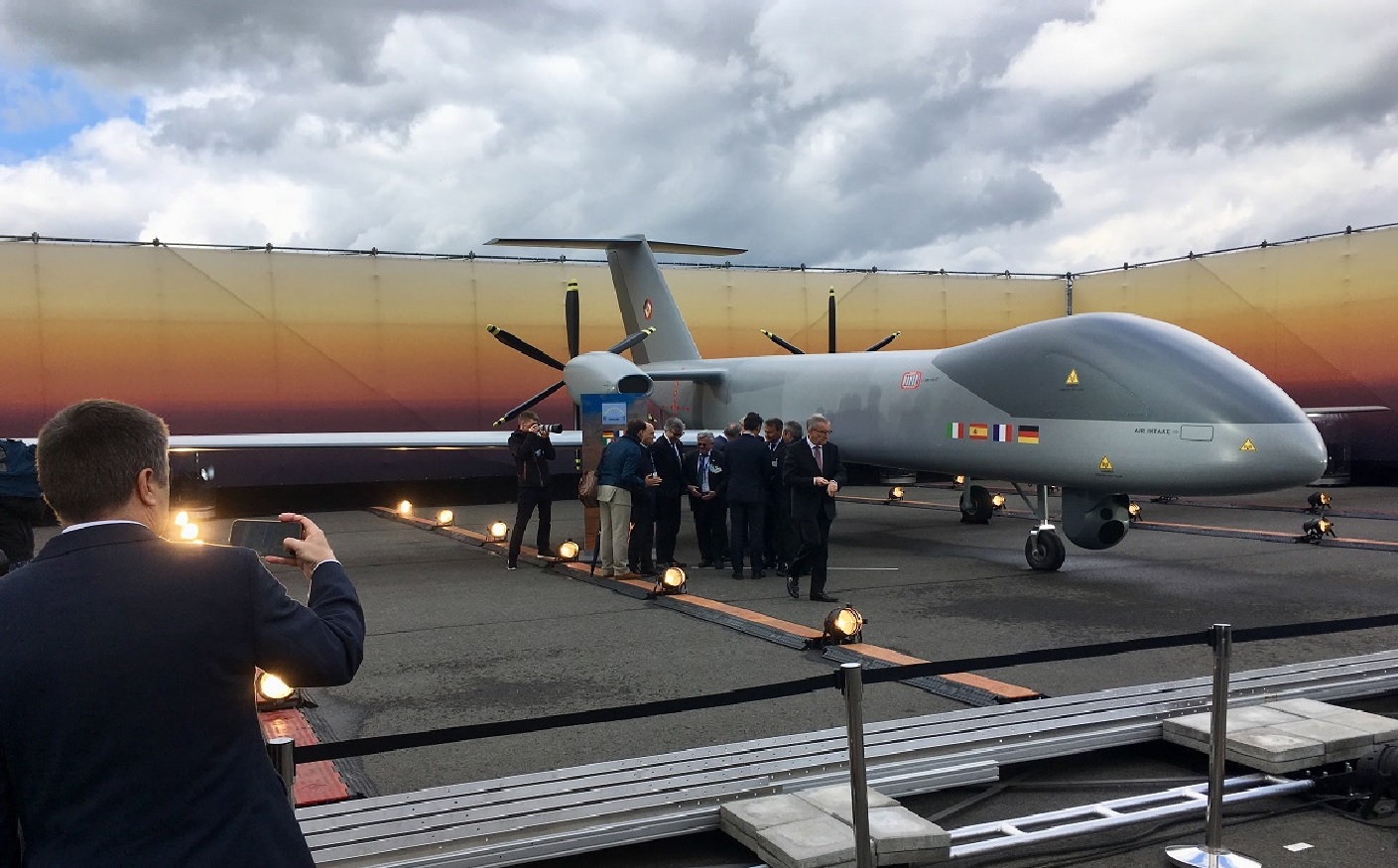 Dassault Seeks Compensation From Airbus as Eurodrone Dispute Erupts After FCAS Collapse
-
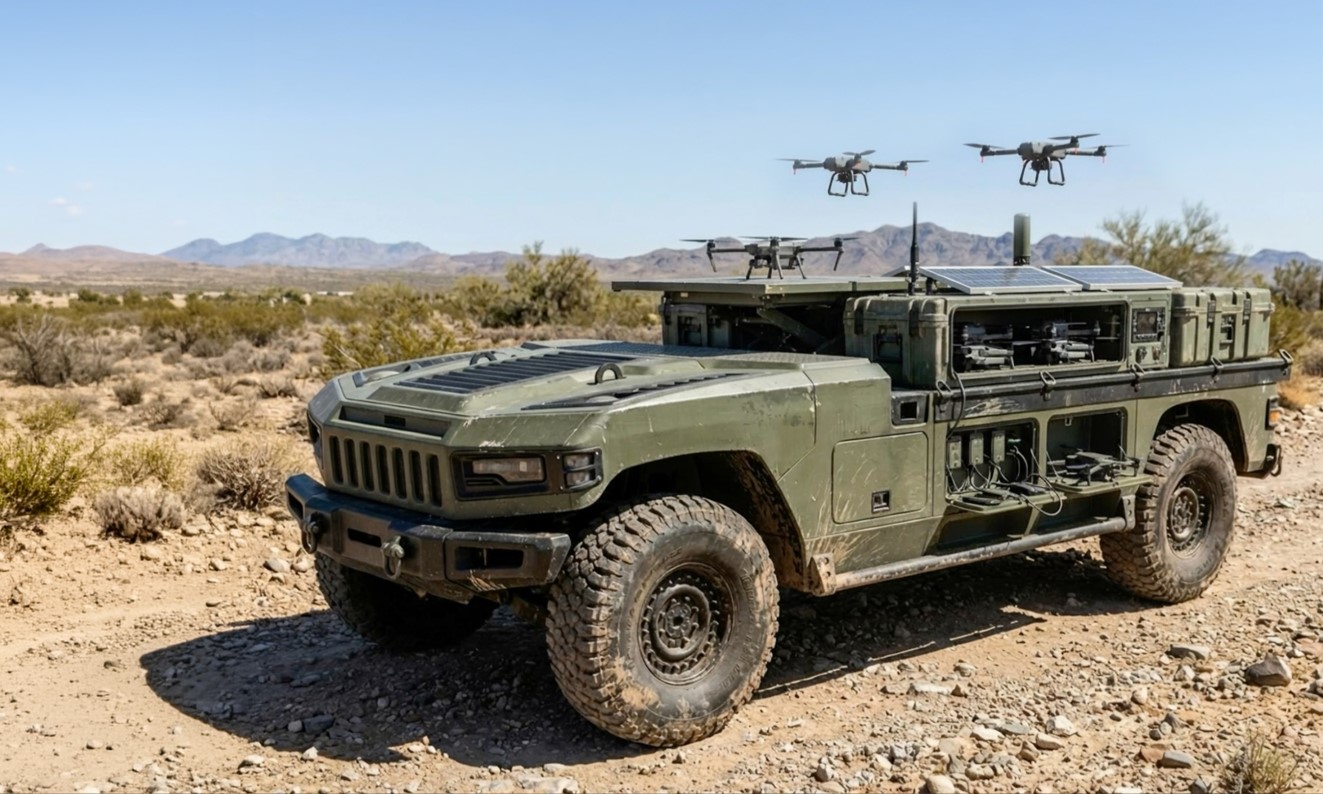 AM General Unveils Next-Generation UGV and JLTV A2 with Counter-Drone Systems at Eurosatory 2026
-
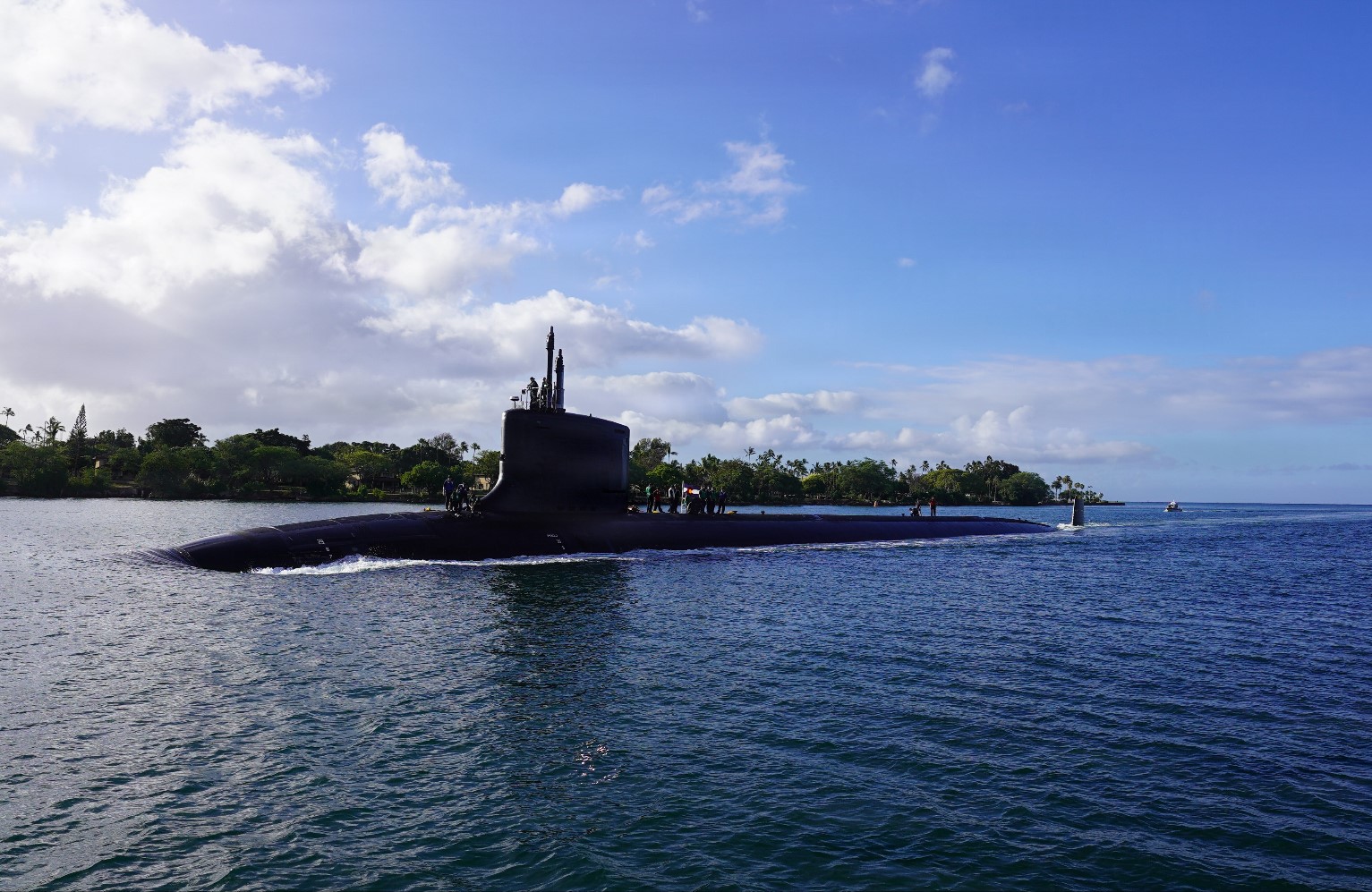 U.S. Navy's USS Colorado Submarine Returns to Pacific Fleet 29 Days Early After Major Pearl Harbor Overhaul
-
 Pakistan Raises Defence Budget from $9 Billion to $10.8 Billion as J-35 Fighter and Hangor Submarine Programs Advance
-
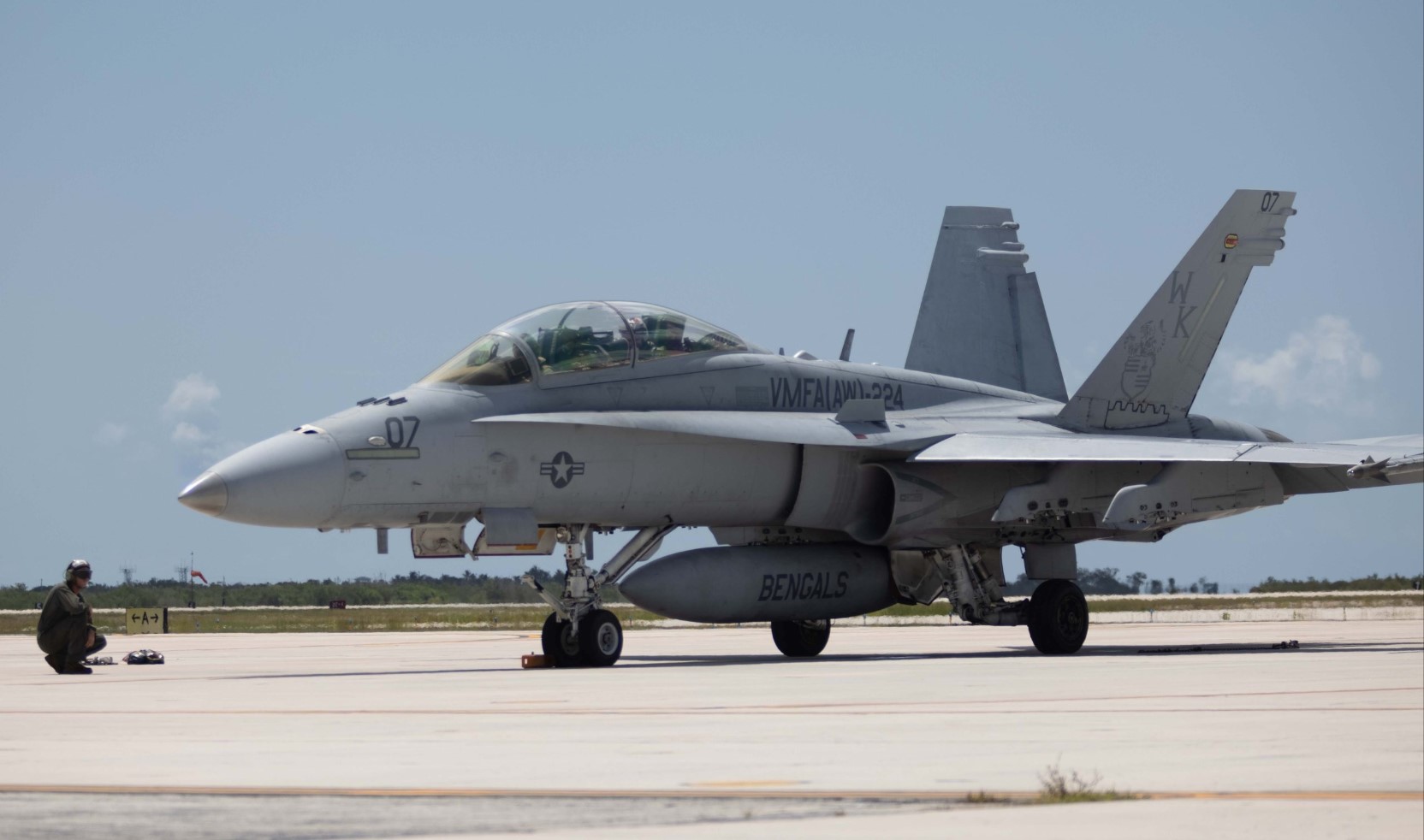 US Marine Corps F/A-18D Hornet Crashes During Training Flight in Washington Mountains; Pilot Ejects Safely
-
 Elbit Systems and Diehl Defence Partner to Offer SkyStriker Loitering Munition to German Armed Forces
-
 U.S. Navy Reestablishes Submarine Squadron 3 at HMAS Stirling to Support AUKUS Rotational Force
Top Trending in 4 Days
-
 Iranian Media Leaks 14-Point U.S.-Iran Peace Framework Amid Ongoing Negotiations
-
 US Plans Significant Reduction of Fighter Jets and Warships for NATO Operations in Europe
-
 U.S. Air Force Faces Strategic Airlift Shortfall as C-17 Production Restart Remains Uncertain
-
 NATO Commander Says Russia Not Seeking Conflict With Alliance Despite U.S. Force Reductions
-
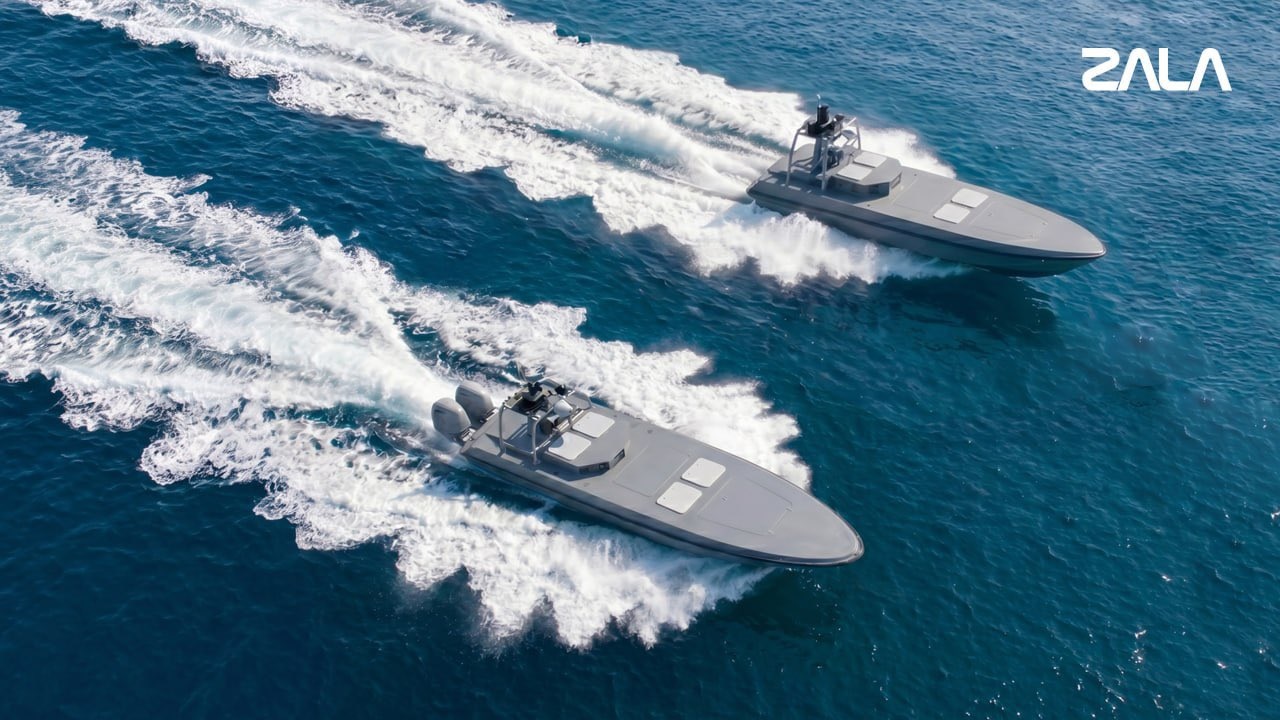 Russian Defense Firm ZALA Unveils KAMA Unmanned Surface Vessel Family at FLOT-2026 Naval Exhibition
-
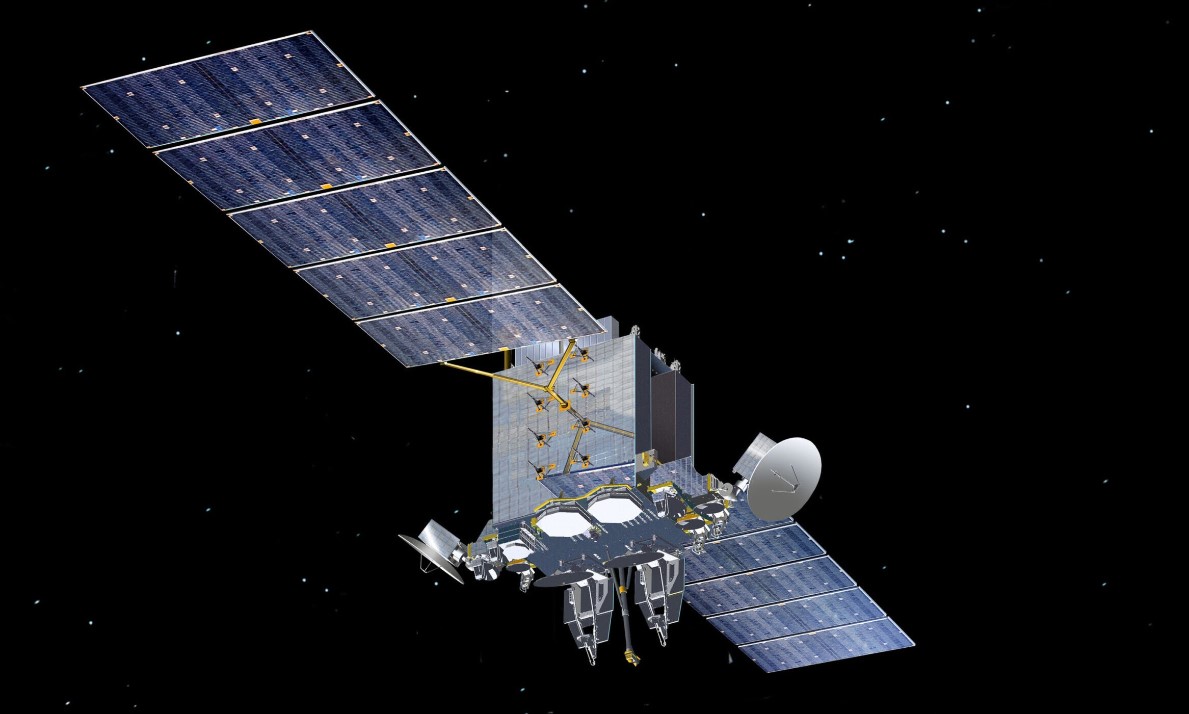 U.S. Space Force Awards $437.7 Million Contracts for First PTS-G Swarm 1 Anti-Jam Satellites
-
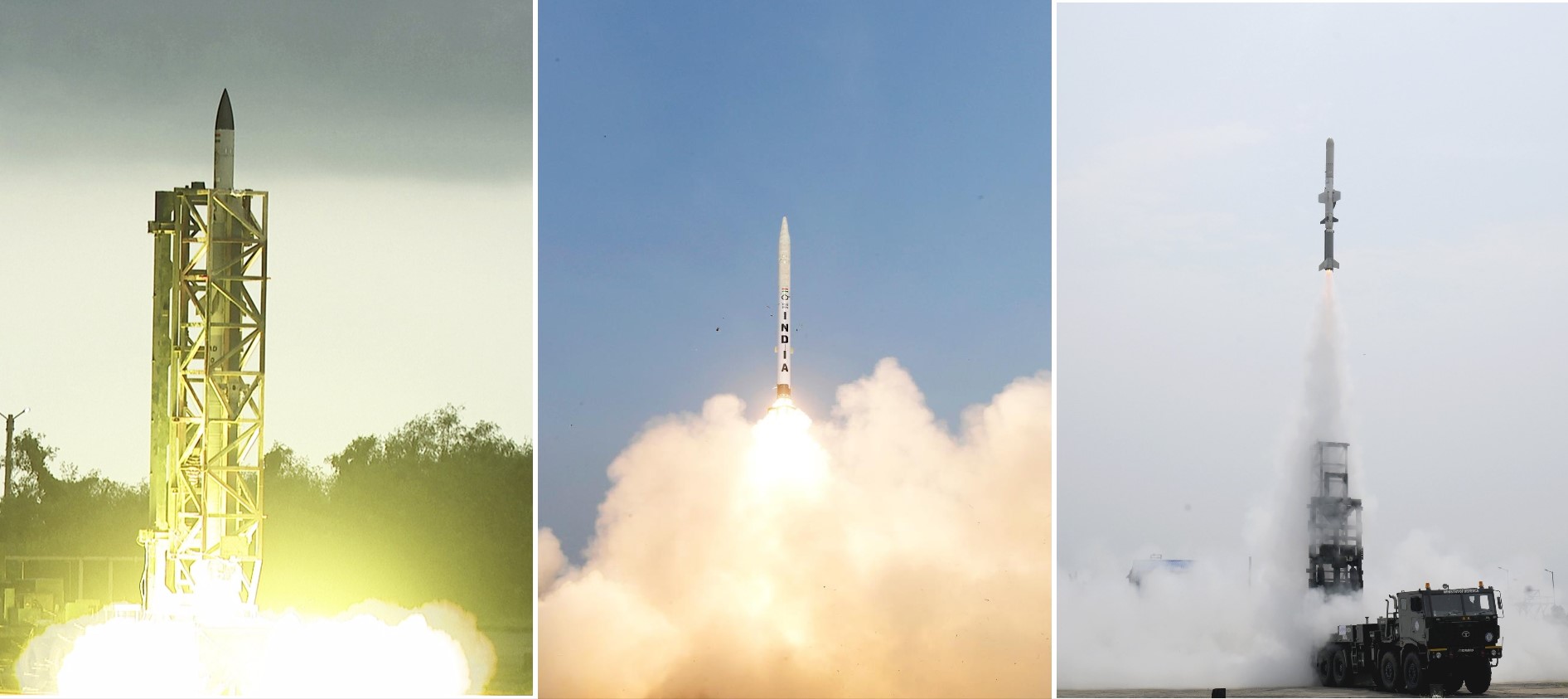 India Successfully Conducts AD-1, AD-2 Interceptor Tests and Maiden NASM-MR Flight Trial
-
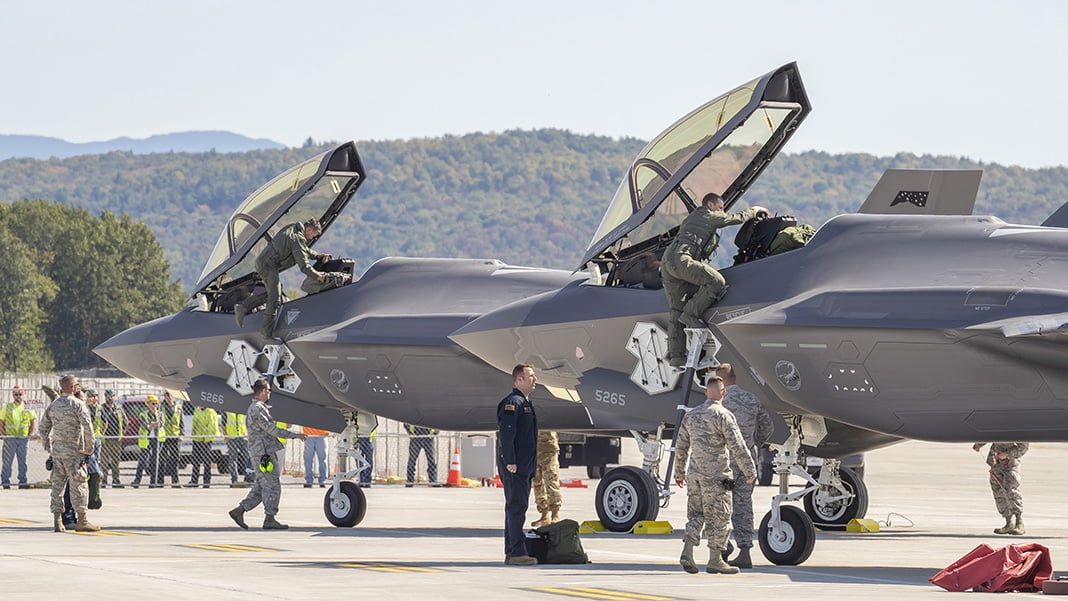 F-35 Fleet Readiness Falls to 25% Amid Parts Shortages and Software Delays: GAO Report