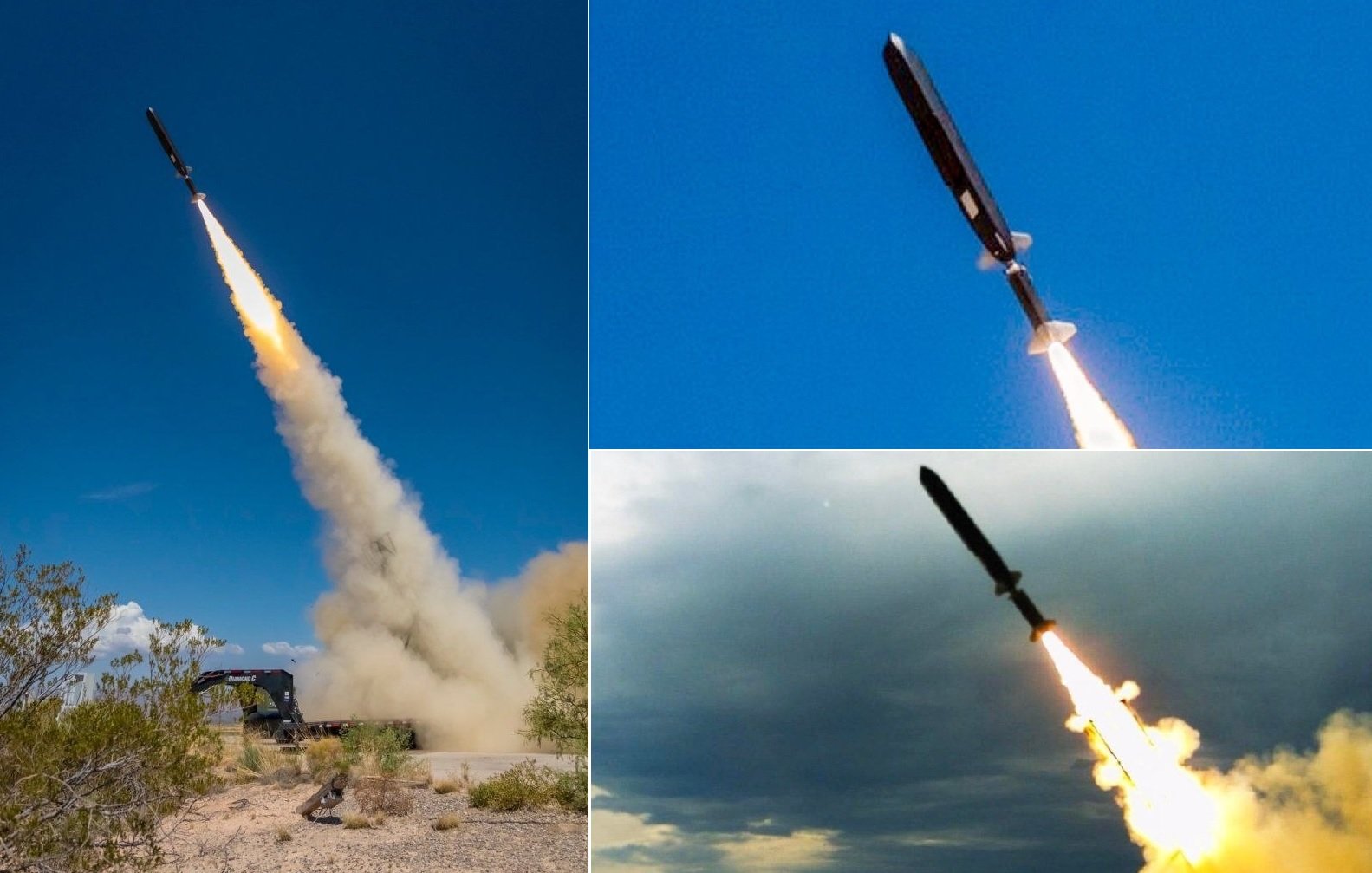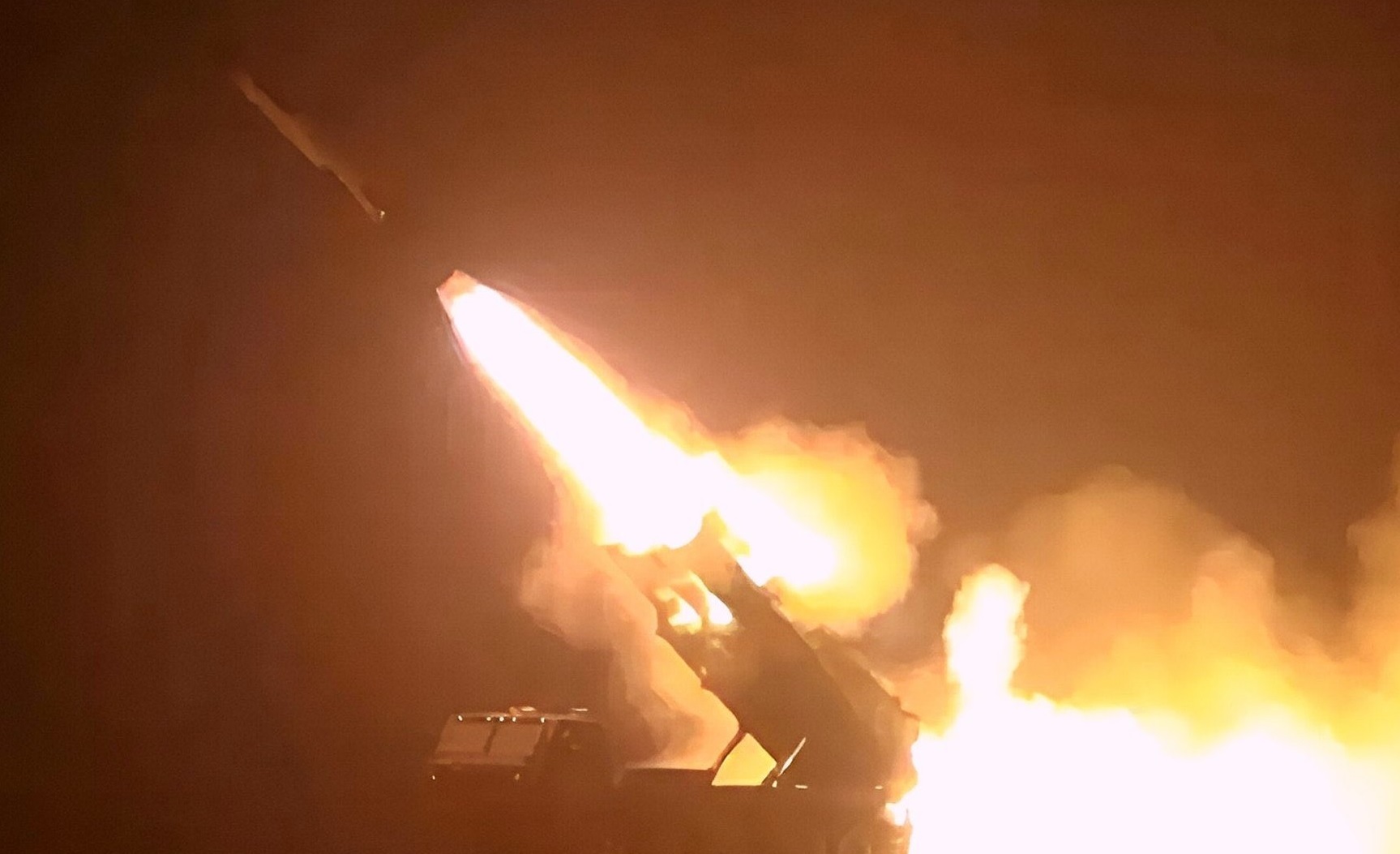
Afghanistan’s Defence Ministry has announced the successful testing of a missile capable of striking targets at a distance of 400 kilometres, a claim that has drawn regional attention and skepticism. The statement, shared through official channels in Kabul, described the launch as a significant step toward strengthening national defense capabilities, though it offered no details about the missile’s name, origin, or specifications.
According to the ministry, the test was carried out within Afghanistan’s borders and achieved “all mission objectives.” However, so far there is no independent confirmation of the event through satellite imagery, radar tracking, or verification by foreign observers. Analysts note that no official video footage or technical documentation has been released to substantiate the claim, leading many to suspect the announcement may be more symbolic than operational.
If true, a 400-kilometre range would represent a major leap for Afghanistan’s defense forces. Such a range places the weapon in the category of tactical ballistic or long-range surface-to-surface missiles, comparable to systems like the Soviet-era Scud or modern short-range ballistic missiles (SRBMs) developed by countries such as Iran or North Korea. Producing or operating such a missile requires not only a sophisticated industrial base but also precision guidance systems and specialized fuels—capabilities that Afghanistan is not currently known to possess.
Following the U.S. withdrawal in 2021, the Taliban gained control over large caches of military equipment once belonging to the Afghan National Defense and Security Forces (ANDSF). These included aircraft, vehicles, drones, and artillery systems. However, the United States never supplied Afghanistan with long-range missile systems of this class. The equipment left behind consisted mainly of tactical assets such as Humvees, small arms, howitzers, and short-range rockets, none capable of striking targets hundreds of kilometers away.
Some experts suggest that the missile tested could be a refurbished Soviet-era system from older Afghan stockpiles. During the 1980s and 1990s, Afghanistan possessed limited numbers of R-17 Elbrus (Scud-B) ballistic missiles, provided by the Soviet Union. These had an approximate range of 300 kilometers and were used sporadically during the civil conflicts of that era. If remnants of those systems survived and were restored, possibly with limited external technical assistance, it might explain the current claim—though the 400-kilometre figure may be an overstatement.
If the missile’s existence is verified, it would alter the strategic balance in the region, giving Afghanistan a stand-off capability it has never possessed before. A weapon of that reach could, in theory, strike deep into neighboring territories, a prospect that would concern both Pakistan and Iran, given recent cross-border tensions. However, without clear evidence or confirmation from third-party sources, the claim remains unproven.
Regional observers note that Afghanistan’s leadership has increasingly sought to project an image of military self-reliance amid limited international recognition. Publicly announcing missile developments can serve a political purpose, emphasizing sovereignty and deterrence, even if the underlying capability remains aspirational.
For now, the details remain uncertain. What is known is that no long-range missile systems were left behind by U.S. forces in 2021, and Afghanistan has not been known to produce such weapons indigenously. Until independent evidence—such as verified launch imagery or satellite confirmation—emerges, the 400-kilometre missile claim should be treated with caution.
Still, the announcement underscores a growing regional competition in missile development, with countries in South and Central Asia continuing to invest in long-range precision systems. Whether Afghanistan’s claim marks the revival of a genuine capability or simply a show of intent remains to be seen in the months ahead.
——— End of Article ———