
World
On October 24, 2025, open-source flight tracking and local spotter reports revealed increased activity of U.S. Marine Corps MV-22B Osprey tiltrotor aircraft operating across the Caribbean, reportedly departing from Puerto Rico. This development coincides with recent U.S. bomber missions near Venezuelan airspace, signaling a significant uptick in U.S. military operations in the region. While the Pentagon has not officially announced any new assault operations, these movements suggest a heightened readiness posture by U.S. forces as tensions escalate along South America's northern coast. Increased Military Activity in the Caribbean The recent Osprey flights are part of a broader pattern of intensified U.S. military presence in the Caribbean. Earlier this month, two supersonic B-1B Lancer bombers were tracked flying near the Venezuelan coast, marking a rare deployment of this aircraft in the region. These missions, conducted as part of ongoing training operations, were not intended as a show of force but have nonetheless attracted significant attention due to their proximity to Venezuelan airspace. In addition to the B-1B flights, the U.S. Air Force conducted a "bomber attack demonstration mission" on October 15, involving three B-52H Stratofortress bombers flying off the coast of Venezuela. The mission was described as a demonstration of the U.S. commitment to proactively deter adversary threats to the U.S. homeland and the region. MV-22B Ospreys: Rapid Response Capabilities The MV-22B Osprey is a crucial asset for the U.S. Marine Corps, combining the vertical lift capability of a helicopter with the speed and range of a fixed-wing aircraft. These tiltrotor aircraft are capable of rapid deployment and insertion of troops, making them ideal for operations in littoral zones. Their recent activity in the Caribbean, particularly from Puerto Rico, indicates a state of heightened readiness, potentially positioning U.S. forces for rapid response to emerging threats in the region. The Ospreys' operations are likely coordinated with other U.S. military assets in the area, including warships, surveillance drones, and amphibious assault units. This integrated approach enhances the U.S. military's ability to conduct swift and flexible operations, whether for humanitarian assistance, counter-narcotics missions, or potential combat scenarios. Strategic Implications The simultaneous deployment of MV-22B Ospreys and strategic bombers near Venezuelan airspace underscores a multifaceted U.S. military strategy in the Caribbean. While the official narrative emphasizes counter-narcotics operations, particularly targeting alleged Venezuelan drug trafficking networks, the scale and nature of the military activities suggest broader strategic objectives. The presence of advanced aircraft and amphibious units indicates preparedness for a range of contingencies, including potential humanitarian crises, regional instability, or escalated conflict scenarios. As the situation develops, the international community will be closely monitoring the U.S. military's actions in the Caribbean. The combination of rapid-response capabilities, strategic bomber deployments, and a robust naval presence reflects a comprehensive approach to addressing the complex challenges in the region. The coming weeks may provide further insights into the U.S. military's objectives and the evolving dynamics between the United States and Venezuela.
Read More → Posted on 2025-10-24 16:20:04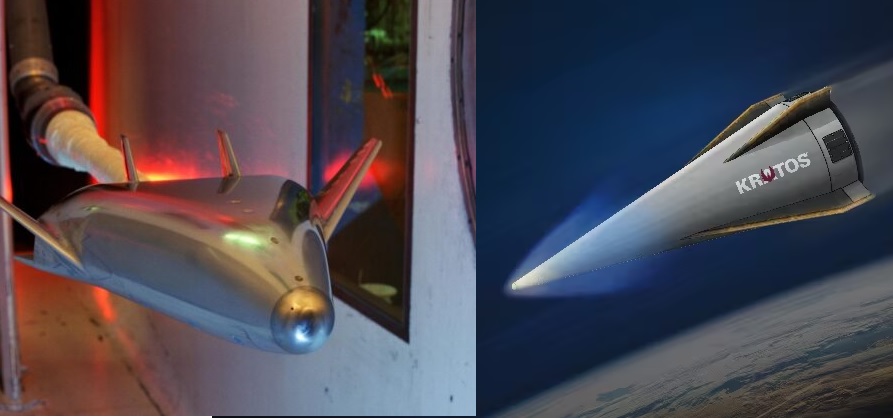
World
Kratos Defense & Security Solutions has been awarded a $68.3 million contract by the U.S. Department of War’s Industrial Base Analysis and Sustainment (IBAS) Program to establish a state-of-the-art mid-tier arc-jet and fiber-laser facility for testing hypersonic materials. The new facility aims to accelerate the transition of cutting-edge materials from laboratory research to operational defense systems. The facility will feature a 25-megawatt arc jet, designed to replicate the extreme thermal environments faced by hypersonic vehicles, alongside a 200-kilowatt fiber laser, capable of delivering concentrated high-temperature testing. This combination allows realistic evaluation of thermal protection systems, bridging the critical gap between small-scale laboratory tests and large government testing complexes. “By providing a platform that combines high-fidelity arc-jet simulation with precision laser heating, we can better understand how materials perform under hypersonic conditions and fast-track their deployment into operational systems,” a Kratos spokesperson said. The project will also involve collaborations with North Wind and New Horizon 5, fostering innovation and industry partnerships that are essential for advanced defense research. Once operational, the facility is expected to support all branches of the U.S. Armed Forces, as well as broader strategic defense initiatives. Recent Projects and Strategic Partnerships Kratos has recently been active in expanding its defense and aerospace portfolio through multiple high-profile agreements: U.S. Navy AN/SPY-1 Radar Support: Earlier this month, the Navy selected Kratos to establish an in-house maintenance and support program for AN/SPY-1 radars deployed on Aegis cruisers and destroyers. Chaparral Cargo Drone Production: In September, California-based Elroy Air contracted Kratos to manufacture its hybrid-electric, autonomous vertical takeoff and landing cargo drone under a five-year agreement. Prometheus Energetics Joint Venture: Kratos and Israeli defense firm Rafael launched Prometheus Energetics earlier this year to develop solid rocket motors for military applications. Operating from a 500-acre site near Crane, Indiana, the venture is equally owned by both companies and backed with $175 million in capital for research and operations. The mid-tier hypersonic testing facility represents a significant step in the U.S. defense sector’s push toward faster, more efficient testing of advanced materials for hypersonic and strategic programs. By providing realistic thermal testing capabilities and fostering collaboration across the defense industry, Kratos continues to position itself at the forefront of military technology development.
Read More → Posted on 2025-10-24 15:27:52
World
France has officially clarified that it does not plan a large-scale expansion of its Rafale fighter jet fleet, countering speculation that it might order an additional 61 aircraft. The country’s defense leadership has reaffirmed its target of 225 Rafales, not 286 as previously suggested in media reports. The confusion arose after France’s 2026 defense budget documents referenced the number “286” under the Rafale program. This figure, according to officials, was misinterpreted as a new procurement target. In reality, it represents the total number of Rafale aircraft built or delivered — including exports and replacements for aircraft lost in accidents. Clarification from Defense Leadership During a parliamentary hearing, Emmanuel Chiva, head of the General Directorate of Armaments (DGA), stated that only two new Rafales are currently planned by 2030 to compensate for attrition. “If there were an increase of 61 aircraft, that would require a compatible production program, which is not the case today,” Chiva said. The confirmed plan keeps France’s Rafale inventory steady at 185 for the Air and Space Force and 40 for the Navy, maintaining a combined total of 225 operational aircraft. A Misunderstanding Rooted in Budget Figures Reports in French media earlier this year had suggested that Paris might be preparing a major new order from Dassault Aviation, potentially the largest European fighter acquisition since the Cold War. The misunderstanding stemmed from the inclusion of the 286 figure in official planning documents without context. Defense sources have since clarified that this number also accounts for Rafales already exported to foreign customers, including India, Egypt, Qatar, Greece, and Croatia, as well as those scheduled for replacement after accidents like the August 2024 crash. Fleet Adjustments and Exports France’s Rafale inventory has fluctuated in recent years as 24 aircraft were transferred to Greece and Croatia to support export deals. These transfers temporarily reduced operational numbers but helped secure new contracts and strengthen France’s defense-industrial ties within Europe. Replacement deliveries are underway to restore the French Air and Space Force to full combat strength. Dassault Aviation continues production at a rate of roughly one aircraft per month, balancing domestic and export commitments. Modernization Over Expansion Rather than expanding fleet size, France’s upcoming defense budgets will emphasize modernization and digital transformation of the Rafale platform. Funding for Rafale F4 and F5 variants is being prioritized to ensure technological parity with next-generation fighters. Rafale F4 introduces enhanced data links, radar, AI-assisted target recognition, and improved electronic warfare suites. Rafale F5, currently in development, will integrate manned-unmanned teaming capabilities and interoperability with FCAS (Future Combat Air System), Europe’s ambitious sixth-generation fighter program due in the 2040s. The Rafale: Core of French Airpower Since entering service in the late 1990s, the Dassault Rafale has evolved into the cornerstone of French airpower, capable of air superiority, precision strikes, reconnaissance, and nuclear deterrence missions. Its versatility has allowed it to operate seamlessly from air bases and aircraft carriers, making it a central pillar of France’s strategic autonomy and defense export success. With the latest clarification, Paris has signaled a commitment to quality and capability over quantity, ensuring the Rafale remains combat-relevant well into the 2040s — even as the nation transitions toward the next generation of air warfare.
Read More → Posted on 2025-10-24 15:00:50
World
Airbus has successfully launched SpainSat NG-II, the second of two next-generation secure communications satellites for Spain’s Ministry of Defence. The launch, conducted from the Kennedy Space Center in Florida aboard a SpaceX Falcon 9 rocket, marks the completion of the SpainSat NG programme—Spain’s most ambitious space project to date. The SpainSat NG programme, led by the Spanish satellite operator Hisdesat, aims to provide the Spanish Armed Forces, NATO, the European Commission under the GOVSATCOM programme, and allied governments with the most advanced government communications system in Europe. The twin satellites are designed to operate together, ensuring secure and resilient communications for a wide range of defence and governmental operations. Specifications and Capabilities SpainSat NG-II is built on Airbus’s Eurostar Neo platform, measuring approximately 7 meters in height and weighing around 6 tons. The satellite carries a cutting-edge digital payload with an active X-band antenna system, capable of dynamically reconfiguring beams up to 1,000 times per second. This allows it to adapt rapidly to changing operational demands while maintaining secure communications even in contested or challenging environments. In addition to X-band, SpainSat NG-II operates across military Ka-band and UHF frequencies, offering versatile communication channels for different operational needs. The satellite incorporates advanced anti-jamming technology and secure encryption, ensuring robust, uninterrupted communications for military and governmental missions. With an expected operational lifespan of 15 years, SpainSat NG-II, along with its twin launched in January 2025, is slated to enter service by spring 2026. Strategic Importance The deployment of SpainSat NG-II represents a significant step forward for Spain’s defence and space capabilities. By integrating state-of-the-art satellite technology, Spain is enhancing its position in secure communications across Europe and NATO. The new satellites not only strengthen national security but also contribute to Europe’s strategic autonomy in space-based communications, supporting critical defence, emergency, and governmental functions. As both SpainSat NG satellites prepare to enter service in 2026, they are expected to play a key role in providing secure, reliable communication across Europe, the Mediterranean, and beyond, ensuring Spain remains at the forefront of military-grade satellite communications. This successful launch underscores Airbus’s continued leadership in space technology and Spain’s commitment to advancing secure, resilient communication capabilities for the 21st century.
Read More → Posted on 2025-10-24 14:27:51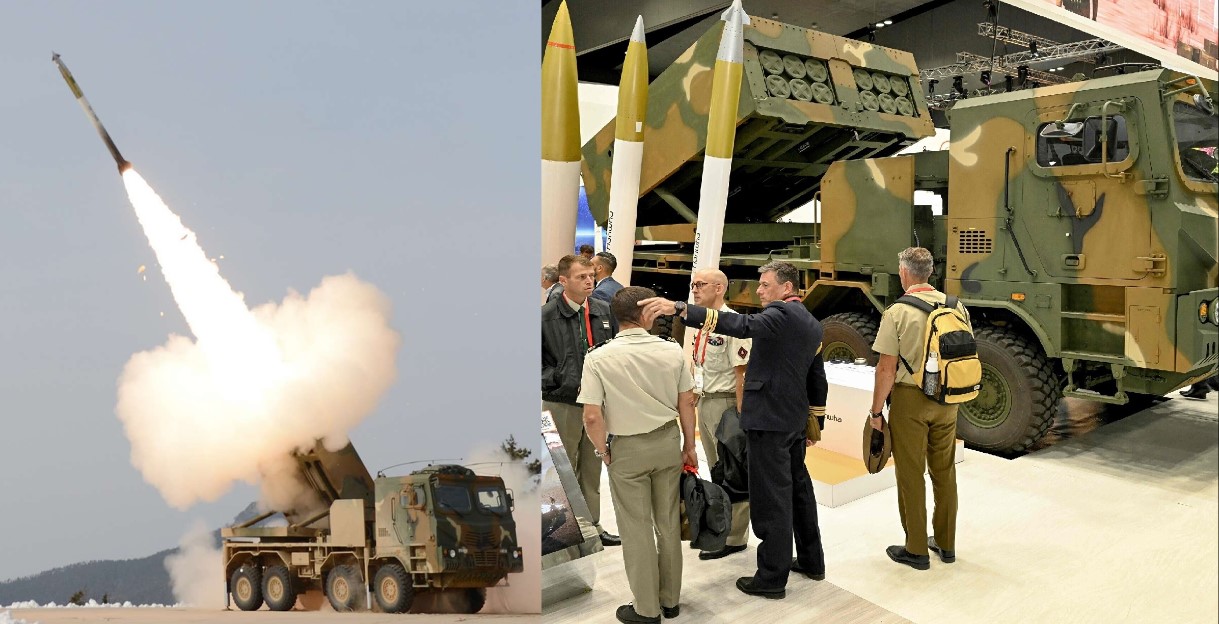
World
Estonia has signed a defense cooperation agreement in Seoul to acquire South Korea’s K239 Chunmoo multiple rocket launchers, signaling a significant expansion of its long-range fires capabilities. This move complements the U.S.-made HIMARS already in service, enhancing Estonia’s deterrence posture on NATO’s eastern flank while deepening defense-industrial ties across Europe and Asia. The agreement, confirmed by Estonia’s Ministry of Defense, follows the spring 2025 delivery of six HIMARS vehicles and ongoing discussions to expand that fleet. Tallinn emphasizes that Chunmoo will not replace HIMARS but will operate alongside it, providing commanders with flexible options for both high-volume and precision fires. Chunmoo: Flexibility and Firepower The K239 Chunmoo system is prized for its mechanical simplicity and payload flexibility. Mounted on an 8×8 wheeled chassis, each launcher carries two sealed pods, which can be configured according to mission requirements. In a high-volume fires role, a Chunmoo vehicle can fire up to 40 × 131 mm rockets for area suppression, reaching targets approximately 36 kilometers away. For precision strikes, it can deploy 12 × 239 mm GPS/INS-guided rockets with ranges around 80 kilometers, available with unitary or submunition warheads. The launcher architecture is also compatible with the CTM-290, a 600 mm-class tactical missile derived from South Korea’s KTSSM family, offering a potential strike range of 290 kilometers. This enables a single launcher to switch from battalion-support fires to deep interdiction if export approvals, integration, and stockpiles align. Chunmoo’s versatility makes it attractive for smaller militaries like Estonia’s, which benefit from a system that can deliver both massed salvos and precise strikes without fielding multiple specialized launchers. HIMARS vs. Chunmoo: Two Rhythms of Fire Estonia’s HIMARS fleet operates on a different principle. The 6×6 truck carries a single pod capable of six GMLRS rockets or one ATACMS missile, with extended-range GMLRS reaching 150 kilometers and ATACMS up to 300 kilometers. HIMARS is tightly integrated into NATO’s digital fires networks, offering precision and proven sustainment pathways. By combining HIMARS and Chunmoo, Estonia gains two complementary rhythms of fire: HIMARS for precise, networked strikes interoperable with allied forces, and Chunmoo for larger salvoes and potentially national deep-strike options. This mix enhances operational flexibility and hedges against supply-chain or munitions constraints. Industrial and Strategic Implications The Seoul agreement also emphasizes localization and industrial cooperation, injecting tens of millions of euros into Estonia’s defense industry. This mirrors Poland’s “dual-track” model of mixing American and Korean launchers while nurturing local production capabilities, ensuring both operational autonomy and economic benefit. Strategically, Chunmoo strengthens Estonia’s deterrence posture on NATO’s frontline, providing both massed fires and precision options. The potential integration of CTM-290 tactical missiles further expands the country’s reach, though these options remain contingent on regulatory approval and integration work. Observers will watch closely how Estonia balances its HIMARS and Chunmoo fleets, particularly in training, fire-control integration, and industrial development. The eventual choice to deploy deeper-strike missiles like the CTM-290 could reshape Estonia’s role in NATO’s long-range fires strategy, offering a rare combination of flexibility, interoperability, and national autonomy in a compact, capable package. By adding Chunmoo to its arsenal, Estonia signals a clear intent: to bolster NATO’s eastern flank with adaptable, potent, and industry-linked firepower, ensuring that both deterrence and operational effectiveness are strengthened for years to come.
Read More → Posted on 2025-10-24 11:53:54
World
The BRICS bloc has taken another decisive step toward reshaping the global financial system. In September, Chinese companies sold an astonishing $51.8 billion worth of U.S. dollars, marking one of the largest monthly sell-offs since late 2020. The move, far from being an isolated event, is part of a broader de-dollarization drive that the BRICS nations—Brazil, Russia, India, China, and South Africa, now joined by several new members—are pushing with renewed urgency. Economists and analysts are calling it the beginning of a global reset, one that challenges the dollar’s decades-long dominance in world trade, finance, and reserves. Why BRICS Is Selling U.S. Dollars The motivation behind this wave of dollar selling is rooted in both geopolitical necessity and economic strategy.For China, the world’s largest holder of U.S. Treasuries after Japan, the shift represents a bid to reduce vulnerability to U.S. financial pressure. In the wake of sanctions on Russia and other states, many BRICS members realized the strategic risks of keeping their reserves in an asset class that could be politically frozen overnight. Chinese exporters, flush with dollar revenues from global trade, are now converting more of their earnings into yuan, rather than holding them in foreign currency accounts. This trend was confirmed by China’s State Administration of Foreign Exchange, which reported a net foreign exchange settlement surplus of nearly $52 billion in a single month. At the same time, Russia has almost completely stopped using the U.S. dollar in energy transactions. Instead, it now settles more than 80 percent of its oil trade in yuan, rubles, or dirhams. Brazil has also reduced its dollar exposure by around $10 billion this year, while India is gradually expanding bilateral trade settlements in rupees with partners like Russia and the UAE. Collectively, these moves signal a coordinated intention: to create a world where no single currency dominates global trade. What BRICS Nations Are Buying Instead As the BRICS nations dump dollars, they are channeling their wealth into a mix of alternative assets and currencies designed to diversify their economic exposure and strengthen domestic systems. 1. Chinese Yuan (RMB): $52 BillionMuch of China’s dollar selling has gone directly into purchasing yuan, strengthening its domestic currency reserves. This is seen as part of Beijing’s broader goal to make the yuan a global settlement currency—a currency already used in more than 25 percent of China’s global trade in 2025, up from 15 percent just two years ago. 2. Gold: $34 Billion Across BRICS Central BanksGold remains the universal hedge against monetary uncertainty. In 2025 alone, BRICS central banks have collectively added over 600 tons of gold, worth approximately $34 billion, to their reserves. China and Russia lead this accumulation, each adding more than 200 tons, while India, Brazil, and South Africa together account for another 200 tons. 3. Local Currencies: $18 Billion in Bilateral ReservesThe BRICS nations have also increased holdings of each other’s currencies. For example, Russia and India have built up mutual rupee-ruble reserves worth around $9 billion, and Brazil has begun maintaining more yuan-denominated reserves, worth roughly $3 billion as of mid-2025. The aim is to facilitate trade within the BRICS network without using the dollar as a middleman. 4. Strategic Commodities and Assets: $21 BillionBeyond currencies, several BRICS members have begun investing in tangible commodities. China has increased its strategic oil and rare earth stockpiles, while Russia and Brazil have been diversifying into agricultural reserves and energy infrastructure. Combined, these strategic purchases total around $21 billion in 2025, serving as both inflation protection and leverage against Western trade restrictions. How This Shapes the “Global Reset” The phrase “global reset” has been circulating among economists and policymakers for years, but the current BRICS strategy marks its most visible phase yet. The financial world built around the dollar after World War II—where nearly 80 percent of all trade and 60 percent of reserves were dollar-based—is slowly evolving into a multi-currency system. Today, the dollar’s share of global reserves has slipped to around 54 percent, the lowest in history. Meanwhile, the Chinese yuan’s share has doubled to about 7 percent, and gold holdings have reached their highest share since the 1970s. As BRICS countries continue to swap dollar reserves for local currencies and gold, the symbolic center of global finance is gradually shifting eastward. This transition is also supported by new institutions like the BRICS Pay platform and the New Development Bank (NDB), which now conducts about 35 percent of its lending in non-dollar currencies. There’s even talk of a BRICS trade settlement unit—a gold or commodity-backed currency that could eventually rival the dollar in energy and resource trade. Implications for the United States For the United States, this trend represents more than just financial diversification—it’s a strategic threat to its economic dominance. The dollar’s global status has long allowed the U.S. to finance its massive deficits at low cost, effectively exporting inflation to the rest of the world.If a significant portion of trade and reserves shifts out of the dollar, the U.S. borrowing advantage could erode, pushing up interest rates and weakening Washington’s financial leverage over sanctions and global policy. While the dollar’s dominance is unlikely to disappear overnight, the BRICS strategy of gradual disengagement—first through trade, then through reserves—marks a turning point that could reshape global finance within a decade. India’s Balancing Act India stands at a crossroads in this transformation. As a BRICS member, it supports de-dollarization in principle, but unlike Russia or China, it maintains strong ties with Western financial systems.The Reserve Bank of India has begun expanding rupee-based trade corridors, especially with Russia and Iran, and has modestly increased its gold reserves by nearly 20 tons in 2025, worth about $1.2 billion. However, India remains cautious about any single-currency dominance, whether it’s the dollar or the yuan, preferring a balanced multipolar system. The global financial order appears to be at the start of a measured but irreversible rebalancing. BRICS nations, collectively representing over 45 percent of global population and 33 percent of global GDP, are methodically diversifying away from the U.S. dollar. The process may take years, but the $51.8 billion dollar sell-off by Chinese firms signals how far the movement has come from rhetoric to reality. If this pace continues, the 2030s may no longer be defined by the supremacy of a single reserve currency—but by the rise of a plural financial world, where gold, yuan, rupee, and regional currencies coexist, reshaping how nations trade, invest, and wield economic power.
Read More → Posted on 2025-10-24 11:06:14
World
China’s state-owned oil majors have halted or sharply reduced seaborne purchases of Russian crude oil following new U.S. sanctions on Rosneft and Lukoil, raising concerns over secondary penalties that could hit their global operations. According to industry sources, PetroChina, Sinopec, CNOOC, and Zhenhua Oil have all suspended new spot purchases or significantly cut import volumes of Russian oil in recent weeks. Together, these companies had been importing between 250,000 and 500,000 barrels per day (bpd) earlier in 2025 — a modest share of China’s total 1.4 million bpd Russian intake, but a key component of Moscow’s energy exports to Asia. The move comes after the U.S. Treasury Department expanded sanctions last month, targeting Rosneft subsidiaries, Lukoil-linked shipping firms, and entities involved in facilitating payments or transport of Russian crude. The updated measures specifically warned of secondary sanctions on non-U.S. companies engaging with restricted Russian oil transactions. “Chinese state firms are highly risk-averse when it comes to sanctions exposure,” said an energy analyst in Beijing. “They have overseas assets, dollar-denominated trade, and banking links that could be vulnerable if Washington tightens enforcement.” While state firms are stepping back, independent refiners — commonly known as “teapot refiners” — are expected to continue buying Russian oil through intermediaries. These smaller players often operate outside mainstream financial systems, using yuan settlements, barter trade, or ship-to-ship transfers to secure discounted barrels of Urals and ESPO crude. Analysts say the pause by major Chinese importers could temporarily reduce Russia’s seaborne oil exports, forcing Moscow to offer deeper discounts or divert supplies to India and Middle Eastern buyers. Despite the pullback, Beijing’s stance toward Moscow remains strategically neutral. China continues to support Russia politically while carefully avoiding direct violations of U.S. sanctions, balancing energy security needs with international financial stability. “The current suspension appears tactical rather than permanent,” said a Singapore-based oil trader. “If the U.S. signals flexibility or if prices become attractive again, some state firms may quietly resume limited purchases.” Russia is China’s largest oil supplier, accounting for nearly 20% of total crude imports. Any prolonged disruption could reshape trade flows across Asia and put upward pressure on global oil prices if buyers seek alternative supplies.
Read More → Posted on 2025-10-23 17:40:46
World
China’s Vice Premier He Lifeng is set to meet U.S. officials in Malaysia from October 24 to 27, as both sides prepare for another attempt to stabilize economic relations amid renewed trade tensions. The Chinese Ministry of Commerce confirmed on Thursday that the discussions will focus on “important issues in China–U.S. economic and trade relations” and will build on the consensus reached during several phone calls between the two nations’ leaders earlier this year. This meeting marks the fifth round of high-level trade talks between the world’s two largest economies and is expected to pave the way for a potential meeting between Presidents Xi Jinping and Donald Trump in South Korea later this year. The negotiations come at a time when both countries are struggling to prevent a full-scale trade confrontation following recent tariff threats and expanded export controls. U.S. Treasury Secretary Scott Bessent confirmed last week that he had held a “frank and detailed” video call with He Lifeng, adding that both sides had agreed to meet in Kuala Lumpur to continue discussions in person. The upcoming talks will serve as a key test of whether Washington and Beijing can reestablish a working framework to manage their differences after months of escalating friction. Tensions have risen sharply this month after the U.S. administration announced plans for 100 percent tariff hikes on certain Chinese goods, citing unfair trade practices and national security concerns. In response, China unveiled a sweeping expansion of its export control regime covering rare earth elements — critical minerals essential for the production of semiconductors, electric vehicles, and advanced weapon systems. Under the new Chinese rules, exporters are now required to seek government approval before shipping rare earth materials or products containing them. The regulation also applies to technology and equipment used in refining or processing these elements. Beijing described the move as a “necessary measure” to protect national security and safeguard its resource advantages, while Washington called the policy “unworkable and unacceptable.” Speaking on Fox Business Network, Bessent said the rare earth restrictions affect not only the United States but “the entire global supply chain.” He suggested that the U.S. and its allies were considering a joint response if no compromise could be reached during the Malaysia talks. “We are hoping to get this ironed out over the weekend,” Bessent said, “so that our leaders can enter their meeting on a more positive note.” For Beijing, the rare earth sector remains a powerful bargaining chip. China controls more than 60 percent of global rare earth production and holds some of the world’s largest reserves. The country has previously used export controls as leverage in trade disputes, most notably during earlier U.S.–China tensions in 2019. Meanwhile, Washington has been pushing to diversify its supply chains by investing in rare earth mining and processing projects in countries such as Australia, Canada, and Malaysia. Beyond the rare earth issue, the Malaysia talks are expected to cover a wide range of topics, including tariffs on agricultural exports, technology access restrictions, and the bilateral trade balance. The U.S. side is seeking greater transparency and market access for American companies, while China wants relief from sanctions that limit its access to advanced chips and manufacturing equipment. Trump, speaking to reporters on Wednesday, played down the impact of China’s new export rules and expressed optimism that a deal could be reached. “I think we’ll make a deal,” he said. “The rare earth is the least of it. We’ll make a deal on soybeans and the farmers. Maybe even on nuclear.” Observers believe the Malaysia meeting is crucial for setting the tone ahead of the Xi–Trump summit in South Korea. A modest agreement or even a symbolic joint statement could help cool tensions before the two leaders meet. However, failure to reach common ground could lead to a renewed escalation of tariffs and sanctions, further straining global markets and supply chains. As both sides head into talks, expectations remain cautious. The U.S. is under pressure to demonstrate toughness on trade while maintaining economic stability, and China seeks to protect its technological interests without triggering further sanctions. The next few days in Kuala Lumpur will reveal whether the world’s two largest economies can find a path forward — or whether their economic rivalry will deepen in the months ahead.
Read More → Posted on 2025-10-23 16:55:37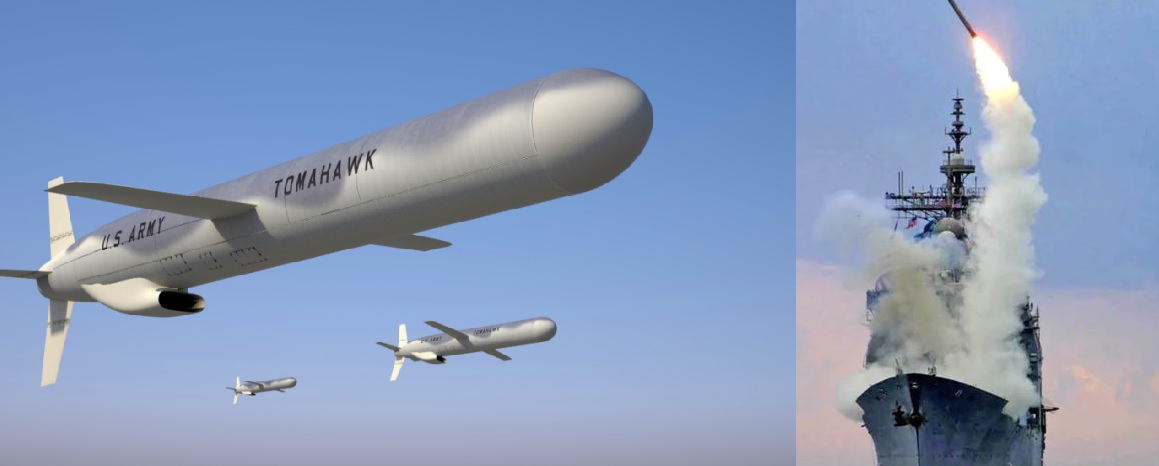
World
As of October 23, 2025, the discussion over supplying U.S. Tomahawk cruise missiles to Ukraine has centered on operational limits, control arrangements and the risk of escalation. Former President Donald Trump has publicly denied any U.S. role in Ukraine’s use of long‑range strikes inside Russia, saying the weapons are complex and that the U.S. would not be training Ukrainians to fire them. The practical barrier most often cited is training time. Tomahawks are integrated naval cruise missiles that require months of instruction on mission‑planning tools, safety procedures, targeting workflows and launch sequences. Officials have said that teaching crews to use them safely typically takes six months to a year, which means a transfer would not produce immediate operational capability. Beyond training, there are logistics and command‑and‑control requirements. Tomahawks need compatible launch platforms, secure mission‑planning systems, sustainment infrastructure and strict targeting and legal‑review processes. Without those elements, handing over missiles risks ineffective strikes or procedural errors. Stockpile limits are another constraint: the U.S. inventory is finite, and sizeable transfers would require industrial‑base plans to replenish stocks. A key political consideration is escalation. Supplying long‑range strike weapons raises questions about who approves targets and how the transfer would be perceived by Russia. Some officials worry that strikes deep inside Russian territory could prompt stronger responses, so policymakers weigh the military value of extended reach against the diplomatic and security risks. One option is to send trained personnel to operate or train others on Tomahawks. That approach shortens the timeline but raises direct political exposure: non‑Ukrainian personnel operating missiles on Ukrainian soil could be interpreted by Moscow as direct Western involvement. That in turn could increase tensions and the risk of broader confrontation; analysts caution such moves could bring the conflict closer to major‑power escalation thresholds. Alternatives include accelerating off‑site training for Ukrainian crews, retaining allied launch authority while coordinating targets with Kyiv, or relying on allied long‑range systems that may be quicker to field. Each choice trades speed for control, and each carries different implications for operational effectiveness and political risk. In short, the main problems with supplying Tomahawk missiles to Ukraine are the time needed to make them usable, the infrastructure and control arrangements required to employ them responsibly, the limits of available stockpiles, and the escalation consequences—including the heightened political risk if non‑Ukrainian personnel operate them inside Ukraine. These practical and political constraints explain why leaders have been cautious about rapid transfers.
Read More → Posted on 2025-10-23 15:54:18
World
France is set to acquire a third Electromagnetic Aircraft Launch System (EMALS) catapult track for its next-generation aircraft carrier, PA-Ng, according to the 2026 draft defence budget. The addition underscores the French Navy’s ambition to fully modernize its carrier aviation capabilities and expand operational flexibility for manned and unmanned aircraft alike. The draft budget, released last week, explicitly mentions funding for “the third catapult track and the data-centric upgrade of the Combat Management System (CMS) in its incremental development approach,” reflecting a proposal made by President Emmanuel Macron during his speech on July 13, 2025. In that address, Macron called for a substantial increase in defence spending, citing imminent global threats—particularly from Russia—and declaring, “To be free in this world, we need to be feared.” The budget outlines a planned €3.5 billion increase in 2026, followed by €3 billion in 2027. While it has long been the French Navy’s desire to operate three EMALS catapults on PA-Ng, sources suggest that the final decision will be “a political one” made at the highest level. The General Atomics-built EMALS and Advanced Arrestor Gear (AAG) systems intended for PA-Ng are being procured under a U.S. Foreign Military Sales (FMS) case. PA-Ng Programme Updates The PA-Ng programme, approved in December 2020, aims to replace the current Charles de Gaulle carrier by 2038. The Direction générale de l’armement (DGA) and MO Porte-Avions (a joint venture of Naval Group and Chantiers de l’Atlantique) have completed the preliminary and system design phases, while TechnicAtome, under the Commissariat à l’énergie atomique, is responsible for the nuclear propulsion plant featuring two K-22 pressurised water reactors. The latest design of PA-Ng envisions: Displacement: 78,000 tonnes Length: 310 metres, Beam: 90 metres Air Group: 30 combat aircraft plus other fixed-wing and rotary aircraft Key Features: Ship-wide electrification, integrated island superstructure, three EMALS tracks, three-wire AAG recovery system, two hangars, and two deck-edge elevators capable of lifting 40 tonnes each Assembly is scheduled to start at Chantiers de l’Atlantique in St Nazaire in 2032, with final outfitting at Toulon by 2035, followed by sea trials in 2036. In April 2024, the DGA placed €600 million orders for critical path components, including nuclear reactor vessels and secondary steam plant equipment. EMALS Catapults: Enhancing Carrier Capabilities The Electromagnetic Aircraft Launch System represents a significant technological leap over traditional steam catapults. Unlike steam systems that rely on pressurized pistons, EMALS uses linear induction motors to accelerate aircraft along the flight deck. This allows: Precise launch control, reducing stress on airframes Higher maximum take-off weight, enabling heavier payloads Rapid adaptation for multiple aircraft types, including manned fighters and UCAVs Lower maintenance requirements compared to steam catapults The EMALS system is paired with a three-wire Advanced Arrestor Gear (AAG), which provides controlled deceleration for landing aircraft. Together, these systems dramatically increase sortie rates and operational efficiency, particularly for heavy or next-generation aircraft such as the Rafale and unmanned combat aerial vehicles. Speaking at the Navy Leaders CNE 2025 event in Farnborough, Captain Thibault Lavernhe, Marine Nationale programme officer, noted: “We have recently started a campaign at Lakehurst in the U.S. to test the compatibility between Rafale aircraft and the American launch and recovery equipment. This is a big step forward and will allow several tonnes more maximum take-off weight than on Charles de Gaulle.” He added that the two forward EMALS tracks are specifically designed to operate UCAVs alongside manned aircraft, which require different launch procedures, ensuring PA-Ng is future-proofed for next-generation carrier aviation. Infrastructure and Build Timeline Preparatory work for PA-Ng’s docking and construction infrastructure began in 2025, with studies covering civil engineering, dredging, and dry dock construction. The 2026 budget will continue funding these initiatives, enabling seamless integration of the EMALS and AAG systems during the carrier’s construction phase. With the addition of a third EMALS track, PA-Ng is positioned to deliver unprecedented operational flexibility for the French Navy, supporting a range of modern aircraft, from heavy fighters to autonomous drones, while demonstrating France’s commitment to maintaining global maritime influence.
Read More → Posted on 2025-10-23 15:20:12
World
The U.S. Army has officially selected AeroVironment’s Freedom Eagle FE-1 as its Next-Generation Counter-UAS (Unmanned Aerial System) Missile, under a $95.9 million contract awarded through the Long-Range Kinetic Interceptor (LRKI) program. The decision marks a major milestone in America’s effort to strengthen its layered air defense network against the rapidly growing threat of enemy drones. Freedom Eagle FE-1 Drone Defense Announced on October 22, 2025, AeroVironment confirmed that the Freedom Eagle FE-1 will serve as a low-cost interceptor designed specifically to destroy Group 2 and Group 3 drones, which include medium- to large-sized unmanned aircraft capable of carrying explosives or surveillance payloads. The contract was awarded through the Army Combat Capabilities Development Command Aviation and Missile Center (CCDC AvMC) using the Aviation and Missile Technology Consortium (AMTC) — a program that allows the Army to fast-track priority technologies and rapidly field them. According to AeroVironment, production of the FE-1 will begin immediately, with deliveries planned to start within the next year. How the Freedom Eagle FE-1 Works The Freedom Eagle FE-1 is a kinetic interceptor missile, meaning it physically destroys its target through direct impact rather than explosive fragmentation. It uses a dual-thrust solid rocket motor that provides high acceleration and maneuverability, allowing it to engage fast-moving drones at varying altitudes and speeds. The missile is equipped with an advanced electro-optical and infrared seeker that can autonomously track drones even under heavy electronic interference. Once launched, the FE-1 locks onto the target and adjusts its trajectory in real-time to ensure a kill. Its modular design means the missile can be integrated with multiple launch platforms — from mobile ground vehicles and fixed-base systems to potentially shipborne launchers in the future. Unlike larger surface-to-air missiles that cost millions of dollars each, the FE-1 is compact, affordable, and designed for mass production — making it ideal for countering swarm attacks. Specifications and Capabilities While many of the missile’s specifications remain classified, available information indicates the following: Type: Short-to-medium range Counter-UAS interceptor Target Classes: Group 2 and Group 3 drones (and smaller Group 1 threats) Propulsion: Dual-thrust solid rocket motor Range: Estimated 10–15 km (unconfirmed) Guidance: Multi-mode seeker (electro-optical/infrared) Warhead: Kinetic impact with proximity-fuse option Launch Platforms: Mobile, fixed, and networked C-UAS systems Estimated Unit Cost: Under $200,000 per missile The missile’s low size, weight, and power (SWaP) profile allows it to be easily deployed in forward areas or mounted on lightweight tactical vehicles. This combination of affordability and agility gives the Army a scalable solution to rapidly neutralize multiple drone threats without depleting expensive missile stockpiles. Why the FE-1 Matters The selection of the Freedom Eagle FE-1 reflects the Army’s urgent focus on layered air defense — combining radar, electronic warfare, directed-energy weapons (like lasers), and kinetic interceptors to cover all threat levels. Small and medium drones have become a serious problem on modern battlefields, especially after being used in large numbers in Ukraine and the Middle East, where they have targeted armored vehicles, artillery, and logistics hubs. High-end missile systems like the Patriot or NASAMS are too expensive to waste on small drones. The FE-1 fills this crucial gap — a fast, affordable interceptor that can be deployed in large numbers against drone swarms. AeroVironment’s Expanding Role AeroVironment, long known for its Switchblade loitering munitions and small unmanned aircraft systems, is now moving deeper into the missile defense market. “The Freedom Eagle FE-1 represents a major step forward in defending U.S. forces from emerging aerial threats,” the company said in a statement. “It combines affordability, precision, and scalability — key elements in the future of air defense.” By securing the FE-1 contract, AeroVironment joins a select group of defense manufacturers providing front-line counter-drone weapons for the U.S. military. This also diversifies the Pentagon’s supplier base at a time when demand for interceptors and drone-defense systems is skyrocketing. Strategic Significance The FE-1’s induction into the Army’s arsenal will bolster defenses across bases, forward operating positions, and high-value infrastructure. It also forms a bridge between small anti-drone systems (guns, lasers, RF jammers) and larger missile systems (such as Stinger or AIM-9X variants). Experts note that a key feature of the LRKI program is “mass over cost” — the ability to deploy hundreds of interceptors without exhausting resources. This philosophy represents a shift toward attritable defense systems, where both the interceptor and the target are expendable. In coming years, the FE-1 could become a standard interceptor not only for U.S. Army bases but also for allied forces seeking affordable, effective drone defense.
Read More → Posted on 2025-10-23 14:01:10
World
Hanwha Ocean has officially launched the Republic of Korea Navy’s (ROKN) first Dosan Ahn Chang-ho-class (KSS-III) Batch-II attack submarine, marking a significant milestone in South Korea’s drive to independently design, build, and operate advanced undersea vessels. The ROKS Jang Yeong-sil (SS-087) was inaugurated at Hanwha’s shipyard in Geoje-si, Gyeongsang Province, with top military and defense officials in attendance. The 3,600-ton diesel-electric submarine reflects Seoul’s commitment to strengthening maritime security amid rising regional tensions in East Asia. The vessel is expected to enhance South Korea’s ability to monitor, deter, and, if necessary, respond to threats across the Korean Peninsula and surrounding seas. The navy plans to conduct rigorous testing and evaluation before formally commissioning the submarine into service in late 2027. Advanced Power, Stealth, and Range Compared to its KSS-III Batch-I predecessors, the Jang Yeong-sil offers substantial improvements in operational endurance and survivability. A key upgrade is its lithium-ion battery system, which allows the submarine to remain submerged longer, operate at higher speeds, and reduce the likelihood of detection by enemy forces. The vessel’s advanced sonar and combat systems provide more precise tracking and targeting of both surface ships and land targets. Its auxiliary propulsion system ensures the submarine can maneuver even if the main propeller becomes disabled, significantly enhancing safety during extended missions. Additionally, integrated noise and vibration reduction technologies improve stealth capabilities, making it more difficult for adversaries to detect the submarine in contested waters. Specifications and Capabilities The KSS-III Batch-II submarine, built entirely with domestic South Korean technology and components, measures 89 meters (292 feet) in length with a 10-meter (33-foot) beam. The vessel can reach speeds of up to 20 knots (37 km/h; 23 mph) and operate continuously for approximately 10,000 nautical miles (18,520 km; 11,508 mi) without surfacing. These capabilities enable missions lasting more than 20 days underwater, providing the navy with persistent and flexible undersea operations. The submarine carries a crew of around 50 personnel and is armed with a versatile weapons suite, including submarine-launched ballistic missiles (SLBMs) and land-attack cruise missiles (LACMs). This armament significantly strengthens South Korea’s undersea strike and deterrence capabilities, particularly in the context of regional security challenges posed by North Korea and other potential adversaries. Strategic Implications The launch of the ROKS Jang Yeong-sil underscores South Korea’s ambition to maintain a technologically sophisticated undersea fleet, reducing reliance on foreign defense systems while advancing indigenous naval innovation. Seoul plans to commission a total of up to nine KSS-III submarines through the 2030s, with three Batch-I units already integrated into the fleet between 2021 and 2024. With the Batch-II variant, the Republic of Korea Navy not only increases its underwater operational reach but also demonstrates the growing maturity of South Korea’s defense-industrial base. The combination of extended endurance, stealth technologies, and strategic missile capabilities positions the KSS-III Batch-II as a cornerstone of South Korea’s modern naval deterrence strategy, capable of addressing both conventional and emerging maritime threats.
Read More → Posted on 2025-10-23 13:47:05
World
Kongsberg Defence & Aerospace and Thales have taken a clear step toward delivering an Australian land‑based long‑range strike capability: the two companies today announced the successful live‑firing of a Naval Strike Missile (NSM) test munition from the StrikeMaster missile launch vehicle during trials in Norway. The firing used a blast test vehicle to replicate the launch environment and—critically—confirmed that Thales Australia’s Bushmaster Utility variant can act as a safe, reliable launch platform for the NSM without major modification. The strike validates StrikeMaster as a low‑risk, mobile solution that could meet Australia’s need for distributed, land‑based long-range fires. Why this matters For Canberra, the announcement matters for three reasons. First, a vehicle‑portable NSM launcher gives the Australian Defence Force (ADF) a highly mobile, survivable way to conduct anti‑ship and land‑attack missions from dispersed coastal and inland positions—an operational attribute the ADF has prioritized for the Indo‑Pacific. Second, using an already‑proven platform such as the Bushmaster Utility variant reduces programmatic and integration risk compared with building a bespoke launcher from scratch; the StrikeMaster concept therefore shortens the pathway from concept to fielding. Third, this live‑fire in Norway comes at a moment when Australia is investing in domestic guided‑weapons production in partnership with Kongsberg—moves intended to accelerate delivery and sovereign sustainment of long‑range strike systems. What the NSM brings to the fight The Naval Strike Missile (NSM) is a modern, fifth‑generation cruise missile built to penetrate layered defences and operate in complex littoral environments. Kongsberg describes the NSM as a high‑subsonic, stealth-shaped missile roughly 3.96 m in length and weighing about 407 kg with a range in excess of 300 km (depending on baseline and booster). It uses an imaging‑infrared seeker and an onboard target database that supports autonomous target recognition and discrimination; flight modes include sea‑skimming approaches and terminal manoeuvres to complicate interception. The warhead is a titanium‑cased multipurpose blast/fragmentation design optimized for both ship and land targets. Those performance and guidance characteristics make NSM suitable for both maritime strike and precision land attack against heavily defended targets. Operational context and users The NSM has seen growing international uptake—Kongsberg’s missile is already in service or selected by a number of countries and is being delivered to allies including Norway, the United States, the United Kingdom, Canada and Australia, among others. It is deployable from ships and, crucially for StrikeMaster, can be fielded from trucks as part of coastal‑defence or land‑based strike systems without requiring substantive modification to the missile itself—an interoperability and logistics advantage for export customers and for integrated allied operations. The U.S. Marine Corps and Poland, for example, are already operating land‑based NSM configurations. Technical and programmatic takeaways The live‑fire used a blast test vehicle to demonstrate safe separation, ignition and initial flight characteristics from a land‑mounted launcher—procedures that are among the most hazardous and technically demanding parts of launcher integration. That the test succeeded with Thales’ Bushmaster Utility variant speaks to the vehicle’s load‑carriage and electromagnetic/mechanical integration readiness, and it gives both defence planners and acquisition managers more confidence that StrikeMaster could be scaled for ADF use with manageable schedule and cost risk. The joint demonstrations by Kongsberg and Thales also dovetail with Australia’s earlier announcements on co‑manufacture and sovereign missile production, pointing toward a future where missiles might be produced locally while launch systems are integrated onto Australian vehicles. Limits and next stepsA single live‑firing proves crucial integration points, but it’s not the end of development. Formal operational assessment will require repeated launches, testing across different environmental conditions, integrated sensor‑to‑shooter trials, and doctrine and logistics planning for sustained fielding. Export and industrial arrangements will also shape timelines: co‑production or local assembly programmes (and their associated licensing, training and sustainment packages) will determine how quickly StrikeMaster‑equipped NSMs could enter permanent ADF inventories. The StrikeMaster live‑fire represents a practical, low‑risk pathway to give Australia a mobile, land‑based long‑range strike capability using a proven missile design. By demonstrating safe launch from the Thales Bushmaster Utility variant, Kongsberg and Thales have reduced a major integration unknown—an important step for Australia’s plans to deploy distributed long‑range fires in the Indo‑Pacific and for the broader coalition of NSM operators seeking flexible, truck‑mounted strike options.
Read More → Posted on 2025-10-23 13:34:13
World
In a bold and defiant statement, Venezuelan President Nicolás Maduro has declared that his country possesses 5,000 Russian-made anti-aircraft missiles ready to defend its skies against any potential U.S. aggression. The warning was directed at former U.S. President Donald Trump, whom Maduro accused of plotting military actions against Venezuela during his tenure. Venezuela’s Massive Missile Arsenal During a televised address from Caracas, Maduro said, “Any military power in the world knows the strength of the Russian Igla-S system — and Venezuela has no less than 5,000 of them deployed to protect our homeland.” The Igla-S, known by NATO as the SA-24 Grinch, is a man-portable air-defense system (MANPADS) capable of targeting low-flying aircraft, helicopters, and drones. These missiles are compact yet deadly, with an effective range of about 6 kilometers and the ability to engage targets at altitudes of up to 3,500 meters. According to defense analysts, if Venezuela truly has 5,000 operational Igla-S missiles, that represents one of the largest MANPADS inventories in the Western Hemisphere—a staggering number that could pose serious challenges to any aerial campaign. A Strategic Message to Washington Maduro’s comments come amid renewed tensions between Caracas and Washington. The Venezuelan leader accused the United States of maintaining a “hostile military posture” in the Caribbean, pointing to U.S. naval activity near Venezuelan waters under the pretext of anti-narcotics operations. He warned that Venezuela is “fully prepared” for any attempt to violate its sovereignty, emphasizing that the deployment of Russian systems forms part of a wider defensive alliance with Moscow. The statement also serves a domestic purpose—portraying Maduro as a strong leader standing firm against U.S. “imperialism.” Since 2019, Venezuela has faced crippling sanctions and international isolation, with the U.S. recognizing opposition leader Juan Guaidó as the legitimate president. Maduro’s rhetoric of resistance has been central to his political survival. The Russian Connection Venezuela’s missile stockpile traces back to a defense cooperation pact with Russia signed in the 2000s under Hugo Chávez. Over the years, Caracas has purchased fighter jets, tanks, and surface-to-air systems from Moscow, making Venezuela one of Russia’s most important military partners in Latin America. The Igla-S systems were part of these deals, reportedly delivered between 2009 and 2012. Russia also helped Venezuela establish local maintenance facilities and train personnel, further cementing the partnership. Analysts believe Moscow continues to supply technical support, ensuring the missiles remain serviceable—a sign of Russia’s strategic intent to maintain influence in the Americas. Why 5,000 Missiles Is a Huge Number If the claim is accurate, Venezuela’s 5,000 anti-aircraft missiles represent a formidable defensive grid. To put this in perspective: Most medium-sized countries operate only a few hundred MANPADS at most. A network of thousands would allow Venezuela to defend air bases, coastal zones, oil refineries, and urban centers simultaneously. The sheer quantity creates a deterrent effect, as any low-flying aircraft or helicopter entering Venezuelan airspace could face an unpredictable threat. However, experts caution that the effectiveness of these systems depends heavily on training, maintenance, and command control. Many of the missiles may be in storage or require servicing, and Venezuela’s economic crisis raises questions about the readiness of its arsenal. Implications for U.S.-Venezuela Relations Maduro’s warning to Trump, even years after his presidency, carries symbolic weight. Trump’s administration openly discussed possible military options against Venezuela, including a naval blockade and CIA covert operations. By invoking the image of 5,000 ready-to-fire Russian missiles, Maduro seeks to deter future U.S. intervention and remind Washington that Venezuela is not an easy target. It also reinforces Russia’s message to the West that it can project power in the Western Hemisphere through its allies. For the United States, the statement may not signal an immediate threat but highlights the growing reach of Russian arms influence across Latin America — a development that complicates U.S. strategic interests in the region. The Bigger Picture The timing of Maduro’s statement aligns with deepening global polarization. As the U.S. and its allies support Ukraine against Russia, Moscow continues to cultivate partners in regions long considered America’s backyard. Venezuela, isolated and sanctioned, finds in Russia both a supplier and a political shield. Maduro’s message is clear: Venezuela is aligned with Moscow, armed with Russian technology, and ready to defend its sovereignty. Whether or not all 5,000 missiles are fully operational, the announcement has already achieved its purpose — reminding the world that Venezuela remains defiant, armed, and unyielding.
Read More → Posted on 2025-10-23 12:01:13
World
Russia has achieved another milestone in its aviation industry with the successful test flight of the Il-114-300 regional passenger aircraft in the Altai region, marking a major step toward modernizing its short-haul fleet and boosting transport connectivity across remote and northern territories. The test, conducted under challenging conditions typical of Siberia, demonstrated the aircraft’s ability to operate from short, unpaved airstrips and endure extreme cold weather, including Arctic environments — conditions that often limit the use of conventional aircraft. This successful demonstration reaffirms the Il-114-300’s intended role as Russia’s backbone for regional air transport, particularly across Siberia, the Far East, and the Arctic Circle. Built for Harsh Conditions The Il-114-300, developed by United Aircraft Corporation (UAC) under Rostec, is an upgraded version of the original Soviet-era Il-114, now redesigned with modern avionics, engines, and materials. What sets it apart is its ruggedness: the plane can operate on gravel, ice, or snow-covered runways, making it ideal for regions where airport infrastructure is limited or underdeveloped. It is powered by two TV7-117ST-01 turboprop engines, each producing up to 3,100 horsepower, developed by United Engine Corporation (UEC). These engines provide excellent fuel efficiency, reliability, and thrust-to-weight performance. The aircraft’s six-blade AV-112 propellers ensure optimal performance even at low speeds and high altitudes — a crucial feature for operations in mountainous and remote areas. Specifications and Capabilities Passenger Capacity: 68–72 passengers Maximum Range: Approximately 1,900 kilometers (1,180 miles) Cruising Speed: Around 500 km/h (310 mph) Service Ceiling: Up to 7,600 meters (25,000 feet) Takeoff Distance: As short as 1,400 meters Landing Distance: Around 1,000 meters Operating Temperature Range: From –55°C to +45°C The cockpit is fully digital, featuring Russian-made avionics, integrated flight control systems, and advanced navigation aids compatible with Arctic operations. Unlike imported regional aircraft, the Il-114-300 is built entirely from domestic components, aligning with Moscow’s import substitution program to reduce dependency on Western technology amid ongoing sanctions. Reviving Domestic Aviation Infrastructure Beyond being an aircraft, the Il-114-300 represents a broader strategic investment in reviving Russia’s domestic aviation ecosystem. With many of the Soviet-built An-24 and Yak-40 aircraft aging beyond their service life, the Il-114-300 is poised to replace these workhorses and provide a sustainable, locally produced solution for regional air travel. According to Russian aviation officials, the aircraft will be assembled at Lukhovitsy (near Moscow), with plans to reach serial production by 2026. State airline operators and regional carriers are already being considered as launch customers. The Ministry of Transport has identified more than 100 regional routes across Siberia and the Far East that could benefit from Il-114-300 service, especially in connecting remote communities, mining settlements, and Arctic research bases that depend on reliable year-round air links. Strategic Importance for the Arctic and Beyond Russia’s renewed focus on the Arctic — both for resource exploration and national security — demands a fleet capable of withstanding harsh climates and limited infrastructure. The Il-114-300 fits precisely into this vision. It can deliver personnel, equipment, and supplies to remote oil and gas fields, or act as a civilian-military dual-use platform, capable of conversion for cargo, medical evacuation, or patrol missions. Furthermore, its ability to operate independently of Western components makes it geopolitically significant. As sanctions restrict access to Western-built aircraft and parts, the Il-114-300 provides Russia with a self-reliant aviation solution — one designed for its vast geography and demanding conditions. Outlook With testing now entering its final stages, Russia expects the Il-114-300 to enter service by 2026, becoming the new face of regional aviation across the federation. Analysts note that its success could also open export opportunities among countries with similar geographic challenges, particularly in Central Asia, Africa, and Latin America. In essence, the Il-114-300 is not just another aircraft — it is a symbol of resilience and technological independence for Russia’s aviation sector. Designed for endurance rather than luxury, it embodies a distinctly Russian philosophy: reliability, simplicity, and the ability to keep flying when conditions turn extreme.
Read More → Posted on 2025-10-23 11:37:57Search
Top Trending in 24 Hours
-
 Tulsi Gabbard Releases Declassified Files Detailing U.S.-Backed Network of 120 Biolaboratories Across 30+ Countries
-
 AM General Unveils Next-Generation UGV and JLTV A2 with Counter-Drone Systems at Eurosatory 2026
-
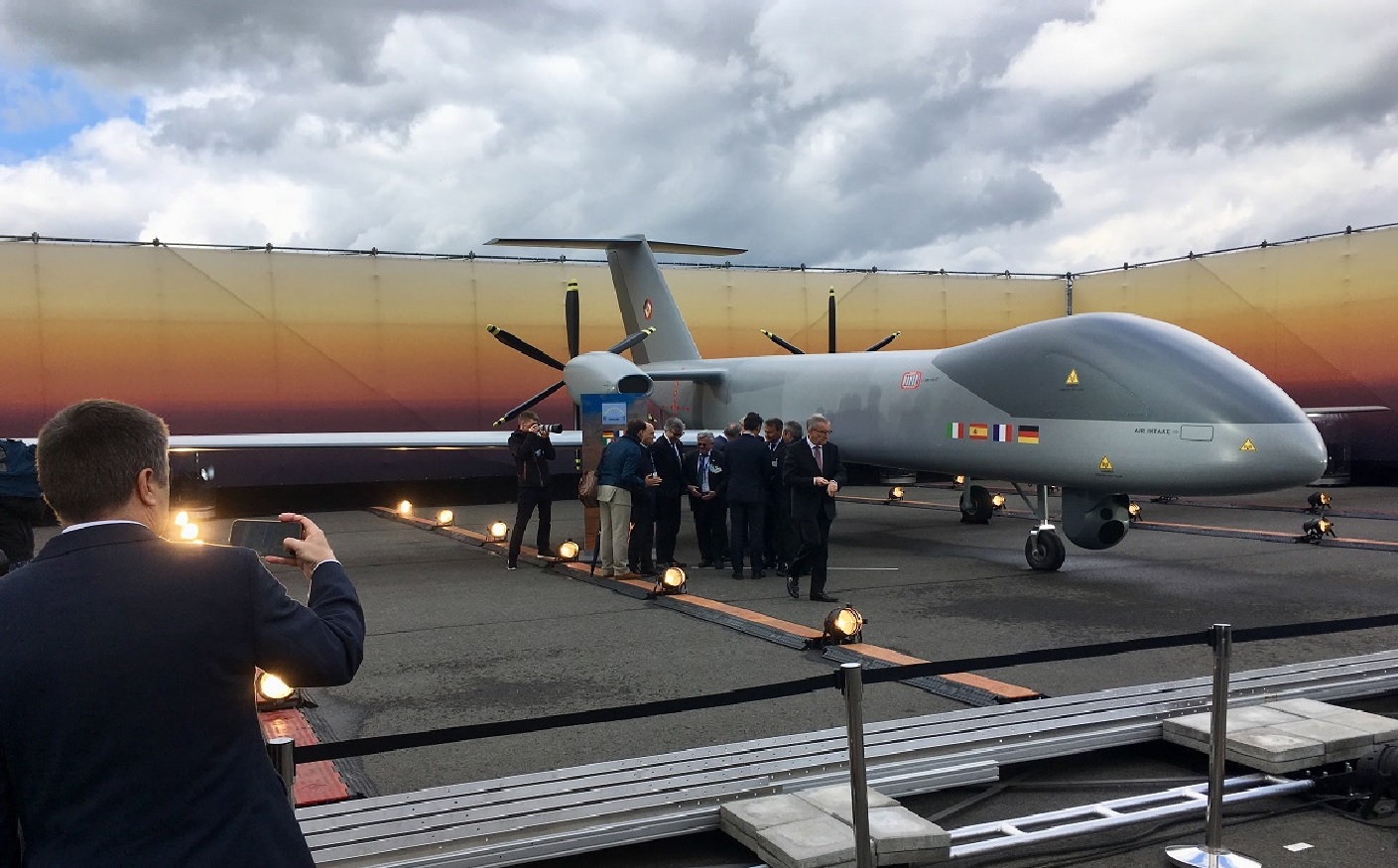 Dassault Seeks Compensation From Airbus as Eurodrone Dispute Erupts After FCAS Collapse
-
 Pakistan Raises Defence Budget from $9 Billion to $10.8 Billion as J-35 Fighter and Hangor Submarine Programs Advance
-
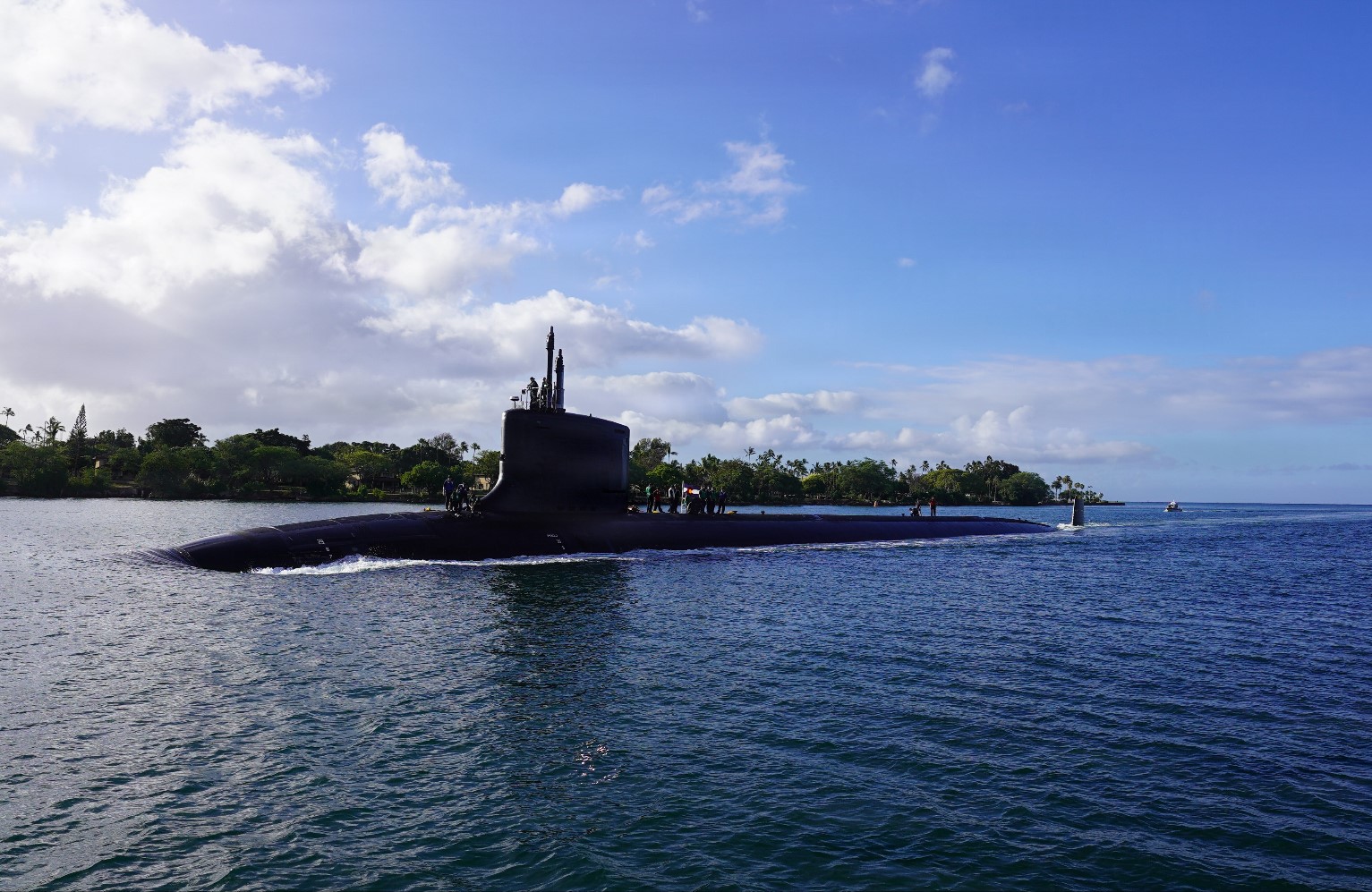 U.S. Navy's USS Colorado Submarine Returns to Pacific Fleet 29 Days Early After Major Pearl Harbor Overhaul
-
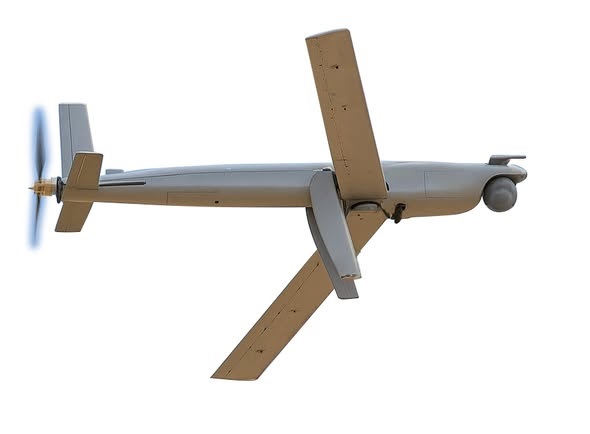 Elbit Systems and Diehl Defence Partner to Offer SkyStriker Loitering Munition to German Armed Forces
-
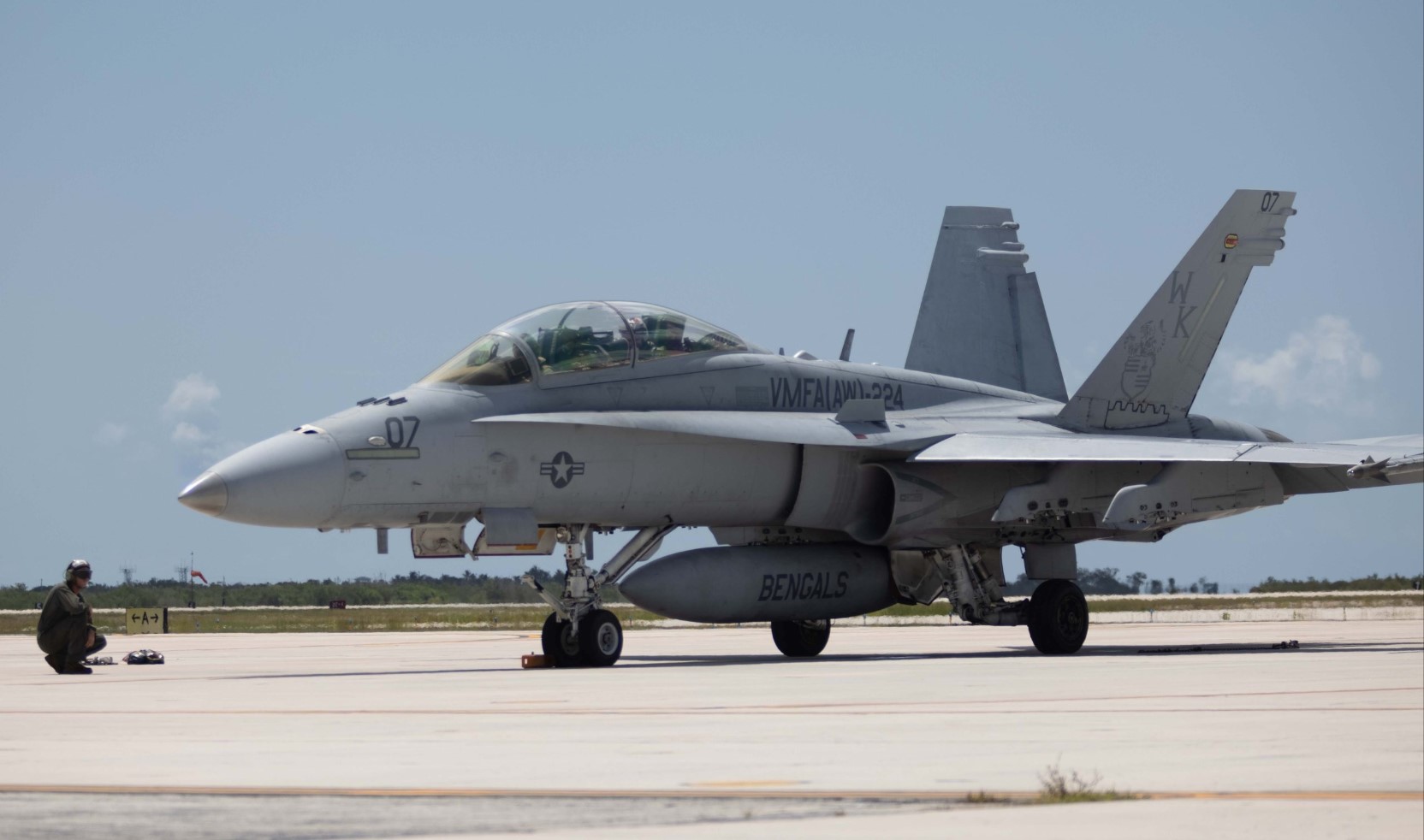 US Marine Corps F/A-18D Hornet Crashes During Training Flight in Washington Mountains; Pilot Ejects Safely
-
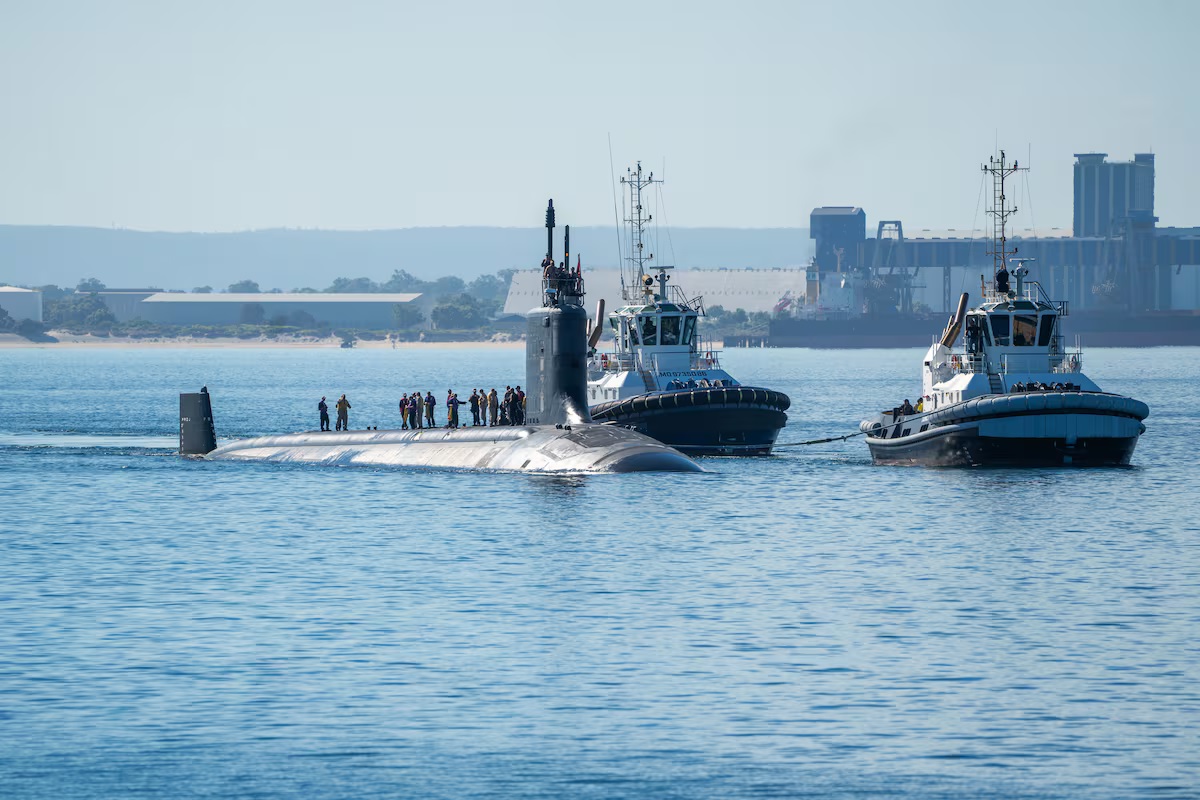 U.S. Navy Reestablishes Submarine Squadron 3 at HMAS Stirling to Support AUKUS Rotational Force
Top Trending in 4 Days
-
 Iranian Media Leaks 14-Point U.S.-Iran Peace Framework Amid Ongoing Negotiations
-
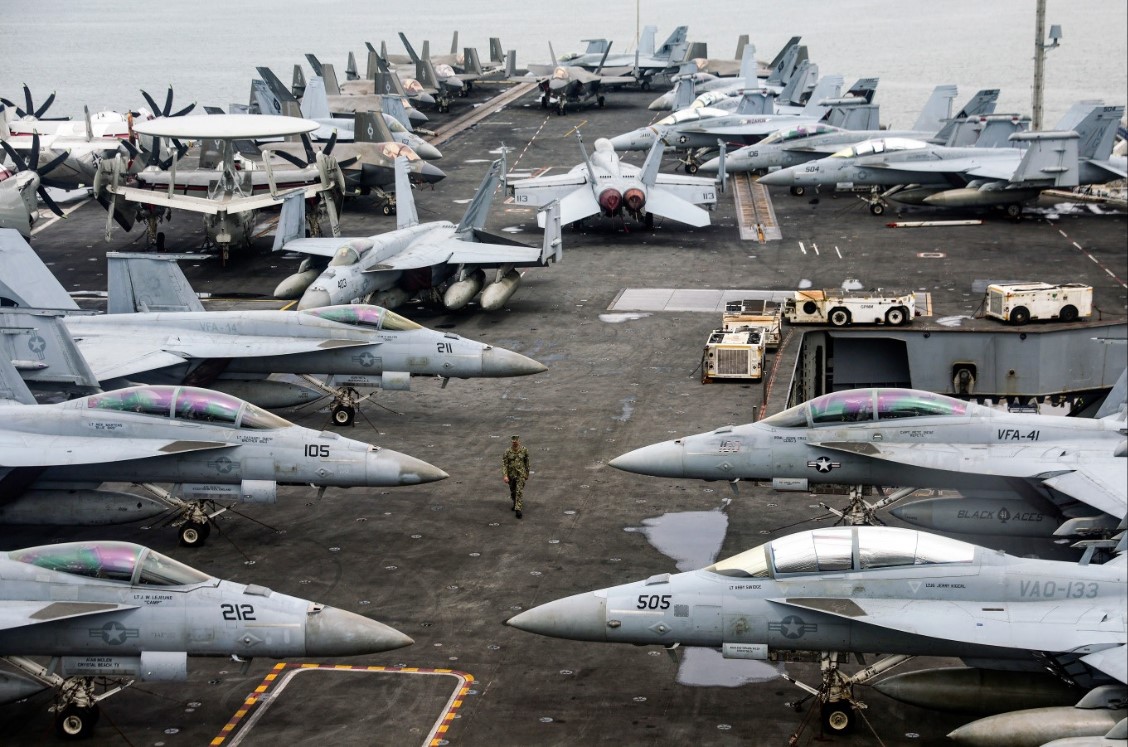 US Plans Significant Reduction of Fighter Jets and Warships for NATO Operations in Europe
-
 U.S. Air Force Faces Strategic Airlift Shortfall as C-17 Production Restart Remains Uncertain
-
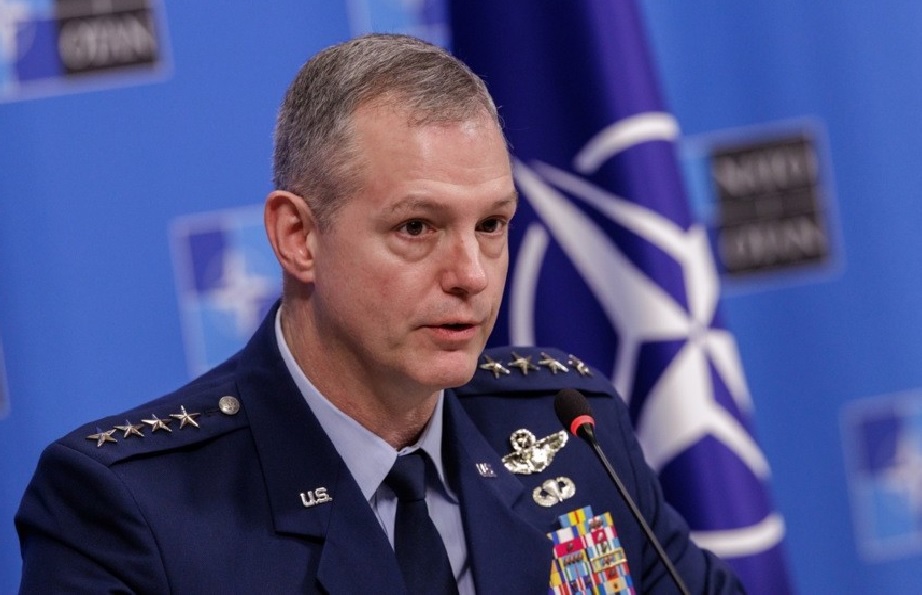 NATO Commander Says Russia Not Seeking Conflict With Alliance Despite U.S. Force Reductions
-
 Russian Defense Firm ZALA Unveils KAMA Unmanned Surface Vessel Family at FLOT-2026 Naval Exhibition
-
 U.S. Space Force Awards $437.7 Million Contracts for First PTS-G Swarm 1 Anti-Jam Satellites
-
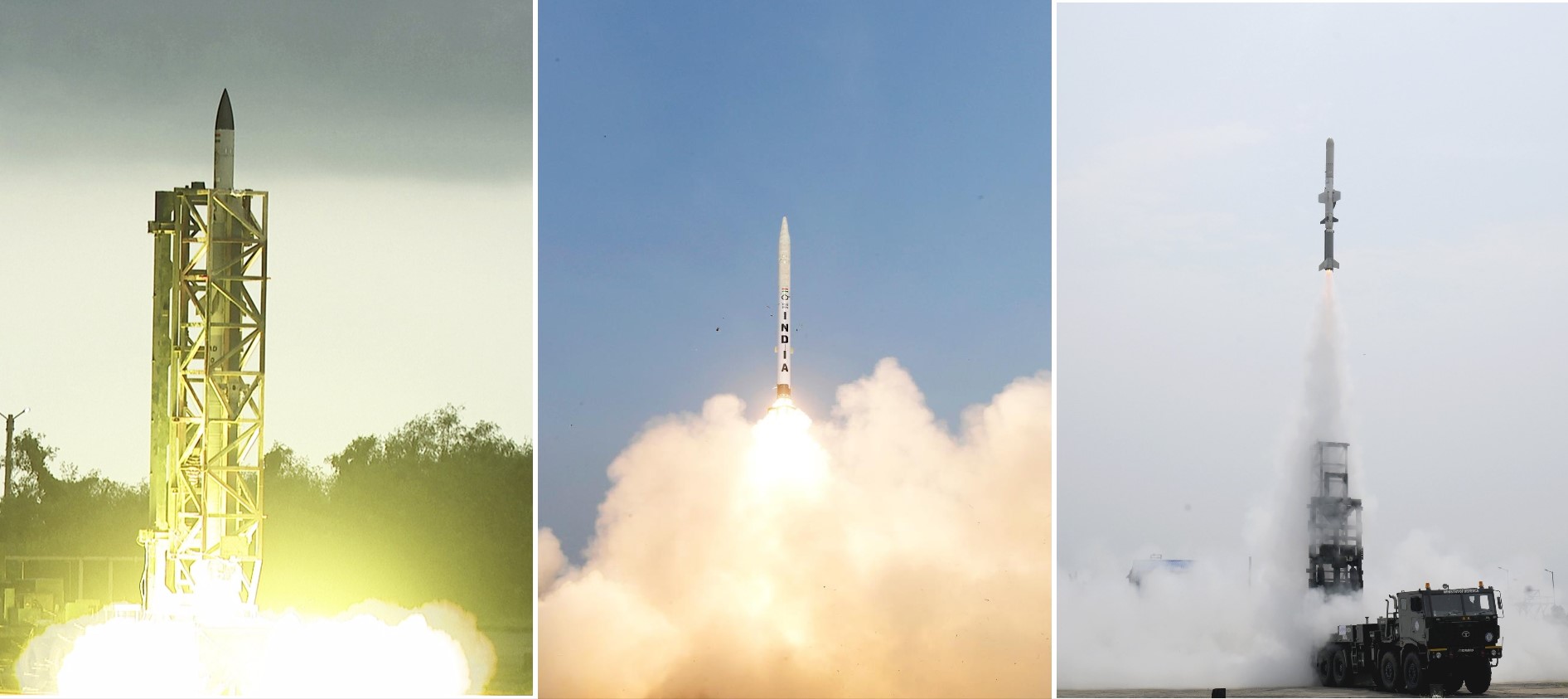 India Successfully Conducts AD-1, AD-2 Interceptor Tests and Maiden NASM-MR Flight Trial
-
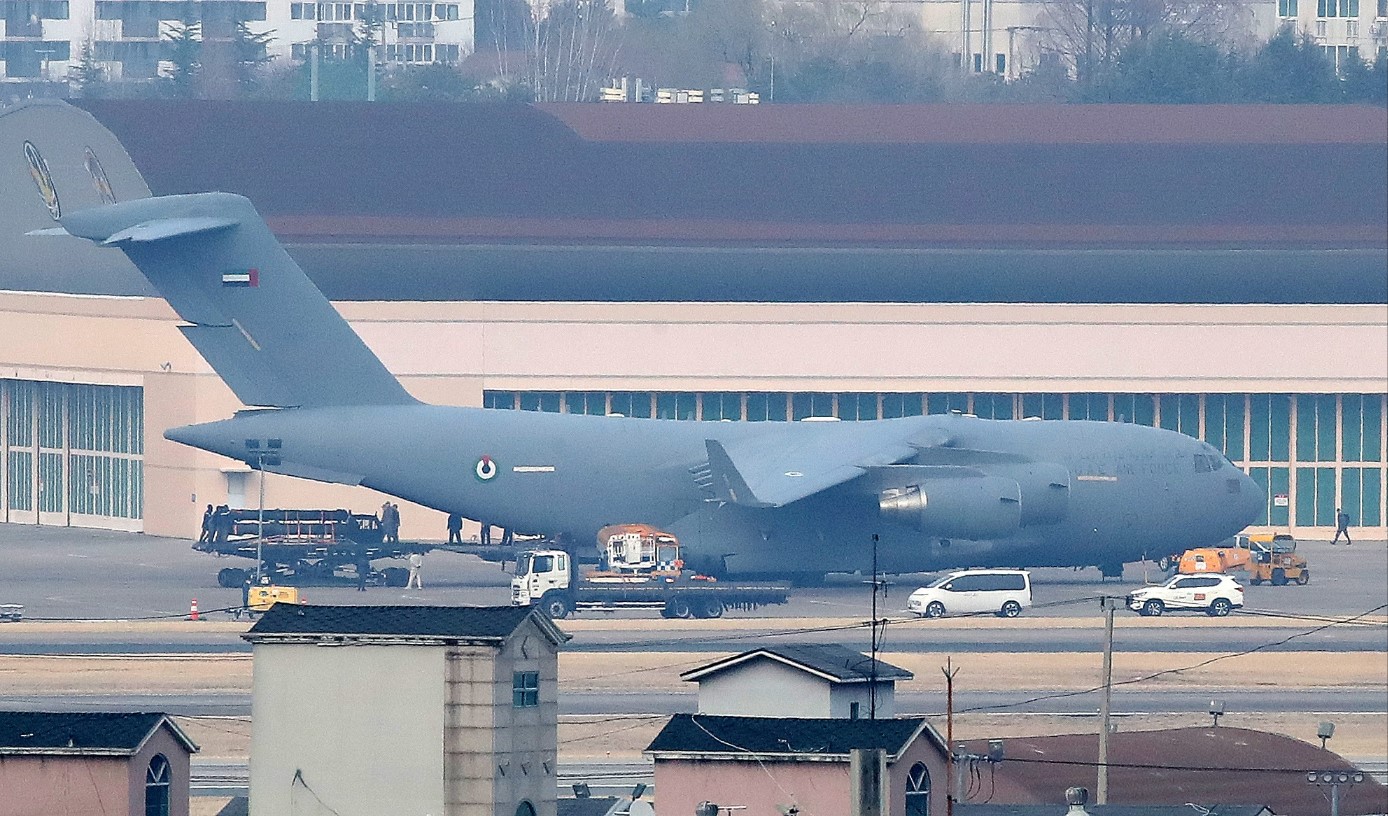 UAE Urgently Airlifts Cheongung-II Missile Defense Battery From South Korea Using Eight C-17 Aircraft