
World
In a strongly worded statement on Wednesday, U.S. President Donald Trump rejected reports claiming that the United States had given Ukraine permission to use long-range missiles for strikes deep inside Russian territory. The comments came hours after The Wall Street Journal published a report citing unnamed U.S. officials who alleged that the Trump administration had quietly lifted previous restrictions on such weapons. Trump took to Truth Social, his preferred communication platform, to dismiss the report as “false,” asserting that Washington was not involved in the deployment or authorization of any long-range missile systems currently being used by Ukraine. “The U.S.A. has nothing to do with those missiles, wherever they may come from, or what Ukraine does with them!” Trump wrote, denying that the U.S. had played any part in the escalation of the conflict. The controversy stems from reports suggesting that Ukraine had begun employing long-range missile systems—allegedly sourced from Western partners—for deep strikes into Russian logistics hubs and command centers, well beyond the frontlines. According to The Wall Street Journal, this development indicated a policy shift that would allow Kyiv to target areas inside Russia previously deemed off-limits due to concerns of provoking direct confrontation with Moscow. Background and Context Under the Biden administration, before Trump’s return to the White House, Washington had gradually expanded the range of weapons supplied to Ukraine, culminating in the delivery of ATACMS (Army Tactical Missile System) with a range of up to 300 kilometers. These missiles were capable of reaching airbases and supply lines deep within Russian-occupied territories, but the U.S. had maintained a strict prohibition on their use inside internationally recognized Russian borders. The Wall Street Journal report suggested that this restriction had been lifted, either formally or de facto, by the Trump administration—something the President now categorically denies. Political and Strategic Implications Trump’s denial is consistent with his “America First” foreign policy stance, which emphasizes avoiding direct U.S. entanglement in the war between Russia and Ukraine. Since taking office again, Trump has repeatedly criticized what he calls “endless foreign wars” and pledged to pursue a negotiated peace settlement between Moscow and Kyiv. However, his remarks come amid heightened tensions in Eastern Europe, where Ukrainian forces have reportedly intensified long-range strikes on Russian infrastructure, including fuel depots, railway junctions, and communication nodes. Russian state media has accused Western nations of “direct participation” in these attacks, though no concrete evidence has surfaced linking U.S. personnel or decision-making to the operations. Reactions and Fallout Following Trump’s statement, U.S. officials declined to comment on whether any policy change regarding long-range missile use had been discussed internally. Meanwhile, Ukraine’s Ministry of Defense avoided confirming or denying the report but emphasized that Kyiv retains the right to “defend itself by all means available.” Analysts suggest that if Ukraine has indeed received greater operational freedom with Western-supplied missiles, it could mark a significant strategic escalation—potentially triggering Russian retaliation and complicating any future peace negotiations. For now, Trump’s emphatic denial seeks to distance Washington from any perceived escalation, signaling a continuation of his cautious approach toward direct U.S. involvement in the Russia–Ukraine conflict. Yet the lack of clarity around who approved or facilitated these missile strikes leaves a cloud of uncertainty over the true extent of Western coordination in Ukraine’s recent long-range operations. As the war enters another winter, the debate over how far Ukraine can and should go in striking Russian targets continues to expose deep divisions within Western policymaking—and places Trump’s administration at the center of a geopolitical storm it insists it did not ignite.
Read More → Posted on 2025-10-23 11:29:30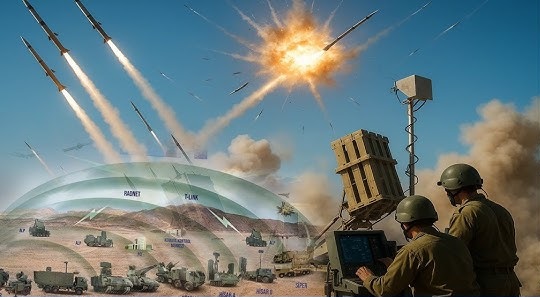
World
In a development that has remained largely under the radar, Israel is quietly aiding Taiwan in the creation of its new “T-Dome” missile defense system, a project modeled on the success of Israel’s world-renowned Iron Dome. According to defense insiders, Taiwan’s Deputy Defense Minister Po Horng-huei secretly visited Israel in September 2025 to advance cooperation on the system, which aims to form the core of Taiwan’s multi-layered air defense architecture. This partnership—though not officially acknowledged by either side—is believed to involve technology transfers and technical consultations on radar systems and interceptor designs similar to Israel’s EL/M-2084 “Green Pine” radar and Arrow-2 anti-ballistic missile system. Together, these technologies have long served as the backbone of Israel’s missile defense umbrella, protecting its cities from rocket and ballistic threats. Taiwan’s move to emulate this model underscores its urgent need to counter growing missile threats from mainland China. The T-Dome Vision President Lai Ching-te first mentioned the “T-Dome” concept during his National Day address in October 2025, describing it as an integrated, multi-layered defense shield designed to protect Taiwan against everything from drones and short-range rockets to ballistic missiles. The T-Dome aims to bring together radars, interceptors, and battle management systems under one unified command—an approach clearly inspired by the Israeli Iron Dome, David’s Sling, and Arrow systems. While Taiwan already operates American-supplied Patriot PAC-3 batteries and domestically developed Tien Kung (Sky Bow) missiles, these are primarily geared toward medium- and high-altitude threats. What the island lacks is a short-range, high-intercept-rate system capable of engaging smaller, faster, or low-flying projectiles such as artillery shells, cruise missiles, and swarming drones—precisely the gap T-Dome is designed to fill. Israeli Involvement: Quiet but Strategic Reports indicate that Deputy Defense Minister Po Horng-huei’s September 2025 visit to Tel Aviv was focused on discussions with Israel Aerospace Industries (IAI) and Rafael Advanced Defense Systems—the two firms behind Iron Dome and Arrow. The cooperation reportedly covers the following areas: Radar and Tracking Systems: Israel’s EL/M-2084 Multi-Mission Radar, used in both Iron Dome and David’s Sling, is central to early detection and precise targeting. Taiwan’s T-Dome is expected to feature a radar network with similar capabilities—able to track hundreds of targets within a range of 300 km and calculate impact points within seconds. Interceptor Technology: While Taiwan will likely develop its own missile, it may adopt a design philosophy similar to Israel’s Tamir interceptor—a compact, agile missile with an active radar seeker and a fragmentation warhead. This would allow cost-effective engagements against dense salvos of short-range projectiles. Command and Control Systems: Israel’s battle management software, capable of determining which incoming projectiles pose actual danger, is one of Iron Dome’s most innovative features. Taiwan’s defense industries, led by the National Chung-Shan Institute of Science and Technology (NCSIST), are believed to be working closely with Israeli engineers to develop a comparable system that integrates with Patriot and Sky Bow networks. High-Altitude Layer Consultation: Some reports suggest Israel has shared technical frameworks resembling its Arrow-2 system, which intercepts ballistic missiles at altitudes exceeding 50 km and speeds approaching Mach 9. Such technology would greatly enhance Taiwan’s upper-tier defense capabilities if co-developed under proper export restrictions. Expected T-Dome Specifications (Preliminary Estimates) While official specifications remain classified, defense sources suggest the following configuration for Taiwan’s T-Dome system: Radar Range: Up to 300 km (multi-target tracking and interception guidance). Interceptor Range: 5–70 km for the short-range layer; integration with Patriot and Sky Bow for extended coverage. Reaction Time: Within 10 seconds from detection to launch. Intercept Speed: Up to Mach 7 for short-range interceptors, Mach 9 for potential long-range ballistic interceptors. Kill Probability: Over 85% in optimal engagement conditions. Network Integration: Unified command platform combining Taiwan’s existing air defense assets into a single “sensor-to-shooter” network. This multi-layered approach would give Taiwan the ability to detect, discriminate, and intercept simultaneous threats, ranging from drones and rockets to ballistic missiles—a capability increasingly vital amid China’s expanding missile arsenal and recent large-scale military exercises simulating blockades and bombardments. Strategic and Geopolitical Implications The Taiwan–Israel cooperation carries significant geopolitical sensitivity. Israel has long avoided overt defense cooperation with Taiwan to preserve its relationship with China, a major trading partner. The discreet nature of the September visit and lack of formal announcements suggest a quiet, government-to-government understanding, possibly facilitated through defense intermediaries. Furthermore, the involvement of systems such as Arrow-2, co-developed with the United States, introduces complex export control and diplomatic hurdles. Any transfer of related technologies would likely require U.S. approval, especially given Washington’s strong interest in bolstering Taiwan’s missile defense capabilities without escalating tensions in the Indo-Pacific. If fully realized, the T-Dome system could be a game-changer for Taiwan’s defense strategy. It would not only boost deterrence but also signal a deeper alignment between Israel, the United States, and Taiwan in the field of advanced defense technologies—a subtle but powerful shift in global defense partnerships. The development of Taiwan’s T-Dome missile defense system, with quiet assistance from Israel, represents a significant leap forward in Taipei’s ability to defend against modern aerial and missile threats. Modeled after the Iron Dome’s battle-proven design, the T-Dome will integrate layers of interceptors, radars, and command systems to provide comprehensive coverage against multi-vector attacks. Although cloaked in secrecy, the cooperation highlights a convergence of strategic interests between two democracies facing constant missile threats. For Israel, it is a testament to the global appeal of its defense technology; for Taiwan, it could become the shield that defines its survival in an increasingly contested region.
Read More → Posted on 2025-10-22 16:29:20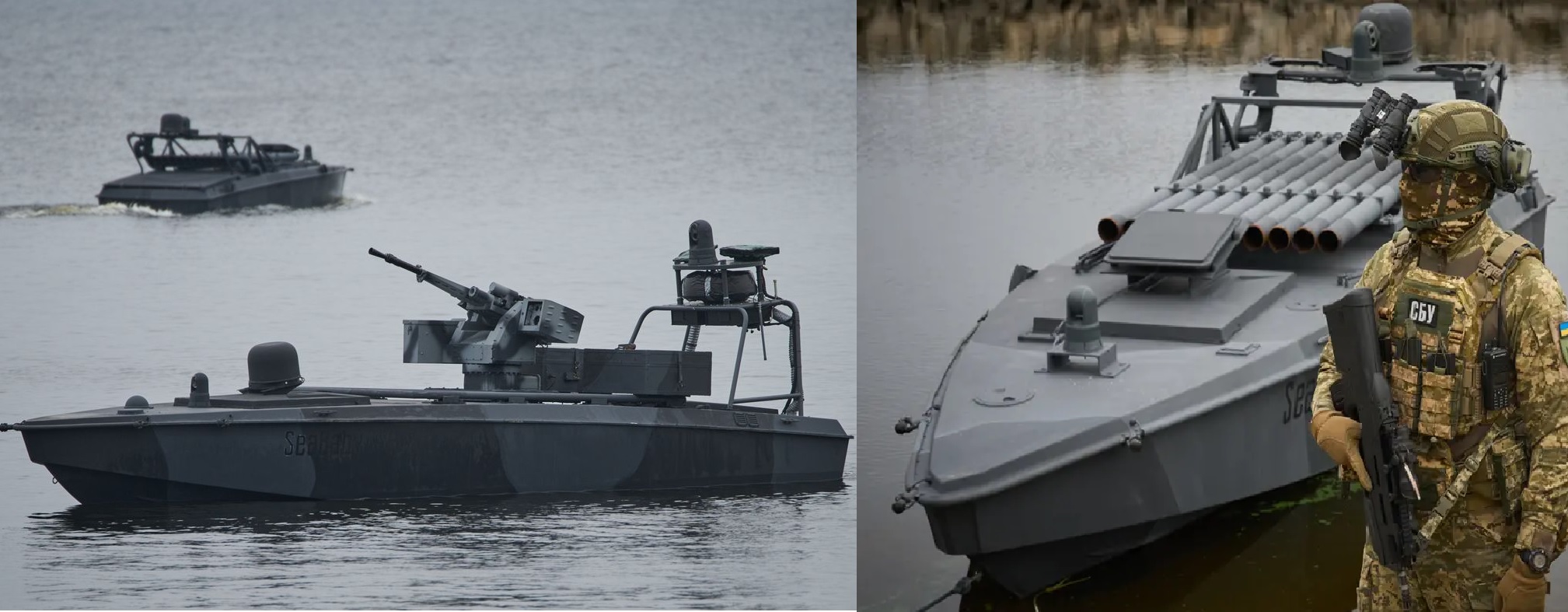
World
The Security Service of Ukraine has showcased a new generation of its Sea Baby naval drones, marking a significant step in the country’s unmanned maritime capabilities. The upgraded drones are designed to operate across vast distances, carry heavier payloads, and feature advanced navigation and combat systems. The Sea Baby drones can now cover more than 1,500 km and carry up to 2,000 kg of cargo. Reinforced engines and a modern navigation system make them more resilient and precise in challenging maritime environments. During the demonstration, Ukraine presented two variants of the drone: The first is equipped with a gyro-stabilized machine gun mount featuring an auto-capture and target recognition system, allowing it to engage enemy vessels and drones with high accuracy. The second carries heavy weaponry, including a 10-round Grad multiple launch rocket system, capable of launching saturation strikes against ships or coastal targets. These drones are more than just weapons platforms—they incorporate AI-driven targeting, electronic warfare resistance, and modular design, enabling rapid adaptation for different missions, from reconnaissance to direct strikes. The Sea Baby drones have already shown their effectiveness in combat, reportedly contributing to attacks on multiple Russian vessels in the Black Sea, including frigates and missile carriers. Their presence has reportedly forced strategic shifts, such as the relocation of Russia’s main naval base from Sevastopol to Novorossiysk. With plans to produce up to 4,000 units, half of which may be exported, Ukraine is positioning the Sea Baby drones as a potent asset in asymmetric naval warfare and a competitive product in the international unmanned maritime systems market. The new Sea Baby drones highlight Ukraine’s growing capability to develop technologically advanced systems that can operate in contested environments, giving Kyiv a strategic edge in maritime operations.
Read More → Posted on 2025-10-22 16:24:58
World
Lockheed Martin has been awarded a $233 million firm-fixed-price contract to deliver IRST21 Block II systems and initial spares to the U.S. Navy and Air National Guard (ANG). This contract marks a significant step forward in enhancing the U.S. military's passive infrared search and track (IRST) capabilities. What Is IRST21 Block II? IRST21 is Lockheed Martin’s next-generation long-wave infrared sensor system designed to passively detect and track airborne targets at extended ranges. The Block II variant builds upon its predecessor with advanced optics, processors, and algorithms, significantly improving threat detection and targeting capabilities. This enhancement allows for faster target data processing, bolstering situational awareness and reducing decision-making time for warfighters. Integration with U.S. Navy and ANG Aircraft The IRST21 Block II system is integrated into various aircraft platforms: U.S. Navy F/A-18E/F Super Hornets: The system is mounted on the centerline fuel tank, providing enhanced passive detection capabilities in radar-denied environments. Air National Guard F-15 and F-16 Fighters: IRST21 Block II sensors are integrated into these aircraft to improve long-range detection and targeting, particularly in contested airspaces. This widespread integration ensures that both Navy and ANG units benefit from the advanced capabilities of the IRST21 Block II system. Strategic Importance The IRST21 Block II system enhances the U.S. military's ability to detect and engage threats at extended ranges without relying on radar emissions. This passive detection method is crucial in environments where electronic warfare and radar jamming are prevalent. By providing early warning and targeting information, IRST21 Block II contributes to maintaining air superiority and mission readiness. The $233 million contract for IRST21 Block II systems underscores the U.S. military's commitment to advancing its passive infrared detection capabilities. With integration across key aircraft platforms and enhanced performance features, the IRST21 Block II system is poised to play a pivotal role in modernizing the U.S. Navy and Air National Guard's operational effectiveness.
Read More → Posted on 2025-10-22 15:58:21
World
Northrop Grumman has announced a major milestone with the successful completion of a flight test for the U.S. Army’s Integrated Battle Command System (IBCS), signaling a significant step forward in modernizing the country’s air and missile defense capabilities. The test, conducted as part of the low-rate initial production (LRIP) phase, showcased IBCS’s ability to integrate and coordinate multiple sensor and missile systems across different platforms. According to Northrop Grumman, the LRIP IBCS hardware achieved its first live-fire demonstration in August, demonstrating its operational effectiveness and reliability. The system is currently deployed in Poland and is planned for further expansion with U.S. Combatant Commands across Europe and the Indo-Pacific region. Understanding the Integrated Battle Command System The Army’s Integrated Battle Command System is designed to transform how air and missile defense assets operate on the battlefield. IBCS functions as a networked command-and-control system, allowing the Army to detect, track, and intercept threats more efficiently by connecting radar, sensors, and missile launchers into a single, unified architecture. This “plug-and-fight” capability enables operators to use multiple missile systems, such as Patriot and THAAD, in a coordinated manner, improving response times and maximizing defensive coverage. By integrating different sensors and weapons systems, IBCS provides real-time situational awareness to commanders, ensuring faster decision-making against increasingly complex threats, including ballistic missiles, cruise missiles, and aircraft. Its flexible design allows it to adapt to new technologies and future defense systems, maintaining superiority in dynamic combat environments. Operational and Strategic Significance The successful flight test highlights the Army’s ongoing efforts to modernize its air and missile defense posture in response to evolving global threats. Deploying IBCS in Europe, particularly in Poland, strengthens NATO’s eastern flank while enhancing deterrence against potential adversaries. Additionally, the planned expansion into the Indo-Pacific region underscores the system’s strategic importance in safeguarding U.S. interests and allies across multiple theaters. Northrop Grumman’s progress with IBCS represents a significant technological leap, merging advanced sensor fusion, networked command-and-control, and live-fire operational capabilities into a single, cohesive system. As threats continue to evolve, IBCS positions the U.S. Army to respond with unprecedented speed, precision, and coordination.
Read More → Posted on 2025-10-22 15:41:06
World
Lockheed Martin is pushing the frontier of missile defense with plans for an on-orbit demonstration of a space-based, hit-to-kill interceptor by 2028. The announcement, highlighted during the company’s October 21, 2025, earnings call, aligns with earlier public briefings in Huntsville and reflects the Pentagon’s ambitious Golden Dome concept—a space-layered missile defense system designed to protect the U.S. homeland from emerging missile threats. The interceptor program represents a significant technological leap. Unlike traditional ground- or sea-based missile defenses, these interceptors are intended to operate in orbit, detecting and colliding with hostile missiles at relative speeds of several kilometers per second. Achieving such precision requires advanced guidance, autonomous targeting, and resilience to the harsh conditions of space, including radiation, vacuum, and potential micrometeoroid impacts. The Golden Dome concept, first outlined in summer 2025 briefings, envisions a multi-layered architecture that integrates space-based sensors and interceptors with existing ground- and sea-based systems. The goal is to neutralize missile threats during their boost and midcourse phases, significantly increasing interception opportunities before reentry into the atmosphere. Northrop Grumman has confirmed parallel work on the same space segment, highlighting a growing competitive field in next-generation missile defense. Historically, space-based missile defense concepts have faced challenges. The Brilliant Pebbles program of the late Cold War, part of the Strategic Defense Initiative, proposed a constellation of small kinetic-kill satellites. While technologically promising, it ultimately failed due to high costs, system readiness concerns, and vulnerability to anti-satellite weapons. Lockheed Martin’s effort must overcome similar hurdles while proving the feasibility of deploying interceptors from a satellite platform and achieving reliable hit-to-kill performance. If successful, Lockheed Martin’s 2028 demonstration could validate the Golden Dome orbital layer and accelerate a broader sensor-to-shooter architecture, potentially transforming the U.S. missile defense posture. It would represent a major milestone, proving that space-based interceptors can operate in concert with terrestrial assets to provide a robust, multi-layered shield against modern ballistic missile threats. As the countdown to 2028 continues, all eyes will be on Lockheed Martin’s progress. A successful test could mark the dawn of a new era in missile defense, while any setbacks would offer critical lessons for refining strategies and technologies. In either case, the effort underscores the increasing importance of space in national defense planning, where the ability to intercept threats beyond Earth’s atmosphere could redefine the rules of strategic deterrence.
Read More → Posted on 2025-10-22 15:34:29
World
Ukraine’s General Staff has confirmed that British-supplied Storm Shadow cruise missiles successfully bypassed Russian air defenses and destroyed a major chemical and munitions facility in Russia’s Bryansk region — a plant believed to produce gunpowder, explosives, and munition components used by Russian forces to shell Ukrainian territory. According to Ukrainian military sources, the overnight strike targeted a high-value industrial complex integral to Russia’s weapons production chain. The facility, located near Bryansk city, reportedly housed production lines for rocket propellants and artillery explosives, which Ukraine says have been used in attacks across the Chernihiv and Sumy regions. Local Russian officials acknowledged “a large-scale drone and missile attack” in Bryansk but did not provide details on the extent of damage. Independent verification remains pending, but satellite imagery and early footage shared on social media appeared to show large fires and secondary explosions, suggesting an ammunition-related detonation. Precision strike using British technology The Storm Shadow — known in France as SCALP-EG — is a long-range, air-launched cruise missile jointly developed by the UK and France. Manufactured by MBDA, it is designed for deep-penetration strikes against hardened or well-defended targets such as command bunkers, bridges, and ammunition plants. Weighing about 1,300 kilograms and powered by a turbojet engine, the missile can travel at high subsonic speeds and is equipped with a BROACH tandem warhead, capable of punching through reinforced structures before detonating internally. Guided by a combination of inertial navigation, GPS, terrain-following radar, and an imaging infrared seeker, it provides high accuracy even in GPS-denied environments. While export variants have a listed range of around 250 kilometers, analysts believe that Ukraine’s Storm Shadows may have enhanced range due to integration with Su-24M bombers, which have been modified to deploy the missile since mid-2023. Bypassing Russian defenses Ukrainian officials emphasized that the strike demonstrated the missile’s ability to evade Russia’s layered air defense network, which includes systems such as the S-400 and Pantsir-S1.The Storm Shadow’s low-altitude flight path, small radar cross-section, and autonomous guidance reportedly allowed it to penetrate Russian radar coverage and strike its target with minimal warning. A senior Ukrainian defense official stated anonymously that “the results prove that even advanced Russian air defense systems cannot fully protect key industrial assets from modern Western cruise missiles.” Strategic implications If confirmed, the Bryansk strike marks one of the deepest and most significant cross-border attacks by Ukrainian forces using Western weapons. It underscores Kyiv’s expanding capacity to hit targets inside Russian territory, particularly those linked to the production of weapons used against Ukrainian civilians. Western officials have previously stated that the Storm Shadow systems were supplied under the condition that they be used for military purposes and within international law. London has not commented publicly on the reported strike. Analysts suggest that repeated successful use of Storm Shadow missiles could further degrade Russia’s munitions production and stretch its air defense coverage, forcing Moscow to divert critical resources away from the front lines. Environmental and safety concerns The destruction of a chemical and explosives facility raises concerns about toxic contamination and secondary explosions. Unconfirmed reports indicated that local authorities evacuated nearby settlements as emergency services responded to widespread fires. However, Russian state media has downplayed the scale of the incident. A new phase in Ukraine’s deep-strike campaign The Bryansk operation follows a series of Ukrainian precision strikes in recent months on oil depots, airbases, and logistics hubs across Russian border regions. It highlights Kyiv’s shift toward a long-range interdiction strategy aimed at crippling Moscow’s ability to sustain its war effort. While Russia continues to rely heavily on artillery and missile barrages against Ukrainian cities, Ukraine’s growing ability to retaliate deep inside Russian territory signals a new chapter in the ongoing conflict — one where industrial and logistical nodes far from the front line are no longer beyond reach.
Read More → Posted on 2025-10-22 14:44:28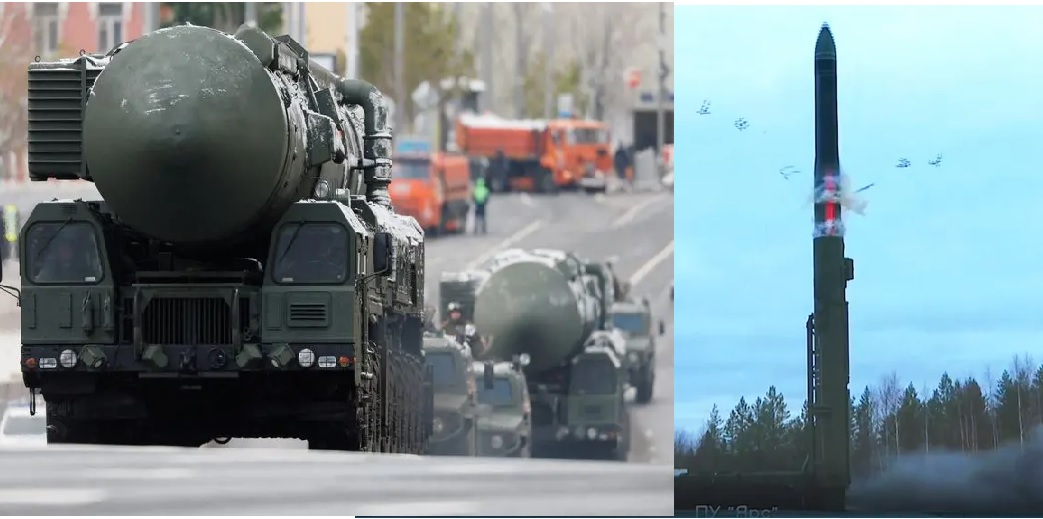
World
In a powerful demonstration of its nuclear deterrence capabilities, Russia has conducted large-scale strategic nuclear drills, including the successful launch of the RS-24 ‘Yars’ intercontinental ballistic missile (ICBM). The exercise was overseen by President Vladimir Putin, reaffirming Moscow’s readiness to respond to potential threats amid growing tensions with NATO and the West. According to the Russian Ministry of Defence, the ‘Yars’ ICBM was launched from the Plesetsk Cosmodrome in northern Russia and accurately hit its designated target at the Kura test range in Kamchatka, over 5,700 kilometers away. The test formed part of an extensive training of the country’s Strategic Nuclear Forces, involving land-based missile units, strategic bombers, and nuclear-capable submarines. The RS-24 Yars, an advanced evolution of the Topol-M system, is a solid-fueled, road-mobile ICBM capable of carrying multiple independently targetable reentry vehicles (MIRVs). Each missile can carry up to four nuclear warheads, and with a range of around 12,000 kilometers, it is designed to penetrate modern missile defense systems. The Yars forms a crucial element of Russia’s nuclear triad, complementing submarine-launched missiles and long-range bombers. During the drills, Russian Tu-95MS strategic bombers also launched long-range cruise missiles, while nuclear submarines of the Northern Fleet performed ballistic missile launches from underwater positions. The coordinated exercise tested command and control systems for nuclear forces, ensuring readiness for both retaliatory and preventive strikes in the event of a strategic threat. The Kremlin stated that the purpose of the exercise was to evaluate the “preparedness of all components of the nuclear deterrent” and to ensure reliable functioning of the state’s command infrastructure under simulated wartime conditions. The timing of the drills comes as geopolitical tensions remain high over the ongoing war in Ukraine and NATO’s growing military presence in Eastern Europe. Western analysts view these exercises as a reminder of Russia’s extensive nuclear arsenal — estimated to include over 5,500 nuclear warheads, the largest in the world. The ‘Yars’ missile test underscores Moscow’s continued investment in modernizing its strategic weapons, ensuring survivability, mobility, and precision in a potential nuclear exchange scenario. The successful launch, combined with the broader exercise, sends a clear signal of deterrence and strategic intent amid the evolving global security landscape. In essence, Russia’s latest nuclear drill reflects both a technological validation of its ICBM capabilities and a political message to adversaries: its strategic nuclear forces remain fully operational, coordinated, and ready for any contingency.
Read More → Posted on 2025-10-22 14:26:46
World
In what could become one of the largest defense export deals in Swedish history, Stockholm and Kyiv are in advanced talks for the sale of up to 120 Saab JAS 39E “Gripen-E” multirole fighter jets to the Ukrainian Air Force. The deal, estimated to be worth over $10 billion, was discussed during Ukrainian President Volodymyr Zelensky’s high-profile visit to Linköping, the industrial heart of Sweden’s defense aviation and home to Saab AB. During his meeting with Swedish Prime Minister Ulf Kristersson, President Zelensky signed a memorandum of intent on defense cooperation, which officials described as a framework for potential export and production collaboration. The agreement marks the most significant step yet in Ukraine’s effort to modernize its air combat capabilities amid the ongoing conflict with Russia. A Transformative Deal in the Making According to senior officials cited by Swedish media, the proposal under discussion involves the sale of 100 to 150 Gripen-E aircraft, with an initial batch of 120 jets being considered. If finalized, this would be the largest single export order in Saab’s history. The estimated $10 billion valuation is based on the Gripen E’s average unit cost of around $85 million, not including training, weapons, and logistics support packages. For Sweden, the deal would not only boost its defense industry but also signal a decisive step toward deeper military and industrial integration with European partners supporting Ukraine. For Kyiv, it would mark a game-changing leap toward establishing a Western-standard air force capable of challenging Russian airpower more effectively. Gripen’s Advantages for Ukraine The Saab JAS 39E Gripen, a 4.5-generation fighter, is designed for multi-role missions including air superiority, ground attack, and reconnaissance. It features an advanced AESA radar, a cutting-edge electronic warfare suite, data-linked situational awareness systems, and the ability to operate from short, improvised runways—making it particularly suitable for Ukrainian conditions where airbases remain vulnerable to missile strikes. Unlike heavier Western fighters, the Gripen’s low maintenance footprint and rapid turnaround time allow high sortie rates and decentralized operations. These characteristics have long been touted as ideal for small air forces facing numerically superior adversaries. Timeline and Implementation The memorandum signed in Linköping does not constitute a formal sales contract but initiates technical and financial negotiations. Swedish officials expect a detailed framework agreement to be finalized within six to nine months, pending export license approvals from Sweden’s Defence Export Control Authority and parliamentary review. If approved in 2026, deliveries could begin as early as late 2027, given Saab’s existing production commitments to Sweden and Brazil. Initial batches might include a mix of new and reconfigured aircraft, with full-scale production for Ukraine likely stretching through 2030. In parallel, Ukrainian pilots and engineers are expected to undergo extensive training at Saab’s facilities in Linköping and at the Swedish Air Force’s F 7 Wing in Såtenäs. Early pilot familiarization programs have already taken place, according to defense sources. Industrial and Strategic Impact The proposed deal could also include joint maintenance hubs, training centers, and potential assembly of components in Ukraine, bolstering local defense-industrial capacity. Saab executives have previously expressed readiness to localize certain production lines for major export customers. For Sweden, the sale would affirm its emergence as a top-tier European defense exporter. For Ukraine, it would complement its incoming F-16 fleet, providing a dual Western fighter ecosystem with both high-end and low-cost operational flexibility. Regional and Political Context While Sweden joined NATO earlier this year, Stockholm has so far balanced strong support for Ukraine with caution over direct weapons exports during wartime. However, the scale of this potential deal underscores a shift in Swedish defense policy following NATO accession. The move is likely to draw a sharp response from Moscow, which has already condemned Western fighter transfers as “direct participation” in the conflict. Yet for Kyiv, the Gripen represents not only an aircraft purchase but a strategic partnership with a technologically advanced European nation that shares its security concerns. Officials close to the negotiations suggest the next few months will determine whether the memorandum evolves into a binding contract. Saab’s production line in Linköping is already preparing for expanded capacity to accommodate new export orders. If completed, the deal would stand as one of the most ambitious defense export projects in Europe’s modern history—potentially delivering Ukraine a fleet of 21st-century multirole fighters capable of reshaping the balance in the skies over Eastern Europe.
Read More → Posted on 2025-10-22 14:20:27
World
Turkey has achieved a major milestone in its quest for self-reliance in advanced airborne radar systems. ASELSAN’s MURAD 100-A Active Electronically Scanned Array (AESA) Fire Control Radar has successfully completed its first flight on the Bayraktar KIZILELMA unmanned fighter, marking a pivotal moment in the evolution of Turkish defence electronics. The flight test demonstrated the radar’s capability to perform air-to-air and air-to-ground missions with agile electronic beam steering and high precision. ASELSAN confirmed that the system successfully detected, tracked, and engaged multiple targets simultaneously, proving its ability to support beyond-visual-range (BVR) missile guidance. “The successful first flight confirms the radar’s adaptability to different aerial platforms and its readiness for operational deployment,” ASELSAN stated after the test. Building on Previous Success The MURAD 100-A radar was first integrated on the Bayraktar AKINCI UCAV in 2024, with successful flight tests conducted in February 2025. Its latest integration with KIZILELMA — Turkey’s jet-powered stealth UCAV designed for combat roles — underscores the radar’s flexibility and maturity. The system’s adaptability across multiple platforms positions it as a core sensor for Turkey’s manned and unmanned aerial fleet. Technological Highlights ASELSAN has emphasized that the MURAD 100-A radar represents a new generation of Turkish radar engineering. Built with Gallium Nitride (GaN) technology, it offers higher power efficiency, reduced thermal load, and enhanced range compared to traditional radar architectures. Key technologies include: Agile electronic beam steering in azimuth and elevation. Digital beam forming at sub-array level for faster, more accurate target detection. Time-interleaved operation for simultaneous air-to-air and air-to-ground tasks. Wide frequency coverage, enabling superior detection and resistance to jamming. GaN-based power amplification for high efficiency and output. Multi-target detection, tracking, and BVR missile guidance capability. ASELSAN described the radar as being designed for “modern aerial warfare,” combining wide frequency coverage with high detection performance and precision-guided engagement capabilities. Operational Roles and Capabilities The MURAD 100-A radar supports a full suite of operational modes: Air-to-Air Modes: Beyond-visual-range (BVR) missile guidance All-aspect and high-aspect search Multi-target tracking Weather mapping and helicopter detection Air-to-Ground Modes: Synthetic Aperture Radar (SAR) imaging (stripmap and spotlight) Ground Moving Target Indication (GMTI) and Tracking (GMTT) Fixed target tracking and ground mapping Air-to-ground ranging for precision strike missions Open-source reports suggest the radar can detect targets at ranges up to approximately 200 km, depending on target size and operating conditions. Integration on Bayraktar KIZILELMA The integration of the MURAD 100-A on the Bayraktar KIZILELMA brings high-end radar performance to an unmanned stealth platform. The combination allows KIZILELMA to conduct complex combat missions, including simultaneous air superiority and precision strike operations. The radar’s ability to guide multiple missiles and track several targets concurrently makes it a key enabler for KIZILELMA’s envisioned role as a force multiplier in networked warfare. It also sets the stage for man–unmanned teaming, where KIZILELMA could operate alongside piloted fighters like the Turkish KAAN or F-16s equipped with similar radar systems. Specifications Parameter Specification Type AESA Fire Control Radar Technology GaN-based transmit/receive modules Beam Control Fully electronic beam steering (azimuth & elevation) Beam Forming Digital beam forming at sub-array level Frequency Band Wideband (exact frequency undisclosed) Air-to-Air Range Up to ~200 km (open-source estimate) Operational Modes Air-to-Air, Air-to-Ground, SAR, GMTI/GMTT Target Capacity Multi-target detection and tracking Guidance Capability BVR missile guidance and fire control Platform Compatibility Fighters, UCAVs (AKINCI, KIZILELMA), future KAAN Strategic Importance The MURAD 100-A is more than a radar — it’s a symbol of technological sovereignty. By mastering AESA radar design and production, Turkey reduces reliance on foreign suppliers for one of the most critical components in modern air combat systems. The radar’s modular, scalable design also paves the way for future integration into the KAAN 5th-generation fighter and upgraded F-16 modernization programs, alongside export-ready variants for allied nations. ASELSAN is expected to move toward serial production following these successful flight trials, with more platforms to be equipped in the coming year. The successful flight of ASELSAN’s MURAD 100-A AESA radar on Bayraktar KIZILELMA marks a transformative step in Turkey’s aerospace ambitions. With its multi-mission versatility, advanced GaN-based architecture, and proven adaptability, the radar stands as one of the most sophisticated systems developed by the Turkish defence industry. As integration continues across different platforms, the MURAD radar family will form the core of Turkey’s next-generation air combat sensor network, cementing ASELSAN’s role as a global contender in advanced radar technology
Read More → Posted on 2025-10-22 13:59:37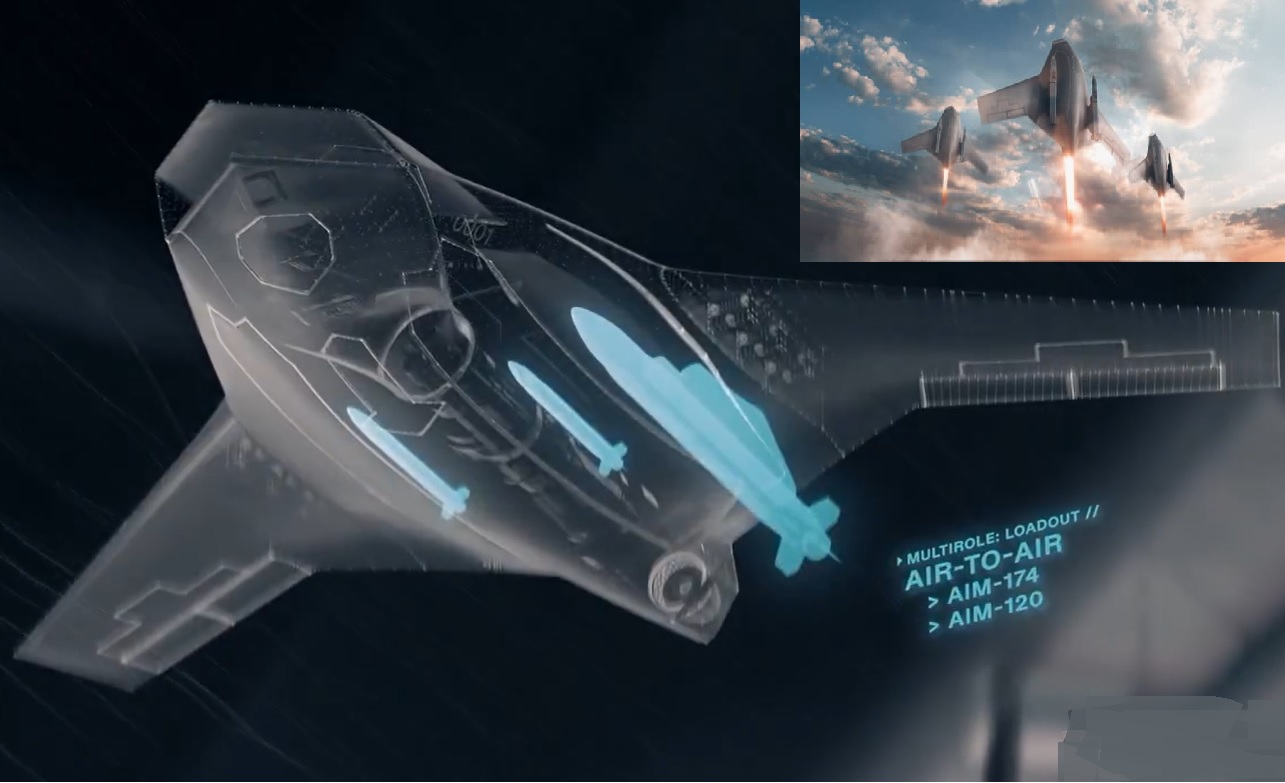
World
In a groundbreaking move that could redefine future air combat, San Diego-based defence technology company Shield AI has unveiled the X-BAT, the world’s first AI-piloted vertical take-off and landing (VTOL) fighter jet. The company claims the new aircraft merges jet-fighter performance with autonomous intelligence, offering a platform that can take off from ships, small islands, or forward bases — without the need for traditional runways. A New Chapter in Autonomous Airpower Shield AI, founded in 2015, has become a leader in artificial intelligence-driven defence systems. Known for its “Hivemind” autonomy software — which has already demonstrated the ability to fly F-16s and drones without a pilot — the company is now extending that technology to a full-scale fighter aircraft. The X-BAT represents a shift toward distributed and resilient airpower that can operate in GPS-denied or communications-contested environments. “Airpower without runways is the holy grail of deterrence,” Shield AI said during the launch event in Washington, D.C. “The X-BAT is designed to ensure that air forces can project power from anywhere — even when conventional bases are under threat.” Key Specifications According to Shield AI and early reports from FlightGlobal and Defense One, the X-BAT’s specifications highlight a blend of endurance, agility, and autonomy rarely seen in unmanned aircraft: Type: AI-piloted VTOL fighter jet Length: ~7.9 meters Wingspan: ~11.9 meters Range: Over 2,000 nautical miles (~3,700 km) Service Ceiling: Above 50,000 feet Take-off and Landing: Fully vertical (VTOL) — no runway required Propulsion: Single jet engine (fighter-class powertrain under development) Payload: Internal weapons bay with external hardpoints for air-to-air and air-to-surface munitions Operational Cost: Target price around US $27 million per unit The aircraft’s compact footprint means up to three X-BATs could fit into the same space as one traditional fighter jet, allowing for high-density deployment aboard naval ships or expeditionary bases. Mission and Capabilities The X-BAT is designed as a multirole combat platform capable of performing air-to-air, air-to-ground, and electronic-warfare missions. Its AI-driven Hivemind system allows it to operate completely autonomously or in collaboration with manned aircraft, functioning as a loyal wingman or as part of an unmanned swarm. Because it can launch and recover vertically, the X-BAT can be deployed from amphibious ships, container vessels, mobile platforms, or remote island bases, providing flexible options for rapid forward operations. Shield AI envisions it as a tool for both deterrence and first-response missions in high-threat regions such as the Indo-Pacific. Strategic Impact Defence analysts suggest the X-BAT could alter how future air campaigns are planned. Traditional fighters rely heavily on long, vulnerable runways and expensive logistics. A runway-independent jet with long range and autonomy offers a dispersed, survivable, and scalable airpower model. At an estimated cost of under $30 million, the X-BAT fits the emerging category of “attritable” aircraft — affordable enough to risk in high-threat missions but still potent in combat. Experts also note that such systems could complement existing fleets rather than replace them, forming hybrid squadrons of manned and AI-piloted aircraft. Development Timeline Shield AI unveiled the X-BAT in October 2025, with flight testing scheduled for 2026 and full-mission trials by 2028. The company is in talks with U.S. and allied defence agencies for potential partnerships. While the X-BAT’s engine supplier has not been officially disclosed, Shield AI is reportedly exploring F100 or F110-class jet engines from Pratt & Whitney and General Electric. Challenges Ahead Despite the promise, the program faces hurdles — from autonomous combat certification to weapons integration and AI ethics. Regulators and militaries will need to define clear frameworks for how such aircraft engage in combat, especially without direct human control. Technical validation of its VTOL performance and long-range endurance will also be critical milestones. A Glimpse into the Future The X-BAT represents more than just another drone — it is a potential evolution of the fighter jet itself. With its blend of VTOL flexibility, AI-driven autonomy, and long-range endurance, Shield AI’s new creation could reshape global air strategy and force structure. If successful, it would mark the dawn of a new class of aircraft: autonomous, runway-free, and combat-ready — built for the conflicts of tomorrow.
Read More → Posted on 2025-10-22 13:50:57
World
In late October 2025, the United States formally called on Japan to halt imports of Russian energy, part of a broader push by Washington and its allies to cut off funding that could support Russia’s military operations in Ukraine. The U.S. Treasury under Scott Bessent emphasized that Japan should immediately stop buying Russian oil and natural gas, including liquefied natural gas (LNG), and encouraged Tokyo to shift toward U.S.-supplied energy sources. This request reflects the ongoing effort among G7 nations to reduce reliance on Russian hydrocarbons and weaken Moscow’s economic capacity to continue the war. Japan’s Energy Imports from Russia Japan imports modest but strategically important amounts of energy from Russia. According to recent UN trade data, Japan’s total imports from Russia in 2024 were approximately $5.68 billion, with $3.82 billion accounted for by mineral fuels, oils, and other distillation products. The country’s imports include crude oil, LNG, and coal. While crude oil imports from Russia have declined sharply over recent years, Japan still relies on Russian LNG via the Sakhalin-2 project in the Russian Far East, which supplies roughly 10% of Japan’s LNG needs. Coal and other fuels have also been imported historically, though their share is smaller compared to gas and oil. Japan’s Response to the U.S. Japan has responded to U.S. pressure with caution, emphasizing that its energy policy is guided by national interest and energy security considerations. Officials, including Trade and Industry Minister Yoji Muto, stated that while Japan is committed to reducing dependence on Russian energy, it cannot immediately halt all imports, particularly LNG from Sakhalin-2, which plays a critical role in Japan’s electricity generation. The government has taken steps to align partially with international sanctions, such as lowering the price cap for Russian crude oil to $47.60 per barrel, though direct imports of Russian oil are extremely small — only about 0.1% of Japan’s total crude imports. Strategic Importance and Energy Security Japan is highly dependent on imported energy, with around 90% of its primary energy supply coming from abroad. The country faces the difficult task of balancing alliance commitments with the United States and G7 against the need to maintain a stable and reliable energy supply. Russian LNG remains an important component for electricity generation and industrial use, meaning that an abrupt halt in imports could create energy shortages or economic disruption. Japan has therefore opted for a gradual reduction strategy rather than an immediate cessation. Future Considerations Going forward, Japan is likely to continue reducing its reliance on Russian energy while exploring alternative supplies and expanding renewable and nuclear capacity. The U.S. is expected to maintain diplomatic pressure, potentially offering incentives such as access to additional LNG supplies to encourage Japan to comply further with sanctions. In the meantime, Japan’s approach highlights the delicate balance between geopolitical alignment and national energy security, as well as the challenges faced by nations heavily dependent on imported energy when confronted with international sanctions.
Read More → Posted on 2025-10-22 13:44:30
World
The United States has crossed a historic threshold, with its national debt reaching $37 trillion in 2025 — the highest in the world and the largest ever recorded by a single nation. According to the U.S. Department of the Treasury and the Committee for a Responsible Federal Budget, the debt is growing by roughly $25 billion every day. Servicing this massive debt — the interest payments alone — has now become one of the biggest expenses in the federal budget, surpassing even defense and healthcare spending. Economists warn that this debt trajectory is unsustainable, and without major fiscal reforms, the U.S. could face a severe economic crisis within the next decade. Amid this growing pressure, several foreign observers, especially from Russia, have accused Washington of planning to solve its financial crisis “at the world’s expense”, repeating strategies used during the 1930s and 1970s. The Adviser’s Claim: Repeating the 1930s / 1970s Playbook Anton Kobyakov, a senior adviser to Russian President Vladimir Putin, recently alleged that the United States intends to deal with its massive debt burden by transferring the costs to other nations — just as it did during the Great Depression and the 1970s energy crisis. Kobyakov claimed that Washington is preparing a new financial mechanism involving digital assets and stablecoins, allowing it to indirectly reduce or devalue its debt while maintaining global dominance over the financial system. He drew a direct comparison, saying, “As in the 1930s and the 1970s, the U.S. plans to solve its financial problems at the world’s expense.” According to him, America’s current policies are not random — they are designed to shift the burden of its debt onto other countries through inflation, currency manipulation, and a coming transformation of global finance under U.S. leadership in digital currencies. Historical Precedents The idea that the U.S. could shift its domestic financial problems onto the rest of the world is not new. History offers two powerful examples: the 1930s and the 1970s. In the early 1930s, during the Great Depression, President Franklin D. Roosevelt devalued the U.S. dollar by taking the country off the gold standard and raising the price of gold from $20.67 to $35 per ounce. This move immediately reduced the real value of America’s debt and boosted exports by making U.S. goods cheaper internationally. However, it also hurt foreign nations that held U.S. gold and dollar assets, effectively transferring America’s economic pain abroad. A similar pattern emerged in the 1970s during the Nixon Shock. In 1971, President Richard Nixon ended the dollar’s direct convertibility to gold, effectively collapsing the Bretton Woods system of fixed exchange rates. This allowed the U.S. to print money freely, devalue the dollar, and make American exports more competitive. Other countries, especially in Europe and Asia, paid the price through higher import costs and unstable exchange rates. At that time, U.S. Treasury Secretary John Connally famously told his foreign counterparts, “The dollar is our currency, but it’s your problem.” This historical remark perfectly captured America’s ability to shift financial burdens to other nations whenever its own economy was under pressure. How the U.S. Could Do It Again Today, the United States could follow a similar path, but this time using modern tools like digital finance and its unrivaled control over global markets. The U.S. dollar remains the world’s dominant reserve currency, giving Washington what economists call an “exorbitant privilege” — the unique ability to borrow in its own currency at low interest rates. This allows the U.S. to sustain enormous deficits without facing immediate consequences. However, if the debt becomes unmanageable, the U.S. may once again resort to strategies that shift the cost of financial repair onto others. In the past, Washington relied on currency devaluation and inflation to ease its debt burden. By increasing the money supply or allowing inflation to rise, the real value of outstanding obligations declined. The dollars used to repay creditors were worth less than the dollars that were borrowed. This strategy benefited the U.S. but eroded the wealth of foreign holders of U.S. assets. Yet in the modern era, the same tactic could take a digital form. Instead of directly devaluing the U.S. dollar, Washington could gradually shift a portion of its national debt into crypto-based stablecoins or tokenized U.S. Treasuries. These digital instruments — marketed as secure, blockchain-backed versions of American debt — could attract global investors, corporations, and even central banks eager to hold cutting-edge digital assets tied to the U.S. economy. Once the world becomes financially tied to these instruments, the U.S. would possess a new, powerful lever: it could revalue or adjust the underlying peg or mechanism of these crypto-stable assets, effectively devaluing the digital tokens rather than the dollar itself. Such a maneuver would protect the dollar’s dominance while quietly exporting part of America’s debt burden to the global market. The losses would be absorbed by foreign holders of these digital assets — from sovereign funds to private investors — while Washington maintains control of the system. In effect, it would be a modern, digital-era version of financial manipulation, achieving the same outcome as past devaluations but with technological sophistication and plausible deniability. Recently, under growing financial strain, former President Donald Trump signed the controversial “Genius Act”, a sweeping reform aimed at promoting blockchain-based debt innovation. The act encourages the creation of government-approved stablecoins and digital Treasuries, claiming to modernize America’s fiscal management. Supporters hail it as a visionary step toward a new financial future. Critics, however, warn that it could serve as a sophisticated mechanism for Washington to digitize and redistribute its debt globally, masking a subtle transfer of losses from U.S. institutions to international investors under the banner of innovation. The Global Impact and Reactions If the United States pursues this new strategy of crypto-based debt restructuring, the global impact could be profound. Nations, corporations, and investors that rush to adopt U.S.-backed digital debt instruments — believing them to be secure and innovative — might soon find themselves exposed to digital devaluation. When Washington subtly adjusts the peg or valuation mechanism of these crypto-stable assets, the resulting loss in value would ripple through global financial markets. Countries holding large reserves in U.S. digital Treasuries or stablecoins would see their portfolios shrink in real terms, just as nations once suffered losses when the dollar was decoupled from gold in 1971. Major economies such as China, Japan, and the European Union would be directly affected, while emerging markets, heavily reliant on dollar-linked systems, could face liquidity shocks. Moreover, this shift would redefine the balance of financial power. By controlling the blockchain infrastructure and the underlying algorithmic rules of these digital assets, the U.S. would maintain unprecedented leverage over the global economy — a modern version of the Bretton Woods system, but coded instead of written. Meanwhile, nations that fail to adapt to this digital transformation could find themselves locked out of key financial flows or forced to operate within Washington’s digital framework. However, the strategy carries significant risks for the U.S. itself. A sudden or poorly managed crypto-stablecoin devaluation could trigger a crisis of confidence, not only in the new digital system but also in the credibility of U.S. fiscal policy. Some nations might respond by accelerating plans to de-dollarize or create regional digital currencies, such as those promoted by BRICS or ASEAN, to reduce dependence on American-led systems. The result could be a more fragmented and unstable global financial environment, even if Washington buys itself temporary relief from its debt pressures. A Possible Future Scenario Looking ahead, a likely outcome may involve a hybrid approach — combining moderate inflation, digital debt instruments, and crypto-financial innovation. The U.S. could tolerate slightly higher inflation to reduce its real debt load, while actively promoting tokenized Treasuries and government-backed stablecoins as safe global assets. Over time, as these digital instruments spread across markets, the U.S. could discreetly adjust their peg or valuation, effectively transferring part of its financial burden to global holders — all without devaluing the dollar itself. Such a transition wouldn’t happen overnight. Instead, it would unfold gradually, masked as technological progress or financial modernization. Behind the rhetoric of innovation, however, the outcome would mirror history: the redistribution of economic pain from the United States to the rest of the world through clever financial engineering. Conclusion The United States now faces a record $37 trillion debt, a figure so vast that traditional methods of repayment seem unrealistic. The warning from Putin’s senior adviser — that Washington plans to solve its crisis at the world’s expense — echoes an uncomfortable historical truth. In the 1930s, America escaped the Great Depression through global monetary resets; in the 1970s, it broke the gold standard and rewrote financial rules to its advantage. In the 2020s, the same pattern may reappear — this time through digital finance. Instead of devaluing the dollar, Washington could tokenize its debt, promote crypto-stable assets as global instruments, and later adjust their value to ease its financial burden. The losses would quietly spread across the world, absorbed by those who trusted in the safety of U.S.-backed digital assets. If history teaches anything, it’s that America rarely bears its financial crises alone. When Washington repairs its balance sheets, the rest of the world inevitably pays a share of the cost — and in the coming decade, that cost may be hidden not in paper money, but in lines of code.
Read More → Posted on 2025-10-22 11:53:15
World
Italy has begun early research and feasibility studies for a next-generation aircraft carrier, marking the first step toward replacing its current flagship ITS Cavour. The initiative, called “Portaerei di Nuova Generazione” (New Generation Aircraft Carrier), is part of Italy’s 2025–2027 Defense Plan, which aims to modernize the nation’s naval and air capabilities. Rising Defense Budget and Funding Plan Italy’s 2025 defense budget stands at 31.2 billion euros ($36.2 billion) — a 7.2% increase over the previous year — highlighting the government’s growing emphasis on defense modernization. The New Generation Aircraft Carrier project has received 3 million euros ($3.4 million) for 2025, 1 million euros ($1.1 million) for 2026, and 2 million euros ($2.3 million) for 2027, specifically to fund feasibility and concept studies. While these are small preliminary allocations, they will lay the groundwork for design evaluation, propulsion options, and cost-benefit analyses before moving into large-scale development later in the decade. Possibility of Nuclear Propulsion Although the Ministry of Defense has not officially confirmed nuclear propulsion, a related national research program suggests that Italy is seriously exploring the option. A joint study initiated in 2023 by Fincantieri, Ansaldo Nucleare, RINA Services, and the University of Genoa is examining the feasibility of compact lead-cooled fast reactors that can generate around 30 megawatts of power. Such compact reactors could make the carrier self-sustaining for years, reducing refueling needs and enabling extended deployments — a capability currently held only by the U.S., France, and China. If adopted, this would mark a major technological leap for the Italian Navy. Replacing ITS Cavour The ITS Cavour (CVH 550), commissioned in 2008, currently serves as Italy’s flagship and operates F-35B Lightning II jets. However, the vessel’s design reflects early 2000s technology and lacks modern systems such as electromagnetic aircraft launch systems (EMALS) and expanded hangar capacity for unmanned aircraft. The proposed New Generation Carrier aims to integrate these systems, featuring advanced automation, larger flight decks, greater sortie rates, and improved stealth and survivability. According to initial planning, the new carrier could enter service by the late 2030s, aligning with the timeline for the gradual retirement of Cavour. How Much Will It Cost to Operate and Maintain? Operating and maintaining a modern aircraft carrier is a massive financial commitment. Currently, Italy’s ITS Cavour costs around 200–250 million euros annually to operate — including crew salaries, maintenance, logistics, and aircraft support. A next-generation carrier, depending on whether it uses conventional or nuclear propulsion, would likely require 350–400 million euros per year in operational expenditure. When factoring in construction, equipment, aircraft integration, and lifetime maintenance, total program costs could exceed 5–6 billion euros over its lifecycle — potentially even higher if nuclear propulsion and EMALS systems are adopted. Defense analysts suggest that Italy may need to increase its annual naval operating budget by at least 500 million euros throughout the 2030s to sustain the carrier’s construction, deployment, and support infrastructure. Timeline of Development According to the 2025–2027 plan, the project will move through three main phases: 2025–2027: Feasibility studies, propulsion evaluation, and preliminary industrial partnerships. 2028–2030: Concept definition, ship design finalization, and selection of propulsion type (conventional or nuclear). Early 2030s onward: Construction and integration phase, with sea trials likely by the mid-2030s and commissioning targeted between 2038 and 2040. This timeline allows for industrial capacity building within Italian shipyards and for potential technology transfers from partners such as France or the U.S. if nuclear or EMALS systems are pursued. Expansion in Naval and Air Capabilities Beyond the carrier program, Italy’s 2025–2027 defense strategy confirms plans to purchase six Maritime Multi-Mission Aircraft (M3A) to replace its retired Bréguet 1150 Atlantic fleet, enhancing maritime patrol and anti-submarine warfare (ASW) capabilities. Italy is reportedly considering Japan’s Kawasaki P-1 — a long-range patrol aircraft renowned for its advanced ASW sensors and endurance. Additionally, a Next-Generation Submarine (NGS) program is in early development. These submarines will operate alongside the Todaro-class (Type 212A) fleet and eventually replace the aging Sauro-class (Type 212) submarines introduced in the late 1970s. Strategic Significance With this initiative, Italy is reaffirming its role as a maritime power within NATO’s southern command and the Mediterranean region. The new carrier will serve as the centerpiece of a modern naval strike group, supported by destroyers, frigates, and submarines, ensuring Italy’s ability to project power, protect trade routes, and respond to crises far from its shores. Moreover, the program is expected to strengthen Italy’s defense industry, particularly Fincantieri, giving it the technological edge to compete in future global shipbuilding projects. Italy’s Portaerei di Nuova Generazione is more than a modernization plan — it is a strategic leap toward a 21st-century navy. With early funding already secured and feasibility studies underway, the project’s success will depend on sustained political support, budget allocation, and industrial collaboration. If fully realized by 2040, Italy will possess a next-generation, potentially nuclear-powered aircraft carrier — capable of launching F-35B fighters, drones, and future naval aircraft — cementing its position as one of Europe’s most advanced naval powers.
Read More → Posted on 2025-10-21 17:35:47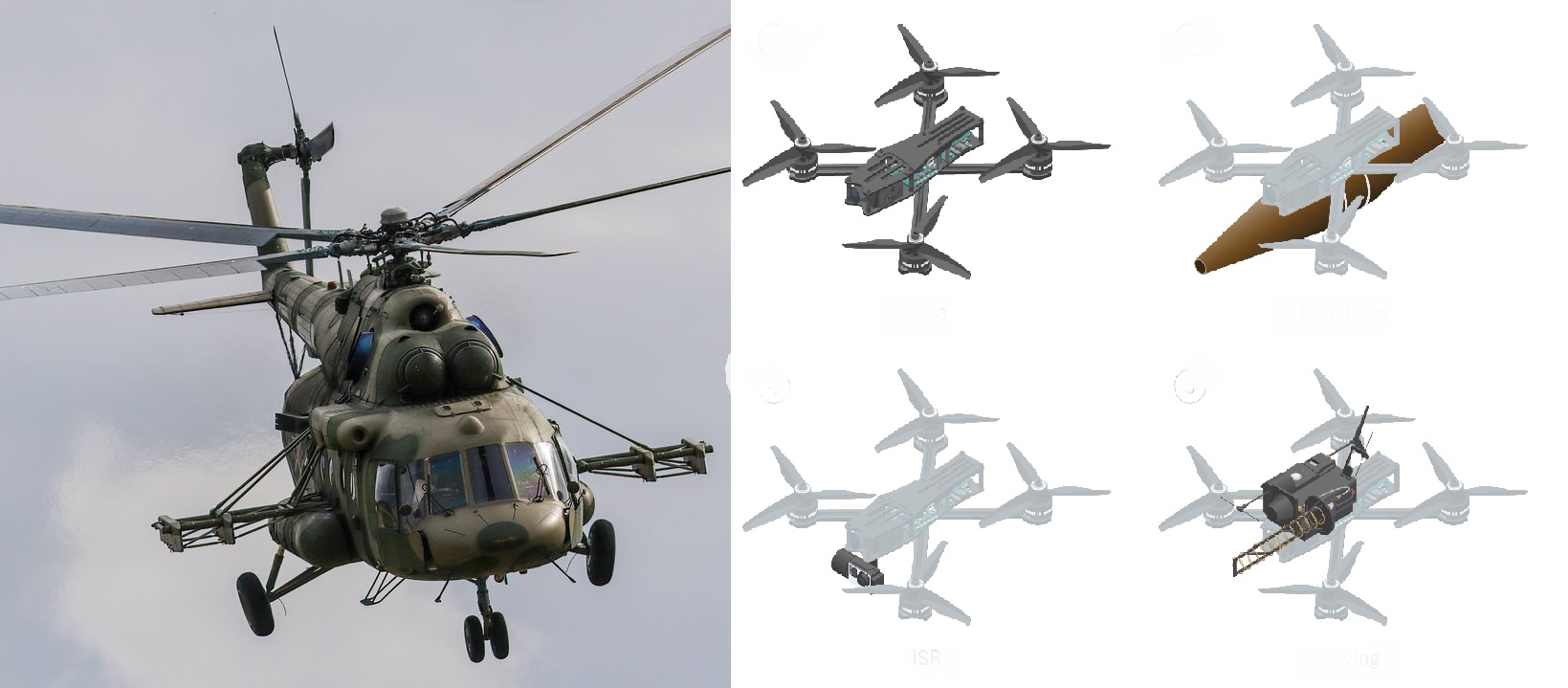
World
Russia has developed a new electronic warfare (EW) system named “Multik”, designed to safeguard its helicopters and ground vehicles from Ukraine’s expanding fleet of first-person view (FPV) drones. Created by the Gradient Research Institute, this advanced system underscores Moscow’s continued focus on countering one of the most transformative weapons of the modern battlefield — low-cost, high-impact FPV drones that have inflicted significant losses on Russian forces throughout the conflict. Design and Technical Capabilities The Multik system operates across a broad frequency spectrum, ranging from 700 MHz to 6,000 MHz, allowing it to detect and jam virtually all commonly used drone control and video transmission links. According to reports from Defense Express, the system can detect targets up to 1,000 meters (3,280 feet) away and jam drone signals within a 500-meter (1,640-foot) radius. The device provides 360-degree protection and can operate three jamming channels simultaneously, allowing it to disrupt multiple drones or frequencies at once — a key advantage against Ukraine’s growing use of swarm drone tactics. Despite its robust functionality, Multik remains compact and lightweight, weighing less than 9.5 kilograms (20 pounds), and it draws power directly from a helicopter’s onboard systems, minimizing logistical complexity and energy demand. How the Multik System Works The Multik functions as an electronic “shield” that protects helicopters and vehicles by neutralizing drone communication. It constantly scans the surrounding electromagnetic environment for signals that resemble FPV drone control or video transmission links. Once detected, its onboard processors identify the nature of the signal, determining whether it originates from an enemy source. When a hostile drone link is confirmed, Multik emits powerful interference pulses precisely tuned to that frequency. This jamming effect severs the connection between the drone and its operator, rendering the drone uncontrollable and causing it to crash or lose its targeting capability. The system’s omnidirectional antenna array ensures total coverage, meaning it can detect and jam drones approaching from any direction, even while a helicopter is in motion or maneuvering at low altitudes. Integration on Helicopters and Ground Vehicles The Russian defense industry has begun integrating the Multik EW system onto frontline helicopters, including the Mi-8, Ka-52, and Mi-28 variants. These aircraft have been frequent targets of Ukrainian FPV drone strikes, making onboard protection systems increasingly essential. The lightweight and modular design of Multik enables seamless installation without affecting flight performance or mission payloads. Additionally, modified versions of the Multik are being tested for use on armored vehicles, military trucks, and stationary defense posts. When deployed on the ground, the system can create a localized electronic jamming zone, protecting convoys, artillery positions, and command centers from incoming drone swarms. This multi-platform flexibility aligns with Russia’s broader strategy to deploy EW coverage across every operational layer of its forces. Part of Russia’s Expanding Counter-Drone Network The introduction of Multik complements a range of existing Russian EW systems designed to combat various aerial and electronic threats. High-powered platforms such as the 1L269 Krasukha-2 and Krasukha-4 remain vital for jamming enemy radar, reconnaissance, and satellite communications, often positioned near strategic command centers. Meanwhile, systems like the Repellent-1 and Silok-01 handle medium-range drone suppression, capable of tracking and disrupting multiple UAVs simultaneously. At the tactical level, Russia has distributed portable EW devices such as the Volnorez and Rubezh to infantry and vehicle crews for localized defense. These smaller jamming domes provide an immediate layer of protection against FPV drones operating within a few hundred meters, illustrating how Russia has developed a layered electronic defense structure spanning from strategic-level systems down to squad-level tools. Doctrinal Shift and Tactical Integration The Russian Ministry of Defence (MoD) has formalized a new counter-UAV doctrine, making electronic warfare a core component of all combat units. The doctrine mandates that every battalion and platoon must possess at least one electronic countermeasure system. It also calls for rapid operator training and the integration of EW measures directly into combined-arms operations, ensuring that jamming and drone suppression are coordinated with air defense, artillery, and infantry maneuvers. This reflects a major shift in Russian military doctrine — electronic warfare is no longer treated as a specialized support role but as a central element of modern combat strategy. The emphasis now lies in combining detection, interference, and destruction capabilities into a single, multi-layered operational framework. Ukraine’s Drone Dominance Ukraine’s widespread deployment of FPV drones has proven to be one of the most effective asymmetrical tactics in modern warfare. These small, inexpensive drones are often guided manually using live video feeds, allowing operators to deliver explosive payloads with remarkable precision. Their effectiveness has forced Russia to adapt rapidly, as even heavily armored tanks and sophisticated helicopters have fallen victim to these nimble aerial weapons. The FPV threat has changed battlefield dynamics, making electronic protection as vital as armor or air defense missiles. By neutralizing drone communication links before impact, systems like Multik provide Russian forces with a critical layer of survivability against these persistent and inexpensive threats. A New Phase in Electronic Warfare The Multik electronic warfare system represents a significant evolution in Russia’s approach to counter-drone defense. Compact, versatile, and capable of multi-channel interference, it embodies the shift toward modular and mobile EW technologies that can be deployed across various platforms. As the war in Ukraine continues to demonstrate the devastating effectiveness of drones, the ability to detect, jam, and neutralize them in real time will increasingly determine battlefield outcomes. For Russia, the Multik system not only strengthens immediate defense against FPV drone attacks but also signals a deeper transformation — one where electronic dominance becomes as decisive as firepower in 21st-century warfare.
Read More → Posted on 2025-10-21 17:21:08Search
Top Trending in 24 Hours
-
 Tulsi Gabbard Releases Declassified Files Detailing U.S.-Backed Network of 120 Biolaboratories Across 30+ Countries
-
 AM General Unveils Next-Generation UGV and JLTV A2 with Counter-Drone Systems at Eurosatory 2026
-
 Dassault Seeks Compensation From Airbus as Eurodrone Dispute Erupts After FCAS Collapse
-
 Pakistan Raises Defence Budget from $9 Billion to $10.8 Billion as J-35 Fighter and Hangor Submarine Programs Advance
-
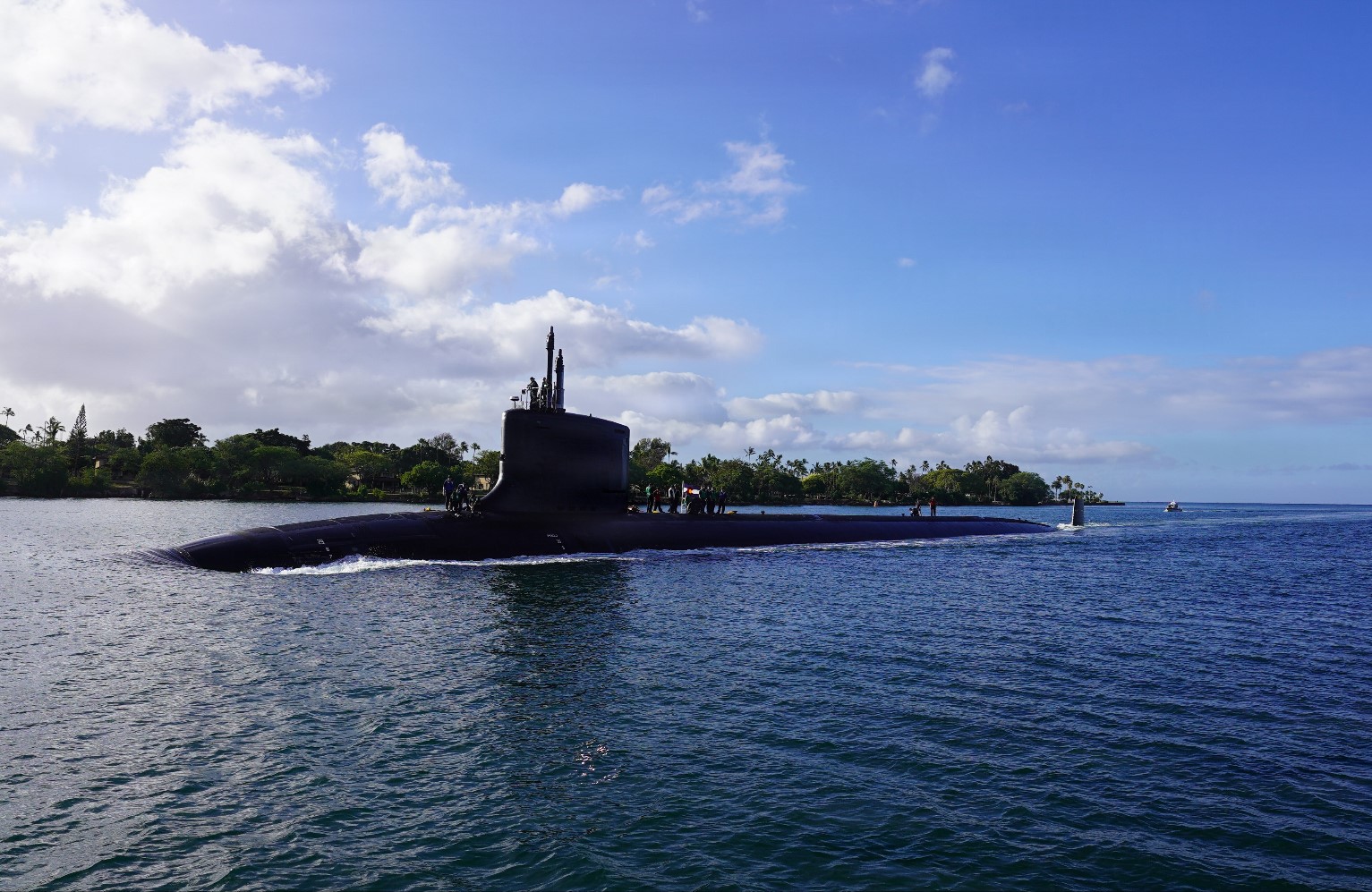 U.S. Navy's USS Colorado Submarine Returns to Pacific Fleet 29 Days Early After Major Pearl Harbor Overhaul
-
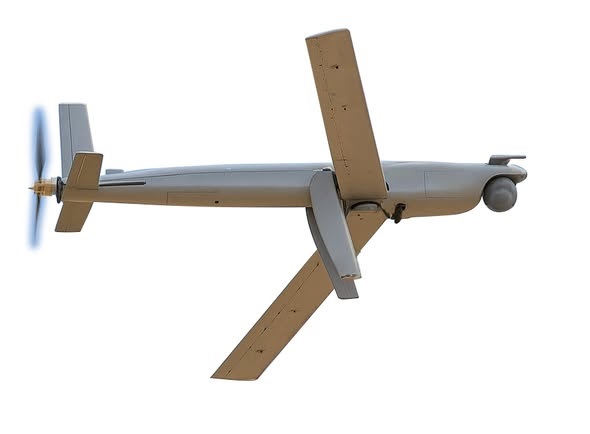 Elbit Systems and Diehl Defence Partner to Offer SkyStriker Loitering Munition to German Armed Forces
-
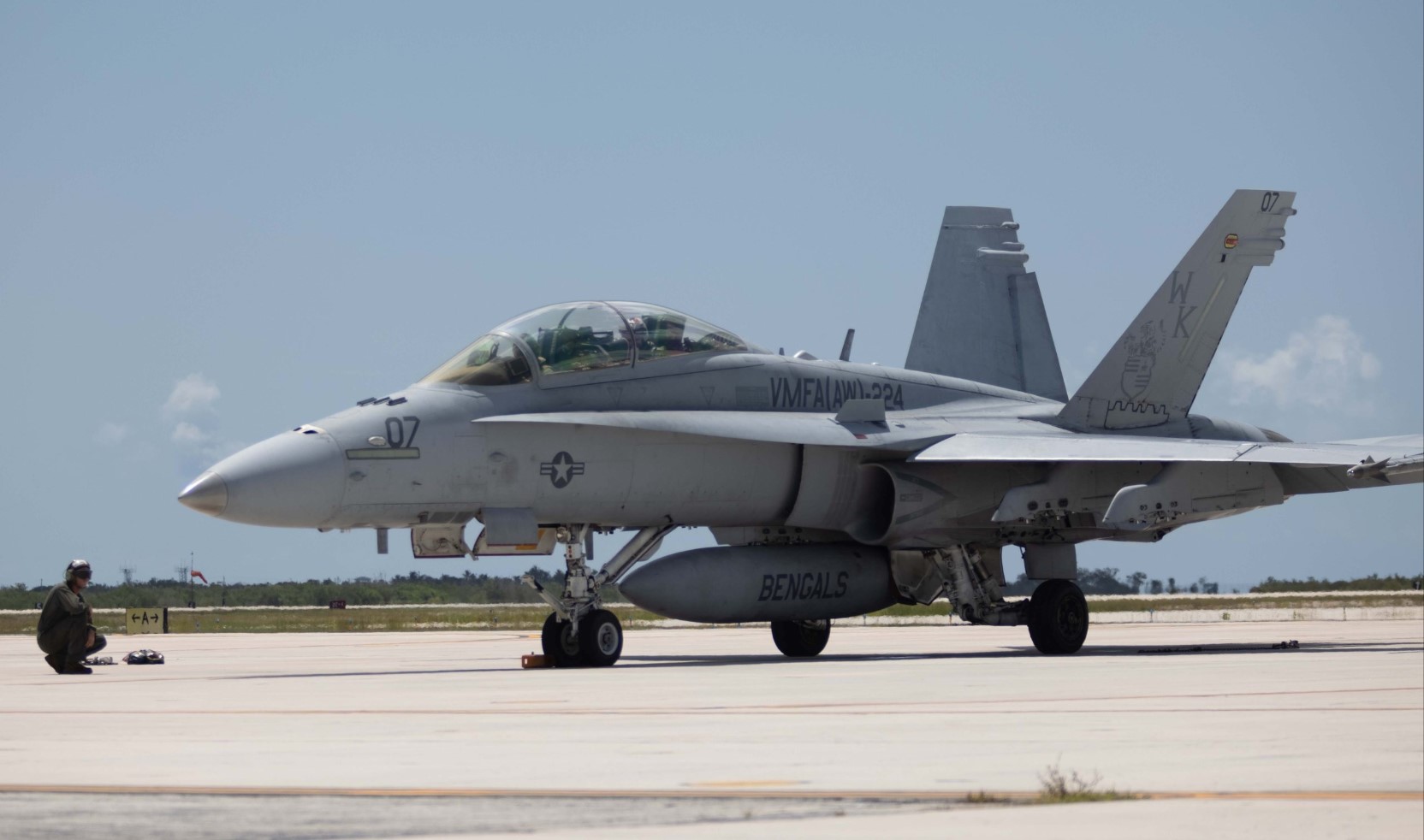 US Marine Corps F/A-18D Hornet Crashes During Training Flight in Washington Mountains; Pilot Ejects Safely
-
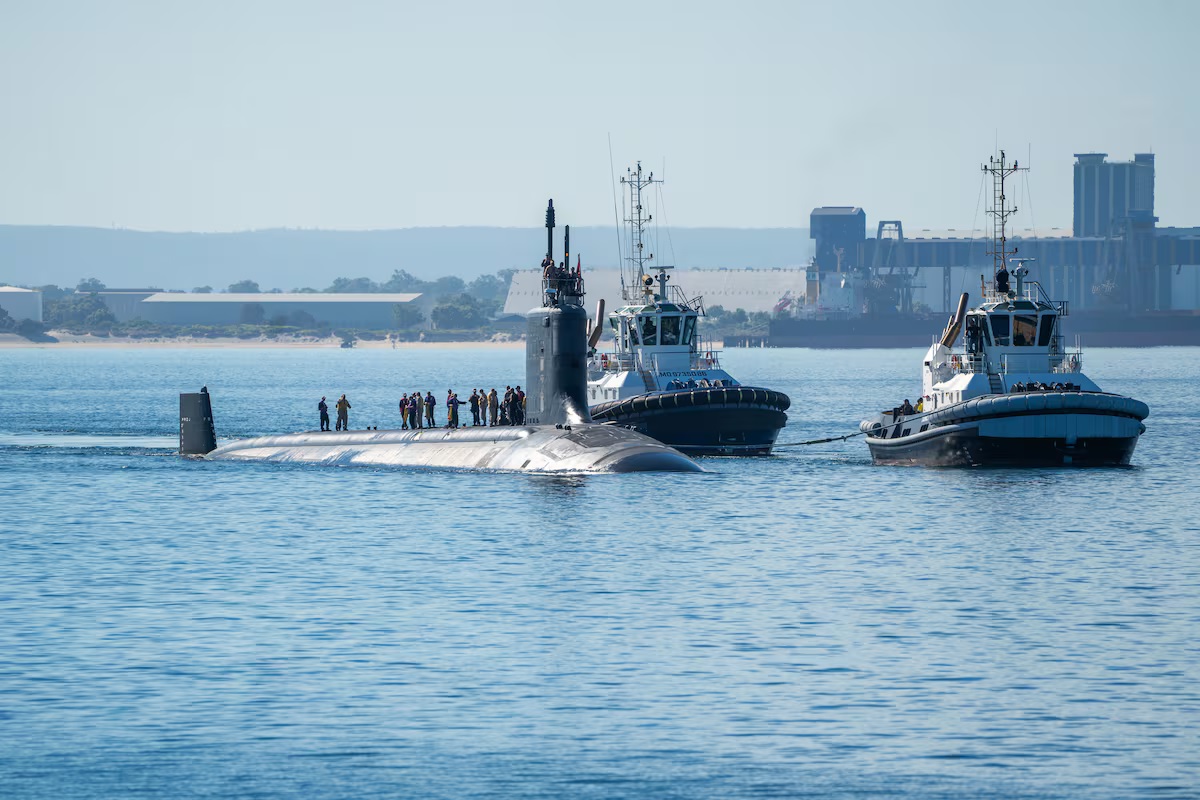 U.S. Navy Reestablishes Submarine Squadron 3 at HMAS Stirling to Support AUKUS Rotational Force
Top Trending in 4 Days
-
 Iranian Media Leaks 14-Point U.S.-Iran Peace Framework Amid Ongoing Negotiations
-
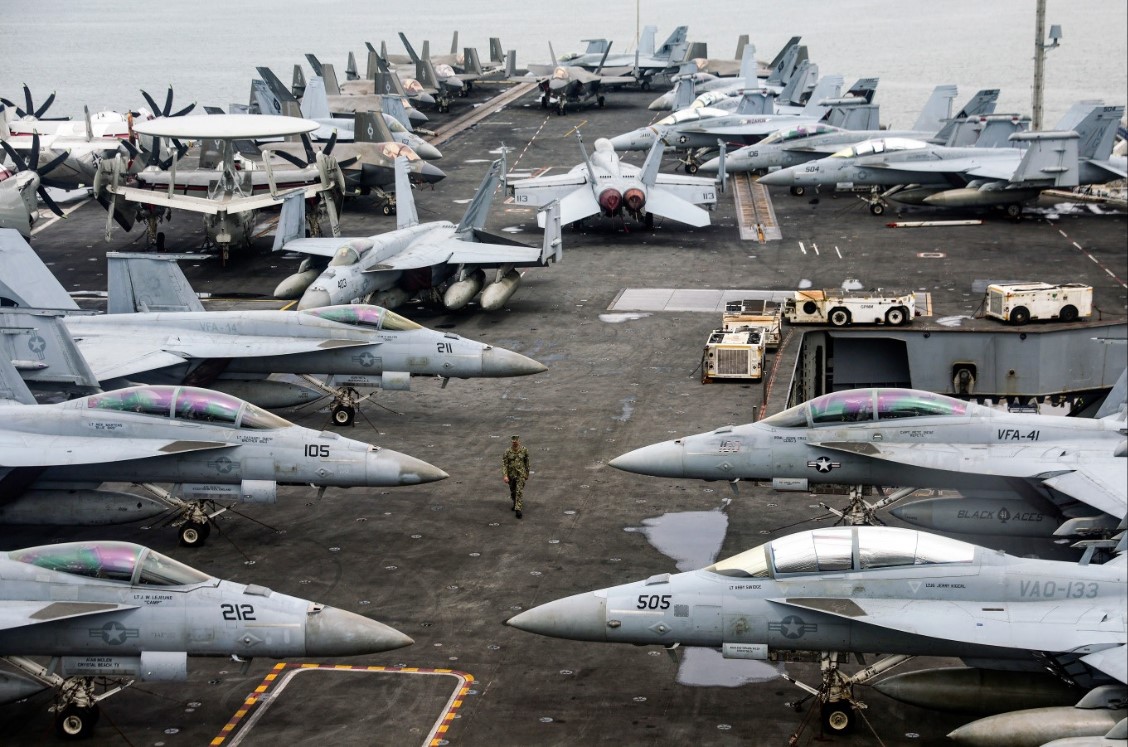 US Plans Significant Reduction of Fighter Jets and Warships for NATO Operations in Europe
-
 U.S. Air Force Faces Strategic Airlift Shortfall as C-17 Production Restart Remains Uncertain
-
 NATO Commander Says Russia Not Seeking Conflict With Alliance Despite U.S. Force Reductions
-
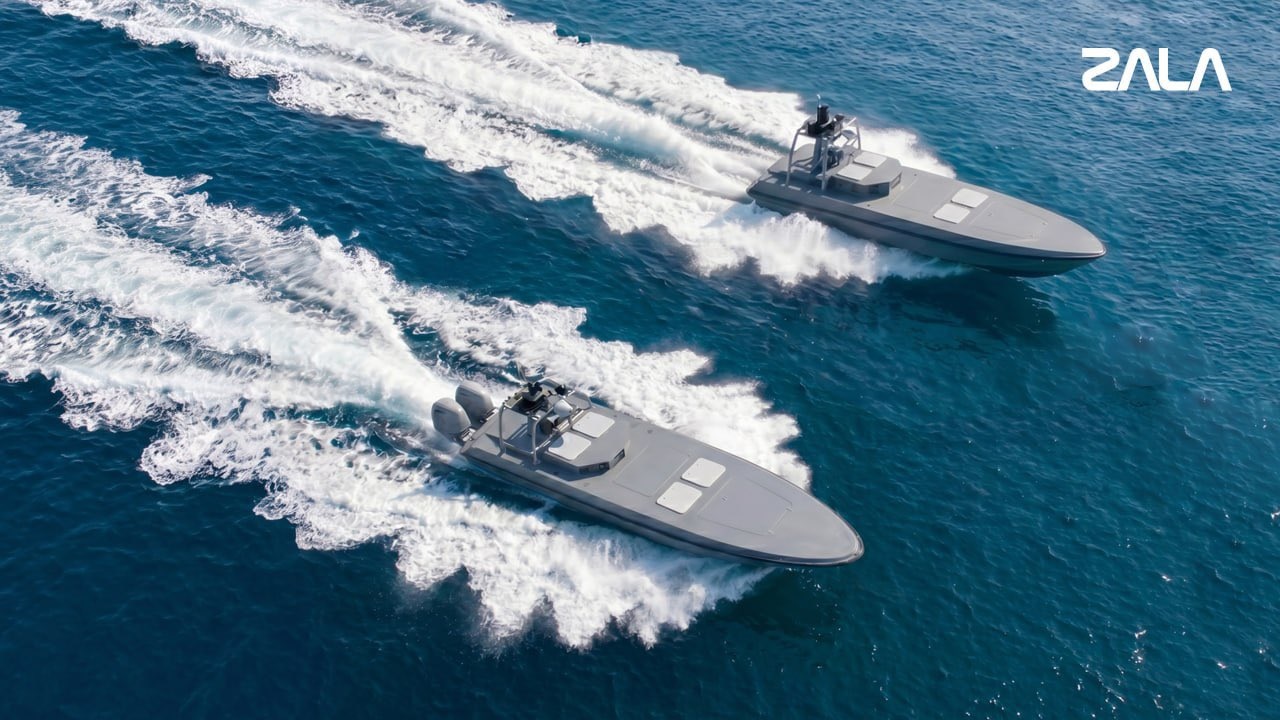 Russian Defense Firm ZALA Unveils KAMA Unmanned Surface Vessel Family at FLOT-2026 Naval Exhibition
-
 U.S. Space Force Awards $437.7 Million Contracts for First PTS-G Swarm 1 Anti-Jam Satellites
-
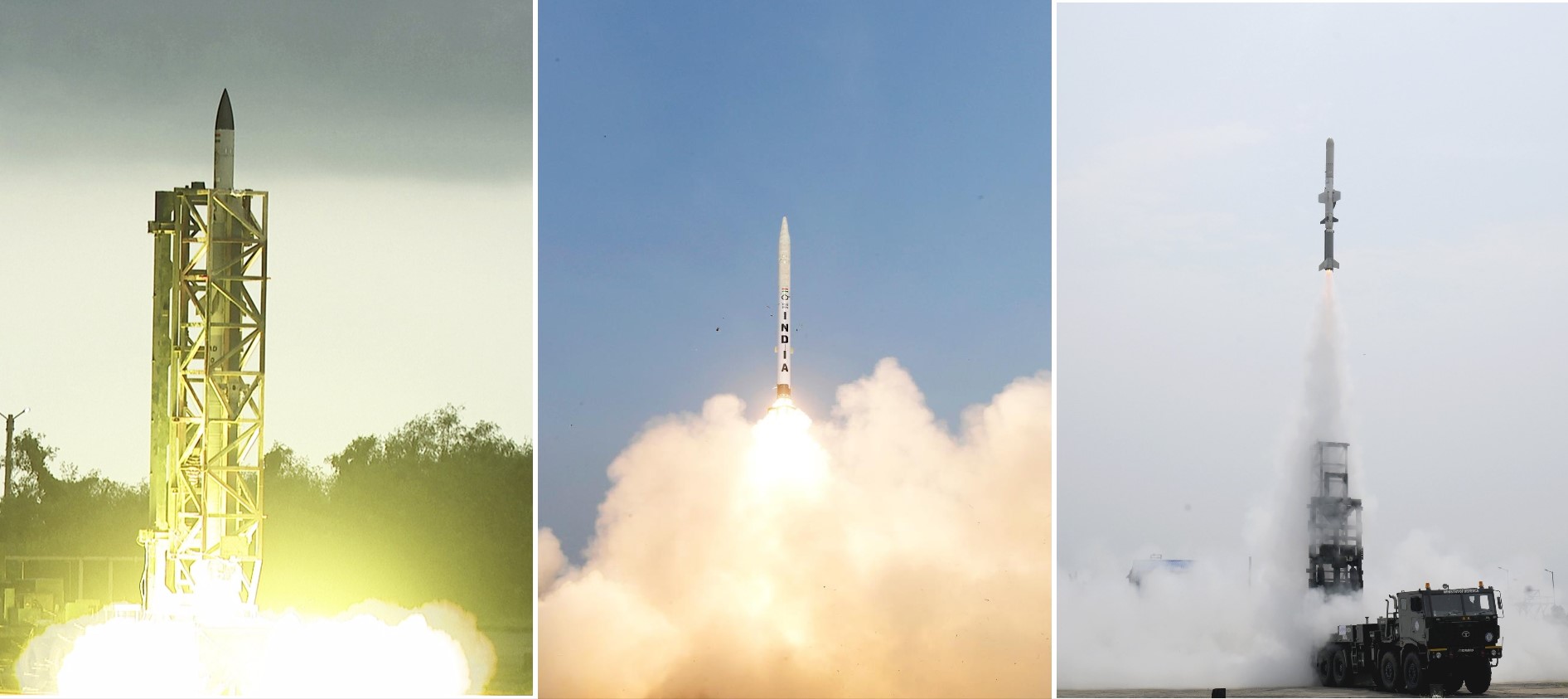 India Successfully Conducts AD-1, AD-2 Interceptor Tests and Maiden NASM-MR Flight Trial
-
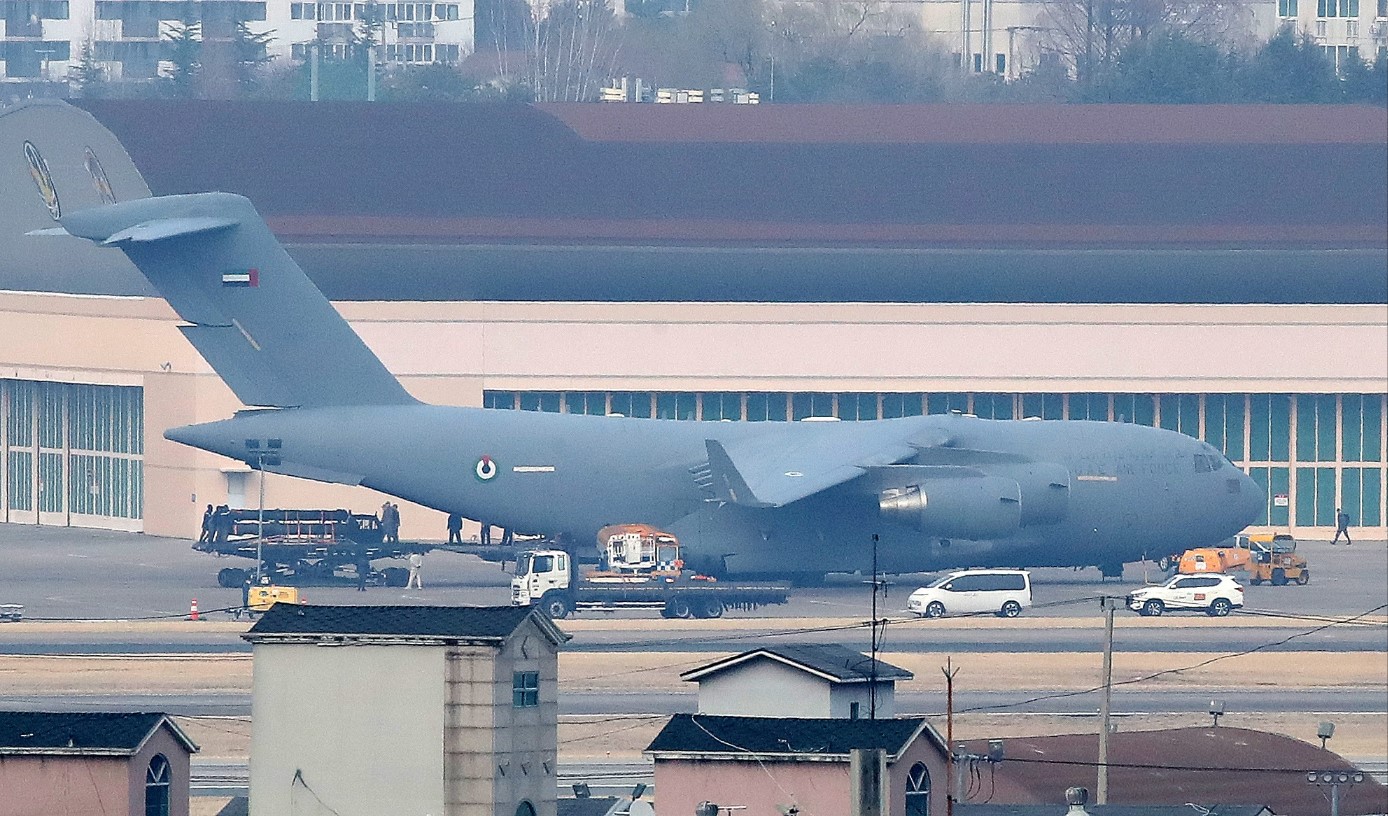 UAE Urgently Airlifts Cheongung-II Missile Defense Battery From South Korea Using Eight C-17 Aircraft