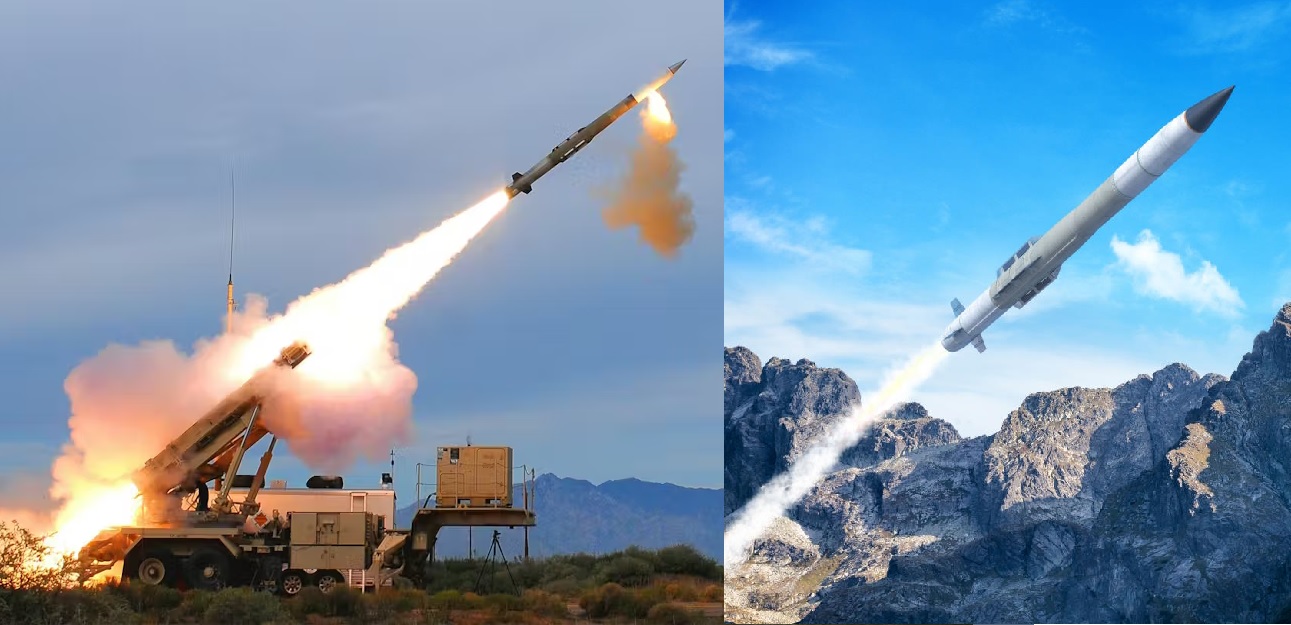
Lockheed Martin has announced the integration of artificial intelligence (AI) and machine learning (ML) technologies into its renowned PAC-3 Missile Segment Enhancement (MSE) interceptor system. The company stated that the upgrades will dramatically enhance the interceptor’s decision speed, precision, and adaptability against evolving air and missile threats, marking a significant leap in the modernization of missile defense capabilities.
The PAC-3 MSE, known for its Hit-to-Kill technology, already features embedded AI software that has been part of the program’s framework since its inception. The latest advancements now expand the use of AI/ML across the entire kill chain, from detection and tracking to engagement and kill assessment. According to Lockheed Martin, these technologies “increase decision speed and improve decision quality to deliver a strategic advantage.”
How the AI/ML Upgrade Works
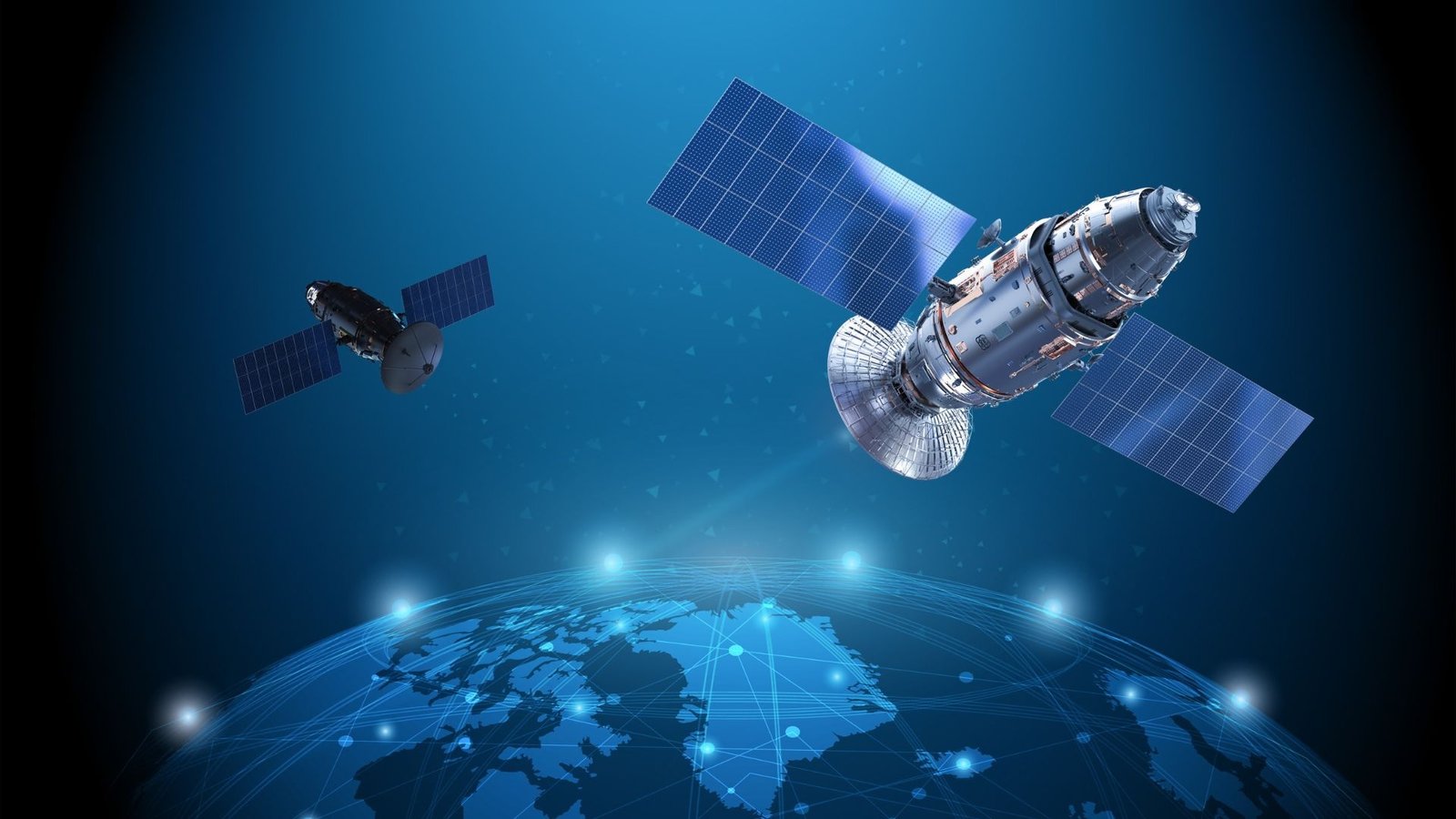
The integration of AI and ML allows the PAC-3 MSE system to process massive amounts of sensor data in real time. Using advanced algorithms, the system can detect, classify, and prioritize threats faster than before — even when dealing with multiple or maneuvering targets.
At the detection stage, machine-learning models analyze radar and infrared data to differentiate genuine threats from decoys, drones, or clutter. Once identified, the AI-driven battle management system evaluates which interceptors to deploy and calculates the most efficient intercept path. During flight, AI-enabled guidance algorithms continually adapt to the target’s movement, adjusting the missile’s trajectory for a precise hit-to-kill outcome.
These functions rely on upgraded processors and onboard computing modules capable of performing neural network inferences at high speed. Additionally, improved sensor fusion enables the system to combine radar and optical data for a more accurate, multi-dimensional understanding of the battlespace.
Technical Enhancements
To support these AI features, Lockheed Martin has implemented several key technical changes:
-
Next-Generation Processors: Faster multicore processors and FPGA-based accelerators have been added to handle complex AI workloads with minimal latency.
-
Seeker Algorithm Upgrades: The interceptor’s seeker software now employs ML-driven classifiers to improve target discrimination during terminal engagement.
-
Enhanced Data Links: Secure, low-latency communication channels enable real-time data exchange between sensors, command centers, and interceptors.
-
AI Verification Framework: Lockheed has introduced a model validation pipeline to ensure that AI algorithms perform safely and reliably under all combat conditions.
These improvements ensure that the system not only reacts faster but also learns from each engagement, allowing continual refinement of its decision-making process over time.
How It Improves the Kill Chain
By embedding AI/ML into the fire control, command, and seeker systems, the PAC-3 MSE can perform nearly instantaneous threat assessments and engagement decisions. For instance, when a ballistic or cruise missile is detected:
-
AI algorithms process sensor data to classify the type and trajectory of the target.
-
The fire control system autonomously selects the best interceptor and computes intercept points.
-
Mid-course updates use ML to refine targeting as the missile maneuvers.
-
The onboard AI adjusts flight control for a precise kinetic intercept.
This streamlined process reduces reaction time from seconds to milliseconds — a decisive advantage when confronting hypersonic or maneuverable reentry vehicles.
Global Comparison
While AI-driven battle management is gaining traction worldwide, Lockheed Martin’s approach is among the most integrated in an operational system.
-
Israel’s Iron Dome and David’s Sling already utilize automated engagement management and radar data fusion. However, their AI integration focuses mainly on fire control rather than missile-level autonomy.
-
Russia’s S-500 system is believed to include AI-assisted radar tracking, but detailed implementation remains classified.
-
The U.S. THAAD system uses algorithmic threat prioritization but is now being updated with AI features inspired by PAC-3’s success.
Thus, Lockheed Martin’s PAC-3 MSE stands out as one of the first fielded interceptors where AI operates across the full engagement cycle — from detection to destruction.
Future Outlook
As missile threats become more complex and numerous, especially with the rise of hypersonic and swarm attacks, AI integration will be crucial to maintaining an effective defense. Lockheed Martin’s AI-enabled PAC-3 MSE reflects a shift toward autonomous, adaptive defense systems capable of handling large-scale, high-speed engagements with minimal human input.
The company continues to refine these capabilities under ongoing U.S. Army and allied modernization programs. With real-time learning and autonomous decision support, the PAC-3 MSE is evolving from a precision interceptor into a smart defensive weapon system — one capable of anticipating and countering tomorrow’s threats before they strike.
——— End of Article ———