World
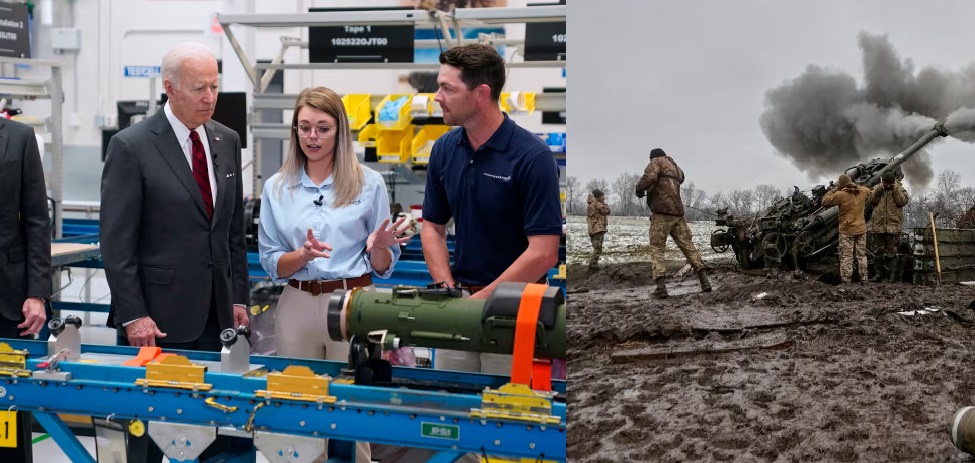
Since the start of the Russia–Ukraine war in 2022 and the Israel–Hamas conflict in 2023, the U.S. defense industry has witnessed an extraordinary surge in demand for weapons, ammunition, and military equipment. The boom is not just from direct orders by Ukraine or Israel, but also from massive U.S. government-funded aid packages, replenishment contracts, and record foreign military sales to NATO allies who are preparing for potential escalation with Russia. Estimating exactly how much the U.S. defense industry has received in orders due to these wars is difficult because the money comes through multiple channels — direct U.S. aid, foreign government purchases, and Pentagon restocking contracts. Yet, by examining official figures and verified budget data, it is possible to form a reliable picture of the scale of this wartime windfall. The Ukraine War and Direct U.S. Military Aid The U.S. State Department and Department of Defense have reported that the United States has provided around $66.9 billion in military assistance to Ukraine since Russia’s full-scale invasion began in February 2022. Almost all of that amount translates into work for American defense manufacturers. This includes the production of HIMARS rocket systems, Javelin anti-tank missiles, Patriot air-defense systems, artillery ammunition, armored vehicles, and drones — all supplied from U.S. inventories or produced domestically. When the Pentagon sends weapons from its own stockpiles, it later issues replenishment contracts to rebuild those inventories. These contracts, often worth billions, are placed with American firms such as Lockheed Martin, Raytheon, Northrop Grumman, and General Dynamics, creating a long-term production pipeline that stretches across several fiscal years. The Israel–Hamas Conflict and U.S. Support Since the October 2023 Hamas attack and the resulting conflict in Gaza, the United States has become Israel’s main military supplier. Independent budget trackers and defense policy institutes estimate that the U.S. has committed between $17.9 billion and $21.7 billion in military aid and arms sales to Israel since the war began. This includes missile interceptors for the Iron Dome, precision-guided bombs, tank ammunition, aircraft spare parts, and emergency resupply of artillery shells and rockets. U.S. companies have been the direct beneficiaries of these orders, as nearly all of Israel’s imports from these aid packages are manufactured by U.S. defense contractors. In several cases, Washington authorized emergency arms transfers bypassing the usual congressional review process, accelerating production lines already running at maximum capacity. NATO and Allied Purchases Driven by the War Beyond direct U.S. aid, the fear of Russian expansion has driven a surge in arms orders from European and NATO allies. Since 2022, countries such as Poland, Finland, Germany, the United Kingdom, and the Baltic States have placed record orders for U.S.-made systems including F-35 fighter jets, Patriot missiles, HIMARS rocket launchers, Abrams tanks, and a wide range of munitions. According to official export data, the value of U.S. arms exports surged to about $200.8 billion in fiscal year 2024, up from about $157.5 billion in 2023. While not all of that increase can be directly linked to the Ukraine and Israel conflicts, analysts estimate that at least $60–120 billion of that total reflects orders motivated by those wars and the resulting security environment. In many cases, European governments are replacing old Soviet-era weapons systems they donated to Ukraine with newer American ones, locking in long-term contracts with U.S. defense firms. Pentagon Restocking and Ammunition Expansion The Pentagon has also had to rebuild its own inventories after sending thousands of missiles and millions of artillery shells overseas. Congress has approved multiple supplemental defense budgets totaling more than $100 billion in recent years, a significant portion of which has gone toward replenishment and industrial capacity building. Within that, about $30–60 billion in new procurement and manufacturing contracts can be directly linked to these wars. This includes major funding for 155mm shell production lines, guided missile manufacturing, explosives plants, and supply-chain expansion. The Department of Defense has repeatedly emphasized that the United States is investing in long-term ammunition production to sustain future conflicts, which effectively guarantees years of steady orders for the industry. Calculating the Total Impact By combining these three channels — direct U.S. aid, foreign purchases, and replenishment — the scale of the wartime boost becomes clear. Using conservative figures: U.S. aid to Ukraine: $66.9 billion U.S. aid to Israel: $17.9 billion War-driven foreign purchases (NATO and others): $60 billion U.S. restocking and industrial contracts: $30 billion That totals roughly $175 billion in direct and indirect orders tied to the Ukraine and Israel wars. If broader estimates are used — including the higher end of Israel aid, a larger share of the $200.8 billion in export authorizations, and more generous accounting for DoD replenishment — the total could rise to around $270 billion. This upper bound represents a wider attribution of contracts influenced by these conflicts, including multi-year programs now in progress across the U.S. defense sector. Understanding What the Numbers Represent These figures measure the scale of business generated for the U.S. defense industry due to these two wars. They do not represent total U.S. military spending or overall global defense budgets. The $175–270 billion range reflects contracts and orders linked specifically to war-related demand — weapons sent to allies, restocking, and new purchases prompted by the fear of future conflicts. It is important to note that some aid to Ukraine and Israel came in the form of existing equipment from U.S. stockpiles, which means the real industrial impact shows up later when those inventories are rebuilt. Additionally, large foreign arms sales are often multi-year projects, meaning that while orders are placed now, revenue for U.S. defense firms will be realized over several years. Even with these caveats, the overall picture is unmistakable. The twin wars have supercharged American defense production, revitalized ammunition manufacturing lines that had been dormant since the Cold War, and prompted record-breaking export deals. Firms such as Lockheed Martin, Raytheon Technologies, Boeing Defense, Northrop Grumman, and General Dynamics have all reported substantial increases in their backlogs and new contracts since 2022. The Broader Implication The surge in demand from Ukraine, Israel, and NATO allies has not only generated tens of billions in direct sales but also reshaped U.S. defense policy. Washington is now treating industrial capacity as a key pillar of deterrence — reopening ammunition plants, expanding subcontractor networks, and streamlining export approvals for allies. The result is a defense economy that has entered a new, high-tempo production phase reminiscent of the early Cold War years. In simple terms, since 2022 the U.S. defense industry has received between $175 billion and $270 billion worth of additional orders that can be traced directly or indirectly to the Russia–Ukraine and Israel–Hamas wars. The lower figure is a conservative estimate based on verified aid and contract data; the higher figure includes expanded exports, industrial expansion, and multi-year foreign orders driven by the same conflicts. Either way, these wars have triggered one of the largest surges in U.S. defense manufacturing since the early 2000s — transforming geopolitical crises abroad into an economic boom for America’s military-industrial complex.
Read More → Posted on 2025-10-14 11:23:14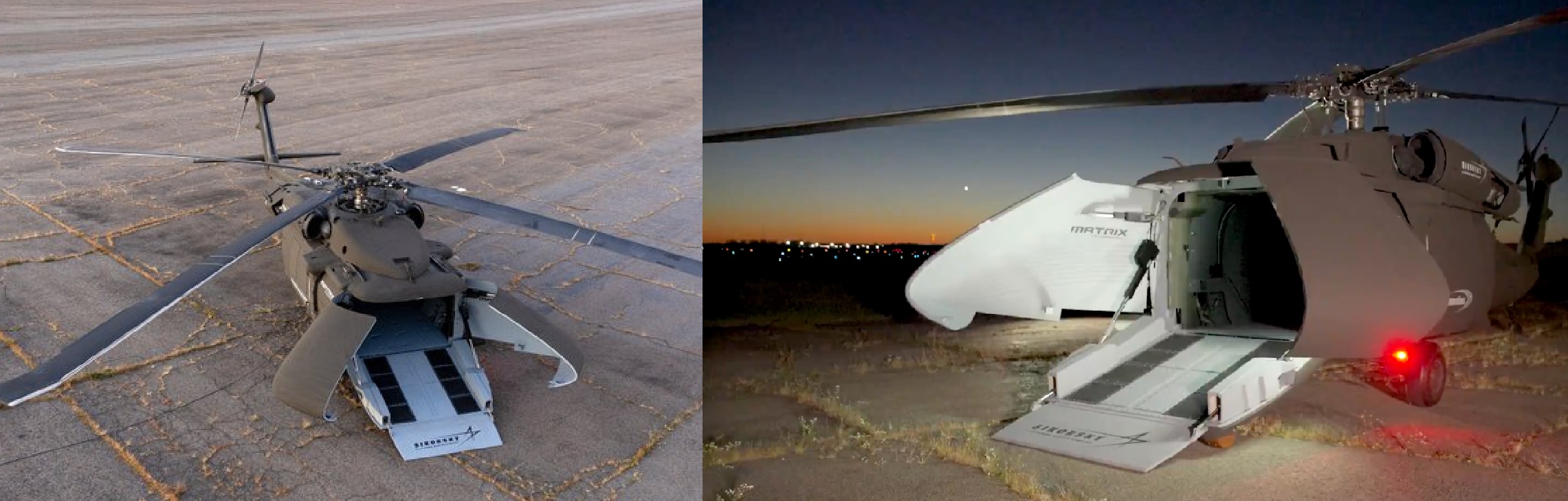
World
Sikorsky, a Lockheed Martin company, has developed the S-70UAS U-Hawk, an unmanned aerial system (UAS) based on the UH-60L Black Hawk helicopter. This conversion eliminates the cockpit and crew stations, resulting in a fully autonomous platform designed for logistics, support, and air-ground teaming missions. Design and Features The U-Hawk can carry up to 3,175 kg internally and 4,082 kg externally via sling load. Equipped with Sikorsky’s MATRIX™ autonomy suite and a fly-by-wire control system, it can self-deploy over 1,600 nautical miles and loiter for up to 14 hours without refueling. The aircraft features front clamshell doors and a rear cargo ramp for easy loading, supporting modular mission kits for cargo transport, unmanned vehicle deployment, or precision strike payloads. Designed for operation by a single operator through a tablet interface, the U-Hawk transforms the legacy Black Hawk into a high-endurance, multi-mission autonomous platform. Its hinged clamshell nose and rear-lowering cargo ramp allow forward loading of oversized payloads, providing 25% more internal cargo space compared to the UH-60L Black Hawk. The aircraft can transport up to four Joint Modular Intermodal Containers (JMICs), accommodate larger items such as missiles and uncrewed ground vehicles, and carry internal fuel tanks for extended range operations. Autonomy and Control The U-Hawk utilizes Sikorsky's MATRIX autonomy technology, allowing operators to control the aircraft via a tablet. Operators input mission goals, and the system automatically generates and navigates the flight plan using cameras, sensors, and algorithms to ensure safe navigation to the destination. Specifications Cargo Capacity: 25% more internal cargo space than the UH-60L Black Hawk Payload: Up to four Joint Modular Intermodal Containers, missiles, uncrewed ground vehicles, and internal fuel tanks Autonomy: Fully autonomous flight from startup to shutdown using MATRIX technology Control Interface: Tablet-based mission planning and control Production and Development Sikorsky developed the U-Hawk in less than a year, transforming a UH-60L Black Hawk from concept to prototype in just 10 months. The aircraft was unveiled at the Association of the United States Army (AUSA) annual conference in Washington, D.C., in October 2025. Project Budget The project budget is estimated at $43 million, secured under a contract with the U.S. Army to fund modernization engineering efforts for the Black Hawk helicopter. This contract focuses on airframe enhancements and the development of a digital backbone to enable rapid integration of unmanned aerial systems and other advanced technologies. The Sikorsky S-70UAS U-Hawk represents a significant advancement in unmanned aerial systems, offering enhanced cargo capacity and autonomous capabilities for military logistics and support missions. Its design and features position it as a versatile platform for future air-ground operations.
Read More → Posted on 2025-10-13 16:36:46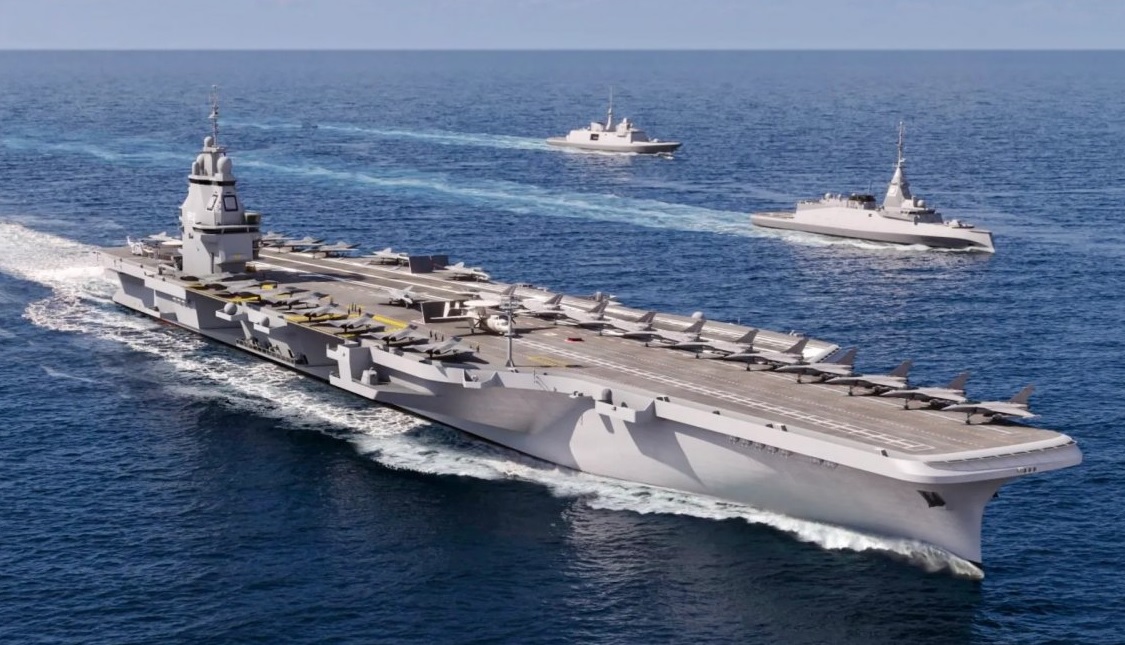
World
On September 25, 2025, Naval Group’s Cherbourg shipyard commenced welding of the first steel plate for the nuclear confinement enclosures of the Porte-Avions Nouvelle Génération (PA-NG), marking the official start of physical construction for France’s next-generation nuclear-powered aircraft carrier. This milestone follows a series of preliminary design and planning phases, including the completion of nuclear reactor studies in 2023. The PA-NG is designed to replace the current French aircraft carrier, Charles de Gaulle, which is expected to remain in service until the late 2030s. The new carrier aims to enhance France’s naval capabilities with advanced technologies and increased operational flexibility. Budget and Funding The estimated cost for the PA-NG project is between €8 billion and €10 billion. This budget includes design, construction, and integration of advanced systems, including the nuclear propulsion units and aviation facilities. The project represents a significant investment in France’s naval defense infrastructure. Design and Specifications Length: Approximately 310 meters Beam: 85 meters Displacement: Approximately 78,000 tonnes Speed: 27 knots Air Wing Capacity: Designed to accommodate up to 30 aircraft, including fighters, unmanned combat aerial vehicles (UCAVs), and helicopters Flight Deck Area: Approximately 17,200 square meters Nuclear Propulsion: Equipped with two K22 nuclear reactors, each providing 220 MW, ensuring extended operational range and reduced logistical dependencies Construction and Manufacturing The PA-NG is a collaborative program involving multiple organizations: Naval Group: Responsible for overall warship architecture, including aviation facilities and combat systems TechnicAtome: Tasked with design and integration of nuclear propulsion systems Chantiers de l’Atlantique: Handles platform production and ship assembly MO Porte-Avions: A joint venture between Naval Group (65%) and Chantiers de l’Atlantique (35%), overseeing program management Production Timeline While the initial steel cutting has begun, the main construction phase is scheduled to start around 2031, with sea trials projected for 2035. The PA-NG is expected to enter service around 2038, coinciding with the planned retirement of the Charles de Gaulle. Strategic Importance The PA-NG represents a significant advancement in France’s naval capabilities, providing enhanced power projection and operational flexibility. Its nuclear propulsion system offers extended operational range, while its advanced flight deck and aviation facilities support a diverse air wing. The carrier’s design and construction are integral to maintaining France’s strategic presence on the global stage. As the project progresses, further details on the PA-NG’s systems and capabilities are expected to be released, providing a clearer picture of its role in the future of the French Navy.
Read More → Posted on 2025-10-13 16:14:01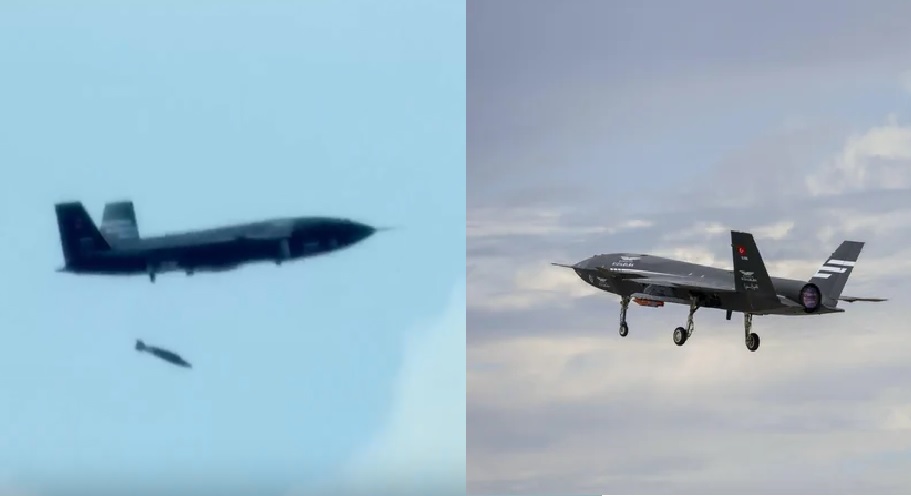
World
Baykar Technologies has announced that Türkiye’s first unmanned fighter jet, the Bayraktar Kızılelma, has successfully completed its first live-fire test. The test was conducted by the third prototype, PT-3, at the AKINCI Flight Training and Test Center in Çorlu, Tekirdağ. During two separate flights, the aircraft deployed ASELSAN's TOLUN precision munition and ROKETSAN's TEBER-82 winged guidance kit, achieving direct hits on designated targets. Specifications of Bayraktar Kızılelma The Bayraktar Kızılelma is a single-engine, jet-powered unmanned combat aerial vehicle (UCAV) developed under Türkiye's MIUS (Mücadele İnsansız Hava Aracı Sistemi) program. It features a low radar cross-section design, making it suitable for both land-based and carrier operations. Key specifications include: Wingspan: 10 meters Length: 14.5 meters Height: 3.5 meters Maximum Takeoff Weight: 8,500 kg Payload Capacity: 1,500 kg Cruising Speed: 0.6 Mach Maximum Speed: 0.9 Mach Combat Radius: 500 nautical miles (approximately 926 km) Operational Altitude: Up to 25,000 feet (7,620 meters) Service Ceiling: Up to 45,000 feet (13,716 meters) The aircraft is powered by a turbofan engine developed through a Turkish-Ukrainian collaboration. It is equipped with advanced avionics, including AESA radar, electro-optical targeting systems, and infrared search and track (IRST) capabilities. The Kızılelma is designed to operate autonomously or in coordination with manned aircraft, serving as a "loyal wingman" in combat scenarios. Production and Development Timeline The Kızılelma project was initiated in 2021, with the first prototype completing its maiden flight in December 2022. The PT-3 prototype, which conducted the recent live-fire tests, is considered the production prototype, featuring significant upgrades in airframe design, engine performance, and avionics. Baykar Technologies began mass production of the Kızılelma in October 2024, with plans to produce over 10 units by 2026. The successful live-fire test marks a significant milestone in the development of Türkiye's indigenous unmanned combat capabilities. With its advanced specifications and production plans, the Bayraktar Kızılelma is poised to enhance Türkiye's defense capabilities in the coming years.
Read More → Posted on 2025-10-13 15:54:18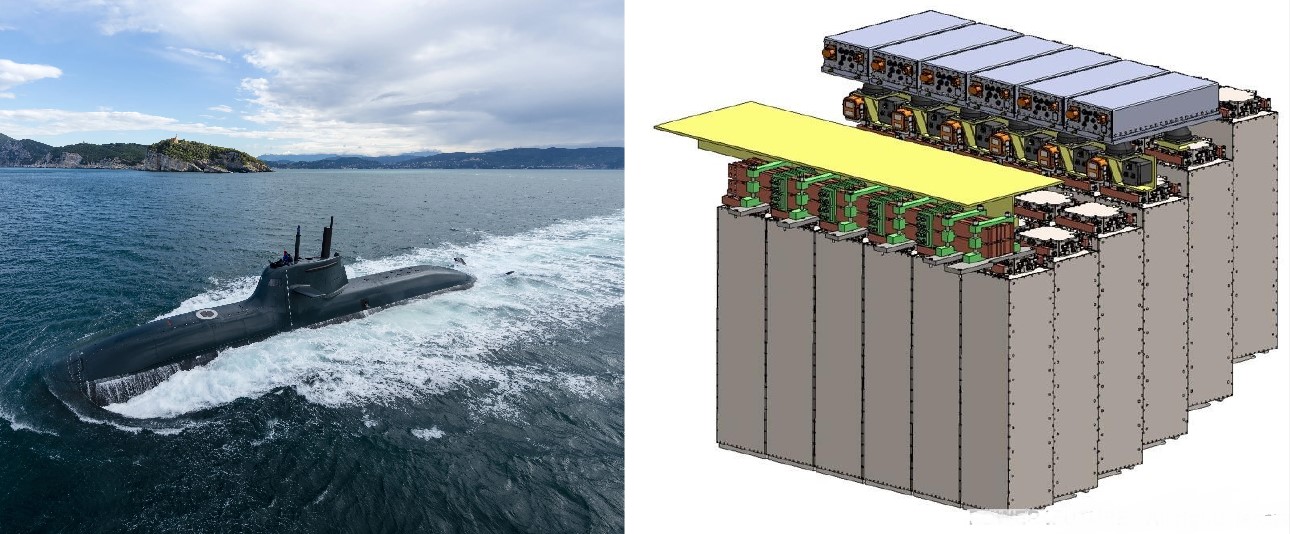
World
On 7 October 2025, the Organisation for Joint Armament Co-operation (OCCAR) announced the successful completion of the Critical Design Review (CDR) for the Lithium Battery System (LBS) of the U212 Near Future Submarine (NFS) Programme. This review confirmed that the LBS meets all design and mission requirements, allowing the programme to proceed to manufacturing, system integration, and qualification. The U212 NFS is a collaborative programme led by OCCAR in coordination with Italy’s Ministry of Defence and Fincantieri, the prime contractor. The programme focuses on developing a class of submarines for the Italian Navy with improved stealth, endurance, and operational flexibility. The first submarine in this class is expected for delivery in early 2029. The U212 NFS will be the first Western submarine designed specifically for a lithium-based battery system, representing an advance in submarine propulsion technology. The Lithium Battery System provides higher energy density, lower maintenance requirements, and improved safety compared with traditional lead-acid batteries. Developed entirely by Italian industry, the LBS will be produced in Italy at one of Europe’s largest gigafactories, built specifically for this purpose. The system uses lithium iron phosphate (LFP) chemistry, known for reliability and stability, and has undergone testing and certification to meet the required safety standards for submerged operations. Integration with the submarine’s Air Independent Propulsion (AIP) fuel cell system will enhance autonomy and energy efficiency. From a contractual perspective, the programme has been supported by significant investment. In February 2021, OCCAR and Fincantieri signed the first-phase contract for the U212 NFS Programme, valued at €1.35 billion. The agreement covers the development of the submarine class, procurement of two units, construction of a training centre, and ten years of technical-logistic support. Subsequent contract amendments included upgrades such as periscope improvements and studies for a Special Operations Submarine variant. The latest amendment in July 2025 further supports the enhancement of the U212 NFS capabilities. The CDR for the LBS was endorsed by representatives from the Naval Armament Directorate, the Italian Navy General Staff, Fincantieri, and OCCAR, confirming alignment among all stakeholders and allowing the next steps in the programme. OCCAR emphasized its role in coordinating institutional, industrial, and governmental actors to support European defence cooperation through programme management and long-term capability development. The milestone also highlights the technical expertise of Fincantieri, which is central to delivering this propulsion system for the Italian Navy. As the programme moves forward with production and integration, the U212 Near Future Submarines will provide the Italian Navy with improved performance, endurance, and stealth, reflecting Italy’s role in defence technology and energy innovation for underwater platforms.
Read More → Posted on 2025-10-13 15:00:18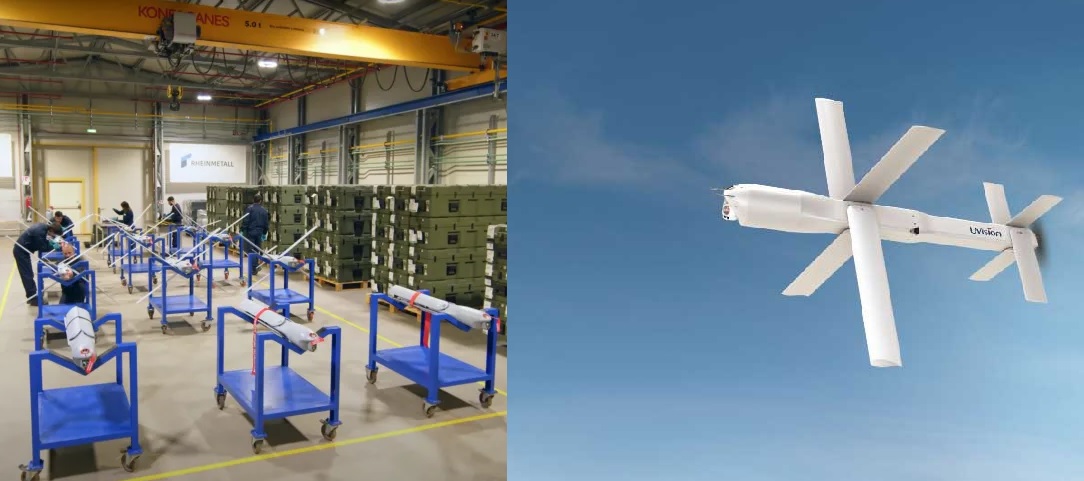
World
Rheinmetall has begun full-speed series production of UVision’s HERO loitering munitions at two RWM Italia plants in Sardinia, with assembly and electronics in Musei and warhead manufacture and integration in Domusnovas. This production increase supports a European order backlog exceeding €200 million and is part of Rheinmetall’s broader uncrewed and counter-UAS portfolio, marketed as a sensor-to-effector ecosystem. The work in Sardinia is organized to separate airframe assembly and electronics from warhead integration. Musei handles the assembly of airframes and electronics, while Domusnovas focuses on warhead manufacture and integration. This separation improves workflow efficiency and safety while ensuring that the production lines can meet European demand. The HERO family includes several variants designed for different operational requirements. The HERO 30 is a short-range, man-portable system weighing approximately 7.8 kg, with a 0.5 kg warhead, a maximum range of 20 km, and a 30-minute endurance. The HERO 120 is a medium-range system intended for precision strikes against armored vehicles and fixed positions, with higher endurance and warhead capacity. Larger variants, such as the HERO 400, HERO 900, and HERO 1250, provide extended range and endurance for engaging fortified or strategic targets, with the HERO 1250 able to operate up to 200 km and loiter for 6 hours. On production capacity, the Sardinian facilities have increased output compared with previous months. Current reporting indicates the combined lines are capable of producing several hundred units per month depending on the variant mix. The ramp-up ensures that Rheinmetall can fulfill existing European contracts efficiently while remaining flexible to adapt production according to customer requirements and specific HERO models. The integration of HERO into Rheinmetall’s defense portfolio emphasizes interoperability within a sensor-to-effector framework. Detection, command and control, and the munitions themselves are designed to work together within a broader uncrewed and counter-UAS ecosystem, allowing operators to coordinate surveillance and strike operations more efficiently. Practical considerations for this production include skilled labor, quality control for energetic components, and secure facilities for testing and acceptance. Full-speed production in Musei and Domusnovas allows Rheinmetall to meet current European demand while maintaining safety and workflow standards.
Read More → Posted on 2025-10-13 14:32:27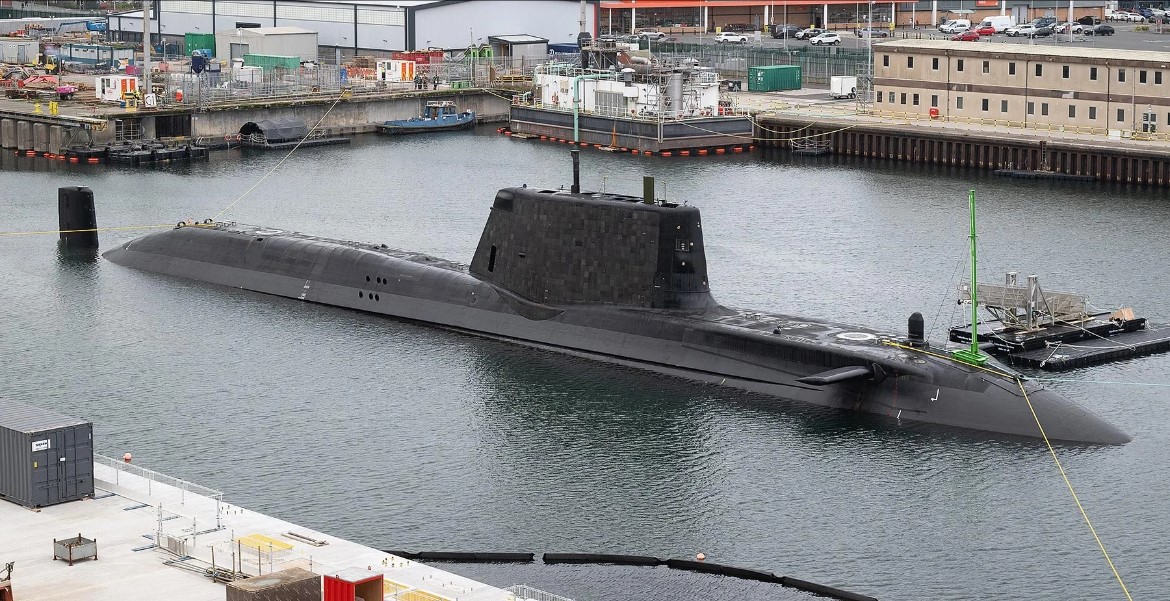
World
The Royal Navy's sixth Astute-class nuclear-powered attack submarine, HMS Agamemnon (S123), has successfully completed a three-day trim dive at Devonshire Dock in Barrow-in-Furness. This milestone is critical to testing the submarine’s stability, internal weight distribution, watertight integrity, and sensor systems, marking a key step ahead of her departure to join the fleet at His Majesty’s Naval Base Clyde. The event follows the submarine's official commissioning by King Charles III on September 22, 2025. Trim Dive and Commissioning Commander David 'Bing' Crosby, HMS Agamemnon’s commanding officer, explained:"The trim and basin dive is a key step in the commissioning of HMS Agamemnon. This period enables us to set the boat’s internal weight, prove her watertight integrity, test sensors and put some of our systems through their paces ahead of sailing for the first time." Pete Tumelty, Astute Programme Director at BAE Systems’ Submarines business, added:"This trim dive is the culmination of months of hard work. I’d like to thank all teams involved for their commitment and professionalism. We’re incredibly proud of the contribution we’re making to the nation’s security and Barrow’s long and distinguished heritage as the home of UK submarine design and build." Henry Musgrave, Head of the Astute Delivery Team at the Submarine Delivery Agency, noted:"The successful completion of HMS Agamemnon’s trim dive marks a pivotal milestone in our mission to safely deliver available and capable submarines to the Royal Navy in defence of our nation. This achievement reflects the exceptional collaboration between the SDA and our partners across the Defence Nuclear Enterprise." Specifications and Capabilities Length: 97 metres Displacement: 7,400 tonnes Propulsion: Rolls-Royce PWR2 nuclear reactor, providing essentially unlimited range, limited only by crew provisions Crew: 98 personnel Armament: 6 x 533 mm torpedo tubes, up to 38 weapons, including Tomahawk Land Attack Cruise Missiles (range ~1,000 miles) and Spearfish heavyweight torpedoes The submarine can operate across a variety of roles, including strategic deterrence, intelligence gathering, and supporting carrier strike groups. Construction and Program Details HMS Agamemnon is the sixth of seven Astute-class submarines being constructed by BAE Systems under a £1.4 billion contract. Alongside Astute-class builds, BAE Systems is constructing four Dreadnought-class submarines, the future replacements for the Vanguard-class boats that currently deliver the Continuous At Sea Deterrent (CASD). The Dreadnought-class is expected to enter service in the early 2030s. Design work is also underway on future AUKUS nuclear-powered attack submarines in partnership with the UK, US, and Australia. BAE Systems Workforce Growth To support the busy submarine program and growing order book, BAE Systems’ submarines workforce has expanded from 10,700 employees in 2023 to 15,000 today. This is projected to reach 17,000 in the coming years, reflecting the company’s long-term commitment to UK submarine capabilities. Strategic Importance HMS Agamemnon’s commissioning strengthens the Royal Navy’s operational readiness and nuclear deterrent capabilities, ensuring at least one submarine is deployed continuously at sea, safeguarding the nation’s security. The successful trim dive confirms that the submarine is ready to progress toward sea trials and eventual full operational deployment.
Read More → Posted on 2025-10-13 13:57:33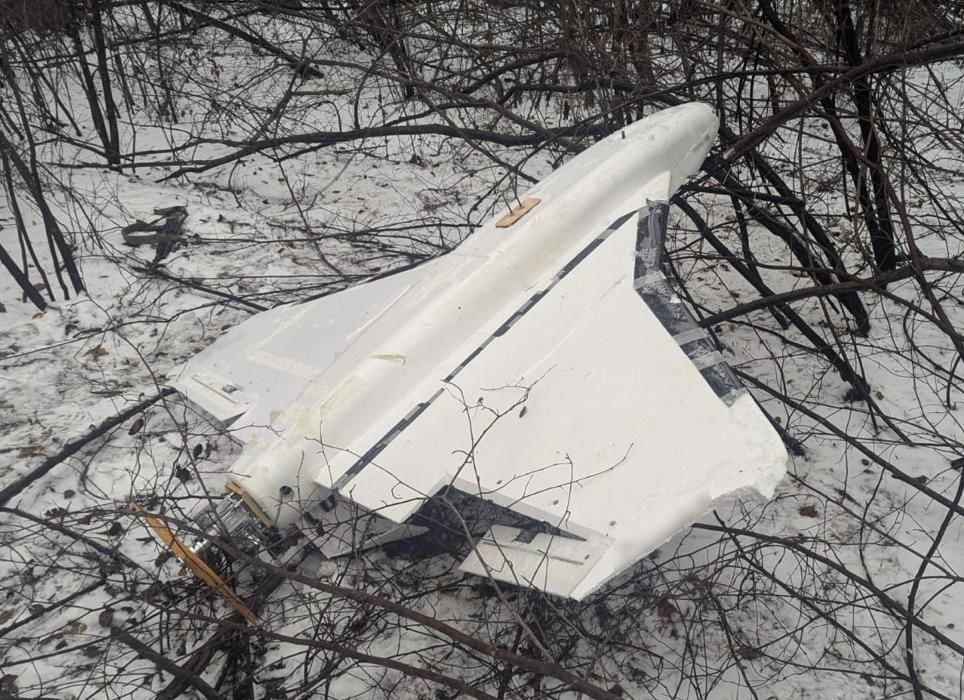
Russia Upgrades Gerbera Decoy Drones with Automatic Evasion Systems Against Ukraine FPV Interceptors
World
Russia has started equipping its Gerbera decoy drones with automatic evasion systems to counter Ukrainian FPV interceptors. This development represents a tactical adaptation, as operators are adding sensor suites and programmed flight responses to low-cost Gerbera loitering drones so they can detect and react to small, fast interceptors flown by operators using first-person-view (FPV) systems. The Gerbera began as a low-cost, fixed-wing loitering UAV often used as a decoy. Launched in groups to force defenders to reveal radar coverage or expend interceptors, it is inexpensive compared with larger attack drones. Ukrainian FPV interceptors—small multirotor or winged drones piloted by a live video feed—have proven effective at colliding with or destroying these decoys. To reduce losses, some Gerberas have been fitted with what are being called automatic evasion systems. An automatic evasion system on a Gerbera is not a single device but an integrated package of sensors and software. These typically include small auxiliary cameras or optical sensors, sometimes supplemented by radio-frequency (RF) or infrared (IR) detectors, all linked to the drone’s autopilot through a microcontroller running a short set of evasive routines. The sensors monitor approaching objects; when a likely interceptor is detected—based on relative motion, size, or bearing—the autopilot performs a pre-programmed maneuver such as a sharp turn, dive, or climb to break the interceptor’s pursuit path. In practice, this is effective because many FPV interceptors rely on a straight pursuit path guided by video tracking. A sudden, automated change of direction by the target can cause the interceptor to miss or lose lock. Since the reaction is automatic and near-instant, it can outperform a human operator’s response time. Most systems appear to use simple detection logic rather than complex AI—based on motion thresholds and predefined flight scripts—which ensures quick reactions and minimal processing load. Equipping Gerberas with these kits changes the operational trade-off. A drone fitted with cameras, processors, and detectors costs more per unit, but each surviving decoy maintains the saturation effect of a mass strike and forces defenders to expend additional interceptors. The main capability gained is higher survivability against low-cost pursuit drones while keeping the Gerbera’s basic navigation and flight functions intact. Typical specifications of the Gerbera remain consistent across batches. It is a lightweight, fixed-wing airframe with an approximate wingspan of 2 to 2.5 meters, powered by a small gasoline engine with a pusher propeller. The drone’s maximum speed is around 120–160 km/h, and its payload capacity allows the addition of light sensors and electronics. The evasion module itself generally includes rear- and top-mounted cameras, a miniature autopilot board, and basic processing software to execute maneuvers. These components fit within the Gerbera’s payload limit and can be swapped or updated quickly in field conditions. Limitations remain. Optical sensors can register false positives from birds or debris and lose effectiveness in low light or fog. Aggressive evasive maneuvers risk loss of stability or navigation errors, while mild reactions may still allow impacts. Ukrainian FPV interceptors now face these new challenges in targeting automated-evasion Gerberas. In response, interceptor teams are updating their systems with improved pursuit algorithms and refined pilot techniques—adding features like predictive tracking, rapid reacquisition routines, and coordinated multi-drone attack profiles to regain engagement success. These updates restore some effectiveness, but practical difficulties—sensor blind spots, environmental conditions, and the continual need for tactical adaptation—mean the challenge is reduced, not eliminated.
Read More → Posted on 2025-10-13 12:55:49
World
In October 2025, leaked Russian military documents revealed plans to produce over 1,000 units of the T-90M2 Ryvok-1 main battle tank by 2029. This initiative aims to bolster Russia's armored capabilities, particularly in response to losses incurred during the ongoing conflict in Ukraine. T-90M2 Ryvok-1: Specifications The T-90M2 Ryvok-1, also known as Object 188M2, is an advanced variant of the T-90M main battle tank. Key specifications include: Engine: V-92S2F multi-fuel diesel engine producing 1,130 horsepower, providing a power-to-weight ratio of approximately 23.5 hp/ton. Armament: 125mm 2A46M-5 smoothbore gun capable of firing a variety of munitions, including guided missiles. Armor: Composite and reactive armor enhancements for improved protection against modern anti-tank threats. Active Protection System: Arena-M system to intercept incoming projectiles. Crew Compartment: Redesigned for enhanced ergonomics and situational awareness, featuring larger video-observation displays. Transmission: Upgraded to address mechanical issues and include a reverse gear. Production Plans and Timeline According to the leaked documents, Uralvagonzavod, Russia's primary tank manufacturer, plans to initiate limited production of the T-90M2 Ryvok-1 in 2026, starting with 10 units. Production is expected to increase significantly, with a total of 1,118 units of both T-90M and T-90M2 tanks planned for completion between 2027 and 2029. The broader program, covering 2026–2036, aims to produce, modernize, or overhaul a total of 1,783 T-90M and T-90M2 tanks. Current Fleet and Operational Context As of late 2025, Russia's T-90 fleet has experienced significant attrition in the conflict with Ukraine. Estimates suggest that between 540 and 630 T-90M tanks have been produced since the war's onset, with over 130 destroyed in combat. This leaves approximately 410 to 500 units in service, constituting about 15% of the tanks deployed on the front lines. The T-90M2 Ryvok-1 is intended to replace these losses and enhance Russia's armored forces. Strategic Implications The accelerated production of the T-90M2 Ryvok-1 reflects Russia's strategic emphasis on rebuilding its armored capabilities. The integration of advanced technologies and design improvements aims to enhance the tank's effectiveness in modern warfare scenarios. However, challenges such as production bottlenecks and the need for skilled personnel may impact the timely delivery of these tanks. The T-90M2 Ryvok-1 represents a significant advancement in Russia's main battle tank fleet, combining lessons learned from ongoing conflicts with technological enhancements. Its successful integration into service will depend on the resolution of production and logistical challenges.
Read More → Posted on 2025-10-13 12:20:44
World
Hamas on Monday released the last 20 surviving Israeli hostages under a ceasefire deal brokered by US President Donald Trump, marking a major step toward ending the Gaza conflict. The handover took place as Trump arrived in Israel for a brief visit ahead of a regional peace summit in Egypt, declaring that the “war is over.” According to the Israeli military and the Shin Bet security service, seven hostages were first transferred to the custody of the International Committee of the Red Cross (ICRC) inside Gaza and were being brought to Israeli forces. Later in the day, Israeli officials confirmed that a total of 20 living hostages had been freed. The exchange forms part of a broader ceasefire agreement that also includes Israel’s release of nearly 2,000 Palestinian detainees, among them individuals convicted of attacks against Israelis. The mood in Tel Aviv’s Hostages Square turned emotional as news of the releases spread. Families of those freed and others still missing gathered in large numbers, celebrating through tears and song. Many expressed mixed emotions — relief for those returning home and sorrow for those who did not survive captivity. Israeli officials have said that not all of the deceased hostages’ remains are expected to be returned immediately. Under the terms of the agreement, Hamas is also expected to hand over the bodies of 27 captives who died in Gaza, along with the remains of a soldier killed in 2014 during a previous conflict. In return, Israel will free about 250 long-term prisoners as part of the initial exchange, while an additional 1,700 Palestinians detained during the recent fighting will be released gradually. The deal follows nearly two years of conflict that began with Hamas’s October 7, 2023 attack on Israel, when 251 people were taken hostage and more than 1,200 were killed, most of them civilians. Since then, multiple short truces and partial exchanges have taken place, but this is the first agreement to include all remaining living hostages. According to figures from Gaza’s health ministry, considered credible by the United Nations, more than 67,000 people have been killed during Israel’s subsequent military campaign, with over half believed to be women and children. In Gaza, the ceasefire brought a rare moment of calm. Displaced residents began returning to their devastated neighborhoods. “My eyes kept searching for landmarks I had lost — nothing looked the same,” said Fatima Salem, a resident of Gaza City’s Sheikh Radwan district. “We will pitch a tent next to the rubble of our home and wait for reconstruction.” President Trump’s visit to Israel was aimed at consolidating the ceasefire and preparing for an international summit in Egypt, where more than 20 world leaders are expected to discuss Gaza’s future governance and reconstruction. Speaking to reporters aboard Air Force One, Trump expressed confidence that the truce would hold. “I think it’s going to hold. People are tired of it. The war is over,” he said. In Jerusalem, Trump met with families of the freed hostages and addressed the Israeli parliament, calling the ceasefire “the start of a new era for the Middle East.” He outlined his 20-point plan for Gaza, which envisions a gradual Israeli withdrawal from parts of the territory and the creation of a multinational stabilization force coordinated through a US-led command center in Israel. The plan also includes establishing a new governing body for Gaza to oversee reconstruction and humanitarian relief. Negotiations over the final details of the exchange continued until late Sunday night, with Hamas insisting that several senior Palestinian leaders be included among those released. Israeli officials have reportedly resisted some of those names, leaving further phases of the prisoner exchange uncertain. Following his visit to Israel, Trump will travel to Cairo for the peace summit, co-hosted with Egyptian President Abdel Fattah al-Sisi. The meeting is expected to focus on post-war arrangements, Gaza’s reconstruction, and long-term regional security guarantees. Trump said he holds firm commitments from both Israel and Hamas, as well as from regional partners, regarding the next stages of the agreement. He added that he would be “proud” to visit Gaza himself once security conditions permit.
Read More → Posted on 2025-10-13 12:00:55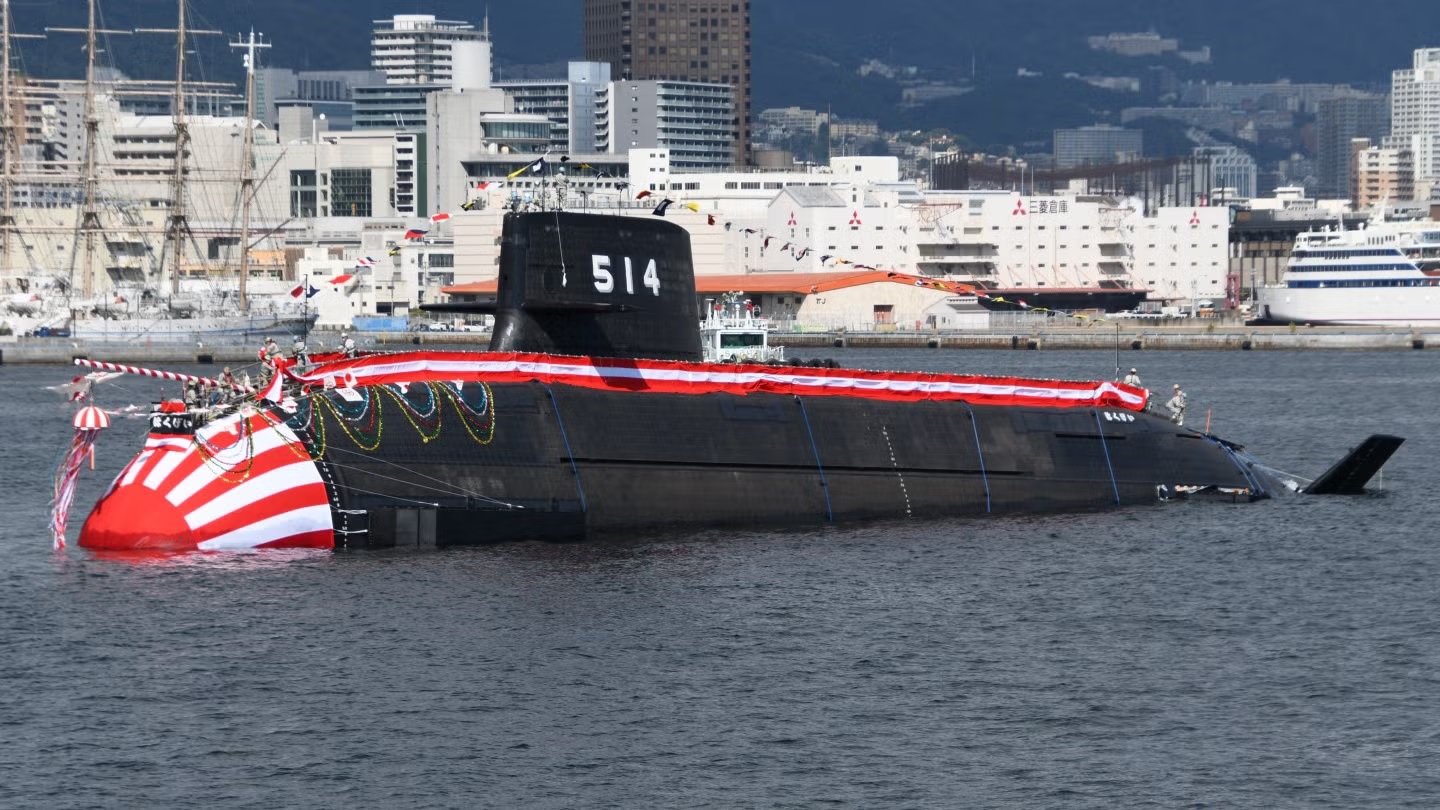
World
Japan’s Maritime Staff Office (MSO) announced that the naming and launching ceremony for the fiscal year 2022 submarine will take place on 14 October 2025 at Kawasaki Heavy Industries’ Kobe Shipyard. The submarine is expected to be SS-518, part of the Taigei-class series operated by the Japan Maritime Self-Defense Force (JMSDF). The launch continues Japan’s program to modernize its diesel-electric submarine fleet using lithium-ion battery technology. The Taigei-class is the latest generation of Japanese conventional submarines, developed after the Sōryū-class. These submarines are designed for longer underwater operation, with reduced need to surface or use snorkels. The use of lithium-ion batteries provides faster recharging, higher underwater speed, and quieter performance compared to older models. Kawasaki Heavy Industries and Mitsubishi Heavy Industries share responsibility for building these submarines. The launch of SS-518 adds another lithium-ion battery-powered submarine to the JMSDF fleet, following the lead boat JS Taigei (SS-513), commissioned in 2022. The Taigei-class has a displacement of about 3,000 tons, a length of approximately 84 meters, beam of 9.1 meters, and draught of 10.4 meters. It carries about 70 crew members and uses a diesel-electric propulsion system with large-capacity lithium-ion batteries. The submarine can reach submerged speeds of around 20 knots. The submarine is armed with six 533 mm torpedo tubes capable of launching Type 18 heavy torpedoes and UGM-84 Harpoon anti-ship missiles. It includes design improvements such as a “floating floor” structure and sound-absorbing coatings to reduce noise. The sonar system, identified as the ZQQ-8, offers improved detection of surface and underwater targets. The submarine has an “X”-shaped stern rudder for better maneuvering in coastal waters and an updated combat management system for coordination with other JMSDF assets. The addition of SS-518 will strengthen Japan’s submarine operations, particularly in monitoring nearby waters where Chinese and Russian naval activities are common. The Taigei-class emphasizes longer underwater endurance, reduced detection risk, and improved operational reliability for Japan’s undersea fleet.
Read More → Posted on 2025-10-12 15:57:18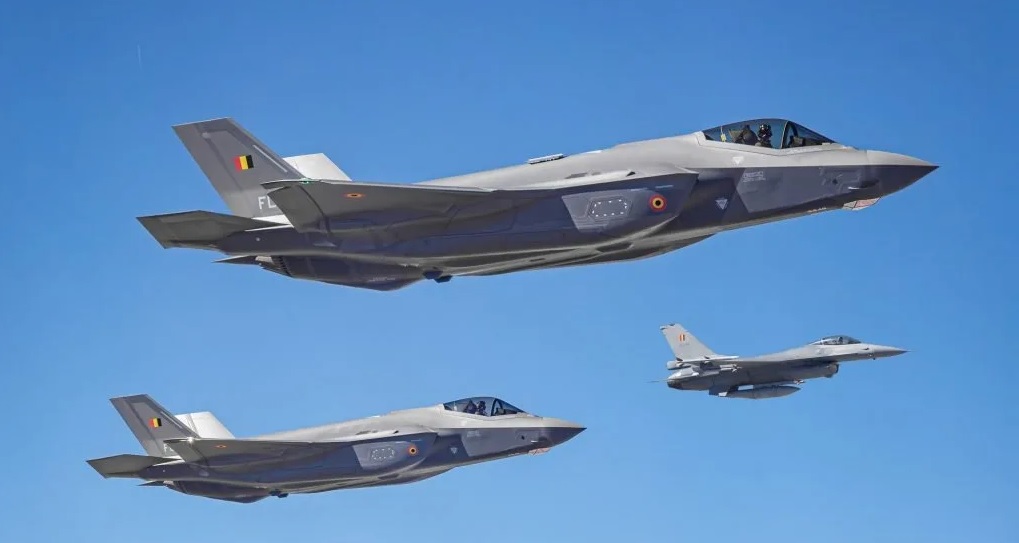
World
On Monday, October 13, 2025, Belgium received its first four F-35A Lightning II fighter jets at Florennes Air Base, marking a significant milestone in the country's defense modernization efforts. This delivery initiates the replacement of Belgium's aging fleet of F-16s with advanced fifth-generation aircraft, enhancing its capabilities within NATO's defense framework. F-35A Acquisition Deal and Budget In October 2018, Belgium officially selected the F-35A to replace its fleet of approximately 54 F-16s. The total purchasing price for the aircraft and its support until 2030 was $4.32 billion, $648 million less than the initially budgeted $4.97 billion. In July 2025, Belgium committed to purchasing an additional 11 F-35A jets, bringing the total fleet to 45. The investment for these 11 aircraft is estimated to cost between $1.08 billion and $1.62 billion, with an average unit price of around $86.4 million, including support and additional training. To support these acquisitions, Belgium's defense budget is set to rise from $11.66 billion to $19.66 billion, totaling $150.12 billion over the next decade. F-35A Arrival at Florennes Air Base The four F-35As, manufactured by Lockheed Martin, arrived at Florennes Air Base in Wallonia, Belgium, as part of the Belgian Air Component's transition to modernize its fleet. This transition is essential for maintaining operational effectiveness and interoperability with NATO allies. The aircraft were delivered from Lockheed Martin's production facility in Fort Worth, Texas, to Florennes Air Base. Impact on F-16 Transfers to Ukraine The arrival of the F-35As enables Belgium to fulfill its commitment to transfer 30 F-16 fighter jets to Ukraine by 2028. This decision aligns with NATO's collective defense objectives and supports Ukraine's defense capabilities amid ongoing regional tensions. The transfer of these aircraft is expected to commence in late 2025, following the completion of necessary training and logistical preparations. Belgium's Commitment to NATO and Ukraine Belgium's acquisition of the F-35A jets underscores its dedication to enhancing its defense posture and fulfilling international commitments. The decision to transfer F-16s to Ukraine reflects Belgium's support for NATO allies and its role in contributing to regional stability. The phased delivery of these aircraft will be coordinated to ensure seamless integration into the Ukrainian Air Force's operations. Future Outlook Looking ahead, Belgium plans to continue its modernization efforts by acquiring additional F-35As, with discussions underway to expand the fleet further. This strategic move aims to bolster Belgium's defense capabilities and maintain its contributions to NATO's collective security initiatives. In conclusion, the arrival of the F-35A jets at Florennes Air Base represents a pivotal development in Belgium's defense strategy, facilitating the planned transfer of F-16s to Ukraine and reinforcing Belgium's commitment to NATO and regional security.
Read More → Posted on 2025-10-12 14:39:19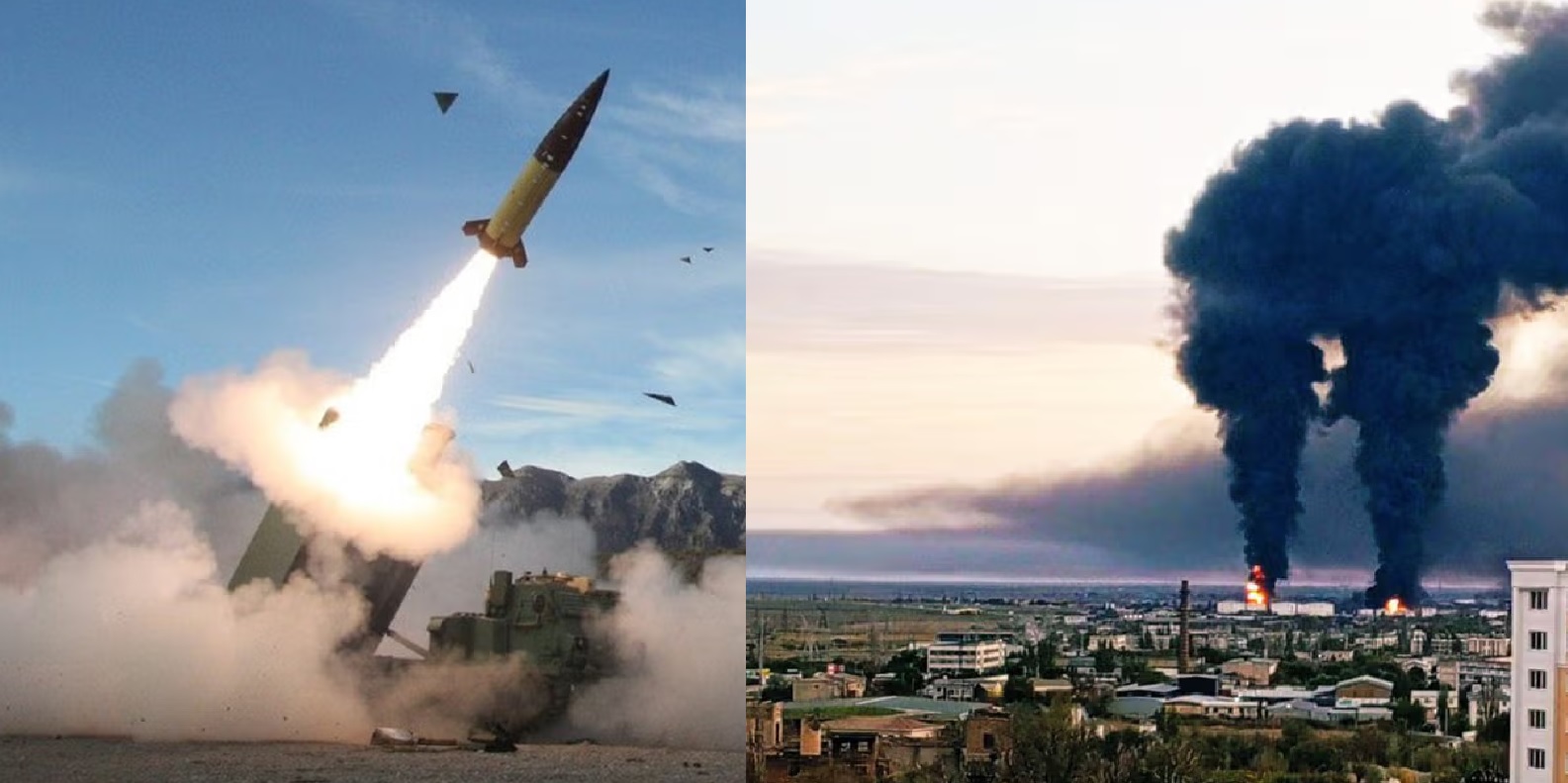
World
The United States has been assisting Ukraine in conducting long-range strikes on Russian energy facilities, aiming to weaken Russia's economy and compel President Vladimir Putin to negotiate. The coordinated effort, reported by the Financial Times on October 12, 2025, involves sharing intelligence that enables Ukraine to target energy infrastructure, including oil refineries, well beyond the front lines. Intelligence Sharing Enhances Strike Accuracy Since midsummer 2025, U.S. intelligence has been instrumental in guiding Ukrainian drone and missile attacks on Russian energy assets. This support includes providing information on the vulnerabilities of specific targets and assisting in route planning, thereby increasing the precision and effectiveness of the strikes. The campaign has led to significant disruptions in Russian oil refining operations, reducing refined fuel capacity by up to 20%, curtailing diesel exports, and forcing Russia to import fuel. These impacts have contributed to increased petrol prices within Russia Policy Shift Reflects Strategic Objectives The U.S. support for Ukraine's long-range strikes marks a shift in policy. Previously, the U.S. had been cautious about escalating the conflict. However, following a July 2025 call between U.S. President Donald Trump and Ukrainian President Volodymyr Zelenskyy, during which Trump reportedly questioned whether Ukraine could strike Moscow with U.S.-supplied long-range weapons, the U.S. administration became more actively involved in targeting and operational planning Impact on Russian Energy Sector The Ukrainian strikes have targeted key Russian energy facilities, including the Bashneft-UNPZ refinery. These attacks have significantly disrupted Russian oil refining operations, leading to a reduction in refined fuel capacity and a decrease in diesel exports. As a result, Russia has been forced to import fuel to meet domestic demand, and petrol prices have risen within the country The United States' intelligence support for Ukraine's long-range strikes on Russian energy infrastructure represents a strategic effort to weaken Russia's economy and pressure President Putin into negotiations. By providing critical intelligence, the U.S. has enabled Ukraine to conduct precise and impactful attacks on Russian energy assets, thereby influencing the course of the conflict.
Read More → Posted on 2025-10-12 14:16:10
World
On September 30, 2025, President Donald Trump spoke to top U.S. military commanders at Marine Corps Base Quantico amid a federal government shutdown that has lasted three weeks. He assured that American service members would receive their paychecks on October 15, despite the ongoing budget stalemate in Congress. Trump explained on Truth Social that his administration had “identified funds” to ensure timely payment. He instructed Secretary of War Pete Hegseth to “use all available funds” to facilitate the payroll, effectively bypassing the budget delay. According to the White House Office of Management and Budget, the administration plans to redirect around $8 billion from the Pentagon’s unused research, development, testing, and evaluation (RDT&E) funds from the previous fiscal year. These funds, which are available for two years, will temporarily cover military pay while the shutdown continues. This decision prevents service members from missing their first paychecks during the shutdown, a scenario that could have created public concern and political backlash. However, redirecting funds already allocated for other purposes may raise legal questions, as only Congress can authorize federal spending. Political dynamics add further complexity. Some Congressional Republicans have opposed passing a standalone bill to guarantee military pay, hoping pressure from voters will push Democrats to end the shutdown. While the Pentagon’s temporary solution uses leftover RDT&E funds, it may not be a long-term fix if the shutdown continues. There is also uncertainty about the Coast Guard, which is funded under the Department of Homeland Security. During past shutdowns, such as in 2019, Coast Guard members experienced delays in pay, showing that they remain vulnerable in this situation. Trump’s focus on military pay highlights the administration’s priority to support service members. At a recent Navy anniversary event, he said, “We will get our service members every last penny,” emphasizing the importance of timely compensation. The situation illustrates the tension between executive emergency measures and Congress’s constitutional authority over spending. While troops are expected to be paid next week, bypassing normal congressional procedures could lead to legal and political challenges if the shutdown continues.
Read More → Posted on 2025-10-12 14:08:59
World
Pakistan Claims It has captured 19 Afghan security posts along the Pak-Afghan border and targeted several militant hideouts in response to attacks by Afghan forces, according to Pakistani security sources. The operations were carried out in areas where Afghan forces reportedly fired on Pakistani posts and attempted cross-border infiltrations. Security sources stated that Afghan forces opened fire on Pakistani posts in Angoor Adda, Bajaur, Kurram, Dir, Chitral in Khyber Pakhtunkhwa, and Baramcha in Balochistan. Pakistani forces responded with prompt and effective retaliatory operations using artillery, tanks, light and heavy weapons, drones, and air support. “So far, Pakistan has captured 19 Afghan posts on the Afghan border from where attacks were being launched on Pakistan,” state broadcaster PTV News reported, citing security sources. Several Afghan soldiers were reportedly killed, and militant formations were forced to retreat due to the intensity of Pakistan’s response. Pakistani forces targeted Afghan military positions and militant hideouts, including Taliban and Daesh facilities operating under the protection of the interim Afghan government. Security sources said a Taliban tank position and the Second Battalion Headquarters of the First Brigade in Baramcha, reportedly used for deploying TTP militants, were destroyed, causing significant casualties and material losses. Additionally, Durani Camp No. 2, described as a central launch site for cross-border militant activity, was destroyed, with initial reports suggesting over 50 Taliban and foreign fighters were killed. Several Afghan posts, including Doran Mela, Turkmanzai, Afghani Shaheedan, and Jandoser in Kharlachi and Baramcha sectors, were also destroyed. Pakistan’s Interior Minister Mohsin Naqvi described the Afghan attacks on Pakistani posts as unprovoked and said Afghan forces fired on civilian populations, violating international laws. He emphasized that Pakistan’s forces responded decisively and remain alert to prevent further incursions. Security sources added that Afghan forces failed to provide covering fire for militants during the retaliatory strikes. Pakistani operations also targeted TTP and Daesh hideouts inside Afghanistan. Pakistani posts in Baramcha, Chagai district, came under fire as Afghan forces attempted infiltration into Pishin and Zhob districts, but these attempts were successfully repelled. State-run Radio Pakistan shared footage of Afghan posts on fire and Afghan soldiers surrendering in Kurram. Security sources reiterated that Pakistan’s response was strong, precise, and targeted at neutralizing terrorist threats along the border. Sources reported that Pakistani border posts in the Baramcha area of Chagai district, Balochistan, also came under attack, as Afghan forces allegedly opened indiscriminate fire with heavy weapons late on Saturday night.
Read More → Posted on 2025-10-12 11:22:14Search
Top Trending in 24 Hours
-
 Tulsi Gabbard Releases Declassified Files Detailing U.S.-Backed Network of 120 Biolaboratories Across 30+ Countries
-
 Dassault Seeks Compensation From Airbus as Eurodrone Dispute Erupts After FCAS Collapse
-
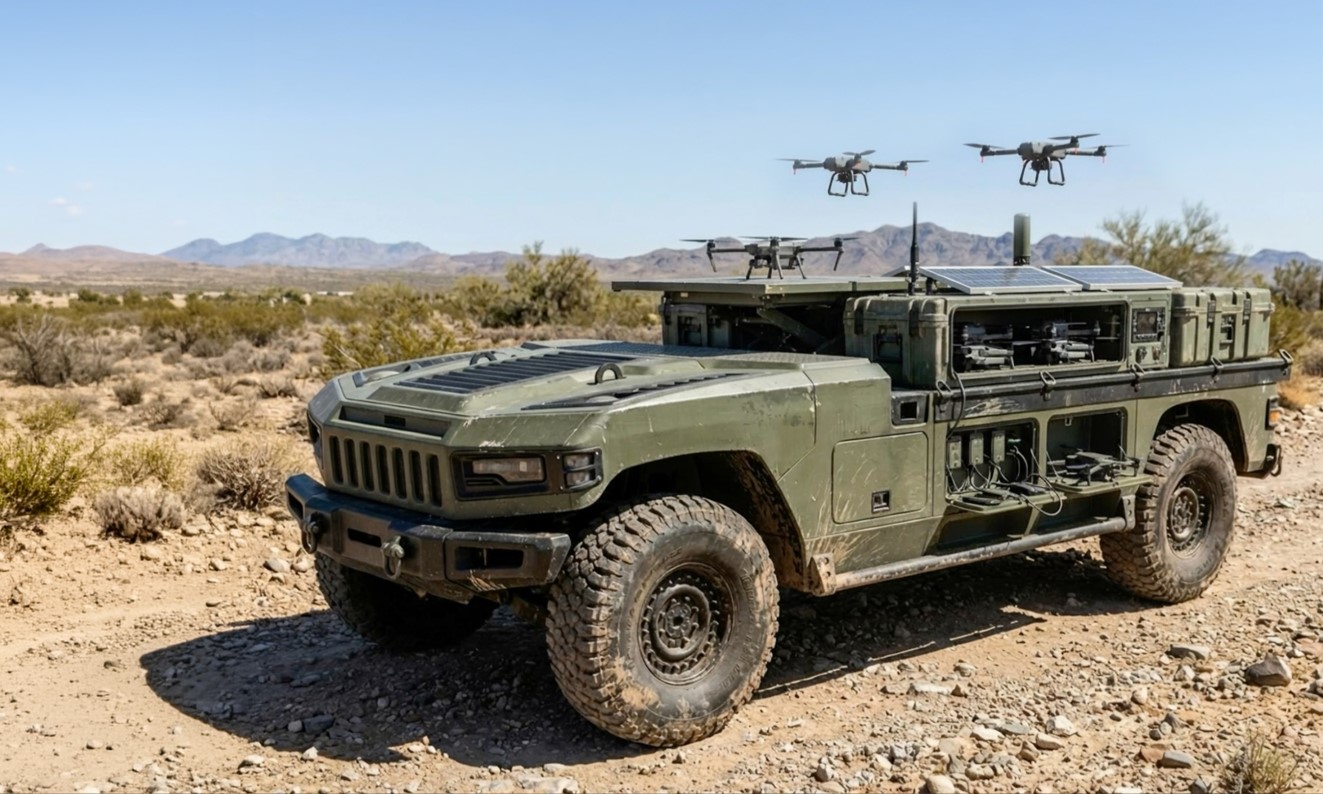 AM General Unveils Next-Generation UGV and JLTV A2 with Counter-Drone Systems at Eurosatory 2026
-
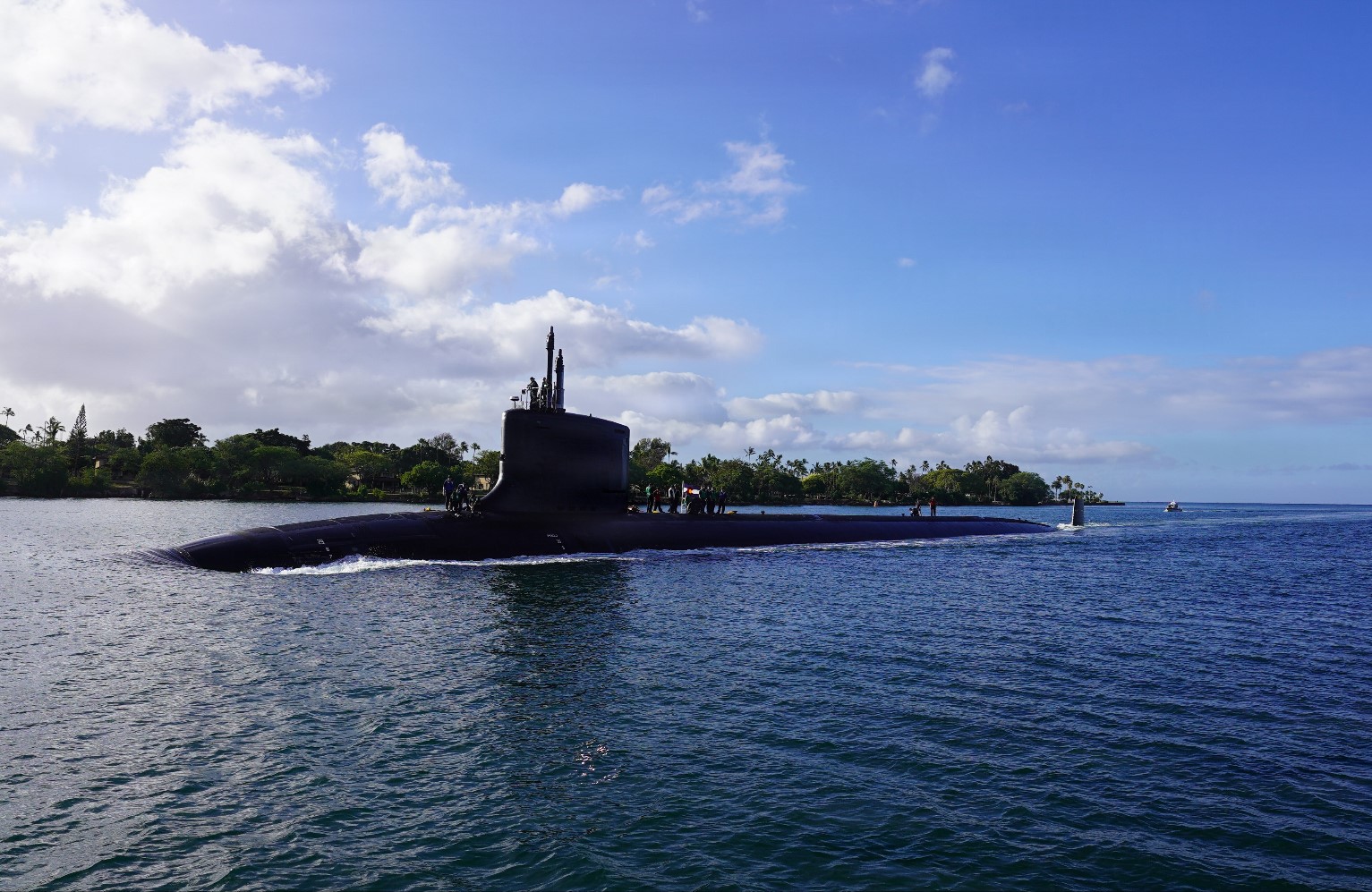 U.S. Navy's USS Colorado Submarine Returns to Pacific Fleet 29 Days Early After Major Pearl Harbor Overhaul
-
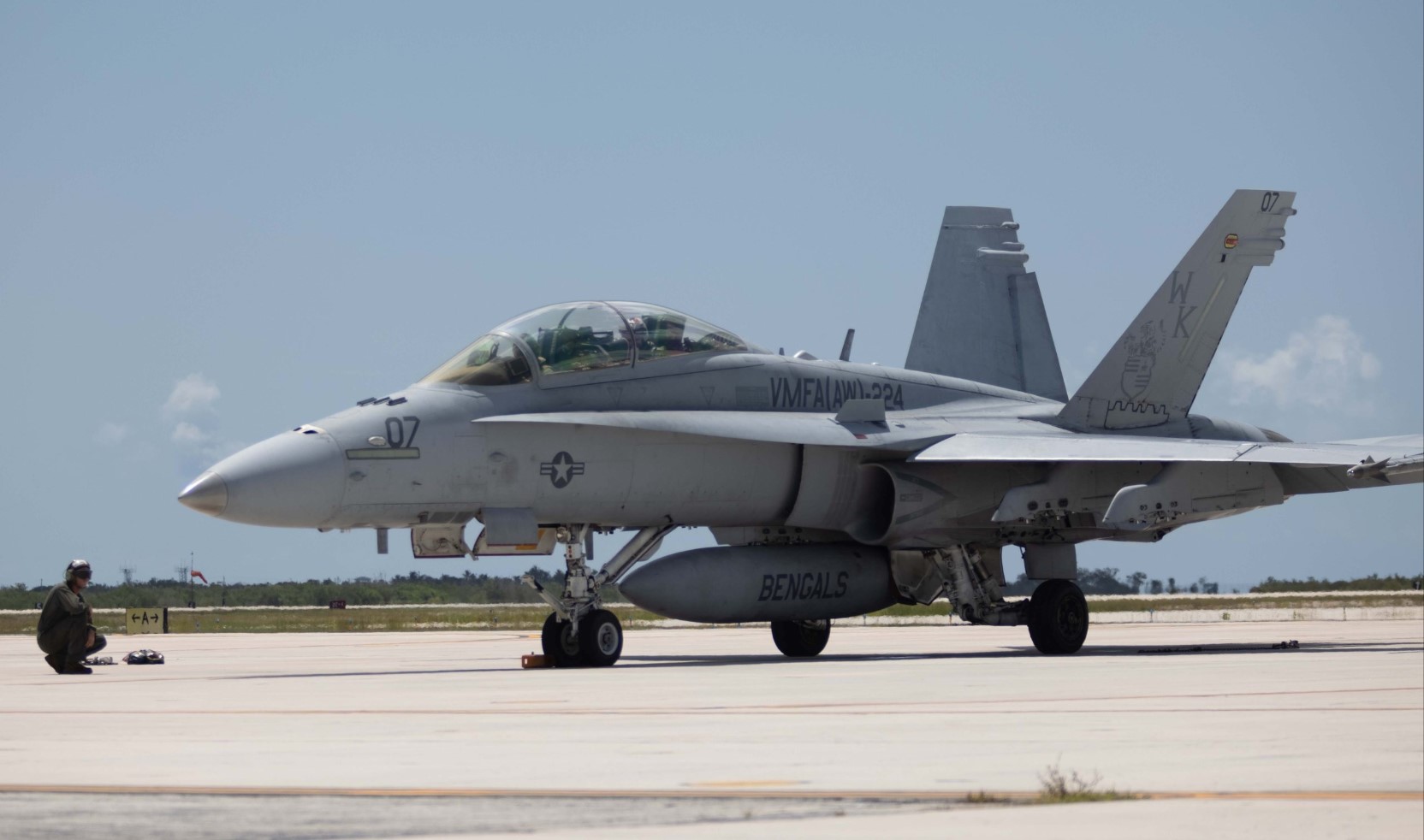 US Marine Corps F/A-18D Hornet Crashes During Training Flight in Washington Mountains; Pilot Ejects Safely
-
 Pakistan Raises Defence Budget from $9 Billion to $10.8 Billion as J-35 Fighter and Hangor Submarine Programs Advance
-
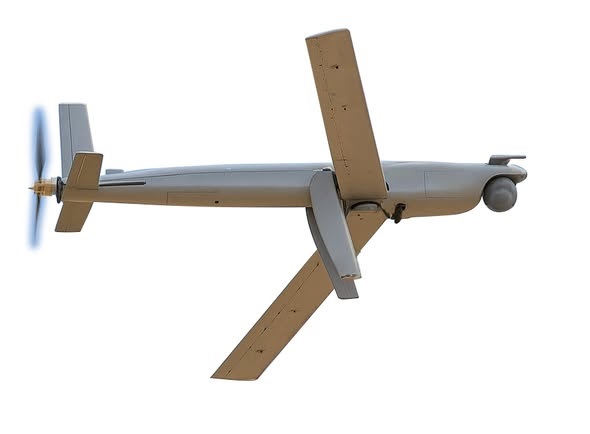 Elbit Systems and Diehl Defence Partner to Offer SkyStriker Loitering Munition to German Armed Forces
-
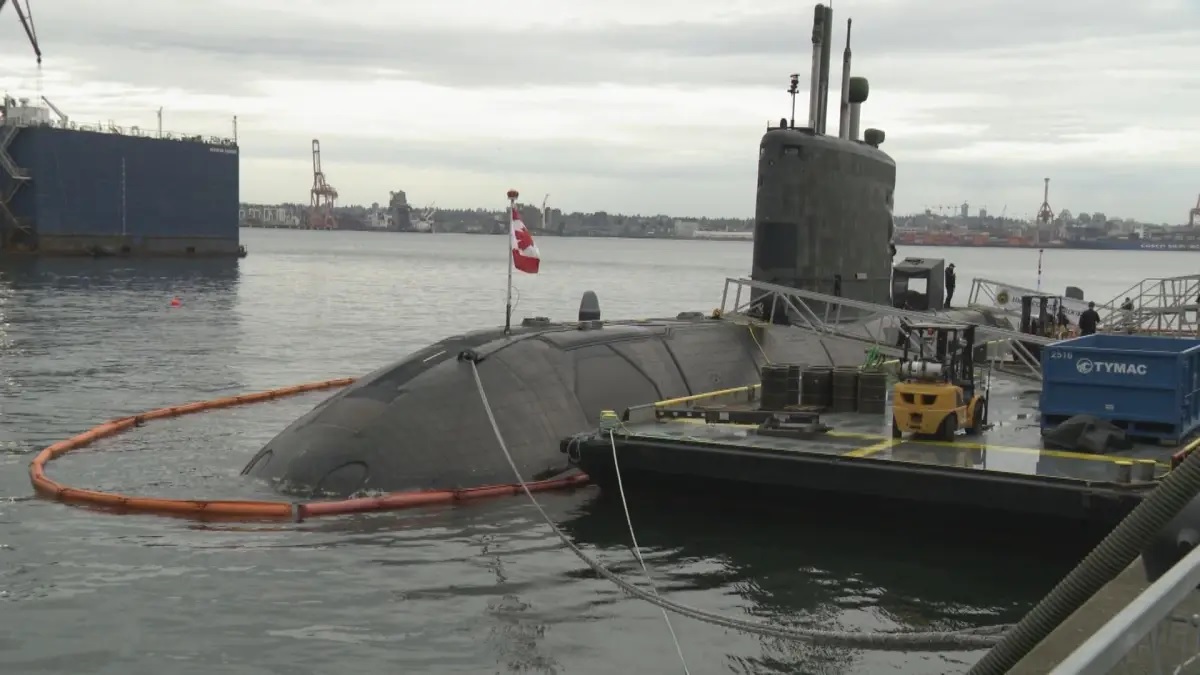 Royal Canadian Navy Deploys HMCS Corner Brook for First RIMPAC Submarine Mission in Over a Decade
Top Trending in 4 Days
-
 Iranian Media Leaks 14-Point U.S.-Iran Peace Framework Amid Ongoing Negotiations
-
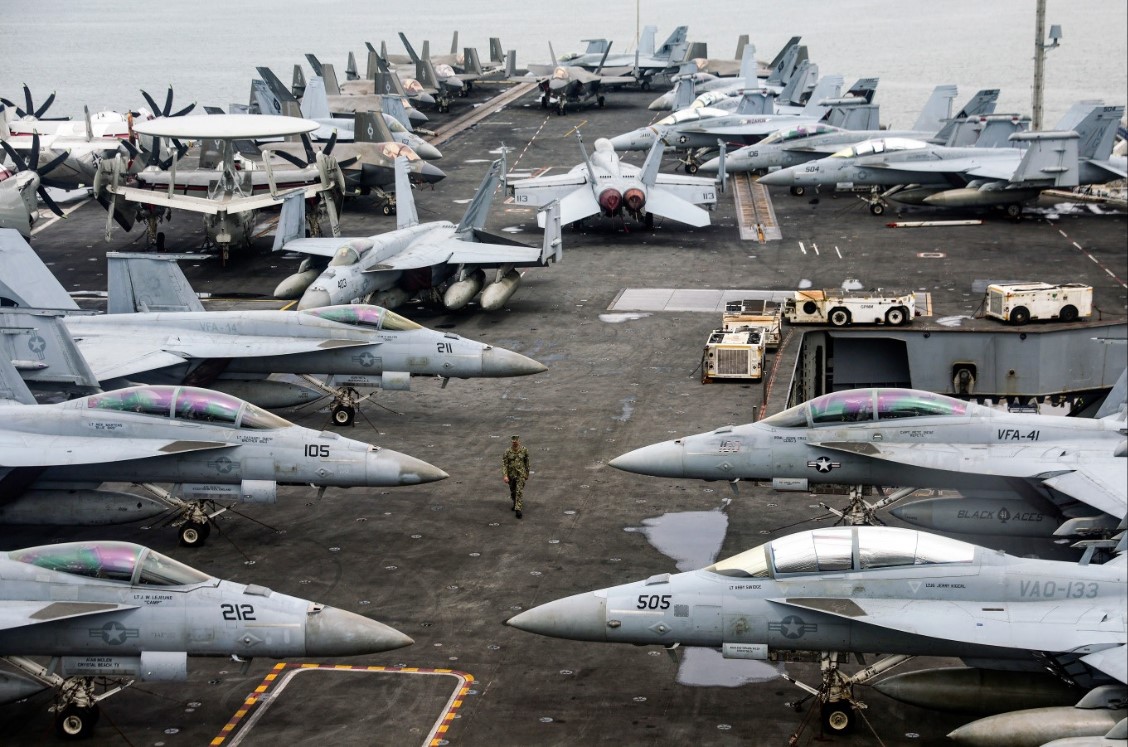 US Plans Significant Reduction of Fighter Jets and Warships for NATO Operations in Europe
-
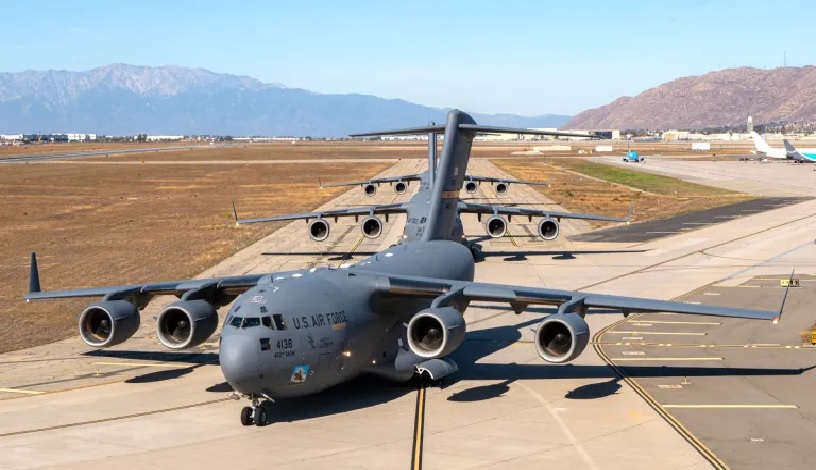 U.S. Air Force Faces Strategic Airlift Shortfall as C-17 Production Restart Remains Uncertain
-
 NATO Commander Says Russia Not Seeking Conflict With Alliance Despite U.S. Force Reductions
-
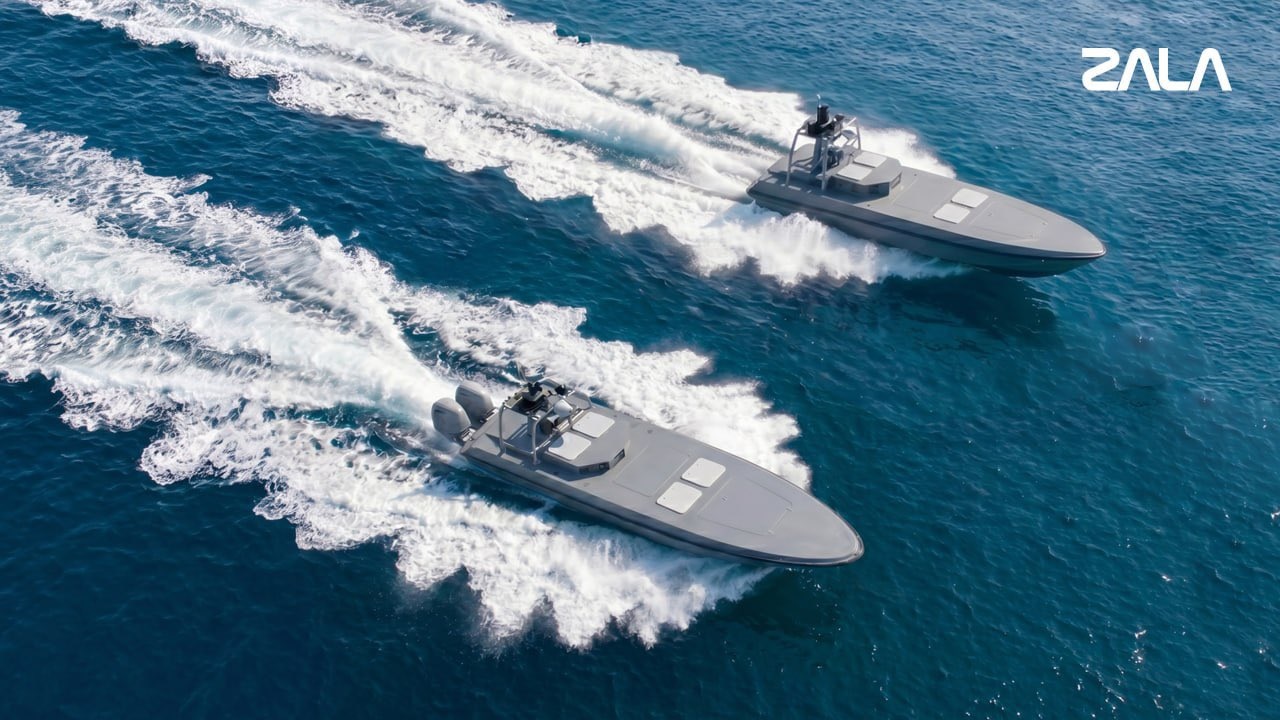 Russian Defense Firm ZALA Unveils KAMA Unmanned Surface Vessel Family at FLOT-2026 Naval Exhibition
-
 U.S. Space Force Awards $437.7 Million Contracts for First PTS-G Swarm 1 Anti-Jam Satellites
-
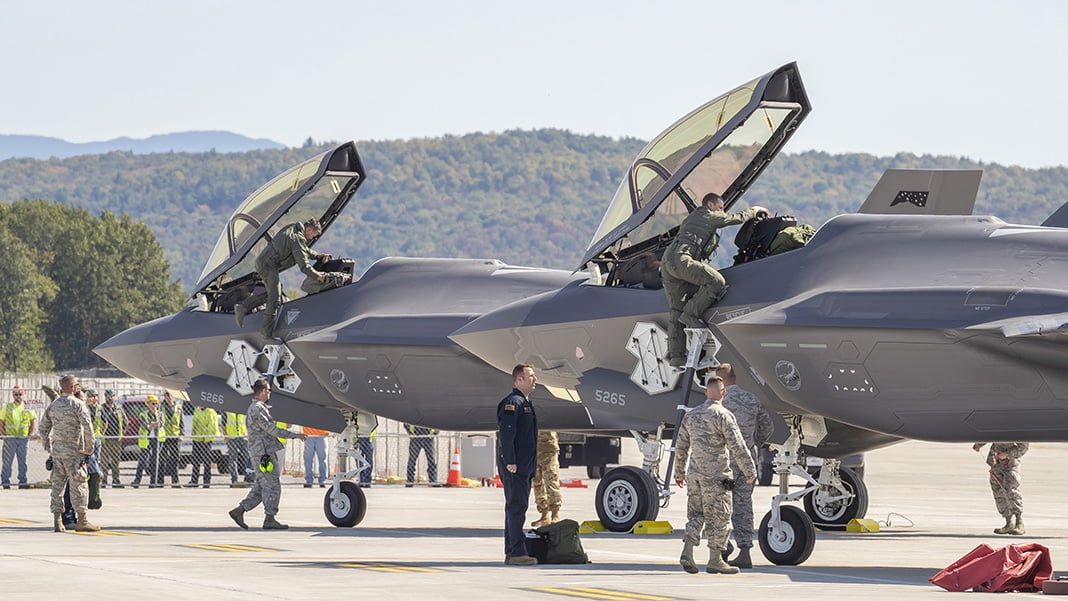 F-35 Fleet Readiness Falls to 25% Amid Parts Shortages and Software Delays: GAO Report
-
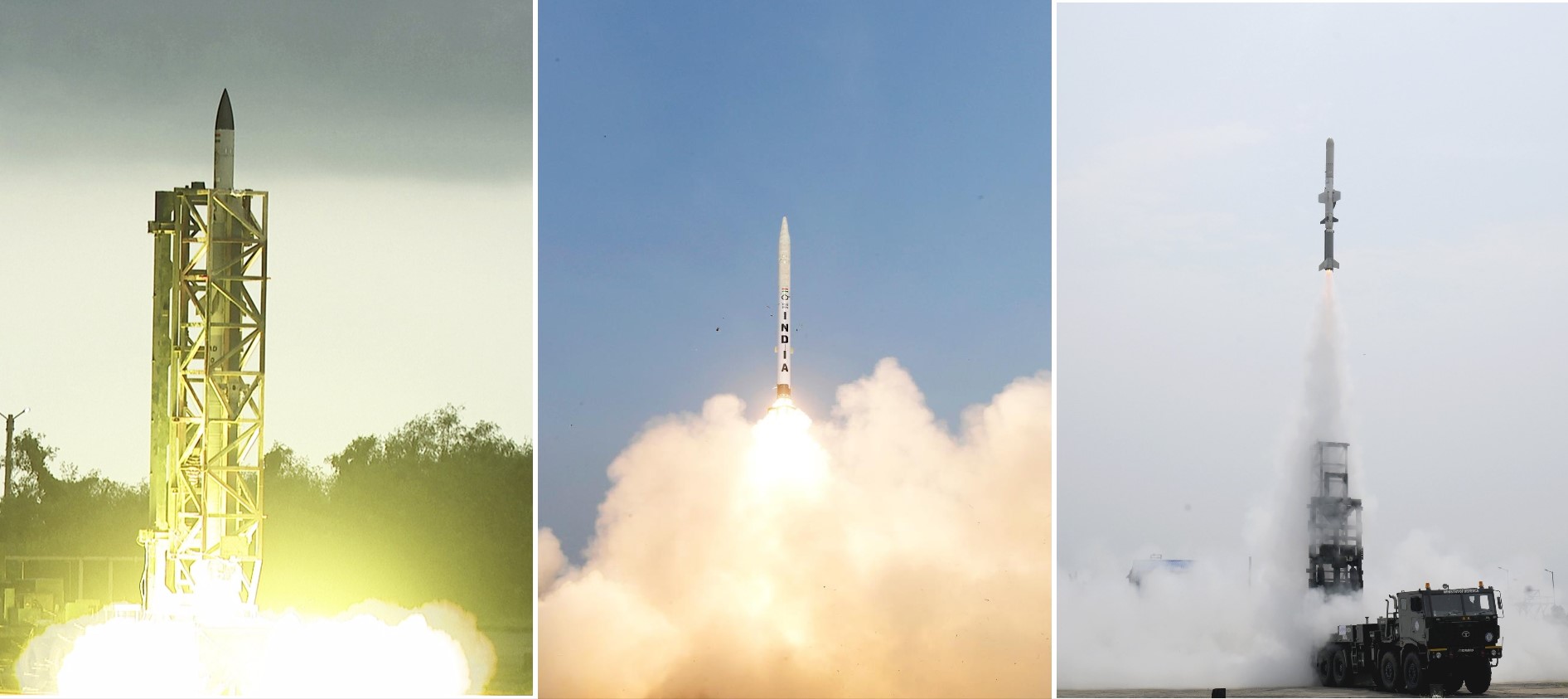 India Successfully Conducts AD-1, AD-2 Interceptor Tests and Maiden NASM-MR Flight Trial