
World
In a landmark decision with major geopolitical implications, the British government on Tuesday formally removed Hay’at Tahrir al-Sham (HTS) — the Islamist group that once led the Syrian rebel coalition — from its list of proscribed terrorist organisations. The move marks a decisive policy shift as London adjusts to the new political reality in Syria following the ouster of President Bashar al-Assad and the rise of a new government led by former HTS figure Ahmed al-Sharaa. From Al-Qaeda Affiliate to Syria’s Ruling Power HTS, short for Hay’at Tahrir al-Sham or “Organization for the Liberation of the Levant,” was formed in January 2017 through a merger of several Islamist and jihadist factions — notably Jabhat Fatah al-Sham (formerly known as the Al-Nusra Front, al-Qaeda’s Syrian branch), Ahrar al-Sham elements, and smaller rebel outfits. It emerged amid the chaos of Syria’s long and bloody civil war, initially aiming to topple Assad’s regime and establish an Islamic-governed state. HTS’s roots trace directly to Al-Nusra Front, which was created in 2012 with backing from al-Qaeda’s central leadership under Ayman al-Zawahiri. Its early campaigns made it one of the most powerful and disciplined forces in the Syrian opposition, feared both by government forces and rival rebels. By 2016, as global pressure mounted, Nusra rebranded itself as Jabhat Fatah al-Sham, claiming to sever ties with al-Qaeda — a move widely seen as an attempt to gain legitimacy and unite Syria’s fragmented insurgency. Months later, it became the nucleus of the newly declared HTS. While HTS maintained a Salafi-jihadist ideology, over time it sought to present itself as a Syrian nationalist movement rather than a global jihadist enterprise. Under the leadership of Ahmed al-Sharaa (Abu Mohammad al-Jolani), it shifted focus from international terrorism toward local governance and administration in north-western Syria, especially in Idlib province, where it built civil structures, ran courts, and coordinated humanitarian work. This transformation — part ideology, part survival — eventually distinguished HTS from extremist holdouts like Hurras al-Din, which remained loyal to al-Qaeda. Years of War Against Assad and Beyond Throughout the Syrian civil war, HTS was among the most formidable opponents of the Assad regime. Its fighters played leading roles in seizing large parts of Aleppo, Idlib, and Hama provinces. However, HTS also clashed with other opposition groups — from ISIS to Western-backed factions — in its bid to dominate the anti-Assad front. Despite internal rivalries, the group maintained its foothold as a military, political, and administrative power in rebel-controlled territories. Internationally, HTS’s militant past led to terrorist designations across the West. The United Kingdom proscribed the group in 2017, categorising it as a terrorist organisation under the Terrorism Act 2000 — making it a criminal offence to support or associate with it. Similar designations came from the United States, the United Nations, and the European Union, all viewing HTS as an extension of al-Qaeda. Yet, as the years progressed, the realities on the ground began to change dramatically. HTS’s consolidation in the north and its gradual moderation in rhetoric coincided with the collapse of Assad’s regime, culminating in the 2024 overthrow of Damascus. With Ahmed al-Sharaa assuming Syria’s presidency soon after, the political landscape transformed beyond recognition. Britain’s Policy Shift Against this backdrop, London’s decision to remove HTS from its terrorism list represents an acknowledgement of these seismic shifts. In its official statement, the British government said that the delisting would allow “closer engagement with the new Syrian government” and facilitate cooperation “to eliminate Assad’s chemical weapons programme” that remained from the previous regime. “The UK will continue to press for genuine progress and hold the Syrian government accountable for its actions in fighting terrorism and restoring stability in Syria and the wider region,” the statement added. This announcement follows Washington’s similar step in July 2025, when the Biden administration revoked the U.S. Foreign Terrorist Organization (FTO) designation for HTS — signalling a coordinated Western rethink. Both capitals have made clear that the move is not a blanket endorsement of HTS’s past but rather a pragmatic adjustment to deal with Syria’s new ruling reality. Who Created and Controlled HTS HTS’s creation was spearheaded by Ahmed al-Sharaa (Abu Mohammad al-Jolani), a former Iraqi insurgent who fought against U.S. forces after 2003 and later became al-Qaeda’s top representative in Syria. With battlefield successes and an acute understanding of Syria’s tribal and religious dynamics, al-Sharaa turned HTS into the dominant Sunni faction opposing Assad, balancing ideology with local legitimacy. HTS originally fought against Syrian government forces, Iran-backed militias, and even rival Islamist groups like ISIS. Over time, it evolved into a proto-state authority, controlling trade crossings with Turkey, collecting taxes, and operating police and judicial systems. Its governance structure became more bureaucratic and less overtly militant, which Western officials have described as “the Taliban model without global jihad.” The End of Assad and a New Phase The end of Bashar al-Assad’s rule — one of the longest-standing autocracies in the Middle East — marked a turning point not only for Syria but for regional geopolitics. Britain, the U.S., and several European countries cautiously welcomed the fall of Assad, whose regime had been accused of war crimes and the repeated use of chemical weapons. In the new order, the Syrian National Transitional Authority, dominated by HTS and allied factions, pledged to dismantle chemical stockpiles, permit international inspectors, and hold local elections within three years. London’s decision to delist HTS reflects its readiness to engage diplomatically and conditionally with this emergent leadership. Why the UK Acted Now British officials say the delisting follows an extensive review by the Proscription Review Group, which concluded that HTS no longer meets the legal threshold of an active international terrorist organisation. Instead, it now functions as Syria’s de facto government, responsible for stability, counter-terrorism, and reconstruction. Removing HTS from the list also enables humanitarian cooperation, opens pathways for economic engagement, and aligns the UK with its allies’ evolving Syria policies. At a London conference earlier Tuesday, Syria’s Economy Minister Mohammad Nidal al-Shaar expressed optimism that U.S. sanctions would soon be lifted, signalling a broader thaw between Damascus and the West. Caution and Controversy Despite the pragmatic rationale, Britain’s move remains controversial. Critics warn that HTS’s past atrocities and hardline ideology cannot be ignored, and delisting might embolden other armed groups to seek legitimacy through political transformation. Human rights organisations stress that genuine reconciliation must include accountability for past abuses. Supporters, however, argue that isolating the new Syrian government would only strengthen extremist remnants and prolong instability. Engagement, they say, is the only path to ensuring Syria’s chemical disarmament and reconstruction, especially after fourteen years of devastation. A Calculated Gamble For London, the decision is a calculated geopolitical gamble — one balancing security concerns with realpolitik. Engaging HTS as the ruling authority could give the UK leverage in post-war Syria, where rival powers like Russia, Iran, and Turkey already wield deep influence. It could also help shape the next phase of counter-terrorism cooperation and humanitarian rebuilding. As Britain’s statement emphasised, the delisting “does not mean the end of scrutiny.” Should HTS revert to extremist violence or support global jihadist activity, the UK retains the right to re-proscribe the organisation at any time. Looking Ahead For now, the removal of HTS from the UK’s terrorism list symbolises both the end of an era and the start of a delicate experiment — testing whether a former al-Qaeda affiliate can truly evolve into a legitimate governing power. Whether this marks a sustainable peace or a temporary pause in Syria’s long cycle of conflict will depend on the actions of the new leadership in Damascus — and on how the world responds to a movement that has travelled the long, unlikely road from insurgency to international recognition.
Read More → Posted on 2025-10-21 17:03:59
World
At the 7th China Helicopter Exposition held in Tianjin from October 16 to 20, 2025, China officially unveiled the Z-20J, a navalized version of its domestically developed Z-20 medium-lift helicopter. The new aircraft, designed for carrier and shipborne missions, represents a major milestone for the People’s Liberation Army Navy (PLAN) as it strives to match the maritime aviation capabilities of the United States. Development The Z-20 series is developed by Harbin Aircraft Industry Group (HAIG), a subsidiary of the state-owned Aviation Industry Corporation of China (AVIC). The baseline Z-20 first flew on December 23, 2013, and officially entered service with the People’s Liberation Army Ground Force in 2019 as a medium-lift utility helicopter. China had long sought a navalized variant capable of operating from Type 075 amphibious assault ships, aircraft carriers, and destroyers. Development of the shipborne version, known as the Z-20J, began soon after the Z-20’s induction. The aircraft was first seen conducting sea trials around 2024, and by mid-2025, prototypes had been deployed aboard PLAN vessels. The 2025 Tianjin Helicopter Exposition marked its formal public debut, signaling full readiness for operational service. Design and Features The Z-20J incorporates significant modifications to operate effectively in harsh maritime environments. It features foldable main rotor blades and a folding tail boom, allowing compact storage inside ship hangars—an essential capability for carrier-based operations. To withstand saltwater corrosion, its airframe is made of composite materials and corrosion-resistant alloys. The helicopter also uses a fly-by-wire flight control system, enhancing stability during takeoffs and landings on moving decks. Advanced avionics, maritime radar, and infrared sensors provide all-weather and night-operation capability. Specifications of the Z-20J Manufacturer: Harbin Aircraft Industry Group (HAIG) Type: Shipborne multi-role medium-lift helicopter Engines: Two WZ-10 turboshaft engines (approx. 1,600 kW each) Maximum Takeoff Weight: Around 10,000 kg Length: 20 meters Main Rotor Diameter: 16 meters Height: 5.3 meters Maximum Speed: Estimated 300 km/h Range: Approx. 560 km Service Ceiling: 6,000 meters Crew: Two pilots plus space for 10–12 fully equipped troops Capabilities The Z-20J is a multi-mission naval helicopter capable of performing a range of operations: Amphibious assault support – transporting marines and supplies from ship to shore. Search and Rescue (SAR) – equipped with a hoist system, flotation devices, and sensors for over-water rescues. Shipborne logistics – vertical replenishment (VERTREP) between ships. Maritime patrol and reconnaissance – with radar and electro-optical systems for surveillance. Light combat support – potential for gun pods, unguided rockets, and anti-ship or air-to-surface missiles. Although the anti-submarine warfare (ASW) role is more commonly associated with the Z-20F variant, the Z-20J may also be configured with sonar and torpedo systems if required. Operational Deployment The Z-20J has already been spotted operating from Type 075 amphibious assault ships such as the Hainan (Hull 31). Its integration into the PLAN fleet marks a crucial step toward reducing reliance on foreign designs like the Russian Ka-28 and Ka-31. With its ability to operate from carriers, destroyers, and large amphibious platforms, the Z-20J significantly expands the PLAN’s flexibility in amphibious warfare, logistics, and humanitarian missions. Strategic Importance The introduction of the Z-20J highlights China’s drive toward self-reliance in military aviation. It replaces aging platforms and gives the PLAN a modern, indigenous alternative for maritime helicopter operations. The aircraft’s design philosophy mirrors China’s broader strategy: to close the technological gap with Western naval forces. With more advanced avionics, improved endurance, and shipboard handling systems, the Z-20J enables China to enhance its expeditionary and blue-water capabilities. Comparison: Z-20J vs MH-60S Seahawk Feature Z-20J (China) MH-60S Seahawk (USA) Manufacturer Harbin Aircraft Industry Group (HAIG) Sikorsky Aircraft (Lockheed Martin) Role Navalized multi-mission medium-lift helicopter Multi-mission shipborne helicopter Max Takeoff Weight ~10,000 kg 10,659 kg Engines 2 × WZ-10 turboshafts (1,600 kW each) 2 × T700-GE-401C (1,700 kW each) Length 20 m 19.8 m Rotor Diameter 16 m 16.4 m Range ~560 km 450 km Max Speed 300 km/h (est.) 270 km/h Crew 2 + 10–12 troops 2 + up to 12 passengers Armament Gun pods, rockets, possible missiles 7.62 mm/12.7 mm guns, rockets, torpedoes Primary Missions Transport, SAR, amphibious assault, patrol Logistics, surface warfare, mine ops, SAR Operational Use Type 075 LHDs, aircraft carriers U.S. carriers, LHDs, destroyers Analysis While both helicopters share similar dimensions and lifting capacities, the MH-60S Seahawk remains superior in terms of combat-proven mission systems, advanced sensors, and interoperability within carrier strike groups. The Z-20J, however, demonstrates that China has mastered the technological know-how to produce a comparable indigenous platform. The Z-20J’s debut reflects a strategic shift in Chinese naval aviation—from reliance on imported helicopters to the deployment of an all-domestic, modern, and modular design. Over time, as China enhances its avionics and ASW capabilities, the Z-20J is likely to become the PLAN’s primary shipborne helicopter, much like the MH-60S serves the U.S. Navy today. Conclusion The unveiling of the Z-20J at the 2025 Tianjin Helicopter Exposition marks a turning point in China’s naval modernization. Designed to match the operational flexibility and reliability of the MH-60S Seahawk, the Z-20J is set to become the backbone of the PLAN’s shipborne helicopter fleet. Its combination of indigenous technology, shipboard adaptability, and multi-mission capability highlights China’s growing confidence in its aerospace industry and its determination to achieve maritime aviation parity with the world’s leading naval powers.
Read More → Posted on 2025-10-21 11:15:32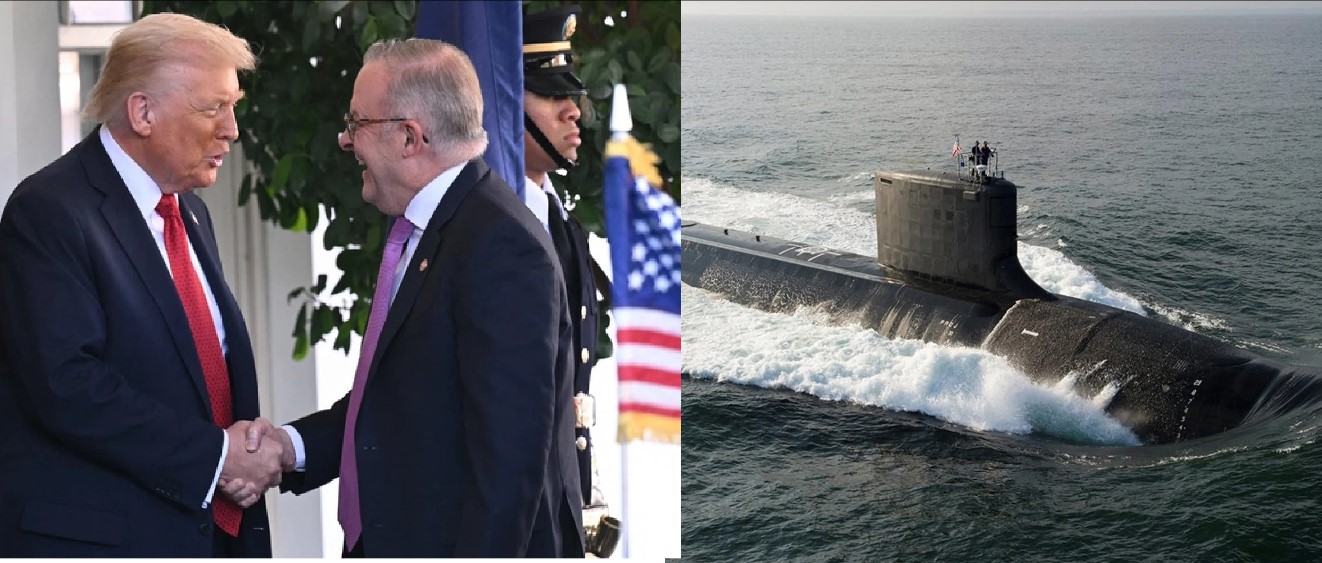
World
U.S. President Donald Trump has reaffirmed America's strong support for the AUKUS trilateral defense pact, confirming plans to sell Virginia-class nuclear-powered submarines to Australia. This announcement came during a White House meeting with Australian Prime Minister Anthony Albanese on October 20, 2025. President Trump emphasized that "Australia would get the boats," underscoring the U.S.'s commitment to the agreement. AUKUS Submarine Deal Under the AUKUS framework, Australia is set to acquire three to five Virginia-class submarines from the United States, with deliveries commencing in 2032. The initial batch will include two Block IV submarines currently in U.S. Navy service, followed by a new Block VII submarine in 2038. These submarines are intended to bridge the capability gap until the introduction of the SSN-AUKUS class, a new generation of submarines developed collaboratively by the U.K., U.S., and Australia. The Virginia-class submarines are renowned for their advanced capabilities, including: Enhanced Firepower: The Block V variant features an extended hull, increasing the number of Tomahawk missile launch tubes from 12 to 40. Advanced Sonar Systems: Equipped with cutting-edge sonar technology for superior detection and tracking. Stealth and Endurance: Designed for long-duration missions, providing unmatched stealth in various operational environments. Each Virginia-class submarine is estimated to cost between $3 billion and $3.5 billion USD, making this a substantial investment for Australia. Strategic Implications The AUKUS submarine deal is a strategic move aimed at enhancing Australia’s defense capabilities and countering China's growing influence in the Indo-Pacific region. President Trump framed the pact as a deterrent to China’s ambitions, particularly concerning Taiwan, emphasizing that it should not be viewed as a provocation. In addition to the submarine deal, President Trump and Prime Minister Albanese signed a critical minerals agreement valued at $8.5 billion, aimed at building supply chains independent of China, focusing on mining and processing projects essential for defense and technology sectors. Challenges While the AUKUS submarine deal represents a major advancement in strengthening trilateral defense ties, Australia faces a series of challenges in successfully implementing the agreement. A primary concern is workforce development; the country must significantly expand its pool of nuclear-trained personnel, including submariners, engineers, and skilled tradespeople, to operate and maintain these advanced vessels. In addition, substantial infrastructure investment is necessary, particularly in Western Australia, where facilities must be upgraded or constructed to support the deployment, servicing, and maintenance of the submarines. Equally critical is the financial commitment: with an estimated cost of $239 billion, the AUKUS submarine program represents a considerable portion of Australia’s defense budget, requiring careful long-term planning to balance defense priorities with national spending constraints. The AUKUS submarine deal is a pivotal element of Australia's defense strategy, enhancing its capabilities and strengthening ties with the United States and the United Kingdom. Addressing workforce development, infrastructure investment, and financial planning will be crucial for the program's success. With continued commitment and collaboration, Australia aims to bolster its defense posture and contribute to regional stability in the Indo-Pacific.
Read More → Posted on 2025-10-21 11:05:46
World
Raytheon Technologies has marked a significant milestone in its defense partnership with Korea Aerospace Industries (KAI) by delivering the first PhantomStrike radar for integration into the FA-50 Light Combat Aircraft. This delivery represents a major enhancement in the FA-50’s operational capabilities and underscores the growing collaboration between the United States and South Korea in advanced defense technologies. The PhantomStrike radar is a compact, fully air-cooled fire-control system that leverages Gallium Nitride (GaN) technology to provide superior performance with high efficiency and reduced cost. Weighing under 150 pounds, it is nearly half the weight of conventional Active Electronically Scanned Array (AESA) radars, making it ideal for smaller platforms without compromising capability. Its digital beamforming and agile steering enable rapid target detection, tracking, and engagement, even in complex and electronically contested environments. The radar significantly enhances the FA-50’s effectiveness across multiple dimensions. Through advanced algorithms and GaN technology, PhantomStrike extends detection ranges, enabling pilots to identify and engage threats earlier than previously possible. Its multimode functionality allows the radar to seamlessly operate in both air-to-air and air-to-ground configurations, supporting versatile mission profiles from aerial combat to precision ground strikes. Additionally, robust electronic counter-countermeasure systems ensure reliable operation even in the presence of hostile electronic interference, maintaining operational readiness in challenging conditions. Despite these advanced capabilities, PhantomStrike operates at nearly half the cost of traditional fire-control radars, offering a cost-efficient solution without compromising performance. Strategically, the integration of PhantomStrike is expected to strengthen South Korea’s defense industry and enhance the export potential of the FA-50 fleet. With plans to equip over 50 aircraft with the radar, the system represents a shift toward more affordable yet technologically advanced radar solutions in light combat aircraft. It also demonstrates the increasing importance of international defense collaborations in accelerating the development and deployment of next-generation aerospace technologies. In conclusion, Raytheon’s PhantomStrike radar sets a new benchmark for radar systems in light combat aircraft. By combining high performance, compact design, and cost efficiency, it elevates the operational capabilities of the FA-50 while reinforcing the strategic defense partnership between South Korea and the United States. The delivery not only enhances national defense capabilities but also signals the broader trend of integrating advanced, adaptable radar technologies into modern combat aircraft.
Read More → Posted on 2025-10-21 10:23:59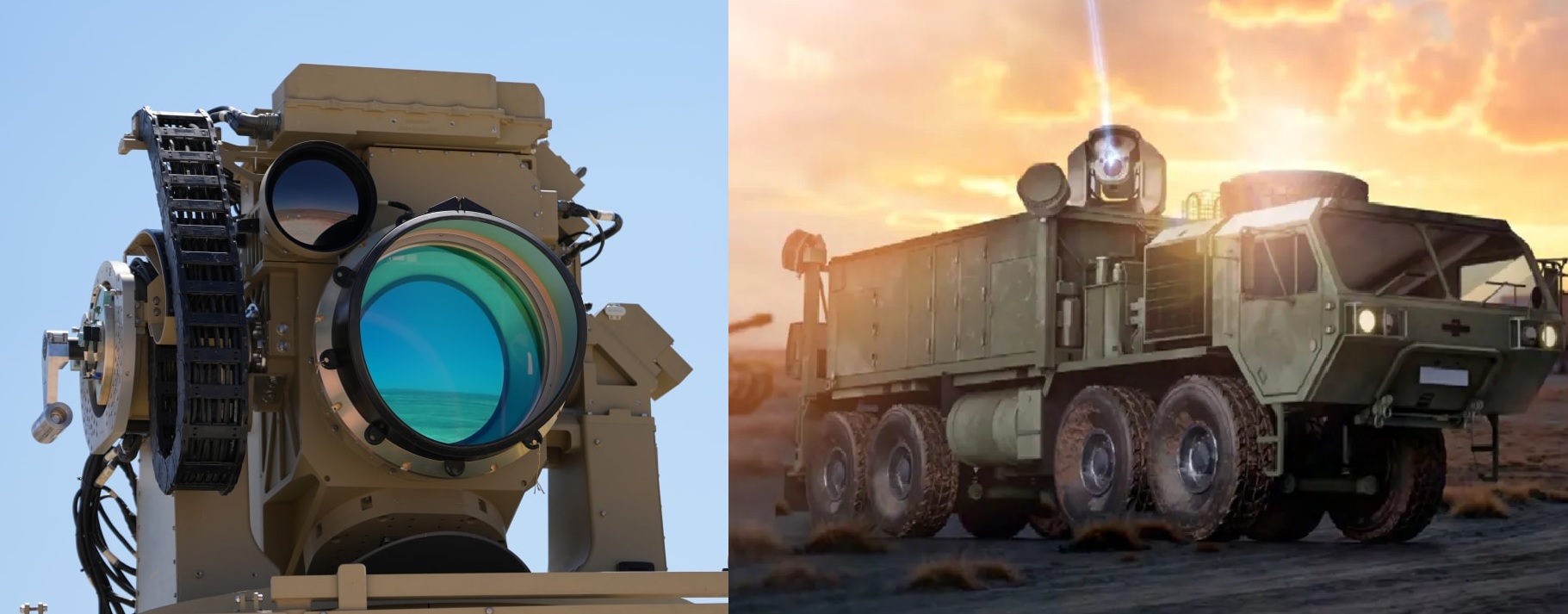
World
Israel has officially confirmed that the Iron Beam laser air defense system is ready for operational deployment, marking a major milestone in the evolution of modern air defense. Developed by Rafael Advanced Defense Systems in collaboration with the Israeli Ministry of Defense, Iron Beam is designed to intercept rockets, mortars, and drones at the speed of light, offering rapid, cost-effective protection against short-range aerial threats. The system is set to be commissioned by the IDF this quarter, with the first deliveries expected by the end of 2025. Boasting a 100-kilowatt solid-state laser and an effective range of around 10 kilometers, Iron Beam is capable of destroying incoming threats by superheating their surfaces until they disintegrate mid-air. Unlike traditional missile interceptors, the system can fire repeatedly with a rate of 10 to 20 shots per minute, depending on power and cooling conditions, and each shot costs less than $2,000, compared to $50,000–$100,000 for a single Iron Dome missile. This makes Iron Beam particularly suitable for defending against saturation attacks, where multiple rockets or drones arrive simultaneously. During extensive field tests, the system successfully neutralized a wide variety of targets, including artillery shells, UAVs, and short-range rockets, demonstrating a high operational success rate. Its tracking capabilities rely on advanced electro-optical sensors and artificial intelligence-driven target prioritization, allowing it to operate autonomously or as part of Israel’s integrated air defense network, alongside Iron Dome, David’s Sling, and the Arrow missile systems. The system is planned for deployment in strategic urban and industrial zones, as well as a mobile variant for border and forward-positioned units. The strategic implications of Iron Beam are significant. Its low per-shot cost and near-instant engagement speed make it an economically and militarily sustainable solution against persistent threats, reducing reliance on expensive interceptor missiles. Beyond Israel, several allied nations have expressed interest in the technology, highlighting its potential influence on global air defense strategies. The arrival of Iron Beam represents more than just a new weapon; it signifies a paradigm shift in modern warfare. With its lightning-fast laser, precision targeting, and capacity for repeated engagement, the system demonstrates that the future of air defense is moving toward directed-energy solutions. As the IDF prepares to commission the first operational units by the end of this year, Israel is poised to lead the world into an era where light itself becomes a defensive shield.
Read More → Posted on 2025-10-21 10:05:49
World
In what marks another significant step in the global shift away from the dominance of the U.S. dollar, Ethiopia is reportedly in advanced negotiations with China to convert nearly $10 billion of its external debt from U.S. dollars to Chinese yuan. The move, if finalized, would make Ethiopia the second major African nation after Kenya to officially embrace yuan-based transactions for debt repayment and new financial inflows. This development is more than just an accounting adjustment—it’s a reflection of how the global financial order is being quietly redrawn, with the yuan emerging as an alternative for countries weary of the dollar’s political strings and Western-controlled lending institutions. The First African Nation to Ditch the Dollar The first African country to make a similar transition was Kenya, which earlier this year began settling a portion of its trade with China in yuan instead of U.S. dollars. Nairobi’s decision came amid mounting dollar shortages that drove up import costs and destabilized its domestic currency. Kenya also accused Western lenders, particularly the IMF and World Bank, of imposing harsh fiscal conditions in exchange for financial aid — conditions that often constrained local economies. Following Kenya’s lead, Ethiopia now seeks not just relief from the dollar’s volatility but a strategic partnership with China, which offers loans, infrastructure, and trade deals without political lectures about domestic policies. Why Ethiopia is Turning to the Yuan Ethiopia’s pivot is driven by several interlinked economic and political motivations.The country’s foreign currency reserves have been under severe pressure, worsened by global inflation and rising U.S. interest rates that strengthened the dollar. Paying back loans in dollars became more expensive, while local importers struggled to access foreign currency. China, Ethiopia’s largest creditor, already holds a significant share of its external debt—estimated at over $13 billion. By converting its $10 billion debt portfolio into yuan, Ethiopia can ease its repayment burden, stabilize its foreign exchange market, and gain access to additional funding under Beijing’s Belt and Road framework. The yuan-denominated trade and lending system is also seen as more predictable, allowing Ethiopia to bypass the constant fluctuations of the dollar and the financial influence exerted by U.S.-aligned institutions. How the U.S. Misused Its Financial Power Ethiopia’s decision, like that of many others, stems from long-standing frustrations with how the U.S. has managed its global financial power. For decades, Washington has used the dollar not only as the world’s reserve currency but also as a foreign policy weapon. Through economic sanctions, trade restrictions, and access control to SWIFT (the global payments network), the U.S. has repeatedly punished countries that refused to align with its political agenda. Nations from Russia and Iran to Venezuela and Cuba have been cut off from the global financial system — not by market forces, but by political decisions made in Washington. Even non-sanctioned countries have felt the impact. The IMF and World Bank, often steered by U.S. influence, attach policy conditions to loans that push developing countries into austerity: slashing subsidies, freezing wages, and privatizing state assets. These measures often stifle growth and fuel resentment among emerging economies, who see themselves as trapped in an unequal system. Dollar as a Weapon Against Sovereignty To many nations, the dollar has become less a symbol of stability and more a tool of control. Once the U.S. can freeze a country’s dollar reserves or cut off its access to the global banking system, the message is clear: sovereignty ends where dollar dependency begins. This perception has pushed even long-time U.S. partners to explore alternatives. The fear of financial vulnerability — that one policy dispute with Washington could lead to economic strangulation — has made the yuan, gold reserves, and bilateral currency swaps increasingly attractive. A Global Trend of De-Dollarization Ethiopia’s move adds momentum to a growing global de-dollarization trend. Russia has shifted most of its energy exports to rubles and yuan, following Western sanctions. China now conducts over 50% of its trade with Asia, Africa, and Latin America in local currencies or yuan. Saudi Arabia has openly discussed accepting yuan payments for oil, potentially altering decades of “petrodollar” dominance. Brazil, Argentina, Iran and Indonesia have also begun exploring currency-swap agreements with China to settle trade in their own currencies. Africa, long seen as the periphery of global finance, is emerging as an important testing ground for this new financial multipolarity. As more African economies grow weary of IMF austerity models and Western control, China’s yuan-based financing looks increasingly appealing. What the U.S. Got Wrong Washington’s repeated overreliance on financial coercion has eroded global trust in the dollar-based system. The aggressive use of sanctions, coupled with the perception that the IMF and World Bank operate as extensions of U.S. foreign policy, has alienated many developing nations. Instead of fostering stability, the dollar has become a symbol of dependency and vulnerability. Countries like Ethiopia now prefer to engage with partners offering “no-strings-attached” development models—even if that means greater Chinese influence. For Ethiopia, the decision to ditch the dollar is both a financial necessity and a political statement. It signals a desire for economic sovereignty, reduced exposure to Western pressure, and deeper alignment with the emerging China-led financial bloc. However, the move also carries risks. Dependence on China could expose Ethiopia to new forms of leverage, as Beijing becomes both its major creditor and trading partner. Still, for many developing nations, the yuan’s embrace feels less constraining than the dollar’s grip. The world’s financial landscape is changing fast. With Ethiopia’s decision, the message from the Global South is becoming clear: the era of dollar dominance is no longer absolute, and the age of currency diversification has begun.
Read More → Posted on 2025-10-21 09:27:48
World
The United States has reached an unprecedented financial milestone as its national debt hits $37.9 trillion, according to the latest figures from the U.S. Department of the Treasury. This is officially the highest debt level in world history for a single nation. What is even more alarming is the speed at which it is growing — currently increasing by around $25 billion per day, a pace that is faster than during the Biden administration. Experts warn this trend could have serious implications for the U.S. economy, fiscal policy, and global financial stability. The U.S. government’s total public debt combines two components — debt held by the public through Treasury securities and intragovernmental holdings such as Social Security and other trust funds. The figure stood at $37.9 trillion in mid-October 2025, marking an increase of more than $2.2 trillion in a single fiscal year. At this rate, the U.S. could surpass $40 trillion in debt by 2026, a level that was once projected to occur only near the end of the decade. The often-quoted “$25 billion per day” figure refers to the average pace of debt growth over recent weeks. While this varies with Treasury borrowing schedules and cash flow timing, it reflects an accelerating deficit trend. Analysts calculate that the U.S. is now adding roughly $1 trillion in new debt every five months, compared to about $1 trillion every ten months during Biden’s presidency. So, why is this happening faster now? The answer lies in a combination of larger fiscal deficits, higher interest costs, tax cuts, new spending programs, and structural economic pressures. In fiscal year 2025, the federal government spent about $7 trillion but collected only around $5.2 trillion in revenues — leaving a deficit of roughly $1.8 trillion. This gap must be financed through borrowing, which adds directly to the national debt. A key factor is the rising cost of interest payments. As debt accumulates and interest rates remain high, the U.S. government is now spending more than $1 trillion annually just on interest — more than it spends on defense or Medicare individually. This creates a compounding problem: the government must borrow more money simply to pay interest on existing debt, leading to an accelerating debt spiral. Policy choices under Donald Trump’s administration have also drawn criticism from economists and fiscal experts. The large-scale tax cuts and tariff policies, while politically popular, have reduced long-term revenue without offsetting spending reductions. The International Monetary Fund (IMF) has warned that the combination of tax cuts and higher discretionary spending could add over $4 trillion to U.S. deficits over the next decade. Although tariffs have generated record customs revenues, they are volatile and cannot sustainably offset massive fiscal shortfalls. By contrast, while Biden’s era saw explosive debt growth during the pandemic, much of that increase was tied to emergency COVID-19 relief, infrastructure, and stimulus programs that had a defined endpoint. The current debt surge, however, is structural — built into ongoing tax and spending frameworks. This is why many economists argue that today’s situation is more concerning, as the U.S. is adding debt even during a period of economic expansion. The IMF and Congressional Budget Office (CBO) both project that if current trends continue, the U.S. debt-to-GDP ratio could rise from about 125% in 2025 to over 140% by 2030, putting America’s fiscal path among the most unsustainable in the developed world. The risk is that rising interest costs could crowd out investment in key areas like education, infrastructure, and innovation. Moreover, sustained borrowing could eventually undermine investor confidence in U.S. Treasury bonds, which are currently the backbone of the global financial system. Critics say the Trump administration’s approach to fiscal policy — large tax reductions without matching spending cuts, combined with new domestic programs and military commitments — has accelerated the problem. Supporters, however, argue that tax cuts stimulate growth, increasing overall revenues in the long run. Yet, data from the Treasury Department show federal receipts from corporate taxes have actually declined in 2025, while expenditures continue to rise. Demographics also play a major role. The aging U.S. population is putting increasing pressure on Social Security and Medicare, which now consume the majority of federal spending. Without reforms to these entitlement programs, analysts warn that debt growth will remain uncontrollable regardless of which party governs. Economically, this rising debt means the U.S. is approaching a dangerous inflection point. As the government borrows more, it risks pushing up interest rates, which can reduce private investment and slow growth. A heavier debt load also limits Washington’s ability to respond to future crises, such as recessions or wars, because fiscal space becomes constrained. This is why many economists believe the U.S. is entering a phase of “debt fatigue,” where even small policy shifts could have large financial repercussions. For now, markets remain confident in the stability of U.S. Treasuries, largely because of the dollar’s status as the world’s reserve currency. But history shows that confidence can erode quickly once investors begin to question long-term sustainability. The Treasury Department itself has acknowledged that interest costs could exceed $12 trillion over the next decade if current borrowing patterns persist. America’s debt clock is not just ticking — it’s racing.
Read More → Posted on 2025-10-19 16:31:00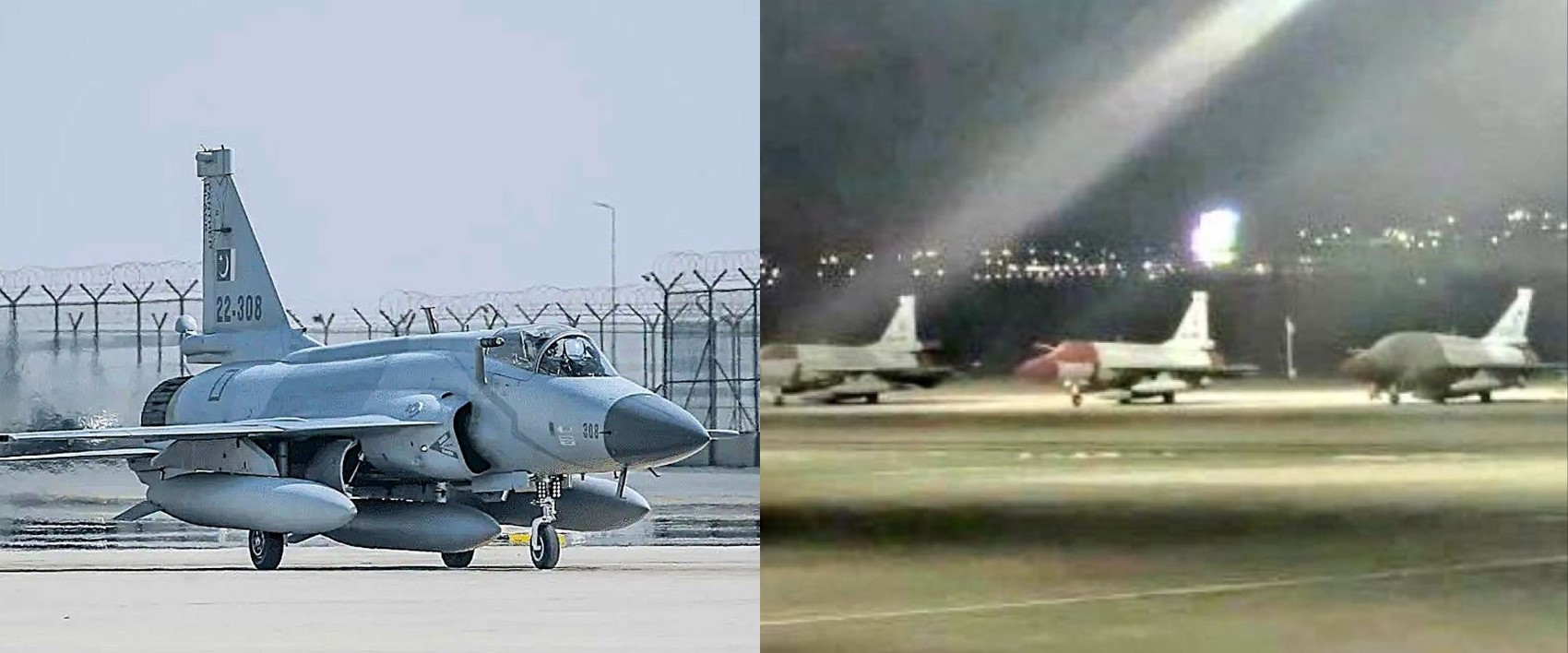
World
Pakistan has officially deployed its most advanced JF-17 Block III multirole fighters to Azerbaijan for the “Indus Shield Alpha” aerial combat exercise, marking a major step forward in the rapidly growing defense partnership between the two countries. The deployment, confirmed by the Pakistan Air Force (PAF) on its official X (Twitter) account, comes just months after Baku and Islamabad finalized a $4.6 billion deal for the purchase of 40 JF-17 Block III aircraft, supported by a $2 billion joint investment program in aerospace and defense industries. Clarifying the Confusion: Exercise, Not Delivery On October 19, 2025, images circulated online showing JF-17 Block III fighters stationed at an Azerbaijani airbase. Speculation quickly spread that Azerbaijan had begun receiving its first batch of jets from Pakistan. However, the PAF later clarified that the aircraft were deployed temporarily to participate in the bilateral Indus Shield Alpha exercise, a new chapter in operational collaboration between the two air forces. The deployment demonstrated long-range operational capability — the jets flew non-stop from Pakistan, supported by in-flight refueling from a PAF IL-78 aerial tanker. This showcased the JF-17’s extended range and interoperability in real-world scenarios, strengthening Pakistan’s image as a mature aerospace exporter and regional power with credible air logistics capability. Azerbaijan’s Fighter Recapitalization Drive Azerbaijan has long sought to modernize its air combat fleet, which mainly comprises aging MiG-29s and Su-25s. Following its 2020 war with Armenia, Baku prioritized acquiring new-generation fighters capable of network-centric operations, electronic warfare, and precision strike missions. The JF-17 Block III, jointly developed by Pakistan Aeronautical Complex (PAC) and China’s Chengdu Aircraft Corporation (CAC), offers a cost-effective solution featuring an AESA radar, integrated electronic warfare suite, advanced data link, and compatibility with beyond-visual-range (BVR) missiles like the PL-15. The $4.6 billion package reportedly includes aircraft, training, ground systems, weapons integration, and maintenance support, with Pakistan expected to assist in establishing local assembly and sustainment infrastructure in Azerbaijan. This makes Azerbaijan the first foreign operator of the JF-17 Block III, marking a milestone in Pakistan’s emergence as a global defense exporter. Strategic Implications: The “Three Brothers” Alliance Strengthens The growing military partnership underscores the strategic alignment among Pakistan, Azerbaijan, and Turkey — three nations united by shared regional interests and deep cultural ties. Branded the “Three Brothers Alliance,” the grouping has evolved from symbolic cooperation into a genuine military bloc involving joint exercises, drone technology transfers, and strategic coordination. Pakistan’s JF-17 deployment, therefore, carries political symbolism beyond mere training — it signifies Islamabad’s expanding influence in the South Caucasus, a region traditionally shaped by Russian and Iranian power. For Baku, cooperation with Pakistan provides affordable access to advanced airpower, diversifying its defense sources while strengthening its hand in the regional balance of power. Armenia’s Likely Response The deployment of JF-17 Block III fighters in Azerbaijan is a clear signal to Armenia, which now faces a widening airpower gap. To counter this shift, Armenia is reportedly planning to acquire additional 8 to 12 Su-30 fighters from India, leveraging Hindustan Aeronautics Limited’s (HAL) licensed production line for the Su-30MKI. Armenia already operates a limited number of Su-30SM fighters sourced from Russia, but the Indian-built Su-30s offer a more advanced avionics suite and better upgrade potential. The deal, if finalized, would deepen the growing Armenia–India defense partnership, which already includes Pinaka rocket systems, radar technology, and anti-drone equipment. By turning to India, Armenia seeks not only to modernize its air fleet but also to balance the expanding Pakistan–Azerbaijan–Turkey defense axis. Regional Impact and Future Outlook The Indus Shield Alpha exercise represents a turning point — the first overseas deployment of the JF-17 Block III, demonstrating both Pakistan’s export maturity and Azerbaijan’s readiness to embrace new-generation platforms. For Pakistan, the deployment is a diplomatic success, reinforcing its position as a defense technology provider in the Muslim world and beyond.For Azerbaijan, it offers operational experience and visibility as it prepares to induct its new fleet.For Armenia, it is a strategic warning — a sign that regional air superiority is evolving rapidly, and keeping pace will require urgent modernization and new alliances. The JF-17 Block III’s arrival in Azerbaijan under the Indus Shield Alpha banner goes far beyond a joint exercise — it marks the emergence of a new power equation across South Asia and the Caucasus.As Pakistan, Azerbaijan, and Turkey consolidate a triangular defense axis, Armenia is turning toward India for advanced fighters to safeguard its airspace and strategic balance. The skies over the Caucasus are entering a new era — one defined by exported technology, shifting alliances, and rapid modernization.Pakistan’s jets have landed in Azerbaijan, but their presence has already reshaped the region’s defense calculus.
Read More → Posted on 2025-10-19 15:49:00
World
At the 7th China Helicopter Exposition held in Tianjin in October 2025, China introduced a groundbreaking concept: the Ibis Shadow 60, an unmanned cargo aircraft poised to become the world's largest of its kind. This ambitious project underscores China’s commitment to revolutionizing logistics and tactical airlift capabilities through unmanned systems. Design and Specifications The Ibis Shadow 60 is an unmanned variant of the Shaanxi Y-9, a medium-lift military transport aircraft. Retaining the Y-9's robust airframe, the Ibis Shadow 60 is reconfigured without a cockpit or crew compartments, enabling it to achieve a maximum take-off weight exceeding 60 tons. This substantial payload capacity positions it as a formidable asset for transporting large military vehicles, helicopters, and potentially fighter aircraft, especially in contested or hard-to-access environments. While detailed performance metrics remain undisclosed, the Y-9's specifications provide a reference point: Length: Approximately 35 meters Wingspan: Approximately 38 meters Maximum Takeoff Weight: Over 60 tons Payload Capacity: Up to 20 tons Cruising Speed: 500–550 km/h These dimensions suggest that the Ibis Shadow 60 will have a similarly imposing presence, capable of carrying oversized cargo over extended distances. Development and Manufacturing The Ibis Shadow 60 is being developed by Shaanxi Aircraft Corporation, a subsidiary of the state-owned Aviation Industry Corporation of China (AVIC). AVIC has a history of producing unmanned aerial vehicles (UAVs) for both military and civilian applications. The development of the Ibis Shadow 60 aligns with China’s broader strategy to integrate unmanned systems into logistics, surveillance, and combat operations. Budget and Program Status While specific budgetary allocations for the Ibis Shadow 60 program have not been publicly disclosed, the project's scale and ambition suggest significant investment. The development of such a large UAV involves substantial costs related to research and development, testing, and manufacturing. Given China's increasing defense budget and emphasis on technological advancement, it's likely that the Ibis Shadow 60 is part of a broader initiative to enhance unmanned capabilities within the People's Liberation Army (PLA). As of October 2025, the Ibis Shadow 60 remains in the concept phase, with no confirmed timeline for its first flight or operational deployment. However, its unveiling at the China Helicopter Exposition indicates that the project is progressing, and further developments can be anticipated soon. Strategic Implications The introduction of the Ibis Shadow 60 represents a significant advancement in unmanned aviation, particularly in heavy-lift logistics. Its potential to transport large and heavy cargo autonomously could transform military logistics, enabling rapid deployment of equipment and personnel in areas where traditional manned aircraft might be vulnerable or less efficient. Furthermore, the development of such advanced UAVs positions China at the forefront of unmanned aviation technology, setting a benchmark for other nations. The Ibis Shadow 60 exemplifies China's growing capabilities in autonomous systems and its strategic focus on enhancing military logistics and operational flexibility.
Read More → Posted on 2025-10-19 14:35:41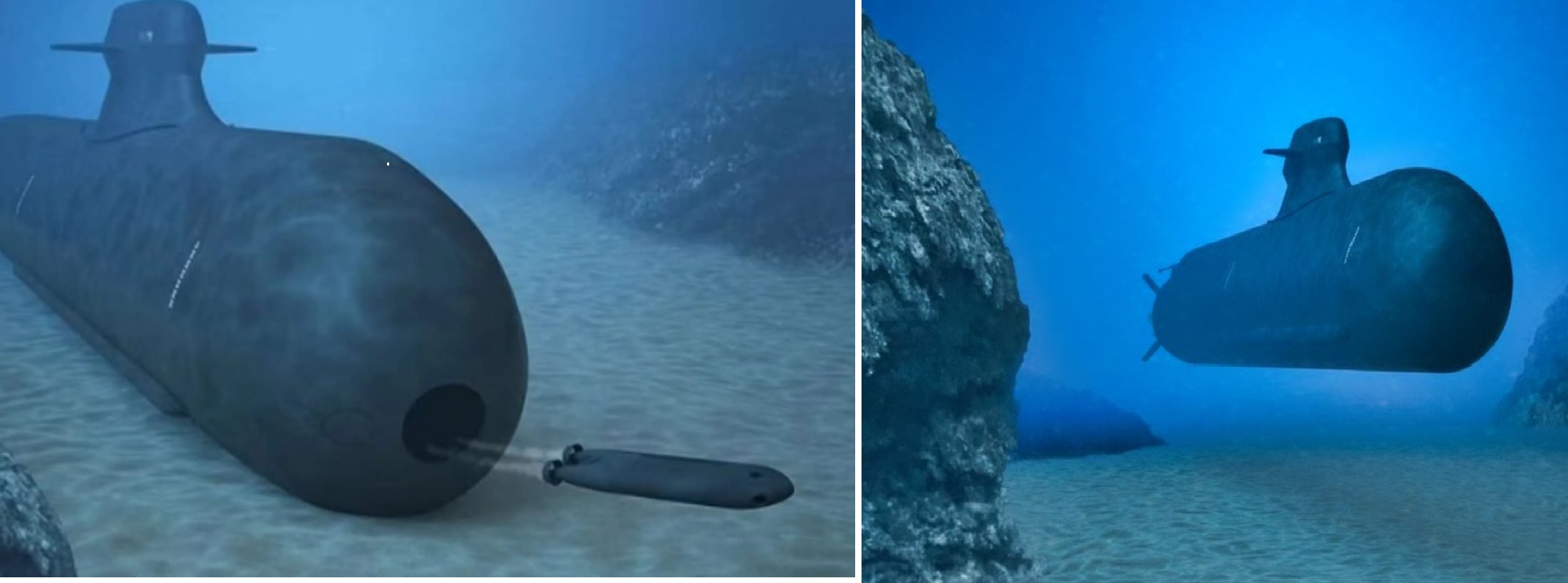
World
On October 13, Saab announced that it had signed a major contract with the Swedish Defence Materiel Administration (FMV) to proceed with the final production phase of the Blekinge-class (A26) submarines—Sweden’s most advanced and ambitious undersea warfare program to date. The new order, valued at approximately 9.6 billion Swedish kronor (USD 1 billion), covers the procurement of additional materials, systems integration, and services related to the two submarines previously commissioned by the Swedish government. Deliveries under this phase are expected to occur primarily between 2026 and 2032. A Milestone for Sweden’s Submarine Force The A26 Blekinge-class represents the next generation of conventional submarines, designed to replace Sweden’s aging Gotland-class and Västergötland-class vessels. These submarines, originally commissioned between the 1980s and 1990s, have served as the backbone of Sweden’s undersea defense capability but are now nearing the end of their operational lifespan. Micael Johansson, President and CEO of Saab, underscored the significance of this partnership, stating: “Saab is currently building the world’s most advanced conventional submarines for Sweden. Thanks to the excellent cooperation between Saab and FMV, we have ensured that Sweden will have a next-generation submarine capability that will help keep our nation’s waters secure for decades to come.” The A26 program is central to the modernization of the Swedish Navy, reinforcing Sweden’s maritime deterrence in the increasingly strategic Baltic Sea region. Program Delays and Revised Timelines While progress continues, recent updates from the Swedish Armed Forces indicate a schedule adjustment, pushing the expected delivery of the two A26 submarines—HMS Blekinge and HMS Skåne—from the original 2026–2030 window to 2031–2035. A recent defense budget report noted that the revised timeline will require renegotiations of both cost and delivery schedules, as the delay could impact Sweden’s short-term submarine availability. The Swedish Armed Forces are currently assessing the operational implications and working with Saab to mitigate long-term capability gaps. Sustaining Capability Through Fleet Upgrades To maintain readiness amid delays, the Swedish Navy has initiated a mid-life modernization program for its existing submarines. In February 2025, Saab completed upgrades for all three Gotland-class submarines—HMS Gotland, HMS Uppland, and HMS Halland—along with HMS Södermanland of the Västergötland class. This modernization effort, valued at USD 116 million, involved the replacement or upgrade of over twenty core systems, including sensors, sonar suites, command-and-control architecture, and navigation technologies. Notably, several of these upgraded components are identical to those intended for the upcoming A26 class, effectively serving as real-world validation platforms. Inside the A26 Blekinge-Class: Cutting-Edge Features The A26 Blekinge-class submarines are being constructed at Saab Kockums’ shipyard in Karlskrona, a site with a rich legacy of submarine manufacturing. Key features of the A26 class include: Air-Independent Propulsion (AIP) based on Stirling engine technology, allowing for extended submerged endurance. Modular design enabling flexible mission configurations, from intelligence gathering to special operations. Multi-Mission Portal (MMP) —a unique lock system that allows divers, unmanned vehicles, or special forces to deploy underwater without surfacing. Advanced stealth technologies, including acoustic dampening and radar-absorbing coatings, making it one of the quietest non-nuclear submarines in service. Future-proof systems integration, allowing for rapid upgrades and compatibility with emerging digital warfare systems. These attributes collectively make the A26 one of the most sophisticated diesel-electric submarines under development globally—often compared favorably to Japan’s Taigei class and Germany’s Type-212CD. Strategic Significance for the Baltic and Beyond Sweden’s renewed focus on undersea capabilities comes amid heightened security tensions in the Baltic Sea, especially after joining NATO in 2025. The A26 submarines will play a vital role in enhancing Sweden’s deterrence posture, securing undersea communication cables, and safeguarding maritime trade routes. With the A26 project, Saab is not only meeting national defense requirements but also positioning itself for potential export opportunities. Nations like Poland, the Netherlands, and Australia have previously expressed interest in A26-derived technologies, potentially expanding Saab’s footprint in the global submarine market. Conclusion The new 9.6 billion SEK contract marks a decisive step toward delivering the Blekinge-class submarines, ensuring that Sweden maintains a modern and capable undersea force well into the mid-21st century. Despite delays, the ongoing collaboration between Saab and FMV underscores Sweden’s long-term commitment to maintaining technological sovereignty in naval defense manufacturing. As the program advances toward its final production phase, Saab’s A26 submarines stand as a testament to Swedish innovation, engineering excellence, and strategic foresight in an increasingly complex maritime security environment.
Read More → Posted on 2025-10-19 14:23:23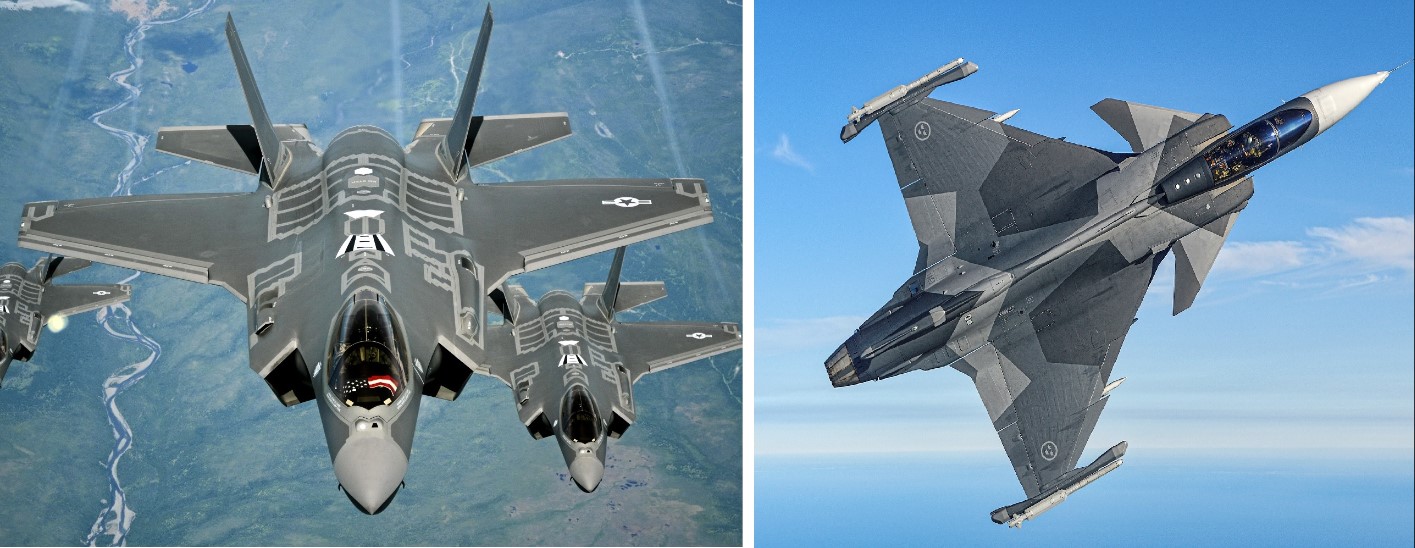
World
Canada’s fighter jet replacement program is under review as the government seeks improved economic returns before finalizing its contract with Lockheed Martin. The $27.7 billion deal for 88 F-35A Lightning II jets is being reassessed, with Industry Minister Mélanie Joly noting that the fleet could be reduced or supplemented with Sweden’s Saab Gripen E if better terms are not agreed. The original plan, announced in January 2023, aimed to replace the Royal Canadian Air Force’s aging CF-18 Hornets with fifth-generation F-35A fighters. The contract, initially valued at approximately CAD 19 billion (around USD 14 billion), covered aircraft procurement, training, and infrastructure. The first jets were scheduled for delivery in 2026, with full operational capability expected by 2032. Subsequent reviews indicated that the total program cost, including support and maintenance over the aircraft’s lifetime, could reach CAD 27.7 billion. Why Canada Is Reviewing the Order Canada’s concerns go beyond cost. The government has emphasized the need for stronger domestic economic benefits from the purchase, including local jobs, technology transfer, and industrial participation for Canadian firms. Lockheed Martin and the U.S. government are expected to demonstrate that the contract delivers value for money and measurable long-term economic benefits for Canada’s aerospace and defense industries. Other factors contributing to the review include operational readiness and infrastructure challenges. The Auditor General’s reports highlighted delays in specialized hangars, training systems, and pilot preparation. Maintaining the F-35 also requires a skilled workforce and complex logistics, raising questions about long-term sustainment and cost management. The review also reflects Canada’s interest in diversifying defense suppliers. While relations with the U.S. remain strong, officials have noted the importance of maintaining autonomy over defense equipment and avoiding overreliance on a single supplier. Why Canada Is Considering the Gripen Saab’s Gripen E has emerged as a potential alternative, having previously offered a package of 88 aircraft, local assembly lines, technology transfer, and an in-country maintenance and upgrade center, potentially located in Montreal. The Gripen is also well-suited to operations from shorter and Arctic runways, a factor relevant to Canada’s northern territories. Compared with the F-35, the Gripen offers lower operating costs and easier maintenance. It also allows Canada greater control over software, upgrades, and sustainment, which some analysts view as increasing strategic and industrial independence. A mixed fleet of F-35s and Gripen E aircraft is under consideration, where F-35s would serve high-end missions such as NATO and NORAD operations, while Gripen jets could handle patrol and regional defense. Benefits and Considerations Supporters of the F-35 note that it provides interoperability with U.S. and NATO forces, advanced sensors, and capabilities not available in other aircraft. Canadian companies already participating in the F-35 industrial base could maintain ongoing manufacturing and maintenance contracts, ensuring some domestic economic benefit. Switching to another aircraft would involve new procurement processes, certification, and infrastructure development, which could affect timelines for replacing the aging CF-18 fleet. Canada’s government is therefore balancing operational capability, industrial participation, cost, and long-term strategic independence in making its decision. Current Status The government has indicated that it is seeking contract adjustments addressing cost management, industrial participation, and maintenance rights. If negotiations do not result in improved terms, Canada may reduce its F-35 order, allowing Saab or other manufacturers to contribute to the fighter fleet. The review reflects Canada’s approach to aligning defense procurement with both operational needs and domestic industrial objectives, while also maintaining flexibility to adjust strategy as conditions and costs evolve.
Read More → Posted on 2025-10-19 14:18:10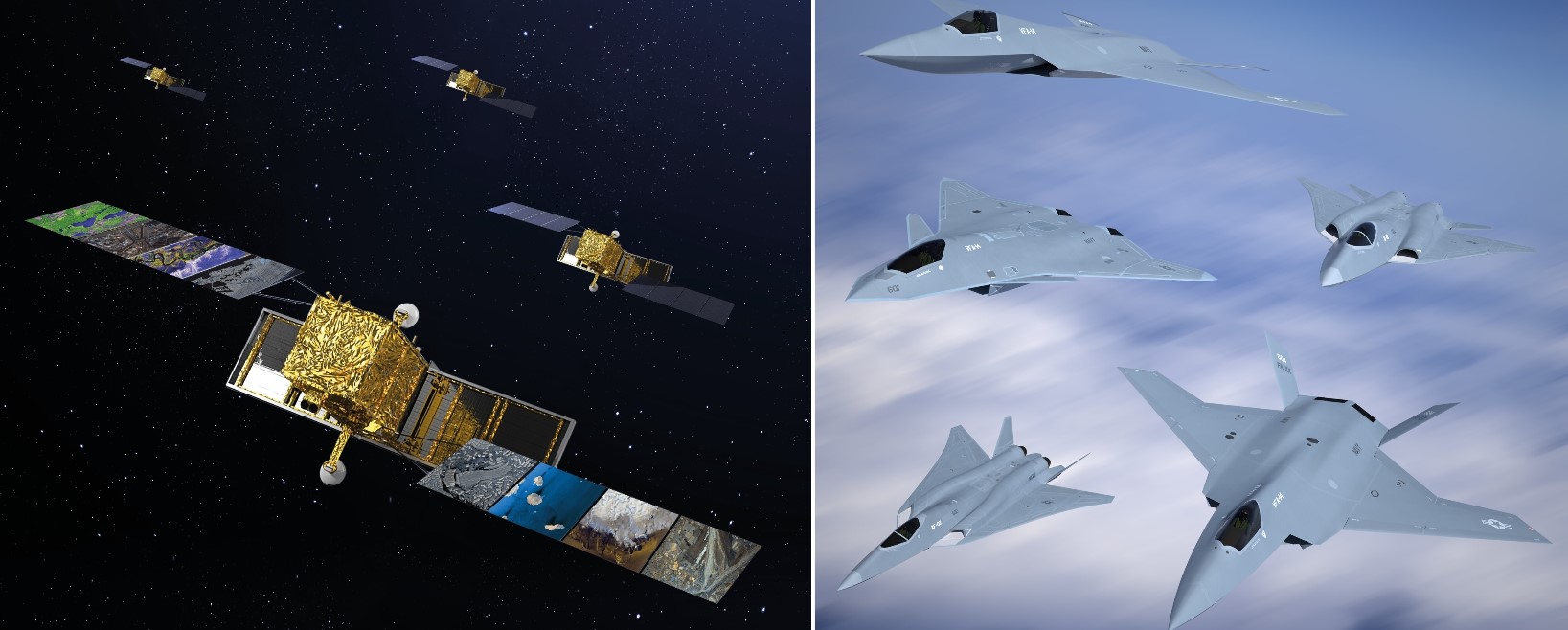
World
Stealth aircraft such as the U.S. F-22 Raptor, F-35 Lightning II, and reconnaissance drones like the RQ-170 are designed to avoid detection by conventional radar systems. They achieve this through radar-absorbing materials and carefully contoured surfaces that scatter radar waves away from the transmitter. Yet stealth technology is not absolute — it works best against specific radar frequencies. Traditional air-defense radars operating in the X-band or Ku-band (centimeter wavelengths) struggle to detect stealth aircraft, but longer-wavelength radars, especially in the VHF or UHF range, can partially defeat these features. When radar wavelengths approach the size of an aircraft’s wings or fuselage, the aircraft’s stealth shaping becomes less effective, producing detectable reflections even from highly advanced stealth platforms. The Concept Behind China’s Dual-Radar Satellite China’s dual-radar satellite concept leverages this principle by combining two complementary radar technologies into a single space-based system. The lower-frequency radar — operating in VHF or UHF bands — acts as a wide-area detector, scanning for anomalies in radar returns that may indicate the presence of stealth aircraft. Once a potential target is identified, the high-frequency Synthetic Aperture Radar (SAR) takes over to refine the image, enhance positional accuracy, and help classify the target. Essentially, the low-frequency radar provides the “eyes,” while the high-frequency radar provides the “focus.” Together, they form a networked detection chain capable of spotting stealth jets and drones from orbit. How Dual-Radar Satellites Work in Practice Detecting stealth aircraft from space is not simply a matter of turning up the radar power. Spaceborne radar must overcome the enormous signal loss caused by distance and atmospheric interference. To compensate, China’s approach may use multistatic and bistatic radar configurations, where one platform transmits radar pulses while another receives the reflections from different angles. This geometry makes it much harder for stealth aircraft to deflect all incoming energy. Moreover, researchers are exploring passive radar techniques that use signals from existing satellite constellations, such as communication or navigation networks, to detect disturbances caused by moving objects. When multiple satellites share data, they can fuse weak signals into coherent tracks, turning faint blips into reliable detections. Signal Fusion and the Role of Artificial Intelligence A major enabler of this technology is data fusion — integrating inputs from multiple radar bands, optical satellites, and infrared sensors to form a composite picture. Low-frequency radar might indicate the presence of a stealth aircraft, while higher-frequency SAR can confirm its shape and movement. Artificial intelligence (AI) plays a crucial role here, using algorithms to filter out noise and distinguish aircraft signatures from environmental clutter. Chinese academic studies over the past few years have detailed the use of machine learning and micro-Doppler analysis to enhance weak-signal detection. This allows satellites to detect subtle oscillations or reflections that betray the presence of aircraft otherwise invisible to conventional radar. Engineering Challenges and Technical Constraints Despite the theoretical promise, building an operational dual-radar satellite faces serious obstacles. Low-frequency radar requires very large antenna apertures to achieve useful resolution, which makes satellite design complex and costly. Long wavelengths are also affected by the ionosphere, introducing distortions that complicate signal processing. Because radar returns are extremely weak from orbital altitudes, high-powered transmitters, large receiving arrays, and sophisticated onboard computing are essential. Even if detection occurs, achieving precise tracking in real time remains difficult, especially when stealth aircraft employ tactics like flying low, using terrain masking, or deploying decoys and jamming. China’s Progress and Strategic Motivation China has steadily increased its investment in radar-based space technology. Academic papers and state-affiliated research institutions have discussed long-wavelength SAR imaging, dual-frequency radar models, and AI-based weak-signal extraction techniques. Although many details remain classified, these studies indicate that China aims to integrate its space-based radar with ground-based VHF systems as part of a larger anti-stealth network. Strategically, this fits within China’s anti-access/area-denial (A2/AD) doctrine, intended to monitor and restrict U.S. stealth operations near its borders, particularly in the South China Sea and Taiwan Strait. A functioning dual-radar satellite constellation would allow China to detect, track, and potentially target stealth aircraft over vast regions previously considered safe from surveillance. Other Countries Pursuing Similar Technologies China is not alone in this pursuit. Russia has a long history of developing meter-wave radar systems such as the Nebo-M and Konteiner over-the-horizon radar, capable of detecting stealth aircraft at long ranges. While Russia’s experiments with space-based long-wavelength radar are less public, its expertise in ground-based systems remains unmatched. The United States and NATO nations are taking a different approach, focusing on networked radar systems, distributed sensors, and AI-enhanced data fusion to detect stealth threats. U.S. research into quantum and photonic radar aims to improve sensitivity to faint radar reflections, although these technologies are still at the experimental stage. India, through its Defence Research and Development Organisation (DRDO), is developing VHF radar and exploring photonic radar principles, while European countries such as France and the UK are integrating long-wavelength radar data into their space and air surveillance frameworks. Limitations and Countermeasures Even with advanced radar constellations, stealth aircraft are unlikely to become obsolete. Detection does not automatically translate to tracking or engagement capability. Stealth designers are already working on broadband radar-absorbent materials (RAM) that can suppress reflections across multiple frequency bands. In addition, electronic warfare systems, deception jamming, and decoy drones can overwhelm radar networks with false targets. Operational tactics, such as emission control or low-altitude flight, will continue to complicate satellite-based detection. Thus, while dual-radar satellites can narrow the stealth advantage, they do not eliminate it entirely. The Global Race Between Stealth and Detection The contest between stealth and radar is evolving into a broader race between concealment and awareness. China’s dual-radar satellite represents an ambitious attempt to extend radar coverage beyond the atmosphere, merging spaceborne sensing with terrestrial systems. Yet the same concept — combining low-frequency detection with high-frequency imaging and advanced processing — is now being explored worldwide. The next decade will likely see more hybrid sensing architectures, where satellites, ground radars, and airborne sensors work in coordination. In the end, stealth will remain valuable but increasingly contested. Just as radar once reshaped warfare in the 20th century, multi-frequency, space-based radar may define the surveillance environment of the 21st. China’s dual-radar satellite program is a signal of that future — one where the balance between invisibility and detection becomes a high-technology struggle fought not only in the skies but across the electromagnetic spectrum itself.
Read More → Posted on 2025-10-19 13:59:29
World
On October 18, 2025, the United States witnessed an unprecedented wave of dissent as over 7 million people participated in more than 2,700 protests across all 50 states. This massive mobilization, dubbed the "No Kings" protests, stands as the largest single-day demonstration in American history. The events unfolded in cities ranging from New York and Los Angeles to smaller towns, marking a significant moment in the nation's political landscape. What Sparked the Protests? The "No Kings" protests were organized in response to what many perceive as authoritarian actions by President Donald Trump during his second term. Critics have raised concerns over increased federal crackdowns on free speech, militarization of cities, and threats to democratic institutions. The demonstrations were coordinated by a coalition of over 200 progressive organizations, including the 50501 movement, Indivisible, the ACLU, and MoveOn. These groups have been vocal in opposing policies they view as undermining democratic norms. Who Were the Organizers? The protests were spearheaded by grassroots movements such as the 50501 movement, which stands for "50 protests, 50 states, 1 movement." This organization has been actively mobilizing against the Trump administration's policies since its inception in early 2025. Other key organizers included Indivisible, the ACLU, and MoveOn, all of which have been instrumental in coordinating nationwide actions. U.S Government Response and Public Reaction The federal government's response to the protests varied across different locations. In some cities, demonstrations were met with a heavy police presence, particularly near federal facilities. Authorities emphasized the importance of maintaining order, while some protesters expressed concerns about the militarization of local law enforcement. Despite these tensions, the majority of protests remained peaceful, with participants emphasizing their commitment to nonviolent expression. Public reaction to the protests has been polarized. Supporters view the demonstrations as a vital exercise of democratic rights, highlighting the importance of holding elected officials accountable. Opponents, including some Republican leaders, have criticized the protests, framing them as unpatriotic or radical. This division underscores the deepening political polarization in the country. Significance of October 18 The choice of October 18 for the protests was symbolic. It followed a significant day in U.S. politics, with the "No Kings" movement aiming to draw attention to what organizers perceive as an erosion of democratic norms. The date also coincided with other major political events, amplifying the public's focus on issues of governance and accountability. The October 18 protests have set a new precedent for civic engagement in the United States. While the immediate impact on policy remains to be seen, the sheer scale of participation signals a significant shift in public willingness to engage in political activism. As the nation moves forward, the "No Kings" protests may serve as a touchstone for future movements advocating for democratic values and accountability. For more detailed coverage and firsthand accounts of the protests, you can refer to reports from The Guardian and Time.
Read More → Posted on 2025-10-19 09:40:16
World
The October 2025 clashes between Pakistan and Afghanistan along their volatile border have evolved into the most violent confrontation between the two since the fall of Kabul in 2021. What began as a series of targeted airstrikes and retaliatory shelling soon escalated into a mini-war, with both sides suffering casualties and material losses. The fog of war, however, has obscured the full picture, as both Islamabad and Kabul have issued sharply conflicting reports about deaths, destroyed positions, and captured military assets. According to Afghan government officials under the Taliban administration, the border fighting on October 12, 2025, resulted in the deaths of around 58 Pakistani soldiers, alongside the destruction or capture of seven Pakistani border posts and multiple vehicles. The Taliban’s spokesperson, Zabihullah Mujahid, claimed Afghan forces carried out “retaliatory operations” after Pakistan conducted airstrikes inside Afghan territory targeting alleged Tehrik-e-Taliban Pakistan (TTP) hideouts. Kabul also released statements asserting that Afghan units destroyed two armored personnel carriers, three military trucks, and damaged several artillery pieces used by Pakistan during cross-border shelling. None of these claims have been independently verified, but Afghan sources portrayed the operation as a significant defensive victory. Pakistan’s narrative tells a different story. The Inter-Services Public Relations (ISPR), the media arm of Pakistan’s military, confirmed that 23 Pakistani soldiers were killed in the week-long clashes, including seven in a suicide bombing in North Waziristan on October 17. However, Islamabad downplayed reports of equipment losses, saying only that two forward observation posts were temporarily overrun and later retaken. Pakistani officials rejected Afghan claims of destroyed tanks or armored vehicles, labeling them as “exaggerations meant for propaganda.” Instead, Pakistan claimed to have eliminated over 200 militants, many allegedly linked to the TTP and operating with Afghan assistance. Satellite imagery and third-party defense analyses offer a more balanced view. A European defense monitoring group, Conflict Armament Survey (CAS), using open-source satellite images, identified at least four damaged Pakistani border structures near Spin Boldak and Kurram, along with burned-out vehicles consistent with light armor or supply trucks. No conclusive evidence of tank destruction was found, but analysts confirmed “visible signs of bombardment” and “localized structural damage” along the frontier. Independent sources, including Reuters and Al Jazeera, documented Pakistan’s immediate tactical losses as moderate but noted a higher degree of material depletion than Islamabad admitted publicly. Journalists stationed near Chaman observed wreckage from two Humvee-type vehicles and reported that one mortar battery had been abandoned after coming under heavy retaliatory fire. Afghan media outlets, by contrast, circulated footage of what they claimed were captured Pakistani helmets, weapons, and ammunition from abandoned posts — though these have not been independently authenticated. The human toll extended beyond combatants. The United Nations Assistance Mission in Afghanistan (UNAMA) stated on October 16 that at least 18 civilians were killed and over 360 injured, mostly from artillery and rocket fire. The UN report focused on the humanitarian cost rather than military figures, emphasizing the displacement of hundreds of Afghan families from Kandahar and Helmand provinces. From a strategic standpoint, analysts believe Pakistan’s losses in manpower and material were limited but symbolic. Two border posts destroyed or heavily damaged, several light vehicles lost, and a few artillery pieces disabled suggest a localized tactical setback rather than a full-scale defeat. Yet, the psychological impact of Afghan forces briefly capturing Pakistani outposts has fueled public debate inside Pakistan. The country’s opposition parties have criticized the military for “strategic complacency,” while state media have sought to project strength through images of retaliatory air operations. By October 15, a temporary 48-hour ceasefire was reached after mediation attempts by Qatar and China, both urging restraint and dialogue. Though direct fighting subsided, tensions remain high. Islamabad continues to demand that Kabul prevent the TTP from using Afghan soil to stage attacks, while Kabul insists that Pakistan respect Afghan sovereignty and halt cross-border air incursions. As of late October, the verified Pakistani military losses stand at approximately 23 soldiers killed, two posts damaged or temporarily lost, four to six vehicles destroyed, and minor equipment losses, including artillery and logistics assets. The Afghan claim of 58 Pakistani deaths and seven posts captured remains unverified by any neutral organization. In truth, the real numbers may never be known with certainty. The border regions of Khyber Pakhtunkhwa and Balochistan are among the most difficult areas in the world to independently monitor, and both governments tightly control information. For now, the October 2025 clashes highlight the perilous balance between military posturing and miscalculation — and how quickly a localized border incident can escalate into a dangerous regional crisis. What remains undeniable is that Pakistan, while not suffering catastrophic battlefield losses, endured measurable human, territorial, and material costs — a reminder that even limited wars along the frontier can exact a heavy toll in blood, equipment, and diplomacy.
Read More → Posted on 2025-10-19 08:53:06
World
Colombian President Gustavo Petro on Saturday issued a sharp rebuke of the United States, accusing it of violating Colombia’s sovereignty and committing what he called an “act of murder” during a recent anti-drug-trafficking military operation in the Caribbean Sea. In a statement posted on the social media platform X (formerly Twitter), Petro alleged that U.S. military forces operating in Colombian territorial waters were responsible for the death of Alejandro Carranza, a Colombian fisherman who, according to Petro, had no connection to narcotics trafficking or criminal organizations. “U.S. government officials have committed murder and violated our sovereignty in our territorial waters. Fisherman Alejandro Carranza had no ties to drug traffickers and his daily activity was fishing,” the Colombian president wrote. Incident Details The incident reportedly occurred in September 2025, when U.S. forces were conducting a maritime interdiction operation targeting drug-smuggling vessels in the Caribbean. According to video testimony from Carranza’s family members—shared by Petro on X—the fisherman’s boat was struck during a nighttime assault by a U.S. aircraft or ship operating under anti-narcotics authority. Family members stated that Carranza, a long-time fisherman from the northern Caribbean coast, was returning from a routine fishing trip when the strike occurred. His body was later recovered by local fishermen, who alerted authorities. Colombian officials have reportedly demanded a formal explanation from Washington regarding the operation and its legal basis within Colombian waters. The Colombian Navy has also opened an investigation to verify the exact coordinates of the strike and to determine whether it indeed occurred within the country’s Exclusive Economic Zone (EEZ) or inside recognized territorial waters—a crucial distinction in international maritime law. Diplomatic Tensions Rising The allegations come amid growing friction between Bogotá and Washington over security cooperation and the U.S. role in Latin America’s anti-drug operations. President Petro, Colombia’s first leftist leader, has been a vocal critic of the traditional U.S.-led “War on Drugs”, calling it a failure that has devastated local communities while doing little to curb drug demand in North America. In recent months, Petro has sought to redefine Colombia’s counter-narcotics strategy, emphasizing social investment, crop substitution, and rural development rather than heavy militarization. His administration has also increased scrutiny of foreign military presence and operations in Colombian territory and waters. Washington Yet to Respond As of Sunday, the U.S. Embassy in Bogotá and the Pentagon had not issued an official statement addressing Petro’s accusations. However, U.S. officials in past briefings have defended such Caribbean operations as part of multinational efforts to interdict cocaine shipments bound for North America, often conducted in coordination with partner nations under joint agreements. If confirmed, the incident could strain U.S.–Colombia relations, which have traditionally been among the strongest in the region. Colombia has long been one of Washington’s key allies in South America, receiving billions in military and development assistance under Plan Colombia and its successor programs. A Test for Bilateral Relations Analysts suggest the killing of Carranza—if proven to have occurred within Colombian jurisdiction—could force a reevaluation of bilateral military cooperation and lead to new discussions over rules of engagement and accountability in joint anti-narcotics missions. President Petro’s firm response signals his intent to assert national sovereignty and civilian oversight over foreign military activity in Colombian territory. “Colombia is not a U.S. colony,” Petro has said in previous speeches, emphasizing that his administration will not tolerate unilateral actions that violate international law. As investigations continue, the death of Alejandro Carranza threatens to become not just a local tragedy but a symbolic flashpoint in the ongoing debate over U.S. interventionism and Latin American sovereignty in the name of counter-narcotics operations.
Read More → Posted on 2025-10-19 08:38:01Search
Top Trending in 24 Hours
-
 Tulsi Gabbard Releases Declassified Files Detailing U.S.-Backed Network of 120 Biolaboratories Across 30+ Countries
-
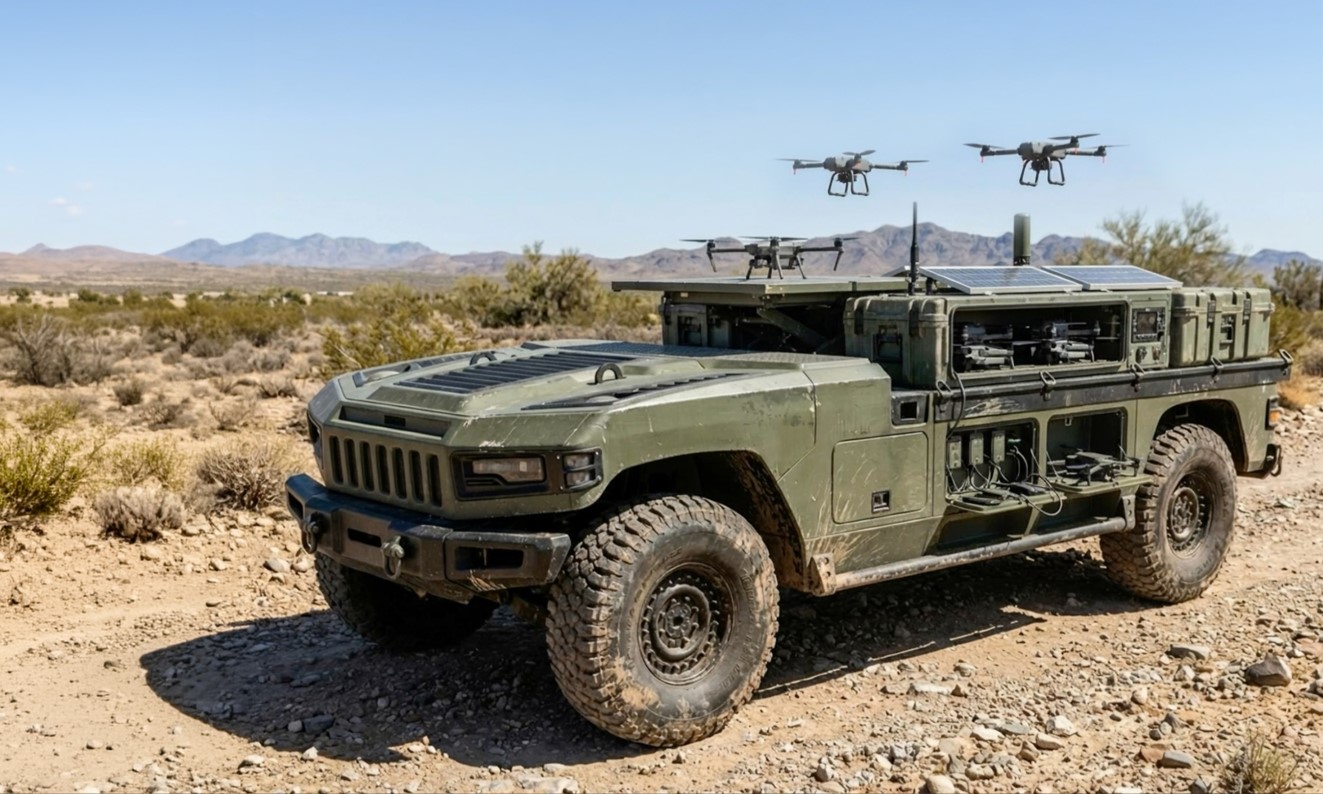 AM General Unveils Next-Generation UGV and JLTV A2 with Counter-Drone Systems at Eurosatory 2026
-
 Dassault Seeks Compensation From Airbus as Eurodrone Dispute Erupts After FCAS Collapse
-
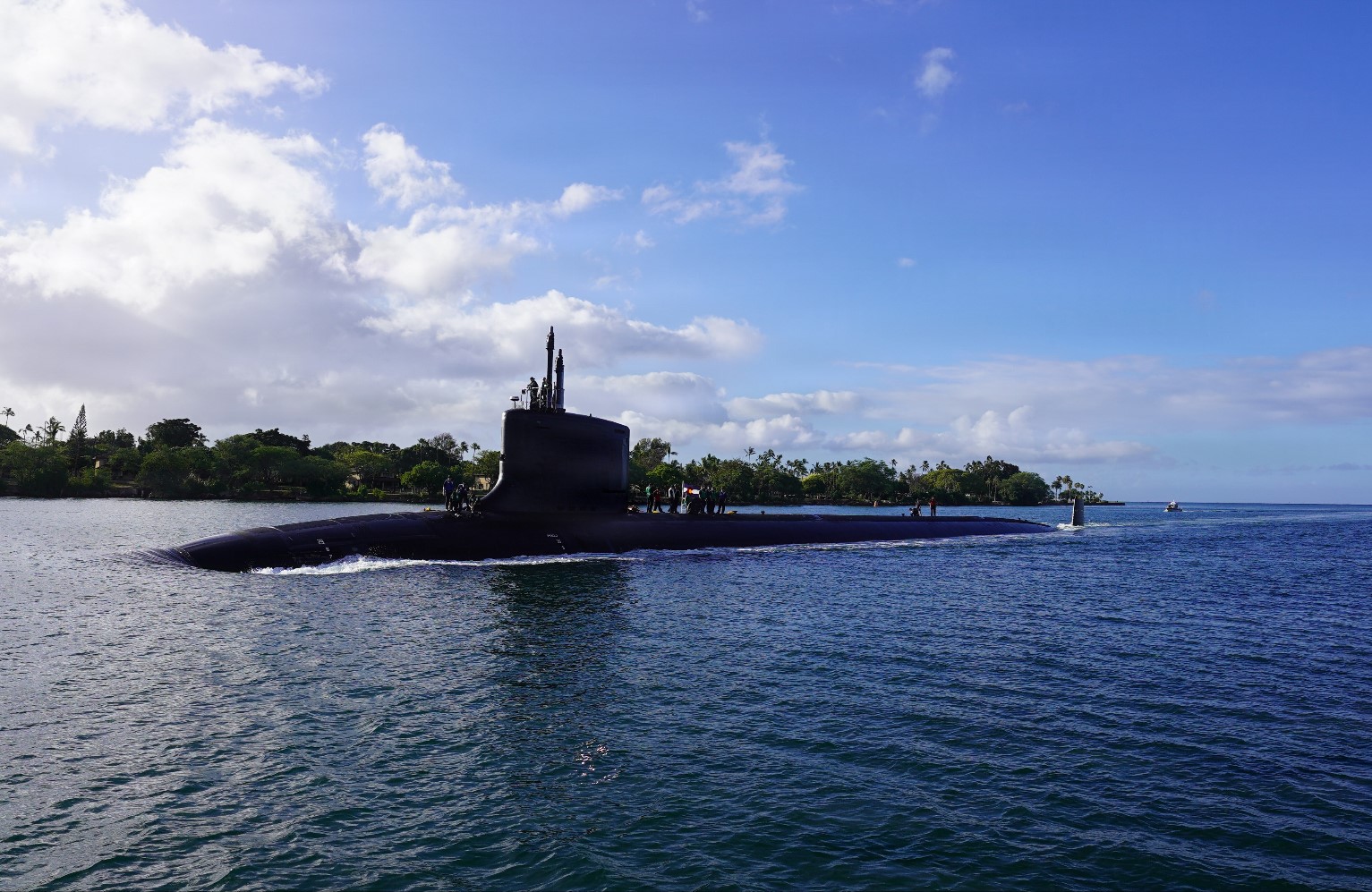 U.S. Navy's USS Colorado Submarine Returns to Pacific Fleet 29 Days Early After Major Pearl Harbor Overhaul
-
 Pakistan Raises Defence Budget from $9 Billion to $10.8 Billion as J-35 Fighter and Hangor Submarine Programs Advance
-
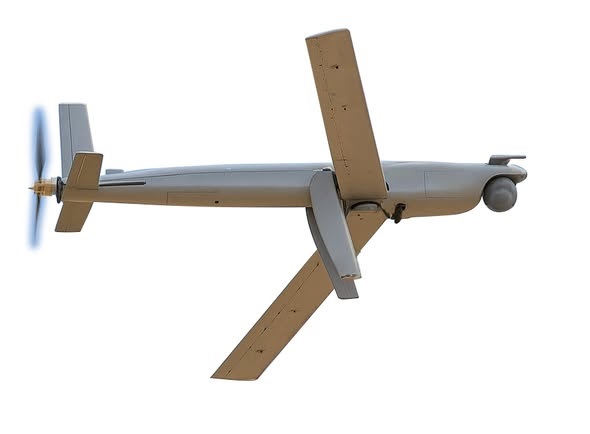 Elbit Systems and Diehl Defence Partner to Offer SkyStriker Loitering Munition to German Armed Forces
-
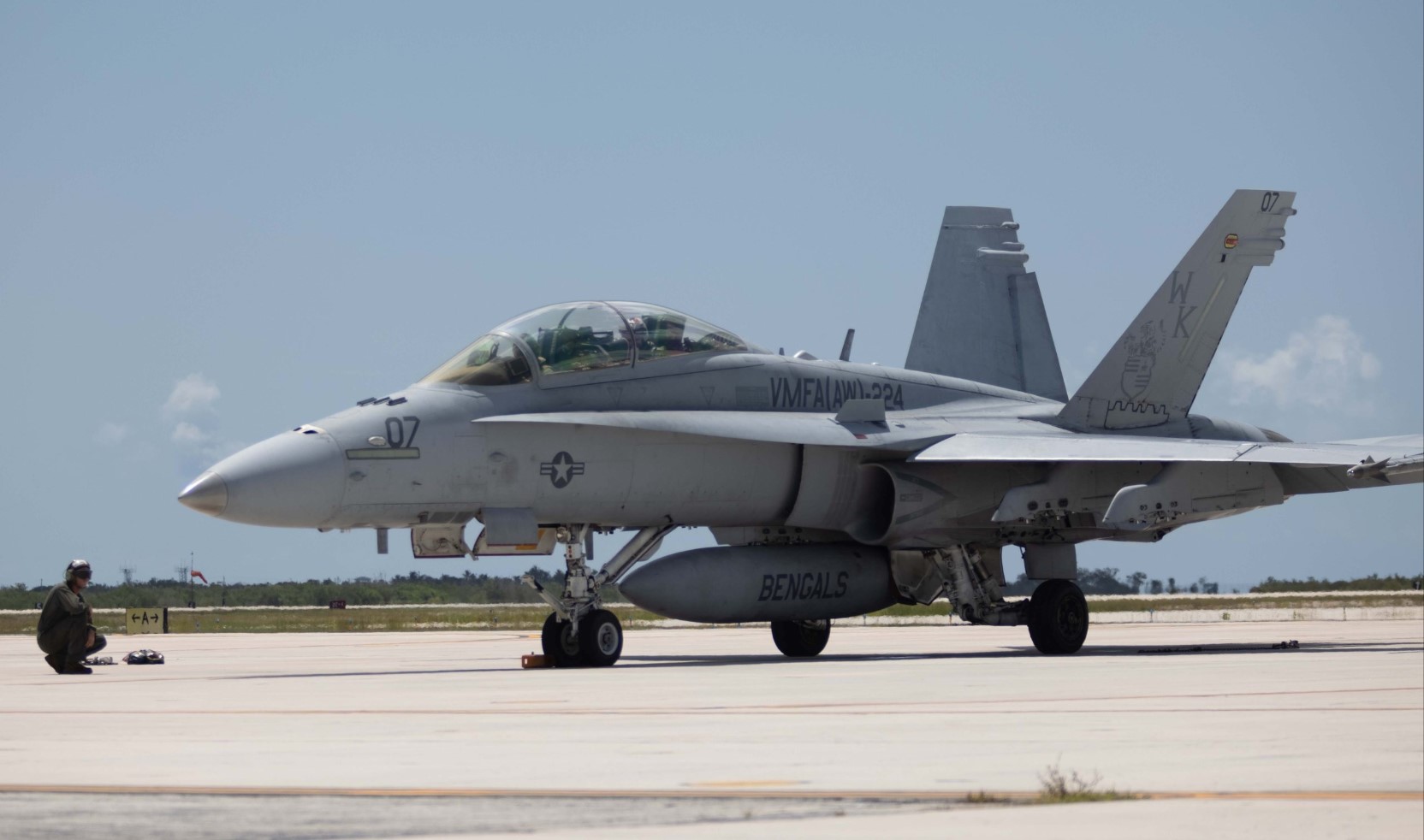 US Marine Corps F/A-18D Hornet Crashes During Training Flight in Washington Mountains; Pilot Ejects Safely
-
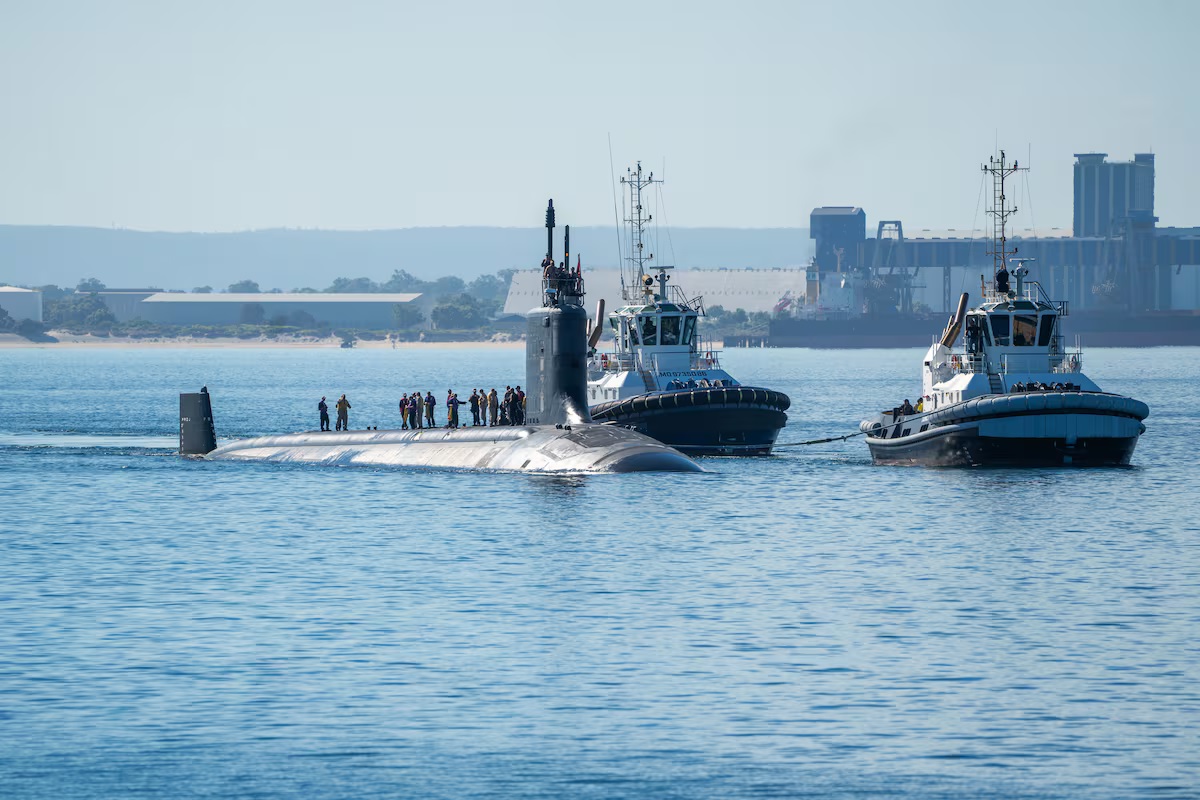 U.S. Navy Reestablishes Submarine Squadron 3 at HMAS Stirling to Support AUKUS Rotational Force
Top Trending in 4 Days
-
 Iranian Media Leaks 14-Point U.S.-Iran Peace Framework Amid Ongoing Negotiations
-
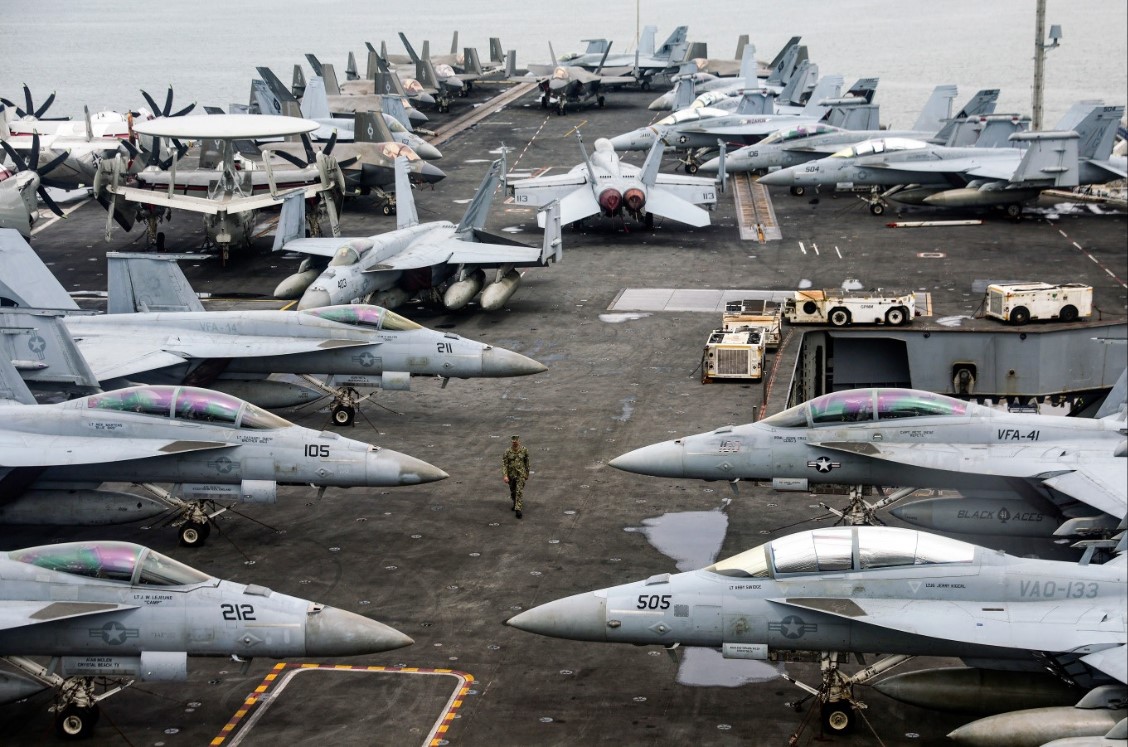 US Plans Significant Reduction of Fighter Jets and Warships for NATO Operations in Europe
-
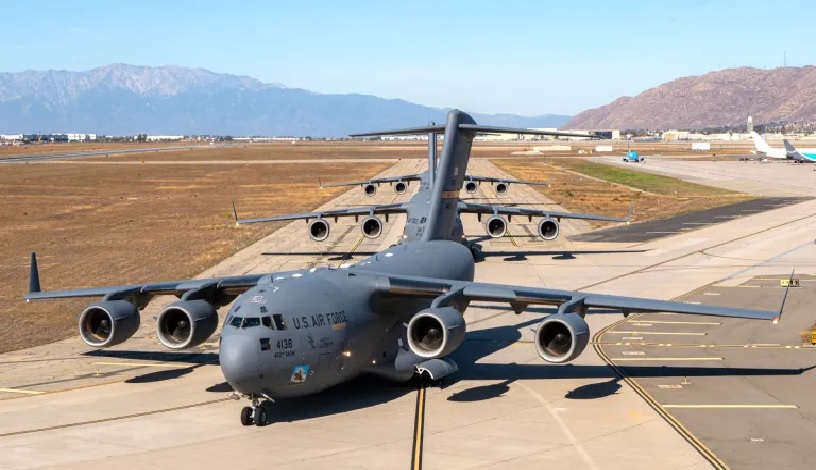 U.S. Air Force Faces Strategic Airlift Shortfall as C-17 Production Restart Remains Uncertain
-
 NATO Commander Says Russia Not Seeking Conflict With Alliance Despite U.S. Force Reductions
-
 Russian Defense Firm ZALA Unveils KAMA Unmanned Surface Vessel Family at FLOT-2026 Naval Exhibition
-
 U.S. Space Force Awards $437.7 Million Contracts for First PTS-G Swarm 1 Anti-Jam Satellites
-
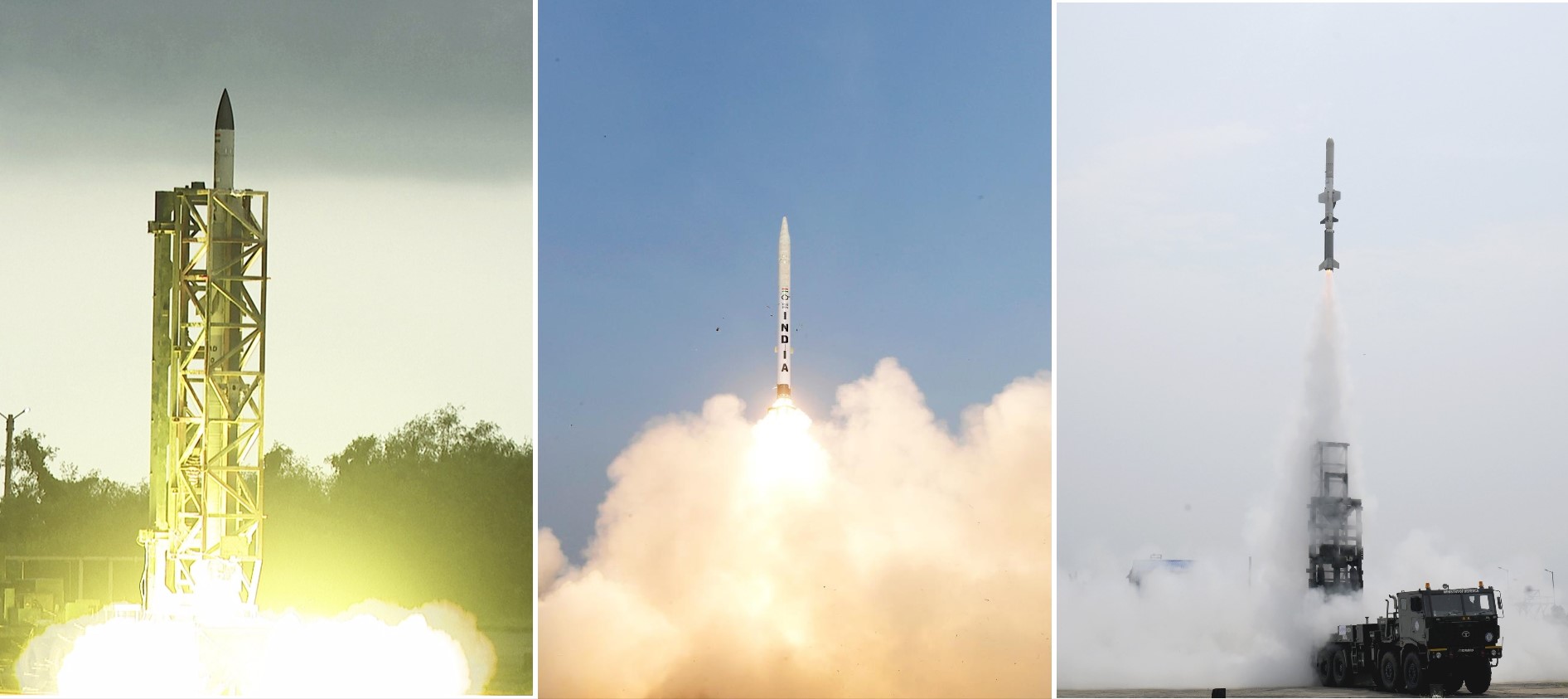 India Successfully Conducts AD-1, AD-2 Interceptor Tests and Maiden NASM-MR Flight Trial
-
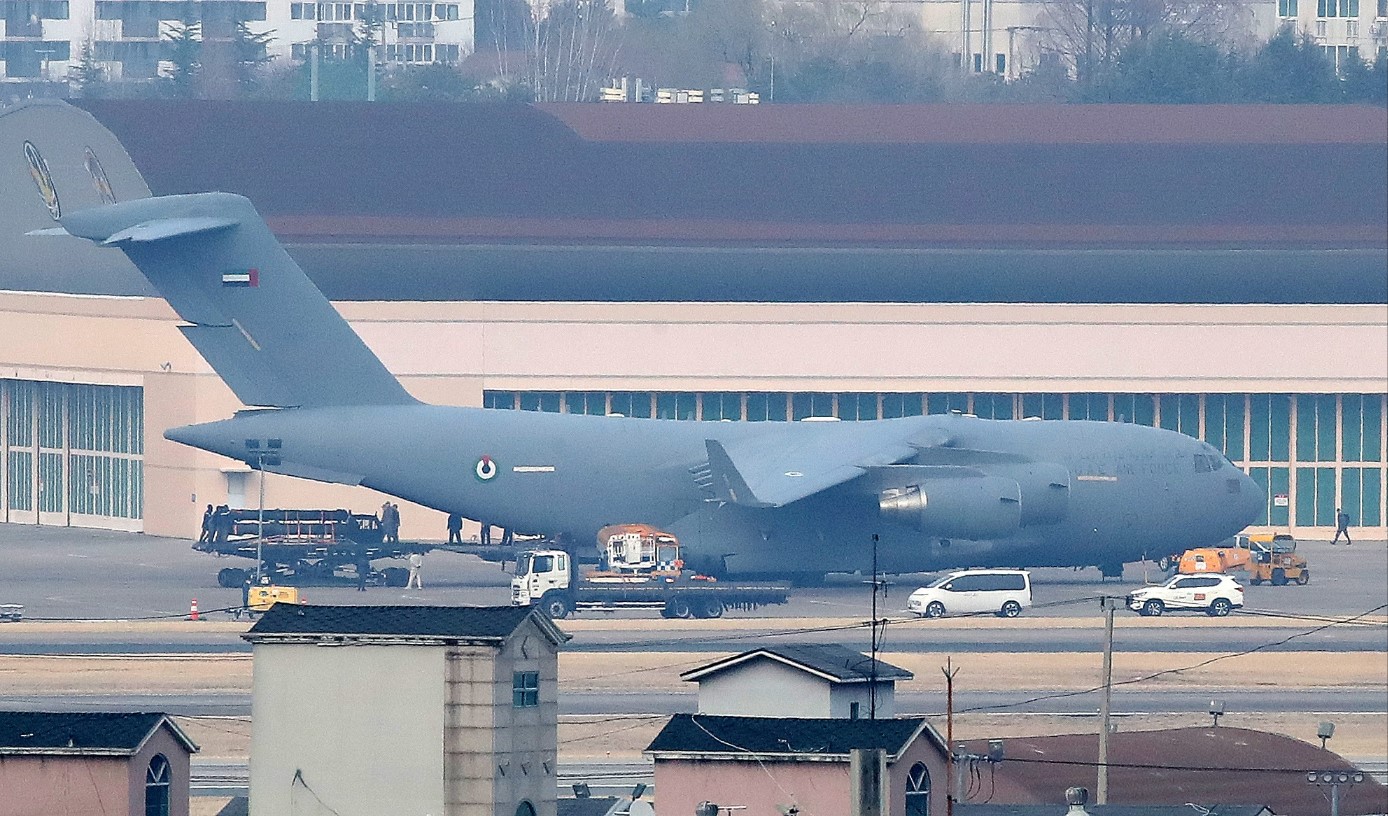 UAE Urgently Airlifts Cheongung-II Missile Defense Battery From South Korea Using Eight C-17 Aircraft