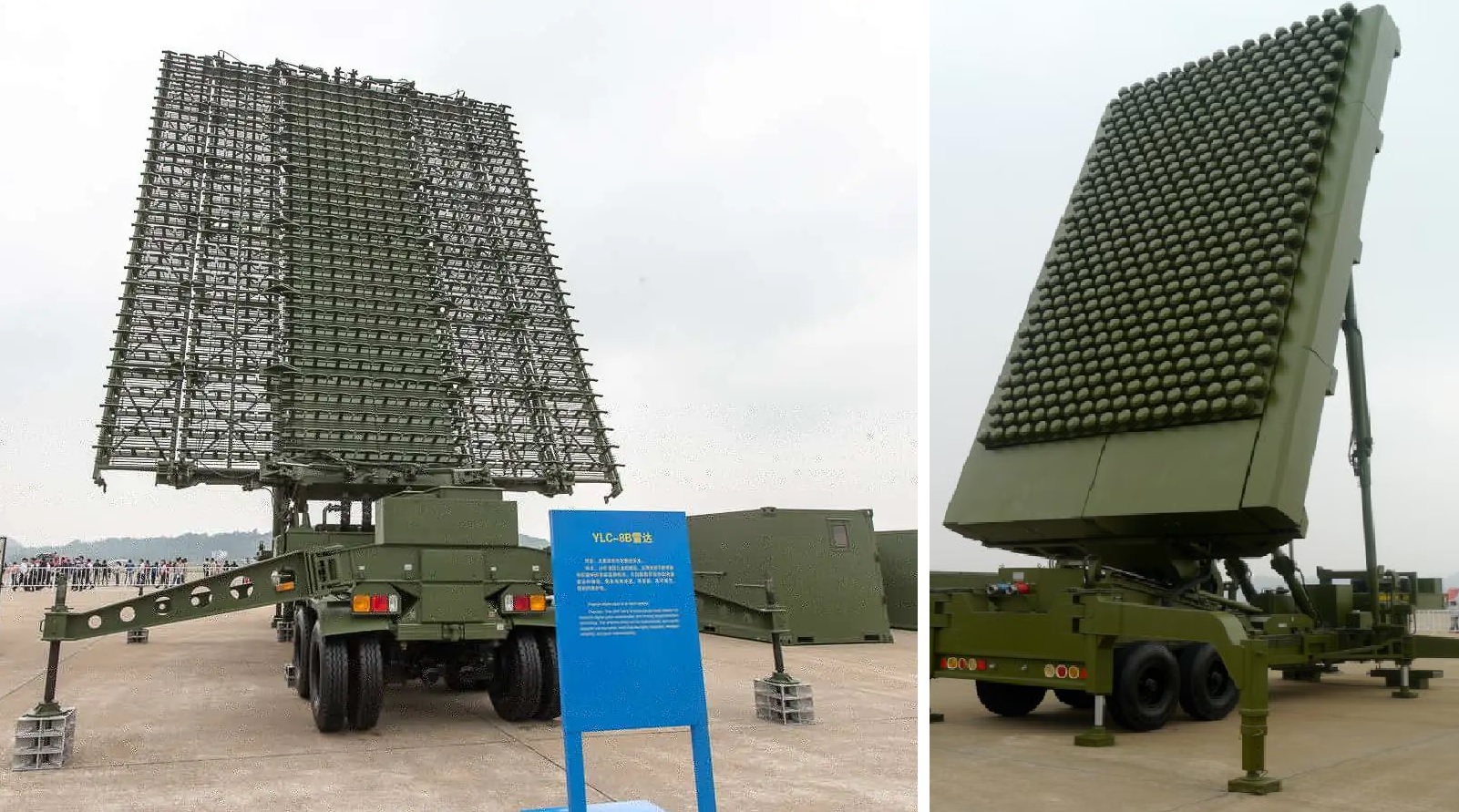
China has reportedly entered the mass production phase of a next-generation quantum radar component, which officials claim could eventually enable the detection of advanced stealth aircraft such as the US B-2 Spirit and F-35 Lightning II fighters. The breakthrough, announced by Chinese state media this week, centers on an ultra-sensitive single-photon detector — a critical building block for quantum radar and communication systems.
Next-Generation “Photon Catcher”
The device, often referred to by Chinese scientists as a “photon catcher”, was developed by researchers in Hefei, a hub for quantum technology in China. It is a four-channel ultra-low-noise single-photon detector capable of identifying individual photons — the smallest measurable units of light. This capability is essential for quantum illumination, a technique that forms the theoretical basis of quantum radar.
According to Chinese reports, the mass-produced detector features extremely low background noise and high quantum efficiency, allowing it to identify weak return signals from distant, low-reflectivity targets that are typically invisible to conventional radar systems. The device will also be used for secure quantum communication and optical sensing, but its military implications have drawn the most global attention.
How Quantum Radar Works
Traditional radar systems emit radio waves that bounce off targets, but stealth aircraft like the B-2 and F-35 are designed with radar-absorbent materials and angular surfaces to scatter these signals away. Quantum radar, however, uses entangled photons — pairs of light particles whose quantum states are linked.
In a quantum illumination radar, one photon from each entangled pair is transmitted toward the target while its twin is retained. When the transmitted photon reflects off an object and returns, its quantum correlation with the retained photon helps distinguish genuine returns from background noise. This process theoretically improves the signal-to-noise ratio and allows detection of low radar cross-section (RCS) targets, even in cluttered or jamming-heavy environments.
Detection Range and Sensitivity
While Chinese state outlets claim the new detector can identify “extremely weak echoes,” no verifiable data has been released on its detection range or minimum RCS capability. However, theoretical models suggest that such quantum detectors could, in ideal conditions, detect objects with RCS values below 0.001 m² — comparable to the radar signature of stealth aircraft — at distances of 50 to 100 kilometers.
In comparison, current low-frequency radars can sometimes track stealth aircraft at similar ranges, but they lack precision and tracking accuracy. Quantum radar promises to merge sensitivity with precision, if engineering challenges like signal decoherence, atmospheric noise, and photon loss can be overcome.
How It Differs from Conventional Anti-Stealth Radar
Current radar systems designed to detect stealth aircraft rely on VHF or L-band frequencies, which interact differently with radar-absorbent materials. Others use passive detection methods, such as monitoring electromagnetic emissions or tracking infrared signatures.
Quantum radar, on the other hand, represents a paradigm shift — it does not rely purely on frequency or power but on quantum-level measurement of returned photons. It theoretically enables detection even when the reflected signal is weaker than environmental noise, something impossible for classical radar systems.
Moreover, the single-photon detector produced by China differs from traditional radar receivers by being capable of counting and distinguishing individual photons. This allows the system to recognize incredibly weak returns that would otherwise be lost in electronic noise.
Global Implications and Skepticism
If successful, a deployable quantum radar would dramatically alter modern aerial warfare. It could render stealth technology — a cornerstone of US and allied air power — far less effective. The B-2 Spirit, F-35, and upcoming B-21 Raider all depend on maintaining minimal radar visibility for survivability in contested airspace.
However, experts outside China remain skeptical. Quantum illumination experiments so far have been limited to short-range laboratory tests, typically within a few meters. Extending these results to long-range, atmospheric conditions remains a significant challenge. Entangled photons are fragile and easily disturbed by environmental interference, reducing their effectiveness over distance.
According to Western analysts, China’s announcement marks progress in quantum sensing hardware, not yet in field-deployable radar systems. Still, by moving to mass production, Beijing demonstrates confidence that the technology will mature within the next decade.
A Step Toward Quantum Supremacy in Defense
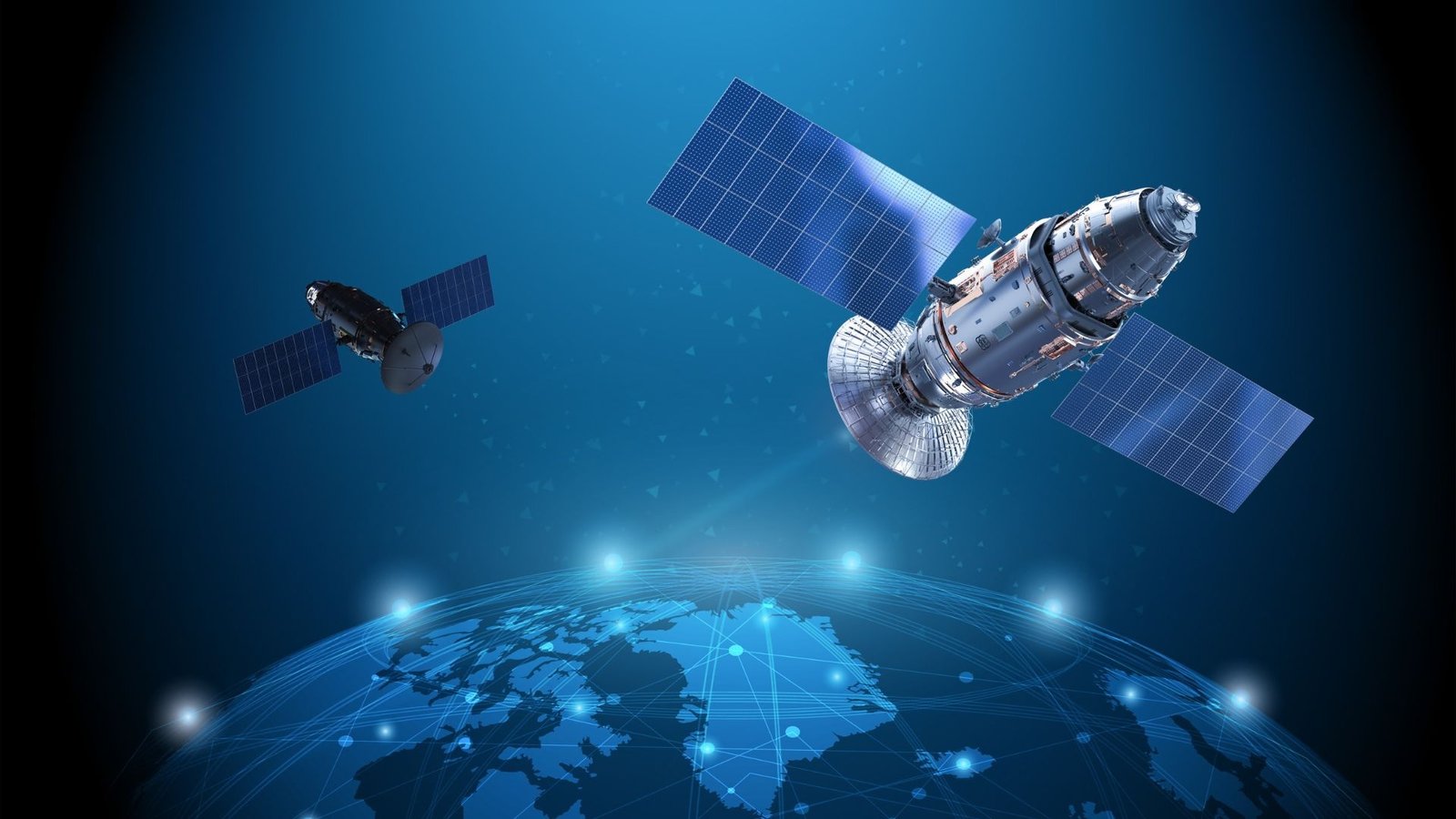
The new quantum detector fits into China’s broader push for quantum supremacy in both civilian and defense applications. Alongside its quantum communication satellite (Micius) and secure quantum networks, this radar component underscores China’s ambitions to lead in next-generation sensing technologies that could disrupt existing military doctrines.
While practical, long-range quantum radar remains unproven, the current progress in photon detection and quantum electronics shows that the race toward defeating stealth is accelerating — and China is positioning itself at the forefront.
——— End of Article ———