The International Criminal Court (ICC) has rejected Israel’s appeal against the arrest warrants issued for Prime Minister Benjamin Netanyahu and former Defense Minister Yoav Gallant, marking a major legal and diplomatic setback for Israel amid the ongoing conflict in Gaza. The decision affirms the ICC’s earlier determination that there are “reasonable grounds” to believe both leaders bear criminal responsibility for alleged war crimes and crimes against humanity committed during Israel’s military operations in Gaza.
The arrest warrants were issued on November 21, 2024, by the ICC’s Pre-Trial Chamber I, following a formal request from ICC Chief Prosecutor Karim A.A. Khan KC. The charges against Netanyahu and Gallant include using starvation as a method of warfare, intentionally directing attacks against civilians, and crimes against humanity, including murder, persecution, and other inhumane acts. The Court concluded that from October 8, 2023, through May 2024, Israel’s leadership pursued policies that deliberately restricted food, water, and humanitarian access to Gaza’s civilian population.
Israel strongly rejected the warrants, arguing that the ICC has no jurisdiction over its actions because Israel is not a signatory to the Rome Statute, the treaty establishing the Court. In May 2025, Israel submitted a formal request to dismiss the warrants, claiming that the ICC overstepped its authority. However, on July 16, 2025, the ICC ruled that there was “no legal basis” to revoke the warrants while questions over jurisdiction remain unresolved. Israel then attempted to appeal the ruling, but in a 13-page decision, the ICC judges declared that Israel’s appeal was inadmissible, stating, “The Chamber therefore rejects the request.” This latest judgment closes the door on Israel’s legal maneuvering to halt the case.
The ICC’s Appeals Chamber had earlier instructed the Pre-Trial Chamber to reconsider certain elements of Israel’s jurisdictional objections in April 2025, keeping the broader legal question unresolved. This means that while the warrants remain active, the final ruling on whether the ICC has authority over Israeli officials has yet to be determined. As a result, the case continues to occupy a legally complex and politically charged space, with no clear end in sight.
Reactions to the ICC’s decision have been fierce. Prime Minister Netanyahu denounced the warrants as “an anti-Semitic attack on the State of Israel,” comparing it to historic injustices against the Jewish people. The United States—also not a member of the ICC—strongly backed Israel. Then-President Joe Biden called the ruling “outrageous,” and Washington imposed sanctions on senior ICC officials, accusing the Court of politically motivated actions. The European Union, by contrast, maintained that its member states, as signatories to the Rome Statute, are legally obligated to execute ICC warrants, meaning they must arrest and transfer the accused if they enter EU territory.
Under international law, all 123 member states of the ICC are required to comply with its orders. This means that if Netanyahu or Gallant travel to any country that is party to the Rome Statute, they could legally be detained and handed over to The Hague. However, many analysts note that the actual enforcement of such warrants often depends more on political will than on legal obligation. In practice, most Western and allied nations are unlikely to arrest sitting Israeli leaders, despite the formal legal framework.
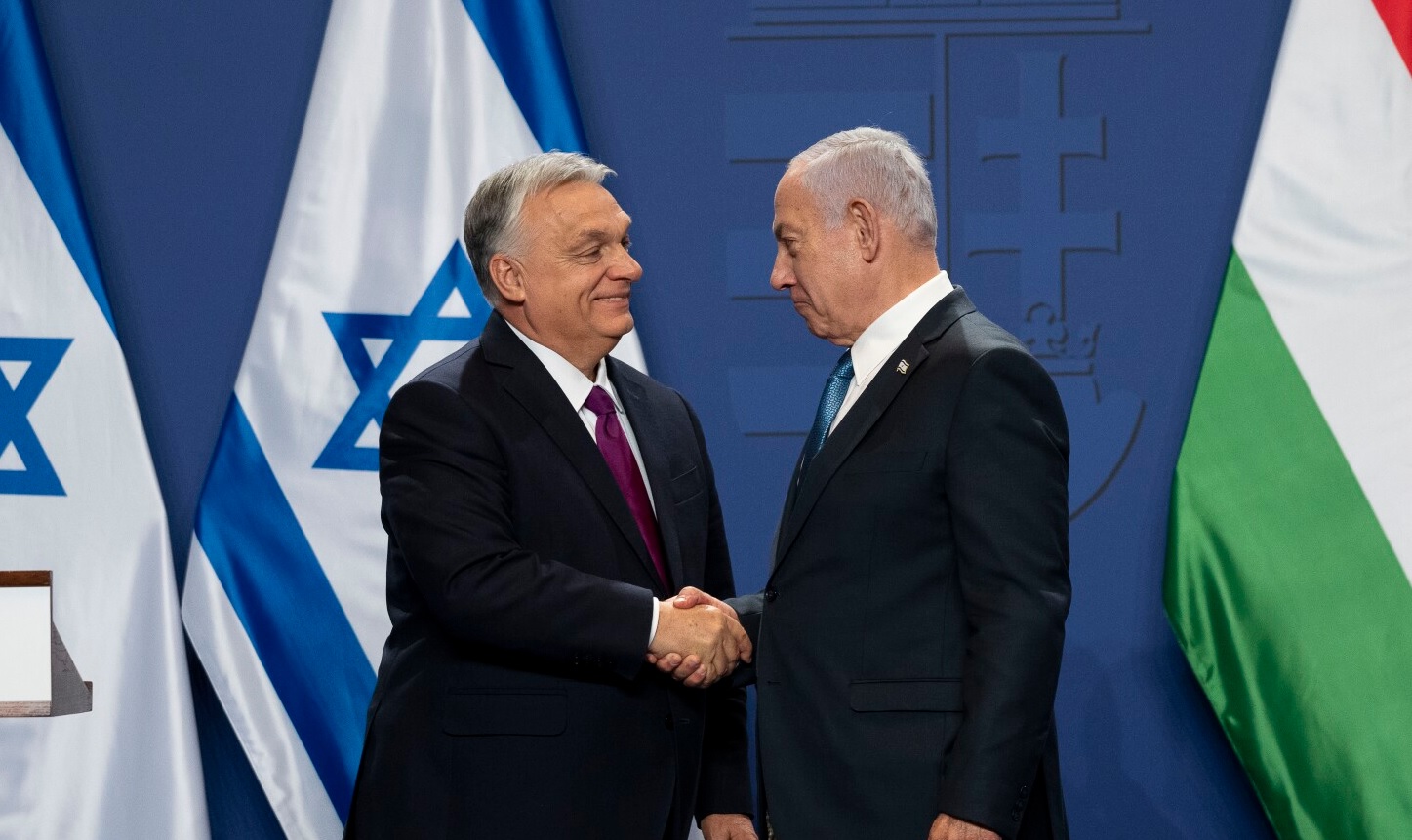
After the International Criminal Court (ICC) issued arrest warrants for Prime Minister Benjamin Netanyahu and former Defense Minister Yoav Gallant in November 2024, Netanyahu continued his international engagements, including a visit to an ICC member state. In early April 2025, he travelled to Hungary, a country that is a signatory to the Rome Statute and therefore legally obliged to enforce ICC arrest warrants. Despite this, the Hungarian government, under Prime Minister Viktor Orbán, publicly declared that it would not comply with the ICC order and would not arrest Netanyahu during his visit. The decision drew international criticism and underscored the tension between political alliances and legal obligations under international law. Earlier, in February 2025, Netanyahu had also visited the United States, which is not a member of the ICC and therefore not bound by the Court’s jurisdiction. His trip to Hungary, however, marked the first known instance of an Israeli leader visiting an ICC member state after the issuance of an active arrest warrant, highlighting both Israel’s defiance and the political divisions among ICC member countries regarding enforcement of the Court’s rulings.
The case represents one of the most politically sensitive actions in the ICC’s history. It is unprecedented for a sitting prime minister of a major U.S.-backed democracy to face an international arrest warrant. The Court’s move underscores its stance that no political leader is immune from accountability for alleged war crimes, regardless of their country’s treaty status. Yet, the geopolitical implications are profound: the decision further strains ICC–U.S. relations and places European and Arab states in a delicate position regarding future dealings with Israel.
The ICC’s rejection of Israel’s appeal highlights the growing tension between international law and global power politics. While the warrants remain in force, their enforcement is uncertain, hinging on the willingness of states to act. As the ICC continues to deliberate over its jurisdiction, Netanyahu and Gallant’s international travel will likely face new restrictions, and Israel’s diplomatic engagements may encounter unprecedented legal and political challenges.
For now, the ICC’s message is clear: its pursuit of justice in the Gaza conflict will proceed despite opposition from some of the world’s most powerful governments. Whether the international community will uphold the Court’s authority—or sidestep it under political pressure—remains one of the most consequential questions in modern international law.
——— End of Article ———