
World
On October 13, 2025, General Atomics Electromagnetic Systems (GA-EMS) announced the successful validation of flight-critical functions for its Long Range Maneuvering Projectile (LRMP) when fired from an M777 155 mm howitzer at the U.S. Army Yuma Proving Ground. The trial marks a step in moving 155 mm artillery from purely ballistic trajectories to winged, guided glide profiles that can extend range and improve accuracy in GPS-degraded or contested environments. Successful Validation at Yuma According to GA-EMS, the recent test series confirmed several important in-flight phases for the glide projectile: sabot separation, de-spin stabilization, wing deployment, and controlled descent and maneuvering. All these were achieved after the stresses of a conventional artillery launch. The tests used M231 propellant charges and provided data supporting the projectile’s predicted aerodynamic performance. How the LRMP Works The LRMP is a winged, guided projectile designed to achieve greater distances through aerodynamic lift instead of rocket propulsion. It includes fold-out wings and onboard guidance and control electronics that allow mid-course adjustments during flight. The round is designed to be compatible with existing artillery systems such as the M777, without modification. According to General Atomics, the LRMP can potentially double or triple the range of current 155 mm rounds, depending on charge and firing angle. The aerodynamic design also enables stable flight and improved engagement of both stationary and moving targets. Technical Specifications Caliber: 155 mm (compatible with M777 and similar artillery systems) Propulsion: Non-rocket, glide-based through aerodynamic lift Launch Charges: Works with existing propellant increments (tested with M231) Flight Features: Sabot separation, de-spin, wing deployment, and controlled glide Range Potential: Claimed 120 km+, depending on conditions and trajectory Guidance: Internal system capable of operating in GPS-limited environments (specifics not disclosed) Payload: Configurable warhead or sensor package options; details remain undisclosed Although General Atomics has not released specific range results from the latest test, it maintains that the design can achieve significant range increases over conventional artillery shells. Operational Relevance The development of glide-capable 155 mm munitions supports the Army’s effort to extend the reach and precision of existing artillery systems. By combining long-range performance with compatibility for current howitzers, the LRMP could provide a cost-effective option between traditional artillery and rocket-assisted systems. In the context of Long Range Precision Fires (LRPF) modernization, the ability to engage targets beyond 100 km could enhance the flexibility of units using the M777 or future self-propelled howitzers. Challenges and Next Steps While the Yuma test confirmed the LRMP’s basic flight mechanics, several points remain under evaluation: Operational range validation: Further testing is needed to confirm consistent accuracy at extended ranges. Guidance and navigation: The company has not detailed the exact sensors or seeker technology used. Production and logistics: Future decisions will depend on manufacturing cost, reliability, and integration with Army fire control systems. General Atomics is expected to continue testing to assess range, accuracy, and system integration under realistic conditions. Strategic The Long Range Maneuvering Projectile reflects a gradual shift toward improving the precision and range of conventional artillery using existing infrastructure. By introducing glide technology to 155 mm munitions, the system may offer an incremental but important improvement in long-range fire capabilities. If further trials confirm the system’s performance and cost-effectiveness, it could become part of the U.S. Army’s future artillery options for extended-range, guided munitions suited to modern operational environments.
Read More → Posted on 2025-10-16 16:51:55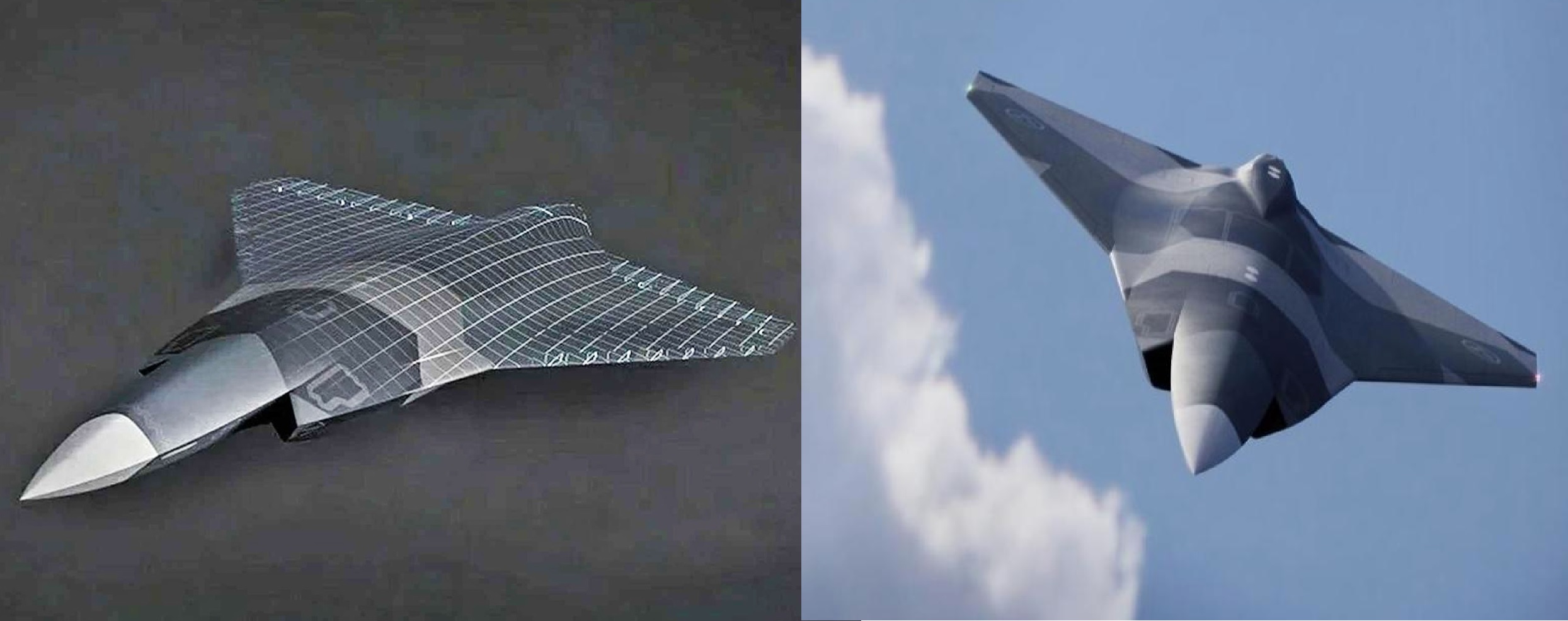
World
On October 14, 2025, Saab announced that it had received a SEK 2.6 billion (approximately USD 238 million) contract from the Swedish Defence Materiel Administration (FMV) to continue studies and technology development for Sweden’s next-generation fighter system. This contract is part of the broader national program, Koncept för Framtida Stridsflyg (KFS), which aims to determine the future path of Sweden’s air combat capabilities and a successor to the JAS 39 Gripen fleet in the 2040s. The work under this contract focuses on the development of Sweden’s first stealth-capable fighter jet alongside a family of autonomous wingman drones. These drones are intended to operate in coordination with the manned fighter, providing force multiplication and enhancing operational flexibility. Saab will carry out the program in close collaboration with FMV, the Swedish Armed Forces, the Swedish Defence Research Agency (FOI), and GKN Aerospace. The joint effort will support strategic decisions regarding Sweden’s air combat capabilities for the next several decades. The KFS program explores three primary pathways for Sweden’s next-generation fighter. One pathway involves fully domestic development, in which Sweden would design and manufacture a new fighter jet using national expertise and industrial capabilities. Another considers international collaboration with partner nations to co-develop the aircraft. The final option examines acquiring an off-the-shelf fighter from foreign suppliers. Decisions regarding the preferred development pathway are expected by 2031, with the goal of fielding a new aircraft post-2030. Saab’s work under this contract will extend through 2027 and includes technology demonstrator development to validate key technologies such as stealth, advanced propulsion systems, and next-generation avionics. The program also encompasses detailed conceptual studies examining how manned and unmanned systems can operate together effectively. A key component of the effort is the Vägval Stridsflyg (Combat Aviation Pathway) initiative, which seeks to explore and shape the technological and operational concepts for Sweden’s air power beyond 2040. Lars Tossman, head of Saab’s Aeronautics business, emphasized that the contract represents a major step in preparing innovative solutions to meet the Swedish Armed Forces’ long-term operational needs. Saab’s involvement ensures that the country will maintain a leading edge in air combat technology, combining the capabilities of manned fighters with autonomous drones to enhance mission flexibility and survivability. According to the project timeline, Saab will conduct studies and technology development from 2025 through 2027, with initial flights of the technology demonstrator expected around 2027. By 2030, the Swedish government aims to make a decision on the preferred pathway for the next-generation fighter, shaping the country’s defense posture and technological roadmap for the coming decades. This strategic initiative positions Sweden at the forefront of next-generation air combat technology. Saab’s work is central to ensuring that the nation’s future fighter program, supported by cutting-edge manned and unmanned systems, aligns with national security objectives and maintains Sweden’s operational independence in air warfare.
Read More → Posted on 2025-10-16 15:52:12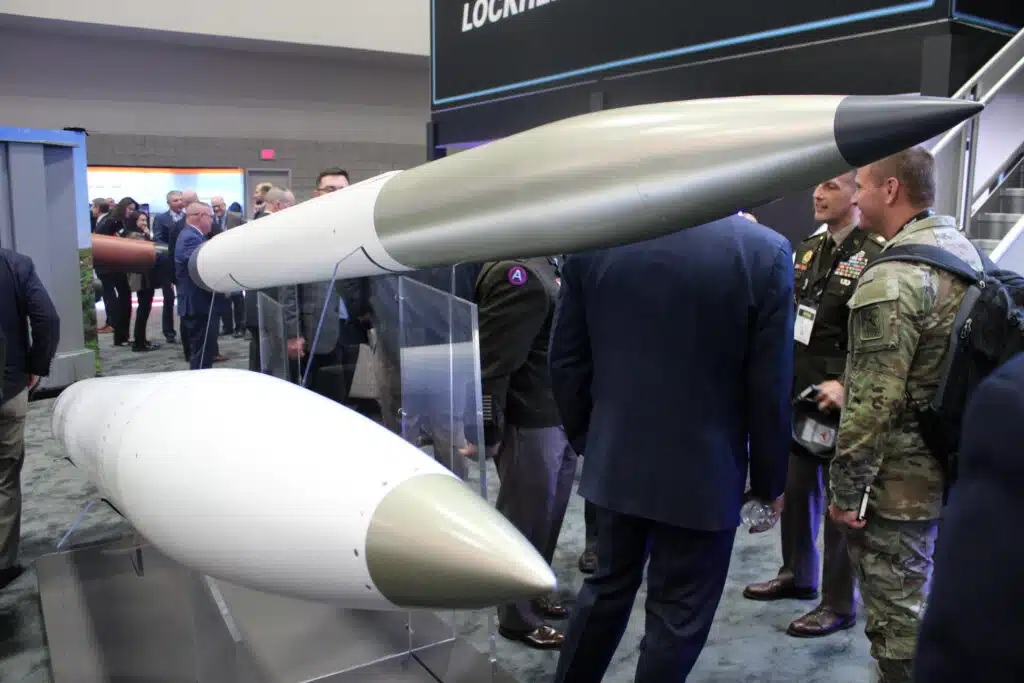
World
Lockheed Martin is advancing its Precision Strike Missile (PrSM) family, unveiling a prototype of the Increment‑4 variant and beginning a flight-test program that will continue through 2026 and 2027. The company is also testing the Increment‑2 anti-ship variant and exploring a ship-launched PrSM capability from Mk 41 Vertical Launch System (VLS) cells on U.S. Navy surface ships. The Increment‑4 PrSM prototype was displayed publicly for the first time at AUSA 2025, with initial flight tests scheduled for 2026. Additional tests are planned through 2027 as the design matures and evaluations continue. Alongside Increment‑4, Lockheed Martin is preparing to test the Land-Based Anti-Ship Missile (LBASM), a variant equipped with a multi-mode electro-optical/infrared (EO/IR) seeker, against moving targets in early 2026. Scott Prochniak, Principal for Strategy & Business Development at Lockheed Martin Missiles & Fire Control, described the performance of Increment‑4, explaining that the missile has a dual-mode motor capable of extreme offset launches and a range requirement of approximately 800 kilometers. He noted that the missile does not need to fly in a straight line to reach its target, providing flexibility in operational scenarios. Paula Hartley, Vice President and General Manager for Tactical Missiles, confirmed that several subcomponent tests have already been conducted to prepare for the 2026 demonstration flight. The PrSM family includes multiple increments. Increment 1 is the baseline land-attack missile, while Increment 2 is the anti-ship variant equipped with a terminal seeker. Lockheed Martin plans to reuse the Increment‑2 seeker on Increment‑4 to maintain cost efficiency and commonality across the missile family. The LBASM variant adds a multi-mode EO/IR seeker to the standard ballistic airframe to engage moving maritime targets. The Increment‑4 design integrates a dual-mode motor and terminal seeker to strike targets at long ranges beyond 800 kilometers. The propulsion system of Increment‑4 enables extended range without discarding boosters, allowing for safe launches over land, water, or friendly forces. The missile’s terminal seeker, shared with the LBASM and similar to Lockheed’s LRASM seeker, provides moving-target engagement capabilities, which is essential for anti-ship missions and relocatable land targets. Increment‑4 is primarily focused on launches from HIMARS platforms, but discussions with the U.S. Navy regarding Mk 41 VLS integration are ongoing, which could extend its capability to surface combatants. Lockheed Martin currently produces about 120 PrSMs per year in a largely automated facility next to the ATACMS production line, with plans to scale production to 400 missiles annually before 2030. The same production line will accommodate Increment‑4 because of shared components and electronics. The testing timeline includes Increment‑4 display and subcomponent tests in 2025, LBASM flight testing in early 2026, the first Increment‑4 flight test in 2026 to demonstrate long-range performance, and continued Increment‑4 testing through 2027. If the Increment‑4 and anti-ship variants meet performance expectations, they will provide U.S. forces with long-range precision strike and moving-target engagement capabilities. The ship-launched option could extend these capabilities to surface combatants, improving flexibility for operational planning. The commonality of seekers and electronics across the PrSM family also reduces costs and simplifies logistics, supporting faster deployment of these systems. Lockheed Martin’s PrSM family is thus positioned to include anti-ship, long-range maneuvering, and ship-launched variants, supporting future long-range precision strike requirements with a combination of shared components, extended range, and flexible launch options.
Read More → Posted on 2025-10-16 15:43:58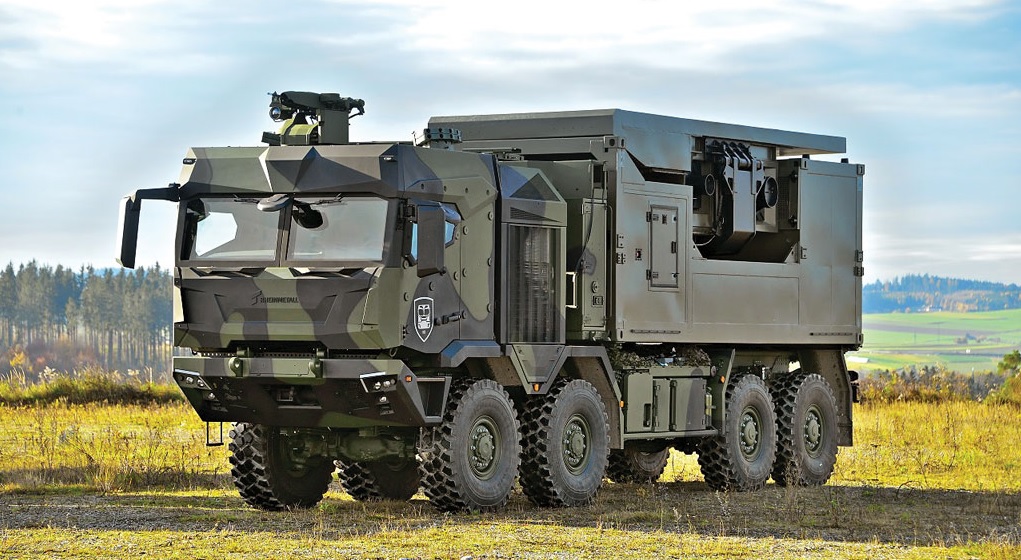
World
At the AUSA 2025 Exhibition in Washington, D.C., American Rheinmetall Defense and GM Defense unveiled the HX3 Common Tactical Truck (HX3 CTT), a state-of-the-art logistics platform designed to modernize the U.S. Army’s ground mobility fleet. The truck, developed under the $14 billion Common Tactical Truck (CTT) program, is intended to replace nearly 40,000 heavy tactical trucks, including the M915, HEMTT, and PLS series, over the next decade. The HX3 CTT represents a leap forward in tactical logistics, blending Rheinmetall’s proven HX3 series design with GM Defense’s American automotive and electrification expertise. Tailored specifically for U.S. Army operations, it features advanced drive-by-wire control, leader-follower autonomous capability, and cybersecurity-hardened systems that enable secure digital integration on the modern battlefield. The version displayed at AUSA 2025 also included Invariant’s Counter-UAS module, highlighting the vehicle’s role not only as a logistics carrier but also as a defensive support platform. This modular approach allows rapid reconfiguration for missions ranging from resupply and recovery to electronic warfare and command support. Built on a robust HX3 chassis, the truck offers improved mobility, higher payload capacity, and enhanced crew protection. It is equipped with an armored cab, central tire inflation system (CTIS) for terrain adaptability, and hybrid-electric drive readiness for future silent mobility and fuel efficiency. The vehicle’s modular structure also supports integration of autonomous systems and electric propulsion as technology matures. Rheinmetall’s long-standing experience in producing tactical trucks for NATO forces, combined with GM Defense’s innovation in commercial electric vehicle technology, has resulted in a vehicle that merges battlefield durability with smart logistics automation. The HX3 CTT’s open systems architecture allows it to integrate emerging technologies quickly, from AI-based vehicle control to next-generation data links. According to Rheinmetall officials, the HX3 CTT was designed with a clear focus on reducing lifecycle costs and simplifying fleet maintenance, ensuring that different mission configurations can be sustained using common parts and service networks. Automated diagnostics and predictive maintenance systems are expected to significantly enhance fleet uptime and readiness. The Common Tactical Truck program is one of the most significant modernization initiatives for the U.S. Army’s logistics branch, aiming to create a digitally connected and autonomous logistics ecosystem. By standardizing vehicle architecture, the Army seeks to reduce its logistics footprint while improving operational efficiency and survivability in contested environments. As the HX3 CTT enters the evaluation phase, its performance in upcoming field trials and operational demonstrations will determine its path toward potential production. If selected, the vehicle will redefine how the U.S. Army moves supplies, equipment, and personnel across future battlefields — bridging the gap between today’s tactical logistics and tomorrow’s autonomous military mobility. The unveiling of the HX3 CTT at AUSA 2025 signifies not only a step toward a more resilient logistics network but also a strategic shift toward autonomy, modularity, and sustainability in U.S. military operations. With its combination of German engineering and American innovation, the HX3 Common Tactical Truck stands as a symbol of the future of military transport — smarter, stronger, and ready for the battlefield of tomorrow.
Read More → Posted on 2025-10-16 15:23:31
World
Chinese state broadcaster CCTV has published details suggesting the Shenyang J-35 carrier-capable stealth fighter can carry as many as 12 air-to-air weapons in some configurations — reportedly including at least six PL-15 long-range missiles, two PL-10 short-range missiles, and four CM-98 standoff/stealth cruise weapons. The CCTV piece and subsequent reporting present this as a mixed internal-and-external loadout rather than all-internal carriage. The J-35’s internal bay design is generally described in open sources as able to accommodate six medium/long-range missiles (for example, PL-10/PL-15 family missiles) in stealthy internal carriage; additional stores such as cruise missiles or further missiles are normally carried externally on hardpoints when stealth is not the priority. Open reporting therefore treats the “12-weapon” figure as a total loadout (internal + external) rather than a purely internal stealth load. The PL-15 is widely reported as China’s primary beyond-visual-range (BVR) missile and is the long-range component in these counts. Publicly available sources estimate the PL-15’s maximum launch/intercept envelope in the hundreds of kilometres (commonly cited figures are in the ~200–300+ km class for the domestic variants), and export variants are reported with reduced range. The PL-15 also exists in folding-fin versions intended for internal carriage in stealth fighters. The short-range PL-10 is described in multiple open sources as a modern Chinese short-range infrared-guided missile with lock-on-after-launch and imaging IR seeker characteristics; public specifications commonly put its effective engagement range in the order of ~30 km against airborne targets. The CM-98 (sometimes reported as CM-102/CM-98 family depending on reporting) is a Chinese air-launched cruise/standoff weapon that Chinese media and trade reporting place at roughly a ~200–300 km standoff range, designed for strikes at stand-off distances and intended to give carrier fighters greater strike reach when stealth can be partially traded off for range. How that compares with the U.S. F-22 and Russia’s Su-57 • F-22 Raptor (U.S.) — internal stealth loadout: The official U.S. Air Force fact sheet notes the F-22’s standard air-to-air stealth configuration carries six AIM-120 AMRAAMs (BVR) internally and two AIM-9 Sidewinders (short-range) — six medium-range and two short-range in its internal bays. The F-22 can carry four additional missiles externally on hardpoints when stealth is not required, but doing so degrades low observability. • Su-57 (Russia) — internal carriage profile: Open-source descriptions of the Su-57 show four beyond-visual-range missiles in the two main internal bays (two per bay) and two short-range missiles in side bays, for a typical internal air-to-air loadout of four BVR + two short-range. The Su-57 also has Six external hardpoints for larger loads when stealth is not the priority. In short, the commonly cited internal-weapons counts put the F-22 at six BVR + two short-range internally, the Su-57 at four BVR + two short-range internally, and the J-35 at about six missiles internally (by many accounts), with CCTV and related reporting describing total (internal+external) mission loads that can be higher — hence the figure of up to 12 in some mission profiles. Operational and design implications There are a few practical tradeoffs behind these numbers: Stealth vs payload: Modern stealth fighters are designed to carry their primary air-to-air load internally for radar cross-section reduction. External carriage increases overall missile count but reduces stealth and thereby changes tactics and survivability. The J-35’s reported 12-weapon figure implies mission flexibility: internal stealthy loads for high-survivability intercepts and larger external loads for non-stealth strike or patrol missions. Missile types and roles: PL-15s are long-reach BVR interceptors; PL-10s are short-range dogfight missiles; CM-98 cruise weapons are standoff strike missiles rather than pure air-to-air arms. Mixing these types gives a single aircraft the ability to conduct air dominance, short-range engagements, and standoff strike missions depending on loadout choice. Folding-fin/quad-pack trends: Several Chinese missiles have folding-fin variants to better fit inside internal bays; this is similar to Western approaches (e.g., quad-pack adapters for smaller missiles). Such measures affect how many missiles a bay can carry without changing bay geometry. Notes on open reporting and verification Public reporting about modern combat aircraft and weapons frequently mixes official statements, state media claims, imagery analysis, and industry reporting. The CCTV report and subsequent articles summarize what Chinese state media and analysts are saying about the J-35’s design and mission flexibility, but independent technical verification of exact internal bay geometry, operational doctrine, and missile-specific performance is limited in open sources. Differences between internal stealth-preserving loads and maximum total loads with external pylons are important to distinguish when comparing aircraft. CCTV’s reporting that the J-35 can carry up to 12 air-to-air/standoff weapons appears to describe a mixed internal-and-external loadout that prioritises mission flexibility. When compared on internal stealthy carriage alone, the F-22’s internal air-to-air loadout (six AMRAAMs + two Sidewinders) remains among the highest, while the Su-57 is typically characterized with four BVR + two short-range missiles internally. The J-35 — as reported — aligns with other stealth designs in keeping most air-to-air missiles internally (commonly around six) but can carry additional weapons externally when stealth is less critical.
Read More → Posted on 2025-10-16 14:22:44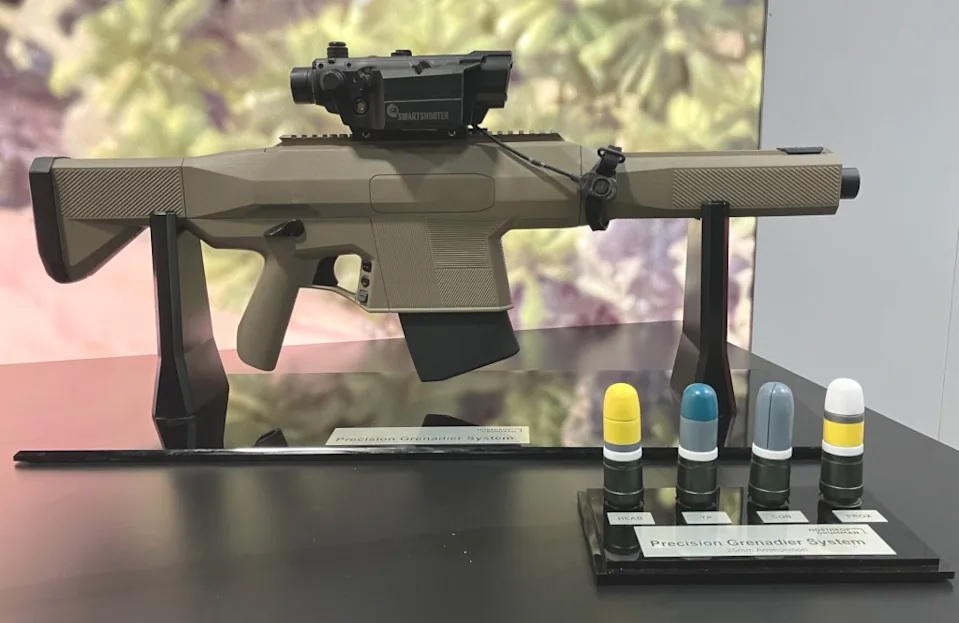
World
Northrop Grumman, working with Colt, is developing a new 25 mm semi-automatic grenade launcher for the U.S. Army under the Precision Grenadier System (PGS) programme. The weapon is intended to carry forward the precision airburst concept demonstrated by the cancelled XM25 while addressing weight, ergonomics and ammunition flexibility concerns that limited earlier designs. Drawing on technology and munitions work from the XM25 lineage, the new launcher is being re-engineered as a lighter, magazine-fed, rifle-like system that will be easier for dismounted soldiers to carry and employ in short-range engagements. The launcher itself weighs roughly 5.5 kg and uses detachable five-round magazines, a configuration that gives the weapon a familiar handling posture similar to a conventional automatic rifle. Its design goal is to maintain compact dimensions and soldier ergonomics suitable for close-and-short-range combat while providing an effective engagement envelope extending to at least 500 metres. Central to the capability is a family of 25 mm munitions that includes programmable airburst rounds, which can be set by the weapon’s fire-control system to detonate at a precise distance to engage targets behind cover. Northrop Grumman has also designed or prototyped additional rounds to meet the Army’s evolving requirements: proximity-fuzed rounds for countering small drones, rounds intended to defeat or disable light armoured vehicles, specialized close-range and breaching rounds for urban operations, and inert training rounds for safe practice and system validation. The integrated fire-control system is a key element of the package and is being developed from first principles to match current Army expectations for size, weight and functionality. Housed within the optical/sighting assembly, the fire-control package is expected to include a laser rangefinder, a ballistic solver, and a fuze programmer that configures each round immediately prior to firing. This ability to program fuzes in the sight enables precise placement of airbursts and allows the launcher to address complex target sets—personnel behind parapets, enemies in defilade, small aerial threats and vulnerable points on lightly armoured vehicles—without relying solely on direct impact effects. Compared with legacy grenade launchers, the Northrop Grumman design occupies a middle ground. Traditional 40 mm launchers and underbarrel systems provide larger explosive payloads but are generally less suitable for highly precise airbursting at small, defined distances. Crew-served automatic grenade launchers offer high volume of fire but are not a dismounted soldier’s personal weapon. The 25 mm PGS approach emphasizes selectable, programmable effects and a broader ammunition suite in a format that a single operator can carry and operate with rifle-like handling. The trade-offs include reduced per-round explosive mass compared with larger calibres, offset by greater accuracy of effect and the ability to tailor fuzing to the tactical situation. There are operational and logistical considerations that follow from the design choices. Programmable munitions and electronic fire control increase unit cost and supply chain complexity compared with simpler mechanically fuzed grenades. Training demands and sustainment for electronic components will be greater, and commanders will need to account for magazine logistics and engagement tempo in planning. On the other hand, the magazine-fed, semi-automatic layout provides faster reloads and more agile reaction to changing threats than single-shot or revolver-style grenade launchers, and the modular ammunition suite reduces the need to field separate specialised systems for tasks such as breaching or counter-UAS work. At this stage the programme remains in development and qualification. Northrop Grumman continues to refine the launcher, its sight and the ammunition family in collaboration with Colt and with reference to lessons learned from the XM25 effort. The company’s stated objectives are to deliver a lighter, more flexible precision grenade capability that can be integrated into dismounted forces without imposing the handling, weight and sustainment penalties that affected previous systems. How the PGS weapon will be adopted and fielded will depend on the Army’s evaluation of performance, cost, logistics and the value of programmable munitions in modern combat scenarios.
Read More → Posted on 2025-10-16 13:51:21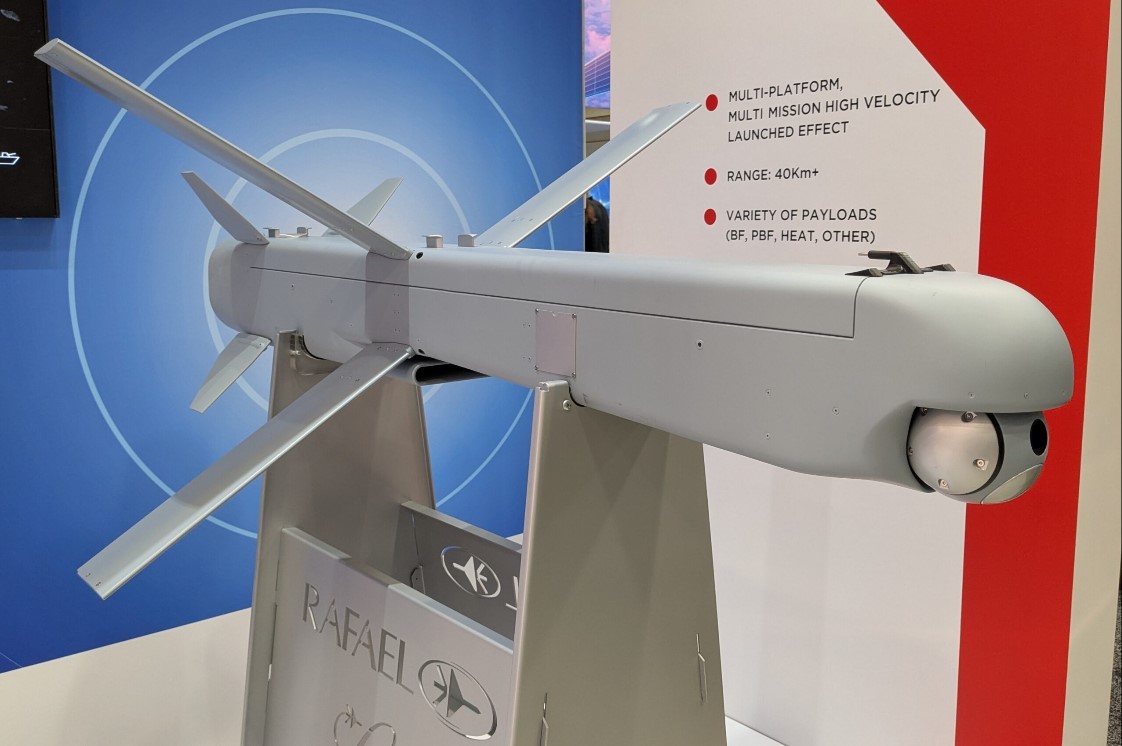
World
Rafael USA has recently unveiled the L‑SPIKE 4X, a new loitering munition designed to enhance operational flexibility and precision strike capabilities. The system represents a significant evolution in the SPIKE family, combining the speed and lethality of a missile with the on‑station persistence of a loitering munition. With an operational range of up to 40+ kilometers (approximately 25 miles), the L‑SPIKE 4X allows military forces to engage targets at considerable distances, providing the ability to strike quickly while maintaining the flexibility to observe and confirm targets before engagement. Unlike traditional loitering munitions that may rely solely on electric propulsion and take longer to reach the target area, the L‑SPIKE 4X employs a propulsion system capable of rapid transit to the engagement zone, allowing it to arrive in approximately five minutes at maximum range. Once in the target area, it can loiter for up to 25–30 minutes, giving operators ample time to identify, track, and select the precise moment to strike. This combination of speed and persistence reduces the weapon's vulnerability to air defenses and enhances the likelihood of mission success in contested environments. Equipped with an electro-optical/infrared seeker and a dual-channel tracking system, the L‑SPIKE 4X offers both automatic target recognition and human-in-the-loop engagement, ensuring precision while retaining operator control. Its design emphasizes survivability in electronic warfare environments, featuring GPS-resilient navigation and hardened communications to operate effectively even under GPS-denied or jamming conditions. Rafael highlights the integration of AI-assisted target proposals to streamline decision-making, without removing the final engagement authority from the human operator. The munition offers versatility in warhead options, including tandem HEAT warheads for armored targets and multi-purpose warheads combining shaped-charge and fragmentation effects for softer or mixed targets. It also supports salvo operations, allowing a single operator to manage multiple munitions simultaneously. This capability aligns with modern “launched effects” concepts, where rapid, flexible, and layered strikes from a single launcher can decisively impact the battlefield. Another advantage of the L‑SPIKE 4X is its compatibility with existing SPIKE NLOS launchers and the ability to be deployed from air, land, and naval platforms. This backward compatibility reduces the logistical burden for operators already fielding SPIKE systems and allows the addition of long-range, loitering strike capabilities without investing in new launcher infrastructure. The weapon is being showcased at AUSA 2025, where Rafael emphasizes its potential for launched effects missions, particularly in scenarios requiring rapid response to fleeting high-value targets. The tactical implications of the L‑SPIKE 4X are significant. It addresses the growing need to strike high-value, mobile, or fleeting targets while minimizing the risk to operators and platforms. The combination of fast transit and loitering persistence enables commanders to make informed strike decisions, particularly in urban, littoral, or open-terrain environments. Its precision and operational flexibility enhance the ability to deny adversaries freedom of movement and respond effectively to emerging threats. While the system demonstrates promising capabilities, certain details remain publicly limited, including exact warhead weights, penetration performance, seeker capabilities under adverse conditions, and integration timelines with specific platforms. Further testing and demonstrations will be necessary to validate performance and assess interoperability with command and control networks. In a wider context, the L‑SPIKE 4X enters a growing market for loitering munitions and launched effects, a category increasingly valued for its ability to provide rapid, flexible, and persistent strike options. By combining the speed of a missile with loitering capability, Rafael aims to offer operators a solution that complements existing SPIKE inventories, providing both enhanced reach and tactical adaptability. If performance claims regarding speed, loiter endurance, and electronic warfare resilience are realized in practice, the L‑SPIKE 4X is likely to become a key tool for forces seeking a high-speed, launcher-compatible loitering capability.
Read More → Posted on 2025-10-16 13:02:51
World
Meta, in collaboration with Anduril Industries, has introduced EagleEye, a cutting-edge AI-powered mixed-reality system designed to transform the capabilities of soldiers on the battlefield. Integrated directly into military helmets, EagleEye combines high-resolution visual displays, spatial audio, and a comprehensive sensor suite, enabling troops to access battlefield information in real time and make faster, more informed decisions. Each helmet is equipped with a high-resolution heads-up display that overlays critical data directly into the soldier’s field of vision, including maps, friendly and enemy positions, and mission objectives. Complementing this visual information, the spatial audio system provides directional cues that help soldiers detect nearby threats or hear communications without the need for additional devices. This combination of sight and sound is designed to significantly enhance situational awareness in complex combat environments. EagleEye’s functionality is powered by an embedded AI processor, which acts as a digital battlefield assistant. It processes vast amounts of sensor data in real time, identifying enemy combatants, assessing potential threats, and offering algorithmic recommendations to guide tactical decisions. The system’s wide-angle sensors create a 360-degree awareness of the surroundings, allowing soldiers to detect adversaries even behind walls or other obstacles. Moreover, EagleEye enables control of drones and robotic teammates, giving soldiers the ability to extend their reach and influence across the battlefield while remaining safe from immediate danger. The helmets are designed with modularity in mind, offering configurations that range from lightweight visors to fully enclosed ballistic helmets, making them adaptable to different operational requirements. The AI component, built on Anduril’s Lattice platform, continuously interprets incoming sensor data, providing real-time recommendations and automating threat detection. Soldiers can interact with the system using voice commands or gestures, allowing hands-free operation and keeping focus on the mission. EagleEye represents a significant step forward in modern military technology. By integrating real-time intelligence, advanced sensors, and AI-driven decision support into a single wearable system, it effectively augments the human senses and cognitive abilities of soldiers. During demonstrations, the system showcased its ability to detect enemy positions through obstacles, coordinate drone and robotic assets, and deliver tactical guidance, underscoring its potential to reshape how modern combat operations are conducted. The unveiling at the Association of the U.S. Army conference highlighted EagleEye’s potential to integrate with existing military infrastructure while providing an adaptable and scalable platform for future enhancements. Continuous field testing and feedback are expected to refine the system’s capabilities further, ensuring that EagleEye evolves with the needs of soldiers and operational requirements. In essence, EagleEye is not just a helmet but a comprehensive battlefield assistant, designed to provide soldiers with superhuman situational awareness, tactical insight, and operational control, signaling a new era in military technology where AI and human capability operate seamlessly together.
Read More → Posted on 2025-10-16 12:50:55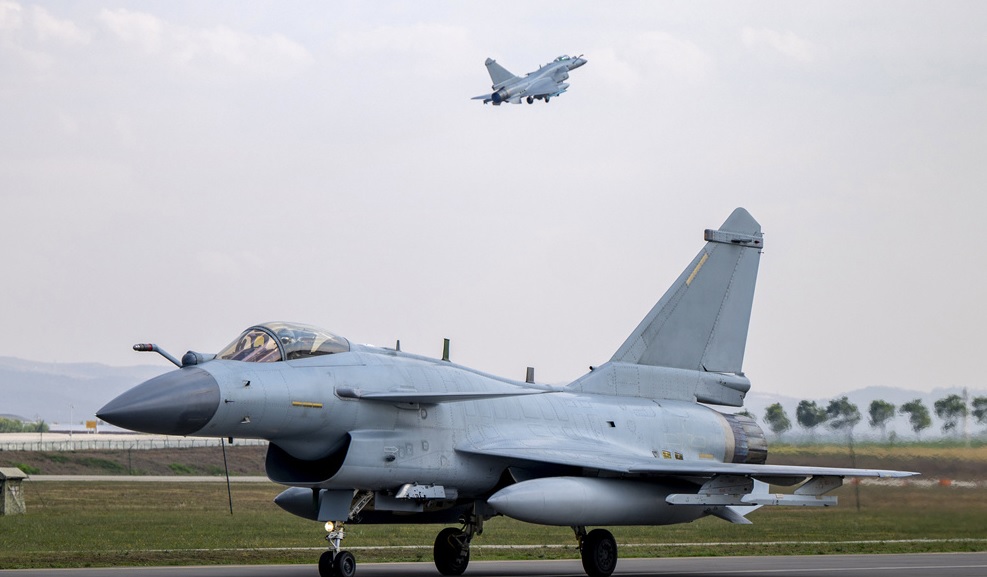
World
Indonesia has made a significant move to strengthen its air combat capability by confirming the acquisition of 42 Chinese Chengdu J-10C multirole fighter jets in a deal valued at over $9 billion. The announcement, confirmed by Defence Minister Sjafrie Sjamsoeddin, marks a major milestone in Jakarta’s defense modernization program and a shift toward a more diversified procurement strategy that extends beyond its traditional Western partners. The J-10C, built by Chengdu Aircraft Industry Group, represents one of China’s most advanced 4.5-generation fighters. It is equipped with an AESA (Active Electronically Scanned Array) radar, fly-by-wire flight controls, and an integrated electronic warfare suite, allowing for both air-superiority and precision strike missions. The J-10C can carry PL-15 beyond-visual-range missiles and precision-guided munitions, giving Indonesia a substantial boost in its aerial combat potential. Indonesia’s Current Fleet Strength The Indonesian Air Force (TNI-AU) operates a mixed fleet sourced from multiple countries, totaling around 240–250 aircraft, of which roughly 100–120 are combat-ready fighter jets. This includes 33 F-16 Fighting Falcons, 16 Su-27/30 Flankers, 24 Hawk 209s, and T-50i Golden Eagles for training and light attack roles. Indonesia has also signed an earlier deal to acquire 42 Dassault Rafale fighters from France, alongside ongoing negotiations for F-15EX jets from the United States and participation in Turkey’s KAAN fighter project. With the arrival of the J-10C, Indonesia’s combat aircraft inventory will see one of its largest expansions since the post-Suharto modernization period, effectively positioning the TNI-AU among the most capable air forces in Southeast Asia. Strategic Reasoning Behind the Deal The decision to buy from China reflects Indonesia’s desire to diversify defense suppliers, reduce dependency on Western weapon systems, and ensure delivery certainty amid global supply chain disruptions. Chinese defense firms offered an attractive package that includes competitive pricing, training, and possible industrial cooperation for local maintenance and component production. However, experts note that integrating Chinese, Western, and Russian aircraft into a single force poses logistical and technical challenges. Differences in avionics architecture, maintenance requirements, and weapons compatibility may complicate operations and supply chains. Despite this, Indonesia views the mix as a form of strategic hedging, allowing it to maintain autonomy in defense decisions while balancing relationships with multiple powers. Financial and Delivery Details Reports indicate that the $9 billion figure covers not just the aircraft but also spares, training, munitions, and logistical support. Deliveries are expected to begin within the next few years, though neither Chengdu Aerospace nor the Indonesian Ministry of Defence has released detailed batch schedules. Sources suggest that initial aircraft could be delivered directly from China, followed by potential assembly or servicing in Indonesia under a technology-sharing framework. Other contenders and parallel deals This procurement did not happen in isolation. In recent years Jakarta has negotiated or signed agreements with several suppliers: Dassault Rafale (France): Indonesia finalised a 42-aircraft Rafale order earlier and has started receiving aircraft and training activities. Boeing F-15EX (USA): Jakarta has discussed a potential buy of F-15EXs (a reported 24 aircraft in past negotiations), which remains a competing American option. Turkey’s KAAN: Separately, Turkey has announced plans to export as many as 48 KAAN fighters to Indonesia under a production/co-operation arrangement — another home-grown contender. Those parallel lines of negotiation have been part of Jakarta’s explicit strategy: diversify suppliers while building local industrial partnerships and achieving a faster refresh of airpower. Tender or direct purchase? So far, officials’ statements and media reporting indicate this is not the result of a wide, public open tender in the way some Western procurements are run. Coverage describes government-to-government talks and internal ministry evaluations culminating in budget approval rather than a competitive multilateral tender published on an open procurement portal. Indonesian officials had been publicly evaluating offers — and the recent budget sign-off suggests a direct G2G (government-to-government) negotiation path rather than a prolonged, open international tender. Operational Impact and Industrial Benefits The introduction of the J-10C will provide Indonesia with faster access to modern radar, networked communications, and long-range missile capabilities comparable to other advanced regional air forces such as Singapore and Australia. The deal may also open pathways for industrial cooperation, enhancing Indonesia’s domestic aerospace capabilities under its Defense Industry Independence Program (Kemandirian Industri Pertahanan). Regional and Strategic Outlook Indonesia’s decision will likely attract attention from regional neighbors and global powers alike. While France and the U.S. remain key defense partners, this Chinese deal demonstrates Jakarta’s intent to pursue a multi-vector defense policy — one that leverages opportunities from both East and West. The move could subtly shift the regional balance by introducing a Chinese-made advanced platform into the ASEAN defense ecosystem. Observers will be watching for formal contract finalization, exact delivery schedules, and confirmation of local participation terms. Indonesia’s ability to manage this increasingly complex fleet — comprising Rafales, F-16s, Sukhois, and now J-10Cs — will test its logistics, training, and command integration capabilities. If executed effectively, the J-10C acquisition could mark a turning point in Indonesia’s path toward building a balanced, modern, and self-reliant air force, reinforcing its role as a central power in Southeast Asia’s evolving defense landscape.
Read More → Posted on 2025-10-16 11:33:22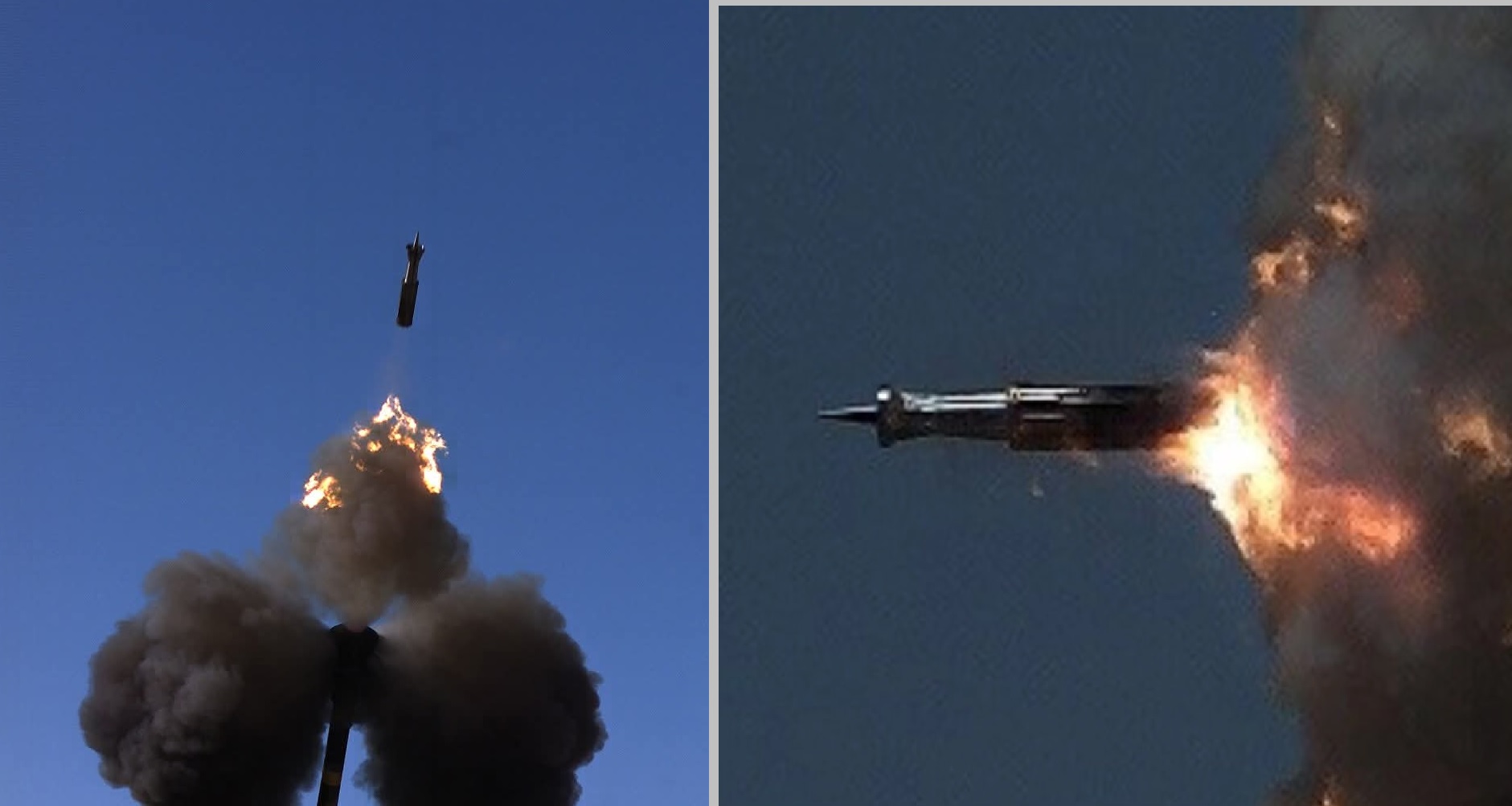
World
BAE Systems and the U.S. Army Combat Capabilities Development Command – Armaments Center (DEVCOM AC) have successfully test-fired the Scorpio‑XR (XM1155‑SC), an extended-range, precision-guided 155mm artillery projectile, from a standard howitzer. The tests, which involved multiple rounds, not only met but significantly exceeded the test objectives, striking designated targets with high precision and confirming the projectile’s compatibility with NATO-standard 52-caliber 155mm howitzers. The demonstration marks a key milestone in the U.S. Army’s long-range precision fires modernization effort, aiming to enhance the range, accuracy, and lethality of conventional tube artillery. The Scorpio‑XR is designed to provide a combination of extended range and precise targeting, allowing artillery units to engage high-value targets at safe stand-off distances while reducing reliance on separate fire-support assets. During the tests, the rounds consistently guided to their targets, validating the projectile’s performance and integration with 155mm howitzers widely used among NATO allies. The Scorpio‑XR’s guidance system is optimized for terminal accuracy and is designed to function effectively in contested environments, including situations where GPS signals may be degraded or jammed. Analysts note that this makes it a versatile option for modern, networked battlefield conditions. The projectile is also modular in its design, capable of supporting various warhead types depending on mission requirements. This flexibility allows it to be used for precise strikes against fortified positions, armored vehicles, or area targets. Its extended-range capability is expected to surpass many conventional guided 155mm rounds, potentially reaching distances beyond 70 kilometers when paired with long-barrel guns and optimized propellant charges. Scorpio‑XR builds on years of development efforts for the XM1155 program, with prior tests refining its aerodynamics, control surfaces, and guidance technology. The recent live-fire demonstration underscores the maturity of the system and its readiness to move toward operational fielding, pending additional evaluations and production readiness assessments. The successful tests also highlight the potential for allied interoperability, as Scorpio‑XR is compatible with the same 52-caliber 155mm artillery systems used across NATO. This capability could enable coalition forces to standardize their long-range precision fires, allowing for more coordinated and effective joint operations. BAE Systems and Army officials described the test as a major achievement, emphasizing the projectile’s ability to provide precision, extended range, and multi-domain relevance for future artillery operations. With these successful demonstrations, Scorpio‑XR is positioned as a significant step forward in modernizing conventional artillery, bridging the capability gap between tube-launched rounds and long-range missile systems, and providing commanders with greater flexibility and firepower on the battlefield. The successful integration of extended range, precision guidance, and compatibility with existing howitzers underscores Scorpio‑XR’s potential to enhance the lethality and survivability of artillery units in high-intensity, contested environments, marking a notable advancement in the Army’s pursuit of next-generation long-range precision fires.
Read More → Posted on 2025-10-15 17:10:09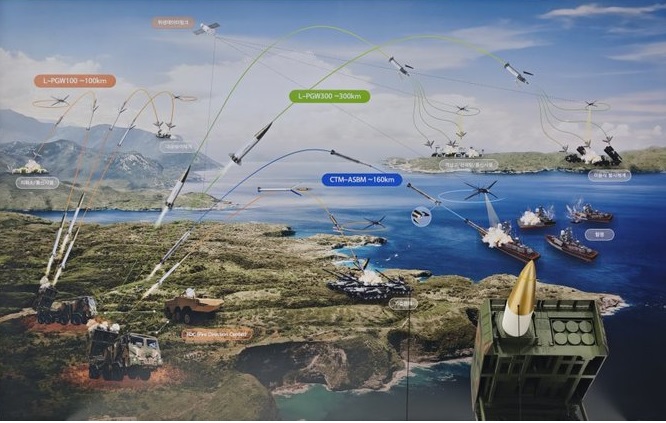
World
South Korea’s Hanwha Defense has published an official video unveiling the K239 Chunmoo 3.0, the most advanced evolution of its family of multiple‑launch rocket systems. The footage showcases a dramatic step forward in artillery design: a single, mobile launcher that can fire guided long‑range rockets, deploy loitering strike munitions and launch an anti‑ship missile — all as an integrated, modular package. The result, as presented in the video, is a multi‑domain strike system capable of independent target acquisition, real‑time battle management and precision engagement across land and sea. A unified, hybrid strike platform The Chunmoo 3.0 is shown operating as a hybrid launcher: its two modular rocket pods can be loaded with different munitions types in the same salvo mix. The official video names the new guided rockets as the L‑PGW100 (the successor to CGR‑080) and L‑PGW300 (the successor to CTM‑290). These L‑PGW variants are presented with upgraded propulsion and guidance suites intended to extend range, boost accuracy and improve payload efficiency. The video and technical overlays indicate system ranges spanning the tactical to theater‑strike envelope — from roughly 40 km on shorter rockets up to over 290 km, with the L‑PGW300 shown as capable of ranges exceeding 300 km in some configurations. Alongside these rockets, Chunmoo 3.0 integrates two force‑multiplying elements: Loitering munitions — deployed from the launcher to conduct local surveillance, identify/track moving targets, provide terminal guidance updates and, if required, execute direct strikes. The loiterers enable dynamic targeting and real‑time battle damage assessment without immediate reliance on external ISR. CTM‑ASBM anti‑ship missile — a dedicated anti‑ship weapon that allows the ground launcher to prosecute maritime targets independently, expanding the platform’s role into coastal defense and sea‑denial missions. The combination means a single Chunmoo 3.0 battery can hunt, designate and strike both land and maritime targets with minimal external targeting input. Interchangeable warheads and payload modularity A clear theme in the video is modularity. Hanwha shows the launcher employing interchangeable warhead technology, allowing mission planners to choose effects tailored to the target set. Warhead types depicted include high‑explosive fragmentation (HE‑Frag), air‑burst, penetrator, DPICM (cluster) and thermobaric options. This ability to mix warhead types and rocket models across the two pods gives planners significant tactical flexibility — from precision deep strike and bunker defeat to area suppression and anti‑personnel effects. Fire control, networking and survivability Chunmoo 3.0 is shown with an advanced digital fire‑control system and communications suite allowing networked tasking, target handoff between munitions, and rapid mission updates. The system emphasizes mobility and survivability — standard “shoot‑and‑scoot” tactics are supported by quick reload and redeployment sequences in the video, designed to minimize exposure to counter‑battery fire. The combination of onboard loiterers and the CTM‑ASBM means the system can close the loop on targets without waiting for higher echelon targeting assets, shortening the kill chain and increasing the chances of first‑shot success. Tactical implications — multi‑domain lethality from a single platform Defense analysts featured in the release emphasize several operational payoffs: Shortened kill chain: Loitering munitions provide immediate ISR and terminal guidance so rockets and the CTM‑ASBM can engage targets with on‑the‑move updates. Multi‑domain reach: By adding anti‑ship capability to a ground launcher, coastal defenses gain a mobile option for sea denial and anti‑surface warfare. Flexibility & economies of force: A single battery can cover a wider range of mission types, reducing dependence on separate specialized units for ISR, strike and naval engagement. Survivability through agility: Digital networking and fast displacement reduce vulnerability to counter‑battery and anti‑access efforts. Taken together, these attributes make Chunmoo 3.0 suitable for contested littoral zones, expeditionary operations and conventional land campaigns where rapid, accurate, and flexible firepower is required. What Chunmoo 3.0 means for modern artillery Hanwha Defense’s video frames Chunmoo 3.0 as a concept shift: rocket artillery is no longer just massed volume‑of‑fire from beyond the horizon — it can be a precise, networked, multi‑role strike system capable of independent action across domains. By merging guided rockets, loitering munitions and anti‑ship missiles within one platform, Chunmoo 3.0 seeks to give tactical commanders a single, mobile toolset to conduct reconnaissance, discrimination, and strike — speeding decisions and tightening the sensor‑to‑shooter loop. With the official video release, Hanwha Defense has made a deliberate statement about the future of rocket artillery: modularity, autonomy and multi‑domain lethality. Whether measured by extended ranges, interchangeable payloads, or the ability to prosecute sea and land targets without external targeting support, the K239 Chunmoo 3.0 is presented as a new benchmark for what a mobile rocket artillery system can do. If the features shown translate into fielded capability, Chunmoo 3.0 will alter how militaries think about coastal defenses, deep precision fires and the role of loitering munitions in conventional campaigns.
Read More → Posted on 2025-10-15 16:38:23
World
On October 14, 2025, the UK Ministry of Defence confirmed the delivery of more than 85,000 military drones to Ukraine over the past six months, supported by £600 million in funding to accelerate production from British firms. This substantial contribution underscores Britain’s role as Europe’s leading drone supplier and a central pillar of NATO’s unmanned strategy. Strategic Significance of Drone Deliveries The UK's drone support encompasses a range of systems, including tens of thousands of short-range FPV drones for precision strikes and reconnaissance, as well as logistics and interceptor drones. These systems are being iterated with battlefield data to enhance their effectiveness. The UK, co-leading the Drone Capability Coalition with Latvia, plans to add about 35,000 interceptor systems in the coming months. Additionally, a joint UK-Ukrainian "Octopus" interceptor is being scaled to thousands per month. Challenges and NATO's Response Despite the UK's significant contributions, a report from the Kiel Institute in Germany revealed that European weapons donations to Ukraine fell by 57% during the summer months compared to the first half of the year. This decline in aid underscores the importance of continued support from NATO allies to counterbalance Russia's escalating drone capabilities. Ukraine's Countermeasures and Future Plans In response to the increasing threat of Russian drone strikes, Ukraine is expanding its military aviation capabilities by forming new helicopter units equipped with enhanced technology for 24/7 all-weather operations. These units aim to combat the growing threat posed by Russian one-way attack drones, which have become a key tool in Russia's assault on Ukraine. President Volodymyr Zelenskyy announced the initiative as part of efforts to bolster Ukraine's air defenses amid relentless nightly drone strikes. Additionally, Ukraine's Defence Minister Denys Shmyhal stated that the country would require between $12 billion and $20 billion in military aid next year through a NATO initiative aimed at purchasing U.S. weapons. He emphasized the importance of financial support from allies not only for weapon acquisition but also to enable Ukraine to produce up to 10 million drones in 2026. The UK's commitment to supplying a significant number of drones to Ukraine highlights the evolving nature of modern warfare and the critical role of unmanned systems in contemporary conflicts. As the situation continues to develop, the collaboration between NATO allies and Ukraine will be pivotal in shaping the outcome of the ongoing conflict.
Read More → Posted on 2025-10-15 15:48:31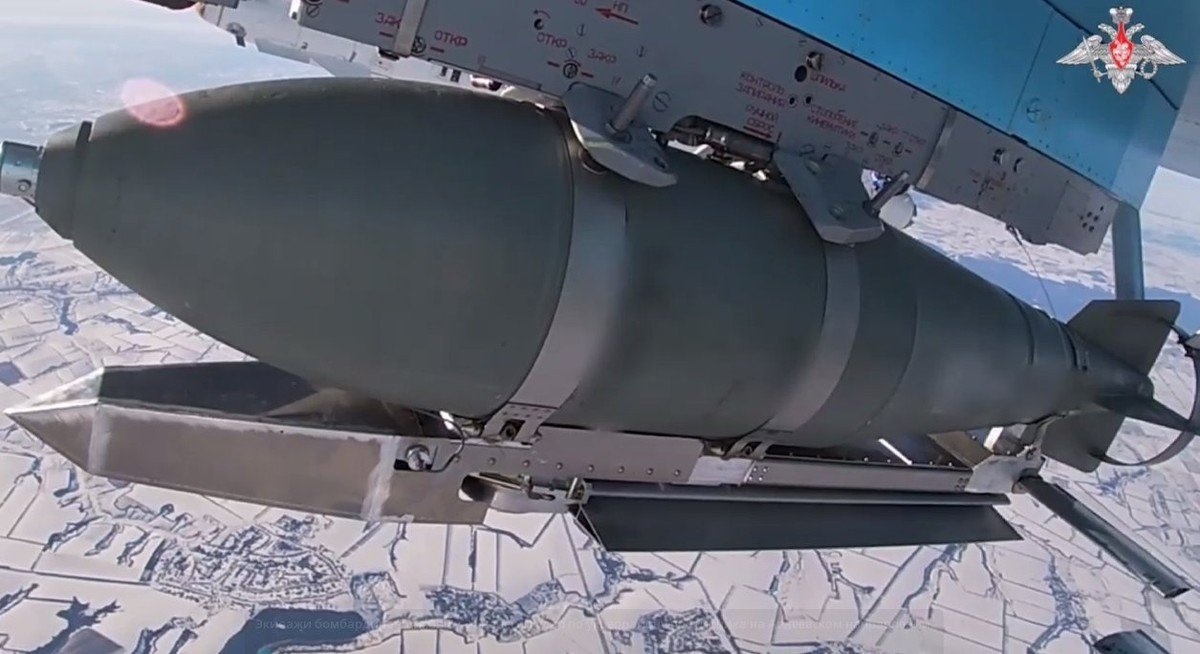
World
A Russian bomber accidentally released a 500-kilogram FAB-500 high-explosive bomb over the city of Engels shortly after taking off from the Engels-2 Air Base in Saratov Oblast on October 12, 2025. The bomb did not detonate, and no injuries or damage were reported, according to Russia’s Emergency Ministry. Local officials reportedly attempted to handle the situation quietly to avoid public concern. Engels-2 is one of Russia’s key strategic aviation bases and hosts Tupolev Tu-95MS “Bear” and Tu-160 “Blackjack” bombers used for long-range operations. Reports suggest that the aircraft had just departed for a mission when it unintentionally dropped the FAB-500 near the village of Kvasnikovka, located within the Engels administrative area. The bomb landed in an open field, and specialists later removed it safely. The FAB-500 is a standard Soviet-designed general-purpose aerial bomb that carries around 200 kilograms of explosive material. In recent years, several versions have been equipped with UMPK (Universal Gliding and Correction Modules) to extend their range and improve accuracy. These modern modifications involve more complex release systems, which some experts believe could increase the risk of accidental releases. Although the type of bomber involved has not been officially confirmed, analysts believe it was likely a Tu-95MS, which commonly carries free-fall or glide bombs. The Tu-160 bombers based at Engels are generally used for launching cruise missiles. Similar accidental releases of aerial bombs have been reported in different Russian regions over the past year, raising questions about maintenance and operational safety. Engels and nearby areas have also been affected by drone attacks in recent months, which may have led to increased operational pressure on air crews and ground personnel. Russian authorities have not issued an official statement on the October 12 incident, and local emergency services reportedly removed the unexploded bomb within a few hours of its discovery. Had the bomb exploded, it could have caused local damage due to its blast radius. However, its safety mechanism appears to have worked correctly, preventing detonation upon impact. The incident reflects the challenges faced by Russia’s Air Force in maintaining high operational tempo and adapting older systems for current combat use. While it did not result in casualties or damage, the event highlights the importance of strict safety procedures during ongoing military operations.
Read More → Posted on 2025-10-15 15:03:12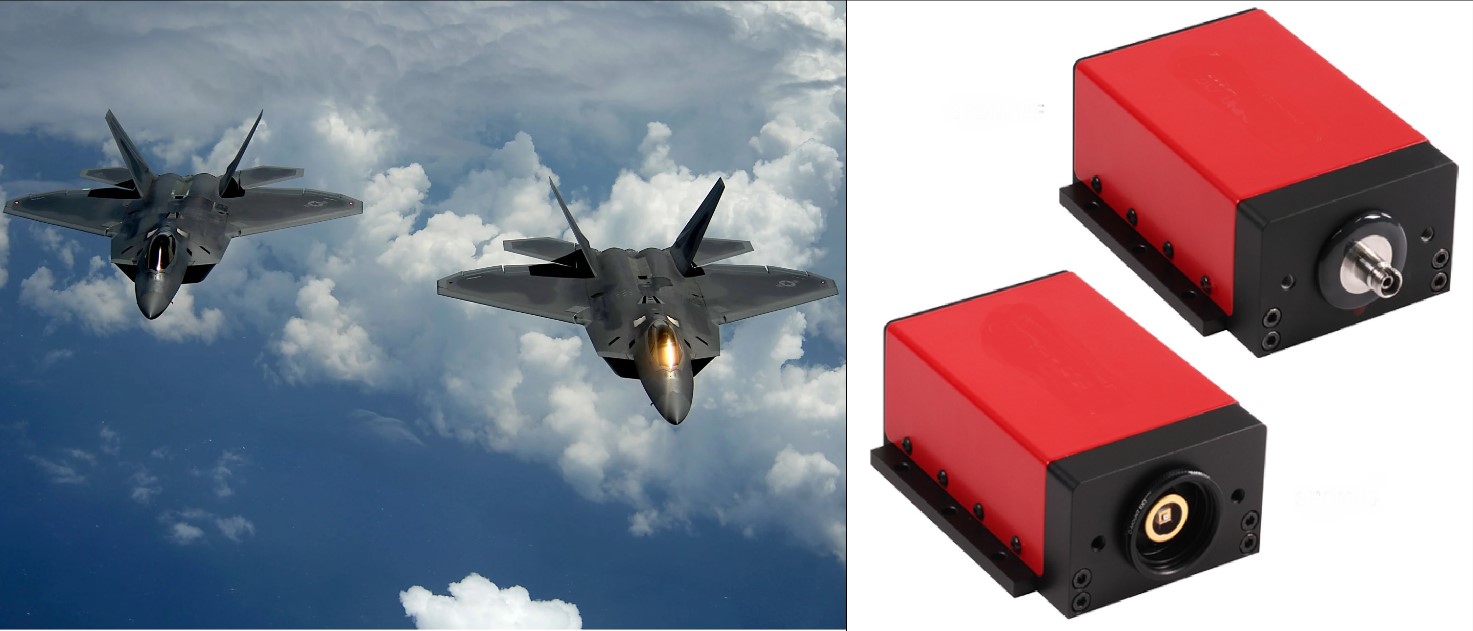
World
China has reportedly begun mass production of an ultra-low-noise, four-channel single-photon detector, a device that its state media claims could become the backbone of future quantum radar systems capable of detecting and tracking advanced stealth aircraft. The announcement, made by Beijing’s quantum technology research division, marks a significant milestone in the global race toward developing next-generation radar systems that operate at the edge of quantum physics. What Exactly Is a Photon Detector? A photon detector is a highly sensitive optical sensor designed to register and count individual photons — the smallest particles of light. Unlike conventional photodetectors, which require a strong light signal to function, single-photon detectors (SPDs) can detect even a single photon with remarkable precision. These detectors are usually built using superconducting nanowire single-photon detectors (SNSPDs) or single-photon avalanche diodes (SPADs). SNSPDs offer the highest detection efficiency and extremely low noise but must operate at cryogenic temperatures, often close to absolute zero. The new Chinese device reportedly operates with “ultra-low noise” across four independent channels, suggesting a design optimized for both sensitivity and scalability. By integrating four detection channels into one compact module, Chinese engineers claim the device can process multiple photon streams simultaneously, paving the way for higher-resolution imaging and faster data collection — critical requirements for quantum radar and quantum LiDAR applications. How Quantum Radar Could Track Stealth Fighters The core concept behind quantum radar lies in quantum illumination, a technique that uses pairs of correlated photons. One photon from each pair — known as the signal photon — is sent toward a target area, while its partner, the idler photon, is retained. When the signal photon bounces off a potential target and returns, it can be matched with its idler counterpart through quantum correlation. This allows the system to extract faint signals from background noise — even if the reflected photon has lost its original quantum entanglement due to atmospheric effects. This capability could, in theory, allow quantum radars to detect stealth aircraft, which are designed to minimize radar reflections at traditional microwave frequencies. Since quantum radars may operate in optical or microwave quantum bands, their detection principle differs entirely from conventional radar, relying on photon correlation rather than radio-wave strength. If achieved, this would make it possible to “see” low-observable aircraft — such as the F-22 Raptor, F-35 Lightning II, or China’s own J-20 — even in cluttered or noisy environments. Technical Challenges Still Stand in the Way Despite the theoretical advantages, quantum radar remains far from operational deployment. The challenges include: Atmospheric interference: Quantum signals are fragile, and even small amounts of dust, humidity, or turbulence can destroy photon correlations. Cooling requirements: The best photon detectors, such as SNSPDs, must operate at temperatures below 3 Kelvin (–270°C), demanding bulky cryogenic cooling systems that limit portability. Power and range trade-offs: Most laboratory quantum radars operate over a few meters to a few kilometers at best, far short of the hundreds of kilometers needed for military-grade air defense. Data processing: Quantum radar requires massive computational power to analyze and correlate photon data in real time, another major engineering hurdle. Thus, while China’s mass production of photon detectors represents an important industrial step, it doesn’t automatically mean quantum radars are ready to track stealth aircraft across large distances. The technology is still in its experimental phase worldwide. Global Race: Who Else Is Developing Photon Detectors and Quantum Radars China is not alone in this pursuit. The United States, Europe, India, and Russia are all advancing their own quantum sensing programs: United States: The Defense Advanced Research Projects Agency (DARPA) has been funding several initiatives under its “Quantum Apertures” and “Robust Quantum Sensors” programs. U.S. defense contractors and universities have tested quantum-enhanced microwave sensors that operate on similar principles. Europe: Countries such as the United Kingdom, France, and Germany are investing in quantum LiDAR and photon detection technologies, primarily for scientific and civilian applications but with clear dual-use potential. Russia: Research institutes in Moscow and St. Petersburg are conducting theoretical studies and prototype work on quantum communication and sensing. India: India’s National Mission on Quantum Technologies & Applications (NM-QTA) includes research on quantum sensors, secure communications, and cryogenic photon detectors, though it remains in the early development stage. Many of these programs are focused not only on radar but also on quantum communications, navigation, and imaging, fields where single-photon detectors are equally crucial. Why China’s Announcement Matters Mass-producing a four-channel, ultra-low-noise photon detector could make China one of the first nations to bring such sensors out of the laboratory and into industrial-scale manufacturing. This could accelerate development not only in quantum radar but also in quantum communication networks, space-based sensing, and autonomous navigation systems that rely on photon-level precision. Still, experts caution that mass production of detectors is only one step in a long technological chain. Turning them into a fully operational quantum radar requires breakthroughs in quantum signal generation, long-range coherence management, and real-time correlation processing. In simple terms, China may have built a better “eye,” but the rest of the body — the radar platform, processing algorithms, and operational integration — still needs to catch up. A Step Closer, But Not There Yet The production of photon detectors marks genuine progress in quantum sensing hardware, but it does not mean stealth technology has been defeated. Theoretical predictions suggest that quantum radar advantages might become meaningful only under specific conditions, such as short-range detection or low-noise environments. Nevertheless, this development signals a clear intent from Beijing to industrialize quantum technologies that were, until recently, confined to research laboratories. For now, the world’s air forces can continue relying on stealth — but the age of quantum-enhanced sensing may be closer than ever.
Read More → Posted on 2025-10-15 13:33:57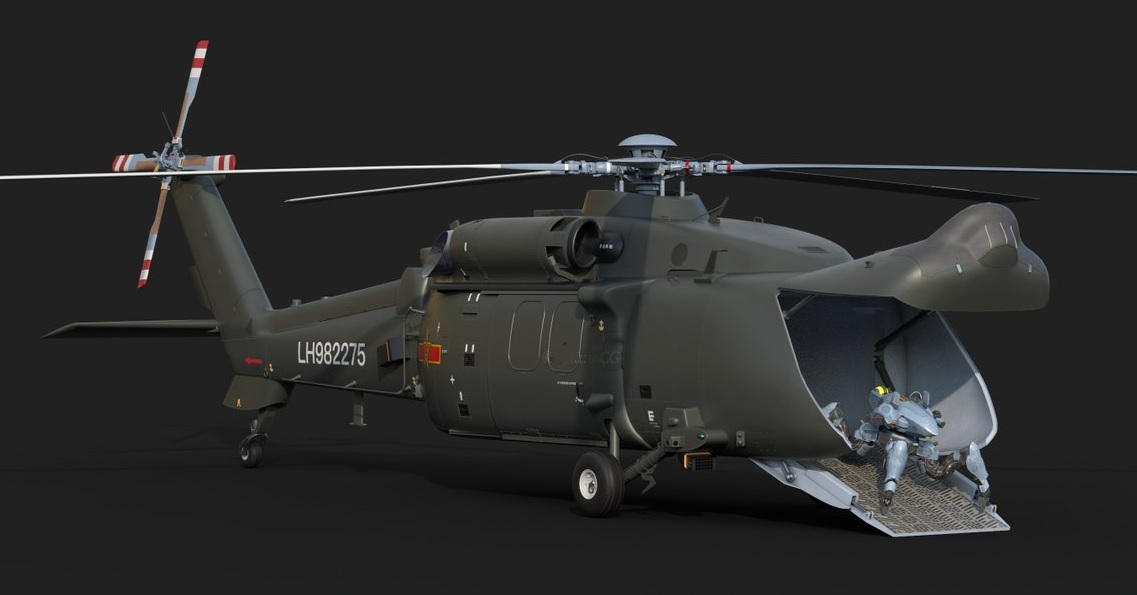
World
China's People's Liberation Army Air Force (PLAAF) has been advancing its capabilities in unmanned aerial systems (UAS), with a particular focus on rotary-wing platforms. A notable development in this area is the conceptualization of an unmanned version of the Harbin Z-20 helicopter, a medium-lift utility aircraft that draws inspiration from the U.S. Sikorsky S-70 Black Hawk. Harbin Z-20 The Harbin Z-20 is China's first indigenously developed medium-lift utility helicopter. It is powered by two domestically produced WZ-10 turboshaft engines, each delivering approximately 2,000 kW of power. The Z-20 features a five-bladed main rotor and is equipped with fly-by-wire controls, enhancing its maneuverability and operational efficiency. Its design allows for a maximum takeoff weight of around 10,000 kg, with an internal payload capacity of approximately 1,000 kg, accommodating up to 12–15 troops. The helicopter's versatility enables it to perform various missions, including troop transport, cargo delivery, reconnaissance, and search and rescue operations . Conceptualizing the Unmanned Z-20 The proposed unmanned version of the Z-20 aims to extend the aircraft's capabilities while reducing the risk to personnel in combat scenarios. This unmanned variant is envisioned to perform multiple roles: Transporting Troops and Cargo: The unmanned Z-20 could deliver supplies and personnel to areas that are too hazardous for manned aircraft. Launching Suicidal Drones: It could serve as a launch platform for loitering munition drones, providing tactical advantages in strike missions. Deploying Combat UAVs: The aircraft might carry and deploy smaller unmanned combat aerial vehicles (UCAVs), enhancing operational flexibility. Troop Deployment: Despite being unmanned, the Z-20 could be used to insert or extract troops in contested environments. This concept aligns with China's broader strategy of developing advanced unmanned systems to counterbalance U.S. technological advancements in similar domains. Comparison with the S-70 UHawk The S-70 UHawk is an unmanned helicopter developed by the United States, designed to perform reconnaissance, surveillance, and target acquisition missions. While both the Z-20 UAV and the S-70 UHawk share similarities in their rotary-wing design and unmanned capabilities, the Z-20's larger size and payload capacity suggest a broader range of potential applications, including troop transport and cargo delivery. Strategic Implications China's development of the unmanned Z-20 helicopter reflects its strategic intent to enhance its military capabilities through indigenous innovation. By observing and responding to advancements in U.S. military technology, China aims to ensure that its forces remain competitive in modern warfare scenarios. The Z-20 UAV concept underscores China's commitment to developing versatile, unmanned platforms that can operate in various environments and perform a range of missions. The conceptualization of an unmanned version of the Harbin Z-20 helicopter signifies a significant step in China's efforts to advance its unmanned aerial system capabilities. By leveraging existing platforms and integrating unmanned technologies, China is positioning itself to meet the evolving demands of modern warfare. The Z-20 UAV, with its multi-mission potential, exemplifies China's approach to developing flexible and capable military assets.
Read More → Posted on 2025-10-15 13:22:30Search
Top Trending in 24 Hours
-
 Tulsi Gabbard Releases Declassified Files Detailing U.S.-Backed Network of 120 Biolaboratories Across 30+ Countries
-
 AM General Unveils Next-Generation UGV and JLTV A2 with Counter-Drone Systems at Eurosatory 2026
-
 Dassault Seeks Compensation From Airbus as Eurodrone Dispute Erupts After FCAS Collapse
-
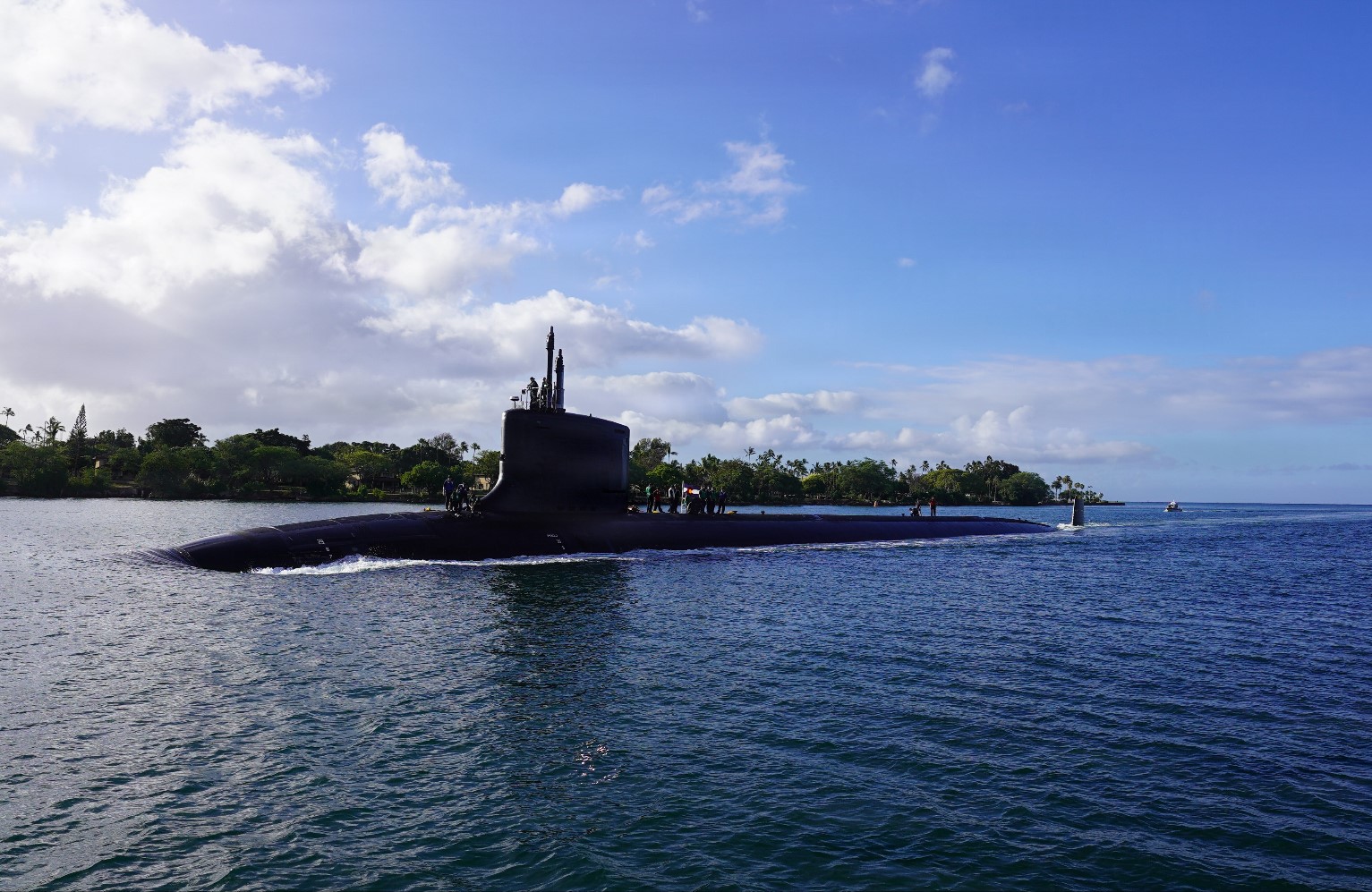 U.S. Navy's USS Colorado Submarine Returns to Pacific Fleet 29 Days Early After Major Pearl Harbor Overhaul
-
 Pakistan Raises Defence Budget from $9 Billion to $10.8 Billion as J-35 Fighter and Hangor Submarine Programs Advance
-
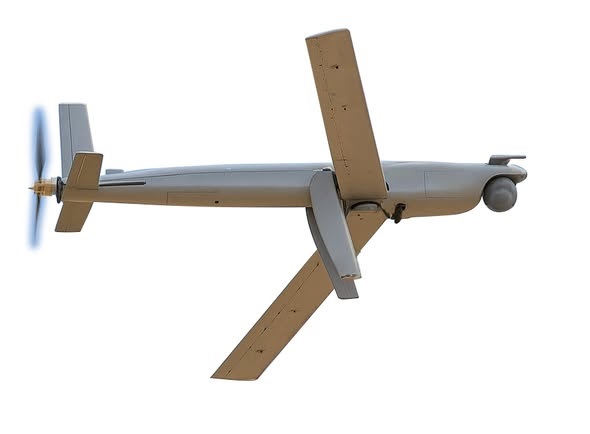 Elbit Systems and Diehl Defence Partner to Offer SkyStriker Loitering Munition to German Armed Forces
-
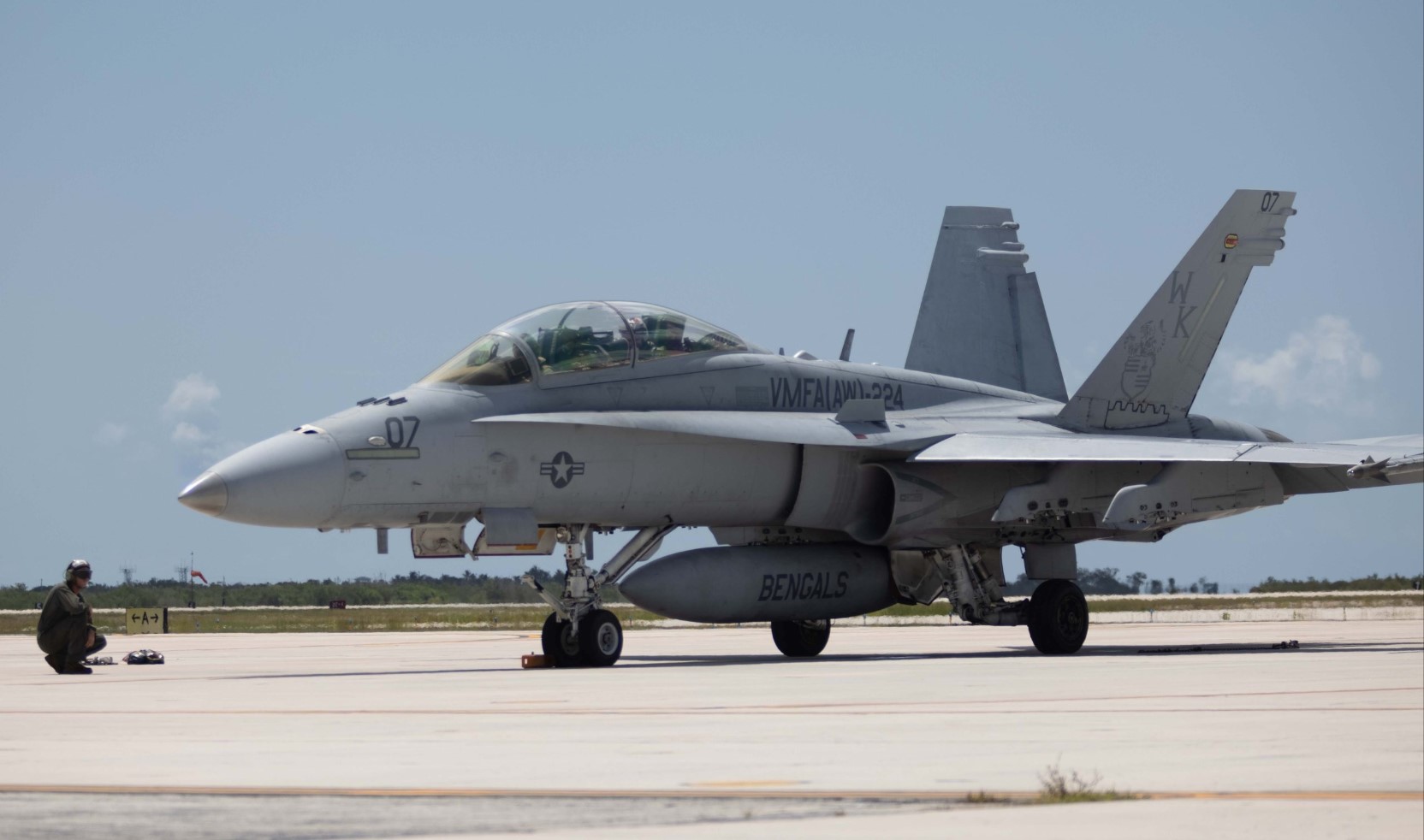 US Marine Corps F/A-18D Hornet Crashes During Training Flight in Washington Mountains; Pilot Ejects Safely
-
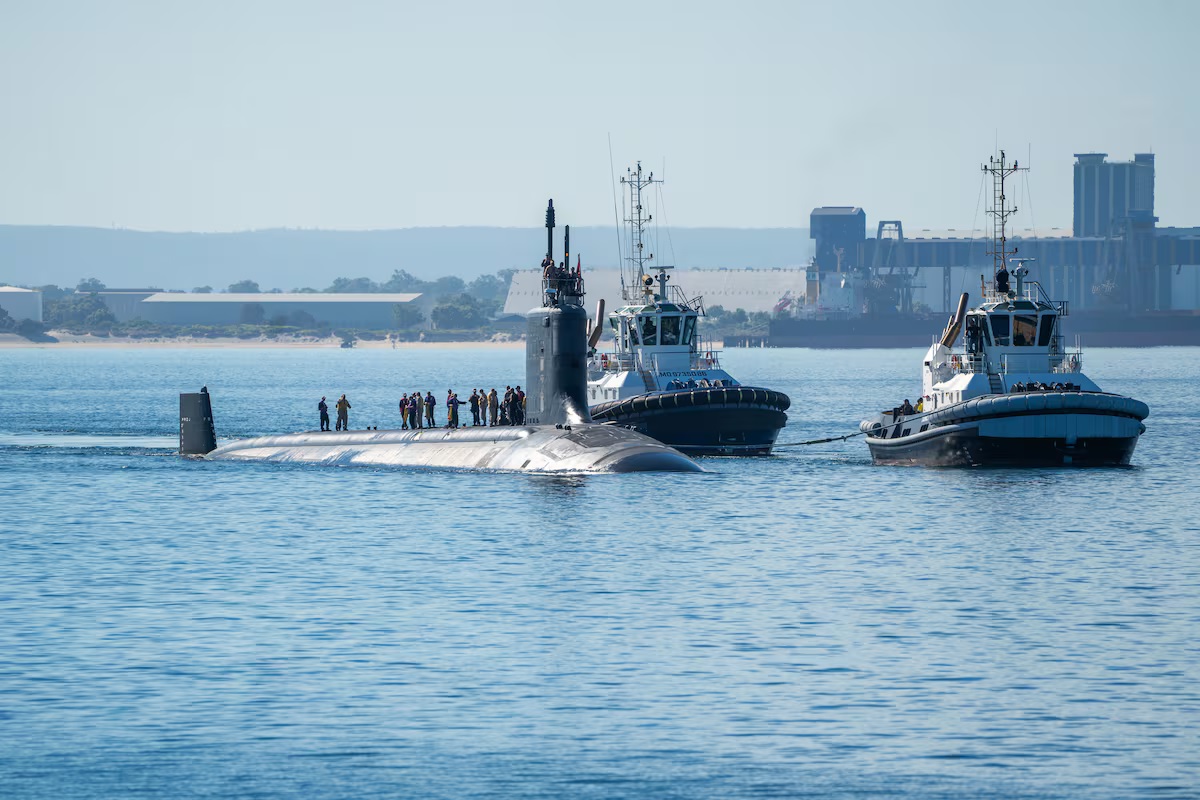 U.S. Navy Reestablishes Submarine Squadron 3 at HMAS Stirling to Support AUKUS Rotational Force
Top Trending in 4 Days
-
 Iranian Media Leaks 14-Point U.S.-Iran Peace Framework Amid Ongoing Negotiations
-
 US Plans Significant Reduction of Fighter Jets and Warships for NATO Operations in Europe
-
 U.S. Air Force Faces Strategic Airlift Shortfall as C-17 Production Restart Remains Uncertain
-
 NATO Commander Says Russia Not Seeking Conflict With Alliance Despite U.S. Force Reductions
-
 Russian Defense Firm ZALA Unveils KAMA Unmanned Surface Vessel Family at FLOT-2026 Naval Exhibition
-
 U.S. Space Force Awards $437.7 Million Contracts for First PTS-G Swarm 1 Anti-Jam Satellites
-
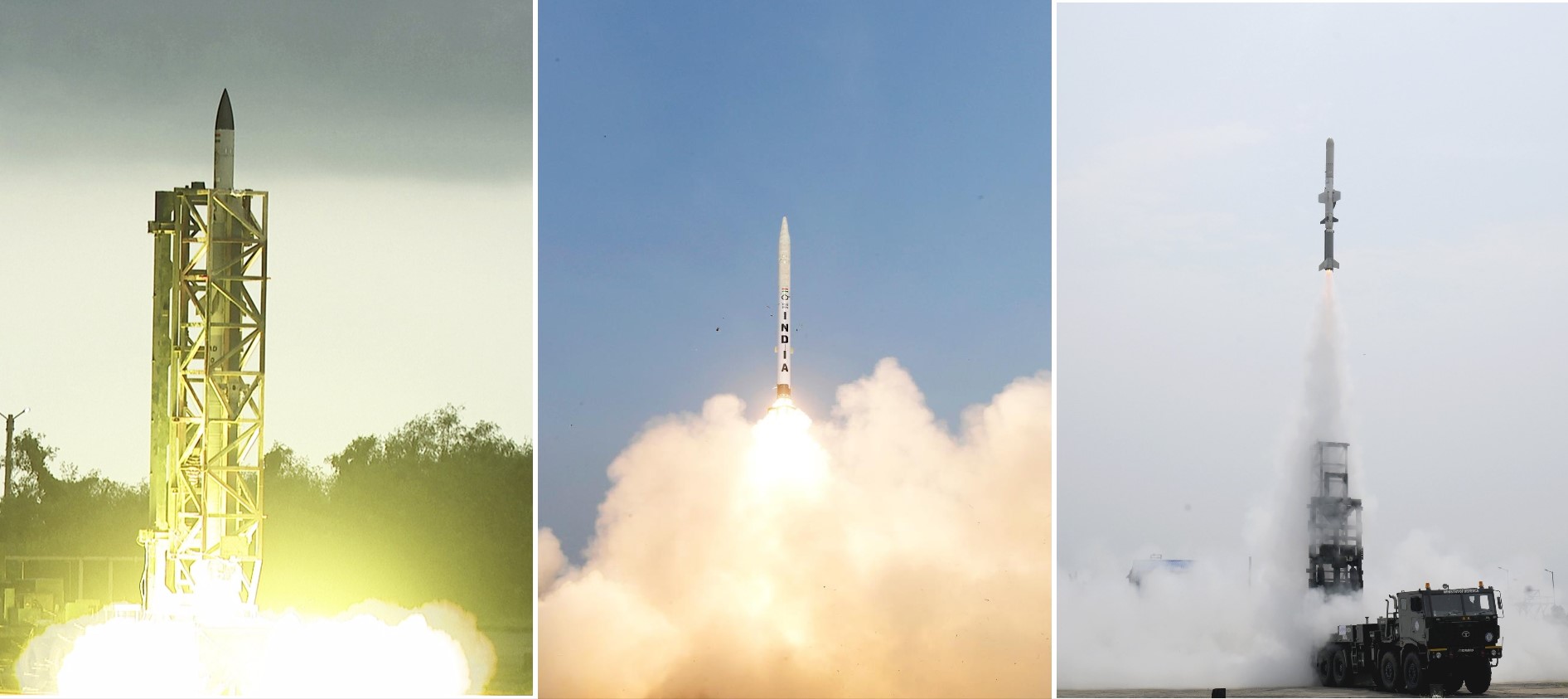 India Successfully Conducts AD-1, AD-2 Interceptor Tests and Maiden NASM-MR Flight Trial
-
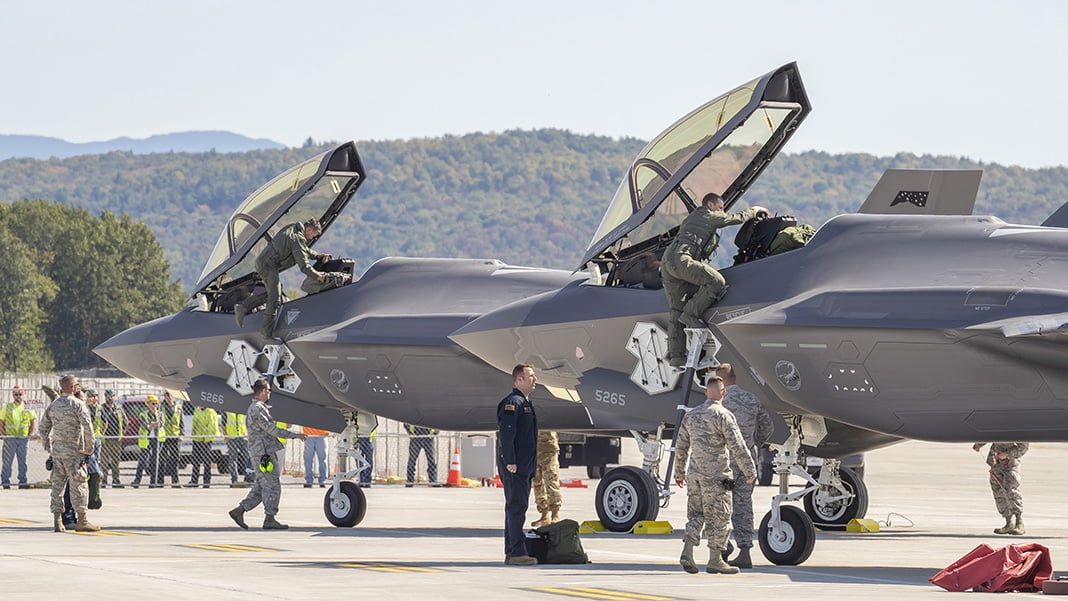 F-35 Fleet Readiness Falls to 25% Amid Parts Shortages and Software Delays: GAO Report