
World
A stunning new U.S. intelligence report has shaken Washington, revealing that China’s air-to-air missile arsenal has been upgraded using technology from the United Arab Emirates (UAE)—channeled through Chinese telecom giant Huawei. While the technology originated in the UAE, it was heavily influenced by Western missile systems, including France’s MICA and the UK’s ASRAAM, giving China access to advanced guidance, targeting, and countermeasure capabilities. This upgrade has reportedly given Chinese fighter jets a longer strike reach than some of America’s own aircraft, marking a troubling twist in the global tech rivalry between Washington and Beijing. A Covert Tech Pipeline Through the Gulf According to multiple intelligence sources, the technology originated from G42, a rapidly growing AI and data analytics firm based in Abu Dhabi, backed by Sheikh Tahnoon bin Zayed Al Nahyan, the UAE’s national security chief. The company, already under quiet U.S. scrutiny for its deepening ties with Huawei, allegedly provided dual-use computing and signal processing algorithms that were later adapted by China’s defense industry to enhance the PL-15 and PL-10 air-to-air missiles. The PL-15, China’s long-range beyond-visual-range missile, is believed to have achieved a 20–30% improvement in range and electronic counter-countermeasure (ECCM) resistance, making it more capable of striking targets well before U.S. or allied pilots can respond. Similarly, the short-range PL-10 reportedly benefited from refined seeker head algorithms derived from Western missile architectures—notably France’s MICA and the UK’s ASRAAM—technologies to which the UAE has long had access. Huawei’s Shadow Role The alleged link between Huawei and G42 is central to Washington’s alarm. U.S. intelligence believes Huawei served as a technical intermediary, channeling hardware and software solutions under the guise of civilian AI collaboration. These included high-speed digital signal processors and machine-learning modules capable of enhancing missile guidance and target discrimination in cluttered environments. Both Huawei and G42 have denied all accusations, labeling the claims as “politically motivated.” Still, the timing is significant—coming amid renewed scrutiny of China’s military-civil fusion strategy, which blends commercial tech innovation with defense applications. A Crisis of Trust Between Allies The revelations have ignited a major policy debate in Washington, where officials are now questioning whether the UAE can still be trusted as a key Gulf partner. The UAE has long balanced relationships with both the U.S. and China, purchasing Western defense systems while simultaneously expanding cooperation in AI, telecommunications, and surveillance technologies with Chinese firms. Under the Trump administration, U.S. officials reportedly warned the UAE to curb its ties with Chinese entities if it wanted to maintain access to American defense and AI technologies. Those warnings appear to have intensified, as the Commerce Department this week blacklisted over two dozen companies from China, Turkey, and the UAE for allegedly aiding Iran’s military supply networks. In a rare move, the list also included subsidiaries of U.S.-based Arrow Electronics, suggesting that American-origin components have been re-exported through complex intermediaries. The inclusion of a U.S.-listed firm underscores how deeply globalized tech supply chains have become—and how hard it is for Washington to control the flow of sensitive technologies once they leave American borders. U.S. Tightens the Screws The addition of these firms to the Entity List means they are now barred from accessing U.S. components without government approval. According to the Commerce Department, the decision was driven by “violations involving American-made tech used in the support of Iran’s military and its proxies.” But insiders suggest the timing aligns with rising intelligence concerns over UAE-China defense cooperation, particularly through commercial AI platforms that can be repurposed for military applications. Senior officials have privately warned that this situation could undermine U.S. dominance in air combat, especially as China rapidly modernizes its J-20 stealth fighter fleet, which relies heavily on the PL-15 for long-range engagements. If the missile now exceeds even the AIM-120D AMRAAM in reach and electronic performance, it would mark a strategic shift in aerial balance across the Indo-Pacific. Beijing’s Silent Advantage Analysts believe China’s use of UAE-sourced components demonstrates its adaptability in bypassing Western export controls. By leveraging neutral or allied countries’ access to Western technologies, Beijing can reverse-engineer and repackage critical innovations into its own systems. The PL-15’s new capabilities reportedly stem from advanced AI-assisted guidance systems and improved radar data fusion, allowing the missile to lock onto stealth aircraft more effectively and maintain tracking under jamming conditions. A Diplomatic Tightrope for the UAE For the UAE, the controversy couldn’t come at a worse time. Abu Dhabi has invested heavily in positioning itself as a global tech and AI hub, courting both U.S. and Chinese investors. G42, once praised for its partnerships with American firms like Microsoft and OpenAI, is now under quiet review by U.S. security agencies for its connections to Huawei’s cloud and data infrastructure. While UAE officials insist they remain committed to strategic alignment with Washington, this latest leak may strain defense and intelligence cooperation that underpins one of the Middle East’s closest security relationships. The Bigger Picture This episode highlights a new frontier in great-power competition—where AI, data analytics, and signal processing are as decisive as tanks or aircraft. The boundaries between civilian and military innovation are blurring, and countries like the UAE—flush with Western tech access and global ambition—are becoming key battlegrounds in the tech war between the U.S. and China. As one senior U.S. intelligence official reportedly put it: “It’s not just about who builds the best missiles anymore—it’s about who controls the algorithms that make them smarter.” If China has indeed leveraged Emirati technology to outpace American missile systems, the implications extend far beyond the South China Sea or Taiwan Strait. It signals that Washington’s own allies may unintentionally be helping its greatest rival gain the upper hand.
Read More → Posted on 2025-10-26 11:37:40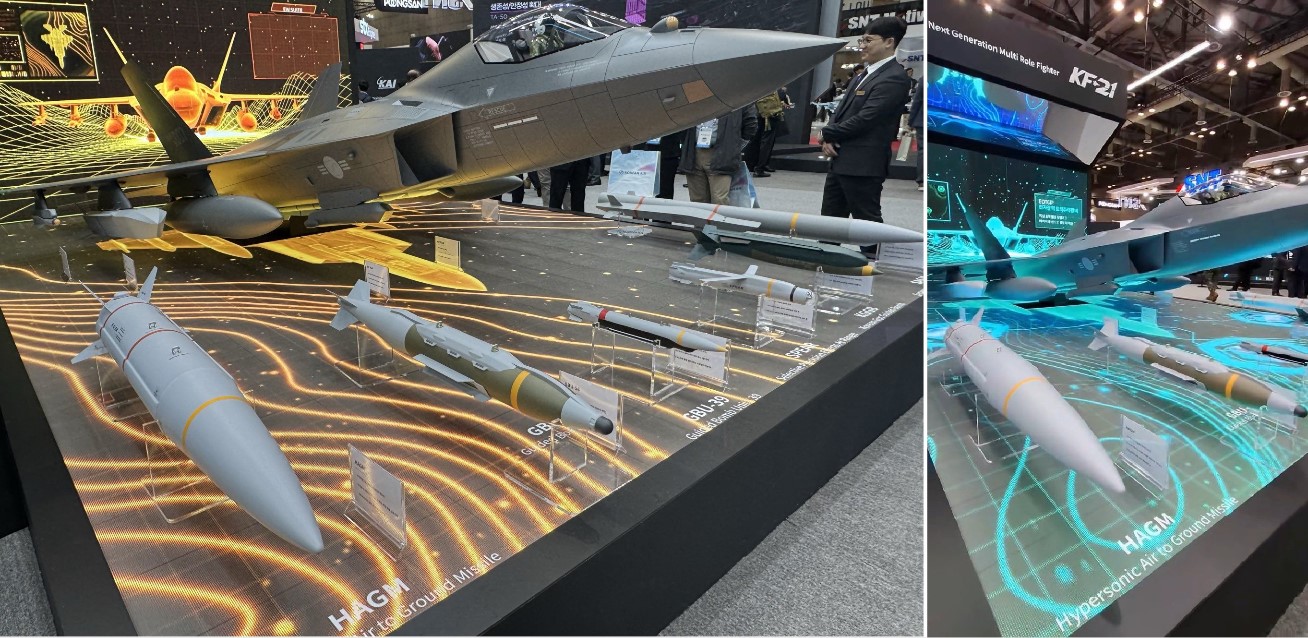
World
At the Seoul International Aerospace & Defense Exhibition (ADEX) 2025, South Korea officially unveiled the model of its Hypersonic Air-to-Ground Missile (HAGM) — a cutting-edge weapon that signals the nation’s entry into the elite circle of countries developing operational hypersonic strike systems. Designed primarily for integration with the KF-21 Boramae 4.5++ generation fighter jet, the HAGM marks a defining step in Seoul’s ambition to establish self-reliance in next-generation airpower and precision-strike capabilities. The HAGM is being developed under South Korea’s Defense Acquisition Program Administration (DAPA) and the Agency for Defense Development (ADD). The program’s goal is to produce a high-speed, maneuverable, precision-strike missile capable of penetrating advanced air defenses and destroying hardened or time-sensitive targets deep inside enemy territory. According to early specifications displayed at ADEX 2025, the HAGM is estimated to have: Length: Approximately 5–6 meters Weight: Around 1,500–1,800 kg Speed: Over Mach 5, with sustained hypersonic glide capability Range: Between 500–700 km, allowing deep-strike missions beyond frontline zones Propulsion: Dual-stage system with a solid rocket booster for initial acceleration and a scramjet engine for sustained hypersonic cruise Guidance: Combined INS/GPS midcourse navigation with electro-optical and radar seekers for terminal precision Warhead: Modular design supporting both high-explosive and penetrator variants Integration with KF-21 Boramae The missile has been optimized for the KF-21, South Korea’s indigenous multirole fighter developed by KAI (Korea Aerospace Industries). The HAGM’s dimensions and aerodynamic layout allow it to be carried underwing or possibly semi-recessed on future KF-21 variants. Once operational, the combination of KF-21 + HAGM will give the Republic of Korea Air Force (ROKAF) a formidable strike platform capable of rapid, long-range, and survivable missions against high-value ground targets. Hypersonic Ambitions and Regional Significance The unveiling of the HAGM model underscores Seoul’s strategic shift toward developing independent hypersonic capabilities, a domain previously dominated by the U.S., China, and Russia. It follows South Korea’s earlier hypersonic research under the Hycore project — a scramjet-powered test vehicle jointly developed by ADD and Hanwha Aerospace, which successfully demonstrated sustained hypersonic flight in recent trials. The HAGM is seen as the weaponization stage of Hycore technology, turning a demonstrator into an operational system. By combining hypersonic speed with precision targeting, South Korea aims to neutralize critical missile launchers, command centers, and air defense networks before they can threaten the Korean Peninsula. Strategic Implications The development comes at a time of intensifying missile competition in East Asia. North Korea continues to test various hypersonic glide vehicles and long-range systems, while China’s DF-ZF and Japan’s ongoing Hyper Velocity Gliding Projectile (HVGP) program have pushed regional powers to accelerate their own efforts. The HAGM thus serves not only as a deterrent tool but also as a technological equalizer in a rapidly evolving threat environment. For South Korea, the HAGM will play a critical role in its “three-axis” defense framework, particularly under the Kill Chain preemptive strike concept — giving the ROKAF the ability to conduct first-strike operations with unprecedented speed and precision. Sources at ADEX indicate that prototype flight testing is expected to begin by 2027, with full operational capability projected around 2030, depending on KF-21 integration timelines. Once in service, the missile could also be adapted for surface launch platforms, including ground-based or naval versions, potentially transforming the Republic of Korea’s entire long-range strike doctrine. The unveiling of the HAGM is more than a technological showcase — it represents South Korea’s emergence as a serious player in the global hypersonic arena. By investing in indigenous research, propulsion, and guidance technologies, Seoul is setting the foundation for a future where its air force is not just reactive but strategically dominant in precision, speed, and autonomy.
Read More → Posted on 2025-10-26 10:50:41
World
The Israeli military announced on Saturday that it had carried out a precision airstrike in the Nuseirat area of central Gaza, targeting what it described as an Islamic Jihad militant allegedly planning an “imminent attack” on Israeli troops. The strike marks a significant escalation, coming despite a ceasefire agreement that was brokered by U.S. President Donald Trump, and which had been tenuously holding for the past two weeks. According to the Israel Defense Forces (IDF), the operation was necessary to neutralize an “immediate threat” to its forces operating near the Gaza border. “A short while ago, the IDF conducted a precise strike in the Nuseirat area in the central Gaza Strip targeting a terrorist from the Islamic Jihad terrorist organisation who planned to carry out an imminent terrorist attack against IDF troops,” the army said in an official statement. Inside Hamas-run Gaza, the Al-Awda Hospital confirmed that it had received several wounded individuals following the airstrike. “The hospital has received four injured people following the Israeli occupation’s targeting of a civilian car in the Al-Ahli Club area in Nuseirat Camp in central Gaza,” the hospital said. Eyewitnesses described scenes of panic as smoke rose from the strike site, while ambulances rushed through the narrow camp streets to evacuate the injured. Why Israel Broke the Ceasefire Israel’s decision to launch the airstrike reflects the fragility of the ceasefire and its conditional nature. While the truce was meant to halt hostilities between Israel and Hamas, it did not explicitly include Islamic Jihad, a smaller but more hardline faction often accused by Israel of carrying out independent attacks. The IDF maintains that its rules of engagement allow preemptive action when intelligence indicates an imminent threat, even under a truce. Israeli officials have repeatedly stated that the ceasefire “does not prevent Israel from defending itself.” A senior defense source told local media that “when there is intelligence pointing to a terrorist preparing an attack, Israel will act decisively, ceasefire or not.” Growing Strains in Gaza The fragile truce, brokered earlier this month with Washington’s mediation, aimed to prevent another escalation after weeks of rocket fire and retaliatory Israeli airstrikes. While Hamas—the de facto ruler of Gaza—has largely abided by the agreement, Islamic Jihad militants have continued to challenge the ceasefire, occasionally launching projectiles or planting roadside explosives near the border fence. The Nuseirat strike is seen by analysts as a warning signal from Israel to both Hamas and Islamic Jihad: any perceived threat will invite a response, regardless of political circumstances. Some Israeli media outlets have reported that the targeted militant was allegedly involved in preparing an anti-tank missile attack on IDF vehicles operating near the eastern Gaza perimeter. Political and Diplomatic Implications The timing of the strike raises questions about the durability of the U.S.-brokered ceasefire, especially as Washington has been pushing for longer-term calm in the region to avoid another cycle of violence. The Biden administration (which continued many of the frameworks from the Trump era) has urged restraint, emphasizing that humanitarian conditions in Gaza remain dire after years of blockade and conflict. However, Israeli officials argue that maintaining deterrence is equally critical. Prime Minister Benjamin Netanyahu has repeatedly warned that Israel “will not tolerate threats against its soldiers or citizens, no matter who violates the ceasefire.” The Humanitarian Angle For Gaza’s two million residents, the renewed airstrike serves as a grim reminder of how volatile peace in the enclave remains. Electricity shortages, damaged infrastructure, and overcrowded hospitals continue to strain daily life. Medical sources in Gaza have urged the international community to pressure both sides to uphold ceasefire terms and prevent further civilian casualties. As of Saturday evening, no fatalities were reported, but tensions remain high. The IDF has said it will “continue operations to remove any immediate threat,” while Hamas warned that “continued aggression will bring consequences.” The coming days will likely determine whether this incident triggers another spiral of violence or whether both sides can pull back to preserve what remains of the truce.
Read More → Posted on 2025-10-26 10:37:16
World
In a dramatic revelation that has reignited global debate over the future of strategic deterrence, Russian President Vladimir Putin has confirmed that Russia has successfully tested the 9M730 Burevestnik, known in NATO classification as the SSC-X-9 “Skyfall.” The missile, one of the most secretive and ambitious projects within Russia’s advanced weapons portfolio, reportedly completed a 15-hour flight covering 14,000 kilometers, showcasing what Moscow claims to be the first operational demonstration of a nuclear-powered, nuclear-capable intercontinental cruise missile. A Weapon with “No Analogues in the World” According to Putin, the Burevestnik (meaning “Storm Petrel” in Russian) is unlike any missile ever developed, boasting a nuclear turbojet propulsion system that, in theory, grants it unlimited range and months of continuous flight endurance. The missile is designed to fly at subsonic speeds ranging from 850 to 1,300 km/h, cruising at low altitudes and following unpredictable flight paths to bypass radar detection and missile defense networks. Putin emphasized during the announcement that the system “has no analogues in the world,” asserting that the test marks a significant milestone in Russia’s quest to maintain strategic balance against Western missile defense systems. Technical Overview of the Burevestnik While much of the Burevestnik’s design remains classified, leaked details and open-source intelligence provide a glimpse into the weapon’s cutting-edge configuration: Designation: 9M730 Burevestnik (SSC-X-9 Skyfall) Length: Approx. 12 meters Weight: Estimated between 5,000–6,000 kg Propulsion: Nuclear-powered turbojet engine, supplemented by a conventional booster for initial launch Speed: 850–1,300 km/h (subsonic) Range: Theoretically unlimited — capable of months of continuous flight Warhead: Nuclear (yield speculated between 100 kilotons and 1 megaton) Guidance: Inertial navigation with satellite and terrain-following radar Altitude Profile: Low-altitude, terrain-hugging flight pattern to minimize radar detection Launch Platform: Ground-based transporter-erector-launcher (TEL) or potential submarine variant in development Unlike conventional cruise missiles powered by kerosene-based engines, the Burevestnik’s miniaturized nuclear reactor continuously heats air for propulsion, allowing the missile to travel far beyond the reach of current intercontinental systems. In essence, it could circumnavigate the globe multiple times, waiting for a launch command or retargeting signal. A Troubled Development History Despite its ambitious design, the Burevestnik has a poor test record, with numerous past failures according to Western experts. Between 2017 and 2019, several tests reportedly ended unsuccessfully, often resulting in crashes or aborted launches. In 2019, tragedy struck when at least five Russian nuclear specialists were killed during an explosion and radiation release in the White Sea region. U.S. intelligence sources later stated that they suspected the incident was linked to an experimental Burevestnik test. The blast, which caused a brief spike in radiation levels across northern Russia, underscored the immense risks associated with operating a nuclear-powered propulsion system. Following the accident, Putin presented the widows of the fallen scientists with top state awards, declaring that the weapon they were developing was “without equal in the world,” though he did not name it at the time. Despite this grim history, Putin announced a successful test of the Burevestnik in October 2023, declaring that Russia had finally overcome the engineering hurdles that had plagued earlier trials. Probable Deployment Site Identified In 2024, two U.S. researchers reported that they had identified the probable deployment site for the Burevestnik, located near a nuclear warhead storage facility known as Vologda-20 or Chebsara. The site lies approximately 295 miles (475 km) north of Moscow, suggesting that the missile is now entering pre-operational or limited deployment stages. Satellite imagery reportedly showed new infrastructure, including launch pads, support hangars, and security perimeters, consistent with the storage and testing of a nuclear-capable system. If verified, this would mark the first known strategic basing location for a nuclear-powered missile anywhere in the world. Strategic Implications The successful test—if verified—represents a potential game-changer in nuclear deterrence. A missile with unlimited endurance and global reach poses a unique challenge to any defense architecture. The Burevestnik’s ability to fly unpredictable routes, loiter indefinitely, and deliver a nuclear strike from unexpected vectors could theoretically neutralize missile defense networks like the U.S. Aegis or THAAD systems, which rely on predictable ballistic trajectories. However, Western analysts remain skeptical. Concerns about radioactive contamination, operational safety, and the practicality of deploying such a weapon have been raised repeatedly. Several earlier Russian test attempts—particularly between 2017 and 2019—were believed to have ended in failures or accidents, including a 2019 explosion at Nyonoksa in northern Russia, which killed several scientists working on the project. The Return of the “Doomsday” Concept Strategically, the Burevestnik fits into Russia’s broader doctrine of “unconventional deterrence”, alongside systems like the Poseidon nuclear-powered underwater drone and the Avangard hypersonic glide vehicle. These weapons are designed to bypass or overwhelm missile defense systems and ensure that Russia retains a credible retaliatory capability even if its traditional ICBM forces are neutralized. If fielded, the Burevestnik could patrol vast oceanic or Arctic regions for extended periods, effectively becoming a floating nuclear deterrent in the sky—a chilling echo of Cold War-era “doomsday” systems. Western Response and Skepticism U.S. and NATO officials have not yet independently confirmed the success of this latest test. The Pentagon has previously dismissed the Burevestnik as “strategically provocative but operationally impractical,” pointing to unresolved issues in controlling the nuclear propulsion system and environmental hazards from radioactive exhaust. Nonetheless, the geopolitical message from Moscow is clear: Russia is signaling that it has entered a new phase of nuclear technology—one where time, range, and geography are no longer constraints. A New Chapter in Nuclear Deterrence If the claims hold true, the Burevestnik could redefine the boundaries of modern warfare. Its combination of nuclear propulsion, unlimited range, and stealthy flight profile pushes the limits of missile technology. However, its long-term viability, safety, and production scalability remain open questions. For now, the 9M730 Burevestnik stands as both a technological marvel and a haunting reminder of how far nations may go to maintain strategic dominance in an era when deterrence and innovation are once again converging on the nuclear frontier.
Read More → Posted on 2025-10-26 10:17:15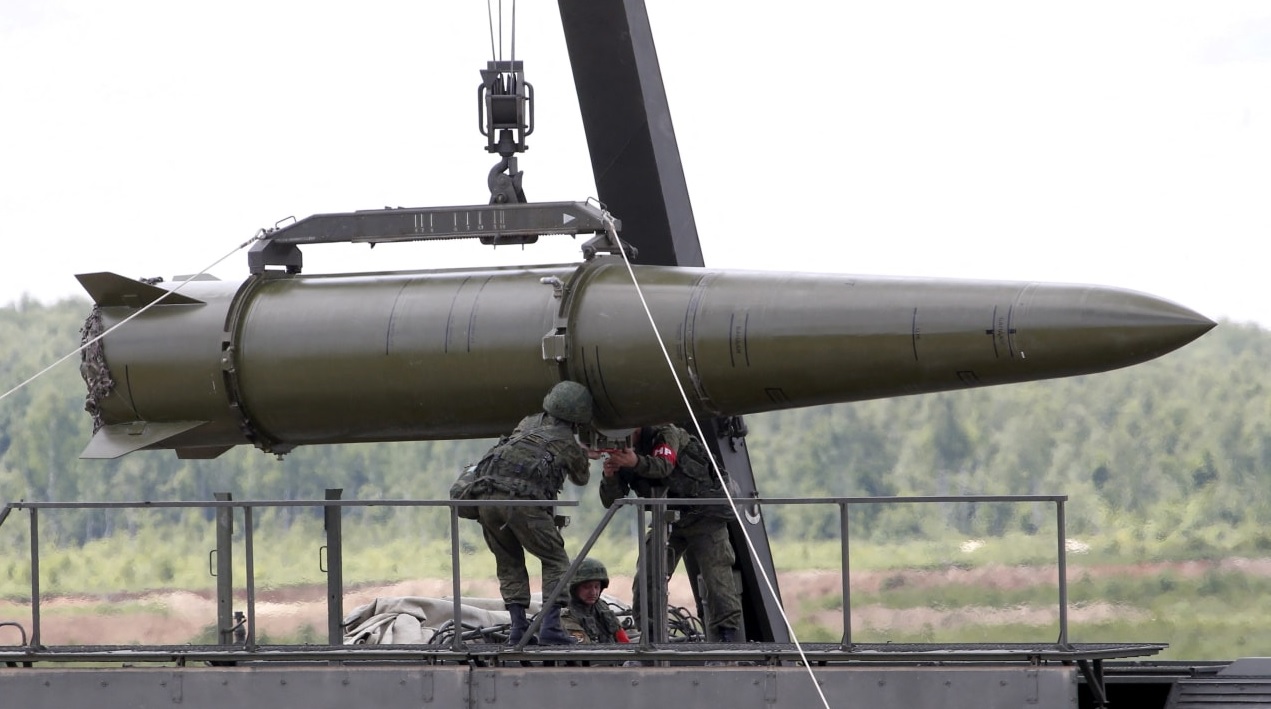
World
In a landmark investigation Militarnyi Analysis Reveals True Cost and Scale of Russia’s Missile Arsenal, Ukrainian defense outlet Militarnyi has published a detailed breakdown of Russia’s missile procurement records, offering an unprecedented look into the cost, scale, and industrial priorities of the Kremlin’s long-range strike capability. The report draws upon leaked classified procurement documents from Russia’s defense ministry, covering the period 2024–2027, and sheds light on decades of secrecy surrounding Moscow’s missile programs. For years, Western and Ukrainian analysts have debated the sustainability of Russia’s missile production under sanctions. Now, Militarnyi’s revelations provide hard numbers that cut through speculation — from production totals to per-unit costs — revealing both the scale of Russian industrial output and the enormous financial weight behind it. Key Procurement Figures (2024–2027) According to Ukrainian sources and documents reviewed by Militarnyi, Russia’s missile manufacturing network—comprising Raduga, Novator, and KBM—has received large-scale production contracts for nearly every major missile in its arsenal. The report lists the following procurement data: 303 Iskander-K (9M728) cruise missiles. 1,202 Iskander-M (9M723) ballistic missiles in multiple variants. 18 new 9M723-2 missiles, possibly the “Iskander-1000”, with a range of 500–1,000 km. 95 9M729 missiles, featuring an extended range of over 2,000 km. 690 Kalibr (3M14) missiles ordered between 2022–2026, including 56 special 3M14S nuclear variants. 1,225 Kh-101 air-launched cruise missiles. 188 Kinzhal hypersonic missiles. Up to 240 Zircon (3M22) hypersonic missiles scheduled for 2024–2026. 32 “Product 506” (Kh-BD) next-generation cruise missiles. In total, the leaked records indicate that Russia plans to field around 2,500 new missiles by the end of 2025, confirming a sustained and methodical expansion of its strategic and tactical strike capacity. Missiles Behind Russia’s War Effort The report confirms that Russia’s missile strikes on Ukrainian targets rely primarily on a cluster of well-known systems — the Kalibr, Kh-101, Iskander, Kinzhal, and Zircon missiles — each serving as a backbone of its deep-strike strategy. Among these, the 9M728 cruise missile (Iskander-K) remains one of the most frequently launched. Designed for a 500 km range and armed with a 480 kg warhead, it has been widely deployed for tactical strikes. According to the leaked data, the Novator Design Bureau was awarded two major contracts between 2024 and 2025, covering the delivery of 303 missiles. The reported unit price was between 135 and 142 million rubles—around $1.5 million apiece. In addition, Militarnyi highlights Russia’s first procurement of the 9M729 missile, an upgraded design with a reported range exceeding 2,000 km. This missile was previously at the center of U.S. accusations that led to the INF Treaty’s collapse in 2019. The report indicates that 95 missiles were ordered in 2025 at 146 million rubles each, equivalent to roughly $1.4–1.8 million. Kalibr Cruise Missiles: Expanding the Navy’s Strike Reach The 3M14 Kalibr, Russia’s sea-launched cruise missile, has become a staple of its Black Sea and Northern Fleets. Capable of striking targets across Ukraine and Europe, it is launched from frigates, submarines, and corvettes. Militarnyi reports two extensive procurement deals — one for 240 missiles (2022–2024) and another for 450 missiles (2025–2026). Each missile costs an estimated 168 million rubles (~$2 million). A smaller batch of the nuclear-capable variant, the 3M14S, was also ordered — 56 units for delivery by 2026, priced between 175 and 190 million rubles ($2–2.3 million). Analysts note that despite sanctions on Russian microelectronics, Kalibr production continues uninterrupted, suggesting Moscow has adapted to supply chain pressures by rerouting critical components through non-sanctioned intermediaries in Asia and the Middle East. Air-Launched Systems: The Kh-101 and Next-Generation Kh-BD The Kh-101 (Izdelie 504AP) — Russia’s most advanced long-range air-launched cruise missile — remains a key element of strategic deterrence. With an operational range exceeding 2,500 km and equipped with electronic countermeasures and thermal decoys, it is carried by Tu-95MSM and Tu-160 bombers. According to Militarnyi, manufacturer Raduga secured contracts for 525 Kh-101 missiles in 2024, priced at 164 million rubles ($2 million) each. In 2025, orders expanded to 700 additional missiles, with unit costs rising to 171–194 million rubles ($2–2.4 million) due to inflation and materials shortages. The Kh-BD (Izdelie 506), a next-generation missile often described as the Kh-101’s successor, was also referenced. With both conventional and nuclear variants, 32 missiles were ordered across 2024–2026, each costing around 337 million rubles ($4.2 million). Though designed for the upcoming PAK DA stealth bomber, integration work has reportedly begun for the upgraded Tu-160M fleet. Iskander Ballistic Missiles: The Ground War’s Workhorse Ballistic missile production remains one of the strongest pillars of Russia’s domestic defense output. The 9M723 Iskander-M, produced by the Kolomna-based KBM, has been extensively used against Ukrainian infrastructure and command centers. The leaked documents reveal that in 2024–2025, Russia ordered 1,202 Iskander ballistic missiles, spanning four warhead types. The per-unit cost ranges from 189 to 238 million rubles ($2.4–3 million). A smaller but significant batch of 18 extended-range 9M723-2 (Iskander-1000) variants was contracted for 2025, each priced at 221 million rubles ($2.5 million). Western analysts speculate that these may serve as a stopgap before Russia transitions fully to hypersonic systems. Hypersonic and Advanced Systems: Kinzhal and Zircon The Kh-47M2 Kinzhal, widely promoted as a hypersonic missile, continues to receive substantial funding. Militarnyi’s review of contracts reveals that 44 missiles were ordered in 2024 and another 144 in 2025, each costing around 366 million rubles ($4.5 million). Despite Russian claims of invulnerability, Ukraine’s Patriot systems have successfully intercepted multiple Kinzhals, casting doubt on the missile’s “hypersonic” classification. Meanwhile, the 3M22 Zircon, a dual-capable anti-ship and land-attack missile, entered limited service in 2024. Russia’s defense ministry has contracted 80 missiles annually from 2024 to 2026, priced between 420 and 450 million rubles ($5.2–5.6 million). Deployed from Crimean launch platforms, its combat performance remains uncertain, but its deployment underscores Moscow’s intent to maintain long-range maritime strike parity with NATO navies. A Glimpse Into Russia’s Defense Economy Militarnyi’s findings underscore the financial magnitude of Russia’s missile industry. Collectively, the contracts represent tens of billions of rubles in state expenditure, spread across key design bureaus — Raduga, KBM, and Novator — all of which remain insulated from Western sanctions through domestic and third-country supply chains. Experts note that despite heavy sanctions and battlefield attrition, Russia’s defense-industrial complex continues to prioritize missile production over conventional armor or drones, reflecting a long-term emphasis on strategic strike capability. The report offers the most detailed quantitative assessment yet of Moscow’s missile procurement ecosystem — revealing not only the true cost of sustaining long-range warfare, but also the industrial resilience of Russia’s military machine amid global isolation.
Read More → Posted on 2025-10-25 16:03:27
World
Lockheed Martin is charting a new course in its aerospace strategy — one driven by self-funded innovation and an aggressive push toward sixth-generation technology integration. Speaking on 20 October, CEO Jim Taiclet revealed that the company is investing heavily in in-house prototype development, a move designed to showcase advanced capabilities directly to the U.S. government without waiting for traditional contracts. Taiclet described the approach as a “big-bet, home-run heavy allocation” — a model that focuses resources on building full-scale demonstrators to validate emerging technologies faster. Among these are space-based interceptors, slated for demonstration by 2028, and a new autonomous Black Hawk helicopter, representing the growing emphasis on autonomy and space defence. Sixth-Generation Leap for the F-35 and F-22 In a particularly noteworthy statement, Taiclet hinted that Lockheed’s Skunk Works division is exploring ways to retrofit sixth-generation systems—originally developed for the Next Generation Air Dominance (NGAD) programme—into legacy fighters like the F-35 Lightning II and F-22 Raptor. He suggested that a future version of the F-35, enhanced with these next-gen upgrades, could deliver “80 percent of NGAD’s capability at 50 percent of its cost.” Taiclet dubbed this vision the “Ferrari F-35”, symbolising high performance with cost efficiency. While Lockheed declined to confirm any ongoing “modified F-35” programme, a company spokesperson clarified that Taiclet was referring to technologies “broadly applicable across platforms.” Industry observers note that potential enhancements could include AI-enabled mission management, adaptive engines, improved stealth coatings, advanced sensor fusion, and secure combat networking, all derived from sixth-gen R&D. Vectis Drone and the Future of Air Combat Lockheed Martin’s Vectis escort drone further underlines this strategic pivot. The autonomous system, though aligned with the U.S. Air Force’s Collaborative Combat Aircraft (CCA) vision, is being developed independently of it. Taiclet said the company’s goal is to “demonstrate real capability leapfrogs” through corporate-level self-funding, giving Lockheed more control over development timelines and innovation outcomes. The Vectis drone is expected to serve as a loyal wingman—supporting manned fighters in combat, providing electronic warfare, surveillance, and strike assistance while reducing risk to human pilots. Production and Sustainment Momentum Financially, Lockheed’s flagship F-35 programme continues to anchor the company’s defence portfolio. Chief Financial Officer Evan Scott reported a backlog of 265 F-35s at the end of the quarter, with an additional 151 jets added after finalising contracts for Lots 18 and 19. Scott highlighted that both Congress and the White House remain strong supporters of the programme, reinforcing Lockheed’s production target of 156 aircraft per year. Between 175 and 190 F-35s are scheduled for delivery in 2025, marking one of the company’s most ambitious delivery timelines yet. “As we really hit a good groove on production,” Scott said, “that will continue to translate into operational results.” He added that with a rapidly expanding global fleet, sustainment and lifecycle support will become the main growth drivers going forward. Block 4 and Technology Refresh 3: The Next Big Step The company is also nearing completion of the Block 4 upgrade, which will unlock new weapons, sensors, and computing capabilities for the F-35. This upgrade relies on the Technology Refresh 3 (TR-3) hardware and software suite, which Taiclet confirmed has largely completed testing. Once fully integrated, TR-3 and Block 4 will provide a digital backbone capable of supporting AI-driven decision aids, advanced radar processing, and real-time threat adaptation, keeping the F-35 relevant well into the 2040s. A New Era of Self-Driven Innovation Lockheed Martin’s shift toward self-funded prototypes and rapid technology insertion signals a fundamental change in defence industry dynamics. Instead of waiting for government requirements, the company aims to shape future demand by demonstrating what’s possible first. If successful, the approach could deliver an evolutionary leap for the F-35 and F-22 — fighters originally born of fifth-generation design — transforming them into platforms capable of competing in the sixth-gen battlespace. As Taiclet summarized, “We are now in the business of proving future capability before it’s requested — and that’s how we stay ahead.”
Read More → Posted on 2025-10-25 15:00:13
World
In a significant political development, the main Palestinian factions, including Hamas, have announced their agreement to establish an independent technocratic committee to administer post-war Gaza. The decision came during a high-level meeting held in Cairo, where the groups collectively endorsed a plan aimed at managing Gaza’s recovery and addressing the wider Palestinian political crisis. Formation of a Temporary Governing Body According to a joint statement released on the Hamas website, the factions have decided to transfer the administration of the Gaza Strip to a temporary Palestinian committee composed of independent technocrats.This committee will be responsible for managing daily affairs, providing essential services, and coordinating humanitarian assistance in collaboration with Arab nations and international organizations. The statement emphasized that the move was designed to “manage the affairs of life and basic services in cooperation with Arab brothers and international institutions,” signaling a shift toward a non-partisan, civilian-led interim governance structure. Towards a Unified Palestinian Position The participating factions also pledged to work together to establish a unified political stance to address the mounting challenges facing the Palestinian cause.They called for a comprehensive national dialogue, involving all political and resistance movements, to formulate a national strategy and to revitalize the Palestine Liberation Organization (PLO) — reaffirming its role as the “sole legitimate representative of the Palestinian people.” This call for reform is notable, as Hamas remains outside the PLO, which continues to be dominated by its long-standing rival Fatah. The proposal to reintegrate or realign these movements under a single representative body could mark a potential turning point in decades of internal division. Hamas–Fatah Talks and Egyptian Mediation An informed diplomatic source revealed that delegations from Hamas and Fatah held direct discussions in Cairo to address the second phase of a U.S.-backed ceasefire plan in Gaza. Both sides reportedly agreed to continue their dialogue in the coming weeks, focusing on reorganizing the Palestinian political landscape and strengthening internal unity in response to Israeli policies. Alongside these discussions, Egypt’s intelligence chief Hassan Rashad met with senior representatives of other key Palestinian factions, including Islamic Jihad, the Democratic Front for the Liberation of Palestine (DFLP), and the Popular Front for the Liberation of Palestine (PFLP).The involvement of these groups reflects Cairo’s ongoing mediation efforts to build a broader consensus among Palestinian movements and prepare for post-war reconstruction. Historical Rivalries and Changing Realities The relationship between Hamas and Fatah has been fraught with tension since the 2006 Palestinian legislative elections, which triggered a violent split that divided the governance of the West Bank and Gaza.While Fatah retained control of the Palestinian Authority (PA) in the West Bank, Hamas took power in Gaza in 2007 after a brief but bloody conflict. Efforts to bridge this divide have repeatedly faltered over issues of security control, governance, and international recognition. In December 2024, both factions tentatively agreed to form a joint administrative committee for post-war Gaza — a plan that drew internal criticism, particularly from Fatah officials who feared it would legitimize Hamas’ influence. However, the latest agreement suggests a pragmatic shift by Hamas. The group, which has publicly stated that it does not seek to govern Gaza after the war, continues to resist disarmament demands but appears willing to cede administrative authority to a neutral civilian body as part of a broader political compromise. Why Factions Are Taking This Step The decision by the Palestinian factions to form a technocratic interim government reflects both political necessity and external pressure. Domestically, Gaza’s infrastructure has been devastated, and public administration has collapsed, creating an urgent need for a neutral entity to handle reconstruction and aid distribution. Regionally, Arab mediators like Egypt and Qatar have pushed for a post-war governance model acceptable to both Israel and the international community, without directly empowering Hamas. Internationally, the United States and European Union have insisted on a non-partisan administration as a prerequisite for reconstruction funding and humanitarian coordination. This balancing act allows Palestinian factions to maintain political relevance while avoiding immediate confrontation over Gaza’s control, setting the stage for a longer-term discussion about national unity and governance reform. A Step Toward Political Reconciliation? While the formation of the technocratic committee may not immediately resolve deep political rifts, it represents a pragmatic step toward restoring governance in Gaza and reopening the conversation on Palestinian political reconciliation.If successfully implemented, it could serve as the foundation for rebuilding Gaza’s civil institutions, reestablishing basic governance, and eventually holding national elections that include all major factions. For now, the Cairo agreement signals that even amid profound devastation and uncertainty, the Palestinian political landscape is beginning to move toward a fragile, yet hopeful, process of unity and renewal.
Read More → Posted on 2025-10-25 14:42:41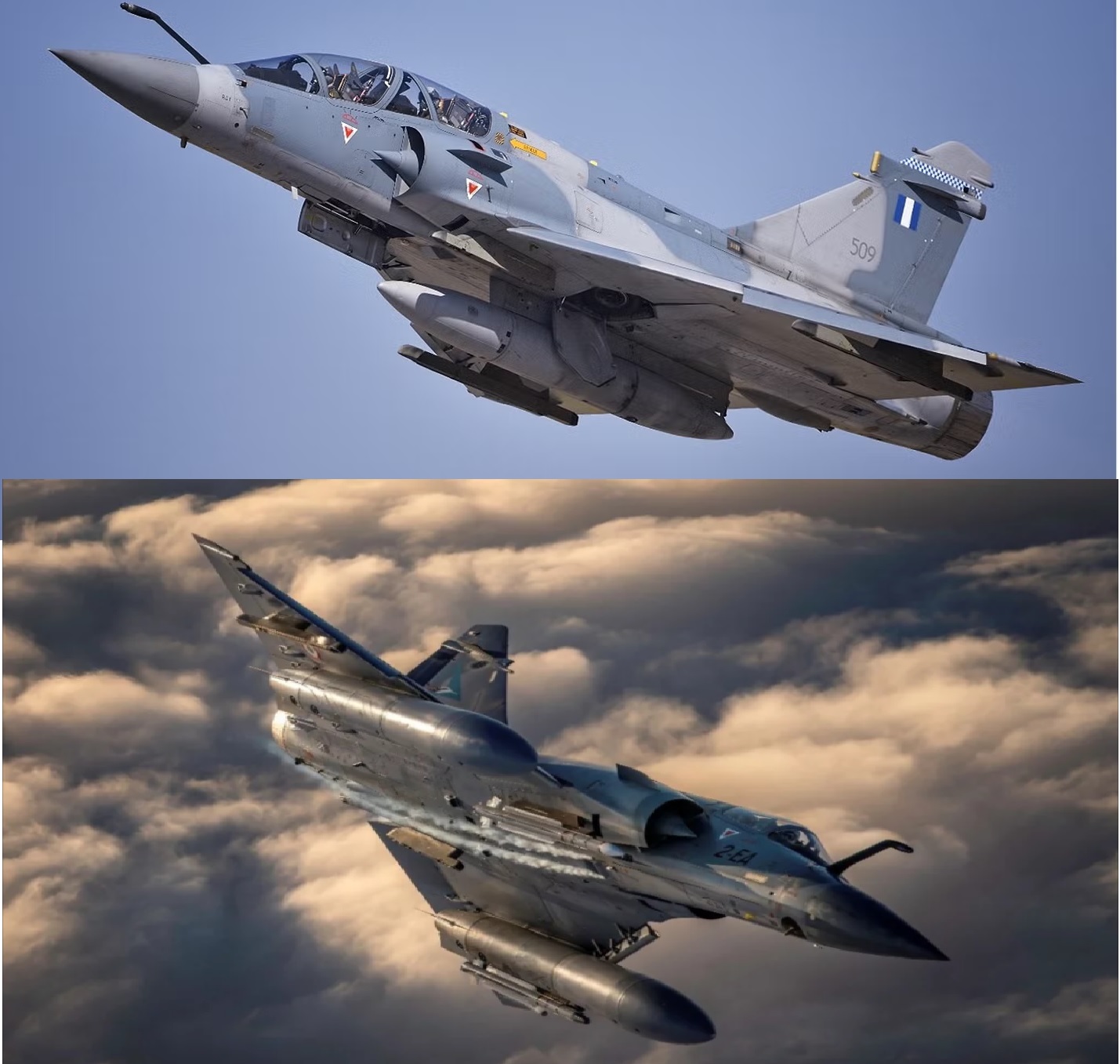
World
French President Emmanuel Macron has announced that France will deliver a new package of Mirage 2000 fighters and Aster surface-to-air missiles to Ukraine in the coming days, reaffirming Paris’s commitment to strengthening Kyiv’s air defense and strike capabilities amid intensifying Russian attacks. The announcement came during a recent meeting with European allies, where Macron emphasized that France’s support for Ukraine “remains unwavering” and that new equipment would soon reach Ukrainian forces. While he did not specify exact numbers, reports from French and Ukrainian defense sources indicate that three Mirage 2000-5F jets have already been transferred, with three more expected to follow under this new package. Aster Missiles for Strengthened Air Defense Alongside the fighter aircraft, France will supply additional Aster surface-to-air missiles to reinforce Ukraine’s existing SAMP/T Mamba air defense system — the only Western-made long-range system currently protecting Ukrainian skies. These missiles, co-developed by France’s MBDA and Italy’s Leonardo, are capable of intercepting a wide range of aerial threats including cruise missiles, drones, and tactical ballistic missiles. While the exact number of Aster missiles in this delivery has not been publicly confirmed, military analysts believe the package will include both Aster 15 and Aster 30 variants to replenish depleted interceptor stocks. This support comes as Ukraine continues to face an unprecedented wave of Russian missile and drone attacks targeting energy and infrastructure networks ahead of the winter season. Mirage 2000s: New Wings for Ukraine The Mirage 2000-5F, developed by Dassault Aviation, is a fourth-generation multirole fighter capable of air superiority, interception, and precision ground-attack missions. Powered by a single SNECMA M53-P2 engine, it can reach speeds of Mach 2.2 and is equipped with RDY radar, MICA air-to-air missiles, and laser-guided munitions. Ukraine’s Air Force has been gradually integrating Western aircraft into its fleet, and the arrival of additional Mirage jets is expected to expand its ability to defend against Russian Su-35 and MiG-31 fighters. Reports suggest that Ukrainian pilots have been undergoing training in France since mid-2024, ensuring a smooth operational transition. Strategic Significance This delivery is part of a broader European initiative to provide Ukraine with a layered air-defense network, combining Western missile systems such as Patriot, NASAMS, and IRIS-T with French-supplied Asters. The addition of Mirage fighters gives Ukraine a versatile platform capable of both defensive and offensive roles. Military experts view this move as a calculated step by France to signal sustained European unity in the face of Russia’s ongoing aggression. It also reinforces the growing role of European defense industries in supporting Kyiv independently of U.S. logistics. France’s new aid package demonstrates that Western partners are shifting from short-term support to long-term capability building. The Mirage 2000-5F fighters will expand Ukraine’s air power, while the Aster missiles will help protect major cities and critical infrastructure from aerial attacks. Though the number of assets remains undisclosed, deliveries are expected to commence within the next few days, according to French defense officials. The move is likely to provoke a strong reaction from Moscow, which has repeatedly criticized the transfer of advanced Western weaponry to Kyiv.
Read More → Posted on 2025-10-25 14:24:54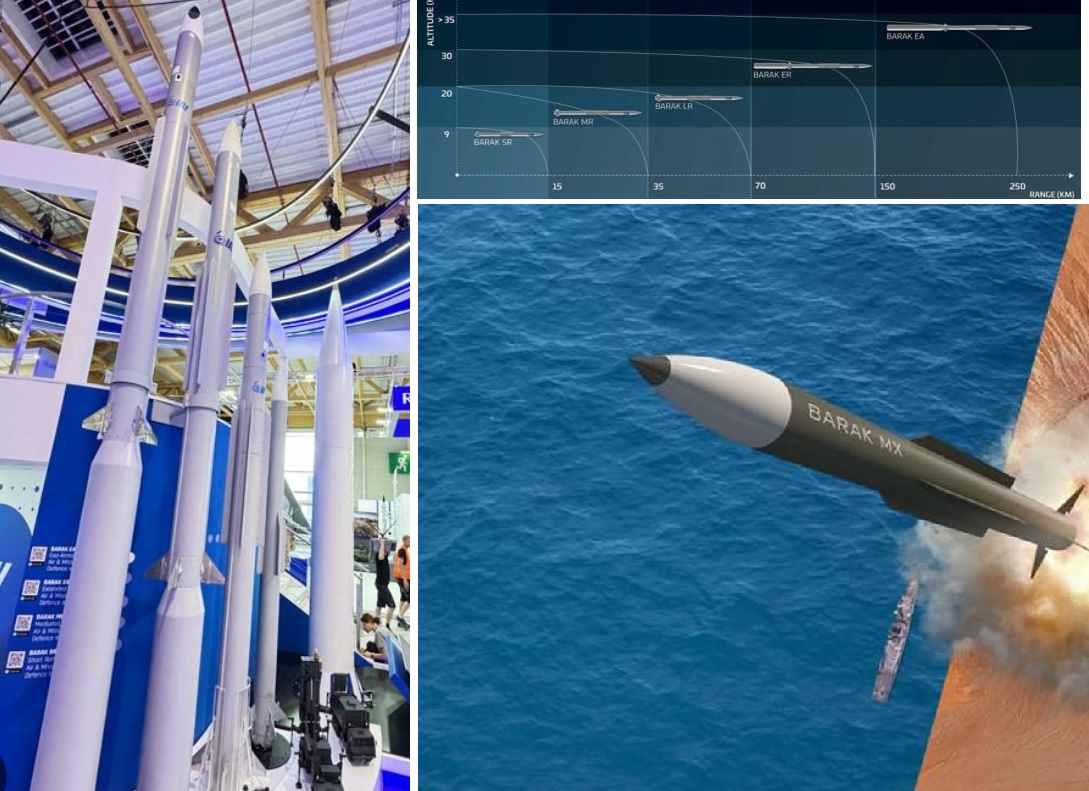
World
At the Paris Air Show 2025, Israel Aerospace Industries (IAI) officially unveiled the Barak-8 Exo, also referred to as Barak EA (Exo-Atmospheric) — the latest and most advanced member of the Barak missile family. This new variant marks a significant leap in Israel’s layered air and missile defense capabilities, extending engagement ranges well beyond 250 km and reaching into the exo-atmospheric zone. A New Milestone in the Barak Family The Barak missile family has evolved progressively from the short-range (SR) to medium-range (MR), long-range (LR), and extended-range (ER) versions. According to IAI data (as seen in the image), each step has expanded range and altitude capabilities: Barak SR – up to 15 km Barak MR – up to 35 km Barak LR – up to 70 km Barak ER – up to 150 km Barak EA (Exo/Exo-Atmospheric) – beyond 250 km The new Barak-8 Exo sits at the top of this family, designed for interception of ballistic missiles, high-altitude aircraft, and hypersonic targets. Technical Enhancements The Barak-8 Exo incorporates several major upgrades compared to earlier versions: Extended Booster Stage: The missile features a powerful new booster, giving it the thrust necessary to reach exo-atmospheric altitudes (above 35 km) and engage high-velocity threats. Optical Tracking System: Unlike previous Barak variants that relied primarily on radar guidance, the Exo version includes an electro-optical tracking system for enhanced precision during terminal phase interception. Advanced Seeker Technology: It is expected to use an active radar seeker combined with optical homing, improving resilience against electronic countermeasures (ECM). Network-Centric Capability: Integrated with IAI’s Barak-MX Command and Control (C2) system, allowing interoperability with radar and sensor networks for multi-layer defense operations. Vertical Launch Capability: The missile uses a canister-based vertical launch system (VLS), enabling 360-degree coverage and compatibility with naval and land-based platforms. Designed for Multi-Layered Defense IAI envisions the Barak-8 Exo as a component of Israel’s multi-layered missile defense network, complementing the Iron Dome, David’s Sling, and Arrow-3 systems. While Arrow-3 specializes in exo-atmospheric ballistic missile interception, the Barak-8 Exo bridges the gap between tactical missile defense and strategic interception, offering both anti-aircraft and anti-missile roles. Global Interest and Future Deployment Though IAI has not disclosed specific customers, defense sources suggest that India, Israel’s largest Barak-8 operator, could be an early partner or collaborator in testing the Exo variant. The Indian Navy already fields Barak-8 LR-SAM aboard major warships, and the Barak-8 ER is reportedly under consideration for future destroyer and frigate classes. Given its range and altitude envelope, the Barak-8 Exo positions IAI to compete in the global market for long-range air defense and anti-ballistic missile systems, against systems like the SM-6, Aster-30 Block 1NT, and SAMP/T NG.
Read More → Posted on 2025-10-25 11:55:43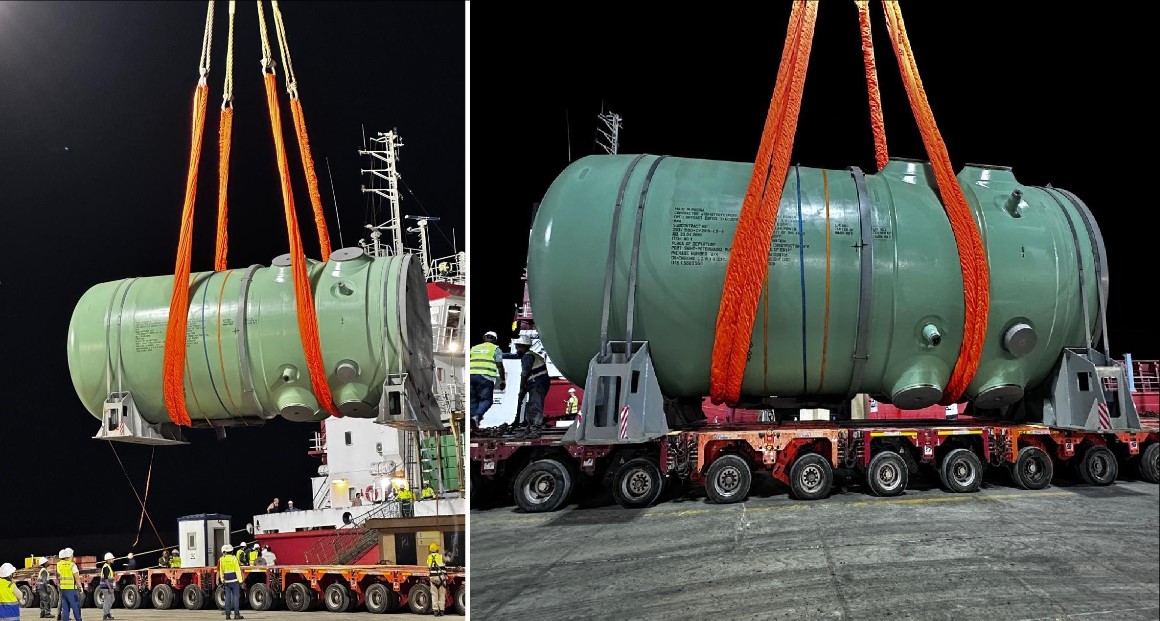
World
Egypt’s long-anticipated dream of joining the nuclear energy club has taken a major step forward. The reactor pressure vessel — often called the “heart” of a nuclear power plant — has officially arrived at the Dabaa port on Egypt’s Mediterranean coast. This colossal component, weighing more than 330 tons, will serve as the containment for the reactor core, marking a decisive moment in the country’s march toward energy diversification and technological advancement. The vessel was manufactured at the Izhora Factory, a subsidiary of Russia’s state nuclear corporation Rosatom, and is considered one of the most sophisticated pieces of nuclear engineering in the world. Its delivery is part of a comprehensive nuclear cooperation agreement signed between Egypt and Russia in 2017, under which Rosatom is responsible for constructing Egypt’s first nuclear power station. The Dabaa Nuclear Power Plant, located in Matrouh Governorate approximately 300 kilometers northwest of Cairo, will include four VVER-1200 pressurized water reactors, each capable of producing 1,200 megawatts, for a total capacity of 4,800 megawatts. Upon completion, the plant is expected to supply nearly 10% of Egypt’s electricity demand, reducing reliance on fossil fuels and supporting the country’s climate goals. A Historic Egypt-Russia Partnership The Dabaa project is backed by a $25 billion loan from Russia, covering 85% of the construction costs, while Egypt finances the remaining 15%. The agreement extends beyond construction, encompassing nuclear fuel supply, operational support, and personnel training. Rosatom will operate and maintain the plant for the first decade while preparing Egyptian engineers and specialists to gradually assume full responsibility. The contract also includes the safe management and return of spent fuel, ensuring environmental compliance. Installation of the reactor pressure vessel is scheduled for mid-November, according to Egypt’s Nuclear Power Plants Authority (NPPA). This stage involves precise alignment, advanced safety testing, and multi-layered inspections, conducted jointly by Russian and Egyptian engineers. Its successful positioning will signal the transition from groundwork to actual plant assembly. Technological and Strategic Significance The Dabaa plant will be the first nuclear power station in Egypt and the Arab world, and the second in Africa after South Africa’s Koeberg plant. The VVER-1200 design, a Generation III+ reactor, incorporates advanced passive safety systems and a lifespan of 60 years, extendable by another 20 years. For Egypt, Dabaa represents more than just energy production. It addresses strategic objectives such as energy diversification, low-carbon power generation, and industrial growth. The project will also create thousands of jobs, foster knowledge transfer, and establish nuclear training centers, positioning Egypt as a technological and industrial leader in the region. Economic and Regional Impact The project strengthens Egypt’s position in the Middle East and North Africa (MENA) region as a nuclear-capable state under international safeguards. It also reflects Cairo’s long-term vision of sustainable growth and energy independence, reducing reliance on imported hydrocarbons and enhancing economic stability. With the reactor pressure vessel now at Dabaa, the project enters a defining phase. As cranes prepare to lift this “heart” into place, Egypt edges closer to realizing a nuclear future — one that promises to reshape the nation’s industrial, technological, and energy landscape for decades to come. This milestone underscores a strategic partnership with Russia, ensuring technical expertise, financial backing, and long-term operational support, while simultaneously signaling Egypt’s emergence as a key player in clean and sustainable energy in Africa and the Arab world.
Read More → Posted on 2025-10-25 11:29:57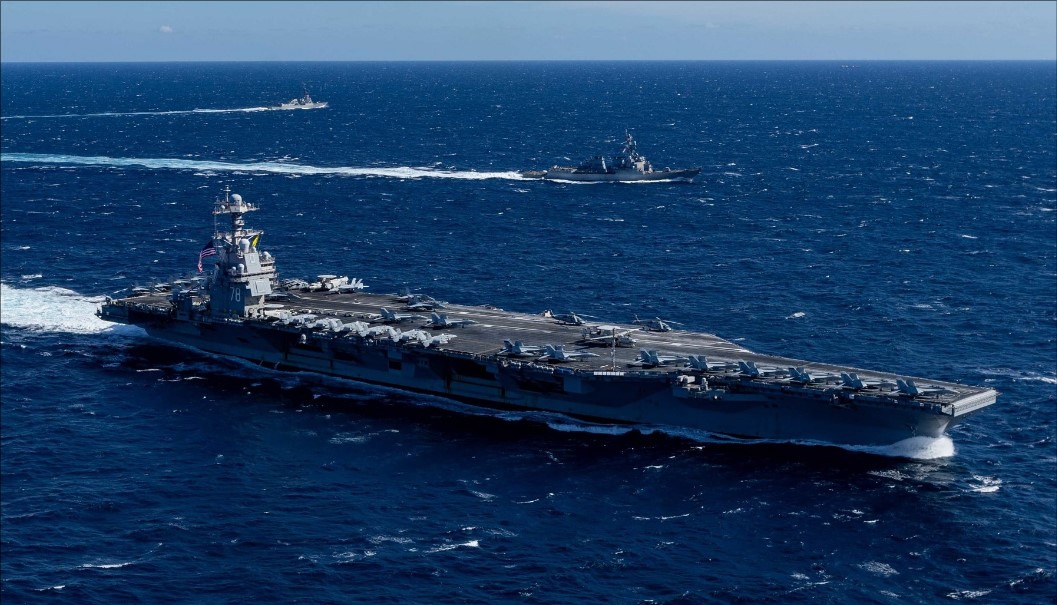
World
The Pentagon’s latest announcement has sent ripples across the Western Hemisphere. The USS Gerald R. Ford, the U.S. Navy’s most advanced and powerful aircraft carrier, is being deployed to Latin American waters under the pretext of enhanced counternarcotics operations. Yet, beneath the surface of official statements, analysts see a far more complex and volatile picture emerging — one where Washington’s military presence edges dangerously close to geopolitical confrontation with Venezuela. The decision, confirmed on October 24, 2025, marks one of the most assertive U.S. naval moves in the region in recent years. The Ford Carrier Strike Group, complete with cruisers, destroyers, and advanced F/A-18E/F Super Hornets, will operate under U.S. Southern Command (SOUTHCOM), focusing on what the Pentagon describes as “interdiction of transnational criminal networks” in the Caribbean and northern South America. However, the timing and scale of this deployment have raised eyebrows. The Gerald R. Ford, commissioned in 2017, is typically associated with high-profile deterrence missions — not regional narcotics patrols. Its presence, along with accompanying guided-missile destroyers and aerial surveillance assets, represents a massive projection of firepower more suited for wartime readiness than coastal interdiction. Behind the Official Narrative U.S. Defense Department officials insist the move is aimed at dismantling major drug-trafficking routes that funnel narcotics from South America into the United States. Pentagon spokesperson Lt. Col. Andrea Miller stated that the carrier strike group “will enhance maritime domain awareness and support multinational operations to disrupt organized crime networks operating beyond national jurisdictions.” But regional governments and observers are unconvinced. Caracas has strongly condemned the deployment, with Venezuelan Defense Minister Vladimir Padrino López calling it “a direct threat to regional peace and sovereignty.” Venezuela argues that Washington’s actions are designed not to fight cartels, but to tighten military pressure on the Maduro administration, especially amid growing tensions over oil exports and political influence in neighboring Colombia and Guyana. Several Latin American diplomats, speaking anonymously, warned that the arrival of the Ford strike group could militarize the Caribbean, drawing parallels with U.S. naval build-ups that preceded interventions in the past, such as Operation Just Cause in Panama (1989). A Strategic Message Beyond Narcotics Beyond counternarcotics, the move also signals Washington’s intention to reassert dominance in the Western Hemisphere, at a time when Russia, China, and Iran have deepened military and economic cooperation with countries like Venezuela, Cuba, and Nicaragua. Over the last two years, Venezuela and Russia have expanded joint military drills, with Moscow reportedly delivering Su-35 fighter jets and upgrading Venezuela’s S-300 air defense systems. China’s growing investment in Venezuelan oil infrastructure and Iran’s drone technology transfers have only intensified Washington’s unease. “The Ford’s deployment is not just about cartels,” said Dr. Maria Estrada, a Latin America security analyst at the Brookings Institution. “It’s a geopolitical signal — the U.S. wants to remind adversarial powers that it can project overwhelming military strength within hours of their doorstep.” Regional Fallout and Escalation Risks In Colombia and Brazil, U.S. allies have cautiously welcomed the move, viewing it as an opportunity to strengthen joint maritime surveillance. Yet in Caribbean states, there is growing fear that escalating U.S.-Venezuelan friction could disrupt trade routes, tourism, and energy supplies. Meanwhile, intelligence reports suggest that Venezuela has begun moving coastal missile batteries and naval patrol assets toward its western maritime borders, a show of defensive readiness that could increase the risk of accidental clashes. Cuban state media called the deployment “imperialist intimidation,” while Nicaraguan officials accused the U.S. of using “the drug war as camouflage for regime change ambitions.” A Theater of Power Projection For Washington, the Ford’s arrival represents a fusion of tactical counternarcotics and strategic deterrence. The carrier’s onboard E-2D Advanced Hawkeye aircraft and F-35C stealth fighters will allow persistent aerial surveillance across vast oceanic stretches — capabilities that far exceed what traditional patrol ships could achieve. Yet critics argue that deploying a nuclear-powered supercarrier against drug smugglers is akin to “using a hammer to catch a fly.” The operation could entangle the U.S. military in a multi-front political and diplomatic standoff, with unpredictable outcomes.
Read More → Posted on 2025-10-25 11:08:09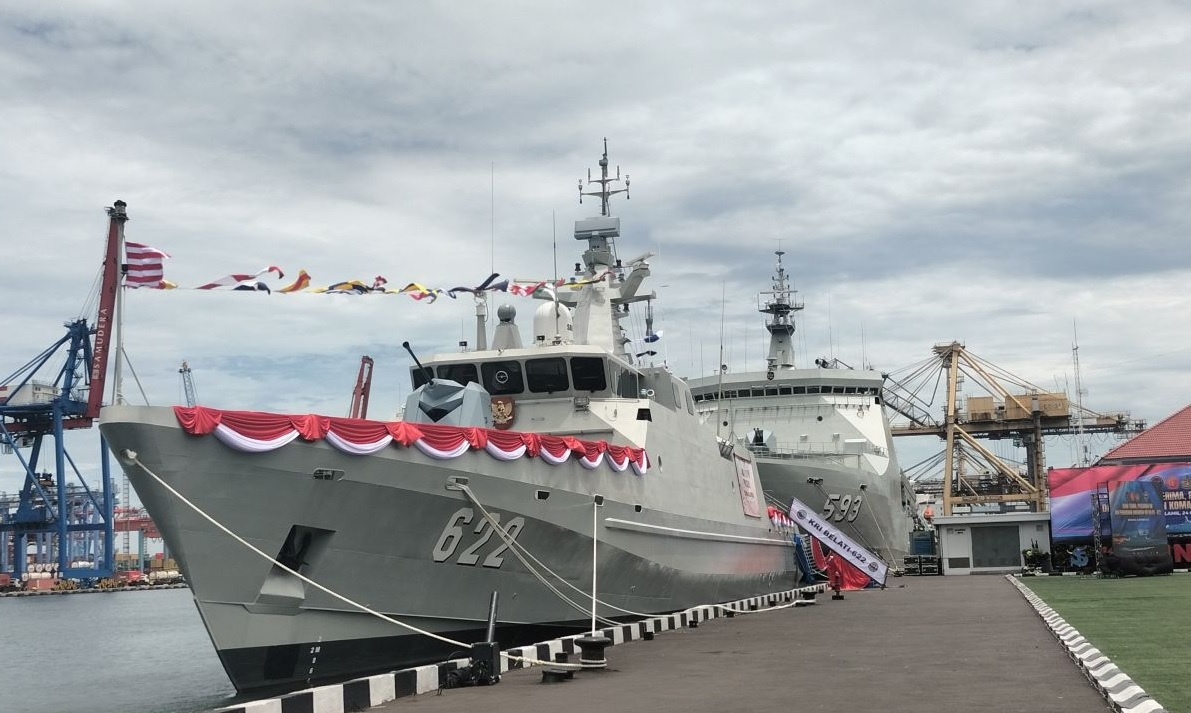
World
On October 24, 2025, the Indonesian Navy (TNI AL) marked another milestone in its modernization journey by commissioning the KRI Belati (622) — a 60-meter Fast Attack Craft-Missile (FACM) — at the Sealift Command headquarters in North Jakarta. Beyond its sleek profile and formidable armament, what sets this warship apart is its hybrid propulsion system, a first for any TNI AL vessel. A Technological Leap in Propulsion The KRI Belati employs a dual propulsion configuration that combines conventional propellers and waterjets, enabling a unique blend of agility and endurance. This setup allows the ship to shift between propulsion modes depending on the mission—conserving fuel during long patrols while achieving maximum thrust and maneuverability in combat or high-speed operations. According to the Indonesian Ministry of Defence, this hybrid system symbolizes a crucial technological leap that enhances operational flexibility while aligning with Indonesia’s goal of greener naval operations. The vessel is capable of running on both conventional marine fuel and biofuel, a reflection of the country’s broader energy diversification strategy. TNI AL’s Chief of Staff, Admiral Muhammad Ali, confirmed that this innovation is not a one-off experiment. “Future Fast Attack Craft-Missile units will adopt similar hybrid propulsion systems,” he said, emphasizing the Navy’s focus on fuel efficiency, reduced maintenance costs, and longer operational life for its next-generation vessels. Built at Home, for National Strength Constructed by PT Tesco Indomaritim, a private Indonesian shipbuilder based in Bekasi, West Java, the KRI Belati represents the maturing capabilities of the country’s domestic defense industry. Built over a span of 34 months, the project showcases how local expertise can deliver complex, high-performance platforms that were once imported. PT Tesco Indomaritim has long been associated with producing smaller naval craft such as Landing Craft Utility (LCU) and Landing Craft Vehicle Personnel (LCVP) — vital assets typically deployed from Indonesia’s Landing Platform Docks (LPDs). The successful completion of KRI Belati signals the company’s ability to move up the technological ladder, contributing to Indonesia’s growing ambition for defense self-sufficiency under its Defense Industry Independence Roadmap. Both the Ministry of Defence and TNI AL praised the program as evidence of Indonesia’s shift from being a buyer of defense systems to a producer and integrator of indigenous maritime technology. Advanced Combat Systems and Firepower Although compact in size, KRI Belati packs a sophisticated punch. The ship integrates HAVELSAN’s ADVENT Combat Management System, enabling multi-domain situational awareness and seamless command connectivity across naval units. Complementing it is the FLEETSTAR Ship Data Distribution System, which improves real-time data flow and onboard system coordination. In terms of armament, the ship is equipped with: Four Roketsan Atmaca anti-ship missile launchers, giving it a lethal strike capability far beyond its size. A Leonardo Marlin 40mm remote weapon station (ILOS variant) for surface threats. Two 20mm cannons for close-in defense and asymmetric warfare scenarios. The aluminium-hulled vessel stretches 62 meters in length, with a 9-meter beam and a displacement of around 500 tonnes. It reaches speeds up to 30 knots, crewed by 62 naval personnel, and offers endurance suited for coastal defense, anti-surface warfare, and patrol missions across Indonesia’s vast archipelagic waters. From Fleet Review to Frontline Service The KRI Belati was officially named on October 1, followed by a debut appearance the next day during a major fleet review in Jakarta Bay, where it sailed alongside 50 other warships — a visible symbol of Indonesia’s strengthening maritime posture. After its commissioning, the vessel was assigned to the 3rd Fleet’s Fast Boat Unit, which oversees operations across eastern Indonesia—a region increasingly critical to national security due to its proximity to strategic trade routes and resource-rich waters. A Step Toward Maritime Independence The induction of KRI Belati (622) is more than a naval addition; it is a statement of intent. Indonesia, one of the world’s largest archipelagic nations, is steadily investing in indigenous defense production to reduce dependency on foreign suppliers. By integrating local shipbuilding talent with international technology partnerships—as seen through collaboration with Turkey’s HAVELSAN and Roketsan—the country is crafting a hybrid model of innovation and strategic autonomy. In the years to come, KRI Belati could serve as a prototype for a new generation of smart, efficient, and domestically built attack craft, setting the standard for Southeast Asia’s naval modernization efforts. It embodies Indonesia’s evolving maritime doctrine — one that blends technological self-reliance, sustainability, and deterrence across its 17,000 islands. In essence, KRI Belati sails not just as a warship, but as a symbol of Indonesia’s growing maritime confidence and its determination to chart its own course in naval innovation.
Read More → Posted on 2025-10-25 11:00:05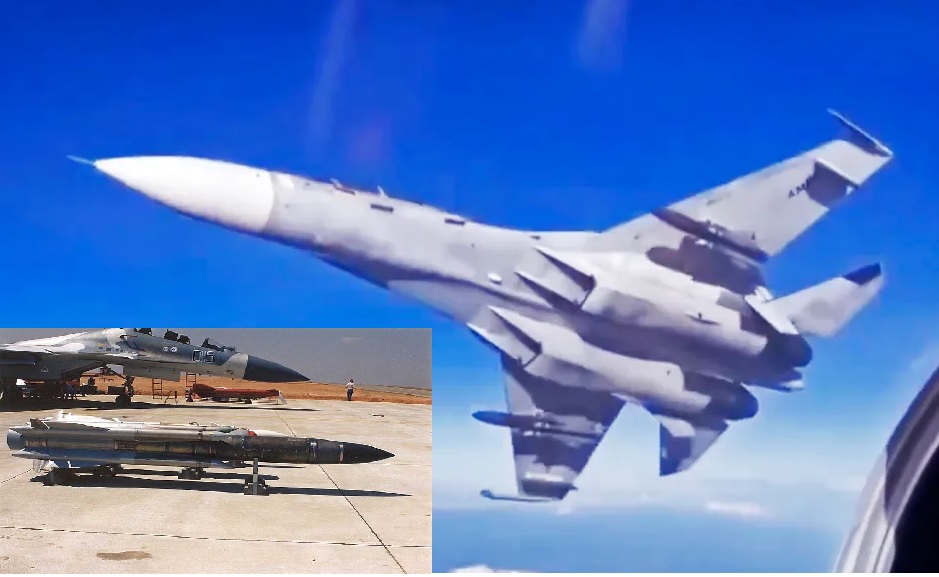
World
Venezuela has showcased its Russian-made Su-30MK2 fighter jets firing Kh-31A anti-ship missiles in a pointed message to nearby United States Navy warships operating in the Caribbean. The move underscores rising tensions between Caracas and Washington, as President Nicolás Maduro vows to defend the nation’s coastline against what he describes as “foreign aggression.” A Show of Force Over the Caribbean During recent military exercises off the Venezuelan coast, the country’s air force demonstrated the combat capabilities of its Su-30MK2 multirole fighters, each armed with Kh-31A “ship-killer” missiles. These high-speed anti-ship weapons are designed to strike naval targets at supersonic velocity, posing a significant threat to vessels within 70–110 kilometers. Venezuela operates a fleet of 24 Su-30MK2 aircraft, supplied by Russia in the late 2000s, and is estimated to possess around 80 Kh-31A missiles. The exercise, which featured over 20 aircraft, 12 warships, and several patrol boats, simulated coordinated strikes against enemy naval targets approaching Venezuelan waters. Defense analysts interpret the exercise as a direct warning to the U.S. Navy, whose ships have been operating near the Caribbean under the banner of anti-narcotics and freedom-of-navigation patrols. In a televised address, Venezuelan military commanders described the U.S. vessels as “vultures at the door”, a phrase now circulating widely in local media. Maduro’s Expanding Missile Shield Just days before the air-sea drills, President Nicolás Maduro announced that Venezuela possesses 5,000 Russian-made Igla-S man-portable air-defense systems (MANPADS), declaring them “ready to defend our skies against any U.S. attack.” The Igla-S, known in NATO as the SA-24 “Grinch”, is capable of targeting low-flying aircraft, drones, and helicopters, giving Venezuelan forces a dense short-range air defense network. In addition, Russian Buk-M2E surface-to-air missile systems have been deployed in the strategic coastal city of La Guaira, just north of Caracas. These medium-range systems extend the country’s air-defense envelope and create a formidable layered protection zone over the capital and its main port areas. Military analysts note that the Buk-M2E can engage multiple targets simultaneously, including aircraft, cruise missiles, and precision-guided bombs, at ranges of up to 45 kilometers — a significant deterrent against air incursions. A Message to Washington The display of advanced weaponry serves as both a military signal and a political statement. Facing persistent U.S. sanctions and accusations of authoritarianism, Maduro’s government is showcasing that Venezuela still retains combat capability and strategic deterrence. By demonstrating its Su-30 fleet and missile systems publicly, Caracas aims to warn Washington that any attempt at military intervention or coastal blockade could come at a steep cost. “Our nation will not kneel before the empire,” Maduro said during a televised review of the drills. “The Caribbean is not their sea — it is ours to defend.” Assessing the Real Threat While Venezuela’s missile arsenal is impressive on paper, defense experts caution that years of economic crisis and maintenance issues have degraded parts of the country’s air fleet. Operational readiness of all 24 Su-30MK2s is uncertain, and supply shortages could affect sustained combat operations. However, even with limited numbers, the Kh-31A anti-ship missile represents a serious tactical threat. Its Mach-2.5 speed and sea-skimming flight profile make it difficult for ships to intercept, especially if launched in salvos. In a confined area like the Caribbean basin, these missiles could challenge U.S. naval operations near Venezuelan waters. The combination of Kh-31A missiles, Buk-M2E batteries, and thousands of Igla-S MANPADS gives Venezuela an asymmetric defense capability — one designed not to win a war against the U.S., but to impose heavy costs and casualties in any attempted strike. Strategic Consequences For the U.S. Navy, the latest developments mean recalculating risks in the southern Caribbean. Operations close to Venezuela’s coast now face the potential of anti-access and area-denial (A2/AD) threats, forcing American warships to maintain greater distance or rely on electronic countermeasures. Analysts also warn of miscalculation risks. With tensions high and both militaries on alert, even a radar lock or accidental incursion could trigger an unintended confrontation. Venezuela’s latest military demonstration marks one of its boldest postures in years. By showcasing its Su-30MK2 fighters armed with Kh-31A anti-ship missiles and fortifying its skies with Igla-S and Buk-M2E systems, Caracas is making it clear that it will not be intimidated by U.S. military presence in the region. While Washington’s military dominance remains undisputed, Venezuela’s message is unmistakable: any aggression would come at a price — and the Caribbean skies and waters will not be uncontested.
Read More → Posted on 2025-10-24 16:54:45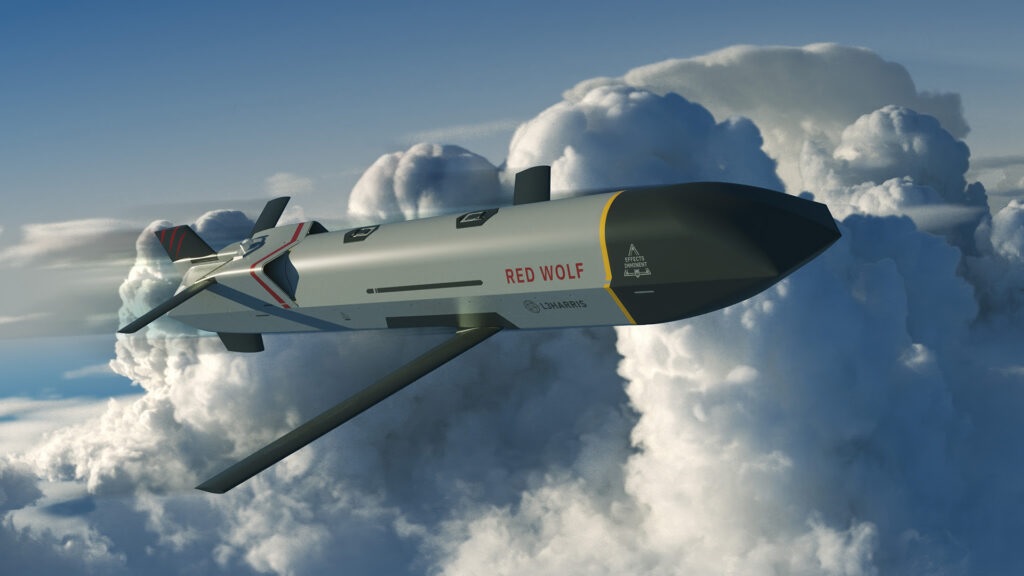
World
L3Harris has revealed details of its new family of cruise missiles — Red Wolf and Green Wolf — designed to fill a capability and cost gap in the U.S. military’s arsenal, particularly for the Marine Corps. According to the company, these missiles offer flexible, long-range strike and electronic warfare options while remaining affordable and deployable across a variety of platforms. “We see applications across all the services, specifically with the Marine Corps. We have already launched our Red Wolf off of the AH-1Z Viper, the Super Cobra platform. You’re looking at a missile that, on that platform, moves from the 6–10 kilometer range to well beyond line of sight,” said Sterling Jones, VP and GM of Agile Development Group at L3Harris. Two Missiles, Complementary Roles The Red Wolf is a kinetic strike missile designed to hit both land and maritime targets, while the Green Wolf variant specializes in electronic warfare and intelligence missions. Green Wolf can loiter over a battlespace, detect radar emissions, perform electronic attacks, and relay targeting data to other platforms, including Red Wolf missiles. The two missiles are also designed to operate in tandem. Green Wolf can provide targeting support to Red Wolf mid-flight, enhancing strike accuracy and survivability while reducing risk to manned electronic warfare platforms. Testing and Platform Integration Both missiles have been under development for over a decade, with extensive flight testing. L3Harris has reportedly conducted 45 test launches, including from the Marine Corps’ AH-1Z Viper attack helicopter. Additional testing is ongoing to integrate the missiles with various rotary, fixed-wing, and land-based platforms, expanding operational flexibility. Size, Range, and Cost Red Wolf and Green Wolf belong to a sub-250 lb (≈113 kg) class, capable of reaching ranges up to 200 nautical miles. Their lightweight design allows for deployment from smaller platforms that traditionally could not carry heavy cruise missiles. Cost remains a central feature: Red Wolf is priced at $300,000, and Green Wolf at $500,000, both well below the million-dollar mark for larger cruise missiles. This affordability enables larger quantities to be deployed, giving commanders a cost-effective tool for distributed operations. Modularity and Reuse Both missiles feature modular designs. Red Wolf can carry interchangeable seeker heads to target both maritime and land targets. Green Wolf has demonstrated recovery and reuse capabilities, with tests showing it can be retrieved, refueled, and relaunched within 60 minutes. Future variants may include electronic decoys for integration with EA-18G Growler aircraft and box-launched versions for land and sea deployment. Implications for the Marine Corps For the U.S. Marine Corps, Red Wolf and Green Wolf represent a shift toward stand-off precision fires from expeditionary platforms. Light attack helicopters, ships, and small ground units can engage targets beyond line-of-sight without needing large, expensive cruise missiles. This aligns with broader efforts to increase operational reach while keeping costs manageable. Red Wolf and Green Wolf highlight a growing trend in U.S. defense: affordable, networked, multi-domain capabilities that combine kinetic and electronic effects. With extensive testing complete and initial production underway, these missiles may soon become a cornerstone of the Marine Corps’ and other services’ long-range strike arsenal.
Read More → Posted on 2025-10-24 16:42:55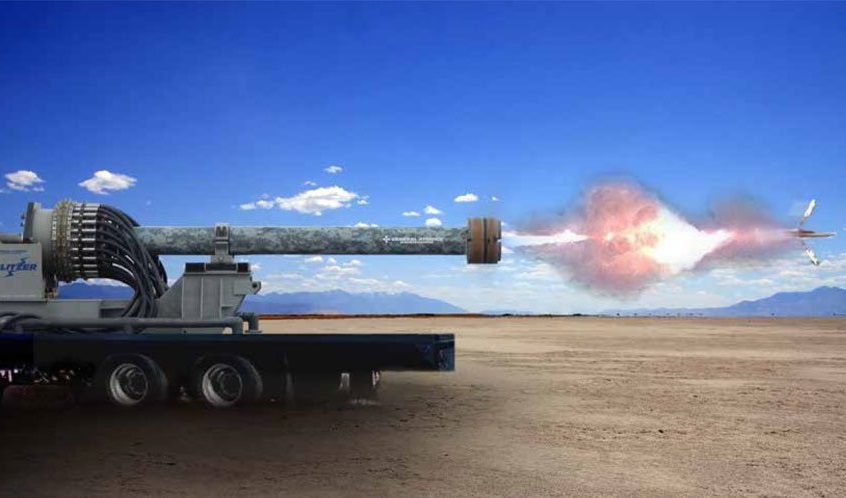
World
At the recent Association of the United States Army (AUSA) Annual Meeting in Washington, D.C., General Atomics Electromagnetic Systems (GA-EMS) showcased its railgun technology, highlighting its potential applications in modern defense systems. Despite the U.S. Navy and Army's cessation of railgun programs in 2021, GA-EMS continues to advance this technology, focusing on its capabilities for air and missile defense. Railgun Specifications and Capabilities GA-EMS's railgun system utilizes electromagnetic forces to launch projectiles at hypersonic speeds, offering significant advantages over traditional chemical-propelled weapons. According to GA-EMS, their railgun can achieve muzzle velocities up to Mach 6, with projectiles reaching speeds of approximately 5,600 mph (9,000 km/h). The system is designed in three variants, each with different energy capacities: Low-Energy Variant: Approximately 3 megajoules, suitable for shorter-range engagements. Medium-Energy Variant: Around 16 megajoules, offering a balance between range and power. High-Energy Variant: Up to 32 megajoules, capable of long-range intercepts. These energy levels are sufficient to propel projectiles over 100 nautical miles, significantly extending the range compared to conventional naval guns. Applications in Air and Missile Defense Mike Rucker, Head of GA-EMS Weapons, emphasized the railgun's potential in terminal defense scenarios, particularly for intercepting ballistic and cruise missiles. The system's high muzzle velocity allows for rapid engagement of threats, reducing the time available for adversaries to react. Rucker noted that the railgun's kinetic energy projectiles, such as tungsten pellets, provide a non-explosive means of neutralizing incoming threats, which is advantageous in scenarios where minimizing collateral damage is critical. International Interest and Collaborations While the U.S. has paused its railgun development programs, international interest remains strong. Countries like Japan, China, France, and Germany have demonstrated active development of railgun technology. Japan and China have unveiled experimental ship-mounted railguns, while France and Germany are collaborating on advancing this technology. Rucker mentioned that Washington is cooperating with these nations regarding their interest in General Atomics' railgun products, indicating a shared interest in this emerging technology. Advancements in Technology and Reliability Addressing previous concerns about railgun technology, such as barrel wear and low rate of fire, Rucker stated that GA-EMS has made significant advancements. He asserted that the system now operates reliably in various environments, overcoming earlier technical challenges. The company has focused on enhancing the durability of the barrel and improving the rate of fire, making the railgun a more viable option for operational deployment. Strategic Implications for U.S. Defense Beyond the Golden Dome initiative, GA-EMS sees the railgun's potential in defending strategic locations like Guam. The island's current defense infrastructure is primarily designed to counter threats from North Korea. However, with the increasing capabilities of adversaries like China, including advanced ballistic and cruise missiles, there is a growing need to bolster Guam's defense systems. The railgun's long-range intercept capabilities could play a crucial role in enhancing the island's defense posture. General Atomics' continued development of railgun technology underscores its commitment to advancing non-kinetic defense systems. With applications ranging from terminal air and missile defense to strategic deterrence, the railgun represents a significant leap forward in modern warfare capabilities. As international interest grows and technological challenges are addressed, the railgun may become a cornerstone of future defense strategies.
Read More → Posted on 2025-10-24 16:28:53Search
Top Trending in 24 Hours
-
 Tulsi Gabbard Releases Declassified Files Detailing U.S.-Backed Network of 120 Biolaboratories Across 30+ Countries
-
 AM General Unveils Next-Generation UGV and JLTV A2 with Counter-Drone Systems at Eurosatory 2026
-
 Pakistan Raises Defence Budget from $9 Billion to $10.8 Billion as J-35 Fighter and Hangor Submarine Programs Advance
-
 U.S. Navy's USS Colorado Submarine Returns to Pacific Fleet 29 Days Early After Major Pearl Harbor Overhaul
-
 Dassault Seeks Compensation From Airbus as Eurodrone Dispute Erupts After FCAS Collapse
-
 Elbit Systems and Diehl Defence Partner to Offer SkyStriker Loitering Munition to German Armed Forces
-
 US Marine Corps F/A-18D Hornet Crashes During Training Flight in Washington Mountains; Pilot Ejects Safely
-
 U.S. Navy Reestablishes Submarine Squadron 3 at HMAS Stirling to Support AUKUS Rotational Force
Top Trending in 4 Days
-
 Iranian Media Leaks 14-Point U.S.-Iran Peace Framework Amid Ongoing Negotiations
-
 US Plans Significant Reduction of Fighter Jets and Warships for NATO Operations in Europe
-
 U.S. Air Force Faces Strategic Airlift Shortfall as C-17 Production Restart Remains Uncertain
-
 NATO Commander Says Russia Not Seeking Conflict With Alliance Despite U.S. Force Reductions
-
 Russian Defense Firm ZALA Unveils KAMA Unmanned Surface Vessel Family at FLOT-2026 Naval Exhibition
-
 U.S. Space Force Awards $437.7 Million Contracts for First PTS-G Swarm 1 Anti-Jam Satellites
-
 India Successfully Conducts AD-1, AD-2 Interceptor Tests and Maiden NASM-MR Flight Trial
-
 UAE Urgently Airlifts Cheongung-II Missile Defense Battery From South Korea Using Eight C-17 Aircraft