
Space & Technology
On August 24, a historic event will unfold on the Chennai coastline as Space Zone India, a dynamic startup based in the city, prepares to launch India's first reusable hybrid rocket. This groundbreaking mission, dubbed ‘Mission Rhumi -2024,’ marks a significant milestone in the nation's space exploration efforts.The launch will occur around 7 a.m. from the TTDC Ground along East Coast Road, with the rocket poised to carry an impressive payload of three CubeSats and 50 PICO satellites. These small satellites are tasked with monitoring and collecting critical data on various atmospheric conditions, providing valuable insights for scientific research and technological advancements.Guided by Mylswamy Annadurai, the esteemed former ISRO director and celebrated as the “Moon Man of India,” this mission underscores India's growing capabilities in space technology. Annadurai's involvement lends a distinguished touch to the project, highlighting its importance and potential impact.Space Zone India's CEO, Anand Megalingam, has outlined some of the key features of the hybrid rocket. The rocket will be launched using a mobile hydraulic launcher mounted on a truck, showcasing a blend of innovation and practicality. All requisite government approvals have been secured, including those from the Directorate General of Civil Aviation (DGCA), Air Force Tambaram, and the Airports Authority of India (AAI). Furthermore, the Notice to Airmen (NOTAM) process has been duly initiated to ensure airspace safety during the launch.What sets this rocket apart is its reusability. Unlike conventional rockets, which are typically discarded after a single use, this hybrid rocket is designed for recovery and reuse in future missions. Approximately 70% of its 80-kilogram components can be retrieved and repurposed, promoting an environmentally sustainable approach to space exploration.The hybrid rocket employs a unique propulsion system, using a combination of solid wax fuel and semi-cryogenic nitrous oxide as the oxidizer. The nitrous oxide, stored at a chilling -80°C, is kept separate from the solid wax fuel until ignition. This separation minimizes the risk of accidental detonation and enhances the safety of the launch process.The innovation represented by this reusable hybrid rocket has the potential to revolutionize space exploration. By lowering costs and reducing environmental impact, it paves the way for more sustainable and frequent missions. As India continues to make strides in space technology, the success of ‘Mission Rhumi -2024’ will undoubtedly be a significant milestone, reflecting the country's advancing capabilities and commitment to space research.
Read More → Posted on 2024-08-22 15:18:27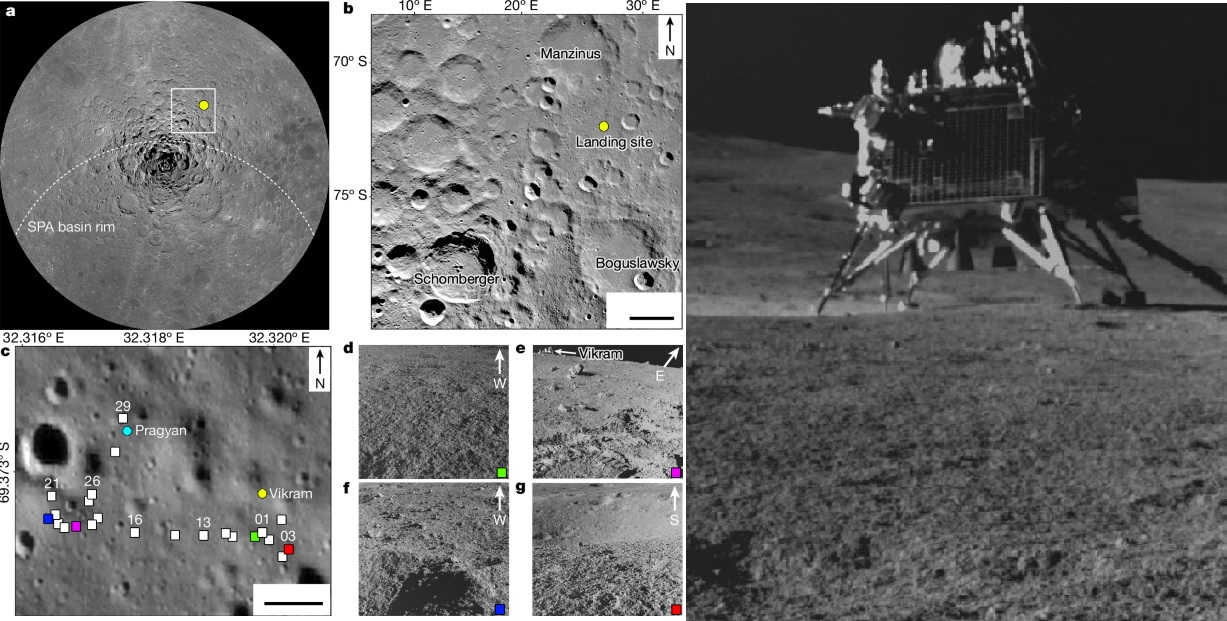
Space & Technology
India’s Chandrayaan-3 mission has achieved yet another scientific breakthrough, offering fresh insights into the Moon’s surface. The Alpha Particle X-ray Spectrometer (APXS) aboard the Pragyan rover has successfully conducted the first-ever in-situ elemental analysis of lunar soil near the Moon’s southern polar region. This analysis, led by scientists from the Physical Research Laboratory (PRL), Ahmedabad, in collaboration with ISRO, marks a significant step forward in lunar exploration.The Chandrayaan-3 mission has captivated global attention since its successful landing on August 23, 2023. The Vikram lander touched down at the “Shiv Shakti” point, located at 69.37 degrees south latitude and 32.35 degrees east longitude. Shortly after, the Pragyan rover began exploring the area, covering around 103 meters over the next ten days. The APXS instrument, carried by Pragyan, was specifically designed to assess the elemental composition of the lunar regolith, offering critical data for understanding the Moon's geological history.The APXS works by deploying a combination of X-ray Fluorescence Spectroscopy (XRF) and Particle-Induced X-ray Emission (PIXE) techniques. By irradiating the lunar soil with alpha particles and low-energy X-rays, the instrument identifies and quantifies various elements present on the Moon's surface. Notable elements detected include silicon (Si), magnesium (Mg), aluminum (Al), iron (Fe), calcium (Ca), and minor elements such as manganese (Mn), chromium (Cr), titanium (Ti), sodium (Na), potassium (K), sulfur (S), and nickel (Ni).One of the key findings reported by the APXS instrument is the confirmation of the Lunar Magma Ocean hypothesis, which proposes that the Moon’s initial crust formed through the crystallization and floatation of lighter minerals, primarily anorthite plagioclase. The data collected by APXS showed a higher-than-expected abundance of magnesium-rich minerals in the lunar regolith, suggesting that material from deeper lunar layers—likely ejected during the formation of the South Pole-Aitken Basin—also contributed to the surface composition.The study, recently published in *Nature*, highlights how this elemental analysis serves as a valuable "ground truth" for future lunar exploration missions. The findings are consistent across 23 measurements taken within a 50-meter radius of the landing site, indicating a uniform composition of the lunar regolith. This consistency enhances our understanding of the Moon’s geology and provides essential reference data for remote sensing missions.The success of the APXS and the Pragyan rover underscores the technological prowess of India’s space program. By enabling real-time, in-situ measurements, the mission has opened a new chapter in lunar science, offering fresh perspectives on the Moon’s evolution. As ISRO continues to release more data from Chandrayaan-3, the global scientific community eagerly awaits further revelations that could redefine our understanding of Earth's closest celestial neighbor.
Read More → Posted on 2024-08-22 15:09:49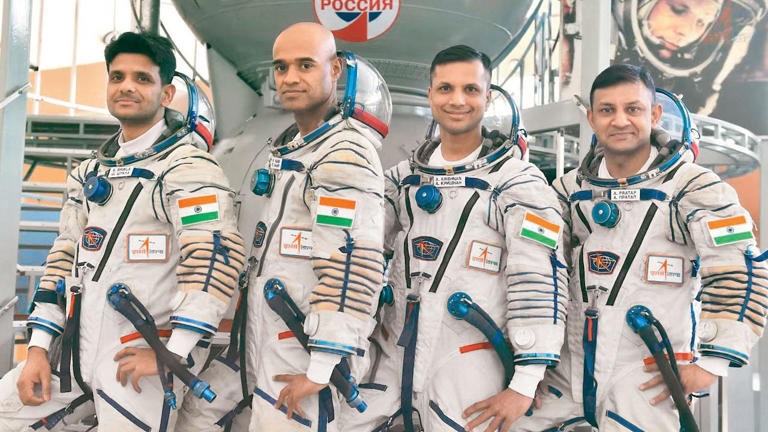
Space & Technology
India is on the brink of a significant milestone in space exploration as an Indian astronaut is likely to embark on a mission to the International Space Station (ISS) by April 2024. Union Minister for Science and Technology Dr. Jitendra Singh recently revealed this exciting update, marking another collaboration between NASA and ISRO in their shared space initiatives. This mission will not only place an Indian astronaut on the ISS for the first time but also highlight the growing capabilities and ambitions of India’s space program.The astronaut designated for this mission is Group Captain Shubhanshu Shukla, who, along with his backup candidate, Group Captain Prashanth Balakrishnan Nair, is currently undergoing intensive training in the United States. Both officers are being prepared for the Axiom Space Ax-4 mission, a private mission to the ISS that has garnered significant attention for its international partnerships. Shukla, selected by ISRO for the primary role, is expected to make history as the first Indian to live and work on the ISS.This landmark mission is part of a broader space agenda being driven by India. As preparations ramp up for the ISS mission, ISRO continues to advance its other ambitious programs. For instance, ISRO is preparing for the joint ISRO-NASA NISAR mission, an earth observation satellite equipped with a 12-meter reflector—the largest and most costly of its kind. While initially slated for an earlier launch, an anomaly in the reflector led to delays, with the current timeline aiming for a launch post-February 2024. The satellite, once deployed, will greatly enhance earth monitoring, especially in mapping natural disasters and tracking global environmental changes.Minister Singh shared these updates during a press briefing leading up to India’s first-ever National Space Day on August 23, 2024, which commemorates the successful landing of the Chandrayaan-3’s Vikram lander on the Moon the previous year. The celebrations carry the theme "Touching Lives while Touching the Moon: India's Space Saga," reflecting India’s diverse achievements in space technology and research. Events across the country are planned, culminating with President Droupadi Murmu presenting awards at the Bharat Mandapam in Delhi to winners of space-related challenges, including the Bharatiya Antariksh Hackathon and ISRO Robotics Challenge.In addition to the ISS mission and NISAR satellite, ISRO’s roadmap features ambitious lunar exploration plans, with Chandrayaan-4 aimed for 2027 and an ISRO-Japan Aerospace Exploration Agency collaboration named Chandrayaan-5 targeting the Moon’s polar region. The latter mission will focus on deploying a rover to study lunar ice deposits and other resources, a step critical to understanding the Moon’s potential for supporting long-term human presence.As India’s space journey continues to evolve, this upcoming ISS mission stands out as a symbolic achievement, reinforcing the country’s commitment to becoming a formidable player in global space exploration. The mission not only strengthens ISRO’s partnership with NASA but also positions India closer to joining the select group of nations with a presence in the prestigious ISS.
Read More → Posted on 2024-08-22 14:59:05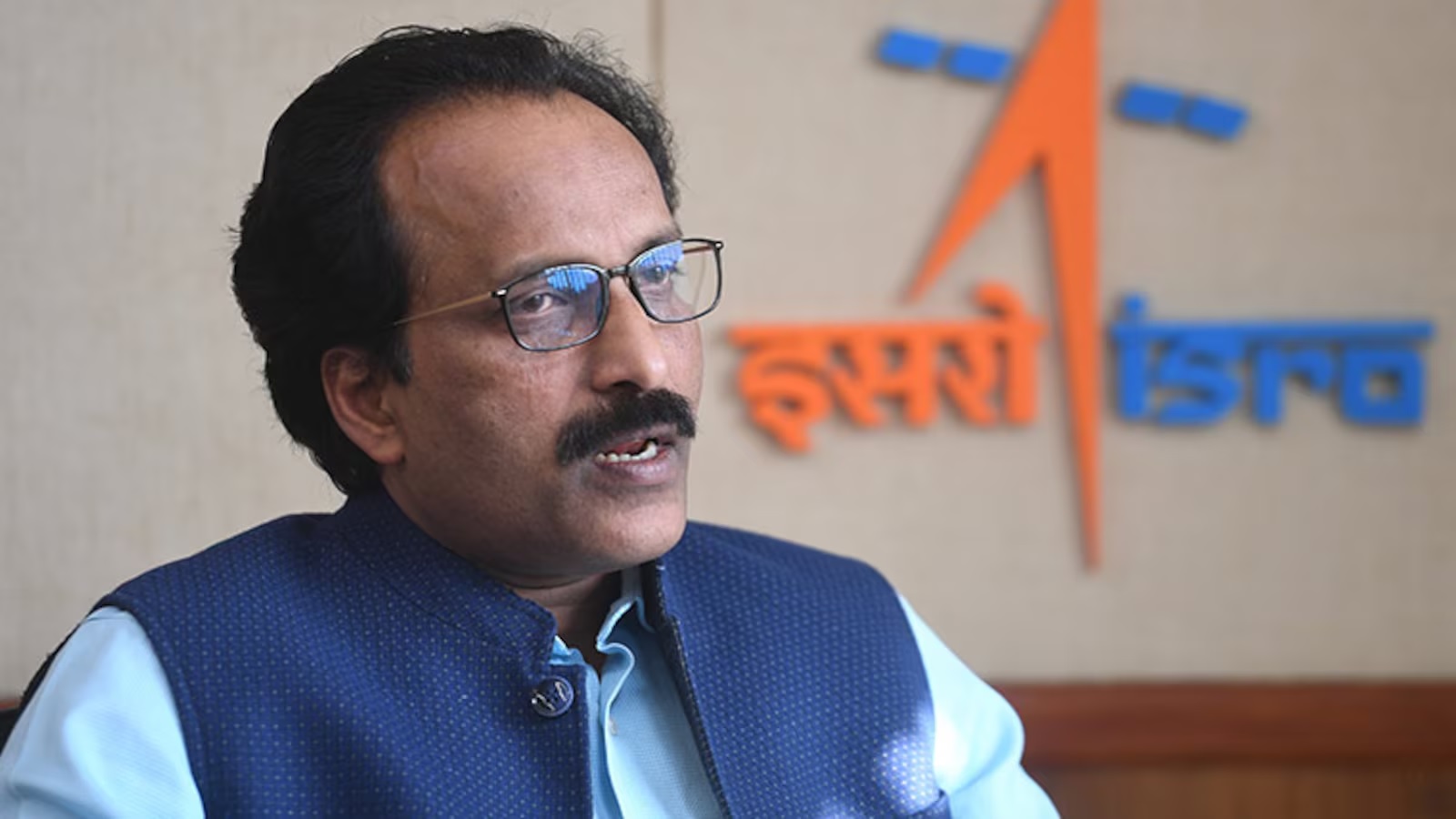
Space & Technology
ISRO Chief S. Somanath recently unveiled exciting developments as India’s space agency marches forward with its lunar and satellite missions. After the success of Chandrayaan-3, ISRO has now completed the designs for Chandrayaan-4 and Chandrayaan-5, with plans to seek government approval soon. These missions are set to push the boundaries of India’s space exploration efforts, with Chandrayaan-4 particularly catching the eye for its ambitious goal of bringing lunar samples back to Earth.Chandrayaan-4 is designed to be more than just another lunar lander. Its mission objectives include soft-landing on the moon, collecting samples of moon rocks and soil, and then launching a spacecraft from the lunar surface to bring these samples back to Earth. This complex mission will also involve demonstrating a space docking experiment in lunar orbit—a critical technology that could pave the way for more advanced deep-space missions in the future. The targeted launch date for Chandrayaan-4 is 2028, but the design phase has already been completed, and the space agency is now seeking approval to proceed.Following Chandrayaan-4, ISRO is also planning Chandrayaan-5, though details about this mission remain under wraps. What’s clear is that these missions are part of a broader strategy by ISRO to maintain and expand India’s presence in space exploration, particularly in lunar science.In addition to its lunar ambitions, ISRO is also gearing up for an extensive series of satellite launches over the next five years. The space agency plans to launch around 70 satellites, which will serve various purposes, from navigation and weather forecasting to earth observation and internet connectivity. This includes a new constellation of low earth orbit satellites designed to meet the growing demands of various Indian ministries and government departments.Among these satellites are four for the NAVIC regional navigation system, which will provide precise positioning, navigation, and timing services. ISRO is also preparing to launch INSAT 4D weather satellites, which will enhance India’s ability to monitor and predict weather patterns. The Resourcesat series, aimed at resource monitoring, and Cartosat satellites, known for their high-resolution imaging capabilities, are also part of this ambitious satellite agenda.Moreover, ISRO is developing the next generation of Oceansat satellites to monitor ocean and climate conditions. Two technology demonstration satellites, TD 01 and TD 02, are also in the works to test electric propulsion systems and quantum key distribution technologies—cutting-edge advancements that could significantly enhance satellite efficiency and security.A crucial component of ISRO’s upcoming missions is the Gaganyaan project, India’s first manned space mission. The first unmanned flight for this project is scheduled for December 2024. According to Somanath, all the stages of the rocket have already been delivered to the Satish Dhawan Space Centre at Sriharikota, where the final integration and testing will take place. The Crew Module and the Crew Escape system are also nearing completion, with significant progress being made at various ISRO centers across the country.While ISRO is forging ahead with these projects, it has temporarily shelved its planned mission to Venus. The mission is currently under re-evaluation, but it remains on the agency’s long-term radar.Overall, ISRO’s roadmap for the coming years reflects a bold vision that seeks to elevate India’s capabilities in space exploration and satellite technology. With the successful design of Chandrayaan-4 and Chandrayaan-5, along with the planned launch of 70 satellites, ISRO is not just aiming for the moon but is also setting the stage for India’s future in space.
Read More → Posted on 2024-08-21 15:33:24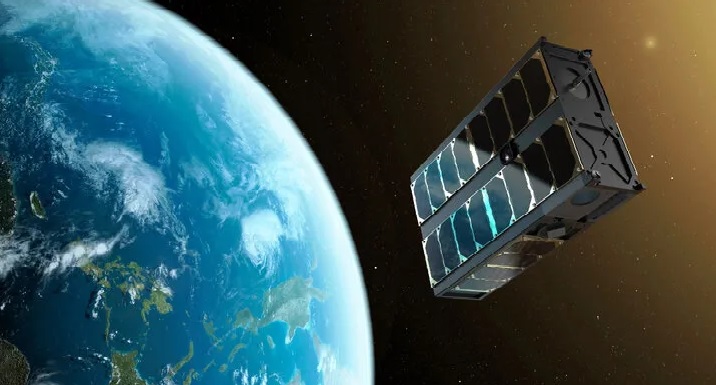
Space & Technology
Finnish company Kuva Space has taken a significant step forward in its mission to improve Earth’s sustainability with the successful launch of its first commercial hyperspectral microsatellite, Hyperfield-1. The satellite was launched aboard SpaceX’s Falcon 9 smallsat rideshare mission from Vandenberg Space Force Base in California. The company confirmed that first contact with the satellite has been made, marking a critical milestone in its ambitious plan to build a large constellation aimed at daily and gapless subdaily global monitoring.Hyperfield-1: A Game-Changer in Hyperspectral ImagingHyperfield-1 is a commercial microsatellite designed to deliver advanced hyperspectral imaging capabilities, providing unique insights through a patented hyperspectral camera. This camera distinguishes Earth’s materials and environmental conditions by analyzing their distinct spectral signatures. The satellite’s data is processed through Kuva Space’s AI-powered analytics platform, automatically converting raw hyperspectral data into decision-ready insights within just 15 minutes.The platform’s capabilities include monitoring and identifying crop species, growth stages, biomass health, forecasting yields, analyzing water quality, detecting illegal maritime activities, and assessing biodiversity. By offering near real-time, cost-effective insights, Kuva Space aims to revolutionize how organizations use spaceborne data to make informed decisions across industries such as agriculture, aquaculture, and environmental management.Kuva Space’s Vision: AI-Driven Insights-as-a-ServiceUnlike traditional pay-per-use models for satellite data, Kuva Space offers an insights-as-a-service subscription model. The company’s vision is to make spaceborne solutions accessible to organizations beyond the space industry, helping them to implement effective ESG strategies, enhance security, and optimize resource management. The automated AI-driven platform eliminates the high costs and accessibility challenges that have traditionally limited the use of satellite data.Kuva Space’s Hyperfield constellation is designed for flexibility, offering customizable in-orbit tuning to meet the specific needs of different industries. The company plans to scale up rapidly, aiming to deploy 100 satellites by 2030 to achieve continuous global monitoring.Future Developments and InnovationsHyperfield-1 is the first step in Kuva Space’s larger vision. The company collaborated with the VTT Technical Research Centre of Finland to co-develop the satellite’s camera technology. The second satellite, Hyperfield-1B, is scheduled for deployment in early 2025 under the European Space Agency’s InCubed program. This second generation of satellites will feature enhanced specifications, including in-orbit edge computing and satellite-to-satellite communication to improve processing efficiency and reduce latency for delivering insights.Kuva Space is currently offering early access to a select group of customers, particularly those in agriculture and aquaculture, to test and refine the service. The company invites businesses and public organizations to sign up and explore how hyperspectral data can enhance their operations and resilience.Conclusion: A Leap Toward Sustainable Earth MonitoringThe successful launch of Hyperfield-1 is a landmark moment for Kuva Space as it continues to push the boundaries of satellite technology and AI-powered analytics. By integrating cutting-edge hyperspectral imaging with automated AI processing, the company is set to provide industries worldwide with accessible, timely, and precise insights, ultimately contributing to better resource management and climate resilience.As Kuva Space moves forward with its constellation plans, its unique approach to gapless monitoring and rapid data processing could set new standards in Earth observation, making advanced spaceborne insights a practical tool for everyday decision-making across industries.
Read More → Posted on 2024-08-20 16:31:28
Space & Technology
On Friday, ISRO marked a significant achievement in India's space program by successfully launching the third developmental flight of the Small Satellite Launch Vehicle (SSLV-D3). The rocket carried the Earth Observation Satellite (EOS-08) and a passenger satellite, SR-0 DEMOSAT, placing both into their intended orbits with pinpoint accuracy. This milestone underscores India's growing competence in space technology, particularly in launching smaller payloads that are becoming increasingly important in global satellite deployments.ISRO Chairman S Somanath, addressing the mission's success from the Mission Control Centre at Sriharikota, expressed his delight, saying, "The third developmental flight SSLV-D3 with the EOS-08 satellite has been successfully accomplished. The rocket has placed the spacecraft in the very precise orbit as planned, with no deviations in the injection of satellites." He emphasized that the launch parameters indicated a flawless execution, and the deployment of both EOS-08 and SR-0 DEMOSAT went as expected.The SSLV program, designed to offer a cost-effective and flexible launch solution, is a significant addition to India’s space capabilities. The SSLV-D3 mission was particularly crucial as it represented the final developmental flight, paving the way for the SSLV to enter the operational phase. Mission Director S S Vinod highlighted this transition, stating, "Today we have achieved a major milestone in the journey of SSLV. The last and final developmental flight of SSLV-D3 has been successfully accomplished, and with that, we are moving into the operational phase."The SSLV has been engineered to cater to the growing demand for launching small satellites, which are increasingly in demand due to their applications in earth observation, communication, and scientific research. The rocket’s lightweight design and ability to accommodate multiple payloads make it an attractive option for both domestic and international satellite launches. The SSLV’s capability to be quickly assembled and launched within a short time frame further enhances its appeal in a competitive global market.The payload for this mission, EOS-08, is an Earth observation satellite designed to provide high-resolution imagery for various applications, including agriculture, forestry, and disaster management. The SR-0 DEMOSAT served as a passenger satellite, demonstrating ISRO’s expertise in integrating multiple payloads on a single mission. ISRO's chairman also noted that the solar panels had already deployed, and further activities in the Velocity Trimming Module (VTM) stage would be completed as planned.Somanath expressed his pride in the SSLV-D3 project team and their success, indicating that the technologies used in the SSLV are in the process of being transferred to industry partners. “This is a very good beginning for the launch vehicle and a significant step toward expanding our capabilities,” he said.The SSLV-D3 mission also highlights ISRO's commitment to innovation and its focus on making space technology more accessible and scalable. The successful launch is expected to increase ISRO’s commercial prospects by offering a reliable and efficient platform for small satellite missions, especially for startups and global clients looking for timely and cost-effective launches.With the SSLV now transitioning into the operational phase, ISRO is poised to further strengthen its position in the global space industry. As the demand for small satellite launches continues to rise, the SSLV program is set to become a key player in fulfilling this need, boosting India’s reputation as a leading spacefaring nation.
Read More → Posted on 2024-08-18 14:43:50
Space & Technology
The Indian Space Research Organisation (ISRO) has delayed the launch of its Small Satellite Launch Vehicle (SSLV) carrying the EOS-08 earth observation satellite by a day. Originally scheduled for August 15, the launch is now set for August 16, 2024. This decision was announced by ISRO via a post on X (formerly Twitter), noting that the launch window will open at 09:17 Hrs IST and will last for one hour.The SSLV-D3/EOS-08 Mission: A Crucial MilestoneThe SSLV-D3/EOS-08 mission is significant as it marks the third and final developmental flight of the SSLV, a rocket specifically designed to cater to the growing demand for launching small satellites. The SSLV can place payloads weighing up to 500 kg in low Earth orbit (LEO), making it an essential tool in ISRO's arsenal, especially for rapid deployment and commercial launches.The SSLV-D3 will carry the EOS-08 microsatellite, which weighs approximately 175.5 kg. This mission is not just a test but also a critical step towards making the SSLV an operational vehicle for future missions. Upon successful completion, the SSLV will be handed over to NewSpace India Ltd (NSIL), ISRO's commercial arm, for regular launches, potentially opening new avenues for the Indian space industry.EOS-08: A Technological MarvelThe EOS-08 satellite, built on the Microsat/IMS-1 bus, is equipped with advanced technologies aimed at enhancing India's satellite capabilities. The primary mission objectives include the design and development of a microsatellite, the creation of payload instruments that are compatible with the microsatellite bus, and the incorporation of new technologies needed for future satellites.The satellite carries three key payloads:1. Electro Optical Infrared Payload (EOIR): This payload is designed to capture high-resolution images in the Mid-Wave IR (MIR) and Long-Wave IR (LWIR) bands, both during the day and at night. The applications of these images range from satellite-based surveillance, disaster and environmental monitoring, fire detection, volcanic activity observation, to industrial and power plant disaster monitoring.2. Global Navigation Satellite System-Reflectometry (GNSS-R) Payload: This payload is a demonstration of GNSS-R-based remote sensing. It can be used for a variety of applications, including ocean surface wind analysis, soil moisture assessment, cryosphere studies over the Himalayas, flood detection, and monitoring of inland water bodies.3. SiC UV Dosimeter: This payload monitors UV irradiance and acts as a high-dose alarm sensor for gamma radiation. It has specific importance in the Gaganyaan Mission, India's first manned space mission, where it will serve as a critical component in monitoring UV exposure for the crew module.Innovative Features of EOS-08EOS-08 introduces several advancements in satellite technology. The satellite employs an Integrated Avionics system, known as the Communication, Baseband, Storage, and Positioning (CBSP) Package. This package integrates multiple functions into a single, efficient unit, reducing the satellite's overall size and weight while enhancing its capabilities. Additionally, the satellite's miniaturized Antenna Pointing Mechanisms allow it to achieve a rotational speed of 6 degrees per second and maintain a pointing accuracy of ±1 degree, critical for precise satellite operations.The SSLV-D3/EOS-08 mission represents a significant leap forward for ISRO and the Indian space industry. By pushing the boundaries of satellite technology and streamlining the process of launching small payloads, ISRO is positioning itself as a key player in the global space market. As the mission is now set for August 16, all eyes will be on the SSLV-D3 as it undertakes this pivotal flight, potentially paving the way for a new era of space exploration and commercial launches in India.
Read More → Posted on 2024-08-13 13:59:05
Space & Technology
A remarkable chapter in space exploration has closed as NASA's NEOWISE spacecraft was officially shut down after nearly 15 years of dedicated service. Launched in December 2009, this pioneering mission has played an instrumental role in expanding our understanding of the cosmos, particularly in identifying and tracking potentially hazardous asteroids and comets.The Origins: From WISE to NEOWISEThe story of NEOWISE begins with a different name and a different mission. Originally launched as WISE (Wide-field Infrared Survey Explorer), the spacecraft's initial goal was to scan the entire sky in infrared wavelengths. This allowed WISE to observe objects in space with a sensitivity far surpassing that of previous missions. During its primary mission, which lasted about seven months, WISE managed to capture detailed images of everything from distant galaxies to nearby asteroids, providing invaluable data to scientists.However, by the fall of 2010, WISE faced a significant challenge. The spacecraft had exhausted its supply of coolant, which was essential for maintaining the low temperatures needed for detailed infrared observations. While this could have marked the end of its mission, NASA saw an opportunity to repurpose the spacecraft.The NEOWISE Mission: A New PurposeRather than decommissioning the spacecraft, NASA initiated the NEOWISE mission. The focus shifted from general sky surveys to specifically tracking Near-Earth Objects (NEOs)—asteroids and comets that could pose a threat to our planet. NEOWISE was tasked with observing and cataloging these objects, particularly those in the asteroid belt between Mars and Jupiter.Over the next 11 years, NEOWISE exceeded expectations. The mission identified more than 3,000 near-Earth objects, with 215 of these being previously unknown to astronomers. Among its notable discoveries was Comet NEOWISE (C/2020 F3), which became a spectacular sight in the summer of 2020, captivating skywatchers around the world. The mission also discovered 25 comets and provided vital data that has greatly enhanced our knowledge of the solar system.A Legacy of Discovery and Planetary DefenseNEOWISE's contributions go beyond just cataloging celestial objects. The mission has been pivotal in laying the groundwork for future planetary defense initiatives. By mapping the skies and providing detailed data on NEOs, NEOWISE has set the stage for its successor, the NEO Surveyor spacecraft, which is scheduled to launch in 2027. This next-generation telescope will continue the critical work of identifying and tracking potentially hazardous asteroids, ensuring that Earth remains well-protected.Laurie Leshin, director of NASA's Jet Propulsion Laboratory, which managed the NEOWISE mission, praised the spacecraft's accomplishments, stating, "The NEOWISE mission has been instrumental in our quest to map the skies and understand the near-Earth environment. Its huge number of discoveries have expanded our knowledge of asteroids and comets, while also boosting our nation's planetary defense."The Final Chapter: A Solar FarewellDespite its many successes, NEOWISE's mission could not continue indefinitely. A recent increase in solar activity caused Earth's atmosphere to expand, increasing drag on the spacecraft and lowering its orbit. With no means to counteract this downward push, NEOWISE's operational days were numbered. On August 8, 2024, NASA engineers sent the final command to the spacecraft, instructing it to shut down its transmitter, effectively ending the mission.Nicola Fox, associate administrator for NASA's Science Mission Directorate, reflected on the mission's legacy, saying, "The NEOWISE mission has been an extraordinary success story as it helped us better understand our place in the universe by tracking asteroids and comets that could be hazardous for us on Earth."As NEOWISE prepares to make its final descent, where it will eventually burn up in Earth's atmosphere, the mission's legacy will live on through the data it provided and the future missions it inspired. While the end of NEOWISE is bittersweet, it marks the beginning of a new era in planetary defense, one that will continue to build on the foundation laid by this pioneering spacecraft.In the vastness of space, NEOWISE has helped us see a little more clearly and understand a little more deeply, ensuring that as we explore the cosmos, we do so with the knowledge and tools to protect our home planet.
Read More → Posted on 2024-08-11 15:26:58
Space & Technology
EtherealX, a promising space tech startup from Bangalore, has recently secured $5 million in seed funding, setting the stage for its ambitious plans to reshape satellite launches. Founded in 2022 by Manu J Nair, alongside former ISRO scientist Shubhayu Sardar and aerospace engineer Prashant Sharma, EtherealX is targeting a niche yet crucial area in space technology: fully reusable medium-lift launch vehicles.In an industry where launches are often booked years in advance and costs remain prohibitively high, EtherealX is pushing for a new era of cost-effective and time-efficient satellite launches. The startup's flagship project, Razor Crest Mk-1, aims to deliver a breakthrough in reusability. Unlike SpaceX’s Falcon-9, which only recovers its booster stage, EtherealX plans to recover both the booster and the upper stage, a feat that could drastically reduce refurbishment costs and enhance the efficiency of satellite deployment.Nair has emphasized the uniqueness of their approach to reusability. The company has developed a new rocket engine cycle coupled with a deployment system that manages re-entry heat more efficiently. This allows their rockets to maintain optimal performance in both atmospheric and vacuum conditions, achieving precise landings without relying on traditional heat shields or tiles. The closest comparison in the industry would be SpaceX’s Starship, but EtherealX's method of handling re-entry is notably different, focusing on redirecting heat rather than combating it.The startup's financial backing, led by Indian deep tech fund YourNest, comes at a crucial time as India’s space sector experiences rapid growth. EtherealX's funding will be directed toward completing their engine test facility, manufacturing key engine components, and preparing for a technology demonstrator vehicle (TDV) launch by 2026. This TDV, a scaled-down version of their full-scale vehicle, will be crucial in validating the telemetry and flight software needed for commercial launches.EtherealX’s plans come at a time when India's space industry is on the rise. With over 229 space tech startups and increasing government support, the country is positioning itself as a major player in the global space ecosystem. The Indian government aims to quadruple its share in the global space market by 2030, and startups like EtherealX are at the forefront of this transformation.In the coming years, EtherealX could become a significant player in the space launch market, especially with its competitive pricing model, which promises to offer launch costs at a fraction of what current players like SpaceX charge. With the potential to capture a substantial market share, EtherealX’s innovative approach to rocket reusability could be a game-changer in the industry. As they move forward with their plans, the company is poised to contribute significantly to India’s growing space capabilities, marking a new chapter in the nation's space exploration journey.
Read More → Posted on 2024-08-09 14:43:31
Space & Technology
In a significant stride for India's space ambitions, BEML Limited recently delivered critical Light Alloy Structures for the Launch Vehicle Mark-3 (LVM-3) program to the Indian Space Research Organisation (ISRO). This handover took place at BEML’s Aerospace hangar in Bangalore, symbolizing another successful chapter in the collaboration between BEML and ISRO. The structures were officially handed over by BEML's Director of Defence, Ajit Kumar Srivastav, to Dr. Unnikrishnan Nair S, the Director of Vikram Sarabhai Space Centre (VSSC), ISRO. The event was attended by senior officials from both organizations, highlighting the importance of this partnership in India's space journey.BEML’s contribution to ISRO’s LVM-3 program is not just a one-time achievement but part of an ongoing collaboration that dates back years. The Aerospace division of BEML has played a crucial role in supporting various ISRO missions by delivering high-quality light alloy structures. This division has built a reputation for precision engineering, having previously delivered Retro Motor Casings for the PSLV program in 2018 and the Strap-on Base Shroud structure for the LVM-3 in 2023.The Aerospace division at BEML’s Bangalore Complex is equipped with a state-of-the-art facility, complete with advanced jigs, fixtures, and metrology instruments that ensure the high standards required for space missions. This facility is not just about machinery; it also represents the culmination of specialized technical skills developed over time. These skills enable BEML to perform precision machining of rings, iso-grid panels, and the surface treatment of large components—processes that are critical for the successful fabrication of structures used in space vehicles.Over the years, BEML Aerospace has diversified its capabilities to include the manufacture of airborne structures for missiles and aircraft, catering to organizations like DRDL, BDL, HAL, and ADA. Their collaboration with VSSC began with the successful delivery of Retro Motor Casings for the PSLV program, with approximately 60 RS1 motor casings delivered to date.The recent handover marks a proud moment for BEML, as stated by their CMD, Shantanu Roy. He emphasized the importance of this milestone, expressing gratitude for the support from VSSC and confidence in BEML’s ability to continue meeting ISRO’s expectations. This achievement is not just a testament to BEML's engineering capabilities but also reflects the company's dedication to advancing India's position in the global space industry. BEML's ongoing contributions align with the nation's vision of self-reliance and technological advancement, particularly in the aerospace sector.As a leading multi-technology company under the Ministry of Defence, BEML Limited plays a vital role in India's core sectors, including defence, rail, power, mining, and construction. With a legacy spanning six decades, BEML continues to drive innovation and excellence, strengthening India’s industrial and technological capabilities. Their work with ISRO, especially in the LVM-3 program, not only showcases their technical prowess but also their commitment to supporting India's ambitious space exploration goals.
Read More → Posted on 2024-08-09 13:57:40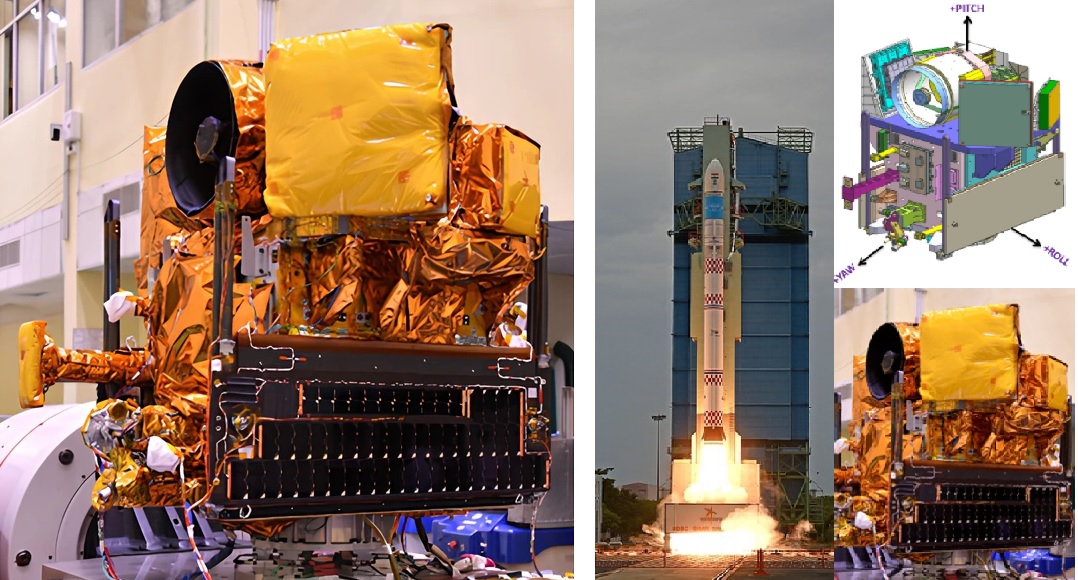
Space & Technology
The Indian Space Research Organisation (ISRO) is set to launch its latest Earth Observation Satellite, EOS-08, aboard the Small Satellite Launch Vehicle (SSLV)-D3. This mission represents a significant leap in satellite technology, featuring several key innovations and objectives designed to enhance ISRO’s capabilities in various fields such as disaster monitoring, environmental observation, and remote sensing.A Leap in Satellite TechnologyEOS-08 is built on the Microsat/IMS-1 bus and is equipped with three sophisticated payloads that highlight its advanced capabilities:1. Electro Optical Infrared Payload (EOIR): This payload can capture images in the Mid-Wave IR (MIR) and Long-Wave IR (LWIR) bands during both day and night. Its applications include satellite-based surveillance, disaster monitoring, environmental monitoring, fire detection, volcanic activity observation, and monitoring of industrial and power plant disasters.2. Global Navigation Satellite System-Reflectometry Payload (GNSS-R): This payload demonstrates the use of GNSS-R-based remote sensing for applications such as ocean surface wind analysis, soil moisture assessment, cryosphere studies over the Himalayan region, flood detection, and inland waterbody detection.3. SiC UV Dosimeter: This instrument monitors UV irradiance at the viewport of the Crew Module in the Gaganyaan Mission and serves as a high-dose alarm sensor for gamma radiation.Advanced Mainframe Systems and InnovationsEOS-08 incorporates significant advancements in satellite mainframe systems, particularly with the introduction of the Integrated Avionics system, known as the Communication, Baseband, Storage, and Positioning (CBSP) Package. This system integrates multiple functions into a single, efficient unit, featuring cold redundant systems using commercial off-the-shelf (COTS) components and evaluation boards, supporting up to 400 Gb of data storage.Additional technological innovations include:Pyrolytic Graphite Sheet Diffuser Plate: With high thermal conductivity (350 W/mK), this plate reduces mass and is used in various satellite functions.Structural Panel Embedded with PCB: Enhances the integration of electronic components.Embedded Battery: Improves power management and efficiency.Micro-DGA (Dual Gimbal Antenna) and M-PAA (Phased Array Antenna): Enhances communication capabilities.Flexible Solar Panel: Incorporates a foldable solar panel substrate, GFRP tube, and CFRP honeycomb rigid end panel, providing improved power generation and structural integrity.Miniaturized Design and Advanced MaterialsThe satellite employs a miniaturized design in its Antenna Pointing Mechanisms, capable of achieving a rotational speed of 6 degrees per second and maintaining a pointing accuracy of ±1 degree. The miniaturized phased array antenna further enhances communication capabilities.The flexible solar panel design offers significant improvements in power generation and structural integrity. The foldable solar panel substrate, GFRP tube, and CFRP honeycomb rigid end panel contribute to this advancement.EOS-08 utilizes advanced materials for thermal management, including AFE BGA, Kintex FPGA, Germanium Black Kapton, and STAMET (Si-Al Alloy) Black Kapton, effectively managing the thermal properties of COTS components. A new method of integrating housekeeping panels using a hinge-based fixture significantly reduces the duration of the Assembly, Integration, and Testing (AIT) phase.Innovative Data Transmission and Power ManagementThe EOS-08 mission incorporates additional novel schemes, such as X-band data transmission using pulse shaping and Frequency Compensated Modulation (FCM). The satellite’s battery management system employs SSTCR-based charging and bus regulation, sequentially including or excluding strings at a frequency of 6 Hz. The TM-TC system supports dual modes, including CDMA and Direct PSK, with miniaturized microstrip filters tailored for data and TM-TC applications.Indigenization and Future ProspectsThe mission also highlights ISRO’s indigenization efforts, evident in its solar cell fabrication processes and the use of a Nano-Star Sensor for Microsat Applications. The inertial system benefits from reaction wheel isolators that attenuate vibrations, and a single antenna interface is utilized for TTC and SPS applications.EOS-08 stands as a testament to ISRO’s commitment to advancing satellite technology. From its sophisticated payloads to its innovative mainframe systems, the satellite is poised to provide valuable data for a range of applications. As ISRO continues to push the boundaries of space technology, missions like EOS-08 pave the way for future advancements and operational capabilities, ensuring that India remains at the forefront of space exploration and satellite technology.
Read More → Posted on 2024-08-07 15:08:59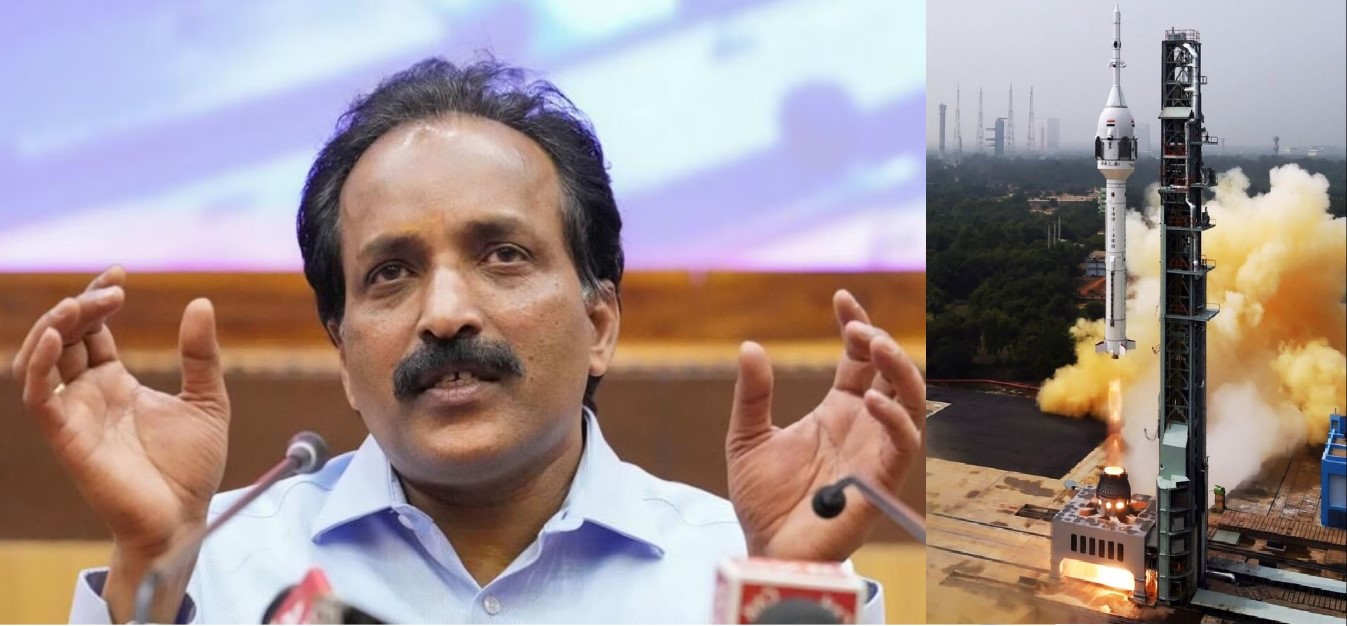
Space & Technology
In a recent Instagram live session, ISRO Chairman S Somanath shared exciting updates about India's future in space exploration, sparking interest among space enthusiasts and young aspiring scientists alike. Among the most notable announcements was the collaboration between Indian astronauts and NASA on the Axiom-4 mission to the International Space Station (ISS). This joint venture will see Indian astronauts conducting five crucial space experiments, marking a significant milestone in India's space journey.Somanath, with his characteristic enthusiasm, provided a detailed glimpse into ISRO's ambitious roadmap. He highlighted that before the highly anticipated Gaganyaan project, which aims to send Indians into space, ISRO is planning to establish an Indian Space Station by 2028. The goal is to have this space station fully operational by 2035, a testament to India's growing prowess in space technology.One of the session's highlights was Somanath's interaction with students, where he encouraged them to bring their innovative ideas to ISRO's table. He explained various funding mechanisms that allow students, educational institutions, and research establishments to collaborate with the space agency. This initiative is part of ISRO's broader strategy to engage with the younger generation and cultivate a robust pipeline of talent for future space missions.When asked why humans have not yet returned to the moon, Somanath candidly discussed the immense costs and the technological challenges involved. He emphasized the importance of developing reliable methods to ensure the safe return of astronauts from lunar missions. This is a crucial step as ISRO sets its sights on a manned moon mission by 2040. Central to this endeavor is the development of the partially reusable Next-Generation Launch Vehicle (NGLV), which will be instrumental in enabling lunar exploration and missions beyond.Somanath also addressed queries from young attendees eager to join ISRO. He advised them to focus on building a strong foundation in science, particularly physics, during their undergraduate and postgraduate studies. He reassured them that opportunities at ISRO are accessible to all, with science education available in regional languages in addition to English, ensuring that language barriers do not hinder aspiring scientists.This session underscored ISRO's commitment to pushing the boundaries of space exploration while fostering a spirit of innovation and inclusivity among India's youth. With these ambitious plans, ISRO is not only setting the stage for monumental achievements in space but also inspiring the next generation of Indian scientists and engineers to reach for the stars.
Read More → Posted on 2024-08-04 15:45:05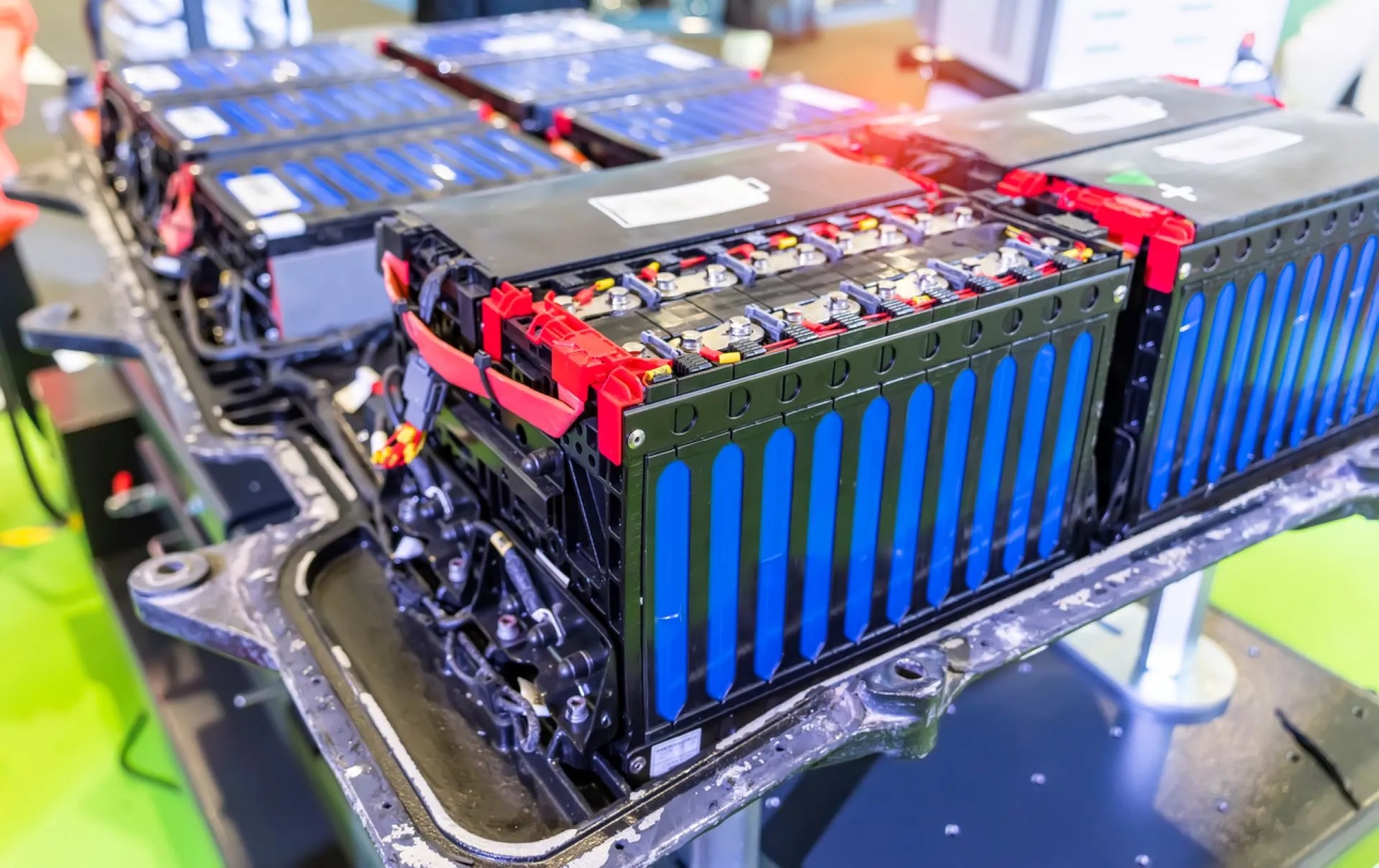
Space & Technology
Researchers from the Council of Scientific and Industrial Research (CSIR) have made a significant advancement in battery technology that promises to be a game-changer for both the armed forces and civilian populations in remote, high-altitude areas. Their new battery is specifically designed to perform efficiently even in sub-zero temperatures, addressing a critical challenge for energy storage in extreme climates.This innovative battery is based on zinc-air technology, combining a robust cathode catalyst with an anti-freezing electrolyte. The development of this battery involved creating a hybrid cathode material by integrating cobalt and iron-based alloys with nanoparticles. This combination significantly enhances the battery's durability and performance, even in freezing conditions where traditional batteries would fail.The breakthrough was achieved by a team at the CSIR-Central Mechanical Engineering Research Institute. Their new battery technology is not only durable but also portable, flexible, and lightweight. These characteristics make it highly suitable for a range of applications, from everyday consumer use to military operations in remote and challenging environments. The battery's ability to function reliably in extreme cold could be transformative for defence forces, who often operate in harsh and isolated locations.The CSIR researchers highlighted the potential of this technology to provide reliable energy solutions where conventional methods fall short. They noted that the battery's efficiency in extreme conditions could lead to greater energy independence and resilience in remote areas. This advancement aligns with broader efforts to develop sustainable and resilient energy solutions that are accessible to all.In response to growing power demands and the need for cleaner energy, researchers are focusing on creating energy storage systems with higher density and reduced weight. While lithium-ion batteries have been the standard, they are limited by heavy cathode materials and energy density constraints. Metal-air batteries, such as the one developed by CSIR, offer a promising alternative by using lighter metals like zinc, which can enhance performance and sustainability.The development of high-efficiency heterogeneous catalysts is also crucial in overcoming current challenges in energy storage and generation. These catalysts can improve energy utilization and device integration while reducing material usage. The CSIR's new battery is a significant step towards addressing these challenges and advancing sustainable energy solutions globally. By addressing the specific needs of both military and civilian users in extreme conditions, this innovative battery technology represents a major leap forward in energy storage and management.
Read More → Posted on 2024-08-03 16:04:57
Space & Technology
In 2023, India's spacetech startups achieved a remarkable milestone, securing $126 million in funding. This figure not only represents a 7 percent increase from the $118 million raised in 2022 but also highlights an astonishing 235 percent growth from the $37.6 million garnered in 2021. This surge underscores the dynamic and rapidly evolving landscape of India's spacetech sector.The upward trajectory in funding is particularly noteworthy given the global slowdown in venture capital investments. Despite this challenging environment, the spacetech sector in India has continued to attract substantial investment, driven by a combination of robust government support and significant technological advancements. According to data from market intelligence firm Tracxn, the funding momentum has remained strong in 2024, with year-to-date investments reaching $10.8 million.India's spacetech ecosystem has seen a proliferation of startups, with over 100 new companies emerging, most of which were founded in the last five years. The Union Budget's allocation of ₹1,000 crore for the spacetech industry is expected to further stimulate growth, fostering an environment conducive to innovation and entrepreneurship. This funding is anticipated to attract even more investment and drive the sector forward in the coming months.Currently, India operates 55 active space assets, including communication, meteorological, and earth observation satellites. This extensive infrastructure positions the country as a significant player in the global space industry. "The significant funding and strategic investments we’re seeing now are setting the stage for India to become a major player in the global space industry," said Neha Singh, Co-founder of Tracxn. She emphasized that the combination of early-stage funding and supportive government policies will be crucial in establishing India as a leading center for space exploration and technology.In 2023, early-stage rounds were particularly robust, attracting $120 million of the total $126 million raised. This represents a notable increase from the $114 million secured in early-stage funding in 2022. Similarly, seed-stage funding saw a significant rise, growing from $4.3 million in 2022 to $5.3 million in 2023, marking a 24 percent increase. Despite this impressive growth in early and seed-stage funding, the ecosystem has yet to see any late-stage funding rounds.Leading the pack of well-funded startups is Skyroot Aerospace, which has amassed $99.8 million in funding. Following closely are Pixxel with $71.7 million and Agnikul with $61.5 million. No other startups in the spacetech sector have surpassed the $50 million funding mark, highlighting the standout success of these companies.While the funding landscape is vibrant, acquisition activity remains relatively quiet. The only notable acquisition to date was in 2022 when Arya, an agricultural technology firm, acquired Prakshep, a satellite imagery provider. In terms of geographic distribution, Bengaluru tops the list of cities with the highest funding in the spacetech sector, followed by Hyderabad and Chennai.Overall, the significant growth in funding and the strategic investments in India's spacetech startups are paving the way for the country to emerge as a formidable force in the global space industry. With continued government support and a thriving ecosystem of innovation, India's spacetech sector is poised for even greater achievements in the years to come.
Read More → Posted on 2024-07-30 16:34:03
Space & Technology
The Indian Space Research Organisation (ISRO) is gearing up for an exciting milestone on July 22, 2024, with the test flight of a groundbreaking air-breathing propulsion system. This innovative technology, designed to enhance rocket efficiency and reduce launch costs, will be launched from the Satish Dhawan Space Centre in Sriharikota at approximately 7:30 AM IST. This test marks a significant step forward in ISRO's journey towards more efficient and cost-effective space missions.Air-breathing propulsion systems represent a significant departure from traditional rocket technology. Typically, rockets carry both fuel and an oxidizer, which together make up a substantial portion of the rocket's mass. In the case of India's largest rocket, the LVM-3, nearly 86% of its 640-ton lift-off mass is propellant, with the oxidizer alone accounting for 70% of the propellant's weight. However, in an air-breathing system, the rocket carries only the fuel, relying on atmospheric oxygen as the oxidizer. This results in a much lighter rocket, significantly improving efficiency and reducing costs.ISRO's upcoming test will be conducted using a modified version of the Rohini-560 experimental rocket, named the Advanced Technology Vehicle (ATV). This test follows ISRO's initial experimental flight of air-breathing propulsion technology on August 28, 2016, which successfully demonstrated the ignition of air-breathing engines at supersonic speeds, flame holding, air intake mechanisms, and fuel injection systems. The ATV, weighing 3,277 kg at lift-off during the maiden test, will again serve as the solid rocket booster carrying the scramjet test articles to supersonic speeds.The scramjet engine, a type of air-breathing propulsion, is at the heart of this test. Scramjets, or Supersonic Combustion Ramjets, operate at hypersonic speeds (Mach 5 and above) and rely on the vehicle's high velocity to compress incoming air. This compressed air is mixed with hydrogen fuel and ignited, producing thrust. Unlike traditional engines, scramjets have no rotating parts and maintain supersonic airflow throughout the combustion process, making them ideal for very high-speed flight.ISRO's scramjet engine, which uses hydrogen as fuel and atmospheric oxygen as the oxidizer, demonstrated its capabilities during the 2016 test with a hypersonic flight at Mach 6 for a duration of five seconds. The upcoming test aims to build on this success, moving towards an autonomous vehicle powered by a scramjet engine capable of accelerating for 250 seconds.In addition to scramjets, other types of air-breathing propulsion include ramjets and dual-mode ramjets (DMRJ). Ramjets operate efficiently at speeds between Mach 3 and Mach 5 but cannot start from a standstill and require a rocket to bring them to supersonic speeds. Dual-mode ramjets can transition between ramjet and scramjet modes, making them versatile for a wider range of speeds.India joins an elite group of countries pursuing air-breathing propulsion technology, which promises significant advancements in aerospace capabilities. These technologies are not only crucial for reducing the costs of space missions but also have strategic implications for developing advanced, high-speed aerospace vehicles.As ISRO prepares for this critical test, the successful demonstration of air-breathing hypersonic technology will pave the way for future innovations and strengthen India's position in the global space race.
Read More → Posted on 2024-07-22 16:29:13Search
Top Trending in 24 Hours
-
 Japan Selects Terra Drone’s Terra B1 for Mass Production of Interceptor UAVs
-
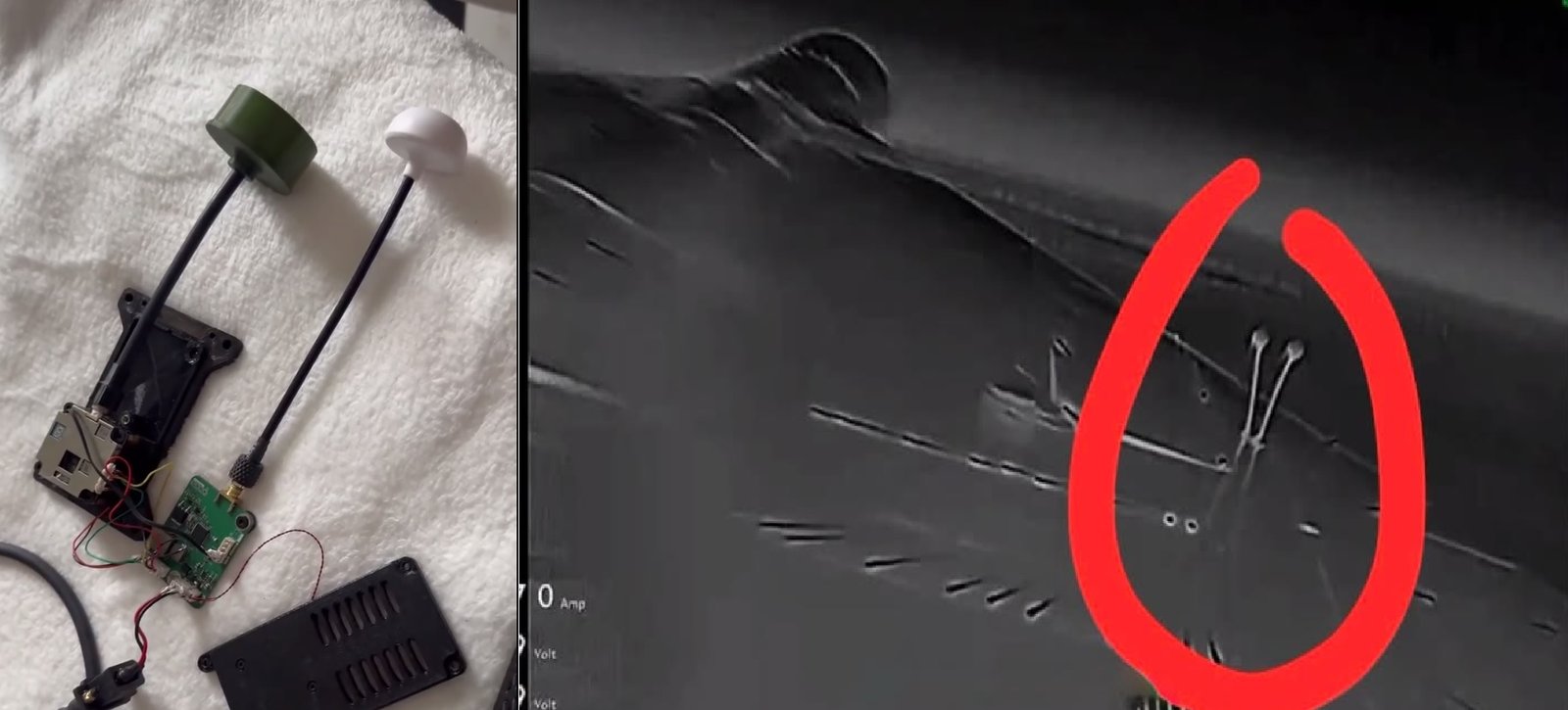 Russia Equips Shahed and Geran Drones With Electronic Warfare Systems to Jam Ukrainian Interceptor Video Links
-
 Austria Receives First Modernized Leopard 2A4Ö Tank and Ulan NV Infantry Fighting Vehicle
-
 Ukraine Reduces Use of Western Tanks as Cheap Drones Become a Major Battlefield Threat
-
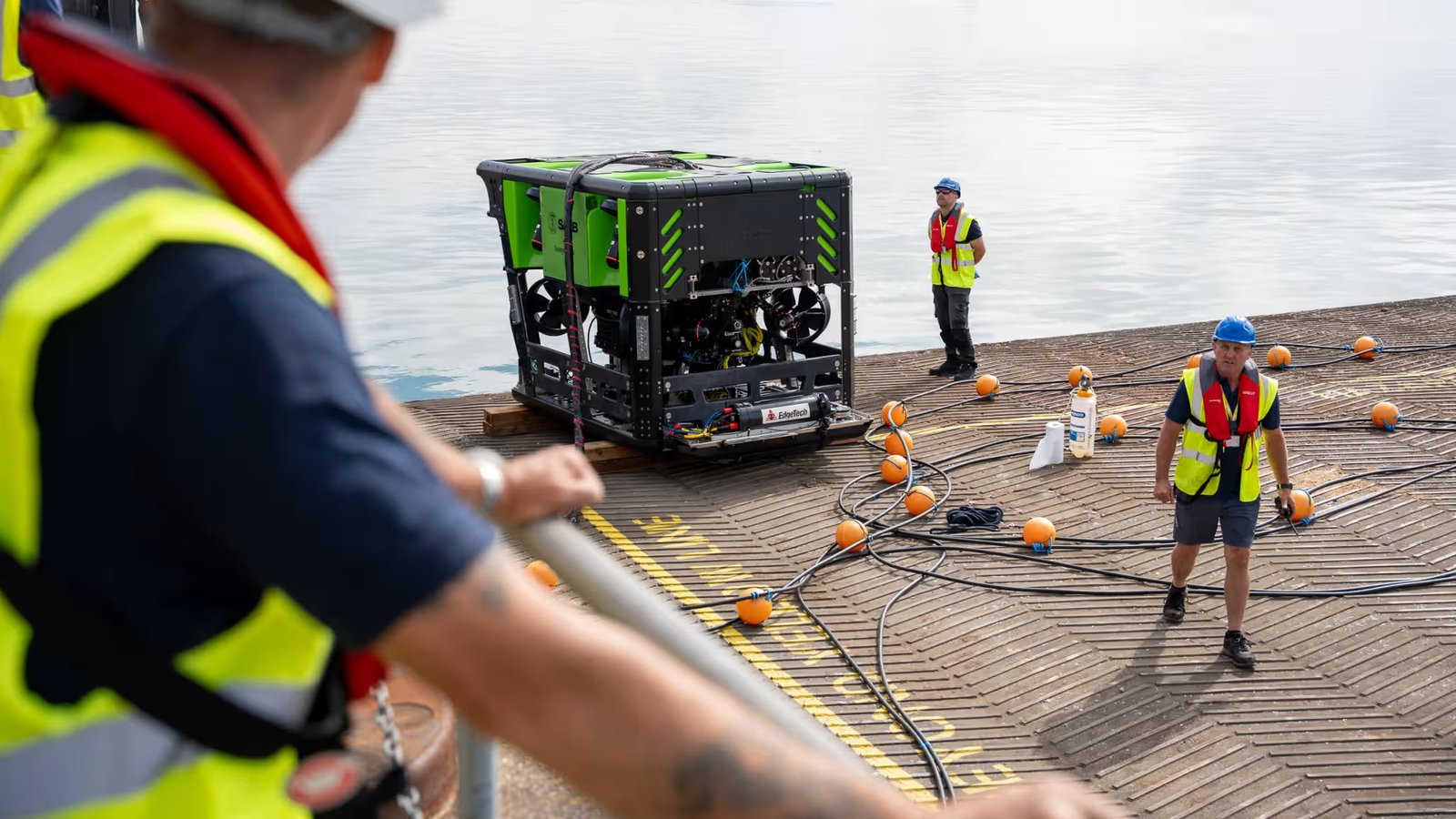 Saab UK Completes Key Trials of Seaeye SR20 eWROV, Moves to Next Development Phase
-
 Mystery Chinese J-20-Like Object Seen at Former Airport Was a Firefighting Training Mock-Up
-
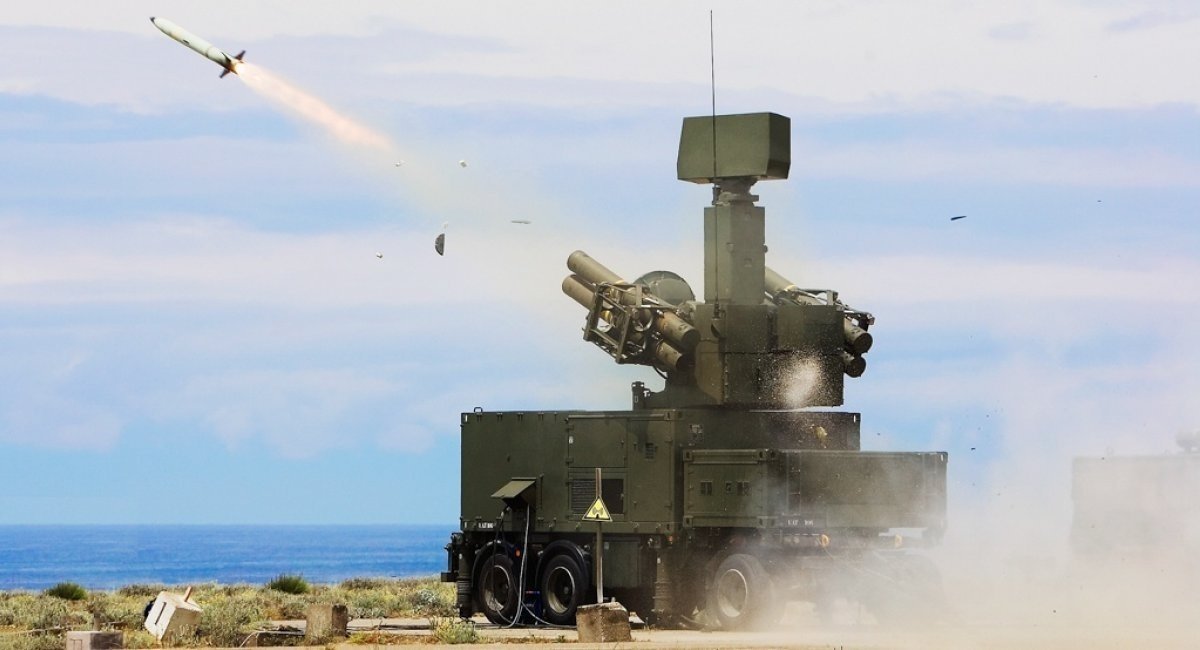 Ukraine Confirms Crotale Air Defense System Transfers from France, Additional Patriot Interceptors and AIM Missiles as Europe Expands Defense Support
-
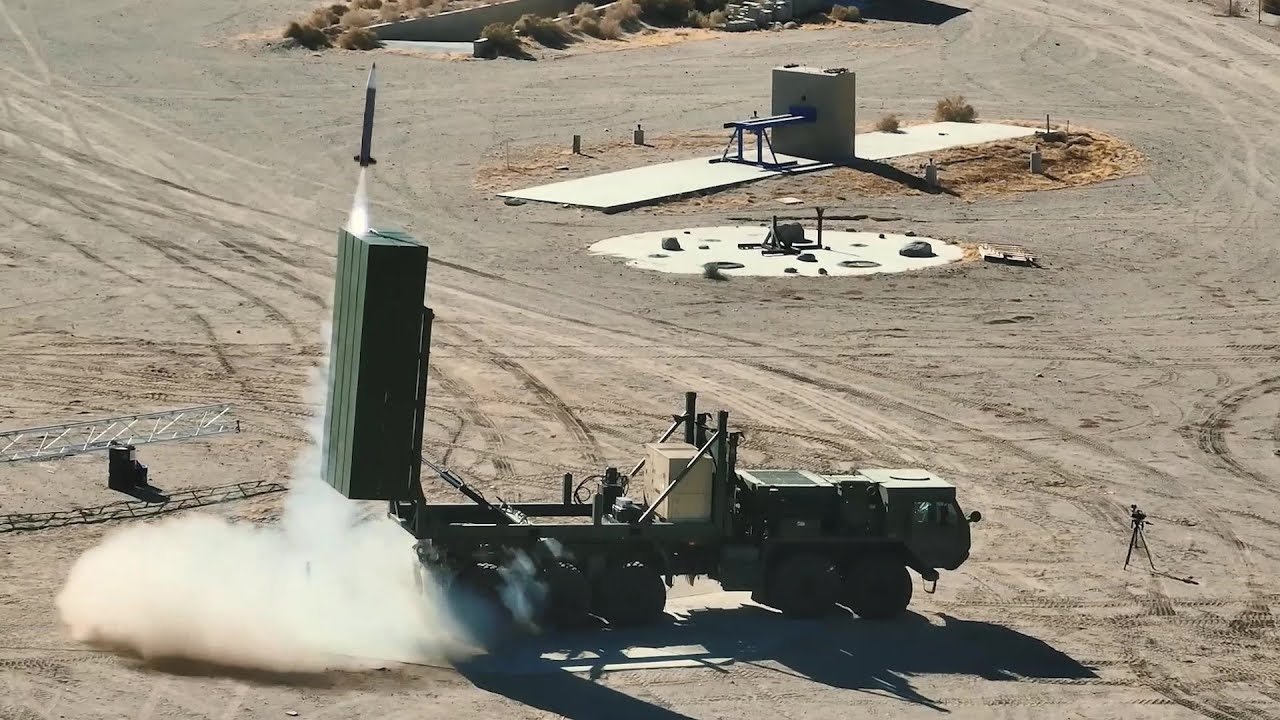 U.S. Navy Awards Castelion Nearly $90 Million to Advance Blackbeard Hypersonic Weapon
Top Trending in 4 Days
-
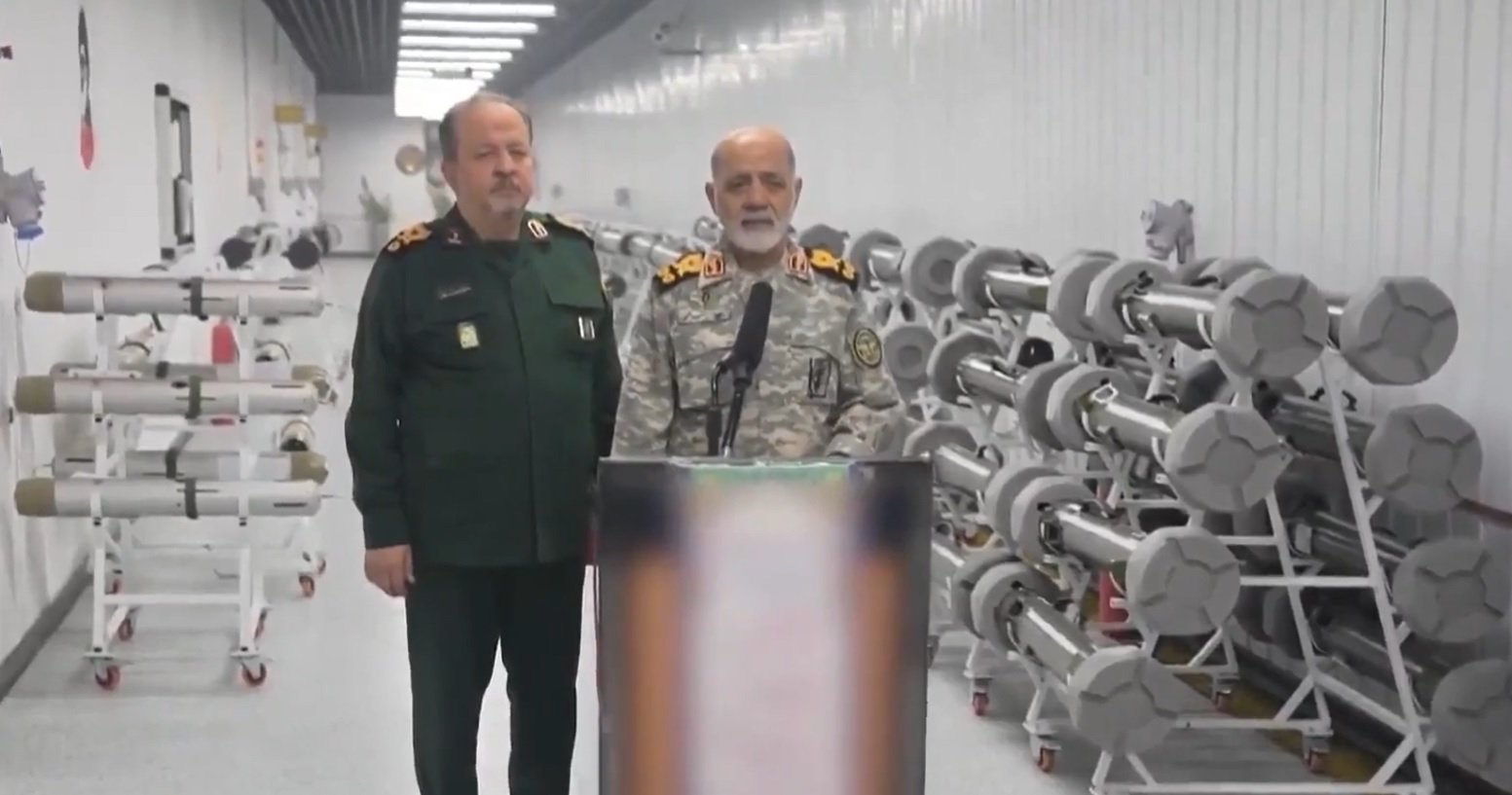 Iran Reveals Underground Weapons Manufacturing Facility for First Time on State TV
-
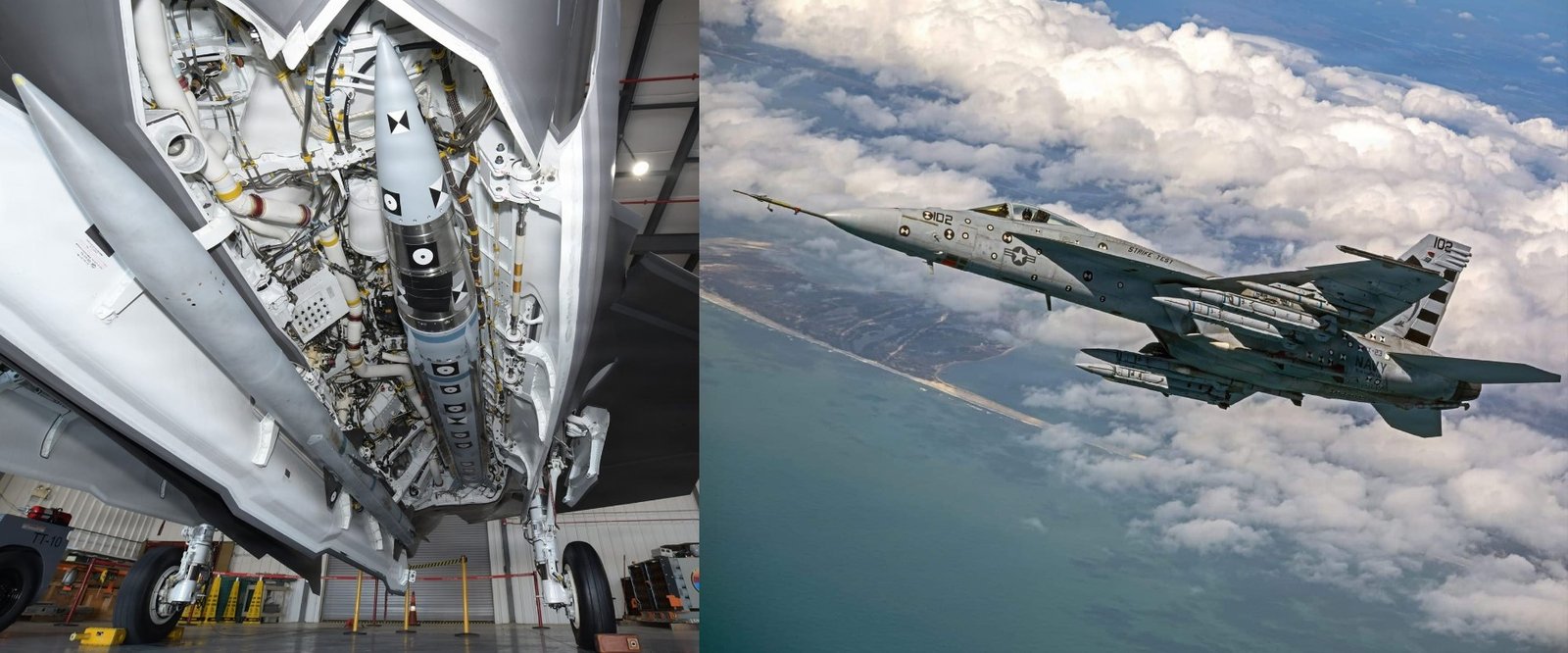 U.S. Navy Unveils New AIM-424 ‘Malice’ Air-to-Air Missile With 463+ km Range for F-35C, Super Hornet and F/A-XX
-
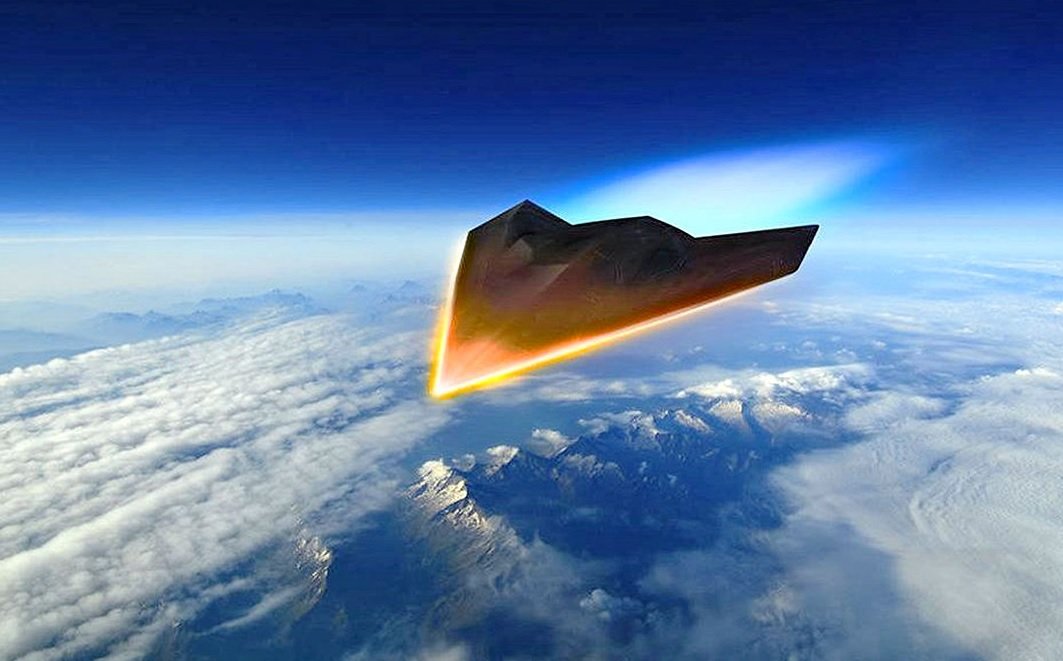 China Develops Hypersonic Glide Vehicles Capable of Launching Air-to-Air Missiles Mid-Flight
-
 Israel Explores Potential Acquisition of U.S. F-47 Sixth-Generation Fighter
-
 Iran-Linked Hackers Shut Down UK Power Plant for Four Days in First Known Attack
-
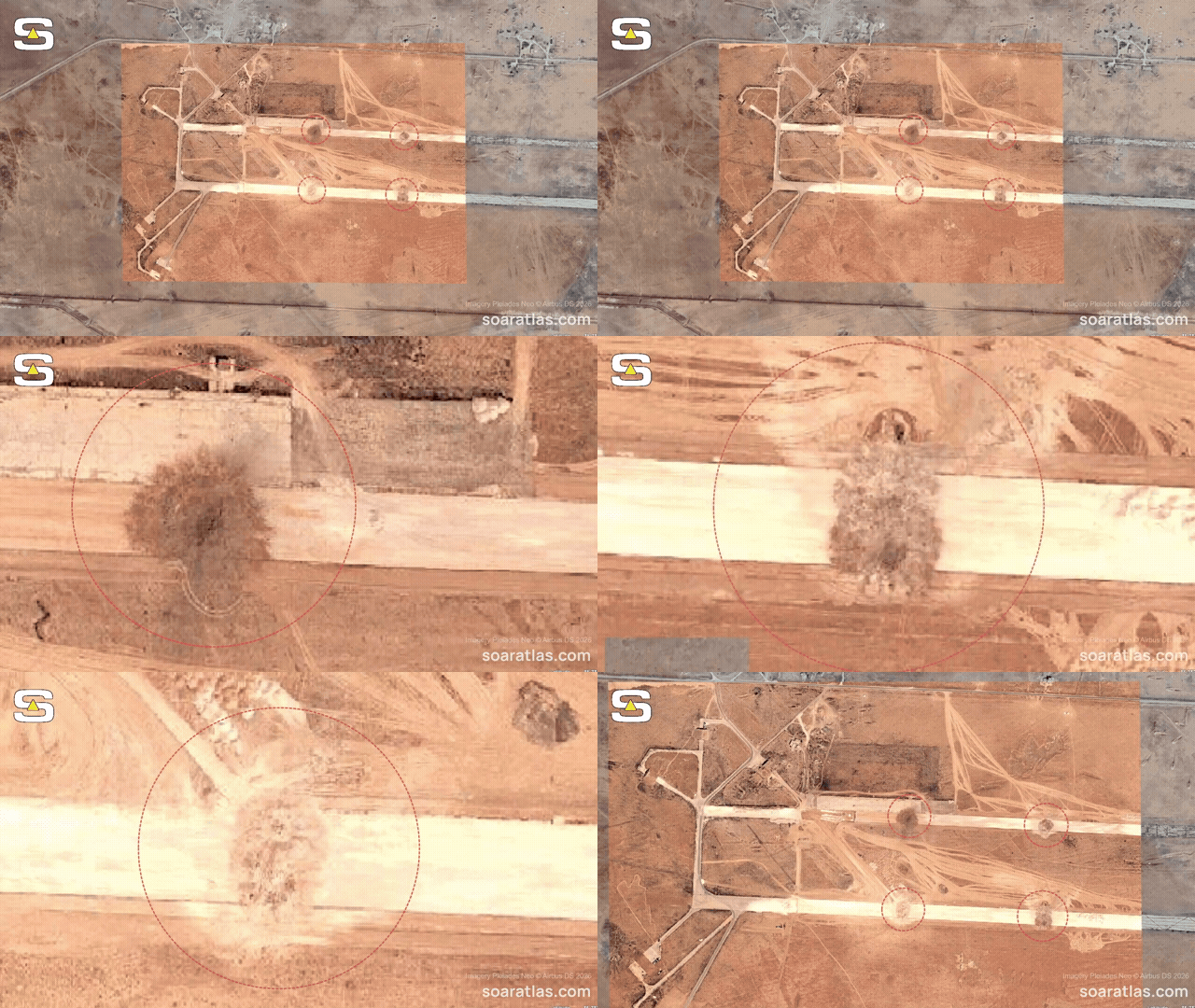 Satellite Imagery Shows Damage From Israeli Strikes on Turkey Military Occupied Syria’s Abu al-Duhur Airbase
-
 Ukraine Holds World’s First Unmanned Military Parade on 35th Independence Day
-
 UAE Completes Protective Metal Structures Around Fuel Tanks Near Dubai International Airport