India
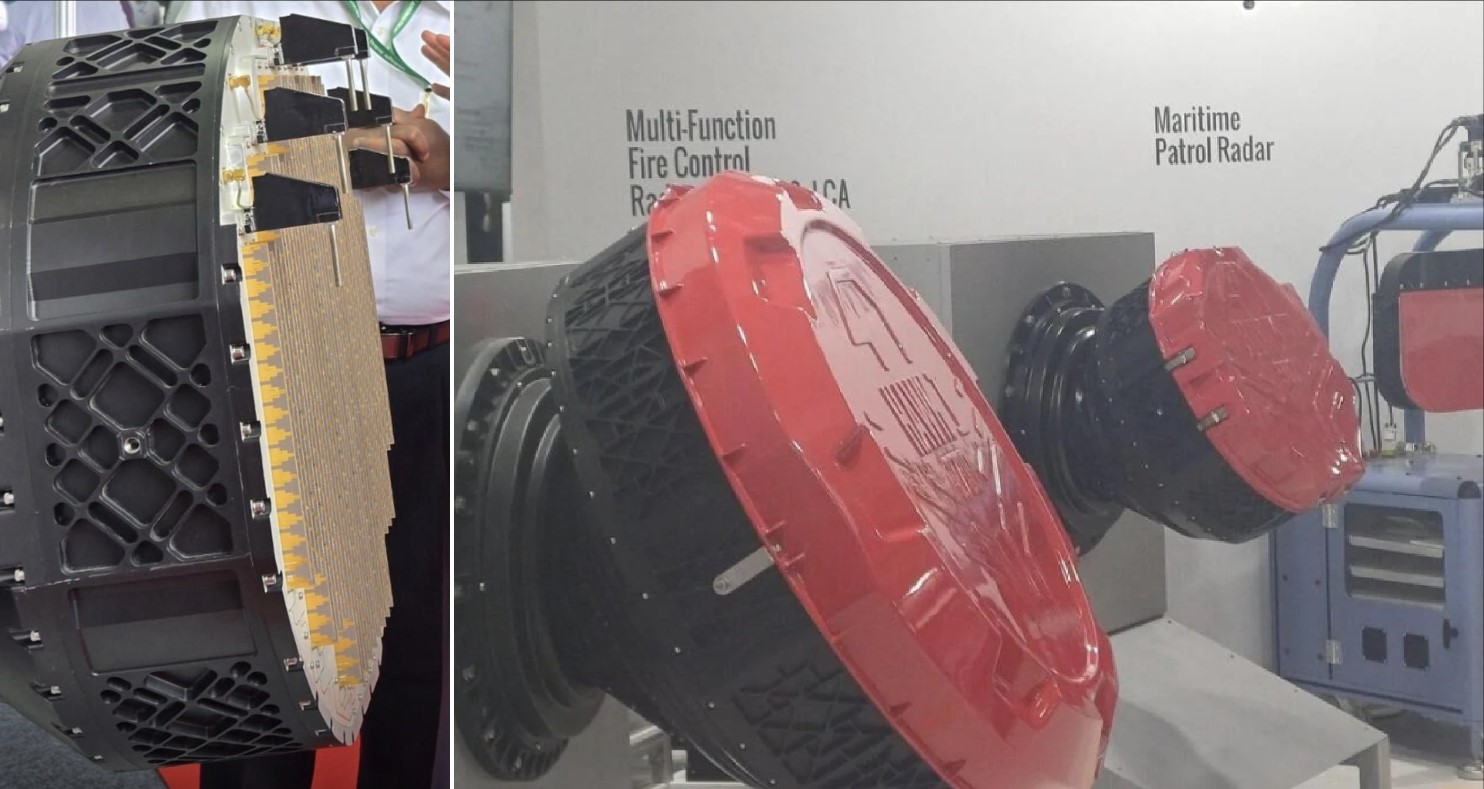
NEW DELHI — Chennai-based defence technology company Data Patterns has unveiled the Hawk-I 900, an indigenous Gallium Nitride (GaN)-based Active Electronically Scanned Array (AESA) radar prototype designed for lightweight fighter aircraft. The radar is intended for integration into the Indian Air Force's MiG-29UPG, the Indian Navy's MiG-29K, and future upgrades of the LCA Tejas Mk1. The Hawk-I 900 expands India's indigenous fighter radar portfolio and is being developed as a modern replacement for ageing imported radar systems used on legacy fighter aircraft. Designed for Multi-Role Operations The Hawk-I 900 is an X-band AESA radar equipped with approximately 876 Transmit/Receive Modules (TRMs). According to Data Patterns, it can detect fighter-sized targets at ranges exceeding 150–200 kilometres, while simultaneously tracking and engaging more than 20 targets. The radar supports air-to-air, air-to-surface, and maritime missions and is designed for all-weather operations. It also incorporates a swashplate mechanical repositioner, combining mechanical and electronic steering to provide wider scanning coverage. Data Patterns has positioned the Hawk-I 900 as a plug-and-play replacement for the Russian-origin Zhuk-ME radar used on India's MiG-29UPG and MiG-29K fleets. The older radar has faced reported reliability issues, including overheating, lower mean time between failures (MTBF), and reduced performance in hot and humid maritime conditions. GaN Technology The Hawk-I 900 uses Gallium Nitride (GaN) semiconductor technology instead of the older Gallium Arsenide (GaAs) technology found in many legacy radar systems. GaN technology enables higher power output from each Transmit/Receive Module (TRM), improving detection range and target resolution. It also offers better thermal management, allowing the radar to operate more efficiently under demanding conditions while requiring less cooling. In addition, the radar is designed with Low Probability of Intercept (LPI) capability, advanced frequency hopping, and improved resistance to electronic jamming. As an AESA radar, it also eliminates mechanically moving antenna components, improving reliability and reducing maintenance requirements. Part of a Broader Indigenous Radar Family The Hawk-I 900 has been developed alongside the larger Hawk-I 2700 AESA radar, which features approximately 2,400–2,700 TRMs and a reported detection range of around 350 kilometres. The larger system is being positioned for the Indian Air Force's Su-30MKI Super Sukhoi upgrade programme. Together, the two radars provide indigenous AESA solutions for both lightweight and heavy fighter aircraft, supporting India's efforts to expand domestic defence manufacturing and reduce dependence on imported combat sensors. The Hawk-I 900 is also being considered as a domestic radar option for future LCA Tejas Mk1 upgrades alongside the DRDO Uttam AESA radar. Ground Testing Completed Data Patterns has completed ground testing of the Hawk-I series, including evaluations of signal processing, thermal management, and electromagnetic compatibility. The company has requested aircraft from the Indian armed forces, including a MiG-29K, to begin airborne trials. These flight tests will assess the radar's performance during real-world operations, including high-G manoeuvres. According to industry estimates, an indigenous radar solution could reduce fighter upgrade costs by 30–40% compared with imported alternatives while reducing dependence on foreign spare parts. If flight testing is successful, the Hawk-I 900 could support the continued modernisation of India's MiG-29 fleet and strengthen indigenous capabilities in airborne radar technology.
Read More → Posted on 2026-07-19 11:03:34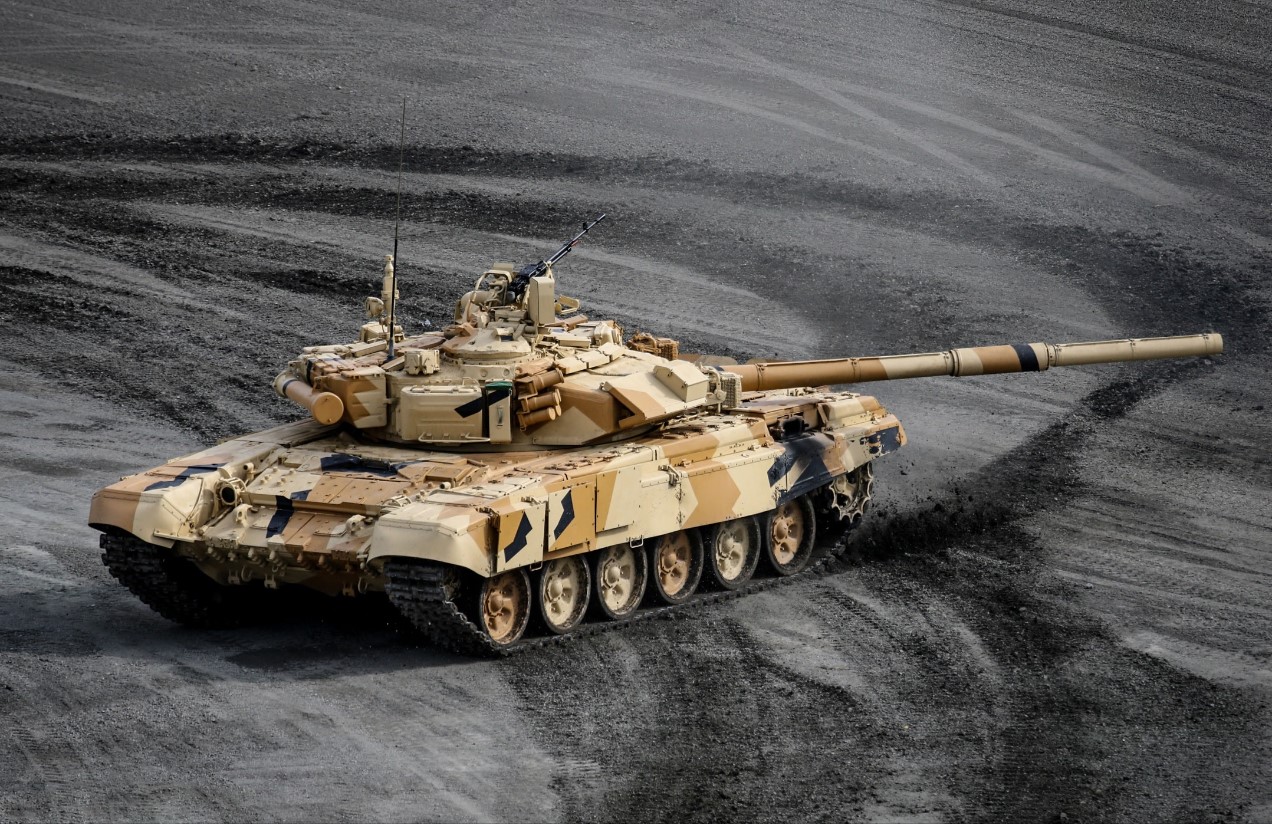
India
NEW DELHI — Russia has formally offered India the opportunity to jointly produce the advanced T-90MS main battle tank in India, expanding decades of defense cooperation between the two countries and supporting New Delhi's efforts to strengthen domestic defense manufacturing. The proposal was made by Rosoboronexport (ROE), Russia's state-owned defense export agency and part of the Rostec state corporation. Under the plan, production would follow a phased approach, beginning with the assembly of T-90MS tanks in India using technology kits supplied by Russia before gradually transitioning to full-scale manufacturing of components by Indian industry. The T-90MS is the export version of Russia's latest T-90M main battle tank, designed and manufactured by Uralvagonzavod, a subsidiary of Rostec. Proposal Builds on Existing India-Russia Tank Production Russia's offer comes shortly after a major milestone in India's armored vehicle manufacturing program. In May 2026, the Heavy Vehicles Factory (HVF) at Avadi near Chennai completed production of the 1,000th license-built T-90 Bhishma tank for the Indian Army, marking 25 years of cooperation in T-90 manufacturing. According to an ROE representative speaking to RT India, the technology already transferred to India for T-90 production provides a strong industrial foundation for manufacturing the newer T-90MS. "The technical foundation created by the technologies already transferred significantly reduces both the cost and the time needed to establish production of the T-90MS and combat vehicles based on it at Indian enterprises," the ROE representative said. India began licensed production of the T-90S Bhishma after a 2001 agreement with Russia, and the two countries later signed a $2.8 billion contract in 2019 for additional T-90 tanks. The existing manufacturing infrastructure and supply chain are expected to simplify any future transition to the T-90MS platform. Compatibility with India's Existing Fleet One of the key advantages highlighted by Russia is the high level of commonality between the T-90MS and India's existing fleet of T-72 Ajeya and T-90 Bhishma tanks. Because many systems and components are shared, adopting the T-90MS would require only limited changes to logistics, maintenance, and training. Existing maintenance equipment, simulators, repair facilities, and technical expertise could continue to be used with relatively minor modifications. Russia also said the platform can integrate Indian-developed systems where required, supporting India's goal of increasing indigenous content in defense equipment. Upgraded Protection, Firepower and Digital Systems The T-90MS incorporates several improvements over earlier T-90 variants. The tank features an upgraded protection package that includes explosive reactive armor (ERA), slat armor, active protection systems, and electronic warfare (EW) systems designed to counter unmanned aerial vehicles (UAVs). Its differentiated armor layout is intended to improve survivability against multiple battlefield threats. The platform is equipped with a modern digital fire-control system built around an integrated onboard information and command architecture, improving target acquisition and battlefield management. Its firepower has also been enhanced through compatibility with newer ammunition types and guided missile systems, providing greater engagement capability against armored and fortified targets. Russia Highlights Combat Experience Russian defense officials have promoted the T-90M series by citing operational experience during the ongoing conflict in Ukraine. Earlier this year, Rostec CEO Sergey Chemezov stated that the T-90M was "head and shoulders above" comparable NATO tanks. Representatives from Uralvagonzavod also told TASS that the platform had demonstrated strong combat performance when compared with Western tanks such as the M1 Abrams and Leopard 2. These statements reflect Russia's assessment of the platform based on operational experience. Supports India's Armored Modernization The proposal comes as India continues a broad modernization of its armored forces. The Indian government is implementing a five-year modernization program valued at approximately $7.8 billion, aimed at extending the service life and improving the combat capability of existing armored platforms. The program includes upgrades for around 790 T-72 Ajeya tanks, 200 T-90 Bhishma tanks, 500 BMP-2 infantry fighting vehicles, and 230 armored recovery vehicles. Rosoboronexport said it is prepared to offer technologies developed for the T-90MS for incorporation into India's ongoing T-90S upgrade program. Linked to India's Future Tank Program Beyond upgrades to existing fleets, Russia is also seeking participation in India's Future Ready Combat Vehicle (FRCV) program, also known as Project Ranjeet. The FRCV program aims to acquire approximately 1,770 next-generation main battle tanks to replace the Indian Army's aging T-72 fleet over the coming decades. Russia has indicated that it is open to joint development of future armored vehicles alongside India, while the proposed local production of the T-90MS could serve as a bridge between current modernization efforts and future tank programs. No agreement has been signed for T-90MS production in India, and discussions are expected to focus on production timelines, technology transfer, localization levels, and integration with India's existing defense manufacturing ecosystem. Source : rt
Read More → Posted on 2026-07-17 14:53:46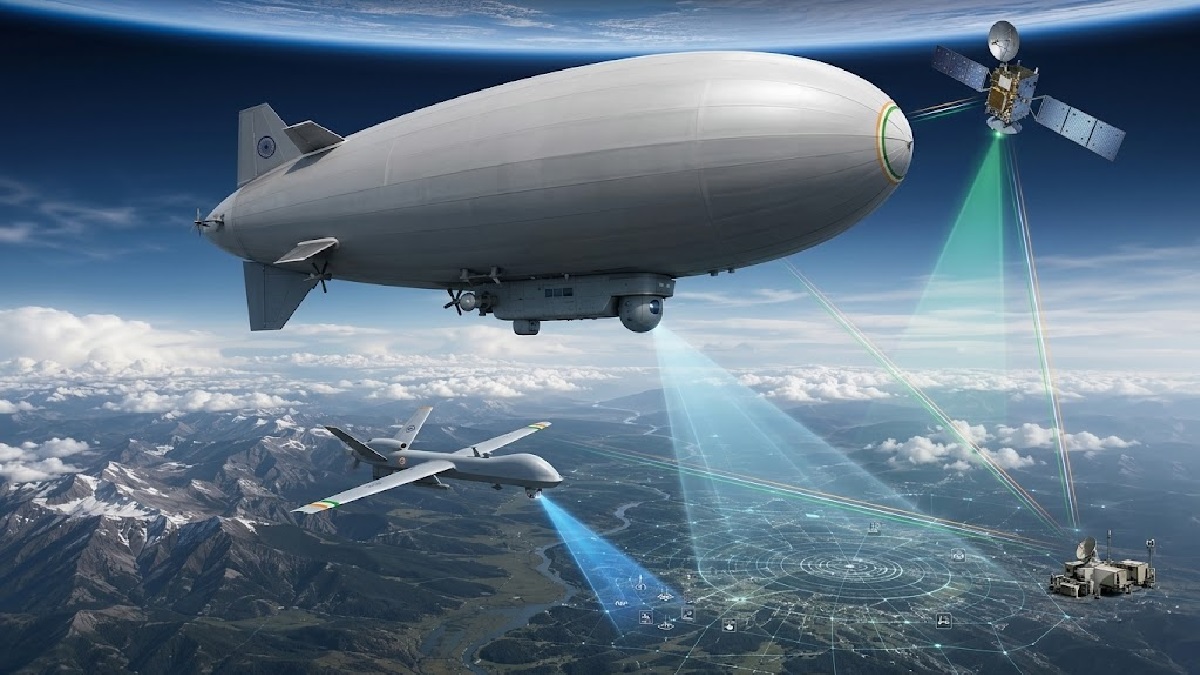
India
New Delhi — India has launched a ₹15,000 crore programme to develop indigenous stratospheric airships aimed at strengthening the country's border surveillance and intelligence capabilities. The project, officially known as the Airship-Based High Altitude Pseudo Satellite (AS-HAPS) programme, is being led by the Directorate of Operations (Remote) of the Indian Air Force. The initiative focuses on developing unmanned, lighter-than-air platforms capable of operating in the stratosphere at altitudes between 20 and 30 kilometres (over 65,000 feet). Flying well above commercial air traffic and weather systems, these airships are designed to remain airborne for days or even months, providing continuous surveillance over designated areas. Equipped with Advanced Surveillance Systems The AS-HAPS platforms will carry a range of advanced military payloads, including Synthetic Aperture Radar (SAR), Electronic Intelligence (ELINT), and Signals Intelligence (SIGINT) systems. They will also be fitted with electro-optical and thermal imaging sensors. These systems will enable persistent monitoring of strategic border regions, enemy airbases, and military movements from distances of up to 550 kilometres. Unlike conventional reconnaissance aircraft, which require frequent sorties, the airships are intended to maintain continuous coverage for extended periods. In addition to surveillance, the platforms are also expected to support long-range communications and intelligence-gathering missions through domestically developed sensor technologies. Approved Under Make-I Procurement Framework The Defence Acquisition Council (DAC), chaired by Defence Minister Rajnath Singh, approved the AS-HAPS programme in February 2026. The project is being implemented under the Ministry of Defence's Make-I procurement category, under which the government can fund up to 70 percent of research, development, and prototype costs for selected private industry partners. The Ministry of Defence has invited several Indian aerospace companies to participate in the programme and plans to select at least two development partners based on their technical capabilities and financial strength. The overall ₹15,000 crore allocation covers prototype development as well as the future procurement of multiple operational airship systems for the armed forces. Bridging the Gap Between Drones and Satellites Stratospheric airships are designed to operate between conventional high-altitude drones and satellites. While most high-altitude drones typically fly at around 12 kilometres, low-Earth orbit satellites operate between 500 and 2,000 kilometres above the Earth. Unlike satellites, which follow fixed orbital paths and revisit specific locations only after certain intervals, stratospheric airships can be repositioned and remain stationed over an area of interest for long durations. This allows them to deliver persistent, real-time surveillance and intelligence. They also offer lower development, launch, and maintenance costs compared with traditional satellites while providing greater operational flexibility. Built on DRDO's Earlier Demonstration The AS-HAPS programme builds on technology already demonstrated by the Defence Research and Development Organisation (DRDO). In May 2025, DRDO successfully conducted the maiden flight trial of its Stratospheric Airship Platform at the Sheopur test facility in Madhya Pradesh. Developed by the Aerial Delivery Research and Development Establishment (ADRDE) in Agra, the airship reached an altitude of around 17 kilometres during a 62-minute flight while carrying an instrumental payload. During the trial, engineers collected data from onboard sensors, evaluated envelope pressure control systems, and tested emergency deflation procedures before safely recovering the platform. The demonstration provided the technical foundation for scaling the technology into operational military-grade systems under the AS-HAPS programme. Strengthening Indigenous Surveillance Capability The AS-HAPS programme forms part of India's broader effort to expand indigenous defence technologies and strengthen long-endurance intelligence, surveillance, and reconnaissance (ISR) capabilities. By combining persistent high-altitude operations with advanced radar, intelligence, and imaging systems, the programme is expected to provide continuous situational awareness along sensitive borders while reducing reliance on conventional surveillance platforms and complementing existing satellite-based monitoring capabilities. Source : outlookbusiness
Read More → Posted on 2026-07-14 15:40:51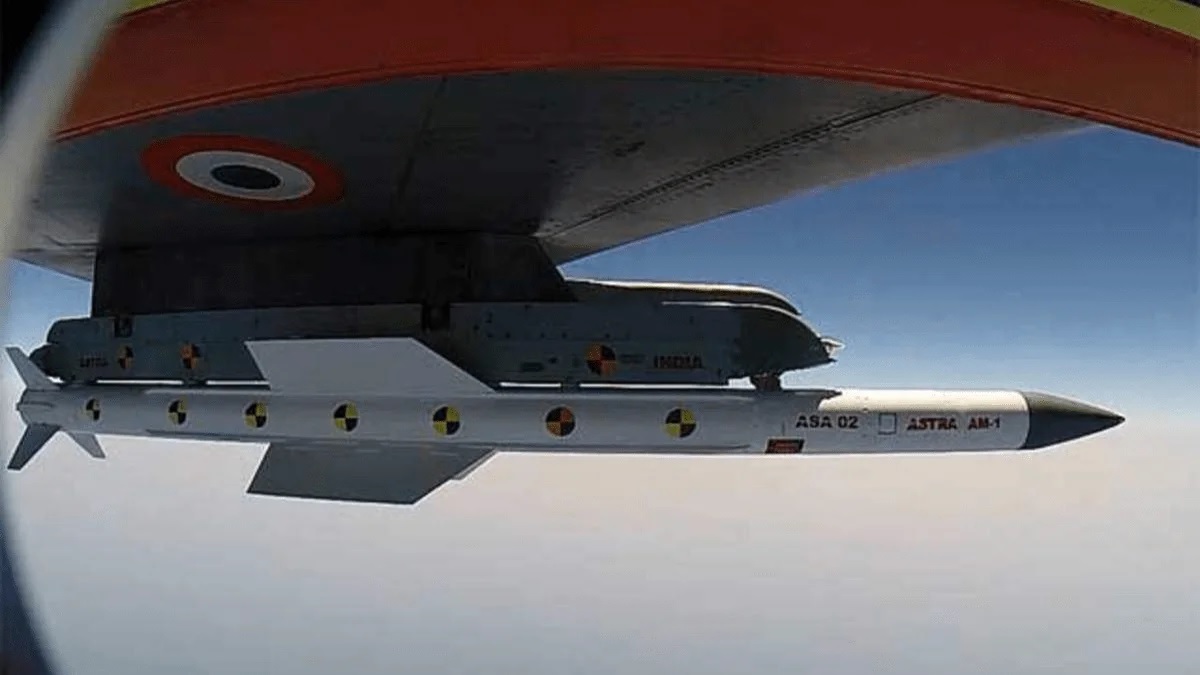
India
New Delhi — The Indian government is preparing to introduce one of the biggest policy changes in the country's defence manufacturing sector by allowing private Indian companies to develop and manufacture advanced missile systems. The first programme expected to be opened under this initiative is the Defence Research and Development Organisation (DRDO)'s Astra Mk-2 beyond-visual-range (BVR) air-to-air missile. According to reports, the Ministry of Defence is expected to issue a Request for Proposal (RFP) in the coming weeks, inviting eligible domestic private companies to participate in the production of the Astra Mk-2 missile. The move marks a major shift from India's long-standing approach, where strategic missile production has largely been handled by state-owned defence companies. Major Indian defence manufacturers expected to participate in the bidding process include Tata Group, Mahindra Group, Adani Defence, Bharat Forge, and ICOMM. Expanding India's Missile Production Capacity For decades, strategic missile manufacturing in India has been dominated by Bharat Dynamics Limited (BDL), which has produced several missile systems developed by DRDO. However, increasing procurement requirements from the Indian Armed Forces and growing international interest in Indian-made missile systems have created additional pressure on existing production capacity. By opening missile manufacturing to the private sector, the government aims to expand production capacity, reduce delivery timelines, strengthen the domestic defence industrial base, and improve the country's ability to meet both military requirements and export commitments. The policy also supports the government's broader objective of increasing indigenous defence manufacturing under the "Aatmanirbhar Bharat" initiative. Astra Mk-2 to Lead the Initiative The Astra Mk-2 is an indigenous beyond-visual-range air-to-air missile developed by DRDO. The missile is reported to have a strike range of approximately 180–200 kilometres and is intended to provide the Indian Air Force with an advanced long-range air combat capability. The missile has been designed to counter modern beyond-visual-range threats, including China's PL-15E missile. Once inducted, the Astra Mk-2 is planned for integration with several fighter aircraft, including: Tejas Mk-1A MiG-29 Su-30MKI Rafale Marine The missile has also attracted interest from friendly foreign countries. Indonesia has been reported as one of the nations interested in procuring the Astra missile, reflecting growing export opportunities for India's indigenous defence products. Pralay Missile Could Be Next According to the report, the Pralay tactical ballistic missile could become the next indigenous missile programme to be opened for private-sector manufacturing and development. Pralay has an operational range of around 500 kilometres and can reportedly travel at speeds approaching Mach 6. The missile is expected to form part of India's Integrated Rocket Force alongside other indigenous long-range strike systems, including the Long-Range Land Attack Cruise Missile (LRLACM), the next-generation BrahMos missile, and the extended-range Pinaka rocket system. Lessons from Operation Sindoor The policy shift is also linked to operational lessons from Operation Sindoor, which highlighted the increasing importance of stand-off precision strike weapons and maintaining adequate missile inventories. The government is now focused on expanding domestic production of missiles and rockets to ensure that future operational requirements can be met more rapidly while strengthening India's long-term defence preparedness. Strengthening India's Air Defence Network Alongside efforts to increase missile production, India is continuing to strengthen its air defence architecture. Current initiatives include the development of a long-range naval surface-to-air missile jointly with Israel and the expansion of a multi-layered anti-drone and anti-missile defence network. The report also states that the fifth S-400 air defence system is expected to be delivered in November. In addition, the government is reportedly considering the procurement of five more S-400 systems from Russia as part of its ongoing efforts to enhance the country's air defence capabilities. The planned opening of strategic missile manufacturing to private industry represents a significant change in India's defence production policy. If implemented, the initiative is expected to broaden the country's manufacturing base, support faster production of indigenous missile systems, and help meet increasing domestic as well as export demand. Source: Economictimes
Read More → Posted on 2026-07-12 11:30:43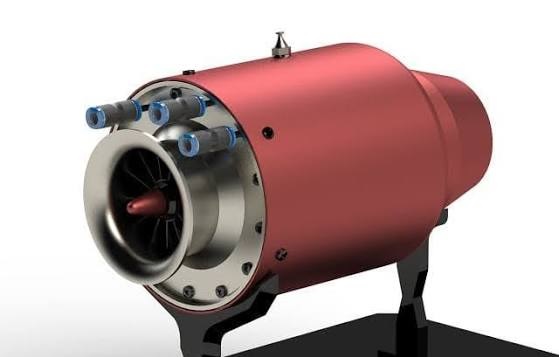
India
BENGALURU — Bengaluru-based aerospace startup Vayuvya Defence has signed two Memorandums of Understanding (MoUs) to integrate its indigenous micro jet engines into unmanned aerial vehicles (UAVs), expanding both domestic collaboration and international opportunities for Indian aerospace technology. The agreements were signed with Bengaluru-based Kshatra Labs and California-based Avalonch. The partnerships focus on integrating Vayuvya Defence's micro jet engines into UAV platforms for future applications. Under the agreement with Kshatra Labs, the two companies will collaborate on the co-development, customization, and integration of indigenous micro jet engines into advanced UAV platforms. Kshatra Labs develops autonomous defence systems, including high-speed interceptor UAVs, and the partnership aims to develop propulsion solutions tailored to mission requirements. The second MoU was signed with California-based Avalonch to integrate Vayuvya Defence's micro jet engines into next-generation UAVs and other advanced unmanned systems. If the collaboration progresses to commercial deliveries, it would mark India's first export of domestically developed micro jet engines to the United States. Recognized as a startup by the Department for Promotion of Industry and Internal Trade (DPIIT), Vayuvya Defence develops small turbine engines with high thrust-to-weight ratios for UAVs and other tactical aerospace platforms. The company says its propulsion systems are designed and manufactured in India to reduce dependence on foreign technologies. Vayuvya Defence has also completed the full assembly of its 4kN-class single-spool axial-flow turbojet prototype. The 40-kg engine features a four-stage axial compressor and is intended for integration into drones, UAVs, and other defence systems. The company has previously introduced the Vayu-500N, a 3D-printed micro jet engine developed for lightweight unmanned platforms. According to the company, its propulsion systems have been presented to the Defence Research and Development Organisation (DRDO), while technical validation activities have been carried out by the Gas Turbine Research Establishment (GTRE). Vayuvya Defence has also reported that its Vayu-500 series engines have been cleared for UAV integration, with deliveries for Indian applications beginning in 2026. The two MoUs are currently in the early stages of collaboration. Details regarding project timelines, specific engine variants, and commercial terms have not been disclosed. The agreements represent another step in India's efforts to strengthen indigenous aerospace propulsion capabilities while creating opportunities for both domestic UAV programs and future defence exports. Source: IADN
Read More → Posted on 2026-07-09 14:17:36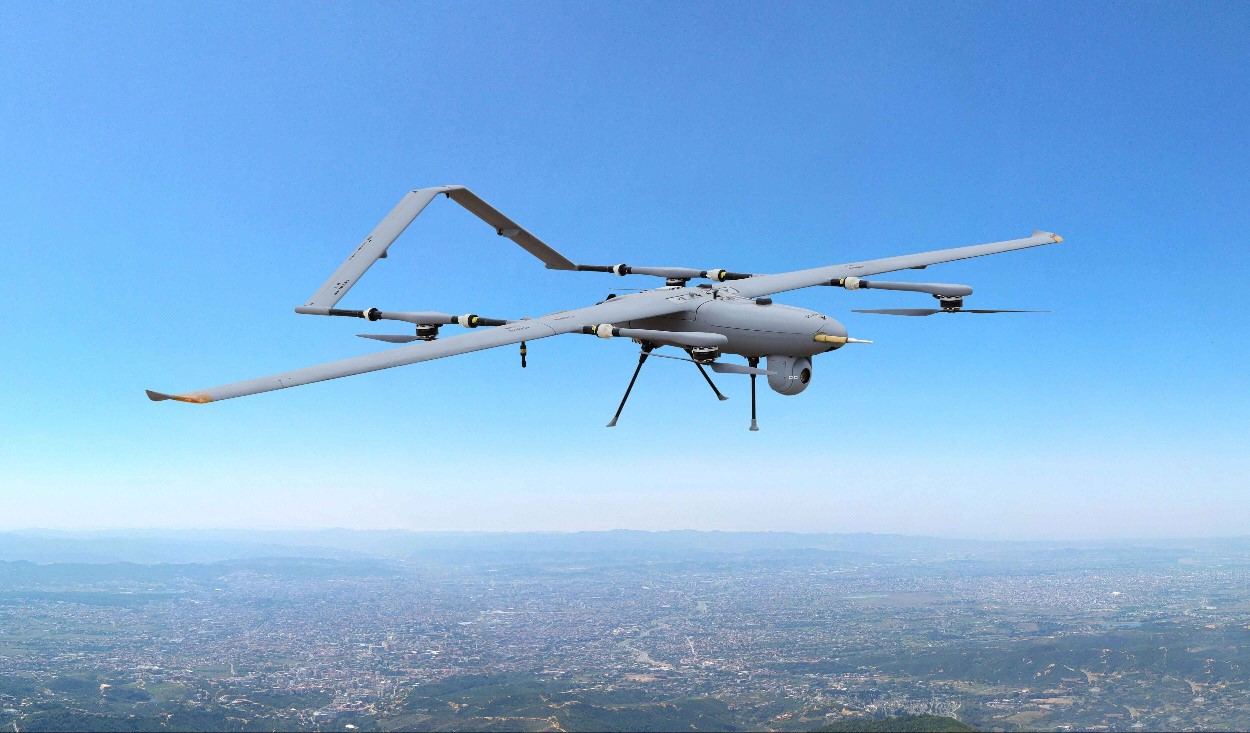
India
New Delhi — Tata Advanced Systems Limited (TASL) and Nibe Defence have emerged as the lowest bidders for the Indian Army's ₹1,600 crore procurement of 840 long-range loitering munitions under a fast-track acquisition process. Following the completion of technical evaluations, commercial bids were opened recently. TASL secured the lowest bidder (L-1) position, while Pune-based Nibe Defence was ranked as the second-lowest bidder (L-2). Out of all participating companies, only TASL, Nibe Defence, and A-Vision successfully cleared the technical trials. Under the procurement plan, Tata Advanced Systems will supply 64% of the total order, valued at around ₹1,000 crore, while Nibe Defence will deliver the remaining 36%, worth approximately ₹600 crore. The Indian Army will now begin price negotiations with both companies before finalizing the contract. Deliveries are expected to begin within six months of contract signing. The loitering munitions are designed to strike targets at ranges exceeding 100 km and are required to operate in electronically contested environments with resistance to jamming and spoofing. During technical trials conducted earlier this year, Nibe Defence's Vayuastra-1 demonstrated the ability to hit targets 100 km away with a 10 kg warhead. The system also achieved over 90 minutes of endurance, operated at altitudes above 14,000 feet, and demonstrated anti-armour night strike capability using infrared guidance. The procurement forms part of the Indian Army's ongoing artillery modernization programme, which includes raising dedicated drone units for precision strike operations. The Army also plans additional drone procurements across different range categories over the next 12 to 18 months, including a separate ₹1,500 crore tender for 36 jet-powered drones, while continuing to expand the use of indigenous unmanned systems. Source: ANI
Read More → Posted on 2026-07-09 10:17:45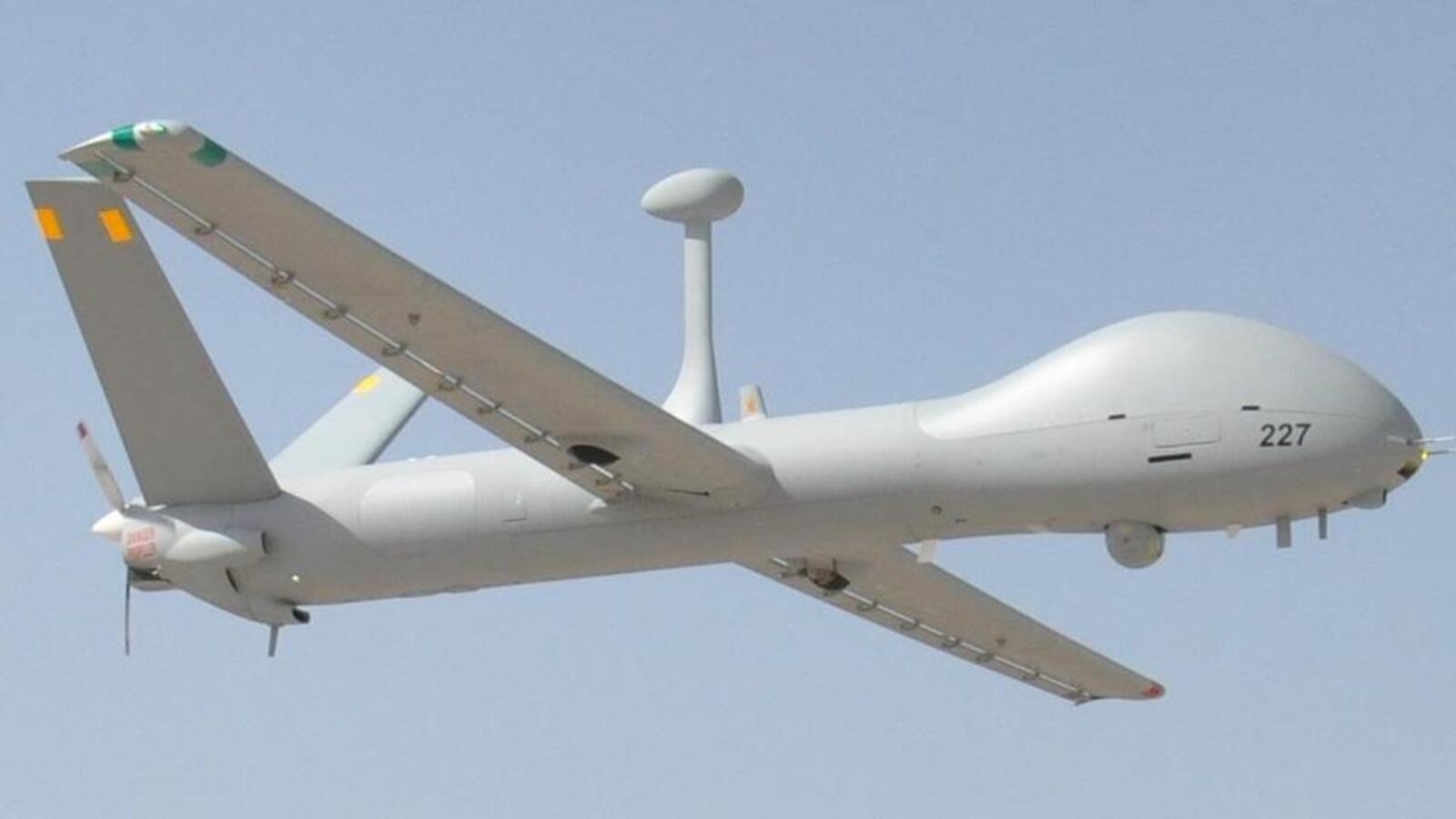
India
PORBANDAR, Gujarat — An Indian Navy Drishti-10 Uncrewed Aerial Vehicle (UAV) crashed off the Porbandar airfield in Gujarat on Wednesday afternoon during a routine training sortie, the Navy confirmed. According to the Indian Navy, the drone went down in a coastal area near the airfield. No injuries, loss of life, or damage to civilian infrastructure were reported. Authorities have secured the site, and an investigation has been launched to determine the cause of the incident. "Uncrewed Aerial Vehicle Drishti-10 crashed off Porbandar airfield during a training sortie this afternoon. No injury or loss of life has been reported on ground. The cause of the incident is being investigated," the Navy said in a statement. The Drishti-10, India's version of the Hermes 900 Starliner, is a medium-altitude long-endurance (MALE) UAV assembled by Adani Defence and Aerospace in Hyderabad under a technology transfer agreement with Israel's Elbit Systems. The platform is used for intelligence, surveillance, and reconnaissance (ISR) missions, particularly over maritime areas. This is the second Drishti-10 crash linked to the Indian Navy. In January 2025, another Drishti-10 crashed into the Arabian Sea off the Porbandar coast during pre-acceptance trials before it was formally inducted into service. The Drishti-10 can remain airborne for up to 36 hours, operate at altitudes of around 30,000 feet, and carry a payload of up to 450 kilograms. The Indian Army and Indian Navy each ordered two UAVs under emergency procurement to strengthen long-range surveillance capabilities. Recovery efforts are underway, and the Navy's investigation will examine the circumstances that led to the loss of the aircraft.
Read More → Posted on 2026-07-08 14:18:59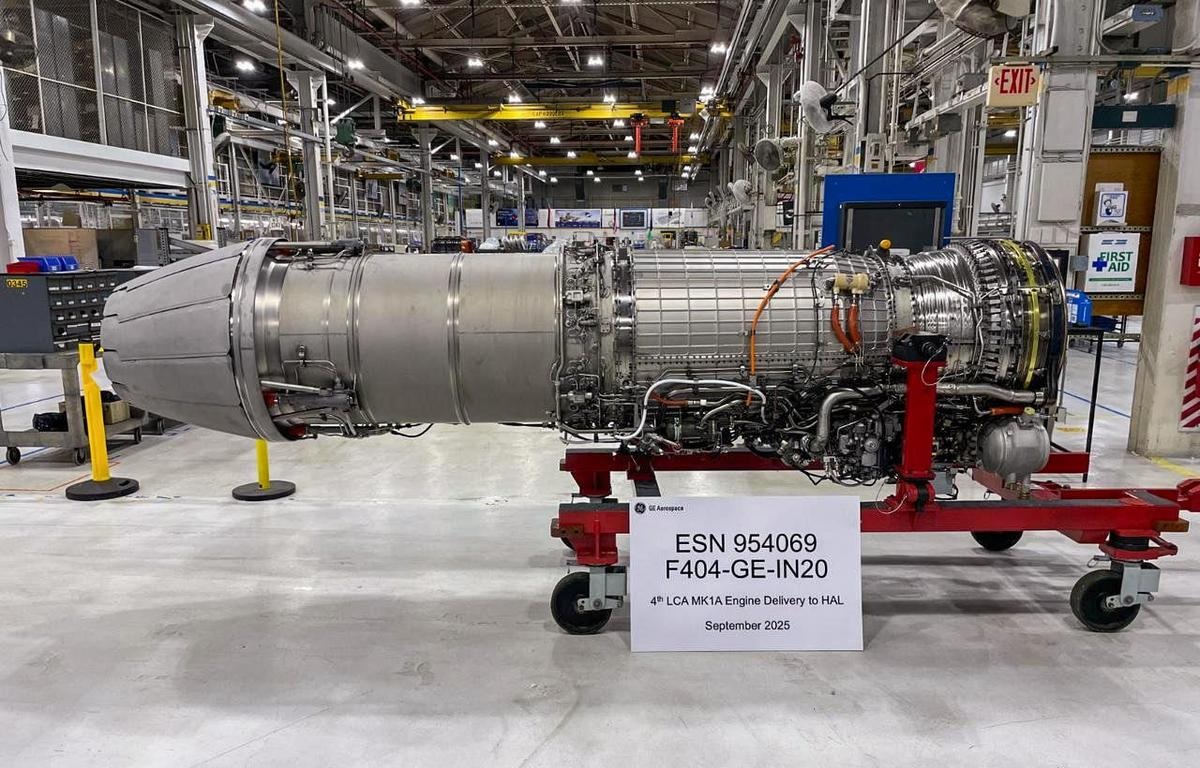
India
Bengaluru, India — GE Aerospace has delivered the seventh F404-IN20 turbofan engine to Hindustan Aeronautics Limited (HAL) for the Light Combat Aircraft (LCA) Tejas Mk1A programme, continuing engine deliveries that remain slower than the company's earlier production plans. The F404-IN20 powers both the Tejas Mk1 and Tejas Mk1A. Engine availability remains the primary factor determining the pace of aircraft completion, as propulsion systems must be installed before final integration, ground testing, flight testing, and delivery to the Indian Air Force (IAF). GE delivered the first F404-IN20 engine on March 26, 2025. The second, third and fourth engines were delivered between July and September 2025, followed by the fifth engine in December 2025. The sixth engine was delivered on April 2, 2026, while the seventh engine has now been handed over around three months later. The delivery timeline shows that GE supplied five engines during 2025, but only two additional engines during the first half of 2026. Earlier, the company had indicated that it planned to deliver 20 F404-IN20 engines by the end of 2026. Based on the current delivery pace, reaching that target would require a substantial increase in engine shipments during the remaining months of the year. Even matching the five engines delivered in 2025 would require a significantly faster delivery rate than seen so far in 2026. The slow supply of engines has remained the main constraint on the Tejas Mk1A programme. HAL has already manufactured and flown nearly 30 Tejas Mk1A airframes, with several aircraft awaiting engine installation before they can proceed to final integration, certification, and delivery to the Indian Air Force. To minimise delays once engines become available, HAL has established multiple production lines and continues manufacturing airframes, avionics, radar, and electronic warfare systems in parallel so that engine integration can begin immediately after delivery and post-delivery quality checks. The Tejas Mk1A is one of the Indian Air Force's key fighter modernisation programmes. HAL is producing 83 aircraft under a contract worth around ₹48,000 crore, while the Government of India has approved a follow-on order for 97 additional fighters, increasing the planned Tejas Mk1A fleet to 180 aircraft. To support long-term production, HAL and GE Aerospace signed a follow-on agreement in late 2025 for the supply of 113 additional F404-IN20 engines, with deliveries scheduled between 2027 and 2032. The pace of future engine deliveries will remain a key factor in determining how quickly HAL can complete and deliver Tejas Mk1A fighters to the Indian Air Force. Source: NewX
Read More → Posted on 2026-07-07 15:33:07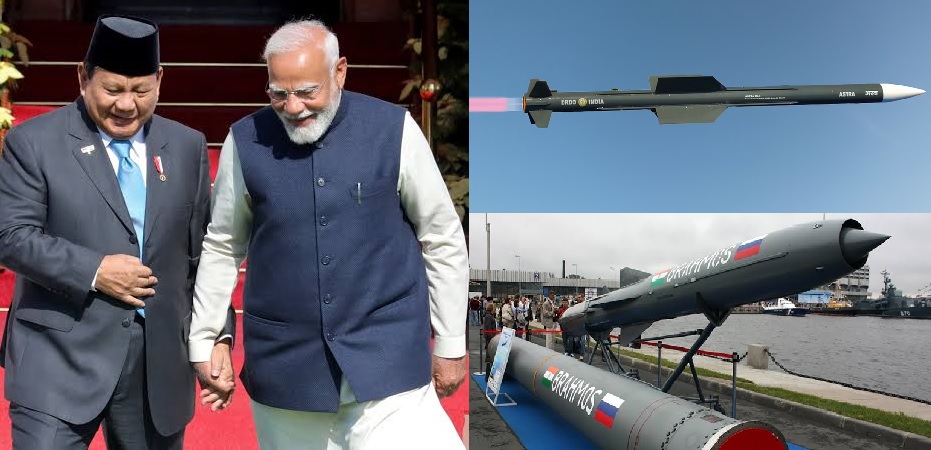
India
JAKARTA, Indonesia — India and Indonesia signed a series of defence and strategic cooperation agreements on Tuesday following bilateral talks between Prime Minister Narendra Modi and Indonesian President Prabowo Subianto at the Istana Merdeka in Jakarta. The agreements were announced as part of efforts to deepen the India-Indonesia Comprehensive Strategic Partnership, established in 2018. Along with expanding defence cooperation, both countries signed agreements covering maritime security, critical minerals, education, digital connectivity, space cooperation and emerging technologies. Addressing a joint press conference after the talks, Prime Minister Modi said the agreements marked the beginning of a "golden chapter" in bilateral relations. "Today marks the beginning of a golden chapter in the India-Indonesia partnership. The growing trust between our countries is strengthening our defence, security and maritime cooperation," Modi said. BrahMos and Astra Mk-1 Discussions Continue Defence cooperation featured prominently during the talks, with both sides discussing potential cooperation on India's BrahMos supersonic cruise missile and Astra Mk-1 beyond-visual-range (BVR) air-to-air missile. According to officials, Indonesia selected the BrahMos missile after evaluating its operational performance during India's Operation Sindoor. However, no final purchase agreement for the BrahMos missile was signed during the visit, and discussions between the two sides are continuing. Officials also discussed the possible export of the Astra Mk-1 missile. If approved in the future, Indonesia would become the first foreign operator of the indigenous Indian air-to-air missile. However, no final procurement agreement for the Astra Mk-1 was announced during the visit. If a BrahMos agreement is concluded in the future, Indonesia would become the third Southeast Asian country to procure the missile after the Philippines and Vietnam. The proposed acquisition is expected to strengthen Indonesia's coastal defence and anti-access/area-denial capabilities in key maritime areas. The discussions represent another step in India's efforts to expand exports of domestically developed defence systems and strengthen defence-industrial cooperation with partner countries. Maritime Cooperation Strengthened The two leaders also finalized a framework on maritime safety and security cooperation. As maritime neighbours located along important sea routes, India and Indonesia agreed to increase cooperation between their coast guards to enhance security in the Indian Ocean and surrounding waters. Both sides also agreed to jointly develop Sabang Port, located near the Strait of Malacca, one of the world's busiest shipping lanes. The port is situated about 100 miles from India's Great Nicobar port project and is expected to support maritime connectivity and regional cooperation. Agreements Beyond Defence In addition to defence cooperation, the two countries exchanged nearly a dozen Memorandums of Understanding (MoUs) covering several sectors. India announced plans to invest in Indonesia's critical mineral supply chain, including projects related to stainless steel, nickel and rare-earth permanent magnets. Prime Minister Modi also announced that the Indian Institute of Management (IIM) Bangalore will establish a campus in Indonesia to serve students from Indonesia and across the ASEAN region. To improve economic and travel connectivity, both countries agreed to integrate India's Unified Payments Interface (UPI) with Indonesia's digital payment system. In the space sector, India and Indonesia decided to expand their long-standing cooperation. The Indian Space Research Organisation (ISRO) will assist Indonesia in the peaceful exploration of outer space and support capacity building for Indonesia's space sector through joint research and cooperation. The two sides also signed agreements to strengthen collaboration in artificial intelligence, telecommunications, digital public infrastructure and startup development. Long-Standing Defence Partnership India and Indonesia established formal defence relations in 1951. The two countries signed a Defence Cooperation Agreement in 2001, which was renewed in 2006. Defence ties were further strengthened during Prime Minister Modi's visit to Indonesia in 2018, when both sides upgraded their relationship to a Comprehensive Strategic Partnership and signed a Memorandum of Understanding on defence cooperation. Since then, military engagement has expanded through bilateral and multilateral exercises, coordinated maritime patrols, defence dialogues, training exchanges and cooperation between defence industries. External Affairs Ministry spokesperson Randhir Jaiswal said the two leaders reviewed the full spectrum of bilateral relations during the meeting, after which multiple agreements were exchanged in their presence. PM Modi Receives Indonesia's Highest Civilian Honour Earlier on Tuesday, President Prabowo Subianto conferred Prime Minister Narendra Modi with the Bintang Adipurna, Indonesia's highest civilian honour, in recognition of his contribution to strengthening relations between the two countries. Accepting the honour, Modi dedicated the award to the people of India and the longstanding historical and cultural ties shared by India and Indonesia. The Indonesia visit is the first leg of Prime Minister Modi's three-nation Indo-Pacific tour, which will also include visits to Australia and New Zealand. Following the official engagements in Jakarta, the two leaders are scheduled to visit the UNESCO World Heritage Site of Prambanan Temple in Yogyakarta on Wednesday. Source: ANI
Read More → Posted on 2026-07-07 11:09:17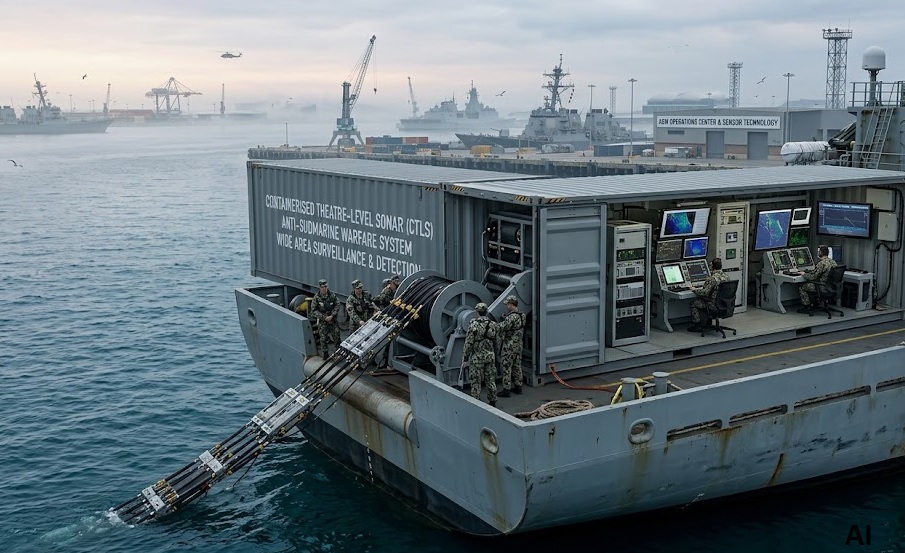
India
NEW DELHI — The Indian Navy has issued a Request for Information (RFI) for the procurement of a Containerised Theatre Level Sonar (CTLS), marking a significant step toward strengthening underwater surveillance and anti-submarine warfare (ASW) capabilities across its fleet. The proposed system is intended to provide persistent Underwater Domain Awareness (UDA) and enable a wider range of naval vessels to carry advanced sonar capabilities without requiring permanent modifications. The move reflects the Navy's focus on improving operational flexibility as submarine activity in the Indian Ocean Region continues to grow. The RFI has been issued by the Integrated Headquarters, Ministry of Defence (Navy) as part of efforts to develop a modular sonar system that can be rapidly deployed on suitable ships. Containerised Design for Rapid Deployment Unlike conventional hull-mounted sonar systems that are permanently integrated into warships during construction, the CTLS is designed as a self-contained system housed inside standard 20-foot or 40-foot ISO containers. The containerised package will include a Variable Depth Sonar (VDS) and twin thin-line receiver arrays. According to the RFI, the host vessel will only require a certified A-frame and winch for deployment, while the remaining equipment will remain inside the containerised module. This approach allows the sonar package to be installed on different platforms, including offshore patrol vessels, auxiliary ships and other naval vessels with sufficient deck space, providing greater operational flexibility compared with dedicated ASW warships. Expanding Anti-Submarine Coverage The CTLS is expected to serve as a force multiplier by allowing the Indian Navy to expand anti-submarine coverage without waiting for new frigates and corvettes to enter service. Warship construction typically takes several years, while a containerised sonar system can be deployed on existing vessels capable of supporting the equipment. This allows additional ships to function as temporary anti-submarine warfare platforms whenever operational requirements demand. The Navy's concept also supports the development of a ship-agnostic underwater sensor network, where multiple vessels equipped with CTLS can operate together to detect, classify and track underwater contacts over larger areas. The system will support mono-static, bi-static and multi-static sonar operations, enabling ships to work together by transmitting and receiving sonar signals in different configurations to improve submarine detection and tracking over longer distances. Technical Requirements According to the RFI, the CTLS is expected to operate effectively in deep-water, shallow-water and littoral environments. The Variable Depth Sonar will be capable of operating at depths of at least 200 metres, allowing operators to position the sonar below challenging acoustic layers where underwater sound propagation is more favourable. The system will operate in both active and passive modes. In active mode, the sonar will transmit low-frequency acoustic signals designed for long-range detection of submarines and underwater targets. In passive mode, it will monitor underwater noise and detect acoustic signatures generated by submarines without transmitting signals. The passive detection system will use twin thin-line receiver arrays, each containing at least 180 acoustic elements capable of monitoring frequencies ranging from 10 Hz to 2 kHz. The Navy has specified advanced digital signal processing, adaptive noise suppression and target motion analysis to improve detection performance in environments with high ambient noise and reverberation. The RFI also calls for the integration of Artificial Intelligence (AI) to assist operators in target identification and tracking, helping improve the speed and accuracy of operational decisions. In addition, the system is expected to include predictive modelling software that analyses environmental conditions before deployment. The software will evaluate factors such as water depth, temperature, sound velocity profiles, seabed characteristics and ambient noise to estimate expected sonar performance and detection probability. The CTLS has been specified with a minimum service life of 15 years and is expected to feature a modular architecture that allows future hardware and software upgrades as sonar technologies evolve. Integration with Existing Naval Systems The Navy has stated that the containerised sonar should integrate with existing combat management and navigation systems, allowing it to operate alongside current fleet assets while remaining portable between platforms. The modular design is intended to simplify transportation, storage and installation while reducing the need for extensive ship modifications. Strategic Context The procurement comes as regional underwater capabilities continue to expand. Pakistan has recently inducted the first of its Chinese-built Hangor-class submarines, part of an order for eight boats, while China operates one of the world's largest submarine fleets, with around 60 submarines. The Indian Navy is seeking to strengthen underwater surveillance by increasing the number of platforms capable of contributing to anti-submarine operations, rather than relying solely on dedicated ASW ships. The Navy currently operates the Hull Mounted Sonar Array (HUMSA), developed by the Naval Physical and Oceanographic Laboratory, which has been in service since 2016. Separately, the Defence Acquisition Council has approved the procurement of six additional Boeing P-8I maritime patrol aircraft. The Indian Navy currently operates 12 P-8I aircraft, which are used for long-range maritime surveillance and anti-submarine warfare missions. The CTLS RFI represents an early stage of the procurement process. Industry responses will help the Indian Navy refine technical requirements and shape the programme before moving toward future acquisition decisions. Source: timesofindia
Read More → Posted on 2026-07-06 15:42:31
India
CANBERRA — Australia is set to conclude two major international agreements this week as Prime Minister Anthony Albanese advances the country's strategic and economic engagement across the Indo-Pacific. The agreements include a new security pact with Fiji and the finalization of a commercial uranium export arrangement with India. The initiatives are expected to strengthen Australia's regional security partnerships while expanding cooperation in the energy sector with one of its key Indo-Pacific partners. Australia and Fiji to Sign 'Vuvale Union' Security Pact Prime Minister Albanese is scheduled to travel to Fiji on Monday for talks with Fijian Prime Minister Sitiveni Rabuka, where the two leaders are expected to formally sign the Vuvale Union security agreement. The treaty builds on the bilateral partnership launched in 2019 and follows a preliminary framework agreed by both countries in May 2026. Australian officials have described the agreement as one of the most comprehensive security arrangements between the two nations and comparable in scope to Australia's recently implemented mutual defence treaty with Papua New Guinea. The Vuvale Union is designed to expand cooperation across several areas, including regional security, economic resilience and people-to-people ties. Under the agreement, Australia and Fiji will work together on addressing transnational organised crime, strengthening cybersecurity, improving policing cooperation, enhancing maritime interdiction capabilities, and protecting critical infrastructure. The pact also includes cooperation in health, trade, labour mobility and economic security. The agreement supports Fiji's "Ocean of Peace" vision, promoted by Prime Minister Rabuka and endorsed by Pacific leaders in 2025, which seeks to strengthen regional stability through Pacific-led partnerships and cooperation. Australia has also expanded defence and policing partnerships in recent years with several Pacific neighbours, including Tuvalu, Nauru and Indonesia, as part of its broader engagement across the region. Australia and India to Finalize Uranium Export Deal Later this week, Albanese is expected to return to Melbourne to host Indian Prime Minister Narendra Modi, where both leaders are expected to finalize an agreement allowing the commercial export of Australian uranium to India. Although Australia and India signed a civil nuclear cooperation agreement in 2014, commercial uranium exports have been delayed for years because of technical safeguards related to nuclear non-proliferation. Officials from both countries have now reportedly resolved the remaining technical issues, clearing the way for exports to begin. The agreement will allow Australian uranium producers to supply fuel for India's civilian nuclear power programme under strict safeguards ensuring the material is used only for peaceful energy generation. India is expanding its civilian nuclear energy capacity to help meet growing electricity demand while reducing carbon emissions. The country is also seeking to diversify its nuclear fuel supply, making Australia—home to some of the world's largest known uranium reserves—a significant long-term supplier. Indian officials have also expressed interest in securing reliable uranium supplies as part of broader economic and defence cooperation between the two countries. Strengthening Australia's Indo-Pacific Strategy The two agreements reflect Australia's broader strategy of strengthening partnerships across the Indo-Pacific through both security cooperation and economic engagement. The Vuvale Union is expected to deepen Australia's long-term relationship with Fiji by enhancing cooperation on security, law enforcement, infrastructure and regional stability. At the same time, the uranium export agreement with India is expected to expand bilateral energy cooperation while supporting India's civilian nuclear power programme under agreed international safeguards. Prime Minister Albanese's meetings with Prime Minister Rabuka and Prime Minister Narendra Modi this week are expected to mark important steps in advancing Australia's regional partnerships and foreign policy priorities across the Pacific and Asia. Source: bloomberg
Read More → Posted on 2026-07-05 12:06:55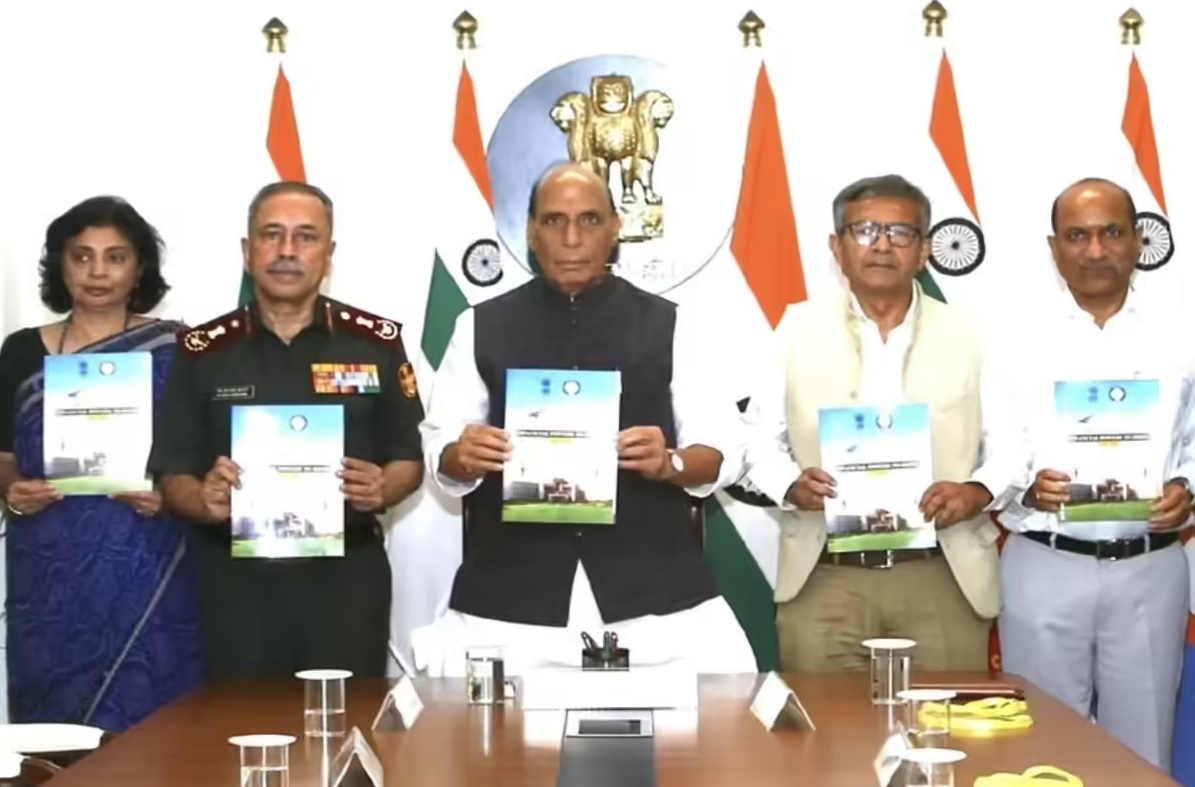
India
NEW DELHI, June 30, 2026 — India's Ministry of Defence (MoD) has introduced a revised financial framework for the Defence Research and Development Organisation (DRDO), granting the organisation greater financial autonomy to accelerate research, development, testing, and collaboration on indigenous defence technologies. Defence Minister Rajnath Singh unveiled the Delegation of Financial Powers to DRDO (DFP-2026) on June 29 in the presence of Chief of Defence Staff General NS Raja Subramani and DRDO Chairman Rajesh Kumar Singh. The revised framework expands financial and administrative powers across multiple levels within the Department of Defence R&D, reducing bureaucratic delays and enabling quicker execution of strategic projects. It follows a similar update to the financial powers delegated to the Armed Forces and supports the government's Aatmanirbhar Bharat initiative to strengthen indigenous defence capabilities. Key Reforms Under DFP-2026 The DFP-2026 framework introduces several important changes to improve the management of defence research programmes. Financial authority has been delegated to multiple levels within DRDO, allowing project directors, laboratory heads, and other designated officials to approve expenditures within their authorised limits without requiring repeated approvals from higher authorities. For the first time, dedicated financial provisions have been created for trial campaigns, testing, and evaluation activities, ensuring these critical stages are not delayed by funding constraints. The revised framework also permits DRDO to sanction funding for pre-project research and development, enabling scientists to begin foundational research and proof-of-concept work before a project receives formal approval. In addition, financial powers have been clearly defined for Extra-Mural Research (EMR) projects, Defence Innovation Accelerator–Centres of Excellence (DIA-CoEs), and the Technology Development Fund (TDF), simplifying funding for collaborative research with industry, startups, and academic institutions. How the System Has Changed Before DFP-2026, financial decisions were largely centralized, with many expenditures requiring multiple layers of approval from the Ministry of Defence. Testing and evaluation activities often relied on common research budgets, while pre-project research generally could not begin until formal project approval had been granted. Collaboration with external organisations also involved lengthy administrative procedures. Under the new framework, decision-making has been decentralized, dedicated funding is available for testing and evaluation, pre-project research can begin earlier, and approvals for collaborative programmes have been streamlined. These changes are expected to shorten project timelines and improve the transition of new technologies from research laboratories to the Armed Forces. Expected Impact The Ministry of Defence expects DFP-2026 to reduce administrative bottlenecks, improve project execution, and accelerate the development, testing, production, and induction of indigenous defence technologies. The reforms are also expected to strengthen cooperation between DRDO, private industry, startups, and academic institutions, supporting faster innovation and contributing to India's long-term goal of self-reliance in defence technology. DRDO's budget for the current financial year stands at approximately ₹29,100 crore, providing a substantial financial base for research and development activities under the revised framework. Expert Perspective Former Financial Adviser (Acquisition) in the Ministry of Defence, Amit Cowshish, said the expanded financial powers are a positive administrative reform but noted that their effectiveness will depend on the availability of adequate funding and continued compliance with financial regulations. Defence analysts also believe the reforms will particularly benefit smaller research projects, technology development programmes, and startup collaborations, while larger strategic programmes will continue to depend on overall defence budget allocations. The introduction of DFP-2026 marks another step in modernising India's defence research administration by providing DRDO with greater financial flexibility while maintaining accountability, helping accelerate the development of indigenous technologies for the Armed Forces.
Read More → Posted on 2026-06-30 11:04:41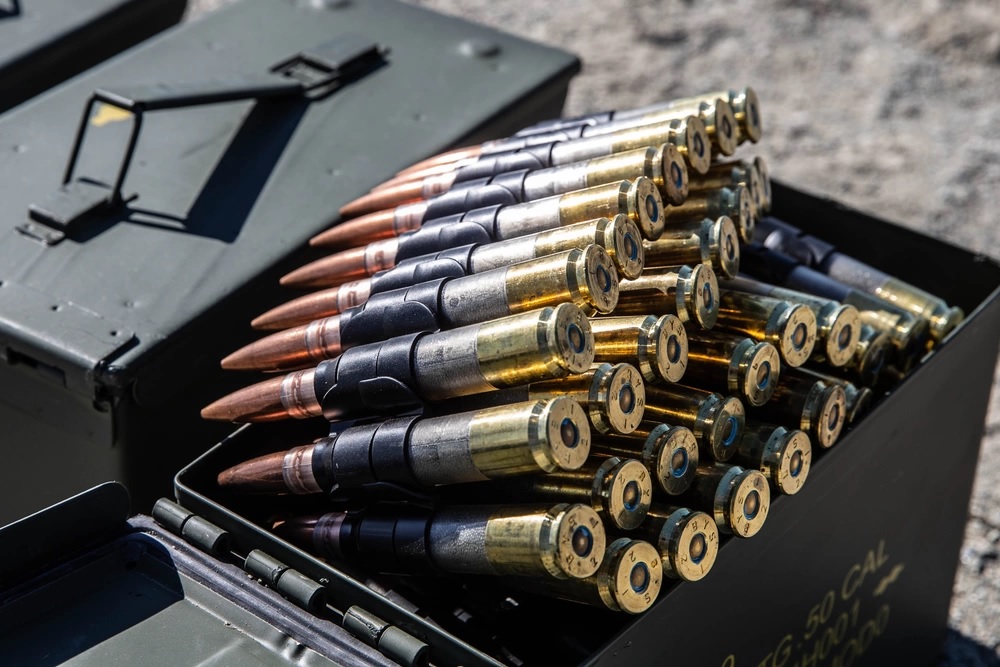
India
PUNE, INDIA , June 28, 2026 — India's Defence Research and Development Organisation (DRDO) has officially initiated the development of two next-generation ammunition technologies—Polymer Cased Ammunition (PCA) and Cased Telescopic Ammunition (CTA)—to modernize infantry weapon systems and improve the operational effectiveness of future small arms. The program is being led by the Armament Research and Development Establishment (ARDE) in Pune. Tenders issued by ARDE in June 2026 invite industry participation for the development of advanced polymer cartridge cases for both ammunition types. The initiative seeks to replace conventional brass and steel cartridge cases with lightweight polymer-based alternatives, reducing ammunition weight while improving weapon performance and manufacturing efficiency. Polymer Cased Ammunition (PCA) Polymer Cased Ammunition (PCA) replaces the traditional metallic cartridge case with a high-strength composite polymer. The lighter material allows soldiers to carry more ammunition without increasing their combat load, improving mobility and endurance during operations. Unlike brass, polymer acts as a thermal insulator rather than a heat conductor. After firing, much of the heat leaves the weapon with the ejected cartridge case, helping reduce chamber temperatures and lowering the risk of heat-related issues during sustained firing. Polymer cases can also be manufactured through injection molding, simplifying production and reducing dependence on strategic metals such as copper and brass. Their corrosion resistance further improves storage life and durability in different operating environments. PCA is intended for use in assault rifles, machine guns, and other standard infantry small arms where weight reduction provides operational benefits. Cased Telescopic Ammunition (CTA) Cased Telescopic Ammunition (CTA) features a redesigned cartridge in which the projectile is fully enclosed within the propellant inside a cylindrical case. This produces a shorter and more compact round while maintaining the same caliber and ballistic performance. Its cylindrical shape improves feeding reliability, reduces the likelihood of weapon jams, and allows engineers to design more compact automatic weapon systems. Uniform ignition of the surrounding propellant can also produce more consistent chamber pressures, contributing to stable ballistic performance. CTA is designed for next-generation infantry rifles, light machine guns, and automated weapon systems where compact ammunition and reliable feeding are important. Benefits for Infantry Operations The adoption of PCA and CTA could significantly improve infantry operations by reducing the weight carried by soldiers, allowing them to carry more ammunition or additional mission equipment without increasing their overall load. Lighter ammunition also improves military logistics by enabling transport aircraft, trucks, and supply vehicles to carry larger quantities of ammunition per shipment. At the same time, improved heat management in PCA and optimized feeding in CTA can reduce wear on weapon components and improve long-term reliability. The technologies also support India's efforts to reduce dependence on imported raw materials and strengthen indigenous ammunition manufacturing capabilities. Future Development The PCA and CTA programs are currently in the industry collaboration phase, with tenders scheduled to close in mid-July 2026. Following material development, the ammunition will undergo testing to evaluate reliability, safety, durability, and compatibility with current and future weapon platforms. Once successfully developed, these technologies are expected to support future Indian Army small arms programs while strengthening India's self-reliant defense manufacturing ecosystem. By focusing on lightweight materials, improved reliability, and efficient cartridge designs, DRDO aims to enhance the effectiveness of India's future infantry weapon systems.
Read More → Posted on 2026-06-28 14:37:11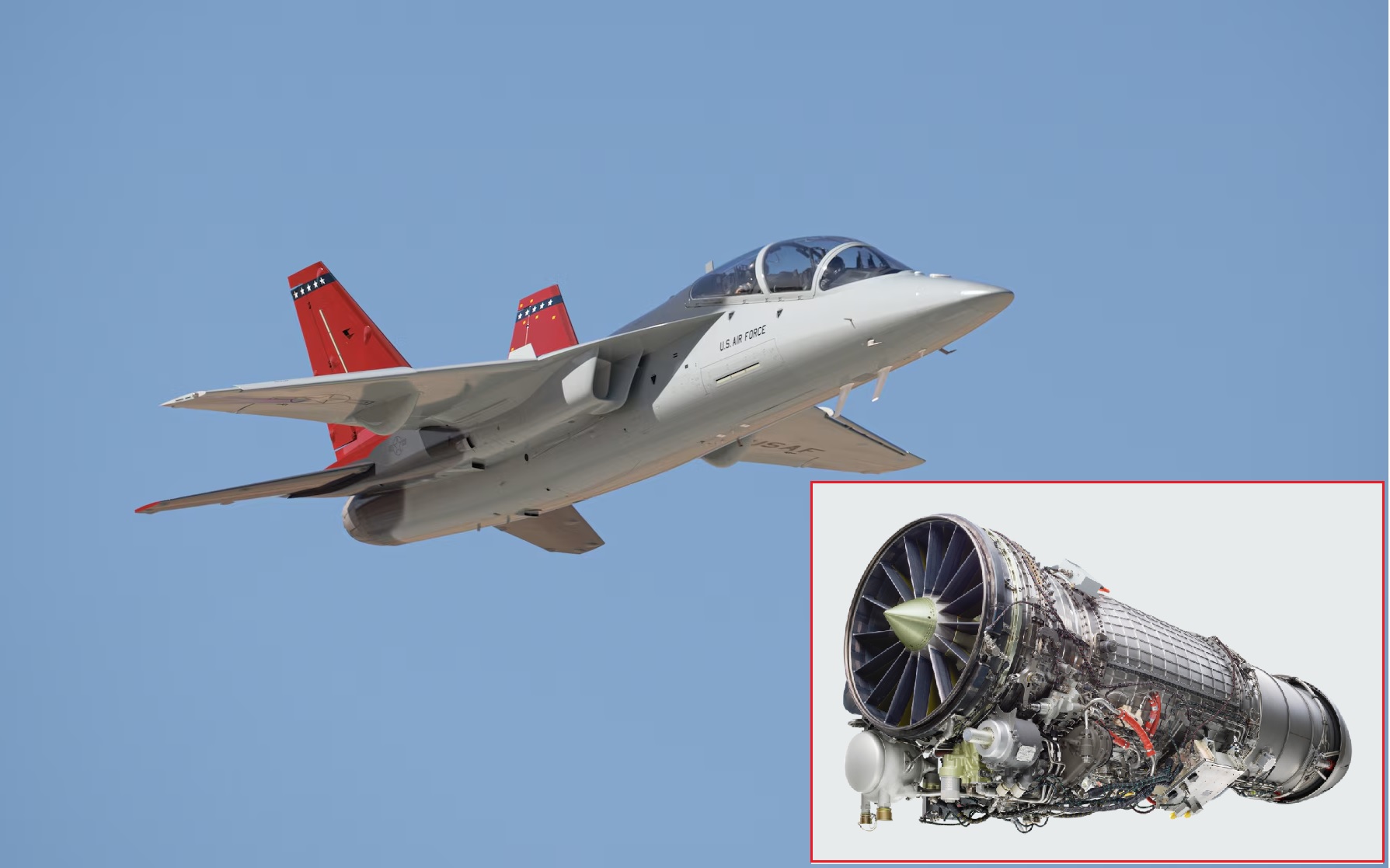
India
WASHINGTON, June 28, 2026 — Production constraints affecting the General Electric (GE) F404 engine family are creating challenges for multiple military aviation programs, with delays already impacting India's Tejas Mk1A fighter and potentially affecting the Boeing T-7A Red Hawk advanced trainer, according to U.S. defense analyst Dr. Michael Harrington. Dr. Harrington said the current situation demonstrates how manufacturing bottlenecks within the F404 production ecosystem can influence defense programs across different countries. Although the F404 is a proven and reliable turbofan engine, increased global demand and supply chain constraints have slowed production. Shortages of specialized castings, forgings, and other critical components, along with the challenges of ramping up production lines, have limited GE Aerospace's manufacturing output. Tejas Mk1A Program Faces Engine Delivery Delays The production slowdown has had a direct impact on India's Tejas Mk1A fighter program. Hindustan Aeronautics Limited (HAL) has continued assembling aircraft, but deliveries of the F404-IN20 engines have remained behind schedule, delaying induction into the Indian Air Force (IAF). Under a 2021 contract, GE Aerospace is supplying 99 F404-IN20 engines for the Tejas Mk1A fleet. Since April 2025, HAL has received only six engines, and in May 2026 the sixth engine developed a technical issue during routine post-delivery quality checks. The issue, reportedly linked to a transshipment or acceptance parameter fault, required inspection by GE engineers before acceptance. The delays have also drawn attention from India's Ministry of Defence. During a review meeting in June 2026, the ministry warned HAL that continued delays in aircraft deliveries could lead to contractual financial penalties because they affect the IAF's planned fighter induction schedule. To strengthen long-term fleet support, GE Aerospace and the Indian Air Force signed an agreement in April 2026 to establish an in-country maintenance, repair, and overhaul (MRO) facility for the F404-IN20 engine. While the depot will reduce dependence on overseas maintenance in the future, it does not immediately address the current production backlog. GE expects engine deliveries to gradually improve during the second half of 2026. T-7A Red Hawk Could Also Be Affected According to Dr. Harrington, the same supply chain challenges affecting Tejas engine deliveries could also influence Boeing's T-7A Red Hawk program because it uses the F404-GE-103 engine variant. The F404-GE-103 incorporates a Full Authority Digital Engine Control (FADEC) system derived from F414 technology, improving engine management and single-engine safety for pilot training. However, the T-7A program has already faced contractual, financial, and logistical challenges, resulting in adjustments to flight testing schedules. Continued engine supply constraints could place additional pressure on the program as production expands. The T-7A is being developed to replace the U.S. Air Force's aging T-38 Talon trainer fleet, with plans for 351 aircraft and potential additional orders. Full-rate production has not yet begun, and engine deliveries remain aligned with the aircraft's phased testing and initial production schedule. Boeing Focuses on Air Force Requirements Boeing recently withdrew the T-7A from the U.S. Navy's Undergraduate Advanced Jet Training System (UJTS) competition after determining that meeting the Navy's carrier-operation requirements would require significant modifications. The Navy required enhanced corrosion resistance, improved throttle response, and other changes needed for carrier operations. Adapting the existing aircraft and engine configuration would have required substantial engineering work, leading Boeing to focus its resources on the U.S. Air Force program. Engine Supply Remains a Key Challenge Dr. Harrington said the current situation illustrates how production constraints affecting a common engine family can influence multiple defense programs simultaneously. As demand for trainer aircraft and light combat fighters continues to increase, expanding manufacturing capacity remains a key challenge for the aerospace industry. GE Aerospace, Boeing, HAL, and military authorities continue working to stabilize engine production and meet contractual commitments. Progress in resolving supply chain bottlenecks over the coming months will be important for maintaining the planned timelines of both the Tejas Mk1A and T-7A Red Hawk programs.
Read More → Posted on 2026-06-28 14:16:52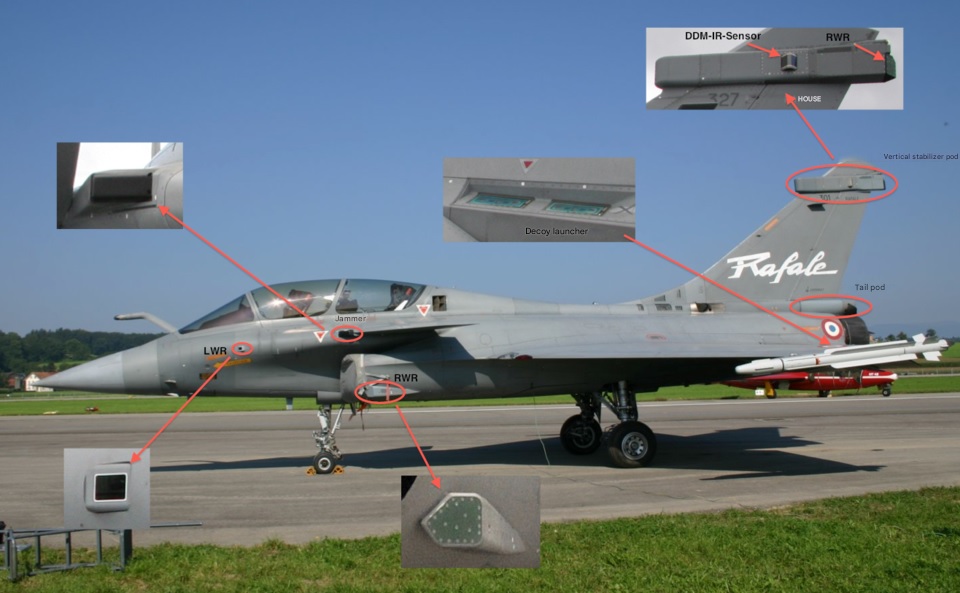
India
BENGALURU, India, June 28, 2026 — Bharat Electronics Limited (BEL) and French defense technology company Thales have expanded their partnership to locally manufacture advanced microwave modules for the SPECTRA electronic warfare (EW) suite installed on Dassault Aviation's Rafale fighter aircraft. The initiative supports India's Make in India program and strengthens the country's capability to produce advanced aerospace and defense electronics. The collaboration builds on BEL's successful production of transmit/receive (T/R) modules for the Rafale's RBE2 Active Electronically Scanned Array (AESA) radar. In February 2025, BEL delivered the 7,000th T/R module to Thales, marking a major milestone in the technology transfer program between the two companies. The partnership is part of the offset commitments linked to India's Rafale fighter acquisition. Technology transfer began in 2017, with BEL engineers receiving specialized training at Thales facilities in France and dedicated production lines being established at BEL's Bengaluru manufacturing facility. In November 2020, Thales delivered the first RBE2 AESA radar featuring a front-end manufactured entirely by BEL in India. The new agreement extends BEL's manufacturing role from radar components to critical electronic warfare hardware. SPECTRA Electronic Warfare Suite SPECTRA is the Rafale's fully integrated electronic warfare and self-protection system, jointly developed by Thales and MBDA. Designed to enhance aircraft survivability, it provides 360-degree threat detection, identification, localization, and response against radar, laser, infrared, and missile threats. The system combines radar warning receivers, laser warning receivers, and the DDM-NG infrared missile approach warning system to continuously monitor the surrounding environment. Data from these sensors is processed by a Modular Data Processing Unit (MDPU), which fuses the information, compares detected signals with an onboard threat library, prioritizes threats in real time, and automatically selects the most effective defensive response. Once a threat is identified, SPECTRA uses active phased-array radar jammers to disrupt or deceive enemy radar systems while automatically deploying radar chaff and infrared flares to counter incoming missiles. The integrated design enables rapid responses without compromising the Rafale's low-observable characteristics and has been combat-proven in operational service with the French Air and Space Force. Role of Microwave Modules The microwave modules to be produced by BEL are critical components for the radio-frequency functions of the SPECTRA system. They process high-frequency signals used for threat detection, signal analysis, and electronic jamming, allowing the system to rapidly intercept hostile radar emissions and generate targeted electronic countermeasures against enemy tracking and targeting systems. Manufacturing these advanced modules in India will increase indigenous content in Rafale systems, strengthen the domestic supply chain for high-end defense electronics, and further enhance BEL's expertise in advanced aerospace manufacturing. Similar Electronic Warfare Systems Integrated electronic warfare and self-protection suites are standard equipment on modern 4.5-generation and fifth-generation fighter aircraft. Comparable systems include: F-35 Lightning II (United States): AN/ASQ-239 Barracuda electronic warfare system providing advanced threat detection, electronic support, and active jamming. Eurofighter Typhoon (Europe): Praetorian Defensive Aids Sub-System (DASS), integrating radar warning, missile warning, electronic jamming, and automated countermeasures. F-22 Raptor (United States): AN/ALR-94 passive electronic warfare system integrated with the aircraft's AESA radar for long-range threat detection and electronic attack. HAL Tejas Mk1A (India): Equipped with an indigenous advanced electronic warfare suite, including the Mayavi system developed by DRDO and BEL, featuring radar warning receivers, electronic support measures, and active jamming capabilities. These systems rely on active electronically scanned arrays, digital signal processing, real-time threat libraries, and integrated countermeasures to improve aircraft survivability in highly contested environments. The expansion of the BEL-Thales partnership further strengthens India's indigenous defense manufacturing ecosystem and positions BEL as an increasingly important supplier of advanced aerospace electronics for the Rafale program. The collaboration also supports future technology transfer, higher indigenous content, and deeper integration of Indian industry into the global defense supply chain.
Read More → Posted on 2026-06-28 11:24:04Search
Top Trending in 24 Hours
-
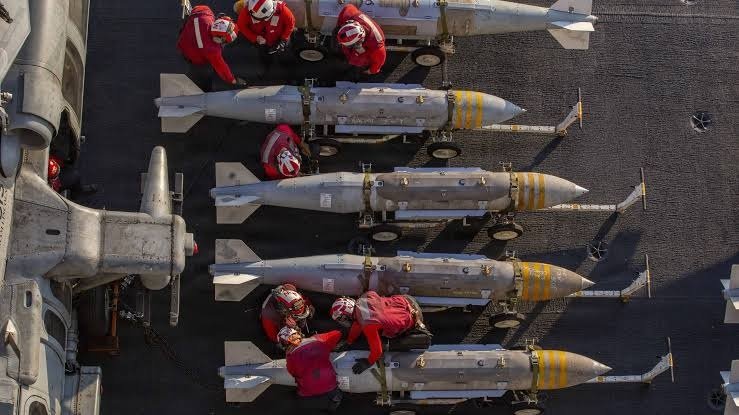 Pentagon Inspector General Report Finds Iran War Caused U.S. Ammunition Shortfalls and Industrial Bottlenecks
-
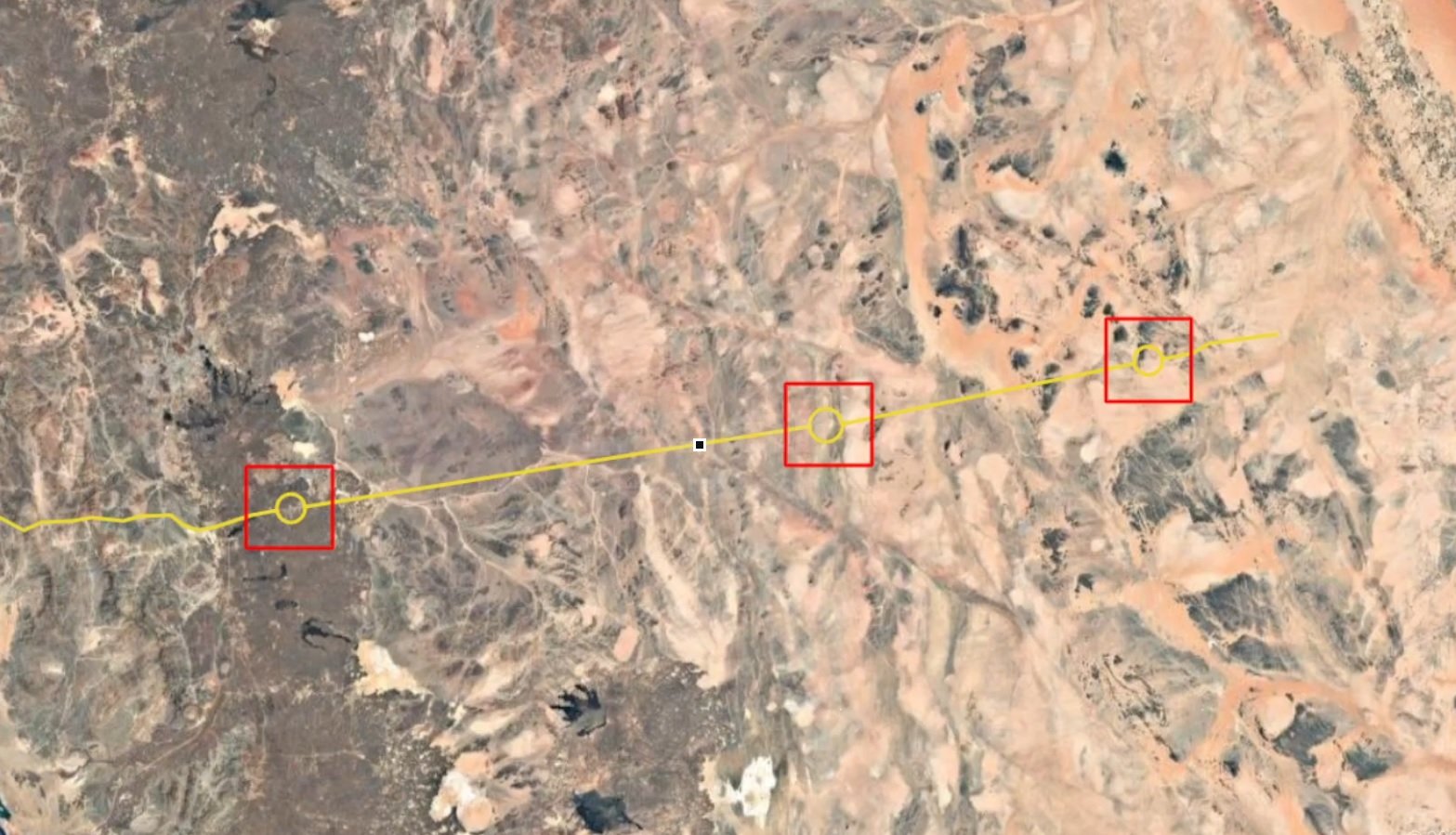 Satellite Imagery Shows Extensive Damage to Saudi Arabia’s East-West Oil Pipeline, Indicating More Than a Single Strike
-
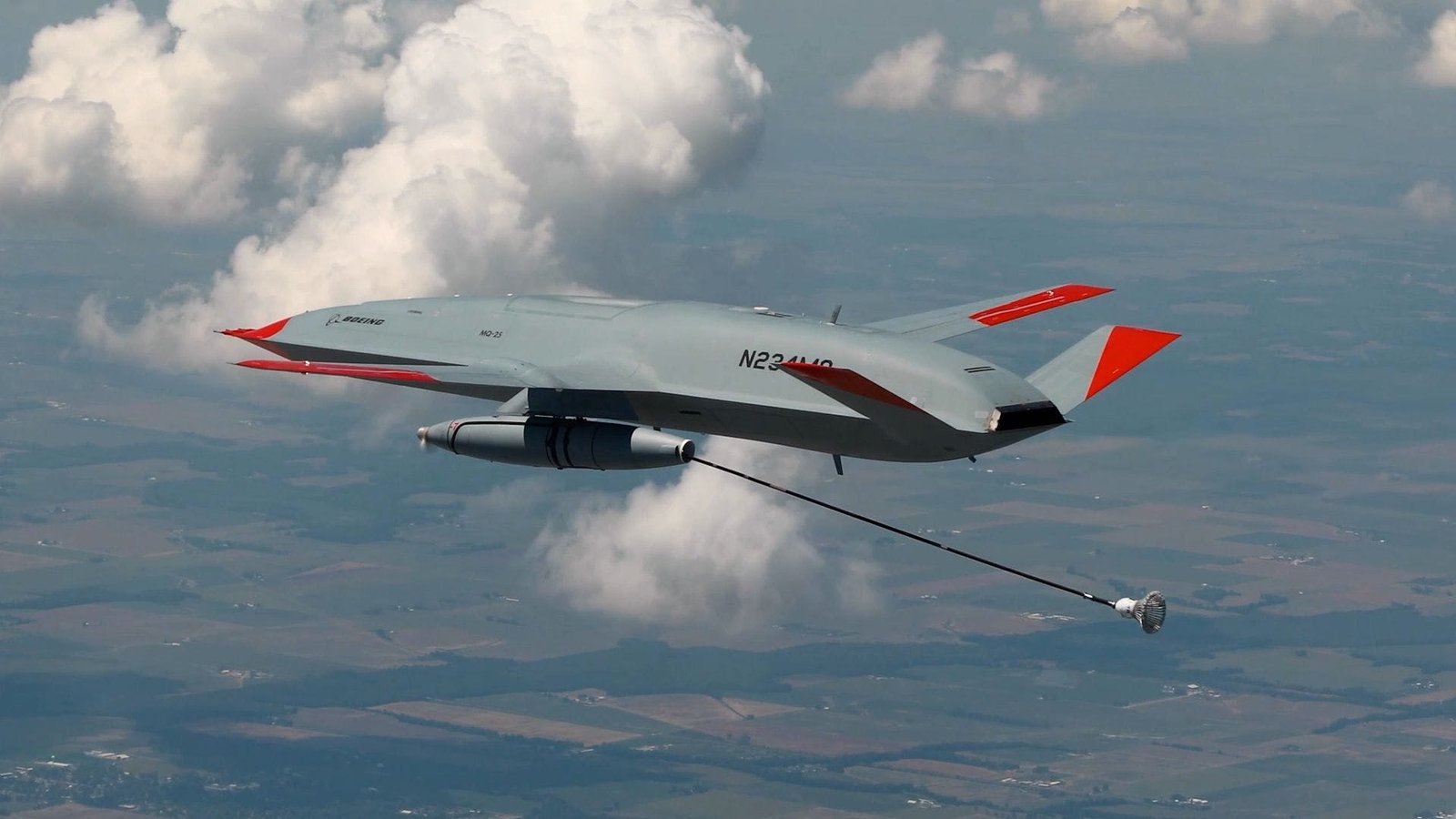 U.S. Navy Awards Boeing $562 Million Contract for First Production MQ-25A Stingray Tanker Drones
-
 Pentagon and Honeywell Complete Four-Hour Pacific Flight Using Quantum Magnetic Navigation Without GPS
-
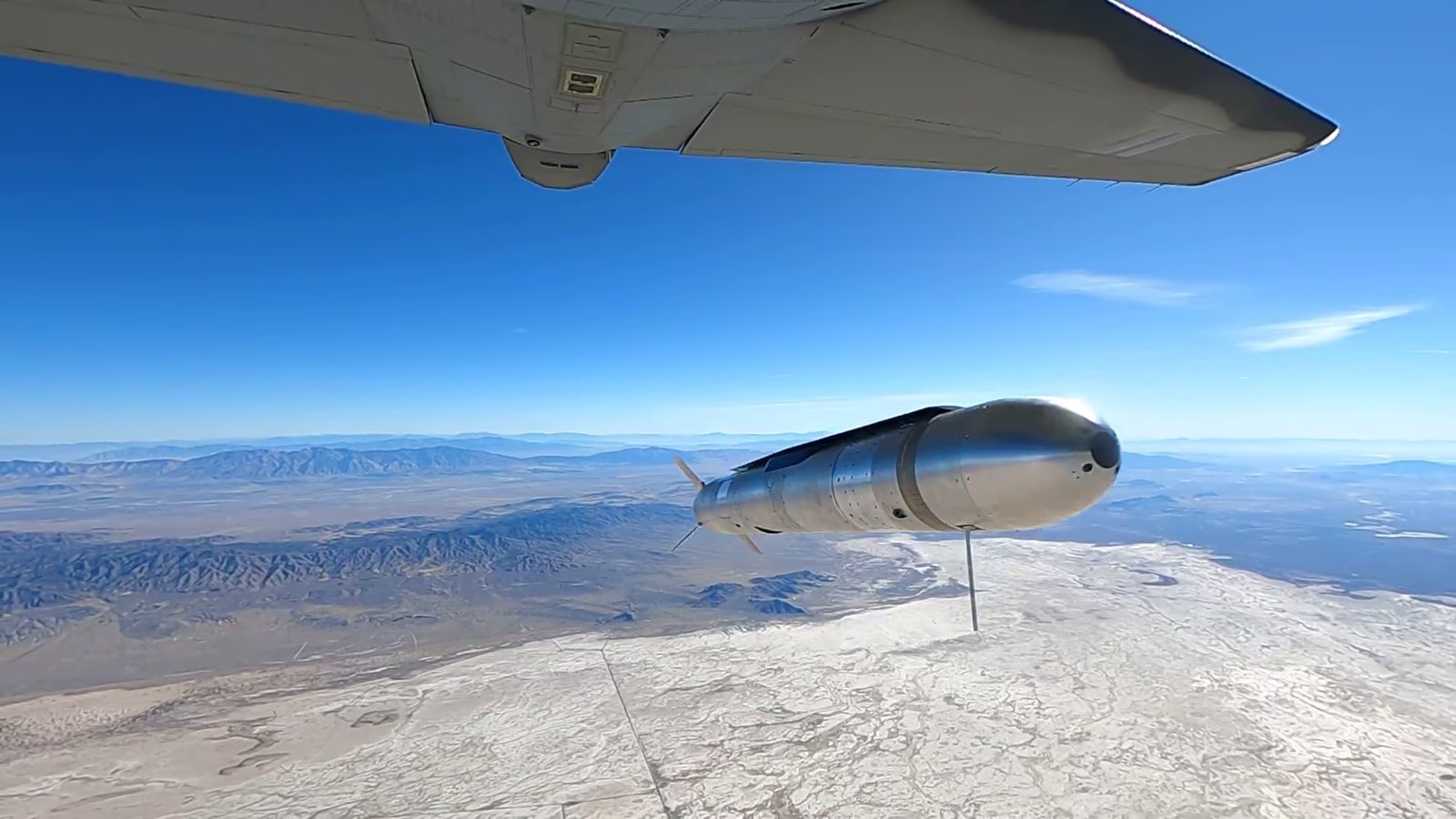 U.S. Air Force Special Operations Command Clears AGM-190A Havoc Spear for Wider Service After Combat Evaluation in Africa
-
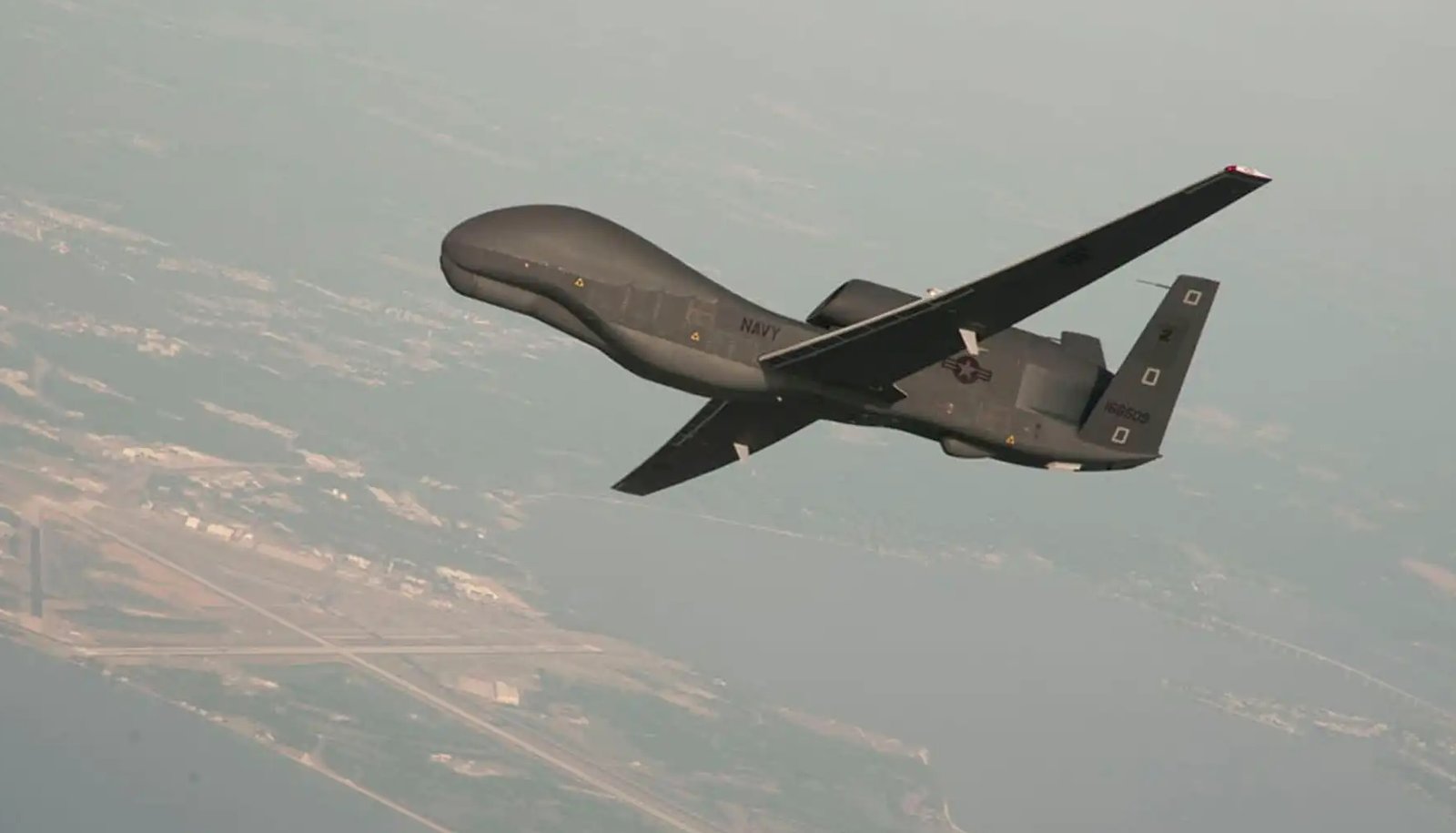 Japan Air Self-Defense Force Loses Contact With Global Hawk Surveillance Drone Off Tottori Coast; Aircraft Presumed Crashed
-
 U.S. Confirms Deployment of On-Orbit Space Control Weapons for First Time
-
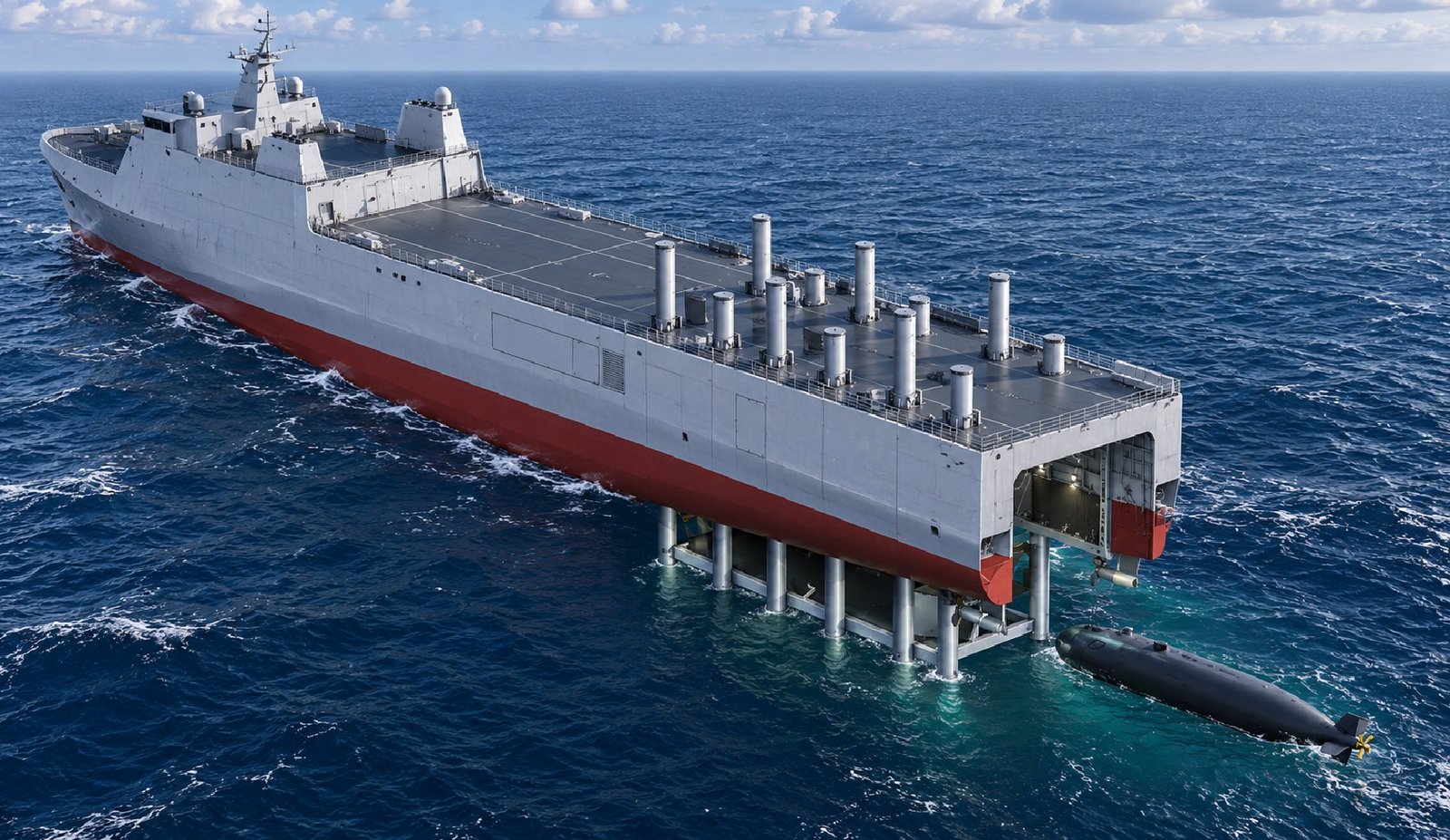 China Builds New Shanghai Vessel to Serve as Mothership for Large Uncrewed Submarines
Top Trending in 4 Days
-
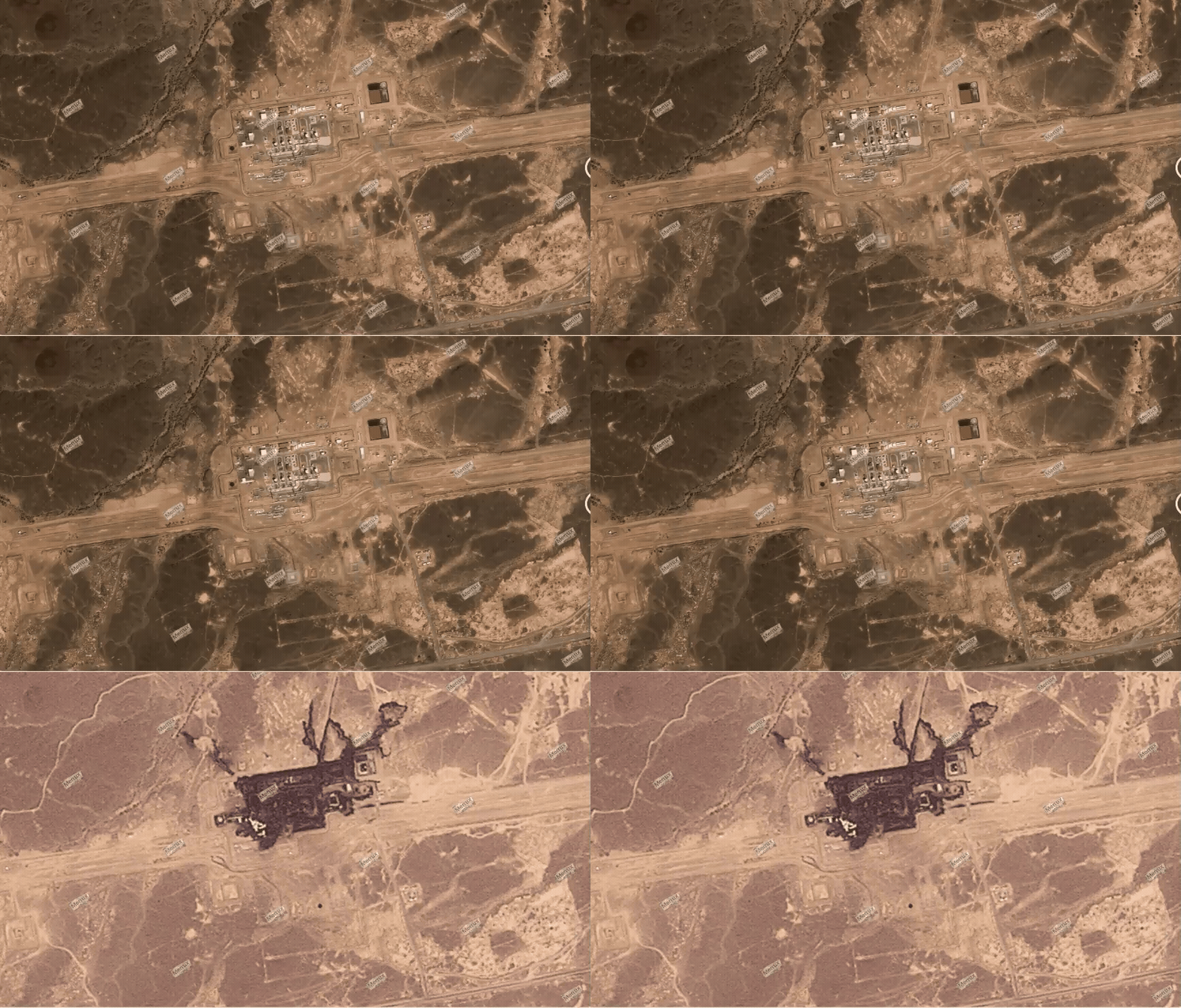 Satellite Imagery Shows Heavy Damage to Saudi East–West Oil Pipeline Pumping Stations
-
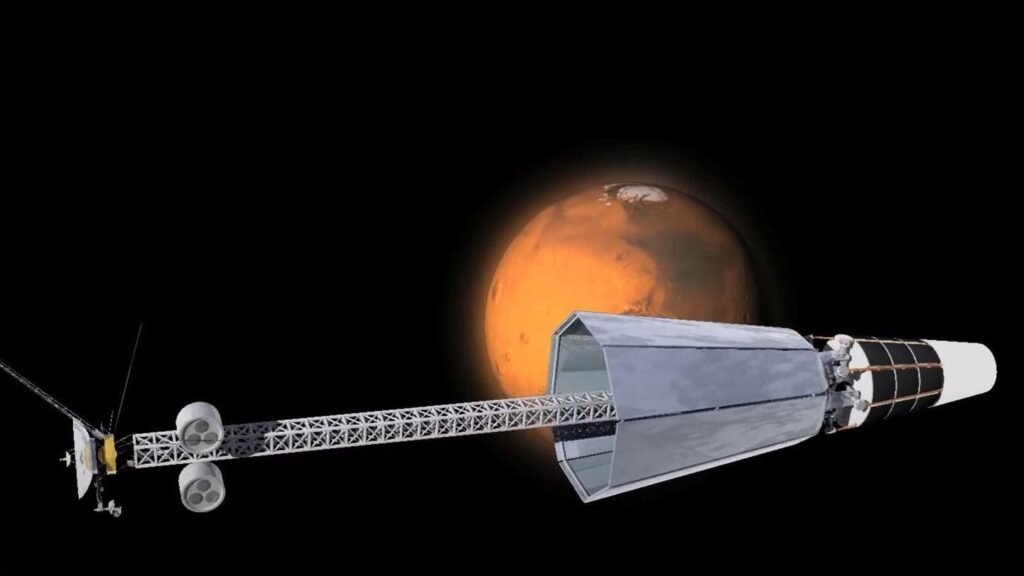 U.S. Air Force Awards Antares $161 Million to Develop Nuclear Reactor for Spacecraft
-
 Pentagon Awards BlueHalo Up to $99.8 Million Contract for Orbital Battlespace R&D Program
-
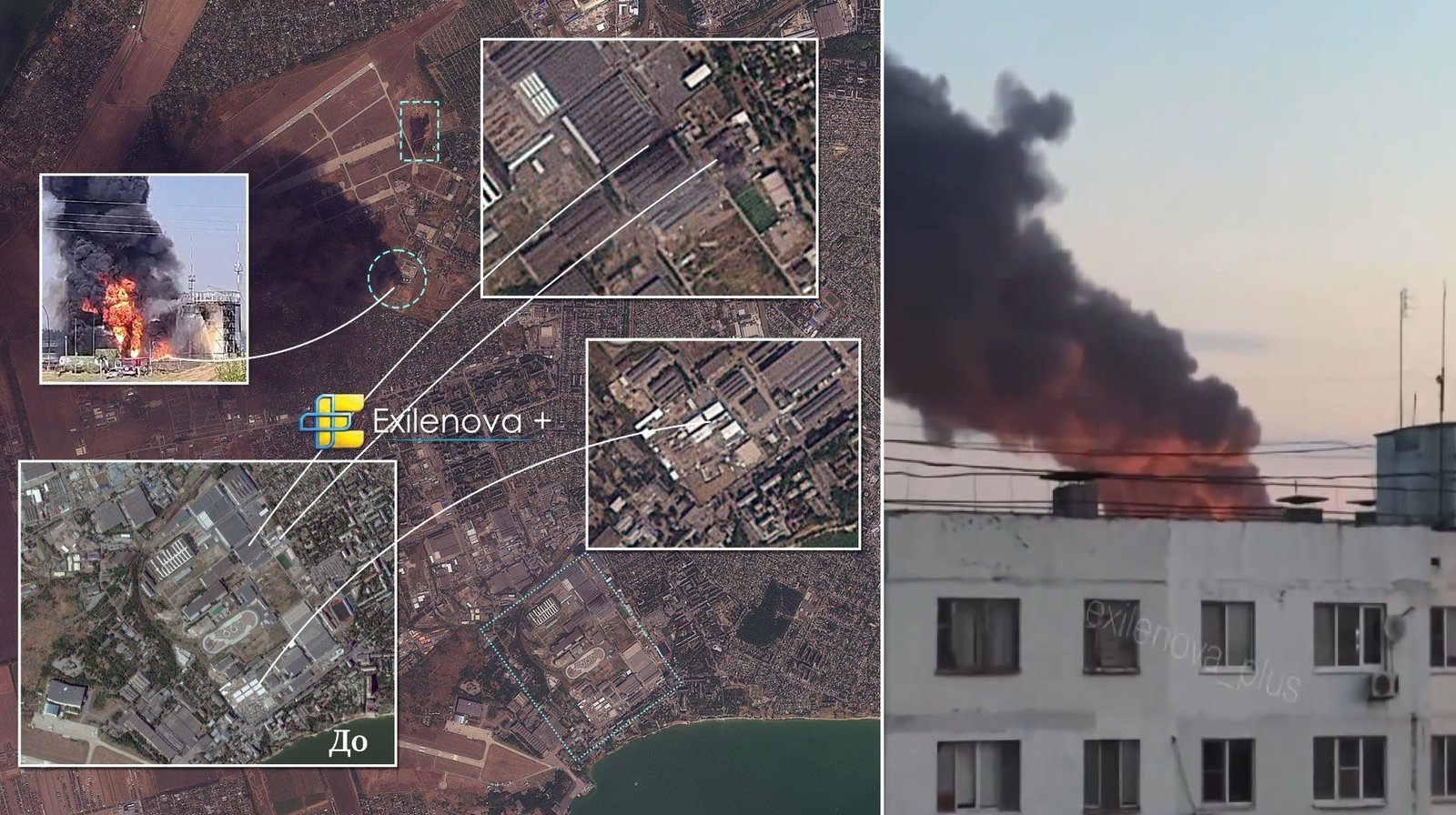 Ukrainian Drones Strike Russian UAV Manufacturer and Chemical Plants in Taganrog and Tolyatti
-
 U.S. Officials Link Chinese Satellite Imagery to Iranian Strike That Killed Three American Soldiers in Jordan
-
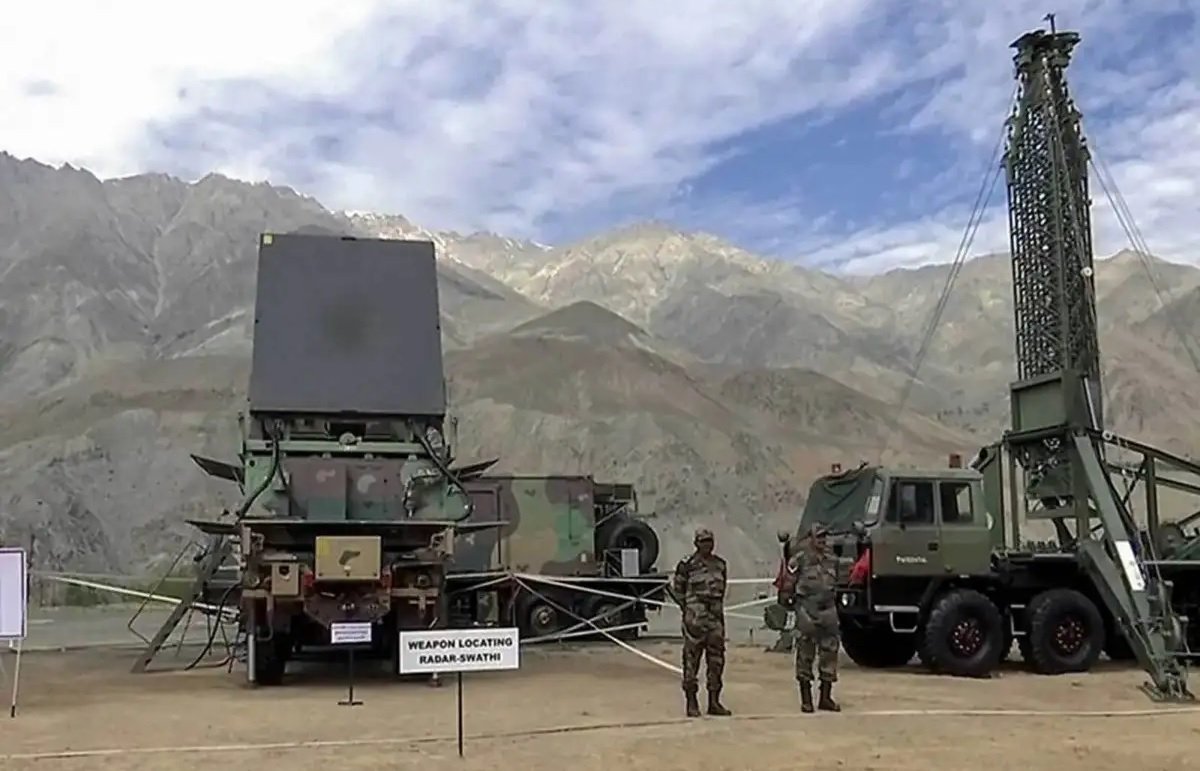 DRDO Demonstrates Indigenous 3.5×3 mm GaN Chip Delivering 30 Watts for Next-Generation Radars and Electronic Warfare
-
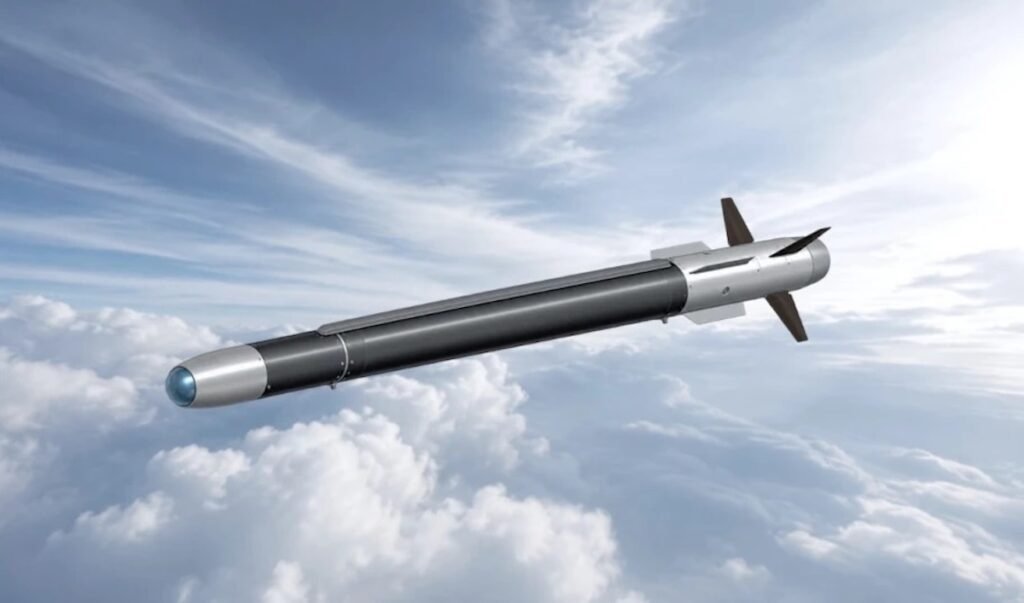 MBDA and Poland’s WITU Advance Low-Cost Supersonic Interceptor Against Swarm Attacks, Seeker Trials Successfully Completed
-
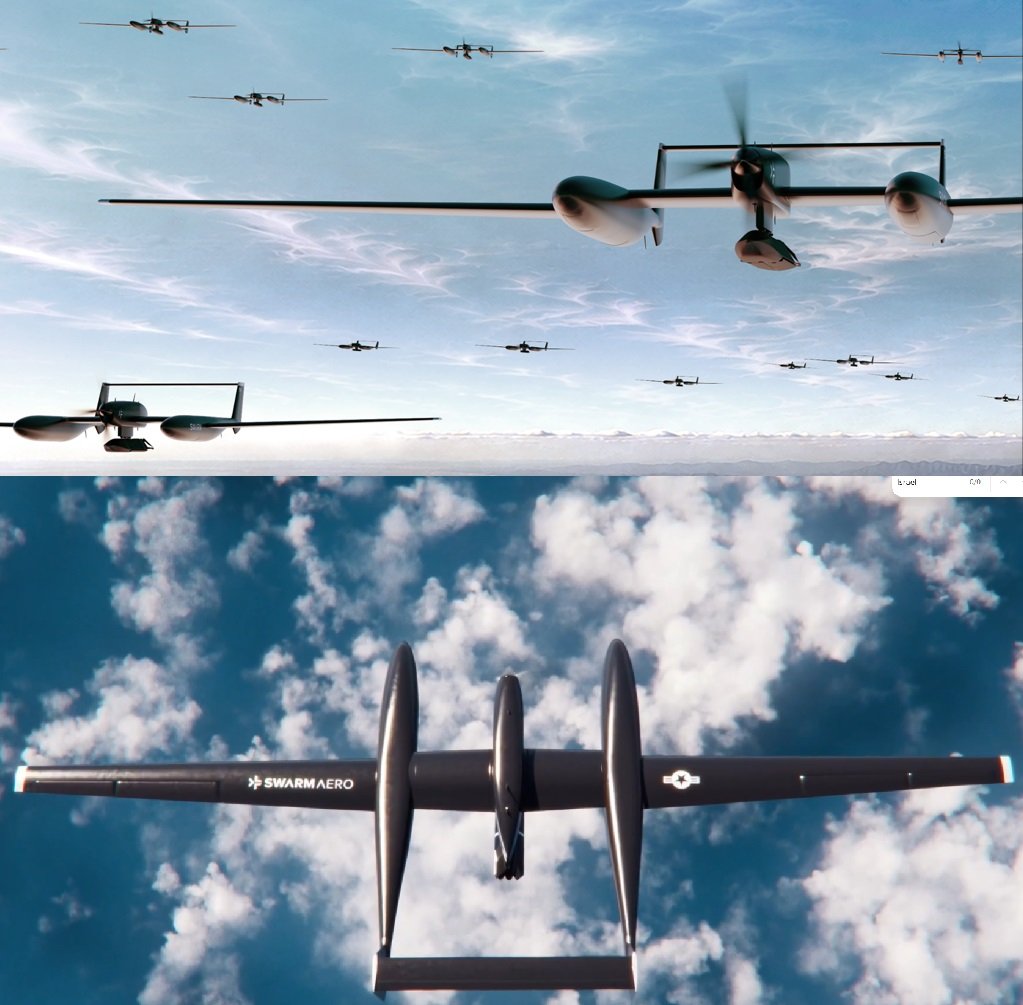 U.S. Firm Swarm Aero Unveils Gamera Group 5 UAS With 9,000-Nautical-Mile Range and Heavy Strike Payload