India
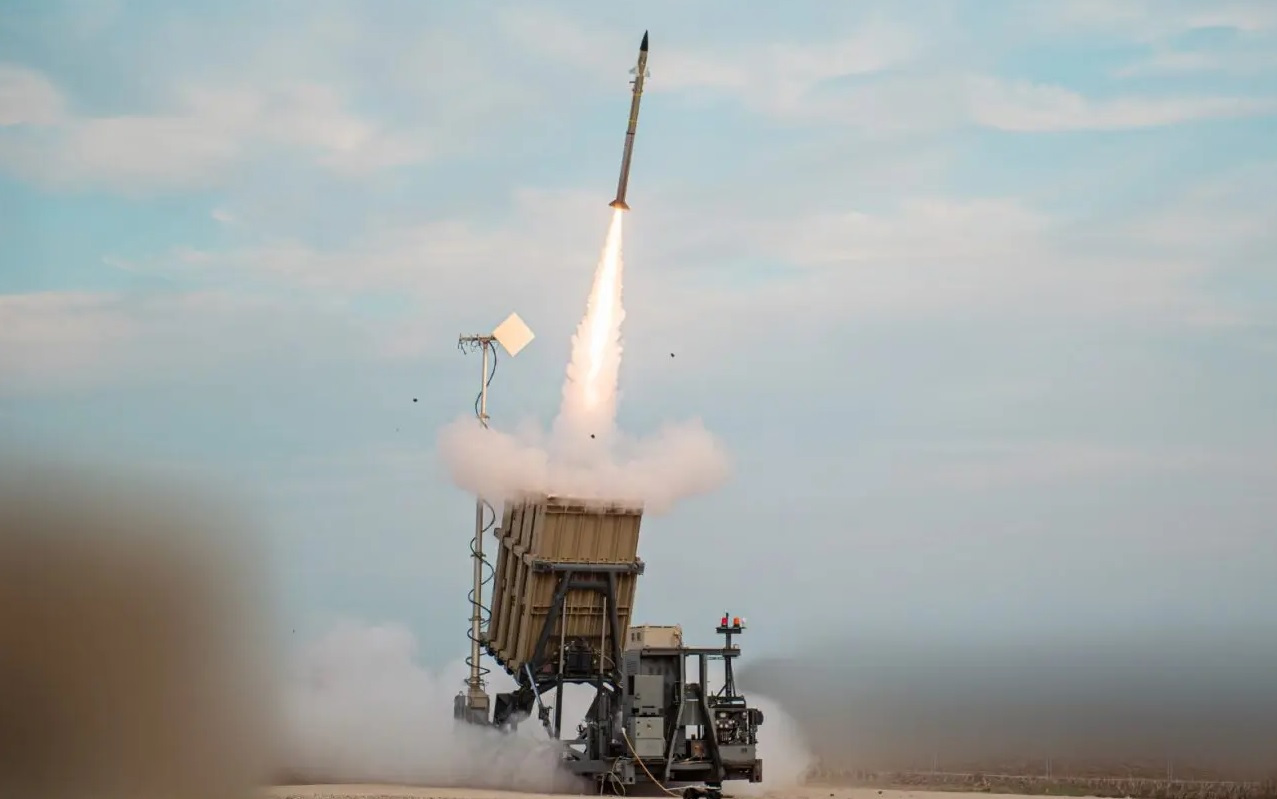
JERUSALEM, Israel, June 27, 2026 — Israeli defence company Rafael Advanced Defense Systems is in discussions with several Indian private-sector defence firms to establish local production of Tamir interceptor missiles, the key missile used in the Iron Dome air defence system. The proposed manufacturing facility would primarily support global export markets while strengthening Rafael's international production network. The initiative is part of Rafael's strategy to expand production beyond its existing partnership with Raytheon in the United States as global demand for the Iron Dome system continues to exceed current manufacturing capacity. The company is seeking to diversify its supply chain by creating an additional production base outside Israel and the United States. Rafael and Raytheon currently manufacture Tamir interceptors through their joint venture, R2S, including a $1.25 billion production facility that opened in Arkansas in November 2025. However, growing domestic requirements in Israel, including multi-billion-dollar orders to replenish missile stockpiles, and deliveries to the U.S. Marine Corps for its Medium-Range Intercept Capability (MRIC) system have placed significant demand on existing production lines. India is being considered as a manufacturing hub due to its expanding defence industrial base, competitive production costs, and ability to provide an alternative supply chain during periods of regional conflict. Manufacturing in India could also help improve production capacity for customers in international markets that existing facilities may not be able to serve. The Tamir interceptor is widely recognized for its relatively low cost, with each missile estimated to cost between $40,000 and $100,000, compared with $2 million to $3 million for a Patriot interceptor. Since entering service in 2011, the Iron Dome system has intercepted more than 1,500 aerial threats while maintaining a success rate of over 90 percent, making it one of the world's most widely used short-range air defence systems. The discussions also reflect India's growing role in the global defence manufacturing sector. The country's investments in indigenous air defence technologies, including the Akashteer air defence command and control system, have strengthened its position as a potential manufacturing and technology partner for international defence companies. Rafael has not disclosed the names of the Indian companies involved or the current stage of the negotiations. If finalized, the partnership would expand production capacity for the Tamir interceptor while further strengthening defence industrial cooperation between India and Israel.
Read More → Posted on 2026-06-27 12:24:46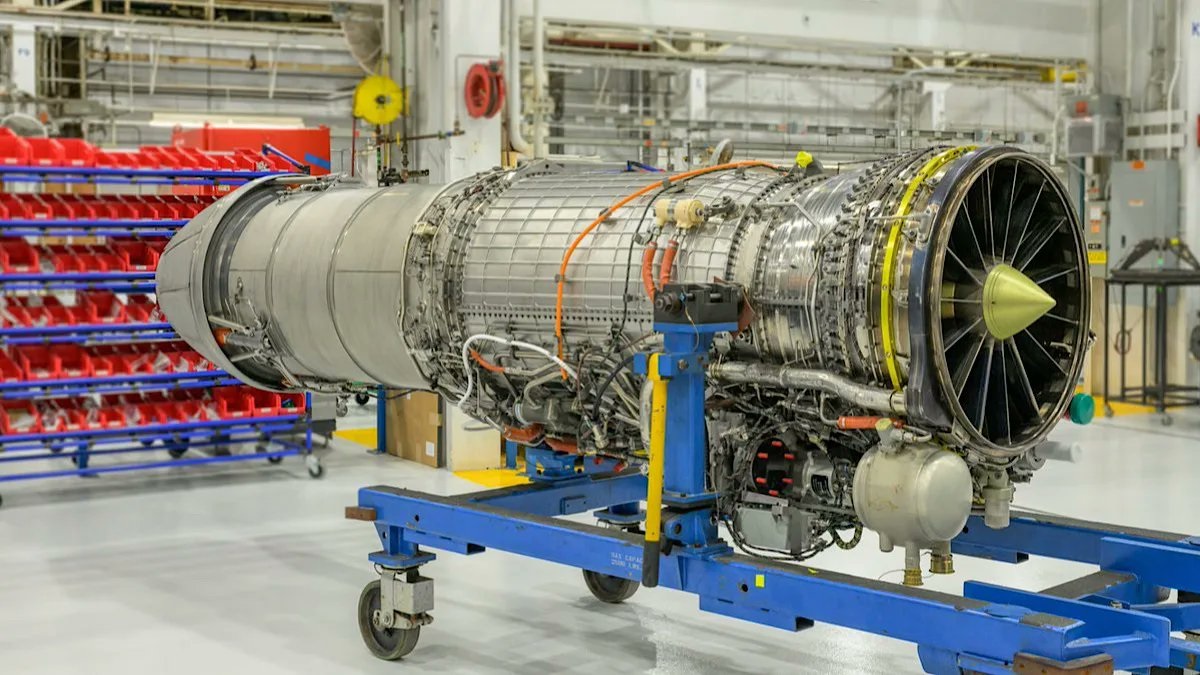
India
NEW DELHI, June 27, 2026 — India's Tejas Mk1A fighter aircraft program has encountered another setback after the sixth GE F404-IN20 engine supplied by GE Aerospace failed mandatory post-delivery acceptance checks at Hindustan Aeronautics Limited (HAL). The issue leaves HAL with only five serviceable engines, further delaying a program already running more than two years behind schedule. The affected engine arrived in May 2026, and the technical defect was identified during HAL's routine inspection process. HAL has informed GE Aerospace and requested immediate corrective action. A technical team from the United States is expected to inspect the engine in India to determine whether it can be repaired locally or requires replacement. The engines are being supplied under a 2021 contract worth approximately Rs 5,375 crore ($716 million) for 99 F404-IN20 engines to power the first 83 Tejas Mk1A fighters. Continued engine supply delays have slowed aircraft production, with around 30 airframes already built or in advanced stages of assembly but awaiting engines before delivery to the Indian Air Force (IAF). HAL has invoked the liquidated damages clause against GE Aerospace over delayed deliveries, while the Ministry of Defence has warned HAL that contractual financial penalties may also be imposed for missing delivery schedules. A follow-on contract for 113 additional F404-IN20 engines, signed in late 2025, will support the production of another 97 Tejas Mk1A aircraft approved by the government. The delays come as the IAF seeks to strengthen its fighter fleet, which currently operates 29 squadrons against a sanctioned strength of 42.5 squadrons. The Tejas Mk1A, featuring an upgraded AESA radar, electronic warfare suite, and improved weapon integration, is expected to play a key role in replacing aging combat aircraft and expanding the Air Force's operational capability. HAL continues work on aircraft assembly, software integration, and resolving remaining technical issues while awaiting additional engine deliveries. A high-level review meeting involving the Ministry of Defence, IAF, and HAL is scheduled for September to assess progress and identify measures to accelerate the Tejas Mk1A program.
Read More → Posted on 2026-06-27 09:59:30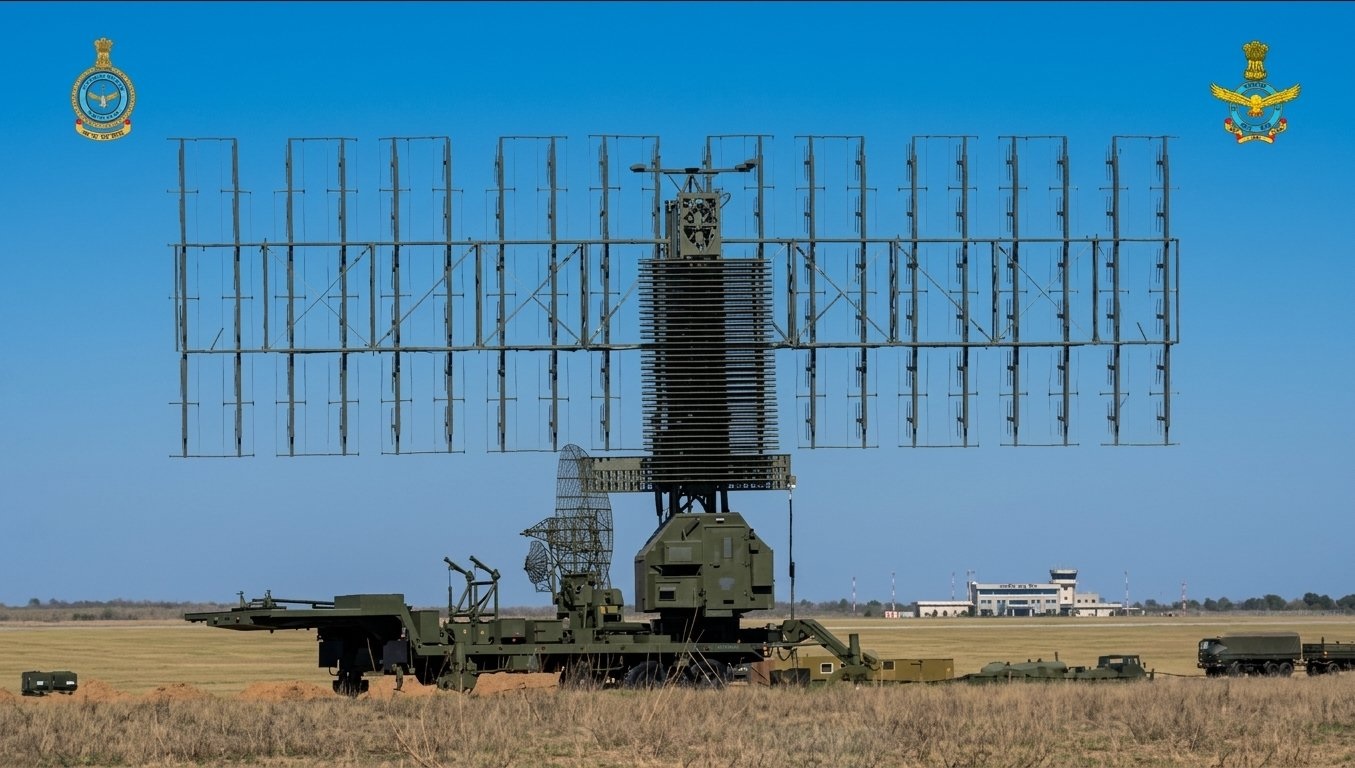
India
NEW DELHI, June 26, 2026 — The Indian Air Force (IAF) has officially inducted the Russian-made 55Zh6ME Nebo-UM Very High Frequency (VHF) radar into its integrated air defence network, strengthening the country's long-range surveillance and early warning capabilities against advanced aerial threats, including stealth aircraft, cruise missiles, and ballistic missiles. The 55Zh6ME Nebo-UM is a highly mobile, three-dimensional phased-array radar that operates exclusively in the VHF frequency band. It is designed to detect and track airborne targets at medium and high altitudes while providing long-range surveillance across large areas. The radar operates in two VHF frequency ranges: 133–144 MHz and 216–225 MHz. Unlike conventional higher-frequency radars, the Nebo-UM uses meter-wavelength radio waves that interact differently with stealth aircraft. These longer wavelengths reduce the effectiveness of radar-absorbent materials and stealth shaping, enabling the radar to detect low-observable aircraft at greater distances. According to available specifications, the system can detect fifth-generation stealth fighters such as China's J-20 and J-35 at ranges exceeding 250 kilometers under suitable operating conditions. The radar also provides long-range detection of cruise missiles and ballistic missiles at distances of up to 600 kilometers, giving air defence units valuable additional time to assess threats and coordinate interception. The system is capable of tracking targets flying at speeds of up to Mach 6.4 and at altitudes exceeding 80 kilometers, allowing it to monitor a broad range of aerial and missile threats. The induction of the Nebo-UM supports the Indian Air Force's ongoing effort to build a multi-layered air defence architecture. VHF radars complement higher-frequency surveillance and fire-control radars by providing early detection of targets with low radar cross-sections. Once detected, the radar can transmit target information to command-and-control centers, enabling other sensors and surface-to-air missile systems to engage the threat. Designed for rapid deployment, the entire Nebo-UM system is mounted on heavy 8×8 wheeled transport vehicles, including the radar antenna, digital signal processing equipment, and onboard diesel power generators. Its high mobility allows operators to quickly relocate the system across difficult terrain, improving survivability against anti-radiation missile attacks and supporting flexible deployment along operational sectors. After deployment, the radar automatically detects and tracks targets, calculates their flight parameters, performs Identification Friend or Foe (IFF) procedures, and transmits real-time data to India's integrated air defence network. The system can operate independently or as part of a larger networked air defence grid. The induction follows earlier observations of a radar resembling the Nebo-UM during the Vayu Shakti 2026 exercise, where it appeared to be operating alongside S-400 air defence assets. While the standard S-400 system uses radars such as the 91N6E Big Bird, the addition of a dedicated VHF early warning radar enhances the overall capability of the air defence network against advanced stealth and long-range missile threats. The Indian Air Force has been steadily modernizing its radar inventory through a combination of indigenous and imported systems. Alongside domestic VHF radar programs, the addition of the Russian 55Zh6ME Nebo-UM expands India's long-range surveillance capability and strengthens situational awareness across its integrated air defence network. Details regarding the number of radar systems inducted and their deployment locations have not been officially disclosed, consistent with standard practices for sensitive military procurements.
Read More → Posted on 2026-06-26 12:46:26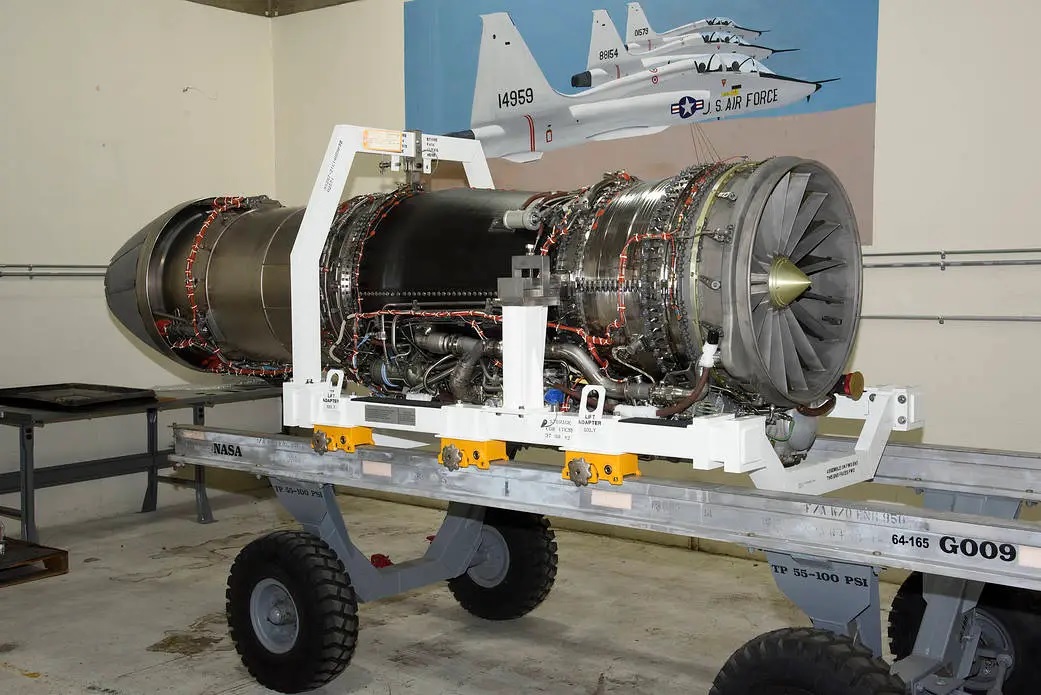
India
New Delhi, June 25, 2026 — Negotiations between Hindustan Aeronautics Ltd. (HAL) and U.S. defense manufacturer GE Aerospace for the co-production of the F414 fighter jet engine are progressing as planned, with sources familiar with the discussions dismissing recent reports suggesting that the talks had reached a deadlock. According to sources, the negotiations between HAL and GE Aerospace remain on track and continue without disruption. Reports indicating that disagreements over pricing, technology transfer, and local manufacturing investments had slowed the programme do not accurately reflect the current status of the HAL-GE discussions. Pricing Concerns Linked to Separate AMCA Discussions Sources clarified that the commercial concerns reported in recent weeks are related to separate negotiations involving the Defence Research and Development Organisation (DRDO) and the Aeronautical Development Agency (ADA) for the Advanced Medium Combat Aircraft (AMCA) prototype programme, and not to the ongoing HAL-GE co-production agreement. In those discussions, the estimated cost of the F414 engine for the AMCA programme reportedly increased from an initial estimate of approximately Rs 70–80 crore per engine to more than Rs 200 crore per unit. The sharp rise has raised concerns over the cost of the AMCA prototype programme, but it has not affected the negotiations between HAL and GE Aerospace. HAL and GE Continue Commercial Negotiations Sources familiar with the matter said HAL and GE Aerospace are continuing discussions on the commercial framework of the programme after both sides achieved significant progress on technical issues earlier this year. In April 2026, HAL and GE Aerospace announced that they had reached agreement on the technical aspects of the F414 co-production programme, marking an important milestone in the project. The current phase of negotiations is focused on finalising commercial arrangements necessary for long-term production in India. The ongoing discussions cover several key areas, including manufacturing and supply arrangements, long-term production planning, implementation of technology transfer, future operational support, and maintenance of spare parts throughout the engine's service life. Officials familiar with the programme said these discussions are progressing steadily, with no immediate disruption expected. Critical Engine for India's Future Fighter Fleet The GE F414 engine is a key component of India's next-generation combat aircraft programmes and is expected to play a central role in the country's future fighter aircraft production. The engine has been selected to power the Tejas Mk-2 Light Combat Aircraft, the initial squadrons of the AMCA Mk-1 stealth fighter, and the Indian Navy's Twin Engine Deck-Based Fighter (TEDBF). The F414 produces approximately 98 kN of thrust with afterburner, providing significantly greater performance than the F404 engine currently powering earlier variants of the Tejas fighter aircraft. The AMCA prototype programme alone is expected to require 15 F414 engines to support five flying prototypes. Over the coming years, India's combined requirement is projected to exceed 200 engines across the Tejas Mk-2, AMCA, and TEDBF programmes. Supporting India's Defence Manufacturing Goals The F414 co-production programme is regarded as a major step toward strengthening India's indigenous defence manufacturing capabilities. The agreement builds upon the long-standing partnership between HAL and GE Aerospace, which already supplies F404 engines for the Tejas Mk-1A programme. The proposed co-production arrangement includes significant technology transfer, enabling greater domestic manufacturing capability while supporting long-term maintenance, repair, and sustainment of future fighter fleets. Reliable engine availability has become increasingly important for HAL's production schedule. Earlier delays in deliveries of GE F404 engines affected production timelines for the Tejas Mk-1A. HAL has stated that deliveries of the Tejas Mk-1A will commence after the completion of final aircraft integration and testing.
Read More → Posted on 2026-06-25 12:02:28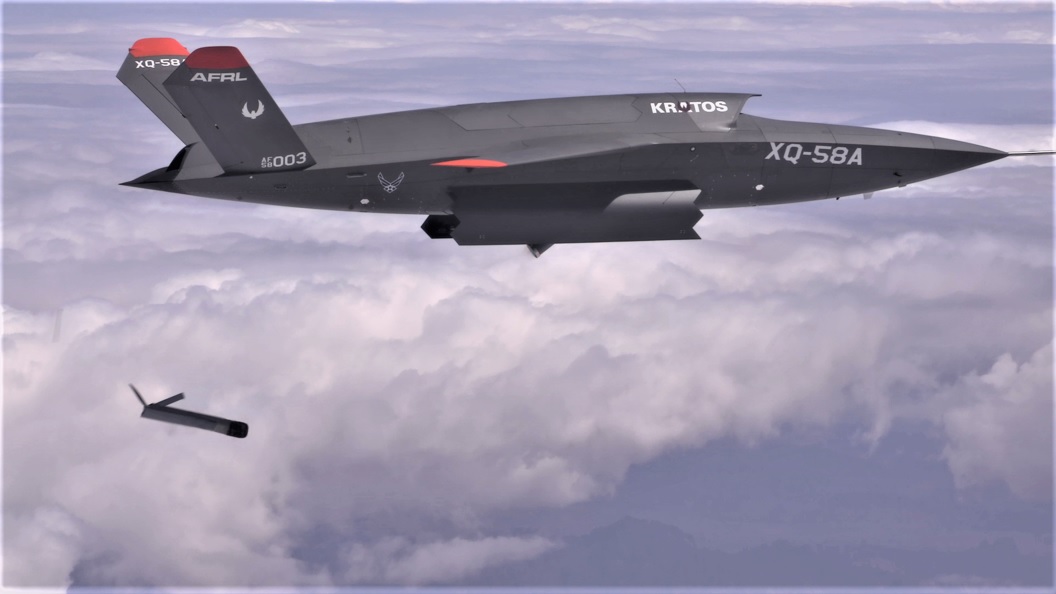
India
NEW DELHI, June 24, 2026 — Anadrone Systems Limited and Kratos Defense & Security Solutions, Inc. have announced a strategic partnership to jointly pursue opportunities in India's rapidly growing market for advanced unmanned and autonomous defence systems. The agreement brings together Anadrone's indigenous development and manufacturing capabilities with Kratos' expertise in tactical unmanned aerial vehicles (UAVs), aerial target systems, and autonomous platforms. The collaboration is aimed at supporting the evolving operational requirements of the Indian Armed Forces and national security agencies while contributing to India's defence modernization efforts. Agreement Signed at Eurosatory 2026 The framework agreement was signed on June 22, 2026, during the Eurosatory 2026 defence exhibition in Paris, establishing a foundation for long-term industrial cooperation between the two companies. Under the partnership, Kratos Defense will provide expertise in tactical UAVs, high-performance aerial target systems, autonomous flight technologies, and mission systems. Anadrone Systems will contribute capabilities in indigenous design, manufacturing, systems integration, flight operations, operational support, and engagement with India's defence ecosystem. The companies stated that the partnership will focus on introducing advanced unmanned capabilities tailored to Indian operational requirements while supporting local production and technology development. Focus Areas of Cooperation The collaboration will explore the development, integration, and localization of a broad range of autonomous and unmanned technologies. Key focus areas include: Aerial Target Systems for weapons testing, validation, and air defence training. Tactical Unmanned Aircraft designed for surveillance, reconnaissance, and frontline operations. Autonomous Mission Systems including command-and-control infrastructure and software solutions for uncrewed platforms. Future Defence Technologies involving research and development of next-generation autonomous capabilities. The companies indicated that additional project-specific details will be announced as the partnership progresses. Supporting India's Defence Modernization Goals The agreement aligns with India's ongoing efforts to strengthen indigenous defence manufacturing under the Aatmanirbhar Bharat initiative. India has increased investments in drones, autonomous systems, and network-centric warfare capabilities in recent years. Unmanned technologies are expected to play an expanding role in intelligence gathering, surveillance, target acquisition, training, and operational effectiveness across multiple domains. By combining international technology expertise with domestic manufacturing and integration capabilities, the partnership aims to support the development of advanced defence solutions within India. Companies Bring Complementary Capabilities Anadrone Systems specializes in the design, development, manufacturing, operation, and support of advanced unmanned systems for defence and security applications. The company has developed capabilities in high-speed aerial targets, tactical UAVs, weapon integration, flight operations, and mission support services. Kratos Defense & Security Solutions is a leading provider of unmanned and autonomous systems and is known for platforms such as the XQ-58A Valkyrie. The company develops tactical drones, aerial target systems, avionics, command-and-control technologies, and mission solutions for the U.S. Department of Defense and allied nations. No financial details or immediate contract awards were disclosed as part of the announcement. The agreement establishes a framework for future cooperation in technology development, localization, manufacturing, and operational support for India's growing unmanned defence sector.
Read More → Posted on 2026-06-24 10:40:55
India
NEW DELHI, June 24, 2026 — British aerospace company Rolls-Royce has formally submitted its final proposal to jointly design, develop, and manufacture a new 120 kN-plus thrust fighter engine for India’s fifth-generation Advanced Medium Combat Aircraft (AMCA) programme. The offer includes a 100 percent transfer of technology (ToT) and provides that all intellectual property (IP) generated during the programme will remain with India. The proposal places Rolls-Royce in direct competition with French defence company Safran for the engine that will power the AMCA Mk2, the advanced phase of India’s indigenous stealth fighter programme. According to Rolls-Royce, the proposed engine will be a completely new design developed in India through a joint effort, while leveraging the company’s extensive aero-engine expertise and background intellectual property accumulated over more than 80 years of engine development. Development Timeline Rolls-Royce has outlined a development roadmap linked to the signing of a contract by the end of 2026. Under the proposed schedule: 2030: Testing of the engine core, including the hot section. 2034: First flight test of the new engine. 2036: Commencement of full-scale serial production. The timeline is broadly aligned with the AMCA programme schedule, which aims for operational induction of the aircraft around 2035-36. Sashi Mukundan, Executive Vice President (Transformation) for Rolls-Royce India, stated that the company’s proposal is designed to support India’s long-term objective of developing indigenous fighter engine capabilities while retaining ownership of all newly generated intellectual property. Proposal Includes Full Technology Transfer A key element of the offer is Rolls-Royce’s commitment to provide 100 percent technology transfer for the programme. Under the proposed arrangement, India would gain access to critical engine technologies and manufacturing know-how required for future upgrades, production, maintenance, and lifecycle support. Mukundan said that Rolls-Royce would contribute its existing technical knowledge and background IP to accelerate development while ensuring that intellectual property created through the programme remains under Indian ownership. He also highlighted the company's experience in aero-engine development, stating that Rolls-Royce has introduced a new engine design approximately every 18 months over the past three decades. India as a Global Propulsion Hub Beyond the AMCA engine project, Rolls-Royce has proposed establishing India as its fourth global propulsion hub alongside the United Kingdom, the United States, and Germany. The company’s vision includes creating a comprehensive propulsion ecosystem covering: Engine design and development Prototyping and testing Manufacturing Maintenance, Repair and Overhaul (MRO) Lifecycle support and upgrades The proposed infrastructure would support not only military aviation programmes but also civil aerospace, naval propulsion, coast guard requirements, army applications, and land-based power generation systems. According to Rolls-Royce, the ecosystem would enable India to manage a broad range of propulsion requirements domestically while supporting future export opportunities and industrial growth. AMCA Engine Requirement The AMCA programme is being developed in two phases. The AMCA Mk1 will be powered by the American GE F414 engine, which has also been selected for the Tejas Mk2 fighter. GE’s agreement with Hindustan Aeronautics Limited (HAL) includes an 80 percent technology transfer package for local production. However, defence industry observers note that the GE arrangement is primarily focused on licensed manufacturing rather than full engine development capability. For the AMCA Mk2, India requires a more powerful engine in the 110-130 kN thrust class to achieve key fifth-generation fighter capabilities such as supercruise performance, increased payload capacity, and enhanced mission endurance. This requirement has narrowed the competition to Rolls-Royce and Safran. Competition with Safran Rolls-Royce’s proposal comes amid ongoing evaluations by Indian defence authorities of competing offers from Safran. Mukundan argued that only a limited number of companies globally possess a proven record of independently developing advanced fighter engines. He stated that Rolls-Royce’s long history of engine design and production provides a strong foundation for a joint development programme with India. He also pointed to Dassault Aviation’s selection of Rolls-Royce engines for its latest Falcon business jets as an example of the company’s technological capabilities and international market presence. Indian defence planners are expected to assess the competing proposals based on technology transfer, development timelines, industrial participation, cost considerations, and long-term strategic benefits. Strategic Significance The selection of a development partner for the AMCA Mk2 engine is regarded as one of the most important decisions for India's military aerospace sector. A successful co-development programme would help India reduce dependence on foreign propulsion systems and strengthen domestic capabilities in one of the most complex areas of aerospace engineering. Defence sources indicate that delays in finalising a partner for the 120 kN-class engine could increase reliance on additional GE F414 engines for future aircraft production. As a result, the ongoing negotiations are expected to play a significant role in determining India's progress toward self-reliance in advanced military aviation technologies. The Ministry of Defence, DRDO, and other stakeholders are expected to continue evaluating the competing offers in the coming months before making a final decision on the AMCA Mk2 propulsion programme.
Read More → Posted on 2026-06-24 10:00:56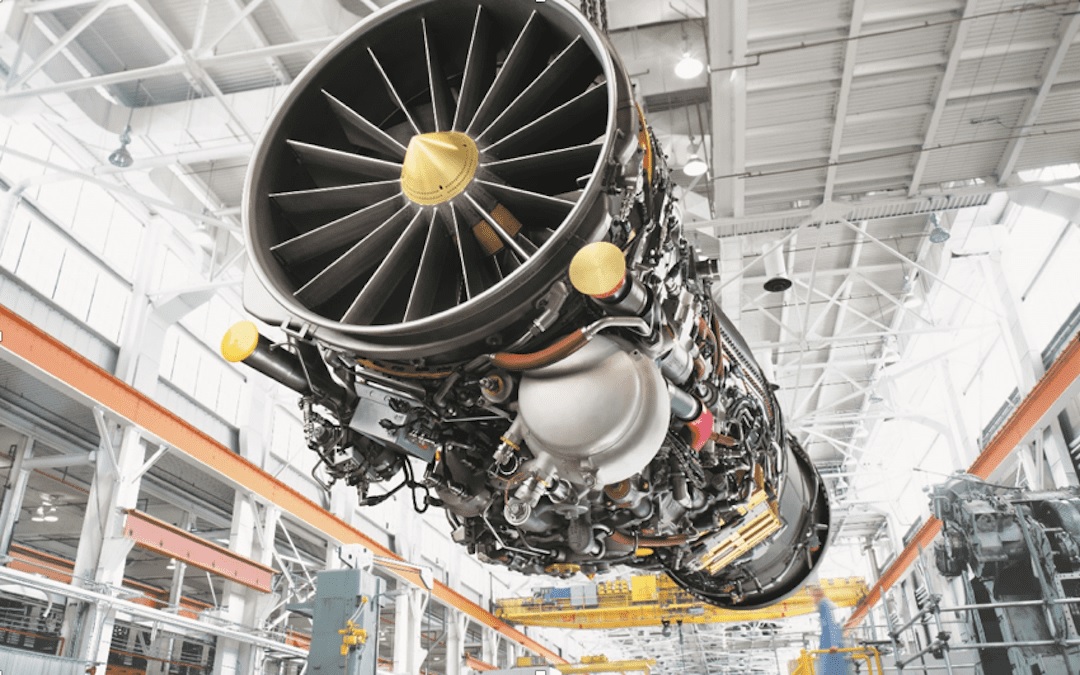
India
NEW DELHI, June 24, 2026 — Negotiations between India and the United States for the co-production of General Electric (GE) F414 fighter jet engines have encountered a major obstacle after a sharp increase in proposed costs stalled commercial discussions between Hindustan Aeronautics Limited (HAL) and GE Aerospace. The development has prompted the Defence Research and Development Organisation (DRDO) and the Aeronautical Development Agency (ADA) to evaluate alternative engine suppliers as India seeks to secure powerplants for its future combat aircraft programmes. The GE F414-INS6 engine was selected to power the Light Combat Aircraft (LCA) Tejas Mk2, the initial variants of the Advanced Medium Combat Aircraft (AMCA Mk1), and the Indian Navy's Twin Engine Deck-Based Fighter (TEDBF). The proposed agreement, first announced during Prime Minister Narendra Modi's visit to the United States in 2023, was intended to establish local manufacturing of the engine in India with substantial technology transfer. While technical discussions between HAL and GE have largely been completed, including plans for technology transfer reportedly reaching up to 80 percent in phases, commercial negotiations have stalled over pricing. Sharp Increase in Engine Costs Initial estimates placed the cost of each GE F414-INS6 engine at approximately ₹70 crore to ₹80 crore. However, during recent commercial negotiations, GE reportedly revised its pricing to more than ₹200 crore per engine, representing an increase of nearly 300 percent. In addition to the higher per-unit cost, GE has reportedly sought an investment of around ₹6,000 crore (approximately $800 million) to establish a dedicated assembly and manufacturing line in India. According to industry sources, the company has cited global supply chain disruptions, inflation, shortages of aerospace-grade materials, and broader geopolitical pressures affecting production as factors behind the increased costs. HAL and GE had originally aimed to finalize the agreement by March 2026, with local production expected to begin within two years of contract signing and the first Indian-manufactured engines entering production around 2029. Impact on India's Fighter Aircraft Programmes The F414 engine forms a critical part of India's fighter aircraft modernization plans. The engine was selected as the primary powerplant for the Tejas Mk2 and as an interim solution for the AMCA Mk1 until a future higher-thrust engine becomes available. The AMCA prototype programme alone is expected to require approximately 15 engines to support five flying prototypes. India's long-term requirement is projected to exceed 200 engines across multiple programmes. Aircraft Programme Thrust Category Intended Powerplant LCA Tejas Mk2 95–100 kN GE F414 AMCA Mk1 95–100 kN GE F414 (interim solution) TEDBF 95–100 kN GE F414 The F414 is a further development of the F404 engine currently powering Tejas aircraft. It provides higher thrust, improved fuel efficiency, greater reliability, and increased electrical power generation for advanced avionics and mission systems. DRDO Reviews Alternative Options The pricing dispute has led DRDO and ADA to begin assessing alternative engine options for both immediate and long-term requirements. Although the Tejas Mk2, AMCA Mk1, and TEDBF designs are currently based around the F414's dimensions and performance characteristics, Indian officials are exploring alternative partnerships to reduce dependence on a single supplier and ensure programme timelines remain on track. The current situation has also renewed interest in European engine manufacturers, particularly France's Safran and the United Kingdom's Rolls-Royce. Safran has been engaged in discussions with India regarding future combat engine cooperation and potential joint development efforts involving DRDO's Gas Turbine Research Establishment (GTRE). Rolls-Royce has proposed a new-generation combat engine programme for India, including technology transfer, local manufacturing, and joint development arrangements aimed at meeting future Indian fighter aircraft requirements. Renewed Attention on the EJ200 Family The ongoing negotiations have also brought renewed attention to the Eurofighter Typhoon's EJ200 engine family, which previously competed against the F414 during India's fighter engine evaluations. The EJ200 currently produces around 90 kN of afterburning thrust. However, the engine's long-term EJ2x0 growth roadmap envisioned substantial performance improvements. Under the first stage of the roadmap, thrust was expected to increase to approximately 103 kN with around 72 kN dry thrust. A second-stage growth version targeted approximately 120 kN of afterburning thrust and around 78 kN of dry thrust. These projected figures place advanced EJ200-derived concepts close to the thrust requirements sought by India for current and future combat aircraft programmes. However, such upgraded variants remain developmental concepts and would require significant investment, testing, certification, and production commitments before entering service. Strategic Significance The F414 co-production initiative remains one of the most important defence-industrial projects under the broader India-US strategic partnership. The programme was expected to strengthen India's aerospace manufacturing base while providing access to advanced fighter engine technologies. At the same time, the current negotiations reflect India's broader objective of balancing foreign technology acquisition with indigenous capability development and long-term self-reliance in critical defence technologies. Sources indicate that discussions with GE Aerospace continue, while parallel assessments of alternative options are underway. Any eventual resolution—whether through revised commercial terms with GE or the selection of alternative partners—will have significant implications for the timelines and future development of the Tejas Mk2, AMCA, and TEDBF programmes. For now, the F414 remains the planned engine for India's next generation of indigenous fighter aircraft, but the ongoing pricing dispute has opened the door for competing international proposals as India evaluates the most cost-effective path forward.
Read More → Posted on 2026-06-24 09:53:41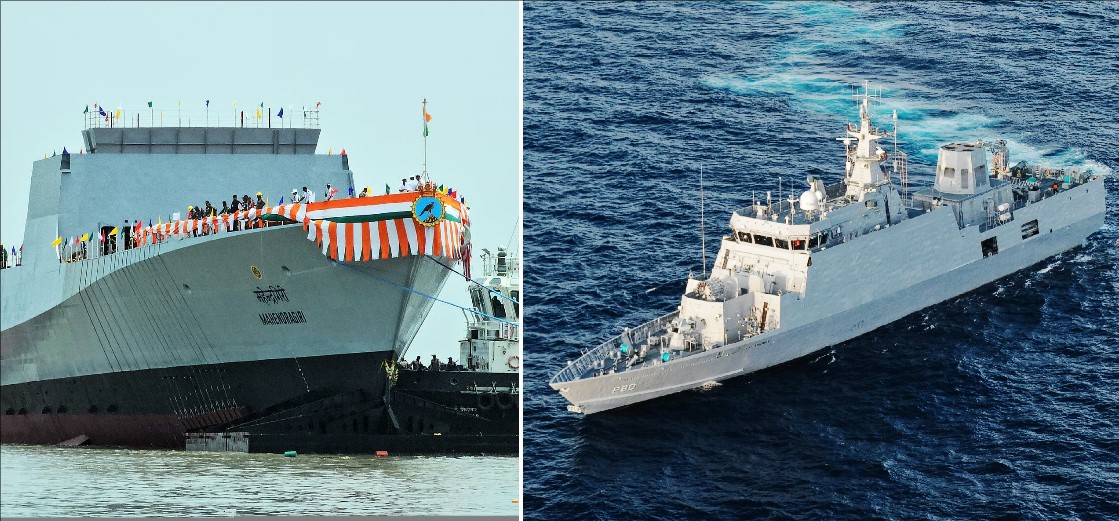
India
New Delhi, — June 22, 2026 : The Indian Navy is set to further strengthen its fleet with the induction of two indigenous warships in July following the recent commissioning of INS Dunagiri, INS Sanshodhak, and INS Agray on June 21, 2026. The stealth frigate INS Mahendragiri will be commissioned at Visakhapatnam under the Eastern Naval Command, while INS Malvan, an Anti-Submarine Warfare Shallow Water Craft (ASW SWC), will join the fleet at Kochi. INS Mahendragiri is the final warship built under the Navy’s Project 17A (Nilgiri-class) programme. Constructed by Mazagon Dock Shipbuilders Limited and delivered on April 30, 2026, the frigate features advanced stealth characteristics, integrated modular construction, and around 75 percent indigenous content. The vessel is equipped with BrahMos anti-ship missiles, Barak-8 surface-to-air missiles, and modern sensors, providing capabilities for anti-air, anti-surface, and anti-submarine warfare operations. INS Malvan is the second vessel in the Navy’s eight-ship ASW SWC programme and was delivered by Cochin Shipyard Limited on March 31, 2026. Designed for operations in shallow coastal waters, the vessel features waterjet propulsion, lightweight torpedoes, anti-submarine rockets, and advanced hull-mounted sonar systems. With over 80 percent indigenous content, the ship is intended to replace the Navy’s aging Abhay-class corvettes and strengthen coastal anti-submarine warfare capabilities. The upcoming inductions continue the momentum created by the recent addition of INS Dunagiri, INS Sanshodhak, and INS Agray to naval service. Together, these platforms enhance the Navy’s ability to conduct maritime surveillance, anti-submarine warfare, coastal security, and blue-water operations across the Indian Ocean Region. The commissioning of INS Mahendragiri and INS Malvan also highlights the progress of India’s indigenous shipbuilding sector and supports the government's Aatmanirbhar Bharat initiative aimed at increasing self-reliance in defence manufacturing.
Read More → Posted on 2026-06-22 11:08:10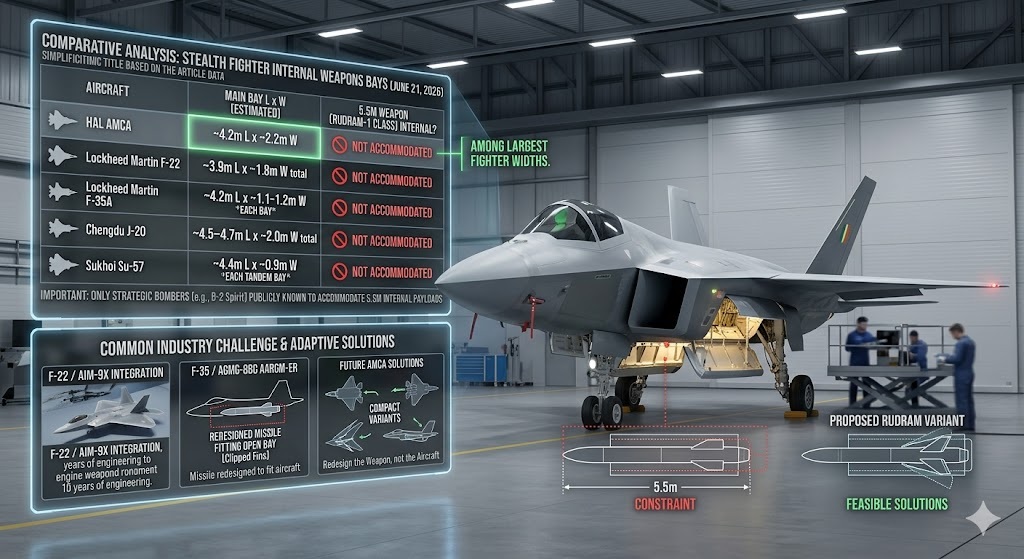
India
June 21, 2026 : Recent criticism of India's Advanced Medium Combat Aircraft (AMCA) has focused on reports that the aircraft's internal weapons bay may not be able to accommodate the approximately 5.5-meter-long Rudram-1 anti-radiation missile in stealth configuration. Critics have portrayed this as a major design limitation. However, a comparison with the world's leading stealth aircraft shows that internal weapon carriage constraints are a common reality across virtually every stealth fighter program. Comparing Internal Weapons Bays of Major Stealth Aircraft Aircraft Main Internal Bay Length Main Internal Bay Width Notes Lockheed Martin F-22 Raptor ~3.9 m (12.8 ft) ~1.8 m (total) One large central main bay plus two side bays for AIM-9 missiles. Lockheed Martin F-35A Lightning II ~4.2 m (13.8 ft) ~1.1–1.2 m (each bay) Two parallel bays sized for 2,000-lb class munitions. Sukhoi Su-57 ~4.4 m (14.4 ft) ~0.9 m (each bay) Two tandem main bays plus two side bays for short-range missiles. Chengdu J-20 ~4.5–4.7 m ~2.0 m (total) One large main bay plus two side bays. Shenyang J-35A ~4.0 m ~0.85 m (each bay) Estimated from subsystem constraints and aircraft size. HAL AMCA ~4.2 m ~2.2 m Reported/estimated from publicly available information. Lockheed Martin F-117 Nighthawk ~4.7 m ~1.7 m Single bay primarily used for laser-guided bombs. Northrop B-2 Spirit ~5.8 m (each bay) ~2.7 m (each bay) Two large bomb bays for strategic payloads. Northrop Grumman B-21 Raider Classified Classified Exact dimensions remain undisclosed. One important detail often overlooked is that the AMCA's reported internal bay width of approximately 2.2 meters is among the largest of any stealth fighter currently known. Only strategic stealth bombers such as the B-2 Spirit are believed to possess significantly larger internal weapon bays. The F-35's two parallel weapon bays should not be interpreted as a combined 2.2-meter-wide compartment. Each bay operates independently and can only accommodate weapons within its individual dimensions. Similarly, the Su-57 employs two separate tandem bays rather than one continuous internal compartment. Which Stealth Aircraft Can Carry a 5.5-Meter Weapon Internally? Based on publicly available estimates, very few stealth aircraft appear capable of carrying a weapon approximately 5.5 meters in length entirely within their internal weapon bays. Among fighter-sized stealth aircraft: F-22 Raptor: No F-35A Lightning II: No J-35A: No Su-57: No based on publicly available estimates J-20: No based on publicly available estimates Among currently known stealth aircraft, only strategic bombers such as the B-2 Spirit are publicly known to possess internal weapon bays large enough to accommodate a 5.5-meter-class weapon. The B-21 Raider's exact bay dimensions remain classified, but it is widely expected to support weapons of comparable size. This means AMCA is far from unique in facing limitations when integrating unusually long weapons. A Common Challenge Across Every Stealth Fighter Program The history of stealth aviation shows that weapon integration challenges are normal and expected. The F-22 Raptor initially could not carry the AIM-9X Sidewinder internally despite being designed as the world's premier air-superiority fighter. Years of engineering work involving software updates, launcher modifications, and testing were required before full internal AIM-9X capability was achieved. Every stealth fighter program must balance internal weapon carriage, stealth, fuel capacity, range, and aerodynamic performance. As new weapons are developed, aircraft manufacturers frequently modify launchers, software, and weapon designs to maintain internal carriage compatibility. This is a normal part of stealth fighter evolution rather than an indication of a flawed aircraft design. The Su-57 faces similar considerations. Its internal bay configuration affects which weapons can be carried internally and influences future weapon integration efforts. The F-35 program provides perhaps the clearest example of how the aerospace industry addresses such challenges. Rather than redesigning the aircraft every time a new weapon is introduced, developers adapt both the weapon and the aircraft. Examples include: The Meteor beyond-visual-range missile received clipped fins to fit within the F-35's internal weapon bay. SPEAR 3 was designed around the F-35's bay dimensions from the beginning. New ejector racks, launchers, software packages, and integration updates continue expanding the range of weapons the aircraft can carry internally. Another example is the AGM-88G AARGM-ER (Advanced Anti-Radiation Guided Missile-Extended Range). Unlike earlier AGM-88 HARM variants, the AARGM-ER was redesigned with a new airframe, revised control surfaces, and a modified layout specifically to enable internal carriage aboard the F-35A and F-35C. The missile received Milestone C approval in 2021 and entered low-rate initial production, with compatibility with the F-35's internal weapon bays being a key design requirement. Rather than redesigning the aircraft to fit the missile, engineers redesigned the missile to fit the aircraft's stealth requirements. Even the F-22 required years of integration work before carrying AIM-9X internally. Internal carriage constraints are therefore not unique to AMCA. They are an industry-wide reality affecting every modern stealth fighter. Why Stealth Aircraft Cannot Have Unlimited Internal Space Stealth aircraft are designed around multiple competing requirements: Low radar cross-section Internal weapon carriage Fuel capacity Aerodynamic performance Structural strength Weight limitations Range and survivability Increasing internal bay length significantly affects aircraft structure, weight distribution, stealth shaping, and aerodynamic efficiency. Every stealth fighter program therefore optimizes its internal weapon bays around expected mission requirements rather than attempting to accommodate every possible future weapon. This is a design tradeoff accepted by all major aerospace powers. The Rudram-1 Question If current reports are accurate and the existing Rudram-1 configuration cannot fit inside the AMCA's internal bay, that does not automatically represent a failure of either the aircraft or the missile. The global aerospace industry has repeatedly solved similar challenges through: Missile redesigns Folding or modified control surfaces Compact internal-carriage variants New launcher systems Software integration updates Future weapons specifically optimized for internal carriage The United States, China, Russia, and European nations have all adopted these approaches when integrating weapons into stealth aircraft. Conclusion Claims that AMCA is fundamentally flawed because it may not carry a 5.5-meter-long Rudram-1 missile internally ignore the realities of stealth fighter development worldwide. The F-22 initially could not carry AIM-9X internally. The F-35 community solved similar challenges by adapting both weapons and aircraft. Meteor received clipped fins to fit the internal bay, SPEAR 3 was designed around F-35 bay dimensions, and the AARGM-ER was redesigned specifically for internal carriage aboard the F-35A and F-35C. The Su-57 also faces internal carriage limitations that influence weapon selection and future integration efforts. In practical terms, the challenge is not unique to India. The United States redesigned the AARGM-ER for internal F-35 carriage, modified Meteor for compatibility with the F-35, and spent years integrating AIM-9X into the F-22. Across the world, stealth aircraft and weapons evolve together. Aircraft are not redesigned for every weapon, and weapons are not frozen in their original configuration. Internal carriage constraints are a common feature of stealth fighters, not proof that a program is "dead on arrival." If a current Rudram variant does not fit inside AMCA's weapon bay, the solution remains the same one adopted by every major aerospace power: redesign the weapon, modify the launcher, develop a compact variant, or adapt the integration package. Viewed in a global context, AMCA's reported internal weapons bay dimensions of approximately 4.2 meters in length and 2.2 meters in width remain highly competitive among fighter-sized stealth aircraft. The inability to carry a specific 5.5-meter weapon internally says more about the size of the weapon than it does about the viability of the aircraft itself.
Read More → Posted on 2026-06-21 17:18:48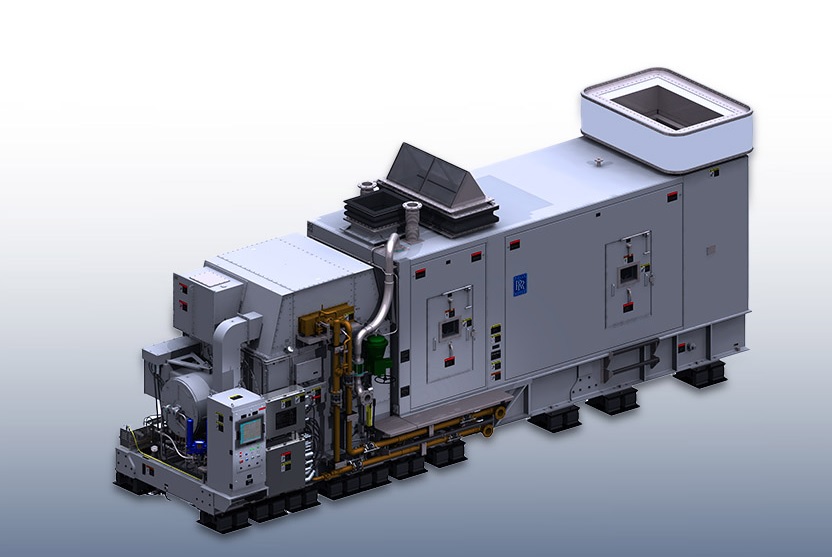
India
New Delhi, — June 19, 2026 : The Ministry of Defence (MoD) has signed a ₹425 crore contract with Pune-based Bharat Forge Limited for the supply of 12 sets of 1.25 MW Marine Gas Turbine Generators (MGTGs) for the Indian Navy. The agreement was signed in New Delhi in the presence of Defence Secretary Rajesh Kumar Singh and has been awarded under the Buy (Indian) category of the Defence Acquisition Procedure (DAP) 2020, requiring a minimum of 60 percent indigenous content. Kalyani Strategic Systems Limited (KSSL), the defence arm of Bharat Forge, will serve as the production and integration partner for the programme. Power Generation for Naval Combatants The 1.25 MW Marine Gas Turbine Generators (MGTGs) are auxiliary systems designed to generate electrical power onboard naval vessels. Unlike propulsion gas turbines that drive warships, these generators provide electricity for critical ship systems, including combat networks, sensors, communications equipment, and weapons systems. According to reports, the first indigenous gas turbine-based generator sets are expected to be installed on the Indian Navy’s Kolkata-class destroyers as part of fleet modernization efforts. Building Indigenous Naval Capability The contract is expected to be executed over five years and aims to establish domestic capability for manufacturing, integration, testing, maintenance, repair, and overhaul (MRO) of strategic naval power-generation systems. As part of the programme, Bharat Forge will establish a dedicated marine gas turbine generator integration and testing facility in Pune. The initiative is also expected to strengthen local maintenance and life-cycle support capabilities, reducing dependence on foreign suppliers for sustainment of critical naval equipment. Expanding Marine Gas Turbine Infrastructure The contract marks Bharat Forge’s entry into the marine gas turbine generator segment. Earlier in May 2026, the company signed a Memorandum of Understanding (MoU) with the Andhra Pradesh government to establish a private-sector marine gas turbine repair, overhaul, and indigenous development facility in Visakhapatnam. The facility, located within the state's Defence Manufacturing Corridor, is expected to create around 750 direct and indirect jobs. The programme is also expected to support future indigenous development of higher-capacity naval power plants and marine gas turbine technologies for upcoming defence requirements.
Read More → Posted on 2026-06-19 14:42:36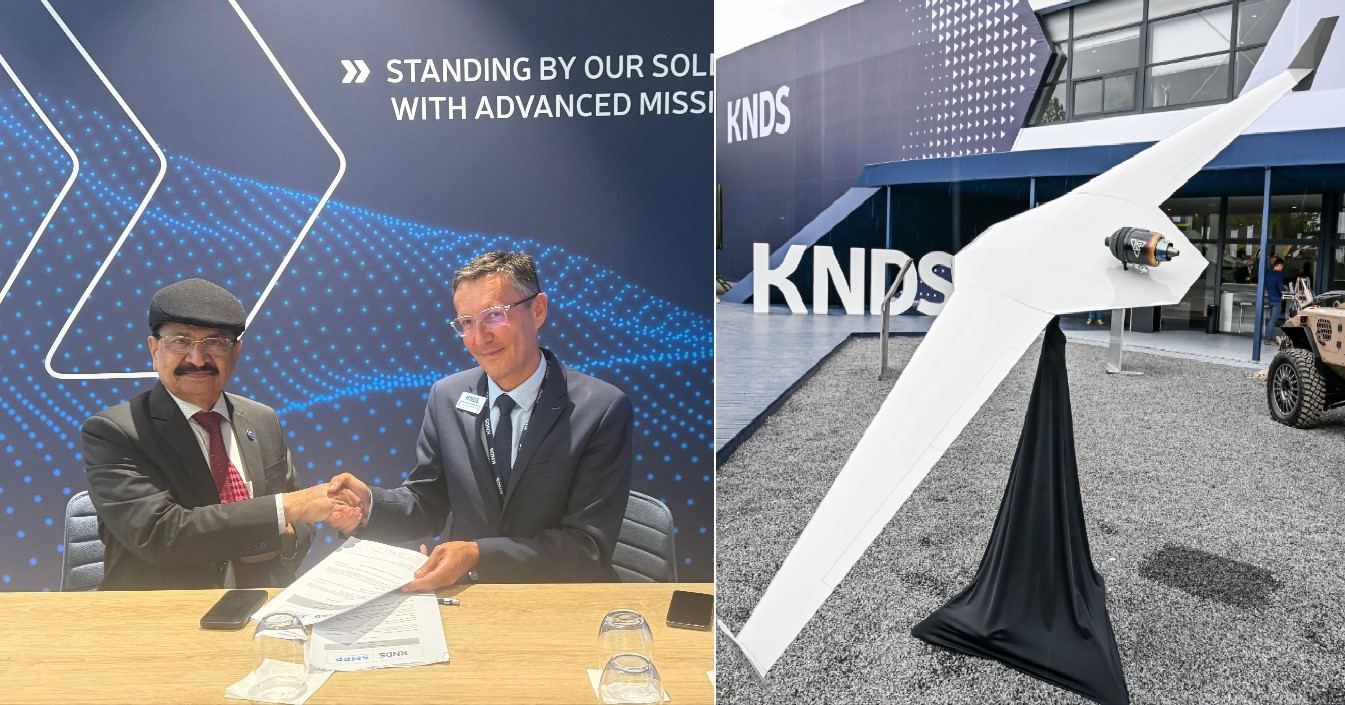
India
PARIS, — June 18, 2026 : Indian defence and aerospace company SMPP has signed a strategic teaming agreement with European land systems group KNDS to jointly manufacture advanced loitering munitions and drone systems in India. The agreement was signed at the Eurosatory 2026 defence exhibition in Paris and will be executed through SMPP’s subsidiary, SMPP Ammunition. The partnership covers the production of KNDS’ VELOCE and RODEUR loitering munition systems, along with the ISTAR (Intelligence, Surveillance, Target Acquisition and Reconnaissance) family of drones. The programme combines technology transfer with local manufacturing and supports India's Make in India and Aatmanirbhar Bharat initiatives. Focus on Indian Army Requirements The collaboration is aimed at meeting the Indian Armed Forces’ growing requirement for advanced loitering munitions and precision-strike systems. The Indian Army has been pursuing the acquisition of such systems across multiple payload and range categories. The requirement gained momentum after the Defence Acquisition Council (DAC) granted an Acceptance of Necessity (AoN) in December 2025 for an initial procurement programme valued at approximately ₹2,000 crore. The importance of these systems was further highlighted following Operation Sindoor in May 2025. Under the agreement, SMPP and KNDS will initially focus on providing the Indian Army with an integrated search-and-destroy capability designed to engage high-value targets in contested environments. VELOCE and RODEUR Systems The MV-100 VELOCE, developed by KNDS and EOS Technologie, is a fixed-wing loitering munition designed for anti-armour and medium-range missions. Launched by catapult and powered by a turbine engine, it offers speeds between 200 km/h and 400 km/h, an endurance of 30 minutes, and a range of up to 100 kilometres. It carries a 2.5 kg Explosively Formed Penetrator (EFP) warhead optimized for top-attack engagements against armoured vehicles. The RODEUR loitering munition is designed for long-range strike missions, offering an endurance of up to five hours and a strike range of up to 500 kilometres. It is also equipped with an EFP warhead. The agreement additionally includes KNDS’ ISTAR drone family, which provides intelligence, surveillance, target acquisition and reconnaissance capabilities. Both VELOCE and RODEUR use a hybrid guidance architecture combining Global Navigation Satellite System (GNSS) receivers with an Inertial Navigation System (INS), allowing operation in electronically contested environments. A single command-and-control system can manage up to 30 munitions simultaneously. Expanding Defence Cooperation The agreement marks the second major collaboration between SMPP and KNDS within seven months. In November 2025, the two companies signed an agreement at the Milipol exhibition in Paris to manufacture the KATANA 155 mm precision-guided artillery munition in India. SMPP is an Indian manufacturer specializing in ammunition, ballistic protection systems and unmanned technologies. KNDS, formed through the merger of Nexter and Krauss-Maffei Wegmann (KMW), is one of Europe’s leading land systems companies. The localisation of VELOCE, RODEUR and ISTAR production is expected to strengthen India’s defence manufacturing base and reduce reliance on imported tactical munitions while supporting the operational requirements of the Indian Armed Forces.
Read More → Posted on 2026-06-18 14:56:03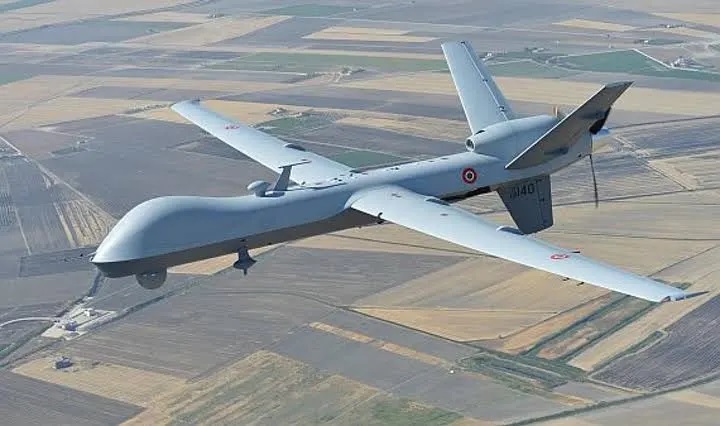
India
NEW DELHI, — June 17, 2026 : The Ministry of Defence has received 10 bids from Indian public and private sector companies for the production of 87 Medium-Altitude Long-Endurance (MALE) Unmanned Combat Aerial Vehicles (UCAVs) for the Indian Air Force (IAF). The project, valued at over ₹30,000 crore, is one of India's largest indigenous drone procurement programs. The bidding process officially closed on June 16, after the ministry extended the deadline twice to allow participating companies additional time to prepare their proposals. The program is being conducted under the Indigenously Designed, Developed and Manufactured (Buy Indian-IDDM) category, supporting the government's efforts to strengthen domestic defence manufacturing and reduce reliance on foreign suppliers. Major companies that submitted bids include Hindustan Aeronautics Limited (HAL), Tata Advanced Systems Limited (TASL), Larsen & Toubro (L&T), Adani Defence Systems Limited, Solar Defence and Aerospace Limited, and Raphe mPhibr Ltd., along with other competing firms. To ensure production capacity and reduce supply chain risks, the defence ministry is expected to divide the contract between the two lowest bidders, likely in a 64:36 ratio, creating two separate production lines in India. While the initial requirement is for 87 drones, future procurement plans could expand the fleet to more than 300 UCAVs. The MALE UCAVs will operate at altitudes between 10,000 and 30,000 feet and are expected to remain airborne for extended periods exceeding 24 hours. The drones will primarily conduct intelligence, surveillance, and reconnaissance (ISR) missions and will be equipped with Synthetic Aperture Radar (SAR), electro-optical sensors, and secure SATCOM systems. In addition to surveillance roles, the platforms will be capable of carrying indigenous missile systems for precision strike missions, enhancing the IAF's operational capabilities. The new fleet will support surveillance and security operations along the borders with China and Pakistan, while also strengthening long-range maritime monitoring in the Indian Ocean Region. The program marks a significant step in India's transition from imported drone systems toward domestically developed and manufactured unmanned combat aircraft.
Read More → Posted on 2026-06-17 17:05:54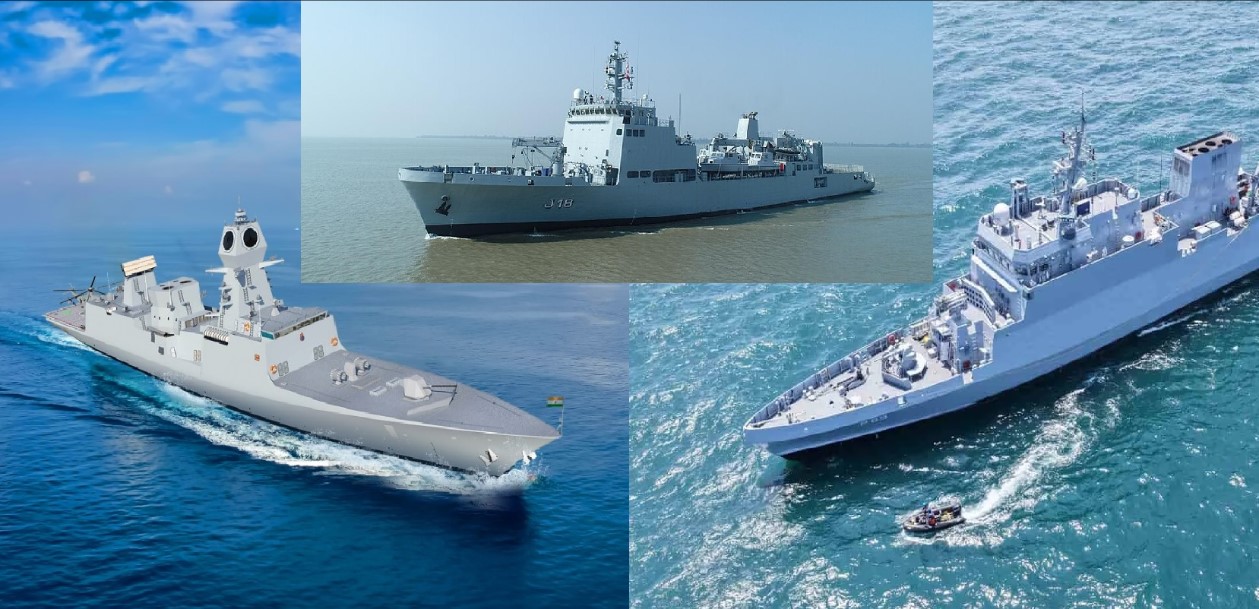
India
KOLKATA, — June 17, 2026 : The Indian Navy is set to commission three indigenously built warships—INS Dunagiri, INS Agray, and INS Sanshodhak—during a joint ceremony at Garden Reach Shipbuilders & Engineers (GRSE) in Kolkata later this week. The simultaneous induction of the three vessels marks a significant milestone in India's naval modernization program and reflects the growing capabilities of the country's domestic shipbuilding industry under the Aatmanirbhar Bharat initiative. The commissioning ceremony is expected to be attended by senior Union government dignitaries and may coincide with Prime Minister Narendra Modi’s scheduled visit to Kolkata on June 21. The event will be only the second instance in recent years in which three major frontline naval platforms enter service together. The previous such occasion occurred in January 2025 when INS Surat, INS Nilgiri, and INS Vaghsheer were commissioned in Mumbai. The three vessels were designed and built in India and recently delivered by GRSE, one of the country's leading defence shipyards. Together, they will enhance the Navy’s capabilities in surface warfare, anti-submarine operations, hydrographic surveying, and maritime domain awareness across the Indian Ocean Region. INS Dunagiri: Project 17A Stealth Frigate The most capable combat platform among the three vessels is INS Dunagiri, the fifth Project 17A Nilgiri-class stealth frigate and the second ship of the class constructed by GRSE. Designed by the Indian Navy’s Warship Design Bureau, the frigate represents an advancement in indigenous warship design, featuring improved stealth characteristics, automation, survivability, and combat capability. The vessel measures 149 metres in length, has a beam of 17.8 metres, and displaces approximately 6,670 tonnes. INS Dunagiri is powered by a Combined Diesel or Gas (CODOG) propulsion system with controllable pitch propellers and an Integrated Platform Management System, enabling efficient operations and reduced crew workload. The warship can achieve speeds of up to 32 knots and has an operational range of around 5,500 nautical miles. Its weapons suite includes BrahMos supersonic cruise missiles, Barak-8 Medium Range Surface-to-Air Missiles (MRSAM), a 76 mm naval gun, AK-630 close-in weapon systems, anti-submarine torpedoes, and rocket launchers. The frigate is equipped with advanced sensors such as the EL/M-2248 MF-STAR AESA radar and HUMSA-NG sonar, providing enhanced surveillance and threat detection capabilities. The vessel has around 75 percent indigenous content, highlighting the growing contribution of domestic industries. GRSE delivered the ship in 80 months, improving significantly upon the 93 months required for the lead vessel of the class, INS Nilgiri. The frigate is also capable of operating naval helicopters, including the HAL Dhruv Advanced Light Helicopter and Sea King helicopters. Two additional Project 17A frigates, INS Mahendragiri and INS Vindhyagiri, are expected to join the fleet in the future. INS Agray: Arnala-Class Anti-Submarine Warfare Craft The second vessel being commissioned is INS Agray, the fifth ship of the Arnala-class Anti-Submarine Warfare Shallow Water Craft (ASW-SWC) program. The 16-ship project was approved in 2013 to strengthen the Navy’s ability to detect and engage submarines operating in coastal and shallow waters. INS Agray measures approximately 77.6 metres in length and displaces around 900 tonnes. It is among the largest Indian naval vessels powered by water-jet propulsion, a system that provides high maneuverability while reducing underwater noise signatures, making it particularly suitable for anti-submarine missions. Powered by three marine diesel engines, the vessel can reach speeds of up to 25 knots and has a range of approximately 1,800 nautical miles. The craft is equipped with advanced hull-mounted sonar, variable depth sonar systems, lightweight torpedoes, and indigenous anti-submarine rocket launchers. The vessel also incorporates a combat management system optimized for tracking and engaging underwater threats in littoral environments. It accommodates a crew of 57 personnel and carries a rigid-hulled inflatable boat for operational support missions. Earlier this month, the Navy unveiled the ship’s crest, inspired by Arjuna’s legendary bow, Gandiva, symbolizing precision and strength. The induction of INS Agray comes at a time when submarine activity across the Indian Ocean Region continues to increase, reinforcing the need for dedicated coastal anti-submarine assets. INS Sanshodhak: Advanced Hydrographic Survey Vessel Completing the trio is INS Sanshodhak, the fourth and final vessel of the Sandhayak-class Survey Vessel (Large) program. The ship is designed to conduct hydrographic surveys, oceanographic research, and seabed mapping operations essential for naval planning and maritime navigation. Measuring 110 metres in length and displacing approximately 3,300–3,400 tonnes, INS Sanshodhak will support both military and civilian maritime activities. The vessel is equipped with advanced technologies including Autonomous Underwater Vehicles (AUVs), Remotely Operated Vehicles (ROVs), multi-beam echo sounders, digital side-scan sonar systems, and sophisticated data acquisition equipment. These systems enable accurate mapping of underwater terrain, collection of oceanographic data, and identification of safe navigational routes. With more than 80 percent indigenous content, the vessel contributes significantly to India's domestic shipbuilding ecosystem. In addition to survey duties, INS Sanshodhak can undertake search and rescue operations, provide medical assistance during emergencies, and function as a hospital ship when required. The vessel is also capable of operating a HAL Dhruv Advanced Light Helicopter. The first three ships of the class—INS Sandhayak, INS Nirdeshak, and INS Ikshak—have already been inducted into service. Strengthening Indigenous Naval Power The commissioning of INS Dunagiri, INS Agray, and INS Sanshodhak highlights the Indian Navy’s continued focus on indigenous design, development, and construction. The three vessels collectively contain more than 75 percent indigenous content and were built with contributions from hundreds of Indian micro, small and medium enterprises (MSMEs), supporting the growth of the domestic defence manufacturing sector. The delivery of these ships also increases GRSE’s total warship deliveries to 118 vessels, including 80 warships supplied to the Indian Navy. Their induction will strengthen the Navy’s capabilities across multiple operational domains, including surface combat operations, anti-submarine warfare, coastal security, hydrographic surveying, and maritime domain awareness. As India continues expanding its naval presence across the Indian Ocean Region, the addition of these three indigenous platforms is expected to enhance operational readiness while further advancing the country's long-term objective of self-reliance in defence production.
Read More → Posted on 2026-06-17 16:37:33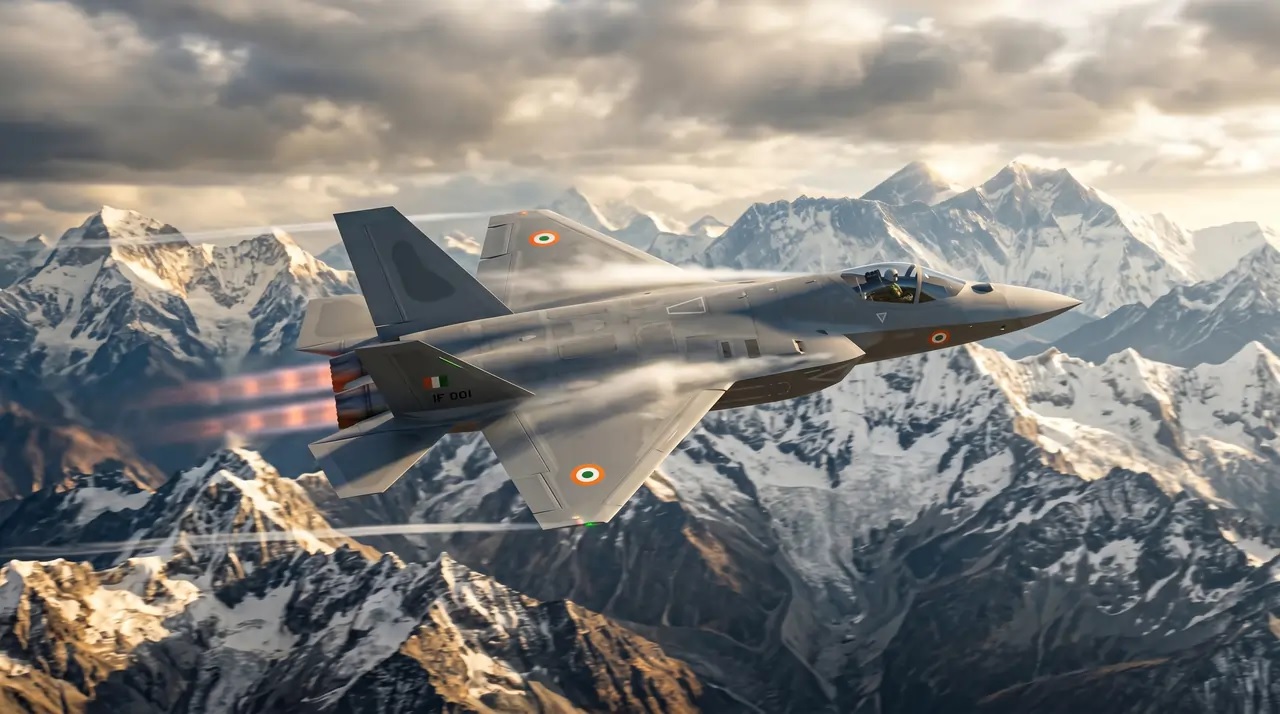
India
BENGALURU, — June 15, 2026 : The Aeronautical Development Agency (ADA) has officially postponed the pre-bid meeting for the development phase of India's Advanced Medium Combat Aircraft (AMCA) programme. According to Corrigendum-1 issued on June 5, 2026, the meeting will now be held on June 22 instead of the previously scheduled date. The pre-bid meeting was originally scheduled for June 10 but has now been moved to June 22, giving participating companies an additional 12 days to review the tender documents and prepare technical and commercial queries. The adjustment does not indicate a significant delay to the AMCA fighter programme itself, as it only affects the consultation stage of the tender process. The meeting allows shortlisted bidders to seek clarifications from ADA before submitting their proposals. Given the complexity of the project, which involves stealth technologies, advanced sensors, propulsion integration, and manufacturing partnerships, the additional time is expected to help industry participants better assess the requirements outlined in the Request for Proposal (RFP). The revision applies to tender reference COM_IND_E066_2026-2027/SU and was approved by the Director (Materials Management) at ADA, Bengaluru. All other terms and conditions of the tender remain unchanged. This is the first visible schedule adjustment in the current AMCA tendering process since the RFP was issued to shortlisted private-sector industry teams in May 2026. The tender covers major work packages related to prototype development, systems integration, manufacturing support, testing infrastructure, and preparation for eventual production. The RFP was issued to three shortlisted private-sector bidders: Tata Advanced Systems, an L&T–Bharat Electronics Limited consortium, and a Bharat Forge-led consortium that includes BEML and other partners. Hindustan Aeronautics Limited (HAL) was not included in the shortlist for the prototype development phase. The AMCA programme aims to develop India's first indigenous fifth-generation stealth fighter aircraft. The medium-weight, twin-engine platform is being designed with features including supercruise capability, advanced sensors, sensor fusion, internal weapons carriage, and low-observable characteristics. The aircraft is expected to have a maximum take-off weight of around 25–27 tonnes. ADA, under the Defence Research and Development Organisation (DRDO), is leading the programme. Significant progress has already been achieved in configuration finalisation, wind tunnel testing, radar cross-section modelling, and intake design validation. For the initial AMCA Mk1 variant, the GE F414 engine has been selected as the interim powerplant. Future Mk2 variants are expected to use a more powerful engine being developed through international collaboration and indigenous participation. The selected industry partner will be required to establish a Special Purpose Vehicle (SPV) for programme execution. Current plans include the development of five flying prototypes along with supporting test infrastructure. Industry observers note that minor schedule adjustments are common in large aerospace and defence programmes and do not necessarily indicate changes to the overall development timeline. The AMCA programme continues to advance through parallel activities in design, testing, and industrial partnership formation, with further developments expected following the rescheduled pre-bid meeting on June 22.
Read More → Posted on 2026-06-15 14:03:46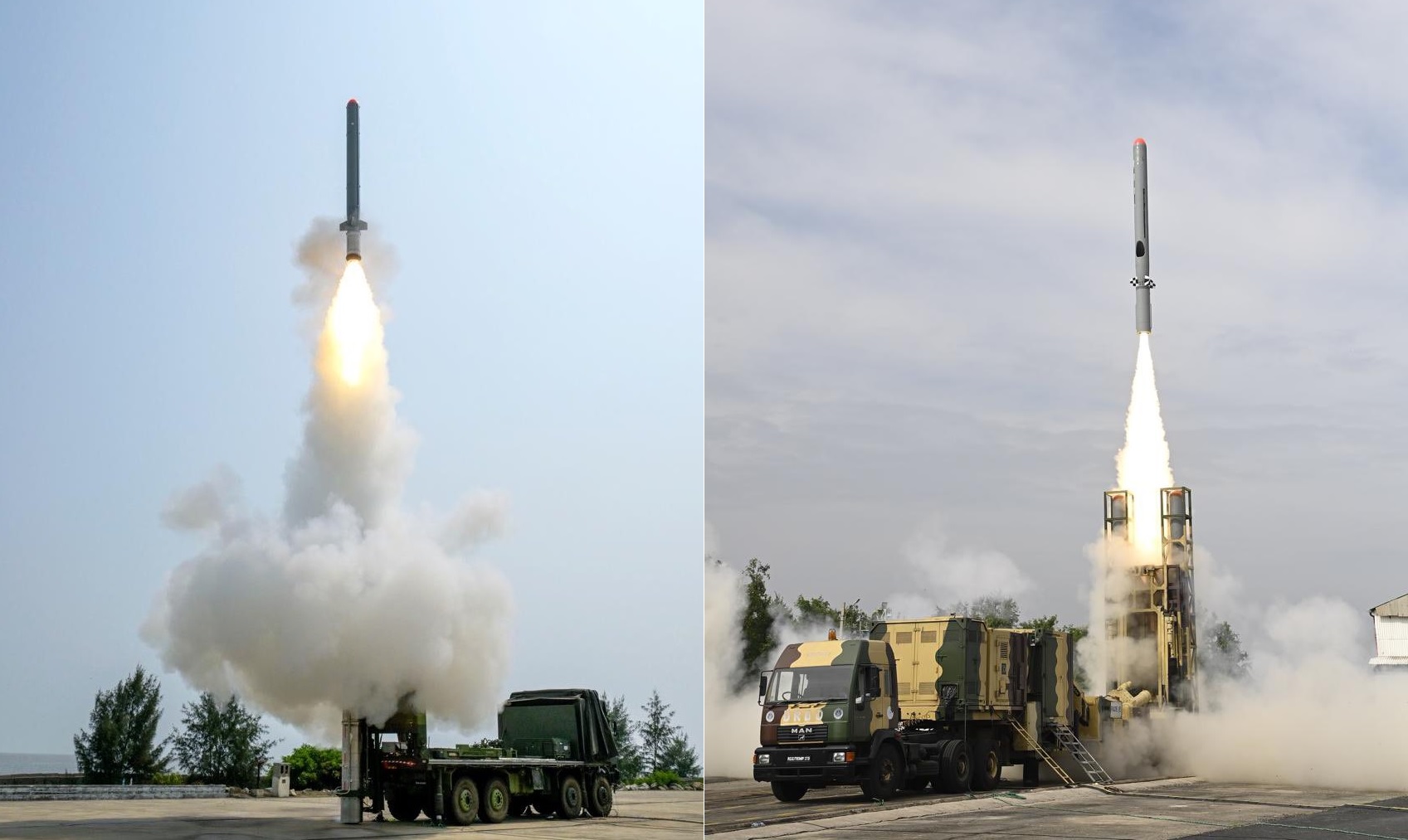
India
CHANDIPUR, ODISHA, — June 15, 2026 : India’s Defence Research and Development Organisation (DRDO) on Monday successfully conducted the flight test of the indigenously developed Long Range Land Attack Cruise Missile (LRLACM) from Dr APJ Abdul Kalam Island off the coast of Odisha. According to the Ministry of Defence, the missile successfully achieved all mission objectives during the trial. The launch was monitored by tracking instruments deployed by the Integrated Test Range (ITR) at Chandipur, including radar systems, electro-optical sensors, and telemetry stations. Data collected during the flight confirmed that the missile followed its planned trajectory and performed within all expected parameters. Key Technologies Validated The flight test validated critical technologies related to propulsion, navigation, guidance, control systems, and warhead delivery. A major highlight of the test was the successful performance of the indigenous Manik turbofan engine, which powers the missile during its cruise phase. DRDO also validated the missile’s navigation and guidance systems, including a Ring Laser Gyroscope (RLG)-based inertial navigation system integrated with GPS and NavIC support. The missile successfully demonstrated its precision guidance capabilities and completed the planned flight profile. Long-Range Precision Strike Capability The LRLACM is an advanced subsonic cruise missile developed as an evolution of the Nirbhay program. Designed to strike land targets at ranges exceeding 1,000 kilometers, the missile is reported to have a range of up to 1,500 kilometers. The missile incorporates terrain-following and low-altitude flight capabilities, enabling it to evade enemy radar systems and improve survivability in contested environments. It is also equipped with Terrain Contour Matching (TERCOM) technology and advanced autonomous flight control systems for accurate navigation and targeting. Indigenous Development Development of the LRLACM was led by DRDO’s Aeronautical Development Establishment (ADE) in Bengaluru, with contributions from multiple DRDO laboratories and Indian industry partners, including Bharat Dynamics Limited (BDL). According to officials, the missile and its major subsystems have been developed indigenously, supporting India's efforts to strengthen domestic defence manufacturing and reduce dependence on foreign technologies. Multi-Platform Deployment The missile has been designed for launch from ground-based mobile launchers as well as naval platforms. Naval variants are expected to be compatible with Universal Vertical Launch Module (UVLM) cells installed on frontline warships. Senior officials from DRDO, along with representatives from the Indian Navy and Indian Air Force, witnessed the launch. Both services are expected to operate the missile following its induction into service. Official Reactions Following the successful test, Defence Minister Rajnath Singh congratulated DRDO scientists, engineers, and industry partners involved in the project. Defence Secretary and DRDO Chairman Rajesh Kumar Singh also congratulated the project teams, stating that the successful test represents an important milestone for the Aatmanirbhar Bharat initiative and India's indigenous defence capabilities. The successful flight test marks another step forward in the development of India's long-range precision strike systems, with further trials expected before the missile enters operational service.
Read More → Posted on 2026-06-15 13:45:55Search
Top Trending in 24 Hours
-
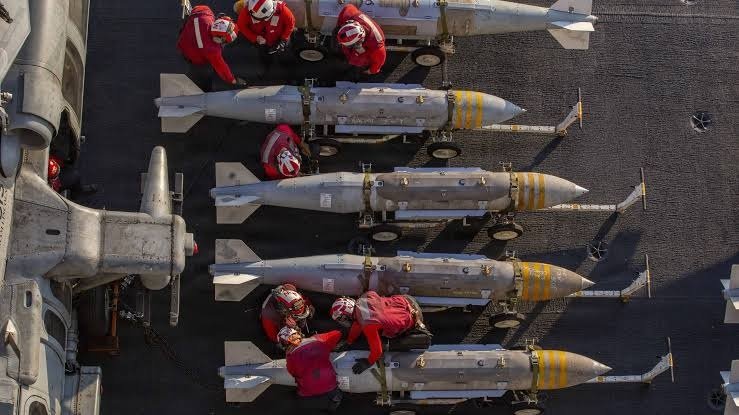 Pentagon Inspector General Report Finds Iran War Caused U.S. Ammunition Shortfalls and Industrial Bottlenecks
-
 Satellite Imagery Shows Extensive Damage to Saudi Arabia’s East-West Oil Pipeline, Indicating More Than a Single Strike
-
 U.S. Navy Awards Boeing $562 Million Contract for First Production MQ-25A Stingray Tanker Drones
-
 Pentagon and Honeywell Complete Four-Hour Pacific Flight Using Quantum Magnetic Navigation Without GPS
-
 U.S. Air Force Special Operations Command Clears AGM-190A Havoc Spear for Wider Service After Combat Evaluation in Africa
-
 Japan Air Self-Defense Force Loses Contact With Global Hawk Surveillance Drone Off Tottori Coast; Aircraft Presumed Crashed
-
 U.S. Confirms Deployment of On-Orbit Space Control Weapons for First Time
-
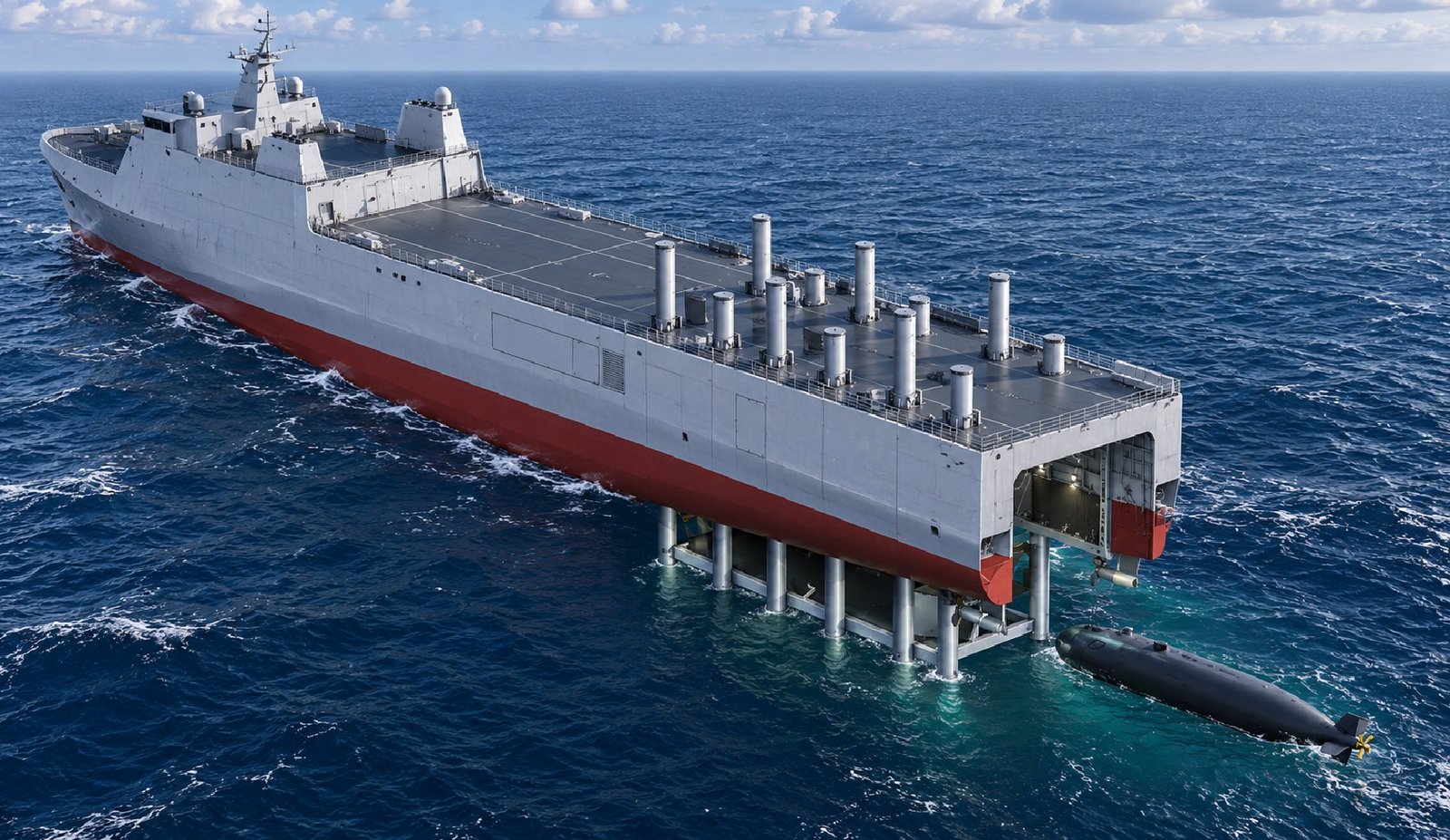 China Builds New Shanghai Vessel to Serve as Mothership for Large Uncrewed Submarines
Top Trending in 4 Days
-
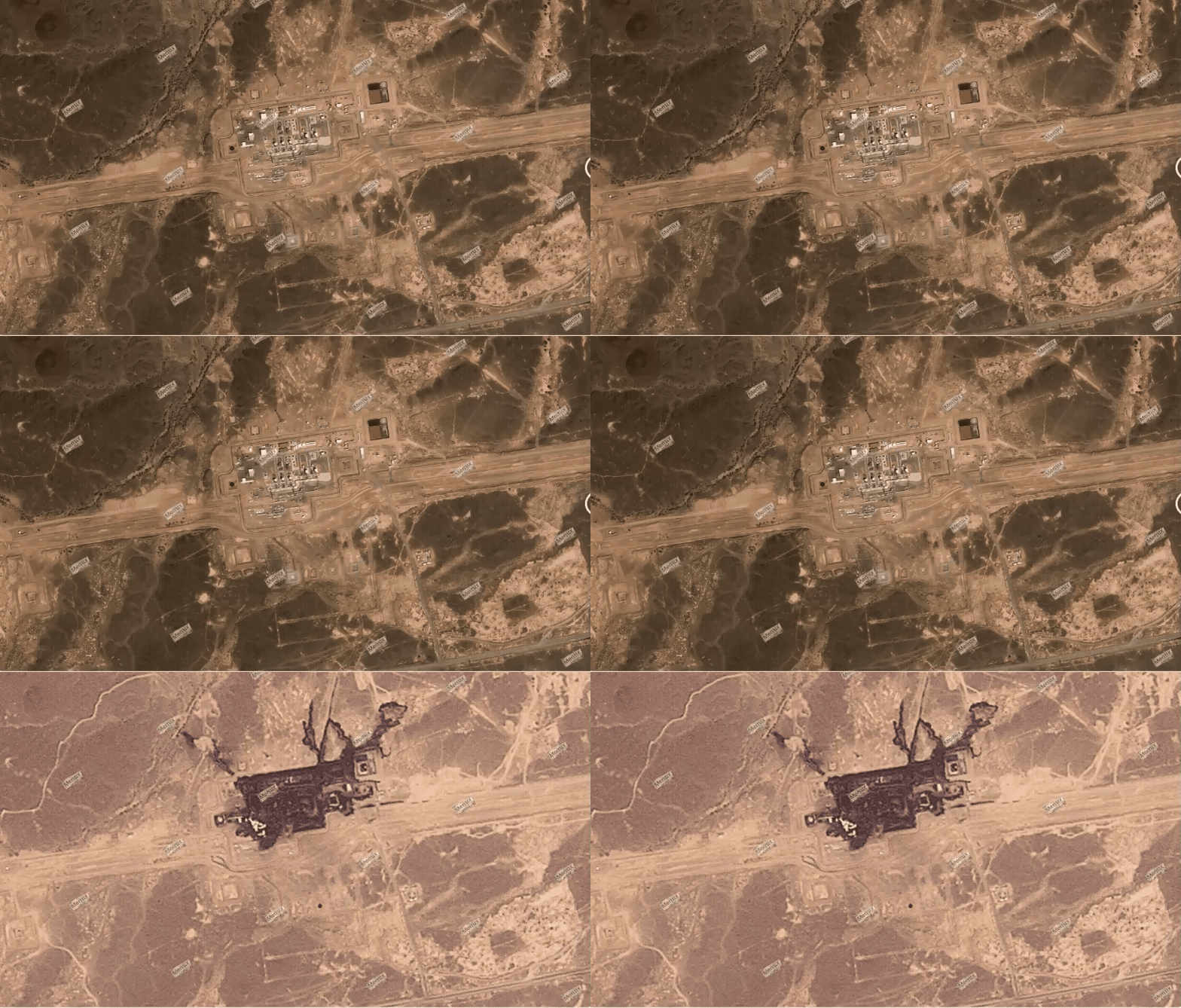 Satellite Imagery Shows Heavy Damage to Saudi East–West Oil Pipeline Pumping Stations
-
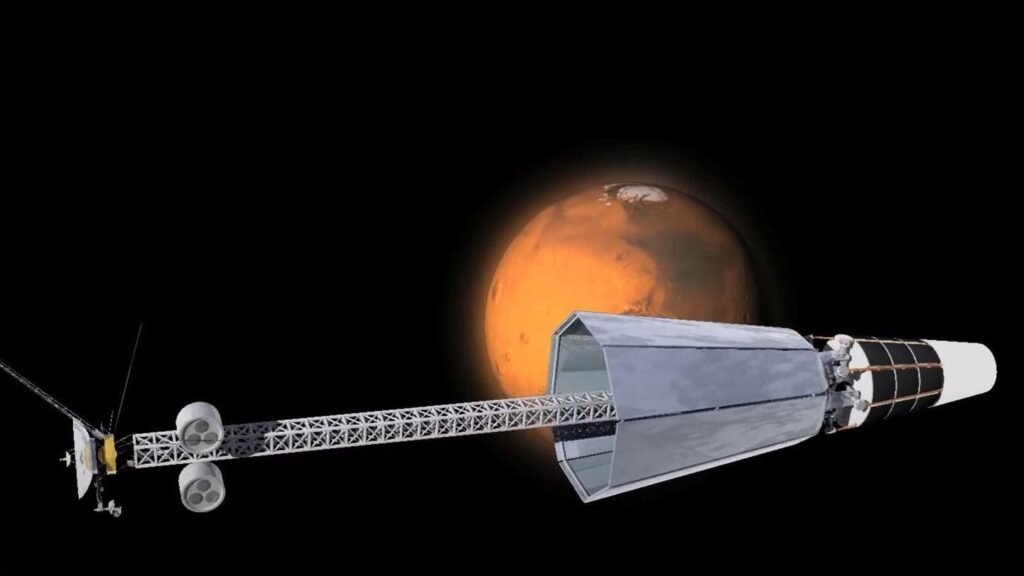 U.S. Air Force Awards Antares $161 Million to Develop Nuclear Reactor for Spacecraft
-
 Pentagon Awards BlueHalo Up to $99.8 Million Contract for Orbital Battlespace R&D Program
-
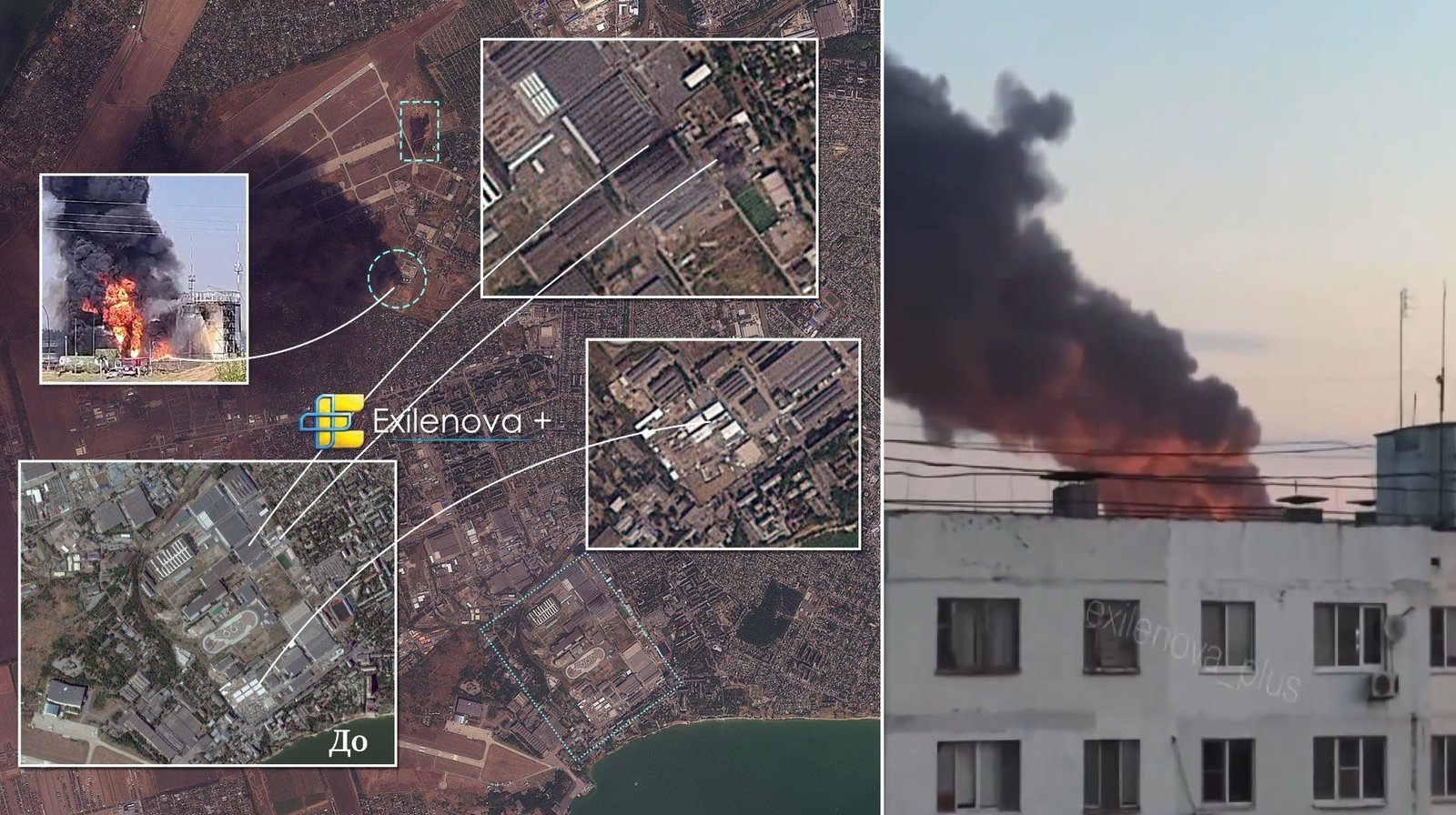 Ukrainian Drones Strike Russian UAV Manufacturer and Chemical Plants in Taganrog and Tolyatti
-
 U.S. Officials Link Chinese Satellite Imagery to Iranian Strike That Killed Three American Soldiers in Jordan
-
 DRDO Demonstrates Indigenous 3.5×3 mm GaN Chip Delivering 30 Watts for Next-Generation Radars and Electronic Warfare
-
 MBDA and Poland’s WITU Advance Low-Cost Supersonic Interceptor Against Swarm Attacks, Seeker Trials Successfully Completed
-
 U.S. Firm Swarm Aero Unveils Gamera Group 5 UAS With 9,000-Nautical-Mile Range and Heavy Strike Payload