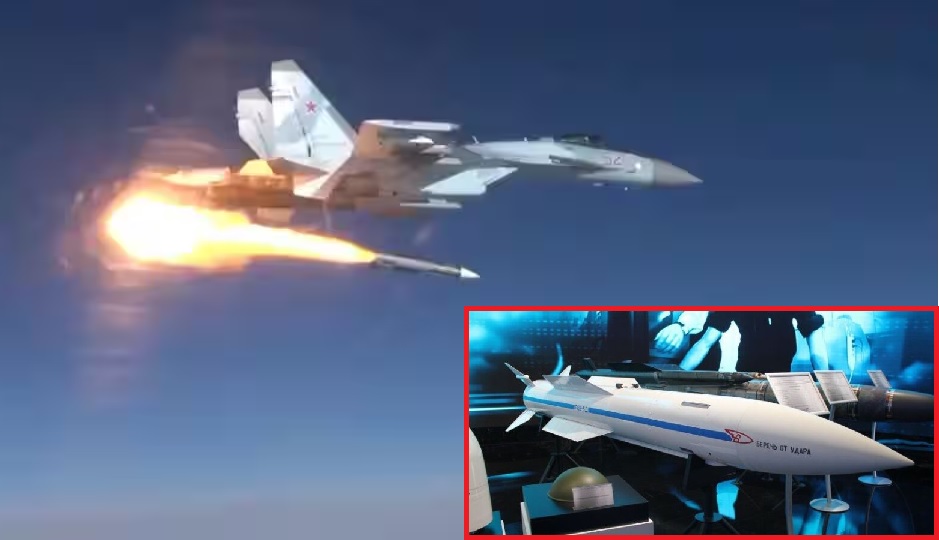
NEW DELHI — June 02, 2026 : India has finalized a contract worth approximately $1.2 billion with Russia for the acquisition of around 300 R-37M ultra-long-range air-to-air missiles to strengthen the Indian Air Force (IAF) beyond-visual-range combat capabilities. The missiles will be integrated into the IAF’s Su-30MKI fighter fleet, significantly expanding long-range interception and targeting capabilities against high-value airborne assets.
The agreement, concluded by the Indian Ministry of Defence, is intended to provide an immediate enhancement in long-range air combat capability while complementing India’s ongoing indigenous missile development efforts. Deliveries are expected to begin within 12 to 18 months.
R-37M Designed to Engage High-Value Airborne Targets
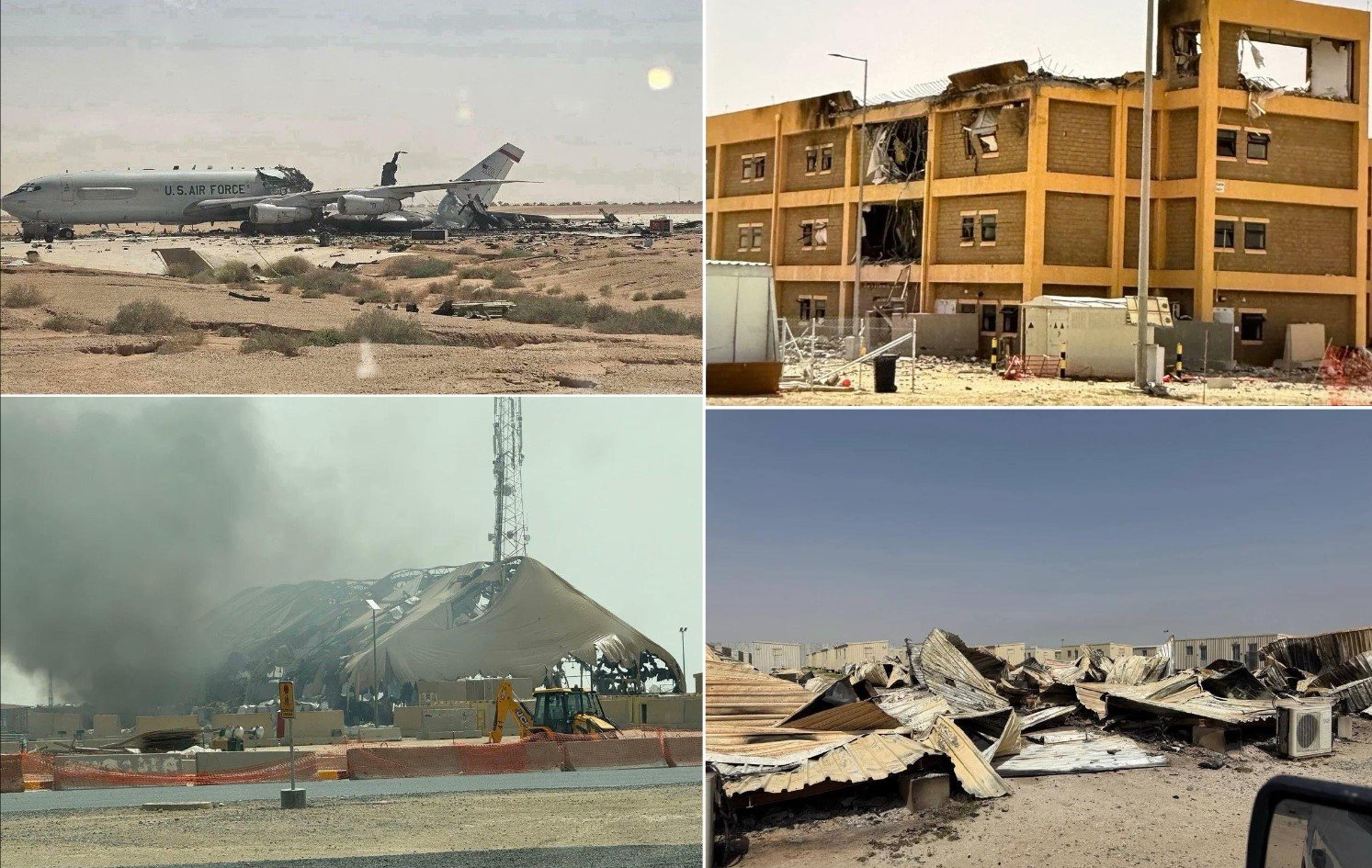
The R-37M, also known by its export designation RVV-BD and NATO reporting name AA-13 Axehead, is among the longest-range air-to-air missiles currently in operational service. It has been developed to target force multipliers such as Airborne Warning and Control System (AWACS) aircraft, airborne command centers, aerial refueling tankers, and airborne surveillance platforms operating at stand-off distances.
These aircraft are considered critical to modern combat operations because they support battlefield coordination, aerial refueling, surveillance, command, and long-range targeting functions.
Missile Specifications and Performance
The missile has a reported operational range of 300 to 400 kilometers, depending on launch conditions such as altitude, speed, and engagement profile. It is capable of reaching speeds approaching Mach 6 and carries a 60-kilogram high-explosive fragmentation warhead intended to neutralize large airborne support aircraft.
The R-37M measures approximately 4.2 meters in length, has a body diameter of around 0.38 meters, and weighs nearly 600 kilograms at launch. It is optimized for high-speed, long-range intercept missions and can engage aerial targets flying at speeds of up to 2,500 kilometers per hour.
The missile uses a guidance system consisting of inertial navigation, mid-course radio corrections, and an active radar seeker during the terminal engagement phase. It also employs lofted trajectories to maximize range and preserve energy during long-distance engagements.
Seamless Integration With the Su-30MKI Fleet
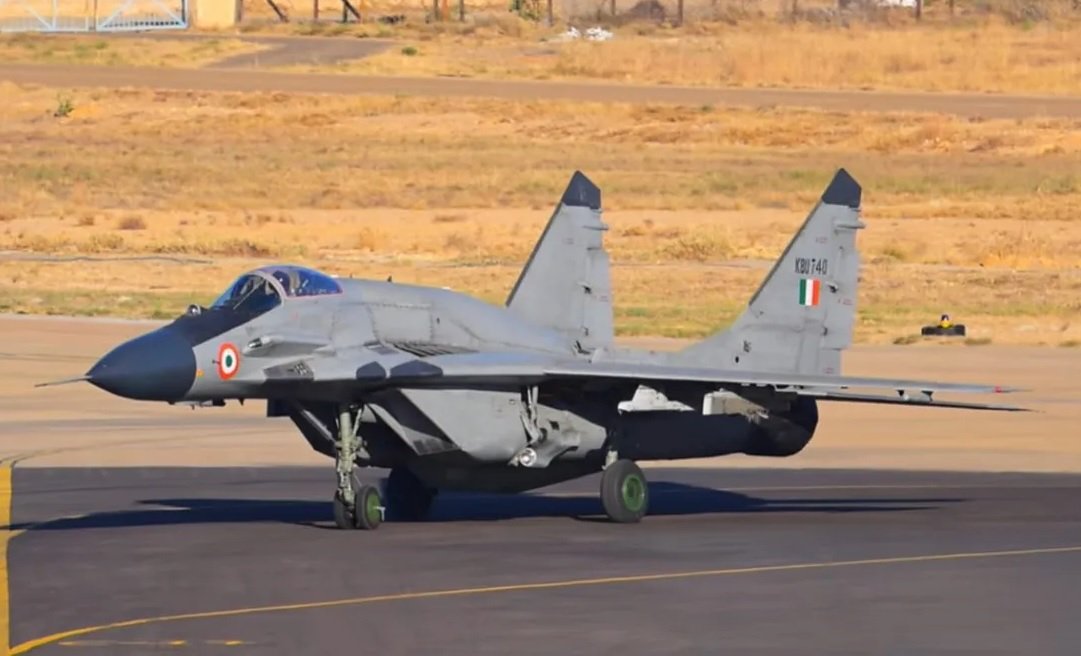
A key operational advantage of the procurement is the missile’s compatibility with India’s existing Su-30MKI fleet. Integration is expected to require mainly software upgrades to the aircraft’s N011M Bars radar system rather than extensive hardware modifications.
The Su-30MKI, which forms the backbone of the Indian Air Force with more than 260 aircraft in service, is expected to gain a substantial increase in beyond-visual-range engagement capability, allowing it to target hostile aircraft from significantly greater distances.
Reports indicate that each aircraft may be capable of carrying multiple R-37M missiles, improving mission flexibility during long-range air superiority and interception operations.
Passive Engagement Capability Through External Sensor Networks
Another operational feature of the missile is its ability to support passive or semi-passive engagement tactics.
Indian Air Force pilots will be able to launch the R-37M using targeting information supplied by external sensor systems without activating the aircraft’s onboard radar. Through data links connected to the Netra Airborne Early Warning and Control (AEW&C) platform and ground-based radar systems, Su-30MKI aircraft can engage hostile targets from distances exceeding 300 kilometers while remaining electromagnetically silent.
This capability reduces the likelihood of early detection by enemy sensors and improves survivability during contested air operations.
Lessons From Operation Sindoor Shaped the Procurement Decision
The decision to fast-track the missile acquisition follows strategic assessments conducted after Operation Sindoor in May 2025.
During the short border conflict, Indian military planners reportedly identified the requirement for longer-range beyond-visual-range engagement capability. Although India used indigenous systems, precision-guided strikes, and drone-based warfare, the presence of adversarial aircraft equipped with long-range missiles highlighted the need to expand interception distances away from frontline areas.
The R-37M is expected to provide an immediate capability to threaten adversary airborne support assets at extended ranges and potentially disrupt networked combat operations.
Indigenous Missile Programs Continue Alongside Imports
While the R-37M acquisition addresses immediate operational requirements, the Indian Air Force is simultaneously pursuing indigenous missile development to strengthen long-term defence self-reliance.
Astra Mk2
India’s Astra Mk2 beyond-visual-range missile is expected to enter operational service between 2026 and 2027. The missile uses an indigenous dual-pulse solid rocket motor designed to maintain high terminal energy during engagements.
The Astra Mk2 is projected to have an engagement range between 160 and 240 kilometers and is expected to become a primary medium-to-long-range air-to-air missile for platforms including the Su-30MKI, Tejas Mk1A, and future fighter aircraft.
Gandiva (Astra Mk3)
The Astra Mk3, also known as Gandiva, is under development and testing as India’s next-generation long-range air-to-air missile.
The system uses Solid Fuel Ducted Ramjet (SFDR) propulsion technology, enabling sustained speed during long-range flight. It is expected to achieve engagement ranges of up to 340 kilometers at high altitude and is targeted to become operational by the end of the decade.
Successful SFDR testing has demonstrated progress toward sustained high-speed missile technology for future Indian combat aircraft.
Building a Layered Air Combat Architecture
By integrating the R-37M while advancing indigenous systems such as Astra Mk2 and Gandiva, the Indian Air Force is establishing a layered beyond-visual-range engagement framework.
The approach is designed to address immediate operational requirements for extreme long-range interception while gradually transitioning India’s air combat missile inventory toward domestically developed systems, supporting greater self-reliance in defence manufacturing and long-term operational flexibility.
——— End of Article ———