
World
WASHINGTON : Israel has implemented a series of operational upgrades to its fleet of F-35I “Adir” stealth fighter aircraft, significantly extending the platform’s range and increasing its weapons-carrying capacity, according to Israeli Ambassador to the United States Yechiel Leiter. The enhancements were developed domestically and executed without compromising the aircraft’s low observable characteristics, he said in a recent interview. The F-35I “Adir” is Israel’s customized variant of the F-35 Lightning II manufactured by Lockheed Martin. Israel is the only country operating a modified version of the aircraft with unique national systems integration built into the platform. Extended Operational Range One of the central modifications involves the integration of newly developed fuel tanks designed to extend the aircraft’s operational radius. According to Ambassador Leiter, the enhancement allows the Israeli Air Force (IAF) to conduct long-range strike missions without relying on aerial refueling support. Previously, deep-strike missions required coordination with Israel’s limited fleet of tanker aircraft. By reducing dependence on mid-air refueling, the upgraded F-35I improves mission flexibility, simplifies operational planning, and decreases exposure of support assets. Leiter stated that Israel engineered a solution that extends flight range while maintaining the aircraft’s stealth configuration. Traditionally, adding external fuel tanks increases radar cross-section and reduces survivability in contested airspace. Israeli-developed modifications, he said, preserve the jet’s radar-evading profile. Increased Weapons Capacity The upgraded configuration also allows the F-35I to carry additional external munitions. In addition to its standard internal weapons bays, the aircraft can now be configured with four externally mounted missiles on underwing pylons. This expanded payload arrangement enables what is commonly referred to as “beast mode” configuration, in which the aircraft carries additional munitions externally when stealth is not the primary operational requirement. The internal weapons bays remain available for missions requiring low observable penetration. By offering both stealth-focused and high-payload configurations, the IAF can adapt the aircraft for varying mission profiles, including long-range strike operations and high-intensity combat scenarios. Combat Experience and Industrial Impact Israel’s F-35I fleet is regarded as the most combat-tested variant of the F-35 platform globally. Operational deployments have provided Israeli pilots and defense planners with substantial real-world performance data. According to Ambassador Leiter, this operational experience and the associated technological modifications have generated significant value for Lockheed Martin. During a recent visit to the company, Leiter said the firm’s chief executive officer indicated that Israeli operational data, system adaptations, and combat insights are highly valuable to the broader F-35 program. Israel’s ability to integrate domestic systems into the aircraft has also contributed to continued evolution of the platform’s mission capabilities. Strategic Implications The confirmation of extended-range capabilities indicates that geographic distance is no longer a primary constraint on Israeli air operations. The ability to conduct long-range missions without tanker dependency enhances operational independence and reduces logistical vulnerabilities. In the regional context, where Iran’s nuclear program and advanced missile capabilities remain central security considerations for Israel, the enhanced range and payload capacity increase the IAF’s ability to project airpower over extended distances. The upgrades reinforce Israel’s approach of adapting advanced fifth-generation aircraft to meet specific national operational requirements. By integrating indigenous technological solutions while maintaining core stealth performance, the F-35I “Adir” fleet now combines extended reach, expanded firepower, and flexible mission configurations within a single platform.
Read More → Posted on 2026-02-16 16:12:42
World
ROME / RIYADH : Saudi Arabia’s Ministry of Defence has signed a contract with Italian aerospace and defense company Leonardo for the acquisition of four C-27J Maritime Patrol Aircraft (MPA). Deliveries to the Royal Saudi Naval Forces are scheduled to begin in 2029. The aircraft will expand the navy’s capabilities in maritime surveillance, anti-submarine warfare, anti-surface operations, Search and Rescue (SAR), and tactical transport. The agreement makes Saudi Arabia the 21st global operator of the C-27J platform and introduces the first fully armed configuration of the C-27J MPA variant. Armed Maritime Configuration Under the contract, the Royal Saudi Naval Forces’ aircraft will feature integrated maritime weapon systems in addition to standard patrol and surveillance equipment. The configuration allows for the carriage and deployment of anti-ship missiles, lightweight torpedoes, and depth charges, depending on mission requirements. This marks the first procurement of the C-27J Maritime Patrol Aircraft with full maritime weapons integration, enabling the platform to conduct active engagements against surface vessels and underwater threats alongside surveillance operations. Mission Management and Sensor Integration The aircraft will be equipped with Leonardo’s Airborne Tactical Observation and Surveillance (ATOS) mission management system. ATOS provides data fusion capabilities that combine tracking and identification inputs from specialized maritime sensors installed onboard. The system architecture supports real-time information exchange with ground control centers and joint operational units. The communications suite is designed to maintain secure connectivity in Beyond Line Of Sight (BLOS) conditions and in high-threat environments, supporting coordinated maritime domain awareness and operational command functions. Platform and Modularity The Maritime Patrol Aircraft variant is based on the C-27J Spartan Next Generation platform. The aircraft incorporates updated avionics, advanced navigation systems, and integrated self-protection systems compatible with both military and civil airspace operations. Despite the addition of maritime combat systems, the aircraft retains its modular, multi-mission design. The ATOS mission consoles and associated sensor components are configured in a roll-on/roll-off arrangement, allowing them to be removed when required. This enables rapid reconfiguration of the cabin for standard tactical airlift operations, including troop transport, cargo delivery, equipment airdrops, and medical evacuation (MEDEVAC) missions. Fleet Expansion in Saudi Arabia The contract follows a separate in-country acquisition completed in the summer of 2025, under which Saudi Arabia introduced two C-27J aircraft configured for aerial firefighting, cargo transport, and medical evacuation roles. With the addition of the four maritime patrol aircraft, the C-27J fleet in Saudi Arabia will expand to six aircraft across multiple mission configurations. Global Operations and Flight Record The C-27J platform continues to receive investment from Leonardo to expand mission-specific capabilities. The global Spartan fleet has accumulated more than 290,000 flight hours across various operators worldwide. Maritime-configured versions of the aircraft are already in operational service with agencies including the United States Coast Guard. The four new aircraft for Saudi Arabia are expected to enhance the Royal Saudi Naval Forces’ capacity for persistent maritime surveillance, anti-submarine operations, and multi-role logistical support once deliveries begin in 2029.
Read More → Posted on 2026-02-16 16:01:56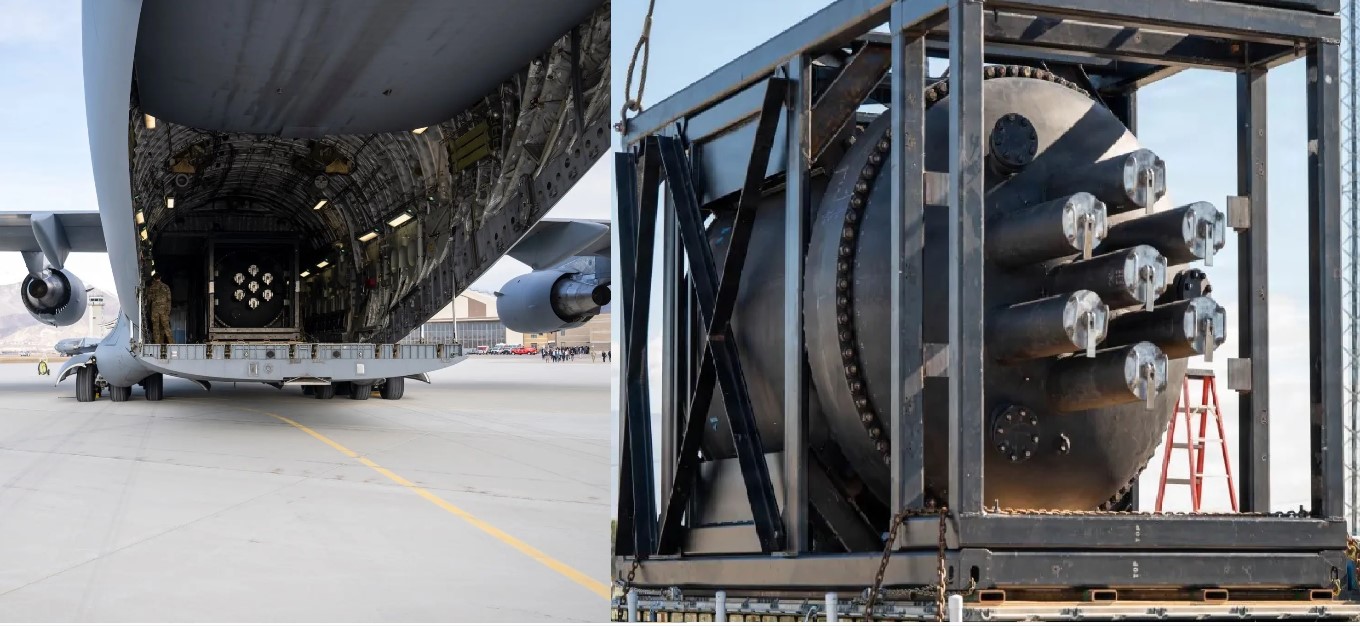
World
WASHINGTON, D.C., : The United States has completed the first air transport of a modular nuclear microreactor system, marking a logistical milestone in the federal government’s effort to develop deployable nuclear power for defense and civilian use. The operation was carried out jointly by the U.S. Department of Energy (DOE) and the U.S. Department of Defense (DoD) on Sunday, February 15. A Boeing C-17 Globemaster III heavy transport aircraft moved the unfueled reactor system from March Air Reserve Base in Southern California to Hill Air Force Base in Utah. The flight represented the first transfer of an eight-module system, which is scheduled to be delivered in full through a total of three C-17 sorties. Operation Windlord Logistics The mission, designated “Operation Windlord,” was conducted to demonstrate the logistical feasibility of transporting modular nuclear systems by strategic airlift. The reactor components were shipped without nuclear fuel to comply with safety and transport regulations. The U.S. Air Force currently maintains a fleet of more than 200 C-17 Globemaster III aircraft, supported by 52 modernized Lockheed Martin C-5M Super Galaxy transport aircraft. Defense officials stated that the operation validates the military’s ability to rapidly relocate compact nuclear energy systems to domestic or overseas installations. Energy Secretary Chris Wright and Undersecretary of Defense for Acquisition and Sustainment Michael Duffey were present during the initial flight to oversee the transfer process. The Ward250 Microreactor System The transported reactor unit, known as the Ward250, was manufactured by Valar Atomics, a California-based company. It is classified as a Generation IV nuclear microreactor and has been designed with dimensional and structural specifications that allow for modular transport. The Ward250 operates using High-Temperature Gas Reactor (HTGR) technology. It employs helium coolant and graphite moderators. The reactor is designed to use TRISO (tristructural isotropic) coated fuel particles, a fuel form engineered to retain fission products within multiple protective layers. The nuclear fuel will be transported separately from the Nevada National Security Site. According to current operational data, the Ward250 is expected to achieve an initial thermal output of 100 kilowatts, with mechanical capability for output scaling over time. The modular configuration allows the system to be transported in segments and assembled at the deployment site. Policy Framework and Executive Order 14301 The deployment effort is linked to Executive Order 14301, issued by President Donald Trump, which directs federal agencies to accelerate domestic nuclear deployment to support energy self-sufficiency for military installations, heavy industry, and emergency operations. The initiative aims to provide independent and reliable electricity generation at U.S. military bases, including forward operating bases and remote facilities. By deploying microreactors directly to installations, the Department of Defense seeks to reduce dependence on local civilian grids and third-party contractors for energy supply. Officials state that modular reactors are intended to enhance energy resilience, particularly in contingency scenarios where conventional power infrastructure may be disrupted. Testing and Certification Timeline Following arrival at Hill Air Force Base, the Ward250 system is scheduled for ground transport to the Utah San Rafael Energy Lab (USREL) experimental site in Orangeville, Utah. At the facility, the Department of Energy will conduct continued testing, validation, and certification procedures. The Department of Energy has established a regulatory milestone targeting July 4, 2026, for the reactor to achieve criticality — the operational state in which a sustained nuclear chain reaction is established. The date coincides with the 250th anniversary of the United States. Regulatory and Economic Considerations The reactor components transported during Operation Windlord did not contain nuclear fuel, consistent with federal safety standards for air shipment. Fuel handling, licensing, and storage remain subject to regulatory review and coordination between federal and state authorities. Independent nuclear policy analysts have noted that the cost per kilowatt of microreactor systems remains higher than that of conventional commercial nuclear power plants. Oversight organizations, including the Union of Concerned Scientists, have indicated that long-term radioactive waste management frameworks continue to be under negotiation with host states such as Utah. Federal agencies have stated that ongoing testing and evaluation at the Utah facility will address technical performance, safety validation, and certification requirements before operational deployment decisions are finalized. The February 15 airlift marks the first completed strategic relocation of a modular nuclear microreactor system by the United States government and forms part of a broader federal program focused on deployable nuclear energy infrastructure.
Read More → Posted on 2026-02-16 15:40:23
World
JERUSALEM : The Israel Defense Forces has shifted from preparations for limited escalation scenarios to a broader regional war footing, following internal assessments that the United States administration may request direct Israeli military participation in potential American strikes against Iran, according to report Israeli officials assess that if Washington initiates military action against Iranian targets, it could formally request operational involvement by the IDF. While no official U.S. decision has been announced, Israeli defense planners are preparing for the possibility of coordinated action. Nationwide Air Defense Expansion As part of its heightened readiness posture, the IDF has deployed seven air defense battalions across the country. Military officials estimate that this equates to approximately 100 to 150 active launchers drawn from various layers of Israel’s multi-tiered air defense architecture. The systems are positioned to absorb and intercept sustained missile fire in the event of a prolonged confrontation. The expanded deployment reflects planning for heavy and continuous missile barrages, including scenarios involving multiple fronts. Israeli defense authorities assess that any direct military confrontation with Iran could trigger missile and drone attacks from Iranian territory as well as allied regional actors. Israeli Air Force Reinforces Operational Continuity The Israeli Air Force is reinforcing its operational infrastructure to maintain sustained combat capability under prolonged attack conditions. Measures include strengthening airbase resilience, dispersing aircraft where necessary, and ensuring logistical redundancy to maintain sortie generation rates even under heavy missile assault. Defense officials emphasize that preparations are designed to guarantee continuous operational activity, including defensive interception missions and potential long-range strike operations if required. Iranian Position on Nuclear and Missile Programs The military preparations coincide with continued diplomatic deadlock over Iran’s nuclear and missile programs. Iran’s Deputy Foreign Minister Majid Takht-Ravanchi stated in an interview with the BBC that Tehran does not consider reducing uranium enrichment to zero within its territory. He said Iran views domestic enrichment as a sovereign right under the Nuclear Non-Proliferation Treaty. Separately, Iranian Foreign Minister Abbas Araghchi stated that Iran’s missile and missile defense systems are not subject to negotiation under any circumstances. He described these capabilities as outside the scope of diplomatic discussions. Divergent Assessments on Regime Stability According to a diplomatic source cited by Yedioth Ahronoth, U.S. President Donald Trump is reportedly considering scenarios involving rapid regime instability in Iran as a factor in strategic planning, potentially reducing the likelihood of a prolonged conflict. Israeli security agencies, however, assess that the Iranian government is unlikely to collapse in the near term. Based on that assessment, Israeli defense planners are preparing for an extended period of confrontation that could expand into a wider regional conflict. Strategic Coordination and Contingency Planning Israeli officials indicate that coordination with the United States continues at multiple levels, including intelligence sharing and operational planning. While no joint strike has been announced, defense planners are structuring readiness around the possibility of direct IDF participation if requested. The shift from limited contingency planning to regional war preparedness reflects Israel’s assessment that escalation pathways now extend beyond isolated exchanges and could involve sustained, multi-front engagement. At present, Israeli defense authorities remain in a heightened state of readiness, maintaining expanded air defense coverage and reinforced air force infrastructure while monitoring diplomatic developments and U.S. strategic decisions regarding Iran.
Read More → Posted on 2026-02-16 15:03:24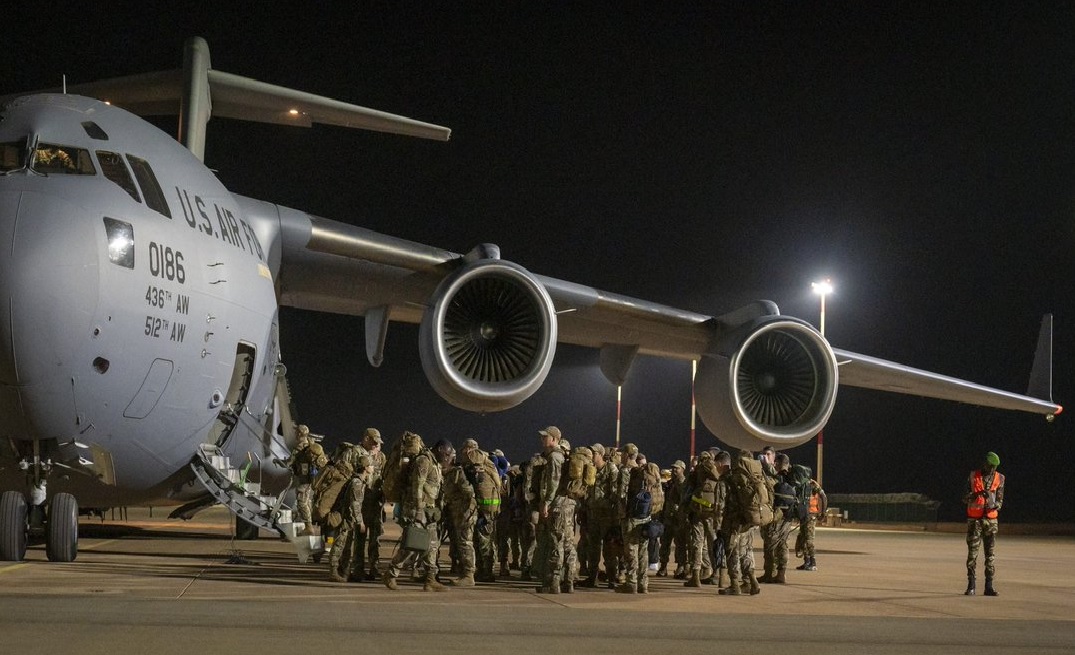
World
MAIDUGURI, Nigeria : The first contingent of United States military personnel has arrived in northeastern Nigeria as part of a planned deployment of approximately 200 American troops to support ongoing counterterrorism operations, officials from both countries confirmed. A U.S. Air Force C-17A Globemaster aircraft landed at a military base in Maiduguri on Thursday night, bringing the initial group of personnel. Authorities said the arrival brings the number of newly deployed U.S. troops in Nigeria to about 100 personnel so far, with additional personnel expected in subsequent phases. By Friday evening, activity at the base had increased. Three aircraft were positioned on the tarmac, and ground crews were observed unloading equipment and logistical supplies from one of the planes. The arriving personnel include intelligence analysts, advisers, and trainers assigned to assist Nigerian armed forces in targeted counterterrorism missions. Deployment Structure and Responsibilities Officials stated that the deployment is designed to expand operational cooperation between Washington and Abuja in addressing jihadist insurgencies, including Boko Haram and the Islamic State West Africa Province (ISWAP). The U.S. personnel are not assigned to frontline combat roles. Their responsibilities include intelligence support, operational coordination, and tactical training. American analysts will assist Nigerian units in collecting, analyzing, and applying intelligence data to ongoing operations. Advisers will provide technical guidance aimed at improving coordination between air and ground units, particularly in joint missions. Trainers will work with local forces to strengthen counterterrorism capabilities and overall operational effectiveness. Major General Samaila Uba, spokesperson for Nigeria’s Defence Headquarters, said the U.S. personnel will serve strictly as “technical and training personnel.” He added that the newly arrived troops will supplement a small U.S. military team that had already been embedded in the country to assist with airstrike targeting and related intelligence functions. Broader Security Context The deployment formalizes an expanded phase of security cooperation between the United States and Nigeria amid persistent insurgent activity in the northeast and armed group violence in parts of the northwest. The arrival follows recent U.S.-led airstrikes against suspected insurgent targets in Sokoto State in late December. Officials indicated that the expanded presence is intended to enhance coordination and intelligence-sharing capabilities in response to ongoing security challenges. The decision to deploy additional personnel came after strategic discussions in Abuja between U.S. Africa Command (AFRICOM) Commander Gen. Dagvin Anderson and senior Nigerian military leadership. Nigerian officials formally requested expanded U.S. assistance to address long-running insurgencies and improve operational capacity. U.S. Africa Command stated that the objective of the increased presence is to partner with Nigerian forces to disrupt extremist organizations and strengthen regional counterterrorism cooperation through advisory, intelligence, and training support.
Read More → Posted on 2026-02-16 14:44:35
World
KYIV/BERLIN : German-manufactured electronic components remain present in Russian military unmanned aerial vehicles (UAVs) deployed in Ukraine, according to findings published in early 2026 by Deutsche Welle (DW). The report, based on data from Ukraine’s Defense Intelligence (DIU), details the scale, origin, and procurement routes of these components despite European Union sanctions imposed after Russia’s full-scale invasion in 2022. The issue gained renewed attention in January 2026 following the technical analysis of the latest Russian jet-powered drone, Geran-5. Information about foreign-made parts was published on the War&Sanctions portal, operated by the Main Intelligence Directorate of Ukraine’s Ministry of Defense (GUR MO), which documents foreign components recovered from dismantled Russian military equipment. Component Findings in Geran Drones In late January 2025, Ukrainian intelligence specialists examined wreckage from a newly deployed Russian jet-powered UAV. During the inspection, investigators identified multiple foreign electronic components, including transistors manufactured by Infineon Technologies, headquartered in Bavaria. According to data published on the War&Sanctions portal, investigators catalogued exactly 137 components of German origin found in various Russian military systems. More than half were recovered from drones, while the remainder were identified in missiles, radar systems, military vehicles, and helicopters. The most frequently identified German component category was transistors, accounting for approximately 50 items. Most were integrated into UAV onboard control systems. Other documented components included pumps, inductors, generators, capacitors, transformers, and batteries. Corporate Sources of Identified Components Ukrainian intelligence traced the 137 German-origin components to several manufacturers: Infineon Technologies — 58 components, primarily transistors used in UAVs. Würth Elektronik — 9 components, including 5 found in drones. EPCOS AG (now operating as TDK Electronics) — 7 components identified in drones. Pierburg, a subsidiary of Rheinmetall — 3 pumps discovered in the Geran-2 strike drone model. When contacted by DW, the companies stated that they comply with international sanctions and halted direct deliveries to Russia in 2022. Infineon noted that it produces approximately 30 billion chips annually and emphasized the difficulty of monitoring secondary market resale or redistribution over a product’s lifecycle. Production Scale and Estimated Demand Ukrainian intelligence representative Vadym Skibitsky stated in August 2025 in an interview with Suspilnoye television that Russia plans to produce up to 40,000 Geran-2 drones annually. According to information provided by the DIU to DW, each Geran-family drone, starting with the Geran-2 model, contains between 8 and 12 German-made transistors within its onboard control system. Based on projected production volumes, Russian manufacturers could require close to 500,000 German transistors in 2025 alone to meet manufacturing targets. Investigators reported that Russian manufacturers do not remove original corporate markings, model numbers, or batch identifiers from these components. Ukrainian specialists use microscope-equipped cameras to document the markings on the microchips, which are smaller than a fingernail. Broader Supply Patterns Data from the War&Sanctions portal indicates that most foreign components found in Russian military equipment originate from the United States and China. In 2023, U.S.-manufactured parts accounted for up to 80 percent of hardware in certain versions of the Shahed-136 family drones. Current assessments indicate that Chinese components now represent up to 60 percent of parts used in some UAV configurations. Despite this shift toward Chinese sourcing, Ukrainian intelligence assessments indicate that Russian defense contractors continue to rely on German transistors due to their reliability and availability. Because these transistors are standard components widely used in household appliances and general-purpose consumer electronics, procurement in large quantities does not face significant technical barriers. Sanctions Evasion and Procurement Networks To bypass EU sanctions, Russian procurement networks employ complex supply chains. According to DIU assessments, German-made transistors are frequently purchased within Germany by intermediary companies structured to obscure the final destination of the goods. The components are then exported to third countries maintaining trade relations with Russia or moved through established smuggling routes. German legal expert Viktor Winkler, interviewed by DW, stated that since 2022, routing components through German shell companies has become an increasingly likely method of circumventing export controls, supplementing the use of third-party transit states. Pre-War Precedents The presence of German components in Russian military drones predates the full-scale invasion of Ukraine. In November 2021, ARD, citing the British research organization Conflict Armament Research, reported that an engine manufactured by 3W Modellmotoren had been found in a Russian reconnaissance drone in Donbas in 2017. The company stated at the time that it had sold the engine to a Czech partner in 2013 and was unaware of its transfer to Russia. The January 2026 media coverage, including reporting by n-tv and other German outlets, again highlighted the discovery of Infineon transistors in the Geran-5 drone model. Enforcement Challenges Manufacturers interviewed by DW acknowledged that while direct exports to Russia ceased in 2022, monitoring the secondary market for civilian-grade electronics remains difficult. High-volume semiconductor production, global distribution networks, and the dual-use nature of electronic components complicate enforcement efforts. Ukrainian intelligence assessments indicate that the procurement of German electronic components for Russian UAV production appears systematic and standardized rather than incidental. However, companies maintain that compliance mechanisms are in place and that indirect resale channels are difficult to fully control under existing global trade conditions.
Read More → Posted on 2026-02-16 14:08:19
World
WASHINGTON : The United States is weighing potential logistical support for Israeli military action against Iran’s ballistic missile infrastructure if ongoing diplomatic efforts fail, according to sources familiar with internal national security discussions. The deliberations come as U.S. and Iranian officials prepare for a second round of indirect nuclear negotiations in Geneva this week, following initial talks held in Oman. The diplomatic track is proceeding alongside a visible expansion of U.S. military deployments in the Middle East. Contingency Planning After Mar-a-Lago Meeting According to two individuals briefed on the matter, U.S. military and intelligence planning has increasingly focused on how Washington could assist Israel in the event of renewed strikes on Iranian missile facilities. The discussions follow a December meeting at Mar-a-Lago between President Donald Trump and Prime Minister Benjamin Netanyahu. During that meeting, Trump informed Netanyahu that the United States would support Israeli military action targeting Iran’s missile program if Washington and Tehran are unable to reach a negotiated agreement, the sources said. Current U.S. deliberations are centered less on Israel’s operational capability and more on the mechanics of potential American assistance. Among the options under consideration is providing aerial refueling for Israeli combat aircraft to extend their operational range during long-distance missions. Airspace Access Remains a Key Constraint One of the primary operational challenges involves securing overflight permissions. Any potential Israeli strike on Iran would require transit through the airspace of neighboring states. Jordan, Saudi Arabia, and the United Arab Emirates have issued public statements declaring they would not permit their airspace to be used for strikes against Iran or for retaliatory Iranian attacks directed at third-party countries. These positions complicate potential routing options and factor into U.S. and Israeli military planning. Expanded U.S. Naval Presence At the same time, the United States has expanded its naval footprint in the region. Four U.S. officials confirmed that the aircraft carrier USS Gerald R. Ford and its accompanying carrier strike group are being deployed to the Middle East from the Caribbean. The carrier will join an existing U.S. naval presence that includes the USS Abraham Lincoln. Speaking at the White House, President Trump described the deployment of the USS Gerald R. Ford as “prudent insurance” in the event negotiations with Iran do not produce results. The additional carrier strike group increases U.S. naval capabilities in the region during a period of diplomatic engagement. Second Round of Talks in Geneva The military posture coincides with continued diplomatic efforts to reach a nuclear understanding with Tehran. After an initial round of indirect negotiations in Oman, U.S. and Iranian representatives are scheduled to meet again in Geneva on Tuesday. Iranian state media, corroborated by the Associated Press, reported that Foreign Minister Abbas Araghchi and a delegation are traveling to Geneva for the talks. Iranian officials have indicated a conditional willingness to curb certain elements of their uranium enrichment activities in exchange for sanctions relief, though specific terms have not been publicly defined and no written agreement has been announced. Representing the United States, envoys Steve Witkoff and Jared Kushner are traveling to Switzerland to participate in the discussions. Secretary of State Marco Rubio confirmed their travel plans on Sunday, describing the meetings as important and reiterating that President Trump prefers a diplomatic resolution. “We’ll see how that comes out,” Rubio said. Israeli Position on Scope of Any Agreement Prime Minister Netanyahu has maintained a cautious stance toward the diplomatic process. During a visit to Washington last week, he held talks with President Trump and reiterated Israel’s position that any agreement with Iran must extend beyond its nuclear program. Netanyahu has repeatedly stated that a prospective accord should include strict limitations on Iran’s ballistic missile development and a full halt to Iranian support for proxy groups operating across the Middle East. As negotiations resume in Geneva, U.S. military contingency planning, expanded regional deployments, and continued diplomatic engagement are proceeding in parallel under a dual-track approach.
Read More → Posted on 2026-02-16 13:52:35
World
TOKYO / KAWASAKI, : On 12 February 2026, Lockheed Martin has formally issued its first production purchase order to Fujitsu Limited for a key radar subsystem component supporting Japan’s Aegis System Equipped Vessel (ASEV) program. The agreement converts a memorandum of understanding signed in May 2025 into an active manufacturing contract and establishes Fujitsu as an official supplier within the SPY-7 radar industrial base. The purchase order covers production of the SPY-7 Subarray Suite Power Supply Line Replaceable Unit (PS LRU), a core module integrated into the radar’s antenna architecture. With this step, a portion of SPY-7 manufacturing will now be based in Japan, supporting domestic production capability and long-term sustainment requirements for the Japan Maritime Self-Defense Force (JMSDF). Power Supply Line Replaceable Unit (PS LRU): Role and Design The PS LRU provides regulated electrical power and control functions to dedicated radar subarrays within the SPY-7 system. Designed as a Line Replaceable Unit, the module can be removed and replaced in operational environments, including at sea or in dockyard conditions, without extensive system disassembly. This modular configuration reduces maintenance downtime, simplifies lifecycle logistics, and enables faster return-to-service timelines. Local production of the PS LRU enhances Japan’s capacity to independently maintain critical elements of its ballistic missile defense radar infrastructure. The SPY-7 system incorporates solid-state transmit and receive modules, improving reliability and reducing maintenance demands compared with legacy vacuum tube-based radar technologies. At the signing ceremony, Chandra Marshall, Vice President and General Manager at Lockheed Martin, stated that the agreement advances the establishment of a Japan-based supply chain for the ASEV’s SPY-7 radar. Kenichiro Miyazaki, Senior Vice President and Head of the National Security Business Unit at Fujitsu, confirmed the company’s role in strengthening Japan’s domestic production and sustainment framework. SPY-7 Radar Architecture and Capabilities Developed by Lockheed Martin, the SPY-7 radar is built on solid-state, gallium nitride (GaN)-based active electronically scanned array (AESA) technology. The radar is composed of scalable radar module assemblies arranged to provide wide-area coverage across multiple azimuth sectors. Program data indicates that SPY-7 delivers detection performance several times greater than the legacy SPY-1 radar systems currently deployed on Japan’s older Aegis destroyers. The system is engineered for high sensitivity and discrimination against complex air and missile threats, including small, high-speed ballistic targets operating in cluttered environments. Through digital beamforming and advanced signal processing, SPY-7 performs search, tracking, and missile guidance functions simultaneously without mechanical rotation. In ballistic missile defense operations, the radar can detect ascent-phase trajectories, maintain continuous tracking during midcourse flight, and provide fire-control-quality data to interceptor systems. It also supports precision tracking of conventional air threats, including low-flying cruise missiles, at ranges potentially extending several hundred kilometers. The radar’s open architecture design enables interoperability with external sensors and combat systems. Via secure data links and cooperative engagement frameworks, SPY-7 can share tracking data with shipborne interceptors, airborne early warning platforms, and allied naval units operating within integrated task groups. ASEV Program Structure and Platform Specifications Japan selected SPY-7 for its ASEV fleet following the cancellation of the Aegis Ashore program in June 2020. Transitioning the ballistic missile defense mission to sea-based platforms provides operational mobility and enhances survivability by allowing vessels to reposition around the Japanese archipelago or operate within allied formations. The ASEV platform is larger than standard destroyer classes, measuring approximately 190 meters in length with a standard displacement of about 12,000 tons. Two vessels are currently under contract. Mitsubishi Heavy Industries is constructing the first ship, with commissioning scheduled for 2027. Japan Marine United is building the second vessel, planned for commissioning in 2028. The ships will integrate the Aegis Combat System, responsible for sensor fusion, threat evaluation, and weapon assignment. In combination with SPY-7, the system will support layered missile defense operations employing Standard Missile interceptors, including the SM-3 and SM-6 variants. Industrial and Policy Context Fujitsu’s entry into the SPY-7 supply chain supports initial ship outfitting, long-term maintenance cycles, and potential future modernization pathways. The modular architecture of SPY-7 allows incremental upgrades through software enhancements and hardware replacements, extending operational lifespan without full system redesign. The co-production model aligns with Japan’s broader defense policy adjustments, including revisions to export control frameworks, increases in defense spending, and expanded technological cooperation with the United States and Indo-Pacific partners. Establishing domestic production for advanced radar components strengthens Japan’s defense industrial base, reduces reliance on overseas supply chains, and supports national technological self-reliance within its missile defense architecture.
Read More → Posted on 2026-02-16 13:33:43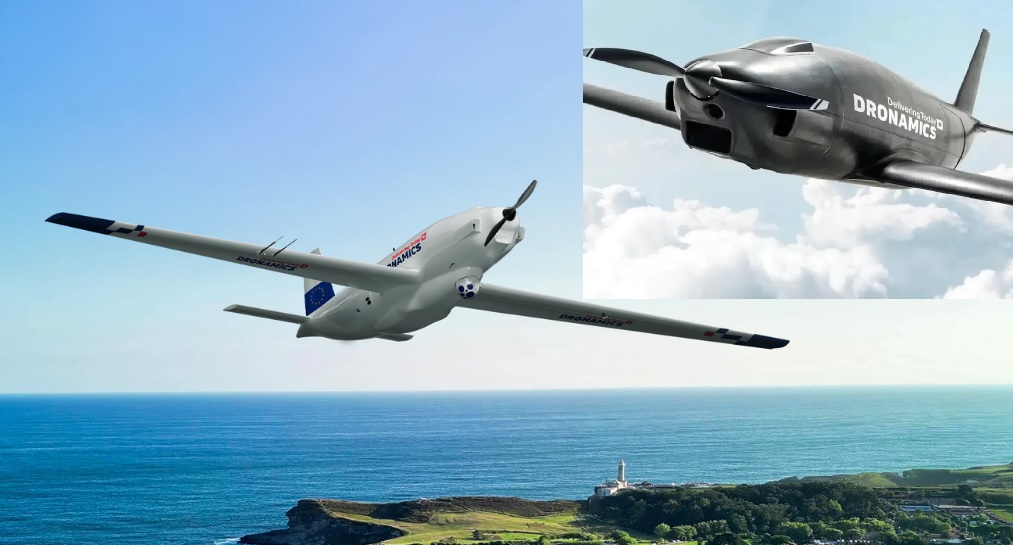
World
SOFIA, Bulgaria / TAUFKIRCHEN, Germany : German defense technology company Hensoldt and Bulgarian unmanned aircraft manufacturer Dronamics on Wednesday announced a strategic partnership to develop and produce a fully European unmanned airborne early warning and surveillance platform. The new system, named Dronamics Detect & Defend, integrates Dronamics’ long-range Black Swan unmanned aircraft with Hensoldt’s advanced mission sensor technologies. The companies describe the platform as a “100 percent made in Europe” solution designed to strengthen sovereign airspace monitoring and multi-domain threat detection capabilities. Platform Overview The Detect & Defend system is configured as a Strategic NATO Class III Unmanned Aerial System (UAS). It is intended to provide Airborne Early Warning (AEW) and Intelligence, Surveillance, Target Acquisition and Reconnaissance (ISTAR) capabilities across air, land and maritime domains. According to the companies, the platform is designed to address national security capability gaps by enabling persistent monitoring, detection and targeting of multi-domain threats. The system architecture supports continuous operations and multi-mission deployment within a single sortie. Airframe: Black Swan UAV The aerial component of the platform is based on Dronamics’ Black Swan UAV, originally engineered for long-range cargo logistics and civil protection operations. Key specifications include: Endurance: More than 24 hours of continuous flight Range: 2,500 kilometers Payload Capacity: Up to 350 kilograms Wingspan: 16 meters Fuselage Length: 8 meters Maximum Operating Altitude: Up to 9,100 meters Cruising Speed: Approximately 200 kilometers per hour The aircraft’s endurance and payload capacity allow integration of multiple surveillance and sensor systems. The platform is configured for heavy-lift, long-range operations while maintaining operational flexibility. Dronamics, recognized as Europe’s first licensed cargo drone airline, developed the Black Swan initially for commercial logistics missions. The company is co-funded by the European Union under the European Innovation Council programme and is expanding into the defense sector through this collaboration. Sensor and Mission Systems: MissionGrid Suite Hensoldt provides the sensor integration and mission systems under its MissionGrid architecture, converting the cargo-configured UAV into a multi-mission surveillance platform. The payload suite includes: PrecISR Radar System A compact Active Electronically Scanned Array (AESA) airborne multi-mission surveillance radar Designed for 24-hour operation All-weather operational capability Multi-domain surveillance performance MissMarvin Mission Management Software Integrated mission control and management system Works alongside onboard data fusion tools Enables coordinated use of multiple sensor inputs The scalable system architecture supports integration of radar and electro-optical sensors, allowing a single aircraft to execute multiple ISTAR roles during one deployment cycle. Hensoldt specializes in sensor solutions for defense and security applications across air, sea, land and cyber domains and continues investment in software-defined defense architectures to enhance interoperability and system flexibility. Deployment Focus and Demonstration Timeline Initial demonstrations of the joint solution are scheduled to take place later in 2026. Following successful demonstrations, operational deployment is expected to prioritize regions identified as critical to European security, including: Europe’s Eastern Flank The Mediterranean Sea The Atlantic Ocean The companies state that the system is intended to address coverage gaps in national and regional airspace monitoring, supporting NATO-aligned security requirements. Executive Statements Dietmar Thelen, Member of Hensoldt’s Group Executive Committee and Head of the Multi-Domain Solutions Division, said the partnership focuses on delivering integrated airborne solutions to close operational capability gaps and enhance European security, particularly along the Eastern Flank. He noted that the project reflects progress in software-defined defense development. Svilen Rangelov, Co-Founder and Chief Executive Officer of Dronamics, stated that the Detect & Defend system builds on the company’s tested drone platform. He emphasized the aircraft’s endurance exceeding 24 hours and its payload integration flexibility as key enablers for advanced defense applications, and highlighted collaboration with Hensoldt to leverage European aerospace technologies. Strategic Significance The Detect & Defend platform represents a joint initiative to deliver a fully European-built airborne early warning and surveillance system at a time when European states are increasing investment in sovereign defense capabilities. By combining long-endurance unmanned flight, AESA radar technology, and integrated mission software, the system is positioned to provide persistent airborne surveillance coverage across multiple operational theaters without reliance on non-European suppliers. Demonstration activities later this year will determine the timeline for operational fielding and potential procurement by European defense customers.
Read More → Posted on 2026-02-16 13:14:55
World
THE HAGUE : Dutch State Secretary for Defence Gijs Tuinman has stated that European operators of the F-35 Lightning II possess the technical capability to ensure operational independence from the United States if required, as part of a broader discussion on European defense readiness and long-term strategic autonomy. Speaking in a recent interview with BNR Podcasts, Tuinman addressed concerns regarding the reliance of European F-35 fleets on US-managed software systems. During the exchange, he indicated that the aircraft’s software architecture could theoretically be bypassed, comparing the process to “jailbreaking” a consumer device. “I’m going to say something I should never say, but I’ll do it anyway,” Tuinman said. “Just like your iPhone, you can jailbreak an F-35. I won’t say more about it.” When asked whether European operators could modify the aircraft’s systems without US approval, Tuinman responded, “That’s not the point… we’ll see whether the Americans will show their true colors.” His remarks were delivered in the context of Europe’s stated objective to achieve greater military self-reliance by the end of 2028, including the ability to defend itself without direct US assistance. The Software Architecture Behind the F-35 The F-35 Lightning II, developed by Lockheed Martin, differs from earlier-generation combat aircraft in its extensive reliance on centralized digital infrastructure and software integration. European operators — including the Netherlands — depend on several US-managed systems that support maintenance, logistics, and mission functionality. One key element is the Operational Data Integrated Network (ODIN), which replaced the earlier Autonomic Logistics Information System (ALIS). ODIN is designed to monitor aircraft health, track component degradation, manage maintenance schedules, and transmit operational data to centralized servers. The system supports predictive maintenance and fleet readiness management across participating nations. The aircraft also relies on Mission Data Files (MDFs), which are essential to its sensor and electronic warfare capabilities. MDFs contain detailed threat libraries that allow the F-35 to identify and classify radar systems, missile batteries, and aircraft signatures. These files are compiled, validated, and updated through US-led processes before distribution to partner nations. Additionally, the F-35 operates within encrypted NATO communications frameworks, including Link-16 and other secure networks. Access to certain advanced weapons systems and secure communications requires cryptographic keys and authorization protocols managed within alliance structures. Because of this architecture, defense analysts have long discussed whether the United States retains indirect leverage over foreign-operated F-35 fleets. While there is no publicly confirmed mechanism that allows the US to remotely disable an aircraft in flight, limitations on software updates, maintenance system access, mission data updates, or cryptographic support could gradually affect operational readiness. Implications of the “Jailbreaking” Reference In technology terms, “jailbreaking” refers to bypassing manufacturer-imposed software restrictions to gain greater system control. Applied to the F-35 context, Tuinman’s analogy suggests that European technicians could potentially develop technical workarounds to reduce or eliminate dependencies on US-controlled software elements if political circumstances required it. The Dutch Ministry of Defence has not provided technical details on what specific systems could be modified or how such changes would be implemented. It remains unclear whether Tuinman was referring to a theoretical capability, contingency planning, or an existing technical pathway. Neither Lockheed Martin nor the US Department of Defense has issued public responses to the remarks. European Strategic Autonomy and the 2028 Objective Tuinman’s comments align with broader discussions across European capitals about strengthening defense sovereignty. Several European governments have increased defense spending and expanded industrial cooperation in response to evolving security dynamics. The Netherlands, as an F-35 partner nation, has invested significantly in the aircraft program and operates the jet as the backbone of its air force. Ensuring unrestricted operational control over such a core capability is central to any credible timeline for European defense autonomy. Tuinman stated that Europe aims to be capable of defending itself independently by late 2028. Achieving that objective would require secure access to logistics networks, mission data updates, munitions integration, and communications systems without vulnerability to external political decisions. His remarks reflect ongoing discussions within Europe regarding the long-term structure of transatlantic security arrangements. By indicating that software workarounds may exist, Tuinman highlighted that European governments are examining contingency measures while continuing to operate within established alliance frameworks. No Immediate Policy Changes Announced Despite the attention generated by the comments, there has been no indication of immediate operational changes to Dutch or European F-35 fleets. The Netherlands remains a NATO member and a close defense partner of the United States. The Dutch Ministry of Defence has not announced plans to modify aircraft software, alter participation in US-managed support systems, or pursue independent mission data development outside existing agreements. At present, European F-35 operators continue to rely on established maintenance, software, and mission data frameworks coordinated through the multinational F-35 program office and US defense infrastructure.
Read More → Posted on 2026-02-15 18:08:00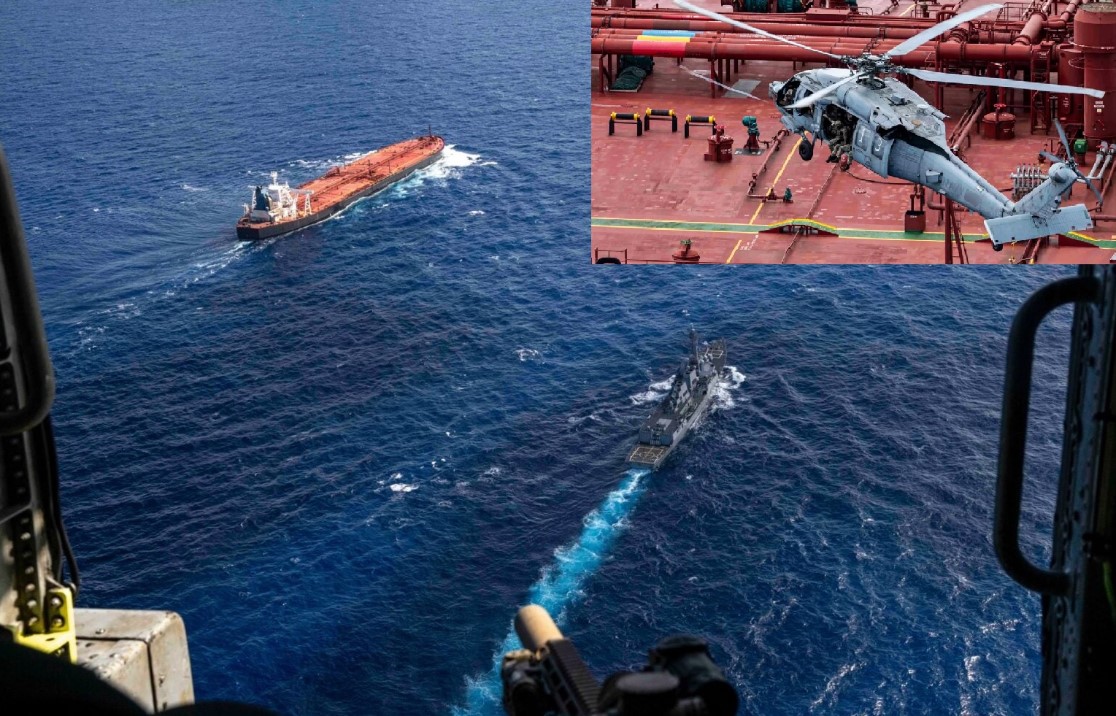
World
U.S. Military Boards Sanctioned Oil Tanker Veronica III in Indian Ocean WASHINGTON : U.S. military forces have intercepted and boarded the oil tanker Veronica III in the Indian Ocean after tracking the vessel from the Caribbean Sea, the Pentagon confirmed on Sunday, February 15, 2026. The operation is part of ongoing U.S. actions to enforce international sanctions against illicit oil shipments linked with Venezuela and other sanctioned networks. Tracking and Interdiction Effort According to the U.S. Department of Defense, U.S. forces monitored Veronica III beginning in the Caribbean, where the tanker departed Venezuelan waters on January 3, 2026, with a large cargo of crude and fuel oil. The vessel was located and boarded overnight within the operational area of the U.S. Indo-Pacific Command (INDOPACOM). Officials described the action as a “right-of-visit, maritime interdiction and boarding”, carried out without incident. The Pentagon also released video footage showing U.S. personnel boarding the tanker at sea, including via helicopter deployment. In a public post on the social media platform X, the Defense Department stated that the Veronica III “tried to defy President Trump’s quarantine,” referencing a directive issued by the U.S. in December 2025 to enforce maritime restrictions on sanctioned vessels. Vessel Profile and Cargo The Veronica III is a large oil tanker registered under the Panamanian flag and is listed on the U.S. Treasury Department’s sanctions list for its involvement in transporting petroleum believed to violate U.S. sanctions regimes. Analysts and maritime tracking data indicate that the vessel was transporting an estimated 1.9 million to 2 million barrels of crude and fuel oil when intercepted. The tanker’s movements and past cargoes have been associated with supply networks involving Venezuelan, Iranian, and Russian oil, part of what maritime analysts call a “shadow fleet” that frequently alters flags and tracking information to evade detection. Context of Enforcement Activity The boarding of Veronica III is aligned with broader U.S. strategies to disrupt sanctioned oil flows. In December 2025, the U.S. government ordered a maritime quarantine targeting sanctioned tankers as part of efforts to strengthen enforcement against illicit oil exports. Earlier in January 2026, U.S. forces conducted Operation Southern Spear, a military action that included the capture of Venezuelan President Nicolás Maduro. Defense officials noted that Veronica III was among several tankers that departed Venezuelan waters on the same day as Maduro’s apprehension. Last week, U.S. forces also intercepted another sanctioned oil tanker, Aquila II, in the Indian Ocean under similar circumstances. That vessel remains held as U.S. authorities determine its legal and logistical disposition. Legal and International Response Officials have not announced whether Veronica III will be formally seized or placed under U.S. control following the boarding. The Department of Defense stated the operation adhered to international maritime protocols and that it was executed without resistance from the vessel’s crew. The enforcement of sanctions against oil shipments continues to draw attention from other governments and international maritime stakeholders, some of whom have differing interpretations of the legal and diplomatic implications of such interceptions in international waters.
Read More → Posted on 2026-02-15 17:48:26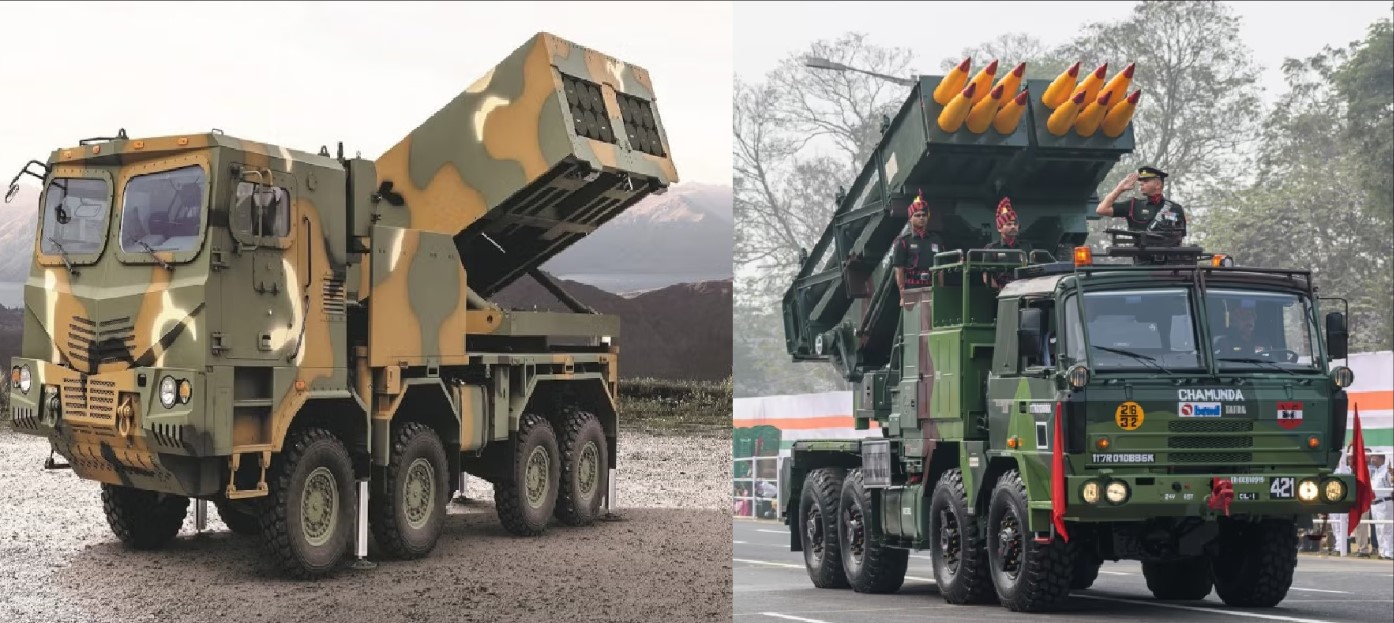
France Evaluates Chunmoo and Pinaka as Interim MLRS to Bridge Gap Until FLP-T Enters Service in 2030
World
PARIS : The French Army is assessing foreign multiple launch rocket systems (MLRS) as a temporary solution to sustain long-range artillery capabilities until its domestically developed FLP-T (Frappe Longue Portée – Terrestre) system enters service in 2030. Among the systems under evaluation are South Korea’s K239 Chunmoo and India’s Pinaka, alongside previously examined options such as the American M142 HIMARS and Israel’s PULS. The move follows concerns over the limited availability and aging condition of France’s current LRU fleet, the French designation for the M270 tracked rocket launcher. Addressing the Capability Gap French artillery units currently operate a reduced number of LRU (M270) systems, which require extensive maintenance and are increasingly constrained in meeting the demands of high-intensity operations. Defense outlet Opex360 has reported that the aging fleet presents both availability and sustainability challenges. To prevent a decline in operational readiness before the FLP-T becomes available, the Ministry of Armed Forces has examined off-the-shelf foreign systems capable of rapid induction. A study by the French Institute of International Relations (IFRI) recommended South Korea’s K239 Chunmoo, produced by Hanwha Aerospace, as a suitable interim option. The Chunmoo integrates rocket launch modules similar in concept to the M270 but mounted on a wheeled chassis, providing enhanced road mobility and simplified logistics compared to tracked systems. The IFRI assessment highlighted several factors in favor of the Chunmoo: Multi-caliber capability allowing the firing of different types of rockets and missiles Operational flexibility for varied mission profiles Shorter delivery timelines compared to developing a new domestic system The K239 is already in service or on order with several European countries, including Norway, Estonia, and Poland. Poland has also initiated domestic ammunition production linked to its Chunmoo acquisition, contributing to the development of a European supply chain for compatible munitions. In parallel, France is evaluating India’s Pinaka MLRS as another potential interim system. The Pinaka, developed and produced in India, has undergone successive upgrades and is designed to deliver high-volume rocket fire with modular launcher configurations. It is being considered as a bridging solution pending the operational availability of France’s indigenous program. Long-Term Objective: The FLP-T Program Despite the review of foreign platforms, France’s long-term strategy remains centered on sovereign industrial capability under the 2024–2030 Military Programming Law (LPM). The FLP-T program is mandated to replace the M270 LRU with a domestically developed long-range strike system. According to program targets, the FLP-T must initially achieve a strike range exceeding 150 kilometers at the time of delivery in 2030. A subsequent phased enhancement is planned to extend operational reach to between 500 and 1,000 kilometers. Two industrial consortiums are currently engaged in parallel development efforts for the FLP-T contract: Safran and MBDA Thales and ArianeGroup The French government is expected to select the winning industrial team in 2026. Competing Domestic Proposals French defense companies have already introduced candidate systems aligned with FLP-T requirements. In April 2025, at the defense exhibition in Le Bourget, a domestically developed MLRS named Foudre was publicly unveiled. Positioned in the same operational category as the U.S. HIMARS, Foudre has been presented as a fully French-made solution designed to meet national operational requirements. In October 2025, the MBDA–Safran consortium formally introduced the Thundart MLRS. The system has been developed specifically to compete for the French Army’s upcoming tender and is structured to comply with the initial range objectives of the FLP-T program. The consortium has emphasized European supply chain autonomy as a core component of its proposal. Industrial and Strategic Considerations France’s evaluation of interim foreign systems reflects a dual-track approach: maintaining near-term operational readiness while advancing long-term industrial sovereignty. The interim procurement, if approved, would serve as a temporary capability bridge until domestic serial production under the FLP-T program begins. At the same time, the 2024–2030 LPM framework reinforces France’s objective of ensuring strategic autonomy in long-range ground-based strike systems. A final decision on interim acquisitions has not yet been publicly announced. The selection of the FLP-T prime contractor is expected in 2026, with system induction planned for 2030.
Read More → Posted on 2026-02-15 17:41:03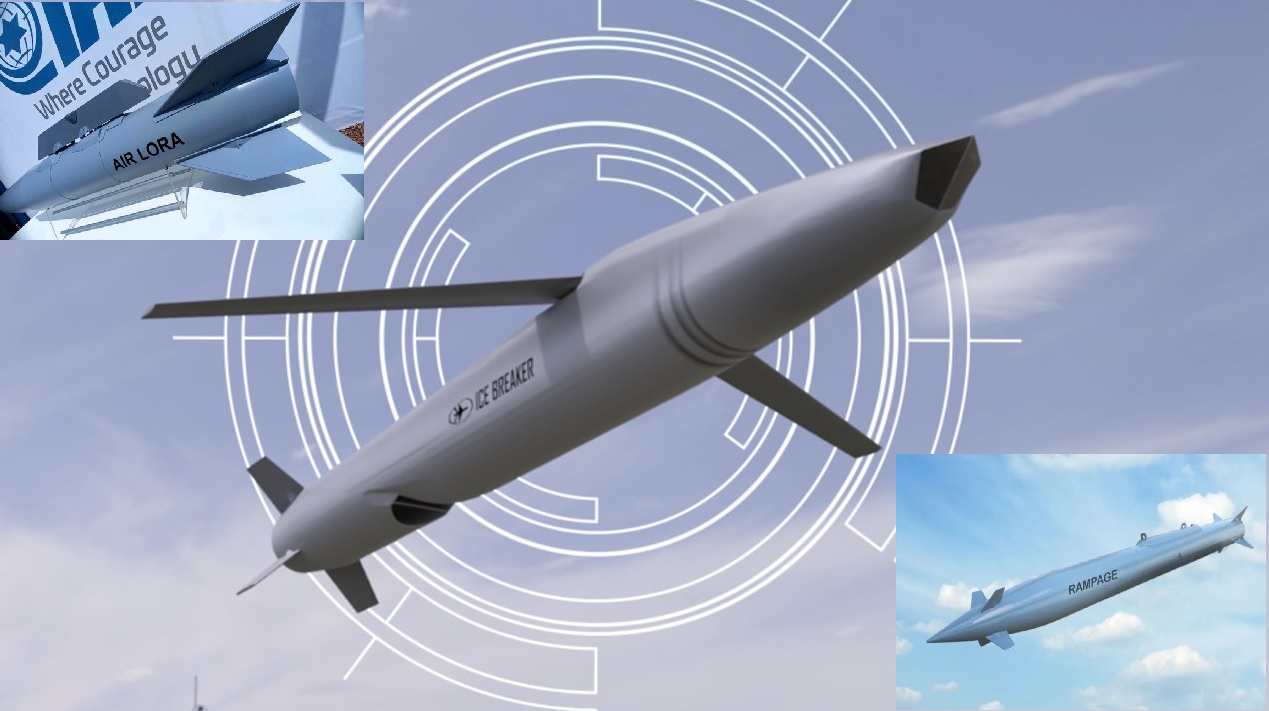
India
NEW DELHI : The Government of India has approved a major defence procurement package from Israel valued between $8.6 billion and $8.7 billion, equivalent to approximately ₹72,000 crore to ₹78,217 crore. The clearance was granted by the Defence Acquisition Council (DAC), the apex body responsible for capital acquisition decisions for the Indian Armed Forces. The package focuses on precision-guided munitions, long-range stand-off strike systems, and associated support equipment for the Indian Air Force (IAF) and the Indian Navy. The approval further consolidates Israel’s position as India’s second-largest arms supplier after France. According to export data covering the period from 2020 to 2024, India accounted for 34 percent of Israel’s total defence exports, making New Delhi the largest customer for Israeli defence equipment during that period. Procurement Overview and Operational Focus The acquisition is designed to strengthen stand-off strike capability, improve survivability of combat aircraft against layered air defence systems, and enhance operational flexibility in contested environments. The systems cleared under the package include precision-guided bombs, long-range air-to-surface missiles, air-launched ballistic missiles, cruise missiles, loitering munitions, air-to-air missiles, radar systems, simulators, and network-enabled command-and-control equipment. The emphasis of the procurement is on GPS-independent guidance, anti-jamming resilience, and extended-range engagement capability, allowing Indian aircraft to strike targets while remaining outside hostile air defence envelopes. SPICE 1000 Precision-Guidance Bomb Kits A central component of the package is the procurement of approximately 1,000 units of the SPICE 1000 precision-guided bomb kits, manufactured by Rafael Advanced Defense Systems. The SPICE 1000 is a 500-kilogram class autonomous air-to-ground system with a strike range of up to 100 kilometres. It employs an electro-optical homing head combined with scene-matching algorithms. The system is designed to operate independently of GPS signals, enabling effective performance in electronically contested environments. It offers a circular error probable (CEP) of under three metres. The integration of these systems is intended to enhance the IAF’s ability to conduct precision strikes against fixed targets, including hardened structures and high-value infrastructure, without reliance on satellite navigation. Rampage Air-to-Surface Missiles The package also includes the Rampage stand-off air-to-surface missile, developed jointly by Israel Aerospace Industries (IAI) and Elbit Systems. The Rampage missile has an operational range between 150 and 250 kilometres. It weighs approximately 570 kilograms, measures 4.7 metres in length, and is equipped with a GPS/INS guidance system featuring anti-jamming capabilities. The missile is designed for high-speed precision strikes against surface targets such as air defence systems, command centres, and military installations. The IAF and the Indian Navy have already integrated Rampage missiles on multiple fighter platforms, including the Su-30MKI, MiG-29, Jaguar, and the carrier-based MiG-29K. The current procurement expands available stockpiles and enhances sustained operational readiness. Air LORA Air-Launched Ballistic Missile The Air LORA system, produced by Israel Aerospace Industries, forms another major component of the procurement. It is the air-launched variant of the Long-Range Artillery (LORA) system. The missile has a strike range of approximately 400 to 430 kilometres and weighs about 1,600 kilograms. It is capable of supersonic speeds up to Mach 5. Designed as a fire-and-forget system, Air LORA allows launch aircraft to disengage immediately after release. The system is intended for precision engagement of high-value targets, including air bases, military infrastructure, and air defence nodes, while maintaining stand-off distance from hostile engagement zones. Ice Breaker Cruise Missile System The Ice Breaker missile, manufactured by Rafael Advanced Defense Systems, is a lightweight cruise missile weighing under 400 kilograms. It has a low-altitude operational range of up to 300 kilometres. The missile features a Very Low Observable (VLO) design and is equipped with an electro-optical imaging infrared (IIR) seeker. It incorporates automatic target recognition and artificial intelligence-enabled processing. The system is designed to operate effectively in GPS-denied and electronically contested environments. Ice Breaker provides flexible deployment options from multiple air platforms and is intended to enhance precision strike capability against land and maritime targets. Additional Systems and Support Equipment Beyond primary strike systems, the approved package includes loitering munitions for precision engagement and battlefield surveillance, air-to-air missiles for enhanced aerial combat capability, advanced radar systems to improve detection and tracking, high-fidelity simulators for training and operational preparedness, and network-enabled command-and-control systems to support integrated operations. These elements are intended to support force multiplication, improve coordination between services, and ensure interoperability across platforms. Domestic Production and Technology Transfer The procurement agreement incorporates technology transfer provisions aligned with India’s Atmanirbhar Bharat initiative, aimed at strengthening domestic defence manufacturing capacity. State-owned enterprises, including Hindustan Aeronautics Limited (HAL) and Bharat Electronics Limited (BEL), along with the Defence Research and Development Organisation (DRDO), are expected to undertake domestic production, systems integration, electronics assembly, and aircraft mounting work related to the Air LORA and Ice Breaker systems. This arrangement is intended to enhance indigenous capability in missile integration, avionics, and network-centric warfare systems, while reducing long-term dependency on direct imports. Strategic and Operational Context According to defence officials, the accelerated procurement responds to evolving operational requirements along India’s borders. Particular emphasis has been placed on systems capable of functioning in environments where satellite navigation signals may be degraded or denied. The selection of GPS-independent and anti-jamming systems such as SPICE 1000 and Ice Breaker reflects assessments related to advanced air defence deployments along the Line of Actual Control (LAC) and the reported use of GPS-jamming tactics during recent military engagements, including Operation Sindoor in May 2025. The combination of extended-range ballistic and cruise missile systems is expected to expand India’s stand-off strike envelope, enabling layered response options across varying threat scenarios.
Read More → Posted on 2026-02-15 17:29:31
World
WASHINGTON : The U.S. Air Force is moving forward with development of the Next Generation Penetrator (NGP), a new hard-target defeat weapon intended to replace the GBU-57 Massive Ordnance Penetrator (MOP). The decision follows operational use of the 30,000-pound GBU-57 earlier this year and reflects updated requirements tied to future bomber platforms and evolving electronic warfare conditions. The program is being managed by the Air Force Life Cycle Management Center (AFLCMC), which has awarded a two-year contract to Applied Research Associates (ARA), headquartered in New Mexico, to lead overall system design, prototyping and testing. Boeing, the original manufacturer of the GBU-57, is partnering on development of the tail kit assembly and will support integration of the complete munition configuration. Operational Context and Program Acceleration The Department of Defense began examining concepts for a successor to the GBU-57 more than a decade ago. However, the requirement gained urgency following “Operation Midnight Hammer” (June 2025), during which U.S. Air Force B-2 Spirit bombers conducted strikes against deeply buried Iranian nuclear facilities at Fordow and Natanz. During that operation, 14 GBU-57 Massive Ordnance Penetrators were employed against hardened underground targets. Post-strike assessments identified operational constraints associated with the weapon’s size and platform compatibility. The GBU-57, weighing approximately 30,000 pounds, can only be carried by the B-2 Spirit and is limited to two weapons per sortie. In cases involving heavily reinforced structures, multiple munitions were required to be delivered sequentially into the same impact point to achieve the intended structural damage. The NGP program is structured to address these constraints by reducing weapon weight, improving precision, and expanding compatibility with future bomber platforms. Weight Reduction and Platform Integration Procurement documentation specifies that the NGP warhead must weigh 22,000 pounds or less, representing a reduction of roughly one-third compared to the GBU-57. The size and weight limits are aligned with integration requirements for the B-21 Raider stealth bomber, which is expected to carry one NGP per mission under current planning assumptions. The reduced form factor is also intended to allow potential integration with additional platforms as future force structure evolves. While the GBU-57 is exclusive to the B-2 fleet, the NGP is being designed with broader compatibility considerations, subject to certification and testing. Guidance and Accuracy in Contested Environments The NGP will incorporate advanced guidance and navigation systems designed to operate effectively in GPS-degraded or denied environments. The requirement reflects operational lessons from recent conflicts involving electronic interference and satellite navigation disruption. The Air Force has specified a terminal Circular Error Probable (CEP) of 2.2 meters (7.2 feet) or less, ensuring high accuracy even under contested conditions. The guidance architecture is expected to reduce reliance on standard GPS signals, though specific subsystem configurations have not been publicly disclosed. Smart Fuzing and Penetration Enhancements A key feature of the NGP will be the integration of “void-counting” smart fuzes. These embedded sensors are designed to detect internal cavities or hollow spaces within rock, reinforced concrete, or underground structures. By measuring density changes during penetration, the fuze system can determine the optimal detonation depth to maximize internal structural damage. The munition is required to deliver a combination of blast, fragmentation, and specialized penetration effects. The design objective is to enhance effectiveness against Hard and Deeply Buried Targets (HDBT), including facilities protected by reinforced concrete, steel structures, and natural rock overburden. Propulsion and Stand-Off Capability Unlike the unpowered GBU-57, which relies on gravity and release altitude to generate kinetic energy, contracting documents indicate that the NGP may incorporate a rocket motor or booster. If implemented, this propulsion system would provide stand-off strike capability, enabling bomber aircraft to release the weapon from greater distances outside advanced air defense coverage. Increased impact velocity from a booster could also improve penetration depth prior to detonation. Development Timeline and Budget For fiscal year 2026, the Air Force has requested $73.7 million to support research and development activities for the NGP program. Funding will cover ground-based sub-scale testing, full-scale static testing, engineering refinement, and prototype validation. Under the current contract, Applied Research Associates (ARA) and Boeing are tasked with delivering approximately 10 sub-scale prototypes and three to five full-scale test articles within an 18- to 24-month timeframe. The Air Force plans to conclude the prototype demonstration phase by the end of fiscal year 2027. If program milestones are achieved, the Next Generation Penetrator is expected to transition into production and ultimately replace the concluding GBU-57 production line, maintaining U.S. capability to engage hardened and deeply buried targets while aligning with next-generation bomber requirements.
Read More → Posted on 2026-02-15 17:11:58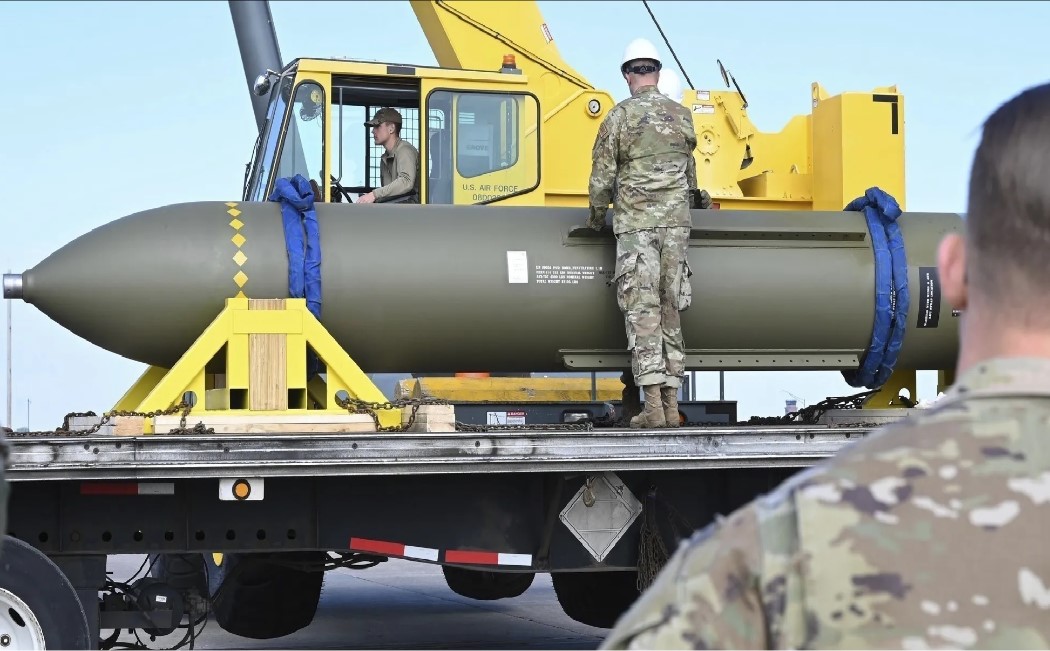
World
WASHINGTON : The U.S. Air Force has initiated a sole-source procurement with Boeing valued at more than $100 million to replenish its inventory of GBU-57 Massive Ordnance Penetrators (MOPs), following their use during U.S. strikes on Iranian nuclear facilities in June 2025. Recently released, partially redacted Justification and Approval (J&A) documents confirm the acquisition is intended to restore operational readiness within Air Force Global Strike Command. The procurement is specifically designated to replace GBU-57 munitions expended during U.S. military operations conducted on the night of June 21–22, 2025, under the codename Operation Midnight Hammer. Defense officials indicated in the documents that replenishing the stockpile is “critically needed” to maintain the Air Force’s capability against deeply buried and hardened targets. Limited Stockpile and Sole-Source Selection The GBU-57 is the U.S. military’s largest conventional bunker-buster bomb, weighing approximately 30,000 pounds. Due to its specialized role and high classification level, production quantities have historically been limited. Public estimates suggested that by the mid-2010s roughly 20 units had been delivered to Whiteman Air Force Base, home to the B-2 Spirit stealth bomber fleet. The precise pre-2025 inventory remains classified. The June 2025 strikes consumed a significant portion of the available stockpile, prompting the Air Force to move forward with an urgent replenishment contract. Boeing was selected on a sole-source basis, with procurement officials stating that introducing an additional vendor would result in unacceptable delays due to the technical complexity and specialized manufacturing requirements of the weapon system. The contract covers production of MOP All-Up-Round (AUR) hardware as well as associated precision guidance tail kits. According to procurement timelines, delivery will require several years. The first new tail kits are projected to begin arriving on January 10, 2028. The extended lead time reflects the complexity of manufacturing and integrating components for the high-mass penetrator system. Operational Context: Operation Midnight Hammer The expenditure of GBU-57 munitions occurred during Operation Midnight Hammer, a coordinated U.S. strike targeting fortified Iranian nuclear infrastructure. According to official accounts, seven B-2 Spirit stealth bombers participated in the mission. During the operation, a total of 14 GBU-57 MOPs were deployed against two primary uranium enrichment sites: Fordow and Natanz. The Fordow facility, constructed deep beneath a mountain, was assessed as requiring the use of the GBU-57 due to its hardened and deeply buried structure. The weapon is designed to penetrate up to approximately 200 feet of earth and reinforced concrete before detonation, enabling it to engage targets protected by substantial overburden. The B-2 Spirit is currently the only operational aircraft capable of carrying and deploying the 30,000-pound GBU-57. Each aircraft can carry two MOPs per sortie due to payload and weapons bay constraints. Conclusion of GBU-57 Production Procurement documents indicate that the current Boeing contract is expected to conclude production under the GBU-57 program. The Air Force has signaled that this replenishment round will likely be the final acquisition of the weapon as the service transitions to its successor system. The decision aligns with broader modernization efforts aimed at integrating next-generation munitions with emerging stealth aircraft platforms. Development of the Next Generation Penetrator The GBU-57’s successor, designated the Next Generation Penetrator (NGP), is currently under development through a collaborative effort between Applied Research Associates (ARA) and Boeing. The NGP program is intended to address operational and physical limitations associated with the existing MOP. One primary objective is weight reduction. While the GBU-57 weighs approximately 30,000 pounds, the NGP is reportedly being engineered to weigh under 22,000 pounds. This reduction will allow compatibility with the weapons bay of the forthcoming B-21 Raider stealth bomber, expanding deployment options beyond the B-2 fleet. In addition to weight considerations, the NGP is being designed with upgraded smart fuzes and advanced guidance systems. Program requirements specify terminal accuracy within 2.2 meters, including performance in GPS-degraded or GPS-denied environments. These enhancements aim to improve precision while maintaining the capability to defeat deeply buried and hardened targets. Strategic Implications By replenishing the remaining GBU-57 inventory while concluding its production line, the Air Force is maintaining near-term operational capacity against hardened targets. At the same time, development and integration of the Next Generation Penetrator are intended to align future deep-strike capabilities with the next generation of stealth aviation platforms. The current contract ensures continuity of capability for Air Force Global Strike Command until the NGP program reaches operational maturity.
Read More → Posted on 2026-02-15 17:01:43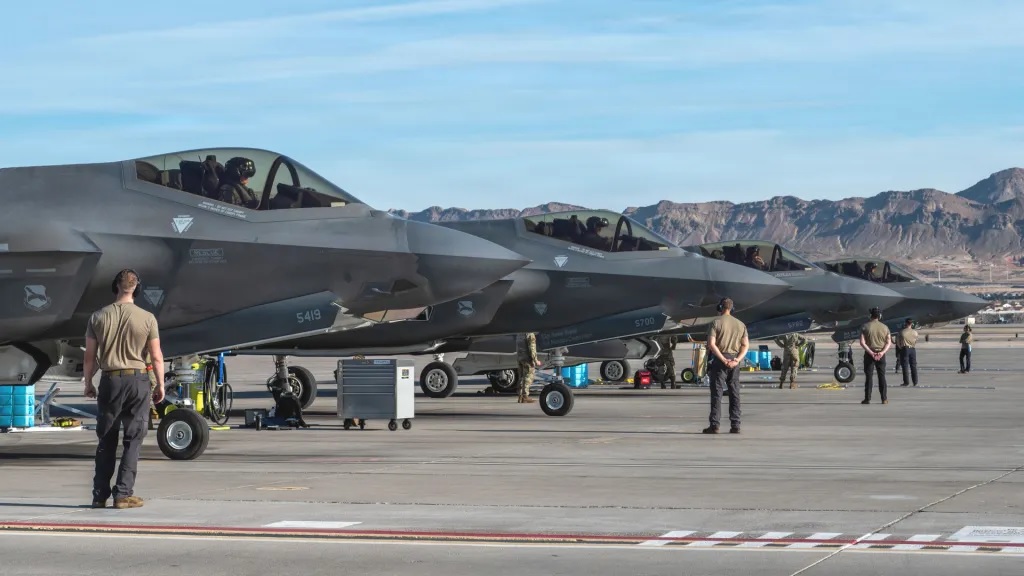
World
WASHINGTON — The U.S. Air Force has formally rejected reports claiming that newly manufactured F-35A Lightning II fighter aircraft are being delivered without onboard radar systems, stating that all Lot 17 aircraft continue to arrive with their standard AN/APG-81 radar systems installed. In a statement provided to The War Zone, an Air Force spokesperson said, “Lot 17 F-35A aircraft are being delivered to the U.S. Air Force with AN/APG-81 radars,” directly addressing allegations that surfaced in recent defense media coverage. Report Alleged Radar Installation Issues The clarification follows a report by Defense Daily, which cited anonymous sources alleging that beginning in June 2025, F-35A fighters were being accepted without radar units due to development delays involving the next-generation AN/APG-85 radar. According to the report, delays in the AN/APG-85 program had affected transition plans for newer production lots. It further claimed that the legacy AN/APG-81 radar, produced by Northrop Grumman, could not be installed on Lot 17 airframes due to modifications in mounting configurations. The publication also alleged that, in the absence of radar systems, metal weight ballasts were being installed in the nose section of the aircraft to preserve proper weight distribution and center-of-gravity requirements. The claims gained attention across online defense forums and social media platforms, particularly after photographs circulated showing an F-35A with disc-shaped metal weights installed in the forward fuselage. Air Force Identifies Aircraft as Training Platform The U.S. Air Force stated that the aircraft shown in the widely shared images is not a newly produced operational jet. Instead, officials confirmed that the aircraft is a retired F-35A airframe being used exclusively for ground-based recovery training. The photographs were taken during the first Course for Damaged Disabled Aircraft Recovery (CDDAR) conducted at Hill Air Force Base, Utah. The course focused on training maintenance and emergency response personnel in aircraft recovery operations under controlled conditions. According to Air Force officials, the airframe used in the training event is a decommissioned F-35A that sustained significant damage in a 2016 engine fire while assigned to Mountain Home Air Force Base. Following an assessment, repair costs were determined to be economically impractical, and the aircraft was formally written off. It was later repurposed as a dedicated training platform. Assembly and Training Use Personnel from the 388th Maintenance Group, working in coordination with the F-35 Joint Program Office, reassembled the damaged aircraft over a three-week period using spare components stored in maintenance depots. The aircraft is not flight-capable and is not part of operational fleet deliveries. During a recent five-day CDDAR course at Hill Air Force Base, 29 technicians from the United States and allied partner nations participated in recovery training exercises using the retired airframe. Training activities included: Lifting the aircraft using a heavy-duty crane Performing recovery procedures simulating nose landing gear failure Conducting emergency pilot extraction drills To ensure accurate simulation of real-world handling conditions, maintenance teams installed precisely calculated metal weight ballasts in the aircraft’s nose section. Officials stated that the weights were designed to replicate the operational weight and center-of-gravity characteristics of a fully equipped F-35A during complex lifting and recovery operations. No Impact on Operational Deliveries The Air Force emphasized that operational Lot 17 F-35A aircraft are being delivered with AN/APG-81 radar systems installed and that the training airframe depicted in the photographs is not representative of production aircraft. The AN/APG-81 active electronically scanned array (AESA) radar remains the standard sensor suite for current F-35A deliveries, while development of the AN/APG-85 radar continues under the broader modernization roadmap. Air Force officials stated that the circulating claims stemmed from a misinterpretation of training imagery and confirmed that no radar-less operational F-35A aircraft are being delivered to the service.
Read More → Posted on 2026-02-15 16:19:52
World
MUNICH : Prime Minister Keir Starmer has said the United Kingdom should consider re-entering negotiations on a formal defence pact with the European Union, including potential participation in the EU’s Security Action for Europe (SAFE) defence fund. He stated that closer cooperation would serve the UK’s national security interests and strengthen Europe’s overall defence capability. Speaking following an overseas visit to China and later at the Munich Security Conference in mid-February 2026, Starmer indicated that his government is open to resuming discussions with Brussels under revised terms. SAFE Fund Framework and Previous Negotiations The SAFE initiative is a €150 billion (£130 billion) loan programme established by the European Commission to support urgent and large-scale defence procurement projects across Europe. The scheme provides competitively priced, long-maturity loans aimed at accelerating joint military acquisitions and reinforcing the European defence industrial base. Although primarily designed for the 27 EU member states, the framework allows participation by third countries that maintain formal security agreements with the bloc. The UK entered negotiations in autumn 2025 to join the first iteration of the SAFE scheme. Talks ended in November 2025 after disagreements over financial entry requirements. EU officials reportedly requested contribution payments of up to £5.7 billion for participation rights. The UK government declined those terms. With the European Commission considering a second iteration of the SAFE programme, Starmer confirmed that the UK would examine participation if financial conditions align with national interests. Strategic Rationale for Cooperation Starmer stated that Europe’s defence posture requires greater integration in response to current security challenges. Participation in multinational procurement frameworks would enable joint weapons acquisitions, reduce costs through economies of scale, and improve interoperability among European armed forces. He also referred to fragmentation within Europe’s defence industrial planning, noting duplication of capabilities and uneven investment patterns. A coordinated industrial base, he said, would increase production capacity and streamline procurement across participating countries. The renewed discussion on defence coordination comes amid the ongoing conflict involving Russia and Ukraine and stated uncertainty regarding long-term United States security commitments to NATO under President Donald Trump’s administration. Starmer said enhanced European cooperation would operate alongside existing transatlantic arrangements. Defence Pact Discussions In addition to SAFE participation, Starmer said broader negotiations on a formal UK-EU defence pact should be reconsidered. Such a pact could establish frameworks for intelligence sharing, joint operations, procurement coordination, and defence industrial collaboration. Since Brexit, the UK and the EU have continued security cooperation primarily through NATO and bilateral channels. There is currently no comprehensive standalone defence agreement between London and Brussels. Starmer stated that cooperation could extend beyond EU member states to include other European countries where appropriate, focusing on shared security requirements. Diplomatic Engagements and Next Steps Further discussions are expected in London, where EU officials, including Trade Commissioner Maroš Šefčovič, are scheduled to meet UK counterparts. Defence cooperation and its connection to broader trade and industrial relations are expected to be discussed. Any renewed agreement would require negotiations on financial contributions, governance structures, procurement regulations, and eligibility criteria for UK defence firms participating in EU-funded projects. The European Commission has not formally announced detailed terms for the second edition of the SAFE fund. Consultations are ongoing within EU institutions and member states. The UK government has not set a timeline for reopening formal negotiations, though exploratory discussions are under consideration.
Read More → Posted on 2026-02-15 16:01:58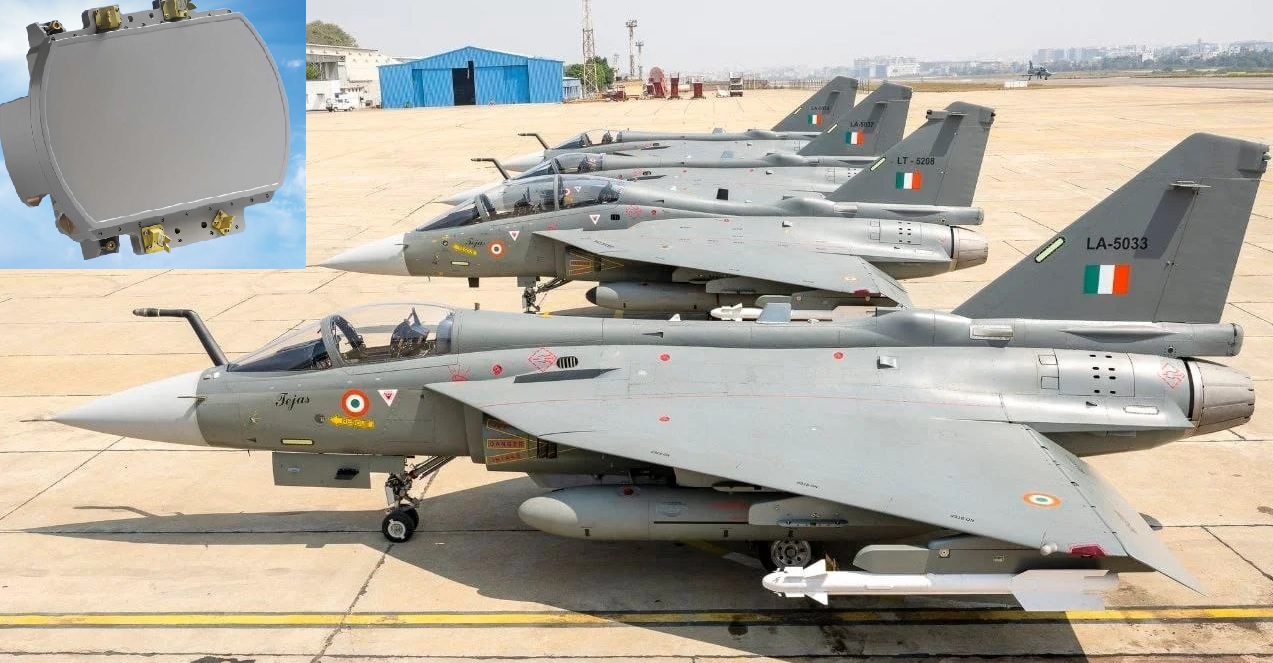
India
NEW DELHI : Deliveries of the Light Combat Aircraft (LCA) Tejas Mk1A are facing additional delays due to technical incompatibilities between the aircraft’s Active Electronically Scanned Array (AESA) radar and its onboard Electronic Warfare (EW) suite, according to recent reporting by Business Standard India and defense sources familiar with the program. The integration challenges have prompted Hindustan Aeronautics Limited (HAL) to seek temporary capability concessions from the Indian Air Force (IAF) in order to meet delivery targets for the current financial year. Integration Challenges Between AESA Radar and EW Suite At the center of the delay is the integration of the Israeli-origin ELTA EL/M-2052 AESA radar, which is being manufactured in India under license. Defense sources indicate that the radar is experiencing operational issues in cueing and functioning seamlessly alongside the aircraft’s advanced Electronic Warfare suite and other avionics subsystems. The Mk1A upgrade, compared to the earlier Mk1 configuration, includes a fully integrated AESA radar and enhanced EW suite as primary features. These systems are required to operate in coordination to ensure situational awareness, threat detection, electronic countermeasures, and target-tracking capability during combat operations. Sources further indicate that software synchronization between the Israeli radar code and indigenous weapons systems remains under refinement. This includes integration work related to the Astra beyond-visual-range air-to-air missile, which requires seamless data exchange between the radar, mission computer, and weapon control systems. Officials have clarified that the current challenges relate to system interoperability and validation, rather than structural or airframe deficiencies. HAL Seeks Capability Concessions for Initial Deliveries In response to the integration hurdles, HAL has approached the IAF seeking relaxations in the agreed Air Staff Quality Requirements (ASQRs) for the first batch of aircraft. According to defense officials, HAL has proposed delivering the initial five Tejas Mk1A fighters by March 2026 under a “capability concession” framework. Under this arrangement, the aircraft would be handed over without complete integration of all contracted systems, with pending software updates and refinements to be incorporated in subsequent upgrades. If the IAF insists on full compliance with baseline ASQR standards before acceptance, officials estimate that deliveries of the first batch could shift to May, June, or July 2026. The IAF is expected to conduct a formal project review to assess whether the aircraft in its current configuration meets acceptance criteria. Production Status and Engine Deliveries Despite the integration bottlenecks, HAL has outlined the current production status of the program. According to the company: Five Tejas Mk1A aircraft have been fully built and are physically ready for handover. Nine additional airframes have been manufactured and have completed initial test flights using reserve engines. HAL has received five F404-IN20 engines from GE Aerospace as of February 2026, covering the requirement for the first batch of five aircraft. The initial delivery timeline for the Mk1A was February 2024. However, delays in the supply of GE F404-IN20 engines, attributed to global supply chain disruptions, significantly pushed back the schedule. With engines now being delivered, software integration and avionics compatibility have emerged as the primary constraints. Contract Details and Financial Commitments The Indian Air Force has placed orders for a total of 180 Tejas Mk1A aircraft under two contracts: 83 aircraft ordered in February 2021 at a cost of ₹36,400 crore. 97 aircraft ordered in late 2025 at a cost of ₹62,370 crore. The Tejas Mk1A variant incorporates enhancements including the AESA radar, advanced EW suite, improved maintainability features, and expanded weapon compatibility compared to the earlier Mk1 version. Operational Implications for the IAF The induction of the Tejas Mk1A remains central to the IAF’s force structure planning. Following the retirement of legacy MiG-21 squadrons, the IAF’s active fighter strength has reduced to 29 squadrons, against an authorized strength of 42 squadrons. The service is relying on sustained production of the Mk1A to stabilize fleet numbers before the planned induction of the Tejas Mk2 and the Advanced Medium Combat Aircraft (AMCA) in the coming decade. The outcome of the upcoming IAF project review will determine whether deliveries proceed under interim capability concessions or are deferred until full system integration compliance is achieved.
Read More → Posted on 2026-02-15 15:47:02
World
ADELAIDE, South Australia : The Australian government has committed an initial AUD $3.9 billion (approximately USD $2.76 billion) to establish a dedicated nuclear-powered submarine construction yard at Osborne, South Australia. The investment forms part of Australia’s obligations under the AUKUS trilateral security partnership with the United States and the United Kingdom. Prime Minister Anthony Albanese described the allocation as an initial installment toward the broader development of the Submarine Construction Yard. According to Australian Naval Infrastructure (ANI), the government-owned entity responsible for delivering the project, the total cost of the facility is projected to reach approximately AUD $30 billion over the coming decades. Scope of the Osborne Development The new facility will be constructed on a 75-hectare site located north of the existing Osborne Naval Shipyard. The site is currently used to support maintenance operations for the Royal Australian Navy’s Collins-class diesel-electric submarines. The expanded yard will serve as the primary production base for the SSN-AUKUS class of nuclear-powered submarines. Construction will involve collaboration between ASC (Australia) and BAE Systems (United Kingdom). The submarines will be built in Australia following the acquisition of US-built Virginia-class submarines in the early 2030s. Key infrastructure specifications released by the government and ANI include: A fabrication hall measuring approximately 420 meters in length. Use of around 710,000 cubic meters of structural concrete. Use of approximately 126,000 tonnes of structural steel. Division of the yard into three primary operational zones: fabrication, outfitting, and a controlled nuclear precinct. The nuclear precinct will be designed for consolidation, systems testing, launch preparation, and commissioning activities. The development will require significant enabling works, including relocation of utilities, ground preparation, and construction of new access roads. These preparatory works are already underway. Integration with the AUKUS Program The shipyard forms part of the broader AUKUS agreement, announced in 2021, under which Australia will transition to operating nuclear-powered, conventionally armed submarines. The framework includes several stages. In the near term, Australia will host rotational deployments of United States and United Kingdom nuclear-powered submarines. Beginning in the early 2030s, Australia is scheduled to acquire up to three US Virginia-class submarines. Following this interim capability, Australia will transition to domestic production of the SSN-AUKUS class at Osborne. The SSN-AUKUS design will be based on a United Kingdom platform and incorporate United States technologies, including vertical launch systems and propulsion-related components. As a non-nuclear-weapon state, Australia will not manufacture nuclear fuel. Instead, complete, welded nuclear propulsion units will be supplied by the United States and the United Kingdom. Industrial and Workforce Planning The federal and South Australian governments have outlined workforce projections linked to both the construction phase and ongoing submarine production. During construction of the Osborne Submarine Construction Yard, approximately 4,000 workers are expected to be employed in design and building activities. Once the facility becomes operational and submarine production reaches peak levels, employment is projected to rise to approximately 5,500 workers. To support long-term workforce requirements, the government has committed an additional AUD $500 million to establish an on-site Skills and Training Academy. The academy is expected to train up to 1,000 apprentices annually to support Australia’s continuous naval shipbuilding program. Long-Term Infrastructure Development Australian Naval Infrastructure has indicated that the development represents one of the largest expansions of Australia’s defense industrial base. The scale of the planned construction, including large-volume concrete and steel requirements, reflects the specialized standards necessary for nuclear-powered submarine production. The Osborne facility will operate alongside existing naval shipbuilding operations and will form part of Australia’s long-term strategy to establish a sovereign nuclear submarine construction capability under the AUKUS partnership. The initial AUD $3.9 billion allocation marks the first stage of funding for what is projected to be a multi-decade infrastructure program supporting Australia’s transition to nuclear-powered submarine operations.
Read More → Posted on 2026-02-15 15:32:16
Space & Technology
MOSCOW : Russia has commenced flight testing of a new high-altitude unmanned aerial platform known as the “Barrage-1,” designed to operate in the stratosphere and provide an alternative to low-Earth orbit (LEO) satellite constellations for broadband connectivity. The system is intended to function as an aerial relay for 5G Non-Terrestrial Network (NTN) communications and ultra-high-speed internet services. The first launch marks the beginning of operational evaluation trials for the platform, which is positioned as a domestic communications solution following recent blockages of Starlink communication terminals. Officials describe the project as part of broader efforts to develop locally controlled infrastructure for telecommunications coverage across remote and strategically important regions. High-Altitude Operating Profile The Barrage-1 operates at an altitude of approximately 20 kilometers within the stratosphere. At this height, the platform remains above commercial air traffic and most weather systems, enabling stable, long-duration missions. The 20-kilometer operating ceiling provides an extended line-of-sight horizon, allowing a single platform to cover large geographic areas with 5G NTN signals. Engineers involved in the program state that the high-altitude position allows the system to function as a persistent aerial communications node. By maintaining station over designated areas, the drone can act as a floating telecommunications tower, relaying signals between ground users and network infrastructure. Aerodynamic Balance and Endurance Unlike conventional high-altitude aircraft that rely primarily on continuous engine propulsion, the Barrage-1 incorporates an aerodynamic balance system based on pneumatic ballasting principles. This mechanism enables the platform to adjust altitude and utilize natural stratospheric air currents to maintain its position. By altering buoyancy and altitude rather than depending on high-power propulsion systems, the platform is designed to remain over a specific geographic location for several days during initial operations. Development plans indicate a target endurance extending to multiple weeks in future iterations. The system’s operating concept emphasizes reduced energy consumption and extended station-keeping capability, which are central to its role as a persistent communications relay. Payload and Technical Capacity The Barrage-1 is capable of lifting payloads of up to 100 kilograms to its 20-kilometer operational altitude. This capacity allows integration of telecommunications relays, high-frequency transmitters, and supporting electronic systems required for 5G NTN deployment. The payload configuration is intended to support broadband internet distribution, secure communications links, and potentially dual-use civil and state communication requirements. Engineers note that the available mass allowance permits installation of heavy communication modules without compromising flight stability at high altitude. Domestic Development and Manufacturing The project is a joint effort between the Novgorod-based manufacturing company Aerodrommash and Bauman Moscow State Technical University. Development, engineering design, and production are reported to rely entirely on domestically manufactured components. A central structural element of the platform is its outer casing, constructed from a specialized Russian-engineered film material. The material is designed to withstand temperature fluctuations, low atmospheric pressure, and ultraviolet exposure characteristic of prolonged stratospheric operations. Program representatives state that the use of locally produced materials and subsystems ensures supply chain independence and supports national manufacturing capabilities. Intended Deployment and Coverage Strategy The Barrage-1 is designed to operate as part of a networked constellation of stratospheric platforms. When deployed in multiple units, these systems could create layered communications coverage across wide areas. The primary deployment focus is on remote and geographically challenging regions where construction and maintenance of traditional ground-based cellular towers are impractical or economically inefficient. This includes sparsely populated territories and areas with limited infrastructure access. By operating in the stratosphere rather than orbit, the system is positioned as a lower-cost alternative to satellite constellations. Officials indicate that launch and maintenance expenditures are significantly reduced compared with orbital platforms, while still enabling large-area broadband coverage. Strategic Communications Role The platform’s development follows disruptions affecting access to foreign satellite communication systems. In response, domestic alternatives are being prioritized to ensure continuity of civilian and secure communications services. As flight testing progresses, engineers are expected to evaluate endurance performance, altitude stability, payload integration, and signal relay efficiency. Further operational assessments will determine scalability and long-term deployment feasibility. The Barrage-1 program reflects a broader shift toward High-Altitude Platform Systems (HAPS) as complementary infrastructure to terrestrial and orbital communications networks. If testing milestones are achieved, the system could serve as a persistent, stratosphere-based component of Russia’s 5G NTN and broadband connectivity framework.
Read More → Posted on 2026-02-15 15:02:51Search
Top Trending in 24 Hours
-
 UK Ministry of Defence Opens £120,000 Tender for Skydio X10D Drones
-
 DRDO’s Arudhra Radar Reportedly Tracks F-35-Like Stealth Target in AI-Assisted Simulation: How It Works
-
 India Issues NOTAM for High Altitude Pseudo Satellite Test at DRDO Chitradurga Facility
-
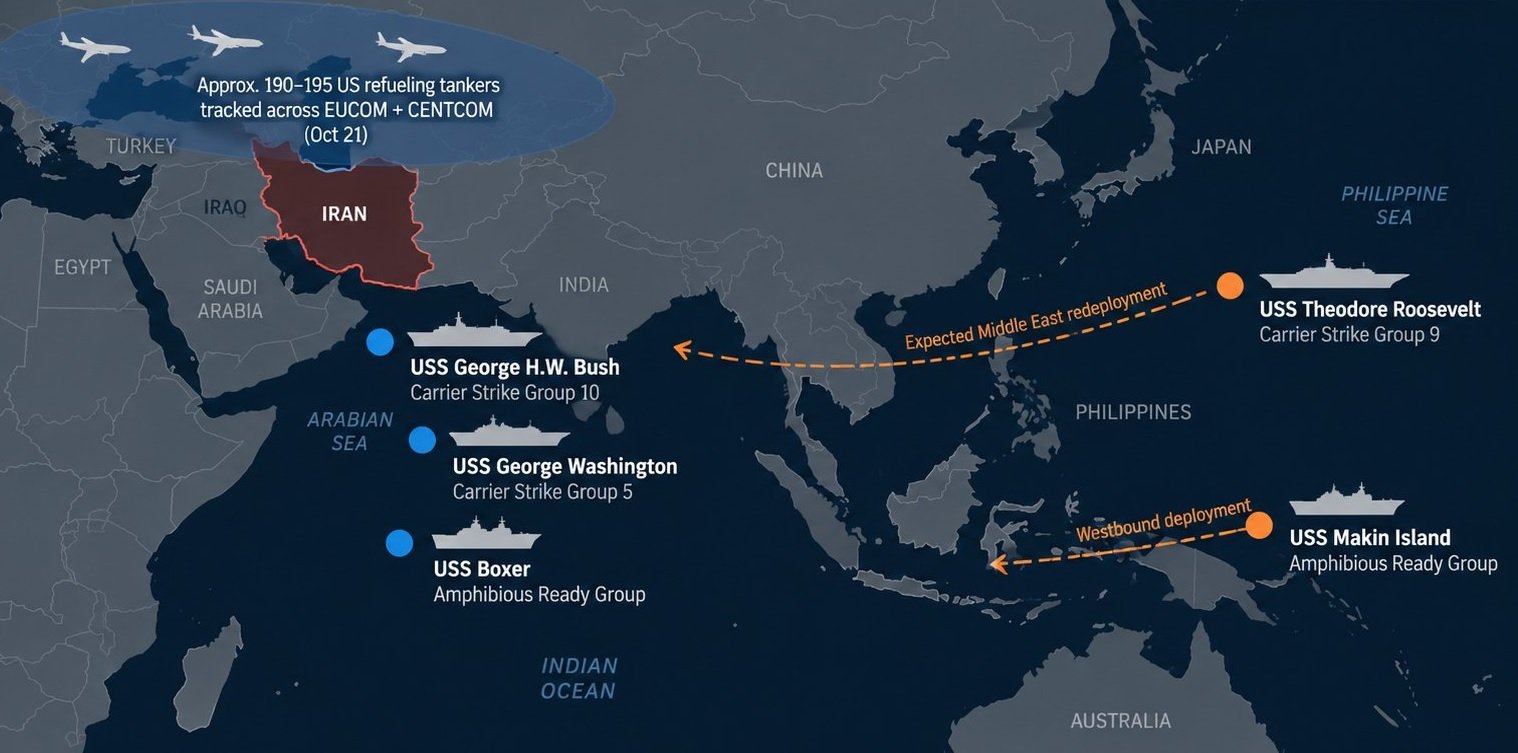 US Expands Military Buildup Near Iran with Third Aircraft Carrier and Additional Marines
-
 EDGE Integrates Autonomous Naval Systems in UAE-US Maritime Demonstration
-
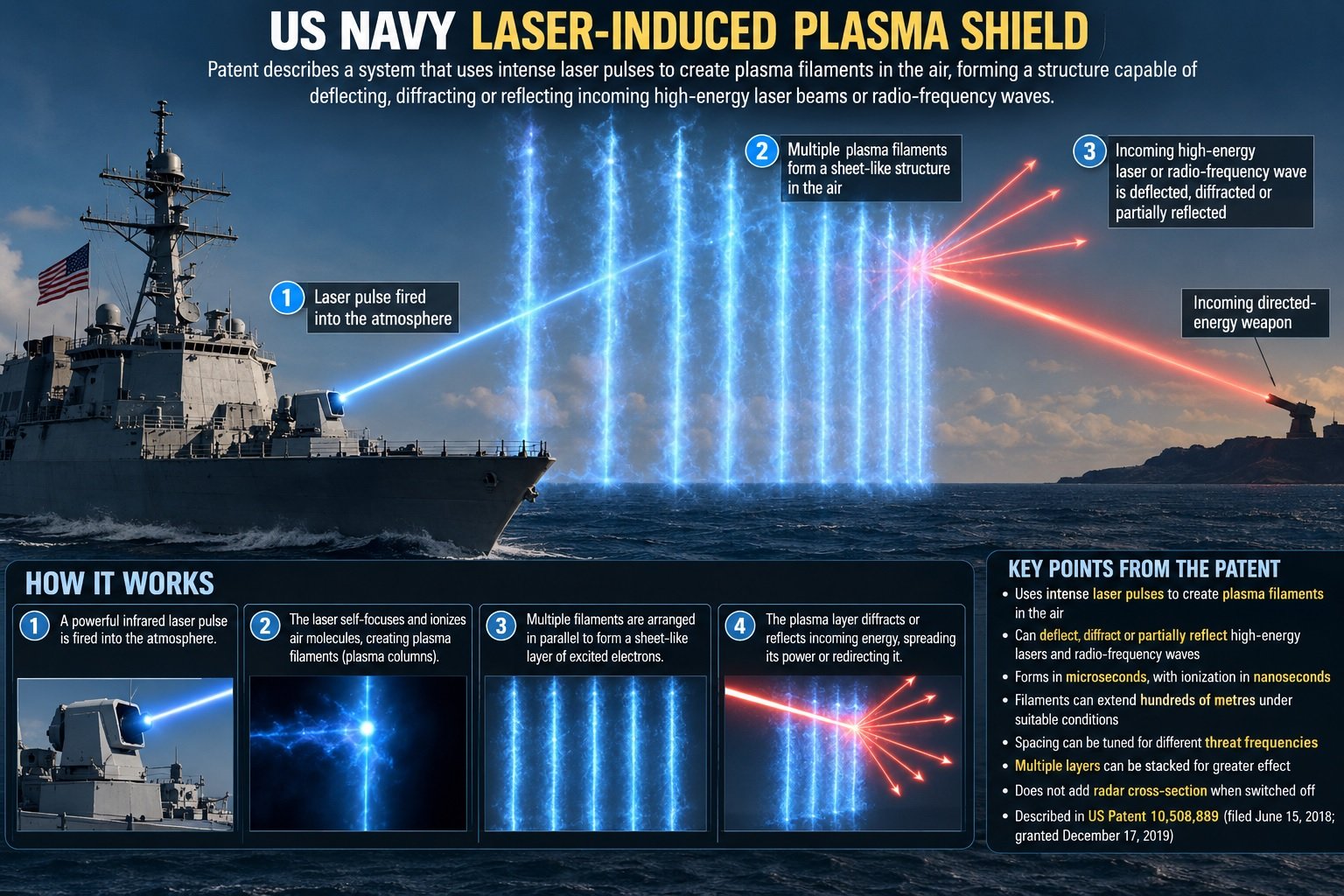 US Navy Patent Details Laser-Induced Plasma System to Deflect Directed-Energy Weapons
-
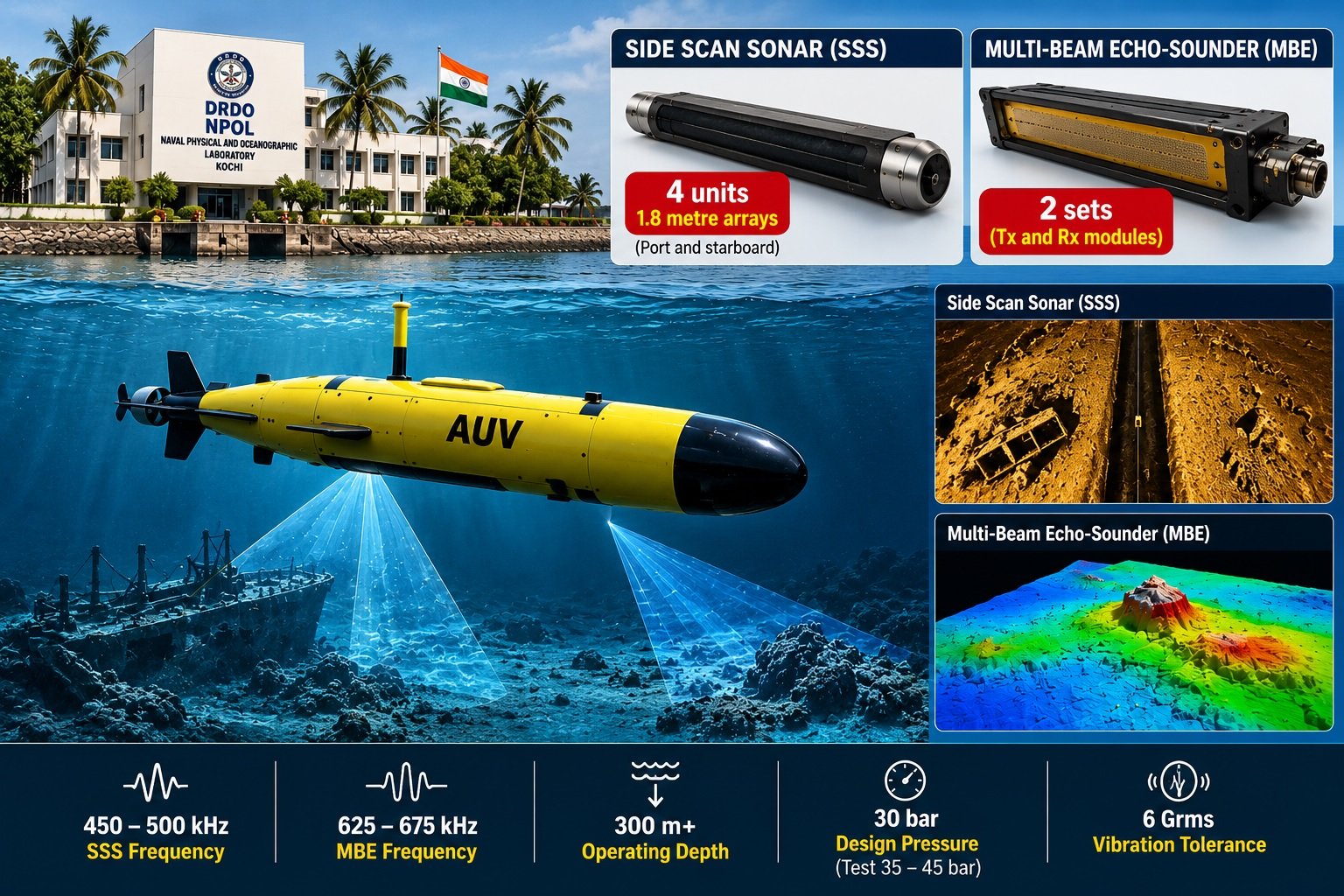 DRDO’s NPOL Issues RFP for Advanced Sonar Arrays for Two Autonomous Underwater Vehicles
-
 Italy Reportedly Orders 30 Panther Tanks and 48 Lynx IFVs in €3.7 Billion Deal
Top Trending in 4 Days
-
 NASA Demonstrates Space-to-Space Wi-Fi Between Two Orbiting Spacecraft
-
 USS Pinckney Becomes First U.S. Navy Destroyer to Begin Phase Two Modernization with Advanced SPY-6 Radar
-
 U.S. Military to Ban Chinese Automaker BYD Vehicles from Kadena Air Base in Japan Over Security Concerns
-
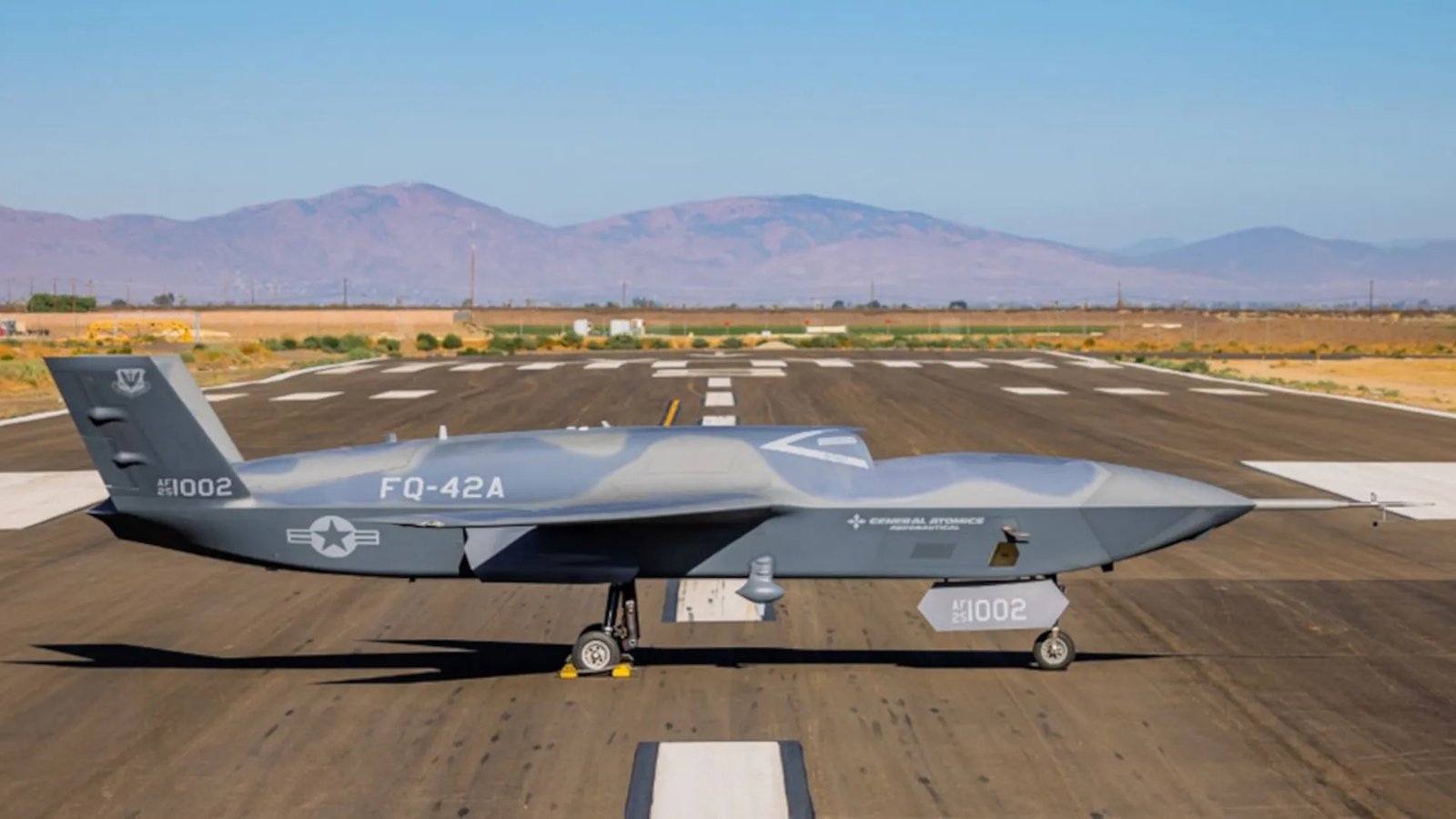 General Atomics Partners With Spirit Defense to Expand FQ-42 Vengeance Production
-
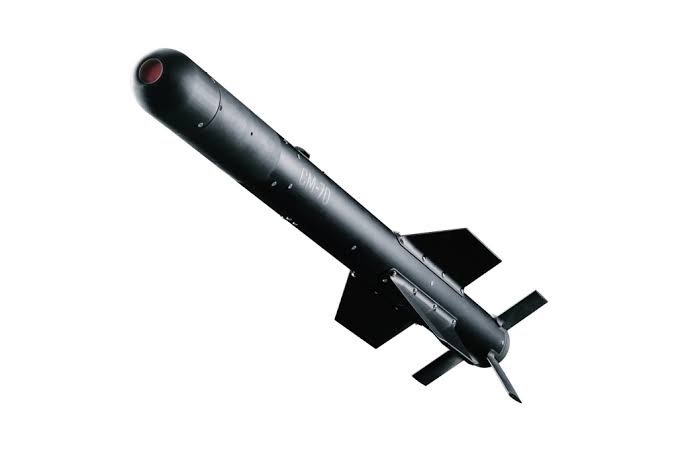 CSG and North Vector Dynamics Sign MoU to Explore European Production of CM-70 Counter-Drone Interceptor
-
 Unitree Unveils H2-X ‘Kung Fu Legend: Guardian’ Humanoid Robot for Security and Rescue
-
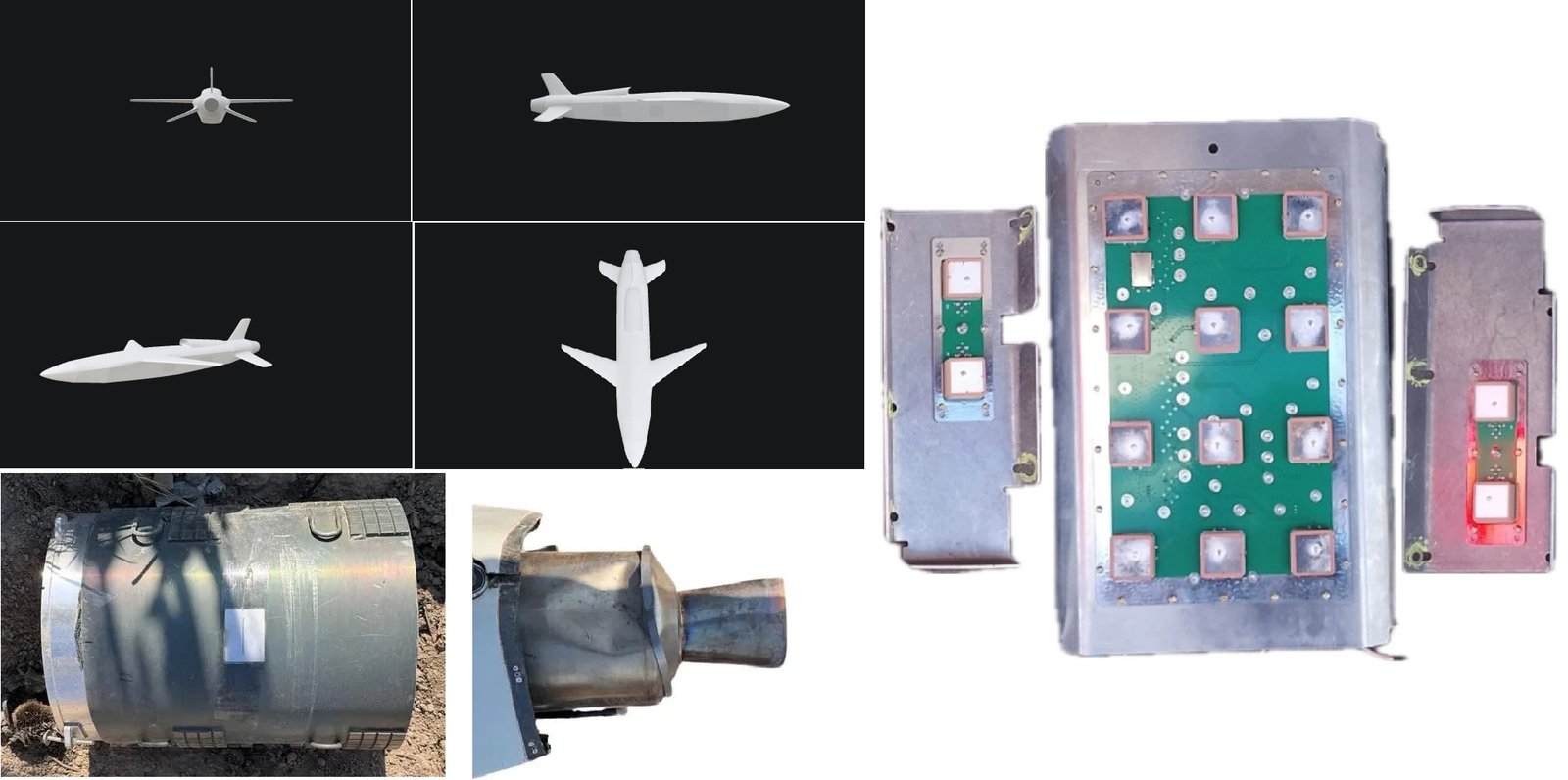 Ukraine Reveals Technical Details of Russia’s New Filin Cruise Missile
-
 Long Wall Receives $75 Million MDA Award to Complete Cyclops Interceptor Flight Testing
