WASHINGTON : The U.S. Air Force has initiated a sole-source procurement with Boeing valued at more than $100 million to replenish its inventory of GBU-57 Massive Ordnance Penetrators (MOPs), following their use during U.S. strikes on Iranian nuclear facilities in June 2025. Recently released, partially redacted Justification and Approval (J&A) documents confirm the acquisition is intended to restore operational readiness within Air Force Global Strike Command.
The procurement is specifically designated to replace GBU-57 munitions expended during U.S. military operations conducted on the night of June 21–22, 2025, under the codename Operation Midnight Hammer. Defense officials indicated in the documents that replenishing the stockpile is “critically needed” to maintain the Air Force’s capability against deeply buried and hardened targets.
Limited Stockpile and Sole-Source Selection
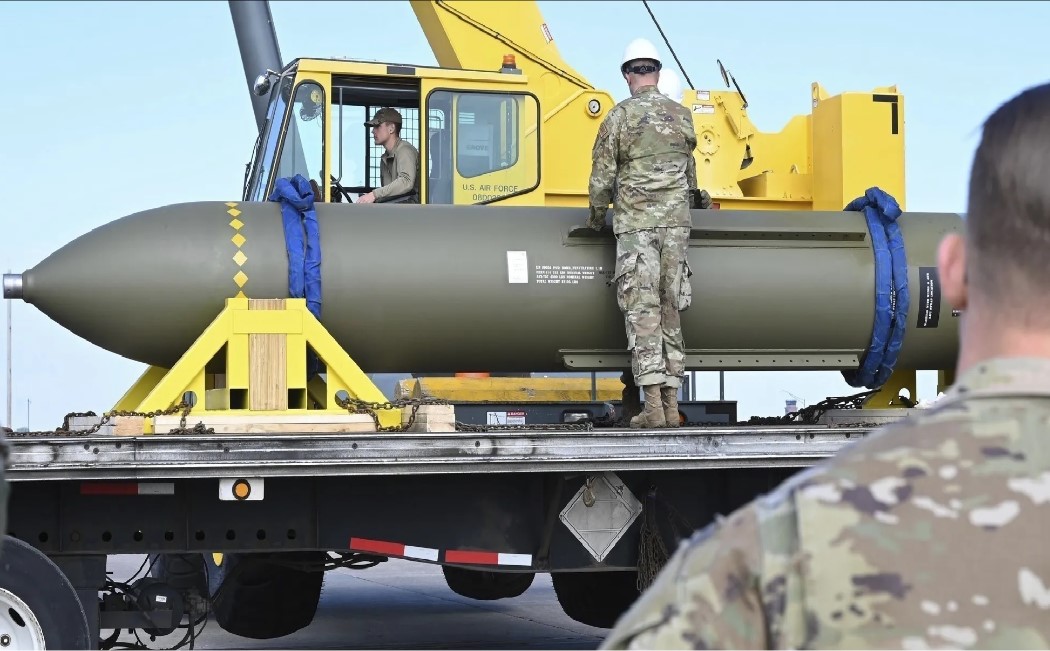
The GBU-57 is the U.S. military’s largest conventional bunker-buster bomb, weighing approximately 30,000 pounds. Due to its specialized role and high classification level, production quantities have historically been limited. Public estimates suggested that by the mid-2010s roughly 20 units had been delivered to Whiteman Air Force Base, home to the B-2 Spirit stealth bomber fleet. The precise pre-2025 inventory remains classified.
The June 2025 strikes consumed a significant portion of the available stockpile, prompting the Air Force to move forward with an urgent replenishment contract. Boeing was selected on a sole-source basis, with procurement officials stating that introducing an additional vendor would result in unacceptable delays due to the technical complexity and specialized manufacturing requirements of the weapon system.
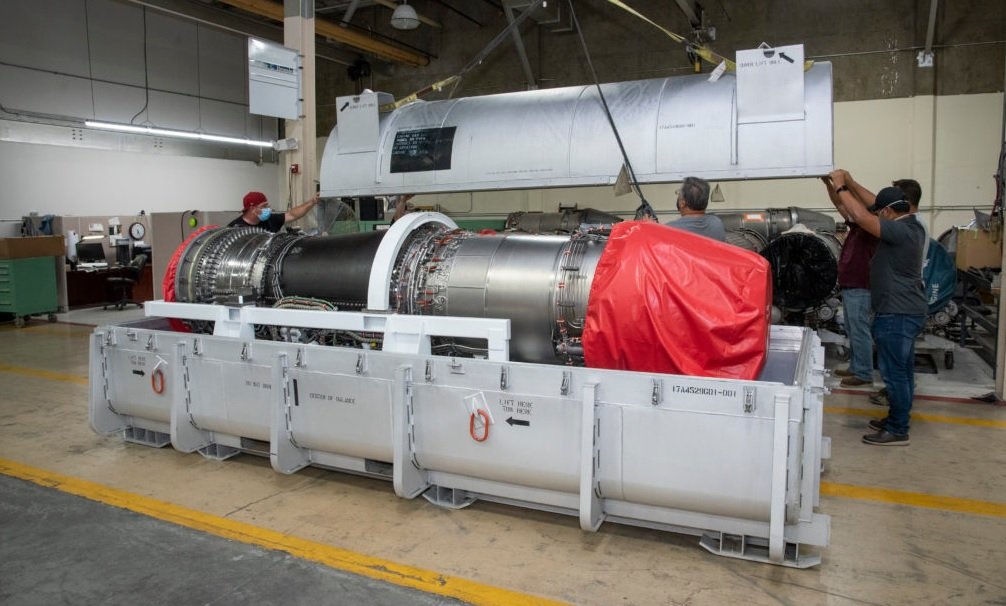
The contract covers production of MOP All-Up-Round (AUR) hardware as well as associated precision guidance tail kits. According to procurement timelines, delivery will require several years. The first new tail kits are projected to begin arriving on January 10, 2028. The extended lead time reflects the complexity of manufacturing and integrating components for the high-mass penetrator system.
Operational Context: Operation Midnight Hammer
The expenditure of GBU-57 munitions occurred during Operation Midnight Hammer, a coordinated U.S. strike targeting fortified Iranian nuclear infrastructure. According to official accounts, seven B-2 Spirit stealth bombers participated in the mission.
During the operation, a total of 14 GBU-57 MOPs were deployed against two primary uranium enrichment sites: Fordow and Natanz. The Fordow facility, constructed deep beneath a mountain, was assessed as requiring the use of the GBU-57 due to its hardened and deeply buried structure. The weapon is designed to penetrate up to approximately 200 feet of earth and reinforced concrete before detonation, enabling it to engage targets protected by substantial overburden.
The B-2 Spirit is currently the only operational aircraft capable of carrying and deploying the 30,000-pound GBU-57. Each aircraft can carry two MOPs per sortie due to payload and weapons bay constraints.
Conclusion of GBU-57 Production
Procurement documents indicate that the current Boeing contract is expected to conclude production under the GBU-57 program. The Air Force has signaled that this replenishment round will likely be the final acquisition of the weapon as the service transitions to its successor system.
The decision aligns with broader modernization efforts aimed at integrating next-generation munitions with emerging stealth aircraft platforms.
Development of the Next Generation Penetrator
The GBU-57’s successor, designated the Next Generation Penetrator (NGP), is currently under development through a collaborative effort between Applied Research Associates (ARA) and Boeing. The NGP program is intended to address operational and physical limitations associated with the existing MOP.
One primary objective is weight reduction. While the GBU-57 weighs approximately 30,000 pounds, the NGP is reportedly being engineered to weigh under 22,000 pounds. This reduction will allow compatibility with the weapons bay of the forthcoming B-21 Raider stealth bomber, expanding deployment options beyond the B-2 fleet.
In addition to weight considerations, the NGP is being designed with upgraded smart fuzes and advanced guidance systems. Program requirements specify terminal accuracy within 2.2 meters, including performance in GPS-degraded or GPS-denied environments. These enhancements aim to improve precision while maintaining the capability to defeat deeply buried and hardened targets.
Strategic Implications
By replenishing the remaining GBU-57 inventory while concluding its production line, the Air Force is maintaining near-term operational capacity against hardened targets. At the same time, development and integration of the Next Generation Penetrator are intended to align future deep-strike capabilities with the next generation of stealth aviation platforms.
The current contract ensures continuity of capability for Air Force Global Strike Command until the NGP program reaches operational maturity.
——— End of Article ———