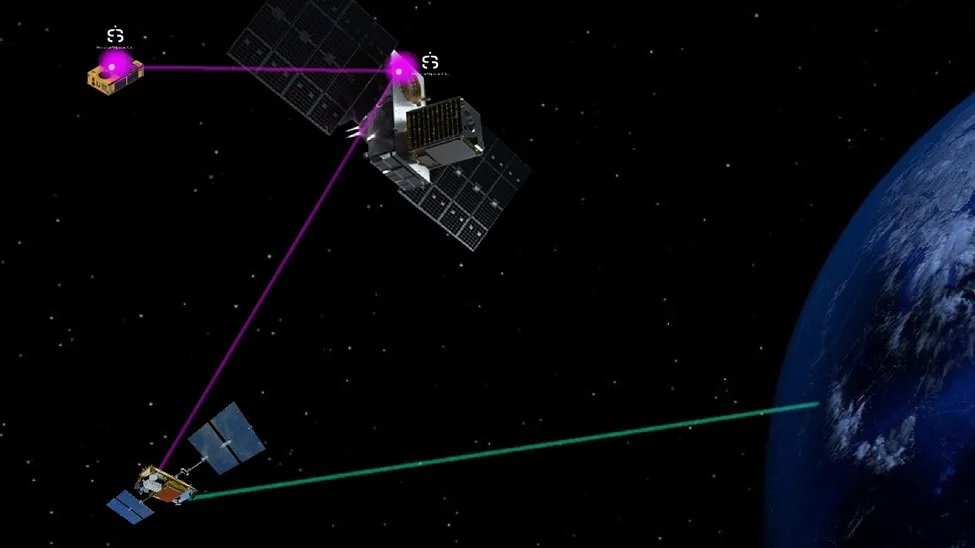
HOUSTON, — NASA has successfully demonstrated space-to-space Wi-Fi communication between its R5-S10 CubeSat and Momentus’ Vigoride-7 orbital service vehicle, allowing the two spacecraft to exchange data and relay information to mission controllers on Earth.
The demonstration took place on September 17, 2026, in low Earth orbit, using the Deke Space Communicator, a Wi-Fi system developed by San Francisco-based Solstar Space and installed aboard Vigoride-7. During approximately 30 minutes of proximity operations, the system facilitated the collection and transfer of more than 2,300 data files.
The files included optical imagery, infrared observations and LiDAR sensor readings gathered as the CubeSat flew near Vigoride-7 and inspected the vehicle under different lighting conditions and at different distances.
Spacecraft Exchange Data Through Wi-Fi
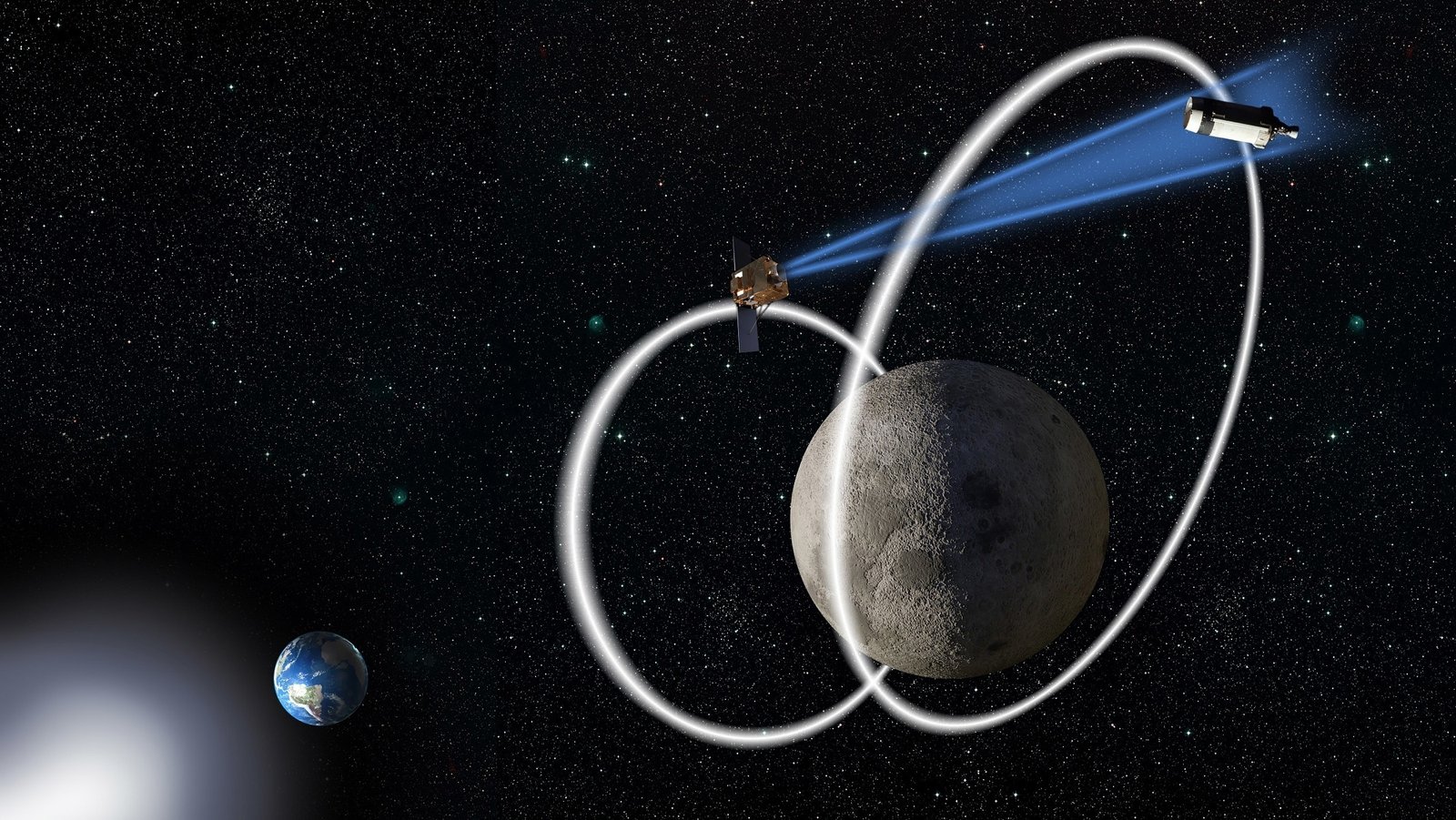
During the demonstration, the R5-S10 CubeSat transmitted a portion of its collected data to the Deke Space Communicator aboard Vigoride-7 through a local Wi-Fi connection. The information was then relayed through an experimental link using the Iridium satellite communications network to mission controllers at NASA’s Johnson Space Center in Houston, Texas.
Before the flight, ground testing had demonstrated that the wireless link could operate over distances exceeding 200 meters.
The communication test formed part of a broader mission that included commercial sensor demonstrations aboard Vigoride-7 under a SpaceWERX contract. Solstar announced the results of the wireless data exchange in October 2026.
R5-S10 CubeSat Mission Background
The R5-S10 is a 6U CubeSat developed under NASA’s Realizing Rapid Reduced-cost high Risk Research (R5) program. It launched on March 30, 2026, aboard SpaceX’s Transporter-16 rideshare mission from Vandenberg Space Force Base in California.
The spacecraft was deployed from Vigoride-7 on September 17, 2026, and then operated as a free-flying inspection spacecraft. Its mission included capturing images of the orbital service vehicle to assess its condition and performance.
The Wi-Fi demonstration was designed to test how spacecraft can exchange information locally without depending entirely on continuous communication with ground stations.
Supporting Future Autonomous Space Missions
Reliable wireless links between spacecraft could support autonomous satellite inspections, in-orbit servicing and repairs, and future spacecraft assembly. These operations require multiple vehicles to share information and coordinate activities with less intervention from ground controllers.
The data collected during the R5-S10 mission is also being used to train artificial intelligence models intended to support future autonomous space missions.
Solstar founder and CEO Brian Barnett said the technology helps spacecraft remain connected and deliver mission data to operators in near real time. Momentus CEO John Rood described the partnership as adding a communications capability that expands the possibilities for proximity operations.
The demonstration also highlights the role of commercial companies in developing space communications infrastructure. Following the test, investment firm Encore Technologies Corp. highlighted its recent $1.16 million strategic investment in Solstar Space, citing the importance of commercial communication networks for future space operations.
——— End of Article ———