NEW DELHI : The Government of India has approved a major defence procurement package from Israel valued between $8.6 billion and $8.7 billion, equivalent to approximately ₹72,000 crore to ₹78,217 crore. The clearance was granted by the Defence Acquisition Council (DAC), the apex body responsible for capital acquisition decisions for the Indian Armed Forces. The package focuses on precision-guided munitions, long-range stand-off strike systems, and associated support equipment for the Indian Air Force (IAF) and the Indian Navy.
The approval further consolidates Israel’s position as India’s second-largest arms supplier after France. According to export data covering the period from 2020 to 2024, India accounted for 34 percent of Israel’s total defence exports, making New Delhi the largest customer for Israeli defence equipment during that period.
Procurement Overview and Operational Focus
The acquisition is designed to strengthen stand-off strike capability, improve survivability of combat aircraft against layered air defence systems, and enhance operational flexibility in contested environments. The systems cleared under the package include precision-guided bombs, long-range air-to-surface missiles, air-launched ballistic missiles, cruise missiles, loitering munitions, air-to-air missiles, radar systems, simulators, and network-enabled command-and-control equipment.
The emphasis of the procurement is on GPS-independent guidance, anti-jamming resilience, and extended-range engagement capability, allowing Indian aircraft to strike targets while remaining outside hostile air defence envelopes.
SPICE 1000 Precision-Guidance Bomb Kits
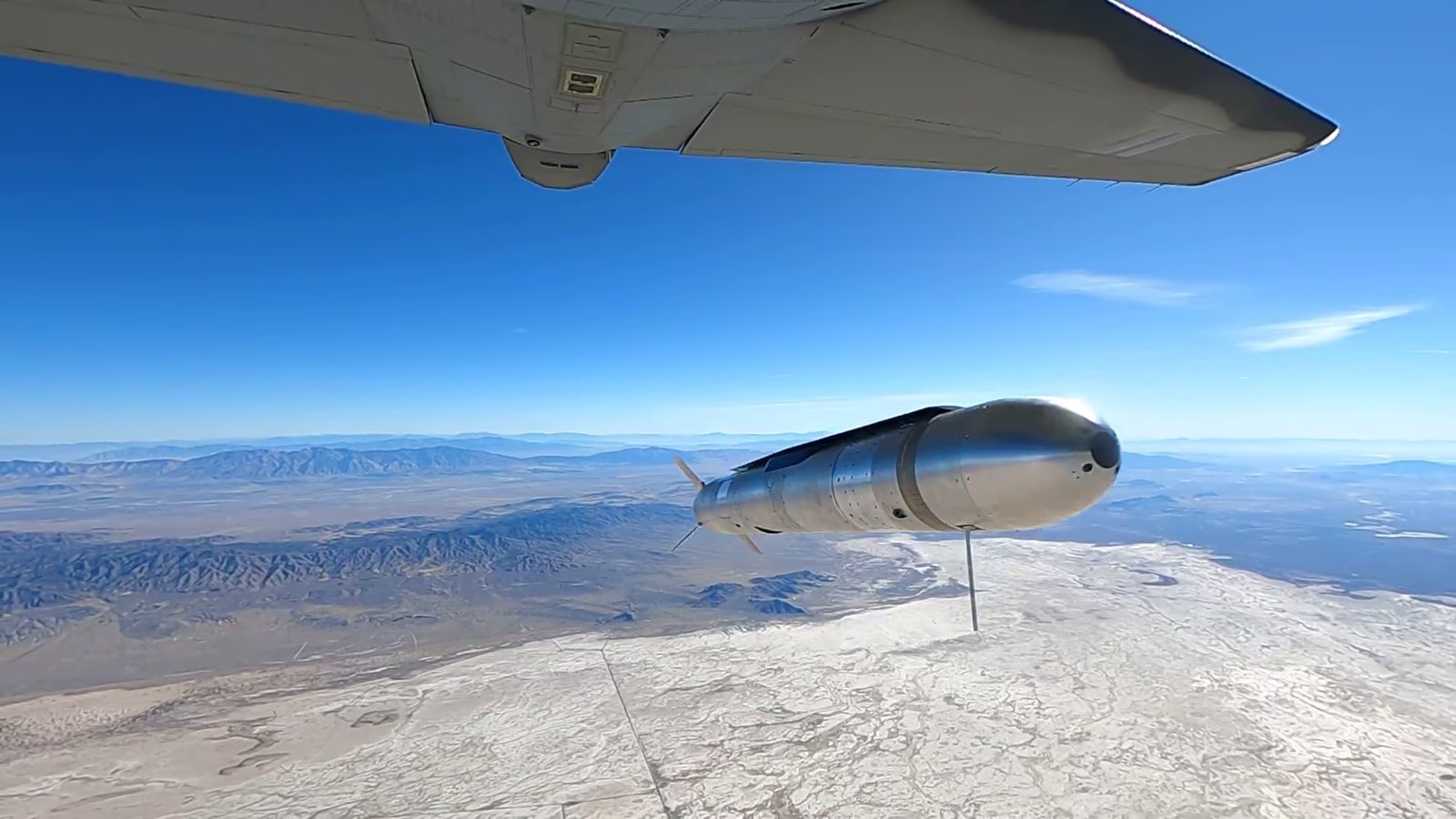
A central component of the package is the procurement of approximately 1,000 units of the SPICE 1000 precision-guided bomb kits, manufactured by Rafael Advanced Defense Systems.
The SPICE 1000 is a 500-kilogram class autonomous air-to-ground system with a strike range of up to 100 kilometres. It employs an electro-optical homing head combined with scene-matching algorithms. The system is designed to operate independently of GPS signals, enabling effective performance in electronically contested environments. It offers a circular error probable (CEP) of under three metres.
The integration of these systems is intended to enhance the IAF’s ability to conduct precision strikes against fixed targets, including hardened structures and high-value infrastructure, without reliance on satellite navigation.
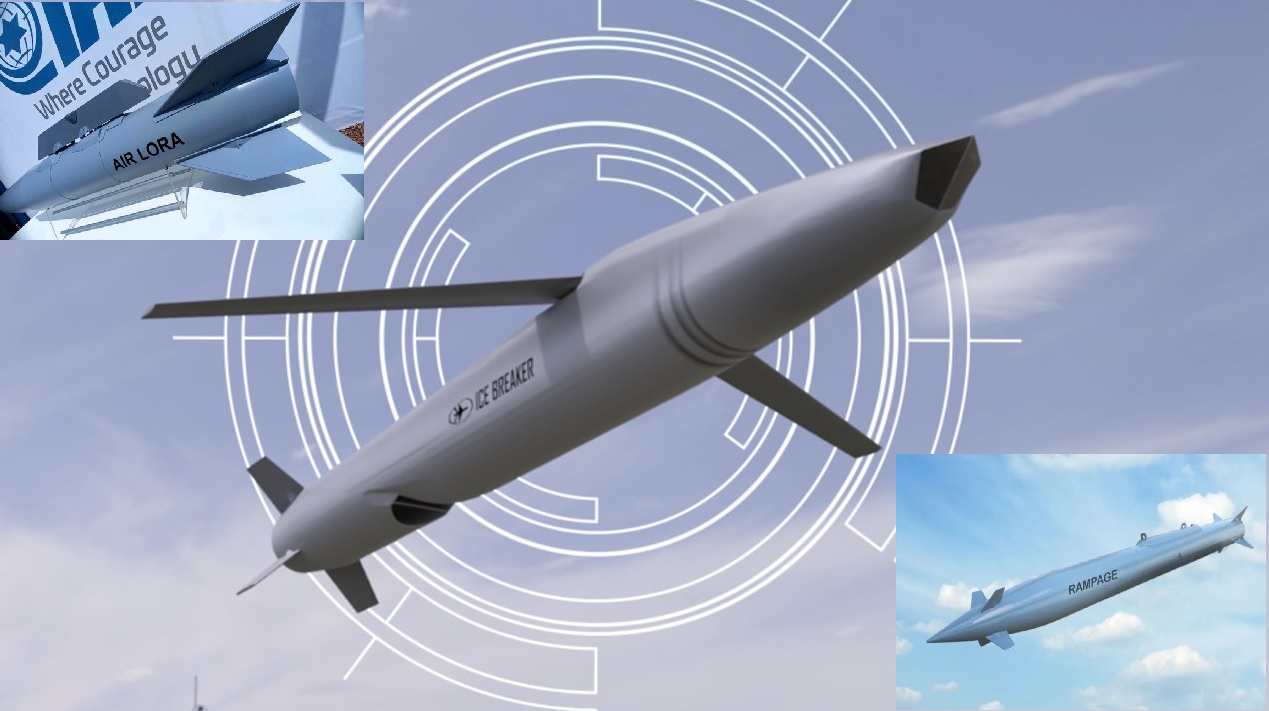
Rampage Air-to-Surface Missiles
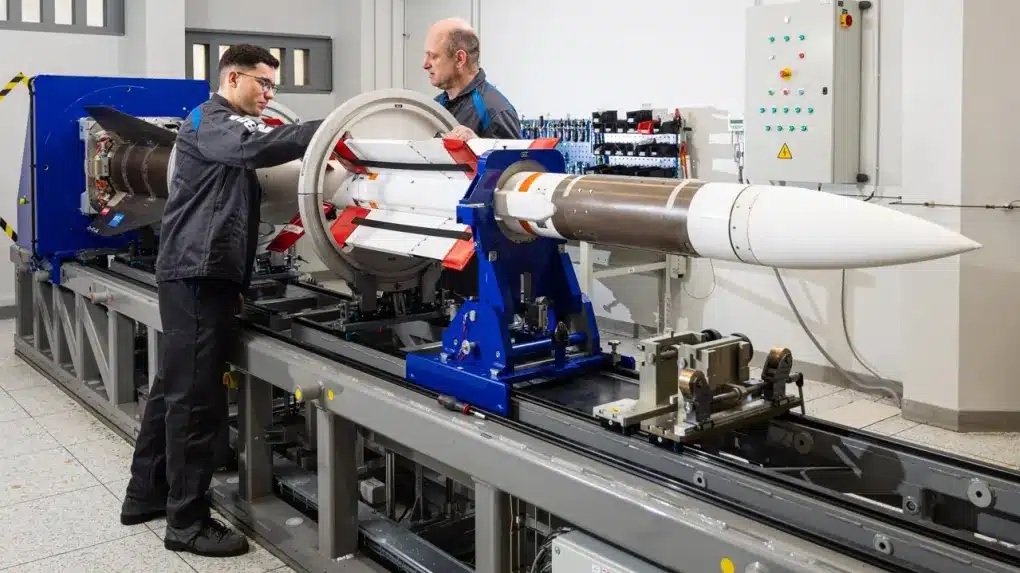
The package also includes the Rampage stand-off air-to-surface missile, developed jointly by Israel Aerospace Industries (IAI) and Elbit Systems.
The Rampage missile has an operational range between 150 and 250 kilometres. It weighs approximately 570 kilograms, measures 4.7 metres in length, and is equipped with a GPS/INS guidance system featuring anti-jamming capabilities. The missile is designed for high-speed precision strikes against surface targets such as air defence systems, command centres, and military installations.
The IAF and the Indian Navy have already integrated Rampage missiles on multiple fighter platforms, including the Su-30MKI, MiG-29, Jaguar, and the carrier-based MiG-29K. The current procurement expands available stockpiles and enhances sustained operational readiness.
Air LORA Air-Launched Ballistic Missile
The Air LORA system, produced by Israel Aerospace Industries, forms another major component of the procurement. It is the air-launched variant of the Long-Range Artillery (LORA) system.
The missile has a strike range of approximately 400 to 430 kilometres and weighs about 1,600 kilograms. It is capable of supersonic speeds up to Mach 5. Designed as a fire-and-forget system, Air LORA allows launch aircraft to disengage immediately after release.
The system is intended for precision engagement of high-value targets, including air bases, military infrastructure, and air defence nodes, while maintaining stand-off distance from hostile engagement zones.
Ice Breaker Cruise Missile System
The Ice Breaker missile, manufactured by Rafael Advanced Defense Systems, is a lightweight cruise missile weighing under 400 kilograms. It has a low-altitude operational range of up to 300 kilometres.
The missile features a Very Low Observable (VLO) design and is equipped with an electro-optical imaging infrared (IIR) seeker. It incorporates automatic target recognition and artificial intelligence-enabled processing. The system is designed to operate effectively in GPS-denied and electronically contested environments.
Ice Breaker provides flexible deployment options from multiple air platforms and is intended to enhance precision strike capability against land and maritime targets.
Additional Systems and Support Equipment
Beyond primary strike systems, the approved package includes loitering munitions for precision engagement and battlefield surveillance, air-to-air missiles for enhanced aerial combat capability, advanced radar systems to improve detection and tracking, high-fidelity simulators for training and operational preparedness, and network-enabled command-and-control systems to support integrated operations.
These elements are intended to support force multiplication, improve coordination between services, and ensure interoperability across platforms.
Domestic Production and Technology Transfer
The procurement agreement incorporates technology transfer provisions aligned with India’s Atmanirbhar Bharat initiative, aimed at strengthening domestic defence manufacturing capacity.
State-owned enterprises, including Hindustan Aeronautics Limited (HAL) and Bharat Electronics Limited (BEL), along with the Defence Research and Development Organisation (DRDO), are expected to undertake domestic production, systems integration, electronics assembly, and aircraft mounting work related to the Air LORA and Ice Breaker systems.
This arrangement is intended to enhance indigenous capability in missile integration, avionics, and network-centric warfare systems, while reducing long-term dependency on direct imports.
Strategic and Operational Context
According to defence officials, the accelerated procurement responds to evolving operational requirements along India’s borders. Particular emphasis has been placed on systems capable of functioning in environments where satellite navigation signals may be degraded or denied.
The selection of GPS-independent and anti-jamming systems such as SPICE 1000 and Ice Breaker reflects assessments related to advanced air defence deployments along the Line of Actual Control (LAC) and the reported use of GPS-jamming tactics during recent military engagements, including Operation Sindoor in May 2025.
The combination of extended-range ballistic and cruise missile systems is expected to expand India’s stand-off strike envelope, enabling layered response options across varying threat scenarios.
——— End of Article ———