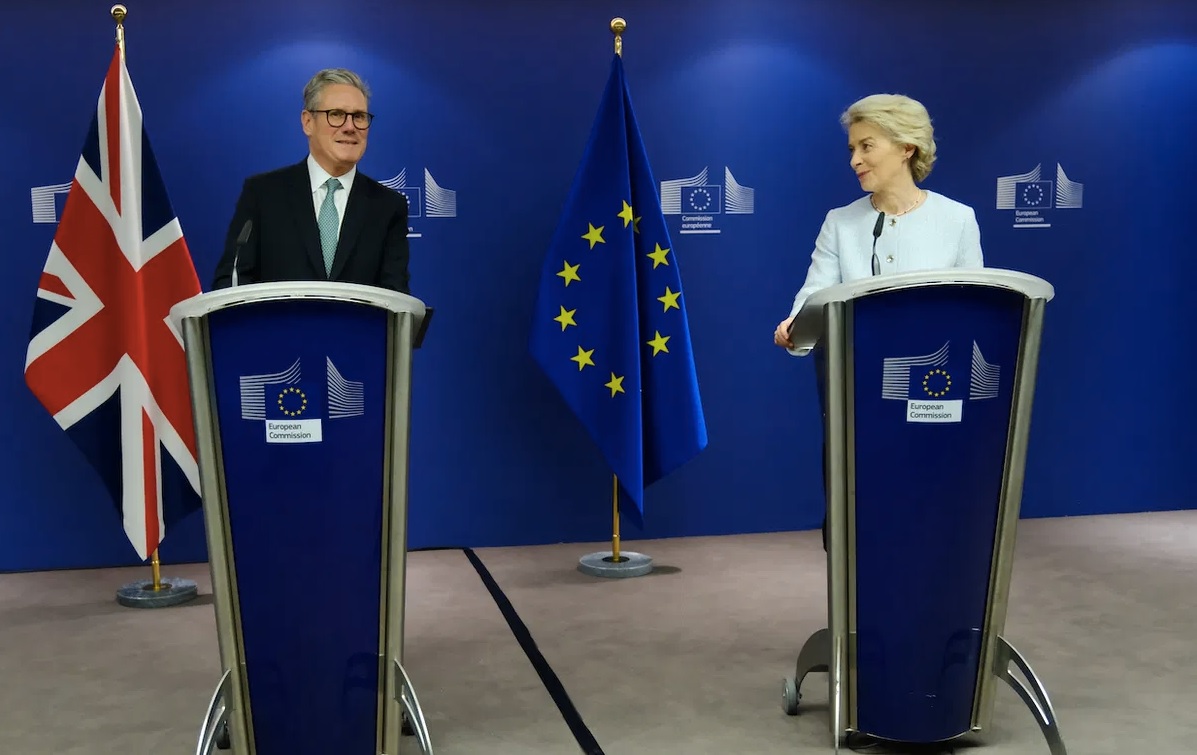
MUNICH : Prime Minister Keir Starmer has said the United Kingdom should consider re-entering negotiations on a formal defence pact with the European Union, including potential participation in the EU’s Security Action for Europe (SAFE) defence fund. He stated that closer cooperation would serve the UK’s national security interests and strengthen Europe’s overall defence capability.
Speaking following an overseas visit to China and later at the Munich Security Conference in mid-February 2026, Starmer indicated that his government is open to resuming discussions with Brussels under revised terms.
SAFE Fund Framework and Previous Negotiations
The SAFE initiative is a €150 billion (£130 billion) loan programme established by the European Commission to support urgent and large-scale defence procurement projects across Europe. The scheme provides competitively priced, long-maturity loans aimed at accelerating joint military acquisitions and reinforcing the European defence industrial base.
Although primarily designed for the 27 EU member states, the framework allows participation by third countries that maintain formal security agreements with the bloc.
The UK entered negotiations in autumn 2025 to join the first iteration of the SAFE scheme. Talks ended in November 2025 after disagreements over financial entry requirements. EU officials reportedly requested contribution payments of up to £5.7 billion for participation rights. The UK government declined those terms.
With the European Commission considering a second iteration of the SAFE programme, Starmer confirmed that the UK would examine participation if financial conditions align with national interests.
Strategic Rationale for Cooperation
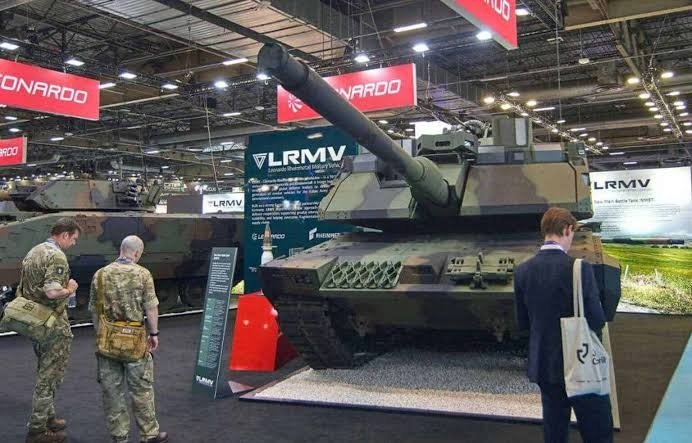
Starmer stated that Europe’s defence posture requires greater integration in response to current security challenges. Participation in multinational procurement frameworks would enable joint weapons acquisitions, reduce costs through economies of scale, and improve interoperability among European armed forces.
He also referred to fragmentation within Europe’s defence industrial planning, noting duplication of capabilities and uneven investment patterns. A coordinated industrial base, he said, would increase production capacity and streamline procurement across participating countries.
The renewed discussion on defence coordination comes amid the ongoing conflict involving Russia and Ukraine and stated uncertainty regarding long-term United States security commitments to NATO under President Donald Trump’s administration. Starmer said enhanced European cooperation would operate alongside existing transatlantic arrangements.
Defence Pact Discussions
In addition to SAFE participation, Starmer said broader negotiations on a formal UK-EU defence pact should be reconsidered. Such a pact could establish frameworks for intelligence sharing, joint operations, procurement coordination, and defence industrial collaboration.
Since Brexit, the UK and the EU have continued security cooperation primarily through NATO and bilateral channels. There is currently no comprehensive standalone defence agreement between London and Brussels.
Starmer stated that cooperation could extend beyond EU member states to include other European countries where appropriate, focusing on shared security requirements.
Diplomatic Engagements and Next Steps
Further discussions are expected in London, where EU officials, including Trade Commissioner Maroš Šefčovič, are scheduled to meet UK counterparts. Defence cooperation and its connection to broader trade and industrial relations are expected to be discussed.
Any renewed agreement would require negotiations on financial contributions, governance structures, procurement regulations, and eligibility criteria for UK defence firms participating in EU-funded projects.
The European Commission has not formally announced detailed terms for the second edition of the SAFE fund. Consultations are ongoing within EU institutions and member states.
The UK government has not set a timeline for reopening formal negotiations, though exploratory discussions are under consideration.
——— End of Article ———