
India
MEERUT, UTTAR PRADESH : The Government of India has initiated construction of the country’s first dedicated military aviation base for unmanned aerial systems in Meerut, Uttar Pradesh, following operational experience gained during Operation Sindoor (May 2025). The ₹406-crore project is being executed by the Border Roads Organisation (BRO) and is designed to support sustained, high-tempo Remotely Piloted Aircraft (RPA) operations. The facility will be developed across approximately 900 acres and is planned as a central operational hub for unmanned systems. Core infrastructure includes a 2,110-meter-long and 45-meter-wide runway, engineered to support both High Altitude Long Endurance (HALE) drones and select military transport aircraft. Runway and Airside Infrastructure The runway specifications enable operations of large unmanned platforms used for extended surveillance missions, along with transport aircraft in the C-295 and C-130 class for logistics and operational support. The width and load-bearing standards are structured to accommodate heavy transport aircraft as well as large UAV systems. The airfield will be equipped with ICAO Category-II compliant lighting systems and advanced navigational aids, enabling flight operations during low-visibility conditions, including night-time and adverse weather. To support maintenance, storage, and rapid deployment, the base will include two hangars, each measuring 60 meters by 50 meters. These facilities are designed for routine servicing, mission preparation, and protection of unmanned platforms. Project Structure and Implementation Timeline The project follows an 85-month implementation schedule. The initial seven months are allocated for pre-award activities and preparation of a Detailed Project Report (DPR). This will be followed by an 18-month supervised construction phase. Post-construction provisions include a 24-month defect liability period to address structural or technical issues, along with 36 months of maintenance oversight to ensure infrastructure reliability and operational stability. Once operational, the Meerut base is projected to handle approximately 1,500 RPA sorties annually, averaging four drone missions per day. Operational Background: Operation Sindoor The establishment of the drone aviation base follows the deployment of unmanned aerial systems during Operation Sindoor in May 2025. During the operation, drones were used extensively for surveillance and reconnaissance over sensitive border regions. Unmanned systems provided real-time intelligence inputs, supported precision targeting, and enhanced situational awareness. The operational experience demonstrated the requirement for dedicated infrastructure to sustain expanded unmanned operations. Strategic Role The Meerut airbase represents an institutional shift toward integrating autonomous and remotely piloted platforms within India’s defense framework. The development of a purpose-built runway, supported by maintenance and logistics infrastructure, is intended to facilitate continuous surveillance capability, structured deployment cycles, and coordination with manned aircraft. Compatibility with heavy transport aircraft ensures that unmanned systems can receive logistical support, equipment transfers, and personnel movement without dependence on separate airfields. Upon completion, the facility is expected to function as a key operational center for unmanned aviation, supporting surveillance, reconnaissance, and related defense missions within India’s national security architecture.
Read More → Posted on 2026-02-14 17:20:38
World
WASHINGTON : The U.S. Department of Defense deployed an artificial intelligence model developed by Anthropic during a January military operation that led to the capture of former Venezuelan President Nicolás Maduro, according to reports published by The Wall Street Journal and Reuters. The AI system, known as Claude, was reportedly used to assist with mission planning and provide real-time analytical support during the operation in Caracas. The mission resulted in Maduro’s apprehension on drug-trafficking charges and involved kinetic military actions, including airstrikes on selected strategic locations within the Venezuelan capital. Classified Network Deployment According to the reports, Claude was not accessed through its commercial or publicly available interface. Instead, it was deployed within classified Impact Level 6 (IL6) networks, which are authorized for handling highly sensitive and classified Department of Defense information. The integration was enabled through Anthropic’s strategic partnership with Palantir Technologies. Palantir’s Artificial Intelligence Platform (AIP) is widely used within the Pentagon’s data infrastructure and provides the technical interface for integrating advanced AI systems into secure military environments. Through this infrastructure, Claude was reportedly embedded into secure data pipelines, allowing it to process operational intelligence and assist in decision-support tasks during the Caracas raid. Scope of AI Assistance Sources cited in media reports indicated that Claude contributed to complex mission planning and provided analytical outputs in real time. The system was not described as an autonomous decision-maker; rather, it functioned in a support capacity within a human-command structure. The operation was characterized as kinetic, a military term referring to actions involving active combat and the use of lethal force. This classification has drawn attention because Anthropic’s publicly available usage framework, referred to as its “Constitution,” outlines restrictions on the deployment of its models in contexts involving: Support of violence Design of weaponry Conducting surveillance Anthropic has publicly maintained that all users, including government agencies, are subject to its safety and usage standards. The reported use of Claude in a live combat operation represents the first confirmed instance of the company’s model being utilized in such a setting. Pentagon Request for Modified Safeguards Following the operation, the issue expanded into broader discussions between the Department of Defense and leading AI developers, including Anthropic and OpenAI. According to the reports, the Pentagon has issued a classified request seeking the removal or modification of certain built-in safety filters for military-specific deployments. Defense officials argue that standard commercial restrictions may limit operational effectiveness in high-stakes environments. U.S. Defense Secretary Pete Hegseth stated at a January event that the department would not employ AI systems that restrict warfighting capabilities. Officials familiar with the discussions indicated that the Pentagon’s position is that company-imposed ethical constraints should not override tools available to the Commander-in-Chief, provided operations comply with U.S. law. Corporate and Contractual Context Anthropic, which recently reached a reported valuation of $380 billion following a $30 billion funding round, has positioned itself as an AI developer emphasizing safety and human oversight. The company has stated that it does not permit the use of its models for autonomous weapons and requires “human-in-the-loop” control in defense-related applications. Its partnership with the Department of Defense includes contracts valued at approximately $200 million. Under this arrangement, Palantir acts as the technical intermediary, enabling integration of Claude into classified military hardware and data systems. The situation places Anthropic in a dual role as both a commercial AI developer with publicly stated safety commitments and a defense contractor operating within national security frameworks. Policy Implications The deployment of Claude in the Maduro operation has prompted broader questions regarding the governance of commercial AI models in military contexts. Key issues under discussion include: The applicability of corporate ethical guidelines in classified military environments The extent to which safety filters can or should be modified for national defense Oversight mechanisms for AI-assisted decision-making in combat operations The role of private-sector AI firms in sensitive national security missions As negotiations continue between AI developers and the Department of Defense, the outcome is expected to influence future procurement policies, contractual safeguards, and regulatory standards governing AI use in warfare. The integration of commercial AI systems into classified operational networks marks a significant development in defense technology policy, with implications for both national security strategy and corporate governance in the artificial intelligence sector.
Read More → Posted on 2026-02-14 16:58:23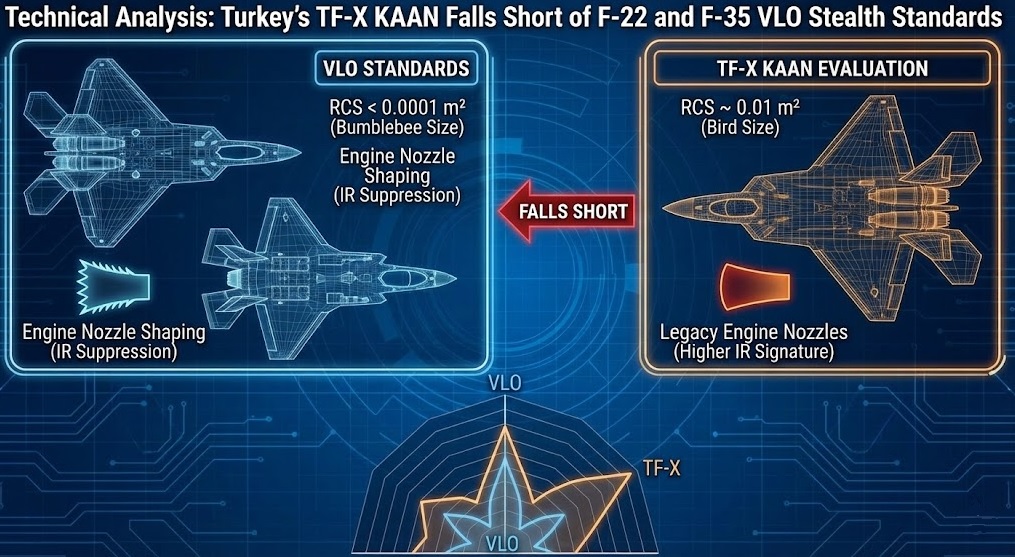
World
ANKARA : Turkish Aerospace Industries (TAI) is advancing flight testing and systems integration for its indigenous TF-X KAAN fighter program, positioning the aircraft as Turkey’s entry into the fifth-generation combat aircraft category. As development progresses, aerospace analysts are conducting detailed evaluations of the aircraft’s stealth architecture, propulsion configuration, radar cross-section (RCS) targets, materials engineering, and sensor integration to benchmark it against global standards set by the United States’ F-35 Lightning II and F-22 Raptor. Current technical projections indicate that early KAAN variants align more closely with the Low Observable (LO) classification rather than the Very Low Observable (VLO) standard associated with operational U.S. fifth-generation platforms. Stealth Classification Framework: LO Versus VLO Stealth performance is assessed across multiple signature domains, including radar, infrared (IR), and electronic emissions. It is defined by a comprehensive integration of airframe shaping, materials science, propulsion engineering, manufacturing tolerances, and avionics control. Aircraft classified as Very Low Observable (VLO) are engineered from inception to minimize detectability across all aspects. Publicly cited estimates place the all-aspect radar cross-section of the F-22 at approximately 0.0001 square meters (m²). The F-35’s frontal RCS is widely estimated between 0.001 m² and 0.0015 m². By comparison, engineering projections for the KAAN’s early production blocks indicate a target frontal RCS of approximately 0.01 m², with later iterations aiming for approximately 0.003 m². These figures position the aircraft within the Low Observable category, representing a substantial reduction compared to legacy fighters but not matching established VLO thresholds. Airframe Geometry and Signature Management The KAAN incorporates fifth-generation shaping principles, including edge alignment geometry, diverterless supersonic inlet concepts, and a chined fuselage to manage radar wave deflection. The aircraft features internal weapons bays, preventing external stores from increasing radar return during combat operations. Achieving VLO status requires extremely tight manufacturing tolerances. Panel alignment, access door fitment, fastener treatments, and weapons bay seam management are critical to limiting radar reflections. U.S. stealth programs benefit from decades of classified production refinement and advanced radar-absorbent material (RAM) application techniques. Turkey’s Scientific and Technological Research Council (TÜBİTAK) is developing a domestic Radar Absorbing Multilayered Thin Film Surface Coating to support KAAN’s stealth objectives. Long-term durability, field maintainability, and large-scale application consistency will determine how closely the aircraft can approach VLO standards. Propulsion Configuration and Infrared Signature The current KAAN prototypes, designated Block 0, are powered by two General Electric F110-GE-129 turbofan engines, also used in fourth-generation platforms such as the F-15 and F-16. While proven and reliable, the F110 does not incorporate advanced exhaust shaping, serrated nozzle geometry, or dedicated infrared suppression systems comparable to the F135 engine of the F-35 or the F119 engine of the F-22. As a result, early KAAN variants are expected to exhibit a higher rear-aspect radar signature and elevated infrared emissions relative to VLO aircraft. This increases detectability by modern Infrared Search and Track (IRST) systems, particularly from the rear hemisphere. Turkey plans to replace the F110 engines with a domestically developed TF35000 engine, targeted for introduction in the 2030s. Key performance factors will include thrust output, thermal management, and exhaust signature suppression, all of which directly influence stealth characteristics. Sensor Architecture and Electronic Emission Control The KAAN will integrate the domestically developed ASELSAN MURAD-600A Active Electronically Scanned Array (AESA) radar. AESA systems provide enhanced detection range, improved resistance to electronic jamming, and a lower probability of intercept compared to mechanically scanned radars. A defining benchmark of fifth-generation capability is sensor fusion — the integration of radar, electronic warfare, infrared sensors, and datalink inputs into a unified pilot interface while maintaining strict electromagnetic emission control. The F-35’s AN/APG-81 AESA radar operates within a mature, fully integrated architecture optimized for low electronic signature management. TAI’s ongoing integration of the MURAD-600A, electronic warfare systems, and onboard processing architecture represents a complex engineering phase. Maintaining a reduced electronic signature while ensuring high data-processing throughput remains central to achieving advanced stealth performance. Comparison with Advanced 4.5-Generation Fighters To contextualize KAAN’s capabilities, analysts compare it with leading 4.5-generation fighters such as the Eurofighter Typhoon and the Dassault Rafale. In a clean configuration — without external weapons or fuel tanks — modern 4.5-generation aircraft using radar blockers and RAM coatings achieve estimated frontal RCS values between 0.1 m² and 0.5 m². However, these aircraft rely on external payload carriage, and once armed for combat, their radar signatures increase substantially. The KAAN’s internal weapons bays provide a clear operational advantage. By carrying air-to-air and air-to-ground munitions internally, the aircraft preserves its reduced radar profile during combat missions. Even with legacy propulsion and evolving RAM technology, a fully armed KAAN is projected to maintain a significantly lower radar signature than externally armed 4.5-generation fighters. Industrial and Strategic Context The TF-X KAAN program represents an expansion of Turkey’s domestic aerospace manufacturing capability, integrating indigenous radar systems, electronic warfare suites, composite airframe structures, and a planned domestic engine program to reduce reliance on foreign defense technologies. Early production blocks are projected to remain within the Low Observable (LO) classification. While incremental improvements in materials science, propulsion development, manufacturing precision, and avionics integration are planned, the aircraft does not currently meet Very Low Observable (VLO) standards. Based on disclosed engineering targets, the KAAN is expected to surpass modern 4.5-generation fighters in stealth configuration due to its internal weapons carriage and lower projected frontal radar cross-section (RCS). However, its use of F110 engines and evolving radar-absorbent material (RAM) application places it below the stealth threshold associated with the F-35 Lightning II and F-22 Raptor.
Read More → Posted on 2026-02-14 16:32:59
India
NEW DELHI : French aerospace and defense major Safran has expressed readiness to establish a dedicated engine assembly line in India as New Delhi and Paris advance negotiations for the acquisition of 114 additional Rafale fighter aircraft manufactured by Dassault Aviation for the Indian Air Force (IAF). Safran Chief Executive Officer Olivier Andries stated that the company is prepared to expand its industrial footprint in India in line with the requirements of the proposed fighter aircraft program, indicating a further strengthening of Indo-French defense industrial cooperation, particularly in aero-engine manufacturing and long-term maintenance support. Localization of M88 Engine Production Safran manufactures the M88 turbofan engine that powers the Dassault Rafale aircraft. Under the proposed framework, the company would assemble M88 engines in India and integrate Indian suppliers into its production ecosystem. The plan includes sourcing parts and components from domestic vendors, with a gradual increase in local content. This approach is aimed at strengthening India’s aerospace manufacturing base, enhancing supply chain capabilities, and supporting the government’s objective of increasing indigenous content in defense procurement while reducing reliance on overseas maintenance and overhaul support. If implemented, the facility would mark the first Rafale engine assembly line outside France, while also creating opportunities for repair, overhaul, and lifecycle support for engines operated by Indian armed forces. Progress on 114 Rafale Fighter Procurement The proposed engine assembly line is directly linked to India’s plan to procure 114 multi-role fighter jets for the IAF. The project has received Acceptance of Necessity (AoN) from the Defence Acquisition Council (DAC), chaired by Defence Minister Rajnath Singh. The estimated value of the fighter aircraft program is approximately ₹3.25 lakh crore. Under the current proposal: 18 aircraft will be delivered in flyaway condition from France. 96 aircraft will be manufactured in India under a strategic partnership model, involving technology transfer and collaboration with Indian industry partners. The discussions are taking place amid ongoing high-level engagement between India and France, including the scheduled visit of French President Emmanuel Macron to New Delhi. Defense cooperation remains a central component of bilateral relations. Additional Procurement Approvals During the same DAC meeting, approval was also granted for additional acquisitions, including Boeing P-8I maritime patrol aircraft for the Indian Navy. The 114-fighter program is intended to address the IAF’s squadron requirements as older aircraft are phased out. The IAF currently operates 36 Rafale jets inducted under a previous government-to-government agreement. Additionally, 26 carrier-capable Rafale-Marine aircraft are on order for the Navy. Safran’s Expanding Presence in India Safran recently conducted a groundbreaking ceremony for a 5,000-square-meter Maintenance, Repair, and Overhaul (MRO) facility in Hyderabad dedicated to the M88 engine, which will support engines powering Indian-operated Rafale aircraft. The company has also established a major MRO center in Hyderabad for commercial LEAP engines, reinforcing its long-term presence in India’s civil and military aviation sectors. Localized engine assembly and integration of Indian suppliers are expected to support higher fleet availability, streamlined maintenance cycles, and long-term industrial capability development within India. The establishment of the engine assembly line will depend on the finalization of the 114-aircraft procurement agreement.
Read More → Posted on 2026-02-14 15:48:20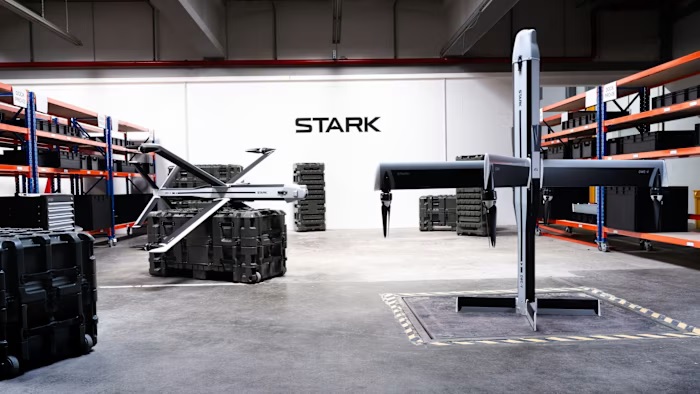
World
BERLIN : German defence technology company STARK has announced the opening of a 2,000-square-meter research and development (R&D) center in Ukraine, marking a key step in its broader European expansion strategy. The announcement was made ahead of the Munich Security Conference and reflects the company’s focus on integrating operational battlefield data directly into its engineering and production processes. Founded in 2024 and headquartered in Berlin, STARK has reached a valuation exceeding €1 billion within two years of its establishment. The company develops AI-enabled unmanned systems for strike and reconnaissance missions and has been expanding its industrial capacity across Europe to address rising demand for autonomous capabilities. Ukrainian Hub to Link Frontline Feedback with Production The newly established facility in Ukraine is designed to accommodate more than 200 specialists. Its functions include research and development, systems integration, operator training, and technical support. The center is structured to shorten the transition period between system design, field testing, and large-scale manufacturing. By positioning development teams closer to operational environments, STARK aims to implement daily technical iterations based on feedback from military operators. The company has confirmed plans to move beyond R&D activities and establish full-cycle unmanned aerial vehicle (UAV) manufacturing in Ukraine. This approach will integrate domestic supply chains and enable rapid system updates in response to evolving battlefield conditions and electronic warfare countermeasures. Maksym Cherkis, Chief Operating Officer of STARK Ukraine, stated that the ongoing conflict has reshaped Europe’s security framework and underscored the importance of sustained industrial production capacity alongside military capability. Integrated AI Command Architecture STARK’s unmanned systems operate on a unified command-and-control (C2) software platform known as Minerva. The AI-driven architecture enables distributed coordination among autonomous systems, including swarm operations configured for “hunter-killer” mission profiles. The software is designed to maintain operational effectiveness in environments where Global Navigation Satellite Systems (GNSS) signals are denied or degraded, and where conventional communications are disrupted. Minerva functions as the central software layer across STARK’s hardware portfolio, ensuring interoperability and coordinated deployment across air and maritime domains. Product Portfolio: Air and Maritime Systems The company’s aerial system, Virtus, is a Vertical Take-Off and Landing (VTOL) loitering munition platform. It operates without catapults or heavy launch equipment and has a top speed of 250 kilometers per hour, a range of 120 kilometers, and an endurance of up to 60 minutes. Virtus carries a 5-kilogram payload and integrates advanced warheads, including Ukrainian-produced munitions from Rendrock and German-manufactured TDW Lion Strike 110 warheads. The Lion Strike 110 has demonstrated the ability to penetrate 800 millimeters of rolled armored steel. In the maritime domain, STARK produces the Vanta unmanned surface vessel (USV), designed for reconnaissance and strike missions. Vanta was tested during NATO’s REPMUS exercises and can carry tube-launched loitering munitions, allowing it to function as a mobile launch platform that extends operational reach at sea. European Manufacturing and Investment Expansion The Ukrainian R&D center is part of STARK’s broader pan-European expansion. The company recently opened a regional office in Greece and launched a 40,000-square-foot manufacturing facility in Swindon, United Kingdom, with the capacity to produce up to 2,400 systems annually. STARK’s operational network now spans Germany, Sweden, the United Kingdom, Ukraine, and Greece, forming a distributed European defence production structure. The expansion is supported by government procurement commitments. The German federal government has approved €300 million in funding for the acquisition of STARK loitering munitions, reinforcing European investment in scalable autonomous strike systems. Uwe Horstmann, Chief Executive Officer of STARK, stated that the company’s strategy focuses on combining frontline operational insight with distributed European manufacturing capacity, ensuring that systems can be produced at scale and adapted to evolving operational requirements.
Read More → Posted on 2026-02-14 15:19:03
World
WASHINGTON : The U.S. Air Force has selected Shield AI as a mission autonomy software provider for its Collaborative Combat Aircraft (CCA) program, formally separating mission autonomy software from aircraft hardware in a major acquisition effort for the first time. The decision establishes software as a distinct and equal capability within the program’s procurement structure. The selection followed a competitive evaluation under the Technology Maturity and Risk Reduction (TMRR) phase of the CCA initiative. The CCA program is designed to field uncrewed, AI-enabled aircraft that will operate alongside crewed fighter platforms to expand operational capacity in contested environments. These aircraft are intended to act as force multipliers, supporting missions including sensing, strike, electronic warfare, and other operational roles in coordination with piloted systems. Integration With Anduril’s YFQ-44A Prototype Under the current phase, Shield AI has integrated its Hivemind autonomy software onto the Fury aircraft, designated YFQ-44A, developed by Anduril Industries. The integrated system is undergoing system-level testing ahead of flight demonstrations expected in the coming months. This integration serves as an operational test of the Air Force’s decision to decouple mission autonomy software from the physical airframe. By separating software from hardware development, the service aims to promote software competition, ensure portability across multiple aircraft platforms, reduce vendor lock-in, and maintain flexibility for future upgrades. Hivemind Autonomy Software Hivemind is Shield AI’s core artificial intelligence autonomy stack, designed to perform tasks traditionally executed by a human pilot or operator. The system enables uncrewed defense platforms to independently sense, decide, and act during missions. Unlike traditional autopilot systems that rely on predefined waypoints and fixed routes, Hivemind is built to adapt in real time to changing operational conditions. The software can reroute around restricted airspace, respond to emerging threats or obstacles, and adjust mission parameters without continuous human input. The objective is to complete assigned missions safely and effectively while reducing the need for constant operator control. Gary Steele, Chief Executive Officer of Shield AI, said the company has spent years developing and testing mission autonomy systems in operational environments and will support the Air Force as it advances autonomy within air combat operations. Christian Gutierrez, Vice President of Hivemind Solutions at Shield AI, stated that the company has experience fielding mission-critical autonomy on complex defense systems and developing software aligned with military standards for interoperability. Platform-Agnostic and Standards-Based Architecture A central requirement of the CCA program is compliance with the military’s Autonomy Government Reference Architecture (A-GRA). The A-GRA framework establishes modular standards designed to ensure interoperability and enable autonomy software to operate across multiple hardware platforms. According to Shield AI, Hivemind is fully platform-agnostic and aligned with A-GRA requirements. Prior to integration with the YFQ-44A, the company demonstrated A-GRA-compliant autonomy capabilities on several government and industry platforms, including: General Atomics’ MQ-20 Avenger Northrop Grumman’s Talon IQ autonomous ecosystem The U.S. Navy’s BQM-177 test aircraft Airbus’ UH-72A Lakota helicopter These integrations were conducted to validate cross-platform compatibility and demonstrate the ability to deploy mission autonomy software independently of specific airframe manufacturers. CCA Program Context The Collaborative Combat Aircraft program is part of the Air Force’s broader modernization strategy aimed at expanding combat mass through the use of lower-cost, uncrewed aircraft operating alongside advanced fighter jets. The aircraft are expected to conduct missions in contested operational environments where survivability, distributed sensing, and rapid decision-making are critical. The ongoing TMRR phase is focused on reducing technical risk, maturing autonomy technologies, and validating system integration prior to future production decisions. The upcoming flight demonstrations of the Hivemind-equipped YFQ-44A will provide data on system performance, integration effectiveness, and operational viability under realistic flight conditions. By formally separating mission autonomy software from hardware development, the Air Force is implementing a procurement model intended to encourage software innovation and competition while preserving flexibility in aircraft design. Findings from ongoing testing and demonstrations will inform future acquisition decisions as the service progresses toward operational deployment of Collaborative Combat Aircraft units.
Read More → Posted on 2026-02-14 15:05:43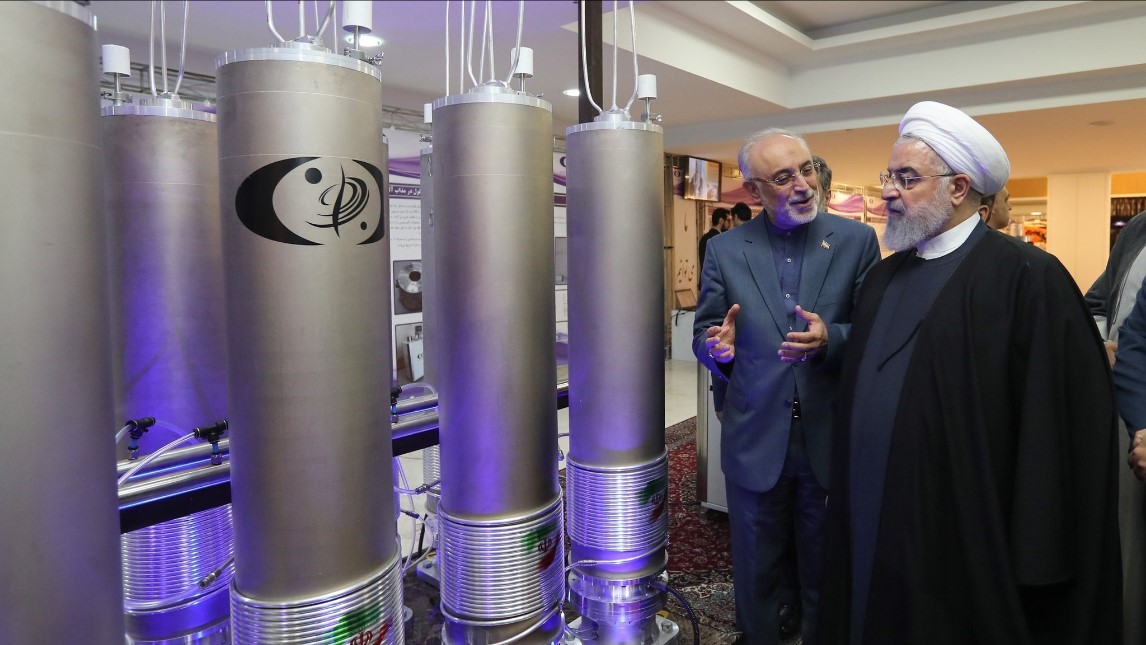
World
TEHRAN : Iran has formally rejected a United States proposal that called for a complete suspension of uranium enrichment and the transfer of its existing stockpile of highly enriched uranium, according to officials familiar with the negotiations. The decision comes amid indirect diplomatic engagements between Tehran and Washington, facilitated by Oman, as both sides attempt to address concerns surrounding Iran’s expanding nuclear program. Terms of the U.S. Framework The U.S. proposal outlined a phased restriction on Iran’s nuclear activities. Under the terms presented, Iran would be required to halt all uranium enrichment activities for a period ranging from three to five years. During this suspension, no enrichment at any level would be permitted. Following the completion of the suspension period, Iran would be allowed to resume enrichment, but only up to a maximum purity of 1.5 percent. This level is significantly below the 3.67 percent enrichment limit established under the 2015 nuclear agreement, formally known as the Joint Comprehensive Plan of Action (JCPOA), and far below the 90 percent threshold required for weapons-grade material. In addition to the temporary halt, the proposal required Iran to transfer its existing stockpile of 400 kilograms of uranium enriched to 60 percent purity. According to assessments by the International Atomic Energy Agency (IAEA), uranium enriched to 60 percent is technically close to weapons-grade levels, as the additional enrichment needed to reach 90 percent is comparatively limited. The transfer of the 60 percent enriched uranium stockpile was described in the proposal as an immediate measure intended to reduce breakout capability during the proposed suspension period. Absence of Sanctions Relief The framework did not include provisions for lifting or easing U.S. economic sanctions on Iran. Current restrictions affecting Iran’s banking sector, oil exports, and international financial transactions would have remained in place under the proposal. Instead of economic relief, the United States offered a security assurance, stating that American forces would refrain from conducting military strikes against Iran or its infrastructure, provided that Tehran fully complied with the enrichment halt and uranium transfer requirements. Iranian officials viewed the absence of sanctions relief as a central deficiency in the proposal, particularly given the economic impact of existing restrictions. Tehran’s Response Iranian authorities rejected the proposal, stating that a complete suspension of enrichment and the transfer of enriched uranium stockpiles were inconsistent with Iran’s rights under the Treaty on the Non-Proliferation of Nuclear Weapons (NPT). Tehran maintains that it is entitled to pursue peaceful nuclear activities, including domestic enrichment, under international law. Officials also reiterated that enrichment on Iranian soil constitutes a non-negotiable element of its nuclear policy. Previous public statements from Iranian leadership have identified the continuation of domestic enrichment as a “red line” in negotiations. Iranian representatives have consistently maintained that any agreement must include immediate and verifiable sanctions relief in exchange for nuclear constraints. The refusal to transfer the 400 kilograms of uranium enriched to 60 percent aligns with these previously stated positions. Iranian authorities have argued that unilateral concessions without reciprocal economic measures are not acceptable within the current negotiation framework. Diplomatic Context The rejected proposal was discussed during indirect talks mediated by Oman, with negotiations taking place in Muscat. The discussions are occurring in the context of ongoing regional tensions and following the deterioration of the 2015 nuclear agreement framework. Since the reduction of U.S. participation in the JCPOA framework and the reimposition of sanctions, Iran has progressively expanded its enrichment activities beyond previously agreed limits, including increasing enrichment levels and stockpile quantities. The latest diplomatic exchange reflects continued efforts by both sides to address concerns related to enrichment levels, stockpile size, sanctions policy, and regional security, while highlighting significant differences over sequencing and reciprocal commitments. With the proposal formally rejected, negotiations remain unresolved. Diplomatic channels through Oman continue to function, but no revised framework has been publicly announced.
Read More → Posted on 2026-02-14 14:55:34
World
STEISSLINGEN, Germany : SatService GmbH has secured a contract from the German Federal Ministry of Defence to deliver an advanced Q/V-band satellite ground station for the German Armed Forces. The project, coordinated through the University of the Federal Armed Forces in Munich (UniBw M), will establish new high-frequency satellite communications infrastructure designed to support both military operations and scientific research. SatService, headquartered in Steißlingen, Germany, is a provider of satellite ground systems and operates as a subsidiary of the Canadian technology company Calian Group Ltd. Under the agreement, the company will undertake the complete lifecycle of the ground station’s development, including system design, manufacturing, integration, testing, and final delivery. Technical Scope and System Architecture The core component of the system is a 4-meter antenna engineered to operate in the Q/V-band frequency range (approximately 40 to 75 GHz). The ground station is configured for geostationary orbit (GEO) satellite applications, enabling high-capacity feeder links and advanced data transmission capabilities. In addition to the antenna system, the contract includes delivery of the full operational infrastructure. This comprises SatService’s proprietary “sat-nms” monitoring and control software, associated hardware components, and a cyber-secure network architecture designed to meet defense security requirements. The integrated system is intended to provide reliable, high-throughput satellite communications with secure command and control functionality. Strategic Rationale for Q/V-Band Capability The addition of Q/V-band capacity reflects a broader shift within European defense organizations toward higher-frequency satellite communications. As lower-frequency spectrums such as UHF, C, X, Ku, and Ka bands become increasingly congested, Q/V-band frequencies offer wider bandwidth availability and support significantly higher data rates. Access to these higher frequency bands is considered important for sustaining modern military communications, particularly for feeder links in next-generation satellite architectures. Germany and other European Union member states have been expanding investments in sovereign satellite communication capabilities to strengthen operational independence and resilience. Wilfried Megger, Managing Director of SatService GmbH, stated that diversified access to advanced frequency bands is an essential component of safeguarding national and European communication sovereignty. Integration at the Munich Center for Space Communications Once operational, the Q/V-band ground station will be incorporated into the terrestrial laboratory infrastructure at UniBw M’s Munich Center for Space Communications. The facility currently operates extensive over-the-air testing environments covering UHF, C, X, Ku, and Ka-band frequencies. Prior to this project, Q/V-band testing capability was not available at the site. The new installation will enable research into Very High Throughput Satellites (VHTS) and next-generation GEO communication systems. It will also support direct communication links between geostationary satellites and ground-based scientific facilities, expanding the university’s research and validation capabilities in high-frequency satellite systems. Training and Operational Applications Beyond research functions, the ground station will serve as a training platform for German Armed Forces officer candidates and technical personnel. The system is intended to provide practical instruction in secure, high-throughput satellite communications and GEO-based network operations. The Q/V-band infrastructure is designed to support C5ISRT functions — Command, Control, Communications, Computers, Cyber, Intelligence, Surveillance, Reconnaissance, and Targeting. By integrating high-capacity and secure satellite connectivity, the system aims to strengthen communication resilience in operational environments where spectrum congestion and electronic interference pose challenges. The project marks an expansion of Germany’s domestic satellite communications infrastructure and introduces Q/V-band capability into the country’s military and academic research framework for the first time at UniBw M.
Read More → Posted on 2026-02-14 14:22:44
World
CAMP PENDLETON, Calif., : The U.S. Marine Corps has completed its first field evaluation of fiber-optic tethered First-Person View (FPV) small unmanned aircraft systems (sUAS), testing platforms designed to operate in GPS-denied and heavily jammed environments. The assessment was conducted from January 27 to 29, 2026, at Marine Corps Base Camp Pendleton by Marines assigned to I Marine Expeditionary Force (I MEF), in coordination with the Defense Innovation Unit (DIU) and participating industry vendors. The evaluation focused on commercially available “ready now” drone systems capable of sustaining command-and-control links without reliance on radio-frequency (RF) transmissions. The effort supports the Marine Corps’ requirement to maintain operational effectiveness in contested electromagnetic environments, where adversaries employ electronic warfare (EW), signal jamming, and GPS spoofing. Fiber-Optic Control Architecture Traditional unmanned aircraft systems depend on wireless RF signals to transmit live video feeds and receive operator commands. These signals are vulnerable to interference, jamming, and detection in modern battlefields where electromagnetic spectrum operations are actively contested. The fiber-optic FPV drones evaluated at Camp Pendleton operate using a physical tether — a thin, lightweight fiber-optic cable that spools out during flight. The cable enables high-bandwidth transmission of real-time video and flight control data directly between the operator and the aircraft. Because the system does not emit RF signals, it is not susceptible to electromagnetic interference or electronic jamming. The design allows operators to maintain continuous control and precision strike capability in environments where wireless systems may fail. The absence of RF emissions also reduces the platform’s electronic signature. Participating Units and Operational Testing The three-day assessment included Marines from the 1st Light Armored Reconnaissance (LAR) Battalion and the 3rd LAR Battalion. The evaluation placed systems under operationally realistic conditions intended to reflect combat use. Testing criteria included: Combat Readiness: Assessment of how quickly operators could transport, assemble, and deploy the drones while wearing full combat equipment. Durability and Integration: Evaluation of the physical resilience of controllers, displays, and support equipment, as well as compatibility with existing tactical command-and-control networks. Maritime Operations: The event marked the Marine Corps’ first deliberate over-water assessment of fiber-optic tethered sUAS. Marines tested cable reliability, signal stability, and system performance in coastal and maritime conditions. 1st Lt. Kienan Morrissey, an intelligence officer with 3rd LAR who supported the evaluation, said the fiber-optic configuration provides additional options for precision fires in denied environments. He noted that operator-to-vendor feedback is essential during early fielding phases to ensure systems meet mission requirements and remain adaptable to operational needs. Project G.I. and Acquisition Framework The evaluation was conducted under Project G.I., an initiative launched by the Defense Innovation Unit in June 2025. The program is supported by prize funding and is structured to accelerate the transition of mature commercial technologies into defense testing environments. Project G.I. employs an expedited acquisition model designed to move proposals from industry to field evaluation within months. The Camp Pendleton event provided vendors with direct exposure to Marine operational workflows, enabling collection of performance data and user feedback for iterative improvements. Participating companies included Auterion, Kraken, ModalAI, Neros, and Nokturnal AI, with operational support from Contact Front Technologies. Industry representatives observed testing events and gathered feedback regarding system usability, reliability, integration requirements, and sustainment considerations. Maj. Steven Atkinson, I MEF DIU mission partner, stated that rapid developments in robotics and autonomous systems require responsive evaluation and acquisition processes. He said the partnership enables Marines from multiple units and occupational specialties to assess systems for compliance, interoperability, survivability, and operational effectiveness before inclusion on approved procurement lists. Strategic and Operational Context I MEF is tasked with providing globally responsive, expeditionary forces capable of conducting major combat operations. The integration of fiber-optic tethered sUAS aligns with this mandate by enhancing the ability to operate in contested electromagnetic environments. Col. Michael Carroll, assistant chief of staff, G-9, I MEF, said fiber-optic tethered FPV capabilities are required in current operational environments. Data and observations gathered during the January 2026 assessment will inform further refinement of participating systems as Project G.I. advances. Platforms that meet compliance and cybersecurity standards are expected to transition into formal procurement pathways, enabling broader acquisition and deployment across Marine Corps and Department of Defense units. The evaluation represents an initial step in determining how fiber-optic tethered FPV systems can be integrated into expeditionary operations, reconnaissance missions, and precision fires support in electronically contested theaters.
Read More → Posted on 2026-02-14 14:10:46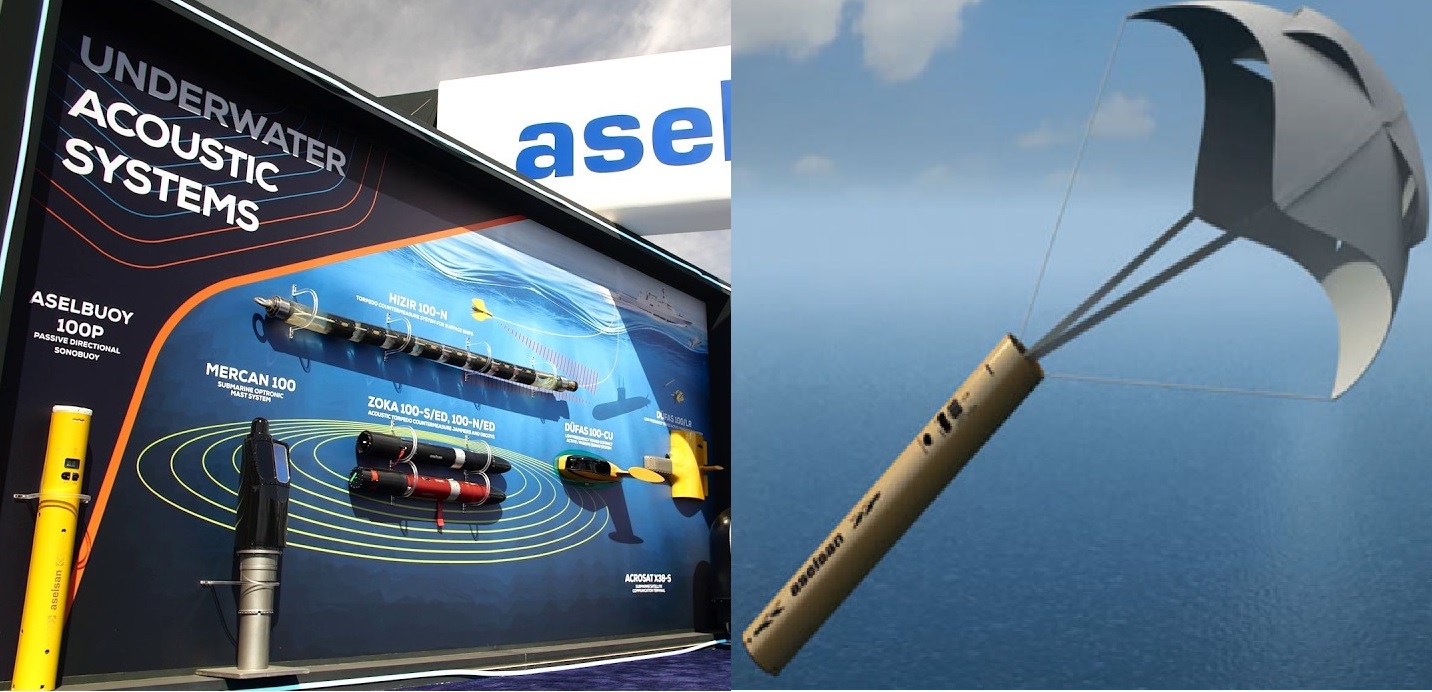
World
RIYADH : Aselsan will conduct the first live deployment tests of its aselBUOY passive sonobuoy from an unmanned aerial vehicle (UAV) in the coming weeks, marking a new phase in the company’s long-running underwater acoustics program. The announcement was made by Aselsan CEO Ahmet Akyol during the World Defense Show 2026 in Riyadh, Saudi Arabia. Akyol stated that UAV integration is currently in the active testing phase and that the results of the upcoming live deployment trials will be shared after evaluation. The tests are designed to assess deployment dynamics under operational conditions, including release stability, parachute performance, water entry behavior, and full system integration with unmanned platforms. Program Background and Production Status The aselBUOY program has been under development for approximately a decade. Aselsan initiated the self-financed project in late 2015, building on foundational underwater acoustics research that began in 2006. Initial air-launch tests were conducted in 2018 from a Cessna turboprop aircraft to validate deployment and transmission performance. Earlier this year, the system entered serial production following the award of the first production contract by the Turkish Naval Forces Command. With this contract, the aselBUOY 100P transitioned from development and qualification to operational supply. To enable UAV-based deployment, Aselsan has designed and integrated dedicated launching pods compatible with Turkish unmanned platforms. Traditionally, sonobuoys are deployed from Maritime Patrol Aircraft (MPA), which involve higher operational and lifecycle costs. The transition to UAV deployment is intended to expand operational flexibility and reduce mission expenses in anti-submarine warfare (ASW) and maritime surveillance operations. UAV Integration and Platform Compatibility Parallel to Aselsan’s efforts, Turkish Aerospace Industries has been developing an ASW-configured variant of its AKSUNGUR unmanned combat aerial vehicle. The platform has been displayed at defense exhibitions since 2021 equipped with sonobuoy launch pods, indicating continued work on airborne ASW capability integration. The aselBUOY system is designed for compatibility with multiple platforms, including Maritime Patrol Aircraft, UAVs, unmanned surface vessels (USVs), and surface ships. This multi-platform compatibility supports integration into layered maritime surveillance architectures. Technical Specifications The aselBUOY 100P is a NATO A-size passive directional sonobuoy developed for anti-submarine warfare, search and rescue (SAR) operations, and underwater acoustic research. The unit measures 915 mm in length and 120 mm in diameter, with a total weight of 10 kilograms. It operates within a 5–2400 Hz frequency band, enabling detection and monitoring of a broad range of underwater acoustic signatures. Deployment depth can be configured prior to launch, with selectable options of 30 meters or 150 meters. Once deployed, the sonobuoy transmits acoustic data via one of 96 VHF communication channels within the 136–173.5 MHz range, providing a communication range of up to 20 kilometers, depending on environmental and receiver conditions. Operators can program the operational duration before launch using an electronic interface, selecting mission lengths of 0.5, 1, 2, 4, or 8 hours. Certain parameters can also be adjusted remotely after deployment. The aselBUOY 100P is expendable and features an automatic self-scuttling mechanism that activates at the end of its programmed mission life. AI Acoustic Signature Center During the World Defense Show interview, Akyol also confirmed that Aselsan is establishing an AI-based acoustic signature center in cooperation with the Turkish Navy. The initiative aims to develop domain-specific artificial intelligence models for underwater detection and classification. Developing AI-powered underwater detection algorithms requires extensive datasets of real-world acoustic signatures from surface vessels and submarines across varying environmental and sea conditions. To address this requirement, Aselsan is utilizing operational acoustic data collected by the Turkish Navy to train machine learning models. The resulting classification and detection algorithms are being integrated into the company’s acoustic systems portfolio. Future Developments While the passive aselBUOY 100P is currently in serial production, Aselsan remains among a limited number of companies globally with the capability to design and manufacture sonobuoys. The company also confirmed ongoing development of an active sonobuoy variant intended to improve detection capabilities against low-noise or silent submarines. No timeline or additional technical specifications for the active variant were disclosed during the exhibition.
Read More → Posted on 2026-02-14 13:34:34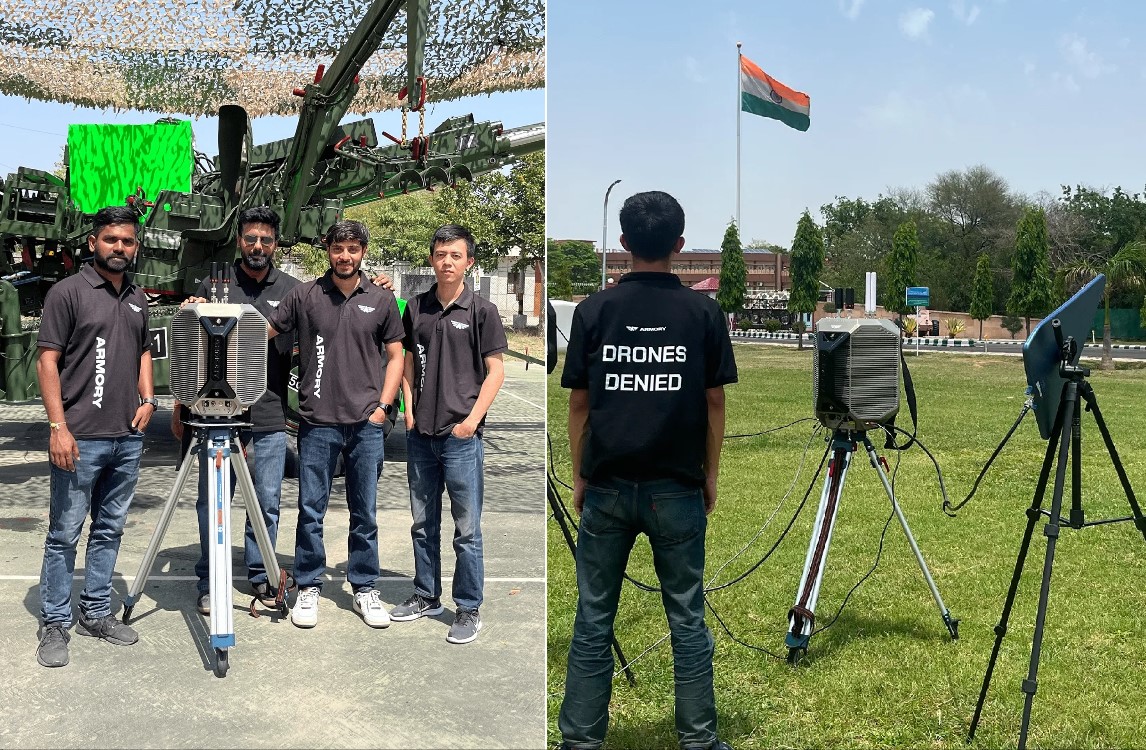
World
NEW DELHI : Gurugram-based defense technology company Armory Shield Private Limited has cleared technical trials and secured the L-1 (lowest bidder) position in the Indian Army’s procurement program for 45 Hand-Held Anti-Drone Systems. The company achieved the position with its flagship Counter-Unmanned Aerial System (CUAS), branded as SURGE (Hand Held). The procurement is being undertaken for the supply of 45 man-portable counter-drone systems intended for tactical deployment by frontline units. The program falls under a targeted acquisition initiative aimed at strengthening localized and rapid-response countermeasures against unmanned aerial vehicle (UAV) threats. Procurement and Technical Evaluation According to procurement procedures, the systems underwent comprehensive technical and field trials to validate performance against the Indian Army’s qualitative requirements. These evaluations assessed detection capability, jamming effectiveness, operational reliability, environmental durability, and deployment readiness under varied conditions. Following successful completion of the technical evaluation phase, Armory Shield secured the L-1 position in the commercial bidding process, placing the company in line for final contract award subject to procedural clearances. System Overview: SURGE (Hand Held) CUAS The SURGE (Hand Held) is designed as a modular, man-portable counter-drone solution capable of detecting and neutralizing hostile UAVs. The system integrates passive detection technologies, configurable electronic countermeasures, and an AI-enabled operating framework. Deployment Capability The unit is engineered for rapid tactical activation and can be unpacked and deployed in under one minute. Its compact form factor allows personnel to carry and operate the system during mobile operations. Passive RF Detection SURGE employs passive radio frequency (RF) detection to identify unauthorized drones, including commercially available UAVs, improvised DIY builds, and hostile electronic jamming equipment. The passive detection architecture allows the system to scan for RF emissions without generating a detectable radar signature. The detection module is designed to identify communication links between drones and their operators within seconds, enabling early threat classification. Electronic Countermeasures The system includes configurable electronic jamming functions. Operators can: Jam specific frequency bands used for drone communication. Disrupt a broader RF spectrum when required. Spoof GPS/GNSS signals to interfere with a drone’s navigation and positioning systems. These capabilities allow the operator to sever the connection between the UAV and its controller or disrupt satellite-based navigation, depending on mission requirements. Samaritan OS Integration The hardware platform is integrated with a proprietary operating system known as “Samaritan OS.” The system is based on Artificial Intelligence (AI) and Machine Learning (ML) algorithms designed to: Scan surrounding RF environments continuously. Detect faint RF signal movements. Classify potential threats in real time. Provide configurable heads-up alerts to the operator. The AI-driven classification enables operators to differentiate between routine RF activity and potentially hostile drone communications. Continuous Learning Threat Library The system incorporates a continuously updated threat library. Through periodic updates, the CUAS platform learns new RF signatures, communication patterns, and drone technologies. This adaptive framework is intended to maintain relevance against evolving UAV designs and operating protocols. Modular and Scalable Hardware While primarily configured as a hand-held, man-portable system, SURGE’s hardware architecture supports modular deployment. The system can be mounted on tripods, poles, or vehicles based on operational requirements. This flexibility allows the same platform to be used in mobile patrol roles or semi-static defensive positions. Indigenous Development and Company Background Armory Shield Private Limited was founded in 2024 by IIT-Bombay alumnus Amardeep Singh. The company focuses on indigenous research and development in radio frequency systems, artificial intelligence, and embedded hardware platforms. The SURGE CUAS product line was developed entirely in-house, from concept stage to operational prototype, within a six-month development cycle. The company’s development approach integrates RF engineering, AI-driven analytics, and embedded system design under a unified architecture. Alignment with “Make in India” The company’s progression in the Indian Army’s procurement process aligns with the Ministry of Defence’s “Make in India” initiative, which emphasizes domestic production of critical defense technologies. The initiative seeks to reduce reliance on imported counter-drone and electronic warfare systems by promoting indigenous capabilities in airspace security and RF-based defense technologies. The induction of 45 hand-held systems, once finalized, is expected to support tactical-level units in addressing emerging UAV threats across operational environments.
Read More → Posted on 2026-02-14 13:21:16
World
TALLINN : A large-scale NATO military drill in Estonia involving more than 16,000 troops exposed significant operational vulnerabilities when confronted with modern drone-centric warfare tactics refined on the battlefield in Ukraine. The exercise, known as “Exercise Hedgehog 2025,” was conducted in May 2025 and included forces from 12 NATO member states. Designed to test allied readiness in a high-intensity conflict scenario, the drill incorporated Ukrainian frontline drone specialists as a simulated adversary force. The results prompted detailed internal assessments regarding NATO’s preparedness for drone-saturated combat environments. Large-Scale Offensive Meets Dense Drone Surveillance One of the central scenarios involved a NATO battle group composed of several thousand personnel, including a British brigade and an Estonian division, conducting a mechanized offensive in a simulated contested battlefield environment. The exercise area covered less than four square miles (approximately 10 square kilometers). Ukrainian specialists deployed more than 30 drones across that zone, creating a persistent aerial surveillance and strike network. According to Estonian unmanned systems coordinator Aivar Hanniotti, who led a joint Estonian-Ukrainian mock adversary unit of roughly 100 personnel, the drone density used in the drill was only about half of what is currently observed on active front lines in Ukraine. Advancing NATO units reportedly operated without sufficient camouflage or dispersion. Armored vehicles and logistical elements were positioned in ways that allowed drone operators to detect and track them quickly. Exercise participants noted that once identified, targets were engaged within minutes, demonstrating the speed of modern sensor-to-shooter cycles. Ten-Person Drone Cell Neutralizes Two Battalions A specialized Ukrainian drone team consisting of approximately 10 personnel was central to the simulated counteroffensive. Using an integrated battlefield management platform known as “Delta,” the team coordinated surveillance, targeting, and strike operations in near real time. The Delta system aggregates intelligence from multiple sensors, applies artificial intelligence tools for target identification, and distributes strike data across units. This enabled what military planners describe as a rapid “kill chain,” reducing the time between detection and simulated engagement. Within half a day, the 10-person Ukrainian team mock-destroyed 17 armored vehicles and conducted 30 additional simulated strikes. Over the course of a single day, the drone teams eliminated two NATO battalions in the exercise scenario. According to participants, those battalions were rendered unable to continue combat operations under the exercise conditions. Hanniotti described the outcome for the conventional units as severe, stating that the NATO forces were unable to effectively counter the drone teams during the scenario. Structural and Doctrinal Challenges Identified Observers of the exercise pointed to broader structural issues, including slower strike coordination processes and limitations in real-time data sharing between units. These factors reduced the ability of conventional formations to respond effectively in a highly transparent battlefield environment. Lt. Col. Arbo Probal of the Estonian Defence Forces said the purpose of the exercise was to create operational friction and cognitive overload in order to test adaptability. The scenario was structured to reflect the realities of contemporary warfare, where constant aerial observation and rapid targeting cycles are common. Retired U.S. Gen. David Petraeus commented separately on the broader implications of such exercises, noting that identifying lessons is only the first step. Meaningful adaptation requires changes in doctrine, organizational structures, training systems, and procurement priorities. Combat Experience Versus Training-Based Preparedness The results of Exercise Hedgehog 2025 underscored the operational advantages developed by forces actively engaged in sustained combat operations. Ukrainian drone operators participating in the drill brought frontline experience from a war environment where rapid innovation, decentralized decision-making, and continuous adaptation are required. Military analysts observing the exercise noted that soldiers operating in an active conflict zone often develop practical battlefield efficiencies that cannot be fully replicated through standard peacetime training exercises alone. The simulation demonstrated how a small, combat-experienced drone unit could disrupt and neutralize significantly larger conventional formations under certain conditions. Estonia has begun adjusting its training frameworks, procurement plans, and doctrinal structures to reflect these realities. Ukrainian representatives affiliated with the NATO-Ukraine Joint Analysis, Training, and Education Centre (JATEC) have increasingly participated in allied planning and war-gaming efforts, including strategic exercises such as “Red Hyena 45” in the United Kingdom. In February 2026, the U.S. Department of Defense announced the inclusion of Ukrainian drone firms in a major military modernization program aimed at closing capability gaps exposed by recent exercises. Reassessment of Operational Assumptions Exercise Hedgehog 2025 demonstrated that large troop formations and traditional mechanized units can face significant vulnerabilities in environments dominated by persistent surveillance, networked strike systems, and high drone density. The simulation showed that a small, highly coordinated drone unit with recent combat experience could effectively halt larger advancing forces within a compressed timeframe. For NATO planners, the drill served as a data-driven assessment of evolving battlefield conditions and highlighted the need for accelerated adaptation to the realities of drone-era warfare.
Read More → Posted on 2026-02-14 13:12:05
World
POLAND : L3Harris Technologies conducted a live-fire demonstration of its Vehicle-Agnostic Modular Palletized ISR Rocket Equipment (VAMPIRE) counter-drone system at a military facility in Poland, marking the first launch of the Thales Belgium FZ275 70 mm semi-active laser-guided rocket from the FZ605 launcher integrated onto the platform. According to company officials, the test resulted in the successful engagement and destruction of multiple ground targets. The firing forms part of an ongoing integration campaign to broaden the range of precision-guided munitions compatible with the VAMPIRE platform for counter-unmanned aerial systems (C-UAS) and ground-attack roles. L3Harris stated that the integration aligns with European operational requirements, including border security efforts and objectives outlined under Europe’s Readiness 2030 framework. System Configuration and Deployment VAMPIRE is a portable, self-contained precision-strike system designed for rapid deployment across a range of vehicle platforms. It can be mounted on vehicles equipped with a flat cargo surface and installed in approximately two hours by a single operator using standard tools. The system incorporates its own independent power supply, removing the requirement for a 24-volt alternator connection from the host vehicle. The palletized configuration allows spare 70 mm rockets to be stored onboard, while reload operations can be completed in under two minutes. Since 2023, the system has supported European combat operations. In January 2023, the U.S. Department of Defense awarded L3Harris a $40 million contract for 14 VAMPIRE systems under the Ukraine Security Assistance Initiative. An additional contract was issued in June 2025 to support expanded European operations. Before integrating the FZ275, VAMPIRE employed 70 mm rockets from the Advanced Precision Kill Weapon System (APKWS) family. When fitted with an L3Harris proximity fuze, APKWS rockets are capable of engaging aerial targets at distances of up to 6 kilometers while retaining ground-attack capability. The system’s onboard laser designator enables autonomous target engagement or the designation of targets for other networked platforms in distributed operations. Sensor and Mission Systems Integration The Poland demonstration incorporated the Widow Mission Management System and the Wescam MX-10D electro-optical/infrared (EO/IR) stabilized targeting system. Mounted on a telescopic mast, the Wescam MX-10D allows operators to remain under cover during targeting operations. The system features a four-axis stabilized gimbal delivering high-definition daylight and thermal imaging, continuous zoom capability, and short-wave infrared (SWIR) functionality, including See-Spot capability. It also includes an eye-safe laser rangefinder, optional laser designation, image blending, haze penetration features, and an inertial measurement unit (IMU) for target geolocation. The Widow Mission Management System is compliant with Forward Area Air Defense Command and Control (FAAD C2) standards. Its modular plug-in architecture supports integration of additional sensors, effectors, moving maps, and radio management systems. L3Harris reports delivery of more than 8,000 Wescam MX-Series systems to nearly 90 countries, integrated across over 280 types of vehicles and vessels. Thales Belgium FZ275 Rocket Specifications The FZ275 laser-guided rocket, produced by Thales Belgium—formerly Forges de Zeebrugge—since 2017, is a 2.75-inch (70 mm) semi-active laser-guided munition. The rocket measures 1.8 meters in length, has a 70 mm diameter, and weighs 12.7 kilograms. It carries a 4.1-kilogram high-explosive warhead containing approximately 1 kilogram of Composition B explosive. The warhead uses an impact base fuze and a pre-fragmented casing. The FZ275 provides a lethal radius of 9 meters and is capable of penetrating 6 millimeters of ST37-2 steel. It uses a semi-active laser seeker compatible with STANAG 3733 or user-defined codes and is steered by four folding canards. The operational range extends from 1.5 to 7 kilometers. The rocket has a circular error probability (CEP) of less than 1 meter at a range of 6 kilometers and can engage targets moving at speeds of up to 60 kilometers per hour. Production volumes have increased to meet demand, with 700 units manufactured in 2024, 3,500 units in 2025, and projected output of 10,000 units in 2026. Global integration initiatives include certification with the Arnold Defense Land-LGR4 Fletcher launcher in January 2022, a June 2024 memorandum of understanding with Poland’s WB Electronics and AREX for integration into remote weapon systems, and a February 2023 production agreement with Bharat Dynamics Limited (India). In November 2024, an agreement established joint production in Ukraine, introducing the FZ123 warhead variant optimized for C-UAS missions through dispersion of steel balls to increase engagement probability against small drones. Expanded Variants and Artificial Intelligence Integration In October 2025, L3Harris expanded the VAMPIRE product line into six variants designed to address kinetic, non-kinetic, and electronic warfare missions across land, maritime, airborne, containerized, and fixed-site applications. The Stalker XR variant is configured for land operations with expanded munition storage and extended weapon options. Black Wake adapts the system for maritime platforms, including crewed or uncrewed surface vessels such as the 41-foot MAST-13. Dead Wing integrates VAMPIRE components onto aircraft platforms. CASKET provides a containerized anti-drone configuration for rapid deployment. BAT is designed for fixed-site defense and incorporates automatic weapons and non-kinetic capabilities. Killcode is configured for electronic warfare operations, replacing kinetic munitions with jamming systems. L3Harris also incorporated artificial intelligence (AI) and machine learning (ML) functions demonstrated in 2025 in collaboration with Shield AI. These enhancements are intended to improve detection and engagement performance against small or partially obscured unmanned aerial systems and are integrated with the expanded effector options demonstrated during the Poland test. The February 12 demonstration represents the continued integration and expansion of the VAMPIRE counter-drone system within European and allied defense operational frameworks.
Read More → Posted on 2026-02-14 12:52:20
World
TOKYO : Researchers in Japan have developed a universal artificial blood substitute designed to carry oxygen and assist in clotting without dependence on blood type compatibility, marking a significant step in trauma medicine and emergency response planning. The project is being led by teams at the National Defense Medical College and Nara Medical University. The development focuses on addressing structural challenges in conventional blood transfusion systems, including limited shelf life, strict refrigeration requirements, and the need for blood-type matching. Universal Compatibility and Storage Stability The artificial blood product, known as Hemoglobin Vesicles (HbV), is engineered to function independently of ABO blood group antigens. By removing blood-type–specific antigens, the substitute is designed to eliminate the need for cross-matching prior to transfusion, reducing preparation time in emergency settings. Unlike donated red blood cells, which typically have a shelf life of approximately 42 days under refrigerated conditions, the HbV-based product can be stored at room temperature for up to two years. Researchers have also developed a powdered formulation that can be reconstituted by mixing with water, enabling transport and storage in ambulances, remote clinics, and military field units without reliance on cold-chain logistics. Technical Composition and Mechanism The artificial oxygen carrier is produced by extracting hemoglobin—the oxygen-binding protein in red blood cells—from expired donor blood or other approved sources. The purified hemoglobin is then encapsulated within liposomes, which are synthetic lipid-based vesicles approximately 250 nanometers in diameter. These vesicles are significantly smaller than natural red blood cells, allowing circulation through narrowed or damaged blood vessels. The HbV particles are designed to transport oxygen to tissues in cases of severe blood loss or ischemia. Laboratory testing indicates that oxygen delivery performance is comparable to conventional red blood cell transfusion in controlled settings. To address clotting, researchers incorporated laboratory-engineered platelet substitutes into the formulation. These platelet-mimicking components are coated with fibrinogen gamma-chain peptides to support aggregation at bleeding sites. The integrated design enables the artificial blood to assist in hemostasis while simultaneously restoring oxygen-carrying capacity. The resulting solution has a distinct purple coloration, reflecting the encapsulated hemoglobin content. Preclinical Testing Results Preclinical trials conducted at the National Defense Medical College evaluated the artificial blood substitute in animal models experiencing massive hemorrhage. In controlled experiments involving rabbits with severe blood loss, 10 subjects received the HbV-based treatment. Six of the treated rabbits survived, a survival rate comparable to those that received standard blood transfusions. In contrast, all rabbits in the control group treated with plasma substitutes without oxygen-carrying capability did not survive. Researchers reported stabilization of vital parameters and restoration of oxygen levels following administration. These findings supported the transition to early-phase human trials. Human Clinical Trials Phase 1 clinical trials began in March 2025 under the supervision of Professor Hiromi Sakai at Nara Medical University. The initial study phase involves healthy adult volunteers and is focused on evaluating safety, tolerability, and pharmacokinetics. Researchers are monitoring circulation time, metabolic processing, immune response, and potential adverse effects. Pending successful safety evaluation, subsequent phases will assess clinical efficacy in trauma and surgical patients requiring transfusion support. The research teams aim to complete expanded clinical trials and pursue regulatory approval for broader medical use by 2030. Applications in Disaster and Military Medicine The artificial blood substitute is being assessed for use in disaster response scenarios where refrigerated blood supplies may be unavailable due to infrastructure disruption. Earthquakes, tsunamis, and large-scale emergencies can interrupt supply chains, limiting access to compatible donor blood. The powdered formulation and extended shelf life are expected to support stockpiling for rapid deployment. Military medical planners are also evaluating potential field applications. Shelf-stable blood products could enable earlier transfusion at the point of injury, particularly during the critical first hour following trauma. Addressing Demographic and Supply Constraints Japan’s aging population has contributed to long-term concerns regarding blood supply sustainability. A declining pool of younger donors, combined with increased surgical and transfusion demand among elderly patients, has placed additional pressure on national blood reserves. Researchers involved in the project have indicated that artificial blood substitutes could supplement conventional blood systems and reduce dependence on donor availability. Regulatory and Production Considerations Before widespread clinical use, the product must complete all required phases of clinical testing and meet national regulatory standards for safety and efficacy. Large-scale manufacturing capacity, quality control protocols, and cost considerations remain under evaluation. If approved, the artificial blood substitute could be integrated into emergency medicine systems, military logistics frameworks, and national disaster preparedness strategies. Ongoing research will determine long-term safety outcomes, optimal dosing protocols, and compatibility with existing transfusion practices.
Read More → Posted on 2026-02-13 17:56:28
World
WASHINGTON : The United States Air Force has suspended acceptance of new C-130J Super Hercules transport aircraft after identifying technical incompatibilities within a newly integrated communications upgrade. The decision affects aircraft deliveries to both U.S. military units and international customers, following testing that determined the updated system did not meet required airworthiness and safety standards. Delivery Halt Following Testing According to Air Force officials, the issue emerged during integration of a modernized communications suite introduced onto the production line in 2025. The upgrade was intended to replace obsolete electronic components and address vanishing vendor sources for legacy parts used in earlier aircraft configurations. During routine and certification testing, a “component incompatibility” was identified within the new communications system. While specific technical details have not been publicly disclosed, officials confirmed the system did not satisfy operational safety requirements necessary for formal government acceptance. “Aircraft deliveries are temporarily paused to ensure every C-130J meets the rigorous safety, performance, and airworthiness standards required before the U.S. government can accept them,” an Air Force spokesperson stated. As a result, deliveries were effectively frozen during the latter part of 2025. Sharp Decline in 2025 Deliveries The suspension led to a significant reduction in annual deliveries. In 2025, manufacturer Lockheed Martin delivered only two C-130J aircraft, with zero deliveries in the fourth quarter. This compares to 21 aircraft delivered in the previous year. The decrease reflects the Air Force’s decision not to formally accept aircraft until the updated communications suite receives full certification and validation. Production Continues in Georgia Despite the acceptance halt, Lockheed Martin confirmed that production lines at its Marietta, Georgia facility remain active. Aircraft continue to be assembled and will be placed in storage until the communications upgrade is certified and approved. A company spokesperson stated that certification of the updated C-130 implementation design is being finalized in coordination with customers. Deliveries are expected to resume once the technical solution is formally cleared. Lockheed Martin projects that between 16 and 24 aircraft could be delivered in 2026, pending resolution of the issue. Impact on U.S. Military Units The C-130J serves as the primary tactical airlifter for the U.S. military, supporting airlift operations, special missions, humanitarian response, and logistical transport. The delivery suspension affects fleet expansion and modernization schedules. The Air National Guard has funding allocated in the Fiscal Year 2026 budget for six new C-130J aircraft, intended to replace aging legacy platforms and support tactical airlift requirements. Any delay in certification may affect projected delivery timelines. Effect on International Customers The C-130J is currently operated by 26 nations worldwide, and the delivery pause impacts foreign military sales customers awaiting aircraft. Recent customers include New Zealand, Germany, and the Republic of China (Taiwan), which has been reported to be acquiring ten new aircraft. International deliveries will not proceed until the Air Force resumes formal acceptance procedures and completes required certification processes. Modernization Background First deployed in 2004, the C-130J has undergone continuous block upgrades to maintain compatibility with evolving mission requirements. The 2025 communications suite upgrade was part of a broader avionics modernization effort aimed at long-term sustainment and replacement of unsupported legacy components. Earlier in mid-2025, separate testing focused on Joint Deployable Airborne Package systems to enhance aircraft connectivity. It remains unclear whether the current incompatibility is directly related to those tests. No Confirmed Timeline for Resumption The Air Force has not provided a definitive timeline for lifting the suspension. Officials stated that deliveries will resume once required testing, validation, and certifications are completed and all safety standards are satisfied. Until that process concludes, completed aircraft will remain in storage while technical corrections are implemented and validated.
Read More → Posted on 2026-02-13 17:40:03
World
DÜSSELDORF : German defense manufacturer Rheinmetall has received an initial order valued at approximately €200 million from the NATO Support and Procurement Agency (NSPA) for the delivery of 120mm tank ammunition. The contract represents the first major call-off under a broader framework agreement concluded between the two parties in July 2025. First Implementation of 2025 Framework Agreement The order is the first to be executed under the “Basic Contractual Instrument”, a framework arrangement signed in July 2025 to streamline procurement procedures for NATO member states and eligible partner nations. The agreement establishes harmonized contractual terms, technical specifications, and commercial conditions for multiple variants of 120mm ammunition. Under this structure, participating countries are able to place orders directly through the NSPA without negotiating separate contracts for each procurement cycle. Rheinmetall stated that the framework reduces administrative processes, shortens lead times, and facilitates faster replenishment of national ammunition stockpiles. The ammunition covered by the current €200 million order will be delivered to several NATO member states. The identities of the end-user countries have not been disclosed. Standardization of 120mm Smoothbore Technology The 120mm smoothbore system supplied by Rheinmetall has been the standard main battle tank armament across NATO forces since its operational introduction in 1980. The caliber is used in the Leopard 2, which is fielded by multiple European armed forces, and in the M1 Abrams, operated by the United States and several allied countries. According to the company, widespread adoption of the 120mm platform supports interoperability among allied armored units. Standardized ammunition enables participating forces to share logistics chains and maintain compatible firepower capabilities during joint operations. Rheinmetall stated that the 120mm system retains sufficient performance margins to accommodate technical upgrades and future adaptations. This includes potential integration of new propellants, projectile designs, and threat-specific solutions within the existing caliber architecture. Role of the NSPA in Consolidated Procurement The NATO Support and Procurement Agency plays a central role in coordinating multinational acquisition programs. By aggregating requirements from multiple member states under framework agreements, the agency seeks to achieve economies of scale and ensure predictable industrial demand. The July 2025 Basic Contractual Instrument was designed to consolidate orders for 120mm ammunition into a single contractual mechanism. This approach reduces duplication of administrative effort and allows participating countries to place orders under pre-negotiated conditions. The €200 million call-off demonstrates the operational use of this procurement structure and reflects continued demand for large-caliber ammunition within NATO’s armored forces. Industrial and Market Context For Rheinmetall, the order reinforces its position as a principal supplier of large-caliber weapon systems and ammunition to Western armed forces. The company maintains production facilities in Germany and other European locations dedicated to manufacturing tank ammunition and related components. The contract supports ongoing efforts within NATO to strengthen ammunition stockpiles and maintain sustained industrial output for critical munitions. By operating through centralized procurement mechanisms such as the NSPA, member states aim to ensure consistent supply availability and long-term production stability. The €200 million order marks the first substantial transaction under the July 2025 framework agreement and establishes the practical implementation of the new procurement mechanism for 120mm tank ammunition.
Read More → Posted on 2026-02-13 17:32:10
World
BERLIN : Germany has initiated a broad review of its defense industrial base as part of its ongoing military modernization under the “Zeitenwende” policy shift announced after Russia’s invasion of Ukraine. The effort focuses on identifying and reducing supply chain dependencies on China for raw materials and on the United States for certain high-technology platforms and maintenance systems, according to government and industry assessments. The review comes as Berlin increases defense spending and works to replenish stockpiles while supporting Ukraine. Officials are examining deep-tier supply chains to assess whether critical inputs for ammunition, electronics and advanced weapons systems could be disrupted during a geopolitical crisis. Critical Raw Materials: Cotton Linters and Rare Earth Elements A key concern identified by defense planners is Germany’s dependence on China for cotton linters, a byproduct of cotton processing used to manufacture nitrocellulose. Nitrocellulose is an essential component in gunpowder and artillery propellants, including NATO-standard 155mm artillery shells. Industry data indicate that more than 70% of cotton linters used by German and broader European ammunition manufacturers are sourced from China. Without these imports, the production of artillery ammunition used for domestic stockpiling and deliveries to Ukraine would face significant disruption. Rare earth elements represent another major vulnerability. Internal assessments show that approximately 95% of German firms source rare earth materials from China. These elements are essential for multiple defense applications: Neodymium and dysprosium are used in high-strength permanent magnets for missile guidance systems and electric motors in military vehicles. Lanthanum is required for optical equipment, including night-vision devices and sensor lenses. Recent Chinese export restrictions on gallium and germanium—materials used in radar systems and semiconductor manufacturing—have reinforced concerns within the German government about concentration risks in high-technology supply chains. Reassessment of Dependence on U.S. Platforms In parallel with efforts to diversify away from Chinese inputs, German officials are evaluating reliance on U.S.-origin defense systems. Germany has committed to acquiring the F-35 Lightning II to replace its aging Panavia Tornado fleet. While the F-35 purchase remains central to Germany’s air force modernization, policymakers are reviewing issues related to software access, logistical support and long-term maintenance. Concerns focus on ensuring operational continuity if political or policy shifts in Washington were to affect export controls, technical updates or spare parts supply. Officials are therefore studying options to expand domestic or European-based maintenance capabilities for U.S.-made equipment and to secure greater software and systems sovereignty where feasible. The objective is not to replace transatlantic defense cooperation but to reduce the risk of operational dependency. Policy Measures Under Consideration To address identified vulnerabilities, Berlin is examining a combination of legislative, financial and industrial measures. One proposal involves establishing state-funded strategic reserves of critical raw materials, including rare earth elements and chemical precursors used in ammunition production. The goal is to maintain sufficient stockpiles to sustain defense manufacturing for extended periods in the event of supply interruptions. Policymakers are also debating potential adjustments to Germany’s constitutionally mandated debt brake (Schuldenbremse). Some officials argue that investments in defense infrastructure and industrial resilience should qualify for exemptions from strict borrowing limits, given their relevance to national security. The Ministry for Economic Affairs is exploring tax incentives for companies that diversify supply chains away from single-source, high-risk countries. These incentives would encourage alternative sourcing within Europe or from other trusted partners. At the corporate level, German defense manufacturer Rheinmetall has taken steps to strengthen domestic production capacity. The company recently acquired a majority stake in a German nitrocellulose producer, reducing reliance on imported cotton linters from China. Integration with NATO and European Defense Goals Germany has positioned itself as a logistical and industrial hub for European NATO defense. Increased production of artillery ammunition, armored vehicles and air defense systems forms part of this broader strategy. The current supply chain review is intended to align Germany’s industrial expansion with long-term resilience requirements. Officials have emphasized that modern defense planning must account for raw material security, software sovereignty and diversified sourcing, in addition to conventional procurement. The government has not announced a formal timeline for implementing all proposed measures. However, the review is being conducted alongside ongoing increases in defense spending and procurement commitments. Germany’s approach reflects a shift from globalization-focused policies toward a framework that prioritizes supply security in strategic sectors as the country continues its military buildup under the Zeitenwende framework.
Read More → Posted on 2026-02-13 17:23:04
World
MOSCOW / NEW DELHI : Russia has confirmed plans to integrate its forthcoming digital ruble with the central bank digital currencies (CBDCs) of fellow BRICS nations, backing an initiative that India is expected to formally advance at the 2026 BRICS summit. The proposal centers on creating a shared payment infrastructure that would allow member states to conduct cross-border trade settlements directly in their sovereign digital currencies. The plan, highlighted by Russian Chamber of Commerce official Timur Aitov and reported by Reuters, is expected to feature prominently when India hosts the 2026 BRICS summit. Russia’s Digital Ruble Strategy Russia’s CBDC project is being led by the Bank of Russia, which has been developing the digital ruble as part of its long-term payments modernization strategy. Pilot programs involving selected commercial banks and corporate participants have already been conducted domestically. Timur Aitov, chair of the Financial Market Security Committee at the Russian Chamber of Commerce, stated that the digital ruble is being designed primarily with international use in mind. According to him, the objective is to facilitate direct trade settlements with BRICS partners, particularly China and India, without reliance on third-party currencies or infrastructure vulnerable to sanctions. Russian officials have indicated that while some domestic financial institutions remain cautious about large-scale retail deployment, the geopolitical and trade-related dimensions of the project are driving its acceleration. India’s Proposal for CBDC Interlinking The interoperability proposal aligns with recommendations from the Reserve Bank of India (RBI), which has been piloting both retail and wholesale versions of the digital rupee (e₹). Sources cited by Reuters said the RBI has advised the Indian government to place “interlinking of CBDCs” on the formal agenda for the 2026 BRICS summit. India’s proposal does not involve creating a unified BRICS currency. Instead, it envisions common technical standards that would allow sovereign digital currencies issued by member central banks to transact seamlessly across borders. The BRICS grouping—comprising Brazil, Russia, India, China and South Africa—has increasingly focused on reducing dependence on Western-dominated financial networks for intra-bloc trade. Proposed Technical Framework Officials familiar with the discussions indicate that the model under consideration resembles the multi-CBDC “bridge” architecture being tested in other jurisdictions. Rather than merging national currencies into a single token, the system would connect independent CBDC platforms via a shared distributed ledger. Under such a structure: Participating central banks would connect to a common digital settlement layer. A Russian importer paying for Indian goods would initiate payment in digital rubles. The system would automatically convert the amount into digital rupees and credit the Indian exporter’s wallet. Settlement would occur instantly or near-instantly, reducing counterparty and liquidity risk. The primary focus is on wholesale CBDCs—used by central banks and regulated financial institutions for large-value trade transactions—rather than retail wallets for individual consumers. Currently, many cross-border transactions between BRICS countries require conversion into US dollars, routing through correspondent banks, and final conversion into the recipient’s local currency. A CBDC bridge would eliminate intermediary currency conversion steps and bypass systems such as SWIFT. Trade Volume and Currency Implications Intra-BRICS trade exceeds an estimated $500 billion annually. Redirecting a portion of this volume into local digital currencies could reduce structural demand for the US dollar as a settlement currency within the bloc. Analysts note several potential effects: Sanctions insulation: Transactions conducted on a platform governed by participating central banks would not rely on US financial infrastructure, limiting the reach of unilateral sanctions. Lower transaction costs: Traditional cross-border payments can take several days and involve fees ranging between 3% and 6%. A shared CBDC infrastructure could reduce settlement time to seconds and significantly lower costs. Liquidity management: Reduced dependence on the dollar for trade settlement may decrease the need for member central banks to maintain large dollar reserves for transactional purposes. However, economists caution that trade settlement currency differs from reserve currency status. While trade flows may diversify, global reserve holdings are influenced by capital market depth, liquidity, and perceived stability—areas where the United States continues to maintain a dominant position. Technical and Governance Challenges Despite political alignment, several operational challenges remain: Differences in technical architecture between Russia’s digital ruble, China’s e-CNY, and India’s e-rupee. Agreement on cybersecurity standards and data-sharing protocols. Determining governance structures for dispute resolution and system oversight. Managing foreign exchange conversion mechanisms within the platform. Coordination will require consensus among central banks and finance ministries across BRICS nations ahead of the 2026 summit. Outlook Toward 2026 India, as host of the 2026 BRICS summit, is expected to formalize the interoperability proposal during preparatory meetings. Discussions will likely address both technical frameworks and regulatory harmonization. Russia’s public support for linking the digital ruble with other BRICS CBDCs signals growing institutional backing for alternative settlement mechanisms within the bloc. The initiative’s progress will depend on technical compatibility, governance agreements, and adoption by commercial banking systems across member states. If implemented, the system would represent a significant development in cross-border payment infrastructure among emerging economies, focusing primarily on wholesale trade settlement efficiency and monetary sovereignty.
Read More → Posted on 2026-02-13 17:05:51
World
ALGIERS/RABAT : Open-source intelligence (OSINT) reports circulating on February 12, 2026, indicate that the Algerian People’s National Army (ANP) has forward-deployed a Chinese-made CHL-906 electronic warfare system close to the Moroccan border. According to the initial claims, the system has been positioned approximately six kilometers from the frontier in Algeria’s southwestern sector, an area under the jurisdiction of the country’s 3rd Military Region. The reported movement, if verified, would place a high-capability electronic countermeasure platform within operational range of key Moroccan intelligence, surveillance and reconnaissance (ISR) assets. Algerian authorities have not issued official confirmation regarding the specific deployment location, and no independently verified satellite imagery has been publicly released at the time of reporting. Origin of the Report and Operational Context The first public reference to the alleged deployment was made by the defense analyst known as “Visioner” on the social media platform X. The post described the establishment of a temporary site for a CHL-906 unit in the border region. While unconfirmed, analysts consider such a deployment consistent with Algeria’s existing force posture in the area. The southwestern border region falls under Algeria’s 3rd Military Region, headquartered in Béchar. This command oversees operations along the frontier with Morocco and has previously hosted advanced air defense and electronic warfare assets during military exercises. Algeria’s Ministry of National Defence has earlier released imagery showing the CHL-906 participating in drills within this region, confirming that the system is already operational in the Algerian inventory. Technical Overview of the CHL-906 System The CHL-906 is a mobile, integrated electronic countermeasures (ECM) platform developed by China Electronics Technology Group Corporation (CETC). Designed for export as well as domestic use, the system combines electronic support measures (ESM) and electronic attack (EA) functions in a single vehicle-mounted configuration. Available technical information associated with the system indicates the following operational characteristics: The electronic intelligence (ELINT) component is assessed to be capable of intercepting, identifying and tracking radar and radio frequency emissions at distances of up to 600 kilometers, depending on emitter strength and terrain conditions. This enables operators to build an electronic order of battle and monitor airborne and ground-based systems over wide areas. The electronic attack module reportedly provides active jamming capabilities against airborne radar systems and communications links at ranges estimated between 250 and 300 kilometers. The system is designed to interfere with both surveillance radars and fire-control radars. The frequency coverage is believed to span from 0.1 GHz to 40 GHz, allowing the system to target a broad range of emitters, including search radars, tracking radars, data links and high-frequency communication systems. In addition to radar and communication disruption, the platform reportedly includes modules for interfering with global navigation satellite systems (GNSS). These may include GPS, GLONASS, BeiDou and Galileo, affecting positioning and guidance functions for drones, precision-guided munitions and reconnaissance systems. The system’s vehicle-mounted mobility allows for rapid redeployment, reducing vulnerability to counter-battery fire or anti-radiation missile strikes. Integration with Algeria’s Air Defense Architecture The reported forward positioning of the CHL-906 is understood within the broader framework of Algeria’s layered air defense and anti-access/area denial (A2/AD) structure. Algeria operates the Russian-made S-300PMU2 long-range surface-to-air missile system. In a networked configuration, the CHL-906 would complement active radar components by detecting hostile emissions and applying jamming at selected intervals. By interfering with adversary airborne sensors and communications, the electronic warfare system can complicate targeting solutions and reduce the effectiveness of stand-off weapons. The CHL-906 may also operate alongside passive detection systems such as the DWL-002 passive emitter locating system, which identifies targets based on their electromagnetic emissions without transmitting signals of its own. In such a configuration, passive systems provide silent tracking, while active jammers apply electronic denial when required. Regional Security Context The reported deployment occurs amid sustained political and military tension between Algeria and Morocco. Diplomatic relations were severed in August 2021, and the land border remains closed. The dispute over Western Sahara continues to influence defense planning and procurement decisions on both sides. In recent years, Morocco has expanded its unmanned aerial vehicle (UAV) inventory, including acquisition of the Bayraktar TB2. These platforms rely on line-of-sight data links and satellite navigation signals for control and targeting functions. An electronic warfare system positioned close to the border would, in theory, be capable of disrupting drone control links and satellite navigation signals within significant portions of Moroccan airspace near the frontier. By placing the CHL-906 within six kilometers of the border, Algeria would extend jamming coverage into areas frequently used for reconnaissance missions. Current Status As of February 12, 2026, the reported deployment remains based on OSINT sources and has not been officially acknowledged by Algerian authorities. Independent confirmation through satellite imagery or government statements has not been made public. If verified, the forward positioning of the CHL-906 electronic warfare system would represent a measurable enhancement of Algeria’s electronic warfare posture along the Moroccan frontier and align with its broader spectrum control and air defense integration strategy.
Read More → Posted on 2026-02-13 16:49:34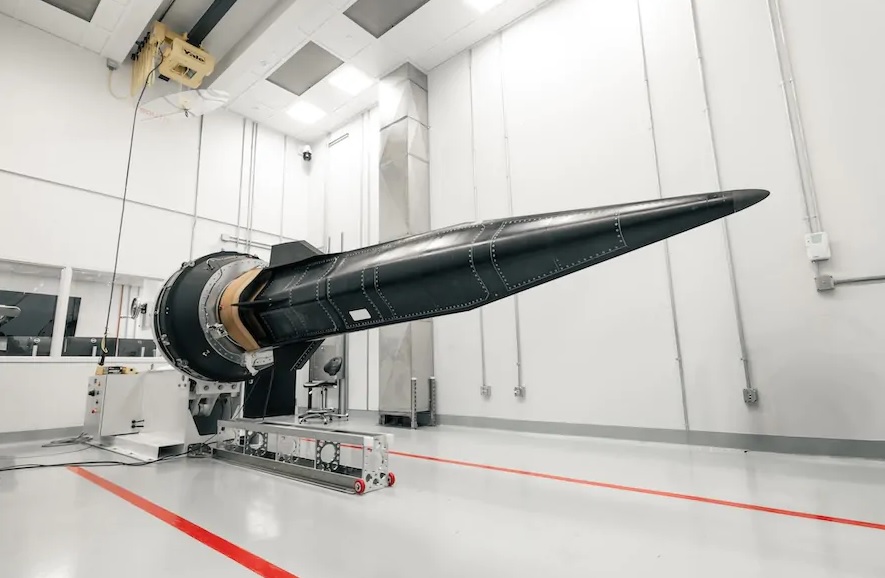
World
WALLOPS ISLAND, Va. : Rocket Lab Corporation has announced that it will conduct a dedicated hypersonic test mission for the U.S. Department of Defense’s Defense Innovation Unit (DIU) no earlier than late February 2026. The mission, formally named “Cassowary Vex,” will launch from Launch Complex 2 at the Virginia Spaceport Authority’s Mid-Atlantic Regional Spaceport on Wallops Island, Virginia. The operation will use Rocket Lab’s HASTE (Hypersonic Accelerator Suborbital Test Electron) launch vehicle, a modified suborbital configuration of the company’s Electron rocket. Rocket Lab has informally referred to the mission as “That’s Not A Knife,” referencing the Australian origin of the primary payload. Payload and International Collaboration The mission will carry the DART AE vehicle, a scramjet-powered hypersonic aircraft developed by Australian aerospace engineering firm Hypersonix Launch Systems. The DART AE is designed as a technology demonstrator focused on non-ballistic hypersonic flight. Under the mission profile, the HASTE rocket will accelerate the DART AE to speeds exceeding Mach 5 before deploying it to conduct its independent flight sequence. The objective is to evaluate performance characteristics associated with scramjet propulsion and sustained hypersonic flight outside of traditional ballistic trajectories. The collaboration combines Australian-developed hypersonic vehicle technology with U.S.-based commercial launch capabilities, reflecting allied defense cooperation in advanced aerospace systems. HASTE Vehicle Capabilities HASTE is designed to provide responsive and repeatable suborbital launch services tailored for hypersonic testing. According to Rocket Lab, the platform supports test conditions at speeds of up to Mach 20. The system enables detailed evaluation of thermal protection systems, aerodynamic performance, guidance, and propulsion technologies under operational flight conditions. The vehicle is marketed as a commercial solution aimed at increasing access to high-cadence hypersonic test opportunities. Rocket Lab has positioned HASTE as addressing limitations in availability and cost that have historically affected hypersonic development programs. “Cassowary Vex” will mark Rocket Lab’s fourth hypersonic test mission within a six-month period, indicating an increased operational tempo for the company’s suborbital launch services. Alignment with DIU’s HyCAT Initiative The mission supports the DIU’s “Hypersonic and High-Cadence Airborne Testing Capabilities” (HyCAT) project, which emphasizes the integration of commercial launch systems into Department of Defense hypersonic development efforts. The HyCAT initiative seeks to accelerate testing timelines by leveraging commercial aerospace providers rather than relying exclusively on traditional government-managed programs. Rocket Lab has stated that enabling frequent, lower-cost hypersonic testing is a priority for the Department of Defense and its allied partners. Increased test cadence is intended to facilitate faster iteration and validation of emerging hypersonic systems. Recent Testing Background The upcoming February 2026 launch follows multiple suborbital missions conducted by Rocket Lab during late 2025 using the HASTE configuration. Those missions supported national security objectives and validated the platform’s suitability for high-speed flight test applications. With the scheduled launch from Wallops Island, “Cassowary Vex” will further expand the operational use of commercial suborbital launch vehicles in defense-focused hypersonic research and testing programs.
Read More → Posted on 2026-02-13 15:39:47Search
Top Trending in 24 Hours
-
 Pentagon Launches FORTRESS Initiative to Make Major U.S. Bases Self-Sufficient for 90 Days
-
 Saudi Arabia, Pakistan and Turkey Hold High-Level Security Talks with Iran in Tehran Amid Reports of Potential Iranian Integration
-
 SpaceX Secures $40 Billion in Debt Financing for AI Chips as Musk Predicts Industry Consolidation
-
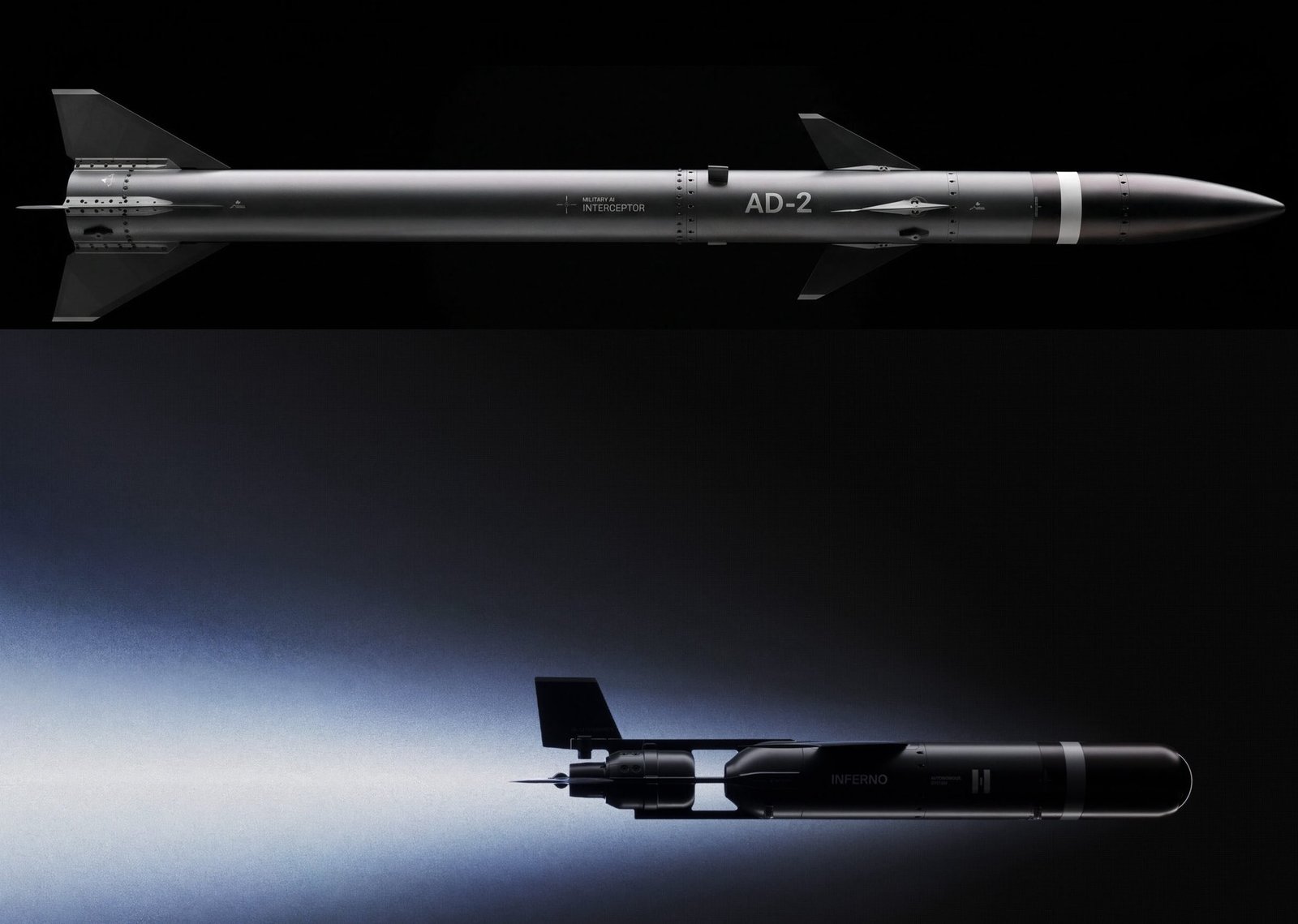 German Firm Helsing Unveils Contra AI Air Defence System with AD-1 Inferno and AD-2 Ambush Interceptor Missiles
-
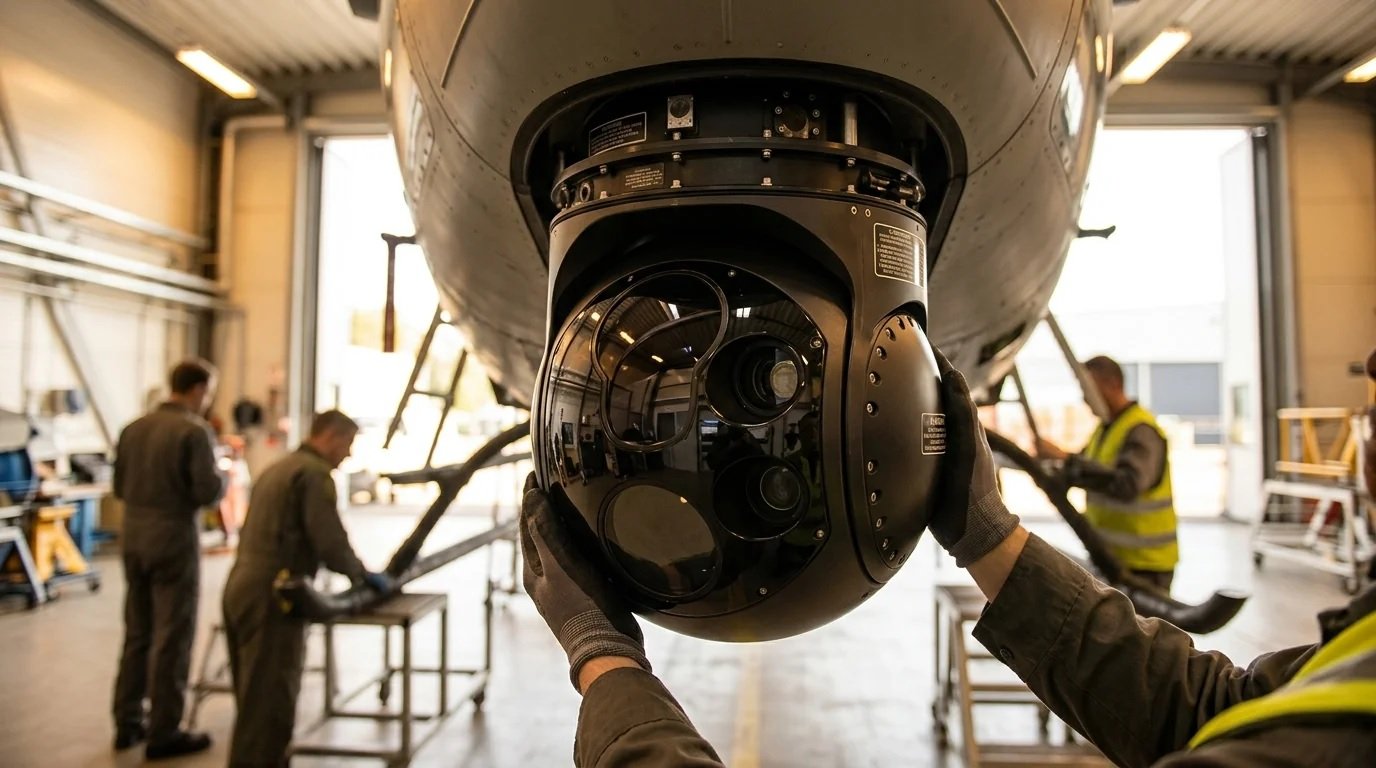 Elbit Systems Secures $200 Million Contract for Airborne Surveillance and Training Systems in Asia-Pacific
-
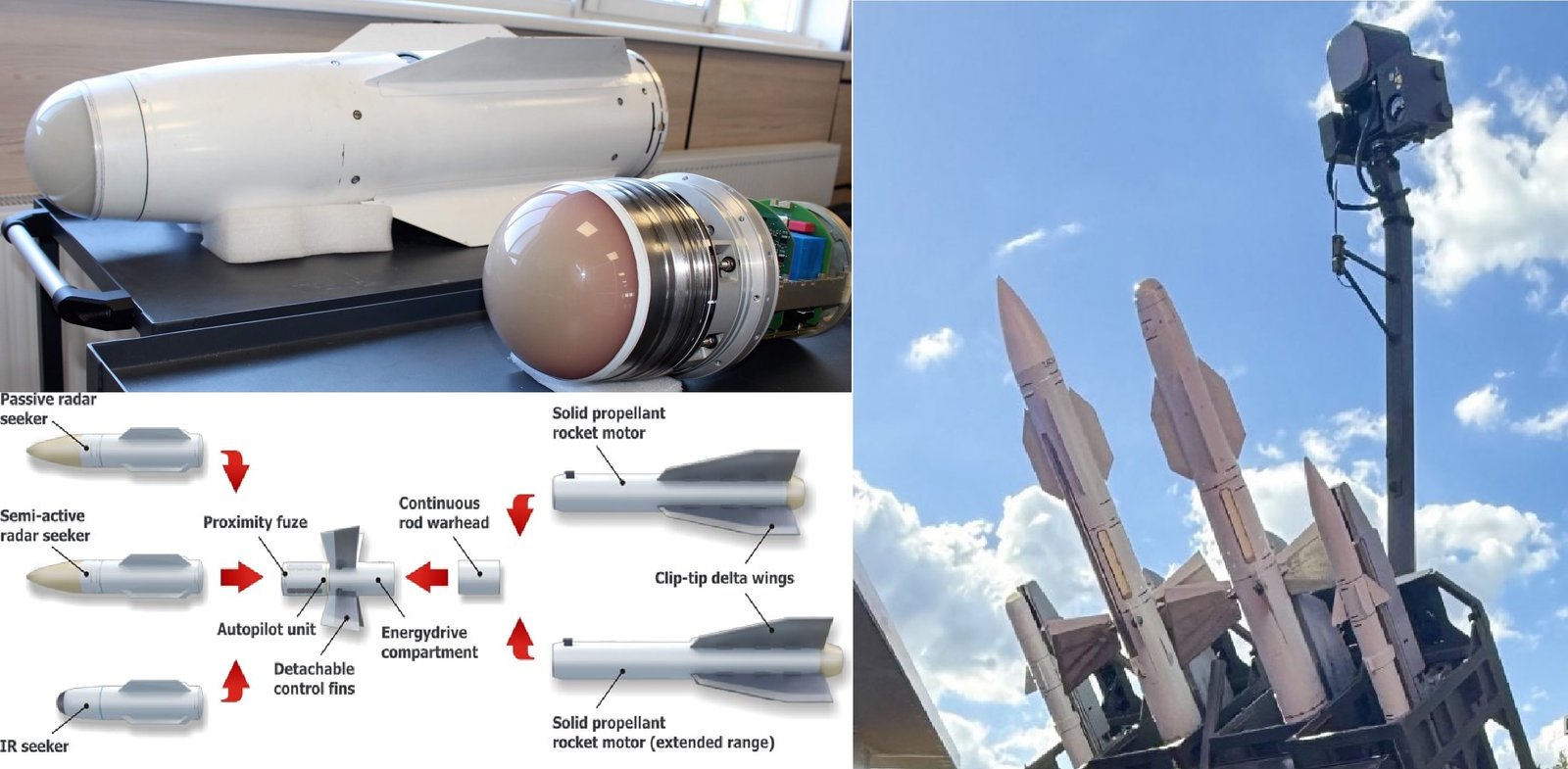 Ukraine Reveals New Details on R-287T and R-287R Missiles for Shershen Air Defense System
-
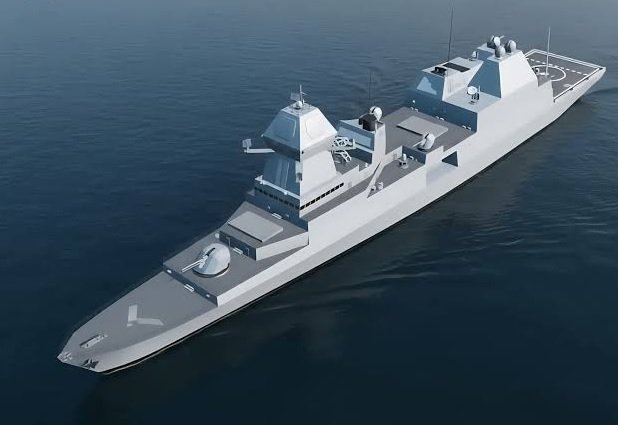 Indian DAC to Evaluate ₹75,000 Crore Project 18A for Next-Generation Navy Destroyers
-
 Sweden Deploys Four Saildrone Voyager USVs for Year-Long Baltic Sea Surveillance
Top Trending in 4 Days
-
 NASA Demonstrates Space-to-Space Wi-Fi Between Two Orbiting Spacecraft
-
Pentagon Launches FORTRESS Initiative to Make Major U.S. Bases Self-Sufficient for 90 Days
-
 USS Pinckney Becomes First U.S. Navy Destroyer to Begin Phase Two Modernization with Advanced SPY-6 Radar
-
 U.S. Military to Ban Chinese Automaker BYD Vehicles from Kadena Air Base in Japan Over Security Concerns
-
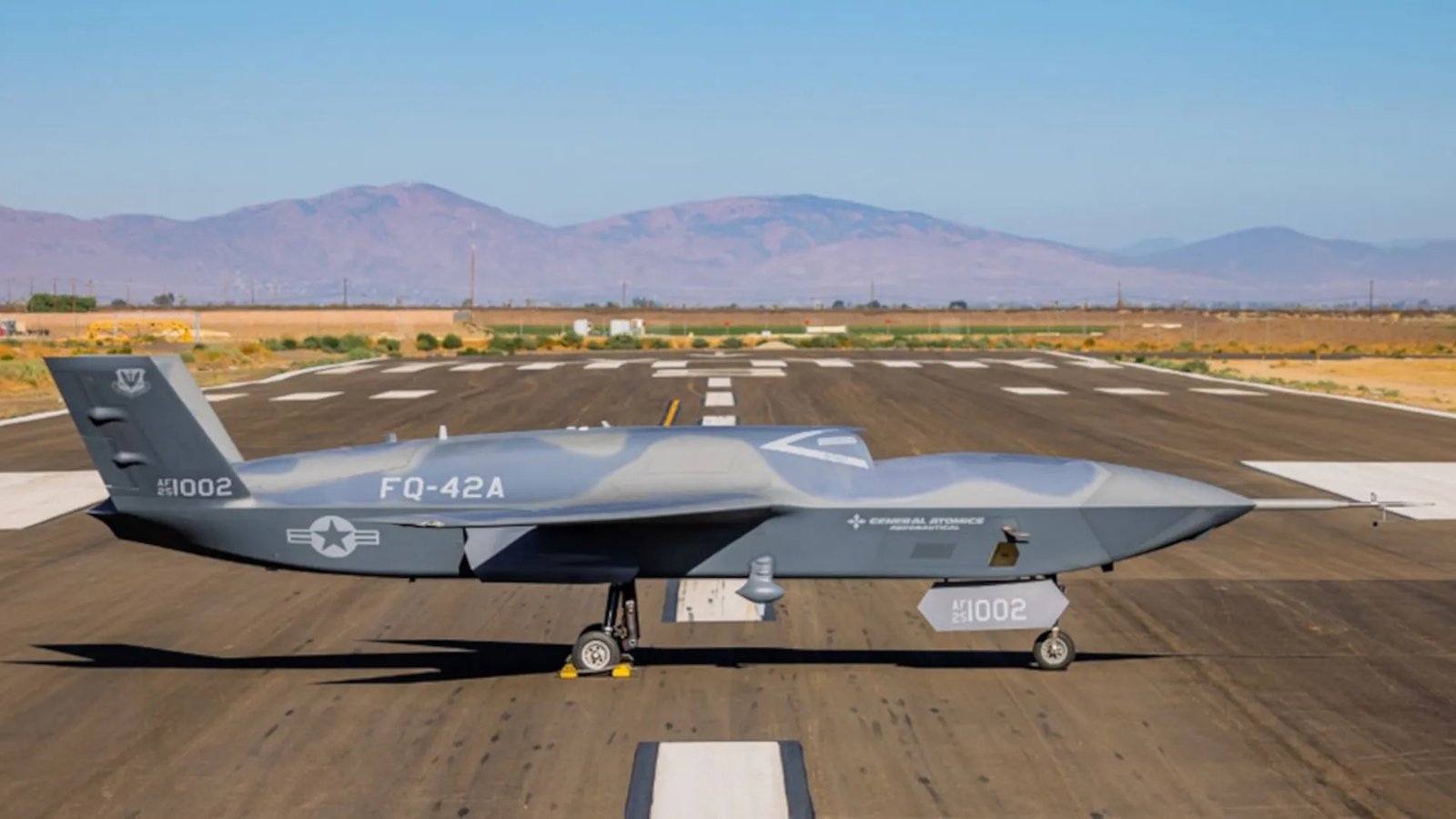 General Atomics Partners With Spirit Defense to Expand FQ-42 Vengeance Production
-
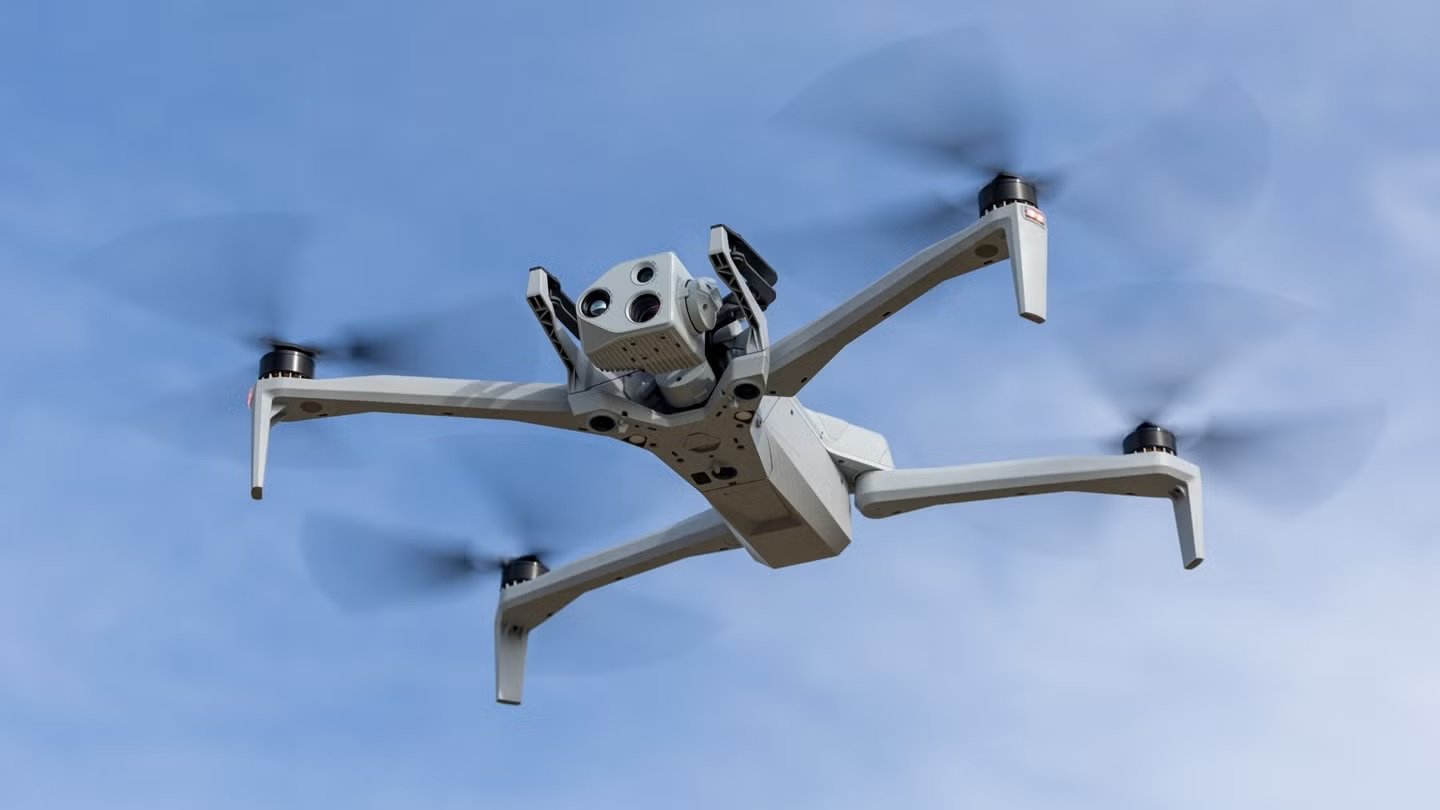 UK Ministry of Defence Opens £120,000 Tender for Skydio X10D Drones
-
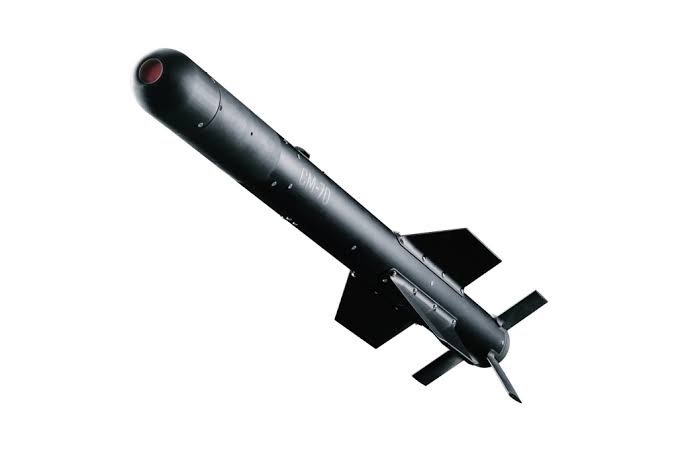 CSG and North Vector Dynamics Sign MoU to Explore European Production of CM-70 Counter-Drone Interceptor
-
Saudi Arabia, Pakistan and Turkey Hold High-Level Security Talks with Iran in Tehran Amid Reports of Potential Iranian Integration
