JERUSALEM : The Israel Defense Forces has shifted from preparations for limited escalation scenarios to a broader regional war footing, following internal assessments that the United States administration may request direct Israeli military participation in potential American strikes against Iran, according to report
Israeli officials assess that if Washington initiates military action against Iranian targets, it could formally request operational involvement by the IDF. While no official U.S. decision has been announced, Israeli defense planners are preparing for the possibility of coordinated action.
Nationwide Air Defense Expansion
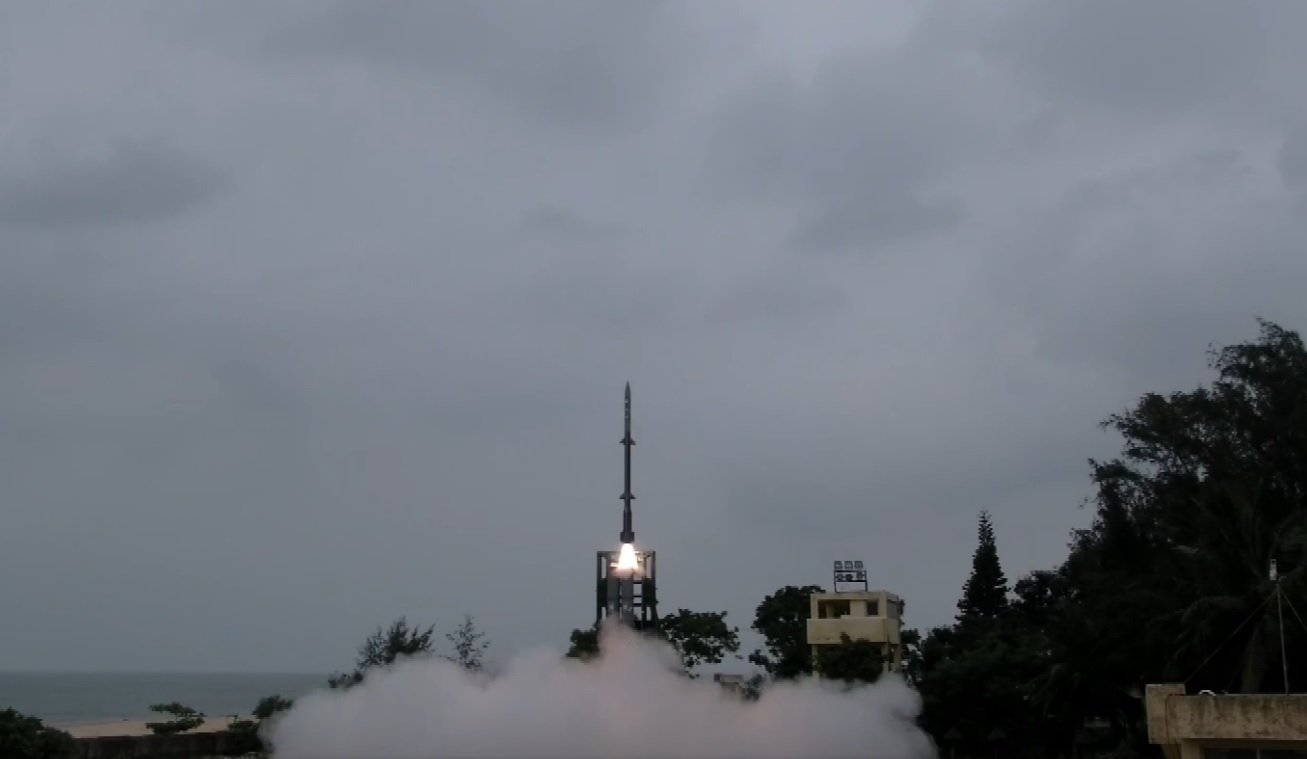
As part of its heightened readiness posture, the IDF has deployed seven air defense battalions across the country. Military officials estimate that this equates to approximately 100 to 150 active launchers drawn from various layers of Israel’s multi-tiered air defense architecture. The systems are positioned to absorb and intercept sustained missile fire in the event of a prolonged confrontation.
The expanded deployment reflects planning for heavy and continuous missile barrages, including scenarios involving multiple fronts. Israeli defense authorities assess that any direct military confrontation with Iran could trigger missile and drone attacks from Iranian territory as well as allied regional actors.
Israeli Air Force Reinforces Operational Continuity
The Israeli Air Force is reinforcing its operational infrastructure to maintain sustained combat capability under prolonged attack conditions. Measures include strengthening airbase resilience, dispersing aircraft where necessary, and ensuring logistical redundancy to maintain sortie generation rates even under heavy missile assault.
Defense officials emphasize that preparations are designed to guarantee continuous operational activity, including defensive interception missions and potential long-range strike operations if required.
Iranian Position on Nuclear and Missile Programs
The military preparations coincide with continued diplomatic deadlock over Iran’s nuclear and missile programs.
Iran’s Deputy Foreign Minister Majid Takht-Ravanchi stated in an interview with the BBC that Tehran does not consider reducing uranium enrichment to zero within its territory. He said Iran views domestic enrichment as a sovereign right under the Nuclear Non-Proliferation Treaty.
Separately, Iranian Foreign Minister Abbas Araghchi stated that Iran’s missile and missile defense systems are not subject to negotiation under any circumstances. He described these capabilities as outside the scope of diplomatic discussions.
Divergent Assessments on Regime Stability
According to a diplomatic source cited by Yedioth Ahronoth, U.S. President Donald Trump is reportedly considering scenarios involving rapid regime instability in Iran as a factor in strategic planning, potentially reducing the likelihood of a prolonged conflict.
Israeli security agencies, however, assess that the Iranian government is unlikely to collapse in the near term. Based on that assessment, Israeli defense planners are preparing for an extended period of confrontation that could expand into a wider regional conflict.
Strategic Coordination and Contingency Planning
Israeli officials indicate that coordination with the United States continues at multiple levels, including intelligence sharing and operational planning. While no joint strike has been announced, defense planners are structuring readiness around the possibility of direct IDF participation if requested.
The shift from limited contingency planning to regional war preparedness reflects Israel’s assessment that escalation pathways now extend beyond isolated exchanges and could involve sustained, multi-front engagement.
At present, Israeli defense authorities remain in a heightened state of readiness, maintaining expanded air defense coverage and reinforced air force infrastructure while monitoring diplomatic developments and U.S. strategic decisions regarding Iran.
——— End of Article ———