
World
GENEVA / MOSCOW : Russia has formally confirmed its willingness to accept and store enriched uranium from Iran if a comprehensive agreement is reached between Tehran and Washington, as indirect nuclear negotiations between the United States and Iran continue in February 2026. The proposal emerges amid renewed diplomatic engagement following the breakdown in relations and U.S. military strikes on Iranian nuclear facilities in June 2025. Discussions are currently being conducted indirectly through Omani intermediaries, with recent rounds held in Oman and Switzerland. Russia’s Position and Official Statements Russia’s state atomic energy corporation, Rosatom, confirmed this week that it is prepared to facilitate the transfer and storage of Iranian enriched uranium under a potential agreement. Rosatom Director General Alexey Likhachev stated that the agency stands ready to manage the material if such provisions are included in a finalized deal. Kremlin spokesman Dmitry Peskov reiterated on February 18, 2026, that Moscow has maintained readiness to accept the enriched material as part of efforts to resolve the nuclear dispute. On February 19, Russian Foreign Minister Sergey Lavrov stated that requiring Iran to completely renounce its right to peaceful uranium enrichment would contradict the Nuclear Non-Proliferation Treaty (NPT). Moscow has consistently argued that enrichment for civilian purposes is permitted under the treaty, provided it remains under international safeguards. Structure of the February 2026 Negotiations The current diplomatic track follows the collapse of earlier negotiations and heightened tensions in 2025. Talks are being mediated indirectly through Oman, which has served as an intermediary between Washington and Tehran. Round One – February 6, 2026 (Oman)According to reporting by The Wall Street Journal, the Iranian delegation proposed transferring a portion of its stockpile of uranium enriched to 60% purity to Russia. Iran also indicated it could suspend domestic uranium enrichment activities for up to three years. No formal agreement was reached during this round, and discussions remained exploratory. Round Two – February 17, 2026 (Geneva)Negotiators reconvened in Geneva, Switzerland. Iranian Foreign Minister Abbas Araghchi stated that the meeting lasted approximately three and a half hours and described the discussions as constructive. He confirmed that the two sides agreed on “general guiding principles” for continued negotiations. However, he noted that substantial differences remain and that a rapid conclusion is unlikely. A key focus during the Geneva session was the verification of Iran’s nuclear activities and the framework governing inspections by the International Atomic Energy Agency (IAEA). Discussions addressed inspection protocols, oversight mechanisms, and compliance procedures. Both sides are expected to consult with their respective governments over the following two weeks before exchanging draft texts and scheduling a third round of talks. Central Dispute: Domestic Uranium Enrichment The primary unresolved issue remains Iran’s right to enrich uranium domestically. The U.S. administration is reportedly demanding a “zero enrichment” policy, which would require Iran to permanently dismantle its enrichment infrastructure. Washington’s position reflects concerns over Iran’s technical capacity to produce weapons-grade material if enrichment continues at high levels. Iranian officials have rejected this demand. Foreign Minister Abbas Araghchi and the head of the Atomic Energy Organization of Iran (AEOI) have publicly stated that uranium enrichment for peaceful civilian purposes is a sovereign right under international law. Iran maintains that it does not pursue nuclear weapons and asserts that its nuclear program is intended for civilian energy production. Tehran has indicated openness to temporary limits or confidence-building measures, but has stated that it will not permanently surrender enrichment rights. Stockpile and Technical Context Iran’s current stockpile includes uranium enriched to 60% purity, a level significantly above that required for civilian nuclear power generation but below weapons-grade enrichment, which typically exceeds 90% purity. Under the proposal reported from the February 6 meeting, a portion of the 60% enriched uranium would be transferred to Russia. Iran’s suggestion to suspend domestic enrichment for up to three years would represent a temporary measure, not permanent dismantlement. Verification mechanisms and the role of the IAEA remain central to determining how any suspension, transfer, or limitation would be monitored and enforced. Military and Strategic Environment The diplomatic engagement is occurring alongside continued military deployments in the Middle East. The United States is deploying additional naval assets to the region, including the USS Gerald R. Ford aircraft carrier strike group, currently en route to the Gulf region. These movements follow the June 2025 strikes on Iranian nuclear facilities and ongoing regional security concerns. There have been no official statements directly linking the military deployments to the ongoing negotiations, though the broader strategic environment continues to shape the diplomatic context.
Read More → Posted on 2026-02-19 14:51:19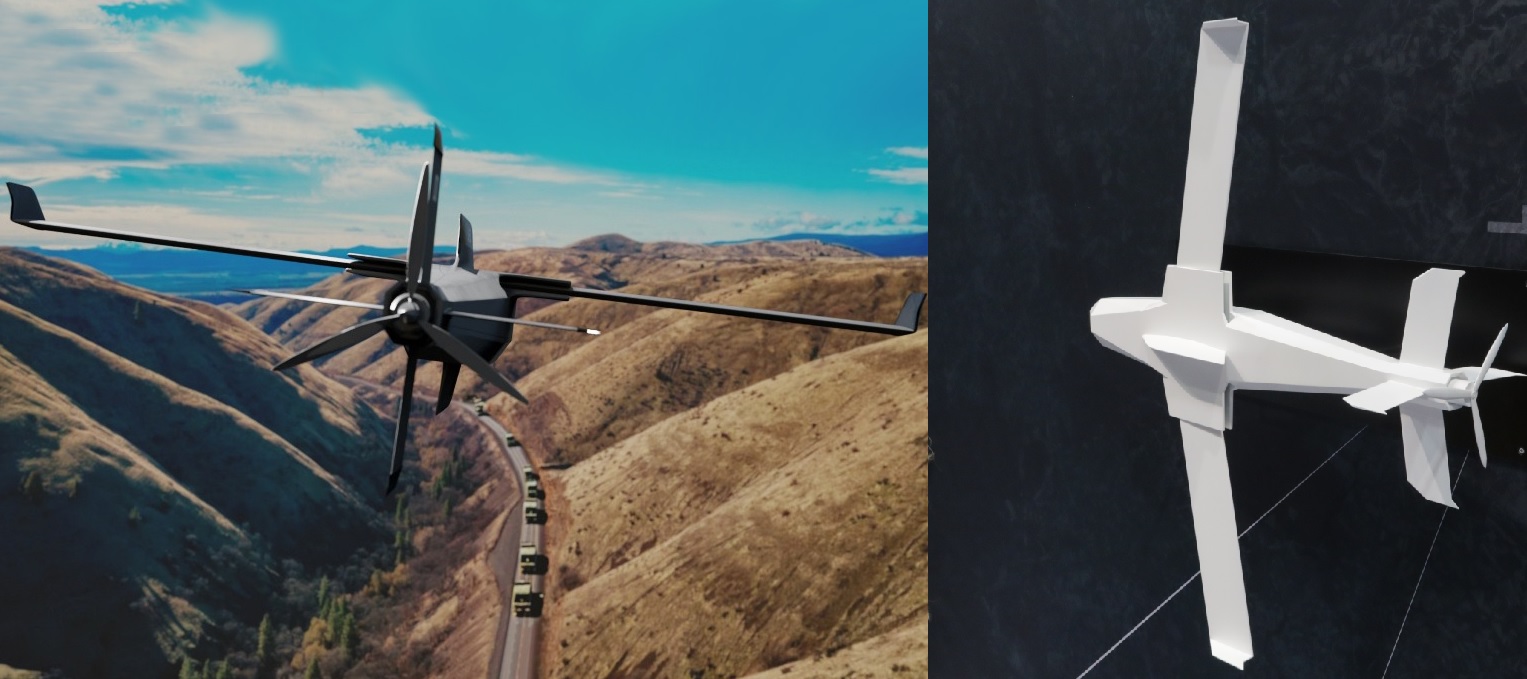
World
COCHSTEDT, Germany : German defense company Rheinmetall has conducted a live flight demonstration of its newly developed FV-014 loitering munition system (LMS), known as the “Raider,” for a prospective NATO customer. The test took place on February 18, 2026, at the National Test Centre for Unmanned Aerial Systems operated by the German Aerospace Centre (DLR) in Cochstedt, Saxony-Anhalt. The demonstration included multiple simulated mission scenarios and representative attack flight profiles. According to the company, the event marks a significant development milestone for the system, which was designed and engineered entirely in-house. Rheinmetall positions the FV-014 as a European-developed loitering munition that is not subject to third-party export controls. The system was first publicly presented as a prototype at the DSEI exhibition in London in September 2025. System Role and Operational Concept The FV-014 is a fixed-wing tactical loitering munition intended for dynamic battlefield deployment at the tactical level. The system integrates intelligence, surveillance, and reconnaissance (ISR) capabilities with precision-strike functionality in a single platform. It is designed to support maneuver units by engaging high-value point targets beyond line of sight, including armored vehicles, artillery systems, command posts, and other critical battlefield assets. Initially configured as a man-portable capability for troop-level use, the system is launched from a sealed transport canister using a booster mechanism. After exiting the container, the munition deploys folding wings and transitions into powered aerodynamic flight. While optimized for dismounted operations, Rheinmetall has stated that the FV-014 architecture allows integration into scalable multi-launcher configurations. These configurations can be mounted on ground vehicles or adapted for naval platforms, enabling deployment across land and maritime domains. Technical Specifications and Performance Parameters The FV-014 has a total launch weight of approximately 20 kilograms, including a payload capacity of 6 kilograms. The system carries a 5-kilogram High-Explosive Dual Purpose (HEDP) warhead designed to address both armored and soft targets. Key performance characteristics include: Operational Range: Up to 100 kilometers, with a maximum data link range of 60 kilometers. Flight Endurance: Approximately 70 minutes, providing loiter time for target detection, identification, tracking, and engagement decision-making. Penetration Capability: More than 600 millimeters of Rolled Homogeneous Armor (RHA), while remaining effective against unarmored vehicles, personnel, and infrastructure targets. The munition’s electric propulsion system drives a rear-mounted propeller, contributing to a reduced acoustic signature during the terminal approach phase. The airframe incorporates a conventional wing configuration and features faceted structural elements intended to reduce radar and infrared observability. Control Architecture and Human Oversight Operation of the FV-014 is conducted through a ground control station that maintains a continuous “human-in-the-loop” engagement model. This architecture enables the operator to receive real-time situational awareness data, conduct positive target identification, authorize strike execution, or abort the mission if operational conditions change. The communications and control framework is designed to maintain stability in contested environments. The system incorporates navigation protocols capable of functioning in Global Navigation Satellite System (GNSS)-denied conditions and in environments subject to electromagnetic interference or jamming. Networked and Swarm Capabilities Rheinmetall has equipped the FV-014 with networking capabilities that support coordinated operations among multiple units. This configuration allows for synchronized engagement of clustered targets or coordinated saturation of adversary air defense systems. The architecture enables distributed employment concepts, including swarm-based tasking and shared targeting data among deployed munitions. The recent demonstration at the DLR-operated test facility represents the first confirmed live presentation of the system to a prospective NATO client following its public unveiling in 2025. Rheinmetall has not disclosed the identity of the customer involved in the evaluation.
Read More → Posted on 2026-02-19 14:36:53
World
NEW DELHI : The BRICS grouping is advancing the development of an independent cross-border payment system capable of processing up to 20,000 transactions per second, as member states prepare formal proposals for adoption at the 2026 BRICS Summit in New Delhi. The planned infrastructure is designed to enable full-scale trade settlements in national currencies and establish interoperability among Central Bank Digital Currencies (CBDCs) across the bloc. The initiative is being coordinated by a coalition of founding and newly admitted members, including Brazil, Russia, India, China, South Africa, Egypt and the United Arab Emirates. These countries are aligning technical standards, regulatory frameworks and financial protocols to ensure operational readiness before the 2026 summit. Technical Architecture and Processing Capacity At the center of the framework is the Decentralized Cross-border Messaging System (DCMS), a blockchain-compatible network engineered to operate independently of Western-controlled financial messaging platforms such as SWIFT. The DCMS is structured to achieve a throughput of up to 20,000 transactions per second, placing it within the capacity range of major global payment infrastructures while maintaining low transaction costs. The system is designed to interconnect existing domestic real-time payment networks across member states. These include Brazil’s Pix, India’s Unified Payments Interface (UPI), Russia’s Faster Payments System (SBP) and China’s Internet Banking Payment System (IBPS). By linking these established platforms through a shared messaging and settlement layer, the bloc aims to reduce clearing time, improve transaction transparency, and lower foreign exchange conversion costs in cross-border trade. The architecture emphasizes interoperability, standardized messaging protocols, and compliance with domestic financial regulations in each participating country. Officials involved in the project have highlighted cybersecurity resilience, data localization safeguards, and regulatory oversight mechanisms as core structural components. Focus on CBDC Interoperability A central agenda item for the 2026 summit is the formal integration of sovereign digital currencies. The Reserve Bank of India has proposed prioritizing CBDC linkage and interoperability during structured negotiations at the New Delhi meeting. The objective is to establish a unified technical protocol that enables instant, wholesale exchanges between central banks and authorized financial institutions. Under this framework, payment-versus-payment (PvP) foreign exchange settlements could be executed directly between national digital currencies without routing funds through intermediary currencies or correspondent banking networks. India’s e-rupee and China’s e-CNY are expected to be included in early-stage interoperability testing. Other member states are currently at varying stages of CBDC pilot programs and research initiatives, and technical working groups are coordinating to harmonize standards related to issuance mechanisms, settlement finality, liquidity management, compliance procedures and cross-border reporting requirements. From 2025 Consensus to Operational Deployment The proposed payment infrastructure represents the next operational phase of financial cooperation discussions initiated during the 2025 BRICS Summit in Rio de Janeiro. That summit established consensus on expanding cross-border payment collaboration, increasing the use of local currencies in trade, and aligning technological systems across jurisdictions. The current phase transitions those agreements into a high-volume operational framework. Technical working groups are focused on infrastructure testing, throughput validation, latency benchmarks, scalability assessments and regulatory approvals. Integration trials between domestic payment platforms are expected to continue through 2025 before formal adoption proposals are presented in 2026. Trade Settlement Trends and Currency Diversification The acceleration of the independent payment corridor aligns with a broader shift toward settlement in national currencies within the bloc. Recent trade data indicates that more than 65 percent of intra-BRICS trade is now conducted in local currencies rather than the U.S. dollar. Member states cite foreign exchange volatility, geopolitical risk exposure, and the increased use of financial sanctions in global markets as contributing factors behind the diversification of settlement channels. The deployment of a dedicated, high-speed payment infrastructure integrated with CBDCs is intended to institutionalize this transition within a regulated and standardized framework. The proposed system is structured to provide direct central bank oversight of cross-border digital transactions while reducing dependency on third-party clearing networks. If formally adopted at the 2026 summit, the infrastructure would combine domestic real-time payment systems with interoperable sovereign digital currencies under a unified cross-border protocol. Further technical documentation, compliance standards and implementation timelines are expected to be circulated among member governments ahead of the New Delhi summit, where decisions on formal adoption, rollout sequencing and expansion criteria for additional members will be determined.
Read More → Posted on 2026-02-18 18:37:21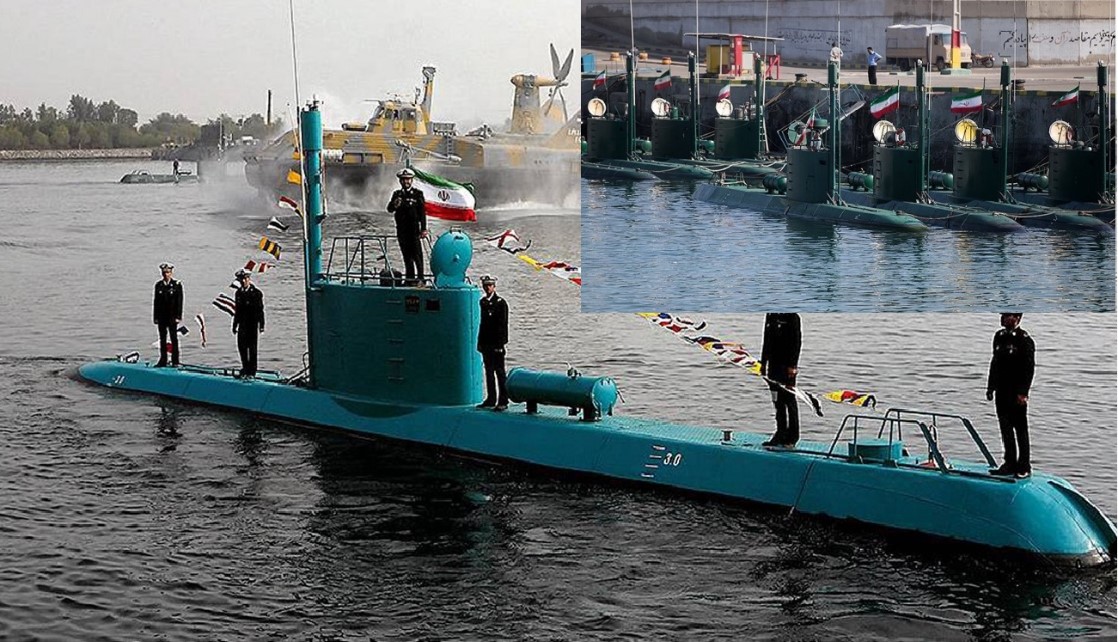
World
TEHRAN / WASHINGTON : The operational presence of United States Carrier Strike Groups (CSGs) in the Persian Gulf continues to factor into Iranian naval planning, particularly regarding the deployment of Tehran’s Ghadir-class midget submarines. Defense assessments estimate that Iran maintains a submarine fleet of approximately 28 to 30 vessels, the majority optimized for shallow-water operations in the Gulf. Of these, 20 to 23 are believed to be operational Ghadir-class units. Rather than pursuing parity with U.S. blue-water naval capabilities, Iran’s maritime strategy emphasizes asymmetric systems designed to complicate anti-submarine warfare (ASW) operations, increase surveillance burdens, and impose operational constraints on high-value surface assets transiting confined waterways such as the Strait of Hormuz. Development and Fleet Composition Open-source defense intelligence links the origin of the Ghadir-class to the North Korean Yono-class midget submarine design. Following the reported transfer of a Yono-class vessel in 2004, Iran’s defense industry initiated domestic production of modified variants under the Ghadir designation. The Ghadir-class forms the numerical backbone of Iran’s submarine force. While Iran also operates larger submarines, including Russian-built Kilo-class vessels, the Ghadir fleet is structured specifically for restricted-depth operations in the Persian Gulf. The number of hulls enables distribution across multiple coastal bases and maritime chokepoints, ensuring redundancy and geographic coverage. Design and Technical Characteristics The Ghadir-class submarines are configured for littoral warfare. Each vessel measures approximately 29 meters in length with a 9-meter beam. Displacement is estimated at 117 tons surfaced and 125 tons submerged, with a crew complement of around seven personnel. Powered by a diesel-electric propulsion system, the submarines achieve a maximum surface speed of 10 knots and a submerged speed of 8 knots. Due to size limitations, endurance and payload capacity are restricted, leading to short-duration sorties from coastal facilities rather than extended deployments. Their compact dimensions allow navigation in shallow waters and complex seabed terrain, where larger submarines face operational constraints. When operating on battery power, the platform maintains a reduced acoustic signature, supporting low-detectability missions in confined maritime environments. Armament and Weapons Integration Each Ghadir-class submarine is equipped with two 533 mm torpedo tubes. These are compatible with the domestically produced Valfajr heavyweight torpedo, assessed to carry a 220 to 300 kilogram warhead with an estimated range of 15 to 20 kilometers. The platform is also reported to deploy the Hoot supercavitating torpedo, a high-speed system with publicly cited speeds approaching 200 knots. Additional capabilities include naval mine deployment and support for limited special operations, including the insertion and extraction of combat divers. In February 2019, Iranian authorities announced the successful test launch of the Jask-2 anti-ship cruise missile (ASCM) from a Ghadir-class submarine. The Jask-2 is assessed to be conceptually derived from the Nasr-1 missile family. It operates as an encapsulated swim-out weapon, ejected from the torpedo tube before breaching the surface and igniting its propulsion system. The missile has a reported operational range of approximately 35 kilometers, extending engagement options beyond conventional torpedo distance and requiring defensive planning against both subsurface and aerial threats. Operating Environment in the Persian Gulf The effectiveness of the Ghadir-class is closely tied to the geographic and oceanographic conditions of the Persian Gulf. The region features shallow average depths, dense commercial shipping lanes, offshore energy infrastructure, and an irregular coastline. Environmental factors such as elevated salinity, strong currents, and seasonal temperature layering (thermoclines) create complex acoustic conditions. These characteristics can distort sonar propagation and reduce the effectiveness of both active and passive detection systems. High ambient noise from maritime traffic further contributes to acoustic clutter. Iranian naval doctrine incorporates a “bottom-resting” technique, in which a submarine can shut down propulsion systems and settle on the seabed. In such conditions, a stationary vessel may be more difficult to distinguish from surrounding terrain using sonar, particularly in areas with uneven topography and sediment. Strategic Implications for U.S. Naval Operations For U.S. naval planners, the Ghadir-class represents a distributed undersea threat that increases ASW workload rather than a system intended for direct confrontation with carrier strike groups. The positioning of multiple submarines near maritime chokepoints, combined with potential mine deployment, aligns with a layered maritime denial strategy. Although aircraft carriers avoid the shallowest routes, escorts, logistics vessels, and narrow transit corridors present operational considerations. The presence of small submarines may necessitate reduced transit speeds, expanded protective formations, and sustained ASW patrol operations. To mitigate these risks, U.S. Carrier Strike Groups deploy MH-60R Seahawk helicopters equipped with advanced dipping sonar systems optimized for shallow-water detection. The U.S. Navy has also expanded the use of unmanned surface and subsurface vehicles to strengthen maritime domain awareness across the Gulf. Despite these measures, tracking small diesel-electric submarines in cluttered littoral environments remains resource-intensive due to environmental and acoustic constraints. Operational Context Ongoing and potential future deployments of U.S. naval assets in the Middle East underscore the relevance of littoral-focused submarine forces in regional security planning. Iran’s investment in the Ghadir-class reflects a force structure centered on geographic constraints, dispersal, and layered maritime defense. Within the confined waters of the Persian Gulf, the platform is assessed primarily as a means of increasing operational complexity and surveillance demands rather than conducting sustained blue-water engagements.
Read More → Posted on 2026-02-18 18:31:19
World
TEHRAN / BEIJING : China is expanding its defense cooperation with Iran through the provision of satellite-based intelligence, surveillance data, and integration of the BeiDou Navigation Satellite System into Iranian military infrastructure, according to defense analysts and intelligence assessments. The partnership is increasing Iran’s situational awareness across the Middle East and enhancing the precision of its missile and unmanned systems amid continued tensions between Tehran and Washington. Recent assessments indicate that China is functioning as a surveillance and reconnaissance partner by supplying high-resolution satellite imagery, electronic intelligence (ELINT), and real-time data streams to Iranian command networks. Analysts describe the arrangement as a division of roles in which Chinese space-based assets support Iran’s regional strike capabilities. Satellite Intelligence and Surveillance Support China’s satellite fleet, which includes more than 500 operational military and dual-use satellites, forms the backbone of this intelligence-sharing structure. Data from these platforms is reportedly transmitted to Iranian command nodes, strengthening Tehran’s capacity to monitor U.S. military deployments and naval operations in the Indian Ocean, Gulf of Oman, and Persian Gulf. Maritime tracking capabilities are supported by China’s Yaogan satellite clusters. These platforms specialize in maritime electronic intelligence (ELINT) and use time-difference-of-arrival (TDOA) calculations to geolocate signal emissions from naval vessels. Defense analysts note that this capability enables tracking of U.S. naval task forces, including aircraft carrier strike groups, in near real time. In addition to electronic intelligence, China’s optical and infrared satellite constellations provide terrain mapping and persistent imaging. The Jilin-1 constellation, operated by Chang Guang Satellite Technology, delivers high-resolution imagery across varying weather conditions. This supplements Iran’s domestic satellite assets, including the Noor-3 satellite, which operates at comparatively lower resolution. Commercial Satellite Imagery and Open-Source Exposure A significant development in the intelligence-sharing framework involves the use of commercial Chinese satellite imagery to document U.S. military deployments in the region. High-resolution images published by the Chinese firm MizarVision have detailed the precise coordinates and layouts of U.S. defense assets at key regional bases. In Jordan, satellite imagery revealed the configuration and operational positioning of a U.S. Army Terminal High Altitude Area Defense (THAAD) missile system at Muwaffaq al-Salti Air Base. In Bahrain, imagery showed the deployment of MIM-104F Patriot PAC-3 surface-to-air missile batteries alongside F-16 multirole fighter aircraft at Isa Air Base. Defense analysts state that publication of such imagery reduces the operational secrecy of forward-deployed U.S. systems. By identifying radar arrays, missile launchers, and aircraft dispersal zones, these images provide targeting-relevant data that can assist in refining ballistic missile trajectories and unmanned aerial vehicle (UAV) flight paths. Transition to the BeiDou Navigation System A central element of the expanded cooperation is Iran’s transition from reliance on the U.S.-operated Global Positioning System (GPS) to China’s BeiDou-3 Navigation Satellite System for military applications. The shift followed reports of GPS jamming and signal spoofing incidents during recent regional conflicts. Iran has integrated BeiDou’s encrypted signals into the guidance architecture of its ballistic and cruise missile systems. Analysts report that the system provides several operational benefits. BeiDou is designed to operate in contested electronic environments and incorporates anti-jamming and anti-spoofing protections. These features increase the resilience of Iranian munitions against electronic warfare tactics. Authorized military users can access centimeter-level positioning accuracy, contributing to improved circular error probability (CEP) metrics for long-range strike systems. The BeiDou system also includes a short-message communication capability that enables encrypted satellite-based text transmissions. This function allows command units to exchange operational data without depending solely on terrestrial communication networks. Additional Defense Cooperation Beyond satellite intelligence and navigation integration, China continues to provide Iran with defense-related equipment and materials. Among the systems referenced by analysts is the YLC-8B anti-stealth radar, designed to detect low-observable aircraft. Reports also reference the supply of sodium perchlorate and other solid rocket fuel precursors used in the production of ballistic missile propellants. These materials are considered essential components of Iran’s missile development programs. Strategic Implications The integration of Chinese orbital surveillance assets with Iranian ground-based strike systems represents a structural development in regional security dynamics. By combining satellite-enabled maritime tracking, high-resolution terrain mapping, encrypted navigation, and open-source exposure of U.S. installations, the partnership expands Iran’s intelligence and targeting capabilities. Defense planners assess that this level of cooperation increases the complexity of U.S. operational planning in the Middle East. Real-time tracking capabilities and hardened navigation systems reduce vulnerabilities traditionally associated with electronic denial measures and navigational disruption. The continued alignment between Beijing and Tehran in space-based intelligence and defense technology cooperation marks a measurable shift in the balance of reconnaissance and precision-strike capabilities across the Persian Gulf region.
Read More → Posted on 2026-02-18 17:52:57
World
JAKARTA, INDONESIA : The Indonesian government has formally agreed to acquire the decommissioned Italian aircraft carrier Giuseppe Garibaldi from the Government of Italy. The 40-year-old vessel will be transferred as a direct grant, while Indonesia will finance its modernization and operational integration through two separate foreign loan arrangements totaling $1 billion. The agreement represents one of the most significant naval acquisitions undertaken by Indonesia in recent years and signals an expansion of the Indonesian Navy’s aviation and maritime support capabilities. Financial Structure and Modernization Plan Although the hull itself is being transferred without purchase cost, Indonesia’s Ministry of Defense has arranged two financial packages to prepare the vessel for active service. The first package consists of a $450 million modernization loan, designated for extensive refitting and structural adaptation. The funds will be used to convert the ship from its original configuration as a fixed-wing aircraft carrier into a platform optimized for rotary-wing aircraft and unmanned aerial vehicles (UAVs). The conversion aligns with Indonesia’s maritime security priorities, including surveillance, disaster response, and maritime domain awareness across its archipelago. The modernization process is expected to include modifications to the flight deck layout, hangar facilities, aviation support systems, command and control infrastructure, and maintenance capabilities. The vessel will no longer operate short take-off and vertical landing (STOVL) fighter aircraft, and instead will be configured exclusively for helicopters and drones. The second package, valued at $550 million, has been approved specifically for the procurement of Italian-manufactured helicopters. These aircraft will form the primary aviation component aboard the converted carrier. The financing arrangement restricts expenditures to equipment sourced from Italy under the existing bilateral defense cooperation framework. Together, the two loan mechanisms total $1 billion, covering both the ship’s physical transformation and the aviation assets required to render it operational. Vessel Background and Technical Specifications The Giuseppe Garibaldi was constructed by Italian shipbuilder Fincantieri and commissioned into the Italian Navy in 1985. The vessel served for nearly four decades before being officially retired in October 2024. As of early 2026, it has been out of active service for approximately one and a half years. At the time of retirement, the carrier’s baseline technical specifications included: Standard displacement: 10,100 tons Length: 180.2 meters Maximum speed: 30 knots During its operational service, the carrier was capable of deploying up to 18 AV-8B Harrier II fighter aircraft. It also operated mixed air wings that combined fixed-wing jets with helicopters such as the Agusta SH-3D and AW101. The original configuration supported short take-off and vertical landing operations. Under Indonesia’s modernization plan, the fixed-wing fighter capability will be removed, and the ship will be reconfigured solely for helicopter and UAV operations. Administrative Process and Delivery Timeline Negotiations are ongoing between Indonesia’s Ministry of Defense, the Italian Navy, and Fincantieri to finalize the administrative transfer procedures and define the detailed scope of the technical refit. Indonesian Navy Chief of Staff Admiral Muhammad Ali has stated that the government is targeting delivery of the vessel prior to October 5, 2026, which marks the 81st anniversary of the Indonesian National Armed Forces (TNI). The timeline includes both the formal handover and completion of initial modernization work necessary for operational deployment. Intended Operational Role Once fully refitted and staffed, the carrier is expected to serve as a mobile aviation and logistics platform within the Indonesian Navy. Defense officials have indicated that the vessel will primarily support non-combat military missions. Its planned operational roles include: Disaster response and humanitarian assistance Large-scale logistics support operations Extended maritime patrol missions Surveillance across Indonesia’s territorial waters As the world’s largest archipelagic state, Indonesia faces logistical and maritime security challenges due to its dispersed geography. The modified carrier is intended to enhance rapid deployment capability and enable sustained aviation operations across remote and strategically significant regions. The acquisition, structured as a grant-supported transfer combined with foreign financing for modernization and aviation assets, expands Indonesia’s naval aviation infrastructure without the procurement of a new-build carrier platform.
Read More → Posted on 2026-02-18 17:37:55
World
BERLIN : German Chancellor Friedrich Merz has publicly questioned the long-term viability of the trinational Future Combat Air System (FCAS) program, citing unresolved structural, military and industrial differences between Germany and France. Speaking on the political podcast Machtwechsel, Merz stated that Berlin could reconsider its participation if fundamental requirement gaps cannot be resolved. The FCAS program, launched in 2017 by France and Germany and later joined by Spain, is designed to deliver a next-generation air combat system by 2040. The initiative aims to replace France’s Rafale fighter jets and the Eurofighter Typhoons currently operated by Germany and Spain. The system is structured around a New Generation Fighter (NGF) supported by unmanned remote carrier drones and a digital Combat Cloud network linking aircraft, sensors and command systems. Merz emphasized that the current friction does not stem from diplomatic disagreements but from differing operational requirements. “We have a real problem in the requirement profile,” he said, underlining that the divergence is rooted in objective military needs. Diverging Military Requirements At the center of the debate are France’s specific operational requirements linked to its nuclear deterrence posture and naval aviation capabilities. France requires a nuclear-capable aircraft that can operate from aircraft carriers, replacing both land-based Rafale variants and the Rafale Marine fleet deployed aboard the Charles de Gaulle carrier and its planned successor. Carrier-capable aircraft require reinforced landing gear, strengthened airframes, tailhook systems, and design modifications suited for catapult launches and arrested landings. Incorporating these capabilities into a single airframe intended to also serve the German Air Force presents engineering and financial complexity. Germany’s Bundeswehr does not currently operate aircraft carriers and does not maintain an independent nuclear deterrent. While Germany participates in NATO’s nuclear sharing arrangement, its requirements differ structurally from France’s fully sovereign nuclear doctrine. According to Merz, the Bundeswehr does not presently require a carrier-capable platform, raising the question of whether a single design can realistically satisfy both national profiles without substantial compromise. The Chancellor stated that if the structural requirement gap cannot be resolved, sustaining the joint program in its current form would be difficult. Industrial Governance and Program Delays The FCAS initiative has also faced prolonged industrial disputes between its primary contractors: Dassault Aviation of France and Airbus Defence and Space, representing German and Spanish interests. Dassault Aviation has insisted on retaining primary design authority and intellectual property leadership over the New Generation Fighter component. Airbus has advocated for an equal partnership structure reflecting Germany and Spain’s financial and industrial contributions. The disagreement over workshare, governance, and intellectual property rights has delayed key program milestones. The overall program cost is estimated at approximately €100 billion over its lifecycle. Analysts note that developing two distinct fighter variants to meet divergent national requirements would significantly increase development and production costs, potentially exceeding initial projections. Merz has questioned whether the consortium has the financial and industrial capacity to sustain parallel aircraft development under a unified program structure. Broader Strategic Assessment In addition to industrial governance issues, the German Chancellor has raised broader strategic considerations about the role of manned sixth-generation fighter aircraft. Advances in unmanned aerial systems, artificial intelligence, and network-centric warfare have prompted discussion within Germany about whether investment priorities should shift toward remote carriers, autonomous platforms and digital combat networking rather than focusing primarily on a crewed aircraft. The FCAS architecture was originally conceived as a “system of systems,” integrating the New Generation Fighter with unmanned drones and a Combat Cloud digital backbone. Merz indicated that Berlin must assess whether the manned fighter component remains the optimal allocation of defense resources within this framework. Potential Alternative Pathways If the manned fighter segment of FCAS proves unworkable under current conditions, Germany may consider alternative European partnerships. One potential pathway discussed by industry observers involves separating elements of the program. Under such a model, Germany and France could independently pursue their own next-generation fighter platforms while maintaining cooperation on shared technologies such as the Combat Cloud network and unmanned systems. Another possibility is engagement with the Global Combat Air Programme (GCAP), a separate next-generation fighter initiative led by the United Kingdom, Italy and Japan. While no formal decision has been announced, Merz acknowledged that Germany could explore other European aerospace collaborations if negotiations with Paris do not produce a sustainable compromise. France Reaffirms Commitment In response to Merz’s remarks, French officials reiterated their commitment to the original structure of the FCAS agreement. The Élysée Palace stated that the participating states’ military requirements, including France’s nuclear deterrence and carrier operations, were defined at the outset of the program. French authorities have emphasized the strategic importance of European defense sovereignty and technological autonomy, maintaining that industrial and technical differences can be resolved through continued negotiation. Ongoing Discussions Discussions between Berlin and Paris are continuing at both political and industrial levels. A joint decision regarding the structure and future direction of the aircraft component of FCAS is expected in the coming weeks. The outcome will determine whether the trinational program proceeds as a unified sixth-generation fighter development effort or transitions into a revised cooperative framework reflecting national priorities.
Read More → Posted on 2026-02-18 17:18:56
World
China and Iran Expand Security Cooperation Through Digital Infrastructure Overhaul TEHRAN/BEIJING : China and Iran have significantly expanded their security and intelligence cooperation, launching a coordinated technological overhaul aimed at countering what both governments describe as foreign intelligence infiltration, primarily by Israel and the United States. The initiative centers on restructuring Iran’s digital infrastructure, replacing Western-origin systems, and strengthening cyber and communications security across military and government networks. The latest phase of cooperation began in January 2026, when Beijing and Tehran intensified joint counterintelligence coordination following regional conflicts that exposed weaknesses in Iran’s security and communications architecture. According to officials familiar with the framework, Chinese intelligence and technical advisors are working directly with Iranian agencies to assess vulnerabilities and reinforce sensitive systems. Expanded Counterintelligence Coordination The joint effort focuses on identifying infiltration pathways within Iran’s digital and physical infrastructure. Iranian authorities have conducted comprehensive reviews of communications networks, data transmission systems, and command-and-control platforms used by military, nuclear, and governmental institutions. Chinese technical teams are assisting in auditing software dependencies, hardware supply chains, and network configurations to detect potential backdoors or unauthorized access points. Iranian officials have concluded that reliance on Western-developed systems created structural exposure that could be exploited for surveillance, cyber-espionage, or operational disruption. As part of the coordination, cybersecurity protocols are being standardized across ministries and defense entities. Integrated monitoring mechanisms are being deployed to track anomalous activity within classified and semi-classified networks. Technological Replacement Directive A central component of the expanded partnership is the phased removal of Western software and hardware from sensitive sectors. Chinese authorities have advised Iran to discontinue use of platforms originating in the United States and Israel, citing national security risks. Iranian defense and communications agencies have adopted a policy directive aimed at transitioning critical infrastructure to alternative systems supplied or supported by China. The directive applies to government data centers, telecommunications frameworks, military networks, and select energy infrastructure nodes. Officials involved in the transition state that the objective is to establish sovereign, closed-loop operational networks that reduce exposure to foreign-controlled supply chains and software ecosystems. The restructuring includes both physical hardware replacement and migration to new operating systems and encrypted communications suites. Encrypted Communications and Cybersecurity Integration China is supplying encrypted communication platforms designed for secure internal military and governmental use. These systems are intended to protect command-and-control channels from interception, signal analysis, and deep packet inspection. In parallel, advanced cybersecurity architecture is being deployed across Iranian state networks. The new systems incorporate AI-based monitoring tools capable of detecting irregular traffic patterns, unauthorized access attempts, and malware signatures. The AI-enabled monitoring infrastructure is designed to operate continuously across multiple network layers, integrating data from communication systems, data centers, and select physical security platforms. Iranian officials describe the goal as establishing real-time threat detection and rapid response capabilities within sensitive institutions. Transition From GPS to BeiDou A major element of the overhaul involves Iran’s transition from reliance on the United States-operated Global Positioning System (GPS) to China’s BeiDou satellite navigation system. Defense planners in Tehran have cited concerns regarding potential signal disruption, spoofing, or denial in conflict scenarios as key reasons for the shift. By integrating BeiDou into military navigation systems, Iran aims to secure independent positioning, navigation, and timing (PNT) services. The transition affects ballistic missile guidance systems, unmanned aerial vehicles, and other military platforms that depend on satellite navigation data. Chinese technical support is facilitating compatibility upgrades to ensure seamless integration of BeiDou signals into existing Iranian defense systems. Iranian authorities state that access to BeiDou provides encrypted, military-grade positioning signals designed to function under high electronic warfare conditions. Strategic Framework and SCO Coordination The technological integration builds upon the 25-year Comprehensive Strategic Partnership signed between China and Iran in 2021. The agreement outlines long-term cooperation across economic, energy, infrastructure, and security sectors. Through expanded digital and cybersecurity collaboration, China is embedding its technological standards into key components of Iran’s state infrastructure. Analysts note that this alignment strengthens institutional interoperability and deepens bilateral security coordination. The cooperation is also supported by regional intelligence-sharing mechanisms linked to the Shanghai Cooperation Organization (SCO), of which both countries are members. These frameworks facilitate information exchange related to counterterrorism, cyber threats, and external intelligence activities. Officials in both capitals state that the initiative represents a phased structural modernization program aimed at enhancing resilience against foreign intelligence penetration while consolidating long-term strategic coordination between Beijing and Tehran. Implementation of the technological transition is expected to continue throughout 2026 and beyond, with additional system replacements and infrastructure upgrades planned in subsequent phases.
Read More → Posted on 2026-02-18 17:09:10
World
Middle East : The United States Air Force (USAF) has deployed six E-3G Sentry Airborne Warning and Control System (AWACS) aircraft from the continental United States and Alaska to Europe over the past 24 hours, according to flight tracking data and defense observers. The movement is assessed as a staging step before the aircraft proceed to bases under U.S. Central Command (CENTCOM) in the Middle East. Two E-3G aircraft, operating under the callsigns DENALI 01 and DENALI 02, departed from Elmendorf Air Force Base in Alaska and arrived at RAF Mildenhall in the United Kingdom. Four additional E-3Gs, identified as SHUCK 83, SHUCK 84, SHUCK 85, and SHUCK 86, flew from Tinker Air Force Base in Oklahoma to Ramstein Air Base in Germany. The scale and timing of the deployment indicate a shift in U.S. force posture as the broader military buildup linked to the Middle East accelerates. Historically, large AWACS deployments of this size have served as late-stage indicators preceding sustained air operations, as these aircraft provide the airborne command-and-control structure required to manage complex, high-tempo missions. European Staging as an Operational Step Routing the aircraft through Europe reflects standard operational logistics for long-distance deployments. Moving large, mission-configured aircraft from North America to the Middle East requires intermediate staging locations to support aerial refueling, maintenance checks, and crew rest cycles. European bases, including RAF Mildenhall and Ramstein Air Base, function as established transit hubs for USAF movements into the CENTCOM area of responsibility. Temporary staging in Europe also allows planners to sequence the integration of additional aircraft into Middle Eastern bases. This ensures that aerial refueling tankers, fighter squadrons, base infrastructure, and airspace management arrangements are fully prepared before the AWACS arrive. Holding the aircraft in Europe provides flexibility while reception capacity and support elements in theater are aligned. E-3G Sentry Capabilities The E-3G Sentry serves as an airborne early warning platform and battle management center. The aircraft features a rotating radar dome mounted above the fuselage and incorporates upgraded computing systems and battle management software under the Block 40/45 modernization program. Key capabilities include: Wide-area surveillance: The radar system can detect and track more than 600 targets simultaneously at ranges of up to approximately 400 kilometers. Battle management and command: The aircraft directs fighter aircraft, coordinates offensive and defensive counterair missions, manages airspace deconfliction, and integrates data from multiple sensors and platforms. Look-down capability: The pulse-Doppler radar enables detection of targets flying at low altitude by filtering ground clutter, allowing operators to track aircraft and missiles flying close to terrain. In scenarios involving Iran, the E-3G provides early warning against low-flying threats, including cruise missiles and one-way loitering munitions. Iran’s military doctrine incorporates asymmetric systems that operate at low altitude to reduce detection by ground-based radar limited by terrain masking and the curvature of the earth. Operating at high altitude, the E-3G extends radar coverage and can detect and track low-radar-cross-section targets at extended ranges, cueing interceptors for engagement. Broader Aircraft Movements The AWACS deployment forms part of a wider transfer of more than 120 U.S. military aircraft toward the Middle East. The buildup includes F-22 Raptors, F-35A Lightning II fighters, F-16 multirole aircraft, and dozens of KC-135 and KC-46 aerial refueling tankers. While there is no fixed numerical cap on U.S. force deployments, several operational constraints shape the scale and duration of the buildup. Base infrastructure limitations: Installations in the region, including Muwaffaq Salti Air Base in Jordan, have finite ramp space, runway throughput, fuel storage, and maintenance facilities. As primary operating bases approach capacity, aircraft must be distributed across additional allied locations, increasing logistical complexity. Dependence on aerial refueling: Sustained operations by fighters and AWACS rely on continuous support from KC-135 and KC-46 tankers. High sortie rates require coordinated tanker scheduling, airspace management, and fuel supply chains. Sustainment requirements: Extended high-tempo operations demand steady flows of spare parts, munitions, maintenance personnel, and support equipment. Deployment endurance is influenced by the ability to maintain readiness levels without overextending forward-deployed units. With the arrival of the six E-3G aircraft in Europe, the United States has positioned the airborne command-and-control assets necessary to manage large numbers of tactical aircraft. Their forward movement would complete the command infrastructure required to oversee coordinated air operations within the CENTCOM theater.
Read More → Posted on 2026-02-18 17:02:14
World
Washington / Columbia, S.C. / Albuquerque, N.M. : U.S.-based defense contractors Janus Marine & Defense LLC and Raven Defense Corporation have announced a strategic maritime security partnership aimed at strengthening protection for U.S. Navy operations, commercial shipping, and offshore energy infrastructure in the Caribbean and the Gulf of America. The agreement, detailed in a joint press release, outlines plans to deploy an integrated, technology-based maritime defense perimeter to secure critical sea lanes, ports, and offshore oil and gas installations. The companies said the system will combine autonomous maritime platforms, air drones, satellite communications, intelligence, surveillance and reconnaissance (ISR) capabilities, and electronic warfare systems. Companies and Operational Background Janus Marine & Defense LLC, headquartered in South Carolina, specializes in marine autonomy and unmanned maritime systems. The company has more than a decade of experience contracting and operating Unmanned Surface Vessels (USVs) in defense and security missions. Its operational background includes the deployment of an autonomous mine-hunting unit with the U.S. 5th Fleet in 2014. Raven Defense Corporation, based in New Mexico, is a U.S. Department of War contractor focused on radio frequency (RF) systems. The company has decades of experience in defense technologies, including electronic warfare, satellite communications, airborne systems, ISR platforms, and cybersecurity solutions. Under the partnership, Janus will contribute its expertise in autonomous surface and subsurface vessels, while Raven will provide satellite communications, air drone integration, ISR systems, signal detection technologies, and electronic warfare capabilities. Focus on Unmanned Systems and Cost Efficiency According to the companies, a primary objective of the collaboration is to reduce operational strain on U.S. naval forces while maintaining security for offshore oil, gas, and shipping activities in the Gulf region. By deploying unmanned maritime and aerial systems, the initiative is designed to lower operational costs and reduce risks associated with manned vessels. Jack Dougherty, Chief Executive Officer of Janus Marine & Defense and a former U.S. Navy Iraq War veteran, said the Gulf region has experienced increased naval, commercial shipping, and offshore activity. He stated that advanced autonomous technologies are necessary to protect personnel and critical infrastructure in a high-risk maritime environment. Dougherty added that combining Janus’ autonomous vessel operations with Raven’s satellite communications, ISR, air drone, and electronic warfare capabilities will enable cost reductions without reducing operational effectiveness. Integrated Maritime Security Architecture Chris Patscheck, Chief Executive Officer of Raven Defense Corporation, said the partnership is structured to meet current maritime security requirements that emphasize persistent, intelligent, and unmanned systems. The proposed integrated architecture will include persistent ISR coverage, autonomous maritime patrol operations, rapid interception capabilities, Remote Operations Center (ROC) support, advanced signal detection systems, and cybersecurity protections for connected platforms. The companies stated that the system is tailored to the specific threat environment facing offshore energy operators and commercial shipping lanes. By combining unmanned surface vessels, subsurface systems, and aerial drones with RF monitoring and satellite connectivity, the partnership intends to provide continuous maritime domain awareness across designated areas. Strategic Scope The initiative is focused on securing U.S. Navy missions, commercial maritime routes, ports, and offshore energy installations across the Caribbean and the Gulf of America. The companies described the framework as a coordinated defense perimeter designed to safeguard critical maritime corridors and infrastructure. Both firms indicated that the partnership establishes a joint operational approach centered on unmanned technologies, integrated surveillance, and electronic warfare capabilities to address evolving maritime security requirements.
Read More → Posted on 2026-02-18 16:18:05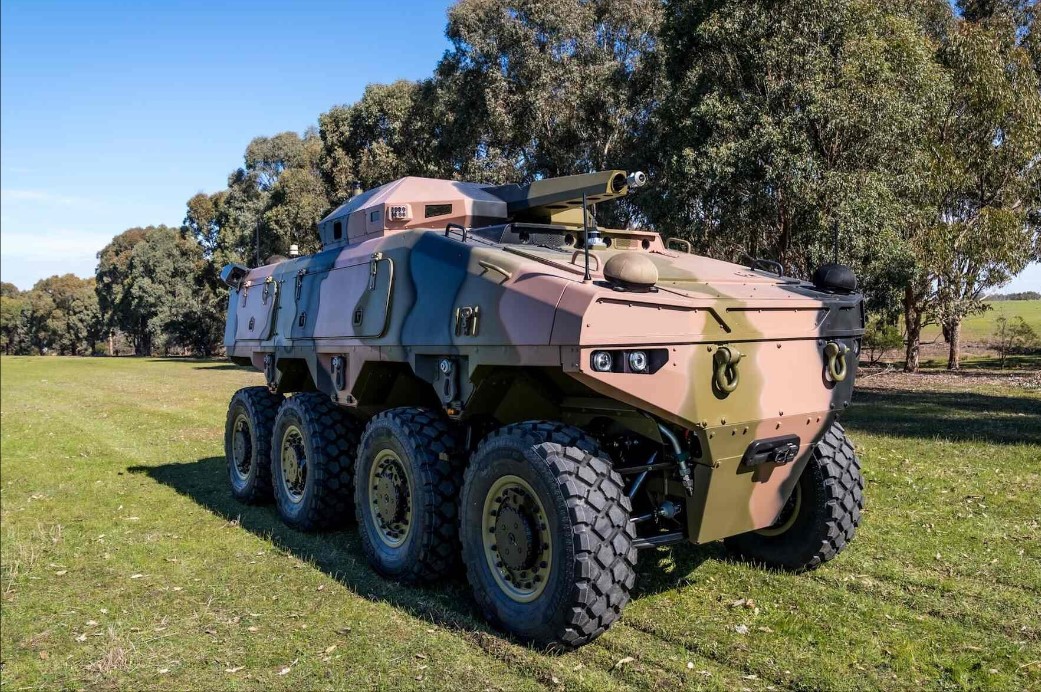
World
MELBOURNE : BAE Systems has completed a series of field autonomy trials for its Autonomous Tactical Light Armour System (ATLAS) Collaborative Combat Variant, marking a key milestone in the development of a modular uncrewed ground vehicle (UGV) designed to operate alongside crewed main battle tanks and combat reconnaissance platforms. The ATLAS programme forms part of a broader effort to establish a next-generation autonomous land capability capable of supporting conventional armoured forces in complex operational environments. The platform is intended to undertake high-risk and repetitive battlefield tasks while remaining under human oversight. Development Timeline and Trial Programme The ATLAS Collaborative Combat Variant was first introduced at the Land Forces exhibition in September 2024. Within 16 months of its public launch, the programme advanced to a fully operational prototype demonstrator, culminating in recent field-based autonomy trials. According to BAE Systems, the vehicle was tested across multiple levels of autonomous functionality, including: Remote teleoperation, allowing operators to control the vehicle from a distance. Waypoint-based navigation, enabling pre-programmed route movement. Full “sense and avoid” autonomy, under which the vehicle independently detects obstacles and navigates around them without direct human steering input. The trials were designed to validate the platform’s operational reliability, autonomous navigation systems, and integration with combat payloads under realistic field conditions. Platform Design and Technical Characteristics The ATLAS is configured as an 8x8 wheeled, 10-tonne modular drive vehicle. It is designed to serve as a combat multiplier by increasing available combat mass within a formation and undertaking roles such as direct fire support, obstacle clearance, and reconnaissance. By assigning high-risk tasks to the uncrewed system, the platform is intended to reduce exposure of personnel to hostile fire and hazardous operating environments. The vehicle was developed in collaboration with industry partners Supacat, Marand, and Slovenia-based Valhalla Turrets. The design emphasises manoeuvrability and mobility, enabling the ATLAS to operate in conjunction with both tracked and wheeled crewed vehicles across varied terrain, weather conditions, and environmental settings. For transport and logistics flexibility, the ATLAS can be deployed using a standard 20-foot ISO shipping container or transported on a flat-rack platform. VANTAGE Automated Turret System In its primary assault configuration, the ATLAS Collaborative Combat Variant is equipped with the VANTAGE Automated Turret System. The turret has been developed as a lightweight, highly automated medium-calibre system specifically for integration with uncrewed platforms. The current prototype is fitted with a 25mm M242 Bushmaster chain gun, with an architecture that is scalable to larger calibre systems if required. During prior factory acceptance testing in Slovenia, the turret demonstrated accuracy by successfully engaging targets at ranges of up to 750 metres. The VANTAGE system incorporates BAE Systems’ passive Multi-Spectral Automatic Target Detection, Tracking and Classification System (ATTCS). This enables automated target detection, tracking, and classification, while retaining a strict “human-in-the-loop” requirement for the final firing decision. The turret features a low-profile design under 450 millimetres in height, reducing visual signature and supporting shorter target engagement times. High levels of automation are built into the system to reduce operator cognitive load and enable a one-to-many operational model, allowing a single operator to supervise multiple vehicles simultaneously. Operational Role and Integration The ATLAS Collaborative Combat Variant is intended to operate within a combined-arms formation, supporting main battle tanks and reconnaissance units. Its modular architecture allows for multiple payload configurations beyond the primary assault role, enabling adaptation to different mission requirements. The system is designed to maintain pace with conventional armoured formations and operate effectively in difficult terrain and varied environmental conditions. Its integration of autonomous navigation, automated targeting support systems, and scalable weapon architecture positions it as a platform focused on distributed, network-enabled land operations. Programme Outlook Andrew Gresham, Managing Director of Defence Delivery at BAE Systems Australia, stated that the platform progressed from its Land Forces 2024 debut to a fully functional prototype demonstrator within sixteen months. He said the system has been developed to perform tasks in combat environments that are repetitive, hazardous, or high-risk. BAE Systems confirmed it is currently engaged in international marketing and customer engagement activities related to the ATLAS platform. The completion of the autonomy trials represents a developmental milestone for the ATLAS Collaborative Combat Variant as the company continues further evaluation and engagement with potential operators.
Read More → Posted on 2026-02-18 14:28:23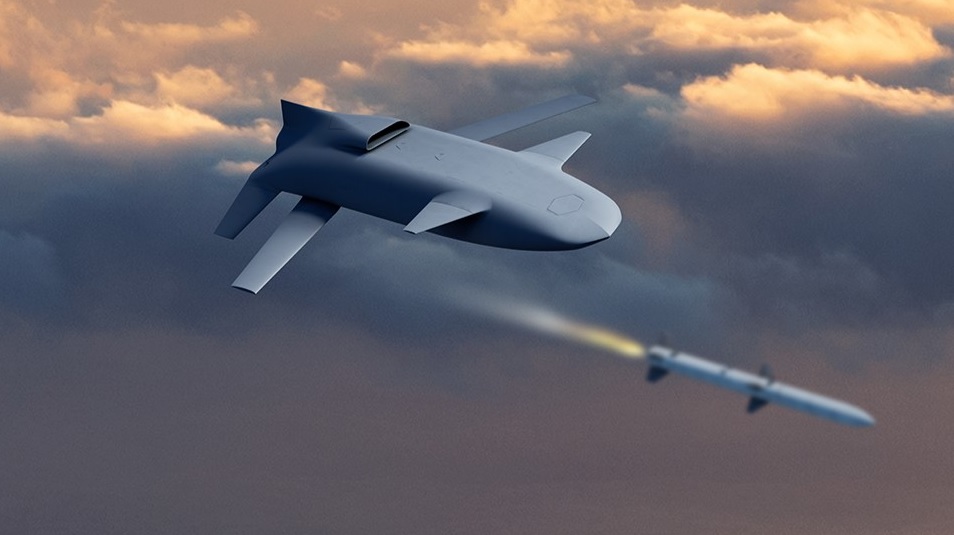
World
WASHINGTON : The U.S. Defense Advanced Research Projects Agency (DARPA) has confirmed that its LongShot program, designated the X-68A, has completed a series of technical milestones as it progresses toward initial flight testing planned before the end of 2026. The uncrewed air vehicle, developed in partnership with General Atomics Aeronautical Systems Inc. (GA-ASI), is currently undergoing ground-based and integration evaluations following validation of critical subsystems. Launched in 2020, the LongShot initiative has transitioned from conceptual design and risk-reduction studies to the structured flight-test phase of an operationally relevant prototype. The program is designed to provide U.S. Air Force aircraft—and potentially allied platforms—with the ability to deploy air-to-air weapons from extended standoff distances, increasing survivability and expanding effective missile employment zones in contested airspace. Program Objective and Operational Concept The X-68A is intended to function as an air-launched missile carrier deployed from a host aircraft. Under the operational concept, a crewed aircraft carries the uncrewed vehicle to a designated release point outside high-threat zones. Once released, the X-68A proceeds forward into contested airspace and launches its own air-to-air munitions against adversarial targets. By pushing the missile launch point closer to hostile aircraft, the system effectively increases the missile’s no-escape zone while reducing exposure of high-value crewed assets. Platforms such as the F-15 Eagle are expected to serve as initial host aircraft during flight demonstrations. The architecture, however, is designed to remain platform-agnostic, allowing for potential integration with other fighters, bombers, and alternative launch methods. The concept addresses constraints in magazine depth and aircraft survivability in environments where advanced surface-to-air missile systems can reach engagement ranges beyond 200 kilometers. Airframe and Propulsion Design The X-68A features a chined forward fuselage, reverse-swept main wings, small deployable canards, and an inverted V-tail configuration. The canards are designed to fold during carriage beneath a host aircraft and deploy after release. The vehicle is powered by a single Williams WJ38-15 turbojet engine, enabling high-subsonic transit speeds appropriate for safe separation and sustained forward penetration. Its configuration supports internal or semi-recessed carriage of air-to-air munitions, minimizing aerodynamic penalties while maintaining structural compatibility with underwing pylons. Aerodynamic and Structural Testing DARPA reported that the X-68A has completed full-scale wind tunnel testing at facilities including the Arnold Engineering Development Complex. These tests validated aerodynamic stability and control across the expected flight envelope, with particular emphasis on transonic regimes critical for safe separation from a host aircraft operating at medium to high subsonic speeds. Separation dynamics testing examined airflow interactions between the host platform and the uncrewed vehicle during release. Results confirmed predictable stability characteristics and structural integrity under expected aerodynamic loads. Parachute Recovery and Prototype Reusability To support early test phases, the X-68A incorporates a parachute recovery system. Ground and deployment trials of this system have been successfully conducted. The recovery mechanism enables controlled descent and post-flight retrieval of the prototype, allowing engineers to inspect structural loads, propulsion performance, and subsystem reliability without expending the vehicle after each sortie. This approach supports iterative testing and data collection during the flight-test campaign. Weapons Integration and Release Validation The program has completed captive-carry evaluations and ejection testing to verify safe separation of sub-munitions from the X-68A. These tests ensure precise release dynamics under expected flight conditions and are prerequisites to live-fire demonstrations. The vehicle is designed to carry air-to-air weapons such as the AIM-120 Advanced Medium-Range Air-to-Air Missile (AMRAAM), which employs an active radar seeker for fire-and-forget engagement and has a range exceeding 100 kilometers under optimal conditions. Integration of the AIM-120 onto the uncrewed platform required validation of mechanical interfaces, electrical integration, and safe separation sequencing. Networking and Command Architecture The X-68A operates within a network-centric framework. The system relies on secure, jam-resistant datalinks to receive targeting information from the launching aircraft, airborne early warning platforms, or other command-and-control nodes. During engagement, mid-course guidance updates are transmitted to the missile until its onboard active radar seeker transitions to terminal homing. This decoupled architecture allows crewed aircraft to remain outside the lethal engagement range of advanced surface-to-air systems while maintaining control of the engagement process. Reliable communications are a central requirement for operational viability. The system’s performance depends on resilient, secure connectivity in contested electromagnetic environments. Platform Flexibility and Joint Participation Although early flight tests are expected to use the F-15 as the primary host platform, the LongShot design allows for broader integration. The system could be adapted for carriage by other tactical aircraft or bombers. Additionally, a roll-on/roll-off palletized deployment concept is under consideration, enabling mobility aircraft to release LongShot vehicles from rear cargo ramps. Such flexibility would require standardized mechanical interfaces, electrical compatibility, and secure networking integration across multiple aircraft types. Development of the X-68A involves collaboration across multiple U.S. defense organizations, including the Air Force Research Laboratory (AFRL), the Naval Air Warfare Center Aircraft Division (NAWCAD), and several Army test entities. This interservice participation reflects the program’s cross-domain implications and potential applicability across joint air operations. Remaining Technical Considerations As the program advances toward first flight, several constraints remain under evaluation. These include onboard fuel limitations affecting endurance and reach, dependence on secure communications networks, and integration into established air tasking and rules-of-engagement frameworks, particularly in coalition environments. If validated through flight testing, the X-68A could serve as either a recoverable or expendable asset within future air superiority constructs. The concept aligns with broader Department of Defense initiatives focused on distributed combat power and complements parallel efforts such as Collaborative Combat Aircraft (CCA) programs that integrate crewed and uncrewed systems. DARPA has indicated that upcoming 2026 flight tests will focus on validating separation safety, propulsion performance, networked weapon employment, and overall mission integration under representative operational conditions.
Read More → Posted on 2026-02-18 14:17:33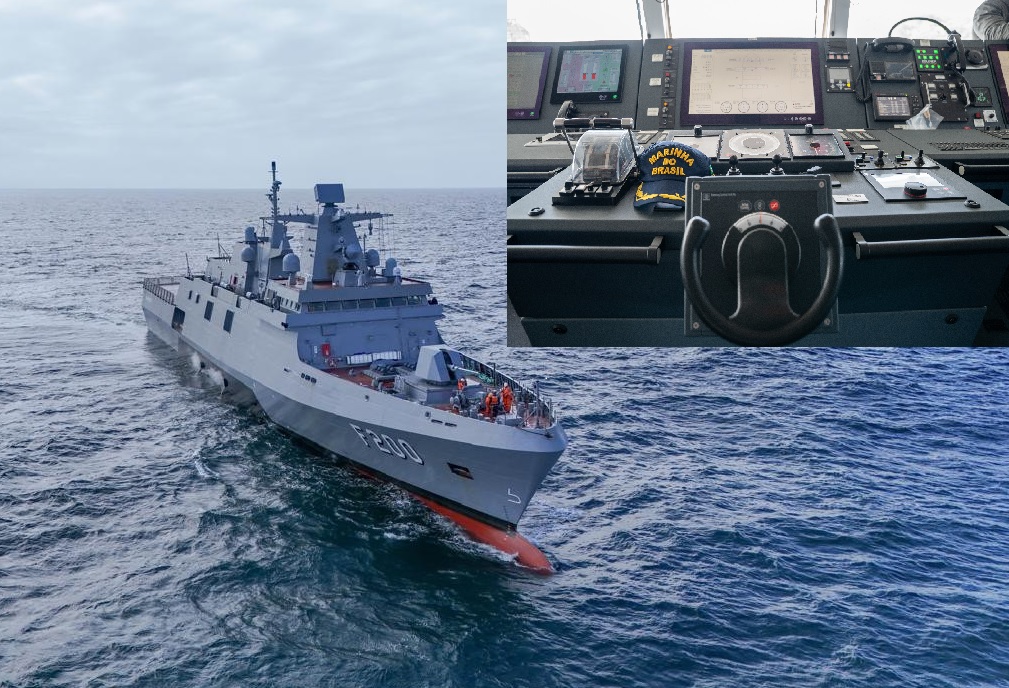
World
ITAJAÍ, BRAZIL : German navigation systems manufacturer Anschütz has delivered and commissioned its SYNAPSIS Integrated Navigation and Bridge System (INBS) on Tamandaré (F200), the lead vessel of the Brazilian Navy’s Tamandaré-class frigate program. The commissioning was completed at the TKMS Estaleiro Brasil Sul shipyard in Itajaí, where the ship is being built by the SPE Águas Azuis consortium. The frigate is scheduled for formal incorporation into the Brazilian naval fleet early this year. Installation and activation of the integrated bridge system marks a key milestone in final preparations ahead of commissioning. Program Background and Industrial Structure The Tamandaré-class frigate program represents one of Brazil’s principal naval modernization initiatives. The ships are being constructed by SPE Águas Azuis, a joint venture comprising ThyssenKrupp Marine Systems (TKMS), Embraer Defense & Security, and Atech. Construction is taking place at the TKMS Estaleiro Brasil Sul facility in Itajaí, Santa Catarina. The Tamandaré-class design is based on the MEKO A-100 platform and configured as a 3,500-tonne, 107.2-meter multi-role stealth frigate. The vessels are intended to perform maritime security operations, patrol duties within Brazil’s Exclusive Economic Zone (Blue Amazon), and participation in joint and international missions. The program incorporates a significant national industrial component and mandates technology transfer in naval engineering, platform and combat systems integration, logistics support, and long-term lifecycle management. SYNAPSIS Integrated Navigation and Bridge System The SYNAPSIS INBS supplied by Anschütz forms the core of the frigate’s bridge and navigation architecture. The system is built around standardized, globally deployed navigation technologies and structured on a centralized integration platform. The integrated system includes multifunctional workstations supporting: Navigation radar incorporating X-band technology Electronic Chart Display and Information System (ECDIS) Conning and supplementary navigational functions Closed-Circuit Television (CCTV) integration Steering control system with autopilot Global Maritime Distress and Safety System (GMDSS) At the center of the architecture is the SYNAPSIS integration platform, which enables consistent data processing across connected sensors and subsystems. The platform provides a uniform human-machine interface (HMI) across workstations and allows centralized monitoring of bridge operations. This configuration supports safe navigation during routine transits, confined maneuvering, and mission deployments by presenting consolidated operational data. Modular and Lifecycle-Oriented Design A defining characteristic of the SYNAPSIS architecture is its software-defined, modular structure. The design allows scalability and functional expansion over the ship’s operational lifespan. The system can accommodate software updates, integration of additional external sensors, and structural adjustments required by evolving operational requirements. This modular approach is intended to support long-term reliability, simplify maintenance processes, and ensure continued operational readiness throughout the vessel’s service life. Local Participation and Support Framework In line with the Tamandaré-class program’s technology transfer requirements, local industry participation was incorporated into the navigation system’s integration and commissioning. Anschuetz do Brasil, the company’s subsidiary based in Rio de Janeiro, carried out system commissioning activities and managed bridge equipment during sea trials. The local team also oversaw final systems integration onboard the vessel. Following delivery, Anschuetz do Brasil will act as the Brazilian Navy’s primary national point of contact for technical support, maintenance, and service operations related to the navigation system. Platform Capabilities and Program Outlook Tamandaré (F200) is the first of four frigates planned under the program. The vessel is equipped with locally co-developed MANSUP anti-ship missiles and Sea Ceptor vertical launch surface-to-air missile systems, alongside other modern combat and platform systems. Sea trials for the lead ship were completed late last year. With the commissioning of the SYNAPSIS INBS, the frigate’s navigation and bridge systems are fully operational ahead of formal entry into service. Construction of the remaining vessels in the Tamandaré-class is ongoing under the SPE Águas Azuis consortium, with the program structured to strengthen domestic shipbuilding capacity while incorporating established international naval technologies.
Read More → Posted on 2026-02-18 13:31:07
World
KYIV : Ukraine’s Ministry of Defence has confirmed that ground robotic systems (GRS) carried out more than 7,000 combat and logistics missions along the frontline in January, marking a significant expansion in the routine use of unmanned ground platforms across operational units. The ministry stated that the integration of ground robotics into daily military activity is aimed at reducing direct exposure of personnel to enemy fire while maintaining continuity of supply, evacuation, and battlefield support operations. Logistics and Evacuation Now Routinely Automated According to official data, the majority of the January missions were focused on frontline logistics. Thousands of transport and resupply operations that were previously conducted by troops in contested zones were instead executed by unmanned ground systems. The ministry indicated that its operational objective is to transfer frontline logistics functions to robotic platforms to the maximum feasible extent. This includes ammunition delivery, supply transport, and medical evacuation in areas assessed as high risk. Minister of Defence Mykhailo Fedorov outlined the pace of adoption, noting that six months ago the use of ground robots for casualty evacuation was limited and irregular. He stated that robotic platforms now routinely enter high-risk areas to deliver ammunition, sustain logistics operations, and evacuate wounded personnel in situations where deploying additional troops would increase risk. Recent field operations have included automated medical evacuations conducted by frontline formations, including the 17th Separate Heavy Mechanized Brigade, demonstrating the operational use of unmanned systems in direct support roles. Institutional Expansion Planned for 2026 To support continued integration of unmanned ground systems, the Ministry of Defence has formalized expansion measures for 2026. These measures include increased production, expanded procurement, and supporting infrastructure development. Under the production and acquisition plan, Ukraine will scale up manufacturing volumes of domestically produced ground robotic systems. The ministry emphasized domestic industrial participation as a key component of long-term supply sustainability. Infrastructure modernization is also planned, including upgrades to communications hardware and command-and-control (C2) networks. These upgrades are intended to ensure secure and reliable remote operation of robotic platforms in contested electronic environments. In addition, the ministry confirmed that units will be able to procure specialized interchangeable modules and components. This modular approach is designed to allow base robotic platforms to be adapted to specific mission requirements, including transport, evacuation, engineering support, and other tactical applications. Procurement Managed Through Army of Drones Framework The acquisition and distribution of ground robotic systems are administered through the “Army of Drones Bonus” programme. The initiative is structured to scale the most effective battlefield technologies across Ukrainian forces. Through the centralized Brave1 Market platform, military units currently have access to 13 distinct models of ground robotic systems. The ministry stated that procurement operates through a structured reward mechanism in which units accumulate “combat points” based on confirmed battlefield engagements recorded within the military’s DELTA digital tracking system. These digital credits can then be used to order equipment through the internal marketplace. The Ministry of Defence described the system as designed to maintain rapid allocation, transparency in distribution, and alignment with immediate operational requirements at the frontline. The January operational data reflects what the ministry describes as the transition of ground robotic systems from limited experimental use to standard operational practice across multiple units.
Read More → Posted on 2026-02-18 13:18:45
World
LONDON : The United Kingdom government is actively examining plans to bring forward its target to spend 3 per cent of national output on defence to the 2029–30 financial year, a significant shift from earlier plans that had envisioned reaching this level in the next parliamentary term after the general election expected in 2029. The review of the timetable is part of ongoing discussions within Downing Street and Treasury circles as global security dynamics and defence costs evolve. Background and Existing Commitments Under current government policy, Prime Minister Keir Starmer pledged in February 2025 to raise defence expenditure to 2.5 per cent of GDP by 2027, up from roughly 2.3 per cent in 2024. In parliamentary statements at the time, he also set an aspiration for defence spending to reach 3 per cent of GDP in the following parliamentary term. Government advisers are now evaluating options to tighten that timeline, with officials studying proposals to achieve the 3 per cent threshold by 2029. As of now, no formal decision has been taken and officials emphasise discussions remain preliminary. Rationale and Strategic Context The move to potentially accelerate spending growth is linked to strategic security concerns in Europe, including Russia’s ongoing invasion of Ukraine and broader geopolitical uncertainty. At recent international forums such as the Munich Security Conference, Prime Minister Starmer highlighted the need for faster increases in defence investment to strengthen UK capability and cooperation with like-minded countries. Defence policy discussions also occur against the backdrop of broader NATO commitments: following the 2025 NATO summit, allied states agreed to aim for 5 per cent of GDP on combined defence and security spending by 2035, with periodic progress reviews — placing additional emphasis on credible spending paths among major member states. Projected Budget Figures and Estimates Reaching a 3 per cent defence spending level by 2029 would represent a substantial fiscal increase relative to current levels. Current baseline: In 2024, the UK’s defence expenditure was about 2.3 per cent of GDP — roughly £66 billion annually, according to NATO reporting. Office for Budget Responsibility (OBR) estimate: Independent projections suggest that achieving the 3 per cent target in the 2029–30 fiscal year could require an additional £17.3 billion per year compared with current plans. Institute for Fiscal Studies (IFS) view: Other analytical estimates place the extra annual cost at £13 billion to £14 billion annually once previously scheduled spending increases are factored into the baseline. These figures encompass additional core defence spending as defined under the NATO measurement framework, which includes a broader range of expenditures than the Ministry of Defence’s departmental budget alone. Fiscal and Policy Considerations Government planning for accelerated spending has highlighted significant fiscal implications, requiring careful evaluation of public finances. Treasury officials are reported to be cautious about committing to large increases given existing pressures on borrowing, debt targets, and competing demands on public services. Achieving the faster target without relying excessively on debt could necessitate structural budget adjustments, including possible reallocations from other programmes or changes in tax policy, though specifics have not been set out. Discussion has also occurred around alternative delivery mechanisms such as public-private partnerships to support defence procurement and infrastructure spending. Next Steps and Government Planning The UK government has yet to publish a definitive long-term Defence Investment Plan outlining how new funding would be allocated across capabilities, procurement programmes, and force modernisation. Delays in the investment plan have drawn criticism from industry stakeholders seeking clearer signalling on future orders and sovereign capability development. Officials say that updated projections and scenarios will continue to be analysed, with budgetary implications assessed in the context of wider fiscal planning horizons, including the Office for Budget Responsibility’s forthcoming economic forecasts.
Read More → Posted on 2026-02-17 17:51:21
World
WASHINGTON, D.C., : The U.S. Department of Defense (DoD) is weighing a formal “supply chain risk” designation against the San Francisco-based artificial intelligence company Anthropic following a dispute over the military use of its flagship AI model, Claude. The disagreement centers on Anthropic’s refusal to remove certain safety guardrails that limit how its technology can be deployed in defense operations. Defense Secretary Pete Hegseth is reported to be close to issuing the designation, a move that would significantly affect Anthropic’s standing within the U.S. defense contracting ecosystem. Background of the Dispute The disagreement follows a classified U.S. military operation conducted in January 2026 involving former Venezuelan President Nicolás Maduro. According to individuals familiar with the matter, the U.S. military used Anthropic’s Claude model during the planning and execution stages of the mission. Access to Claude was not obtained directly from Anthropic. Instead, the system was integrated into military workflows through Palantir Technologies, a major defense data contractor that had pre-existing integration pathways with the AI model. The operation reportedly involved lethal kinetic actions, including bombings in Caracas that resulted in casualties. Following the mission, an Anthropic executive contacted a counterpart at Palantir to inquire whether Claude had been used in ways that contributed to lethal outcomes. The inquiry reflected concerns that such usage could conflict with Anthropic’s published terms of service. Anthropic has publicly denied discussing operational specifics of the Venezuela mission with the U.S. government. However, the company’s usage policies explicitly prohibit the use of Claude to facilitate violence or conduct surveillance activities. Policy Differences Over Military Use After the January operation, the Pentagon approached major AI providers—including Anthropic, OpenAI, Google, and xAI—seeking assurances that their systems could be employed for “all lawful purposes” in military contexts. Defense officials have argued that this standard is necessary to ensure operational flexibility across a wide range of missions. According to officials, restrictions embedded in commercial AI models may create ambiguity in classified or fast-moving environments. Anthropic has declined to adopt the “all lawful purposes” framework. Chief Executive Officer Dario Amodei has maintained two non-negotiable guardrails for Claude’s deployment: The model cannot be used in the development or deployment of fully autonomous lethal weapon systems that operate without meaningful human oversight. The model cannot be used for domestic mass surveillance, including processing open-source intelligence or social media data for large-scale monitoring of American citizens. In addition to these restrictions, Anthropic has refused to remove usage limits because of its stated corporate governance framework and safety commitments. The company has consistently emphasized that its AI systems are designed to align with defined safety principles intended to reduce the risk of misuse in high-impact scenarios. Company leadership has indicated that removing guardrails for military clients would create a precedent that could weaken enforcement of its broader safety standards across all deployments. Anthropic’s position is also based on its internal policy that AI systems should not be directly involved in lethal decision-making processes or large-scale surveillance infrastructures. According to individuals familiar with the company’s stance, leadership believes maintaining consistent safeguards across both commercial and government clients is necessary to uphold contractual terms, investor commitments, and its publicly stated responsible AI framework. Defense officials contend that these constraints introduce operational “gray zones” and limit the military’s ability to integrate AI tools seamlessly into defense planning and intelligence analysis systems. Potential ‘Supply Chain Risk’ Designation The Defense Department is considering applying a “supply chain risk” designation to Anthropic. Such a designation is typically reserved for entities deemed to pose security or operational vulnerabilities within government supply chains. If issued, the designation would have immediate and wide-ranging consequences: Certification Requirement: All defense contractors working with the U.S. government would be required to certify that their systems and workflows contain no Anthropic technology. Contractual Impact: Contractors unable or unwilling to remove Anthropic products could risk losing their Pentagon contracts. Network Integration Challenges: Claude is currently the only commercial large language model (LLM) broadly approved and integrated within certain classified U.S. military networks. Its removal would require technical disentanglement from existing systems. A senior Pentagon official acknowledged the logistical difficulty of removing the model from classified environments but indicated that the Department is prepared to proceed despite anticipated disruptions. Financial and Strategic Implications Anthropic holds a Pentagon prototype contract valued at approximately $200 million. While the direct financial impact of losing this contract may be limited relative to the company’s broader funding base, the broader consequences of a supply chain risk designation could extend beyond defense revenue. Major commercial partners with government exposure may reassess their use of Anthropic’s technology to avoid jeopardizing their own federal contracts. This could affect integrations in enterprise software, data analytics platforms, and defense-adjacent technology services. Claude is currently the only commercial LLM widely authorized for integration into certain classified U.S. defense networks. Transitioning to alternative AI systems would require additional certification, integration, and compliance processes. Broader Context The dispute underscores an emerging policy divide between segments of the U.S. technology sector and the Department of Defense over acceptable use standards for artificial intelligence in military contexts. While several AI providers have shown flexibility in adapting consumer-level safety restrictions for defense contracts, Anthropic has maintained a framework that limits certain military and surveillance applications based on its internal governance policies and publicly stated safety commitments. The outcome of the Pentagon’s deliberations could shape future federal AI procurement standards and define how ethical guardrails are treated in government technology contracts. As of this report, no final designation has been formally announced. The Department of Defense and Anthropic have not released additional official statements regarding the potential action.
Read More → Posted on 2026-02-17 17:40:36
World
PARIS : The French Defence Procurement Agency (DGA) has placed an order for several thousand SHARD 120mm Armour-Piercing Fin-Stabilized Discarding Sabot (APFSDS) rounds with KNDS Ammo France, marking a step in the modernization of France’s main battle tank ammunition inventory. The SHARD projectile — short for Solution for Hardened Armour Defeat — has been developed specifically for high-intensity combat environments. The ammunition is fully compatible with all NATO-standard 120mm smoothbore gun systems, allowing seamless integration across multiple Western main battle tank (MBT) platforms. These include the Leclerc, Leopard 2, and M1 Abrams. Technical Design and Ballistic Characteristics The SHARD round features an optimized kinetic energy design intended to enhance armor penetration performance while reducing system stress. At the core of the projectile is a next-generation elongated tungsten alloy penetrator, developed in partnership with Plansee Tungsten Alloys. The penetrator is paired with a lightweight aluminum sabot to improve ballistic efficiency. According to validated performance data, the round achieves a muzzle velocity of 1,720 meters per second when fired from the Leclerc’s L52 120mm smoothbore gun. Testing confirms a 15 percent increase in penetration capability against modern heavily armored main battle tanks compared to previous-generation ammunition. The projectile also demonstrates improved low-dispersion characteristics, enhancing accuracy at extended engagement ranges. In addition to increased lethality, the SHARD round incorporates an optimized, REACH-compliant propulsion system. The redesigned configuration reduces chamber pressure during firing, resulting in a 25 percent reduction in barrel wear. This decrease in mechanical stress extends barrel service life and reduces maintenance intervals for tank gun systems. Platform Compatibility and Validation Trials The SHARD ammunition has undergone extensive live-fire validation trials prior to procurement. Tests were conducted on the Leclerc as well as the Leopard 2 equipped with both L44 and L55 barrel variants. The trials confirmed operational compatibility, performance consistency, and integration across different gun lengths and configurations. The round is also fully ITAR-free, meaning it is not subject to U.S. International Traffic in Arms Regulations (ITAR). This simplifies export procedures and logistical coordination for partner nations operating compatible 120mm smoothbore platforms. Strategic and Industrial Implications The procurement strengthens France’s domestic defense industrial base by relying on nationally manufactured next-generation ammunition. KNDS Ammo France will produce the SHARD rounds, reinforcing sovereign production capacity and supply chain independence. French defense officials state that the acquisition supports the operational readiness of armored cavalry units by providing enhanced kinetic energy capability against modern armored threats. The integration of the SHARD round into existing tank fleets ensures NATO interoperability while maintaining compliance with European regulatory standards. With this order, France advances the modernization of its armored warfare capabilities while improving the service life and operational efficiency of its main battle tank platforms.
Read More → Posted on 2026-02-17 17:12:28
World
WASHINGTON, D.C., : The U.S. Department of War announced that the first fully developed prototype of the High Accuracy Detection and Exploitation System (HADES) aircraft will be delivered to the U.S. Army in fiscal year 2026. A second prototype is scheduled for delivery in fiscal year 2027. The HADES program centers on a modified Bombardier Global 6500 business jet configured to serve as a high-altitude Intelligence, Surveillance and Reconnaissance (ISR) platform. The jet-powered aircraft is intended to replace the Army’s legacy turboprop ISR fleet, including the Guardrail and Airborne Reconnaissance Low systems, which have faced limitations in speed, altitude, survivability, range, and onboard processing capacity. Platform Design and Performance Enhancements By transitioning to the Global 6500 airframe, the Army is adopting a platform capable of operating at higher altitudes and greater speeds than the turboprop aircraft it replaces. The aircraft also provides expanded payload capacity and extended endurance, enabling longer-duration missions with increased sensor integration. The higher operating ceiling and jet performance allow the aircraft to conduct standoff surveillance from increased distances, reducing exposure to potential threats while maintaining persistent coverage over operational areas. The expanded range is designed to support missions across geographically large theaters without frequent forward basing requirements. Multi-Intelligence Collection Capabilities The HADES aircraft is engineered to collect and process multiple intelligence disciplines through a single airborne platform. Its onboard sensor suite integrates systems capable of gathering: Electronic Intelligence (ELINT) Communications Intelligence (COMINT) Synthetic Aperture Radar (SAR) imagery This multi-intelligence configuration enables the detection, geolocation, identification, and tracking of targets such as integrated air defense systems, command and control nodes, and missile launch platforms. By consolidating these intelligence streams, the aircraft is intended to enhance situational awareness for joint force commanders and provide continuous surveillance data during operations. Onboard Processing and Artificial Intelligence Integration A central requirement of the HADES program is the incorporation of artificial intelligence (AI) and machine learning (ML) tools into the aircraft’s onboard processing architecture. These systems are designed to analyze large volumes of sensor data in real time during flight operations. The objective is to accelerate target recognition, data fusion, and dissemination of actionable intelligence. By shortening processing timelines, the aircraft supports faster decision-making cycles and improves coordination for long-range precision fires and joint strike operations. Program Management and Systems Integration Sierra Nevada Corporation serves as the lead system integrator for the HADES program. The company is responsible for platform development, mission systems architecture, and integration of the sensor suite. The prototypes scheduled for delivery in FY2026 and FY2027 will be used to validate mission systems performance, onboard analytics, and networking capabilities. Testing will focus on ensuring interoperability within broader joint command-and-control frameworks prior to full operational deployment. Role in Army Modernization Strategy HADES is a component of the Army’s broader modernization strategy aimed at improving long-range surveillance and information collection against near-peer competitors. The platform supports Multi-Domain Operations by enabling commanders to collect intelligence at extended ranges and operate beyond traditional threat envelopes. Military planners have identified large operational regions, including the South Pacific, as environments where high-altitude, long-endurance ISR aircraft are necessary due to extended distances and the presence of anti-access and area-denial (A2/AD) systems. In such regions, persistent airborne surveillance is considered essential for maintaining situational awareness without relying heavily on forward-deployed bases. Department officials noted that overall budget conditions could influence the eventual fleet size. However, the program remains prioritized due to its expanded range, higher-altitude performance, and integrated analytics capabilities. With the FY2026 delivery of the first prototype and a second aircraft planned for FY2027, the Army will begin operational testing of the jet-powered ISR platform as it transitions from legacy turboprop systems to a faster, higher-flying intelligence aircraft designed for extended-range missions.
Read More → Posted on 2026-02-17 16:50:57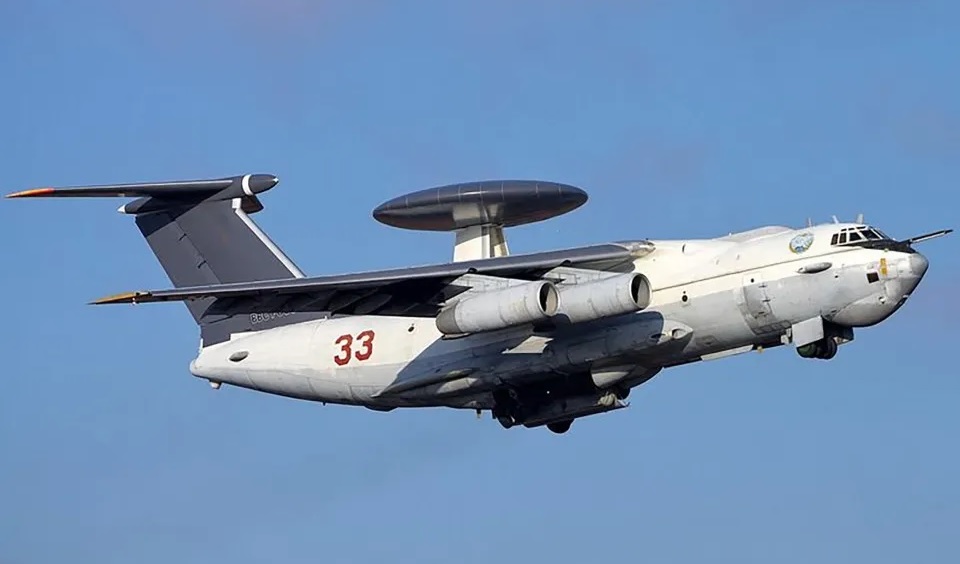
World
TAGANROG, Russia : The Russian government’s directive to resume production of the A-50 “Mainstay” airborne early warning and control (AEW&C) aircraft faces significant industrial and financial constraints after its manufacturer, Beriev Aircraft Company, reported a net loss of 5 billion rubles (approximately $65 million) for fiscal year 2025. The Taganrog-based firm’s financial statements, released this week, show a sharp reversal from the previous year, when the company posted a modest profit. Beriev is the sole manufacturer of the A-50, one of Russia’s primary long-range airborne radar and battle management platforms. Financial Performance and Debt Position According to the published accounts, Beriev’s total revenue declined by a factor of 3.8 year-over-year, falling to approximately $49 million. The company’s liabilities to creditors increased to 27 billion rubles (around $350 million), reflecting growing debt obligations. Accounts receivable — payments owed to the company — declined from $272 million to $129 million, indicating payment delays from state customers and reduced incoming cash flow. The combination of lower revenue, mounting liabilities, and shrinking receivables places pressure on the company’s ability to sustain operations and finance large-scale production programs. The financial deterioration comes after Sergei Chemezov, head of the state defense conglomerate Rostec, announced plans to resume serial production of the A-50 aircraft. The initiative is intended to compensate for aircraft losses sustained during the conflict in Ukraine and to restore airborne surveillance capacity. Industry analysts note that restarting production of a heavy radar aircraft requires a stable supplier network, access to avionics and electronic components, and substantial upfront capital investment. Current financial conditions at Beriev raise questions about the company’s ability to independently support such a program without additional state backing. Facility Damage and Production Constraints In addition to financial pressures, Beriev’s production infrastructure has been affected by repeated attacks. The Taganrog Aviation Scientific-Technical Complex (TANTK), located on the Sea of Azov and responsible for A-50 assembly and modernization work, has reportedly been targeted by long-range drones at least four times since late 2023. Satellite imagery from November 2025 confirmed structural damage to sections of the facility's roof and assembly areas. Reports indicate that key assets were destroyed or damaged during these strikes, including an A-50 undergoing repair and the prototype A-100 “Premier”, which is designed as the next-generation successor to the A-50 platform. Damage to assembly halls and specialized equipment may further complicate efforts to resume full-scale production or accelerate modernization schedules. Fleet Status and Operational Impact At the start of the conflict in 2022, the Russian Air Force operated a fleet of nine A-50 aircraft. The platform is used for airborne early warning, airspace surveillance, air-to-air combat coordination, detection of low-flying cruise missiles, and management of glide bomb operations. Following the confirmed loss of two A-50 aircraft in early 2024 and additional damage to airframes while on the ground, the effective operational fleet has been reduced by approximately half. The reduced number of available aircraft has limited continuous radar coverage and required remaining platforms to operate at greater distances from contested areas. The A-50’s role in extending radar horizons and coordinating air operations makes it a key asset in managing air defense and strike missions. With fewer aircraft available, operational tempo and coverage flexibility are constrained. Production Timeline and Sanctions Environment Prior to 2022, estimates suggested that producing a new A-50 airframe could take approximately two years under standard conditions. Current assessments indicate that production timelines would likely extend beyond pre-war schedules due to supply chain disruptions and international sanctions affecting access to high-technology electronics and avionics components. The A-50 platform is based on the Il-76 airframe and incorporates specialized radar and mission systems that rely on complex integration processes. Restarting mass production would require restoring damaged facilities, stabilizing financing, and securing components within a constrained procurement environment. As of now, no detailed production schedule or funding mechanism has been publicly disclosed to support the restart initiative.
Read More → Posted on 2026-02-17 16:16:31
India
New Delhi, : The Ministry of Defence (MoD) has declared Cochin Shipyard Limited (CSL) as the lowest bidder (L1) for the construction of five Next Generation Survey Vessels (NGSV) for the Indian Navy. The development was confirmed following a meeting held at the Ministry of Defence on February 16, 2026. The estimated value of the contract is approximately ₹5,000 crore. Cochin Shipyard has secured L1 status in the commercial evaluation process; however, the formal award of the contract will be subject to the completion of standard administrative, contractual and technical formalities in accordance with defence procurement procedures. Project Scope and Operational Role The five Next Generation Survey Vessels are intended to replace the Indian Navy’s existing ageing survey fleet and enhance its hydrographic and oceanographic capabilities. The primary role of the NGSVs will be to conduct full-scale hydrographic surveys in coastal and deep-water areas, including ports, navigational channels and India’s Exclusive Economic Zone (EEZ). These surveys are essential for updating nautical charts, ensuring maritime safety, and supporting naval operations. The vessels will also collect oceanographic and geophysical data required for both civilian navigation and defence-related applications. Accurate seabed mapping and environmental data are significant for submarine operations, mine countermeasure planning and maritime domain awareness. In addition to their primary hydrographic function, the NGSVs will be capable of supporting Search and Rescue (SAR) operations and ocean research missions. The ships are designed with modular capabilities that allow them to be configured as hospital ships during emergencies, providing medical support in Humanitarian Assistance and Disaster Relief (HADR) scenarios. Technical Features The Next Generation Survey Vessels will be equipped with advanced autonomous and remotely operated systems to enhance underwater survey capabilities. These include: Autonomous Underwater Vehicles (AUVs) Remotely Operated Vehicles (ROVs) High-resolution multi-beam echo sounders The integration of multi-beam echo sounders will enable the creation of precise three-dimensional seabed maps. The deployment of AUVs and ROVs will support survey operations in deeper and complex underwater environments with improved accuracy and operational efficiency. Alignment with Indigenous Defence Manufacturing The project is aligned with the Government of India’s “Make in India” and “Aatmanirbhar Bharat” initiatives, which aim to increase indigenous design, development and manufacturing in the defence sector. The NGSV programme is expected to incorporate a high level of domestic content, contributing to local industry participation and supply chain development. Cochin Shipyard Limited, a state-owned shipbuilding and maintenance facility under the Ministry of Ports, Shipping and Waterways, has an established track record in executing complex naval construction projects. The shipyard previously constructed India’s first indigenous aircraft carrier, INS Vikrant, for the Indian Navy. In addition to the NGSV project, CSL’s current order book includes contracts for electric green tugs and the ongoing construction of Next Generation Missile Vessels (NGMV). The addition of the five survey vessels further expands the company’s defence portfolio and strengthens its long-term project pipeline. Financial and Market Response Following the announcement on Tuesday, Cochin Shipyard’s shares rose by more than 7 percent during intraday trading, reaching ₹1,574.50 on the National Stock Exchange (NSE). Market analysts indicated that the ₹5,000 crore project provides long-term revenue visibility, as naval shipbuilding contracts typically extend over multiple years from design to delivery. In its regulatory filing, Cochin Shipyard clarified that none of its promoters or group companies have any personal interest in the Ministry of Defence’s awarding authority. The company stated that the bidding and evaluation process complies with applicable corporate governance and transparency standards. The final contract signing will be subject to the completion of procedural requirements under the defence procurement framework. Once formalized, the project will proceed as part of the Indian Navy’s fleet modernization and capability enhancement programme.
Read More → Posted on 2026-02-17 15:57:51Search
Top Trending in 24 Hours
-
 NASA Demonstrates Space-to-Space Wi-Fi Between Two Orbiting Spacecraft
-
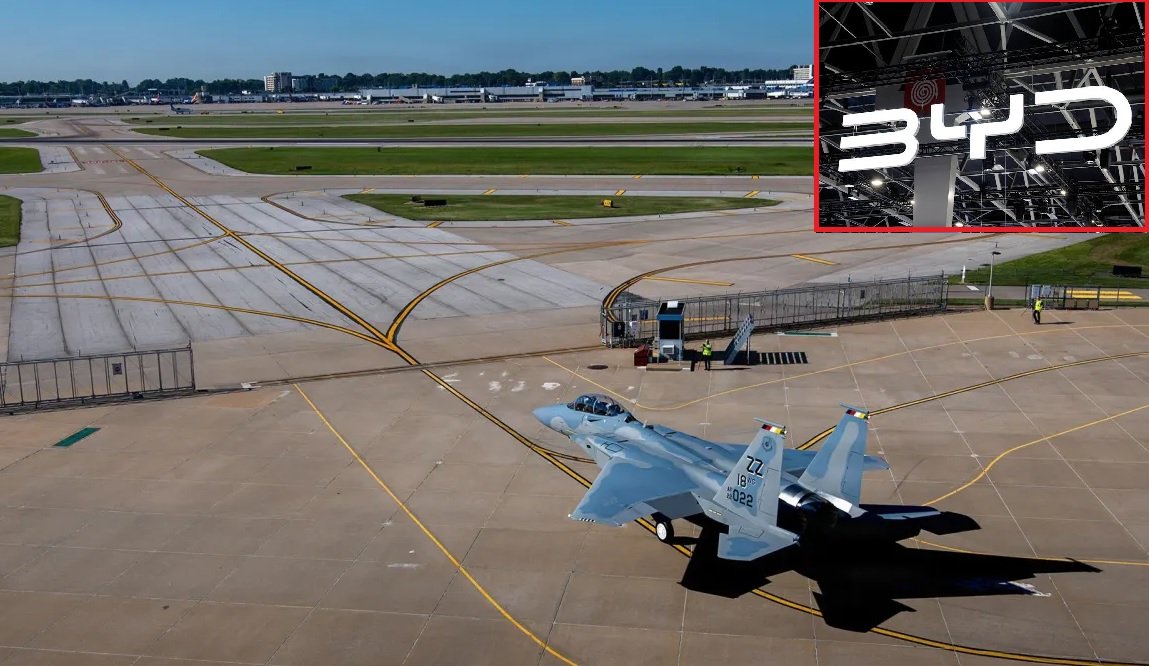 U.S. Military to Ban Chinese Automaker BYD Vehicles from Kadena Air Base in Japan Over Security Concerns
-
 Bengaluru Startup FWDA Unveils FWD Supreme AI-Piloted Loyal Wingman Prototype
-
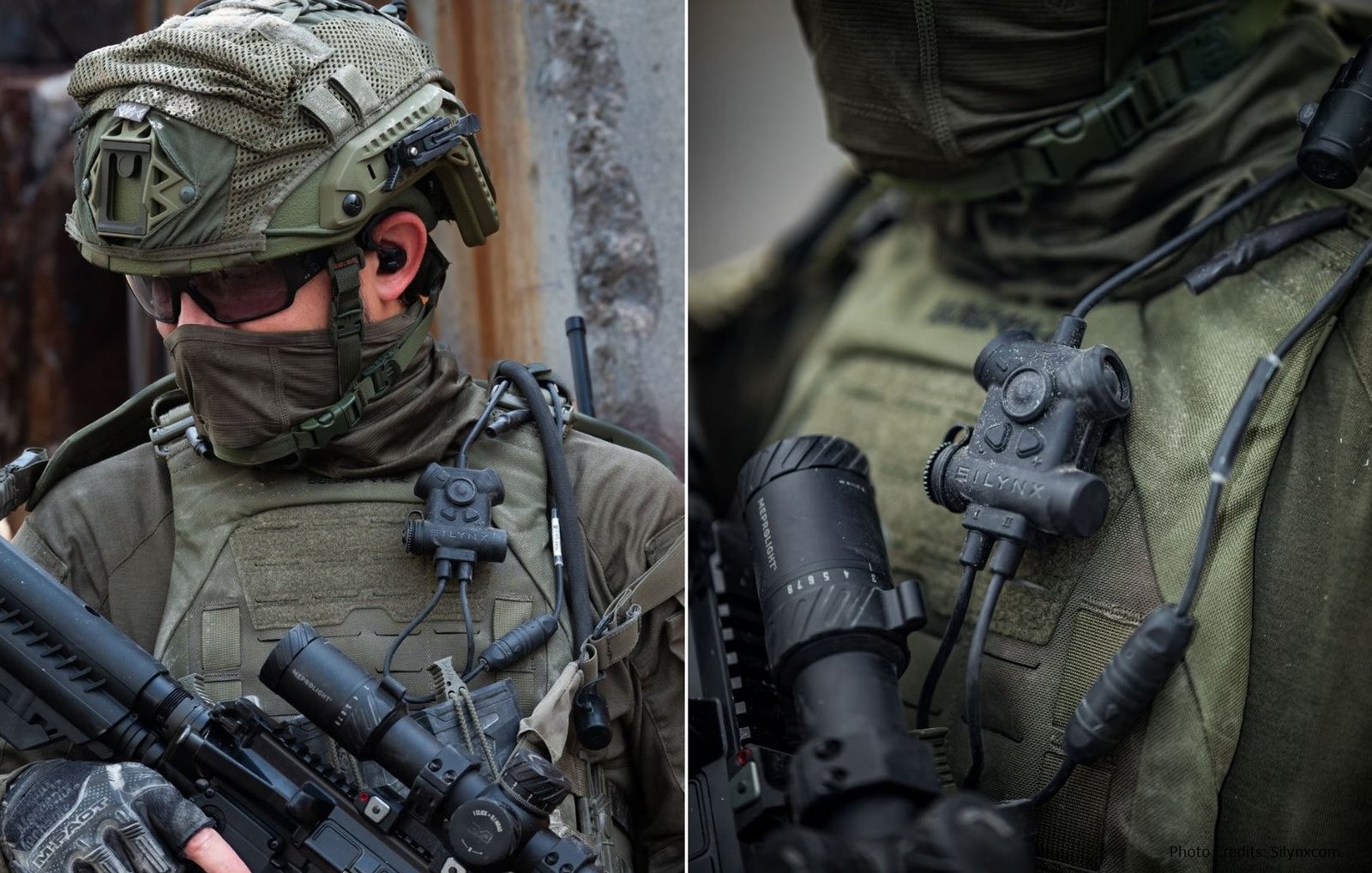 Israeli Firm Silynxcom Develops AI-Powered Wearable Drone Detection System for Soldiers
-
 U.S. Space Force Targets 2029 for Surveillance and Navigation Capabilities Near the Moon
-
 India Develops Indigenous Military AI, Expands Missile Production to Cut Costs
-
 IIT Madras Startup Waterfly Technologies Plans December Ocean Trial of Hummingbird Electric WIG Craft
-
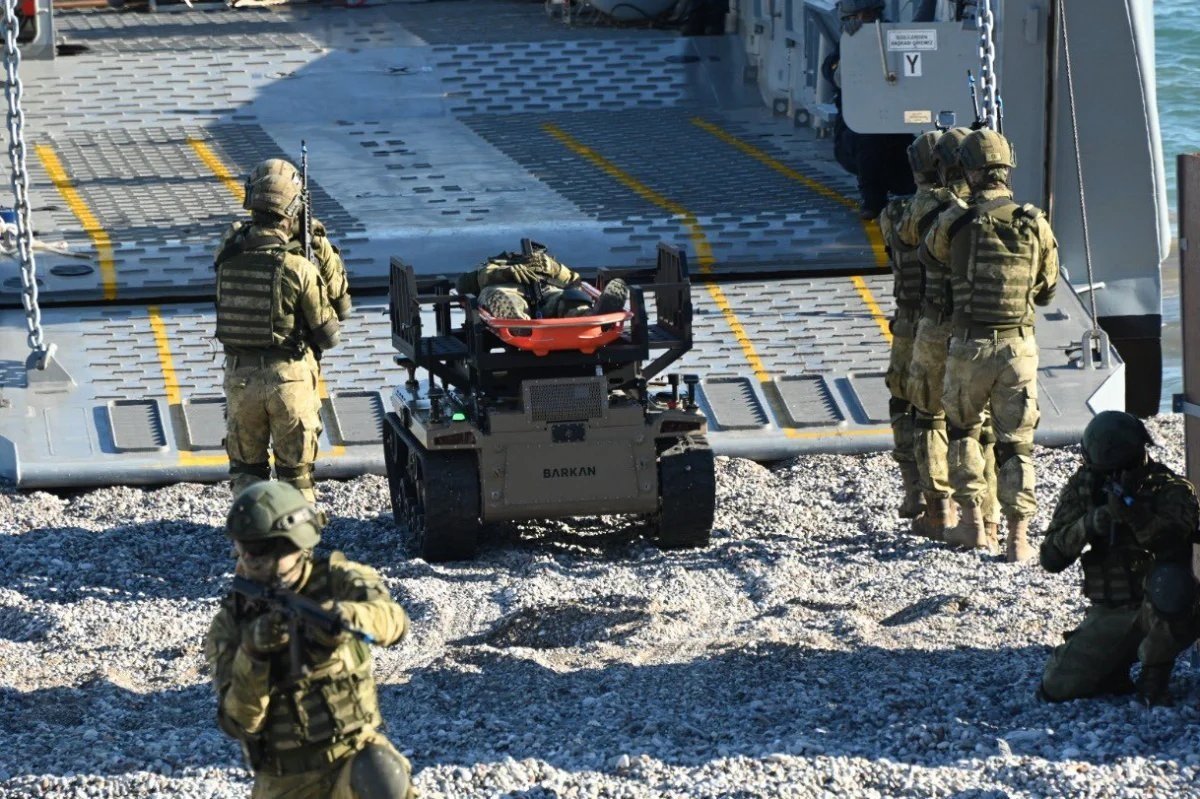 Turkish Navy Deploys HAVELSAN Barkan UGV in Amphibious Drills During TURNAs-2026
Top Trending in 4 Days
-
 NASA Sets New Artemis Milestones as SpaceX and Blue Origin Target Moon Landings in 2027–2028
-
NASA Demonstrates Space-to-Space Wi-Fi Between Two Orbiting Spacecraft
-
 USS Pinckney Becomes First U.S. Navy Destroyer to Begin Phase Two Modernization with Advanced SPY-6 Radar
-
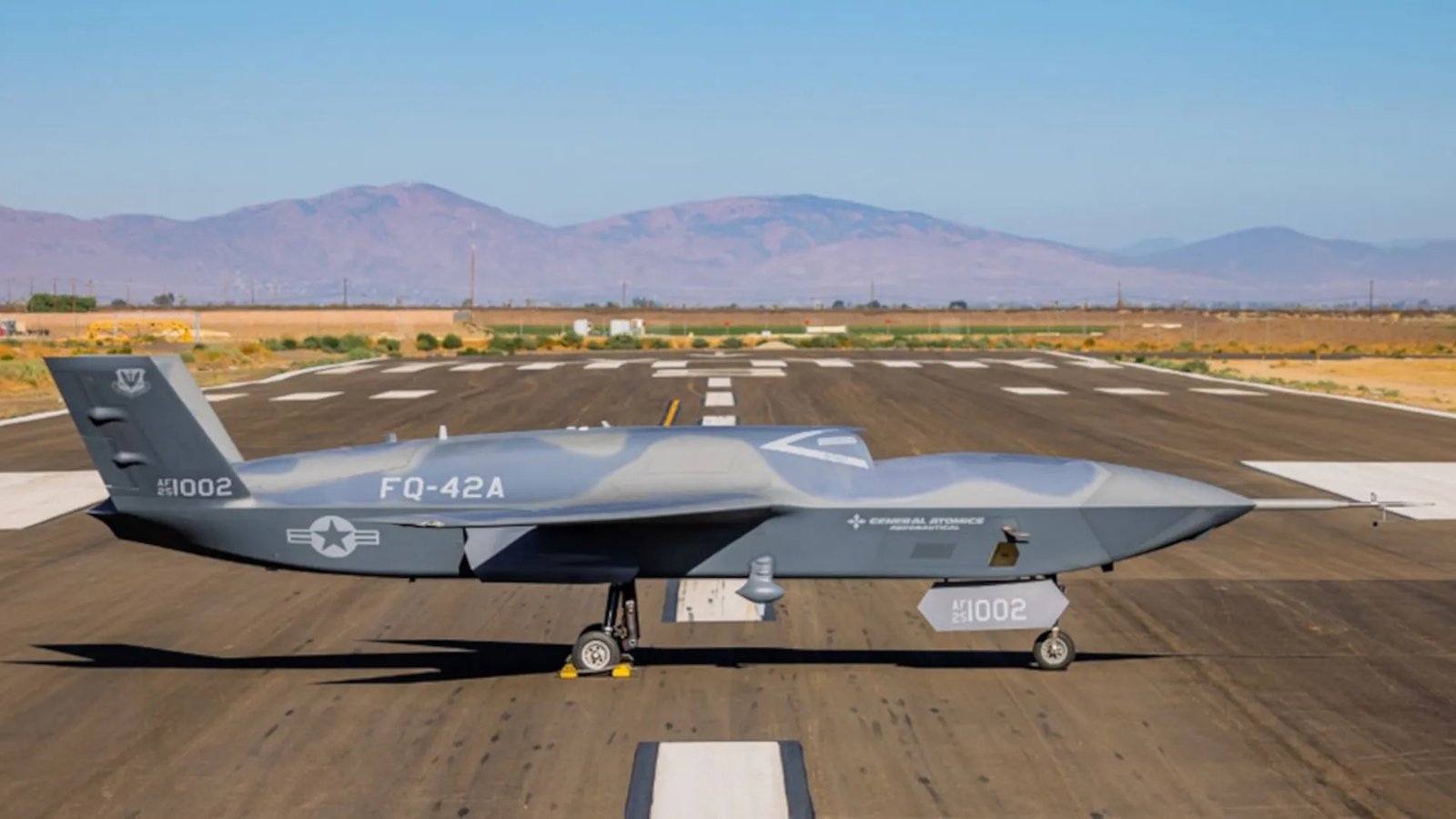 General Atomics Partners With Spirit Defense to Expand FQ-42 Vengeance Production
-
U.S. Military to Ban Chinese Automaker BYD Vehicles from Kadena Air Base in Japan Over Security Concerns
-
 L3Harris Opens ‘Arsenal of Freedom’ Rocket Motor Plant in Arkansas to Double Production Capacity
-
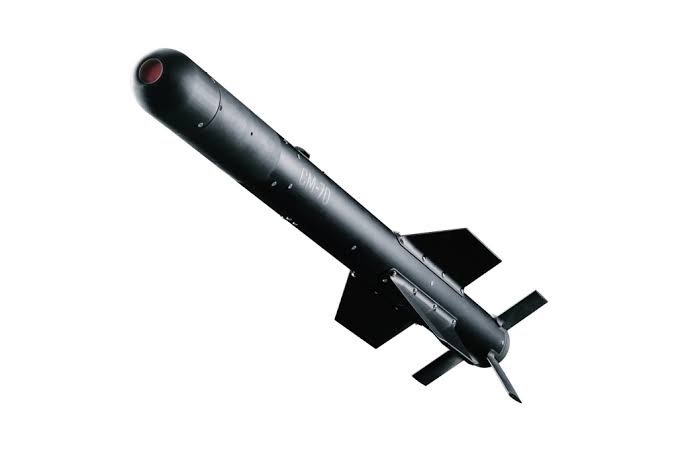 CSG and North Vector Dynamics Sign MoU to Explore European Production of CM-70 Counter-Drone Interceptor
-
 Unitree Unveils H2-X ‘Kung Fu Legend: Guardian’ Humanoid Robot for Security and Rescue
