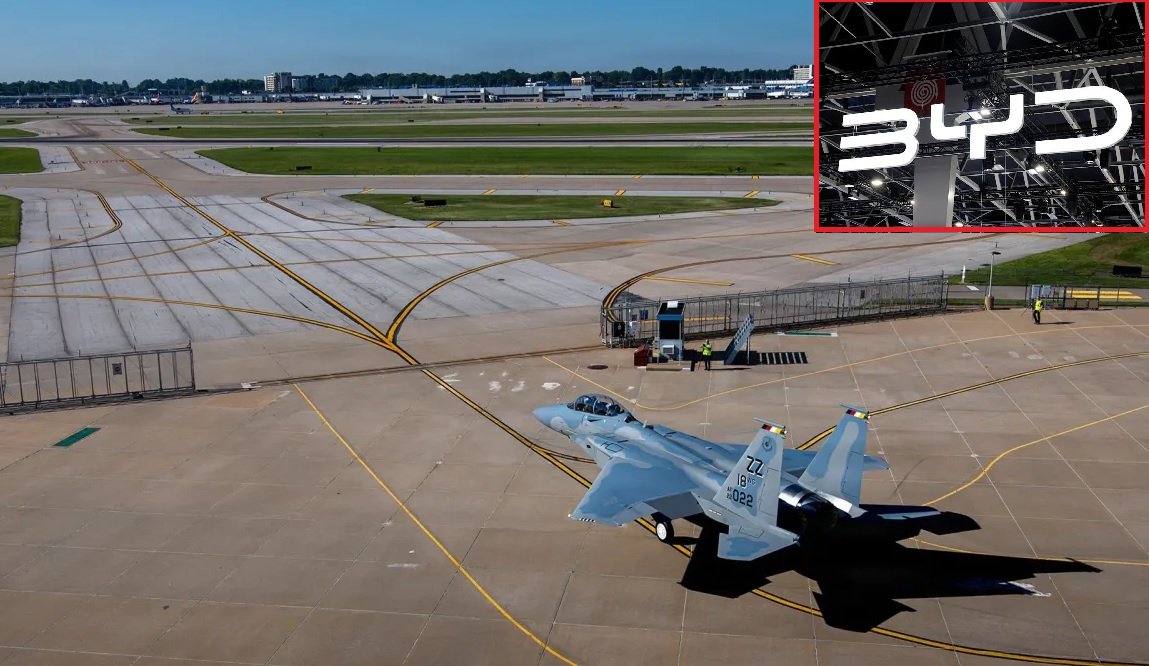
OKINAWA, Japan, — The U.S. military will ban Chinese automaker BYD's vehicles from Kadena Air Base in Okinawa, Japan, starting October 26, over concerns that their cameras, sensors and connected systems could collect sensitive military information.
The restriction covers all BYD models, including privately owned cars, contractor vehicles, taxis and commercial delivery vans. The 18th Security Forces Squadron will stop BYD vehicles at every gate and direct them to turn around, with no planned exceptions.
Kadena spokesperson Lieutenant Colonel Alli Stormer said the vehicles present an “unacceptable and unmitigable risk to our personnel and our mission.” She did not disclose specific technical details behind the decision. BYD did not immediately respond to requests for comment.
Security Concerns Over Connected Vehicles
Modern electric vehicles use cameras, sensors and connected software to map their surroundings and support driver-assistance features. Some systems can transmit collected data to external servers, raising concerns that vehicles entering military installations could capture facility layouts, aircraft movements, troop activities and operational patterns.
Kadena is one of the largest U.S. Air Force bases in the Indo-Pacific. It hosts the 18th Wing, part of the Fifth Air Force, which operates fighter, aerial refueling and surveillance aircraft. The base is located on Okinawa, near the East China Sea.
Similar Restrictions and Security Incidents
During Exercise Hovedstad near Oslo Airport in Norway, from September 14 to 18, Norwegian Armed Forces personnel discovered that rented Deepal vehicles manufactured by China's state-owned Changan had recorded soldiers, their movements and access codes entered at military gates. The vehicles were supplied by Hertz Norge, which has indirect ownership ties to China's Geely group. Due to limited alternative transport, soldiers continued using them until the exercise ended and manually deleted stored footage. Hertz Norge subsequently stated that customer data is not shared with manufacturers or third parties without appropriate legal grounds.
The Polish military and Israel Defense Forces have also restricted Chinese-made vehicles at certain military facilities over data-collection concerns.
In 2018, the Pentagon directed base exchanges worldwide to stop selling Huawei and ZTE smartphones. In June 2026, the U.S. Department of Defense added BYD, NIO, Baidu and other Chinese companies to its list of entities it believes support China's military. Inclusion on the list does not automatically prohibit the use of their products.
China has also imposed similar restrictions on foreign vehicles. In 2021, Beijing barred Tesla vehicles from certain government and military compounds over camera-security concerns. The restrictions were lifted in 2024 after Tesla met domestic data-security requirements, according to reports.
Potential Impact Across East Asia
BYD has been expanding its presence in Japan, opening dealerships and introducing models designed for the local market. In July 2026, it launched the Racco electric minicar in Japan, targeting a market dominated by domestic automakers.
The Kadena restriction could prompt consideration of similar measures at other U.S. military installations in East Asia, including Marine Corps Air Station Futenma and U.S. Forces Korea bases. However, no wider ban has been confirmed, and U.S. Forces Korea stated that it had not changed its vehicle access policies.
The United States has approximately 50,000 troops stationed in Japan and another 39,000 in South Korea, making vehicle access and connected-technology security relevant to military installations across the region.
Main Source : Kangnamtimes / Defence-blog
——— End of Article ———