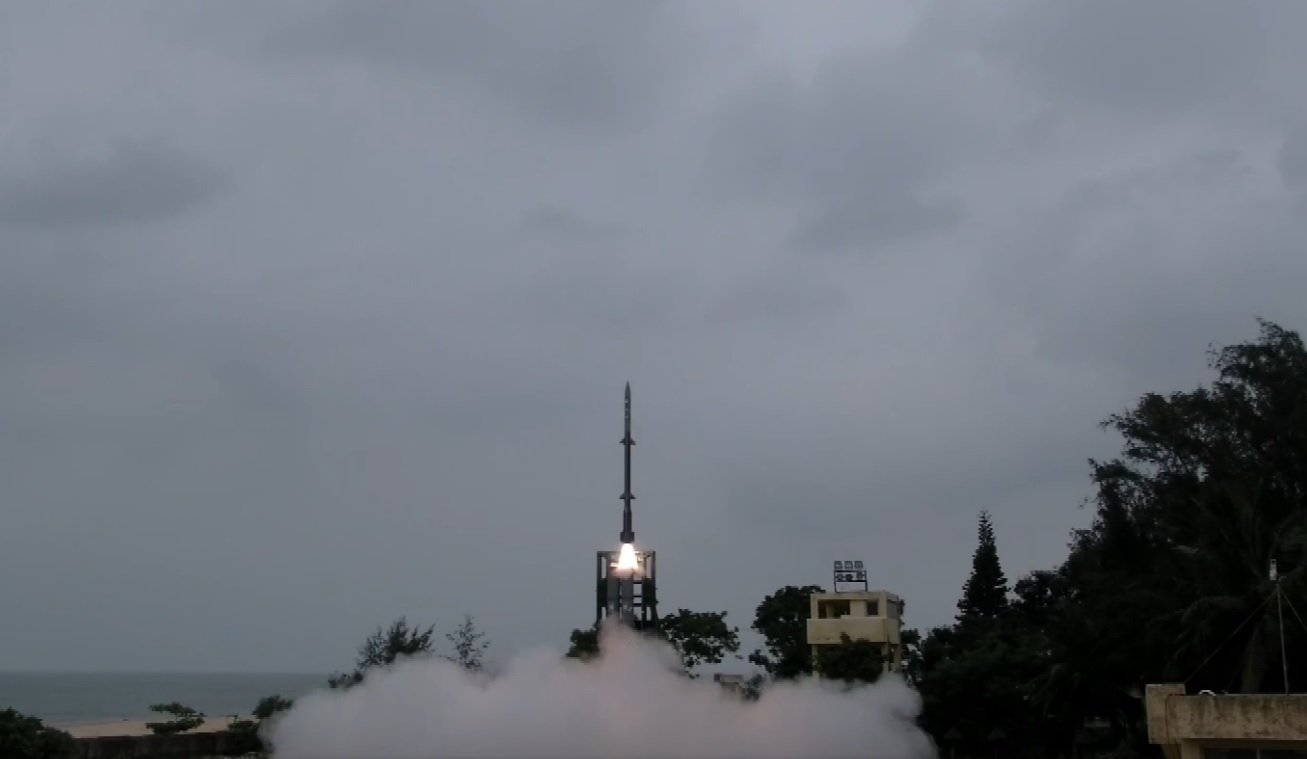
DUBAI, United Arab Emirates — March 2, 2026 : An Amazon Web Services (AWS) data center in the United Arab Emirates was physically damaged and forced offline on March 1 following kinetic strikes that occurred during a broader wave of Iranian missile and drone attacks across the Gulf region.
AWS confirmed that the disruption began at approximately 4:30 a.m. PST on Sunday, March 1, when “objects struck” a facility operating within the ME-CENTRAL-1 region, specifically affecting Availability Zone mec1-az2. The company stated that the impact generated sparks and ignited a structural fire inside the building.
Emergency responders from the UAE fire department intervened and, as part of standard safety procedures, cut utility power and backup generator systems to suppress the blaze. The action resulted in a complete power loss at the affected availability zone, taking it entirely offline.
AWS reported that its other availability zones within the UAE region remained operational. However, the outage in mec1-az2 led to significant service disruptions, including impacts to core networking APIs, Amazon EC2 instances, and database services tied to the affected zone. Services architected for cross-zone or regional redundancy, including Amazon S3, continued operating normally.
As of March 2, AWS indicated that partial restoration had begun, although some connectivity issues persisted. The company said full recovery would require clearance from local authorities before power systems could be safely restored. Customers were advised to back up critical data to other AWS regions as a precaution.
In addition to the disruption in mec1-az2, AWS acknowledged that a local power issue affected another availability zone in the UAE. The outage also extended to AWS facilities in Bahrain, where power and connectivity problems were reported on March 2.
AWS did not specify the nature of the objects that struck the facility. The timing of the incident coincided with Iranian missile and drone strikes targeting multiple Gulf states, including the UAE and Bahrain. The strikes followed joint U.S.-Israeli military operations against Iran that reportedly resulted in the death of Supreme Leader Ayatollah Ali Khamenei.
Over the weekend, Iranian munitions targeted airports, ports, residential areas, and infrastructure across the region. In the UAE, reported strike locations included Jebel Ali Port and the Burj Al Arab hotel in Dubai. Smoke was observed rising from a warehouse in Sharjah City following the attacks. According to the UAE Ministry of Defense, national air defense systems intercepted 137 ballistic missiles and 209 drones. Despite interceptions, debris and direct impacts in Abu Dhabi and Dubai resulted in the deaths of three foreign nationals and dozens of injuries.
Media reports, including from The Jerusalem Post, indicated that the damaged AWS facility may have been used by Israel’s military. If confirmed, such usage would raise questions regarding the dual-use nature of commercial cloud infrastructure that simultaneously supports enterprise, government, and defense workloads. AWS has not publicly confirmed specific customer workloads associated with the facility.
Independent cybersecurity analyst Lukasz Olejnik noted that AWS used the phrase “objects struck” in its communications, without explicitly attributing responsibility or specifying the type of munition involved. Analysts observed that cloud industry terminology and crisis response frameworks have historically focused on natural disasters, power failures, and network outages rather than direct military strikes.
The incident marks the first reported case of a major hyperscale cloud data center sustaining physical damage during an active interstate conflict. AWS selected the UAE for its Middle East region based on regional connectivity, infrastructure maturity, and proximity to customers in sectors including government, finance, and enterprise technology. The ME-CENTRAL-1 region was designed with three availability zones to provide redundancy against localized disruptions.
The event has prompted enterprises operating in the Gulf to activate disaster recovery procedures that were previously structured around non-military contingencies. Other cloud providers, including Microsoft Azure, Google Cloud, and Oracle, maintain regional infrastructure within the same geographic corridor, raising concentration risk considerations for multinational customers.
Insurance markets are also expected to assess potential exposure to war-related infrastructure losses. Institutions such as Lloyd’s of London have been reviewing war-risk exclusions in recent years following conflict-related claims in other regions, including Ukraine. Industry analysts indicated that the UAE incident may accelerate reassessments of cloud infrastructure risk modeling and pricing structures.
No casualties were reported in connection with the AWS data center facility itself. Investigations into the cause and circumstances of the strike are ongoing, with AWS coordinating with local authorities. The broader regional conflict continued to influence financial markets on March 2, including upward pressure on oil prices.
——— End of Article ———