Iran / China ,March 2, 2026 : China’s HQ-9 and upgraded HQ-9B long-range air defense systems are facing increased scrutiny following reported battlefield outcomes in Iran, Pakistan, and Venezuela. In all three cases, available combat assessments indicate that Chinese-supplied air defense assets were destroyed or rendered inoperable before mounting any effective response to incoming strikes.
Developed by the China Aerospace Science and Industry Corporation (CASIC), the HQ-9B is marketed as a high-altitude, long-range surface-to-air missile system with a stated engagement range of 260 kilometers and an interception ceiling of up to 50 kilometers. Official specifications state that the system can track up to 100 targets simultaneously and engage six to eight at a time using active radar homing guidance supported by semi-active radar and infrared capabilities. Each mobile transporter-erector-launcher (TEL) carries four missiles.
China promotes the HQ-9B and its export variant, the FD-2000B, as comparable in capability to the Russian S-400 and U.S. Patriot systems at a lower cost. Export customers include Pakistan (HQ-9/P variant), Turkmenistan, Uzbekistan, Egypt, and reportedly Iran.
Iran – March 2026 Air Campaign
In late February and early March 2026, coordinated U.S. and Israeli airstrikes targeted Iranian military infrastructure across more than 20 provinces. The strikes reportedly resulted in over 200 fatalities, including Supreme Leader Ali Khamenei. Iran had reportedly acquired the HQ-9B in 2025 through an oil-for-weapons arrangement to reinforce long-range air defense coverage.
The systems were deployed to protect nuclear facilities, IRGC bases, and air installations near Tehran and Isfahan. However, combat assessments indicate that the HQ-9B batteries were destroyed or disabled during the opening phase of the strikes before they could launch interceptors.
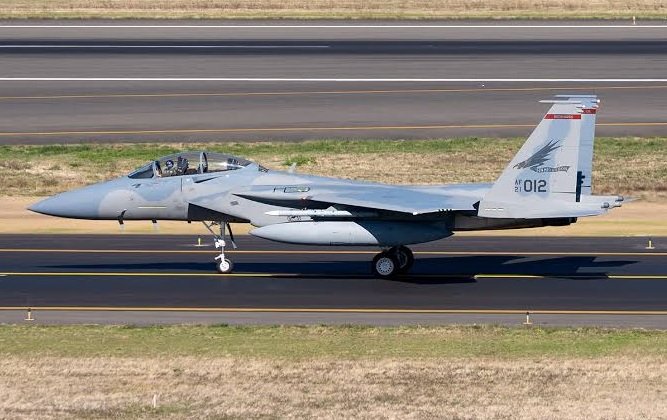
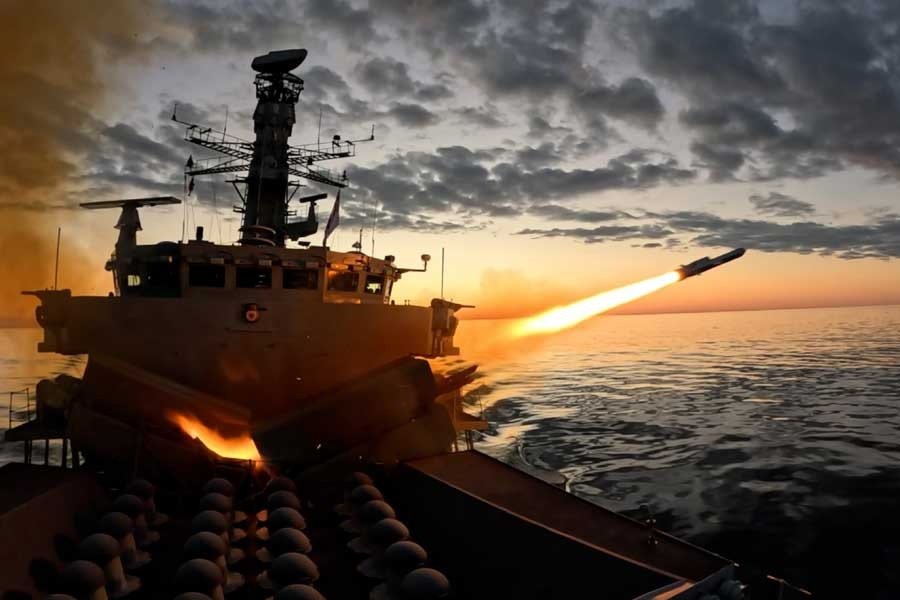
Aircraft reportedly involved in the operation included F-35 stealth fighters and stand-off munitions such as AGM-158C LRASM and Tomahawk cruise missiles. Israeli ALQ-322 electronic warfare systems reportedly disrupted radar and fire-control functions. Analysts report zero confirmed intercepts by the HQ-9B during the operation.
Reports further indicate that radar coverage gaps and delayed signal processing limited detection capability. Wide-band jamming in the 10–40 GHz spectrum reportedly degraded engagement radars. Integration delays between the HQ-9B and Iran’s broader air defense command network also contributed to slow response times. In multiple locations, air defense sites were reportedly struck before completing targeting procedures.
China denied supplying the system to Iran, although Iranian officials referenced its acquisition.
Pakistan – Operation Sindoor, May 2025
Similar findings were reported during India’s Operation Sindoor in May 2025, launched following the Pahalgam terror attack. Pakistan had deployed the HQ-9/P variant alongside Chinese YLC-8E anti-stealth radars to protect key military installations near Lahore, Sialkot, and Chaklala.
According to operational accounts, Indian strikes involving BrahMos supersonic cruise missiles flying at approximately 10 meters altitude, as well as drones and loitering munitions, penetrated defended areas. Reports state that the HQ-9/P batteries failed to intercept any of the 24 incoming threats.
Electronic barrage jamming by Indian platforms reportedly blinded HT-233 engagement radars. In several cases, missile sites were reportedly struck before achieving radar lock or launching interceptors. Facilities at Chaklala were damaged, and assessments cited operational lag in fire-control software and limited resistance to sustained electronic interference.
The HQ-9/P entered Pakistani service in October 2021.
Venezuela – January 2026 U.S. Operation
In January 2026, during Operation Absolute Resolve aimed at capturing President Nicolás Maduro, Chinese-supplied radar and missile systems in Venezuela were reportedly neutralized in the early phase of the operation.
Venezuela had acquired multiple Chinese radar platforms, including the JY-27A anti-stealth radar, in combination with HQ-9-related systems to establish layered air defense coverage. During the operation, U.S. EA-18G Growler aircraft equipped with Next Generation Jammers and ALQ-99 pods reportedly conducted sustained electronic attacks.
Combat reports indicate that radar networks were blinded and command nodes disrupted before missile batteries could respond. U.S. aircraft, including F-35s, F-22s, and drones, reportedly operated without confirmed interception attempts. In several instances, air defense infrastructure was destroyed before engagement procedures were initiated.
Maintenance deficiencies compounded operational limitations. Reports indicate that more than 60 percent of Chinese-supplied radars were offline prior to the operation due to spare-parts shortages, corrosion, and insufficient training. The network’s limited redundancy and centralized command structure contributed to rapid system degradation.
Technical and Operational Findings
Across Iran, Pakistan, and Venezuela, recurring issues were identified:
Electronic warfare vulnerability was consistent, with systems reportedly unable to withstand wide-band jamming in the 10–40 GHz range or rapid frequency-hopping tactics.
Integration challenges were noted when connecting HQ-9 variants to national command-and-control systems, causing communication delays.
Radar performance limitations, including detection gaps against low-altitude and stealth targets, were observed.
Fire-control software lag and inconsistencies in missile component manufacturing were reportedly identified during post-conflict analysis of recovered debris.
In multiple cases, missile batteries and associated radar units were destroyed or disabled before launching interceptors.
Conclusion
The HQ-9 and HQ-9B are promoted as long-range, multi-target air defense systems capable of countering advanced aircraft, cruise missiles, ballistic threats, and stealth platforms. However, reported combat outcomes in Iran (2026), Pakistan (2025), and Venezuela (2026) indicate that Chinese-supplied air defense assets were neutralized or destroyed before mounting effective responses during high-intensity operations involving advanced electronic warfare and coordinated strike packages.
These cases highlight a documented gap between advertised system specifications and reported operational performance under combat conditions.
——— End of Article ———