Washington / Tel Aviv / Tehran : March 1, 2026 :
Crucial intelligence provided by the United States Central Intelligence Agency (CIA) enabled Israel to carry out a targeted daylight strike in central Tehran that killed Iran’s Supreme Leader, Ayatollah Ali Khamenei, along with several senior political and military officials. The operation was executed on February 28, 2026, after months of surveillance and a late-stage adjustment in operational timing based on newly obtained intelligence.
According to reporting by The New York Times, U.S. intelligence agencies had been tracking Khamenei’s movements for several months, developing what officials described as a detailed “pattern of life” assessment. Surveillance efforts mapped his routines and movement cycles with a high degree of confidence, allowing analysts to identify potential windows of vulnerability.
Intelligence Breakthrough and Operational Shift
The decisive development occurred when U.S. intelligence obtained confirmation that Khamenei would attend a rare Saturday morning meeting of Iran’s top political and military leadership at a government compound in central Tehran on February 28. The gathering was described as a high-level coordination meeting involving senior national security and military officials.
Because the opportunity to target multiple senior figures simultaneously was limited, the intelligence was immediately relayed to Israeli defense authorities. Prior planning between the United States and Israel had envisioned a strike conducted under cover of darkness. However, once confirmation of Khamenei’s presence at the morning meeting was received, military planners adjusted the timeline.
The operation was shifted from a nighttime strike to a daylight strike to coincide with the scheduled meeting. Officials cited the confirmed presence of the Supreme Leader and other senior officials as the determining factor in recalibrating the mission profile.
Strike Execution and Weapons Employed
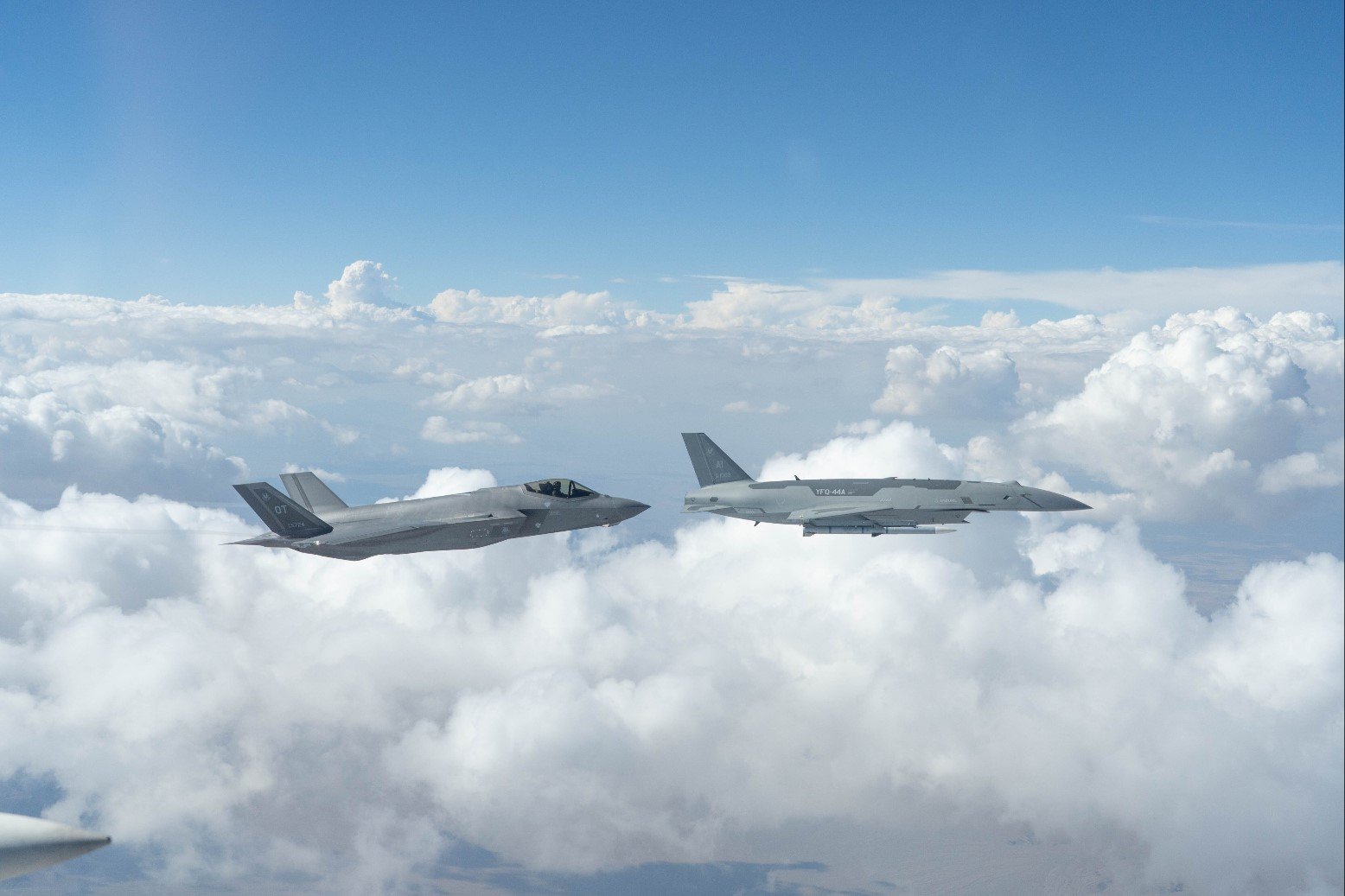
Israeli fighter jets carried out the attack as part of a broader coordinated military campaign. Israel designated its component of the operation as “Operation Roaring Lion,” while the United States referred to its parallel campaign as “Operation Epic Fury.”
The aircraft reportedly took off at approximately 6:00 a.m. Israel time. The munitions struck the targeted government compound in Tehran at approximately 9:40 a.m. local time.
The primary weapons used in the strike were “Blue Sparrow” aeroballistic missiles. These long-range precision munitions have an operational range of up to 2,000 kilometers, enabling launch from stand-off distances outside Iranian airspace. The missiles were designed to penetrate hardened targets and deliver high-precision impact on designated structures within the compound.
Operational reports indicate that the strike successfully penetrated the central Tehran leadership complex while the meeting was underway.
Casualties and Leadership Impact
Ayatollah Ali Khamenei was killed in the strike. Several senior regime officials attending the meeting were also killed.
Among the confirmed casualties were General Mohammad Pakpour, head of the Islamic Revolutionary Guard Corps (IRGC) ground forces, and Ali Shamkhani, a senior national security adviser. Additional high-ranking military and security figures present at the gathering were reported killed, though full casualty details were still being compiled at the time of publication.
Iranian state media confirmed Khamenei’s death on March 1, 2026, and announced a 40-day period of national mourning.
U.S.–Israel Coordination
According to The New York Times, the CIA’s role focused on intelligence collection, surveillance, and confirmation of Khamenei’s presence at the Saturday meeting. The intelligence-sharing arrangement allowed Israeli planners to adjust targeting timelines and execute the strike during a confirmed convergence of senior leadership.
The strike marked the opening phase of coordinated military operations conducted by the United States and Israel against targets in Iran beginning February 28, 2026. While Israel executed the direct strike on the Tehran compound, the broader campaign reportedly included additional strikes on multiple sites across Iran.
Officials characterized the operation as a significant disruption to Iran’s senior leadership structure due to the simultaneous loss of top political, military, and national security figures gathered in one location.
Further developments regarding succession, internal security adjustments, and potential regional responses were expected as Iranian authorities continued to assess the impact of the strike.
——— End of Article ———