JERUSALEM, — March 1, 2026 : The Israeli Air Force (IAF) has conducted a series of coordinated airstrikes on Iranian military assets, including fighter aircraft, ballistic missile launchers, radar systems, and associated defense infrastructure at Tabriz Air Base in East Azerbaijan Province, northwestern Iran. The strikes form part of a broader Israeli campaign identified as “Operation Lion’s Roar,” also referred to as “Operation Genesis,” launched on February 28, 2026, in coordination with U.S. forces under a parallel operation named “Operation Epic Fury.”
The Israel Defense Forces (IDF) released aerial footage confirming precision strikes on at least two Iranian fighter jets—an F-4 Phantom II and an F-5 Tiger II—positioned on the runway and prepared for immediate takeoff at the time of the attack. According to the IDF, the aircraft were struck before they could be deployed.
Both the F-4 Phantom II and F-5 Tiger II are U.S.-manufactured aircraft delivered to Iran prior to the 1979 Islamic Revolution. Iran has since maintained and upgraded these legacy platforms for patrol, interception, and ground-support roles. Sources cited in the aftermath of the strikes indicated that some of the targeted aircraft may have been in unserviceable condition, though the IDF did not provide technical assessments regarding their operational readiness.
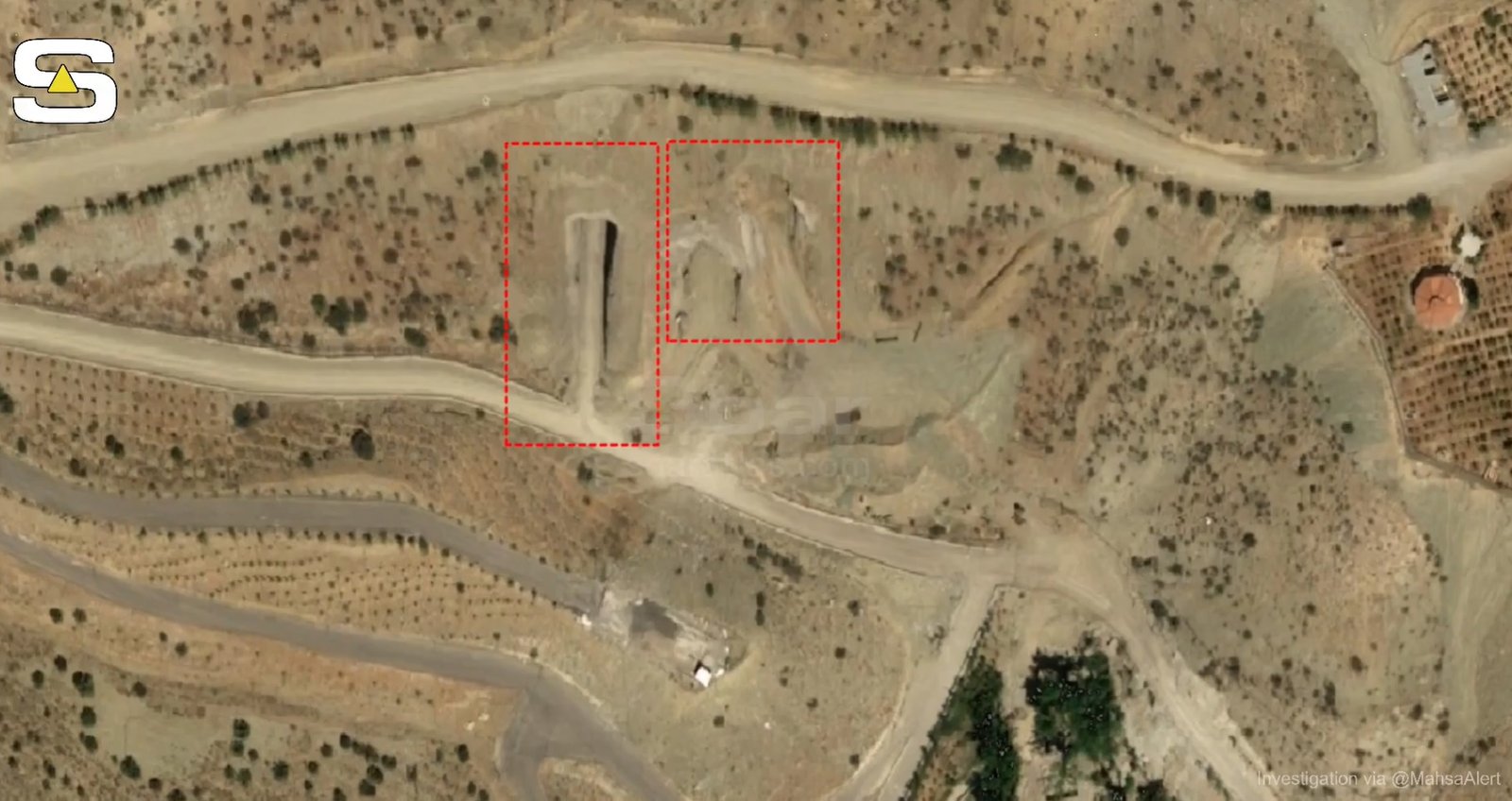
In addition to the fighter aircraft, Israeli strikes targeted ballistic missile launchers, a truck transporting ballistic missiles, radar systems, air defense nodes, and an unmanned aerial vehicle (UAV) at or near the Tabriz facility. Israeli military officials stated that the objective was to degrade Iran’s aerial and missile capabilities and to disrupt operations of the Iranian Air Force before potential threats could be launched toward Israeli territory.
The Tabriz site was described by Israeli sources as hosting a ballistic missile unit from which dozens of missiles were planned to be launched toward Israel. The operation focused on neutralizing launch platforms and associated command and control infrastructure.
The strikes on Tabriz were part of a wider operational wave involving approximately 200 Israeli fighter jets targeting around 500 military objectives across western and central Iran. The IDF stated that hundreds of munitions were dropped in coordinated, near-simultaneous strikes against air defense systems, missile launchers, military headquarters, drone facilities, and airfields.
On March 1, a subsequent wave of strikes involved dozens of Israeli aircraft targeting more than 30 additional sites, including air defenses and missile infrastructure. Israeli military officials indicated that operations would continue against air defense installations, missile sites, command centers, and other military facilities.
Israeli authorities characterized the campaign as pre-emptive, citing concerns regarding Iran’s ballistic missile and nuclear programs. Military officials confirmed that the joint U.S.-Israeli strikes had been planned for months and included targets where senior Iranian figures were believed to be located. The operation has been described by Israeli officials as one of the largest coordinated uses of military firepower in the region in recent decades.
Iran responded with missile launches directed toward Israel and U.S. bases in the region. Reports indicated strikes or attempted strikes in areas including Tehran, Kermanshah, Minab, Bushehr, and near Chabahar. There were also unconfirmed reports of strikes affecting Iranian naval assets, including the IRGC Navy frigate Jamaran. Iranian authorities activated air defense systems across northwestern regions following the airspace incursions but have not issued detailed public statements regarding material losses at Tabriz Air Base.
The current escalation follows the June 2025 Israel-Iran war, during which the IDF reported destroying at least one-third of Iran’s ballistic missile launchers and approximately 35 percent of its ballistic missile stockpile. Israeli officials have stated that Iran has since reconstituted much of its missile inventory in recent months.
Operation Lion’s Roar and the parallel U.S. Operation Epic Fury continue to target Iranian command and control facilities, air defense systems, missile and drone launch sites, and military airfields as part of the ongoing campaign.
——— End of Article ———