WASHINGTON / DUBAI, — May 21, 2026 : Iran’s Supreme Leader has ordered that the country’s stockpile of near-weapons-grade enriched uranium must remain inside Iran and cannot be exported, according to Iranian sources, hardening Tehran’s position in ongoing indirect negotiations with the United States.
The directive directly challenges one of Washington’s primary demands in the talks, as U.S. officials have continued to insist that Iran’s stockpile of uranium enriched to 60% purity be removed, transferred, or neutralized as part of any future agreement.
The latest development comes as Iranian officials review a new U.S. proposal delivered through mediators in Pakistan and Oman. Direct communication between Tehran and Washington remains suspended, with messages continuing to pass indirectly through officials in Islamabad and Muscat.
Uranium Stockpile at Center of Talks
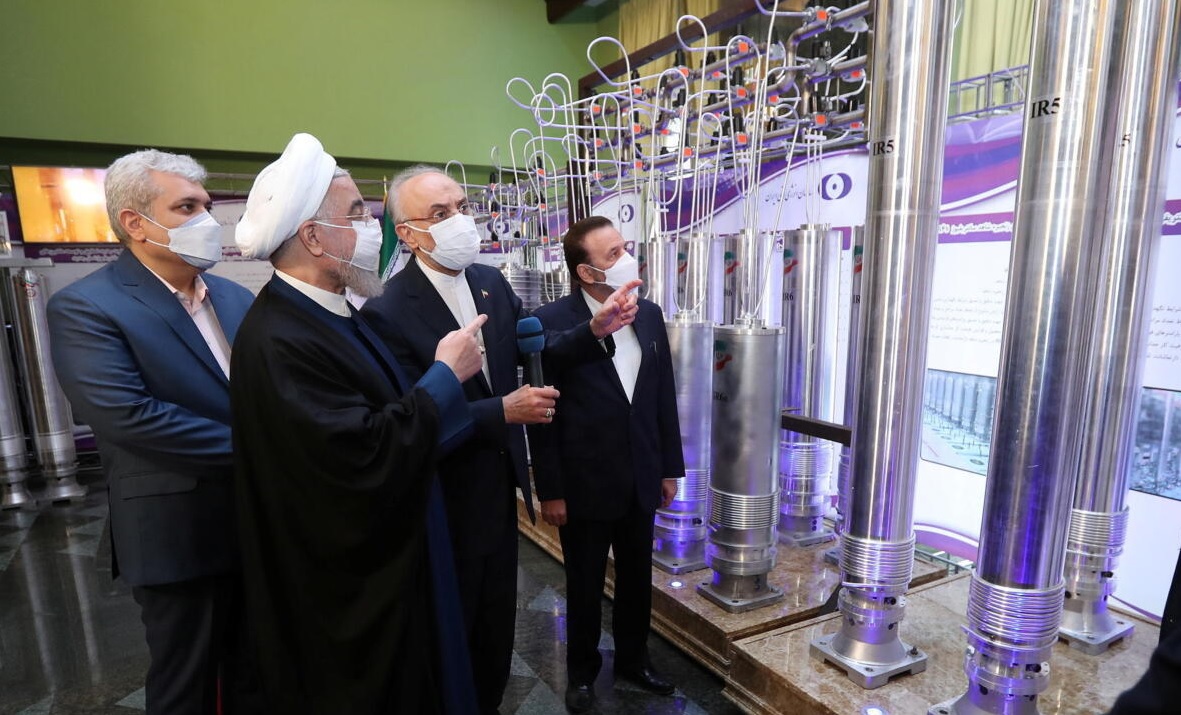
Iran’s supply of uranium enriched to 60% purity has emerged as one of the most sensitive issues in the negotiations. U.S. officials have described the material as a key “red line” because enrichment at that level represents most of the technical process required to reach the 90% threshold associated with weapons-grade uranium.
According to assessments by nuclear experts and U.S. energy officials, Iran currently possesses approximately 1,000 pounds of 60% enriched uranium. International monitors have warned that the stockpile could potentially be enriched further within a short period of time if Tehran decided to do so.
Washington has repeatedly argued that transferring the material to a third-party country would extend Iran’s potential nuclear breakout timeline and reduce immediate proliferation concerns.
However, the new directive from Iran’s leadership effectively removes the export option from the negotiations. Iranian officials said retaining the uranium inside the country reflects a broader consensus within Iran’s political and security establishment that exporting the material would increase the country’s vulnerability during future crises or negotiations.
Iran Signals Openness to Diplomacy
Despite adopting a firmer position on the uranium issue, Iranian officials have indicated that Tehran remains open to a diplomatic settlement.
Iran’s Foreign Ministry confirmed that messages continue to be exchanged with the United States through Pakistani and Omani mediators. A ministry spokesperson stated that Tehran has received Washington’s latest viewpoints and is reviewing them as part of the ongoing negotiations.
The current discussions involve not only Iran’s nuclear activities but also wider regional security concerns, sanctions relief, and efforts to reduce tensions across the Middle East.
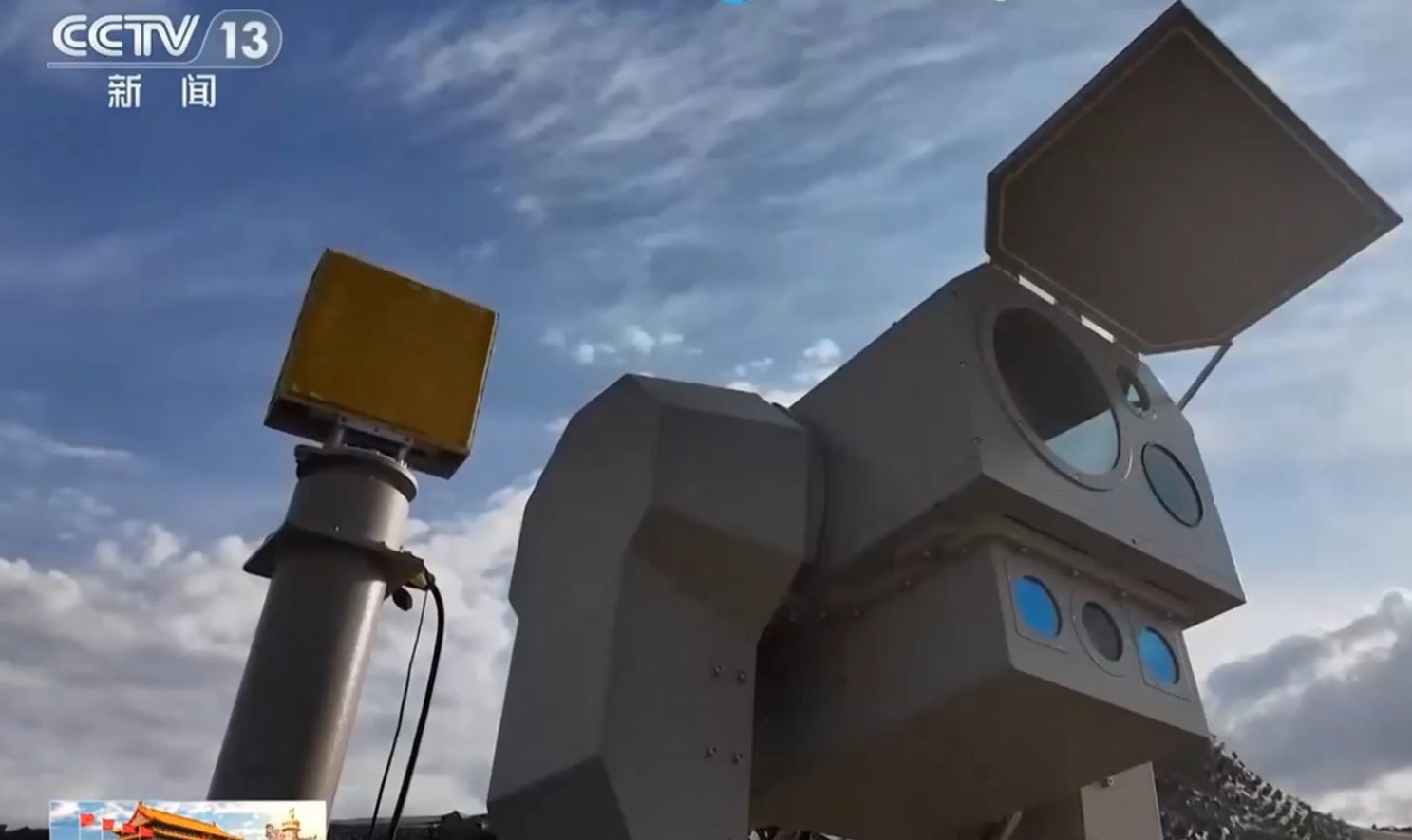
Iranian representatives stated that diplomacy is continuing alongside military preparedness. Officials said the country is maintaining a high-readiness defensive posture and deploying additional surveillance and protective systems while negotiations remain unresolved.
U.S. Maintains Pressure Campaign
In Washington, U.S. President Donald Trump said his administration is not under pressure to quickly finalize an agreement with Tehran.
Trump pointed to the economic impact of ongoing U.S. naval operations and maritime pressure around the Strait of Hormuz, arguing that current measures are already placing significant strain on Iran’s economy and oil sector.
The Strait of Hormuz remains one of the world’s most important maritime trade routes, with roughly 20% of global crude oil shipments passing through the corridor. U.S. officials said naval deployments and related disruptions in the Persian Gulf have affected Iranian shipping activity and regional trade operations.
Trump also stated that military options remain available if diplomacy fails to produce what Washington considers an acceptable outcome.
Regional Mediation Efforts Continue
The latest round of diplomacy follows a reported pause in planned U.S. strike considerations earlier this week after Gulf partners, including Qatar, Saudi Arabia, and the United Arab Emirates, requested additional time for negotiations.
Pakistan has continued to play a major role in facilitating indirect communication between Tehran and Washington. Pakistan’s army chief is expected to travel to Tehran as part of ongoing mediation efforts aimed at preserving dialogue and preventing further escalation in the region.
No agreement has been reached so far, and negotiations remain ongoing as both sides continue reviewing proposals and assessing their positions on key nuclear and security issues.
——— End of Article ———