World
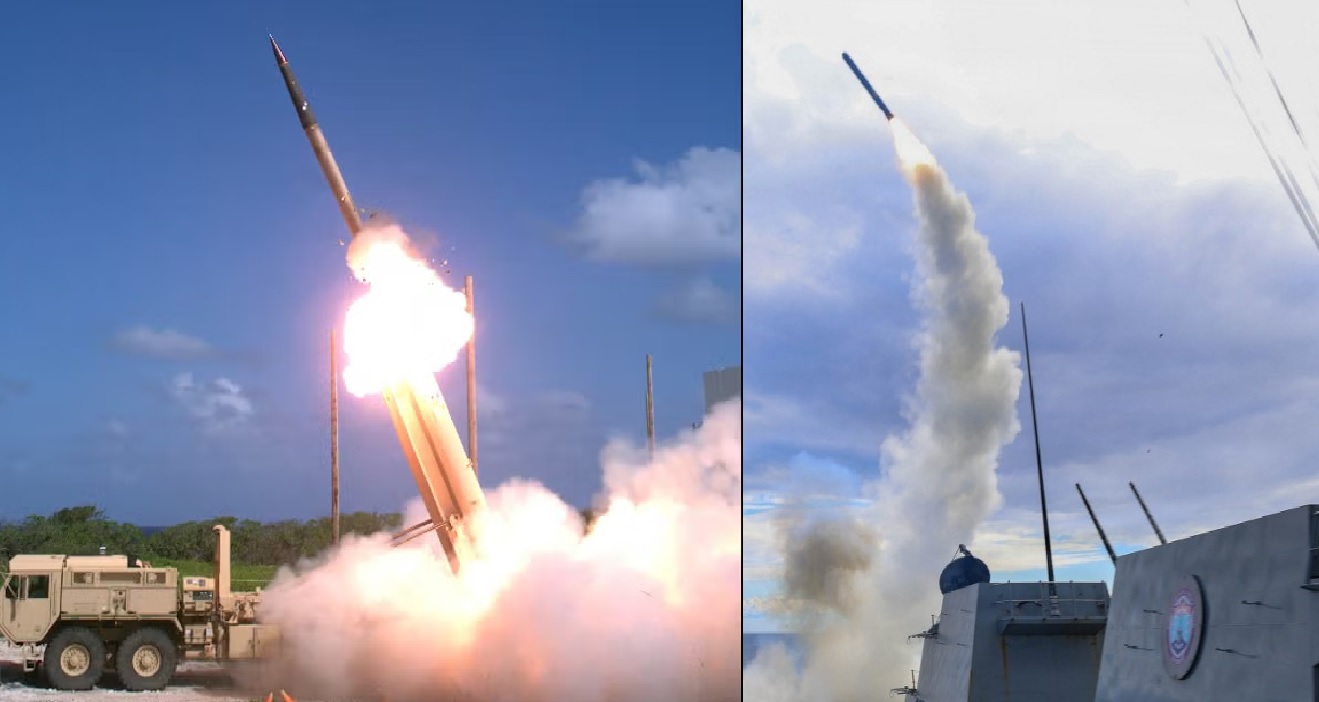
WASHINGTON, — March 27, 2026 : The United States military has expended more than 850 Tomahawk Land Attack Missiles (TLAM) and over 1,000 advanced air-defense interceptor missiles during the first four weeks of its ongoing operations against Iran, according to officials cited by The Washington Post. The figures reflect both sustained offensive strike activity and extensive defensive measures against Iranian retaliation during what the U.S. has designated as Operation Epic Fury. Strike Operations and Tomahawk Usage A substantial portion of the Tomahawk missiles was used in the initial phase of the campaign, targeting Iranian military infrastructure and strategic facilities. Officials familiar with the operations indicated that early strike packages relied heavily on sea-launched cruise missiles to degrade key targets. The report also referenced indications that a previously unreported variant of the Tomahawk missile may have been used operationally during these strikes, though no technical details have been disclosed publicly. The scale and pace of missile usage have exceeded typical annual procurement levels. According to defense officials, stockpiles of Tomahawk missiles positioned in the Middle East have declined significantly. One official described the situation as “alarmingly low,” while another noted that, without redistributing munitions from other theaters such as the Indo-Pacific, available supplies for regional operations could approach operational limits. Stockpile Estimates and Industrial Constraints Assessments of pre-conflict inventories vary among analysts. MacKenzie Eaglen, a senior fellow at the American Enterprise Institute, estimated that the U.S. Navy held between 4,000 and 4,500 Tomahawk missiles prior to the start of hostilities. Other estimates suggest lower figures, closer to 3,000, reflecting prior operational usage. Mark Cancian of the Center for Strategic and International Studies estimated a pre-war inventory of approximately 3,100 missiles. Based on that figure, the use of more than 800 Tomahawks in strikes on Iran represents roughly one-quarter of available stockpiles. Cancian assessed that replenishing these weapons will require several years under current production conditions. The latest Tomahawk variants are priced at up to $3.6 million per unit. Procurement in recent years has been limited, with 57 missiles funded in the previous defense budget. Planned acquisitions include 72 missiles in fiscal year 2025 and 57 in fiscal year 2026. Agreements are in place to increase annual production capacity to over 1,000 units, though timelines for achieving that rate remain unclear. The Tomahawk is a long-range, subsonic cruise missile produced by Raytheon, capable of precision strikes against land targets from ships and submarines. It carries a warhead of approximately 1,000 pounds and has a range between 1,000 and 1,600 miles, depending on the variant. Air-Defense Interceptor Expenditures In parallel with strike operations, U.S. forces have conducted extensive air and missile defense activities across the region. More than 1,000 interceptor missiles have been launched to counter Iranian ballistic and aerial threats. These include interceptors from multiple systems: The U.S. Army’s MIM-104 Patriot surface-to-air missile system, designed for medium-range air and missile defense.The Terminal High Altitude Area Defense (THAAD) system, optimized for high-altitude interception of ballistic missiles.The SM-3 exoatmospheric interceptor, deployed aboard U.S. Navy Arleigh Burke-class guided-missile destroyers for ballistic missile defense outside the atmosphere. Stocks of these interceptor systems are also limited, and recent operational usage has drawn down available inventories. Efforts are underway to expand production capacity, particularly for THAAD-related interceptors and associated munitions. Pentagon Response The Department of Defense has not publicly confirmed specific figures regarding missile expenditures or remaining stockpiles. Pentagon spokesperson Sean Parnell declined to provide detailed numbers but stated that U.S. forces retain sufficient capability to meet operational requirements. “The U.S. military has everything necessary to carry out any mission,” Parnell said, without addressing inventory levels or redistribution measures. Ongoing Operations The reported expenditures form part of sustained U.S. military operations in the Middle East under Operation Epic Fury. No official data has been released regarding current stockpile levels or definitive timelines for replenishment beyond independent analyst estimates.
Read More → Posted on 2026-03-27 17:35:58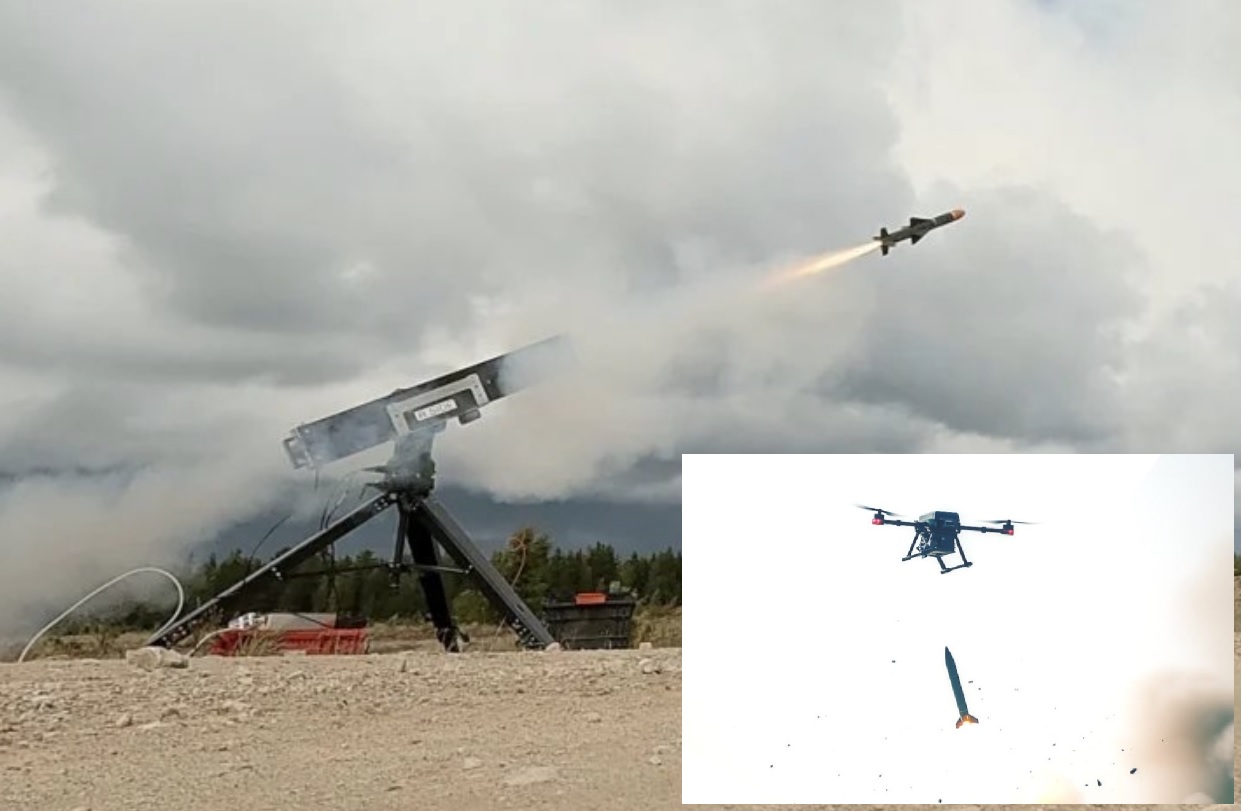
World
WARSAW — March 27, 2026 : Poland’s state-owned defence conglomerate Polska Grupa Zbrojeniowa (PGZ) and Estonia-based Frankenburg Technologies have announced plans to establish a joint production facility in Poland for the Mark I mini-air defence missile, an ultra-short-range interceptor designed to counter unmanned aerial vehicles (UAVs). The initiative follows a collaboration agreement originally signed in November 2025 and forms part of a broader effort to expand industrial-scale production of cost-effective counter-drone systems in Europe. Under the agreement, the new facility will be capable of producing up to 10,000 Mark I missiles annually, supporting both domestic requirements and allied demand. Production Plans and Industrial Cooperation The planned manufacturing site will be located within Poland, although authorities have not disclosed the exact location, investment value, or timeline for the start of production. The partnership aims to establish localized production capacity while enabling rapid replenishment of missile stockpiles. PGZ, which oversees a network of production plants, service facilities, and research centres, will integrate Frankenburg Technologies’ missile systems into its existing platforms. The agreement also includes provisions for joint research and development (R&D), technology sharing, and long-term industrial cooperation. Frankenburg Technologies, headquartered in Tallinn, operates across multiple countries including Latvia, Lithuania, Ukraine, Denmark, Poland, the United Kingdom, and Germany. The company focuses on scalable and cost-efficient counter-UAS systems and has invested in modular, containerised production facilities to accelerate manufacturing expansion. Mark I Missile: Design and Capabilities The Mark I missile has been developed as an ultra-short-range, lightweight interceptor optimized for countering drones. Measuring approximately 660 mm in length, 60 mm in diameter, and weighing under 2 kilograms, it is among the smallest guided missiles designed for mass production. The missile is powered by a composite solid-propellant rocket motor, enabling rapid acceleration to speeds exceeding 1,000 km/h. It is capable of engaging aerial targets at distances of up to 2 kilometers and at altitudes of approximately 1.5 kilometers. The system operates on a fire-and-forget principle and is equipped with a modern optoelectronic homing head combined with a closed-loop control system, allowing autonomous target tracking after launch. Its warhead consists of a 500-gram glass fragmentation charge, using glass fragments instead of conventional metal elements. The design incorporates a proximity fuse and a self-destruct mechanism to enhance safety and effectiveness. Target Profile and Operational Role The Mark I is intended to engage UAVs up to Class 3, with a focus on countering loitering munitions and slow-moving propeller-driven drones (typically 150–200 km/h). It is also designed to intercept faster jet-powered threats traveling at speeds between 450 and 600 km/h. The system has been constructed using commercially available components to facilitate cost control and enable large-scale production. According to Frankenburg Technologies, the missile progressed from concept to live-fire testing within approximately 13 months. Earlier demonstrations have included successful intercepts of Shahed-type drone targets, reflecting its intended operational role in countering widely used loitering munitions. Testing and Validation in Ukraine Frankenburg Technologies has announced plans to conduct further testing of the Mark I missile in Ukraine between April and June 2026. These trials are intended to evaluate the system’s performance against active drone threats under operational conditions, including environments affected by electronic warfare. The testing phase is expected to provide additional validation before full-scale production ramps up. Future Development: Mark II Interceptor The PGZ–Frankenburg partnership also establishes a framework for the development of next-generation systems. This includes the planned Mark II interceptor, which is expected to extend engagement ranges to between 5 and 8 kilometers. The Mark II is intended to enhance layered air defence architectures by providing a broader engagement envelope and improved interception capabilities against evolving aerial threats. Strategic Context The joint production initiative aligns with wider regional efforts to strengthen air defence resilience, particularly along NATO’s eastern flank, where the use of mass-produced drones has increased in recent conflicts. By combining Estonia’s technology development with Poland’s industrial base, the program is designed to support sustained production capacity and improve access to affordable counter-drone solutions for European and allied forces. No additional details have been released regarding procurement volumes, export plans, or specific deployment timelines for the Mark I system.
Read More → Posted on 2026-03-27 17:24:49
World
BERN, — March 27, 2026 : The United States has redirected Swiss payments originally allocated for the F-35A Lightning II program to sustain financing for the MIM-104 Patriot air defense system, effectively bypassing a payment freeze imposed by Switzerland in 2025. The move, executed through the structure of the US Foreign Military Sales (FMS) program, has created financial gaps in Switzerland’s fighter jet procurement and triggered political concern in Bern over the reliability of bilateral defense arrangements. Payment Freeze and FMS Mechanism Switzerland suspended advance payments last autumn for five Patriot air defense batteries after the United States informed Bern of delivery delays estimated at four to five years. The delays were attributed to Washington’s reprioritization of Patriot system deliveries to Ukraine and broader global supply chain constraints. Despite the freeze, US authorities continued to draw funds for the Patriot program by utilizing the FMS system. Under this framework, all payments made by partner countries—including Switzerland—are placed into a pooled account managed by the US Department of Defense. Funds deposited for multiple programs, including both the F-35 fighter aircraft and the Patriot system, are not strictly segregated. This structure allows US authorities to reallocate funds between programs if one experiences a shortfall. As a result, when Switzerland halted Patriot payments, the United States accessed funds previously deposited for the F-35 program to cover ongoing Patriot-related costs without requiring new transfers from Bern. Financial Impact on Swiss Procurement Urs Loher, head of armaments at Switzerland’s federal procurement agency armasuisse, confirmed the reallocation to Swiss public broadcaster SRF. While he did not disclose the exact figure, citing US pressure, he described the amount as a “low three-digit million” sum in Swiss francs, indicating well over CHF 100 million (approximately $126 million). The diversion of funds has created immediate budgetary gaps in Switzerland’s F-35 acquisition program. To maintain the procurement schedule, the Swiss Federal Department of Defence, Civil Protection and Sport (DDPS) advanced several tens of millions of francs ahead of schedule at the end of 2025 to compensate for the shortfall. Political and Institutional Response Swiss officials have expressed dissatisfaction with the development. Loher described the situation as “very unsatisfactory,” noting that while the payment freeze signaled political intent and prompted greater transparency regarding delays, it did not prevent financial outflows tied to the Patriot program. Political reaction has emerged across party lines. Werner Salzmann, a senator from the Swiss People’s Party, stated that the ease with which the freeze was bypassed was frustrating and had negatively affected trust in US commitments. Members of the Radical-Liberal Party indicated that Swiss authorities may have underestimated the flexibility granted to the United States under the FMS pooled-account structure. The Social Democratic Party has reiterated calls for a reassessment or cancellation of the Patriot acquisition. Broader Procurement Context and Adjustments The financial dispute occurs alongside wider challenges in Switzerland’s defense procurement plans under the Air2030 program. Rising costs linked to inflation and raw material prices have already led the Swiss government to scale back its planned purchase of F-35 aircraft from 36 to approximately 30 units in order to remain within the voter-approved budget ceiling of CHF 6 billion. Separately, the delay in Patriot deliveries has prompted the Swiss Defence Ministry to review alternative long-range ground-based air defense systems. European-produced options, including the SAMP/T system developed by France and Italy, are being evaluated to address capability gaps and reduce reliance on a single supplier. Ongoing Program Status Both the F-35 and Patriot acquisitions remain part of Switzerland’s Air2030 modernization initiative. The revised F-35 procurement is continuing within the adjusted quantity, while the Patriot delivery timeline remains subject to the previously announced multi-year delay. Swiss authorities acknowledged awareness of the FMS pooled funding mechanism, though public communication regarding its implications had been limited prior to the recent disclosures. Further details regarding delivery schedules or additional financial adjustments have not been released.
Read More → Posted on 2026-03-27 16:59:41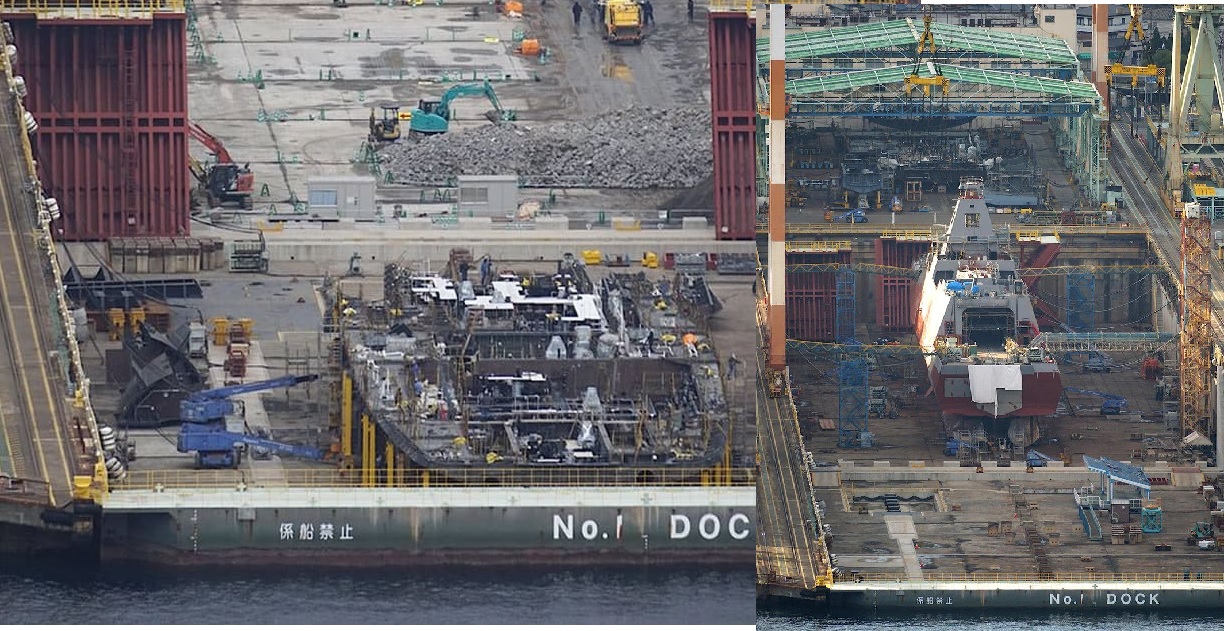
World
TOKYO — March 27, 2026 : Japan has formally entered the main production phase of its Aegis System Equipped Vessel (ASEV) program, with the Ministry of Defense confirming that both planned ships for the Japan Maritime Self-Defense Force (JMSDF) have been successfully laid down. The milestone marks a significant step in strengthening Japan’s sea-based ballistic missile defense (BMD) architecture following the cancellation of the Aegis Ashore system in 2020. Construction Progress and Timeline To accelerate delivery, the program has been divided between two major Japanese shipbuilders. The first vessel was laid down on July 18, 2025, at Mitsubishi Heavy Industries’ Nagasaki shipyard on Kyushu Island. It is scheduled for launch in fiscal year 2026 and is expected to enter service in March 2028. The second vessel was laid down on February 5, 2026, at Japan Marine United’s Isogo shipyard in Yokohama. Launch is planned for fiscal year 2027, with commissioning targeted for March 2029. Both ships are progressing in line with the Ministry of Defense’s schedule for deployment. Strategic Role Following Aegis Ashore Cancellation The ASEV program was initiated after Japan halted plans for the Aegis Ashore system in 2020. In place of fixed land-based installations, Tokyo opted for mobile, sea-based platforms capable of sustained operations. The two vessels are intended to provide continuous ballistic missile surveillance and tracking coverage over Japan. Their deployment is expected to reduce the operational burden on the JMSDF’s eight existing Aegis destroyers, which have been heavily tasked with monitoring missile launches, particularly from North Korea. By transferring persistent BMD duties to the ASEVs, Japan aims to restore operational flexibility to its destroyer fleet. This will allow those ships to resume a broader range of missions, including fleet air defense, anti-submarine warfare, joint operations with United States forces, and Indo-Pacific deployments. Design, Size, and Classification The ASEVs are being built with a large hull design optimized for stability during extended deployments in challenging sea conditions. Each vessel will measure approximately 190 meters in length with a beam of about 25 meters. Standard displacement is estimated at 12,000 tons, increasing to approximately 16,000 tons at full load. Due to their size and capability, Japanese defense officials are expected to classify the ships as guided missile cruisers (CG) rather than guided missile destroyers (DDG). In terms of displacement and dimensions, the ASEVs are projected to exceed Japan’s Maya-class destroyers and may surpass the size of advanced surface combatants such as the U.S. Navy’s Zumwalt-class and China’s Type 055 destroyers, making them among the largest non-carrier surface warships in the Western world. Radar and Combat System Capabilities Each ASEV will be equipped with the Lockheed Martin AN/SPY-7(V)1 radar integrated with the latest Aegis combat system. The radar consists of four fixed-array antenna faces, each measuring approximately 4.3 meters in height. According to Japanese defense officials, the SPY-7 radar provides approximately five times the tracking capability of the AN/SPY-1 systems currently deployed on JMSDF destroyers. It is specifically designed to enhance detection and tracking of high-altitude ballistic missiles, including those following lofted trajectories, as well as to manage large volumes of simultaneous missile threats. Program development has progressed through key testing milestones. Lockheed Martin delivered the first SPY-7 radar shipset in June 2025 and a second shipset on March 12, 2026. In mid-March 2026, the U.S. Missile Defense Agency and the JMSDF conducted live-target tracking exercises under the Japan Flight Test Experiment Aegis Weapon System (JFTX-01) off the U.S. East Coast. The tests validated the radar’s ability to detect, identify, track, and discriminate targets, with simulated engagements conducted during the trials. Armament and Future Growth Potential The ASEVs will be fitted with a 128-cell Vertical Launch System (VLS), an increase from the 96 cells deployed on Japan’s latest destroyers. The missile loadout will include SM-3 Block IIA interceptors, jointly developed by Japan and the United States, for exo-atmospheric ballistic missile defense. The ships will also deploy SM-6 missiles capable of engaging advanced aerial threats, including hypersonic glide vehicles during their terminal phase. In addition to defensive systems, the vessels will support Japan’s counterstrike capability through the integration of extended-range Type 12 surface-to-ship missiles and U.S.-supplied Tomahawk land-attack cruise missiles. The platform design incorporates additional space, weight, and power margins to support future upgrades. These include the planned integration of the Glide Phase Interceptor (GPI) for intercepting hypersonic threats earlier in flight, as well as potential installation of high-energy laser systems for counter-drone defense. Program Cost and Industrial Scope Procurement cost for each ASEV is estimated at approximately 392 billion yen (around $2.5 billion), with the total program cost for both ships reaching roughly 1 trillion yen (approximately $7.1 billion). The program represents one of Japan’s most significant recent investments in missile defense and naval capability expansion. Expanding Role in Japan’s Missile Defense Network Once commissioned, the two ASEVs are expected to become central components of Japan’s layered missile defense system. Their ability to sustain long-duration patrols and provide persistent surveillance is intended to enhance early warning and interception capabilities against evolving regional missile threats. Construction continues at both shipyards, while radar integration and combat system validation efforts remain on track to support the planned entry into service by the end of the decade.
Read More → Posted on 2026-03-27 15:54:07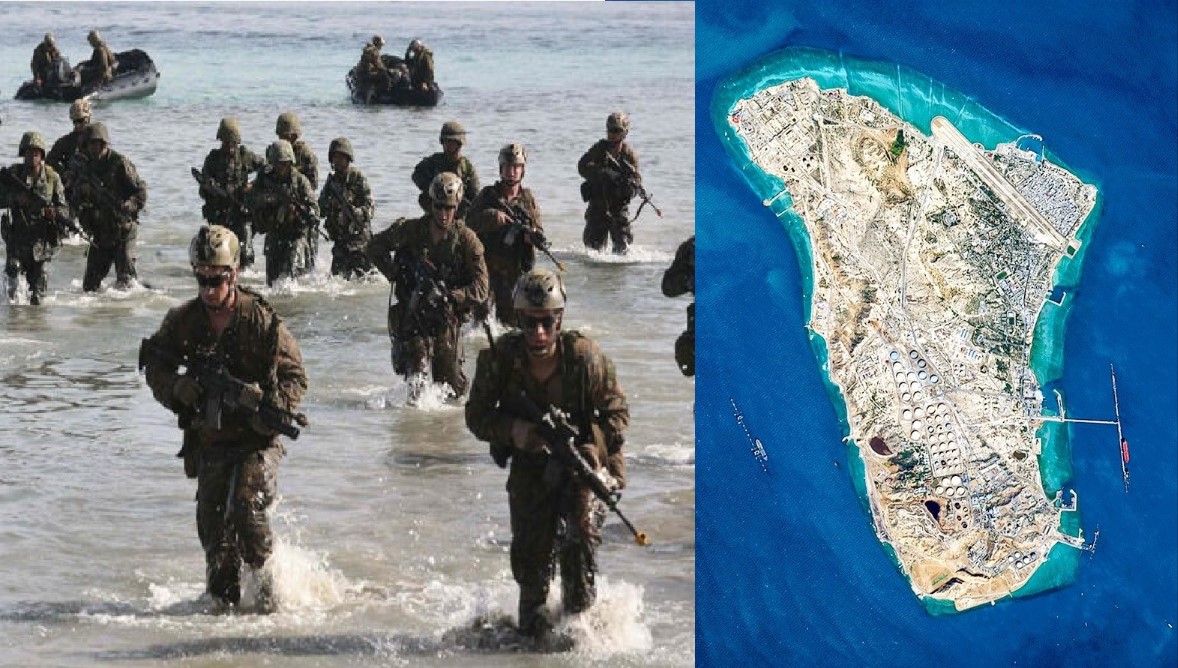
World
WASHINGTON / TEHRAN — March 27, 2026 : Iran has intensified defensive preparations on Kharg Island, reinforcing the strategic oil hub with additional troops, layered air defense systems, and extensive minefields amid growing indications that the United States is assessing options for a potential ground operation. The island, located roughly 25 to 55 kilometers off Iran’s coast in the northeastern Persian Gulf, functions as the primary export terminal for Iranian crude oil and remains central to the country’s economic stability. Military Reinforcements and Defensive Measures According to multiple sources familiar with U.S. intelligence assessments, Iran has significantly strengthened Kharg Island’s defenses in recent weeks. These measures include the deployment of additional ground forces, portable surface-to-air missile systems (MANPADS), and the placement of anti-personnel and anti-armor mines along shorelines and likely amphibious landing zones. The island was already protected by multi-layered defenses prior to the latest buildup. Recent reinforcements are intended to complicate any potential amphibious or airborne assault, particularly by U.S. Marine forces trained in rapid-response expeditionary operations. Reports indicate that U.S. military planners are factoring in the heightened defensive posture. Officials have cautioned that any attempt to seize the island would involve substantial operational risks and could result in significant casualties. U.S. Force Posture in the Region The Iranian buildup coincides with an expanded U.S. military presence in the Persian Gulf. Two U.S. Marine Expeditionary Units have been deployed to the region, supported by an anticipated deployment of approximately 1,000 paratroopers from the U.S. Army’s 82nd Airborne Division. The Pentagon has already conducted strikes earlier this month targeting military installations on Kharg Island, while avoiding damage to oil export infrastructure. The current posture suggests continued evaluation of both kinetic and non-kinetic options as part of broader contingency planning. Strategic Importance of Kharg Island Kharg Island handles approximately 90 to 94 percent of Iran’s crude oil exports, making it the central hub of the country’s energy infrastructure. Pipelines from major oil fields, including Ahvaz, Marun, and Gachsaran, connect directly to storage facilities and deep-water jetties on the island. The terminal has historically supported loading capacities of up to 7 million barrels per day, although current export levels are estimated at 1.5 to 1.6 million barrels daily. The site also maintains storage capacity for tens of millions of barrels, serving as both an operational hub and a strategic reserve. Revenue generated through Kharg Island constitutes a substantial share of Iran’s government income and supports key state functions, including operations linked to the Islamic Revolutionary Guard Corps (IRGC). Operational Considerations and Deterrence Dynamics Military analysts assessing a potential U.S. ground operation have highlighted both the strategic advantages and inherent constraints. Control of Kharg Island would provide Washington with significant leverage over Iran’s primary revenue stream and could influence broader negotiations, including maritime security in the Strait of Hormuz. Analysts also note a specific deterrence dynamic tied to the island’s infrastructure. If U.S. forces were to establish control, Iran would likely avoid targeting the island with ballistic missiles or drone strikes, as such actions would risk destroying critical oil facilities essential to its own economy. Instead, any Iranian response would likely focus on alternative regional or military targets to avoid self-inflicted economic damage. Global and Regional Implications A potential disruption or transfer of control over Kharg Island would have implications beyond Iran. China, the primary buyer of Iranian crude exports, relies heavily on shipments originating from the island, with imports often exceeding 1 million barrels per day. Any interruption in loading operations or external control over the facility could affect China’s energy supply chain and require adjustments in sourcing from other producers. At the regional level, concerns are increasing among U.S. Gulf partners. Several governments have reportedly conveyed private reservations regarding the risks of escalation, warning that a ground operation could lead to a prolonged conflict and draw neighboring states into a broader confrontation. Iranian officials have reiterated that any foreign military presence on Iranian territory would prompt a response. Parliamentary Speaker Mohammad Bagher Ghalibaf stated that infrastructure in countries supporting such an operation could become targets of sustained attacks. Debate Over Timing and Strategy Within defense policy circles, some analysts have questioned the timing of a potential operation. A number of military experts argue that securing Kharg Island earlier in the current conflict—during its initial phase in late February—might have provided the United States with immediate leverage in negotiations. Early control of the island, they suggest, could have strengthened Washington’s position in shaping outcomes related to regional security and economic access, potentially reducing the need for extended military engagement. Outlook U.S. officials continue to evaluate operational scenarios involving Kharg Island as part of broader strategic planning in the region. The island’s reinforced defenses, combined with its economic and geopolitical significance, remain central factors in ongoing assessments. Developments related to Kharg Island are expected to play a key role in shaping the trajectory of U.S.–Iran tensions in the coming weeks.
Read More → Posted on 2026-03-27 15:43:42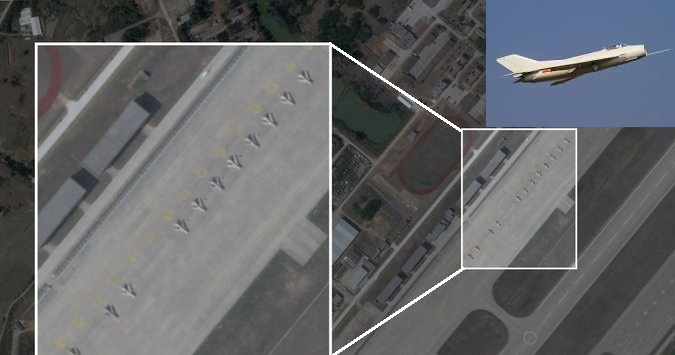
World
TAIPEI / HONG KONG — March 27, 2026: China has deployed more than 200 converted Cold War-era Shenyang J-6 fighter jets, now configured as unmanned attack drones, across six airbases near the Taiwan Strait, according to a recent assessment by the Mitchell Institute for Aerospace Studies. The development highlights an expanding focus by the People’s Liberation Army (PLA) on high-volume, cost-asymmetric capabilities in a potential regional contingency. Forward Deployment Confirmed by Satellite Imagery Analysis of commercial satellite imagery published in the institute’s February 2026 China Airpower Tracker indicates that the aircraft are stationed at five airbases in Fujian province and one in Guangdong province. These installations are located close to the median line of the Taiwan Strait, allowing for rapid sortie generation and minimal warning time in the event of an operational deployment. Imagery shows rows of swept-wing aircraft positioned on aprons and runways at forward المواقع, including Longtian Air Base in Fujian. The positioning places the platforms within immediate operational range of Taiwan and nearby maritime areas. Conversion of Legacy Fighters into Unmanned Platforms The Shenyang J-6, originally introduced in the 1960s as a Chinese-produced variant of the Soviet MiG-19, has been retired from frontline crewed service for decades. Under the current program, these aircraft have been converted into unmanned systems, designated J-6W. Modifications include the integration of automated flight control systems and terrain-matching navigation technology, enabling the aircraft to operate without onboard pilots. In many configurations, internal gun systems have been removed to accommodate additional electronics and mission equipment while retaining the original propulsion and structural framework. Military analysts estimate that more than 500 J-6 airframes have undergone conversion into unmanned variants, indicating that the current deployment represents only a portion of the available inventory. Intended Operational Role and Employment Concept According to J. Michael Dahm, senior fellow at the Mitchell Institute and a former U.S. naval intelligence officer, the PLA is expected to employ these platforms in a role analogous to cruise missiles during the initial stages of a potential conflict. Rather than functioning as traditional remotely piloted UAVs, the J-6W drones are designed to be launched in large numbers as disposable, high-speed strike or decoy platforms. Their use in mass formations is intended to saturate and overwhelm air defense systems operated by Taiwan, the United States, or regional allies. This approach reflects a deliberate cost-asymmetry strategy. By deploying relatively low-cost, repurposed aircraft, the PLA can compel defenders to expend significantly more expensive interceptor missiles. Given the supersonic speed and size of the J-6 airframe, conventional low-cost counter-drone systems are generally insufficient, increasing reliance on advanced surface-to-air missile systems. Technical Characteristics of the J-6 Platform The J-6 is a twin-engine, supersonic fighter aircraft powered by two Liming Wopen WP-6A afterburning turbojet engines, each producing approximately 36.78 kN (8,267 lbf) of thrust. Despite its age, the platform retains performance characteristics relevant to an unmanned strike role. Key specifications include a length of approximately 12.5 to 14.6 metres, a wingspan of around 9 to 9.2 metres, and a height of about 3.9 metres. The aircraft has a wing area of 25.16 square metres and an empty weight ranging between 5,172 and 5,447 kilograms. Maximum takeoff weight varies between 7,560 and 8,832 kilograms, with some configurations capable of approaching 10,000 kilograms when carrying external stores. The J-6 can reach speeds of up to 1,540 km/h (Mach 1.45) and operates at a service ceiling between 17,600 and 17,900 metres. In its original crewed configuration, the aircraft was equipped with three 30 mm cannons and four underwing pylons capable of carrying up to 500 kilograms of ordnance, including unguided bombs and rocket pods. These payload capabilities can be adapted for use in the unmanned variant depending on mission requirements. Strategic Implications and Defensive Considerations The deployment underscores a broader PLA effort to integrate large numbers of attritable systems into its operational planning. By combining volume, speed, and payload capacity, the J-6W provides a means to conduct saturation attacks designed to degrade opposing air defense networks in the early phases of a conflict. Taiwan’s Ministry of National Defense is monitoring the situation, while domestic research institutions, including the Institute for National Defence and Security Research, have identified the converted drones as a distinct logistical and operational challenge. Taiwan is reportedly pursuing countermeasures that include enhancements in electronic warfare capabilities and the development of advanced interception systems. These systems are intended to improve target discrimination, allowing defenders to differentiate between expendable drone platforms and higher-value threats such as advanced combat aircraft or precision-guided munitions. Broader Context of PLA Modernization The use of converted J-6 platforms reflects a layered approach within China’s airpower strategy, where legacy systems are repurposed to complement modern assets such as stealth fighters and long-range strike capabilities. By employing older airframes in high-risk roles, the PLA can preserve advanced platforms for follow-on operations once opposing defenses have been weakened. No official statement has been issued by Chinese authorities regarding the deployment or the operational role of the J-6W drones. However, the scale, positioning, and technical adaptation of these aircraft indicate a deliberate effort to expand operational flexibility and introduce cost-efficient methods of contesting air superiority in the Taiwan Strait region.
Read More → Posted on 2026-03-27 15:14:57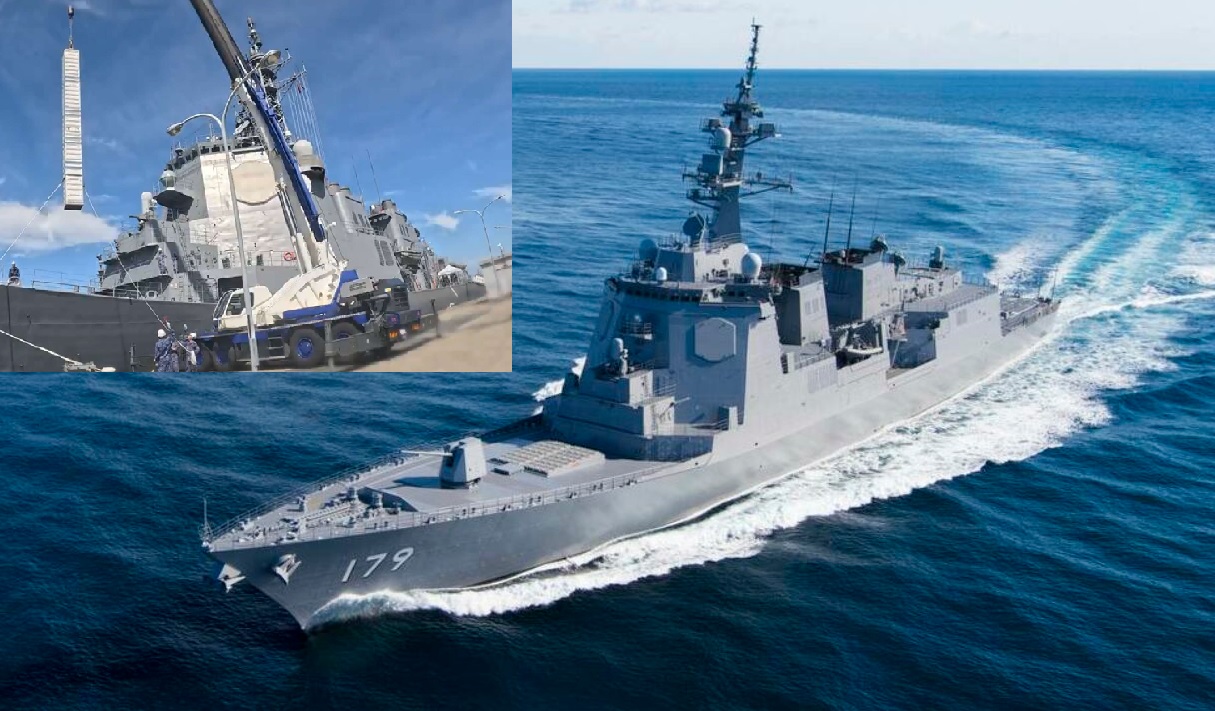
World
TOKYO / SAN DIEGO — March 27, 2026: Japan has completed a major upgrade to one of its frontline naval assets, with the Japan Maritime Self-Defense Force (MSDF) confirming that the Aegis-guided missile destroyer JS Chokai (DDG-176) is now capable of launching U.S.-made Tomahawk cruise missiles. The modification, carried out at a U.S. naval facility in San Diego, was overseen by Japan’s Acquisition, Technology & Logistics Agency (ATLA) and marks a significant development in Tokyo’s evolving defense posture. The upgrade makes Chokai the first Japanese warship configured to employ the Tomahawk Land Attack Missile (TLAM), introducing a long-range precision strike capability that extends beyond Japan’s traditional defensive framework. Officials say the enhancement is intended to strengthen deterrence by enabling the targeting of distant, hardened facilities such as missile launch sites, air bases, logistics infrastructure, and command nodes across Northeast Asia. Strategic Context and Policy Framework Japan’s Defense Minister Shinjiro Koizumi described the deployment as a necessary response to the rapidly changing regional security environment. He pointed to continued ballistic missile development by North Korea, including maneuverable systems with extended range, as well as China’s expanding inventory of conventional and precision-strike weapons. Koizumi emphasized that the capability is designed to complicate adversary planning and reinforce deterrence, remaining within the bounds of Japan’s self-defense-oriented security policy. The introduction of long-range strike options was formally authorized under Japan’s revised National Security Strategy (2022). In January 2024, Japan signed an agreement with the United States to procure up to 400 Tomahawk missiles, including both Block IV and Block V variants, in a deal valued at approximately $2.35 billion. The integration aboard Chokai represents the first operational step in deploying these systems across the fleet. A ceremony marking the completion of the refit was held in San Diego, attended by Vice Adm. Yoshihiro Goka of the MSDF Fleet Escort Force and Vice Adm. John Wade, commander of the U.S. Third Fleet. Platform Overview: Kongo-Class Destroyer Commissioned as part of Japan’s first generation of Aegis-equipped destroyers, Chokai is a Kongo-class vessel designed for multi-mission operations and extended deployments. The ship displaces approximately 7,500 tons (standard) and up to 9,500 tons (full load). Measuring 161 meters in length with a beam of 21 meters, it is powered by four Ishikawajima-Harima/General Electric LM2500-30 gas turbines driving two shafts. This propulsion system generates roughly 100,000 shaft horsepower, enabling speeds of up to 30 knots. With an operational range of about 4,500 nautical miles at 20 knots and a crew of around 300 personnel, the vessel is optimized for sustained operations across the Western Pacific. Combat Systems and Sensors The destroyer’s combat capability is built around the Aegis Combat System, centered on the AN/SPY-1D phased-array radar. This system allows simultaneous tracking of multiple airborne and ballistic threats at long range. Additional sensors include the OPS-28 surface search radar for maritime surveillance and the OQS-102 bow-mounted sonar for anti-submarine warfare. Electronic warfare protection is provided by the NOLQ-2 intercept and jamming system, which disrupts radar-guided threats. The ship also operates one SH-60K helicopter equipped for anti-submarine and surveillance missions using dipping sonar, sonobuoys, and data-link capabilities. Armament and Layered Defense Chokai retains a comprehensive weapons suite supporting air, surface, and subsurface warfare. Its armament includes a 127 mm Oto Melara naval gun for surface engagements and naval gunfire support, as well as eight RGM-84 Harpoon anti-ship missiles capable of striking targets beyond 120 kilometers. For close-in defense, the vessel is equipped with two 20 mm Phalanx Close-In Weapon Systems (CIWS), designed to intercept incoming missiles at short range. Anti-submarine capabilities are supported by two HOS-302 triple torpedo launchers deploying Mark 46 or Type 73 lightweight torpedoes. At the core of the destroyer’s firepower is the 90-cell Mk-41 Vertical Launch System (VLS), a modular launcher capable of deploying a range of munitions. Prior to the upgrade, this included SM-2MR surface-to-air missiles, SM-3 ballistic missile interceptors, RIM-162 Evolved Sea Sparrow Missiles (ESSM), and RUM-139 anti-submarine rockets. Tomahawk Integration and Capabilities The addition of Tomahawk missiles significantly expands the ship’s operational role. The subsonic cruise missile offers a range of approximately 1,600 kilometers and uses a combination of inertial navigation, terrain contour matching, and satellite guidance to reach its target with high precision. Its low-altitude flight profile enhances survivability by reducing radar detection in contested environments. Integration into the Mk-41 VLS required no major structural modifications, allowing relatively seamless adaptation. However, defense planners note certain operational constraints. The Tomahawk is optimized for fixed or slow-moving targets and depends heavily on accurate targeting data provided through intelligence, surveillance, and reconnaissance (ISR) networks. Its subsonic speed also results in longer flight times compared to ballistic systems, which may limit responsiveness in rapidly evolving scenarios. Testing and Operational Timeline Despite the successful integration, Chokai is not yet operational in its new configuration. Live-fire testing is scheduled to take place in U.S. waters by the summer of 2026 to validate system performance and crew readiness. Following testing and certification, the vessel is expected to return to Japan and re-enter active service around September 2026. Broader Force Modernization Plans The upgrade is part of a broader Japanese effort to field long-range strike capabilities across its Self-Defense Forces over the coming decade. The MSDF plans to equip all eight of its Aegis destroyers—including Kongo, Atago, and Maya-class vessels—with Tomahawk missiles. In parallel, Japan is advancing development of an extended-range version of its domestically produced Type-12 surface-to-ship missile. The upgraded system is expected to achieve comparable standoff range and is intended to eventually replace imported cruise missiles, enhancing national autonomy in defense production and sustainment. The deployment of Tomahawk-equipped destroyers aligns with evolving U.S.-Japan operational concepts focused on distributed maritime operations and networked strike capabilities, integrating naval assets with joint and allied command-and-control systems. Operational Implications With the addition of long-range strike capability, Chokai can now engage targets deep inland without approaching hostile coastlines. When integrated with real-time data links and ISR networks, this capability allows coordinated precision strikes against high-value targets. At the same time, effectiveness depends on secure communications, accurate intelligence, and resilience against electronic warfare. These factors remain central to the operational deployment of cruise missile systems in contested environments. The upgrade represents a structural shift in Japan’s maritime defense architecture, expanding the role of surface combatants from primarily defensive operations to include long-range precision strike within the framework of national defense policy.
Read More → Posted on 2026-03-27 14:45:19
World
CAPE CANAVERAL, Fla. — March 27, 2026 : The United States military carried out an unannounced missile launch from Cape Canaveral Space Force Station on March 26, in what defense analysts assess to be a test of the Long-Range Hypersonic Weapon (LRHW), known as “Dark Eagle.” The event marks another step in the Pentagon’s ongoing effort to transition hypersonic systems from development into operational service. The launch occurred at approximately 12:30 p.m. local time, with a rocket ascending from Florida’s Eastern Range and leaving a visible white contrail across the sky. According to Notices to Air Missions (NOTAMs) and maritime advisories issued in advance by the U.S. Coast Guard and the Department of Homeland Security, the missile traveled approximately 2,000 kilometers over the Atlantic Ocean before completing its flight. While the Department of Defense has not formally confirmed the nature of the launch, the structure of the test—including pre-established exclusion zones and the observed trajectory—closely aligns with previous hypersonic flight activities associated with the Dark Eagle program. Test Profile and Observational Evidence Restricted airspace and maritime safety corridors were established several days prior to the launch, indicating a controlled test window consistent with Department of Defense procedures. Observers on the ground, including aerospace photographer Jerry Pike, captured imagery suggesting a flight path similar to earlier LRHW trials conducted from Cape Canaveral. The event follows a pattern of limited-disclosure hypersonic tests conducted over the past two years. Comparable navigational warnings preceded joint U.S. Army and U.S. Navy tests in December 2024 and April 2025. These launches have increasingly reflected a shift from experimental validation toward pre-operational testing, focusing on repeatability, reliability, and integration within joint force structures. Cape Canaveral remains a preferred test site due to its controlled launch corridors over the Atlantic and the availability of advanced tracking instrumentation suited to high-speed maneuvering vehicles. System Design and Technical Characteristics The Dark Eagle system is a conventional, surface-to-surface hypersonic weapon developed jointly by the U.S. Army and U.S. Navy, with Lockheed Martin serving as the prime contractor. It is designed to deliver a maneuverable glide vehicle at hypersonic speeds over long distances. The system uses a boost-glide architecture. A two-stage solid-fuel rocket booster accelerates the payload to the required altitude and velocity before separation. Once released, the payload—known as the Common Hypersonic Glide Body (C-HGB)—continues flight without propulsion, using aerodynamic lift to sustain high speeds. The glide body is engineered to withstand extreme thermal stress, with surface temperatures reaching approximately 3,000 degrees Fahrenheit during flight. Depending on the trajectory, the system is capable of exceeding speeds of 3,800 miles per hour and may reach velocities up to Mach 15, placing it well within the hypersonic category (above Mach 5). Unlike traditional ballistic missiles, which follow predictable parabolic trajectories, the C-HGB can maneuver both laterally and vertically during flight. This capability reduces predictability and complicates interception by existing missile defense systems. Guidance is based primarily on an inertial navigation system, with GPS updates likely used during the early phases of flight. In the terminal phase, onboard sensors refine targeting accuracy. The system is designed to operate in contested electromagnetic environments, with hardened components to resist jamming and interference. Launcher Configuration and Operational Structure The ground-based LRHW system is built for mobility and survivability. It is deployed using a Transporter Erector Launcher (TEL) mounted on a modified M870 trailer and towed by a Heavy Expanded Mobility Tactical Truck (HEMTT). Each launcher carries two missile canisters. Operations are coordinated through a Battery Operations Center (BOC), which manages command, control, and targeting functions. This modular configuration allows the system to operate independently or as part of a broader network integrating space-based and airborne sensors. The shared use of the Common Hypersonic Glide Body between Army and Navy variants reflects a joint development approach aimed at reducing redundancy and accelerating deployment timelines. Range, Cost, and Deployment Timeline The LRHW system is designed to strike targets at ranges between approximately 2,700 and 3,500 kilometers. The missile tested on March 26 is estimated to have flown about 2,000 kilometers during the trial. The U.S. Army is preparing to field its first operational Dark Eagle battery in the coming weeks. Personnel from Bravo Battery, 5th Battalion, 3rd Field Artillery Regiment, assigned to the 1st Multi-Domain Task Force, have been actively training with the system. Recent exercises include participation in Exercise Bamboo Eagle 24-3 at Nellis Air Force Base, where launcher operations were demonstrated. The program has received more than $12 billion in development funding since 2018. Current production costs are estimated at approximately $41 million per missile, with manufacturing output presently limited to roughly one missile per month. Strategic Role and Ongoing Testing Dark Eagle is intended to engage high-value targets in environments characterized by Anti-Access/Area Denial (A2/AD) systems. These include advanced air defense networks, command and control centers, missile installations, and hardened infrastructure. Due to the kinetic energy generated at hypersonic speeds, the weapon can achieve destructive effects without relying on large explosive payloads. Its mobility and rapid deployment capability support integration into multi-domain operations, including coordination with naval and air assets. The recurrence of such tests reflects the priority placed by the United States on developing credible hypersonic strike capabilities. Current efforts are focused on validating system performance, improving production capacity, and ensuring operational integration. The program is also part of a broader strategic context, as the United States continues to develop systems comparable to hypersonic weapons fielded by China and Russia. At this stage, testing activity is centered on demonstrating system maturity, reliability, and readiness for deployment within a joint operational framework.
Read More → Posted on 2026-03-27 13:57:58
UK, France Lead 30-Nation Coalition Talks to Reopen Strait of Hormuz Amid Global Shipping Disruption
World
LONDON — March 27, 2026 : The United Kingdom and France are leading a coordinated diplomatic and military initiative involving more than 30 countries to establish a coalition aimed at restoring safe navigation through the Strait of Hormuz, a critical global energy corridor that has been effectively disrupted amid ongoing regional tensions involving the United States, Israel, and Iran. The talks, reported by L’Orient Today and confirmed by European defense officials, are taking place this week and represent one of the most extensive multinational maritime security coordination efforts in recent years. The initiative is being organized without direct operational participation from the United States, marking a notable shift in responsibility toward European and allied partners. Multilateral Framework and Participating Countries The coalition effort builds on an initial meeting held in London on March 19, 2026, where a core group of countries—including the United Kingdom, France, Germany, Italy, the Netherlands, Japan, and Canada—issued a joint declaration expressing readiness to support measures ensuring safe passage through the strait. The declaration was subsequently endorsed by an additional 24 countries, expanding participation to more than 30 nations. These include the Republic of Korea, New Zealand, Denmark, Latvia, Slovenia, Estonia, Norway, Sweden, Finland, Czechia, Romania, Bahrain, Lithuania, Australia, the United Arab Emirates, Portugal, Trinidad and Tobago, the Dominican Republic, Croatia, Bulgaria, Kosovo, Panama, North Macedonia, Nigeria, Montenegro, and Albania. The joint statement reads: “We express our readiness to join relevant measures aimed at ensuring safe passage through the strait. We welcome the readiness of the countries participating in the preparatory measures.” Canada’s participation is notable, as it had previously declined a similar maritime security request from the United States but has now joined the expanded coalition framework. Shift in Strategic Responsibility The formation of this coalition follows an earlier attempt by U.S. President Donald Trump to assign responsibility for reopening the Strait of Hormuz to European allies, along with partners such as Japan, Australia, and Canada. After that proposal did not lead to a coordinated U.S.-led effort, allied nations proceeded with independent planning. As a result, the current initiative reflects a European-led approach to securing a key maritime chokepoint, with France and the United Kingdom coordinating both diplomatic and operational planning. Upcoming Defense Talks and Summit Planning Military coordination is advancing alongside diplomatic discussions. A formal meeting of chiefs of defense staff from participating countries is expected to follow the current round of talks. UK Chief of the Defence Staff Admiral Sir Tony Radakin’s office is understood to be coordinating closely with France’s Chief of the Defence Staff, General Fabien Mandon, to define the structure and operational scope of the mission. A representative from a participating defense agency stated that a broader conference on the security of the Strait of Hormuz is expected in the near future. To formalize the coalition and finalize operational planning, the United Kingdom has offered to host a follow-up international summit. Proposed venues include London and the southern naval headquarters in Portsmouth. Military Preparations and Deployment Plans Parallel to the diplomatic process, participating countries have begun preliminary military preparations. European naval forces are being gradually positioned at two primary assembly points: one near Cyprus in the eastern Mediterranean, and another in the southwestern Indian Ocean. These deployments are intended to support rapid coordination once a formal mandate for the mission is established. Operational planning includes consideration of specific measures to secure maritime transit routes. Among the options under review is the deployment of autonomous mine-hunting systems to detect and neutralize potential maritime threats in the Gulf region. In addition, France’s armed forces leadership conducted a video conference on March 26 with representatives from approximately 35 countries to discuss operational proposals and coordination mechanisms. Strategic and Economic Importance of the Strait The Strait of Hormuz remains one of the most critical chokepoints in global maritime trade. Geographically, the strait connects the Persian Gulf to the Gulf of Oman and the Arabian Sea. It is bordered by Iran to the north and Oman and the United Arab Emirates to the south. In terms of energy flows, approximately 20 million barrels of oil transit the strait daily under normal conditions, accounting for around 20 percent of global oil consumption and roughly 30 percent of global seaborne oil trade. Additionally, about 20 percent of global liquefied natural gas (LNG) exports pass through the route. The current disruption has had a direct impact on global energy markets, contributing to increased oil and gas prices and raising concerns over supply chain stability. Objective of the Coalition The primary objective of the coalition is to restore freedom of navigation through the Strait of Hormuz and stabilize global energy supply routes. Participating countries aim to establish a coordinated maritime security framework capable of ensuring safe passage for commercial shipping once operational conditions allow. The outcome of the ongoing talks and the planned summit is expected to determine the structure, mandate, and timeline of the proposed mission.
Read More → Posted on 2026-03-27 13:44:22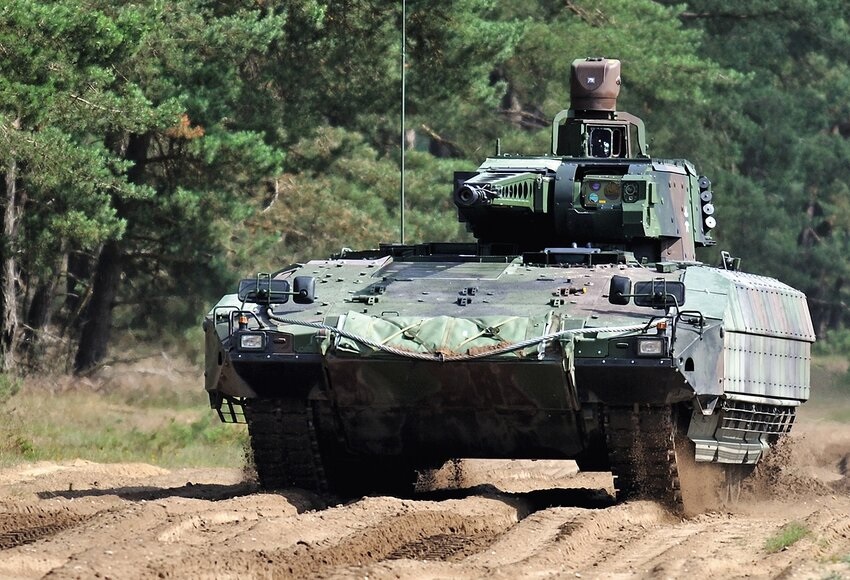
World
FRIEDRICHSHAFEN, Germany — March 27, 2026 : Rolls-Royce Power Systems has secured a major defense contract to supply approximately 200 mtu PowerPacks for the German Armed Forces (Bundeswehr) Puma infantry fighting vehicles (IFVs), marking one of the largest orders in the company’s history. Deliveries of the propulsion systems are scheduled to begin in 2028. The contract follows the German government’s late 2025 procurement of an additional 200 Puma IFVs as part of broader efforts to strengthen military readiness and modernize armored forces. The vehicles are developed and manufactured by PSM Project System & Management GmbH, a joint venture between Rheinmetall Landsysteme and KNDS Deutschland. Contract Context and Industrial Significance The agreement reinforces Rolls-Royce Power Systems’ long-standing role as a key technology partner to the Bundeswehr and reflects sustained growth in European defense demand. The expansion of armored vehicle fleets across Europe has driven increased investment in propulsion systems, production capacity, and supply chain resilience. Company officials indicated that the order is aligned with ongoing industrial scaling initiatives, including new production lines, modernization of manufacturing facilities, and workforce expansion to meet higher output requirements while maintaining established quality standards. Dr. Jörg Stratmann, Chief Executive Officer of Rolls-Royce Power Systems, said the contract demonstrates continued confidence in the company’s engineering capabilities and supports its targeted expansion within the defense sector. Technical Configuration of the mtu PowerPack The mtu PowerPack integrates multiple subsystems into a compact propulsion unit designed for high performance and operational durability across varied environments. At its core is the mtu 10V 890 engine, an 11-litre, ten-cylinder diesel engine delivering 800 kilowatts (kW) of power. The system incorporates the RENK HSWL 256 transmission, which serves as the central element of the drivetrain. Additional system features include modernized power electronics, an optimized cooling system, and a newly integrated coarse dust blower. The dust blower is designed to remove sand and fine particles from the airflow, improving reliability in desert conditions and other challenging operational environments. The complete PowerPack weighs approximately 3.5 tonnes, accounting for less than 10 percent of the Puma IFV’s total weight of up to 45 tonnes. The compact design supports high power density while preserving vehicle mobility and maneuverability. Knut Müller, Senior Vice President for Government Business at Rolls-Royce Power Systems, described the system as combining compactness with high output, contributing to operational readiness and scalability within European defense capabilities. Puma Infantry Fighting Vehicle Platform The Puma IFV is considered a central platform within the Bundeswehr’s mechanized forces and is intended as a long-term replacement for the legacy Marder infantry fighting vehicle. Approximately 350 Puma vehicles have been in service since 2013. The platform integrates advanced armor protection, digital sensor systems, and modular design elements with a compact propulsion system to achieve a balance between protection, firepower, and mobility. The addition of new vehicles under the latest procurement program is expected to expand the operational fleet and support modernization objectives across Germany’s land forces. Production Expansion and Delivery Timeline To fulfill the contract, Rolls-Royce Power Systems is increasing its production capacity through infrastructure upgrades and workforce expansion. The company is implementing new manufacturing lines and upgrading existing facilities to ensure consistent output levels and adherence to quality requirements. Deliveries of the mtu PowerPacks are scheduled to commence in 2028, supporting the integration of propulsion systems into newly produced Puma IFVs under the Bundeswehr’s procurement program. The contract forms part of a broader trend of increased defense spending across Europe, focused on improving readiness, enhancing equipment reliability, and upgrading legacy platforms with modern systems.
Read More → Posted on 2026-03-27 13:36:17
World
WASHINGTON / ABU DHABI — March 26, 2026 : The United Arab Emirates has formally rejected the idea of a limited or immediate ceasefire in the ongoing conflict with Iran, stating that any resolution must address the full spectrum of Tehran’s military and regional capabilities. The position was articulated by UAE Ambassador to the United States Yousef Al Otaiba in an opinion article published in The Wall Street Journal on March 25, 2026, and reinforced by additional official statements and regional developments. In the article titled “The U.A.E. Stands Up to Iran,” Al Otaiba stated that a temporary halt in hostilities would not resolve the underlying security challenges posed by Iran. He emphasized that a “conclusive outcome” is required, covering Iran’s nuclear programme, ballistic missile arsenal, drone capabilities, regional proxy networks, and its actions affecting international maritime routes, particularly the Strait of Hormuz. Strategic Conditions for Conflict Resolution The UAE’s position reflects a comprehensive set of conditions that it considers essential before any agreement can be reached. Emirati officials argue that Iran’s current military infrastructure enables it to sustain long-term threats across the region. As a result, the UAE is calling for permanent and verifiable reductions in Iran’s offensive capabilities. A central concern is the continued development and deployment of ballistic missiles and unmanned aerial systems, which have been used extensively since the conflict began in late February 2026. The UAE also highlighted Iran’s support for regional proxy groups, describing these networks as a key component of its strategic reach. Another major issue is Iran’s effective closure of the Strait of Hormuz. The waterway, through which approximately 20 percent of global oil and liquefied natural gas flows, has experienced significant disruption. Iranian actions, including reported mine-laying, drone activity, and threats to commercial shipping, have raised concerns about global energy security. Emirati officials have stressed the need to ensure uninterrupted maritime transit. Scale of Iranian Attacks and Air Defence Response According to UAE officials, Iran has launched more than 2,180 missiles and drones targeting the UAE since the start of the conflict. These strikes have focused on critical civilian and economic infrastructure, including airports, seaports, and energy facilities. The UAE reports that its air and missile defence systems have intercepted over 95 percent of incoming threats. Despite the high interception rate, authorities note that the volume and persistence of attacks have placed sustained pressure on national infrastructure and security systems. Officials also emphasized that, prior to the outbreak of hostilities, the UAE engaged in diplomatic outreach to both Tehran and Washington. The country had communicated that its territory, airspace, and waters should not be used for military operations against Iran. Maritime Security and the Strait of Hormuz The UAE has confirmed its readiness to participate in international efforts aimed at reopening and securing the Strait of Hormuz. Ambassador Al Otaiba stated that the Emirates is prepared to contribute to initiatives that ensure safe passage for global shipping through the waterway. This position aligns with a joint statement issued on March 21, 2026, by multiple countries, including the United Kingdom, France, Germany, Italy, Japan, and others. The statement condemned attacks on commercial vessels and civilian infrastructure, as well as actions contributing to the closure of the strait. Participating countries expressed willingness to support measures that maintain maritime security and freedom of navigation, in line with international law and relevant United Nations resolutions. Economic and Financial Measures Alongside its security stance, the UAE has taken steps within the financial domain. Authorities in Dubai have reportedly shut down institutions linked to Iranian entities and are preparing measures that could include freezing significant Iranian assets held within the UAE’s financial system. At the same time, the UAE continues to expand its global economic engagement. Officials have highlighted a long-term investment commitment of approximately $1.4 trillion, particularly tied to strategic partnerships with the United States and future-oriented sectors. This figure stands in contrast to the UAE’s nominal GDP, estimated at around $569 billion in 2025, indicating that the pledged investments represent a multi-year, externally deployed capital strategy rather than domestic annual output. Analysts note that the scale reflects the UAE’s role as a global investment hub, leveraging sovereign wealth funds and international assets to extend its economic influence beyond its domestic economy. Clarification on Military Involvement While regional reporting and external analysis have suggested the possibility of expanded UAE military involvement, including potential ground operations, no official UAE statement has confirmed participation in land-based combat operations against Iran. The UAE’s publicly stated role remains focused on maritime security, defensive operations, and collective international efforts to ensure stability in key waterways. Officials continue to emphasize that their approach prioritizes long-term regional security without altering earlier commitments regarding the use of UAE territory. Broader Strategic Context The UAE’s position represents a shift toward prioritizing long-term security guarantees over short-term de-escalation. Officials argue that previous diplomatic engagement with Iran did not prevent attacks on Gulf infrastructure, including targets in the UAE, Saudi Arabia, and Qatar. At the same time, the UAE continues to pursue domestic economic diversification across sectors such as artificial intelligence, renewable energy, and tourism. S&P Global Ratings has reaffirmed the country’s AA/A-1+ sovereign credit rating, citing fiscal resilience and diversified growth. The ambassador also referenced the UAE’s expanding economic relationship with the United States, framing bilateral ties as based on mutual investment and strategic alignment. Policy Implications Analysts assess that the UAE’s call for a comprehensive outcome is intended to ensure that any future agreement includes enforceable measures that limit Iran’s ability to conduct missile strikes, deploy drones, support proxy groups, or disrupt maritime trade. The emphasis on reopening the Strait of Hormuz reflects both national and global economic priorities, given the waterway’s role in international energy markets. By aligning its position with a broader coalition of countries, the UAE is seeking to reinforce a collective framework for maritime security while maintaining pressure for a more expansive resolution to the conflict. The situation remains dynamic, with diplomatic, military, and economic dimensions continuing to evolve as international stakeholders respond to developments in the Gulf region.
Read More → Posted on 2026-03-26 17:50:30
World
PARIS — March26, 2026 : European missile manufacturer MBDA has announced a major industrial expansion plan, committing €5 billion in investments between 2026 and 2030 while significantly increasing missile production capacity following record financial results in 2025. The company outlined its strategy during its annual results presentation, where Chief Executive Officer Éric Béranger detailed both operational growth and long-term restructuring aimed at meeting sustained global demand for air defense and strike systems. The expansion comes amid heightened demand driven by ongoing conflicts in Ukraine and the Middle East, as well as renewed European defense spending after years of reduced investment in air-defense capabilities by several countries, including Denmark and Belgium. Record Financial Performance in 2025 MBDA reported strong financial growth across key indicators for 2025. Revenues increased to €5.8 billion, up from €4.9 billion in 2024, while order intake reached €13.2 billion compared with €13.8 billion the previous year. The company’s order backlog rose to a record €44.4 billion by the end of December, up from €37 billion a year earlier. European customers accounted for approximately 70 percent of total orders, reflecting the region’s accelerated rearmament efforts. MBDA, jointly owned by Airbus and BAE Systems (each holding 37.5 percent) and Leonardo (25 percent), operates across France, the United Kingdom, Italy, and Germany with an integrated industrial structure. Workforce Expansion and Industrial Investment To support rising demand, MBDA plans to recruit 2,800 employees in 2026, adding to its existing workforce of approximately 20,000. The company has doubled its previously planned five-year investment program from €2.5 billion (2025–2029) to €5 billion for the 2026–2030 period. The investment will focus on expanding production infrastructure, strengthening supply chains, and introducing specialized manufacturing systems for high-demand missile programs. Production Ramp-Up and Manufacturing Changes MBDA has already doubled its missile production between 2023 and the end of 2025, including a 33 percent increase in output in 2024 compared to 2023. For 2026, the company aims to increase overall missile production by 40 percent. A central element of this expansion is the Aster missile program. MBDA plans to double Aster missile production in 2026 by introducing dedicated manufacturing lines and specialized machinery. Final assembly is currently conducted in France, while a second assembly line is being established in Italy. Production facilities in Bourges and Selles-Saint-Denis in France, as well as Fusaro in Italy, are being expanded to support the increased output. The Aster missile forms the core of the SAMP/T air defense system, developed by the Eurosam consortium of MBDA and Thales. The system is regarded as Europe’s primary alternative to the U.S. Patriot system and is also deployed for naval air defense by the French, Italian, and British navies. Increased Demand for MICA and Other Systems Demand has also risen significantly for the MICA missile, which is used in both air-to-air and ground-based configurations. The system has been employed operationally by French Air Force Dassault Rafale fighters to intercept multiple Shahed-type drones during deployments supporting the United Arab Emirates, resulting in accelerated consumption of stockpiles. MBDA’s broader product portfolio includes the Mistral missile, Meteor missile, SCALP-EG / Storm Shadow, and Exocet missile, all of which continue to see operational use and sustained demand. Advanced Programs and Future Systems MBDA is continuing development across several next-generation programs. The French-British Stratus missile program has completed its assessment phase and is moving toward full development. The program includes two systems: Stratus LO, a low-observable subsonic cruise missile intended to replace SCALP-EG/Storm Shadow, and Stratus RS, a high-supersonic missile designed to replace Exocet. Italy has joined as a partner in the Stratus LO component. The missiles are being designed for multiple mission profiles, including deep strike, anti-ship operations, suppression and destruction of enemy air defenses (SEAD/DEAD), and engagement of high-value airborne targets such as airborne early warning aircraft. In parallel, the MBDA-led HYDIS² program consortium, comprising 19 partners, has narrowed its work to two interceptor concepts, with a final selection expected by the end of the year. Work is also progressing on remote carrier drones within the Future Combat Air System, in cooperation with Airbus and Spain’s Sener. MBDA indicated that development under this “Pillar 3” framework remains on track despite broader industrial disagreements within the FCAS program. Expansion into Low-Cost and Rapid Deployment Systems MBDA is increasing its focus on low-cost, mass-producible systems, including one-way effectors designed to counter large volumes of inexpensive drones. The company also highlighted its ability to rapidly adapt existing systems, citing a recent case where an air-to-air missile was modified for helicopter integration in less than 10 days for an undisclosed customer. Export Discussions and International Cooperation On the export front, MBDA confirmed ongoing discussions with Gulf countries regarding procurement of the SAMP/T system, conducted through both direct engagement and government-to-government channels. The company did not disclose the countries involved. Additionally, MBDA is exploring partnerships with European nations beyond its core industrial base to enable localized production of certain missile systems, particularly to support large-scale manufacturing requirements. Pricing and Industrial Constraints Despite the expansion in production, CEO Éric Béranger stated that it remains unclear whether higher output will lead to reduced unit costs. Pricing will continue to depend on customer negotiations, while the company must also recover the costs associated with its expanded industrial investments. He noted that MBDA was historically structured for lower production volumes and is now undergoing a transition toward sustained, higher-rate manufacturing supported by specialized equipment and an expanded supply chain.
Read More → Posted on 2026-03-26 17:26:19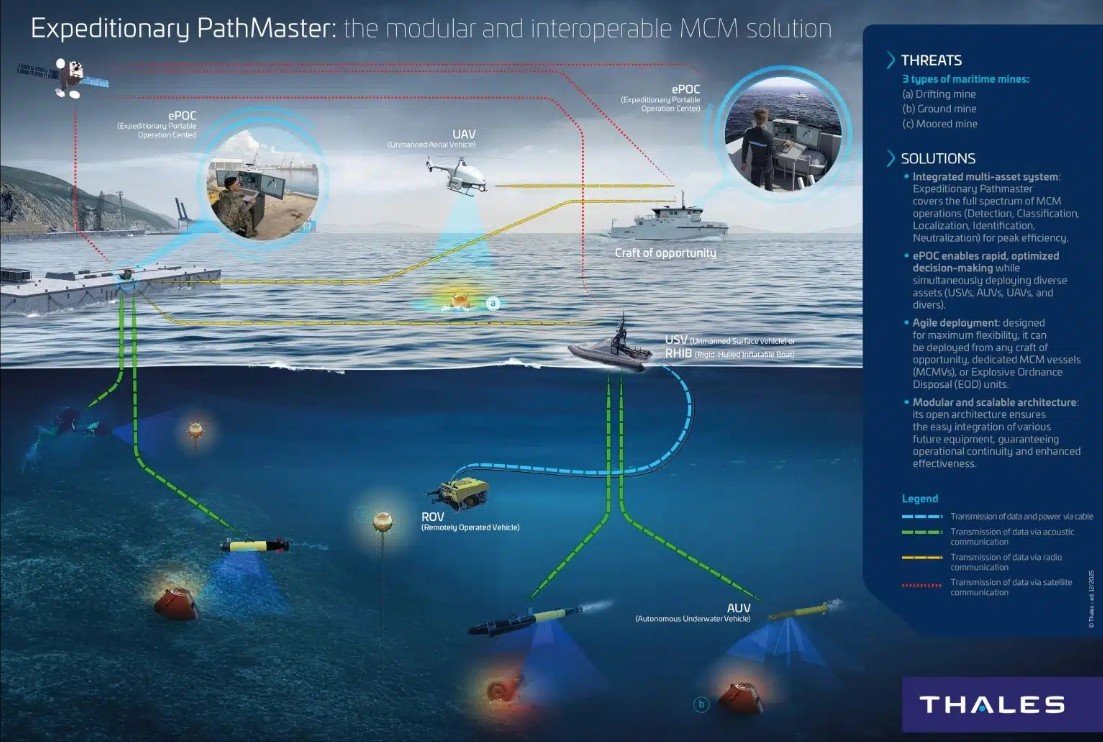
World
PARIS — March 26, 2026 : Thales has introduced the Expeditionary PathMaster, a mission capability package designed to support naval forces transitioning toward hybrid mine warfare operations that integrate both crewed and uncrewed systems. The package consolidates the company’s existing naval mine warfare technologies into a modular, scalable framework that can be deployed and made operational within approximately six months. System Architecture and Core Components The Expeditionary PathMaster is built around a “building block” approach using three primary components: e-POC (expeditionary portable operations centre): A transportable hardware solution that enables deployment of command-and-control capabilities in compact or distributed environments. M-Cube: A mission management system responsible for coordinating assets and generating a unified operational picture. Mi-Map: A sonar data analysis software designed for detection, classification, and localisation of underwater objects. This modular configuration allows navies to scale the system from a compact setup—such as a three-screen laptop configuration—to a full command centre. The system is hardware-agnostic and can be deployed from shore facilities, rigid inflatable boats, minehunters, or other available platforms. Operational Concept and Interoperability The system is designed to support hybrid mine countermeasures (MCM) operations by integrating crewed vessels, legacy platforms, and uncrewed systems into a single operational framework. It supports autonomous and remotely operated uncrewed underwater vehicles (UUVs), including third-party systems. The architecture enables navies to incorporate existing assets or nationally prioritised systems without requiring full fleet replacement. Beyond mine clearance, the package can also support tasks such as anti-submarine warfare (ASW), extending its operational utility. Thales states that the system provides full MCM mission capability, including securing critical undersea infrastructure and supporting expeditionary and amphibious operations. Data Processing and Artificial Intelligence Integration Mine countermeasure operations rely on acoustic mapping of the seabed to identify anomalies. The classification stage—distinguishing potential mines from environmental noise—is identified as the most complex phase of operations. Modern high-resolution sonar systems, particularly those deployed on uncrewed platforms, generate large volumes of data. To manage this, Thales has integrated its cortAIx artificial intelligence accelerator into the system. When combined with M-Cube and Mi-Map, cortAIx enables: Parallel processing of multiple sonar analysis sessions Real-time data updates and decision support Up to fourfold increase in sonar data processing speed Approximately 99 percent accuracy in target classification under operational conditions These capabilities are intended to reduce operator workload and accelerate decision-making, particularly in time-sensitive scenarios such as reopening ports or securing maritime routes. Development Background and Operational Testing The Expeditionary PathMaster concept is derived from existing systems already in service or under evaluation with several navies. Its development incorporates operational feedback from France, Japan, Singapore, and the United Kingdom. A key contributor to its evolution has been the France/UK Maritime Mine Counter Measures (MMCM) programme, where Thales serves as the industrial prime contractor. Data from this programme highlighted the importance of coordinating multiple uncrewed assets simultaneously and improving situational awareness for faster operational decisions. Demonstrations and Deployment Milestones Several demonstrations and deployments of the system’s components and integrated package have been conducted: France and the United Kingdom: The e-POC, M-Cube, and Mi-Map components have been delivered to the French Navy (Marine Nationale) and the Royal Navy for qualification and operational exercises. Third-party integration: Successful interoperability has been demonstrated with systems such as the A27 UUV and REMUS 600 UUV. Command centre scaling: The French Navy is using expanded e-POC configurations integrated with M-Cube and Mi-Map within its MCM command centres. Lithuania: The Lithuanian Navy tested the complete Expeditionary PathMaster package, demonstrating rapid integration of UUV operations with existing minehunters. NATO exercises: System components have been employed in Allied Maritime Command (MARCOM) exercises. Additionally, the e-POC system had previously been supplied as a demonstrator to the French Navy in 2024, where it enabled simultaneous control of up to three UUVs from a compact setup transportable in six cases. Role Within the PathMaster Family and Broader Context Expeditionary PathMaster forms part of Thales’ broader PathMaster family of mine countermeasure solutions, which includes uncrewed surface vehicles and towed synthetic aperture sonar systems such as SAMDIS. Elements of this ecosystem have been selected by navies including Singapore. The MMCM programme continues in production, supplying systems to both the French and UK navies, with Expeditionary PathMaster building on this operational foundation. Implementation and Force Development The modular design is intended to support incremental adoption, particularly for navies introducing uncrewed capabilities for the first time. By allowing flexible scaling of system components, the package supports affordability and phased capability development. In addition to operational deployment, the system is designed to assist navies in adapting doctrine, organisational structures, equipment management processes, and personnel training to accommodate hybrid operational models. Thales indicates that the Expeditionary PathMaster is available for procurement as a complete package, although it is currently awaiting formal supply contracts in this configuration.
Read More → Posted on 2026-03-26 17:15:30
World
ATHENS, — March 2026 : Greece has formally concluded a contract for the procurement of 52 RIM-116D Rolling Airframe Missile (RAM) Block 2A interceptors, advancing efforts to standardize and modernize close-in air defense systems across the Hellenic Navy’s surface fleet. The agreement, designated Contract No. 001B/25, was signed on March 10, 2026, between the General Directorate for Defence Investments and Armaments (GDDIA) of the Hellenic Ministry of National Defence and the German defense consortium RAM-SYSTEM (RAMSYS) GmbH. The signing ceremony took place at the residence of German Ambassador to Greece Andreas Kindl in Athens. Major General Ioannis Bouras, Director General of GDDIA, signed on behalf of Greece in the presence of Ambassador Kindl, representatives of RAMSYS, and Vice Admiral Spyridon Lagaras of the Hellenic Navy. The procurement program had previously received approval from the Hellenic Parliament on December 3, 2025. Under the terms of the contract, all 52 missiles are to be delivered within 18 months from activation. Integration with Roussen-Class Fast Attack Craft The primary purpose of the acquisition is to equip the final two vessels of the Roussen-class (Super Vita) fast attack missile craft fleet—HS Karathanasis (P-78) and HS Vlahakos (P-79). Both ships entered active service between 2020 and 2022 and are fitted with the Mk 49 Guided Missile Launching System (GMLS), a 21-cell launcher designed for the RAM system. The procurement also includes an additional 10 missiles allocated for reserve stockpiles, supporting fleet readiness. The Roussen class currently comprises seven vessels. Earlier ships in the class are equipped with the previous Block 1A (RIM-116B) missiles, while the newly acquired Block 2A variant offers full backward compatibility with existing launch systems following modernization upgrades. This compatibility enables gradual fleet-wide transition without requiring structural changes to launch platforms. The final two vessels, constructed at Elefsis Shipyards under a 2008 contract, incorporate upgraded systems such as the Thales Vigile 100 R electronic support measures suite and the STIR 1.2 EO Mk2 fire-control radar. Each vessel is also armed with a 76 mm Oto Melara Super Rapid gun, eight Exocet MM40 Block 3C anti-ship missiles, and two 30 mm guns in addition to the RAM launcher. Technical Characteristics of RAM Block 2A The Rolling Airframe Missile (RAM) system is jointly developed by the United States and Germany, with industrial contributions from Raytheon and Diehl Defence, while RAMSYS GmbH serves as the prime contractor for export customers. The RAM is a fire-and-forget close-in weapon system (CIWS) designed to counter a wide spectrum of threats, including anti-ship missiles, unmanned aerial systems, helicopters, fixed-wing aircraft, and asymmetric surface targets. It is capable of engaging multiple targets in high-density threat environments, including littoral operations. The Block 2A (RIM-116D) configuration incorporates several upgrades over the earlier Block 1A variant. A larger dual-thrust rocket motor increases missile diameter from 12.7 cm to 15.8 cm and extends effective engagement range to approximately 15 kilometers, compared to roughly 9 kilometers for earlier versions. The missile is equipped with an independent four-axis control actuator system, improving maneuverability against high-speed and evasive threats. The system also features an enhanced passive radio frequency (RF) receiver designed to detect and track targets employing low-probability-of-intercept (LPI) radar emissions. Additionally, Block 2 missiles support inter-missile communication during salvo launches, enabling coordinated engagement and reducing redundancy against already neutralized targets. The Mk 49 launcher integrates with a ship’s combat management system and accommodates up to 21 ready-to-fire missiles. Follow-On Procurement for Kimon-Class Frigates Greece is preparing a separate procurement program for the RAM Block 2B variant to equip its new Kimon-class (FDI HN) frigates. The planned acquisition is expected to include at least 84 missiles dedicated to four ships of this class. The lead vessel, HS Kimon (F-601), has already entered active service and is fitted with a 21-cell RAM launcher positioned above the helicopter hangar as part of its point-defense suite. The remaining three frigates are scheduled for delivery by 2028. Upon completion of the Kimon-class program, the Hellenic Navy is expected to operate a total of eleven RAM launchers—seven aboard Roussen-class vessels and four on Kimon-class frigates. Fleet Standardization and Air Defense Architecture The introduction of RAM Block 2A missiles supports Greece’s effort to establish a unified close-in air defense capability across its surface fleet. The system forms a core component of the Navy’s layered defense architecture, providing terminal protection against incoming aerial and surface threats. The planned transition to Block 2 and Block 2B variants ensures interoperability across both existing and next-generation platforms, aligning Greek naval capabilities with broader NATO operational standards while maintaining compatibility with legacy systems. The procurement reflects a structured approach to sustaining and upgrading short-range naval air defense capabilities, with an emphasis on commonality, readiness, and incremental modernization.
Read More → Posted on 2026-03-26 17:03:24
World
TEHRAN / WASHINGTON, — March 26, 2026 : The Islamic Revolutionary Guard Corps (IRGC) has claimed responsibility for shooting down a U.S. Navy Boeing F/A-18E/F Super Hornet on March 25, marking a new point of contention in the ongoing U.S.-Israel–Iran conflict. However, the United States Central Command (CENTCOM) has firmly denied the claim, stating that no U.S. fighter aircraft have been lost in the incident. According to Iranian state media and IRGC statements, the carrier-based fighter was engaged by a short-range surface-to-air missile over Chabahar County, with debris reportedly falling into the Indian Ocean, where U.S. naval forces are currently concentrated. Footage released by Iranian sources appears to show a missile intercept and aerial explosion. Video footage circulating on social media appears to confirm that a missile was fired at the F/A-18, with a proximity blast occurring near the aircraft. However, the aircraft is seen continuing flight without visible fire, smoke, or major structural breakup in the available clips. Based on this footage, analysts assess that while the aircraft may have sustained limited or minor damage, the video does not clearly indicate a shootdown. In contrast, U.S. officials rejected the claim shortly after it surfaced. Initial independent open-source intelligence assessments of the released footage suggest the possibility of a near-miss involving a man-portable air-defense system (MANPADS), where a proximity detonation occurred but the aircraft may have remained operational. Expanding Claims Amid Intensifying Air Campaign The reported incident comes amid a broader air campaign that began on February 28, when U.S. and Israeli forces launched coordinated strikes against Iranian targets under the reported designation “Operation Epic Fury.” Iranian officials state that the alleged F/A-18 shootdown represents the fourth manned aircraft downed by domestic air defense systems since the start of hostilities. Previous claims include: A U.S. Air Force F-15E Strike Eagle reportedly shot down on March 22 in southern Iranian airspace An Israeli F-16 Fighting Falcon claimed downed on March 21 Another Israeli F-16 reportedly hit on March 20 in central Iran Iranian-aligned paramilitary groups in Iraq have also claimed responsibility for additional shootdowns over Iraqi territory. Analysts note that Iran’s layered air defense network may include foreign-supplied systems such as the S-300PMU-2 and Tor-M2, alongside indigenous platforms. Impact of Earlier Strike on U.S. F-35 Operations These developments follow a confirmed March 19 incident in which a U.S. Air Force F-35 Lightning II was struck by a surface-to-air missile while operating over Iran. The aircraft sustained damage sufficient to force an emergency landing, and the pilot suffered shrapnel injuries. Iranian sources assess that the incident led to a reduction in deep penetration strike missions by U.S. and Israeli aircraft. Defense analysts suggest that constraints in air-launched cruise and ballistic missile inventories may be increasing reliance on glide bomb strikes delivered from within Iranian airspace, exposing aircraft to higher risk from ground-based defenses. Heavy Losses Reported Among Unmanned Systems In parallel with contested claims regarding manned aircraft, Iranian sources report significant losses among U.S. and Israeli unmanned aerial vehicles (UAVs). Estimates indicate that nearly 200 drones have been destroyed since the start of hostilities. These losses range from low-cost one-way attack drones valued under $100,000 to high-end systems such as the MQ-9 Reaper, which can exceed $150 million per unit. Iranian reports claim that more than a dozen MQ-9-class systems have been lost. Military analysts attribute the higher attrition rate among unmanned systems to their frequent use in high-risk, deep penetration missions, in contrast to more cautious deployment patterns for manned aircraft. The Role and Limitations of the F/A-18E/F Fleet The F/A-18E/F Super Hornet has served as the backbone of the U.S. Navy’s carrier-based fighter fleet for nearly two decades. Originally introduced as an enhanced fourth-generation platform, it was intended to bridge the gap between legacy aircraft such as the F-14, F/A-18C/D, A-6, and A-7, and next-generation systems like the F-35C and future F/A-XX. Due to delays in the F-35C program, Super Hornet production was extended by approximately 12 years beyond 2015. The U.S. Navy currently operates over 700 aircraft, including the electronic warfare variant E/A-18G Growler. While a limited number of aircraft have been upgraded to the Block 3 configuration—with advanced active electronically scanned array (AESA) radar and updated avionics—most of the fleet remains older. Defense experts note that these earlier variants are less suited to high-intensity environments involving advanced integrated air defense systems, despite their relatively low maintenance requirements and operational costs. Maritime Tensions and Economic Implications Beyond aerial engagements, the conflict is also affecting maritime security and global energy markets. Iran has reportedly begun imposing fees on commercial vessels transiting the Strait of Hormuz, a critical corridor for global oil shipments. The move has added pressure to international shipping and contributed to volatility in energy markets. U.S. officials have discussed the possibility of forming a multinational naval framework to ensure freedom of navigation and stabilize transit through the region. Ongoing Dispute and Lack of Independent Confirmation As of March 26, there is no independent confirmation of the alleged F/A-18E/F shootdown. The incident remains disputed, with Iran maintaining its claim and the United States denying any aircraft loss. The evolving situation reflects the broader information contest surrounding the conflict, where battlefield claims, counter-claims, and limited verifiable evidence continue to shape the operational narrative.
Read More → Posted on 2026-03-26 16:09:54Search
Top Trending in 24 Hours
-
 President Trump Pauses Plans to Expand U.S. Strikes on Iran Amid Concerns Over Air Defense Missile Stocks
-
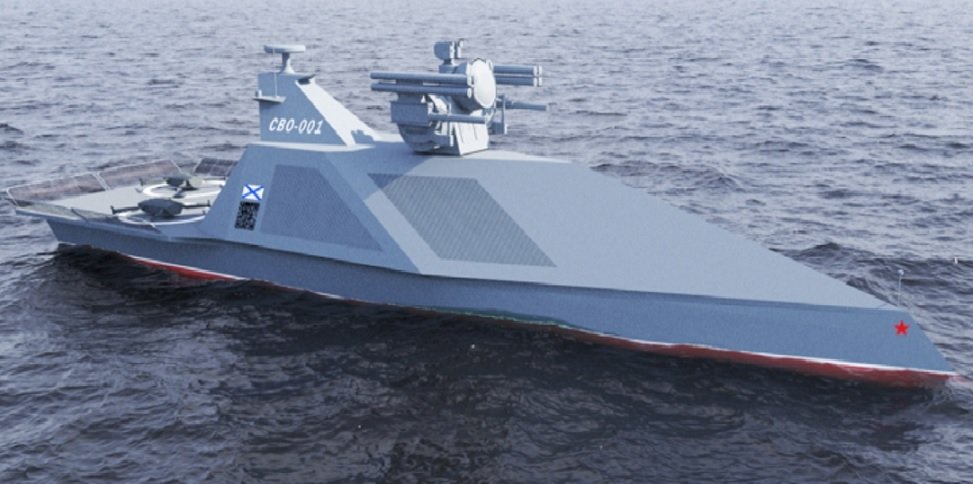 Russia Builds 500-Ton Unmanned Warship For Anti-Submarine Warfare, Plans New 9,500-Ton Warship, Navy Chief Says
-
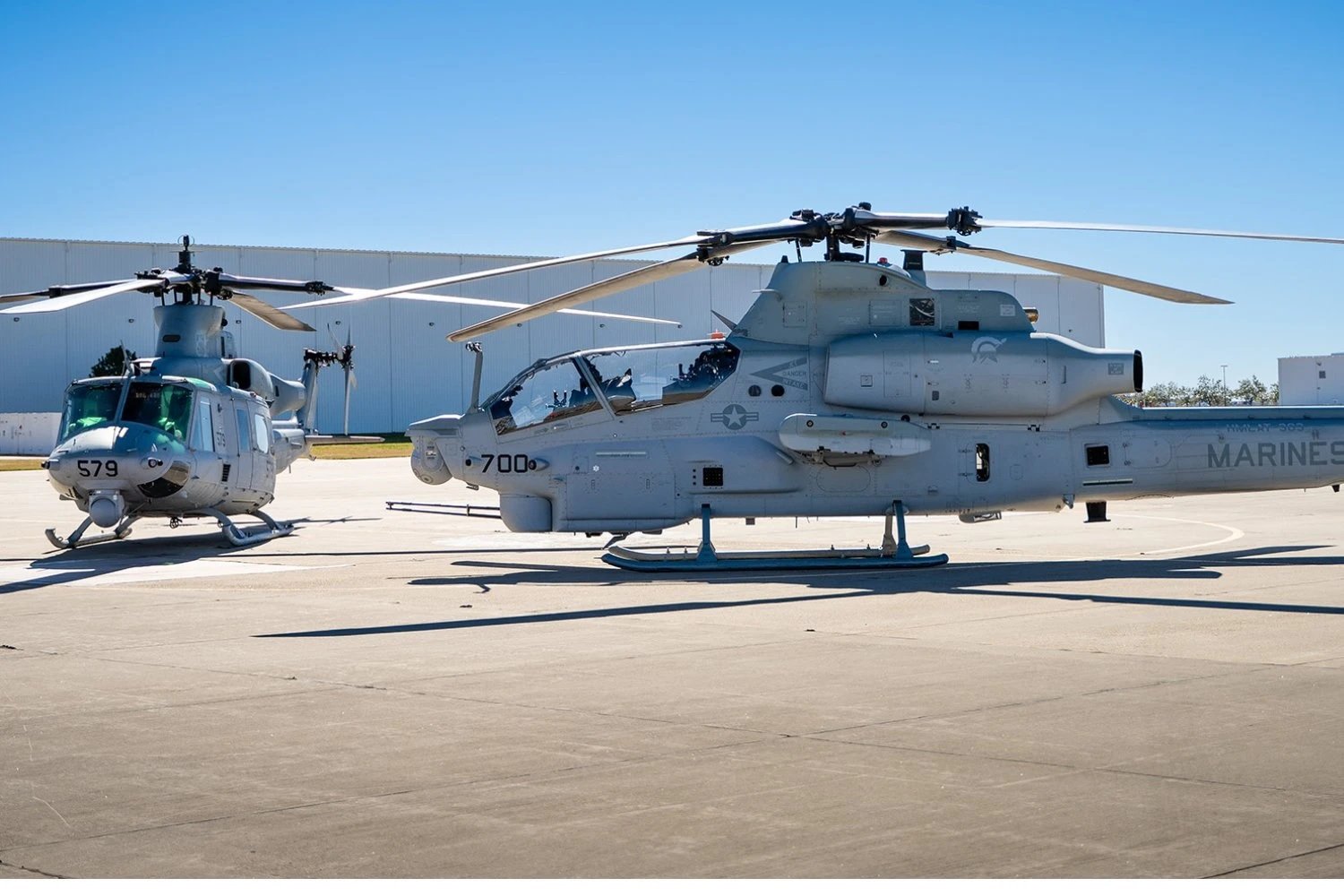 U.S. Awards Bell Textron $33.64 Million Contract for Next Phase of Marine Corps AH-1Z and UH-1Y Helicopter Upgrades
-
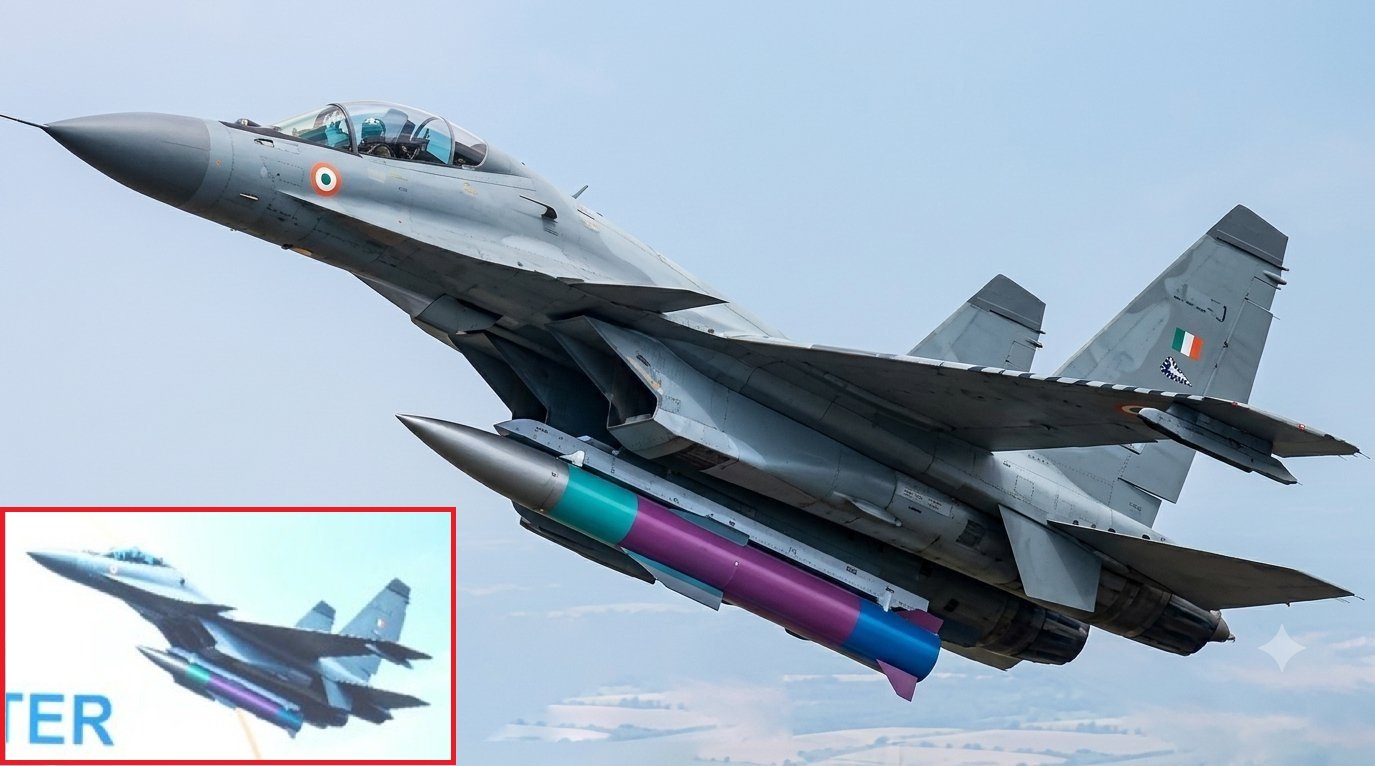 DRDO Developing Long-Range Air-Launched Ballistic Missile for Su-30MKI, Rudram-4 Seen as Likely Candidate
-
 Unreleased Footage Reveals Why Lindsey Graham Dropped Plan to Push Trump on Hezbollah Strikes
-
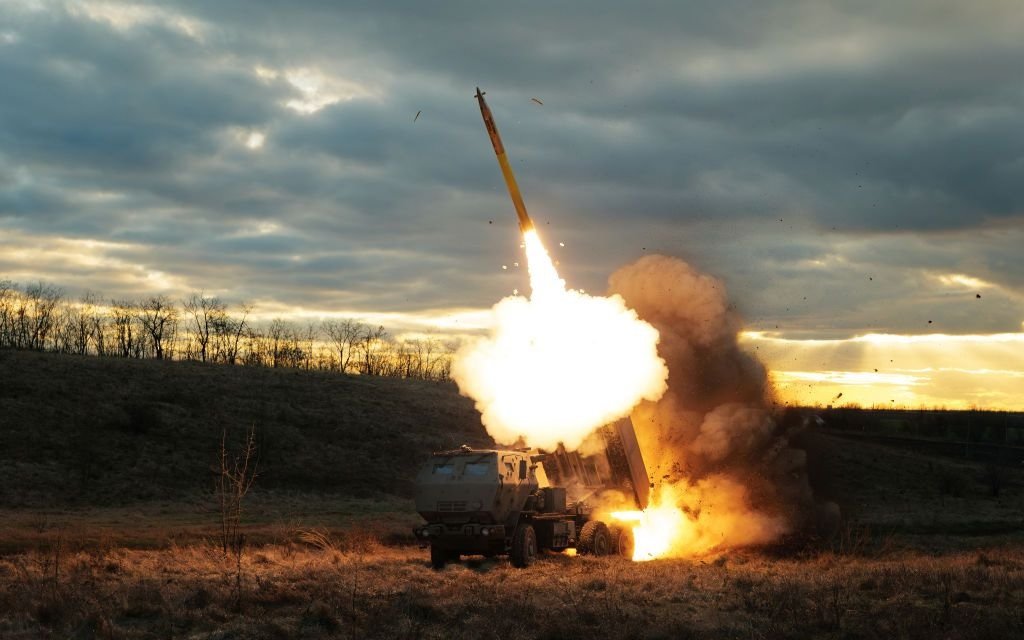 U.S. Military Selectively Intercepts Iranian Missiles to Preserve Shrinking Air Defense Stocks : Report
-
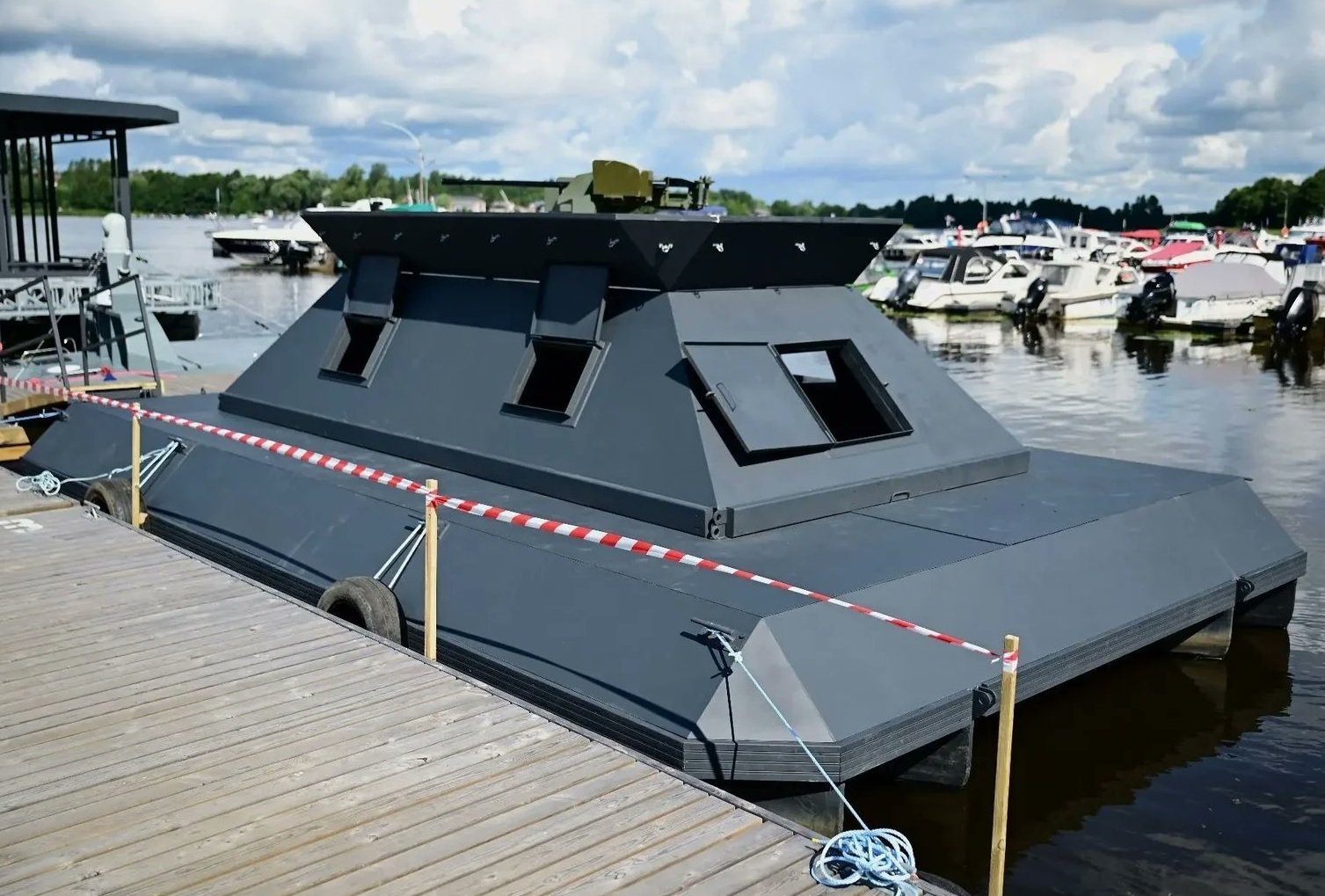 Russia Unveils Experimental Plot-40 Floating Defense Platform to Counter Drone and USV Threats
-
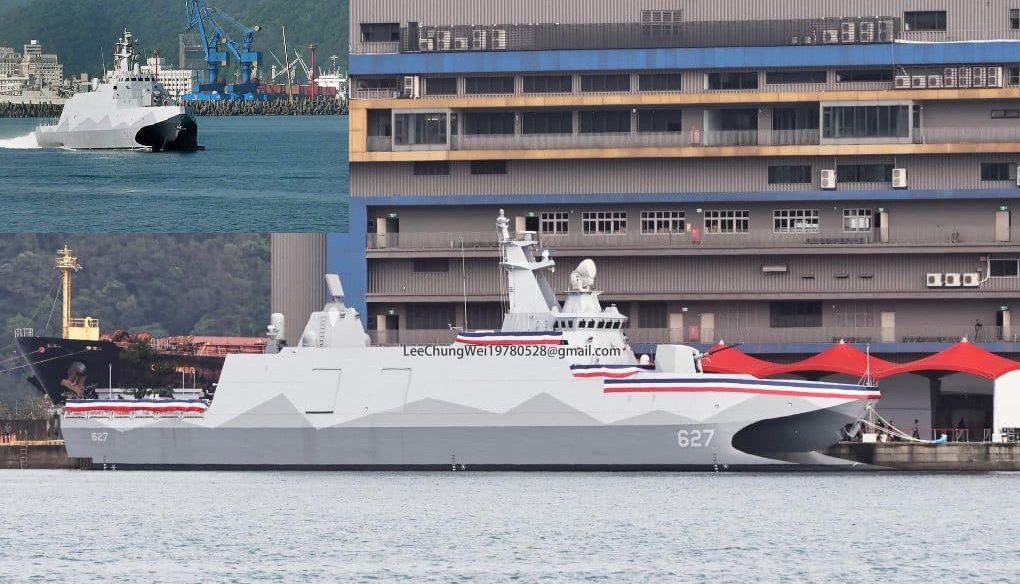 Taiwan Commissions First Batch 2 Tuo Chiang-Class Corvette with New Leonardo Radar
Top Trending in 4 Days
-
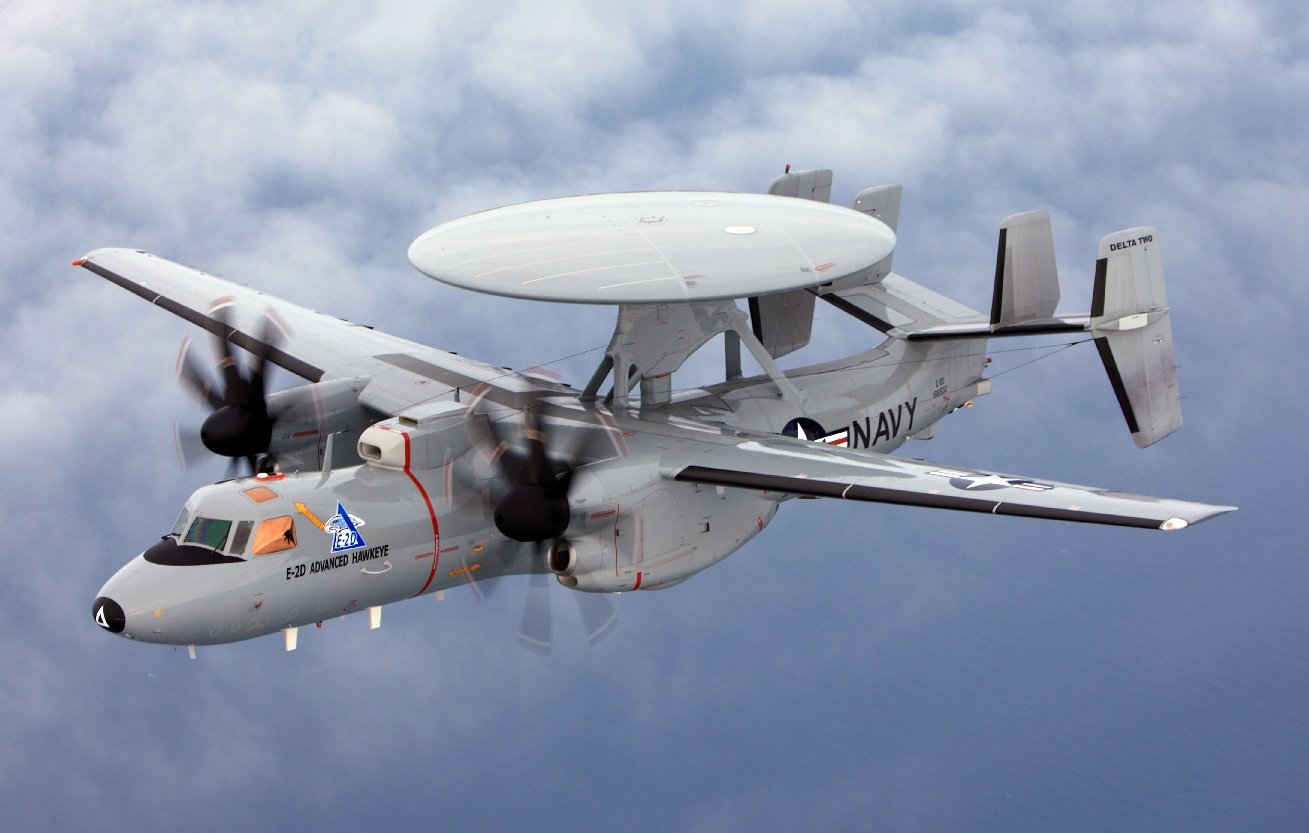 U.S. Navy Awards Northrop Grumman $1.2 Billion Deal for Three New E-2D Advanced Hawkeyes
-
 U.S. Airstrikes Target IRGC Missile Base Near Taft as Overnight Strikes Hit Central Iran
-
 Kuwait and Bahrain Reportedly Launch First Joint Direct Airstrikes on Iran Since War Began : Report
-
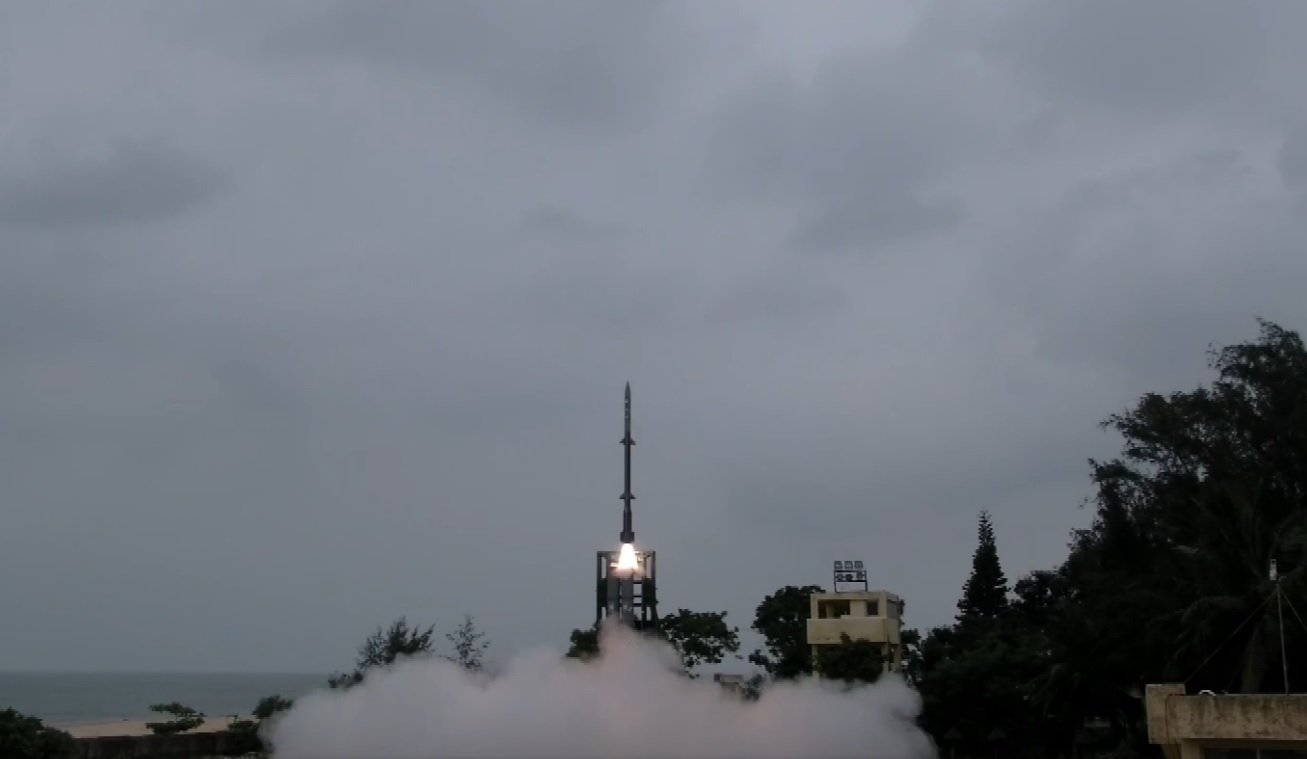 DRDO Successfully Conducts Maiden Flight Test of 150-km-Range Kusha M1 Air Defence Missile
-
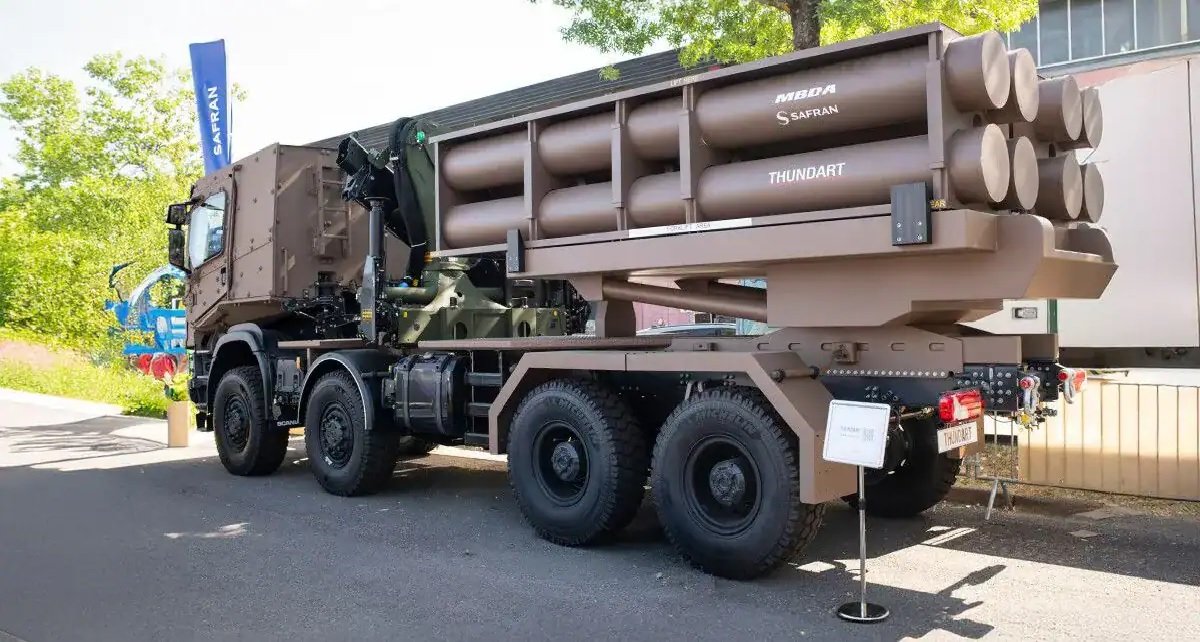 France's THUNDART Long-Range Rocket System May Undergo Prototype Combat Testing in Ukraine
-
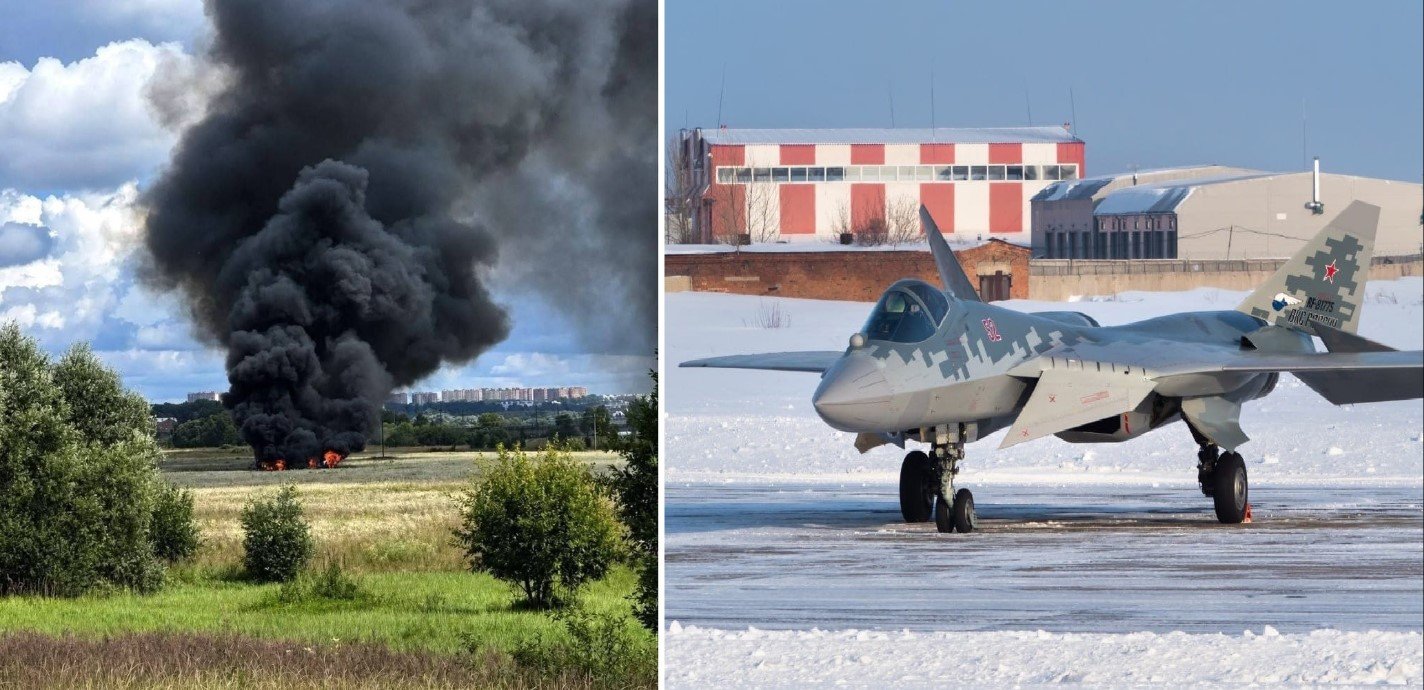 Russian Su-57 Stealth Fighter Crashes During Training Flight Near Moscow, Pilot Ejects Safely
-
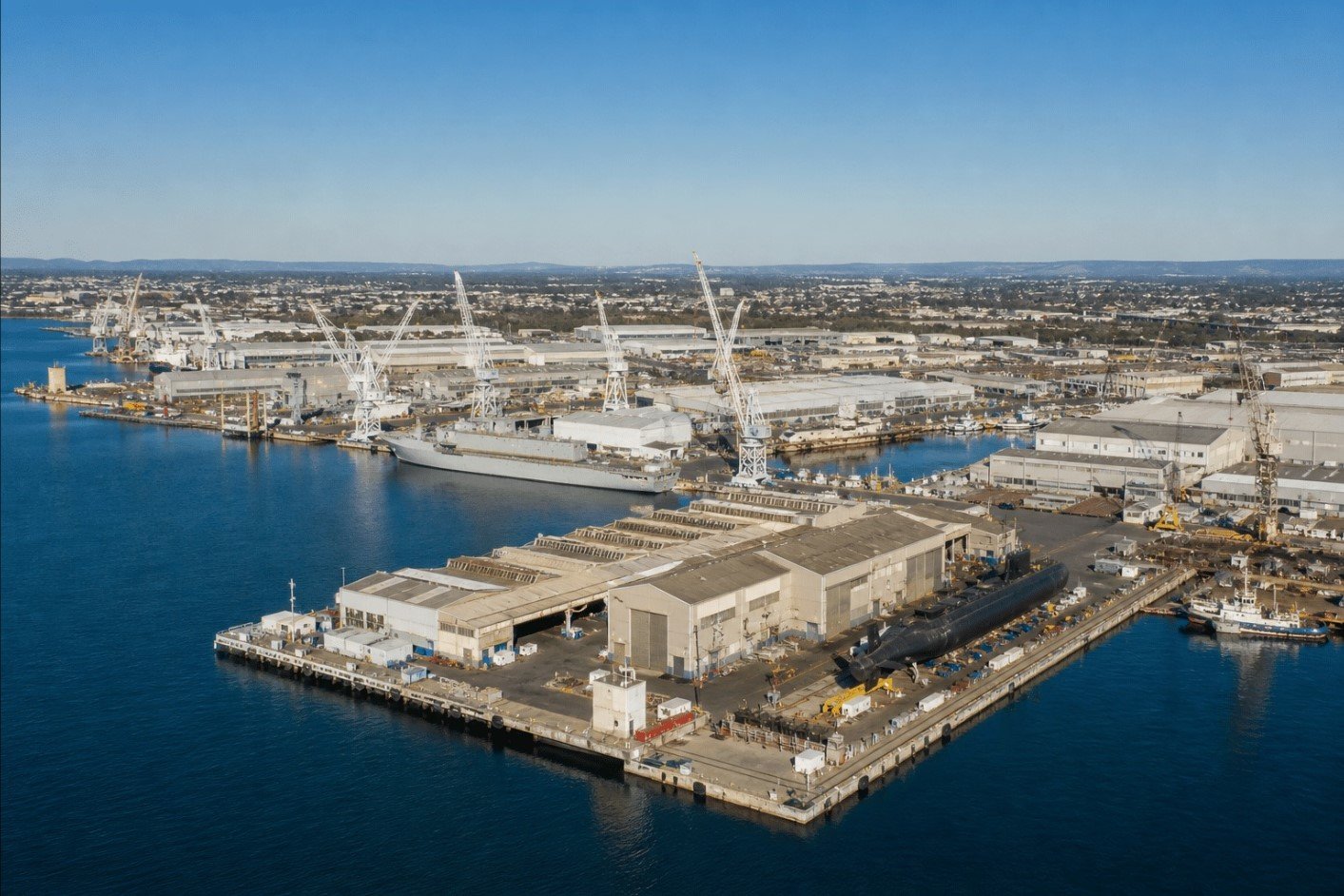 Australia Commits Additional AUD 4.6 Billion to Expand Osborne Shipyard for AUKUS Submarines
-
 Destinus Unveils Vorexon Interceptor Concept to Defend Critical Sites from Artillery Threats