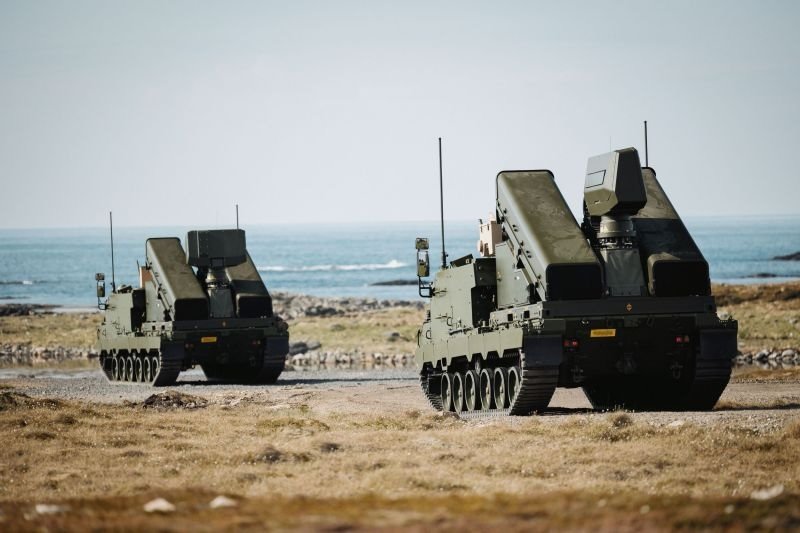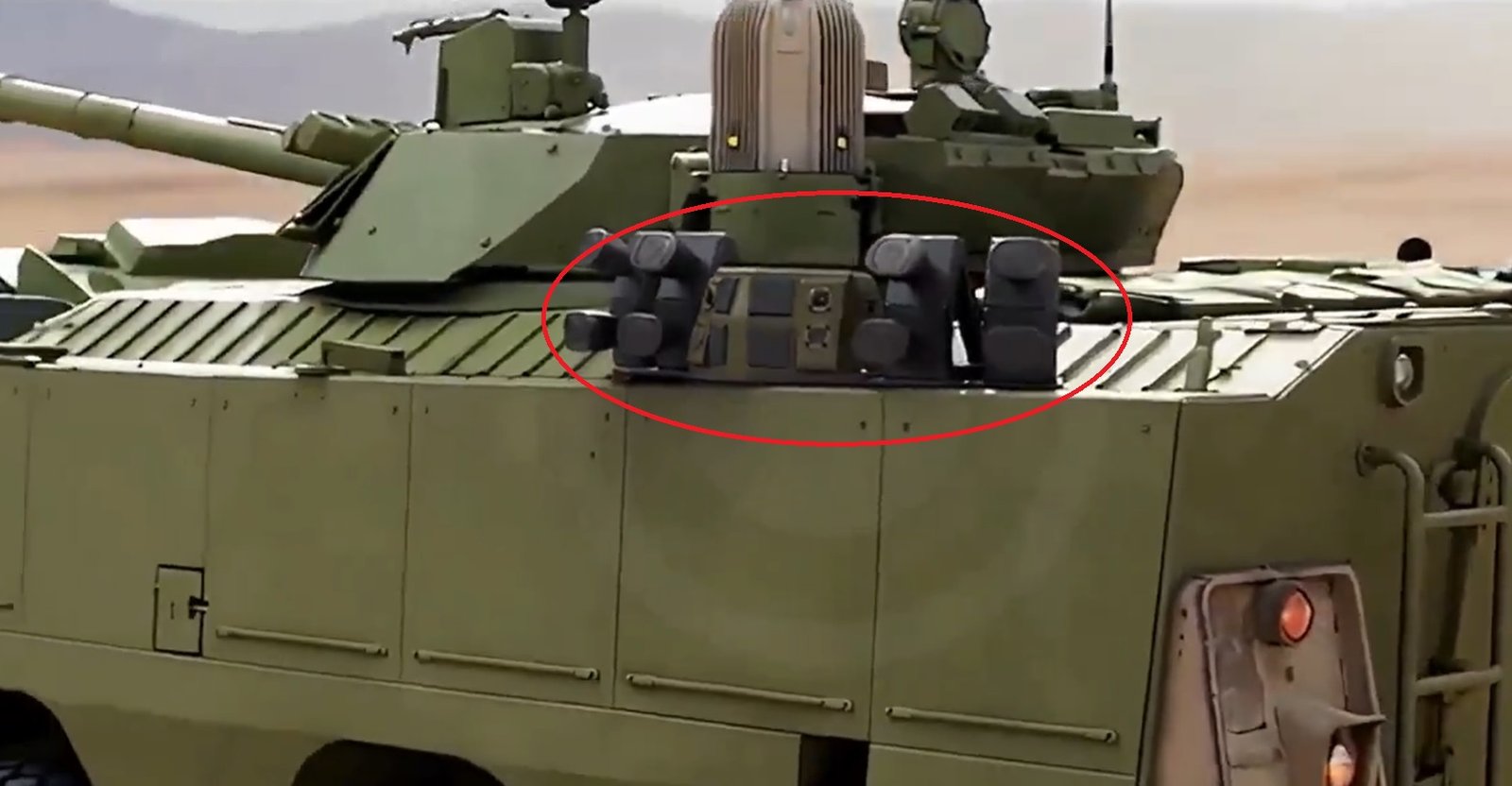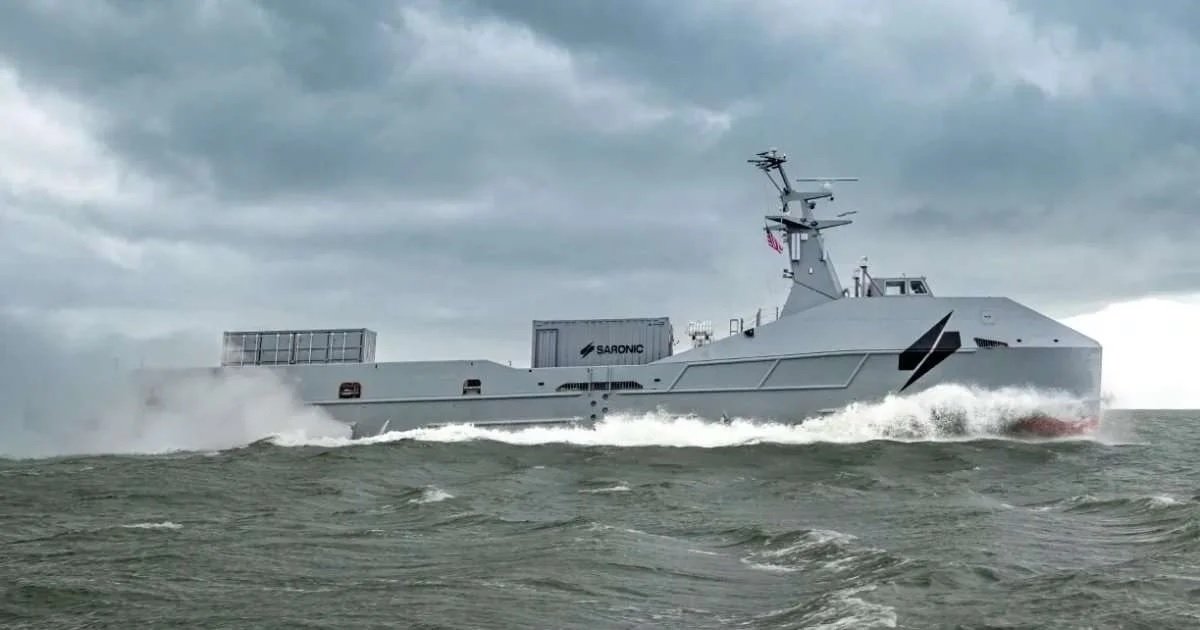
WARSAW — March 27, 2026 : Poland’s state-owned defence conglomerate Polska Grupa Zbrojeniowa (PGZ) and Estonia-based Frankenburg Technologies have announced plans to establish a joint production facility in Poland for the Mark I mini-air defence missile, an ultra-short-range interceptor designed to counter unmanned aerial vehicles (UAVs).
The initiative follows a collaboration agreement originally signed in November 2025 and forms part of a broader effort to expand industrial-scale production of cost-effective counter-drone systems in Europe. Under the agreement, the new facility will be capable of producing up to 10,000 Mark I missiles annually, supporting both domestic requirements and allied demand.
Production Plans and Industrial Cooperation
The planned manufacturing site will be located within Poland, although authorities have not disclosed the exact location, investment value, or timeline for the start of production. The partnership aims to establish localized production capacity while enabling rapid replenishment of missile stockpiles.
PGZ, which oversees a network of production plants, service facilities, and research centres, will integrate Frankenburg Technologies’ missile systems into its existing platforms. The agreement also includes provisions for joint research and development (R&D), technology sharing, and long-term industrial cooperation.
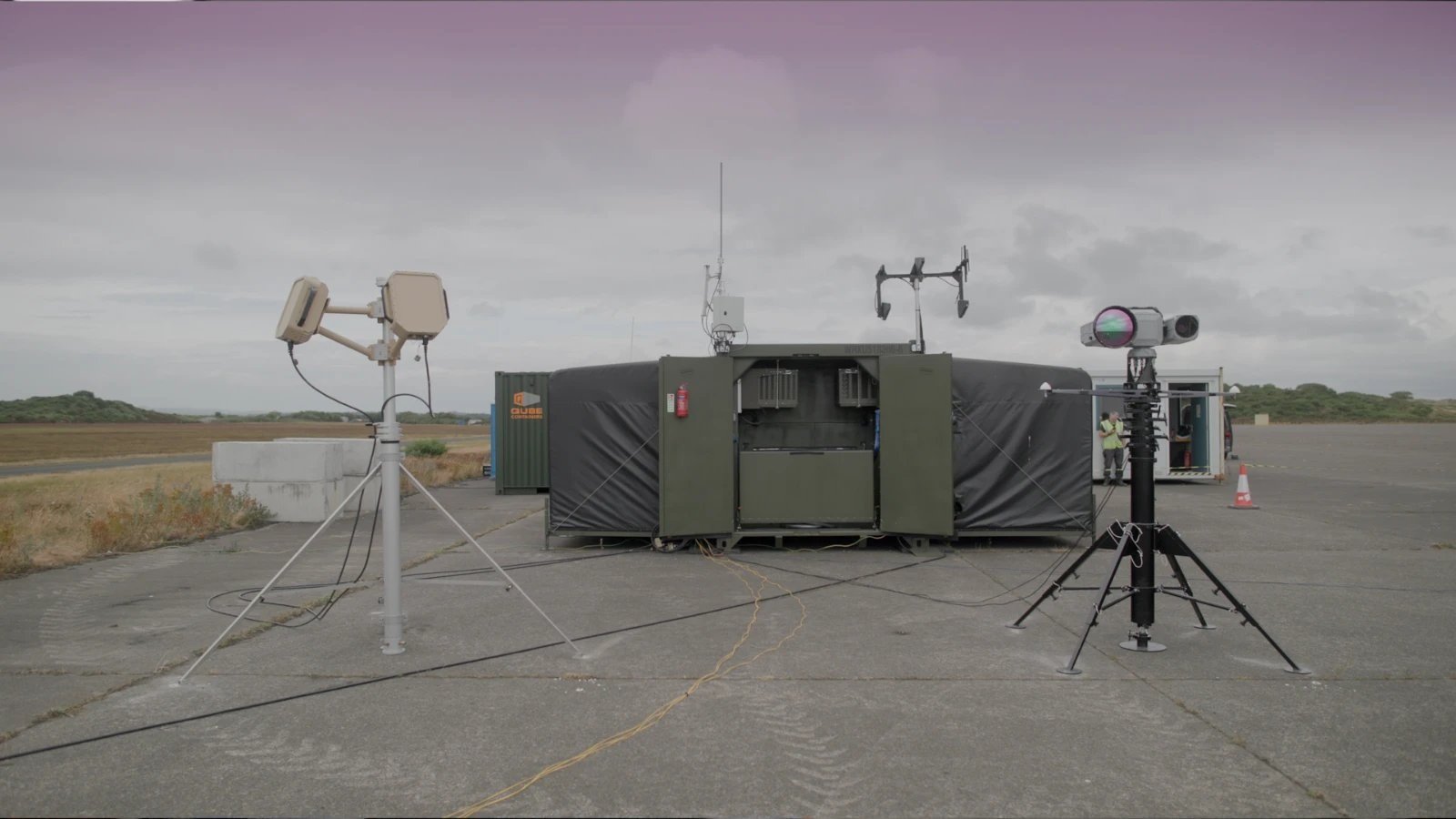
Frankenburg Technologies, headquartered in Tallinn, operates across multiple countries including Latvia, Lithuania, Ukraine, Denmark, Poland, the United Kingdom, and Germany. The company focuses on scalable and cost-efficient counter-UAS systems and has invested in modular, containerised production facilities to accelerate manufacturing expansion.
Mark I Missile: Design and Capabilities
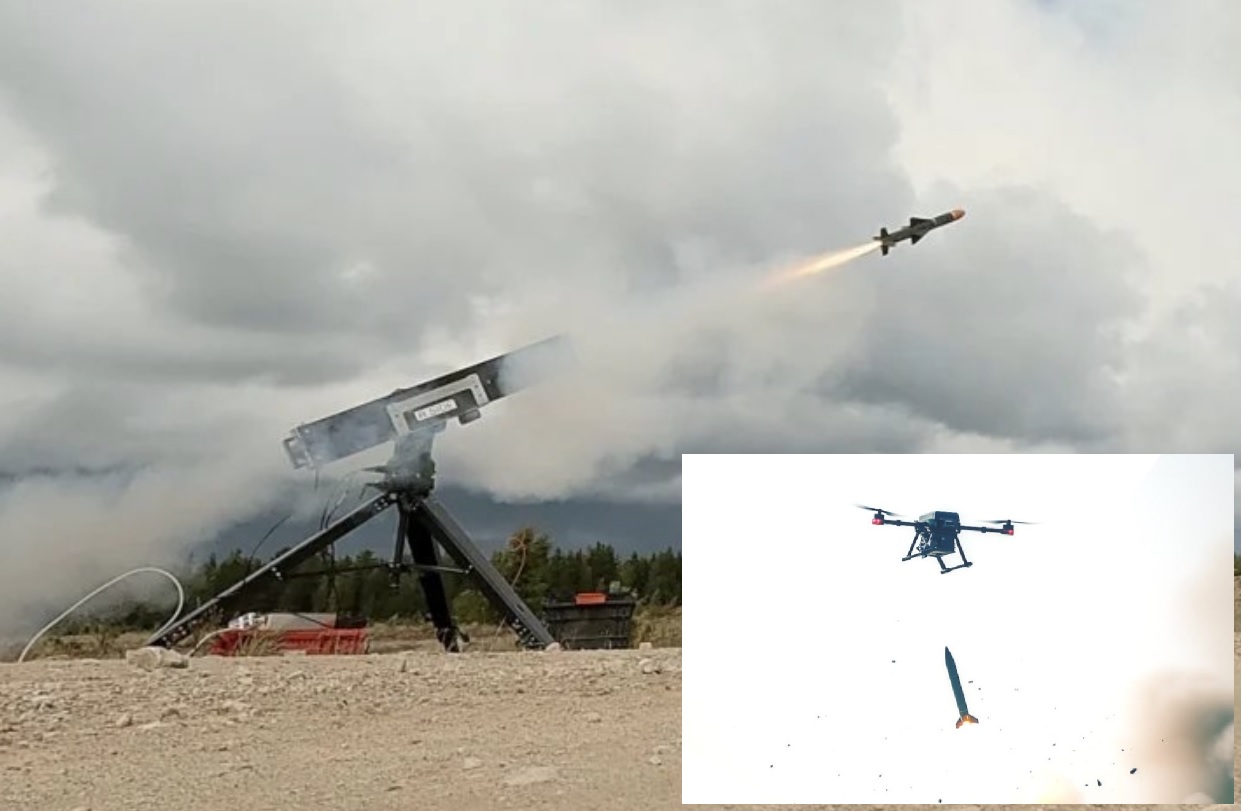
The Mark I missile has been developed as an ultra-short-range, lightweight interceptor optimized for countering drones. Measuring approximately 660 mm in length, 60 mm in diameter, and weighing under 2 kilograms, it is among the smallest guided missiles designed for mass production.
The missile is powered by a composite solid-propellant rocket motor, enabling rapid acceleration to speeds exceeding 1,000 km/h. It is capable of engaging aerial targets at distances of up to 2 kilometers and at altitudes of approximately 1.5 kilometers.
The system operates on a fire-and-forget principle and is equipped with a modern optoelectronic homing head combined with a closed-loop control system, allowing autonomous target tracking after launch.
Its warhead consists of a 500-gram glass fragmentation charge, using glass fragments instead of conventional metal elements. The design incorporates a proximity fuse and a self-destruct mechanism to enhance safety and effectiveness.
Target Profile and Operational Role
The Mark I is intended to engage UAVs up to Class 3, with a focus on countering loitering munitions and slow-moving propeller-driven drones (typically 150–200 km/h). It is also designed to intercept faster jet-powered threats traveling at speeds between 450 and 600 km/h.
The system has been constructed using commercially available components to facilitate cost control and enable large-scale production. According to Frankenburg Technologies, the missile progressed from concept to live-fire testing within approximately 13 months.
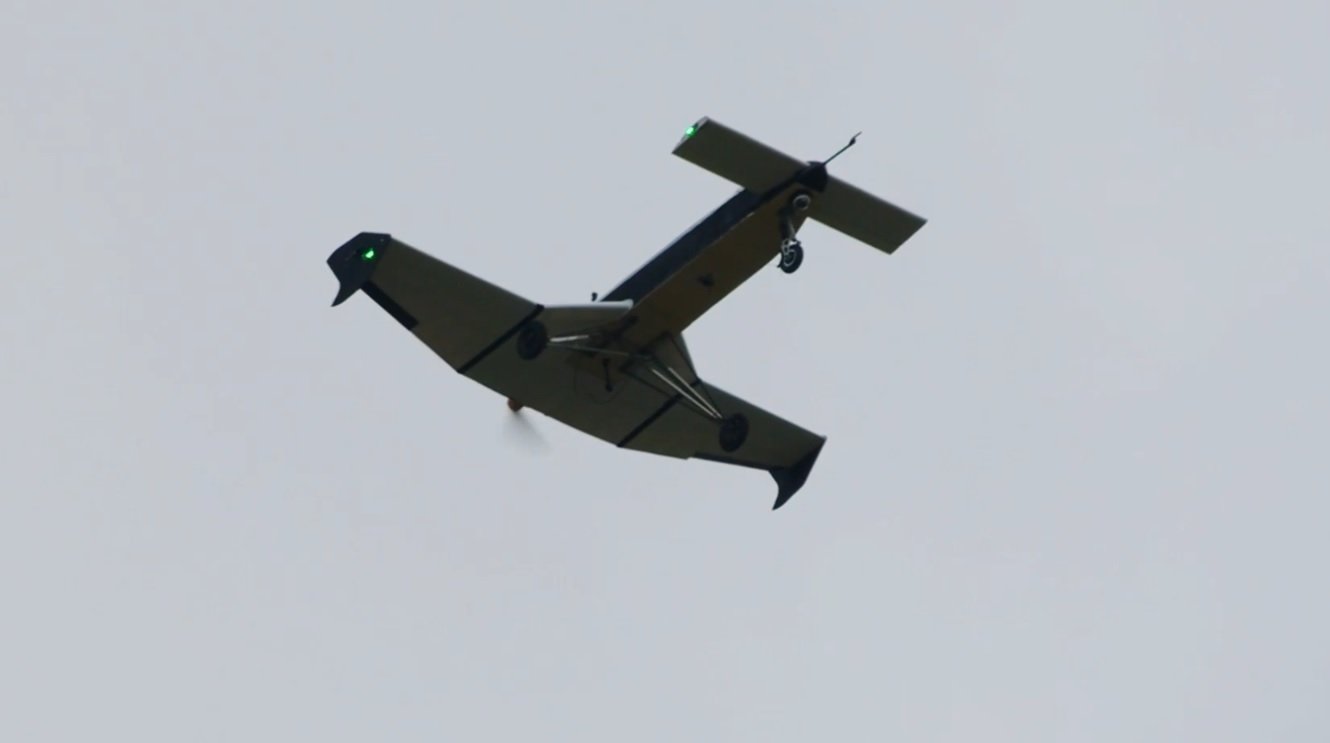
Earlier demonstrations have included successful intercepts of Shahed-type drone targets, reflecting its intended operational role in countering widely used loitering munitions.
Testing and Validation in Ukraine
Frankenburg Technologies has announced plans to conduct further testing of the Mark I missile in Ukraine between April and June 2026. These trials are intended to evaluate the system’s performance against active drone threats under operational conditions, including environments affected by electronic warfare.
The testing phase is expected to provide additional validation before full-scale production ramps up.
Future Development: Mark II Interceptor
The PGZ–Frankenburg partnership also establishes a framework for the development of next-generation systems. This includes the planned Mark II interceptor, which is expected to extend engagement ranges to between 5 and 8 kilometers.
The Mark II is intended to enhance layered air defence architectures by providing a broader engagement envelope and improved interception capabilities against evolving aerial threats.
Strategic Context
The joint production initiative aligns with wider regional efforts to strengthen air defence resilience, particularly along NATO’s eastern flank, where the use of mass-produced drones has increased in recent conflicts.
By combining Estonia’s technology development with Poland’s industrial base, the program is designed to support sustained production capacity and improve access to affordable counter-drone solutions for European and allied forces.
No additional details have been released regarding procurement volumes, export plans, or specific deployment timelines for the Mark I system.
——— End of Article ———