WASHINGTON, — March 27, 2026 : The United States military has expended more than 850 Tomahawk Land Attack Missiles (TLAM) and over 1,000 advanced air-defense interceptor missiles during the first four weeks of its ongoing operations against Iran, according to officials cited by The Washington Post. The figures reflect both sustained offensive strike activity and extensive defensive measures against Iranian retaliation during what the U.S. has designated as Operation Epic Fury.
Strike Operations and Tomahawk Usage
A substantial portion of the Tomahawk missiles was used in the initial phase of the campaign, targeting Iranian military infrastructure and strategic facilities. Officials familiar with the operations indicated that early strike packages relied heavily on sea-launched cruise missiles to degrade key targets.
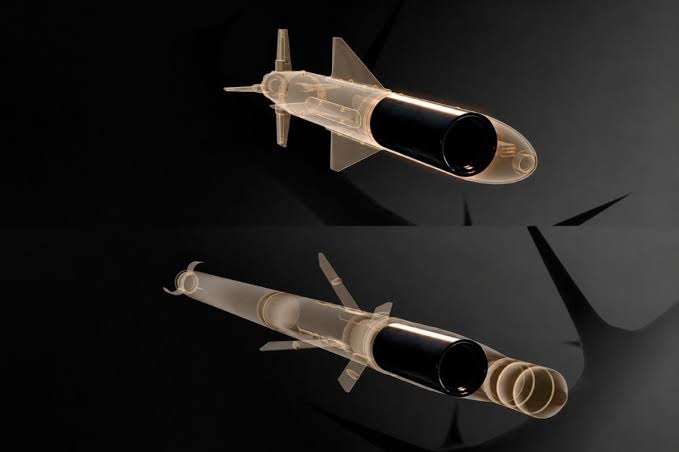
The report also referenced indications that a previously unreported variant of the Tomahawk missile may have been used operationally during these strikes, though no technical details have been disclosed publicly.
The scale and pace of missile usage have exceeded typical annual procurement levels. According to defense officials, stockpiles of Tomahawk missiles positioned in the Middle East have declined significantly. One official described the situation as “alarmingly low,” while another noted that, without redistributing munitions from other theaters such as the Indo-Pacific, available supplies for regional operations could approach operational limits.
Stockpile Estimates and Industrial Constraints
Assessments of pre-conflict inventories vary among analysts. MacKenzie Eaglen, a senior fellow at the American Enterprise Institute, estimated that the U.S. Navy held between 4,000 and 4,500 Tomahawk missiles prior to the start of hostilities. Other estimates suggest lower figures, closer to 3,000, reflecting prior operational usage.
Mark Cancian of the Center for Strategic and International Studies estimated a pre-war inventory of approximately 3,100 missiles. Based on that figure, the use of more than 800 Tomahawks in strikes on Iran represents roughly one-quarter of available stockpiles. Cancian assessed that replenishing these weapons will require several years under current production conditions.
The latest Tomahawk variants are priced at up to $3.6 million per unit. Procurement in recent years has been limited, with 57 missiles funded in the previous defense budget. Planned acquisitions include 72 missiles in fiscal year 2025 and 57 in fiscal year 2026. Agreements are in place to increase annual production capacity to over 1,000 units, though timelines for achieving that rate remain unclear.
The Tomahawk is a long-range, subsonic cruise missile produced by Raytheon, capable of precision strikes against land targets from ships and submarines. It carries a warhead of approximately 1,000 pounds and has a range between 1,000 and 1,600 miles, depending on the variant.
Air-Defense Interceptor Expenditures
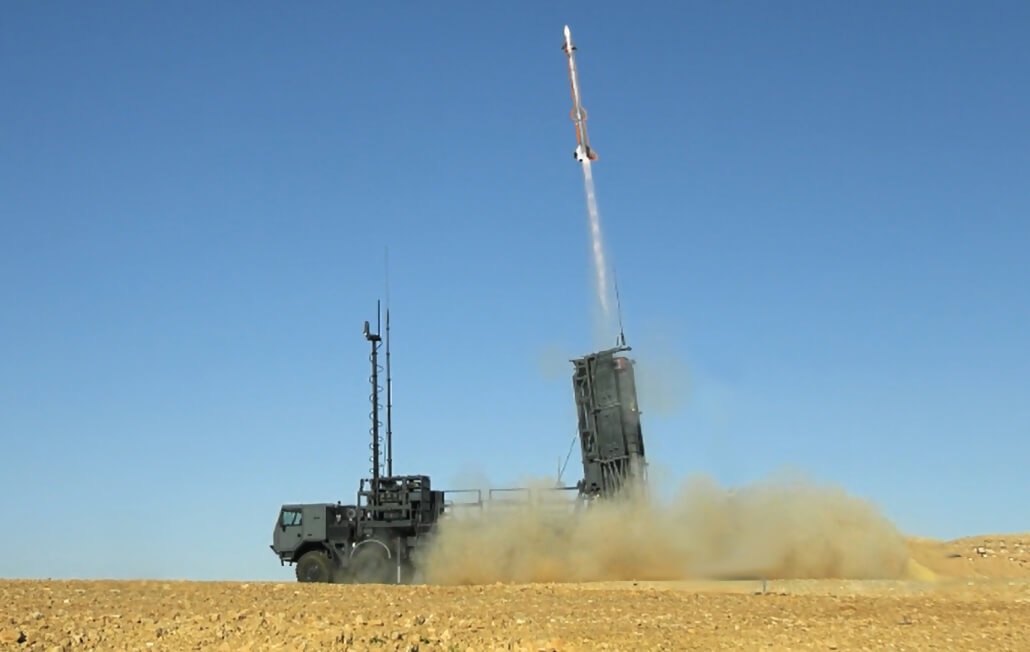
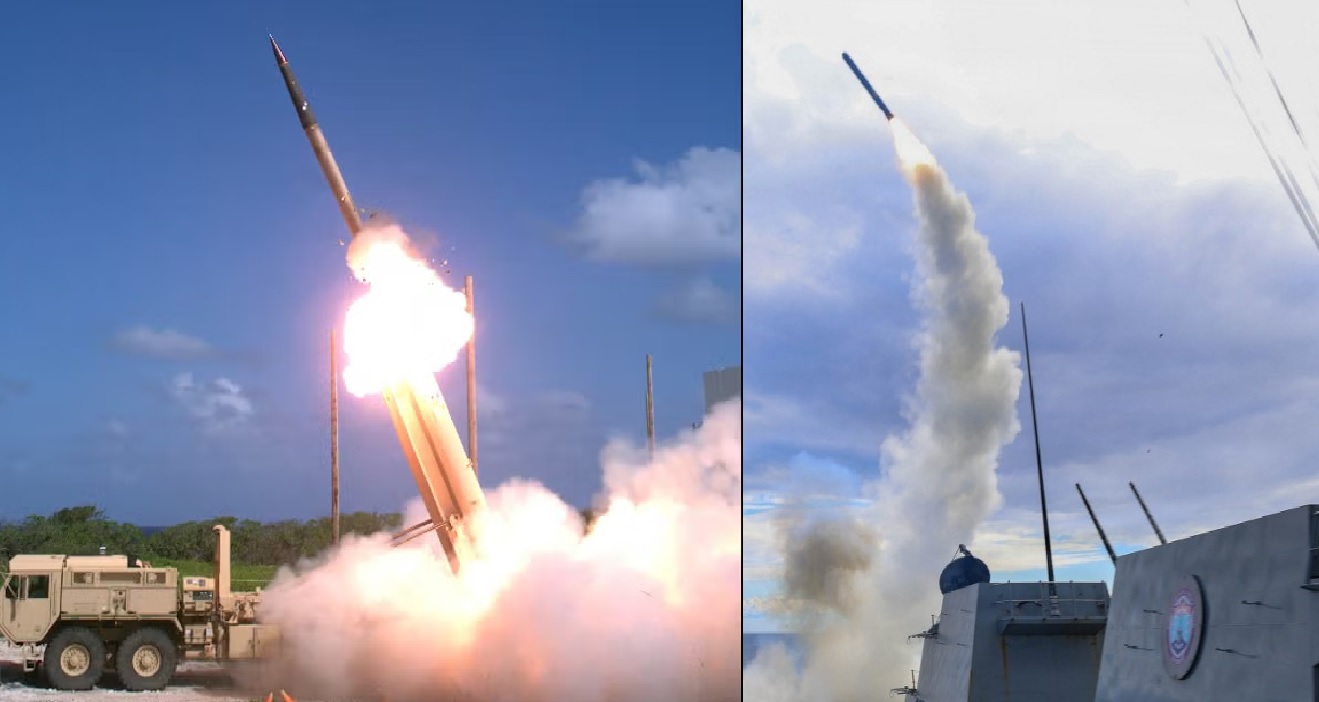
In parallel with strike operations, U.S. forces have conducted extensive air and missile defense activities across the region. More than 1,000 interceptor missiles have been launched to counter Iranian ballistic and aerial threats.
These include interceptors from multiple systems:
The U.S. Army’s MIM-104 Patriot surface-to-air missile system, designed for medium-range air and missile defense.
The Terminal High Altitude Area Defense (THAAD) system, optimized for high-altitude interception of ballistic missiles.
The SM-3 exoatmospheric interceptor, deployed aboard U.S. Navy Arleigh Burke-class guided-missile destroyers for ballistic missile defense outside the atmosphere.
Stocks of these interceptor systems are also limited, and recent operational usage has drawn down available inventories. Efforts are underway to expand production capacity, particularly for THAAD-related interceptors and associated munitions.
Pentagon Response
The Department of Defense has not publicly confirmed specific figures regarding missile expenditures or remaining stockpiles. Pentagon spokesperson Sean Parnell declined to provide detailed numbers but stated that U.S. forces retain sufficient capability to meet operational requirements.
“The U.S. military has everything necessary to carry out any mission,” Parnell said, without addressing inventory levels or redistribution measures.
Ongoing Operations
The reported expenditures form part of sustained U.S. military operations in the Middle East under Operation Epic Fury. No official data has been released regarding current stockpile levels or definitive timelines for replenishment beyond independent analyst estimates.
——— End of Article ———