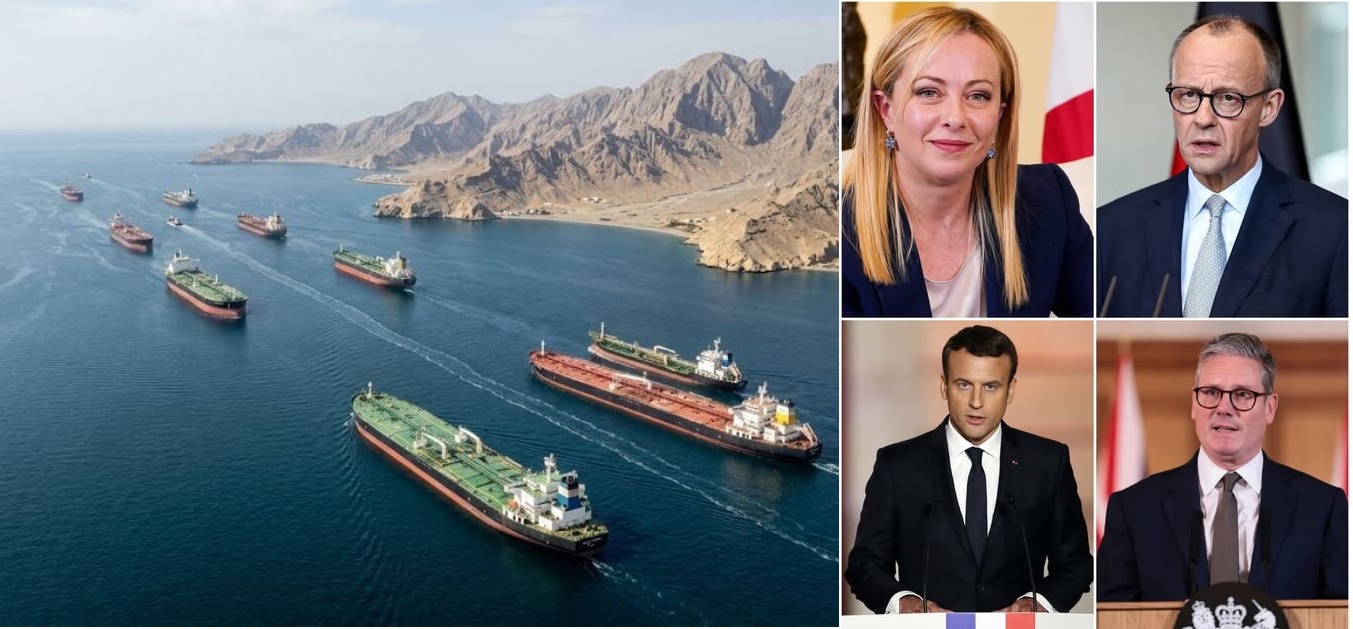
LONDON — March 27, 2026 : The United Kingdom and France are leading a coordinated diplomatic and military initiative involving more than 30 countries to establish a coalition aimed at restoring safe navigation through the Strait of Hormuz, a critical global energy corridor that has been effectively disrupted amid ongoing regional tensions involving the United States, Israel, and Iran.
The talks, reported by L’Orient Today and confirmed by European defense officials, are taking place this week and represent one of the most extensive multinational maritime security coordination efforts in recent years. The initiative is being organized without direct operational participation from the United States, marking a notable shift in responsibility toward European and allied partners.
Multilateral Framework and Participating Countries
The coalition effort builds on an initial meeting held in London on March 19, 2026, where a core group of countries—including the United Kingdom, France, Germany, Italy, the Netherlands, Japan, and Canada—issued a joint declaration expressing readiness to support measures ensuring safe passage through the strait.
The declaration was subsequently endorsed by an additional 24 countries, expanding participation to more than 30 nations. These include the Republic of Korea, New Zealand, Denmark, Latvia, Slovenia, Estonia, Norway, Sweden, Finland, Czechia, Romania, Bahrain, Lithuania, Australia, the United Arab Emirates, Portugal, Trinidad and Tobago, the Dominican Republic, Croatia, Bulgaria, Kosovo, Panama, North Macedonia, Nigeria, Montenegro, and Albania.
The joint statement reads: “We express our readiness to join relevant measures aimed at ensuring safe passage through the strait. We welcome the readiness of the countries participating in the preparatory measures.”
Canada’s participation is notable, as it had previously declined a similar maritime security request from the United States but has now joined the expanded coalition framework.
Shift in Strategic Responsibility
The formation of this coalition follows an earlier attempt by U.S. President Donald Trump to assign responsibility for reopening the Strait of Hormuz to European allies, along with partners such as Japan, Australia, and Canada. After that proposal did not lead to a coordinated U.S.-led effort, allied nations proceeded with independent planning.
As a result, the current initiative reflects a European-led approach to securing a key maritime chokepoint, with France and the United Kingdom coordinating both diplomatic and operational planning.
Upcoming Defense Talks and Summit Planning
Military coordination is advancing alongside diplomatic discussions. A formal meeting of chiefs of defense staff from participating countries is expected to follow the current round of talks.
UK Chief of the Defence Staff Admiral Sir Tony Radakin’s office is understood to be coordinating closely with France’s Chief of the Defence Staff, General Fabien Mandon, to define the structure and operational scope of the mission.
A representative from a participating defense agency stated that a broader conference on the security of the Strait of Hormuz is expected in the near future.
To formalize the coalition and finalize operational planning, the United Kingdom has offered to host a follow-up international summit. Proposed venues include London and the southern naval headquarters in Portsmouth.
Military Preparations and Deployment Plans
Parallel to the diplomatic process, participating countries have begun preliminary military preparations.
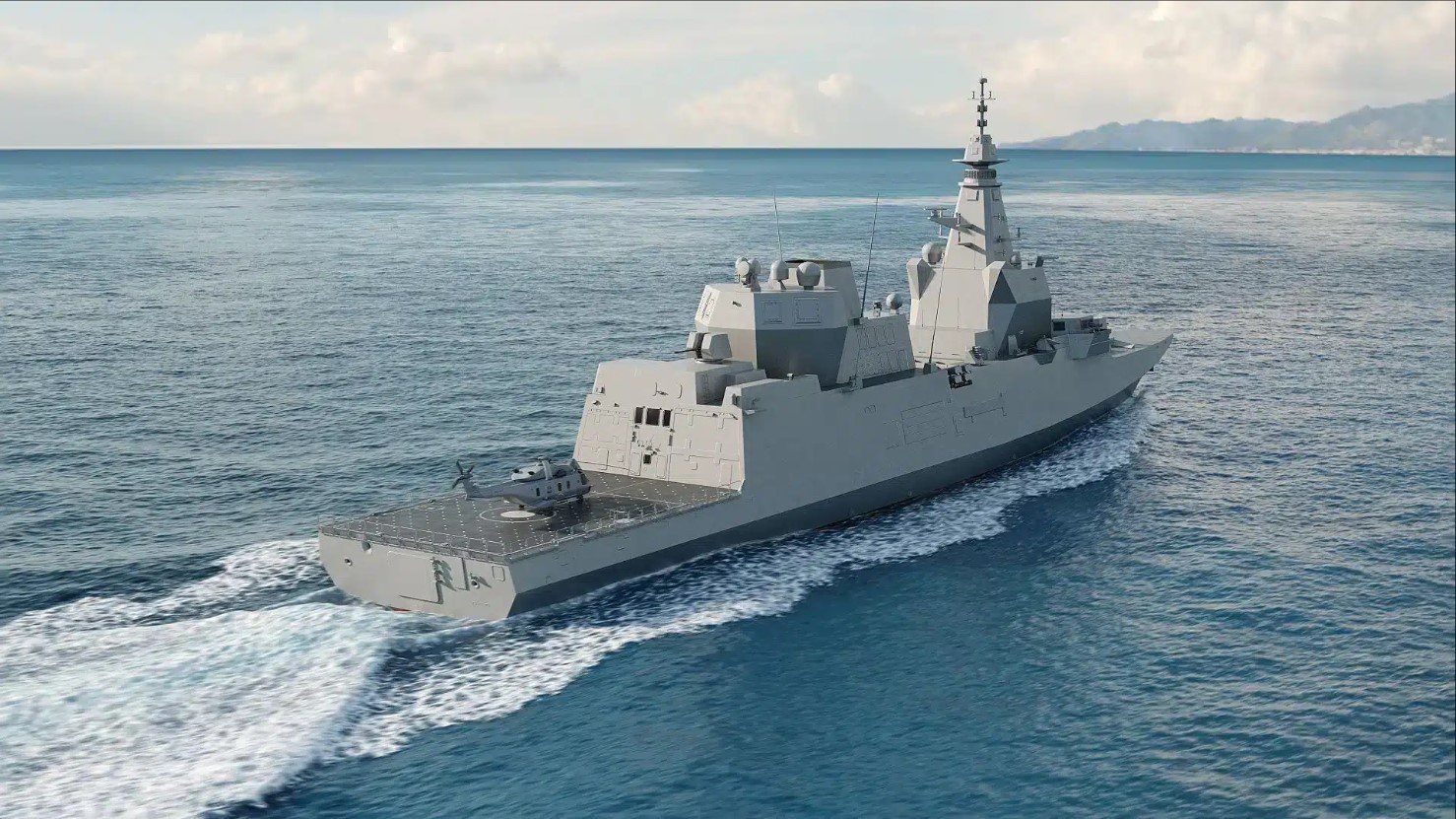
European naval forces are being gradually positioned at two primary assembly points: one near Cyprus in the eastern Mediterranean, and another in the southwestern Indian Ocean. These deployments are intended to support rapid coordination once a formal mandate for the mission is established.
Operational planning includes consideration of specific measures to secure maritime transit routes. Among the options under review is the deployment of autonomous mine-hunting systems to detect and neutralize potential maritime threats in the Gulf region.
In addition, France’s armed forces leadership conducted a video conference on March 26 with representatives from approximately 35 countries to discuss operational proposals and coordination mechanisms.
Strategic and Economic Importance of the Strait
The Strait of Hormuz remains one of the most critical chokepoints in global maritime trade.
Geographically, the strait connects the Persian Gulf to the Gulf of Oman and the Arabian Sea. It is bordered by Iran to the north and Oman and the United Arab Emirates to the south.
In terms of energy flows, approximately 20 million barrels of oil transit the strait daily under normal conditions, accounting for around 20 percent of global oil consumption and roughly 30 percent of global seaborne oil trade. Additionally, about 20 percent of global liquefied natural gas (LNG) exports pass through the route.
The current disruption has had a direct impact on global energy markets, contributing to increased oil and gas prices and raising concerns over supply chain stability.
Objective of the Coalition
The primary objective of the coalition is to restore freedom of navigation through the Strait of Hormuz and stabilize global energy supply routes. Participating countries aim to establish a coordinated maritime security framework capable of ensuring safe passage for commercial shipping once operational conditions allow.
The outcome of the ongoing talks and the planned summit is expected to determine the structure, mandate, and timeline of the proposed mission.
——— End of Article ———