World
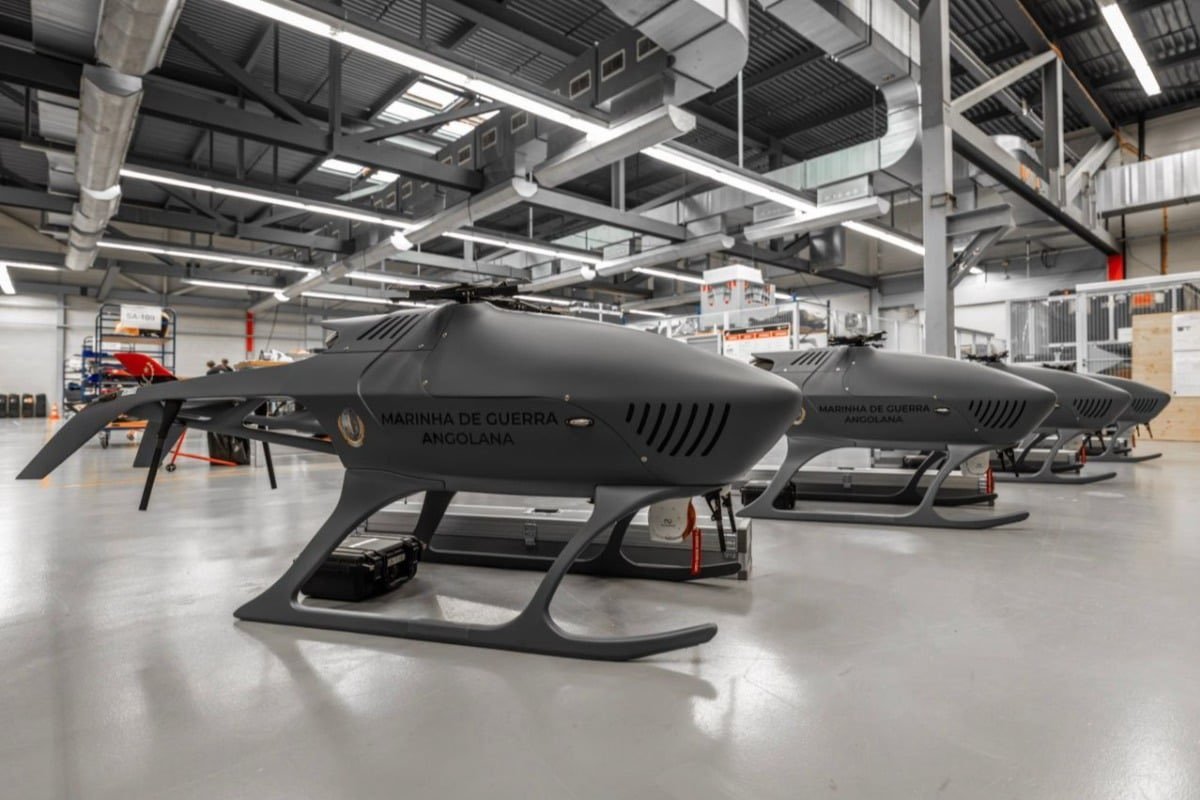
LUANDA, Angola — Swiss manufacturer ANAVIA has completed the on-site customer acceptance of six HT-100 Naval unmanned helicopters ordered by the Angolan Navy. The acceptance was conducted jointly with Abu Dhabi Ship Building (ADSB), a partner in the delivery process. Each aircraft underwent individual flight testing and system verification. Angolan Navy representatives checked every aircraft and its systems rather than accepting the six helicopters as a single batch. “This milestone shows our ability to deliver a complete system, closely aligned with our customer’s operational requirements,” said Ishan Sahgal, founder and co-CEO of ANAVIA. The delivered package includes the six unmanned helicopters, electro-optical and infrared (EO/IR) sensors, and maritime control stations. All components were tested together on site as an integrated system. Two Helicopters for Each Corvette The six HT-100 Naval helicopters will be assigned to three new BR71 MK II-class corvettes, with two aircraft per ship. They are intended to extend each vessel’s reconnaissance range and support maritime surveillance, anti-piracy operations and exclusive economic zone (EEZ) protection. The helicopters will also be fully integrated with each corvette’s combat management system. HT-100 Naval Specifications The HT-100 Naval is ANAVIA’s maritime version of the HT-100 unmanned helicopter. It uses a Flettner intermeshing rotor system with two counter-rotating main rotors and no tail rotor. ANAVIA says the design directs roughly 30 percent more power into useful lift, supporting greater endurance and payload compared with conventional single-rotor layouts. The aircraft has a 120-kg (265-lb) maximum takeoff weight and can carry up to 60 kg (132 lb) of payload. It is powered by a 15-kilowatt turbine engine consuming about 9 liters (2.4 gallons) of Jet A-1 fuel per hour. The HT-100 Naval has a flight endurance of up to six hours, a maximum mission range of 600 km (373 miles) and a maximum airspeed of 120 km/h. For shipboard operations, the aircraft uses a fully autonomous, radar-guided deck landing system that measures its position, velocity and attitude relative to the moving ship without relying on GPS. The system supports autonomous landings in conditions up to Sea State 3. A harpoon deck-securing system locks the aircraft to the deck after landing. The airframe uses corrosion-resistant carbon composite, while its electronics and connectors are sealed for continuous saltwater exposure. Emergency equipment includes flotation gear and an emergency locator transmitter. Part of Angola’s €1 Billion Naval Program The three BR71 MK II-class corvettes are part of Angola’s roughly €1 billion ($1.16 billion) naval modernization program. The first vessel, NRA Ekuikui II, was launched in Cherbourg, France, on March 4, 2026. The corvettes are about 70 meters long, have a top speed of 30 knots, a range of 2,500 nautical miles at 12 knots, and a crew of around 50. Construction involves French shipbuilder CMN Naval and ADSB under a technology-transfer arrangement. ANAVIA is headquartered in Bilten, Switzerland, with additional operations in Näfels. In late 2023, UAE-based EDGE Group acquired a 52 percent majority stake in ANAVIA. ADSB is part of the EDGE Group. Main Source : defence-blog
Read More → Posted on 2026-09-02 14:32:20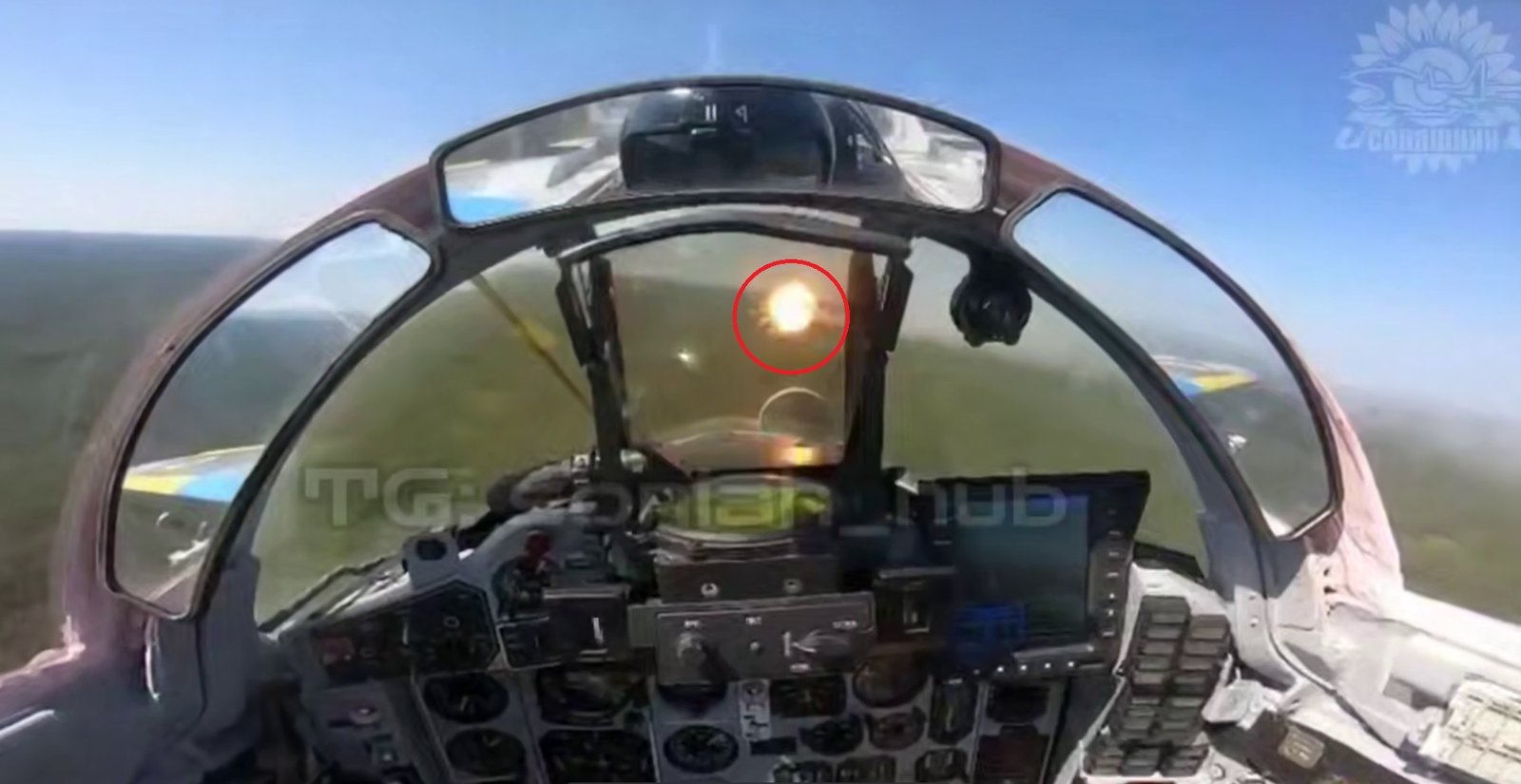
World
KYIV, Ukraine, — A Ukrainian Air Force MiG-29MU1 fighter jet reportedly intercepted and destroyed a Russian S8000 Banderol lightweight cruise missile while flying at extremely low altitude. The fighter used an R-60 short-range air-to-air missile during the engagement. The aviation-focused Telegram channel Sonyashnyk reported the incident and published video footage of the interception. The low-altitude engagement required rapid target acquisition, precise maneuvering and quick execution by the pilot. R-60 Modernization The R-60, a Soviet lightweight guided air-to-air missile, entered service in 1973. It uses an infrared seeker and was designed for short-range attacks against maneuvering aircraft and helicopters. The missile weighs about 44 kg, carries a 3–3.5 kg high-explosive fragmentation warhead and reaches approximately Mach 2.5. Its practical range is generally a few kilometers, with published figures of up to about 8 km under favorable high-altitude conditions. Before Russia's full-scale invasion, Ukraine considered the R-60 largely obsolete because newer R-73 missiles were available. Continued Russian attacks using cruise missiles and Shahed/Geran-2 drones, however, have increased demand for modern interceptors. Ukraine subsequently began modernizing remaining R-60 missiles. In November 2025, Ihor Fedirko, executive director of the Ukrainian Council of Defense Industry, said the work involved replacing legacy analog components with digital systems and improving infrared seeker sensitivity. Some Ukrainian companies have reported approximately a tenfold increase in sensitivity for certain variants. The missiles have also been adapted for possible use from ground-based launchers, with the modernization described as a temporary way to return aging weapons to service. S8000 Banderol The S8000 Banderol was developed and manufactured by Russian JSC Kronstadt and formally introduced in 2025. Russian forces have increasingly used the missile against Ukrainian cities as production expands. The Banderol has a cruising speed of 520–560 km/h and a maximum speed of 620–650 km/h. When launched from airborne platforms, it has a reported range of up to 500 km. Its OFBCh-150 high-explosive fragmentation warhead weighs 114.3 kg, including 49.5 kg of explosives. The weapon has primarily been associated with launches from the Kronshtadt Orion UAV and can also be integrated with Mi-28 helicopters. Ground-based launchers have also been observed in recent operations. The Banderol has been described as a hybrid system combining characteristics of a cruise missile and loitering munition. Its low-altitude flight profile can complicate detection and interception by some ground-based air-defense systems. Ukrainian reports also indicate that the weapon uses commercially available foreign components, including a Chinese turbojet engine. The reported interception highlights Ukraine's continued use of modernized Soviet-era fighters and older air-to-air missiles as part of its air-defense efforts against Russia's evolving missile and drone threats.
Read More → Posted on 2026-09-02 14:05:00
World
TEL AVIV, Israel, — Omnisys, an Israel-based defense technology company and a company of Ondas Inc. (NASDAQ: ONDS), has introduced BRO-API (Battle Resource Optimization Application Programming Interface), a new bidirectional software integration layer designed to connect its AI-powered BRO (Battle Resource Optimization) platform directly with existing military Command and Control (C2) and C4I systems. The new interface extends BRO from a primarily standalone mission-planning tool into an integrated operational system that can continuously use live operational data during a mission. According to Omnisys, the capability can shorten the military decision loop from hours to minutes or less. Connecting AI Mission Planning With Live C2 Systems The BRO platform uses situational-awareness information from C4I systems to help commanders develop situational understanding, evaluate operational alternatives and optimize the deployment of sensors and effectors. Before the introduction of BRO-API, these functions were mainly performed through a separate mission-planning platform. The new interface allows BRO to exchange information with command-and-control systems throughout an operation. BRO-API supports the Decision and Act phases of the OODA loop, allowing recommendations generated by the system to be incorporated into ongoing operational decision-making. The interface receives continuous updates from the operational picture, including Blue Force deployment and readiness, operational events and the Red Force picture. It uses this information to generate updated recommendations covering areas such as deployment, routing and frequency allocation. Results from mission re-planning and operational insights can then be sent back to the command-and-control system. This creates an ongoing exchange between the AI mission-optimization platform and the military's existing operational network. Designed for Classified and Disconnected Networks Omnisys said BRO-API was designed for operational defense environments and can operate on classified and disconnected networks. The system also supports controlled permissions and secure message logging. The interface uses standard RESTful integration methods, allowing it to connect with existing systems while supporting future compatibility with U.S. and NATO military networking standards. The company describes BRO as a modular and vendor-agnostic software suite. It can integrate information from sensors, platforms and command systems and apply artificial intelligence and operations research methods to generate optimized courses of action. Supports Multiple Defense Missions The BRO suite is designed to support multi-domain missions. Its applications include air defense, counter-UAS operations, electronic warfare, spectrum management, intelligence gathering and border security. By connecting the platform directly to operational C2 and C4I systems, BRO-API is intended to keep mission plans synchronized with changes in the operational environment rather than limiting optimization to the planning stage before a mission begins. The system also covers the mission lifecycle after an operation. BRO-API supports After-Action Reviews (AAR), lessons learned and ongoing mission improvement, allowing operational information to be recorded and used in the evaluation of completed missions. Omnisys Platform Already Used by IDF and NATO Customers According to Omnisys, the BRO suite has been combat-proven with the Israel Defense Forces (IDF) and is currently under contract with several NATO customers in Europe. The introduction of BRO-API therefore adds an integration capability to an existing mission-optimization platform, allowing its functions to be used alongside military command networks during mission execution. Alfred (Fredi) Tzimet, Deputy CEO of Omnisys, said: “BRO has always enabled commanders to optimize their plans before the mission begins. BRO-API is the next step in that evolution, extending those capabilities throughout mission execution so commanders can continuously optimize operations as the battlefield evolves.” Ondas Acquisition The BRO-API launch follows Ondas Inc.'s acquisition of Omnisys in May 2026. The all-stock transaction was valued at approximately $196.6 million. The acquisition expanded Ondas' defense technology portfolio beyond drone manufacturing, with Omnisys bringing its AI-powered mission optimization and decision-support capabilities to the company's broader autonomous defense activities. With BRO-API, Omnisys is extending the BRO platform from pre-mission planning into continuous operational support by connecting its AI-based recommendations with existing C2 and C4I infrastructure.
Read More → Posted on 2026-09-02 13:31:37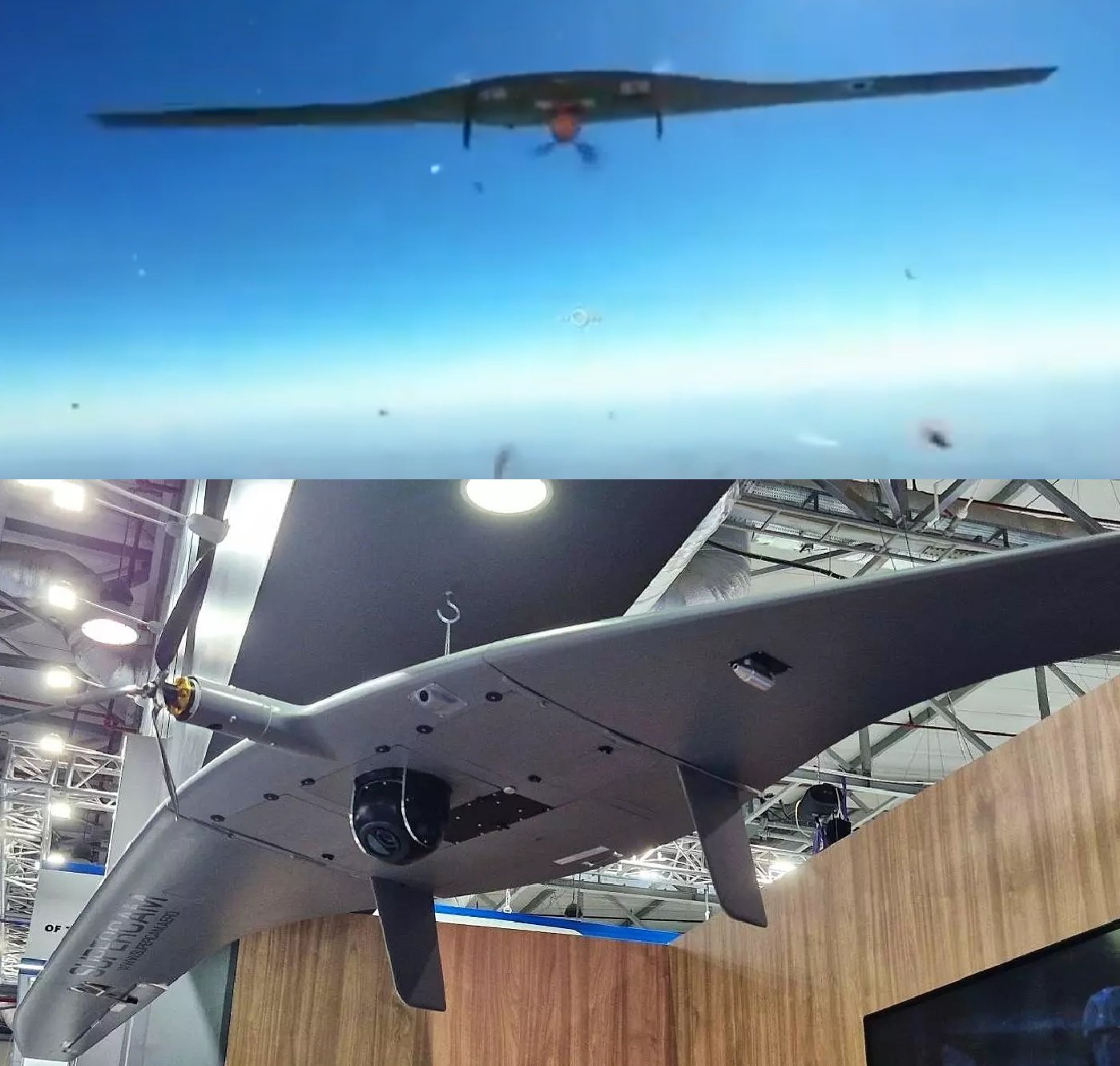
World
KYIV, Ukraine — Russian reconnaissance drones are being fitted with physical countermeasures designed to defend against Ukrainian interceptor drones, according to recently circulated battlefield footage. Videos appearing on September 1–2 show Russian SuperCam S350 and Knyaz Veshchiy Oleg (KVO) reconnaissance UAVs releasing nets as Ukrainian interceptor drones approach from behind. The footage was recorded by Ukrainian anti-aircraft drones and circulated by Ukrainian defense-technology adviser Serhiy Flash and the Telegram channel Voennyy Osviedomitel. Russian media also reported the deployment of net launchers on the two UAV types. In one sequence, operators from the Signum unmanned systems battalion of Ukraine’s 59th Separate Assault Brigade recorded a KVO drone releasing a net during an attempted interception. Similar footage later showed a SuperCam deploying a net against an approaching Ukrainian interceptor. The purpose of the system is to place a net or strands in the interceptor’s flight path. The material can become caught in the interceptor’s propellers, potentially disrupting its flight and preventing it from reaching the reconnaissance UAV. Russian SuperCam S350 and KVO reconnaissance drones are now deploying defensive nets against Ukrainian interceptor drones, aiming to foul their propellers and avoid interception. pic.twitter.com/91fcfrDtc1 — The Defense News (@TheDefenseNews) September 2, 2026 Multiple Defensive Measures The net launcher is part of a broader effort to improve the survivability of Russian reconnaissance UAVs against drone interceptors. Earlier modifications reported on Russian reconnaissance drones included additional cameras for detecting approaching interceptors and systems capable of detecting radio-frequency emissions from nearby drones. These measures can provide an operator with an early warning and an opportunity to maneuver away from an approaching interceptor. In February 2026, Russian reporting also described additional cameras on the upgraded SKAT 350M for detecting approaching interceptor drones and allowing the operator to perform evasive maneuvers. The use of rear-facing optical sensors and radio-frequency detection had already been observed on Russian UAVs before the latest net-launching systems appeared. Earlier battlefield modifications were subsequently reported as being incorporated into newer production configurations. SuperCam S350 The SuperCam S350 is a Russian reconnaissance UAV used for surveillance and other battlefield reconnaissance missions. Ukrainian military intelligence data lists the aircraft with a 3.2-meter wingspan, a maximum takeoff weight of 15.5 kg, a flight endurance of up to 4.5 hours, and a communications range of up to 100 km. The listed flight range is 240 km. The addition of a net-launching system gives the aircraft another layer of protection against small interceptor drones. It combines a physical countermeasure with previously reported detection and evasive measures. Knyaz Veshchiy Oleg Also Receives Protection The Knyaz Veshchiy Oleg, or KVO, is another Russian reconnaissance UAV that has been observed using the defensive net system. Ukrainian intelligence information published earlier this year describes the aircraft as having a 2.8-meter wingspan, a maximum takeoff weight of 11 kg, a stated range of up to 45 km, and an endurance of up to 3.5 hours. Its stated maximum speed is 130 km/h. The recent footage indicates that KVO operators are also using physical countermeasures when the aircraft is targeted by an interceptor. Ukrainian Interceptors Drive the Adaptation Ukraine has increasingly used relatively inexpensive interceptor drones to attack Russian reconnaissance UAVs, including aircraft such as SuperCam, ZALA and Orlan. The approach allows Ukrainian forces to target reconnaissance platforms with drones rather than relying exclusively on conventional air-defense missiles. The Institute for the Study of War previously reported Ukrainian use of tactical UAV interceptors against Russian reconnaissance and strike UAVs, including reported attacks on SuperCam and Merlin aircraft. The development of Russian defensive nets is therefore another step in the continuing adaptation between reconnaissance UAVs and interceptor drones. The development is not limited to Russia. Ukrainian companies have also been working on net-based drone interception. In August 2026, Ukrainian company WINFLY presented its Spider interceptor, based on the WINFLY 10 Hunter and equipped with a Karakurt net launcher designed to disable targeted drones while allowing the interceptor to return. Drone-on-Drone Combat Continues to Evolve The latest footage shows how reconnaissance UAVs are increasingly being equipped to respond directly to other drones. Instead of relying only on the remote operator to avoid an attack, newer systems combine detection, evasive maneuvering and physical countermeasures. However, the available footage does not establish how effective the defensive nets are across different interception scenarios or whether they have significantly reduced Russian UAV losses. Their effectiveness will depend on factors including the relative position of the two drones, timing and the ability of the interceptor to change its flight path. For now, the appearance of net launchers on both the SuperCam S350 and KVO indicates that drone-versus-drone interception is driving the development of new defensive systems for reconnaissance UAVs.
Read More → Posted on 2026-09-02 13:16:19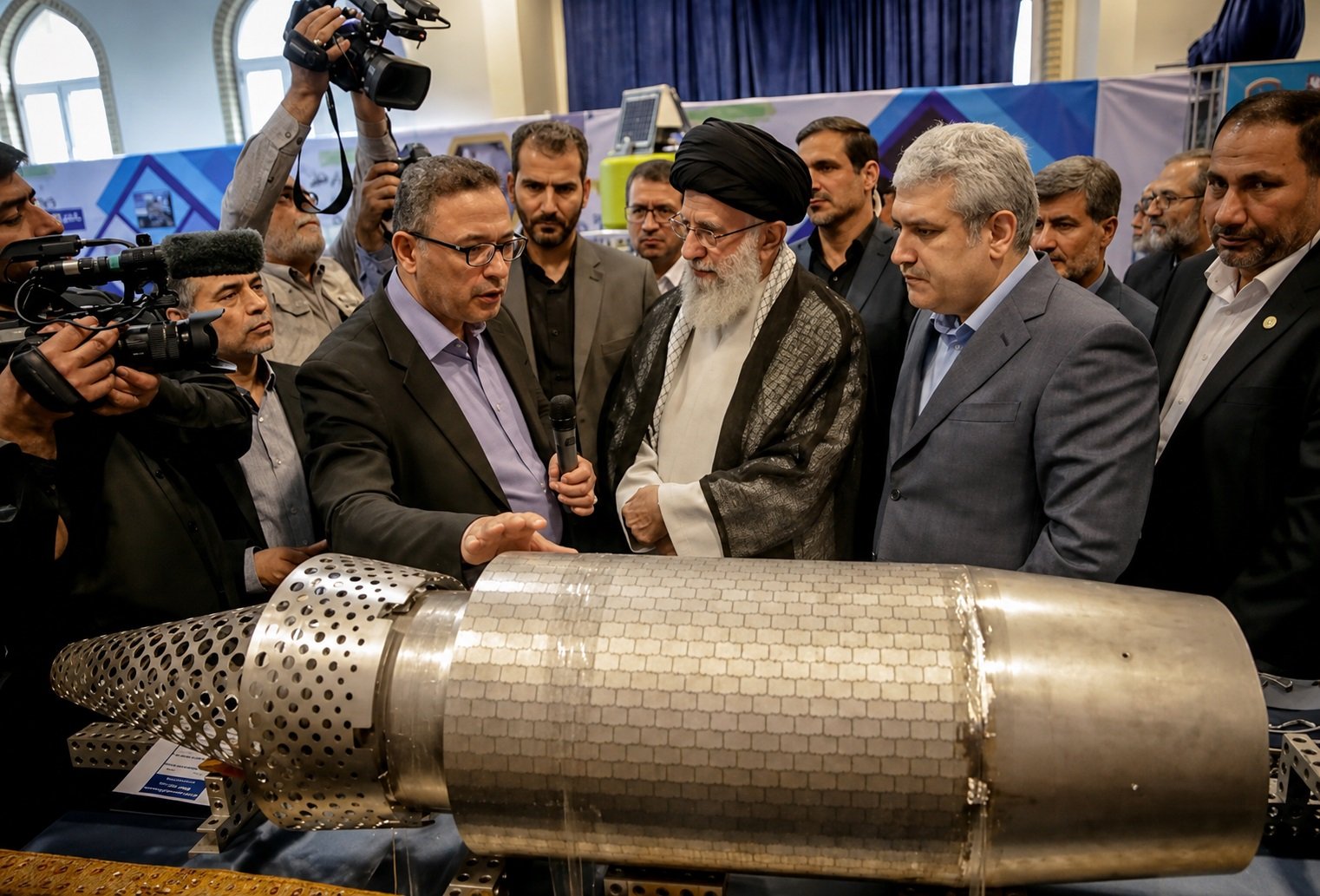
World
TEHRAN, September 2, 2026 — Russia has been secretly assisting Iran in developing ramjet propulsion technology for supersonic cruise missiles under a program codenamed C430L, according to an investigation published by the Financial Times on September 1–2, 2026. The investigation is based on leaked Russian correspondence, travel records and analysis of military patents. The multiyear program began in 2023 and continued into 2026. The reported cooperation has focused primarily on helping Iran develop and refine a ramjet propulsion system for missiles intended for anti-ship and land-attack roles. Russian Firms Involved in the Program The C430L program was organized by Russia’s state arms exporter Rosoboronexport in coordination with NPO Mashinostroyenia, a Russian missile design bureau. Travel records reviewed by the Financial Times indicate that senior Russian arms-export officials and engineers from NPO Mashinostroyenia made repeated visits to Tehran during 2023. A contract between Rosoboronexport and Iran’s Ministry of Defense and Armed Forces Logistics (MODAFL) was subsequently signed in November 2023. The Russian delegation included several specialists involved in missile and propulsion development. Alexandr Dergachov, then deputy head of NPO Mashinostroyenia, was identified as the chief designer responsible for sea-launched missiles and cruise missile systems. Alexandr Chebakov, head of the company's air-breathing jet-engine design department, also participated. Russian patents identify Chebakov as an inventor associated with control systems for supersonic ramjets and cruise-missile engines. The documents indicate that he visited Tehran three times in 2023. Yuri Prokhorchuk, head of NPO Mashinostroyenia's aerodynamics and ballistics department, was another member of the group. He is a co-author of a patent covering a ramjet-powered hypersonic cruise missile designed for attacks against ships and land targets. In July 2023, Rosoboronexport official Vladislav Kuzmichev, head of its defense technologies and space department, joined the Russian engineers during a visit to Iran. He later signed the November 2023 contract on behalf of Rosoboronexport. Iran Shared Ramjet Test Data With Russia Iran has been working on supersonic anti-ship missile technology for years. In 2016, Iran's then-defense minister announced plans to develop supersonic anti-ship missiles. In 2019, Iranian authorities displayed components of a ramjet during an inspection by Iran's Supreme Leader. In August 2023, the IRGC-affiliated Tasnim news agency reported that testing had begun on a prototype supersonic cruise missile. According to the leaked correspondence reviewed by the Financial Times, NPO Mashinostroyenia had received a substantial amount of Iranian technical information on the ramjet by 2025. Russian engineers examined telemetry from an Iranian flight test. The telemetry stopped transmitting less than a minute after the missile was launched. Russian specialists subsequently sent Iranian counterparts detailed technical questions concerning the engine's fuel system, combustion stability, air intake and nozzle performance. They also asked whether the ramjet had continued operating after the telemetry transmission ended. The exchange shows that Russian specialists were involved in examining Iran's test results and identifying technical issues associated with the propulsion system. Russia Offered Further Technical Assistance The cooperation continued beyond the exchange of technical data. In April 2025, Rosoboronexport proposed sending a delegation of approximately two dozen Russian specialists to Iran to provide technical consultations. A letter from Rosoboronexport dated June 2026 indicates that the two sides were still discussing the next phase of the program and planned further reviews of Russian technical reports. This indicates that the reported cooperation remained active into 2026 rather than ending after the initial 2023 agreement. Ramjet Technology at the Center of the Program The main technical focus of C430L is the development of a ramjet propulsion system. Unlike a conventional turbojet engine, a ramjet has no compressor or turbine. It relies on the forward movement of the missile to compress incoming air before fuel is burned in the engine. Ramjets are therefore suited to sustained high-speed flight after a missile has reached the required operating conditions. The reported Russian assistance is focused on helping Iran overcome technical challenges associated with the propulsion system, including fuel delivery, combustion, airflow through the intake and nozzle operation. The Financial Times reported that Iran has already built and flight-tested a ramjet system. However, there is no public evidence that an operational supersonic cruise missile developed with Russian assistance has entered Iranian service. Potential Anti-Ship and Land-Attack Applications The reported program is intended to support missiles for both anti-ship and land-attack missions. Supersonic cruise missiles can reduce the amount of time available to defensive systems to detect, track and engage an incoming weapon, particularly when combined with a low-altitude flight profile. However, the effectiveness of any specific missile would depend on its final design, flight profile, guidance system and other characteristics that have not been publicly established for the C430L program. Fabian Hinz of Conflict Armament Research, an expert on Iranian missile programs, said that obtaining this type of technology had been an Iranian objective for decades. Former CIA military analyst Jim Lamson said successful deployment could provide Iran with a new strategic weapon capable of threatening U.S. Navy vessels. At present, however, the available information does not establish that an operational Russian-assisted missile has been deployed. Wider Iranian Missile Procurement The reported Russian cooperation comes alongside Iran's efforts to obtain advanced missile technology from China. In February 2026, Reuters reported that Iran was nearing an agreement to purchase CM-302 supersonic anti-ship cruise missiles from China. Reuters reported a range of about 290 kilometers for the missile and said negotiations had been underway for more than two years. The Chinese missile procurement discussions and the C430L program represent separate developments. The C430L program, as described by the Financial Times, concerns Russian assistance with Iran's development of ramjet propulsion technology, while the reported CM-302 deal concerns the potential acquisition of an existing Chinese missile system. Significance of the C430L Program The Financial Times described C430L as one of the most significant known transfers of strategic military technology from Moscow to Tehran. The leaked documents indicate that the cooperation involved more than a conventional arms purchase. Russian specialists reportedly examined Iranian test data, exchanged technical questions, proposed sending engineering teams to Iran and continued discussions on technical reports into 2026. Iran's ability to develop and produce an operational supersonic cruise missile with this assistance remains unconfirmed. The available evidence instead shows an ongoing effort centered on ramjet propulsion technology, with potential applications in future anti-ship and land-attack missiles. The disclosures add another dimension to the expanding military relationship between Russia and Iran and come as Tehran continues to pursue high-speed missile capabilities through both domestic development and reported foreign cooperation.
Read More → Posted on 2026-09-02 12:48:52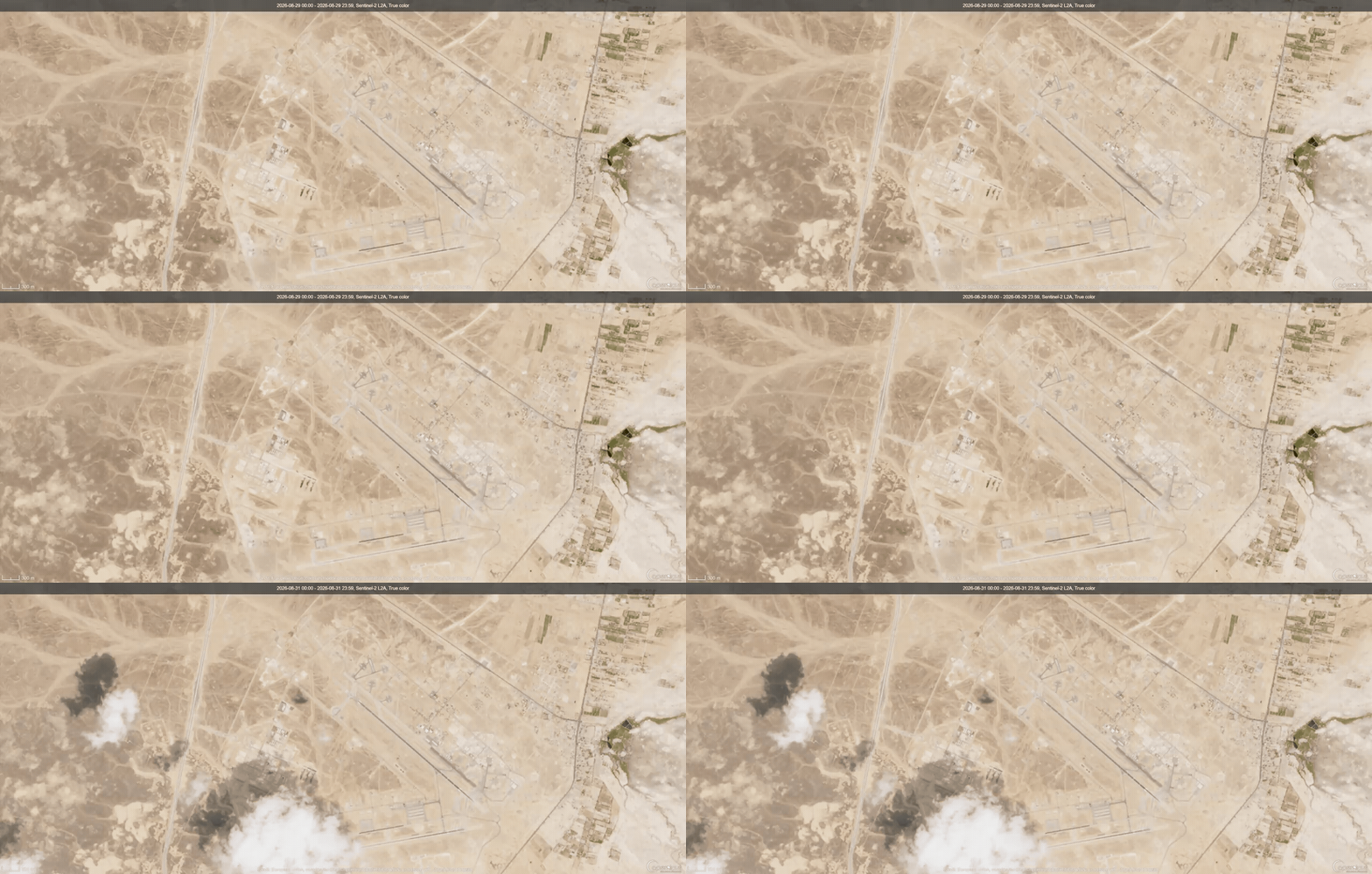
World
AMMAN, Jordan — Newly surfaced satellite imagery from August 31 shows a darkened area near aircraft hangars at Muwaffaq Salti Air Base in Jordan following Iran's ballistic missile attack on U.S.-linked military facilities in the country. The imagery, at coordinates 31.829263, 36.799926, shows an area that appears different from earlier imagery and is consistent with possible blast or impact damage. However, the available imagery alone does not establish the exact cause or extent of the damage. Iran launched ballistic missiles toward U.S.-linked facilities in Jordan on August 30-31 following U.S. strikes on Iranian positions on Larak Island in the Strait of Hormuz. Jordan's military said its air-defense systems intercepted eight missiles, while U.S. officials said nearly all incoming weapons were intercepted and reported no significant operational impact on the bases. Iran's Islamic Revolutionary Guard Corps, however, claimed that its missile and drone attacks struck technical, maintenance and aircraft-related facilities at Muwaffaq Salti and other locations in Jordan. Those claims have not been independently established. Possible damage near aircraft hangar The newly observed dark patch is located close to aircraft hangars inside Muwaffaq Salti Air Base. Open-source imagery analysts have described the feature as potentially consistent with blast damage following the August 30-31 attack. The imagery provides a visual indication of a possible impact area, but it does not by itself confirm whether a ballistic missile directly struck a hangar, what aircraft or equipment may have been affected, or whether the facility remains operational. Muwaffaq Salti has previously been targeted during the conflict. Earlier attacks reportedly caused damage to aircraft shelters and other infrastructure at the base, while U.S. officials previously reported American casualties in attacks on U.S. positions in Jordan. Black Hawk helicopters seen on road transport Separately, footage published by several media outlets and open-source accounts reportedly shows two U.S. UH-60 Black Hawk helicopters being transported on flatbed trailers through Jordan. The helicopters have been described as possibly coming from Muwaffaq Salti Air Base or Prince Hassan Air Base. Their exact origin and destination have not been independently confirmed. Pro-Iranian Arab media outlets published footage allegedly showing two U.S. UH-60 Black Hawk helicopters being transported on trailers in Jordan, likely from Muwaffaq al-Salti AB or Prince Hassan AB, possibly being moved out ahead of potential Iranian attacks. The way they're… https://t.co/n8JbCqNOMd pic.twitter.com/7mCNqSl911 — Egypt's Intel Observer (@EGYOSINT) August 31, 2026 Transporting helicopters by road could indicate that the aircraft were not being flown at the time, but the available footage does not establish the reason for their transport. It therefore cannot confirm whether the helicopters were damaged in Iranian attacks or were being moved for another operational or logistical reason. U.S. aircraft movements from King Abdullah II Air Base The developments also come as U.S. aircraft have reportedly been moved from King Abdullah II Air Base in Jordan. The reported movements include C-130 transport aircraft, UH-60 Black Hawks and AH-64 Apache attack helicopters. King Abdullah II Air Base itself has not been reported as a target of Iranian missile strikes in the recent attack. The movement of aircraft from the facility may reflect wider force-protection and aircraft-distribution measures, although the U.S. military has not publicly provided details establishing the reason for each reported relocation. Satellite imagery adds to conflicting assessments The latest imagery has emerged amid differing accounts of the August 30-31 attack. Jordan and U.S. officials have emphasized the large number of missile interceptions and limited reported impact, while Iran has claimed that its missiles caused substantial damage to U.S.-linked facilities. The August 31 satellite image provides evidence of a possible new blast-related area near hangars at Muwaffaq Salti, but higher-resolution imagery or official assessments would be required to determine the precise extent of any damage and whether aircraft or other military equipment were affected. For now, the available evidence confirms that the area changed between satellite observations, but the exact damage assessment remains unconfirmed.
Read More → Posted on 2026-09-01 16:31:13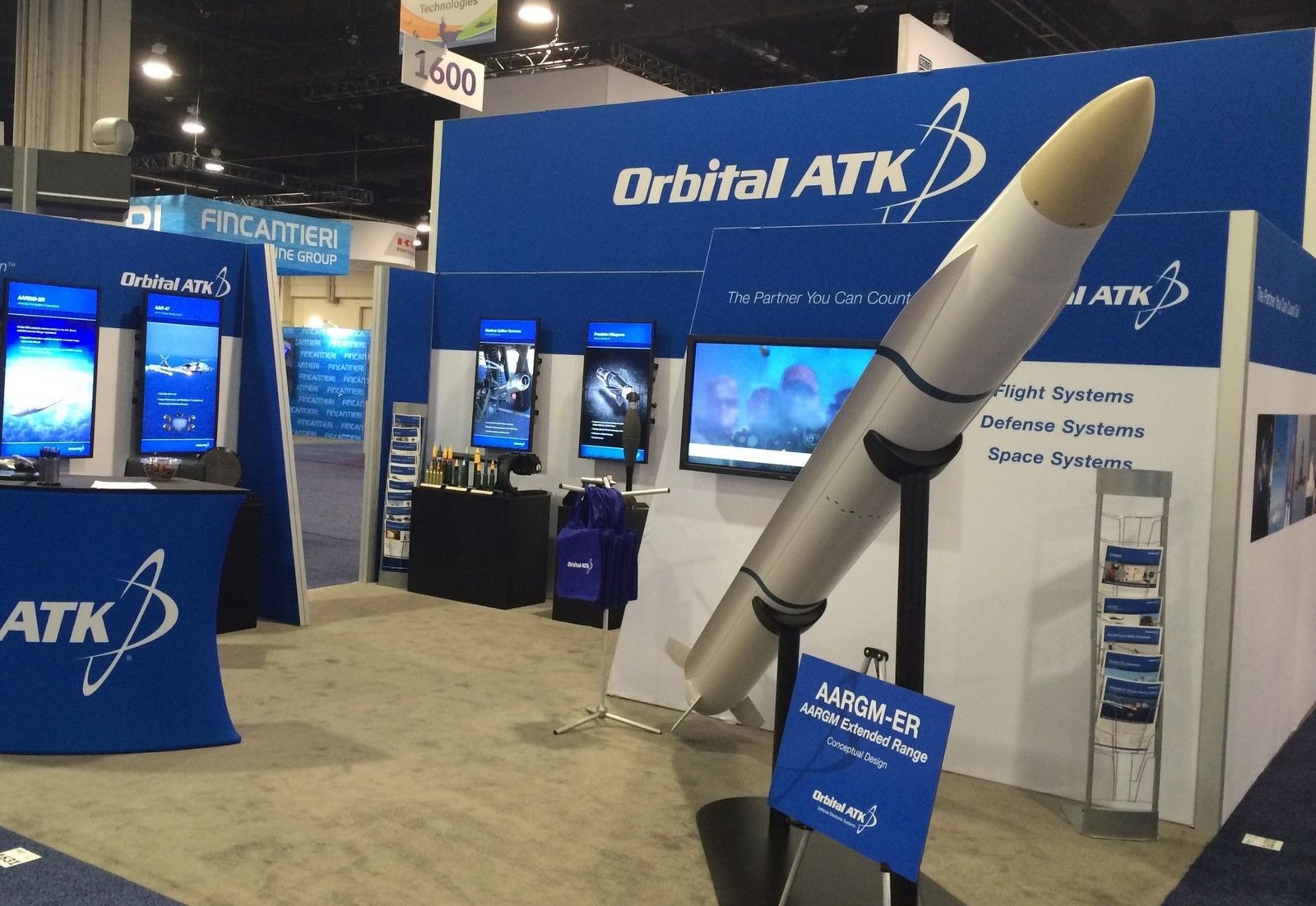
World
TOKYO — Japan’s Ministry of Defense has included the U.S.-made AGM-88G Advanced Anti-Radiation Guided Missile-Extended Range (AARGM-ER) in its fiscal 2027 budget request. Procurement is planned to begin in 2027 as Japan seeks to strengthen its ability to counter adversary integrated air-defense systems, particularly amid increased Chinese military activity. The Ministry submitted a record 8.89 trillion yen (about $55.6 billion) defense budget request on August 31, 2026. The final budget is expected to be decided by the end of December. The AARGM-ER would be the first anti-radiation missile of this type operated by the Japan Air Self-Defense Force (JASDF) since its establishment. JASDF Chief of Staff Gen. Yuhiro Morita said the missile can be carried by the F-35A and F-35B and described it as a supersonic air-launched anti-radar missile capable of reducing an adversary’s air-defense capability and supporting anti-ship attacks. AARGM-ER capabilities Developed by Northrop Grumman, the AARGM-ER is designed for Suppression and Destruction of Enemy Air Defenses (SEAD/DEAD) missions. It can target fixed radar installations, mobile surface-to-air missile systems, command posts and other elements of an integrated air-defense network. The missile uses a multi-mode guidance system combining GPS/inertial navigation, passive anti-radiation homing and a terminal millimeter-wave active radar seeker. This allows it to continue attacking a target even if its radar is switched off. The AARGM-ER was initially developed for the U.S. Navy’s F/A-18E/F Super Hornet and EA-18G Growler and was later expanded to the F-35A, F-35B and F-35C. Its redesigned airframe allows internal carriage on the F-35A and F-35C, while a new rocket motor provides greater range and speed and an upgraded warhead improves its overall capability. Open-source assessments have placed its range at around 300 km, roughly twice that of the earlier AARGM, although the exact performance remains classified. The missile is supersonic. Japan expands long-range strike capabilities Japan’s AARGM-ER procurement is part of a wider effort to expand its stand-off and air-defense suppression capabilities. Japanese combat aircraft previously had a predominantly defensive weapons focus, limiting their ability to attack radar sites, surface-to-air missile systems and command posts. The JASDF is also conducting flight testing of a new long-range air-launched cruise missile on the F-2 fighter. Recent observations showed an air-launched variant of the upgraded Type 12 surface-to-ship missile (SSM-2) being tested by an F-2 assigned to a specialized testing unit near Gifu Air Base. The exact specifications of the air-launched variant remain classified. The ground-launched version of the upgraded Type 12 is estimated to have a range of 1,000 to 1,500 kilometers. The fiscal 2027 budget request also includes ASM-3 Kai missiles with anti-ship and air-to-air capability, additional F-35 fighters, low-cost cruise missiles and various unmanned systems. Several quantities and costs remain listed as item requests pending updated national security strategy documents. If approved, the AARGM-ER will give the JASDF a dedicated capability to suppress and destroy enemy air-defense systems while becoming part of Japan’s broader effort to strengthen stand-off strike and air-defense capabilities.
Read More → Posted on 2026-09-01 16:00:01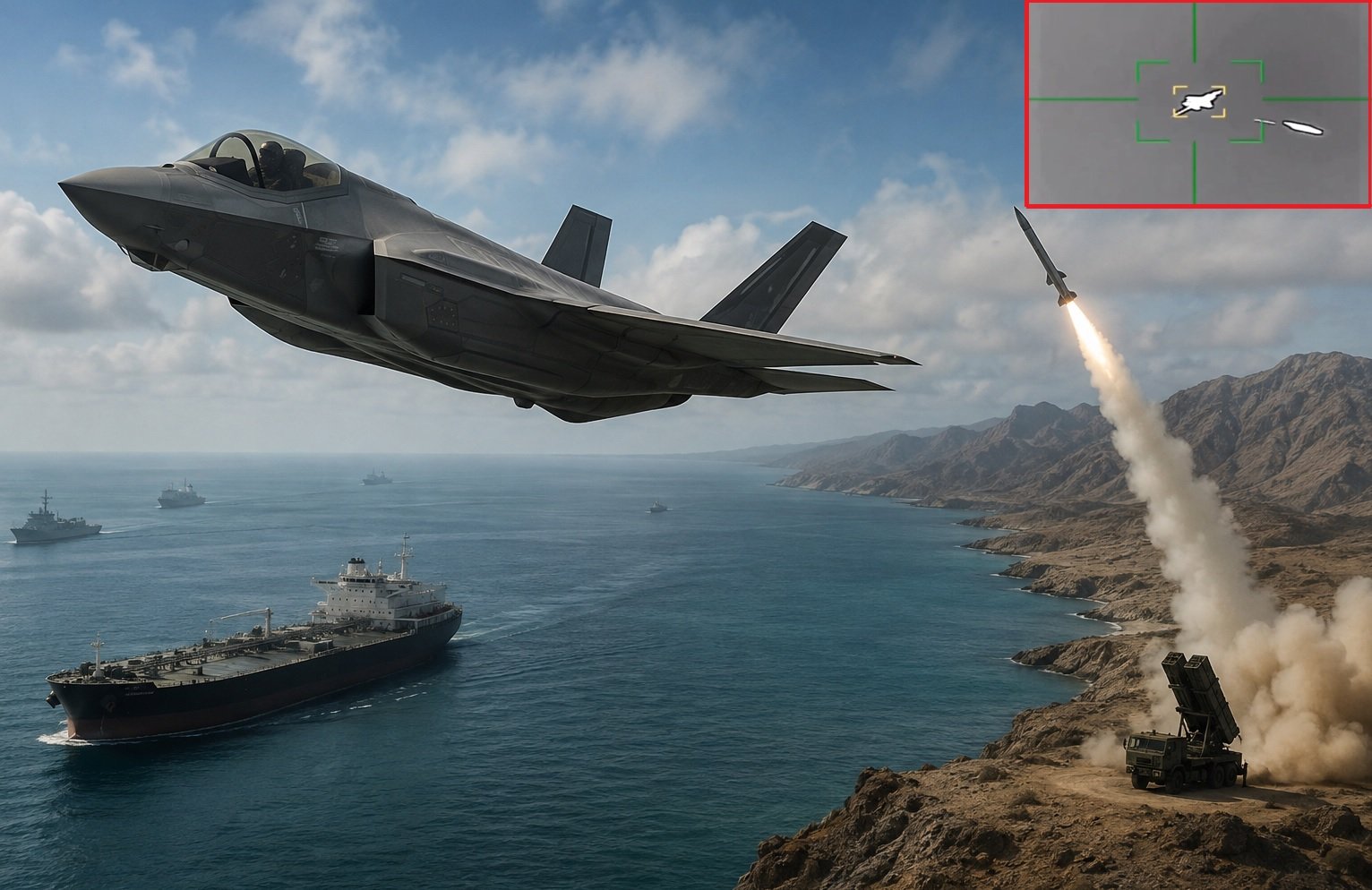
World
WASHINGTON — An Iranian surface-to-air missile was launched in recent days toward a U.S. F-35 fighter jet operating over the Strait of Hormuz, according to a U.S. official cited by Axios. The aircraft was providing air cover for ships transiting the strategic waterway. The missile did not come close enough to threaten the F-35, and there was no reported damage to the aircraft or injury to its pilot. The specific Iranian air-defense system involved has not been publicly identified by U.S. officials. The incident has become part of a wider U.S. assessment that Iran is rebuilding radar, air-defense and anti-ship missile capabilities around the Strait of Hormuz. U.S. Considers Limited Strikes U.S. Central Command (CENTCOM) has reportedly developed a plan for periodic, limited strikes against Iranian military capabilities around the strait. According to Axios, the proposal is intended to prevent Iran from rebuilding systems that could threaten commercial shipping, U.S. Navy ships and American aircraft operating in the area. The plan has the support of Defense Secretary Pete Hegseth and was sent to the White House for consideration several days ago. Chairman of the Joint Chiefs of Staff Gen. Dan Caine was also briefed on the proposal. The plan had not received final approval from President Donald Trump before the latest exchange of fire. The administration had previously been reluctant to approve additional strikes because of concerns about further escalation with Iran. Strait of Hormuz Remains a U.S. Military Focus The F-35 incident comes after months of U.S. military operations aimed at reducing Iran's ability to threaten commercial vessels in and around the Strait of Hormuz. CENTCOM has previously said its forces conducted strikes against Iranian air-defense systems, coastal radar sites, anti-ship missile capabilities, command-and-control networks and other military assets connected to threats against commercial shipping. The U.S. military has also supported commercial vessel movements through the waterway. The White House said on August 28 that nearly 1,500 commercial vessels had moved through the strait under U.S. protection, although those figures were provided by the White House and were not part of the Axios report. Recent Iranian Missile Attack Could Affect Trump's Decision The White House is also considering the situation following a separate Iranian ballistic missile attack on U.S. positions in Jordan, according to Axios. The attack followed a U.S. strike against Iranian forces that were preparing to launch rockets carrying sea mines into the Strait of Hormuz. President Trump subsequently said the United States would respond to the Iranian attack. The latest developments could therefore influence the administration's earlier reluctance to authorize the proposed limited strikes. No Final Decision Announced The U.S. government has not publicly announced that President Trump has approved the proposed campaign of periodic strikes described by Axios. The immediate concern for CENTCOM is Iran's reported effort to restore radar, air-defense and anti-ship missile capabilities that could threaten ships and U.S. military aircraft operating around the Strait of Hormuz. The recent launch of a surface-to-air missile toward the F-35 is being treated by U.S. officials as one indication of that rebuilding effort. CENTCOM has previously stated that keeping the Strait of Hormuz open for commercial traffic remains a major operational objective.
Read More → Posted on 2026-09-01 14:43:17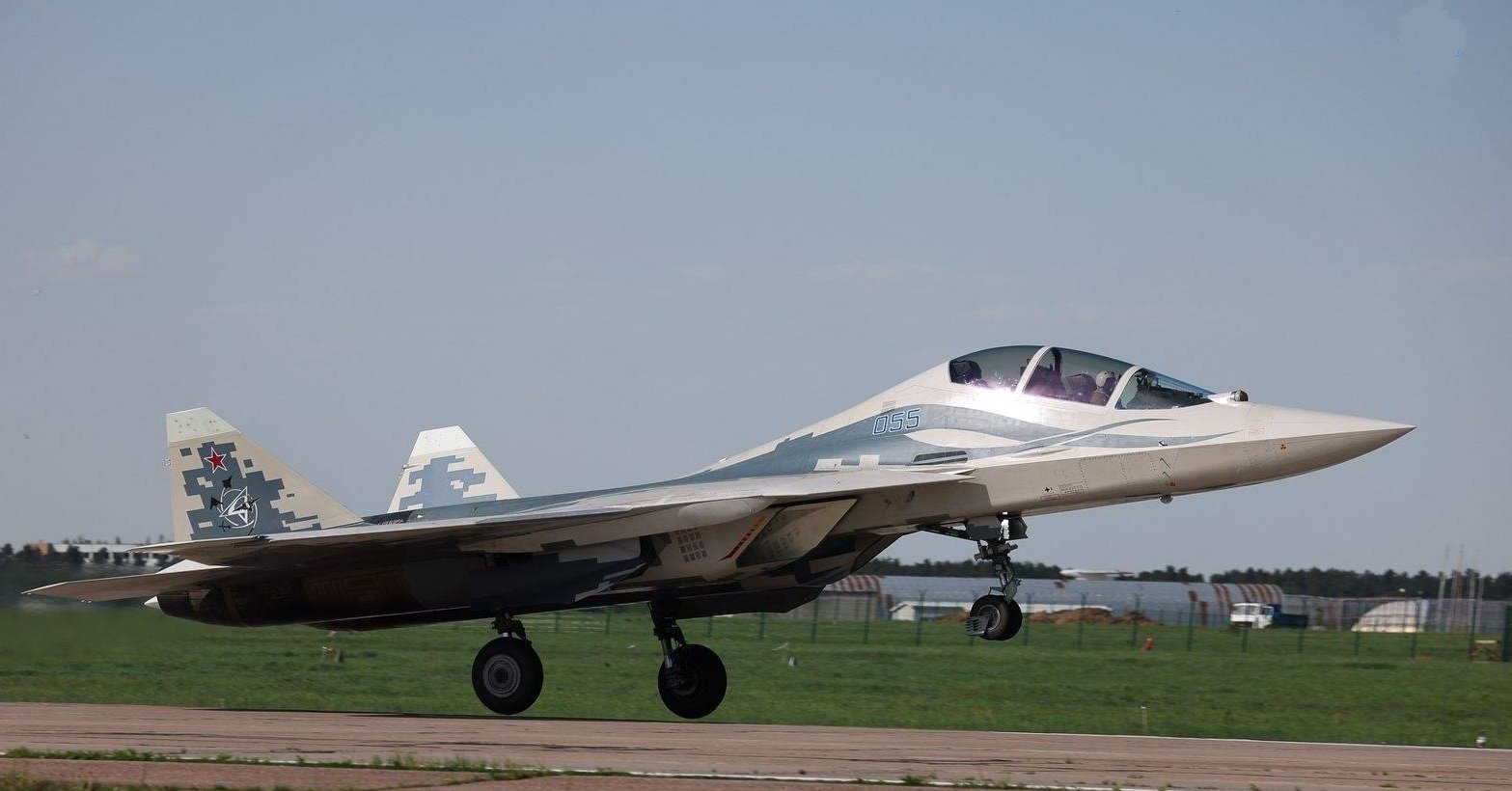
World
MOSCOW, — Russia’s United Aircraft Corporation (UAC), part of the Rostec state corporation, is developing a combat artificial intelligence system for military applications. The system is being tested on the new two-seat Su-57D stealth fighter, which is also being developed for specialised pilot training and control of unmanned aerial vehicles (UAVs). Su-57D Completes First Flight The Su-57D completed its maiden flight on May 19, 2026, at the Komsomolsk-on-Amur aviation plant. The aircraft was flown by Sukhoi chief test pilot Sergey Bogdan and remained airborne for about 40 minutes. Taxi trials had started on May 16. The prototype, carrying side number 055, was converted from an earlier single-seat T-50 flight-test airframe rather than being built as a completely new aircraft. The two-seat concept had previously appeared in a UAC patent filed in November 2023. Training and Unmanned-Aircraft Control Rostec has identified two main roles for the Su-57D. The first is specialised pilot training, with the two-seat configuration allowing crews to practise flight regimes that cannot be fully reproduced in ground-based simulators. The second is testing technologies that Russian officials associate with sixth-generation combat aviation, including the use of the fighter as an airborne command-and-control platform for unmanned systems. Mikhail Strelets, director of the Sukhoi Design Bureau, said the additional cockpit allows the aircraft to control highly autonomous systems, including the S-70 Okhotnik heavy unmanned combat aircraft, as well as UAV groups and swarms. The arrangement allows the main pilot to concentrate on flying and the primary combat mission while the second crew member manages the unmanned systems. Combat AI Development UAC specialists are developing a combat AI system that will be tested on the Su-57D. The programme is intended to examine the integration of artificial intelligence and autonomous decision-making with the fighter and unmanned aircraft. Russian officials have not disclosed the AI system’s detailed capabilities, level of autonomy, testing parameters or any confirmed timeline for operational deployment. The Su-57D concept builds on earlier Russian testing involving the Su-57 and S-70 Okhotnik, which began in 2019. The two-seat aircraft is intended to provide a manned platform capable of coordinating mixed formations of crewed and unmanned aircraft. Export Potential UAC chief executive Vadim Badekha has said the two-seat version could increase the Su-57 family’s appeal on foreign markets. First Deputy Prime Minister Denis Manturov has also described the aircraft as having combat, training and tactical-control functions. India has been mentioned as a potential market for a two-seat configuration, partly because of its experience operating the two-seat Su-30MKI, although there is no confirmed Indian procurement agreement for the Su-57D. As of late August 2026, the Su-57D remains in the flight-test phase. Russia has not announced a production schedule, final operational designation or confirmed integration timeline for the combat AI system.
Read More → Posted on 2026-09-01 12:57:02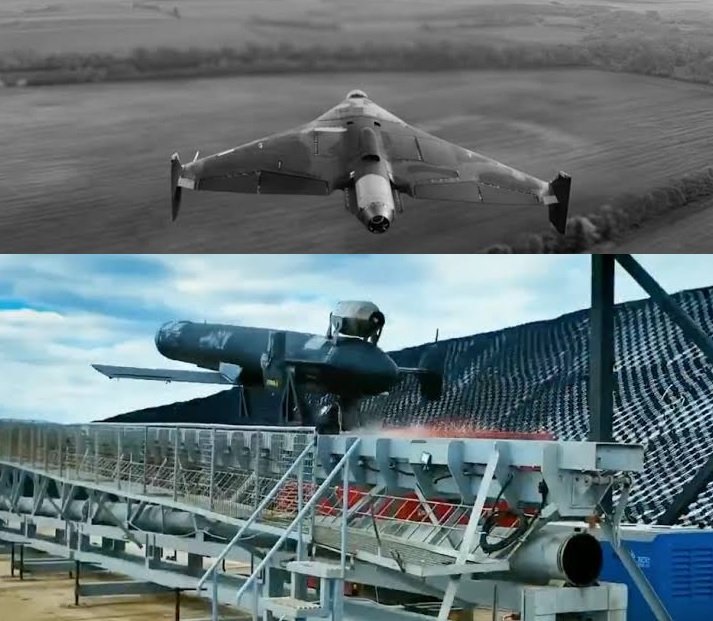
World
KYIV, — Russia sharply increased its use of jet-powered attack drones against Ukraine in July, deploying five times more than in June, according to Yurii Ihnat, head of the Communications Department of Ukraine’s Air Force Command. Speaking on August 31, Ihnat said Ukrainian forces recorded more than 1,500 drones over a recent four-day period, including about 800 jet-powered UAVs. Ukraine’s overall air-defense effectiveness remained around 90%, but jet-powered drones were intercepted less frequently than conventional Shahed-type drones. The shift includes jet-powered variants such as the Geran-3, Geran-4 and Geran-5, as well as the S8000 Banderol. Ukrainian officials say Russia has increased their use because conventional defenses have been highly effective against slower, piston-engine Shahed drones. Speed and altitude challenge Some of the new jet-powered UAVs can reach about 600 km/h, while Ukrainian interceptor drones currently reach roughly 300 km/h, making direct pursuit difficult. The UAVs can also operate at around 5 km altitude, putting them beyond the effective range of many mobile fire teams and portable air-defense systems. Ihnat said countering the faster systems requires short-range surface-to-air missile systems, air-defense aviation and fighter aircraft equipped with air-to-air missiles. Ukraine is also developing faster interceptor drones. Ukrainian researchers previously reported that Russia used about 1,400 jet-powered strike UAVs during the first months of 2026, compared with roughly 180 during all of 2025. Ukrainian assessments have also put production of Geran-4 and Geran-5 at around 3,000 units per month, with jet-powered drones accounting for about 15–25% of some recent attack packages. S8000 Banderol Russia has also expanded production and use of the S8000 Banderol, a system variously described as a missile, drone-missile, loitering munition or small cruise missile. Ukrainian reporting puts its production at about 80 units per month. The Banderol is approximately 5 meters long, has a 30-centimeter fuselage diameter and folding wings and stabilizers spanning about 2.2 meters. Its maximum speed is listed at 620–650 km/h, cruising speed at 520–560 km/h, and range at about 500 km. The system carries an OFBCh-150 warhead weighing about 114.3 kg, including 49.5 kg of explosives. Ukrainian intelligence has identified a Chinese SW800Pro-A95 turbojet engine among its components, along with other foreign-made electronics. The Banderol can be carried by the Orion UAV, while Ukrainian reporting has also identified planned use from the Mi-28N helicopter. Its small diameter and composite construction reduce its radar cross-section, while low-altitude flight can make detection more difficult, particularly when terrain provides concealment. Russia’s increased use of jet-powered UAVs and Banderol systems shows a shift toward faster aerial weapons that require Ukraine to use more specialized interception systems than those commonly employed against slower propeller-driven drones.
Read More → Posted on 2026-08-31 16:50:11
World
JAN MAYEN, Norway, — Military forces from the United States, United Kingdom and Norway have deployed to the remote Norwegian island of Jan Mayen for Operation Atlantic City 26, a trilateral military activity running from August 26 through September 4. The operation is part of NATO’s Arctic Sentry, an enhanced-vigilance activity designed to strengthen Allied coordination and security in the High North. Jan Mayen’s Strategic Location Jan Mayen is a Norwegian territory in the Norwegian Sea, approximately 1,000 kilometers (620 miles) from mainland Norway and north of the Greenland-Iceland-United Kingdom (GIUK) gap. The island has a dirt runway but no harbor, with only offshore anchorages. Its remote location, severe weather and limited infrastructure make it a challenging environment for military deployments. Allied Forces Build a ‘Joint Kill Web’ The participating forces are connecting sensors, command-and-control nodes and precision fires into what the U.S. Marine Corps describes as a “joint kill web.” The network is intended to support rapid targeting and help restrict adversary movement in contested maritime areas. U.S. Marine Corps Lt. Col. David Palacio, fires officer for U.S. Marine Corps Forces Europe and Africa, said the deployment demonstrates the Marine Corps’ role in enabling joint and combined forces. U.S., UK and Norwegian Forces The U.S. contingent includes Marines from U.S. Marine Corps Forces Europe and Africa, II Marine Expeditionary Force, the 10th Marine Regiment and Marine Air Support Squadron 1. A HIMARS platoon from the 3-197th Field Artillery Regiment of the New Hampshire Army National Guard is supporting precision fires. Elements of the U.S. Sixth Fleet and Task Force 68 are also involved in maritime operations. MC-130 and C-130 aircraft are providing airlift support. Norway is contributing personnel from the Royal Norwegian Navy and Norwegian Home Guard. The UK has deployed Royal Marine Commandos and elements of the Royal Air Force’s LXX Squadron. RAF A400M Delivers Troops and Vehicles On August 29, an RAF A400M Atlas from LXX Squadron at RAF Brize Norton delivered U.S. Marines, Royal Marines and two Joint Light Tactical Vehicles to Jan Mayen. A similar A400M landing was conducted during the 2025 iteration of the activity. Operation Linked to Northern Viking 26 Atlantic City 26 is being conducted alongside Operation Northern Viking 26, allowing participating forces to share maritime surveillance and sensing capabilities across the European theater. Both activities support Arctic Sentry, which was launched in February 2026 and is led by Joint Force Command Norfolk. The framework is intended to synchronize Allied activities, improve common situational awareness and strengthen deterrence in the High North. Norwegian Army Maj. Gen. Frode Kristoffersen, Deputy Chief of Staff for Operations at Joint Force Command Norfolk, said Arctic Sentry is intended to coordinate Allied Arctic activities and maximize their combined effect. Historical Background The name Operation Atlantic City comes from a U.S. military base established at Nordlaguna on Jan Mayen during the Second World War. The base supported weather observations and Allied control of the North Atlantic. The current activity follows similar training conducted on and around Jan Mayen in September 2025. It also tests how Allied forces operate across long distances, limited infrastructure, severe weather and rapidly changing conditions in the High North.
Read More → Posted on 2026-08-31 16:28:34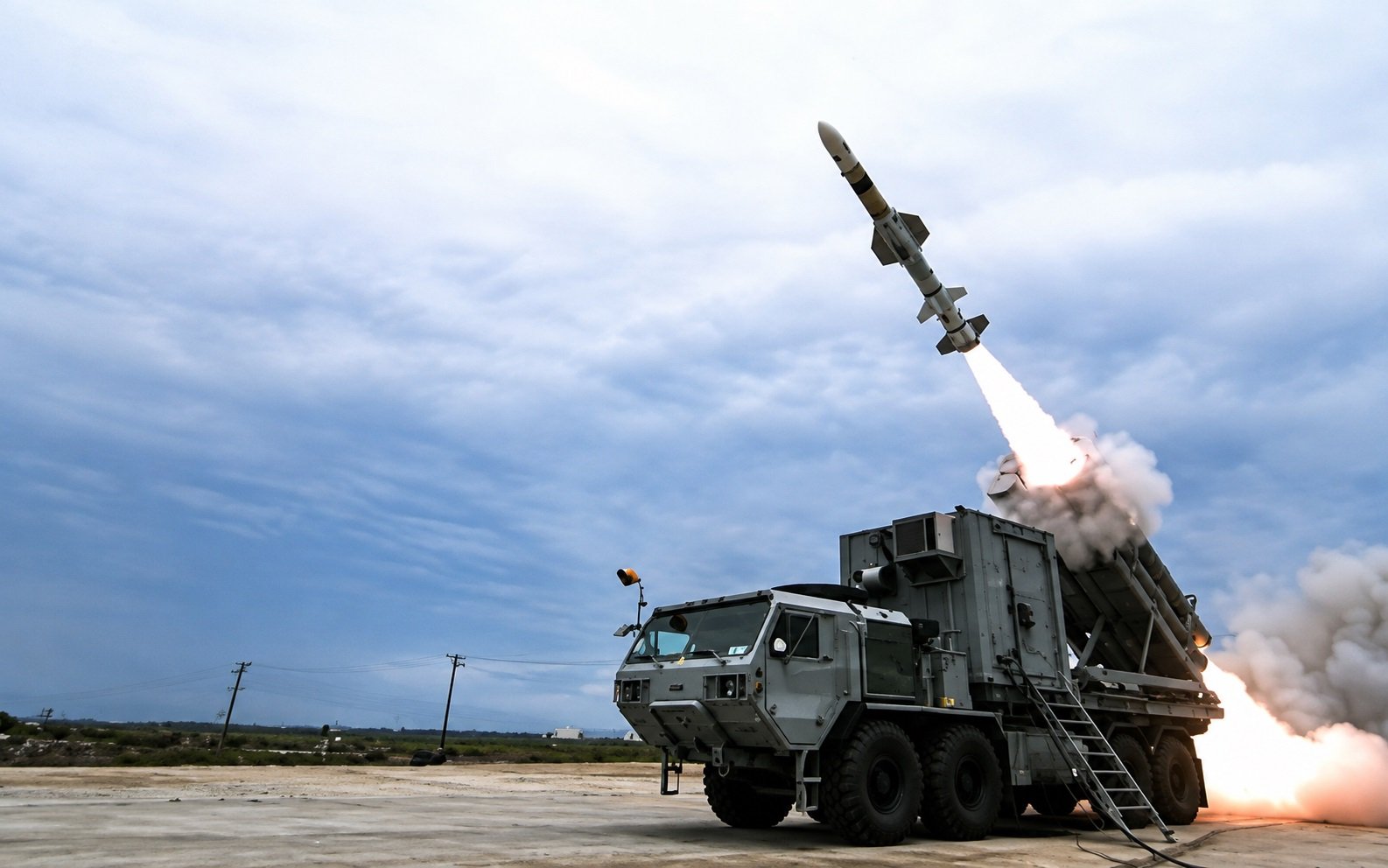
World
TAIPEI — Taiwan has begun deploying its newly acquired U.S.-made Harpoon Coastal Defense Systems (HCDS), with the first launchers, command vehicles and radar systems arriving on the island. The equipment is being prepared for operational use by units under the Navy’s Littoral Combat Command, which began force generation in July 2026. Taiwan ordered 100 Harpoon Coastal Defense Systems under a procurement program valued at more than NT$90.2 billion (about US$2.85 billion). The package includes 400 RGM-84L-4 Harpoon Block II anti-ship missiles, 100 transport and launch vehicles, 25 radar vehicles, four training missiles, storage containers, spare parts, maintenance equipment, training equipment and related support. The program runs from 2021 to 2030, while full delivery of the Harpoon equipment is scheduled for completion by the end of 2028. Reports indicate that 32 systems are expected to be delivered by the end of 2026, with the remainder arriving in subsequent years. The Taiwanese configuration uses Oshkosh Heavy Expanded Mobility Tactical Trucks (HEMTTs). The eight-wheel-drive vehicles have armored cabs and carry four missile canisters, providing a mobile launcher configuration that differs from older trailer-mounted Harpoon systems supplied to some other countries. The RGM-84L-4 Harpoon Block II uses GPS-assisted guidance and an active radar seeker. The Harpoon family is designed for over-the-horizon anti-ship operations and uses a sea-skimming flight profile. The system recently completed an important developmental test in the United States. In July 2026, the U.S. Navy and Boeing conducted Developmental Test 1 at the Point Mugu Sea Range in California, where a land-launched Harpoon successfully engaged a maritime target. The U.S. Navy reported the test on August 28. Taiwan is also preparing infrastructure for the new coastal missile units, including positions and bases in areas such as Tainan, Kaohsiung and Pingtung, with some facilities expected to be completed in 2027. The Harpoon systems will operate alongside Taiwan’s domestically produced Hsiung Feng II and Hsiung Feng III anti-ship missiles. Together, they will form part of Taiwan’s broader land-based coastal defense network. The deployment is continuing in phases, with training and support activities followed by delivery and integration of launch vehicles, radar systems and missiles.
Read More → Posted on 2026-08-31 14:43:03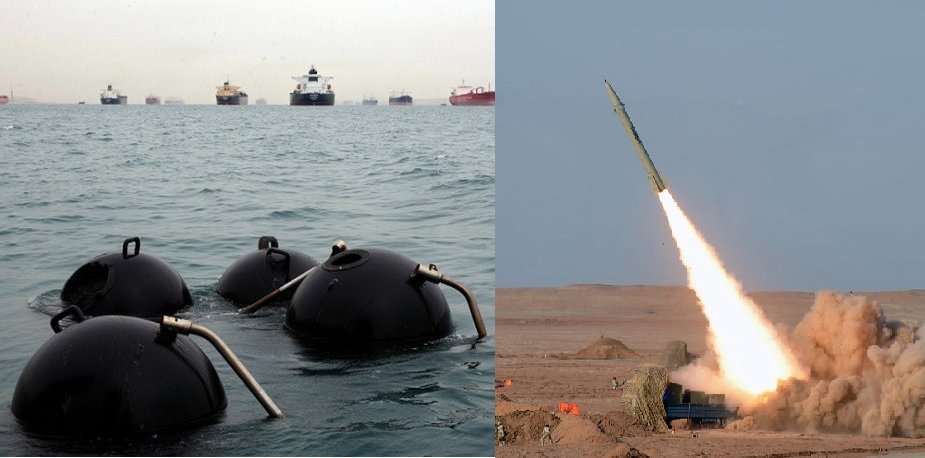
World
LARAK ISLAND, Iran — Iran appears to be adapting its sea-mine warfare strategy in the Strait of Hormuz by turning to land-based rocket launchers after U.S. operations significantly reduced its ability to deploy mines using naval vessels. The shift was highlighted on August 30, when U.S. forces struck two Iranian launchers on Larak Island after Islamic Revolutionary Guard Corps (IRGC) forces were observed preparing to fire rockets carrying sea mines into the Strait of Hormuz. U.S. Central Command described the action as a limited strike against an imminent threat to shipping. From Mine-Laying Boats to Rockets Iran has used small vessels for mine-laying operations in the Strait, but U.S. forces have targeted Iranian mine-laying vessels during the conflict. The United States has also conducted operations to clear Iranian mines from international shipping routes in the Strait. With many of Iran's mine-laying vessels lost or under increased surveillance, rocket deployment provides another way to place mines without sending a boat directly into the target area. The method allows a launcher positioned on land to fire a mine-carrying rocket toward the intended maritime area. This shifts the U.S. challenge from tracking only boats operating in the Strait to also locating and targeting mobile launchers on Iran's coastline and nearby islands. Iran Has Already Demonstrated the Method The rocket-based approach is not new. Iran demonstrated a similar capability during the IRGC's Great Prophet-19 exercise in January 2025. During the exercise, Iranian forces used 333mm Fajr-5 rockets to carry sea mines instead of their normal warheads. The rockets were launched from positions along the Strait of Hormuz coast, demonstrating how a conventional multiple-launch rocket system could be adapted for mine deployment. The Fajr-5 is normally a ground-attack rocket system with a reported range of about 75 km, while newer Fajr-5C variants have been reported with ranges of up to 130 km. This gives the system sufficient reach to cover significant areas around the Strait when used from suitable coastal positions. Why Rocket-Based Mine Deployment Matters The main difference is the distance between the launching platform and the mine-laying area. A boat-based operation requires Iranian personnel and vessels to enter the waterway. A rocket-based system allows the launch to take place from land, reducing the need to expose a mine-laying vessel in the Strait. The approach also has limitations. Analysts have questioned the practical reliability of delivering mines by rocket because the mines must survive the stresses of launch and their subsequent entry into the water. Iran has demonstrated the concept, but it has not publicly confirmed that Fajr-5 rockets are currently being used operationally to deploy mines. A New Challenge After the US Mine Clearance The development comes shortly after the United States said it had cleared mines from the Strait's main international shipping routes. U.S. Central Command said Navy divers, special operations forces and aircraft were involved in the mine-clearance operation. The U.S. has warned Iran that any vessel attempting to lay new mines would be destroyed. That warning increases the importance of Iran's land-based option. Instead of relying entirely on vessels that can be intercepted in the Strait, Iran can potentially use mobile launchers from positions on land. The August 30 strike on Larak Island shows that the United States is already monitoring for this alternative method. Iran's mine-laying capability has therefore not disappeared despite the losses suffered by its naval forces. Instead, the recent activity suggests that Tehran is adapting its method of delivering mines, with rocket launchers providing a land-based alternative to vulnerable mine-laying boats. Main Source : maritime-executive
Read More → Posted on 2026-08-31 14:35:04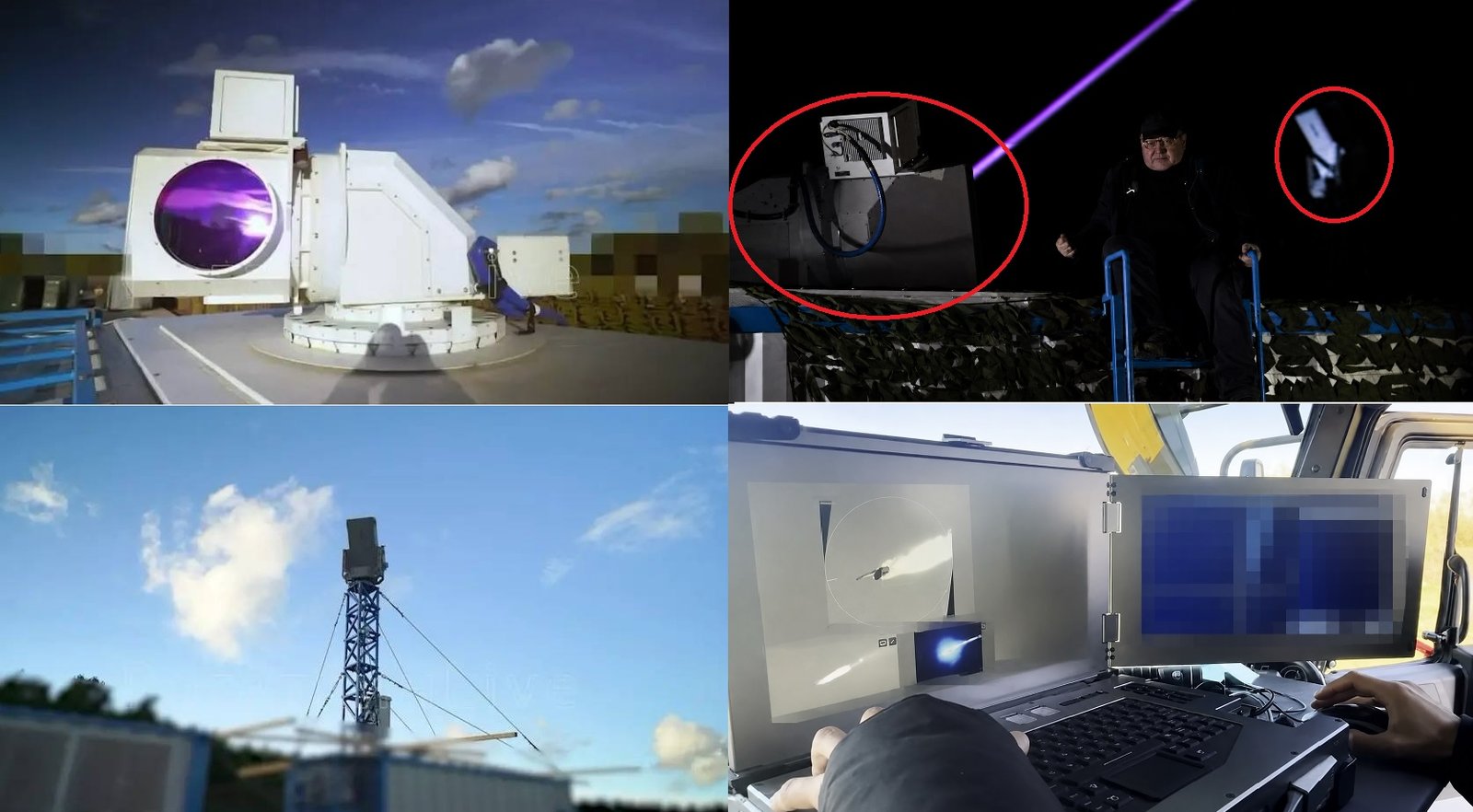
World
MOSCOW, — Footage circulating this week on Russian pro-military channels appears to show a Russian combat laser system engaging aerial drones. A Russian military blogger described the footage as an “exclusive” and claimed that several systems are deployed to protect strategic facilities in southwestern Russia. The blogger also claimed that the systems have destroyed several hundred Ukrainian drones. These claims, including the deployment locations and combat record, have not been independently verified. No Russian government or military agency has publicly confirmed them. Containerized Laser System Based on descriptions of the footage, the system is mounted on a containerized platform and combines a laser weapon, targeting and guidance equipment, and a command post operated by a single person. It reportedly has its own detection equipment, using radar and optical sensors to detect and track aerial threats. The blogger said Russian developers are preparing a second-generation system designed to engage faster targets, including tactical aircraft and cruise missiles. This claim has also not been independently confirmed. The post said the technology should not be overestimated on its own but could be useful when combined with conventional air-defense systems. It also claimed that the systems have demonstrated effectiveness and should continue to be developed. Russia's Laser Counter-Drone Development Russia has previously reported large-scale testing of laser systems against UAVs. In June 2025, the government said eight systems, ranging from compact mobile units to high-power stationary platforms, were tested. First Deputy Prime Minister Denis Manturov attended the trials. According to Russian officials, the tests examined guidance accuracy, engagement range, reaction speed against moving targets and performance in different weather conditions. The systems were developed with involvement from subsidiaries of Rostec and Rosatom. Officials said the results supported further development toward serial production and integration with broader air-defense systems. Separate Russian industry reports in late 2025 and 2026 described testing of the LazerBuzz system under Project Posokh. The developer reported a 1-kilometer engagement against an FPV drone in 2025, followed by reported tests at 1.5 kilometers against an aircraft-type drone in 2026. These results are based on developer statements and have not been independently verified. Limitations of Laser Weapons Directed-energy weapons are being developed by several militaries for counter-drone missions. Their potential advantages include engaging targets without using conventional interceptor ammunition, but operational effectiveness can be affected by rain, fog, dust and smoke. Atmospheric effects can also reduce beam performance over longer distances, while high-power systems require significant power and thermal management for sustained operation. Russia's Peresvet is another known directed-energy system, although it is primarily associated with disabling or blinding optical sensors rather than physically destroying drones. The latest footage therefore provides no independent confirmation of the reported number of drones destroyed, the systems' deployment locations, or the planned second-generation capabilities. Those claims remain unverified, while Russia's previous government-announced tests and industry-reported trials confirm continued development of laser-based counter-drone technology. Source : Defence-Blog
Read More → Posted on 2026-08-31 14:15:39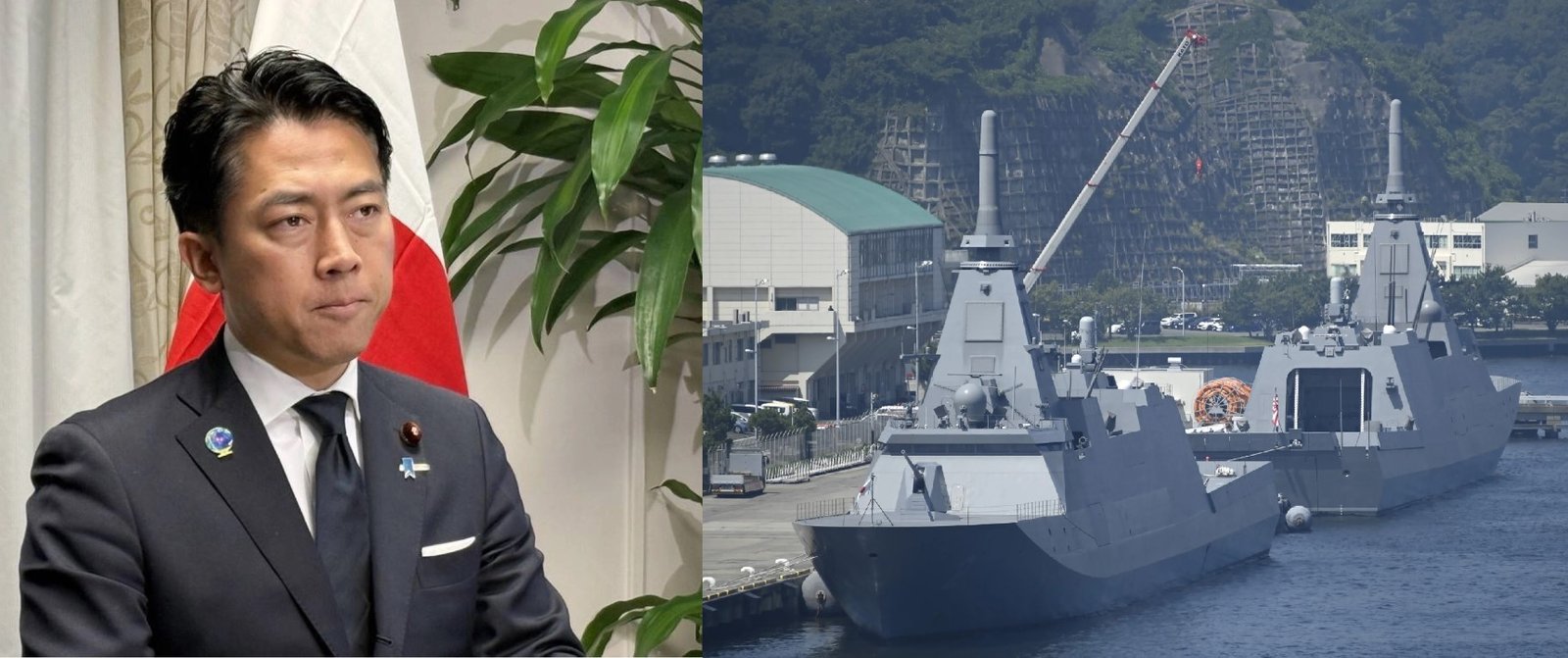
World
TOKYO, — Japan’s Ministry of Defense (MoD) has submitted a record 8.9 trillion yen ($55.5 billion) budget request for fiscal year 2027, placing greater emphasis on artificial intelligence, unmanned systems, maritime surveillance, stand-off weapons and undersea capabilities. The fiscal 2027 budget begins in April 2027 and represents Japan’s 15th consecutive annual defense spending increase and 13th consecutive record high. The final figure is expected to exceed 10 trillion yen for the first time after year-end negotiations determine funding for around 160 unpriced “item requests” (jiko yokyu). Fiscal 2027 is also the final year of Japan’s current five-year Defense Buildup Program, which originally set a target of approximately 43 trillion yen in total defense spending from fiscal 2023 through fiscal 2027. The ministry said the security environment has changed faster and become more complex than anticipated when the current defense planning documents were prepared. Japan plans to revise its three key security documents by the end of 2026. AI and Unmanned Systems Become Major Priorities The budget request places AI and unmanned systems at the center of Japan’s effort to adapt to what the MoD describes as “new ways of warfare.” The ministry requested 292.2 billion yen ($1.83 billion) to acquire 17 General Atomics MQ-9B SeaGuardian long-endurance unmanned aerial vehicles. The aircraft are intended to strengthen intelligence, surveillance, reconnaissance and targeting capabilities. The Japan Maritime Self-Defense Force (JMSDF) began trial operations with the SeaGuardian in 2023. Japan selected the aircraft for its long-endurance UAV program in December 2024, with longer-term plans calling for approximately 23 MQ-9Bs. The MoD cited increased Chinese aircraft carrier operations and joint bomber flights involving China and Russia as reasons for strengthening surveillance, particularly in support of Pacific sea-lane defense. Japan is also developing broader unmanned capabilities. The ministry submitted an item request to research a stand-off missile launch module for unmanned underwater vehicles (UUVs). Other research areas include UUV networking, search and attack modules and underwater power-supply technology. The ministry says these technologies are intended to reduce personnel risks and provide cost advantages in future conflicts. AI development is also included in the request, including an AI-based decision-support system for the Joint Operations Command, a next-generation AI platform and secure cloud infrastructure for classified information. New FFM Frigates and Other Maritime Programs The JMSDF's fleet modernization program includes several major surface and undersea projects. Construction of the New FFM, an upgraded version of the Mogami-class multirole frigate, has been included as an item request. The number of ships and associated funding will be decided during the year-end budget process. The New FFM has a standard displacement of 4,800 tonnes and is designed to provide improved anti-air, anti-submarine and other maritime warfare capabilities compared with the existing Mogami class. Japan plans to build 12 New FFMs. Construction funding for six has already been secured: two in fiscal 2024, three in fiscal 2025 and one in fiscal 2026. The design was also selected by the Royal Australian Navy in 2025 as the basis for its future general-purpose frigate program. Sakura-Class Offshore Patrol Vessels The MoD also submitted an item request for construction of Sakura-class offshore patrol vessels (OPVs). The 1,920-tonne vessels are designed to operate with a crew of about 30 personnel. They will replace older destroyer escorts and patrol boats and are designed to operate unmanned surface vessels, rigid-hull inflatable boats and UAVs including the V-BAT. The JMSDF plans to eventually operate 12 Sakura-class OPVs, with the first six already funded. The first ship, JS Sakura (OPV-901), was launched in November 2025, and the initial vessels are expected to enter service from March 2027. Taigei-Class Submarines Continued construction of the 3,000-tonne Taigei-class submarines was also submitted as an item request. The submarines use lithium-ion batteries, providing improved underwater endurance compared with earlier propulsion arrangements. The class is being introduced as part of the JMSDF's modernization of its submarine fleet. Aegis System Equipped Vessels Japan requested 68.9 billion yen ($431 million) for preparations for testing the two Aegis System Equipped Vessels (ASEVs) currently under construction. The first ASEV is scheduled to enter service by the end of fiscal 2027, while the second is scheduled to enter service by the end of fiscal 2028. The vessels are approximately 190 meters long and 25 meters wide, with a standard displacement of around 12,000 tonnes. Expansion of Stand-Off Strike Capabilities Long-range stand-off weapons are another major part of the fiscal 2027 request. The MoD requested 56.2 billion yen ($351 million) for the ship-launched version of Japan's improved Type 12 surface-to-ship missile. The JMSDF plans to deploy the system aboard the refurbished destroyer JS Teruzuki (DD-116) starting in fiscal 2027. Japan also requested 16.3 billion yen ($102 million) for submarine-launched guided missiles developed by Mitsubishi Heavy Industries. The missiles can be launched from submarine torpedo tubes and are intended to engage both maritime and land targets from stand-off ranges. The system is planned for deployment aboard the newest Taigei-class submarines. Separately, the ministry submitted an item request for development of an underwater-launched hypersonic guided missile. The proposed weapon is intended to provide a stand-off strike capability from an underwater platform and is separate from the submarine-launched guided missile program planned for the Taigei class. Japan to Equip All Eight Aegis Destroyers for Tomahawk Japan is also continuing work to integrate U.S.-made Tomahawk cruise missiles onto its Aegis destroyers. The MoD requested 1.1 billion yen ($6.9 million) to add Tomahawk launch capability to three ships: JS Kongo (DDG-173) JS Ashigara (DDG-178) JS Maya (DDG-179) Japan plans to acquire up to 400 Tomahawk missiles through the U.S. Foreign Military Sales program. The JMSDF currently operates eight Aegis destroyers, consisting of four Kongo-class, two Atago-class and two Maya-class ships. Funding through fiscal 2026 had already been approved to equip five ships: JS Chokai, JS Kirishima, JS Haguro, JS Myoko and JS Atago. JS Chokai received the capability in March 2026 and conducted Japan's first ship-launched Tomahawk live-fire test in the Pacific Ocean on July 29, 2026. The latest request covers the remaining three Aegis destroyers, meaning all eight existing Japanese Aegis destroyers are now planned to receive Tomahawk launch capability. Izumo-Class Ships Continue F-35B Modifications Japan is continuing modifications to the Izumo-class helicopter carriers JS Izumo and JS Kaga to support operations by Lockheed Martin F-35B short takeoff and vertical-landing fighters. The MoD requested 3 billion yen ($18.7 million) for the work. Of this amount, 100 million yen is allocated to JS Izumo, including the manufacture of internal mounting fixtures for F-35B-related equipment. The remaining 2.8 billion yen is allocated to JS Kaga, mainly for flight-deck lighting and related equipment. Modifications to JS Izumo are scheduled for completion in fiscal 2027, while work on JS Kaga is scheduled to finish in fiscal 2028. Cumulative funding for the carrier modifications through fiscal 2026 totals 107.4 billion yen. The fiscal 2027 request would raise the total to approximately 110.4 billion yen, excluding any additional funding that could be approved through item requests. Weaker Yen Raises Equipment Costs The MoD calculated the dollar value of the 2027 request using an exchange rate of 149 yen to the dollar, compared with the 108 yen benchmark used when Japan's current five-year defense plan was prepared in 2022. The ministry said the weaker yen has increased the cost of imported equipment and foreign-made components. The 8.9 trillion yen figure is therefore not the final fiscal 2027 defense budget. The request will undergo review by the Finance Ministry, while funding for the numerous item requests will be decided during year-end budget negotiations. A final figure is expected in late December, with the government's planned revisions to Japan's security documents also forming part of the broader defense planning process.
Read More → Posted on 2026-08-31 13:47:19Search
Top Trending in 24 Hours
-
 North Korea Fires Short-Range Ballistic Missile Toward Sea of Japan After Freedom Edge 26
-
 India’s xTerra Robotics Launches Indigenous DHAV-Hy Wheeled-Legged Quadruped for Industrial Inspection
-
 U.S. Army Awards $10.64 Million Contract to Ukrainian Drone Maker Skyeton for Raybird Systems
-
 U.S. Delivers First CH-47F Chinook to Egypt Under 12-Helicopter Deal
-
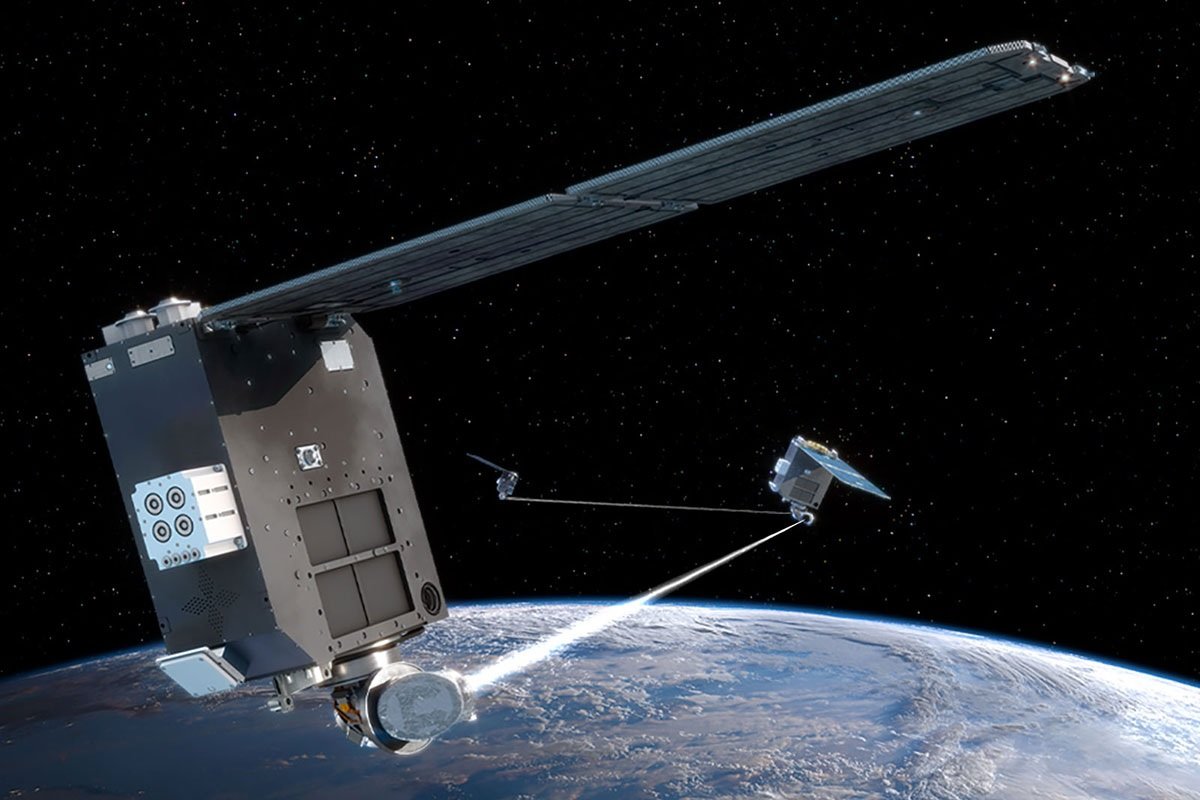 U.S. Space Force Seeks Rapid-Response Satellites for Close-Range Orbital Inspections
-
 BEL Showcase X-Band Multi-Function Radar for QRSAM to Japanese Delegation
-
 U.S. Government Seizes Almasirah.net, Houthi-Linked News Website
-
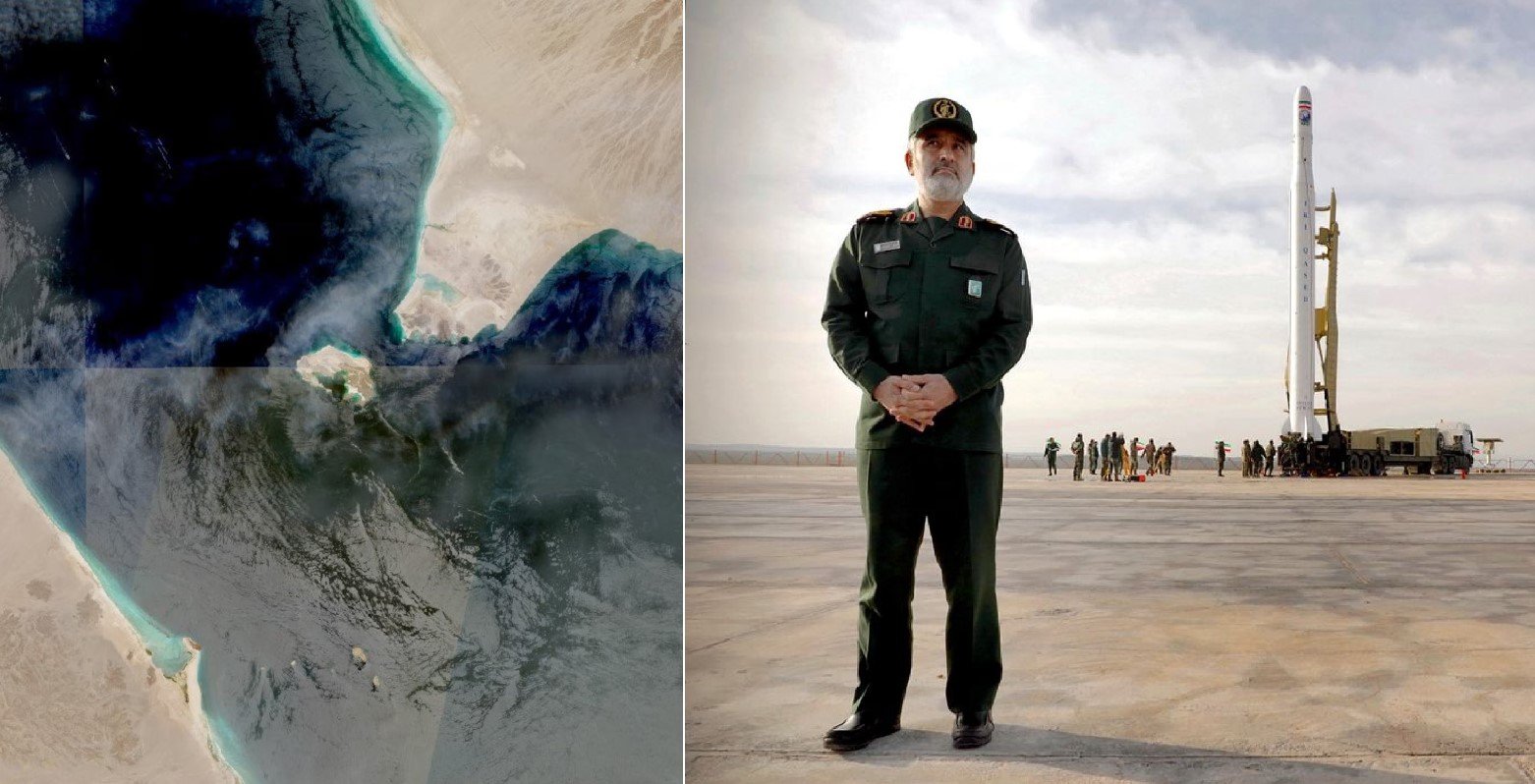 IRGC Experts Visit Bab El-Mandeb to Oversee Radar Installation and Tunneling, Houthi Sources Say
Top Trending in 4 Days
-
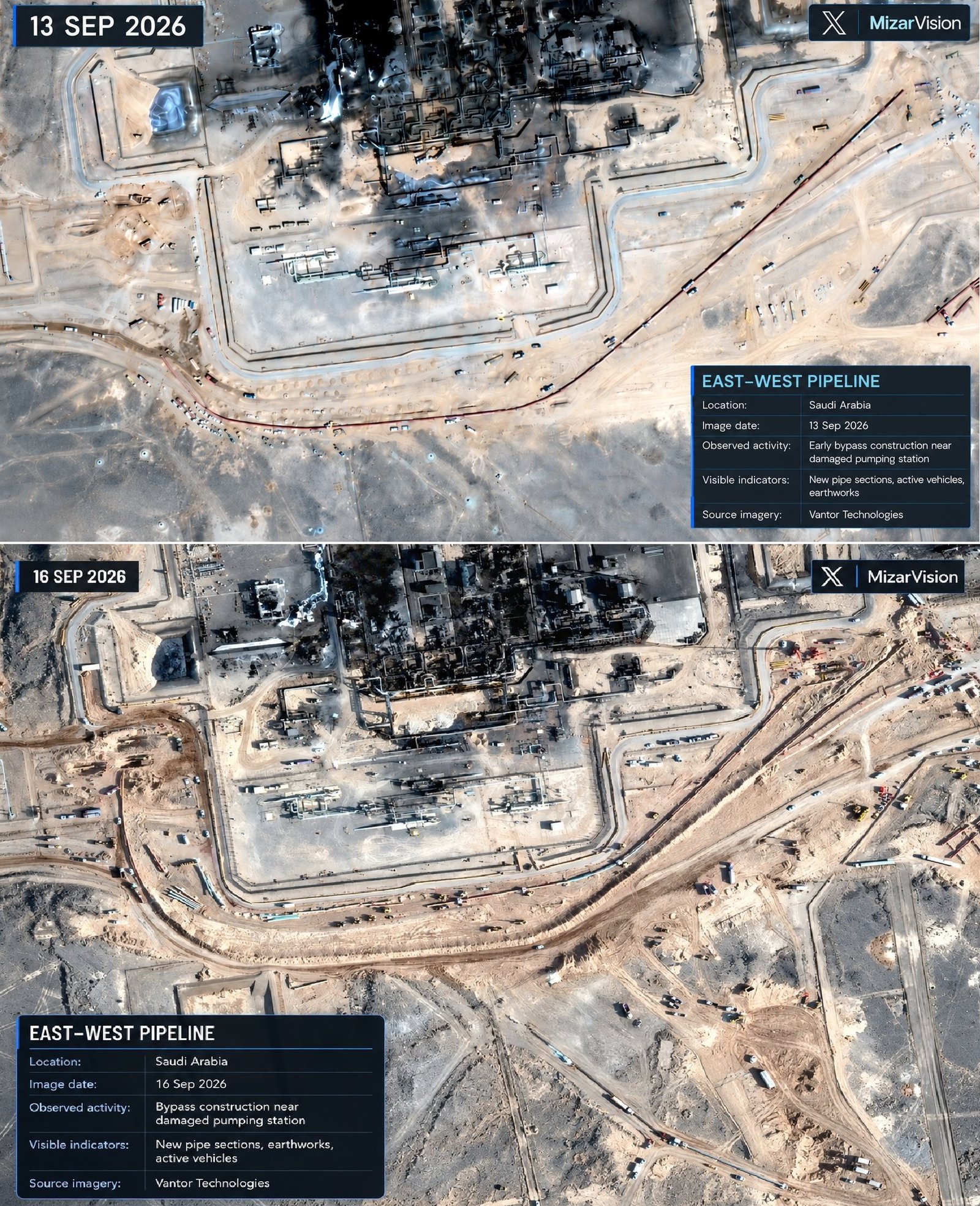 Satellite Images Show Saudi Arabia Building Emergency Bypass Around Damaged East-West Oil Pipeline Station
-
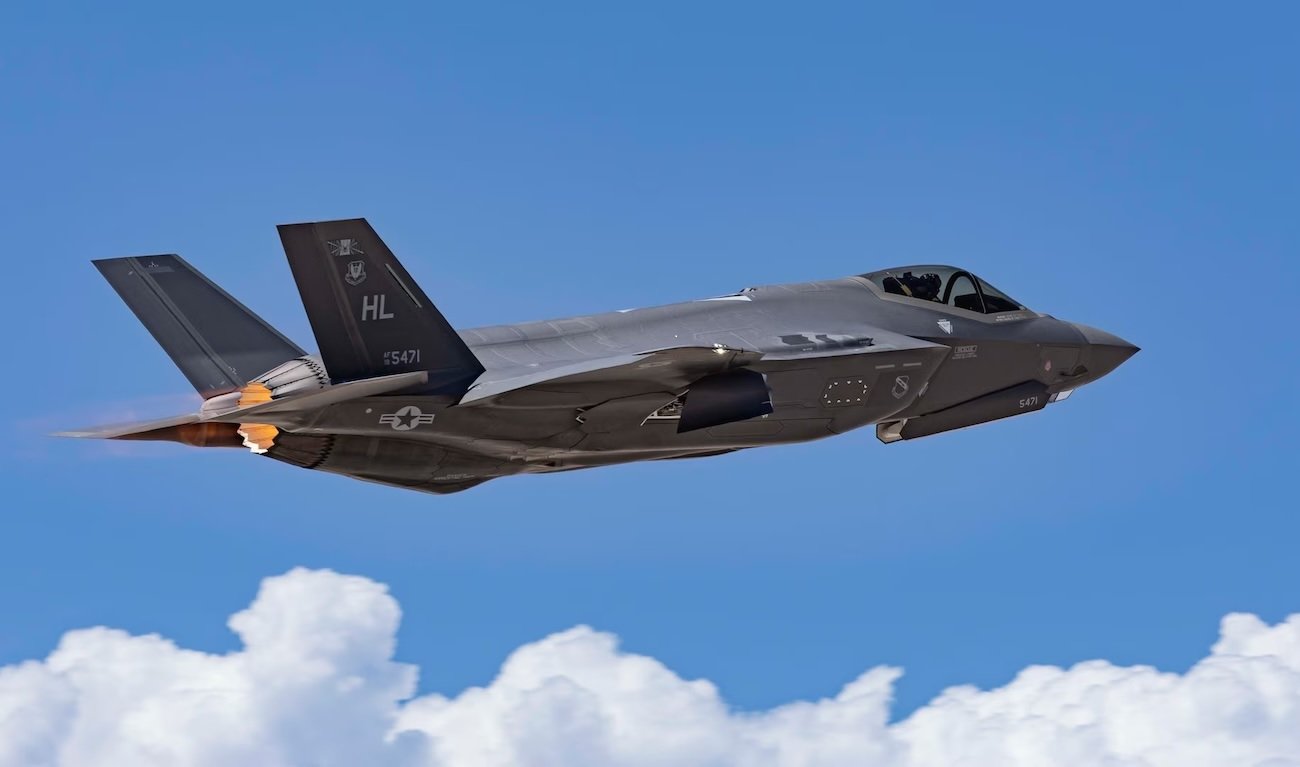 Sensitive F-35 Components Diverted to Hong Kong, Some Parts Missing
-
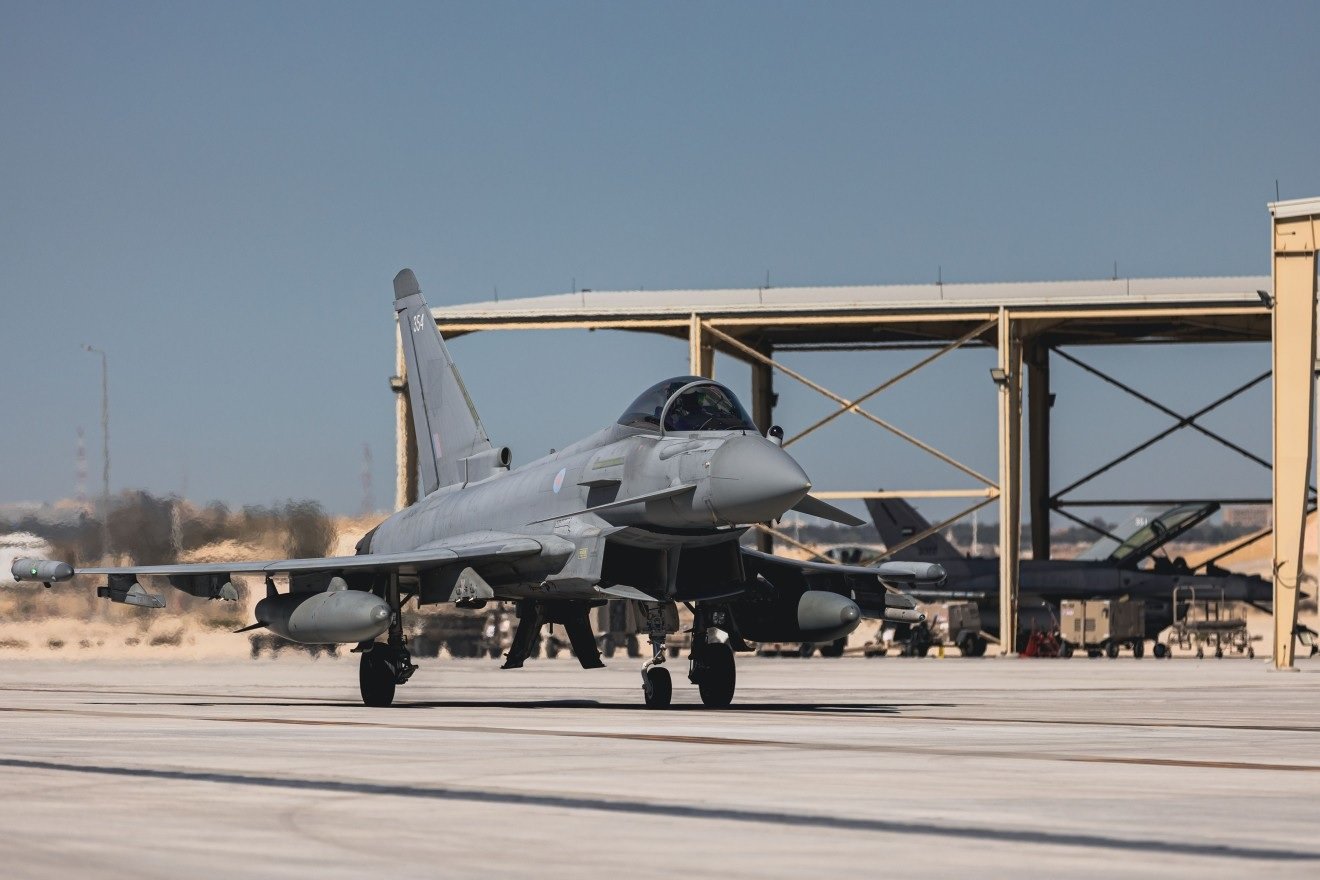 Italian Eurofighter Damaged in Houthi Attack on Saudi Arabia’s King Fahd Air Base
-
 U.S. Secures Permanent Military Rights in Greenland in Historic Security Pact with Denmark
-
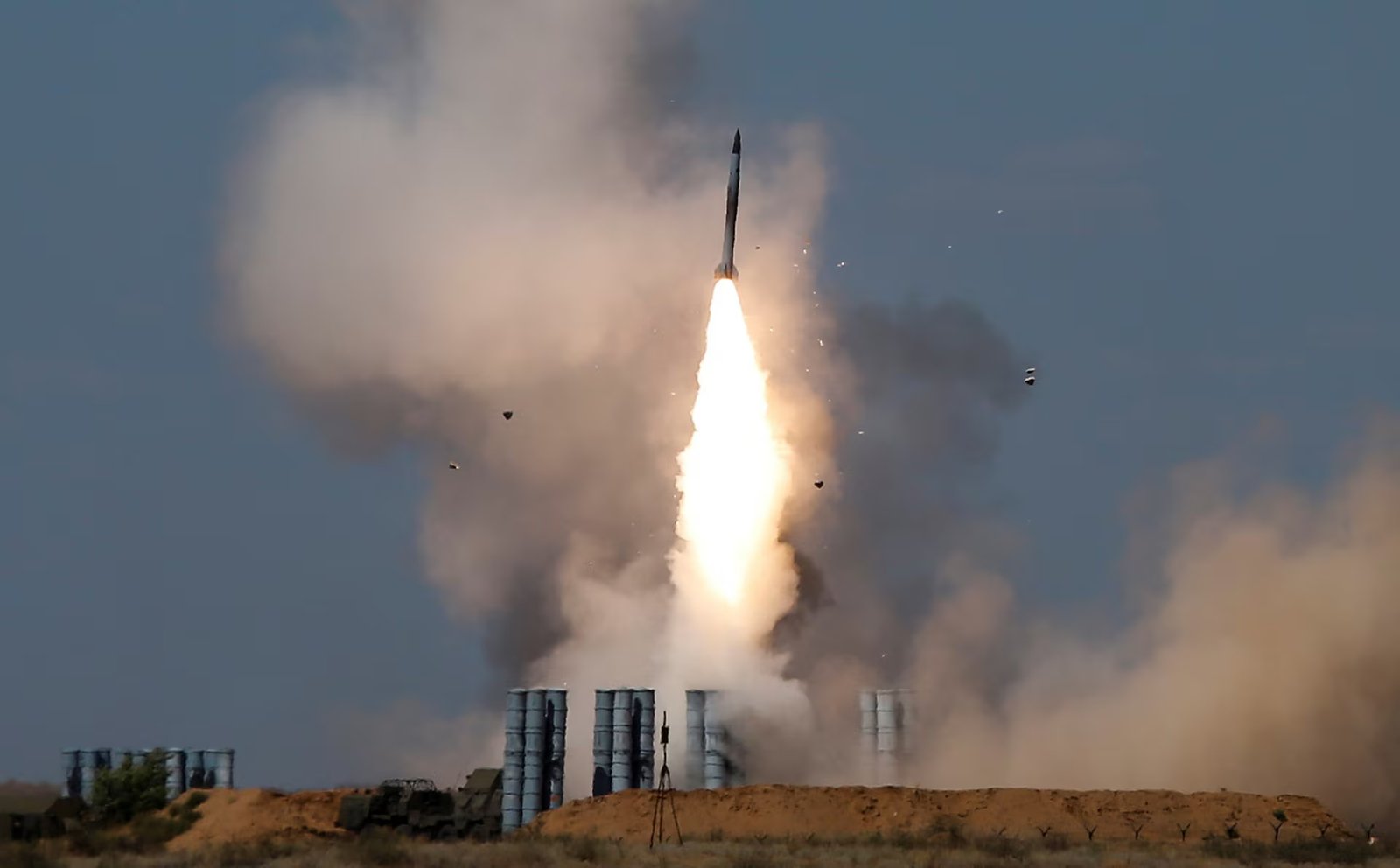 U.S. Approves Potential $2.68 Billion Air Defense Package for Ukraine Including S-300 Clone Missiles
-
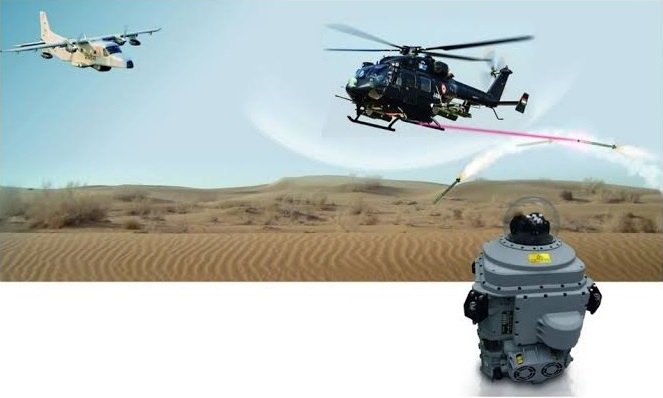 BEL Signs Export Deal with Elbit Systems for Directed Infrared Countermeasure Sub-Assemblies, Secures ₹648 Crore in Additional Orders
-
 China Privately Urges Iran to Restrain Houthis After Saudi Appeal
-
 Israeli Firm Arbe Robotics Unveils Alerion High-Resolution 4D Radar for Counter-Drone Operations