
World
GOLCUK, TURKEY — Turkish defence technology company HAVELSAN has unveiled its new self-funded research and development project, AVISTA, at TEKNOFEST Blue Homeland 2026, held from August 20 to 23 at the Golcuk Naval Shipyard Command in Kocaeli. Building on its experience with the SANCAR and RAFNAR unmanned marine vehicles, HAVELSAN is developing AVISTA to provide autonomous underwater capabilities in environments where GNSS signals are unavailable. The project includes precise underwater positioning, three-dimensional mapping, ship hull inspection, protection of critical underwater infrastructure and integrated underwater navigation corridor planning. HAVELSAN started the project in response to the high cost of specialised underwater sensors and customs restrictions that can complicate international procurement. The company is developing cost-effective, readily available sensors and autonomous algorithms to reduce reliance on foreign suppliers and establish technologies for future underwater platforms. AVISTA is currently in the research and development phase and is being tested with a remotely operated underwater vehicle capable of six degrees of freedom. Its platform-independent software architecture is designed to allow the algorithms to be adapted to different underwater vehicles. The system is also designed to work with the ADVENT Combat Management System. The technologies developed under AVISTA will form the technical base for HAVELSAN's ÇAKA Submersible Hybrid Unmanned Marine Vehicle (H-UMV). HAVELSAN is developing algorithms for platforms designed to remain underwater for extended periods while maintaining a low acoustic signature. The project is intended to support naval applications including anti-submarine warfare, anti-surface warfare, mine warfare and seabed warfare through the ADVENT MUREN Combat Management System. Civilian and public-security applications include underwater search and rescue, forensic investigations, inspection of underwater infrastructure and energy facilities, and port security. According to TEKNOFEST Director Kadir Herkiloğlu, the AVISTA unmanned marine vehicle can dive to depths of up to 500 metres and can be used for mapping, mine-hunting tasks and detecting damage on ships. HAVELSAN plans to begin sea trials soon and aims to have its underwater technology products and solutions ready for operational use in 2027. During TEKNOFEST, HAVELSAN also briefed senior leaders and relevant personnel from the Turkish Naval Forces Command on its underwater capabilities. The company also organised an unmanned marine vehicles workshop for children, where participants learned about AVISTA and SANCAR and took part in model unmanned marine vehicle competitions.
Read More → Posted on 2026-08-28 16:05:41
World
MOSCOW, — Rostec State Corporation’s RosEl holding has developed and begun production of the SOKOL-08, a mobile radar station designed to detect small unmanned aerial vehicles (UAVs) and drone swarms. Rostec announced the system on August 28. The SOKOL-08 uses a 2D phased-array antenna operating in the X-band. According to Rostec, the radar is designed to detect low-flying and low-observable targets and can identify objects as small as a small bird or a compact commercial drone. The radar can detect and track up to 100 objects simultaneously. Its machine-learning algorithms classify detected objects and automatically filter out safe targets, with the aim of reducing false alarms. 360-degree and sector scanning The SOKOL-08 can operate in two scanning modes depending on the mission. It can conduct 360-degree circular scanning or 90-degree sector scanning. In surveillance mode, the station can track up to 100 objects at the same time. Rostec also says that its high-speed mode allows operators to track a selected UAV together with an interceptor drone operating against that target. Designed for rapid deployment A key feature of the system is its ability to operate without a specially prepared deployment site. The station weighs less than 28 kg, allowing it to be moved between positions. The SOKOL-08 incorporates a satellite navigation module and an inclinometer. These systems allow the radar to determine its position, identify the north direction and compensate for installation errors caused by horizontal misalignment or tilt. Rostec says these functions support faster deployment and autonomous setup. Power and environmental specifications The radar consumes up to 350 watts of power and can operate from either a 220-volt industrial power network or a 24-volt onboard power network. Its enclosure has an IP66 protection rating against dust and moisture. The station is designed to operate in temperatures ranging from -40°C to +60°C. Part of a larger anti-drone network Rostec said the SOKOL-08 is being developed as part of its layered anti-drone defense concept, rather than as an isolated radar system. According to the company, Rostec enterprises produce systems covering different layers of counter-drone defense, including detection and suppression equipment, surface-to-air missile systems and interceptor drones. RosEl’s HUB integration buses are intended to connect equipment from different manufacturers to a unified situational control center. Rostec therefore describes the SOKOL-08 as one component of a broader digital air-defense architecture, where radar detection can be integrated with other counter-drone systems. With production now underway, the SOKOL-08 adds a mobile radar component to RosEl’s developing range of systems for detecting small UAVs and managing multiple aerial targets.
Read More → Posted on 2026-08-28 15:24:23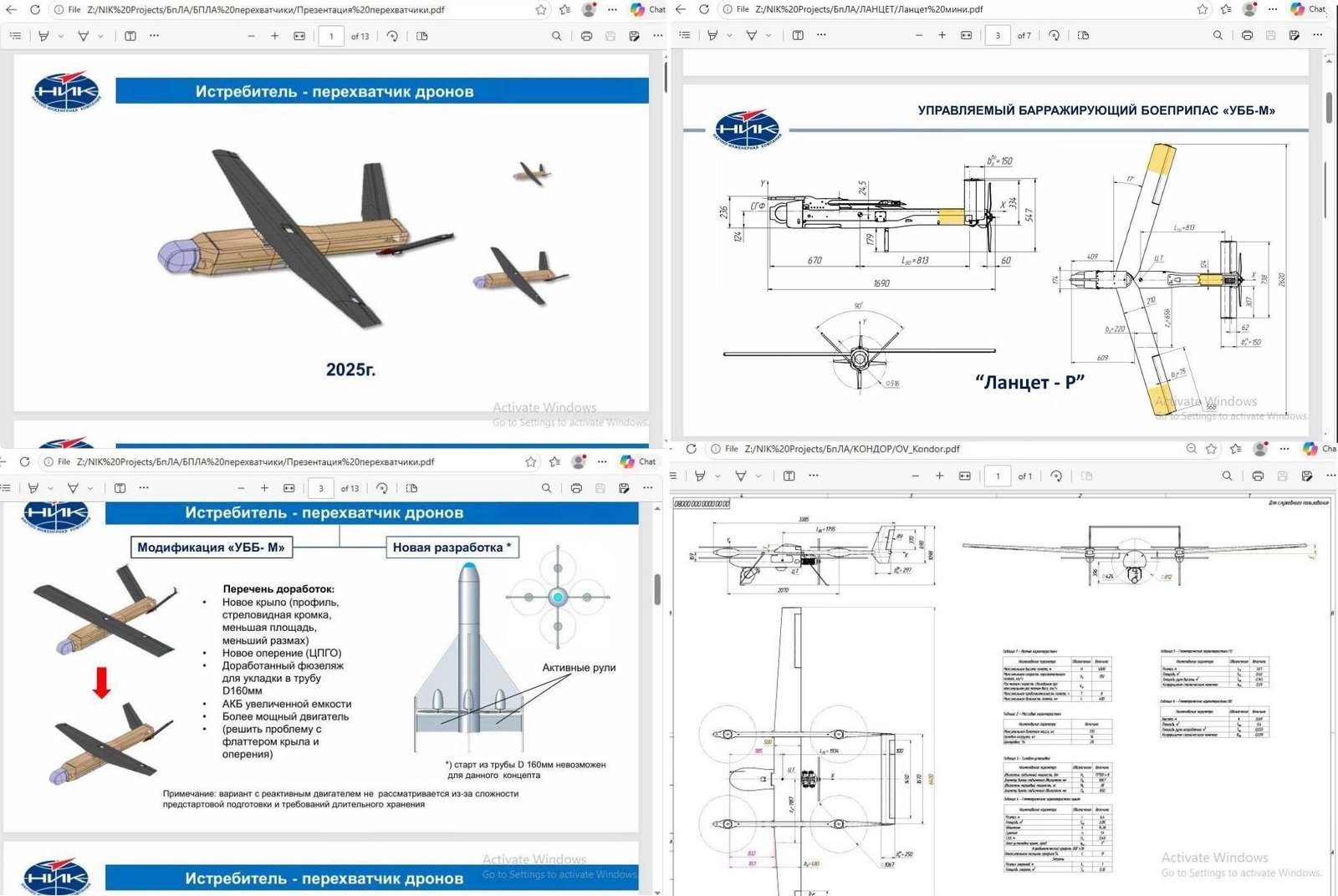
World
MOSCOW, — Russian underground resistance group Black Spark (Chornaya Iskra / Чорна іскра) has published documents that it says reveal a classified interceptor UAV program being developed by Russian engineering company LLC NIK (Scientific and Engineering Company). Black Spark said the material came from NIK’s internal database. According to the group, an insider provided access to the files rather than the data being obtained through a cyberattack. The group claimed it acquired hundreds of terabytes of information and later erased the data from NIK’s servers. NIK has not publicly responded to the reported data loss. We've obtained technology about secret Russian UAVs from the database of "NIK" LLC ("НИК" - Научно Исследовательская Компания)This time, we didn't even have to break anything. "Thinking" people within the company understand whose side the truth is on.A few weeks ago, one of… pic.twitter.com/e2B2AYmaE1 — Black Spark (@Black_Spark2) August 27, 2026 UBB-M Interceptor The documents reportedly show that NIK is examining two interceptor UAV designs. The first is a modified version of the company’s UBB-M guided loitering munition. The original UBB-M uses straight folding wings, while the interceptor version has swept wings with reduced span and surface area. Similar changes were made to the empennage to support the interceptor configuration. The UAV is launched from a 160 mm-diameter canister using a mortar-type mechanism. According to the released documents, it has a 15–16 kg launch mass and carries a mission payload of approximately 3 kg, described by Black Spark as likely being a warhead. The modified UBB-M reportedly uses a higher-capacity battery and upgraded electric propulsion system. Its stated specifications are: Speed: 250–300 km/h Range: 20 km Endurance: up to 10 minutes Operating altitude: 20 m to 4.5 km The second interceptor design reportedly has a conventional conical fuselage and four electric motors. No performance specifications for this design have been released. Other Projects in the Leaked Data Black Spark said the database also contains information on other Russian UAV and aviation projects, including the Lancet, Condor, Harpy, Zontik and Orion UAVs, as well as a specialized drone-intercepting aircraft. The group also said it obtained aviation-related files concerning the MiG-29 SMT, Il-103 and Il-96. NIK is a private engineering company based in Zhukovsky, Moscow Region. It was founded in the late 1990s by specialists from the Myasishchev Design Bureau and has worked on structural analysis, composite materials, research and development, aviation and unmanned systems. Publicly available information confirms that NIK had a long-term partnership with Boeing, beginning in 1999 and continuing until 2022. NIK engineers worked on several Boeing civilian aircraft programs, including the 737, 747, 767, 777 and 787. Black Spark has also alleged that NIK was involved in industrial espionage against European defense companies before Russia’s full-scale invasion of Ukraine. The group said it possesses related information, but supporting documents have not been publicly released. Black Spark Black Spark has operated as an underground resistance network inside Russia since at least 2025. Ukraine’s Special Operations Forces have publicly acknowledged cooperation with the group on several operations. The group previously reported obtaining personnel databases from the Alabuga Special Economic Zone, including information connected to a facility assembling Russian Geran drones. The latest NIK release was published in August 27, 2026. The technical specifications of the interceptor and the broader claims about the leaked database are based on material released by Black Spark and have not been independently verified. NIK has not issued a public statement on the reported breach.
Read More → Posted on 2026-08-28 14:01:19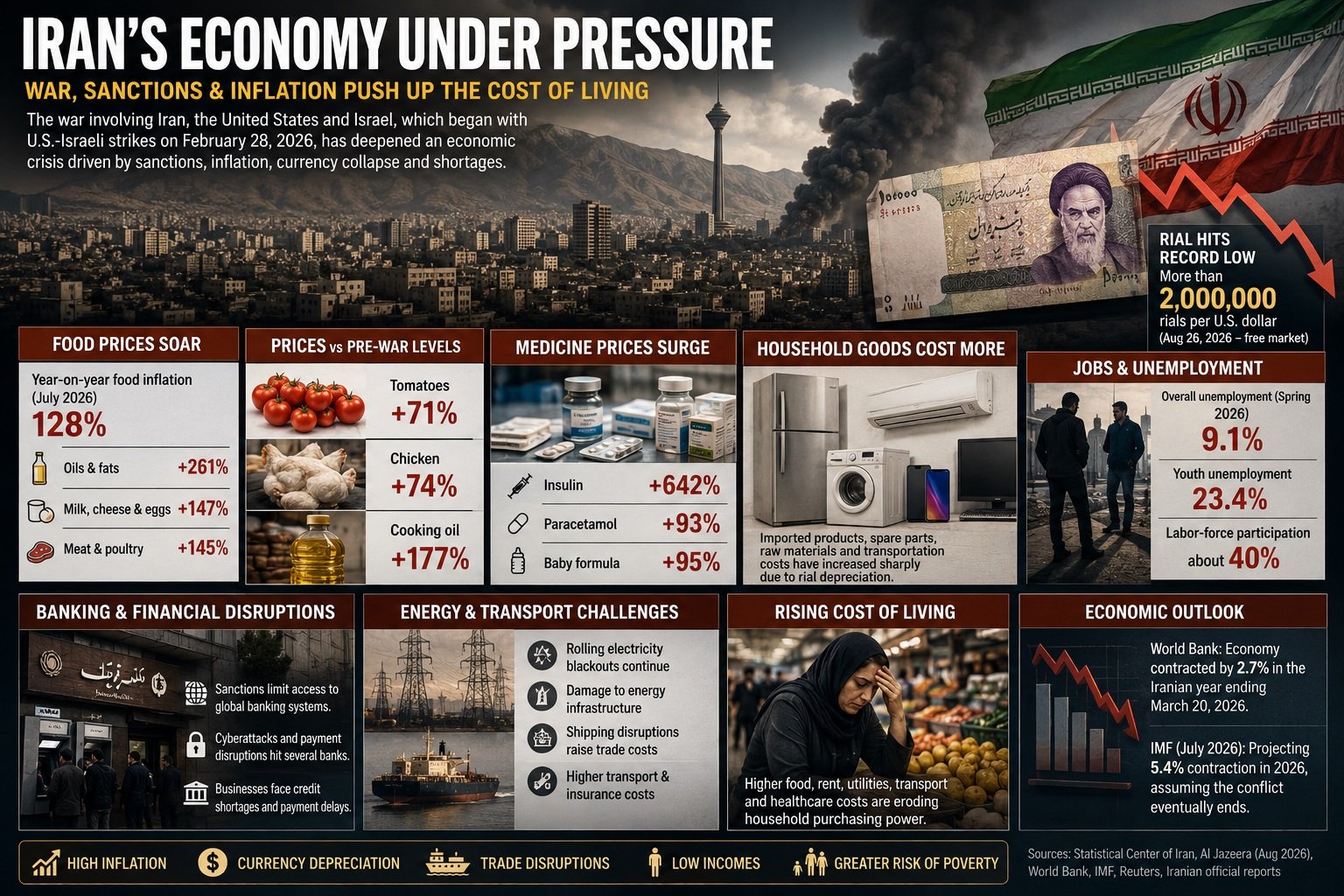
World
TEHRAN, — The war involving Iran, the United States and Israel, which began with U.S.-Israeli strikes on Iran on February 28, 2026, has placed additional pressure on an Iranian economy that was already struggling with high inflation, currency depreciation, sanctions, weak job creation and shortages of water and energy. The conflict has disrupted trade, damaged infrastructure, complicated imports and exports, and weakened household purchasing power. The effects are increasingly visible in the prices of food, medicines, household goods and other daily necessities, while businesses and workers are also facing declining demand and fewer employment opportunities. The World Bank says economic activity has been severely disrupted by the conflict, sanctions and social unrest, with import disruptions adding inflationary pressure and increasing food-security risks. Importantly, the war did not create all of Iran's economic problems. Many of the pressures were already present before February 28 because of long-running sanctions, inflation, currency weakness, structural economic problems and energy shortages. The conflict has amplified those existing problems. Food prices have risen sharply Food has become one of the most visible areas of pressure on Iranian households. According to Iran's Statistical Center, year-on-year food inflation reached about 128% in July 2026. Within major food categories, prices of oils and fats were about 261% higher, milk, cheese and eggs about 147% higher, and meat and poultry about 145% higher than a year earlier. A comparison of prices immediately before the war with prices in August shows how much purchasing power has been lost. An Al Jazeera comparison found that tomato prices had risen 71%, chicken 74% and cooking oil 177% compared with the period before the war. The result is not simply higher grocery bills. Families are changing what they buy. Some households have reduced or eliminated meat, chicken and other higher-cost foods as their incomes fail to keep pace with prices. Bread and other staples Bread remains subject to government controls and subsidies, but prices have also increased. In Tehran, regulated bread prices were nearly doubled in an official adjustment earlier this year. The cost of staple foods had already been rising before the war. The Center for Strategic and International Studies reported that wheat-flour prices had increased substantially even before the conflict, while subsidized bread shortages and long queues were already appearing in some areas. Household goods and everyday products The fall of the rial has made imported products and goods dependent on imported components significantly more expensive. The Iranian rial reached a record low of more than 2 million rials per U.S. dollar on the free market on August 26, increasing the local-currency cost of imported products and materials. This affects a wide range of everyday products, including: Smartphones and computers Refrigerators and washing machines Air conditioners and electrical appliances Spare parts and repair services Personal-care products Cleaning products Clothing and footwear Imported components used by Iranian manufacturers The problem extends beyond the original price of imported goods. Businesses also face higher costs for raw materials, transportation, replacement parts and financing. Those costs eventually reach consumers. For retailers, however, simply raising prices is not always possible because customers themselves have less purchasing power. Iranian businesses have therefore faced the difficult combination of higher operating costs and weaker consumer demand. A Tehran retailer interviewed by Al Jazeera reported that his sales had fallen by about 40% compared with the previous year. Jobs and unemployment The economic impact is also appearing in the labor market. Iran's overall unemployment rate was 9.1% in spring 2026, according to the Statistical Center of Iran, while youth unemployment reached 23.4%, 3.7 percentage points higher than a year earlier. Labor-force participation was only about 40%, meaning a large proportion of working-age people were outside the official labor force. The conflict has affected employment through several channels. Businesses dependent on imports face difficulties obtaining supplies. Manufacturers face energy and transportation disruptions. Retailers are dealing with lower sales. Tourism and other service businesses have also been affected by the wider security and economic environment. Some workers are responding by accepting longer working hours or jobs outside their professional qualifications. Reports from Tehran describe employers offering low salaries, long working hours and, in some cases, jobs without insurance. The result is a growing gap between income and the cost of basic living. Iran's minimum wage for the current Iranian year was raised by 60%, but inflation has rapidly eroded the value of that increase. The government-approved minimum wage is about 166 million rials per month, with benefits taking the total for eligible workers to less than 220 million rials. Banking and financial disruptions Iran's banking system is facing pressure from both longstanding international financial restrictions and new wartime disruptions. U.S. sanctions have restricted Iran's access to international banking and payment systems for years. Even products such as medicines, which can be exempt from sanctions under humanitarian rules, can become difficult to purchase because banks and international suppliers may be unwilling or unable to process transactions. The conflict has added another layer of disruption. Reports in 2026 have described banking disruptions following major cyberattacks, including attacks that disrupted services at several Iranian banks. Businesses have also faced difficulties obtaining credit and dealing with payment delays. The disruption makes it harder for companies to import raw materials, pay suppliers and maintain normal operations. The weakness of the rial creates another problem. When the currency loses value rapidly, businesses must pay more rials for imported goods and components, while households see their savings and salaries lose purchasing power. Medical care and medicine Healthcare is another area where the economic crisis is directly affecting ordinary people. Iran's pharmaceutical system already faced problems before the war because of sanctions, currency instability, banking restrictions and difficulties obtaining imported raw materials and medical equipment. The conflict has added transportation and supply-chain problems and has damaged parts of the health infrastructure. The price increases reported in August illustrate the scale of the problem. Compared with the period immediately before the war, Al Jazeera found that the price of insulin had increased by about 642%, paracetamol by about 93%, and baby formula by about 95%. Higher prices are only part of the problem. Hospitals and pharmacies also need reliable supplies of medicines, medical equipment and imported production materials. Restrictions on international payments can delay procurement even when the products themselves are not formally prohibited. A recent analysis published in the International Journal for Equity in Health found that sanctions and financial restrictions have affected procurement, healthcare financing, medical technology, workforce capacity and continuity of care. The 2026 conflict has increased those vulnerabilities. Humanitarian assessments reported damage to healthcare facilities and additional pressure on medical services during the fighting. Energy and transportation Iran is also dealing with electricity and energy shortages. Power disruptions existed before the current conflict, but damage to energy infrastructure and industrial facilities has made the situation more difficult. The House of Commons Library reports continuing rolling electricity blackouts and difficulties meeting domestic petrol demand. Energy shortages affect much more than household electricity bills. Factories need electricity to operate, businesses need reliable power to provide services, and interruptions can reduce production and employment. Transportation has also become more difficult because of disruptions around the Strait of Hormuz, a major route for Iranian trade. Higher shipping, insurance and transportation costs increase the cost of imported goods and can also make exports more difficult. Housing and household budgets Housing costs have also added to the pressure. Reports from Iran indicate significant increases in rents, with some households negotiating with landlords simply to limit the size of annual increases. At the same time, utilities, transportation, food and healthcare are consuming a larger share of household income. This creates a wider cost-of-living problem: even when a household continues to have employment, its real purchasing power can fall rapidly. A worker may receive a nominal salary increase, but if food, rent, medicine and transportation rise faster, the worker can still afford less than before. What has changed for ordinary Iranians? The economic impact can be summarized across several areas: Area Effect on ordinary people Food Very large increases in food prices; families reducing meat and other expensive foods Household goods Imported products and equipment becoming substantially more expensive Medicine Sharp increases in prices of some medicines and greater supply difficulties Employment Higher unemployment, particularly among young people Wages Nominal wage increases losing value rapidly because of inflation Banking Payment, credit and international transaction difficulties Healthcare Higher costs, procurement problems and pressure on medical facilities Electricity Continuing power shortages and disruptions Transport Higher costs and disruption to trade routes Businesses Higher raw-material costs combined with weaker consumer demand Currency Rial depreciation dramatically reducing purchasing power Poverty Greater risk as food inflation and import shortages reduce real incomes The conflict is worsening an existing economic crisis Iran's current economic situation therefore cannot be attributed entirely to the war. Before February 28, Iran was already dealing with international sanctions, a weak rial, high inflation, low job creation, energy shortages and structural economic problems. The conflict has added damage to infrastructure, trade disruptions, restrictions on shipping and additional pressure on imports and exports. The World Bank expects high inflation and falling real incomes to suppress domestic demand, while disruptions to imports create additional food-security risks. It also estimates that Iran's economy contracted by 2.7% in the Iranian year ending March 20, 2026, with the conflict and trade disruptions contributing to the deterioration. The IMF's July 2026 projection was for Iran's economy to contract 5.4% in 2026, assuming the conflict eventually ends, according to the House of Commons Library. For ordinary Iranians, the most immediate consequence is therefore not simply a change in one commodity's price. It is the combined deterioration in purchasing power, employment, access to healthcare, business activity and the ability to afford basic household necessities. The Iranian economy has not completely collapsed, and shops in major cities can still have supplies. But the combination of very high inflation, currency depreciation, disrupted trade and declining real incomes means that having goods available does not necessarily mean that ordinary households can afford them.
Read More → Posted on 2026-08-28 13:08:38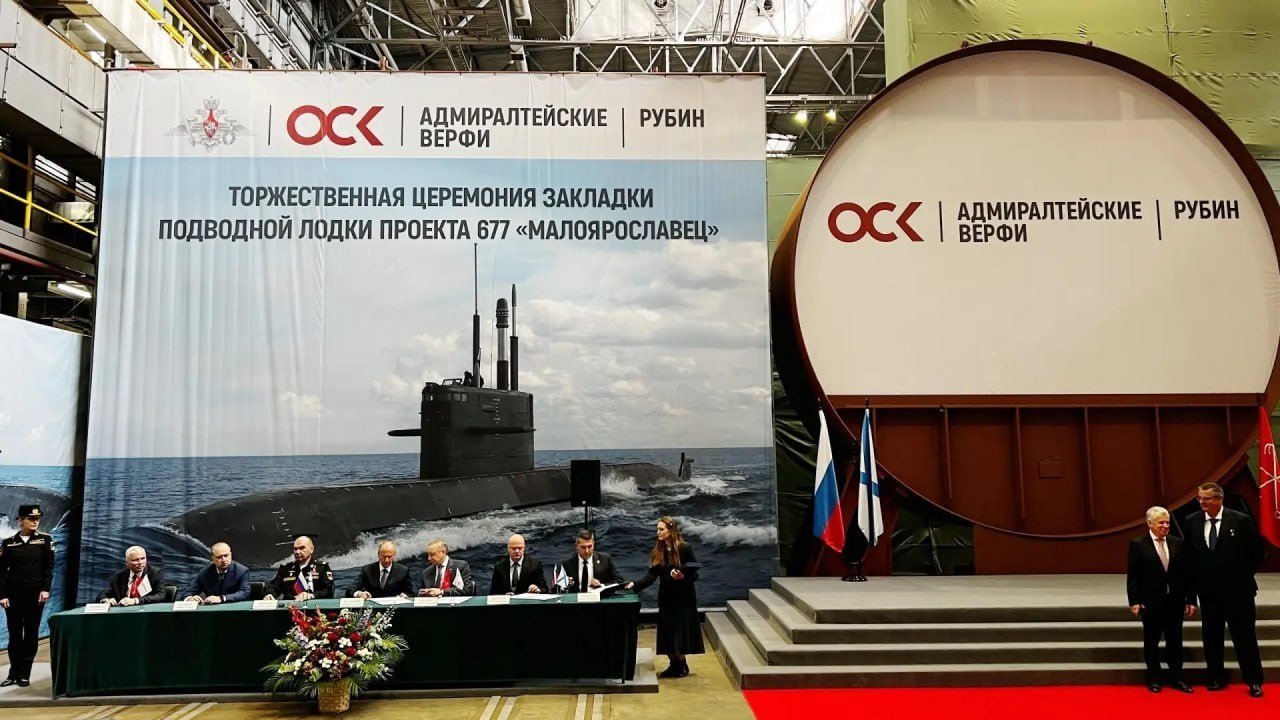
World
ST. PETERSBURG, — Russia’s United Shipbuilding Corporation (USC) has held a keel-laying ceremony for the Project 677 Lada-class diesel-electric submarine Maloyaroslavets at Admiralty Shipyards in St. Petersburg. The submarine was designed by the Rubin Design Bureau and is being built for the Russian Navy. According to USC-related reporting, Maloyaroslavets is the sixth Project 677 submarine ordered at Admiralty Shipyards and the fifth serial submarine of the class. The ceremony was attended by Nikolay Patrushev, aide to the Russian president and chairman of the Maritime Board; Russian Navy Commander-in-Chief Admiral Alexander Moiseyev; USC Director General Andrey Puchkov; St. Petersburg Governor Alexander Beglov; Admiralty Shipyards acting chief Andrey Bystrov; and Rubin Design Bureau Director General Vladimir Dorofeyev. Patrushev said that modernization of Russia’s submarine forces is among the priorities of the Navy’s development strategy through 2050. Russian President Vladimir Putin confirmed in 2025 that the Navy Development Strategy through 2050 had been approved and that its implementation is intended to support the modernization of the Russian Navy. Patrushev also expressed confidence that the Admiralty Shipyards workforce, together with partner enterprises, would complete the submarine-building program. USC chief Andrey Puchkov said the shipyard would continue modernization work alongside its current orders. Planned work includes modernization of the production and energy complex, reconstruction of the Parade Embankment and crane facilities, and reconstruction of the deep-water embankment and modernization of the machine-building workshop beginning in 2027. Modernized Project 677 Design The Maloyaroslavets is being built under the modernized Project 677 design, which was refined using operational experience from the lead submarine St. Petersburg. The updated series began with Kronstadt, which was delivered to the Russian Navy in January 2024. Velikiye Luki followed in December 2025. Two other Project 677 submarines, Vologda and Yaroslavl, were laid down on June 12, 2022, and remain under construction at Admiralty Shipyards. Project 677 submarines are diesel-electric, non-nuclear boats designed with a high level of automation. Russian sources describe the class as having an automated control system covering the submarine, its combat and technical systems, and its weapons. The boats also use acoustic protection measures and are designed for reduced underwater noise. The submarines are equipped with missile and torpedo weapons capable of engaging maritime and coastal targets. Reported specifications for the Project 677 include a length of about 66.8 meters, a beam of 7.1 meters, a submerged displacement of around 2,700 tons, a maximum submerged speed of up to 21 knots, a diving depth of about 300 meters and an endurance of up to 45 days. The crew is reported at about 35 to 36 personnel. The class is also equipped with six 533 mm torpedo tubes. The Velikiye Luki has been reported as capable of launching Kalibr cruise missiles through its torpedo tubes. Continued Lada-Class Production The keel-laying of Maloyaroslavets continues the production of the modernized Lada-class submarines at Admiralty Shipyards. The construction program follows the delivery of Kronstadt and Velikiye Luki, while Vologda and Yaroslavl remain under construction. The submarine has been named after Maloyaroslavets, a city in Russia’s Kaluga Region that holds the designation of a City of Military Glory. The naming follows the practice of giving Project 677 submarines names associated with Russian cities. The keel-laying ceremony marks the formal start of construction of another Project 677 submarine as Russia continues its program to modernize its conventional submarine fleet.
Read More → Posted on 2026-08-27 16:06:23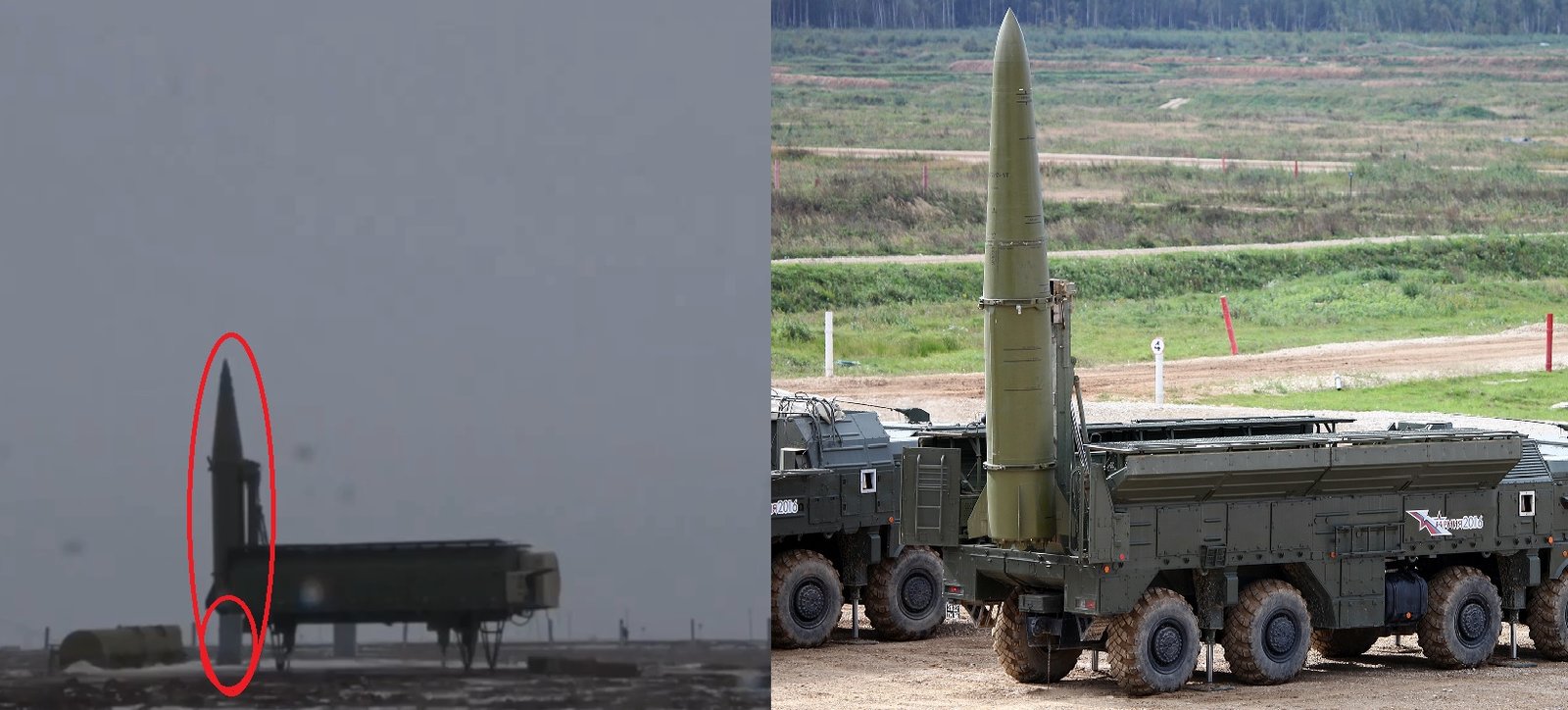
World
KYIV, Ukraine, — Russia used an upgraded 9M723-2 ballistic missile, informally known as the Iskander-1000, during a combined strike on Kyiv this summer, Ukraine’s Main Directorate of Intelligence (HUR) reported. It was the first reported combat use of the upgraded variant against the Ukrainian capital. The missile is part of the Bora-M system. According to HUR, its larger engine required a larger launcher tube and increases the range to up to 550 kilometers (340 miles), compared with about 390 kilometers (240 miles) for the standard 9M723-1 used by the Iskander-M. HUR said the remaining missile components are identical to those of the 9M723-1. The Iskander is a quasi-ballistic missile capable of maneuvering during flight, which makes it a difficult target for air-defense systems. Ukrainian aviation expert Kostiantyn Kryvolap said the difficulty of intercepting the upgraded version has not changed, while Ukraine continues to intercept Iskander missiles and target their launchers. Development of the 9M723-2 Reports about a longer-range Iskander variant first appeared in July 2024, with claims that the missile could eventually reach up to 1,000 kilometers. Unofficial reports in December 2025 claimed tests at ranges of up to 800 kilometers. HUR’s latest assessment, however, gives the 9M723-2 a range of up to 550 kilometers. In October 2025, Ukrainian sources published leaked Russian procurement documents showing an order for 18 missiles designated 9M723-2, providing evidence that the variant had entered production. Foreign Components HUR also released new information through its War&Sanctions portal on the production network for Russia’s 9M723 Iskander-M missiles. The data covers 140 identified components, 35 companies, and 108 officials and employees. The broader database also includes more than 170 components, 82 Russian and two Belarusian enterprises, and 121 items of foreign production equipment. According to HUR, only about one-quarter of the 140 components are manufactured in Russia. 63 components come from U.S. manufacturers, while eight each come from Switzerland and Belarus, four each from Germany and Taiwan, and three from China. In one guidance-system unit that processes flight data from a laser gyroscope, only five of 43 components are Russian-made. HUR has not disclosed the exact date of the summer strike, the number of 9M723-2 missiles used, or the specific targets hit. Russia continues to use ballistic missiles together with cruise missiles and drones in combined attacks against Ukrainian cities.
Read More → Posted on 2026-08-27 16:01:30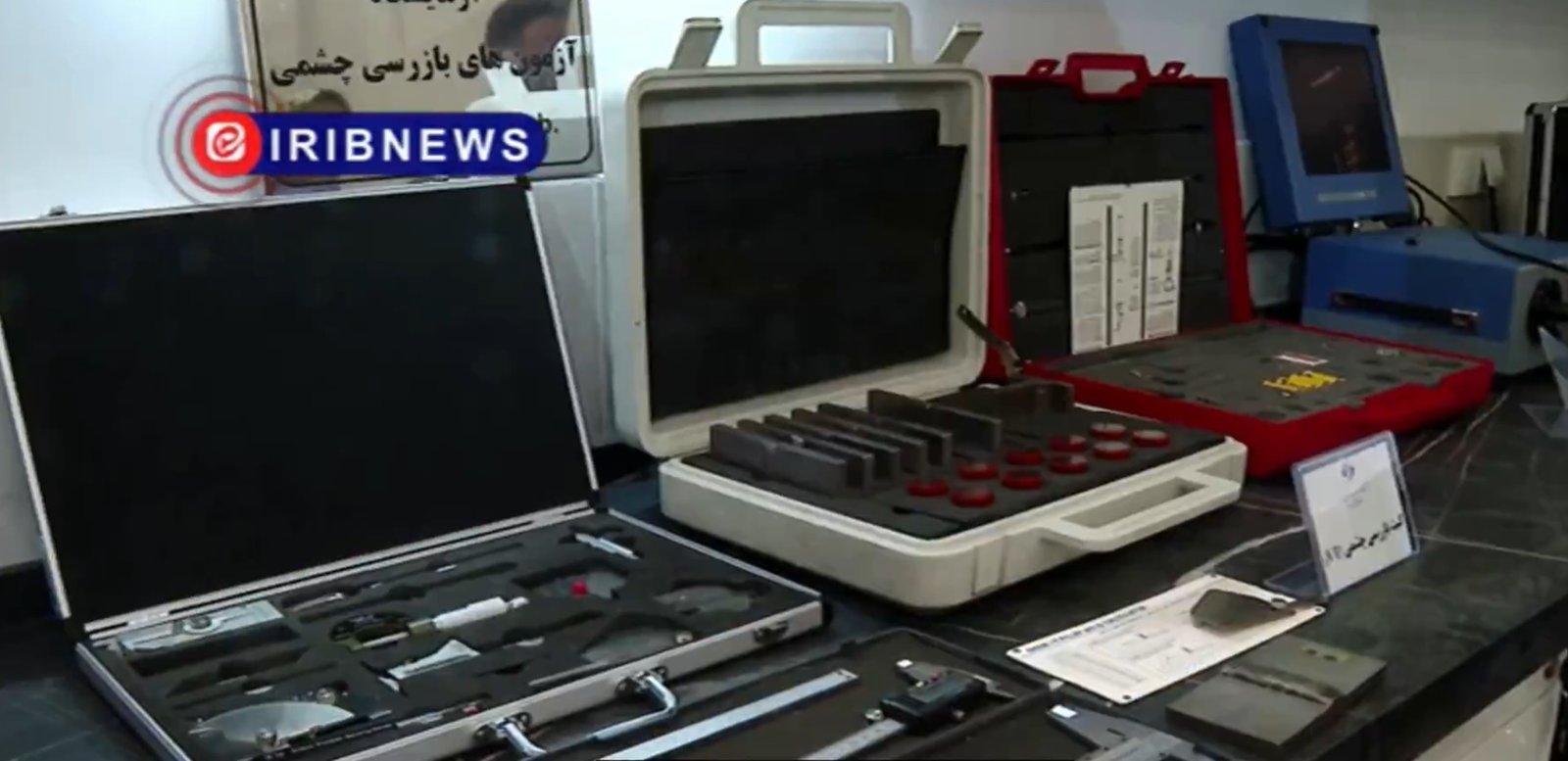
World
TEHRAN, IRAN — Iran’s Atomic Energy Organization (AEOI) has unveiled and put into operation four knowledge-based technological systems during Government Week ceremonies. State broadcaster IRIB showed the new equipment during a laboratory tour attended by AEOI chief and Vice President Mohammad Eslami and senior nuclear industry officials. The four achievements include three plasma diagnostic systems for tokamak devices and a non-destructive testing (NDT) laboratory. ❗️ IRAN UNVEILS FOUR NUCLEAR ACHIEVEMENTS — IRIB gives lab tourNew tech for science, industry & nuclear work, including equipment detecting cracks in metalAtomic chief says moved beyond ‘technology demonstration’ in nuclear fusion & entered ‘system & capability development’ pic.twitter.com/1HY7oakwXf — RT (@RT_com) August 26, 2026 Three Tokamak Diagnostic Systems The photoelectron system measures the electron temperature of tokamak plasma without direct contact by analyzing the energy and characteristics of X-rays emitted from the plasma. Iranian officials said it is intended to support future energy-producing tokamaks. The bolometry system, developed domestically for the first time, measures power lost from tokamak plasma through radiation. Such diagnostics are used at major facilities including KSTAR, EAST and JT-60U to help evaluate and optimize plasma performance. The charge-exchange system, also produced domestically for the first time, measures the temperature of ions in tokamak plasma using neutral atoms. Officials described it as an important diagnostic for modern tokamak facilities and said it is intended for future energy-producing tokamaks. Eslami said Iran's fusion research has moved beyond technology demonstration toward system development and capability building. He said fusion is a priority for future energy needs and that Iran cannot afford to fall behind countries developing the technology. NDT Laboratory The fourth project is a specialized non-destructive testing laboratory for inspection, testing, training and personnel qualification. The facility uses visual inspection, penetrant testing, magnetic-particle testing, ultrasonic testing, radiographic testing and eddy-current testing to identify cracks, defects and other problems in materials without damaging the components. The laboratory will provide NDT services to the nuclear, aviation, power, oil and gas sectors. It will also conduct training courses, personnel qualification examinations under ISO/IEC 9712, specialist consulting and digital industrial radiography for components where conventional film radiography is not practical. Eslami said the AEOI has developed these capabilities through domestic resources, knowledge-based companies and universities, reducing dependence on foreign countries. He also said sanctions and external pressure have not stopped Iran's technological development. Fusion Research Separate From Enrichment The newly unveiled systems are focused on nuclear fusion research and industrial testing, while uranium enrichment remains the main international concern regarding Iran's nuclear program. The International Atomic Energy Agency (IAEA) has reported that Iran previously accumulated uranium enriched to 60 percent U-235 and that, following attacks on Iranian nuclear facilities in 2025, the Agency lost continuity of knowledge regarding the country's current stockpile, centrifuges and some nuclear activities. The IAEA has also reported damage to nuclear facilities at Natanz, Fordow and Isfahan. Iranian officials have said inspections of attacked facilities require new arrangements. The latest AEOI announcement therefore concerns new domestic capabilities for tokamak plasma diagnostics, fusion research and industrial inspection, rather than new uranium-enrichment equipment.
Read More → Posted on 2026-08-27 14:04:40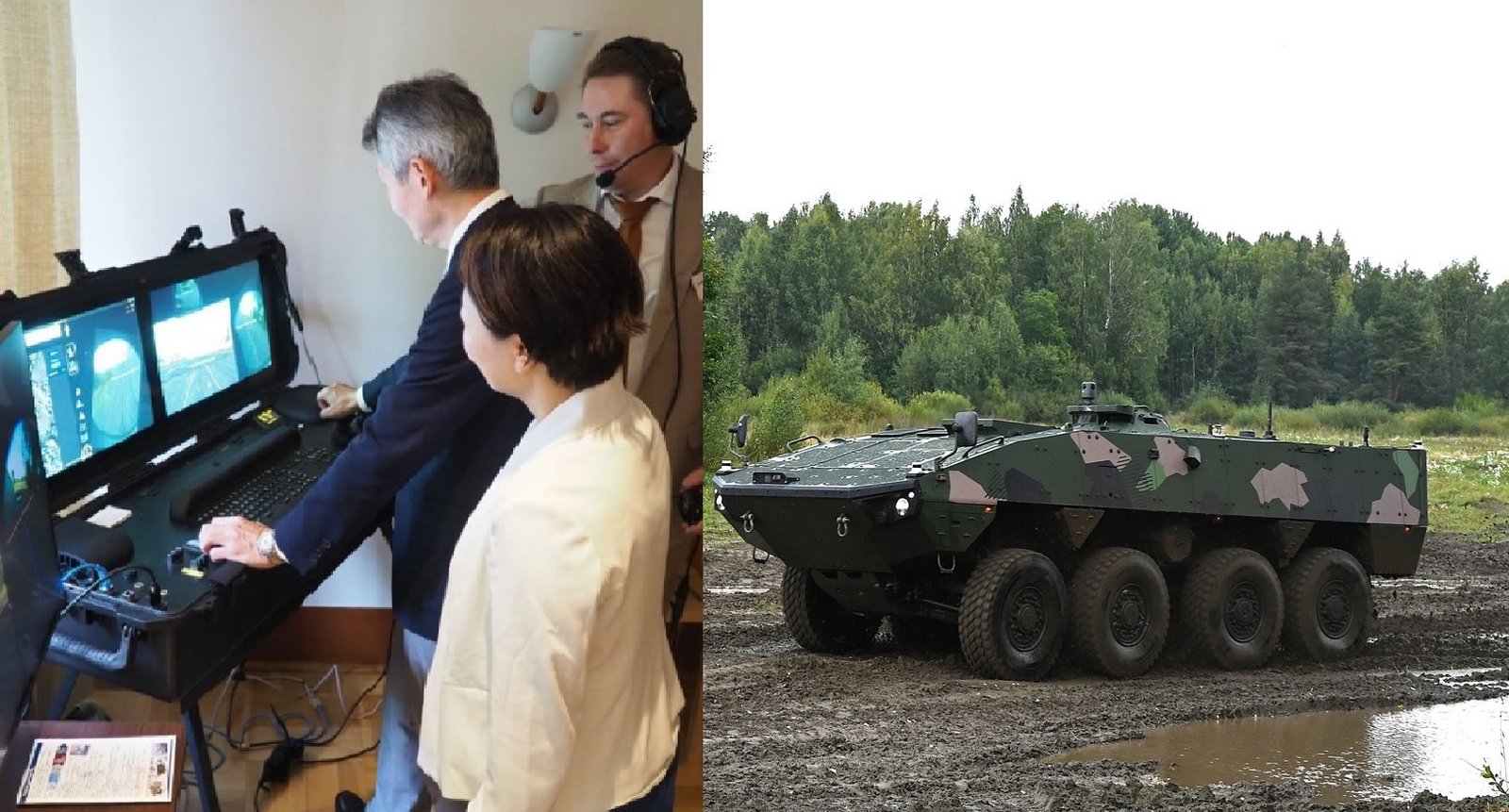
World
Tokyo, Japan — Finnish defence company Patria has successfully demonstrated the remote operation of a Patria AMV armoured vehicle in Finland from a control desk in Tokyo, covering a distance of more than 7,800 kilometres (4,847 miles). The demonstration was held on August 25–26 and hosted by the Embassy of Finland in Japan. It was organized by Patria with its Japanese manufacturing partner, The Japan Steel Works, Ltd. The AMV was located at the Parola military testing area in southern Finland, while the operator controlled the 8×8 vehicle from Tokyo. The demonstration used the AMV's integrated drive-by-wire systems and a Remote Operating Device supplied by UXV Technologies. Operational data was transferred through Telia's 5G mobile network using a virtual mobile private network with international roaming. The traffic was routed through a closed corporate network isolated from the public internet. Real-Time Situational Awareness Patria's DOME system provided real-time situational awareness, while ICEYE supplied near-real-time synthetic aperture radar (SAR) satellite data for information on the wider operating environment. Nokia provided its Real-time eXtended Reality Multimedia software and a 5G 360-degree camera mounted on the AMV. A Basemark augmented-reality helmet was also demonstrated for remote operators. SAVOX provided intercom and Voice over IP (VoIP) systems for communication between the operator in Tokyo and the ground safety team in Finland. Patria's ILIAS software monitored the vehicle's health and maintenance condition in real time. The demonstration builds on Patria's earlier remote-operation work. In 2020, the company demonstrated beyond-visual-line-of-sight remote control of an AMV 8×8 using commercial 4G and 5G networks with the University of Tampere. In April 2025, Telia demonstrated remote operation of a Patria AMV XP over nearly 100 kilometres during military exercises in Lapland using a dedicated 5G network slice. Patria has sold roughly 1,600 AMV vehicles to defence forces in Finland, Poland, Sweden, Slovenia, Croatia, South Africa, the United Arab Emirates and Japan. Japan's Ground Self-Defense Force received its first Patria AMV XP in September 2025 under the Wheeled Armored Personnel Carrier programme, with vehicles assembled locally at Japan Steel Works' Muroran plant. Patria said the remote-operation concept could support unmanned logistics, vehicle convoying and autonomous waypoint navigation. The company is also developing next-generation technologies, including AI-enabled systems, to support higher levels of vehicle autonomy. Janne Räkköläinen, Patria's Vice President, Market Area World, said the demonstration attracted a large number of attendees from Japan's Ministry of Defence and defence-related companies and reflected strong interest in Patria's remote-driving capabilities in Japan and internationally. The trial demonstrated how the AMV's modular design and drive-by-wire controls can be combined with telecommunications, satellite data, communications and situational-awareness systems for remote and future autonomous operations.
Read More → Posted on 2026-08-27 13:58:09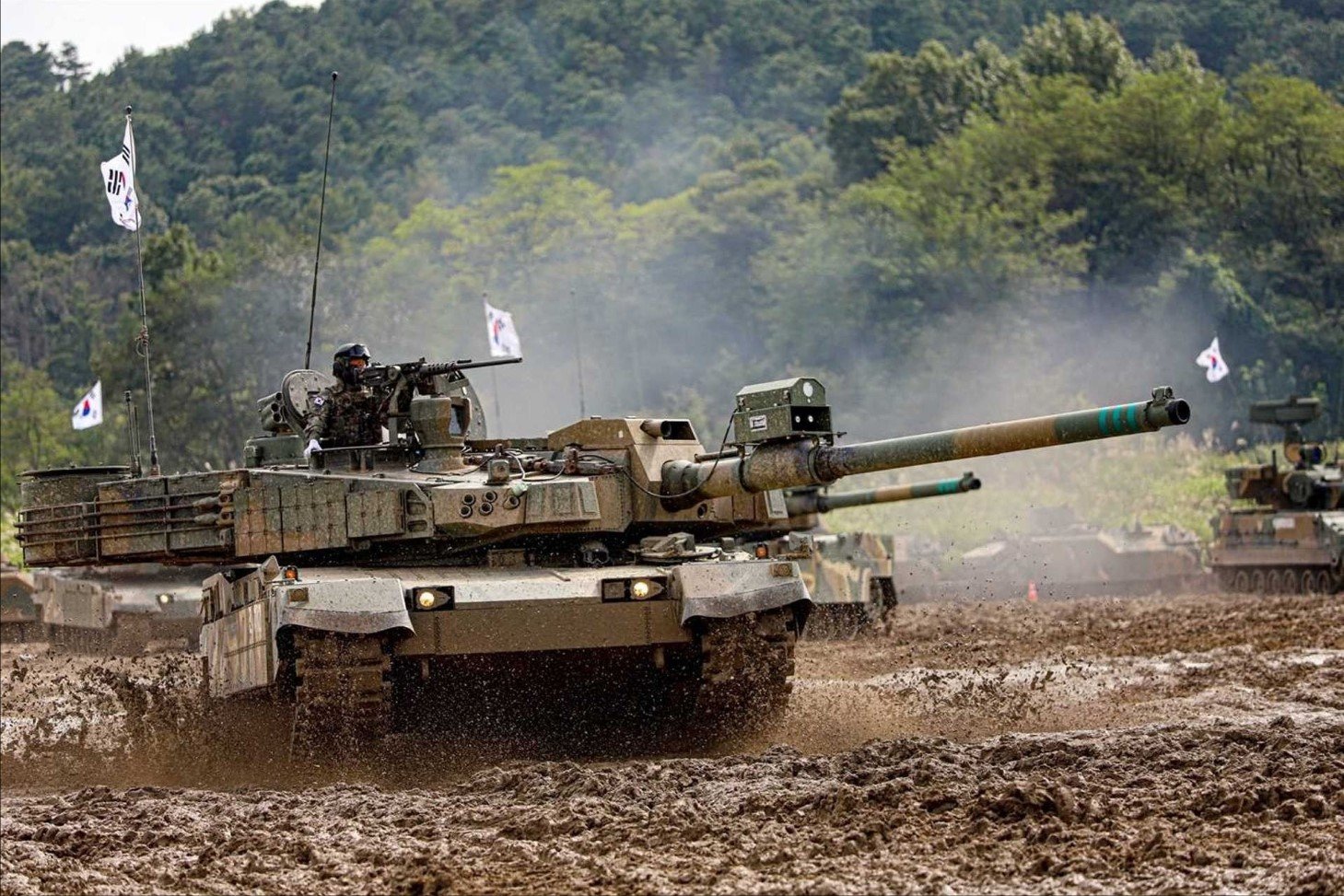
World
SEOUL — South Korea has approved a major upgrade programme for its K2 Black Panther main battle tanks, adding an active protection system (APS), electronic warfare (EW) equipment and a remotely controlled weapon station (RCWS) to improve protection against anti-armour weapons, drones and other emerging threats. The K2 Tank Performance Upgrade Project has an estimated budget of ₩3.45 trillion ($2.43 billion). The programme will run from 2028 to 2046, with development expected to finish around 2032 and the first upgraded tanks scheduled to enter Republic of Korea Army service in 2033. New Protection Systems The APS will use radar to detect incoming threats, including anti-tank missiles, rockets and drones, and intercept them. Hyundai Rotem, the K2 manufacturer, says the platform can accommodate both soft-kill and hard-kill APS configurations. South Korea has previously developed the Korean Active Protection System (KAPS) for the K2. In September 2025, Hyundai Rotem and Israel's Rafael Advanced Defense Systems also signed an agreement to cooperate on integrating the Trophy APS into the K2 family, covering integration, production, marketing, localisation and life-cycle support. The upgraded tanks will also receive EW systems for counter-drone and IED jamming. These systems are intended to disrupt radio-control signals used by drones and remotely triggered IEDs. The RCWS will allow the three-person crew to operate the secondary weapon from inside the armoured hull, reducing the need to expose themselves by opening hatches. K2 and Export Versions The K2 entered Republic of Korea Army service in 2014. The approximately 56-tonne tank is armed with a 120 mm L/55 smoothbore gun, an autoloader and a three-person crew. Existing production models use composite and reactive armour and soft-kill countermeasures. Earlier K2 batches did not receive a standard hard-kill APS because of cost considerations during the original design. The upgrade is also intended to address the capability difference between South Korea's domestic K2 fleet and export versions. Poland has ordered 360 K2 tanks under two contracts, including K2GF vehicles and the locally configured K2PL. The K2PL incorporates Polish requirements and is planned for local assembly at Bumar-Łabędy. The first 28 tanks from the second contract arrived in Poland in August 2026. South Korea's DAPA said the domestic upgrade will use technology more advanced than that currently fitted to the K2PL. The K2 has also attracted interest from Peru and Morocco. Peru has considered around 150 tanks to replace older T-55 and AMX-13 vehicles, with possible local assembly, while Morocco has reviewed a potential larger K2 purchase as part of its military modernisation. The upgrade comes as South Korea responds to changing threats on the Korean Peninsula, including North Korea's military modernisation and its recently unveiled Chonma-20 main battle tank, which appears to feature its own active protection system.
Read More → Posted on 2026-08-27 13:50:08
World
TAIPEI — Taiwan’s Ministry of National Defense has finalized an NT$26.9 billion (US$847 million) contract with U.S. defense technology company Anduril Industries for 2,032 ALTIUS unmanned systems, according to the government’s electronic procurement system. The acquisition is part of Taiwan’s effort to strengthen its asymmetric defense capabilities. The contract covers 1,554 ALTIUS-700M loitering munitions and 478 ALTIUS-600ISR intelligence, surveillance and reconnaissance (ISR) systems. The systems will be deployed primarily with Taiwan’s Army. The purchase includes the drones, associated systems and launch equipment. It forms part of a broader U.S. arms package previously valued at about NT$34.9 billion (approximately US$1.1 billion), which also includes additional equipment and support. The formal signing of the Letter of Offer and Acceptance completes the purchase process. The United States approved the broader package in December 2025. Taiwan had previously purchased 291 ALTIUS-600M drones through its regular defense budget. Those systems reportedly achieved a 100% hit rate during a recent live-fire maritime exercise, supporting the decision to expand the fleet through a special budget. The ALTIUS-700M is the strike variant, designed to engage targets including heavy armored vehicles and air-defense systems. It can carry a 14- to 15-kilogram warhead, with reported destructive power comparable to an AGM-114 Hellfire missile. The system has an endurance of about 1.25 to 2 hours, a range of approximately 160 kilometers in strike configuration and a reported weight of around 29.5 kilograms. The ALTIUS-600ISR is intended for intelligence gathering, battlefield search, target designation and electronic-warfare support. Sources indicate an endurance of about 3.5 to 4 hours and a range of approximately 375 kilometers. The two variants are intended to provide complementary reconnaissance and strike capabilities. Taiwan’s Army has established a dedicated unit focused on unmanned-system development and integration into its joint command structure. Initial deliveries are expected to begin in the fourth quarter of 2026, with the full order scheduled for completion by June 2033. The procurement is intended to expand Taiwan’s ability to use distributed unmanned systems to locate, track and engage targets. For Anduril, the order also represents a major production requirement as the company expands its ALTIUS manufacturing capacity and works to supply the systems at scale.
Read More → Posted on 2026-08-27 12:18:59
World
CANBERRA — Australia’s dependence on U.S.-made missiles is facing renewed scrutiny as the Iran conflict puts pressure on American munitions inventories and raises concerns about the timing of weapons deliveries to allies. The issue is particularly important for Australia because several major elements of its long-range strike and air-defence capabilities depend on U.S.-supplied weapons. Analysts and former military officials have argued that Canberra needs to accelerate domestic production to reduce the risks created by dependence on overseas supply. U.S. missile inventories under pressure A Center for Strategic and International Studies (CSIS) analysis found that U.S. forces had used more than 1,000 Tomahawk missiles during the first 39 days of the Iran conflict. CSIS said several key U.S. munitions had been heavily used and that rebuilding inventories to pre-war levels could take between one and four years. Charles Edel, CSIS Australia Chair, said the conflict was placing significant pressure on U.S. stockpiles and could extend the time required to replenish them. He warned that this could increase the risk of delays to missile deliveries for allies such as Australia. The pressure is not limited to Tomahawk. Edel identified other systems affected by the increased demand, including THAAD interceptors, Patriot missiles, SM-6 missiles, Joint Air-to-Surface Standoff Missiles and Precision Strike Missiles. CSIS has also assessed that the reduced U.S. inventories could affect the ability to supply allies while Washington works to rebuild its own stocks. Australia’s U.S. missile orders Australia has an order for roughly 220 Tomahawk cruise missiles, making the availability of U.S. production capacity an important issue for Canberra. The United States is now moving to expand Tomahawk production. On August 17, the U.S. Navy awarded Raytheon a $22.9 billion, seven-year contract designed to increase annual Tomahawk production from about 60 missiles to more than 1,000. The production increase is intended to strengthen the U.S. supply of the long-range missile for American forces and allies. However, rebuilding inventories after heavy wartime expenditure will take time. Australia has also announced a major acquisition of the AIM-260 Joint Advanced Tactical Missile. On August 6, the Australian government said it would invest almost A$736 million in the weapon through the U.S. Foreign Military Sales system. Australia will be the first country outside the United States to operate the AIM-260. The missile will initially be integrated with Australia’s F/A-18F Super Hornets, followed by the F-35A Lightning II and EA-18G Growler. The Australian government has not publicly provided all details of the final missile quantity in its August 6 announcement. Concerns over a potential Indo-Pacific conflict Australian coalition defence spokesperson James Paterson has warned that conflicts in Ukraine, Gaza and Iran have contributed to pressure on global munitions supplies. Paterson said Australia could face serious limitations in a high-intensity Indo-Pacific conflict because of limited stocks of strike weapons and interceptors, as well as limited domestic production capacity. Maritime security specialist Jennifer Parker has similarly argued that countries dependent on another nation for critical war stocks face a structural supply risk because the producing country would have to meet its own requirements first. Former U.S. military officials have also urged Australia to develop additional domestic capabilities that could reduce its dependence on foreign suppliers. Mark Montgomery, a former director of operations at U.S. Pacific Command, has specifically advocated greater Australian production of military underwater drones for surveillance, mine detection and other roles. Canberra expands domestic missile production Australia has been rebuilding its domestic guided-weapons industry through the Guided Weapons and Explosive Ordnance Enterprise. The Australian government has committed up to A$36 billion over the next decade to the broader guided-weapons and explosive-ordnance effort. The program is intended to develop domestic manufacturing capacity and strengthen Australia's position within allied supply chains. Australia's guided-weapons plan includes establishing missile production facilities and increasing local manufacture of missile components. The government has also been working with international defence companies to establish production and maintenance capabilities inside Australia. Kongsberg Defence Australia is developing a manufacturing and maintenance facility in the Newcastle Airport precinct for the Naval Strike Missile and Joint Strike Missile. The Australian government announced an A$850 million partnership with Kongsberg in 2024 to manufacture and maintain the two missile systems in Australia. Lockheed Martin Australia is also involved in local assembly of Guided Multiple Launch Rocket System missiles, adding another element to Australia's effort to establish a domestic guided-weapons industrial base. A key objective of the program is not simply to assemble imported weapons, but to develop sustainable domestic manufacturing and supply chains. Australia's official guided-weapons plan notes that establishing a new high-technology weapons industry requires sustained investment and time. Production speed remains a concern The expansion of Australian production is intended to reduce dependence on overseas supplies, but the current transition will take years. The Iran conflict has highlighted the difference between purchasing missiles from an established foreign production line and having sufficient domestic capacity to replace weapons during a major conflict. CSIS has assessed that U.S. inventories of several important weapons will take years to rebuild after the Iran campaign. The same weapons are also relevant to a potential Western Pacific conflict, making production capacity and stockpile depth important issues for the United States and its allies. For Australia, the immediate challenge is therefore twofold: maintaining access to U.S. weapons while accelerating domestic production. The government has continued to pursue both approaches, combining purchases from the United States with investments in Australian manufacturing. The expansion of local missile production is intended to strengthen Australia's own supply resilience while also contributing to the wider allied industrial base. The pressure created by the Iran conflict has brought greater attention to the importance of missile stockpiles, production capacity and delivery timelines as Australia prepares for potential high-intensity operations in the Indo-Pacific.
Read More → Posted on 2026-08-26 16:34:55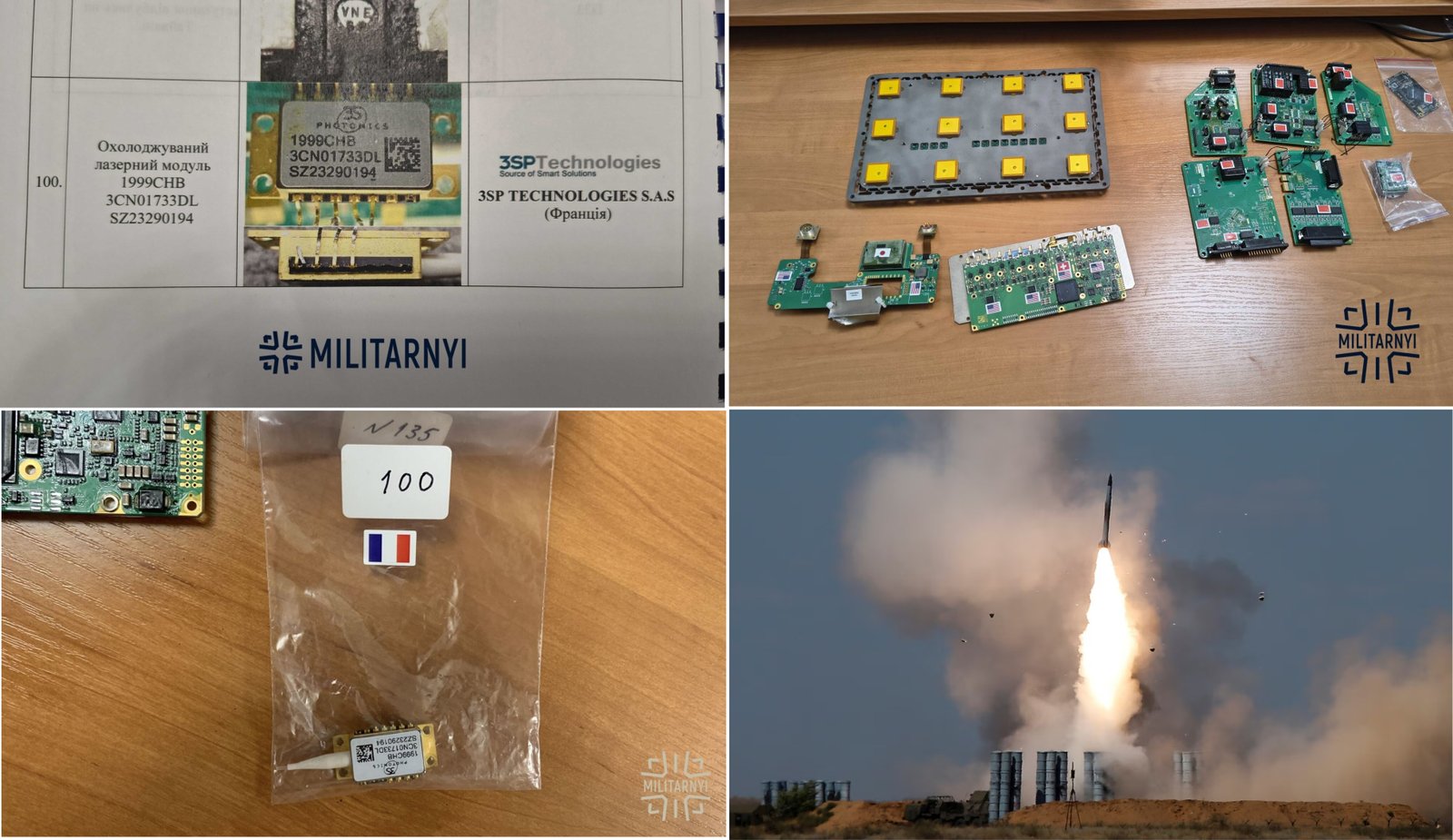
World
KYIV, — Ukrainian officials have identified Western-made components in Russian RM-48U missiles used for strikes against ground targets from S-300PM and S-400 air defense systems. The findings were presented during a briefing by Vladyslav Vlasiuk, the Ukrainian president’s commissioner for sanctions policy, according to Militarnyi. Ukrainian officials displayed foreign components recovered from Russian missiles, including a cooled laser module manufactured by French company 3SP Technologies. French laser module found in RM-48U According to the Ukrainian assessment, experts examining an RM-48U missile recovered a French-made laser component associated with laser-gyroscope systems used for inertial navigation. 3SP Technologies, based in Nozay, France, develops and manufactures optoelectronic components and laser modules. Its product range includes cooled pump laser modules and seed pump laser modules. Ukrainian experts said the recovered component can be used in fiber-optic gyroscopes and some types of ring laser gyroscopes. Such components can form part of high-precision inertial navigation systems. The Ukrainian presentation also identified U.S.-made components in the 12-channel Kometa navigation antennas installed on the RM-48U. According to Ukrainian officials, the broader examination of Russian ballistic weapons has identified components originating from several countries. RM-48U developed from S-300 and S-400 missiles The RM-48U is based on the 48N6 family of surface-to-air missiles used with Russian S-300 and S-400 systems. Earlier reporting identified RM-48U missiles as target missiles converted from older surface-to-air missiles, while Ukrainian intelligence now describes them as weapons used to strike ground targets. The missile has been used against Ukrainian targets during Russian missile attacks. The first publicly confirmed use was reported in January 2026, when debris identified as an RM-48U was recovered after a Russian strike. Subsequent reports identified the missile during major attacks, including the June 2 attack. The RM-48U is reported to carry a high-explosive fragmentation warhead weighing approximately 150–180 kilograms. Russia increases RM-48U production Ukraine’s Defence Intelligence reported in June that Russia had more than doubled production of RM-48U missiles. Russian plans called for the production of more than 480 missiles in 2026, compared with more than 200 in 2025. The reported production rate was up to 50 missiles per month. More recent Ukrainian intelligence reporting published in August estimated that Russia had around 400 RM-48U missiles in its stockpile and continued producing approximately 50 per month. The increased production has made the RM-48U a more significant part of Russia’s ballistic-missile inventory. Its use from existing S-300PM and S-400 launch systems also allows the missiles to be incorporated into Russian strike operations using established launch infrastructure. Ukraine seeks tighter export controls The identification of foreign components is part of Ukraine’s wider effort to trace Western and other foreign-made parts used in Russian weapons. Vlasiuk said Ukraine has been providing partner countries with information on identified components, serial numbers, production equipment and materials. Ukrainian officials are seeking additional sanctions and stronger export controls to restrict Russia’s access to components used in missile production. The Ukrainian assessment indicates that the issue extends beyond individual missile components. Officials also identified foreign-made equipment and materials used in Russia’s wider missile-production process, including precision machine tools and components for rocket-fuel production. The discovery of the French laser module and U.S.-made components in the RM-48U therefore forms part of a broader Ukrainian effort to identify the foreign supply chains supporting Russia’s missile production.
Read More → Posted on 2026-08-26 16:18:21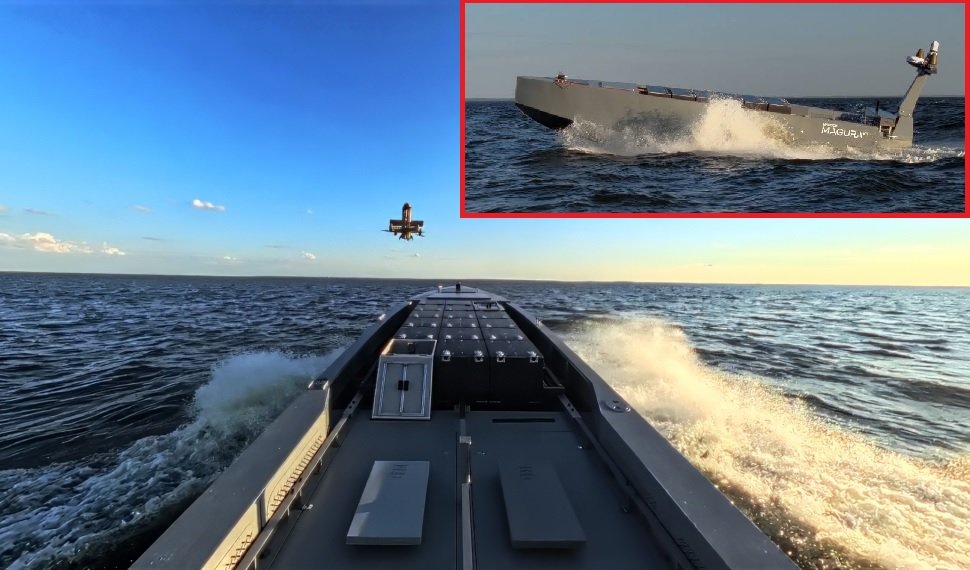
World
KYIV, Ukraine — Ukraine has publicly presented the Magura MV11, the largest unmanned surface vessel (USV) in the Magura family, during the country’s Independence Day unmanned systems parade on August 24. Developed by UFORCE, the MV11 is designed as an ocean-going carrier and support platform capable of transporting, launching and supporting other unmanned systems far from shore. The MV11 represents a different role from earlier Magura vessels, which have primarily been used for strike and reconnaissance missions. UFORCE says the new platform is designed to operate in open-ocean conditions and can remain at sea for up to seven days. It has a payload capacity of up to 2,200 kilograms (4,850 pounds) and a stated overall length of up to 12 meters and width of 3.5 meters. UFORCE also lists more than 2,000 nautical miles of operating distance and about 10 cubic meters of available payload space. MV11 Displayed With Sting Interceptors The MV11 was shown carrying 18 Sting interceptor drones in individual box-style launchers. The configuration turns the USV into a mobile counter-drone platform that can carry aerial interceptors away from shore. The Sting, developed by Ukraine’s Wild Hornets, is an electrically powered quadcopter equipped with a small explosive warhead. It weighs about nine pounds and makes extensive use of 3D-printed components. Reported production cost is around $2,100 per interceptor. Wild Hornets has stated that Sting can reach an altitude of nearly 7,000 meters (23,000 feet) and a maximum range of about 37 kilometers (23 miles), although actual flight time and range depend on factors including battery capacity, weather, payload and operator flight style. The interceptor is manually operated through a wireless link. Wild Hornets has previously said that Sting can be controlled from distances of up to 2,000 kilometers using a laptop-based interface. The precise method used to operate the interceptors from the MV11 has not been publicly detailed. Sting has been used against Russian one-way attack drones, including variants and derivatives of the Iranian-designed Shahed-136. If an interceptor does not engage its target, the Sting can be recovered for reuse, according to reporting on the system. Sensors and Communications Images of the MV11 show a rear mast carrying a camera turret, navigation radar and two horn-shaped antennas. A fixed forward-facing camera is also visible at the bow. The vessel's main deck includes rectangular satellite communications terminals. These systems are part of the communications architecture needed to operate the vessel and its carried unmanned systems over long distances. UFORCE says the MV11 is a modular platform that can be configured for different missions. Its stated roles include reconnaissance, surveillance, amphibious-operation support, and resupply of fuel and equipment to other unmanned surface vessels. The company says the platform is designed to operate around the clock and in varied weather conditions. UFORCE has also described an air-defense configuration using several dozen aerial interceptors, a gyro-stabilized 12.7 mm turret, and sensors for radar surveillance and target tracking. This is a configuration described by the company rather than the specific configuration displayed during the Independence Day parade. Part of the Expanding Magura Family The MV11 is the latest addition to the Magura family, which UFORCE says has been produced since 2023. The company says the family has been used in hundreds of missions in the Black Sea and has contributed to the destruction of at least 12 Russian ships. Some Magura variants have also been configured with air-to-air missiles. UFORCE says the MV11 was developed by its design and research-and-development bureau in Portugal, with international investment. The company is headquartered in London and has Ukrainian origins. The company has also been expanding production cooperation outside Ukraine. In July 2026, UFORCE and U.S. manufacturer RECONCRAFT signed a memorandum of understanding covering production of Magura unmanned surface vessels in the United States. The agreement combines UFORCE's autonomous-vessel technology with RECONCRAFT's U.S. manufacturing capabilities. A Carrier Rather Than a Conventional Strike USV The main difference between the MV11 and earlier Magura vessels is its role as a carrier and support platform. Instead of carrying only its own weapons or sensors, the vessel is designed to transport other unmanned systems and deploy them at sea. This allows the MV11 to serve as a mobile maritime base for aerial and surface drones. Its large payload capacity also provides space for mission equipment, fuel and other supplies. The public unveiling does not establish the MV11's production quantity, unit cost or the complete set of sensors that will be installed on operational vessels. UFORCE has presented the platform as a modular system that can be adapted for different missions as development and integration continue. Source : TWZ
Read More → Posted on 2026-08-26 13:58:04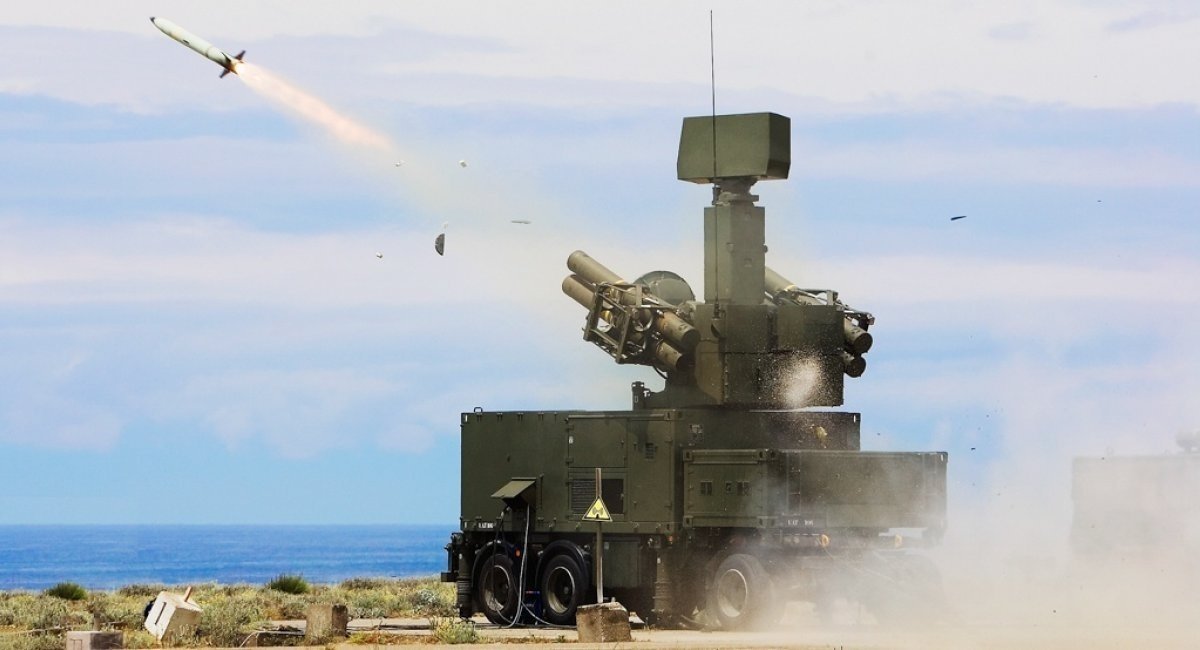
World
KYIV — Ukraine has received a new batch of AIM missiles and several additional Patriot interceptor missiles, Ukrainian President Volodymyr Zelenskyy said during a joint press conference with Estonian President Alar Karis in Kyiv. Zelenskyy said Ukraine also received confirmation from an unnamed partner for the transfer of several French-made Crotale air defense systems and missiles. He did not identify the supplying countries or provide exact quantities. Ukraine uses AIM-9 Sidewinder and AIM-120 AMRAAM missiles with F-16 fighter jets and ground-based NASAMS air defense systems against cruise missiles, drones and aircraft. Patriot systems in Ukrainian service use PAC-2 missiles against aerodynamic targets and PAC-3 interceptors for direct kinetic interception of ballistic missiles. Crotale is a short-range surface-to-air system designed to engage low- and very-low-altitude targets. Its engagement range is generally reported at 10–16 kilometers, with an operating altitude of about 15 meters to 6 kilometers. Ukraine has previously received Crotale systems from France. New European Defense Agreements Zelenskyy also announced broader defense and financial agreements with European partners. Norway has confirmed approximately $9 billion, or 85 billion Norwegian kroner, in support for Ukraine in 2027 through its Nansen Support Programme. Norway and Ukraine also agreed on strategic cooperation in drones and other defense technologies. The two countries are also cooperating on FREYJA, a Ukrainian-led European anti-ballistic missile project. Norway is expected to help finance the rapid establishment of the project's development office. Sweden is providing financial support for Ukrainian drone production, while Ukraine and Latvia have agreed on joint drone manufacturing. Zelenskyy said approximately 90% of drones produced under the cooperation will be allocated to Ukraine. Ukraine and Norway have also formalized a strategic partnership focused on drone technologies. Regional and Sectoral Support Belgium and Denmark are directing recovery assistance toward Ukrainian regions, with Denmark focusing on Mykolaiv. Estonia is supporting Zhytomyr, while Germany has approved a separate support package for Ukraine's energy sector. Germany and Belgium will also contribute to programs supporting war veterans. Zelenskyy thanked Estonia for maintaining military support at 0.25% of its GDP and committing to continue that level the following year, in addition to separate funding for drone programs. Defense support from Lithuania and Finland was also confirmed in recent days. Ukraine's air defense requirements remain a major focus of cooperation with its partners. Zelenskyy has previously said Kyiv needs a larger share of Patriot interceptor production to protect its airspace and critical infrastructure, particularly ahead of the winter period. The latest deliveries and agreements combine immediate air defense assistance with longer-term cooperation in missile defense, drone production, energy security and defense financing.
Read More → Posted on 2026-08-26 13:41:33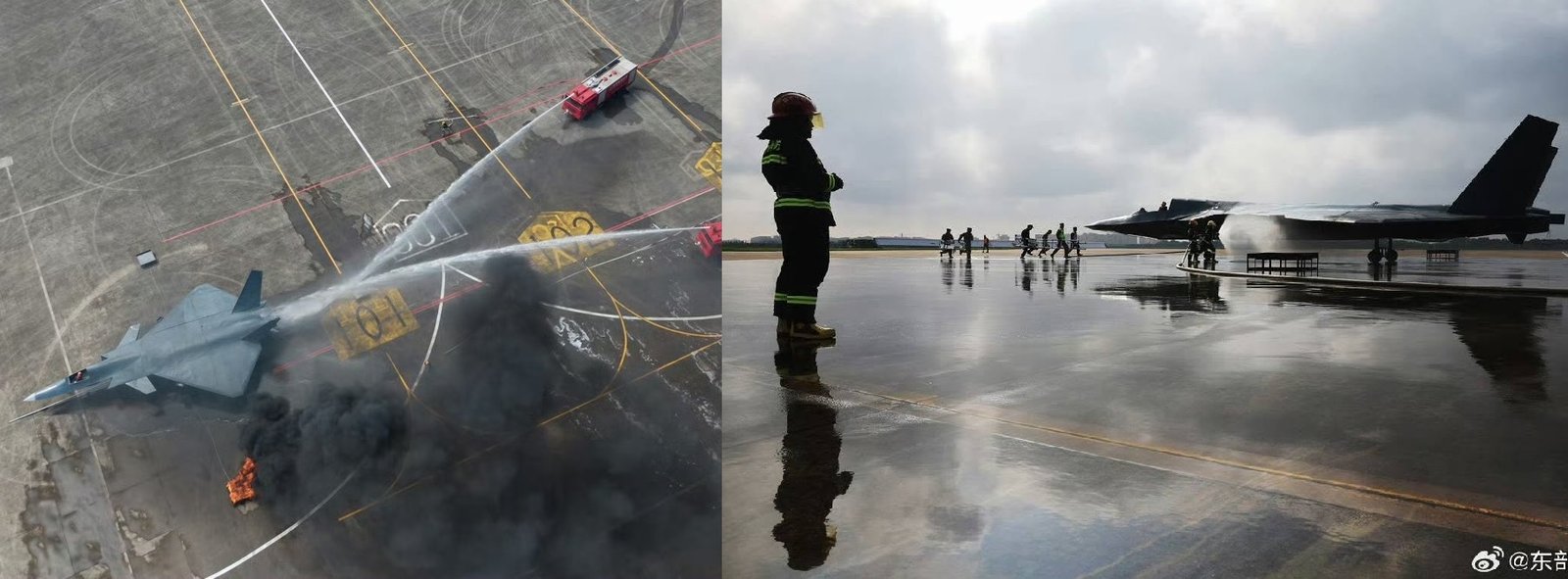
World
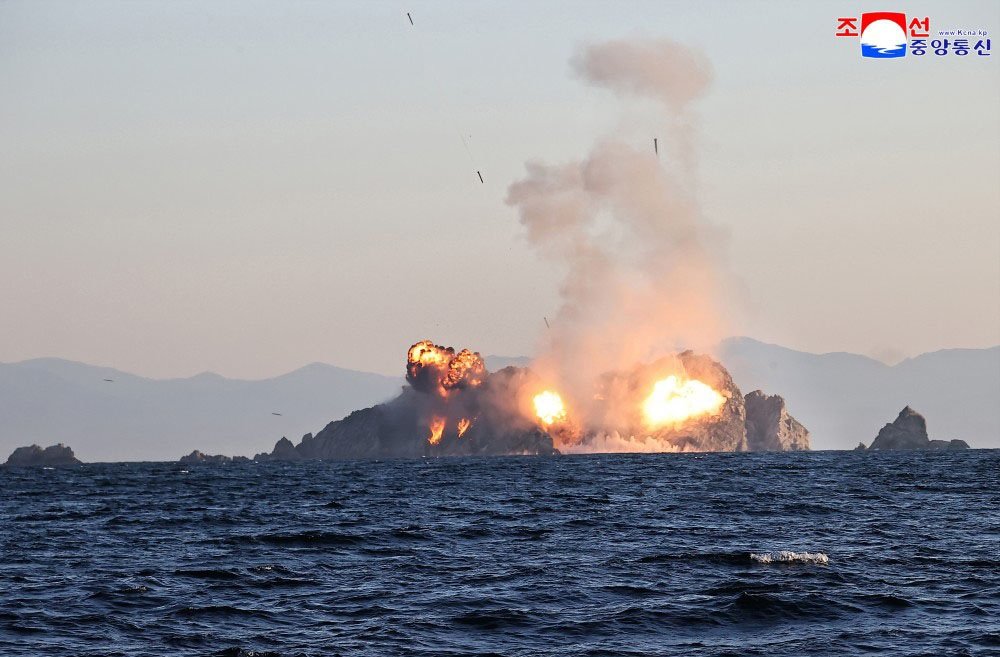
Jining, Shandong Province, China — A fighter-shaped object previously spotted in satellite imagery at the former Jining Qufu Airport in China has been identified as a full-scale mock-up used for firefighting and emergency-response training, ending speculation that it could be a prototype of a new Chinese stealth fighter. On August 25, 2026, Chinese aerospace analyst Andreas Rupprecht confirmed the assessment in a post on X, after sharing clearer images of the object being used in a live training exercise. The photos, credited to China’s Eastern Theater Command and posted on Weibo, show military firefighters in protective gear spraying water onto the fuselage while smoke and flames rise from the base. You surely remember these strange J-20-look alike models - some claimed them to be a new single engined stealth fighter - at Jining Qufu AP, which I already back then rated as fire-fighting trainer mock-ups. Here finally two clearer images!(Via @水獭一般编-阿怡) pic.twitter.com/N3vIQyev8l — @Rupprecht_A (@RupprechtDeino) August 25, 2026 Object First Spotted in 2025 The object attracted wider attention in April 2025 after satellite imagery showed a stealth fighter-like shape parked on the apron in front of the passenger terminal at Jining Qufu Airport in Shandong Province. Historical Planet Labs imagery indicated that it had been there since at least September 2024. Jining Qufu Airport officially closed in December 2023 and had previously been collocated with a People’s Liberation Army Air Force base. Its location contributed to speculation that the object could be connected to a classified aircraft program. Similarities to Chinese Stealth Fighters The mock-up has a modified diamond-delta wing planform, canards and twin vertical tails, giving it a general resemblance to the Chengdu J-20. The newly released ground-level images also show a cockpit configuration that appears closer to the newer Shenyang J-35. When the satellite images first appeared, the object was also compared with the Baidi Type-B, or “White Emperor,” a fictional space-fighter concept displayed by the Aviation Industry Corporation of China at the 2024 Zhuhai Airshow. Analysts also compared it with unusual J-20-like shapes seen at Lintao Air Base in 2022. Those objects had different wing shapes and longer, narrower noses and were assessed separately as possible decoys or full-scale mock-ups. Firefighting Trainer Confirmed The latest photographs establish that the Jining object is a training aid rather than a flying aircraft. It is used to train military firefighters to respond to aircraft fires and other airfield emergencies. Such full-scale aircraft mock-ups are used to reproduce realistic aircraft dimensions and allow emergency crews to practice firefighting and rescue procedures. The Jining trainer does not have the systems required for flight, including operational engines and internal avionics. Rupprecht had already assessed the Jining objects as firefighting trainers in posts made in January and July 2026. The newly released images provide clearer visual evidence supporting that assessment. The clarification separates the Jining object from speculation surrounding China’s actual next-generation aircraft, including the tailless J-36 and J-XDS, also referred to as the J-50. It confirms that the unusual fighter-shaped object at the former airport was a ground training mock-up rather than evidence of a new single-engine stealth fighter.
Read More → Posted on 2026-08-26 11:52:04Search
Top Trending in 24 Hours
-
 North Korea Fires Short-Range Ballistic Missile Toward Sea of Japan After Freedom Edge 26
-
 India’s xTerra Robotics Launches Indigenous DHAV-Hy Wheeled-Legged Quadruped for Industrial Inspection
-
 U.S. Army Awards $10.64 Million Contract to Ukrainian Drone Maker Skyeton for Raybird Systems
-
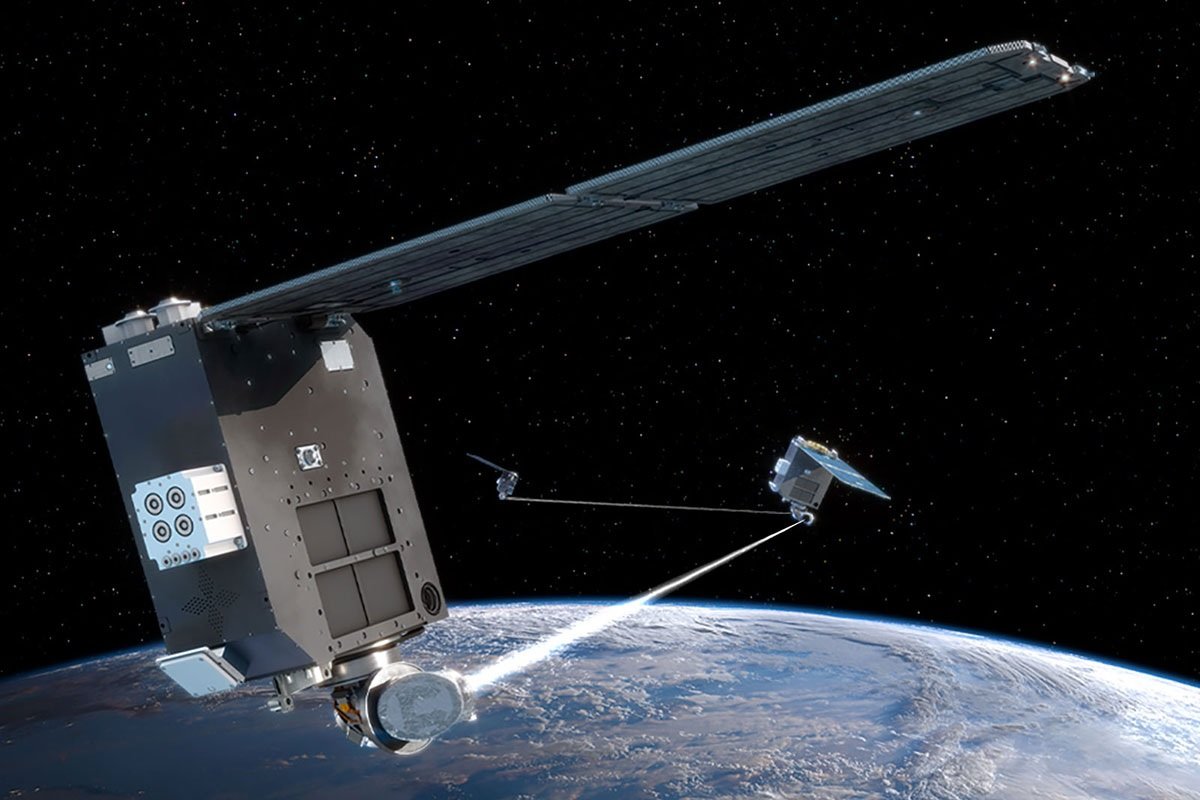 U.S. Space Force Seeks Rapid-Response Satellites for Close-Range Orbital Inspections
-
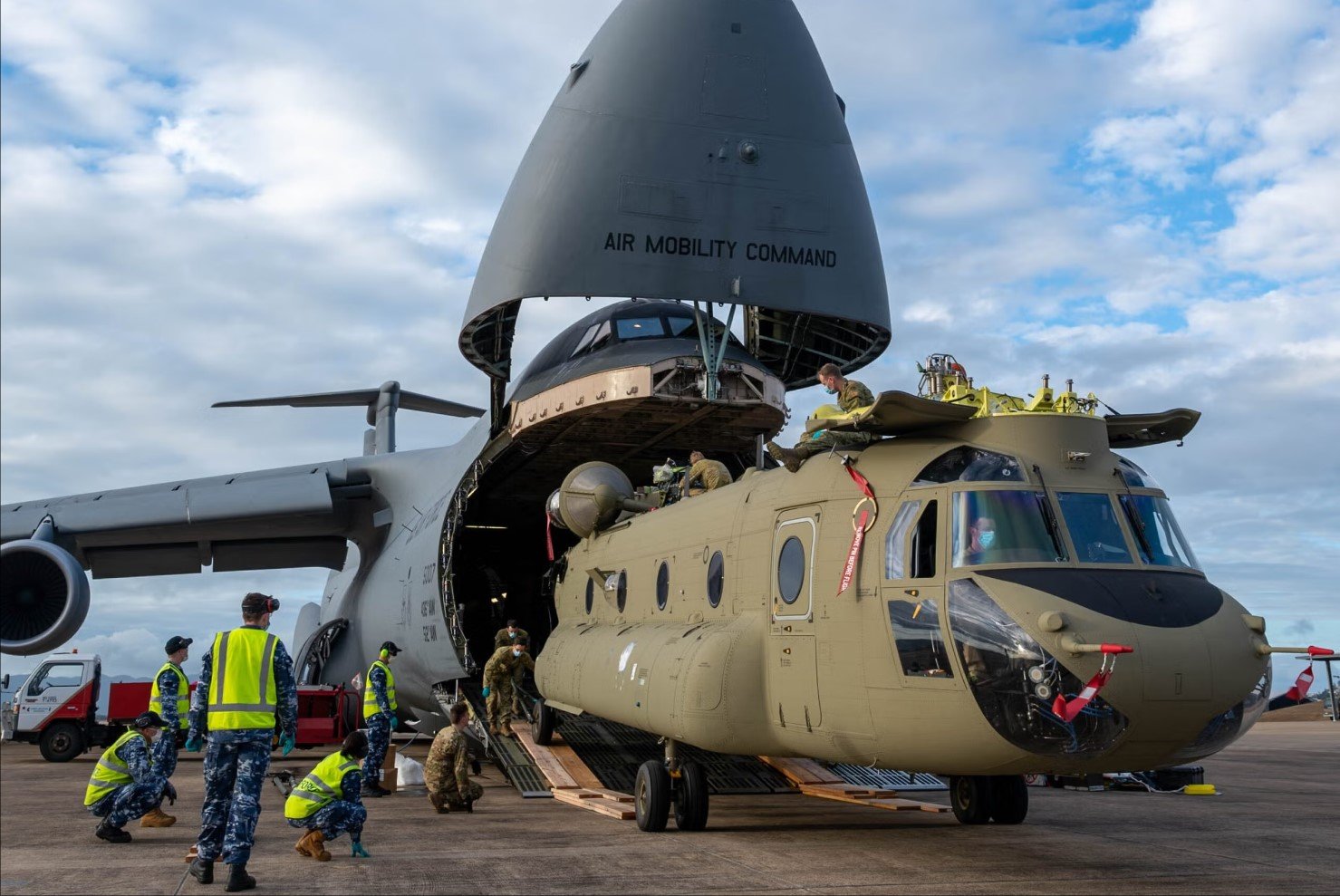 U.S. Delivers First CH-47F Chinook to Egypt Under 12-Helicopter Deal
-
 BEL Showcase X-Band Multi-Function Radar for QRSAM to Japanese Delegation
-
 U.S. Government Seizes Almasirah.net, Houthi-Linked News Website
-
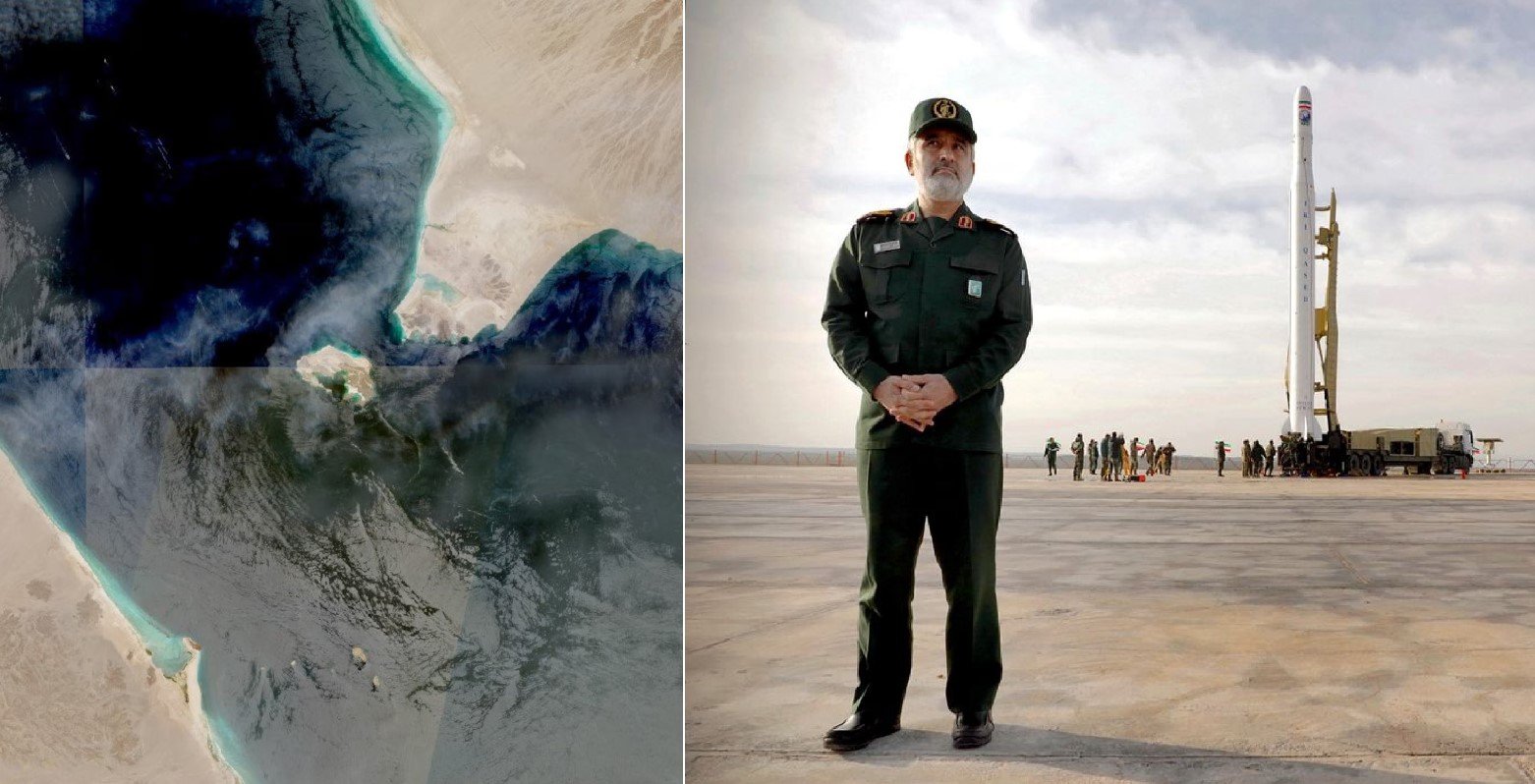 IRGC Experts Visit Bab El-Mandeb to Oversee Radar Installation and Tunneling, Houthi Sources Say
Top Trending in 4 Days
-
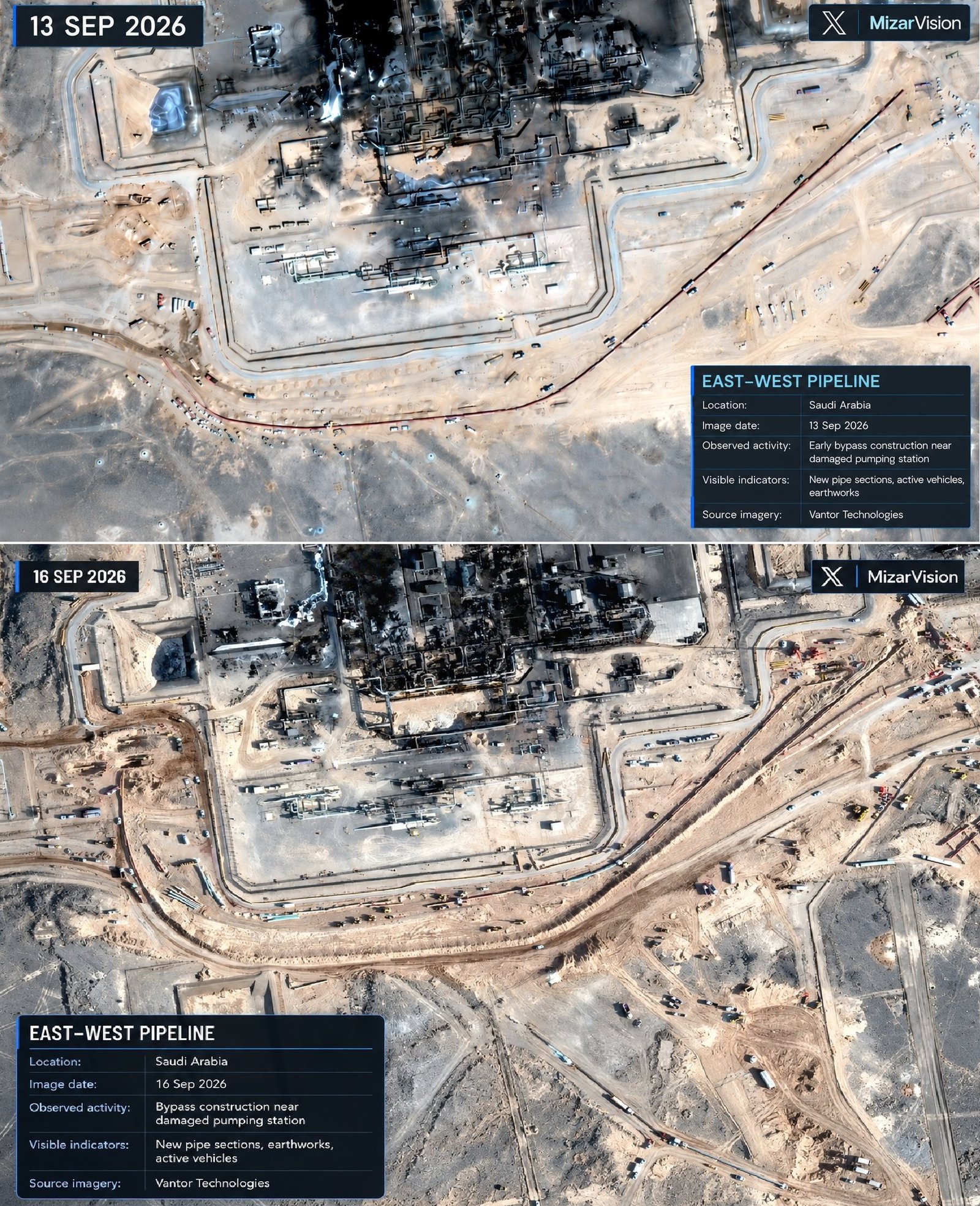 Satellite Images Show Saudi Arabia Building Emergency Bypass Around Damaged East-West Oil Pipeline Station
-
 Sensitive F-35 Components Diverted to Hong Kong, Some Parts Missing
-
 Italian Eurofighter Damaged in Houthi Attack on Saudi Arabia’s King Fahd Air Base
-
 U.S. Secures Permanent Military Rights in Greenland in Historic Security Pact with Denmark
-
 U.S. Approves Potential $2.68 Billion Air Defense Package for Ukraine Including S-300 Clone Missiles
-
 BEL Signs Export Deal with Elbit Systems for Directed Infrared Countermeasure Sub-Assemblies, Secures ₹648 Crore in Additional Orders
-
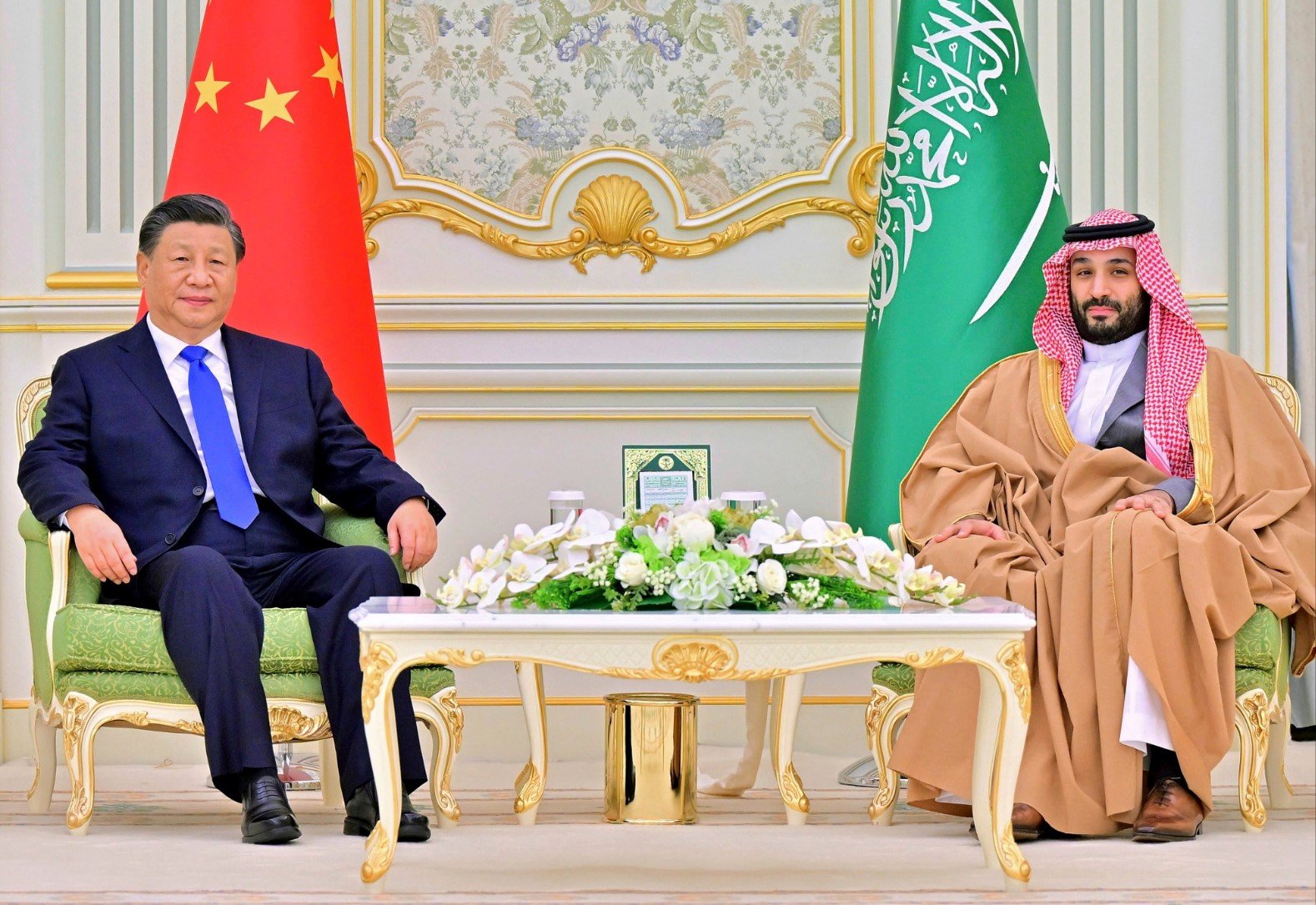 China Privately Urges Iran to Restrain Houthis After Saudi Appeal
-
 Israeli Firm Arbe Robotics Unveils Alerion High-Resolution 4D Radar for Counter-Drone Operations