
World
AMMAN, JORDAN — Iranian ballistic missiles targeted U.S. military facilities in Jordan on September 9, with conflicting reports emerging over the number of American personnel injured in the attack. According to a report by the Times of India, a Jordanian source claimed that a large number of injured American soldiers were being flown to Ramstein Air Base in Germany, with some reportedly suffering life-threatening injuries. However, the claim has not been independently confirmed by the U.S. military. A U.S. official cited by Reuters said all American troops in Jordan were accounted for and described the Iranian strikes as ineffective. Jordanian authorities also reported no casualties from the missile attack. Jordan's Armed Forces said 20 Iranian ballistic missiles were launched toward Jordan. Its air-defense systems intercepted and destroyed 18 missiles, while two fell in unpopulated areas. The military said there were no casualties and that teams were securing locations where missile debris had fallen. Iran's Islamic Revolutionary Guard Corps claimed responsibility for the attack and said it targeted a U.S. military base near Al Azraq. Reports of multiple explosions were also published following the strike, but the extent of damage at the base remains disputed. The reported evacuation of injured U.S. personnel to Germany therefore remains unconfirmed, while Washington's statement that all American troops are accounted for directly conflicts with the casualty claims attributed to the Jordanian source.
Read More → Posted on 2026-09-09 10:15:41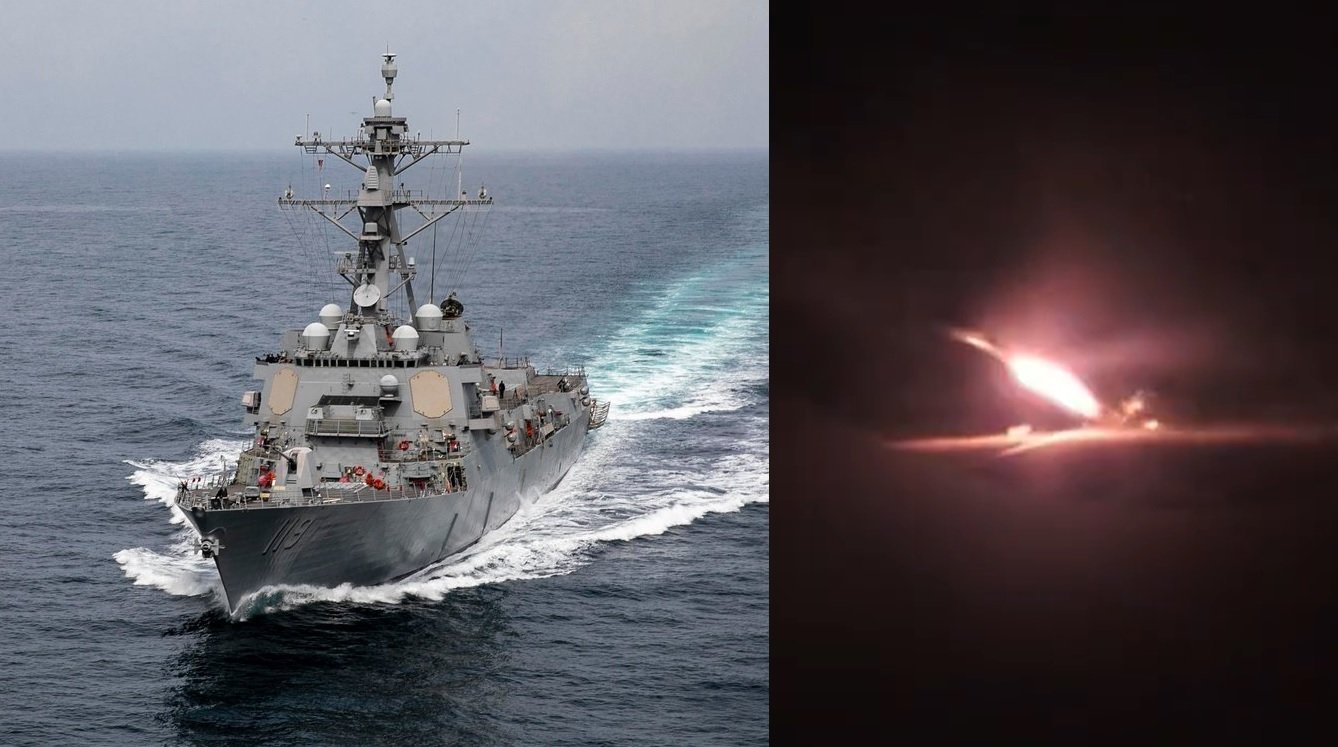
World
TEHRAN — Iran’s Islamic Revolutionary Guard Corps (IRGC) on Wednesday claimed that it launched ballistic missile attacks against two U.S. Navy Arleigh Burke-class guided-missile destroyers operating in the Gulf of Oman and Strait of Hormuz area. The ships identified by the IRGC were USS Delbert D. Black (DDG-119), a Flight IIA destroyer, and USS John Paul Jones (DDG-53), a Flight I destroyer. Both are equipped with the Aegis combat system and carry cruise missiles. Iranian state media reported the IRGC Aerospace Force’s claim that the missiles caused significant damage to both destroyers. Iran said the attacks were carried out in retaliation for recent U.S. actions against Iranian oil tankers. The IRGC also said it targeted eight oil tankers and other vessels that it accused of entering a prohibited or restricted area of the Strait of Hormuz. Iranian forces said the waterway remains under the surveillance and management of its naval forces. However, Iran has not released video, photographs or other independent evidence showing that either U.S. destroyer was hit or damaged. Independent confirmation of the Iranian claim has also not emerged. CENTCOM Says U.S. Ships Evaded Attacks U.S. Central Command (CENTCOM) said Iranian forces launched ballistic missiles toward a U.S. Navy warship twice over the preceding two days. According to CENTCOM, the ship successfully evaded the attacks, continued its patrol of regional waters and suffered no operational damage. No American personnel were harmed. CENTCOM has described the recent Iranian missile attacks against U.S. Navy ships as unsuccessful. Its September 5 statement also said an American aircraft carrier and guided-missile destroyer evaded multiple Iranian ballistic missile attacks without casualties or damage. U.S. Strikes Iranian Oil Tankers The latest exchange followed U.S. strikes on five Iranian crude oil carriers on September 8. CENTCOM identified them as M/T Kaviz, M/T Charminar, M/T Horizon 1 and M/T Riesco in the Gulf of Oman, and M/T Derya near Kharg Island. CENTCOM said the crews were ordered to abandon the ships before the vessels were struck and rendered inoperable. The U.S. military described the tankers as part of a shadow network used to fund the IRGC and its regional proxies. This followed a September 5 U.S. operation against three other Iranian crude oil carriers — M/T Downy, M/T Stark 1 and M/T Kylo, also known as Noxen — after the IRGC launched ballistic missiles toward a U.S. aircraft carrier and guided-missile destroyer. CENTCOM said those U.S. warships also evaded the attacks without injuries or damage. CENTCOM commander Adm. Brad Cooper said Iran would face higher economic costs through strikes on its oil fleet. The latest exchange is part of an ongoing series of Iranian missile attacks, U.S. strikes on Iranian oil vessels and competing claims over military activity around the Strait of Hormuz and Gulf of Oman. As of September 9, there is no independent confirmation that USS Delbert D. Black or USS John Paul Jones suffered damage in the reported attack.
Read More → Posted on 2026-09-09 09:43:33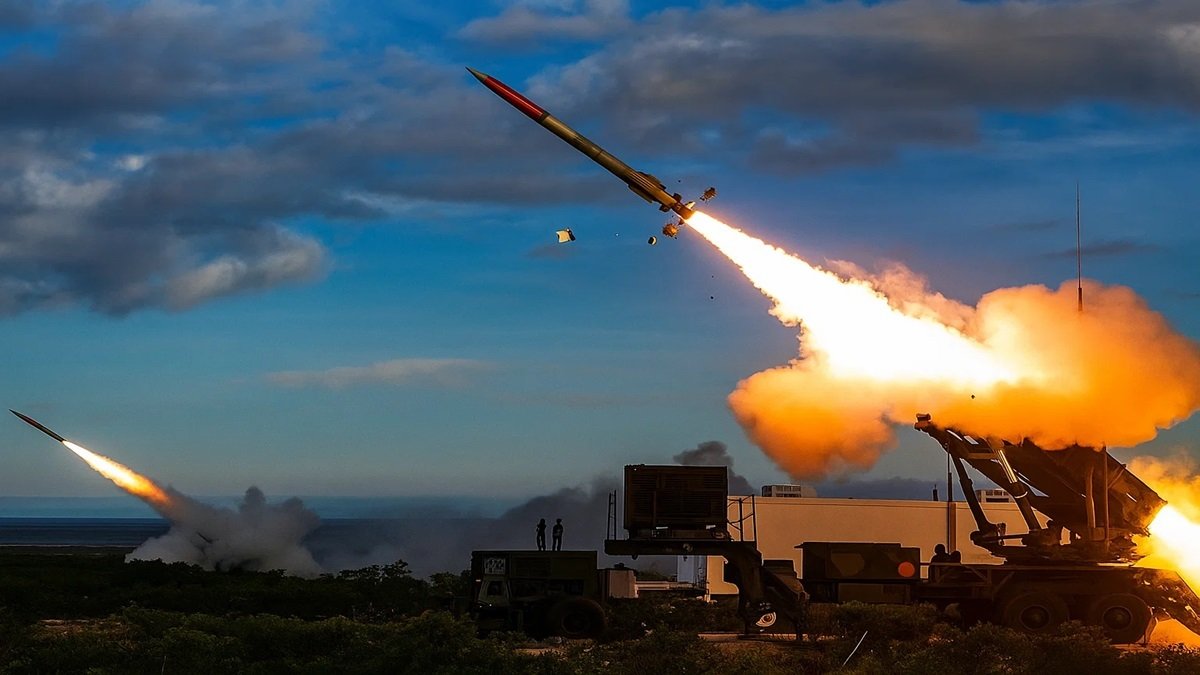
World
KYIV — Ukraine is signing contracts for approximately 1,000 missiles for its U.S.-designed Patriot air-defense systems, supported by partner countries and financing from a €90 billion European Union Ukraine Support Loan, Defense Minister Yevhenii Khmara said at the 36th Ukraine Defense Contact Group meeting in Ramstein, Germany. Most of the missiles will arrive only in the coming years. To address the immediate air-defense requirement ahead of winter, Khmara asked allies to transfer 300 Patriot interceptor missiles from their existing stockpiles. Ukraine would later replenish those stocks with improved missiles delivered under its new contracts. Kyiv is also requesting 500 air-to-air missiles capable of countering cruise missiles, additional MANPADS, and funding for drones. Khmara said these capabilities are needed against ballistic missiles, jet-powered Shahed drones and cruise missiles. EU financing for Patriot missiles The procurement is linked to the EU's €90 billion Ukraine Support Loan. EU member states agreed to a derogation allowing Ukraine to use the loan to purchase U.S.-made Patriot interceptors because European suppliers cannot currently meet the required volume. European Commission President Ursula von der Leyen said the next €3.2 billion tranche would help Ukraine strengthen its air defenses. A further €8.4 billion has already been disbursed under the loan program, including for air defense, while the technical decision on the latest allocation is expected to be finalized shortly. Ukraine reports $27 billion funding gap Khmara also reported a €23 billion ($27 billion) defense-financing shortfall, much of which is needed to maintain drone supplies through the end of 2026 and into early 2027. He said up to 90% of Ukraine's battlefield success depends on drones. Partners have provided €62 billion of the €70 billion in security assistance pledged at a summit in Ankara, leaving €8 billion still required. Khmara urged partners to make the necessary financial decisions by November so the additional support can affect the battlefield this winter. Meanwhile, dozens of Ukrainian companies are developing lower-cost systems to intercept jet-powered Shahed drones, with some already undergoing combat testing. Germany and UK announce additional support German Defense Minister Boris Pistorius said Germany would urgently send Patriot PAC-2 interceptors from its stockpiles and increase deliveries of AIM-9 air-to-air missiles. He also called on other partners to examine their stocks and provide similar assistance. The UK separately committed £100 million to strengthen Ukraine's air defenses, including U.S. military equipment such as Patriot interceptors, large-calibre ammunition and drones. Khmara said Russia has made no strategic gains along the approximately 1,200-kilometer (750-mile) frontline, but has increased attacks against Ukrainian civilians and infrastructure. Russia resumed near-constant drone and missile attacks on Kyiv on Tuesday after a brief pause during a visit by U.S. peace negotiators. Ukrainian officials reported five people killed in the capital and additional casualties in other regions. NATO Secretary-General Mark Rutte said allies must increase material support to help Ukraine defend itself in the air and take advantage of opportunities across the battlefield. The latest measures combine long-term contracts for about 1,000 Patriot missiles with urgent requests for interceptors from allied stockpiles as Ukraine prepares for another winter of Russian missile and drone attacks.
Read More → Posted on 2026-09-09 09:11:17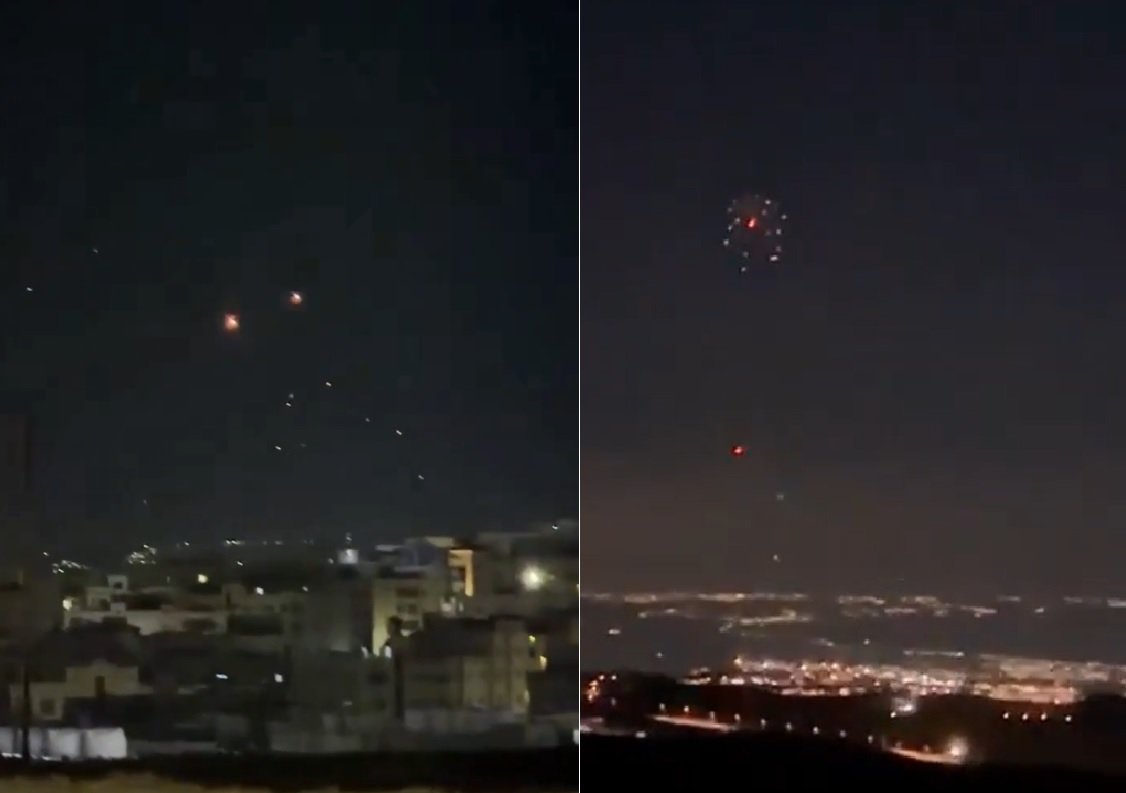
World
AMMAN, Jordan — Iran launched a major ballistic missile barrage toward Jordan overnight between September 8 and 9, targeting the U.S.-used Muwaffaq Salti Air Base, also known as Al-Azraq Air Base, after U.S. forces struck five Iranian crude oil tankers. Jordan’s armed forces said its air-defense systems engaged 20 ballistic missiles launched from Iran toward Jordanian territory. Eighteen missiles were intercepted and destroyed, while two fell in unpopulated areas. No casualties were reported. The Iranian attack was carried out by the Islamic Revolutionary Guard Corps (IRGC), which claimed responsibility and described the operation as “Punishing the Aggressors.” It appears that Iran's latest missile barrage targeting U.S. bases in Jordan is forcing defenders to expend a large number of interceptors. pic.twitter.com/Fk2ltdm6MW — Clash Report (@clashreport) September 8, 2026 Missiles hit the area of Muwaffaq Salti Air Base The IRGC said its Aerospace Force used solid- and liquid-fuel ballistic missiles against Al-Azraq Air Base, a Jordanian facility used by U.S. forces. Iran claimed that the attack targeted maintenance and repair facilities, aircraft preparation areas, aircraft shelters and locations used to station U.S. F-35, F-16 and F-15 fighter jets. The IRGC also claimed that the strikes caused heavy damage. Several videos recorded during and after the attack show explosions and apparent missile impacts in the area of Muwaffaq Salti Air Base. The footage provides visible evidence that at least some Iranian missiles reached the vicinity of the installation despite the air-defense response. Several Iranian ballistic missiles evaded US air defenses and struck a US base directly in Jordan.US used a large number of interceptors to counter a few dozen ballistic missiles.The intensive IRGC attack came after the US struck 5 Iranian tankers. pic.twitter.com/FODFrF6juf — Current Report (@Currentreport1) September 8, 2026 The precise number of missiles that struck the base and the extent of damage remain unclear. A U.S. official said the Iranian strikes were ineffective and that all American troops were accounted for. Cluster munitions visible in interception footage Several videos from the overnight attack also show what appears to be the dispersal of multiple smaller munitions in the sky after incoming ballistic missiles were intercepted. In the footage, a missile is seen being engaged in the air, followed by multiple smaller objects spreading across the sky and descending toward the ground. The visual sequence has led open-source observers to assess that some of the Iranian missiles were equipped with cluster warheads. 🚨 IRAN LAUNCHES MAJOR MISSILE BARRAGE AT U.S. BASES IN JORDANIran launched a substantial missile barrage toward U.S. military bases in Jordan after three Iranian tankers were struck near Kharg Island and Jask.Dozens of interceptors were launched as Iran reportedly used… pic.twitter.com/LN0KkWLPae — Mossad Commentary (@MOSSADil) September 8, 2026 The footage appears to show the smaller submunitions continuing to fall after the main missile was intercepted, creating a wider area of falling objects rather than a single impact point. The exact number of Iranian missiles carrying cluster warheads has not been officially disclosed by Jordan or the United States. However, the available footage provides visible evidence of multiple objects dispersing in the air and falling toward the ground following some interceptions. Cluster warheads are designed to release multiple smaller submunitions over a wider area instead of delivering a single warhead to one location. Heavy air-defense response The Iranian barrage triggered an intense air-defense response over Jordan. Multiple videos show repeated interceptor launches lighting up the night sky as Iranian ballistic missiles approached. Jordan officially said that 18 of the 20 detected missiles were intercepted and destroyed, while two landed in unpopulated areas. The exact number of U.S. and allied interceptors fired has not been officially released. Open-source estimates circulating online have placed the number at more than 60 interceptors may have been launched. Those figures remain unconfirmed. Claims that the United States used two to four interceptors against every incoming ballistic missile and that the engagement cost hundreds of millions of dollars are also estimates rather than officially confirmed figures. U.S. strikes on five Iranian tankers triggered retaliation The Iranian missile attack followed U.S. strikes against five Iranian crude oil tankers on September 8. U.S. Central Command said the operation was carried out after Iranian forces launched two ballistic-missile attacks against a U.S. Navy warship over the previous two days. The warship evaded the attacks, and no American personnel were injured. U.S. forces said tanker crews were instructed to abandon their vessels before the strikes. Four crude oil carriers were struck in the Gulf of Oman, while another vessel was targeted near Kharg Island in the Persian Gulf. Iranian state media also reported strikes on tankers near the southern port of Jask. Kharg Island is a major Iranian oil-export hub. U.S. Secretary of State Marco Rubio, speaking from Colombia, said further Iranian attempts to strike U.S. naval ships would result in additional Iranian tankers being targeted. Iran warns commercial shipping Before the ballistic missile attack on Jordan, the IRGC Navy issued urgent warnings to tanker crews at Kuwaiti and Bahraini ports and anchorages. The warnings instructed crews to leave their vessels immediately and said ships remaining in the affected areas would be targeted. The IRGC later claimed that it attacked 10 ships in the Strait of Hormuz area, including two U.S. vessels and eight oil tankers that Iran accused of entering a prohibited zone. These claims have not been independently verified. The threats have raised further concerns over the safety of military and commercial vessels operating around the Strait of Hormuz. Oil prices rise as tensions increase The latest exchange of attacks also affected global oil markets. Brent crude futures rose during early Wednesday trading as markets assessed the possibility of further disruption involving Iranian oil exports and shipping through the Gulf. Reuters reported Brent crude at $99.22 per barrel, up 1.3% in early trading. Major escalation after April ceasefire The overnight missile barrage represents the largest reported direct exchange between Iran and the United States since the Pakistan-brokered two-week ceasefire in April. The latest escalation has now involved U.S. strikes on Iranian oil tankers, an Iranian ballistic missile attack on a U.S.-used air base in Jordan and Iranian threats against commercial shipping. Jordan has officially confirmed that its air defenses engaged 20 Iranian ballistic missiles and intercepted 18 of them. At the same time, available video footage shows multiple explosions and apparent missile impacts around Muwaffaq Salti Air Base, as well as the apparent dispersal of smaller munitions following some missile interceptions. The full extent of damage to the base, the precise number of successful missile impacts and the number of Iranian missiles carrying cluster warheads remain subject to further assessment.
Read More → Posted on 2026-09-09 08:53:52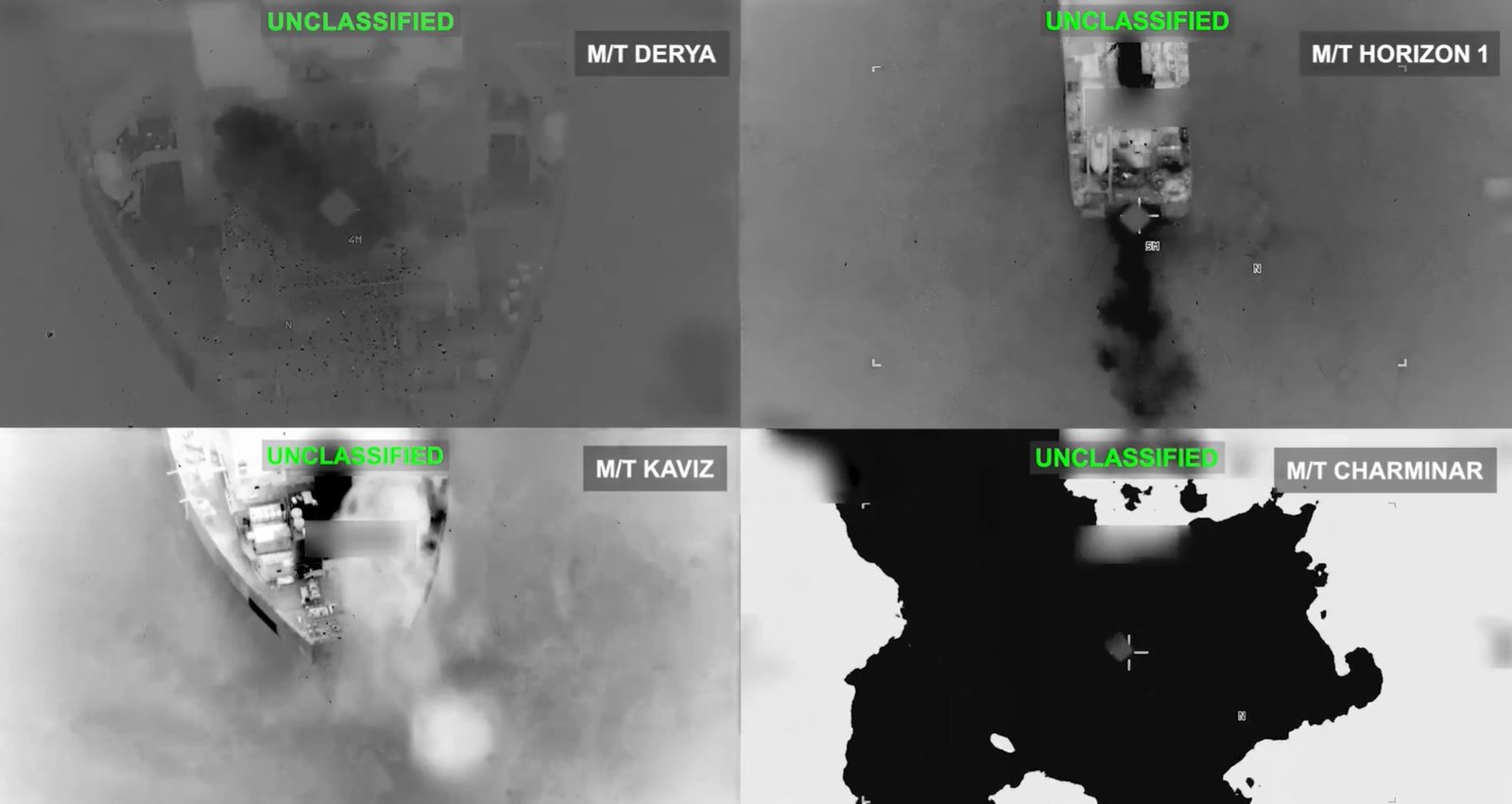
World
TAMPA, Fla. — September 9, 2026: U.S. Central Command (CENTCOM) forces destroyed five Iranian crude oil carriers on September 8 after the Islamic Revolutionary Guard Corps (IRGC) launched ballistic missiles at a U.S. Navy warship twice over the previous two days. CENTCOM said the warship evaded both attacks and continued patrolling regional waters. No American personnel were injured. CENTCOM forces destroyed five Iranian crude oil carriers, Sept. 8, after the Islamic Revolutionary Guard Corps (IRGC) targeted a U.S. Navy warship with ballistic missiles twice over the past two days. The U.S. warship successfully evaded the attempted Iranian attacks and… pic.twitter.com/Gi8a2tloN1 — U.S. Central Command (@CENTCOM) September 8, 2026 Five Iranian tankers destroyed The U.S. strikes targeted four tankers in the Gulf of Oman and one near Kharg Island. The vessels were: M/T Kaviz (IMO 9282041) M/T Charminar (IMO 9318022) M/T Horizon 1 (IMO 9130456) M/T Riesco (IMO 9251822) M/T Derya (IMO 9569700) CENTCOM said U.S. forces ordered the crews to abandon the vessels before the strikes. The tankers were then struck and rendered inoperable. CENTCOM footage showed M/T Riesco sinking in the Gulf of Oman. CENTCOM said the tankers were part of a multibillion-dollar Iranian “shadow network” that funds the IRGC and its regional proxies. Iran retaliates against U.S. forces in Jordan Iran responded by launching 20 ballistic missiles toward Jordan, targeting a U.S. military presence near Al Azraq. Jordan's Armed Forces said its air defenses intercepted and destroyed 18 missiles, while two landed in unpopulated areas. No casualties were reported. The IRGC claimed its attack damaged facilities used by U.S. aircraft, but those claims have not been independently verified. Iran also threatened commercial oil tankers in Kuwaiti and Bahraini ports, warning crews to leave their vessels because both countries host U.S. forces. Part of a continuing cycle of strikes The September 8 operation followed a September 5 U.S. strike that destroyed or disabled three Iranian crude oil carriers after the IRGC launched ballistic missiles toward a U.S. aircraft carrier and a guided-missile destroyer. CENTCOM said those attacks also failed to hit the U.S. warships. U.S. Secretary of State Marco Rubio said Washington would continue responding to Iranian attacks on American naval vessels, stating that Iran would lose tankers whenever it attempted to hit U.S. Navy ships. The latest exchange has also affected oil markets, with Brent crude moving toward $100 a barrel amid concerns over further disruption to regional oil supplies and shipping.
Read More → Posted on 2026-09-09 08:07:53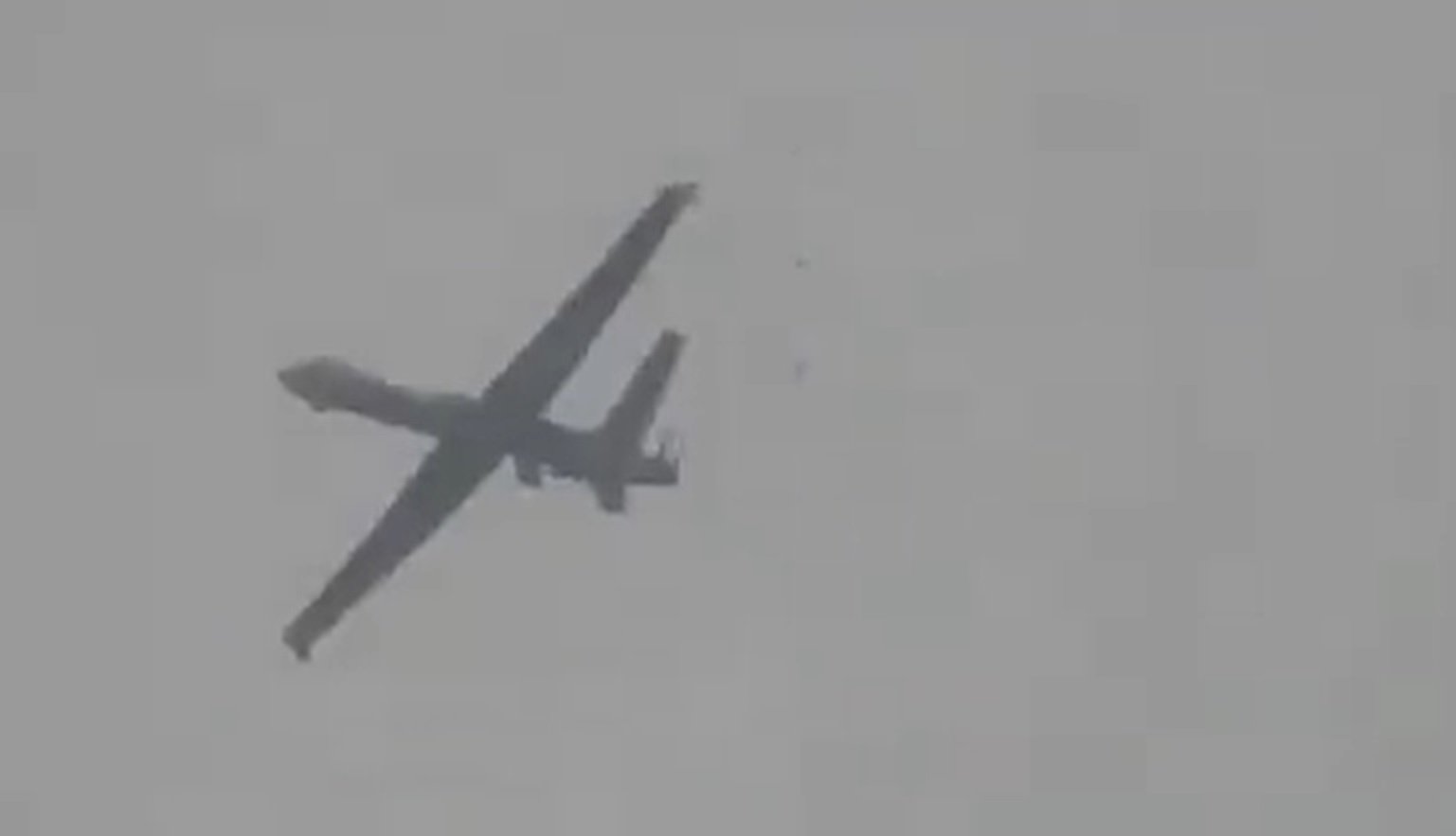
World
TEHRAN, Iran — Iran’s Islamic Revolutionary Guard Corps (IRGC) claimed on Tuesday, September 8, 2026, that its air defense forces shot down a U.S. MQ-9 Reaper unmanned aerial vehicle near Bandar Abbas in southern Iran. According to Iranian news outlets, the IRGC is now claiming to have shot down a U.S. MQ-9 “Reaper” Medium-Altitude Unmanned Aerial Vehicle over Bandar Abbas, Iran. pic.twitter.com/WAvgSGoLVi — OSINTdefender (@sentdefender) September 8, 2026 Iranian state-affiliated media reported that the drone was detected and tracked by Iranian air defenses before it was targeted after allegedly entering Iranian airspace. The claim comes amid continued military tensions around Bandar Abbas, Hormozgan province and the Strait of Hormuz. Iranian forces have made several similar claims in recent months involving U.S. drones, including MQ-9 Reapers. The MQ-9 Reaper is a U.S. remotely piloted aircraft used for intelligence, surveillance and reconnaissance missions, as well as precision strike operations. As of September 8, 2026, the U.S. Department of Defense and U.S. Central Command had not publicly confirmed or denied the specific reported loss of an MQ-9 near Bandar Abbas. The latest incident also has not been independently verified. Iranian authorities have previously released claims and imagery concerning alleged U.S. drone interceptions, but the details of individual incidents have not always been independently authenticated. Bandar Abbas is a major Iranian port city in Hormozgan province, located near the strategically important Strait of Hormuz. Further statements from Iranian or U.S. authorities could provide additional details about the reported incident.
Read More → Posted on 2026-09-08 17:28:51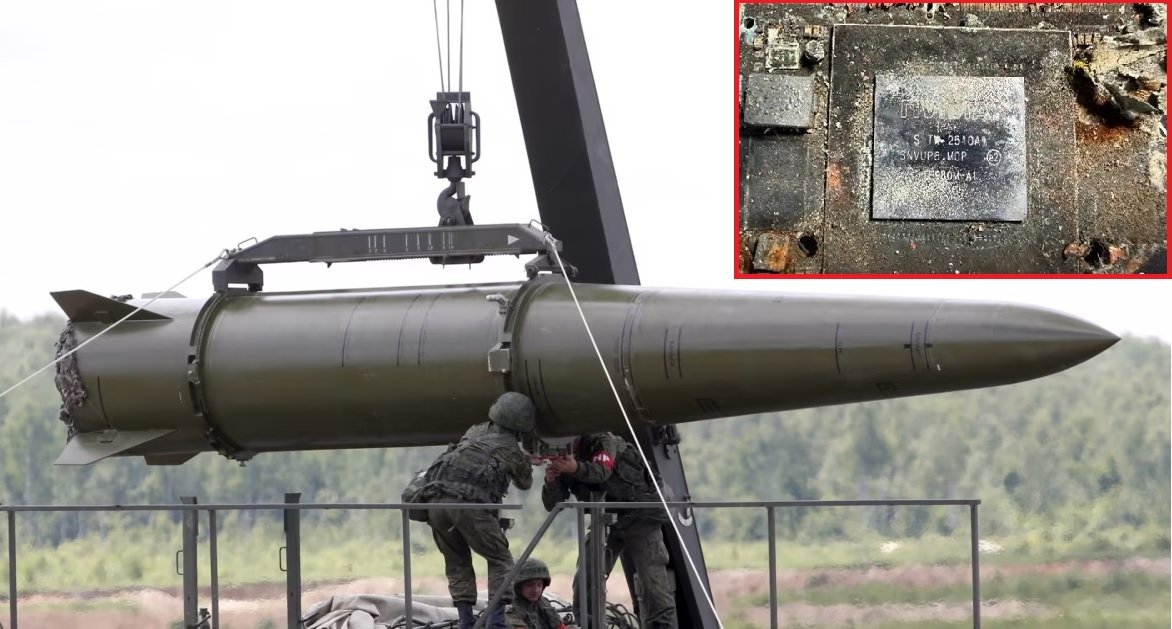
World
KYIV — Ukraine’s Defence Intelligence Directorate (DIU) has published data on 155 enterprises that are part of or managed by Russia’s state-owned Ruselectronics holding. The information appears in the “Aggressor’s Military-Industrial Complex” section of the War & Sanctions portal. Ruselectronics operates under Russia’s state-owned Rostec corporation and brings together specialized manufacturers and research organizations across Russia. Its enterprises develop and produce radio-electronic components, communications and automated control systems, robotic complexes, microwave electronics, computing equipment and telecommunications equipment. According to the DIU, products from these companies are used in Russian ballistic and cruise missiles, UAVs, electronic warfare systems, military vehicles, radar systems and aviation communication systems. Links to Russian Missiles The DIU identified several Ruselectronics enterprises involved in components for the 9M723 missile used by the Iskander-M system and the 3M22 Zircon missile. JSC Scientific Research Institute GIRICOND manufactures precision potentiometers used in Zircon missiles. JSC Scientific Research Center of Electronic Computing Technology (NICEVT) supplies flight data processing units used in Iskander ballistic missiles. JSC Scientific and Production Enterprise INTEGRAL-V produces pulse and heating transformers used in 9M723 missiles. The DIU said nearly half of the 155 enterprises in the published Ruselectronics list remain outside sanctions imposed by countries in the international sanctions coalition. The intelligence agency also said sanctions against companies such as GIRICOND and NICEVT have had limited impact on the overall production volumes of the related missiles, highlighting the need for stronger monitoring and enforcement of existing restrictions. Foreign Technology in Russian Weapons The DIU has also raised concerns about foreign technology reaching Russia’s defense industry through intermediaries. In a related finding, Ukrainian specialists identified an NVIDIA Jetson Orin computing module, marked TE980M-A1 S TW 2510A1 SNVUP6 MOP TE980-AT, inside Russia’s S-71M Monochrom air-launched cruise missile. The discovery was documented in a photograph dated August 12, 2026 . Ukraine’s intelligence service is calling on partner countries to strengthen accountability for sanctions violations and improve end-user verification. It says equipment, software, electronic components and critical raw materials must be more closely monitored to prevent them from reaching Russia’s defense industry through foreign intermediaries. The War & Sanctions portal continues to provide information on Russian military-industrial enterprises, their structural links and sanctions status. Source : militarnyi
Read More → Posted on 2026-09-08 17:06:57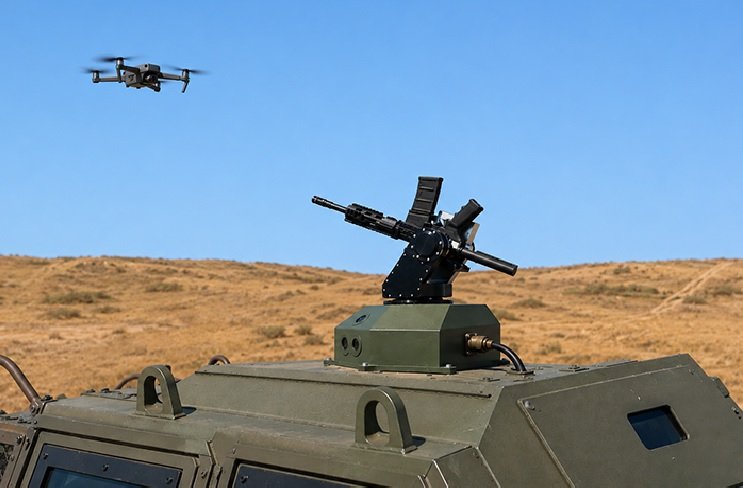
World
TEL AVIV, Israel — Israeli defense technology company Axon Vision (TASE: AXN) has received an order worth up to approximately NIS 15 million from an Israeli defense organization for its ForceField counter-unmanned aerial system (C-UAS). The order includes an initial purchase valued at approximately NIS 6 million, with customer options for up to an additional NIS 9 million. Delivery of the systems is expected over the next 12 months. The order follows the July 2026 launch of ForceField and a series of comprehensive live-fire trials that demonstrated its ability to intercept FPV drones and other low-altitude aerial threats. ForceField is a compact system designed to protect maneuvering combat forces, military vehicles and tactical positions. It combines passive electro-optical sensing, embedded Edge AI, autonomous decision support and kinetic engagement in one platform. The system supports the full Detect, Understand and Respond cycle and uses Man-on-the-Loop control. Its passive electro-optical sensors support day and night operations without continuously emitting signals. ForceField is specifically designed to detect and counter fiber-optic-controlled FPV drones, which cannot be reliably addressed by traditional electronic-warfare jamming. The system can operate independently without continuous communications or reliance on external detection systems. It can also integrate with existing military platforms and use standard weapons and ammunition for kinetic engagements. Axon Vision expects ForceField to support its expansion into international defense markets, particularly Europe and the United States. The company has a strategic partnership with Leonardo DRS and previously received an order from the company for related AI-driven C-UAS demonstration systems for U.S. defense and homeland-security evaluations. In July 2026, Axon Vision also announced a collaboration with ParaZero Technologies to expand the ForceField family with a non-destructive, net-based interception option for environments such as critical infrastructure where kinetic engagement may be less suitable. Neri Zin, CEO of Axon Vision, said the first ForceField order marks the company's transition from development and live-fire validation to initial commercial adoption. He added that Axon Vision is seeing growing demand for AI- and autonomy-based solutions against evolving drone threats and is pursuing additional opportunities with customers and strategic partners in Israel and international markets. Axon Vision develops AI-based computer-vision and situational-awareness technologies for defense applications. Its Edge AI technologies have been developed through Israeli Ministry of Defense programs.
Read More → Posted on 2026-09-08 16:23:42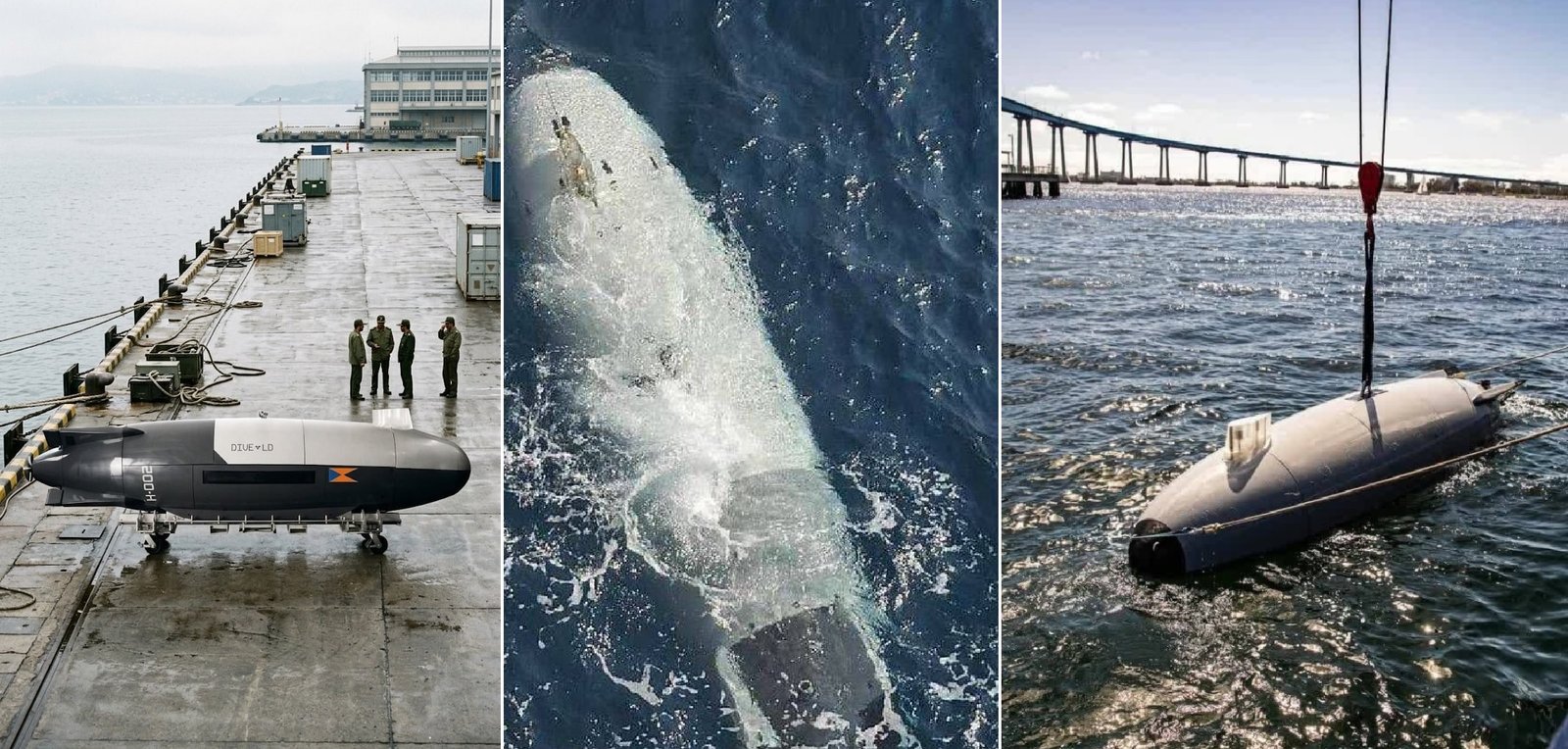
World
TEHRAN — Iran’s Islamic Revolutionary Guard Corps (IRGC) Navy has claimed that it captured a U.S. unmanned underwater vehicle near the entrance to the Strait of Hormuz during an operation early Tuesday. In Statement No. 12, the IRGC Navy said its forces intercepted the unmanned vehicle through what it described as a “complex intelligence and operational” operation. Iranian state media reported that the vehicle was captured intact and brought under Iranian control. The IRGC said images of the captured system would be released later. The U.S. military had not publicly confirmed the capture as of September 8. Reuters and other reports said there was no U.S. confirmation of the Iranian claim. Vehicle identified as Anduril Dive-LD Iranian state media identified the captured vehicle as the Dive-LD, a large-diameter autonomous underwater vehicle (AUV) developed by U.S. defense technology company Anduril Industries. The identification has not been independently confirmed by the U.S. government. However, the Dive-LD is a real U.S. Navy unmanned underwater platform. Anduril says the vehicle is approximately 5.8 meters (19 feet) long, about 1.2 meters (4 feet) in diameter, and designed for autonomous operations lasting up to 10 days. It has a maximum operating depth of about 6,000 meters. Anduril delivered its first Dive-LD to the U.S. Navy’s Unmanned Undersea Vehicle Squadron 1 (UUVRON-1) in April 2025. The Navy's UUVRON-1 operates autonomous underwater vehicles for a range of undersea missions. Designed for multiple underwater missions The Dive-LD has a modular architecture that allows different sensors and payloads to be integrated for specific missions. According to Anduril, its potential defense applications include intelligence, surveillance and reconnaissance and mine warfare. The company also lists commercial applications such as hydrographic surveying and inspection of underwater pipelines and cables. Its design uses direct-drive electric propulsion and is intended for long-duration autonomous operations. The platform's published specifications make it capable of operating in both relatively shallow and very deep underwater environments. Its modular payload system is designed to allow different mission equipment to be carried without changing the basic vehicle architecture. Capture reported amid tensions in Strait of Hormuz The reported seizure comes as military tensions between Iran and the United States remain high around the Strait of Hormuz. Maritime traffic through the waterway has declined amid the continuing confrontation, with Reuters reporting that only seven commodity vessels passed through the strait on Monday, compared with eight the previous day. Iran has also threatened further action against U.S. interests in the Gulf and has discussed imposing additional restrictions on shipping through the strategic waterway. The Strait of Hormuz is one of the world's most important maritime routes for energy shipments, making military activity in and around the waterway closely watched by governments and shipping companies. U.S. response remains pending The IRGC has described the vehicle as an advanced U.S. unmanned underwater system and said it was captured intact. Iranian officials have indicated that the vehicle could be examined for its technology and design. However, the capture itself, the identity of the vehicle and the circumstances under which it was allegedly seized remain based on the Iranian announcement and have not been independently verified. No public U.S. military confirmation of the reported capture was available as of September 8. The IRGC said further information and images of the alleged captured vehicle would be released.
Read More → Posted on 2026-09-08 16:10:55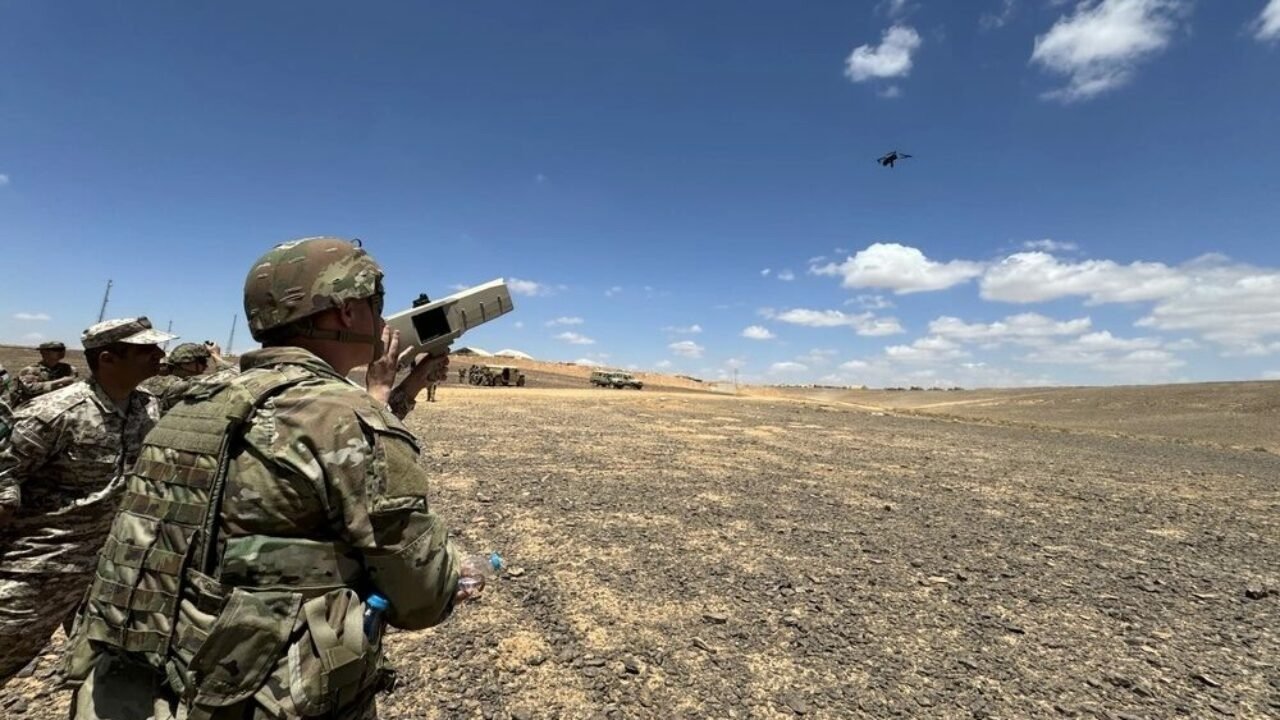
World
OKINAWA, Japan — The U.S. Air Force’s Pacific Air Forces (PACAF) is seeking to acquire 60 DroneBuster 5 handheld counter-drone systems equipped with Position, Navigation and Timing (PNT) capability to strengthen protection against small unmanned aircraft systems across its Indo-Pacific area of responsibility. The requirement was issued by the Air Force’s 18th Contracting Squadron at Kadena Air Base under solicitation FA527026QA051. The systems are intended to increase PACAF’s counter-small unmanned aircraft systems (C-sUAS) capabilities. The latest amendment to the solicitation specifies the U.S. 433 MHz variant, with the required part number listed as FIGDB5_433_PNT_KIT. It also corrects an earlier reference to the DroneBuster IV, clarifying that the Air Force requirement is specifically for DroneBuster 5 systems. Funding has not yet been allocated The Air Force has stated that funds are not currently available for the purchase. The government therefore has no legal obligation to make payment until appropriated funds become available and the contracting officer provides written confirmation of their availability. The solicitation initially had an earlier response deadline, but an amendment issued September 8 extended the deadline to September 11, 2026, at 11 a.m. Japan Standard Time. The solicitation calls for delivery within 90 days of contract award if the procurement proceeds. DroneBuster 5 counter-drone capability The DroneBuster is a handheld radio-frequency counter-drone system originally developed by Flex Force Enterprises. It is designed to disrupt the radio link between a small drone and its operator and can also interfere with navigation signals. The PNT capability requested by PACAF provides an additional electronic-attack function. According to manufacturer information, the capability can address GPS-guided drones operating on pre-programmed routes, including situations in which there is no active operator control link to disrupt. The manufacturer has stated that this capability can operate at ranges of approximately 800 to 1,400 meters (2,600 to 4,600 feet). Manufacturer information for standard DroneBuster systems lists a weight of less than 5 pounds (2.3 kilograms), with approximately three hours of continuous jamming or up to 10 hours of passive drone detection on a battery charge. The company has also said basic operation can be learned by new users in less than five minutes. DroneBuster's military background The system has already been used by U.S. military services and international customers. The Pentagon’s Joint Counter-UAS Office has designated DroneBuster as a handheld electronic-attack system approved for defeating small drones. The manufacturer has previously reported deliveries of more than 1,700 systems to the U.S. Army, Air Force, Navy and Marine Corps, as well as international military and police organizations. The system has also been associated with Australia's LAND 156 counter-drone program. Later company statements have cited higher fielding totals of more than 2,500 to over 3,000 systems across more than 50 countries, although those figures represent later company-reported totals. Corporate ownership Flex Force Enterprises became part of DZYNE Technologies through private-equity transactions completed in 2024. In July 2026, Ondas Inc. acquired DZYNE Technologies in a transaction valued at approximately $875.8 million. DZYNE was subsequently incorporated into Ondas' Sentinel defense business. The acquisition expanded Ondas' portfolio to include counter-UAS technologies alongside autonomous aircraft and other defense systems. The PACAF procurement remains dependent on funding. The solicitation does not provide a total contract value, and the Air Force has not yet indicated that the purchase has been funded or awarded.
Read More → Posted on 2026-09-08 14:32:52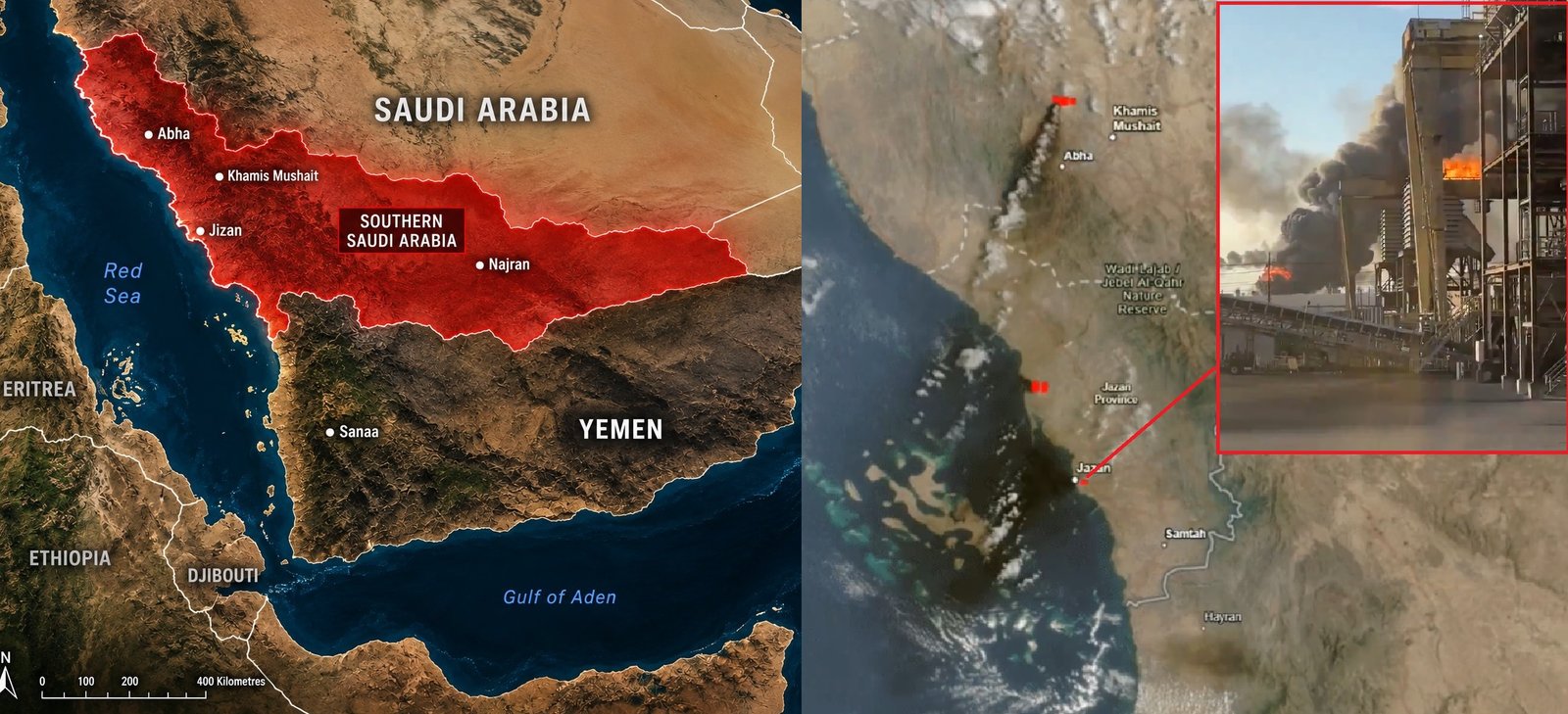
World
RIYADH/SANAA — Yemen’s Houthi movement, also known as Ansarullah, said Tuesday that it launched dozens of ballistic missiles and drones against Saudi Aramco facilities and military targets in southern Saudi Arabia. The Houthis said the attack was carried out in response to 121 Saudi airstrikes conducted over the previous three days across several Yemeni provinces, including Ma’rib, Al-Bayda, Al-Hudaydah, Taiz and Al-Jawf. Yemen’s Houthis said Tuesday they launched dozens of ballistic missiles and drones at Aramco facilities and military targets in southern Saudi Arabia.The group said the attack was in response to 121 Saudi airstrikes carried out over the past three days across several Yemeni… pic.twitter.com/KAKgCuSDwW — Clash Report (@clashreport) September 8, 2026 The group also said one Saudi strike hit a prison in Al-Hazm, Al-Jawf, causing multiple casualties, including women and children. The Houthis warned that further Saudi attacks would be met with wider strikes inside Saudi Arabia. 73 Civilians Wounded in Saudi Arabia Saudi Arabia said Ansarullah targeted civilian and economic sites in southern Saudi Arabia using drones and missiles. The Saudi-led coalition said the attacks wounded 73 civilians, including women and children. Saudi authorities confirmed that strikes affected areas including Abha, Khamis Mushait, Jazan and Najran. The Saudi military described the overnight operation as a dangerous escalation and said the Kingdom would respond firmly. Fires were reported at several energy facilities following the attacks. The Saudi Energy Ministry said some operations were temporarily halted while firefighting and specialised teams worked to contain the fires and assess the damage. Saudi authorities have not released detailed figures on damage or production losses from the latest attacks. Saudi Aramco has also not provided a detailed public assessment of the damage. Satellite Imagery Shows Fires at Aramco Facilities Satellite imagery has provided indications of fires at several energy facilities in southwestern Saudi Arabia following the Houthi strikes. NASA’s Terra satellite imagery shows large black smoke plumes rising from at least three sites in Jazan and Abha, including: Aramco’s Jazan oil refinery Aramco’s Jazan bulk plant Aramco’s Abha bulk plant Satellite imagery and information provided by Soar Earth and Atlas have also been cited as showing massive fires at Saudi Aramco’s Abha Bulk Plant and Jizan Refinery. The fires were reportedly large enough to be visible from space following the attacks on the energy infrastructure. 🛰🇸🇦🇾🇪 NASA Terra satellite imagery shows large black smoke plumes rising from at least three sites in Jazan and Abha, southwestern Saudi Arabia, following Houthi strikes:— Aramco’s Jazan oil refinery— Aramco’s Jazan bulk plant— Aramco’s Abha bulk plant https://t.co/aio2lGVwi0 pic.twitter.com/CBILfJTfVX — Egypt's Intel Observer (@EGYOSINT) September 8, 2026 The imagery provides evidence of fires and smoke at the reported locations, but it does not by itself establish the full extent of physical damage or the impact on production. Saudi authorities are continuing to assess the affected facilities. Sentinel-2L Imagery Indicates Damage at King Khalid Air Base Separate Sentinel-2L satellite imagery has been cited as showing indications of damage at King Khalid Air Base in Khamis Mushait, southwestern Saudi Arabia, another location identified by the Houthis as a target. According to the imagery assessment, a direct impact is visible on shelters housing RSAF F-15 fighters. Another apparent impact is visible on a building or warehouse, while a burn scar can also be seen near one of the base’s aprons. The imagery assessment indicates possible physical effects at multiple locations inside the air base. However, satellite imagery alone does not establish the precise cause of each observed feature or confirm whether aircraft were damaged or destroyed. 🛰🇸🇦🇾🇪 Sentinel-2L imagery confirms damage from Houthi strikes on King Khalid Air Base in Khamis Mushait, SW Saudi Arabia.A direct impact is visible on shelters housing RSAF F-15 fighters, with another impact on a building/warehouse and a burn scar near one of the base aprons. https://t.co/zpKmEJ4hEp pic.twitter.com/aNggaWEnGr — Egypt's Intel Observer (@EGYOSINT) September 8, 2026 The Houthis said their operation targeted King Khalid Air Base along with Aramco facilities and other economic sites. Houthi military spokesperson Yahya Saree claimed the strikes were precise and direct and caused significant damage, although detailed independent damage assessments remain limited. Houthis Link Attack to Saudi Airstrikes Houthi military spokesperson Yahya Saree said the missile and drone operation was a response to the 121 Saudi airstrikes carried out during the previous three days. According to the Houthis, the Saudi strikes targeted several Yemeni provinces, including Ma’rib, Al-Bayda, Al-Hudaydah, Taiz and Al-Jawf. The group specifically cited the reported strike on a prison in Al-Hazm, Al-Jawf, saying it caused casualties among inmates and visitors, including women and children. The exact number of casualties from the prison strike has varied in reports and has not been independently verified. The Houthis said continued Saudi attacks would result in a wider response against Saudi targets. Saudi Arabia Links Escalation to Red Sea Attacks The latest Ansarullah attack came after Saudi warplanes struck Houthi positions in Yemen. Saudi Arabia has linked its military operations to Houthi actions involving a declared blockade of Saudi Arabia in the Red Sea and attacks on Saudi military supplies in Yemen. The conflict has therefore expanded across both the Yemeni battlefield and Saudi territory, with Houthi missiles and drones targeting Saudi infrastructure while Saudi aircraft continue operations against Houthi positions in Yemen. Saudi Arabia has also condemned continued Houthi attacks on commercial vessels in the Red Sea, saying they threaten maritime navigation. Fighting Continues Between Houthis and Saudi-Backed Forces Major fighting is currently taking place inside Yemen between Ansarullah forces and Saudi-backed PLC fighters. Following recent clashes, reports have circulated that Houthi forces seized several armored vehicles belonging to the Pakistan Army that had been provided by Saudi Arabia to Pakistani troops. Following the clashes, Houthi forces have reportedly seized several armored vehicles belonging to the Pakistan Army that had been provided by Saudi Arabia to Pakistani troops.Pakistani personnel were reportedly deployed to support Saudi Arabia’s defense operations, while… pic.twitter.com/ctfWiq2ruU — THE UNKNOWN MAN (@Theunk5555) September 7, 2026 There have also been reports that Pakistani personnel were deployed to support Saudi Arabia’s defense operations, while other reports have claimed that several Pakistani soldiers were killed in the clashes. However, Pakistani and Saudi authorities have not publicly confirmed specific Pakistani military losses or the reported seizure of Pakistan Army vehicles in these latest clashes. The claims therefore remain unconfirmed. Mecca Defence Agreement Under Scrutiny The latest escalation comes about one month after Saudi Arabia, Pakistan and Türkiye signed the Mecca Joint Defence Agreement on August 7, 2026. The agreement provides for expanded defence cooperation and coordination among the three countries. It states that an armed attack against one member is to be regarded as an attack against all three. As of Tuesday, there had been no publicly announced Turkish or Pakistani military deployment specifically in response to the latest Houthi attacks. The latest strikes have nevertheless drawn attention to the practical implications of the new defence arrangement as Saudi Arabia faces continued missile and drone attacks and fighting involving Saudi-backed forces continues inside Yemen. Conflict Enters Another Escalation The latest Houthi operation is described by Saudi authorities as one of the most extensive Ansarullah attacks on Saudi Arabia in years. With 73 civilians reported wounded, fires at several energy facilities and satellite imagery indicating fires and possible impacts at Aramco facilities and King Khalid Air Base, the attacks have affected both civilian and economic infrastructure and military sites. At the same time, fighting continues inside Yemen and Saudi air operations against Houthi positions remain part of the broader conflict. The full extent of damage to the affected Aramco facilities and King Khalid Air Base, as well as any impact on Saudi energy production or military aircraft, remains under assessment. Saudi authorities have confirmed temporary operational disruptions but have not released detailed figures on production losses.
Read More → Posted on 2026-09-08 13:55:33
World
KIELCE, POLAND — Ukrainian defense manufacturer Ukrspecsystems has publicly presented its latest loitering munition, the RAM-2X strike unmanned aerial vehicle (UAV), at the MSPO 2026 international defense exhibition in Kielce, Poland. The RAM-2X is designed for operational-tactical missions and features a distinctive X-shaped wing configuration intended to provide high maneuverability. The system has a range of up to 180 kilometers and an endurance of more than two hours. The strike UAV can carry either a 2.7-kilogram or 3.5-kilogram explosively formed penetrator (EFP) warhead. The warhead is designed to penetrate armor and engage high-value targets. Ударний дрон RAM-2X на MSPO 2026 pic.twitter.com/AHAu70xhxJ — Владислав (@Vladislav110528) September 8, 2026 Flexible communications and automation Ukrspecsystems says the RAM-2X incorporates artificial intelligence systems, a high level of automation and a flexible communications architecture. The UAV can be controlled through multiple radio-frequency channels operating across different bands. It can also use a Starlink satellite terminal, giving operators several communication options for different mission conditions. Another feature of the RAM-2X is its communications relay capability, which allows it to operate together with reconnaissance UAVs such as the company's SHARK-M. In a hunter-killer configuration, the reconnaissance UAV can locate and designate a target while the RAM-2X carries out the strike. According to Ukrspecsystems, this arrangement can help the strike UAV operate in areas affected by enemy electronic warfare. Designed to work with existing systems Ukrspecsystems has also focused on interoperability between the RAM-2X and its earlier reconnaissance platforms. The company said: “Each type of equipment has its own role, and every target requires an appropriate means of engagement. Following a comprehensive approach, we develop strike systems across several subclasses, built around common components, a shared ground control station, and unified software.” The approach allows operators already using Ukrspecsystems reconnaissance complexes to add strike capabilities while continuing to use their existing antennas and ground control stations. This removes the need to replace the existing control hardware or introduce a completely new control system. Already in operational use in Ukraine Although the RAM-2X has only now been publicly presented by its manufacturer, Ukrspecsystems said the system is already being actively used by the Defense Forces of Ukraine. The identity of the developer had previously been kept undisclosed because of wartime security considerations. According to the company, RAM-series loitering munitions have recorded more than 450 successful target engagements. As part of the public unveiling, Ukrspecsystems also released combat footage showing the system in use. One recently published freeze-frame shows a RAM-2X striking a Russian Buk-M3 surface-to-air missile system. Ukrspecsystems launches X-Archive To coincide with the MSPO presentation, Ukrspecsystems launched a public video portal called the “X-Archive.” The archive contains declassified combat footage of Ukrainian forces operating the company's systems. The initial release focuses on strikes against Russian air defense systems and radar stations. Ukrspecsystems said sensitive information that could compromise ongoing military operations has been removed from the footage. Additional strike videos are expected to be released in batches. The company has kept information concerning current operational flights and future modifications to the RAM-2X classified. The RAM-2X represents a further development of Ukrspecsystems' RAM family of loitering munitions, while the company continues to maintain interoperability with its existing reconnaissance systems, including the SHARK and SHARK-M series. Source : militarnyi
Read More → Posted on 2026-09-08 12:48:48
World
TEL AVIV, Israel — Israeli satellite company ImageSat International (ISI) has unveiled its new EROS NOVA Earth observation satellite, introducing a platform that combines very high-resolution imaging, short-wave infrared (SWIR) sensing, video collection and onboard artificial intelligence. According to ISI, EROS NOVA is designed to provide imagery at less than 30 centimeters of resolution, while the company has described the satellite's capability as reaching 25 centimeters. ISI's current product information lists the satellite with multiple imaging modes, including spot, strip, mosaic, stereo, video and SWIR video. Multiple Sensors on One Satellite EROS NOVA combines several sensing capabilities on a single spacecraft. Its optical imaging system is designed for very high-resolution Earth observation, while the SWIR sensor can provide additional information that is not available from standard visible-light imagery. SWIR sensing can help distinguish different materials and identify certain changes on the ground, including some forms of camouflage and recent surface disturbances. The satellite also supports video collection, allowing users to observe movement rather than relying only on individual still images. ISI lists EROS NOVA with Pan, multispectral true-color, near-infrared and SWIR capabilities, along with a 10-kilometer swath and a satellite mass of 425 kilograms. Onboard AI Processing A key feature of EROS NOVA is its use of artificial intelligence and processing capabilities directly on the satellite. Instead of sending all collected data to Earth before analysis, selected information can be processed while the satellite remains in orbit. This allows the system to identify and prioritize relevant imagery before transmission, helping reduce the amount of data that needs to be sent to ground stations and potentially shortening the time between collection and analysis. ISI has previously demonstrated onboard AI and edge-processing technologies on its satellite platforms. The company says these capabilities are being developed to support faster processing of space-based intelligence data. “EROS NOVA represents the next generation of space-based intelligence, bringing together advanced imaging, multiple sensing capabilities and onboard intelligence in a single satellite platform,” said Noam Segal, CEO of ImageSat International. He said the system is designed to help intelligence organizations obtain greater value from each collection and respond more rapidly to operational requirements. Part of ISI's Growing Satellite Portfolio EROS NOVA expands ISI's existing family of Earth observation satellites and is not intended to replace the company's other platforms. ISI's current portfolio also includes KNIGHT, which provides high-resolution imaging, SWIR and video, and RUNNER, a smaller satellite platform offering high-resolution imagery and video. The company says EROS NOVA is part of its broader GlobalEye satellite architecture. The EROS series has been operated by ISI since the launch of EROS A in 2000. The company later introduced the EROS B and EROS C series, with the EROS C3 satellite launched in December 2022. ISI's earlier EROS satellites progressively improved imaging resolution, leading to the much higher-resolution capabilities offered by its newer systems. Focus on Sovereign Space-Based Intelligence ISI describes its business model as providing sovereign space-based intelligence capabilities. Rather than only supplying satellite imagery, the company develops complete systems that can include satellites, ground infrastructure, command-and-control systems and AI-based analytics. Its current product portfolio includes satellite systems as well as platforms such as GeoImpact, which is designed to combine satellite and other intelligence data with AI-based analysis. With EROS NOVA, ISI is combining higher-resolution Earth observation with multiple sensors and onboard processing in a single platform, continuing the company's development of satellite systems intended for defense and intelligence users.
Read More → Posted on 2026-09-08 12:34:07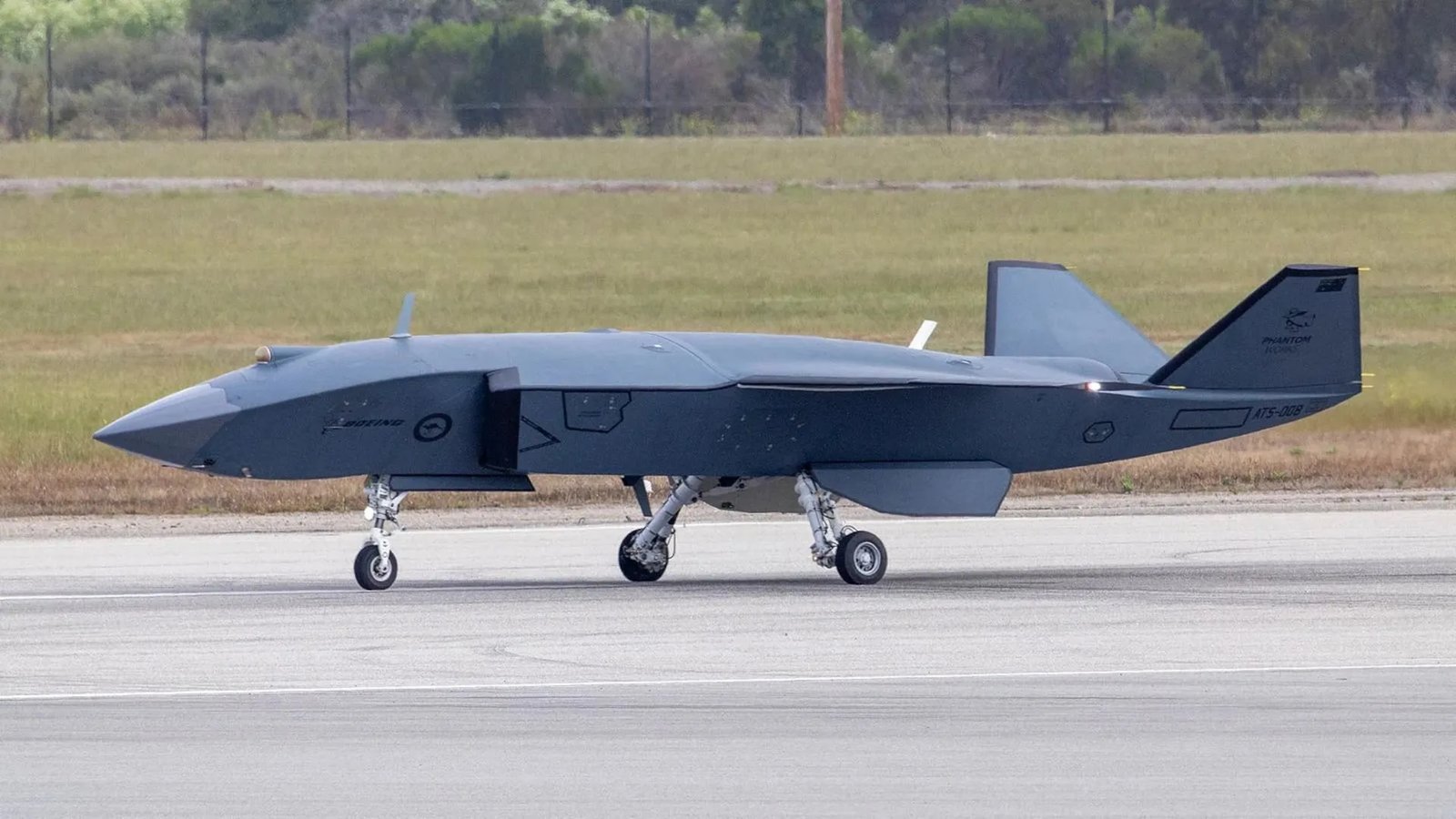
World
TOKYO — Boeing plans to offer its MQ-28 Ghost Bat unmanned combat aircraft to Japan’s Ministry of Defense as Tokyo develops a new coastal defense strategy centered on unmanned systems, according to a report by Nikkei. Steve Parker, president of Boeing’s Defense, Space & Security division, told Nikkei that Boeing will propose the MQ-28. The aircraft is designed to operate alongside crewed fighter jets, share sensor data through networks and extend the operational reach of manned aircraft without putting additional pilots at risk. Airbus is also considering entering Japan’s unmanned aircraft market, while U.S., European and Japanese defense companies are competing for opportunities connected to Tokyo’s coastal defense plans. MQ-28 Ghost Bat The MQ-28 is a stealthy collaborative combat aircraft (CCA), also known as a loyal wingman. It measures approximately 11.7 to 12 meters in length and was developed by Boeing Australia in partnership with the Royal Australian Air Force (RAAF). The aircraft has a reported range of more than 2,000 nautical miles (about 3,700 kilometers), can reach speeds of up to Mach 0.9 and operate above 40,000 feet. Its modular nose can accommodate different mission equipment, including sensors, electronic warfare and communications systems. Australia had operated eight Block 1 aircraft by late 2024. They completed more than 100 flight-test hours and conducted live weapons drops. In December 2025, an MQ-28 successfully conducted an air-to-air engagement using an AIM-120 AMRAAM while operating with an E-7A Wedgetail and F/A-18F Super Hornet. Boeing is now producing nine Block 2 aircraft, while a more capable Block 3 is planned. The upgraded version is expected to feature a larger wing for greater fuel and payload capacity, an internal weapons bay, beyond-line-of-sight communications and increased takeoff weight. International Testing Boeing has partnered with Rheinmetall to offer the MQ-28 to Germany as a collaborative combat aircraft, with potential introduction targeted around 2029. Rheinmetall would handle system integration for German requirements. In 2026, the Ghost Bat participated in Exercise Valiant Shield from the Northern Mariana Islands, operating alongside U.S. and allied aircraft, including F-35 variants and F-15EX, as well as battle-management and support platforms. The aircraft also completed operational flight testing at Naval Air Station Point Mugu, California, in 2026. These were its first flights outside Australia, with some configurations using an infrared search and track (IRST) sensor in the nose. Japan’s Existing MQ-28 Cooperation Japan already has experience working with Boeing on manned-unmanned teaming. In 2025, Japan’s Ministry of Defense awarded Boeing a contract worth about ¥155 million (approximately $997,000) for manned-unmanned teaming simulations linked to the Global Combat Air Programme (GCAP), Japan’s next-generation fighter program with the United Kingdom and Italy. Tokyo has also joined aspects of the U.S. Collaborative Combat Aircraft effort. In April 2026, Australia and Japan signed an implementing arrangement for collaborative combat aircraft activities involving the MQ-28, including research and training in Australia during Japan’s fiscal 2026. Japan’s SHIELD Coastal Defense Concept Japan’s coastal defense effort is being developed under the Synchronized, Hybrid, Integrated and Enhanced Littoral Defense (SHIELD) concept. The Ministry of Defense allocated approximately ¥100.1 billion (around $640 million) in the fiscal 2026 budget to establish a network of unmanned air, surface and subsurface systems connected with existing sensors and long-range effectors. Tokyo aims to field the architecture during fiscal 2027. The MQ-28’s range, modular design and ability to operate alongside crewed fighters such as the F-35 or future GCAP aircraft make it a candidate for Japan’s planned unmanned defense network, including operations around the country’s southwestern approaches. However, Japan has not finalized procurement of the MQ-28, and details of the competition and acquisition process remain undecided.
Read More → Posted on 2026-09-07 16:24:20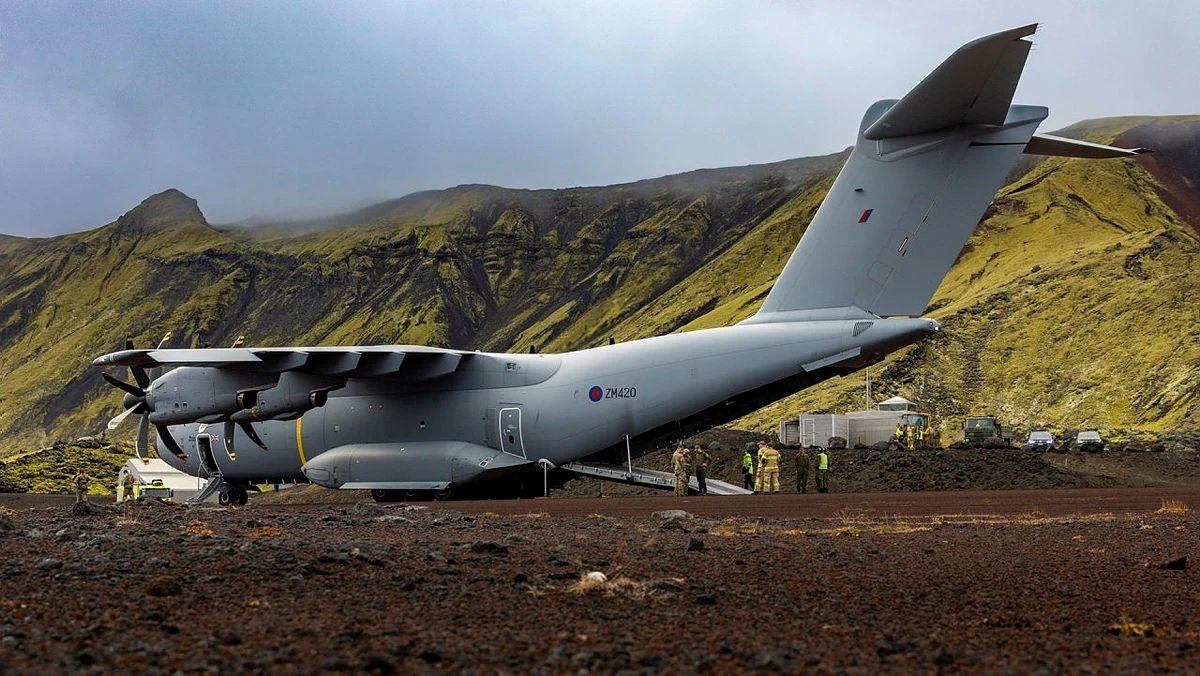
World
JAN MAYEN, Norway — British, U.S. and Norwegian forces have completed Operation Atlantic City, a trilateral NATO deployment on the remote Norwegian island of Jan Mayen in the High North. The exercise ran from August 26 to September 4, 2026, as part of NATO’s wider Operation Arctic Sentry. The UK Ministry of Defence confirmed the deployment on September 6. The exercise involved Royal Marine Commandos and the Royal Air Force’s LXX (70) Squadron, alongside the Royal Norwegian Navy, Norwegian Home Guard and U.S. Marine Corps. U.S. participation also included elements from Marine Corps Forces Europe and Africa, II Marine Expeditionary Force, 10th Marine Regiment and Marine Air Support Squadron 1. A HIMARS platoon from the New Hampshire Army National Guard’s 3-197th Field Artillery Regiment also participated, with support from U.S. Navy Sixth Fleet and Task Force 68. Air mobility support included U.S. Air Force MC-130 and C-130 aircraft, as well as RAF A400M Atlas aircraft. A400M lands on Jan Mayen On August 29, an RAF A400M Atlas from LXX Squadron at RAF Brize Norton landed on Jan Mayen’s unpaved dirt runway. It transported Royal Marines, U.S. Marines and two Joint Light Tactical Vehicles. The island’s runway is approximately 1,500 to 1,585 metres long and is used only a limited number of times each year by Norwegian transport aircraft. During the operation, the allied forces trained in naval operations, reconnaissance, survival in extreme Arctic conditions, and the integration of sensors and communications systems. They also worked on connecting sensors, command-and-control nodes and precision fires. A KONGSBERG StrikeMaster anti-ship missile launch vehicle was deployed to the island with Norwegian Home Guard personnel. Jan Mayen's strategic location Jan Mayen is located in the Norwegian Sea, about 1,000 kilometres from mainland Norway and north of the Greenland-Iceland-United Kingdom (GIUK) gap. The volcanic island has no permanent civilian population, while a rotating Norwegian military and scientific team maintains a meteorological and communications station. Its location makes Jan Mayen an important area for the defence of northern Europe and the wider Euro-Atlantic region. Operation Atlantic City was conducted alongside naval manoeuvres under Operation Northern Viking 26, allowing participating forces to use overlapping maritime and sensing resources. The activity formed part of Arctic Sentry, launched in February 2026 under NATO Joint Force Command Norfolk to improve coordination, situational awareness and deterrence in the High North. The name Operation Atlantic City refers to a U.S. military base established on Jan Mayen during the Second World War for weather observations and support to Allied control of the North Atlantic. Similar training was conducted around the island in September 2025. UK Defence Secretary Wes Streeting said the operation demonstrated the UK's partnership with Norway and the United States and the ability of allied forces to operate together in demanding Arctic conditions. The UK Ministry of Defence said the deployment demonstrates Britain's commitment to NATO collective security and its ability to operate in an environment characterized by extreme weather, distance, limited infrastructure and rapidly changing conditions. The deployment comes as the UK Ministry of Defence faces funding pressures. Britain has suspended some collective training exercises involving 90 or more military personnel, with units not preparing for deployments or specific operational roles instructed to reduce non-essential group training for the remainder of the year. NATO-linked exercises and deployments continue.
Read More → Posted on 2026-09-07 16:04:34Search
Top Trending in 24 Hours
-
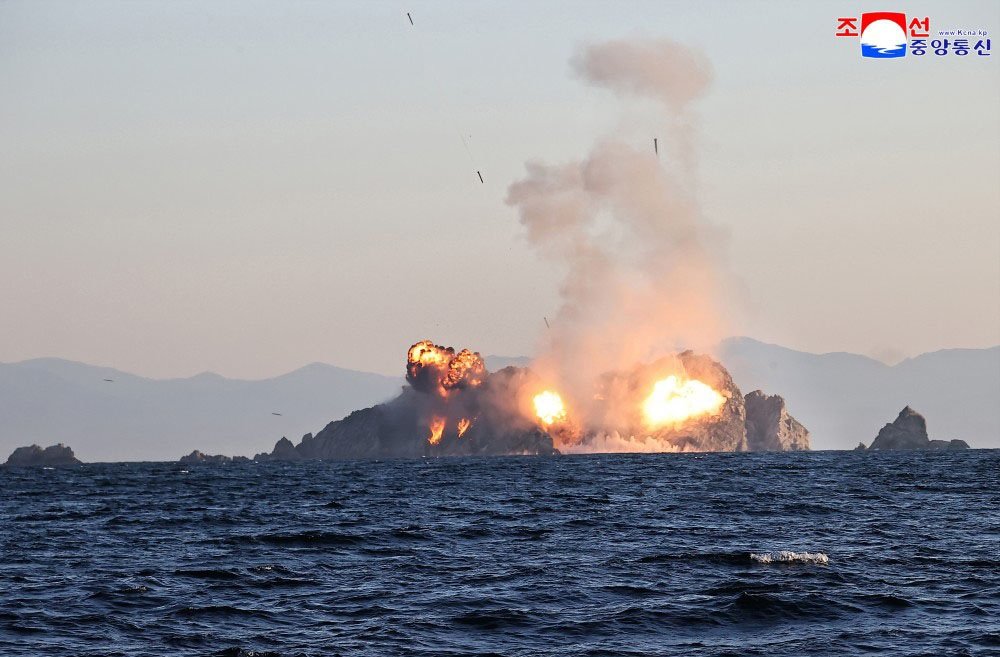 North Korea Fires Short-Range Ballistic Missile Toward Sea of Japan After Freedom Edge 26
-
 India’s xTerra Robotics Launches Indigenous DHAV-Hy Wheeled-Legged Quadruped for Industrial Inspection
-
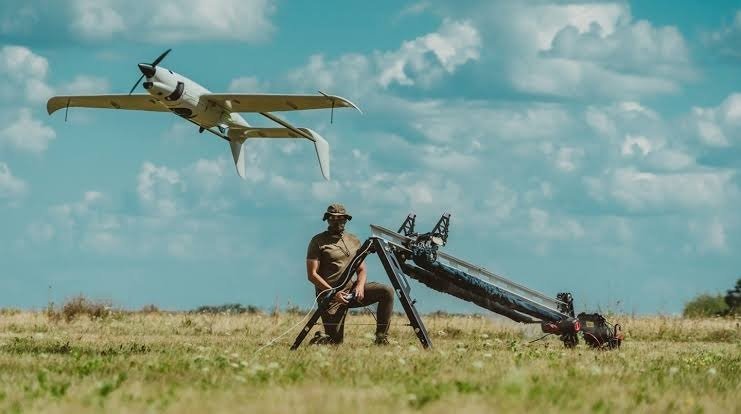 U.S. Army Awards $10.64 Million Contract to Ukrainian Drone Maker Skyeton for Raybird Systems
-
 U.S. Space Force Seeks Rapid-Response Satellites for Close-Range Orbital Inspections
-
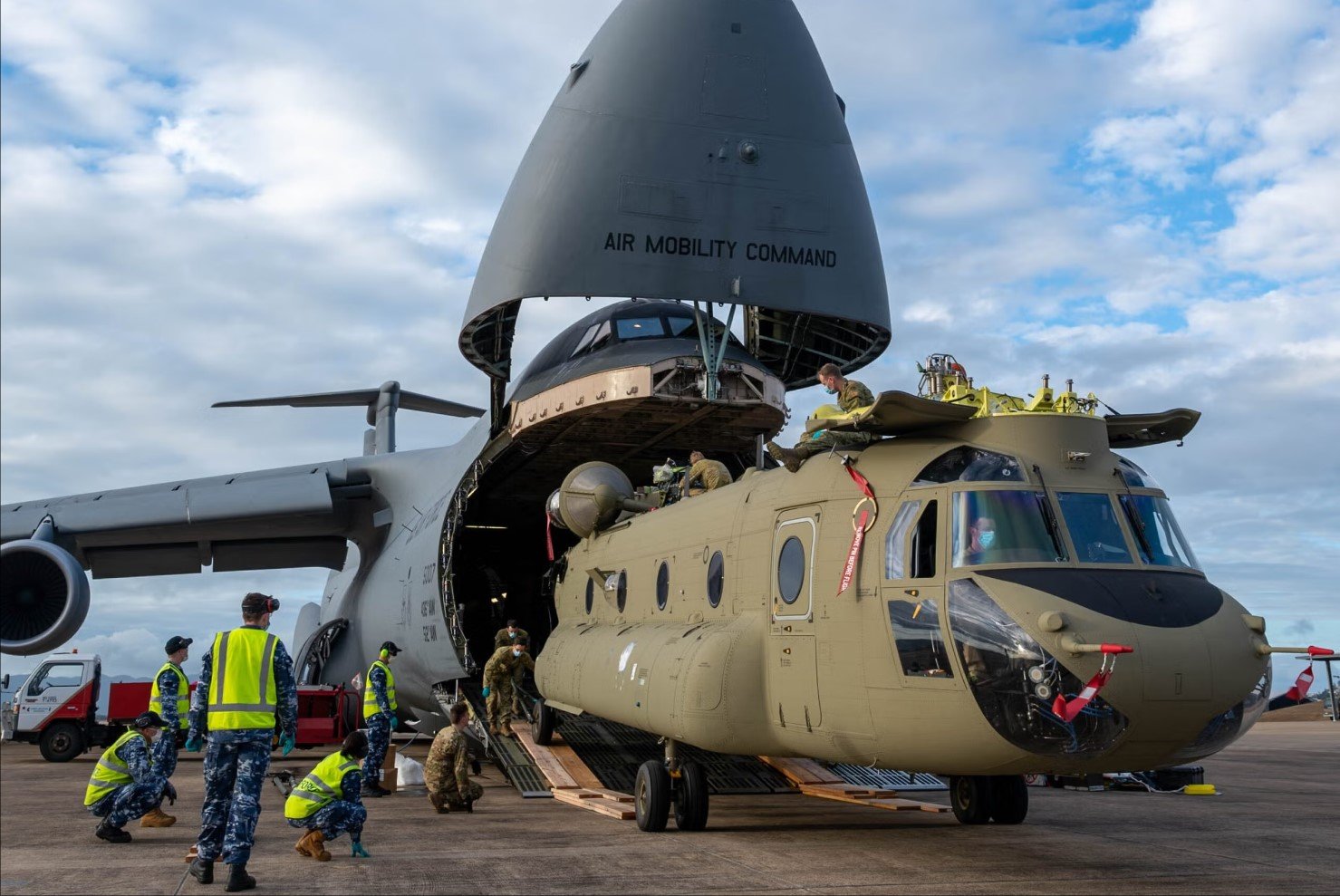 U.S. Delivers First CH-47F Chinook to Egypt Under 12-Helicopter Deal
-
 BEL Showcase X-Band Multi-Function Radar for QRSAM to Japanese Delegation
-
 U.S. Government Seizes Almasirah.net, Houthi-Linked News Website
-
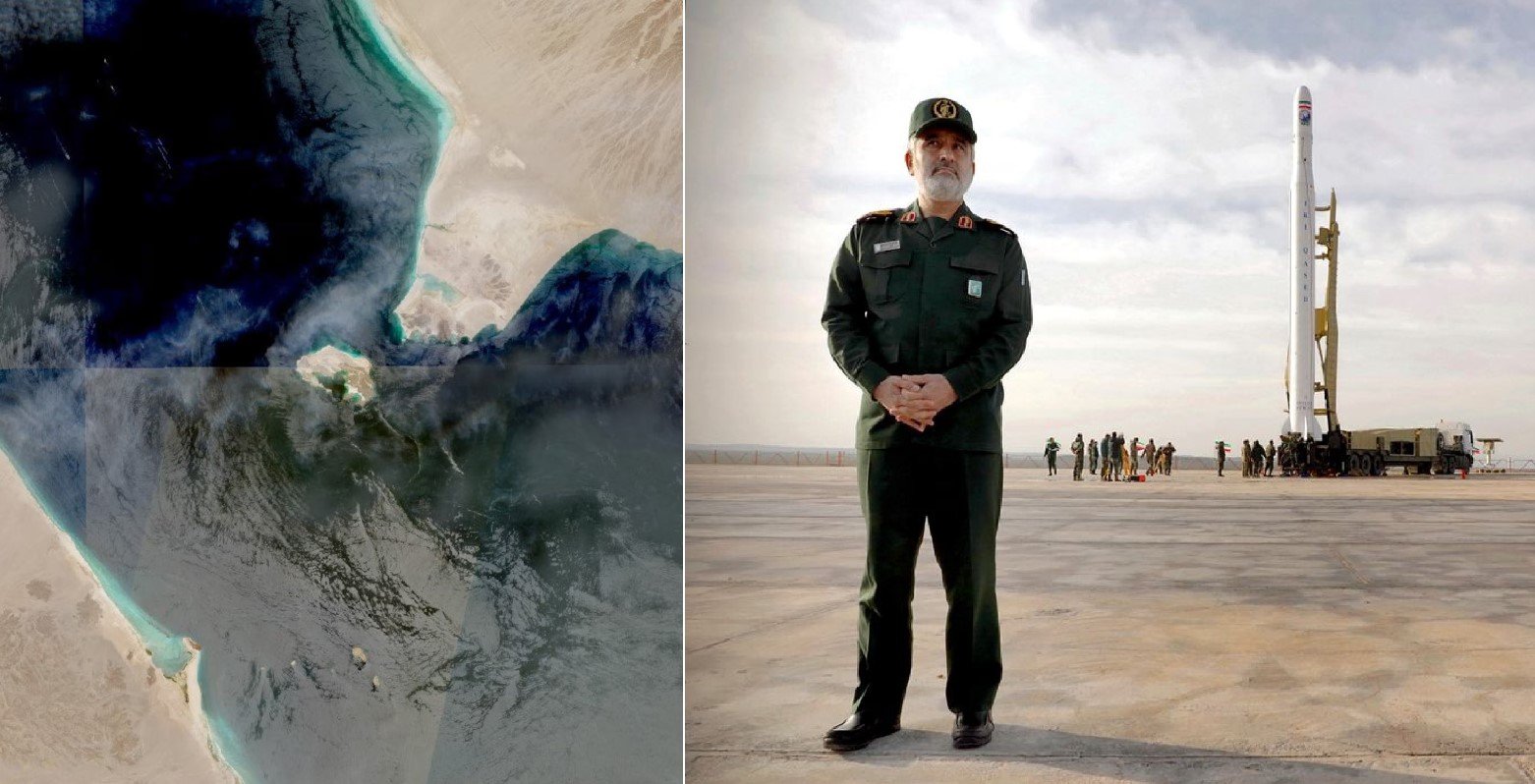 IRGC Experts Visit Bab El-Mandeb to Oversee Radar Installation and Tunneling, Houthi Sources Say
Top Trending in 4 Days
-
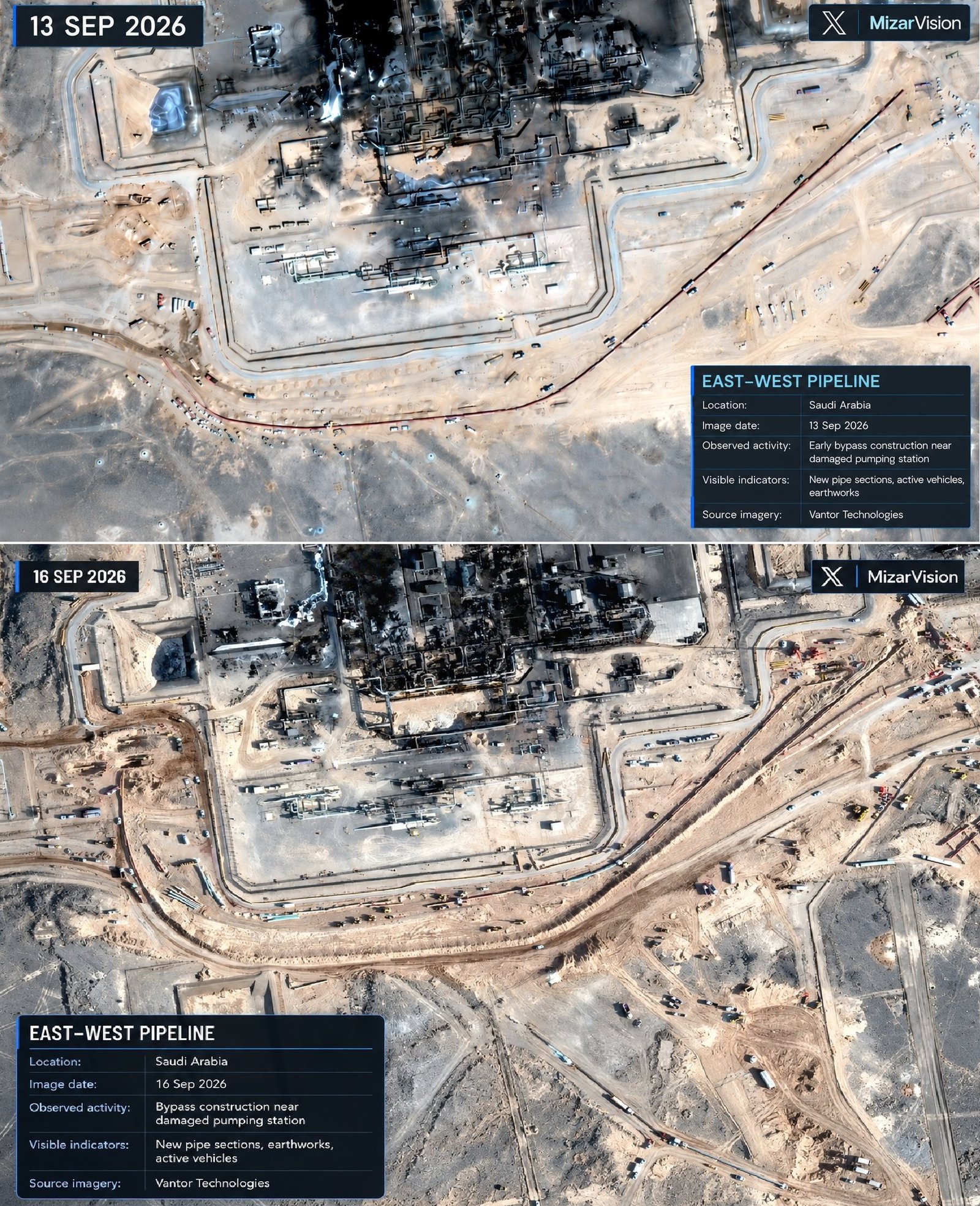 Satellite Images Show Saudi Arabia Building Emergency Bypass Around Damaged East-West Oil Pipeline Station
-
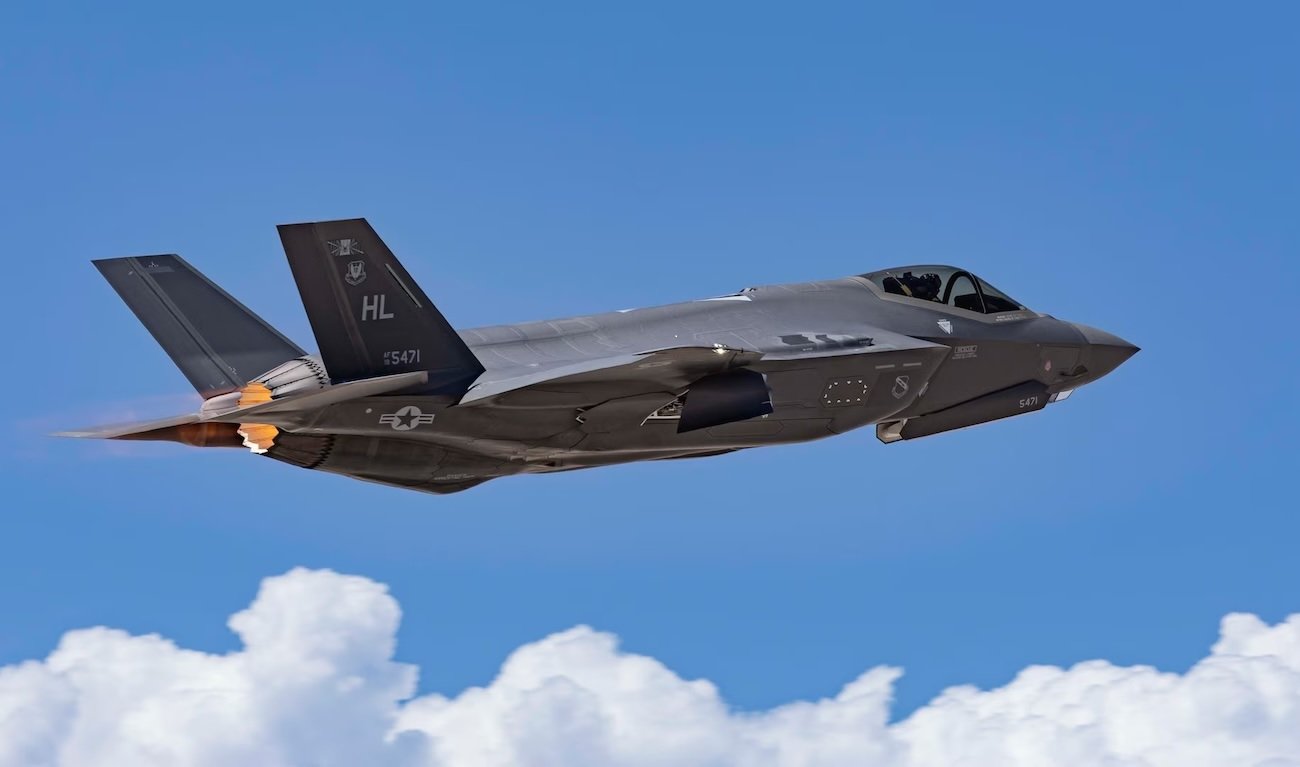 Sensitive F-35 Components Diverted to Hong Kong, Some Parts Missing
-
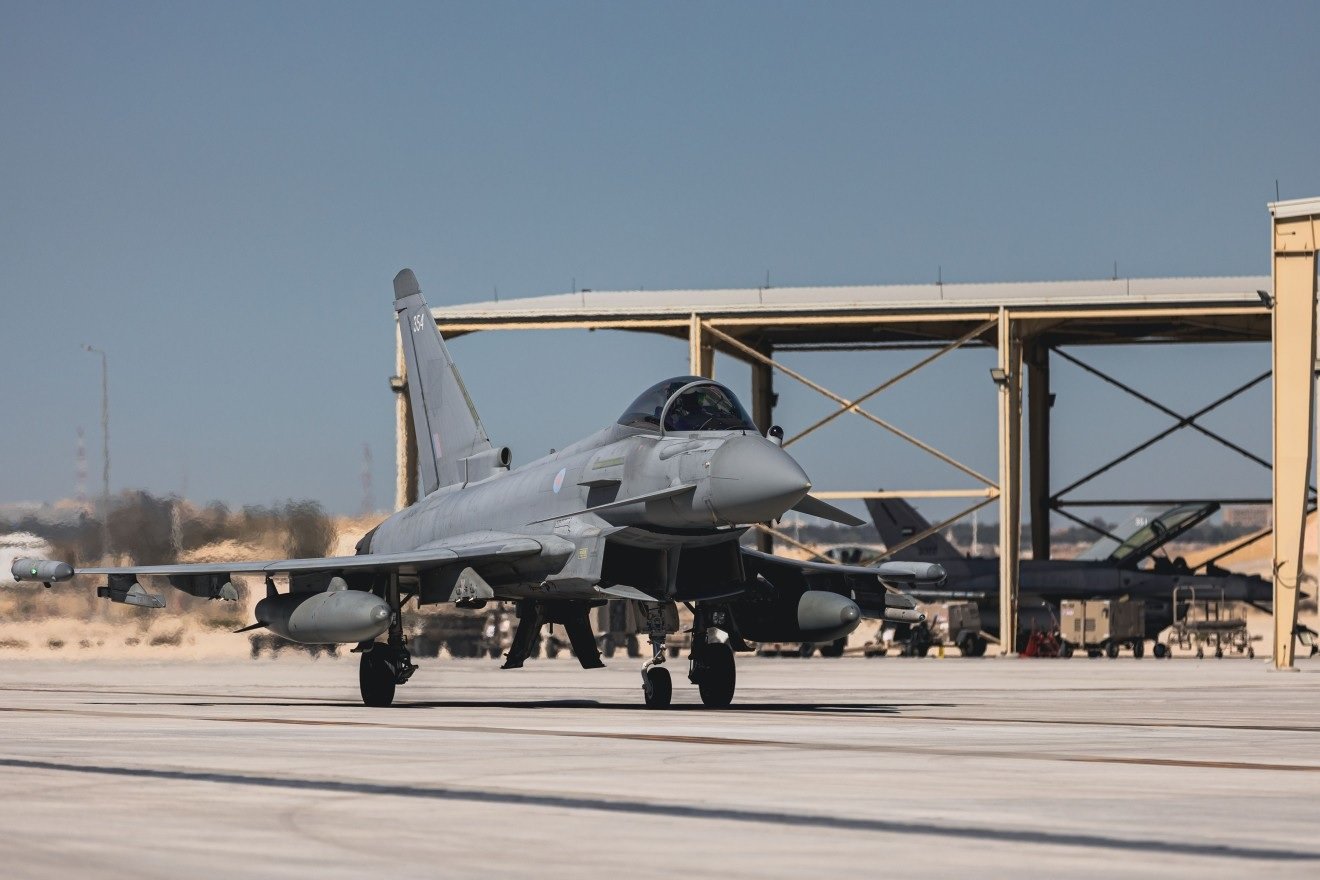 Italian Eurofighter Damaged in Houthi Attack on Saudi Arabia’s King Fahd Air Base
-
 U.S. Secures Permanent Military Rights in Greenland in Historic Security Pact with Denmark
-
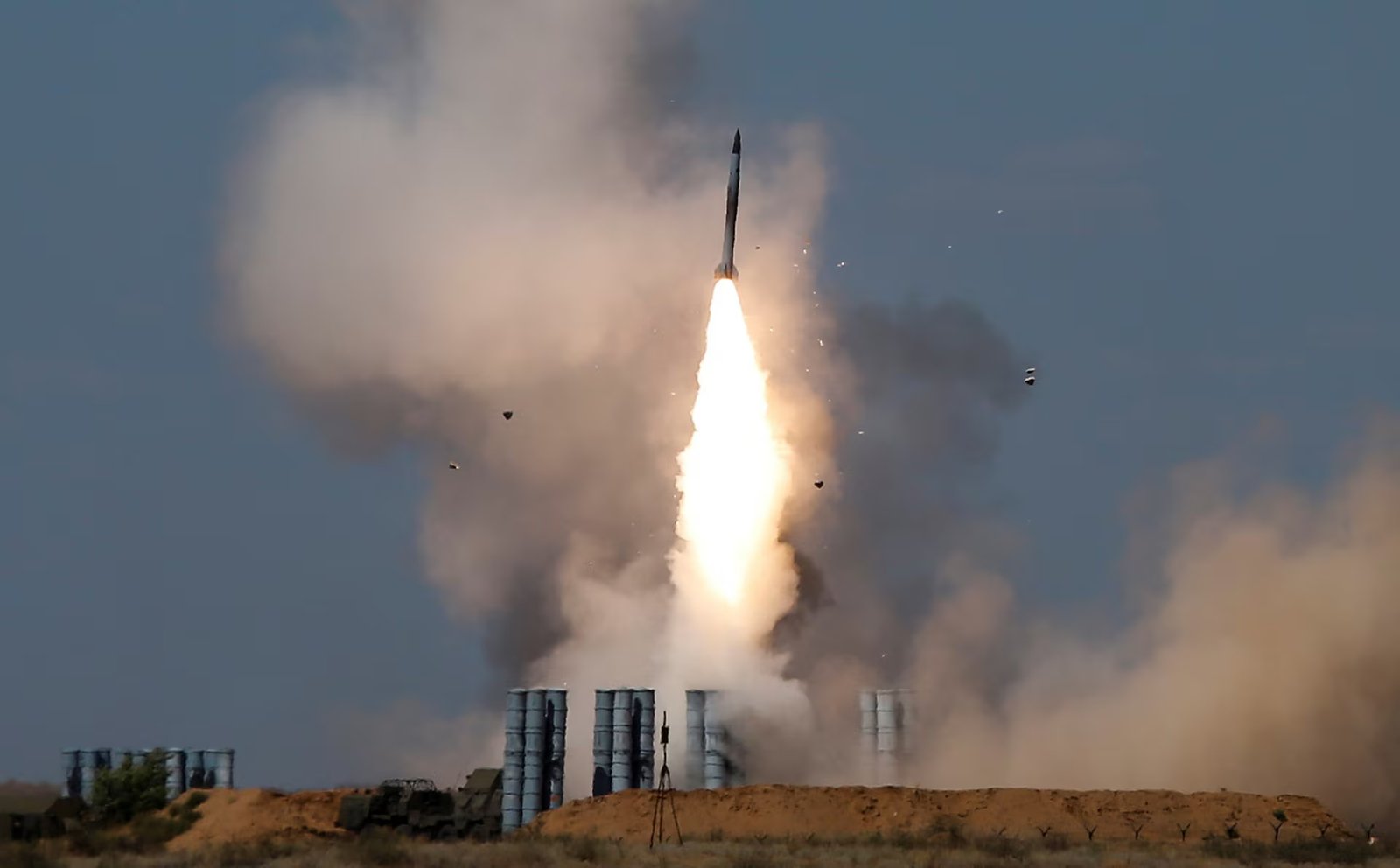 U.S. Approves Potential $2.68 Billion Air Defense Package for Ukraine Including S-300 Clone Missiles
-
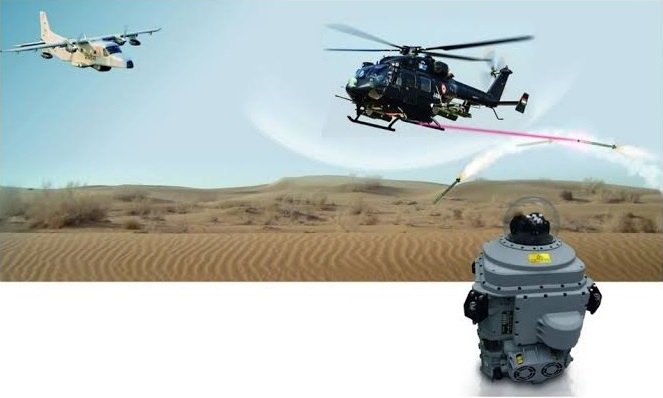 BEL Signs Export Deal with Elbit Systems for Directed Infrared Countermeasure Sub-Assemblies, Secures ₹648 Crore in Additional Orders
-
 China Privately Urges Iran to Restrain Houthis After Saudi Appeal
-
 Israeli Firm Arbe Robotics Unveils Alerion High-Resolution 4D Radar for Counter-Drone Operations